8 Essential Predator Hunting Grounds to Scout for Coyotes and Foxes
Coyotes now occupy every continental U.S. state, and their populations have actually expanded since large-scale control efforts began in the 20th century [2]. That biological resilience is exactly what makes predator hunting both challenging and endlessly rewarding. Knowing where to look is half the battle. Scouting the right terrain at the right time separates hunters who call in animals consistently from those who spend long mornings in empty fields. This guide covers the 8 Essential Predator Hunting Grounds to Scout for Coyotes and Foxes, breaking down the habitat logic behind each location so hunters can apply these principles across any region.
Disclosure: This post contains affiliate links. As an Amazon Associate, we earn from qualifying purchases, and at no extra cost to you.
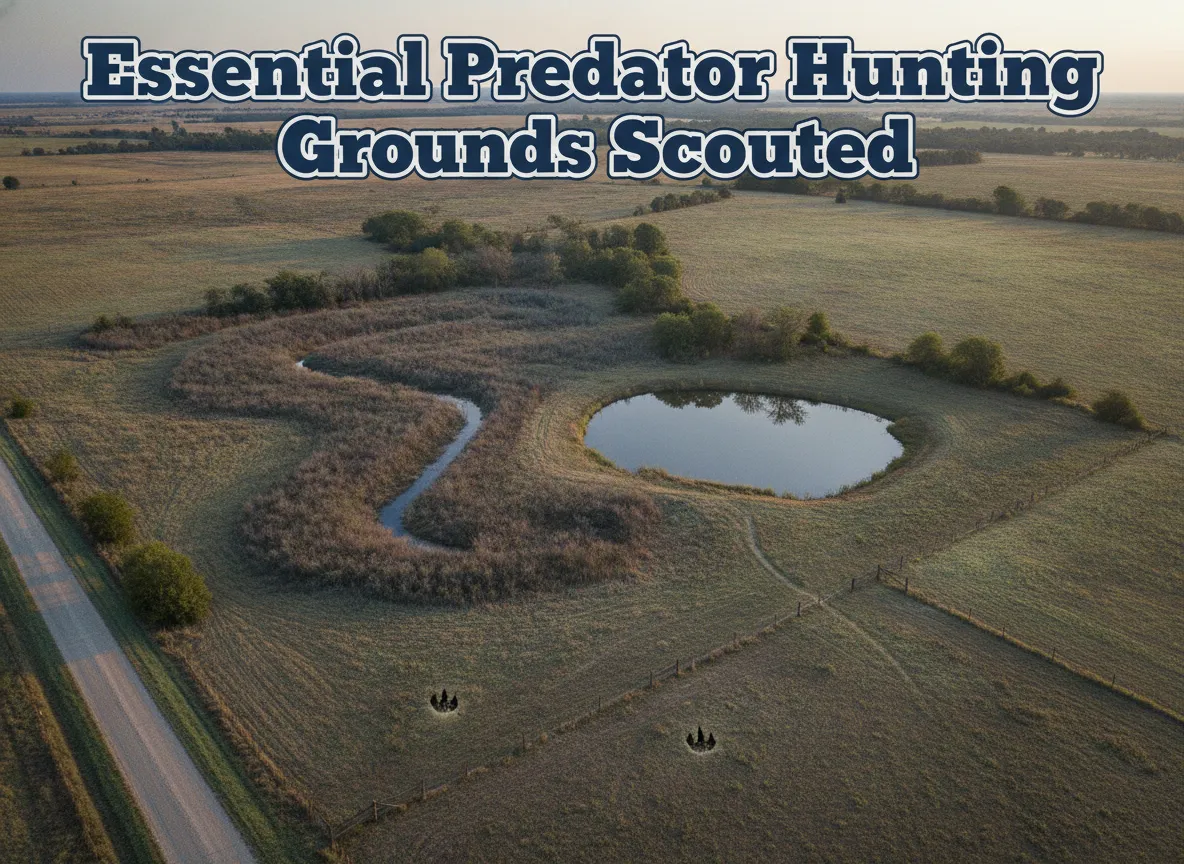
Key Takeaways
- Coyotes and foxes follow predictable travel routes tied to food, water, cover, and terrain, scouting these features is more productive than hunting randomly.
- Early morning setups in open fields and bottomlands exploit peak predator movement windows.
- Natural funnels like trail junctions, fence crossings, and stream crossings concentrate animal movement and increase calling success.
- Water sources become high-value hunting spots during dry seasons when prey and predators converge.
- Elevated terrain and field edges serve dual purposes: predators use them for surveillance, and hunters can use them for concealment and visibility.
Understanding Why Location Matters for Predator Hunting
Before diving into the specific list, it helps to understand the behavioral logic that makes certain locations productive. Coyotes are highly adaptable omnivores that adjust their home ranges based on food availability, human pressure, and seasonal changes [5]. Red foxes operate similarly but tend to work smaller territories with more predictable patrol routes [4].
Both species share a few universal needs: reliable food sources, water access, shelter from weather and predators, and safe travel corridors between these resources. When hunters identify where these needs overlap on a given landscape, they find the locations that appear repeatedly on the 8 Essential Predator Hunting Grounds to Scout for Coyotes and Foxes list.
Wind management is non-negotiable at every location. Coyotes rely heavily on their sense of smell to detect danger [8]. Setting up downwind of expected travel routes is the single most important tactical decision a predator hunter makes.
The 8 Essential Predator Hunting Grounds to Scout for Coyotes and Foxes
1. Open Fields and Agricultural Bottomlands
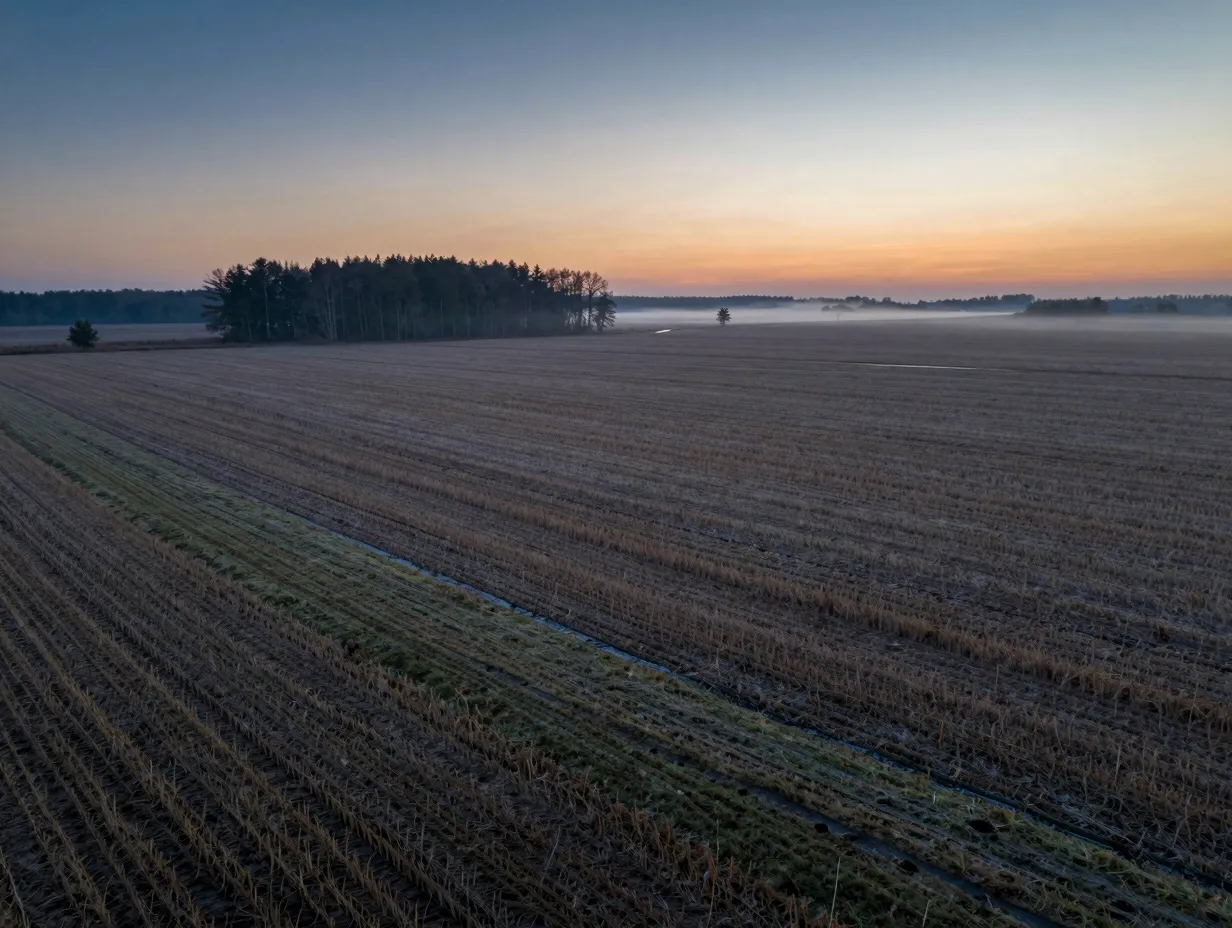
Open fields and bottomlands rank among the most productive early-morning setups available to predator hunters. At first light, coyotes actively move between cover areas, crossing open ground while visibility is low and prey activity is high [3]. Agricultural fields that border timber, brushy draws, or creek bottoms are especially reliable because they sit at the intersection of multiple habitat types.
What to look for when scouting:
- Fresh tracks crossing field edges at dawn
- Scat deposits along field margins
- Areas where rodent activity is visible (disturbed soil, runways in grass)
- Proximity to water sources [7]
Bottomlands adjacent to rivers or seasonal drainages are particularly productive because they concentrate both prey species and the predators that follow them. During wet years, these low-lying areas hold rabbits, mice, and voles in high numbers, exactly the food base that keeps coyotes and foxes returning to the same fields night after night.
Pro tip: Glass open fields from a distance before committing to a setup. Spotting a coyote already working a field at dawn lets hunters position themselves ahead of the animal’s travel direction rather than calling blind.
2. Brushy Draws, Plum Thickets, and Hidden Coulees
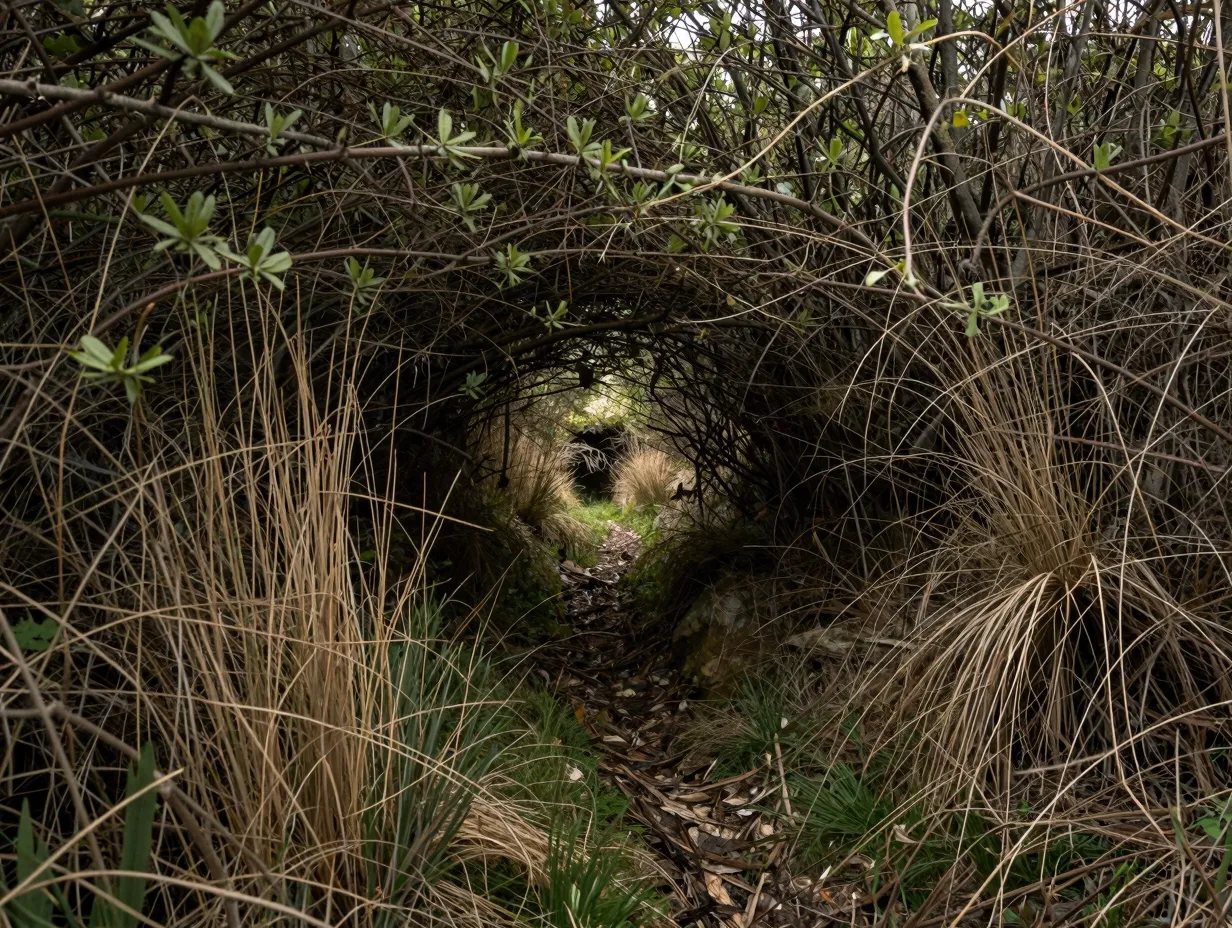
As morning light increases and open-field hunting slows, brushy draws and hidden coulees become the most reliable locations on the landscape [3]. These features serve as natural travel corridors that coyotes use throughout the day to move between bedding areas and feeding zones while staying concealed.
Plum thickets and similar dense shrub cover are especially valuable because they provide thermal protection, escape cover from aerial predators, and denning habitat. Foxes in particular favor these dense brushy areas for daytime resting [9].
Hunting strategy for draws and thickets:
- Identify the draw’s entry and exit points on a topographic map before visiting the location.
- Approach from above and downwind to avoid contaminating the corridor with human scent.
- Set up at a bend or narrowing in the draw where visibility is maximized in both directions.
- Use distress calls that suggest prey activity inside the cover rather than in open ground.
These locations remain productive throughout the day, making them ideal second and third setups after early-morning field hunts wind down [3].
3. Trail Junctions, Fences, and Stream Crossings
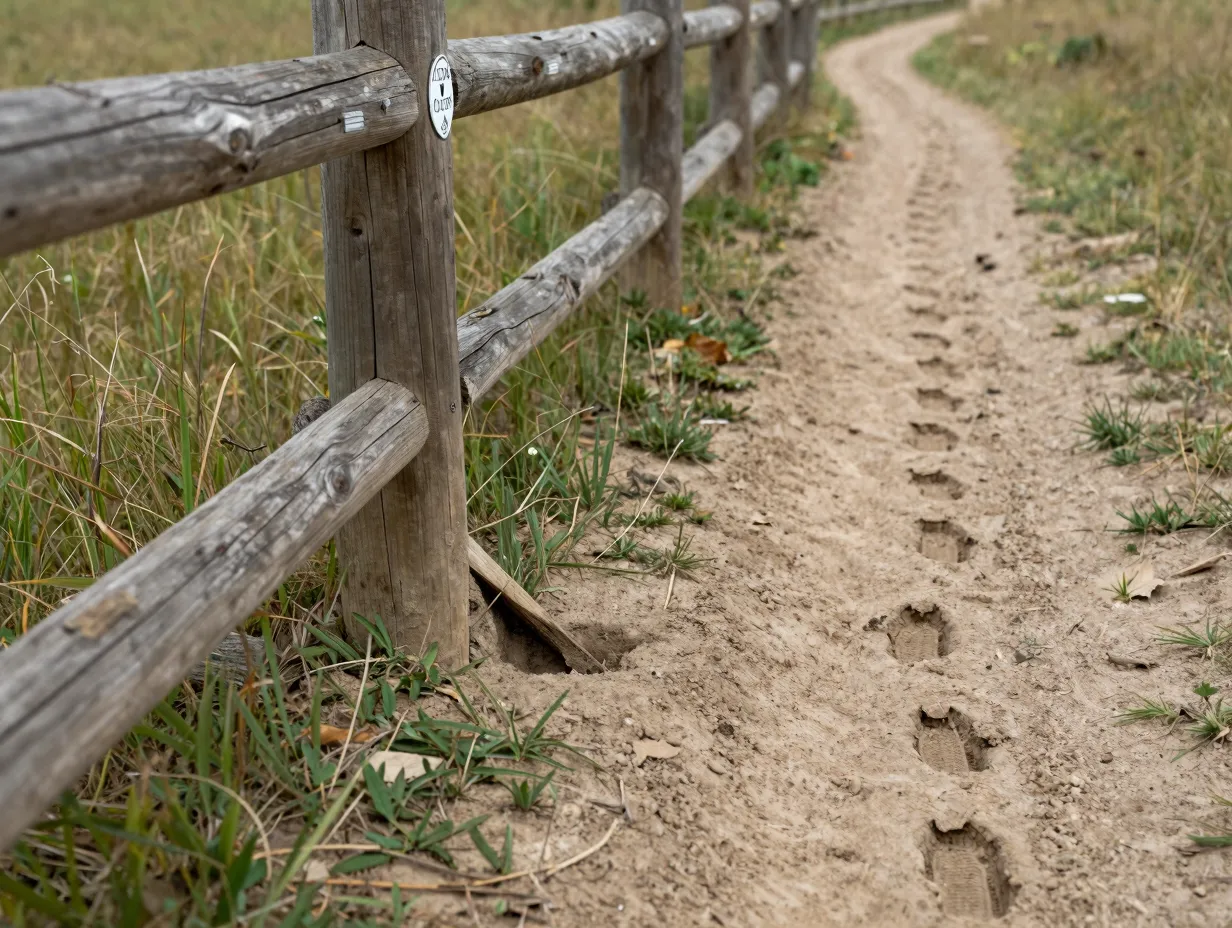
Natural and man-made funnels are among the highest-probability locations identified in USDA wildlife management resources for predator activity [1]. Trail junctions, fence crossings, and stream crossings concentrate coyote movement because animals naturally take the path of least resistance across a landscape.
A fence line with a gap or low spot becomes a predictable crossing point. A shallow stream ford used by deer and livestock becomes a regular route for coyotes following the same game trails. These pinch points create tight travel corridors that hunters can set up on with confidence [8].
“Predators are creatures of habit when it comes to travel routes. Find the funnel, and you find the animal.”, Common principle among experienced predator hunters [3]
Key funnel features to mark during scouting:
- Fence corners with worn soil indicating regular crossing
- Log crossings over creeks or ditches
- Saddle crossings between two drainages
- Intersections of two or more game trails
Wind management at funnels requires extra care because animals approach from multiple directions. Hunters should position themselves so that the most likely approach angle is directly downwind of the setup [3].
4. Pasture Roads and Gravel Road Corridors
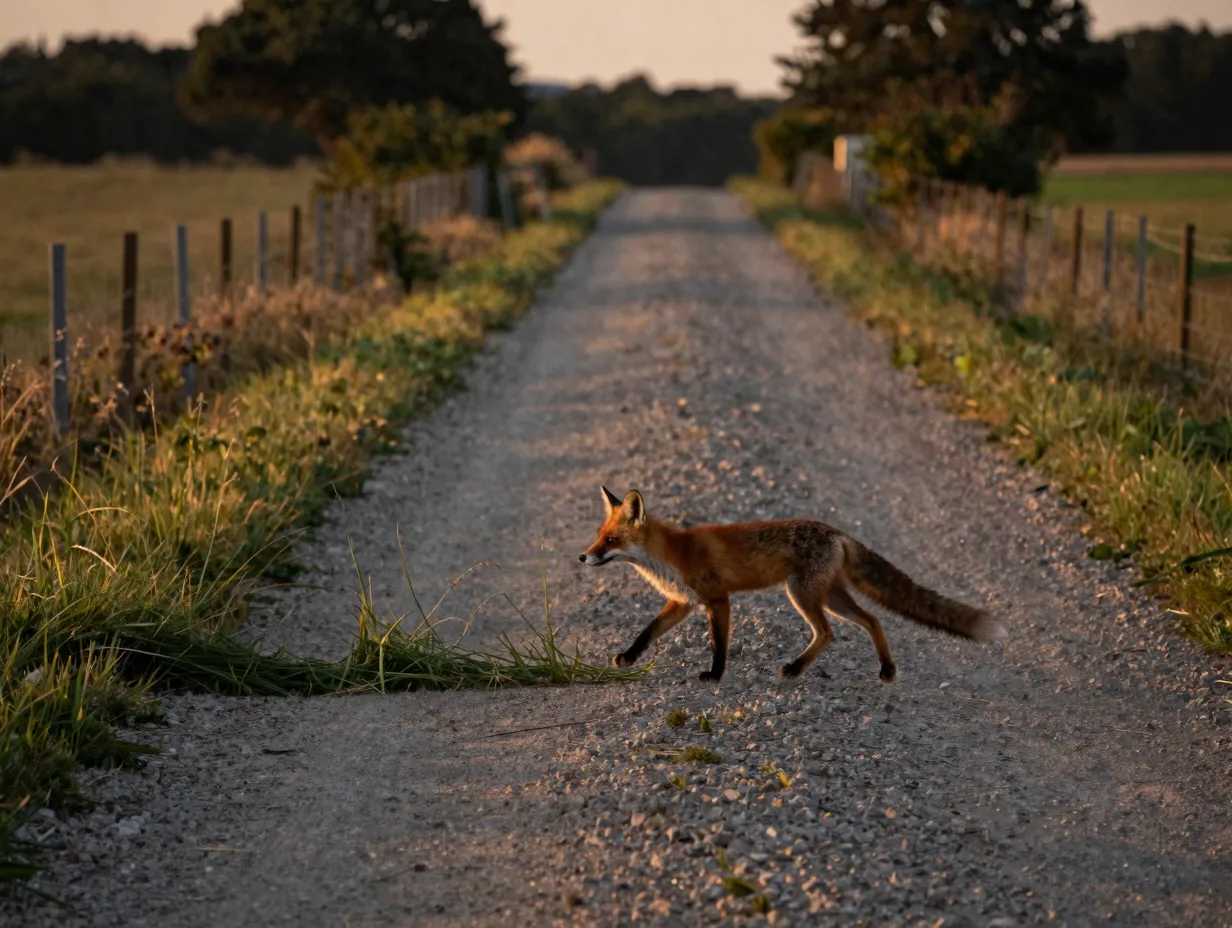
Predators frequently use human-made linear features as travel routes, and pasture roads or gravel roads are no exception [4]. These corridors offer easy footing, reduced vegetation, and clear sightlines that coyotes and foxes exploit during their nightly and early-morning movements.
Red foxes are particularly associated with road corridors. Field observation suggests foxes are commonly spotted within one-quarter to three-eighths of a mile off roadways while actively hunting [4]. This tight association with road edges makes road-adjacent setups highly productive for fox hunters specifically.
How to use road corridors effectively:
- Drive roads slowly at dawn and dusk to locate animals and identify active areas before committing to a stand.
- Note where side roads, fence lines, or field edges intersect the main road, these intersections function as secondary funnels.
- Set up perpendicular to the road so that approaching animals are visible before they detect the hunter.
- Avoid hunting directly on the road surface; instead, use road-edge cover as a concealment backdrop.
Road corridors also offer hunters the practical advantage of quiet access to setups without pushing through noisy brush [7].
5. Water Features: Stock Ponds, Beaver Dams, and Creek Beds
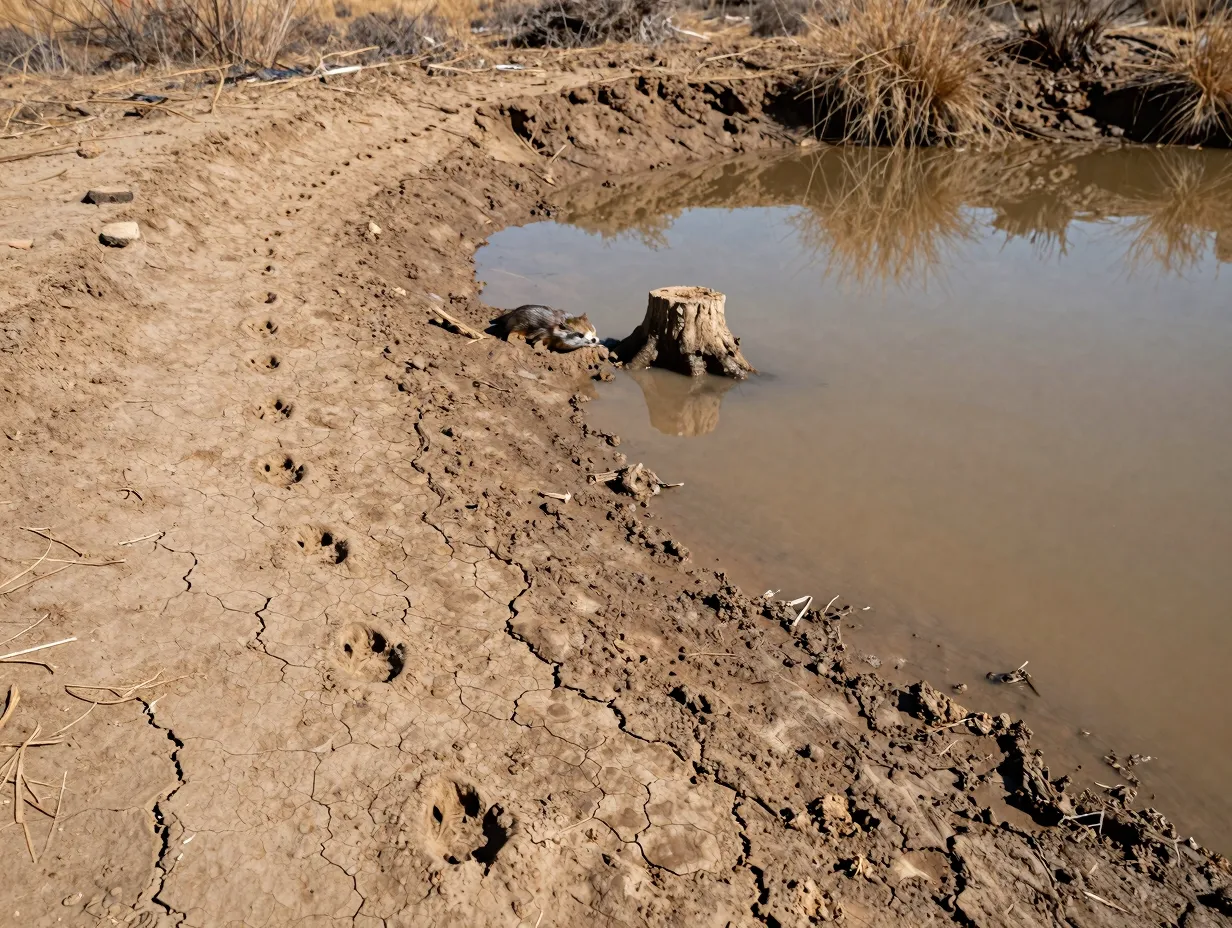
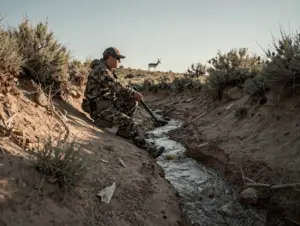
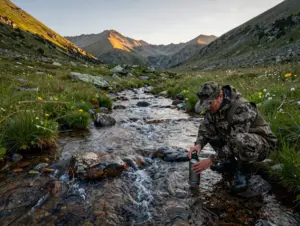
Water is a universal attractor for wildlife, and predator hunters who ignore water features leave significant opportunity on the table [1]. Stock ponds, beaver dams, creek beds, and seasonal wetlands draw both prey species and the coyotes and foxes that follow them.
Coyotes regularly patrol water sources as part of their foraging routes, checking for waterfowl, amphibians, and the small mammals that congregate near water [9]. During dry seasons, when water becomes concentrated in a few reliable locations, these spots become exceptionally high-value hunting grounds because multiple species converge on the same resource.
Scouting checklist for water features:
- Look for tracks in soft mud at water edges, coyote and fox tracks are easy to identify and indicate regular use.
- Check beaver dams for worn crossing points where predators cross the dam structure.
- Note creek bed gravel bars where tracks concentrate at natural fording points.
- Identify elevated positions overlooking the water that allow concealed setup with a downwind approach [7].
6. Field Borders, Corners, and Wind-Blocking Cover
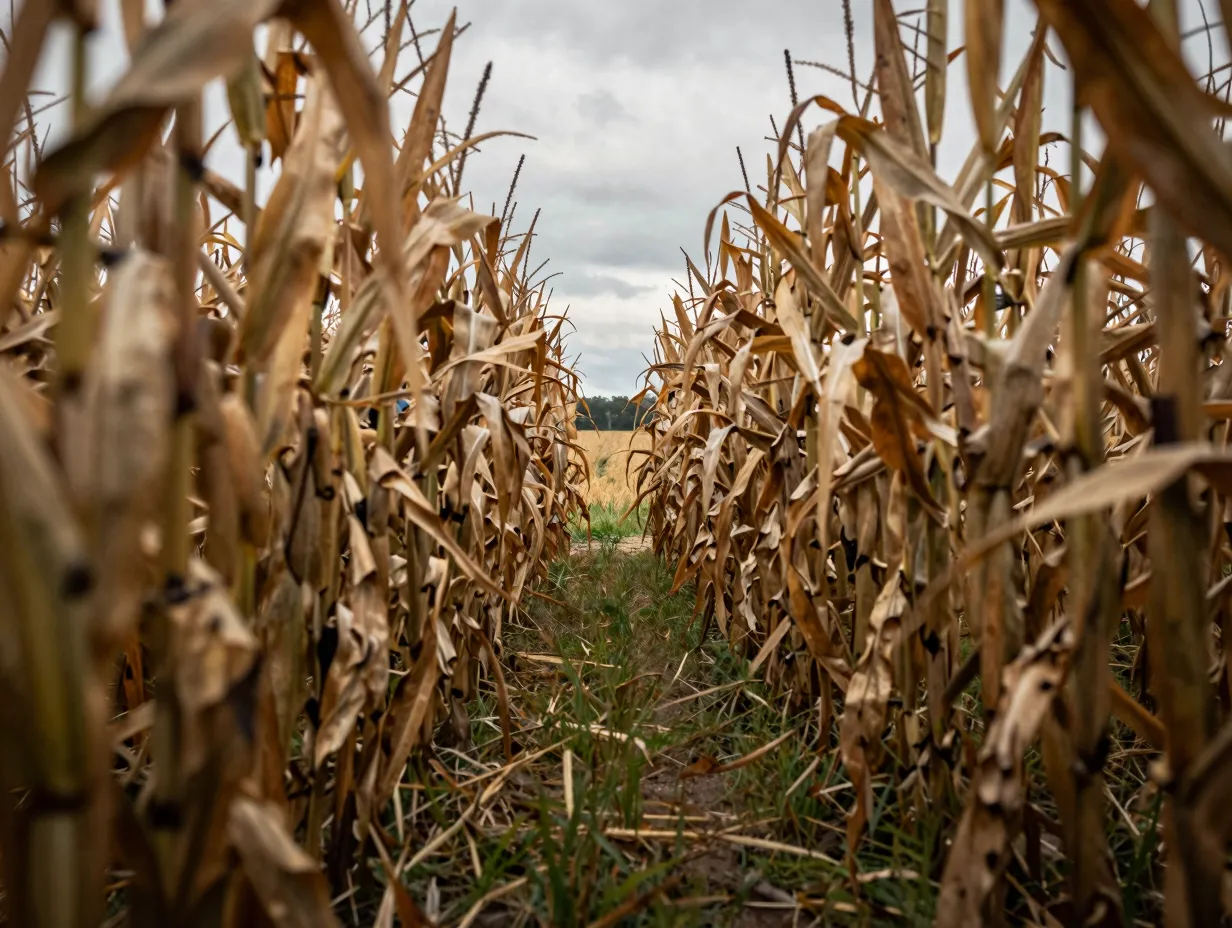
The transitional zones between habitat types, commonly called “edge habitat”, consistently hold the highest prey densities on any landscape [9]. Field borders where row crops meet grass, corners where two fence lines meet, and wind-blocking features like corn stalk rows or hillside benches all create the kind of sheltered, food-rich environments that coyotes and foxes seek out for bedding and foraging [4].
These locations are productive throughout the day because predators use them for resting as well as hunting. A coyote bedded in a corn stalk row along a field edge has shelter from wind, concealment from aerial predators, and a clear view of the adjacent field, the perfect ambush position [4].
Why edge environments matter:
| Feature | Benefit to Predator | Benefit to Hunter |
|---|---|---|
| Field border | High prey density, concealment | Predictable patrol route |
| Field corner | Wind shelter, sightlines | Concentrated movement |
| Corn stalk rows | Thermal cover, bedding | Stationary target |
| Fence line edge | Travel corridor | Funnel setup opportunity |
Hunters targeting these areas should focus on the downwind side of the feature, setting up so that a calling predator must approach from a direction that keeps it in the wind [9].
7. Elevated Terrain: Side Hills and Saddles
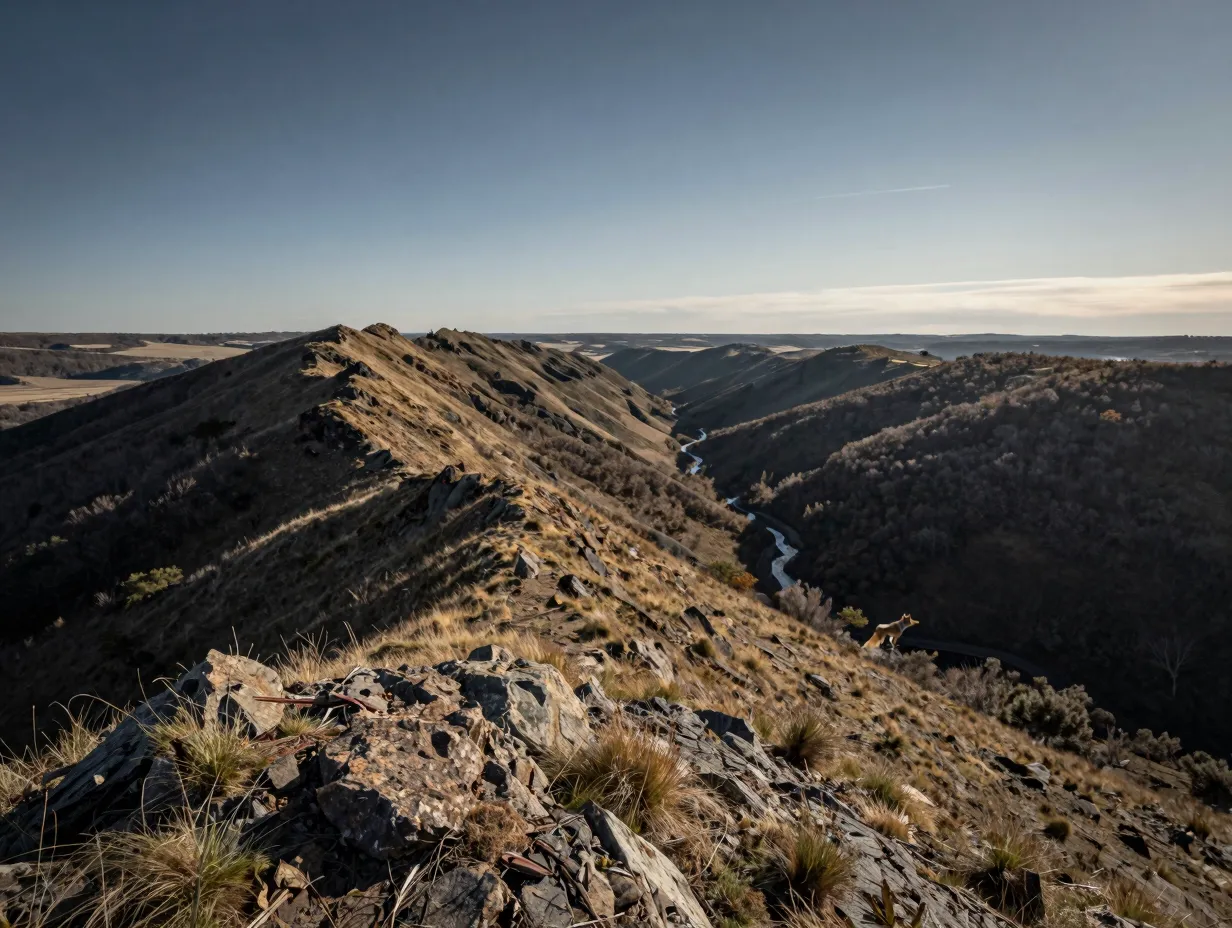
Coyotes are strategic animals that use elevated terrain to survey their territory before committing to movement across open ground [1]. Side hills, saddles between two drainages, and ridge points are locations where coyote tracks frequently indicate regular use, and where hunters can exploit the same elevated vantage points [8].
A saddle crossing between two drainages is particularly valuable because it serves as both a travel corridor and a surveillance point. Coyotes crossing a saddle can observe both sides of the ridge before committing to descent, which is why these locations show consistent sign year-round [1].
Setting up on elevated terrain:
- Approach from below and to the side to avoid skylining against the ridge.
- Use the backside of the ridge as concealment, setting up just below the crest.
- Position downwind of the saddle so that approaching animals moving through the crossing are in the hunter’s favor.
- Use electronic callers placed ahead of the position to draw animals toward the setup rather than directly to the hunter’s location [7].
Elevated setups also offer the practical advantage of sound projection, calls carry farther from high ground, covering more territory per stand [3].
8. Animal Carcasses and Bone Piles
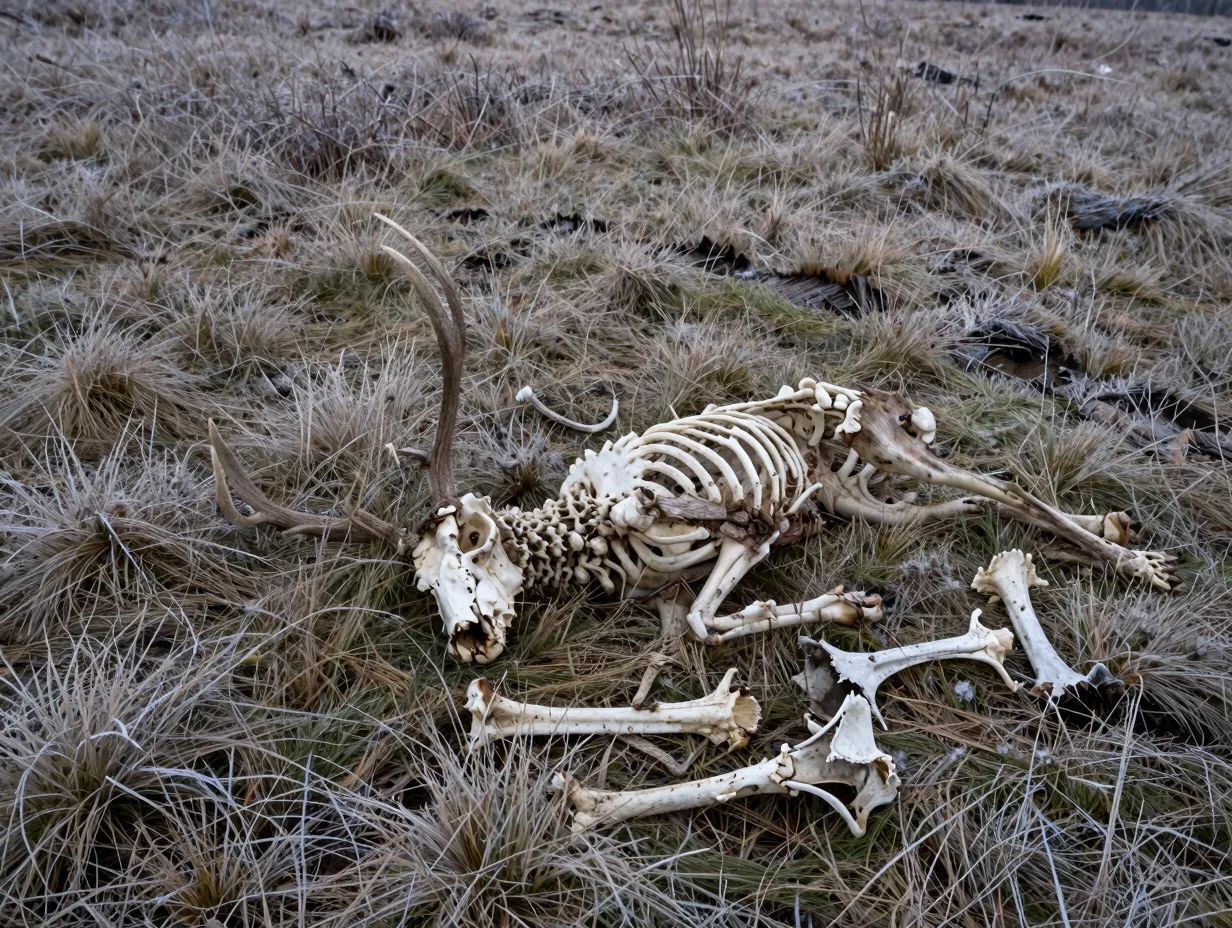
Carrion is one of the most reliable attractants for coyotes in any season [1]. Coyotes regularly return to feed on carcasses and will investigate bone piles even after the primary food source is exhausted, checking for new additions or scavenging remaining material [5]. USDA wildlife management resources specifically list carcass sites as high-probability locations for predator activity [1].
Livestock operations, deer hunting areas, and any location where large animals die naturally become recurring destinations on coyote patrol routes. A single winter-killed deer can attract coyotes from a wide area and keep them returning for days or weeks.
Approach and setup considerations for carcass sites:
- Approach from downwind and avoid walking directly to the carcass, which deposits human scent at the primary attractant.
- Set up at a distance that allows clear shooting lanes without crowding the site, coyotes often circle downwind before committing to a carcass [5].
- Use minimal calling at these locations; the carcass itself is the primary draw, and aggressive calling can spook animals that are already suspicious.
- Check trail cameras at carcass sites before hunting them to confirm active use and identify approach routes [9].
Bone piles near farm buildings or feedlots deserve the same attention. Even old, dried bones carry enough scent to attract investigation from coyotes working the area [1].
Putting It All Together: Scouting Strategy for 2026
Understanding the 8 Essential Predator Hunting Grounds to Scout for Coyotes and Foxes is only useful when combined with a systematic scouting approach. The most productive predator hunters treat scouting as an ongoing process rather than a one-time pre-season activity.
A practical scouting framework:
- Use satellite imagery and topographic maps to identify all eight location types on a given property before the first boot hits the ground.
- Prioritize locations where two or more habitat features overlap, a brushy draw that leads to a stock pond near a field edge is worth three times the effort of any single feature alone.
- Check locations after rain when tracks are easy to read and sign is fresh.
- Rotate stands regularly; coyotes that survive calling pressure become call-shy and learn to avoid previously hunted locations [3].
- Keep a written log of setups, wind direction, time of day, and results, patterns emerge over multiple seasons that dramatically improve success rates [10].
Seasonal timing also matters. Coyote breeding season in late winter concentrates animals and increases responsiveness to territorial and distress calls [2]. Post-harvest agricultural landscapes in fall open up visibility and push predators toward remaining cover, making field edges and draws even more productive [9].
Conclusion
Consistently finding coyotes and foxes is not a matter of luck. It is the result of understanding how these animals use the landscape and systematically identifying the locations where their needs converge. The 8 Essential Predator Hunting Grounds to Scout for Coyotes and Foxes, open fields, brushy draws, trail funnels, road corridors, water features, field edges, elevated terrain, and carcass sites, represent the full range of habitat types that predators depend on across every season.
Actionable next steps for hunters in 2026:
- Pull up satellite imagery of your hunting area and mark every location that matches one of the eight types described above.
- Prioritize locations where two or more types overlap, as these consistently produce the highest predator activity.
- Scout on foot after the first significant rain to read fresh tracks and confirm which locations are actively used.
- Build a rotation of five to eight stands that covers multiple habitat types, and never hunt the same stand twice in the same week.
- Invest in a quality trail camera network at water sources and carcass sites to gather intelligence between hunting trips.
The predators are out there, using the same terrain features they have always used. The hunters who find them first are the ones who do the scouting work before the season begins.
References
[1] Coyotes Wdm Technical Series – https://www.aphis.usda.gov/sites/default/files/coyotes-wdm-technical-series.pdf
[2] Coyote – https://en.wikipedia.org/wiki/Coyote
[3] 13 Predator Coyote Bobcat Hunting Strategies From Pros – https://www.outdoorlife.com/13-predator-coyote-bobcat-hunting-strategies-from-pros/
[4] The Method Of Hunting Predators – https://iowasportsman.com/the-method-of-hunting-predators/
[5] Coyote Profile – https://projectcoyote.org/act/learning-hub/coyote-profile/
[7] Watch – https://www.youtube.com/watch?v=keqfFTGpENw
[8] Coyotes – https://www.dfw.state.or.us/wildlife/living_with/docs/Coyotes.pdf
[9] Getting Started Hunting Coyotes Foxes Bobcats – https://mdc.mo.gov/hunting-trapping/species/coyote/getting-started-hunting-coyotes-foxes-bobcats
[10] Predator Hunting – https://huntervale.com/predator-hunting/