8 Durable Steel Predator Traps and Tools for the Modern Hunter
Coyote populations in North America have expanded into every U.S. state and most Canadian provinces, with wildlife agencies estimating that unmanaged predator pressure costs livestock producers hundreds of millions of dollars annually. For hunters, trappers, and land managers, the answer to that pressure lies in one reliable category of equipment: high-quality, purpose-built steel trapping hardware. The 8 Durable Steel Predator Traps and Tools for the Modern Hunter covered in this guide represent the most field-tested, regulation-compliant options available in 2026, chosen for their material strength, mechanical reliability, and real-world effectiveness against coyotes, foxes, bobcats, raccoons, and other predators.
Disclosure: This post contains affiliate links. As an Amazon Associate, we earn from qualifying purchases, and at no extra cost to you.
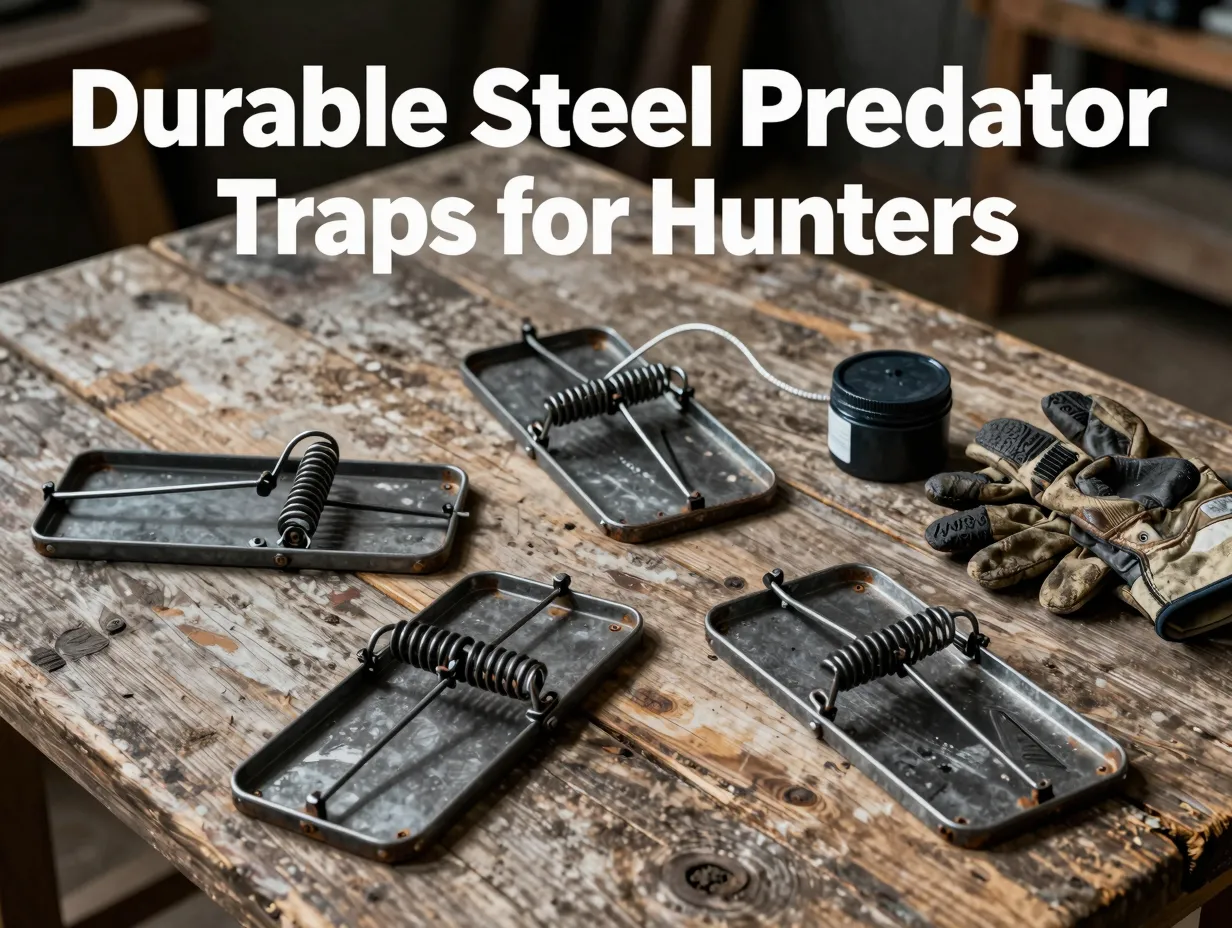
Whether you are a seasoned trapper running a long line or a landowner setting a handful of traps to protect a chicken flock, understanding which tools belong in your kit can mean the difference between a productive season and a frustrating one.
Key Takeaways
- Steel trap selection depends on target species, terrain, and local regulations, one size does not fit all.
- Coil-spring footholds, body-grip traps, and snares each serve distinct purposes and require different setting techniques.
- Trap accessories such as swivels, drag hooks, and proper anchoring systems are as important as the trap itself.
- Durability ratings, jaw spread, and chain length are the three most critical specs to evaluate before purchasing.
- Proper trap preparation, including boiling, waxing, and scent elimination, dramatically improves catch rates.
Understanding Steel Predator Traps Before You Buy
Before diving into the 8 Durable Steel Predator Traps and Tools for the Modern Hunter, it pays to understand the core categories of trapping hardware and what separates a durable, professional-grade tool from a cheap imitation that will fail in the field.
What Makes a Steel Trap “Durable”?
Not all steel is created equal. The best predator traps are built from high-carbon or cold-rolled steel that resists deformation under repeated stress. Key durability indicators include:
- Jaw thickness: Heavier gauge jaws resist bending on large predators.
- Spring tension rating: Measured in pounds, this determines how quickly the trap fires and how securely it holds.
- Weld quality: Poorly welded joints are the most common failure point on budget traps.
- Surface treatment: Hot-dip galvanizing or powder coating extends service life in wet environments.
Trap Categories at a Glance
| Trap Type | Best For | Typical Jaw Spread | Skill Level |
|---|---|---|---|
| Coil-Spring Foothold | Coyote, fox, bobcat | 5.5″, 7.5″ | Beginner, Advanced |
| Long-Spring Foothold | Fox, mink, muskrat | 3.5″, 5.5″ | Intermediate |
| Body-Grip (Conibear) | Beaver, otter, raccoon | 5″, 10″ square | Intermediate, Advanced |
| Cable Snare | Coyote, deer exclusion | Variable | Beginner, Intermediate |
| Dirt-Hole Set Trap | Coyote, fox | 6″, 7″ | Advanced |
The 8 Durable Steel Predator Traps and Tools for the Modern Hunter
The following eight items cover the full spectrum of predator trapping hardware. Each entry includes a description of its design, ideal use case, and what sets it apart from comparable options.
1. Duke #3 Coil-Spring Foothold Trap
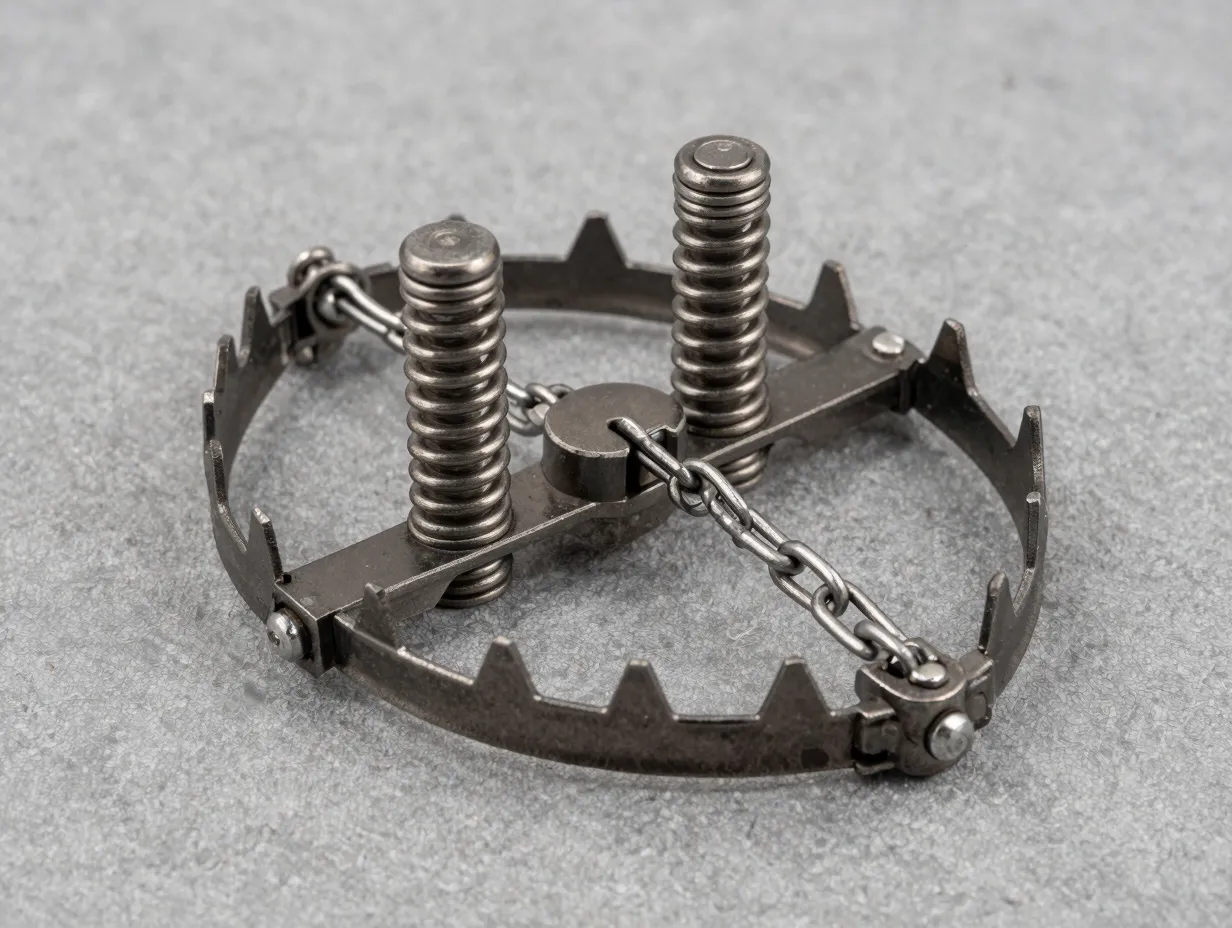
The Duke #3 is the benchmark coil-spring foothold trap for coyote trapping in North America. Built with a 6.5-inch jaw spread and dual coil springs rated at roughly 90 pounds of closing force, this trap is designed to hold a full-grown coyote without causing excessive injury when used with jaw laminations.
Key specs:
- Jaw spread: 6.5 inches
- Spring count: 2 coil springs
- Chain length: 12 inches with swivel
- Weight: approximately 1.8 lbs per trap
The Duke #3 is frequently recommended by state wildlife agencies for regulated trapping programs because it meets most humane trapping standards when paired with offset or laminated jaws. The steel is cold-rolled and the welds are clean, making this trap a long-term investment rather than a seasonal consumable.
Best use: Flat sets, dirt-hole sets, and walk-through sets targeting coyotes and large foxes.
2. Bridger #3 Coil-Spring Trap with Offset Jaws
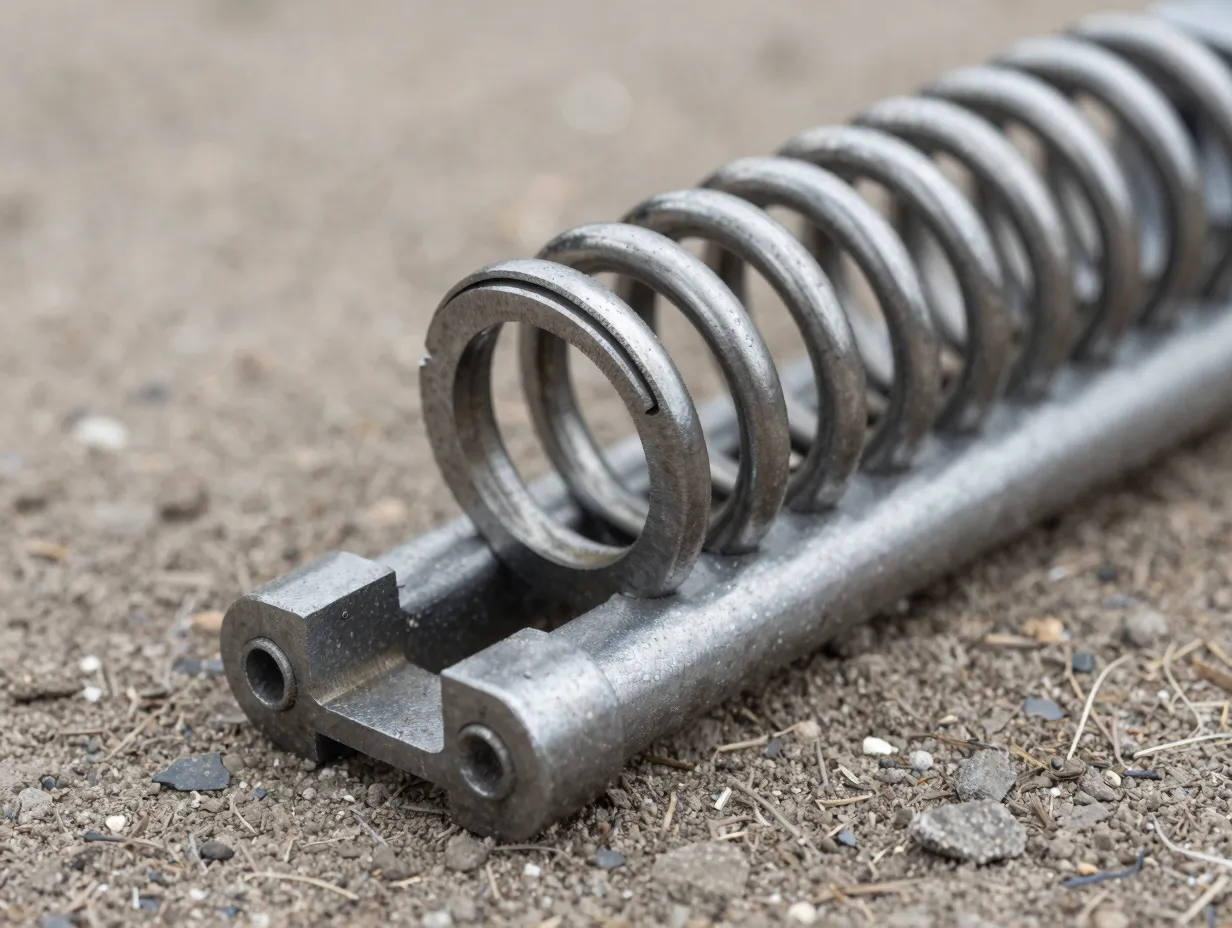
Bridger traps are manufactured in the United States and are widely regarded as the gold standard for professional trappers who run high-volume lines. The Bridger #3 with offset jaws features a 0.25-inch jaw offset that reduces leg injury to target animals, which is increasingly required by state regulations.
What sets it apart:
- Heavier-gauge steel than most competitors in the same size class
- Factory-installed 4-coil configuration available for extra holding power
- Offset jaw design is pre-installed, saving modification time in the field
“A trap that holds without harming is a trap you can use in more states, more seasons, and more situations.”, Common principle among professional trappers
The Bridger #3 is the preferred choice for trappers who prioritize both catch rate and compliance with modern animal welfare guidelines.
Best use: Coyote and bobcat trapping in states with jaw-gap regulations.
3. Oneida Victor #1.75 Long-Spring Trap
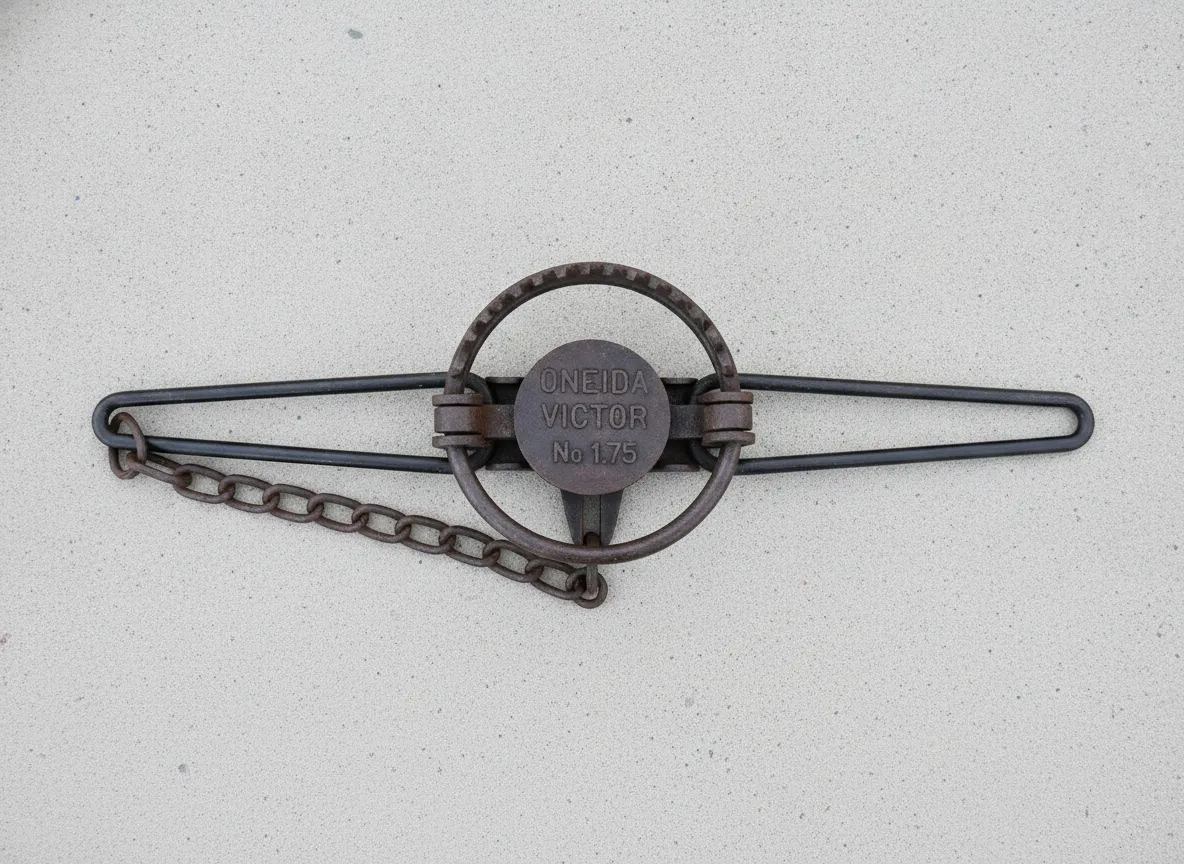
The Oneida Victor #1.75 is a classic long-spring foothold trap that has been in continuous production for over a century. While coil-spring designs dominate modern coyote trapping, the long-spring format remains superior in specific situations, particularly when trapping in areas where a low-profile set is needed and the ground is too frozen or rocky for a deep bed.
Specifications:
- Jaw spread: 5 inches
- Spring type: 2 long springs
- Ideal target species: red fox, gray fox, mink, muskrat
- Weight: approximately 0.9 lbs
The Victor #1.75 is constructed from carbon steel with a dipped finish that resists rust. Its simplicity makes it easy to repair in the field, and replacement parts are widely available.
Best use: Fox trapping on travel routes, creek crossings, and flat sets.
4. Belisle Body-Grip Trap (Size 220)
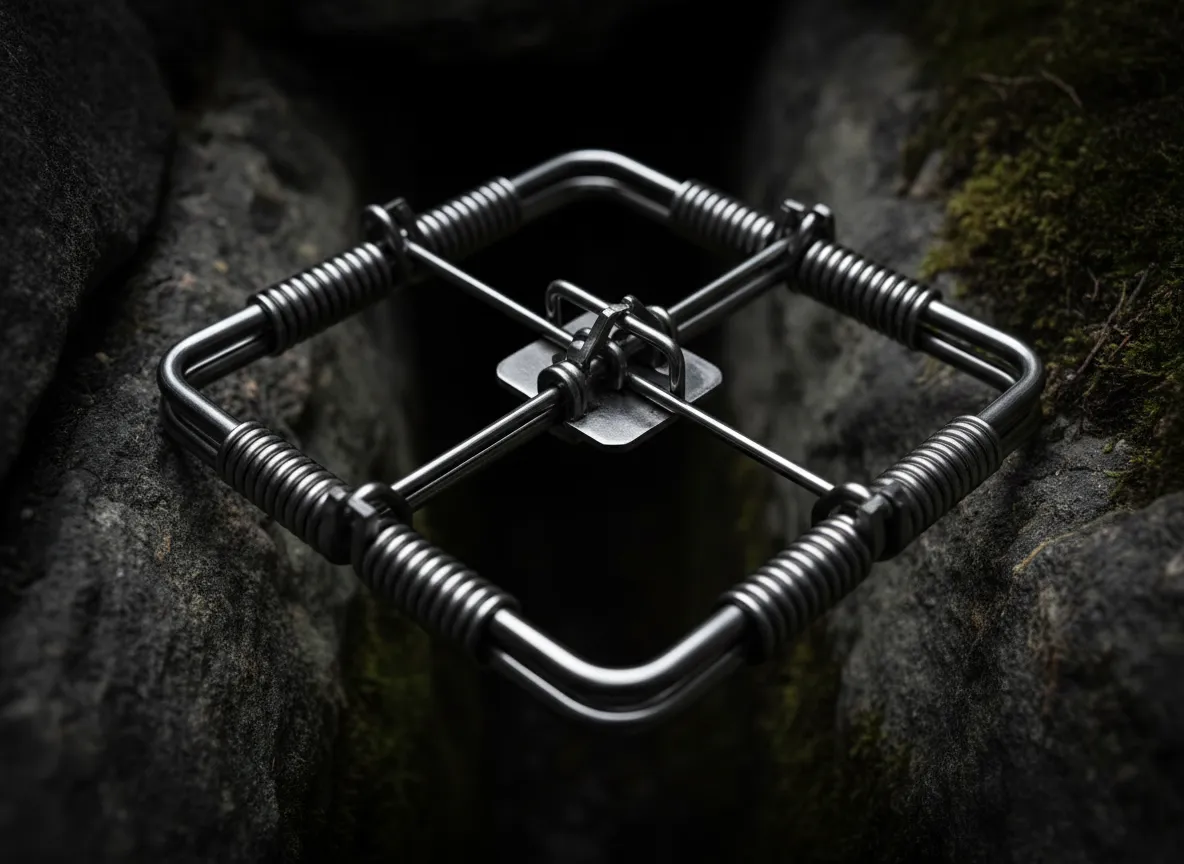
Body-grip traps, often called Conibear-style traps, kill rather than hold, making them the most efficient option for trapping in water sets or enclosed dirt holes where a quick, clean dispatch is the goal. The Belisle 220 is a Canadian-made body-grip trap that has earned a strong reputation for consistent spring tension and square-frame precision.
Key features:
- Frame size: 7 x 7 inches (nominal 220 size)
- Spring type: 2 double-coil springs
- Trigger: 4-way trigger system for increased sensitivity
- Material: high-tensile steel wire frame
The 4-way trigger on the Belisle 220 is a significant upgrade over standard 2-way triggers. It fires reliably regardless of which direction the animal approaches, dramatically improving catch rates in culvert sets, pocket sets, and water crossings.
Best use: Raccoon, beaver, otter, and large mink in water or enclosed-channel sets.
5. Bridger #5 Coil-Spring Trap (Wolf/Large Predator Grade)
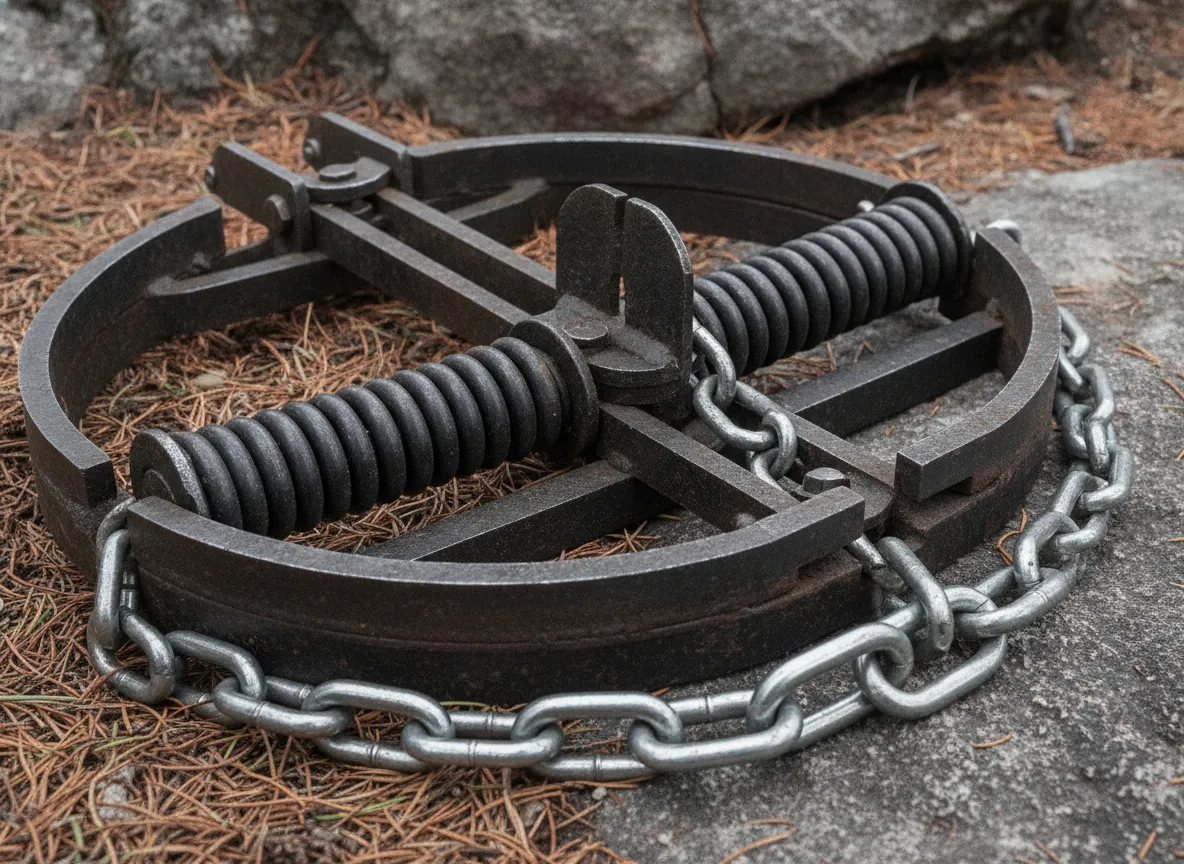
For hunters and land managers operating in wolf country or targeting large coyotes in the western United States, the Bridger #5 represents the upper tier of commercially available foothold traps. With a 7.5-inch jaw spread and triple-coil spring configuration, this trap is engineered to hold animals well above the size of a typical coyote.
Specifications:
- Jaw spread: 7.5 inches
- Springs: 3 coil springs
- Holding strength: rated for animals up to 80 lbs
- Chain: 18-inch heavy-duty with double swivel
The Bridger #5 requires a mechanical trap setter to compress the springs safely, attempting to set it by hand risks injury. This is a professional-grade tool that demands proper training and anchoring hardware.
Best use: Wolf, large coyote, and mountain lion trapping where regulations permit.
6. Dakotaline Trap Setter (Mechanical Setting Tool)
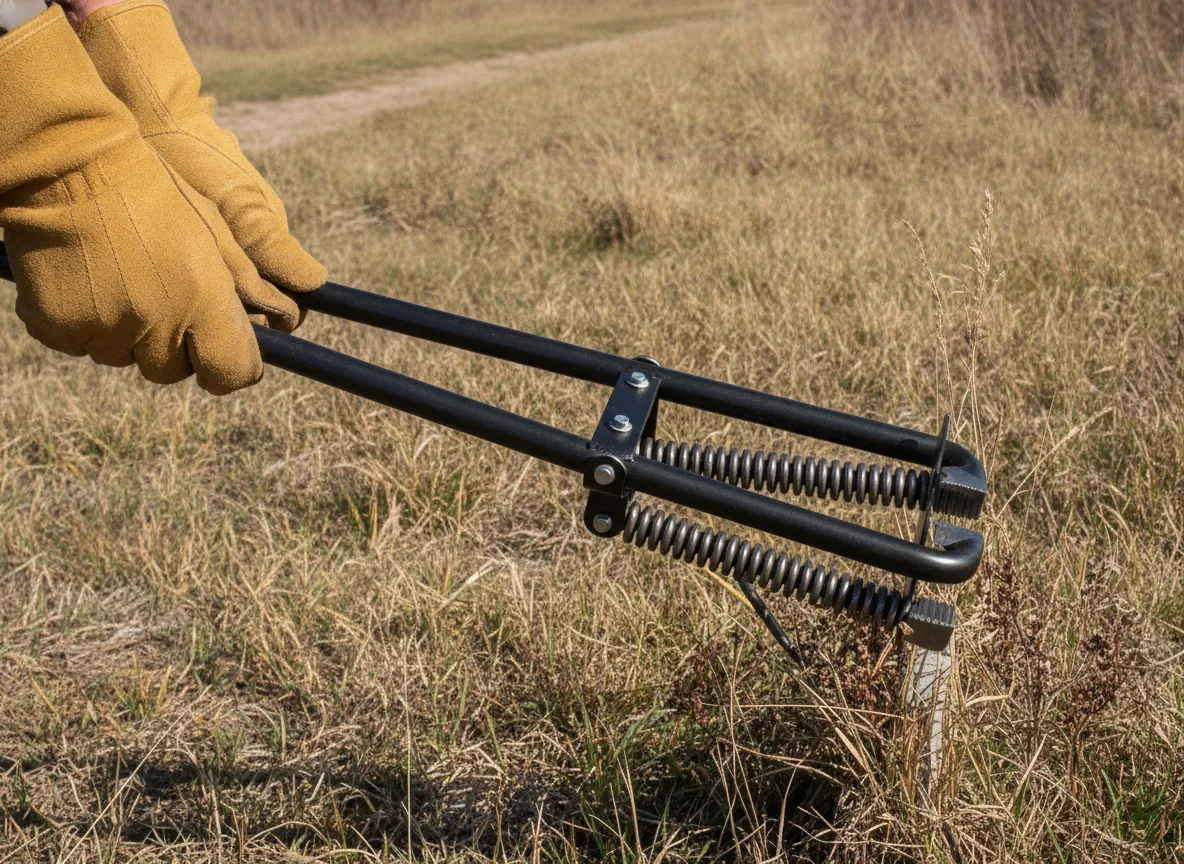
No list of 8 Durable Steel Predator Traps and Tools for the Modern Hunter would be complete without addressing the tools that make safe trap setting possible. The Dakotaline Trap Setter is the most widely used mechanical setting tool among professional trappers in North America.
Why it matters:
Setting a high-tension coil-spring trap by hand is dangerous. The Dakotaline setter uses a lever-action mechanism that compresses both coil springs simultaneously, reducing the force a trapper must apply and eliminating the risk of the trap firing during the setting process.
Features:
- Fits Duke, Bridger, and most other coil-spring traps in sizes #2 through #5
- Constructed from powder-coated steel tubing
- Lightweight at under 2 lbs
- Compatible with gloved hands in cold weather
This tool is non-negotiable for anyone running traps larger than a #2 coil-spring. It also significantly speeds up the process of setting multiple traps on a long line.
Best use: Setting medium to large coil-spring foothold traps safely and efficiently.
7. Drury Outdoors Heavy-Duty Cable Snare System
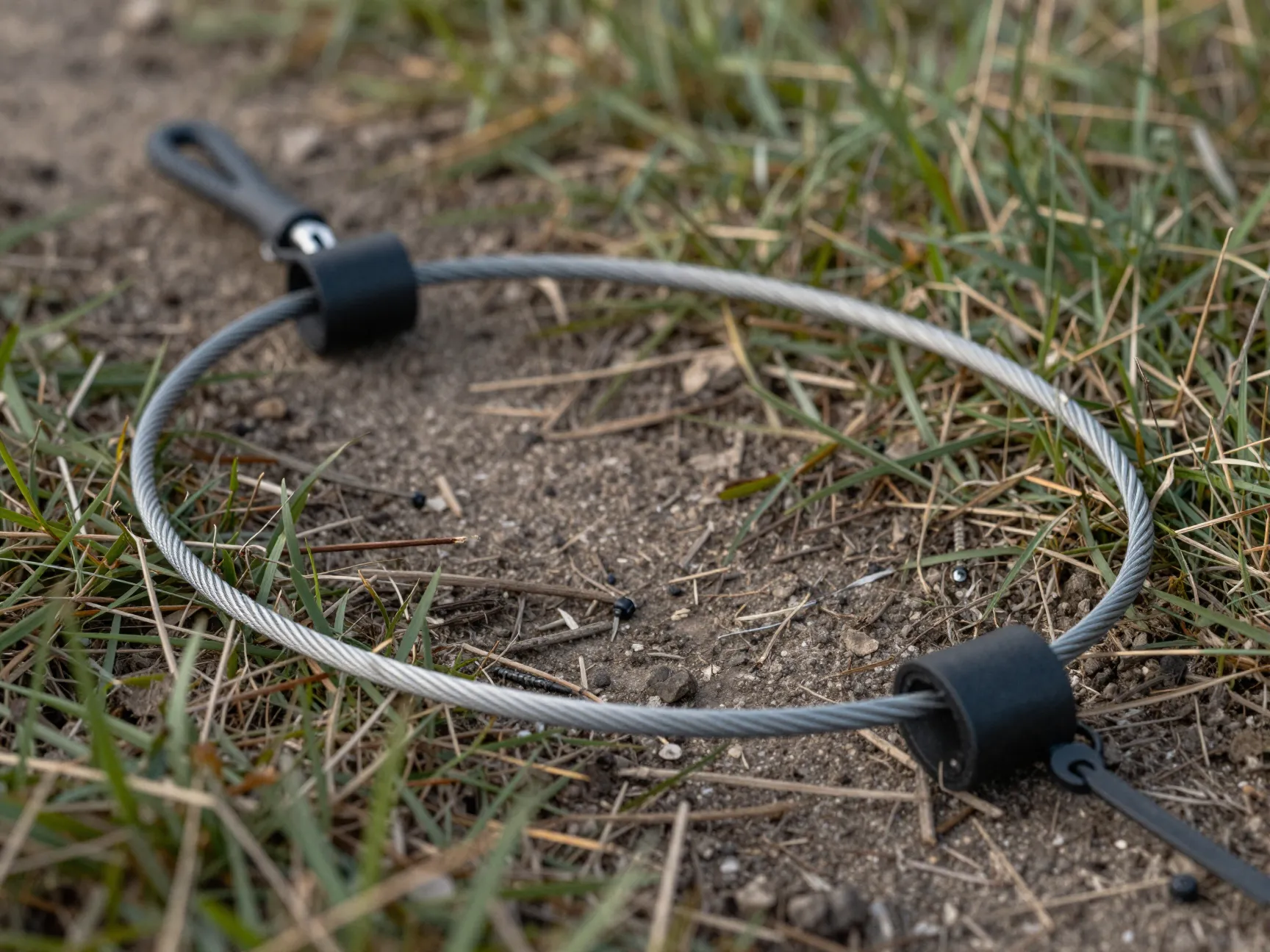
Cable snares occupy a unique position in the predator trapper’s toolkit. They are lightweight, inexpensive, and highly effective when placed on well-used travel corridors. The Drury-style heavy-duty cable snare, built from 3/32-inch 7×7 aircraft-grade cable, is the preferred configuration among serious coyote trappers who work large acreage.
Snare specifications:
- Cable diameter: 3/32 inch (7×7 strand construction)
- Loop diameter: 10-12 inches for coyote
- Swivel: 330-lb rated barrel swivel
- Lock type: Deer stop + support collar for non-target release
Critical setup notes:
- Loop height should be 10 inches off the ground for coyotes, 8 inches for foxes.
- The support collar keeps the loop open and in position on the travel trail.
- A deer stop, a small crimp that prevents the loop from closing below 2.5 inches, is required in most states to reduce deer captures.
- Anchor the snare to a drag or a heavy stake using a figure-8 swivel to prevent line twisting.
Cable snares are legal in most U.S. states with a trapping license, but regulations on loop diameter, deer stops, and placement vary significantly. Always verify local rules before deploying snares.
Best use: Coyote and fox trapping on fence crossings, creek banks, and established game trails.
8. Russ Carman Predator Lure and Wax Kit
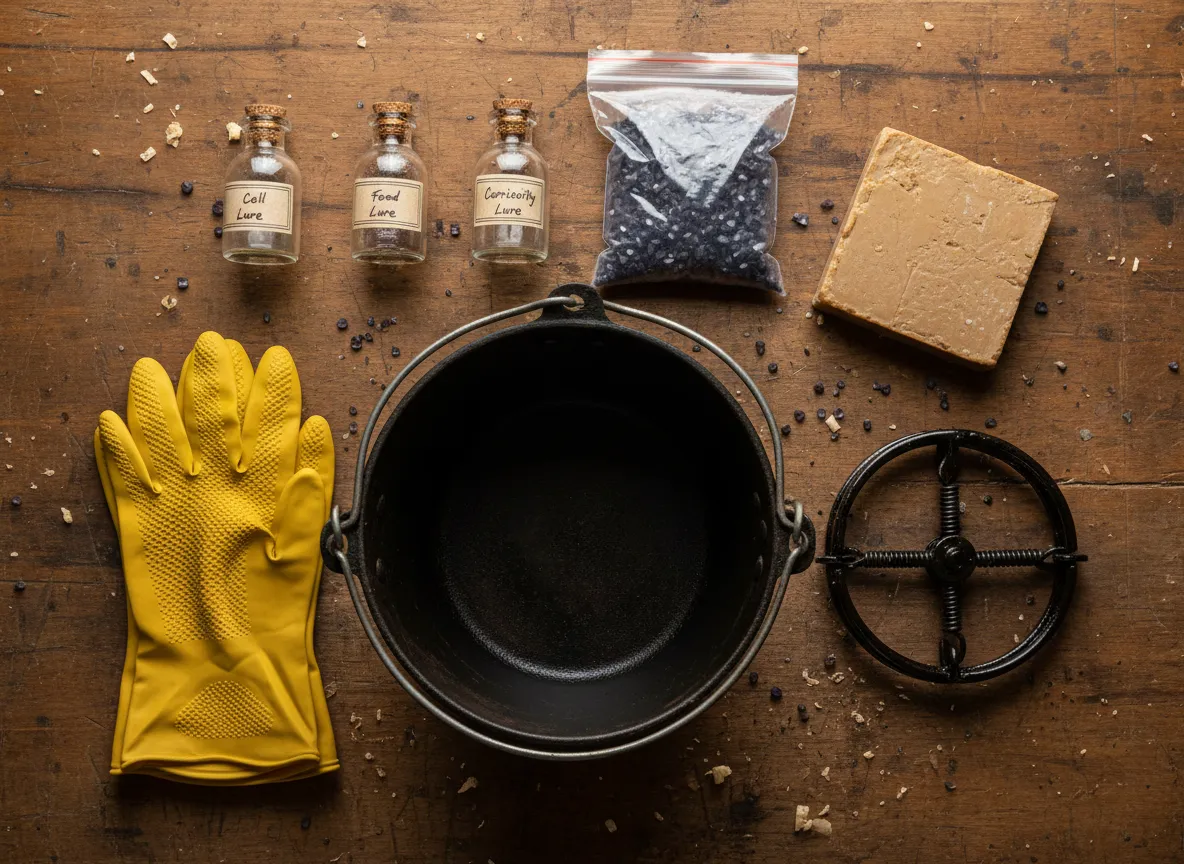
The final entry in the 8 Durable Steel Predator Traps and Tools for the Modern Hunter is not a trap at all, it is the chemical and preparation system that makes every trap on this list more effective. Russ Carman’s predator lures are among the most respected in the trapping industry, and a proper wax kit is essential for conditioning new steel traps before deployment.
Lure system components:
- Call lure: A gland-based attractant that draws predators from a distance (up to 300 yards in favorable wind conditions).
- Food lure: Fermented meat-based attractant placed at the back of a dirt-hole set to position the animal’s foot directly over the pan.
- Curiosity lure: A non-food scent (often musk-based) that triggers investigative behavior in coyotes and foxes.
Trap preparation wax kit:
New steel traps carry factory oils, metal odors, and human scent from handling. Boiling traps in a logwood dye solution followed by a dip in melted trap wax removes these odors and darkens the metal to blend with soil. A basic wax kit includes:
- Logwood dye crystals
- Commercial trap wax (beeswax-paraffin blend)
- A dedicated boiling pot (never used for food)
- Rubber gloves for handling prepared traps
Skipping trap preparation is the single most common reason new trappers fail to make catches in the first week of a season.
Best use: Pre-season trap conditioning and ongoing scent control throughout the trapping season.
How to Choose the Right Trap for Your Target Species
Matching the trap to the animal is as important as the trap’s build quality. The following breakdown simplifies the selection process.
Coyote: Duke #3 or Bridger #3 coil-spring with offset jaws, 6.5-inch jaw spread minimum. Pair with a Dakotaline setter and coyote-specific call lure.
Red or Gray Fox: Oneida Victor #1.75 long-spring or a #1.5 coil-spring. Fox are light-footed and sensitive, use a pan tension of 1-2 ounces and a flat set with food lure.
Bobcat: Bridger #3 or #4 coil-spring with laminated jaws. Bobcat trapping is heavily regulated in many states; confirm season dates and bag limits before setting.
Raccoon: Belisle 220 body-grip in a water set or a #1.5 coil-spring in a dirt-hole set baited with sweet corn or fish-based lure.
Wolf (where legal): Bridger #5 with triple coil springs, heavy chain, and a double-stake anchoring system. Wolf trapping requires a special permit in all U.S. states where it is currently legal.
Trap Maintenance and Long-Term Storage
A quality steel trap can last 20 or more years with proper care. Follow these maintenance steps at the end of each season:
- Wash all traps in clean water to remove soil, blood, and debris.
- Inspect springs, jaws, and welds for cracks or deformation.
- Re-wax any traps showing surface rust before storage.
- Store traps in a dry location, preferably hanging to prevent moisture accumulation.
- Replace worn swivels and chains before the next season, these are the components most likely to fail under stress.
Replacing worn components costs a fraction of buying new traps. Most manufacturers sell replacement springs, chains, and swivels individually.
Legal Considerations for Modern Predator Trappers
Trapping regulations in the United States and Canada are managed at the state or provincial level, and they change frequently. Before deploying any of the traps in this guide, verify the following:
- License requirements: Most states require a separate trapping license in addition to a hunting license.
- Trap size restrictions: Some states prohibit jaw spreads above a certain size on public land.
- Check interval requirements: Many states require trappers to check foothold traps every 24 to 72 hours.
- Tagging requirements: Traps must often be tagged with the trapper’s name, address, and license number.
- Restricted areas: National parks, wildlife refuges, and some state forests prohibit trapping entirely.
The Association of Fish and Wildlife Agencies (AFWA) maintains a Best Management Practices (BMP) database that lists trap recommendations by species and region. Consulting this resource before purchasing traps ensures compliance and improves catch rates.
Conclusion
The 8 Durable Steel Predator Traps and Tools for the Modern Hunter outlined in this guide, from the Duke #3 coil-spring to the Russ Carman lure and wax kit, represent a complete, field-ready system for managing predator populations effectively and responsibly. Each item was selected for its material quality, mechanical reliability, and proven track record across a range of conditions and target species.
Actionable next steps for hunters and trappers in 2026:
- Identify your primary target species and select the appropriate trap size from this list.
- Purchase a Dakotaline setter before handling any trap larger than a #2 coil-spring.
- Prepare all new traps with logwood dye and trap wax at least two weeks before the season opens.
- Verify current state or provincial regulations, including jaw spread limits, check intervals, and tagging requirements.
- Start with three to five sets in high-confidence locations rather than spreading a large number of traps across unfamiliar terrain.
- Invest in quality lures, scent control and attractant placement are often more decisive than trap brand.
Predator management is both a skill and a responsibility. The right steel hardware, properly prepared and legally deployed, gives the modern hunter the best possible foundation for a productive and ethical trapping season.