8 Cutting-Edge Predator Technology Tools for the Modern Hunter
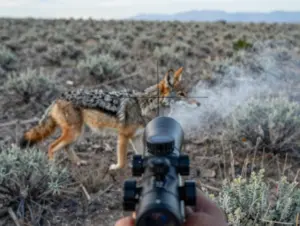
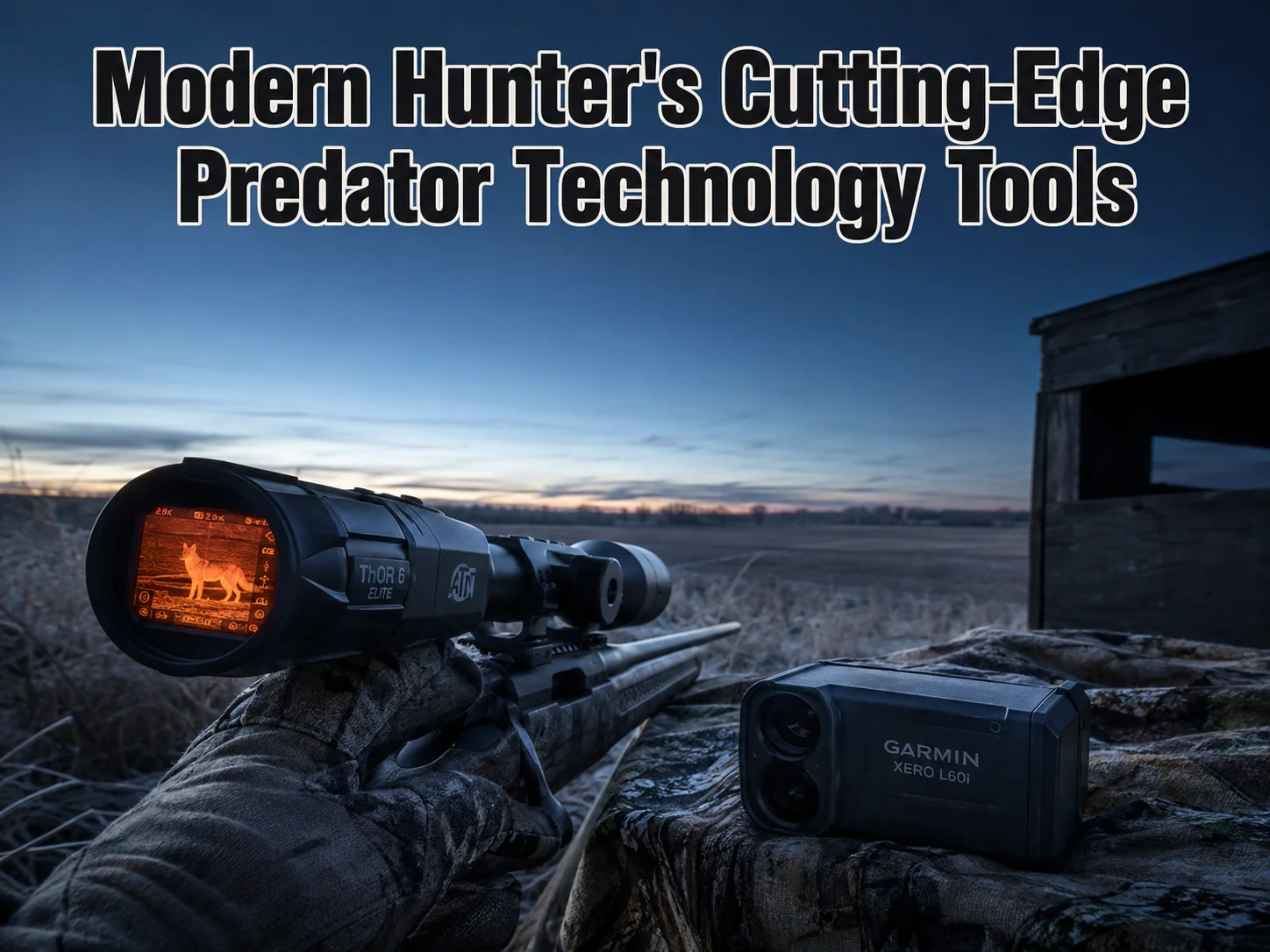
Coyote populations in North America have expanded into 49 U.S. states, and wildlife managers estimate that conventional hunting methods alone are no longer sufficient to manage their numbers effectively. That pressure has driven a technological arms race in the predator hunting world, one where the gap between a hunter who adapts and one who does not is measured in empty calling stands and missed opportunities. The 8 Cutting-Edge Predator Technology Tools for the Modern Hunter covered in this guide represent the most significant advances available in 2026, from AI-enhanced thermal optics to smart mapping rangefinders that would have seemed like science fiction a decade ago. Whether hunting coyotes, foxes, or bobcats, the right gear stack can transform a frustrating outing into a consistently productive season [1][2].
Disclosure: This post contains affiliate links. As an Amazon Associate, we earn from qualifying purchases, and at no extra cost to you.
Key Takeaways
- Thermal optics with integrated laser rangefinders have become the single most impactful upgrade a predator hunter can make for low-light and nighttime success.
- AI-enhanced scopes like the ATN ThOR 6 Elite now offer ballistic calculation, target tracking, and recoil-activated video recording in a single package.
- Smart laser rangefinders such as the Garmin Xero L60i add mapping and angle compensation that remove guesswork from long-range predator shots.
- Electronic calling systems, purpose-built camouflage, and scent-control technology remain foundational tools that amplify the effectiveness of every high-tech optic.
- Hunters who layer multiple technologies, thermal, sound, scent, and data, consistently outperform those relying on any single tool.
Why Technology Is Redefining Predator Hunting in 2026
Predator hunting has always demanded adaptability. Coyotes, in particular, are among the most behaviorally sophisticated game animals in North America. They learn call sequences, pattern human movement, and shift their activity almost entirely to darkness in pressured areas. The result is that hunters who rely solely on traditional methods, a mouth call, a spotlight, and a bolt-action rifle, are increasingly working at a disadvantage [3].
The modern predator hunting toolkit draws from military optics development, consumer GPS technology, and artificial intelligence. Prices have dropped significantly as these technologies matured, making gear that was once exclusive to government agencies accessible to the average hunter. The 8 Cutting-Edge Predator Technology Tools for the Modern Hunter outlined below reflect that shift, combining proven fundamentals with genuinely new capabilities [4].
“The predator hunter who invests in the right technology does not just see more animals, they make better decisions faster, in conditions that used to end a hunt before it started.”
The 8 Cutting-Edge Predator Technology Tools for the Modern Hunter
1. AI-Enhanced Thermal Rifle Scopes: ATN ThOR 6 Elite
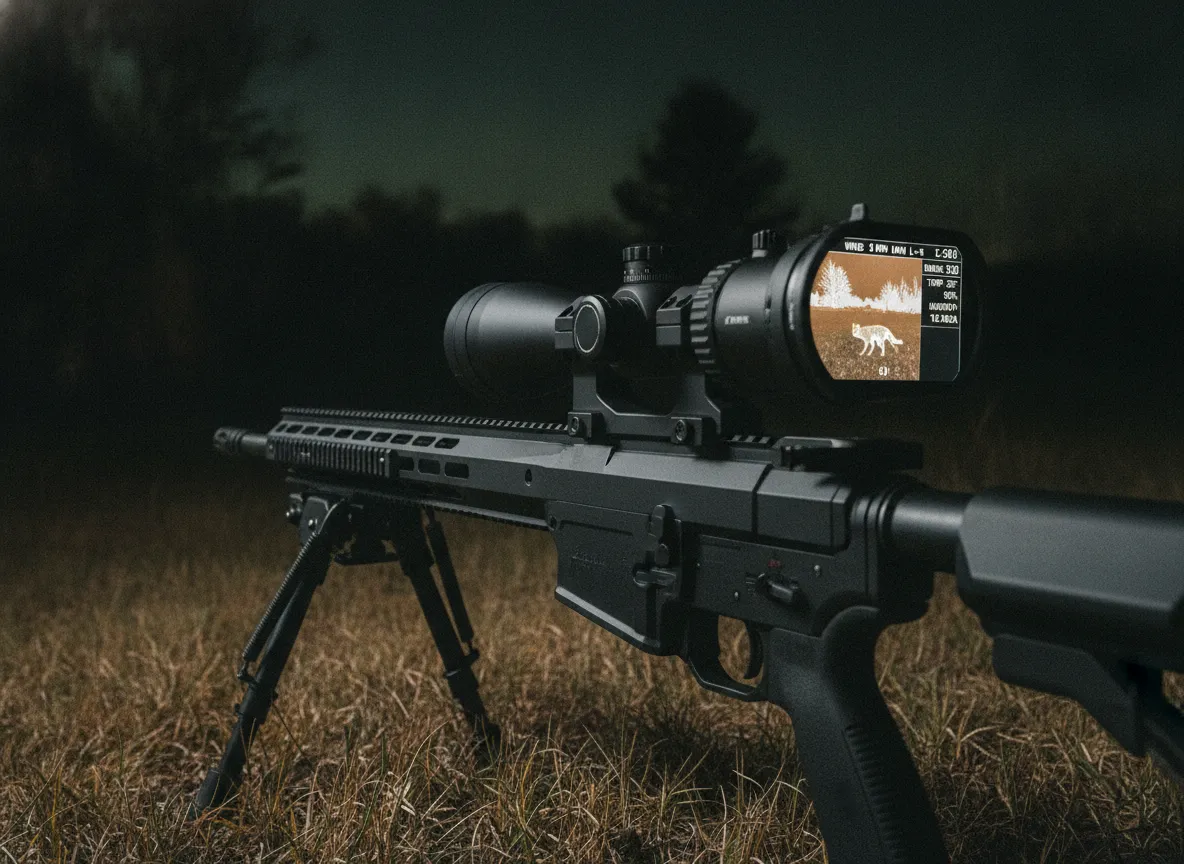
The ATN ThOR 6 Elite, launched in early 2026, represents the most significant leap in consumer thermal rifle scope technology to date [5]. It combines a high-resolution thermal sensor with an onboard AI processor that performs several tasks simultaneously: ballistic calculation based on environmental inputs, target tracking across the field of view, and recoil-activated video recording that captures every shot automatically.
Key specifications worth noting:
- Sensor resolution: 640×480 at 12 micron pixel pitch
- Detection range: up to 1,800 meters for large targets
- Onboard ballistic engine with wind, temperature, and elevation inputs
- One-shot zero confirmation system
- Built-in Wi-Fi and Bluetooth for app connectivity
The AI target-tracking feature is particularly relevant for predator hunters. When a coyote moves unpredictably across a field at 200 yards in total darkness, the scope’s processor maintains a lock on the heat signature, reducing the shooter’s cognitive load at the critical moment [5]. The recoil-activated recording eliminates the need to manage a separate camera, which is a common distraction during fast-moving night hunts.
The ThOR 6 Elite also integrates with ATN’s mobile app, allowing hunters to review shot footage, adjust ballistic profiles, and share data across devices in the field. For hunters who run multiple stands in a single night, that connectivity is a meaningful operational advantage [5].
2. Smart Laser Rangefinders with Mapping: Garmin Xero L60i
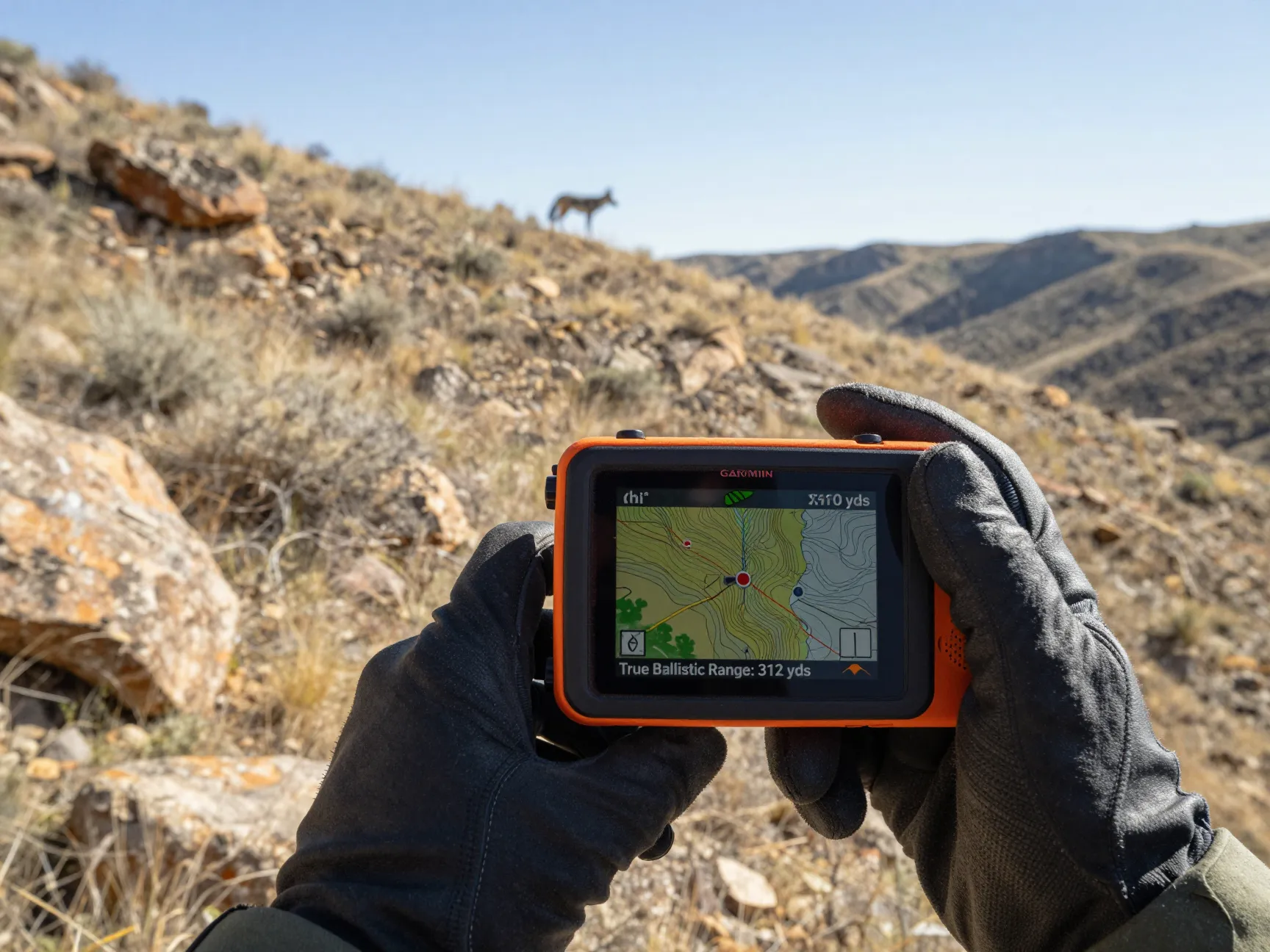
The Garmin Xero L60i moves laser rangefinding beyond a single distance number and into full situational awareness. Highlighted in 2026 gear roundups as a standout tool for precision hunters, the L60i combines a high-accuracy laser rangefinder with onboard topographic mapping and angle-compensated ranging [1].
What separates the L60i from conventional rangefinders:
- Angle-compensated “true ballistic range” for uphill and downhill shots
- Onboard map display showing terrain, elevation contours, and waypoints
- Bluetooth pairing with compatible Garmin GPS units
- Target lock mode for moving animals
- Scan mode for rapid multi-target ranging across open terrain
For predator hunters working large agricultural fields or broken canyon country, the mapping integration changes how stands are set up. A hunter can range multiple likely approach corridors before the call even starts, mark waypoints for each distance, and make immediate shot decisions without re-ranging when an animal appears [1].
The L60i’s angle compensation is especially valuable in hilly terrain where a coyote at 300 yards on a 20-degree slope requires a significantly different holdover than a flat 300-yard shot. Eliminating that calculation in the moment reduces error and speeds up the shot process.
3. Thermal Scopes with Integrated Laser Rangefinders: Pulsar Trail 3 LRF
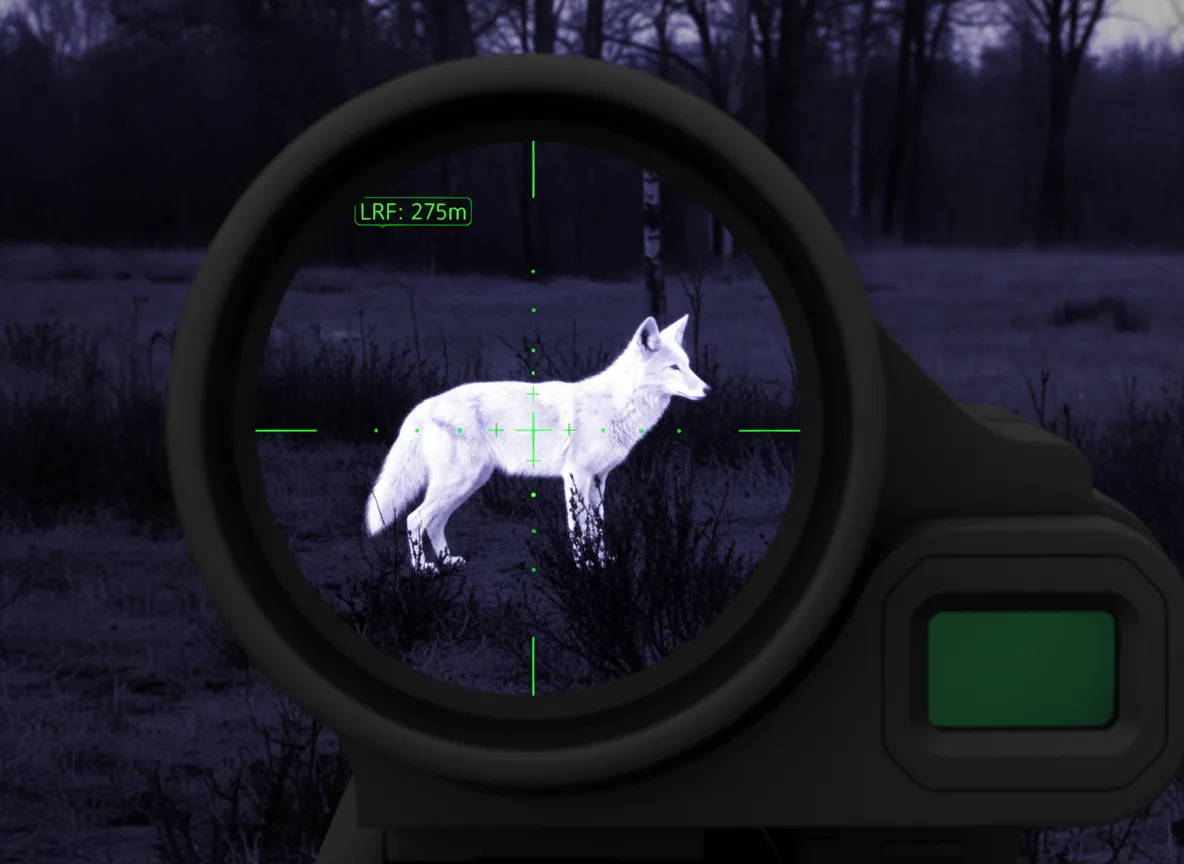
The Pulsar Trail 3 LRF solves a problem that plagued thermal hunters for years: the need to switch between a separate rangefinder and a thermal scope during a fast-moving encounter. By integrating a laser rangefinder directly into the thermal imaging unit, Pulsar eliminated that workflow entirely [4].
Core advantages of the integrated approach:
- Single-device operation: range and engage without lowering the rifle
- Thermal sensor resolution: 640×480 with 17 micron pixel pitch
- Rangefinder accurate to 800 meters
- Automatic ballistic reticle adjustment based on measured distance
- Picture-in-picture zoom mode for target confirmation
The Trail 3 LRF’s ballistic reticle system is one of its most practical features. Once the rangefinder measures the distance to a target, the scope automatically adjusts the reticle holdover based on a pre-programmed ballistic profile. The hunter sees the correct aim point without any mental arithmetic [4].
For hunters who call predators at night across variable terrain, the speed advantage of a single integrated device versus a two-device system is difficult to overstate. Animals rarely hold still while a hunter fumbles with a separate rangefinder.
4. Thermal Scopes with Integrated Laser Rangefinders: Bering Optics Super Yoter LRF
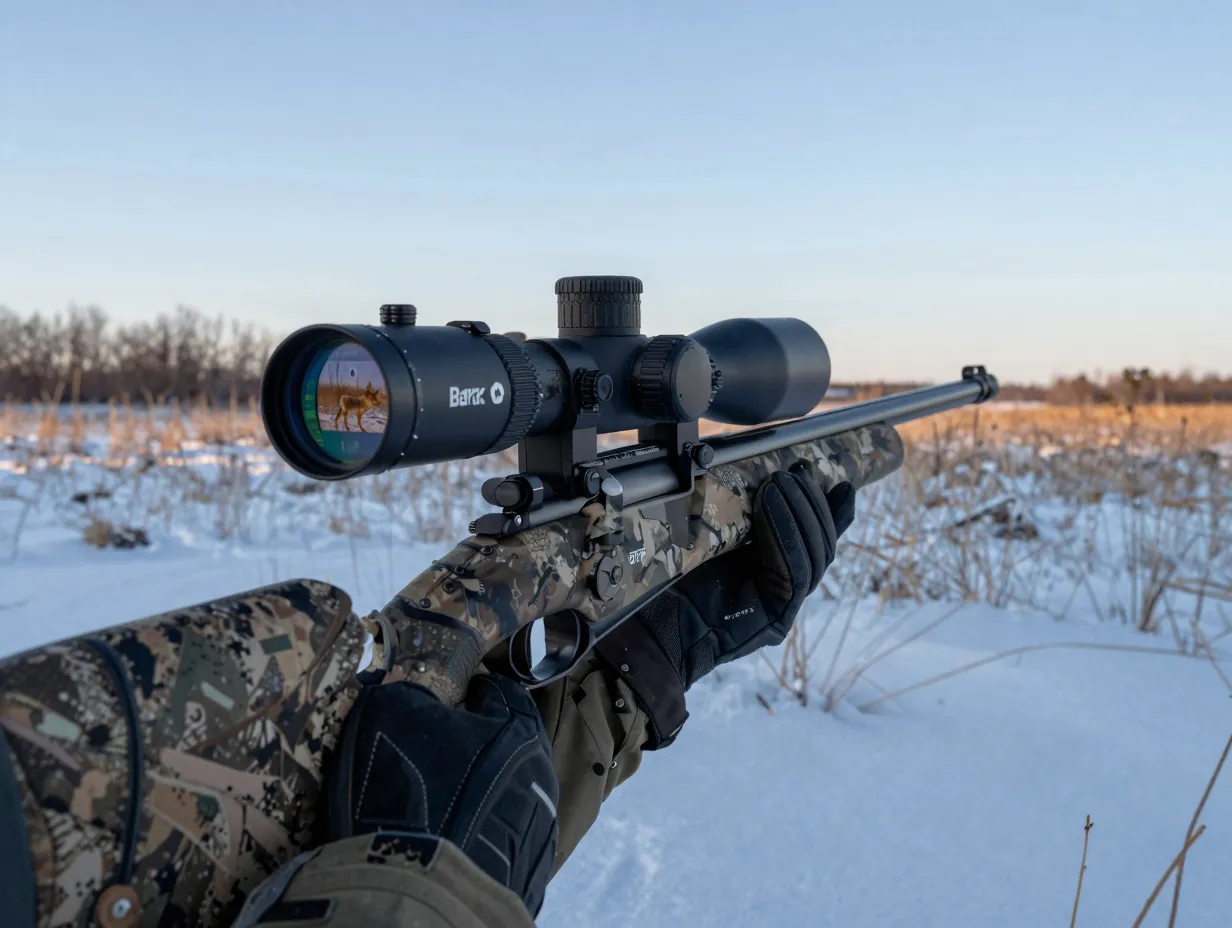
The Bering Optics Super Yoter LRF takes a slightly different approach to the integrated thermal-rangefinder concept, optimizing specifically for the predator hunting use case rather than general big game applications [4].
Distinguishing features of the Super Yoter LRF:
- Compact, lightweight chassis designed for rapid shoulder mounting
- 384×288 thermal sensor optimized for mid-range predator detection
- Integrated rangefinder with 600-meter effective range
- High-contrast display modes tuned for coyote-sized heat signatures
- Durable construction rated for extreme cold and moisture
The Super Yoter LRF’s display modes are worth specific attention. Bering Optics developed contrast profiles specifically for detecting coyote and fox-sized animals against common backgrounds, snow, dry grass, and brush, which are the environments where many predator hunters operate. The result is a cleaner, faster target identification experience compared to scopes tuned for larger game [4].
Its lighter weight also makes it a better fit for hunters who cover significant ground on foot, where carrying a heavier integrated unit becomes a fatigue factor over a long night.
5. Advanced Electronic Calling Systems
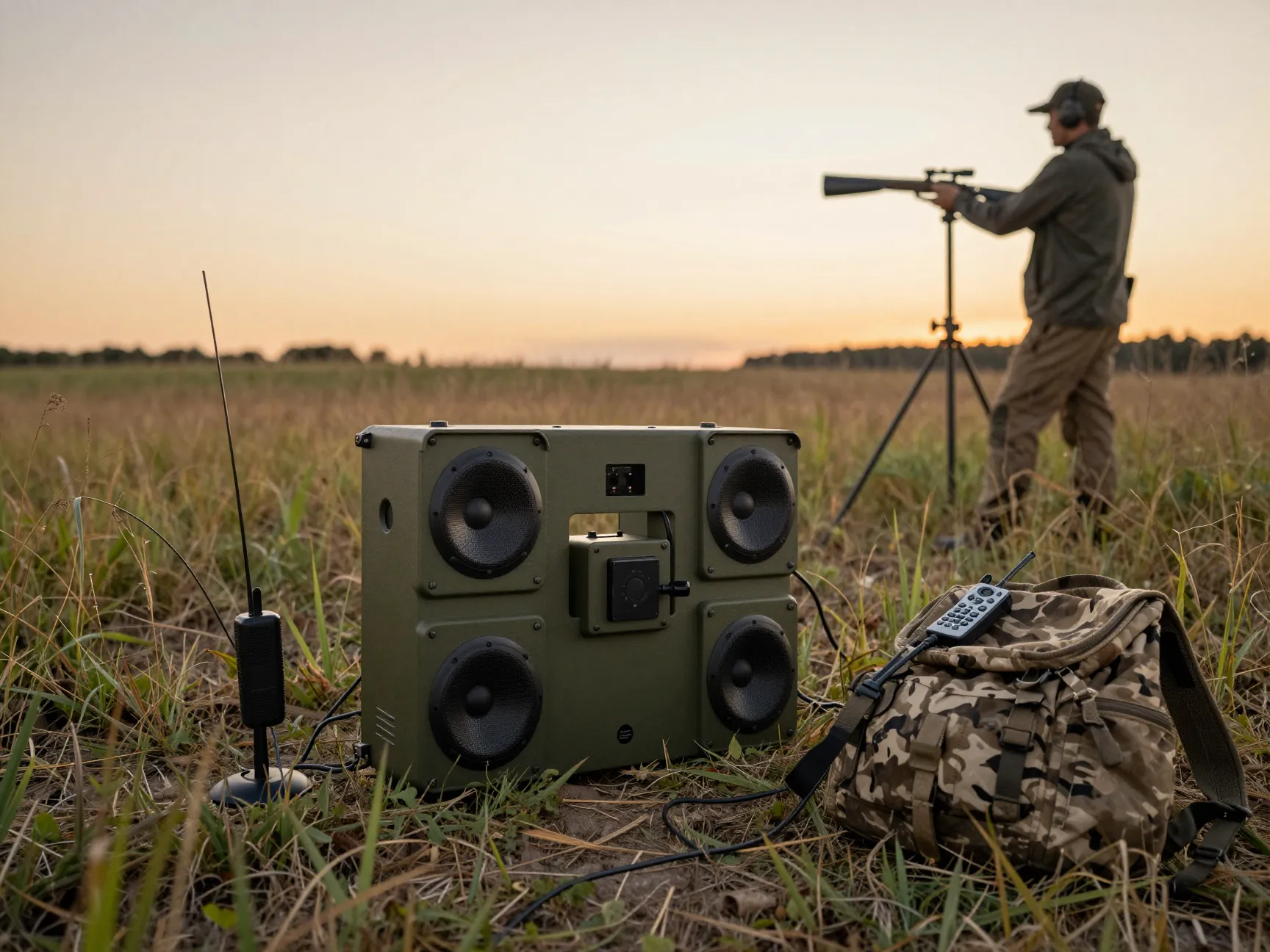
Electronic predator calls have been standard equipment for serious hunters for years, but the current generation of devices represents a substantial upgrade over earlier models [3]. Modern e-callers combine high-fidelity speaker systems with wireless remote operation, decoy integration, and curated sound libraries developed from field-recorded audio.
Features that define the current generation of e-callers:
- Wireless remote control ranges exceeding 300 yards
- Multi-speaker systems that produce directional sound
- Built-in decoy attachment points for motion integration
- Sound libraries with hundreds of species-specific calls
- Bluetooth connectivity for smartphone control and library updates
The directional sound capability is a particularly meaningful advancement. Older single-speaker units broadcast sound in all directions, which can alert predators to the hunter’s exact position. Multi-speaker systems allow hunters to project sound away from their position, drawing animals toward the call rather than toward the hunter [3].
Pairing an e-caller with a motion decoy, a spinning or flapping device placed near the speaker, adds a visual trigger that closes the deal on predators that hang up at the edge of effective range. The combination of sound and movement addresses two of the primary senses that predators use to evaluate a potential meal [7].
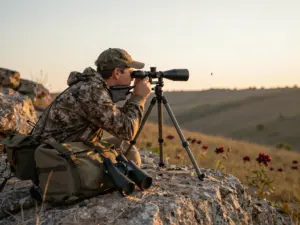
6. Night Vision and Thermal Monoculars for Scouting
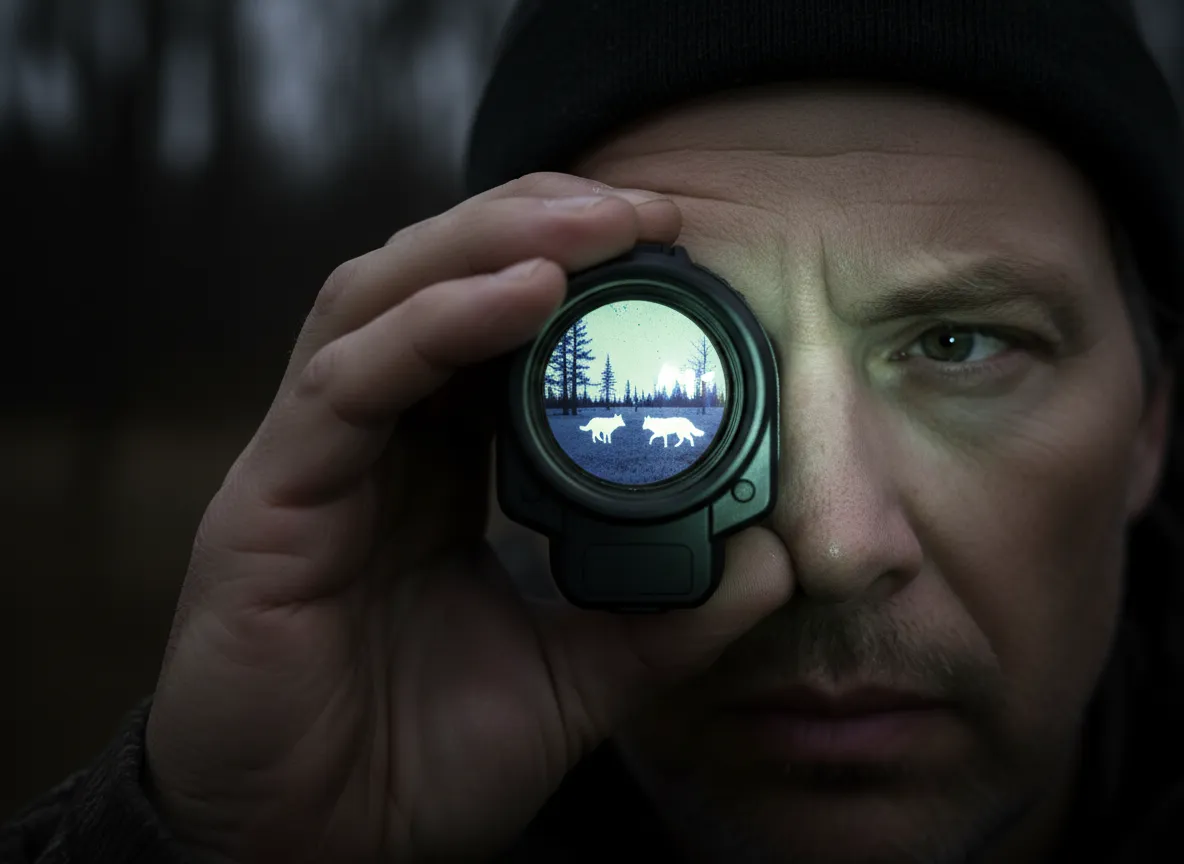
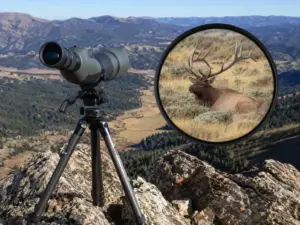
Before a rifle scope ever comes into play, locating animals is the first challenge. Dedicated scouting monoculars, both night vision and thermal, give predator hunters the ability to survey large areas quickly and quietly without disturbing the hunting environment [2].
Practical applications for scouting monoculars:
- Pre-hunt field surveys to locate active animals
- Identifying approach routes and escape corridors
- Confirming species identity before committing to a shot position
- Scanning for multiple animals during a stand
Thermal monoculars are generally preferred for open-country predator hunting because they detect heat signatures regardless of ambient light or vegetation density. Night vision monoculars, which amplify existing light, perform better in areas with some ambient illumination but struggle in heavy cover [2].
The current generation of compact thermal monoculars has brought detection-quality imaging into a package small enough to fit in a chest pocket, removing the weight and bulk that previously made dedicated scouting optics impractical for mobile hunters [2][4].
7. Purpose-Built Predator Camouflage Systems
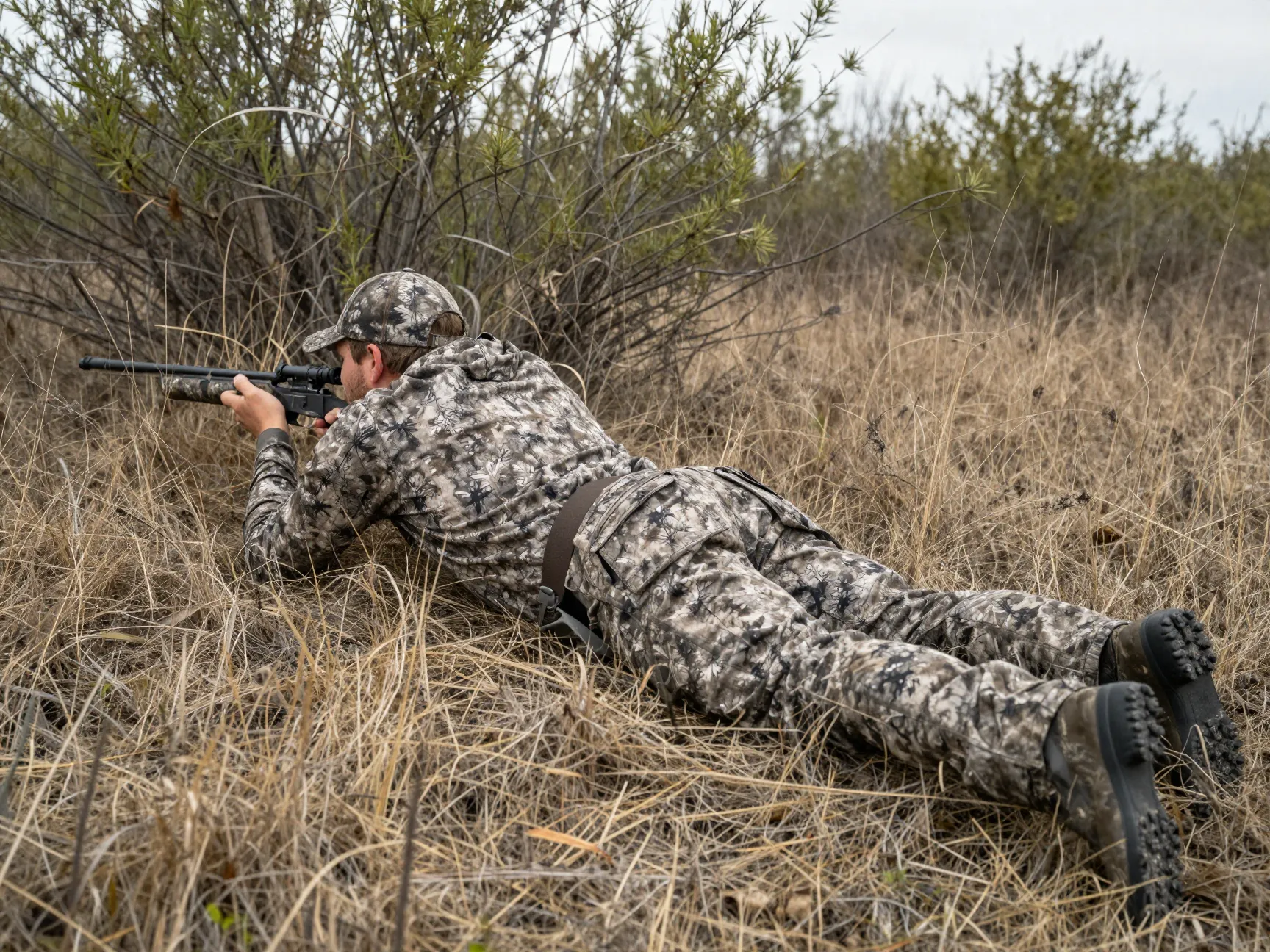
Camouflage technology for predator hunting has advanced considerably beyond standard woodland or brush patterns. Purpose-built predator camouflage systems are now designed with the specific visual perception of coyotes and foxes in mind, animals that see the world in limited color ranges but have exceptional motion detection and contrast sensitivity [8].
What distinguishes purpose-built predator camo:
- Pattern scales matched to close-range concealment (under 50 yards)
- Low-reflectivity fabric treatments that reduce shine in thermal and low-light conditions
- Scent-control fabric integration in premium systems
- Lightweight, silent materials that do not rustle during movement
The low-reflectivity treatment is particularly relevant for hunters using thermal optics. Standard fabrics can produce a faint thermal signature from body heat that bleeds through conventional camo. Purpose-built systems use layered materials that slow heat transmission, reducing the hunter’s thermal profile [8].
Scent control remains the most underappreciated element of predator hunting concealment. A coyote that winds a hunter at 400 yards will circle downwind and disappear without ever presenting a shot. Scent-control fabric treatments, combined with proper wind awareness, address the one sense that no optical technology can defeat [3][8].
8. Hunting-Specific GPS and Stand-Mapping Apps
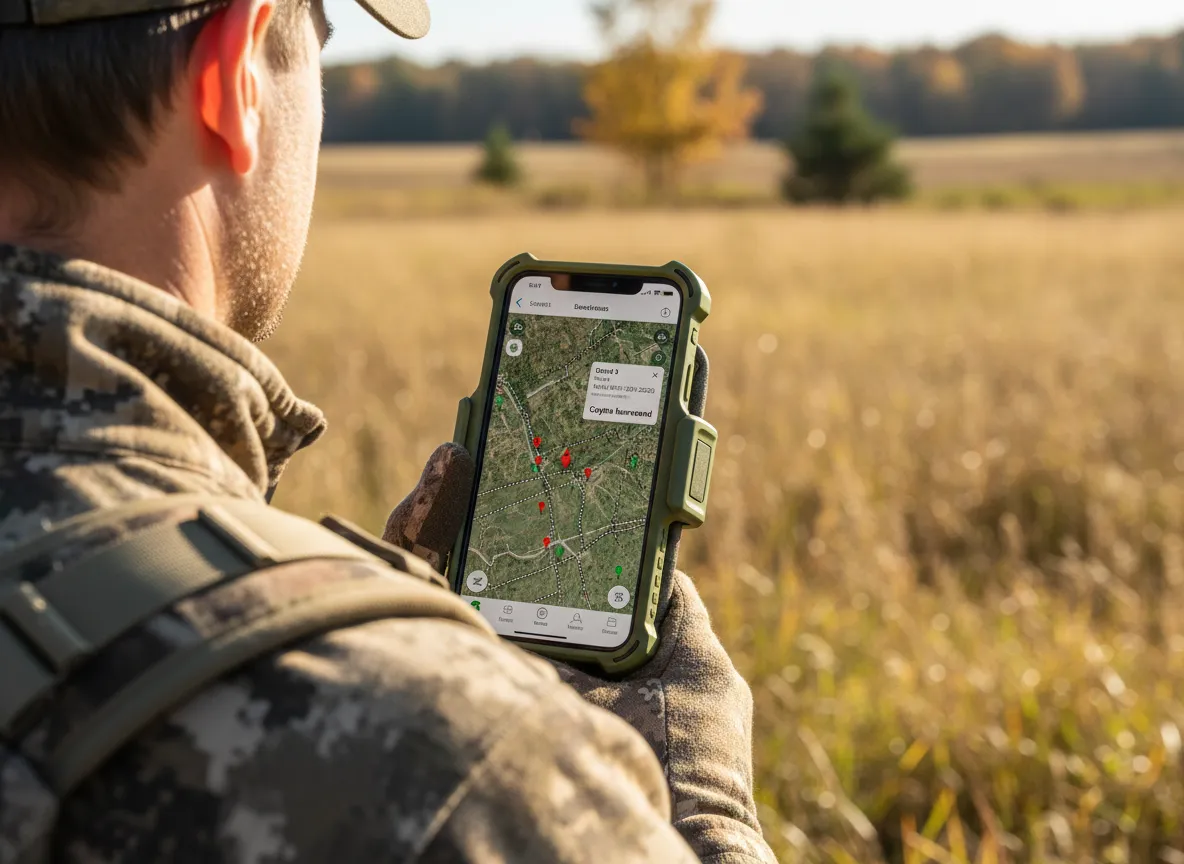
The final tool in the modern predator hunter’s kit is the one that ties everything together: hunting-specific GPS platforms and stand-mapping applications [9][10]. These tools allow hunters to record stand locations, track wind direction history, log animal sightings, and build a data-driven picture of predator movement patterns over multiple seasons.
Core functions that make GPS apps valuable for predator hunters:
- Stand location logging with notes on conditions and results
- Wind direction and speed recording at each stand
- Animal sighting and harvest logging with GPS coordinates
- Property boundary overlays and access route planning
- Integration with aerial imagery and topographic maps
The data accumulation function is where these apps deliver their greatest long-term value. A hunter who logs every stand, including conditions, calls used, wind direction, and outcome, builds a proprietary database of predator behavior on their specific hunting ground [9]. Over two or three seasons, patterns emerge that no amount of general hunting knowledge can replicate.
Several platforms now integrate directly with compatible rangefinders and GPS units, creating a seamless data flow from field observation to permanent record [10]. For hunters managing large properties or multiple hunting areas, that integration eliminates the record-keeping friction that causes most hunters to abandon data logging after a few outings.
How to Build a Technology Stack for Predator Hunting
Understanding each tool individually is useful, but the real performance gain comes from combining them strategically. The table below outlines a recommended technology stack by hunting scenario:
| Hunting Scenario | Primary Optic | Supporting Tools |
|---|---|---|
| Open agricultural fields, night | ATN ThOR 6 Elite or Pulsar Trail 3 LRF | E-caller, thermal monocular, GPS app |
| Broken canyon terrain, long range | Thermal scope + Garmin Xero L60i | Scouting monocular, GPS app |
| Dense brush, close-range calling | Bering Optics Super Yoter LRF | E-caller with motion decoy, predator camo |
| Mobile foot hunting, large property | Compact thermal monocular | GPS app, lightweight e-caller, predator camo |
Common Mistakes When Adopting Predator Hunting Technology
Even the best gear produces poor results when applied incorrectly. Several patterns consistently undermine hunters who invest in advanced tools [10]:
Neglecting fundamentals. Thermal scopes do not compensate for poor stand placement or wrong wind direction. Technology amplifies good hunting decisions, it does not replace them [3].
Overloading the kit. Carrying too many devices creates noise, weight, and decision fatigue. A focused two- or three-tool stack outperforms a cluttered vest full of gadgets.
Skipping the learning curve. Advanced optics like the ATN ThOR 6 Elite require time to configure properly. Hunters who spend an afternoon learning their equipment before the season perform dramatically better than those who open the box on the first hunt [5].
Ignoring data. GPS apps and logging tools only deliver value if the data is actually recorded and reviewed. Consistent logging, even simple notes, compounds into actionable intelligence over time [9].
Conclusion
The 8 Cutting-Edge Predator Technology Tools for the Modern Hunter covered in this guide, AI-enhanced thermal scopes, smart mapping rangefinders, integrated thermal-LRF systems, advanced e-callers, scouting monoculars, purpose-built camouflage, and GPS stand-mapping apps, collectively represent a step change in what is achievable in the field. No single tool is a silver bullet, but hunters who build a thoughtful technology stack around their specific terrain and hunting style will find themselves consistently better positioned than those relying on outdated methods.
Actionable next steps for hunters ready to upgrade:
- Identify the single biggest limiting factor in current hunts, low-light visibility, ranging accuracy, or stand selection, and address that gap first.
- Research the ATN ThOR 6 Elite or Pulsar Trail 3 LRF if nighttime thermal capability is the priority [4][5].
- Add the Garmin Xero L60i if long-range shots across variable terrain are a recurring challenge [1].
- Invest in a hunting GPS app and begin logging stand data immediately, even before upgrading optics, the data will inform every future gear decision [9].
- Revisit camouflage and scent control before assuming optics alone will solve a predator hunting problem [8].
The technology exists in 2026 to give predator hunters a genuine advantage. The hunters who take time to learn their tools, layer them intelligently, and combine them with sound hunting fundamentals will be the ones filling their tags.
References
[1] Gear Roundup Tech Savvy Hunting – https://www.americanhunter.org/content/gear-roundup-tech-savvy-hunting/
[2] 2025 Predator Gear Roundup – https://www.americanhunter.org/content/2025-predator-gear-roundup/
[3] Must Have Gear For Predator Hunters – https://www.americanhunter.org/content/must-have-gear-for-predator-hunters/
[4] Predator Hunting Gear Roundup Thermal And Ir Optics – https://www.grandviewoutdoors.com/hunting/predator-hunting-gear-roundup-thermal-and-ir-optics
[5] Atn Launches Thor 6 Elite The Most Advanced Thermal Rifle Scope Ever Built – https://www.huntingwire.com/releases/2026/03/atn-launches-thor-6-elite-the-most-advanced-thermal-rifle-scope-ever-built/
[7] Summer Predator Gear You Cant Miss – https://www.grandviewoutdoors.com/predator-hunting/summer-predator-gear-you-cant-miss
[8] Collections – https://www.predatorcamo.com/collections
[9] predatortactics.us – https://predatortactics.us/
[10] Best Gear For Predator Hunters – https://www.shootingsportsretailer.com/gear/best-gear-for-predator-hunters