9 Proven Archery Hunting Strategies for a Successful Season
Only about 20% of bowhunters fill their tag on any given season, a sobering figure that separates those who prepare methodically from those who simply show up and hope. The gap between consistent success and consistent frustration almost always comes down to strategy, not luck. The 9 proven archery hunting strategies for a successful season outlined in this guide are built on field-tested principles, drawing from expert sources, seasoned bowhunters, and the latest 2026 preseason guidance to help hunters of every experience level punch more tags.
Disclosure: This post contains affiliate links. As an Amazon Associate, we earn from qualifying purchases, and at no extra cost to you.
Whether the target species is whitetail deer, elk, or mule deer, the fundamentals remain the same: deliberate preparation, disciplined practice, and smart in-season execution. These strategies are designed to be actionable, not theoretical.
Key Takeaways
- A structured 30-day preseason plan covering regulations, land access, and gear checks dramatically improves opening-day readiness.
- Bow and equipment inspection, strings, fasteners, and broadhead tuning, should be completed in late July through August, well before the season opens.
- Scenario-based shooting practice with broadheads is non-negotiable for ethical, accurate shots on game.
- Scouting, wind management, and scent control are the three pillars of consistent stand success.
- Rut timing and behavioral pattern recognition can turn an average season into an exceptional one.
Why Strategy Separates Consistent Bowhunters from the Rest
Archery hunting demands a far tighter margin for error than rifle hunting. The effective range is shorter, the draw cycle creates movement, and the shot window on a deer can last less than three seconds. Every variable, from equipment condition to stand placement to wind direction, compounds. Hunters who treat each variable as a standalone checkbox miss the bigger picture: these elements work as an interconnected system.
The 9 proven archery hunting strategies for a successful season described below address that system from the ground up, starting months before opening day and running through the final days of the rut.
The 9 Proven Archery Hunting Strategies for a Successful Season
1. Build a 30-Day Preseason Plan
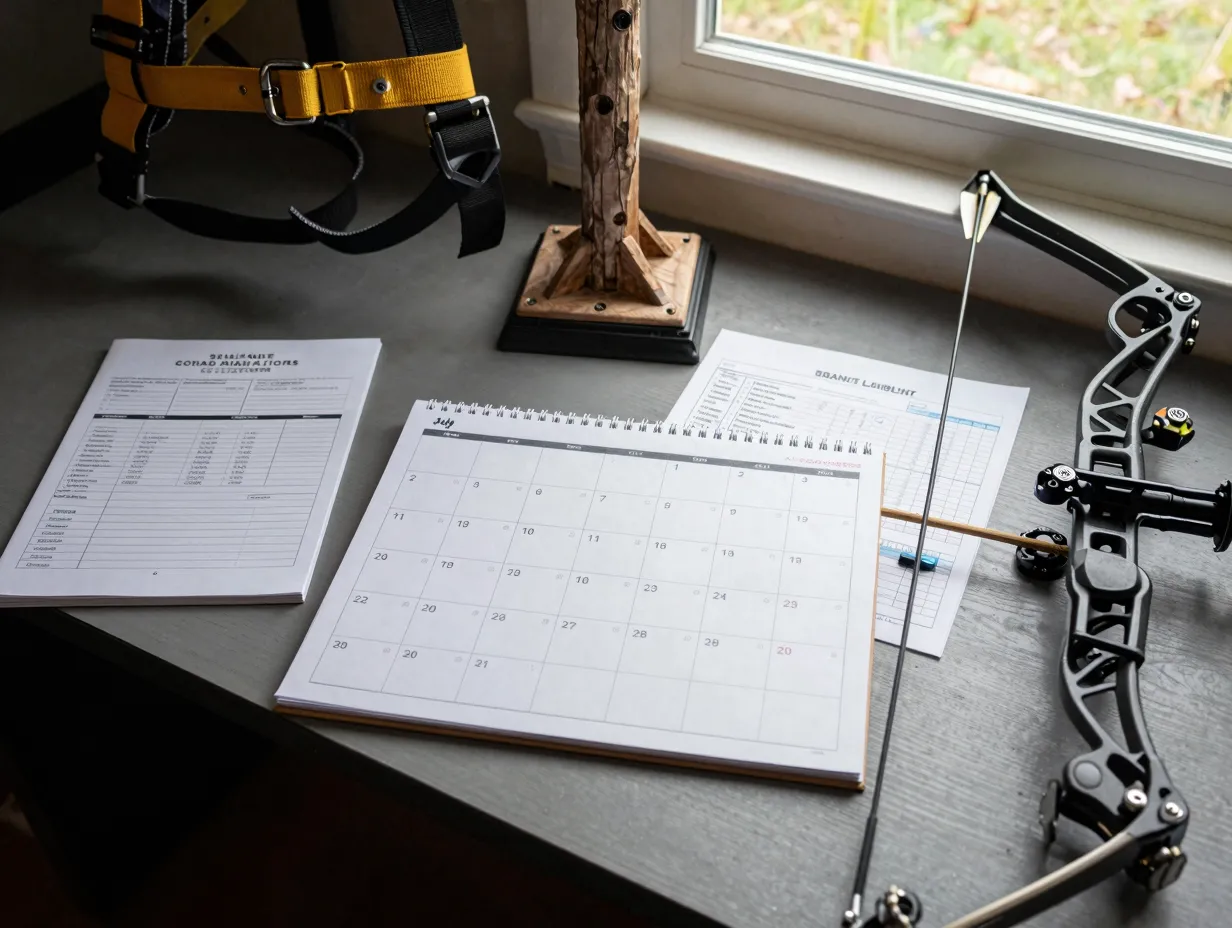
Preparation that begins the week before season opens is preparation that is already too late. A structured 30-day preseason plan, ideally launched in early July, gives hunters time to address regulations, land access agreements, and gear without the pressure of an imminent opener.
What to include in a 30-day preseason plan:
- Week 1: Review state and local regulations, confirm tag applications, and update land access permissions.
- Week 2: Conduct a full gear audit, bow, arrows, broadheads, release aid, treestand hardware, and safety harness.
- Week 3: Begin shooting practice and transition from field points to broadheads.
- Week 4: Finalize stand locations, hang treestands or blinds, and run a full scouting session.
This kind of structured approach removes the last-minute scramble that causes hunters to overlook critical details [2]. Regulations change year to year, and missing a new boundary or season date can turn a successful hunt into a costly legal problem.
“The hunters who consistently fill tags are the ones who treat the offseason like it is part of the season.”, Common wisdom among experienced bowhunters [3]
2. Conduct a Thorough Equipment Inspection in Late July and August
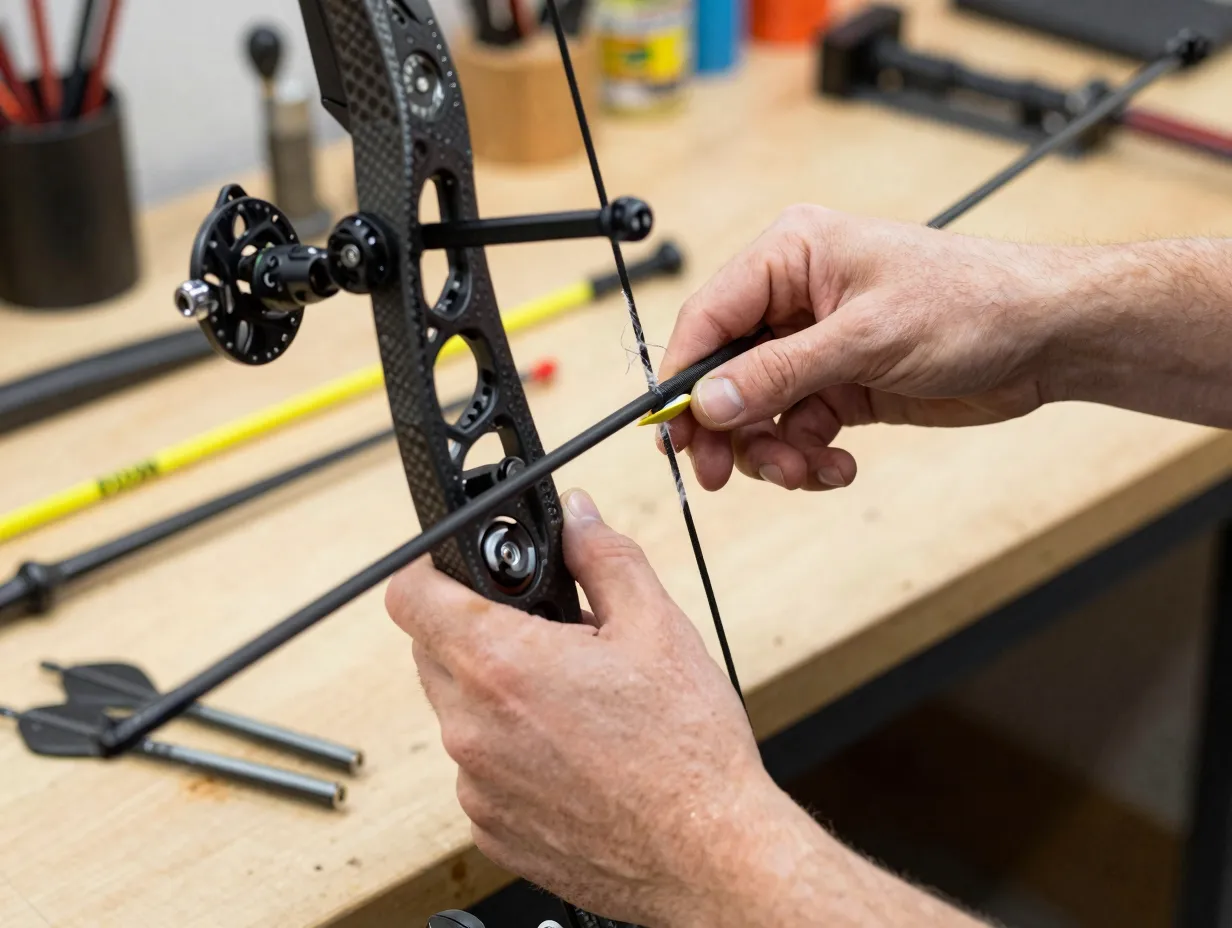
Bow equipment takes a beating over 12 months of storage, practice, and field use. A string that has stretched, a cam that has shifted, or a loose broadhead adapter can mean the difference between a clean kill and a missed or wounded animal. Late July through August is the ideal window for a comprehensive inspection before practice intensity ramps up [5].
Bow inspection checklist:
| Component | What to Check | Action if Issue Found |
|---|---|---|
| Bowstring and cables | Fraying, serving separation, stretch | Replace immediately |
| Cam timing | Cam lean, timing marks | Visit a pro shop |
| Arrow rest | Movement, alignment, wear | Realign or replace |
| Broadhead adapters | Loose threads, wobble | Re-thread or replace inserts |
| Treestand hardware | Rust, strap wear, ratchet function | Replace worn components |
| Safety harness | Webbing integrity, buckle function | Replace if any doubt |
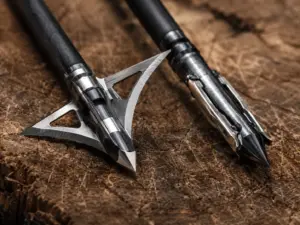
Broadhead tuning deserves special attention. A broadhead that flies differently from a field point will cause misses at distances that seemed comfortable during practice. Paper tuning and walk-back tuning with broadheads, not just field points, should be standard procedure [5].
3. Commit to Scenario-Based Shooting Practice
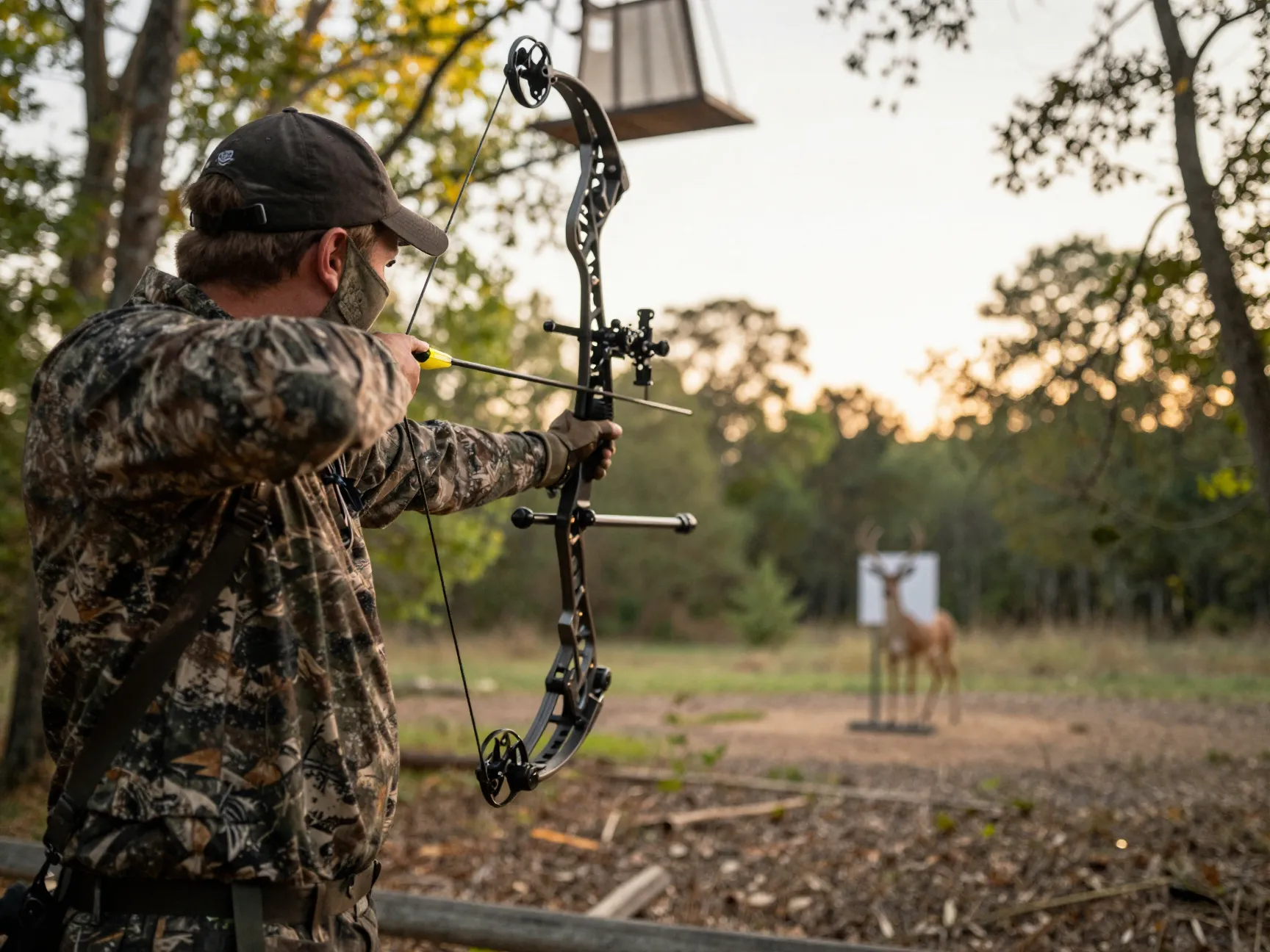
Shooting at a stationary target from a flat, comfortable position builds muscle memory, but it does not prepare a hunter for the real conditions of a hunt. Scenario-based practice means simulating the angles, distances, and physical states encountered in the field [6].
Effective scenario-based practice drills:
- Shoot from an elevated platform or treestand to replicate downward shot angles.
- Practice in full hunting clothing, including gloves and a face mask, to account for interference with the draw and anchor point.
- Shoot after mild physical exertion, a short jog, to practice managing adrenaline and an elevated heart rate.
- Set up 3D targets at unknown distances in varied terrain to build range estimation skills.
- Practice shooting through shooting lanes with limited clearance to simulate real stand conditions.
Field and Stream’s archery experts consistently emphasize that broadhead practice at realistic distances is non-negotiable [5]. Broadheads behave differently from field points, and hunters who only switch to broadheads the day before season opens are setting themselves up for poor results.
4. Master Wind and Thermals
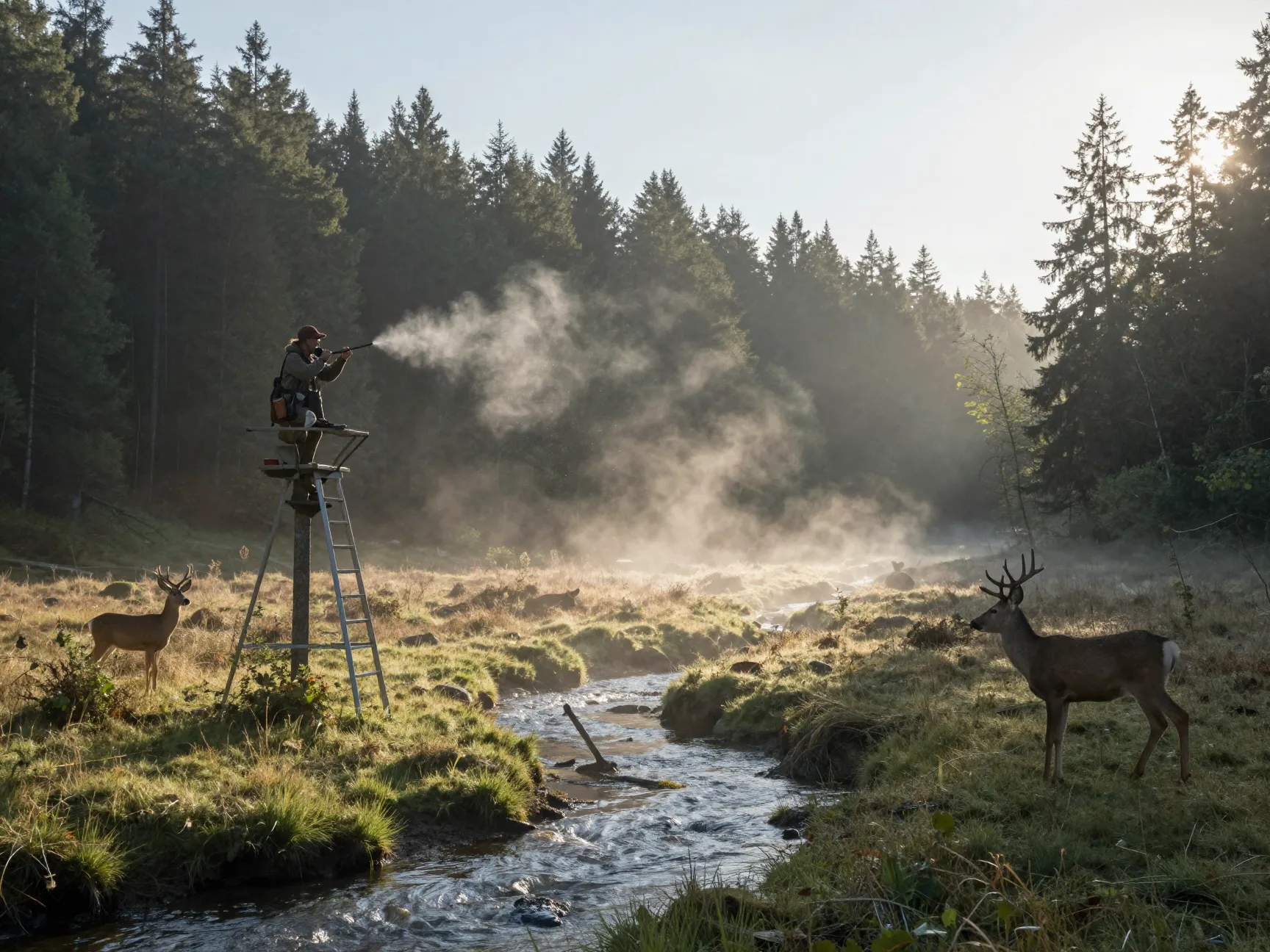
Wind is the single greatest enemy of the bowhunter. Deer rely on their nose as their primary defense, and a single swirl of wind carrying human scent can end a hunt in seconds. Understanding not just wind direction but thermals, the vertical movement of air driven by temperature changes, is what separates hunters who see deer from hunters who kill deer [2].
Key wind and thermal principles:
- Morning thermals rise as the ground warms. Scent drifts upward and outward from low-lying stands.
- Evening thermals fall as temperatures drop. Scent pools in valleys and creek bottoms.
- Consistent wind is more predictable than swirling wind. Hunt stands only when wind direction is favorable, not marginal.
- Use a wind checker (milkweed, powder, or a lighter) at multiple heights to understand what the air is actually doing at ground and canopy level.
Checking wind forecasts the night before and the morning of a hunt, and being willing to sit out a stand when the wind is wrong, is a discipline that pays long-term dividends [10].
5. Develop a Serious Scent Control System
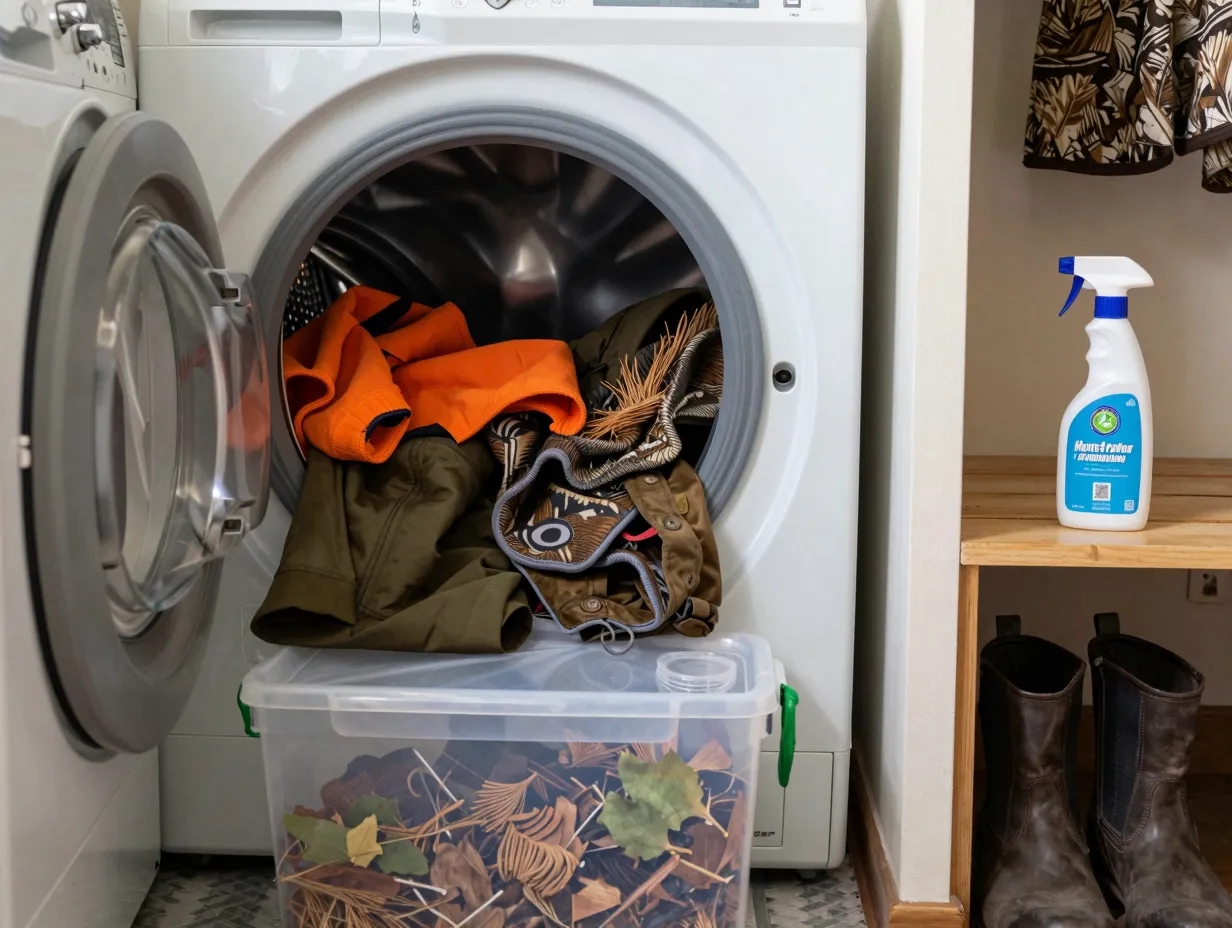
Wind management and scent control are related but distinct disciplines. Even with a favorable wind, residual human odor on clothing, equipment, and entry paths can alert deer. A serious scent control system addresses every point of odor introduction [6].
Scent control protocol:
- Wash hunting clothes with scent-free detergent and store them in a sealed bag or tub with natural cover scents (leaves, dirt, pine needles).
- Shower with scent-free soap and shampoo on every hunt morning.
- Apply scent-eliminating spray to clothing, boots, and gear before entering the woods.
- Minimize contact between hunting clothes and vehicle interiors, which are loaded with human and chemical odors.
- Walk entry and exit routes that keep human scent away from core bedding and feeding areas.
Mossy Oak’s bowhunting guides note that scent discipline applied consistently across an entire season, not just on high-pressure days, keeps deer from patterning the hunter rather than the hunter patterning the deer [6].
6. Scout Smarter, Not Just Harder
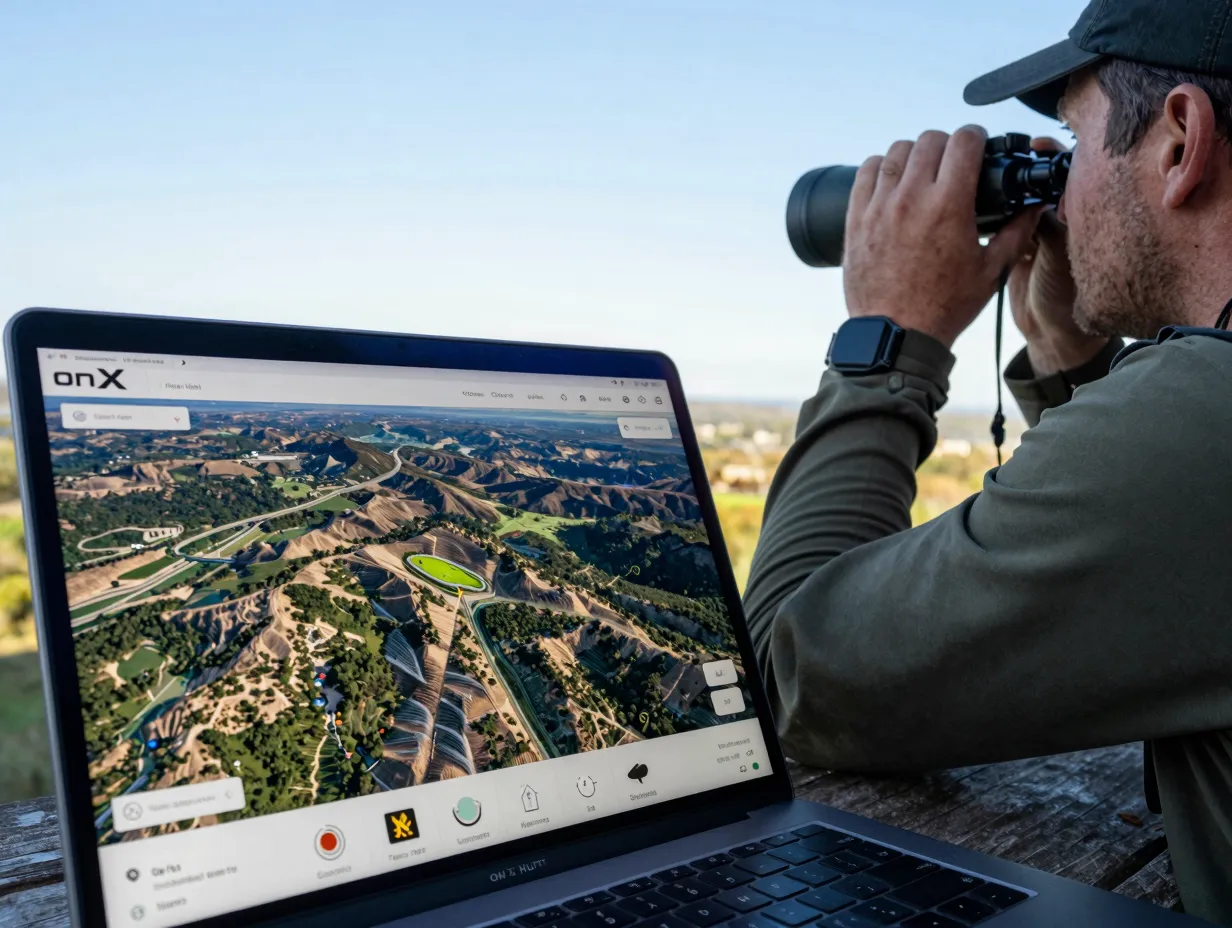
More time in the woods does not automatically translate to better scouting. Undisciplined scouting that leaves human scent throughout core bedding areas can actually push deer off their patterns weeks before the season opens. Smart scouting is targeted, efficient, and timed to minimize disturbance [7].
Smart scouting tactics:
- Post-season scouting (January through March) is the most effective time to find rubs, scrapes, and travel corridors without disturbing deer during the hunting season.
- Digital scouting using aerial imagery (Google Earth, onX Hunt) to identify pinch points, ridge saddles, food sources, and water before ever setting foot in the woods.
- Summer glassing of food sources at long range to pattern bucks without contaminating their core areas with human scent.
- Targeted in-season scouting after significant weather events, which often shift deer movement patterns.
Trail cameras are a powerful scouting tool, but camera placement and check frequency matter. Cellular cameras that transmit images remotely reduce in-woods intrusion dramatically compared to SD card cameras that require physical checks [3].
7. Select and Prepare Stand Locations Strategically
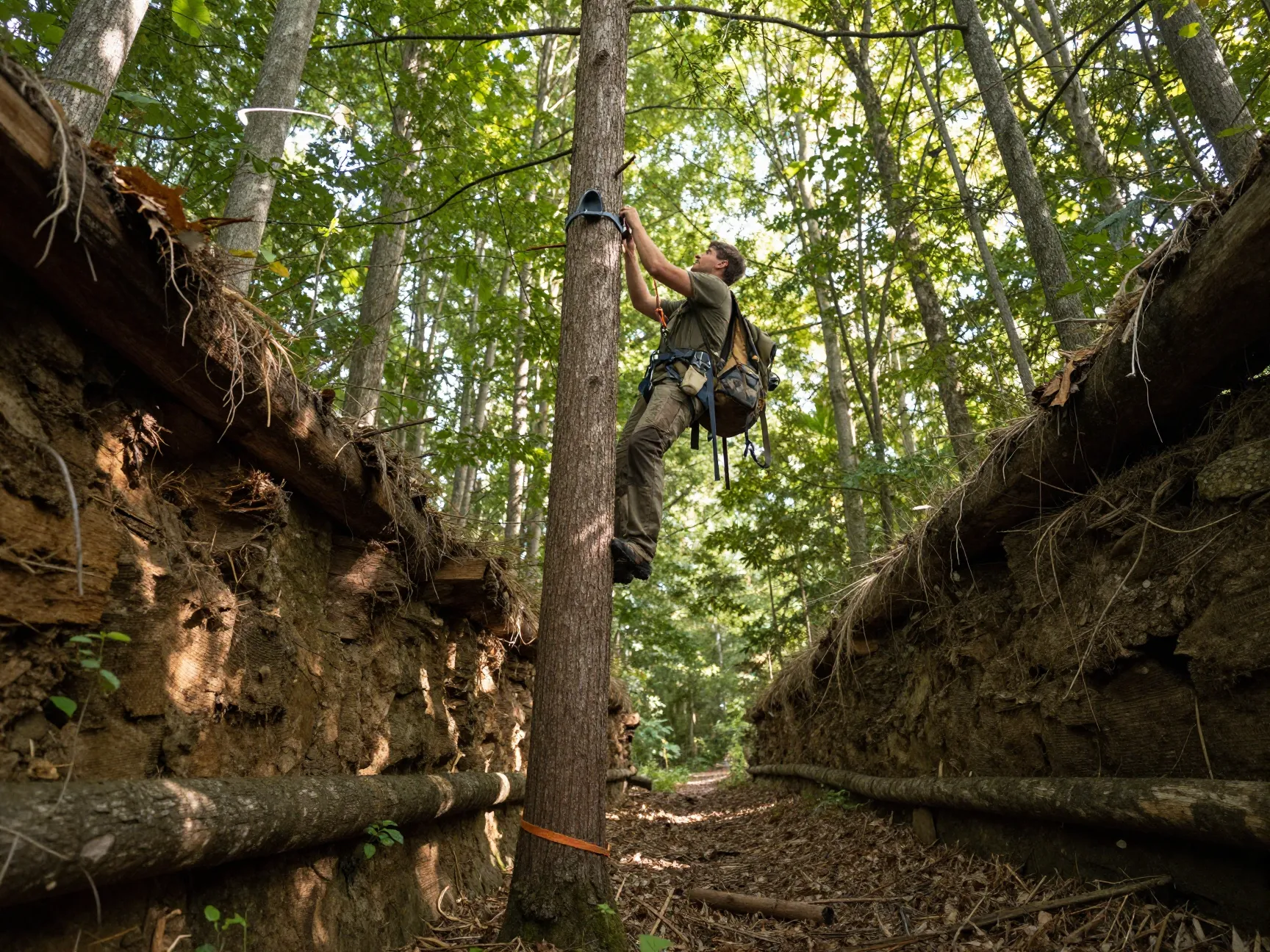
Stand location is the physical expression of all the scouting work done beforehand. A well-placed stand in the right location on the right wind is worth more than the most expensive bow on the market. Strategic stand selection accounts for entry and exit routes, shooting lanes, and the specific phase of the season [2].
Stand placement principles:
- Early season: Focus on food sources, crop fields, mast-producing oaks, and early food plots, where deer patterns are most predictable.
- Pre-rut: Transition to travel corridors, pinch points, and scrape lines as bucks begin expanding their range.
- Rut: Hunt funnels between doe bedding areas, and consider all-day sits when daylight buck movement peaks.
- Late season: Return to food sources, particularly high-calorie options like corn, soybeans, or brassicas, where deer are focused on rebuilding fat reserves.
Hang multiple stands, ideally three to five per property, to allow rotation based on wind direction. Hunting the same stand on the wrong wind because it is the only option available is a common and costly mistake [10].
Entry and exit discipline is equally important. The best stand in the world loses its value if the approach route blows deer out of the area every time it is accessed.
8. Understand and Exploit Rut Phases
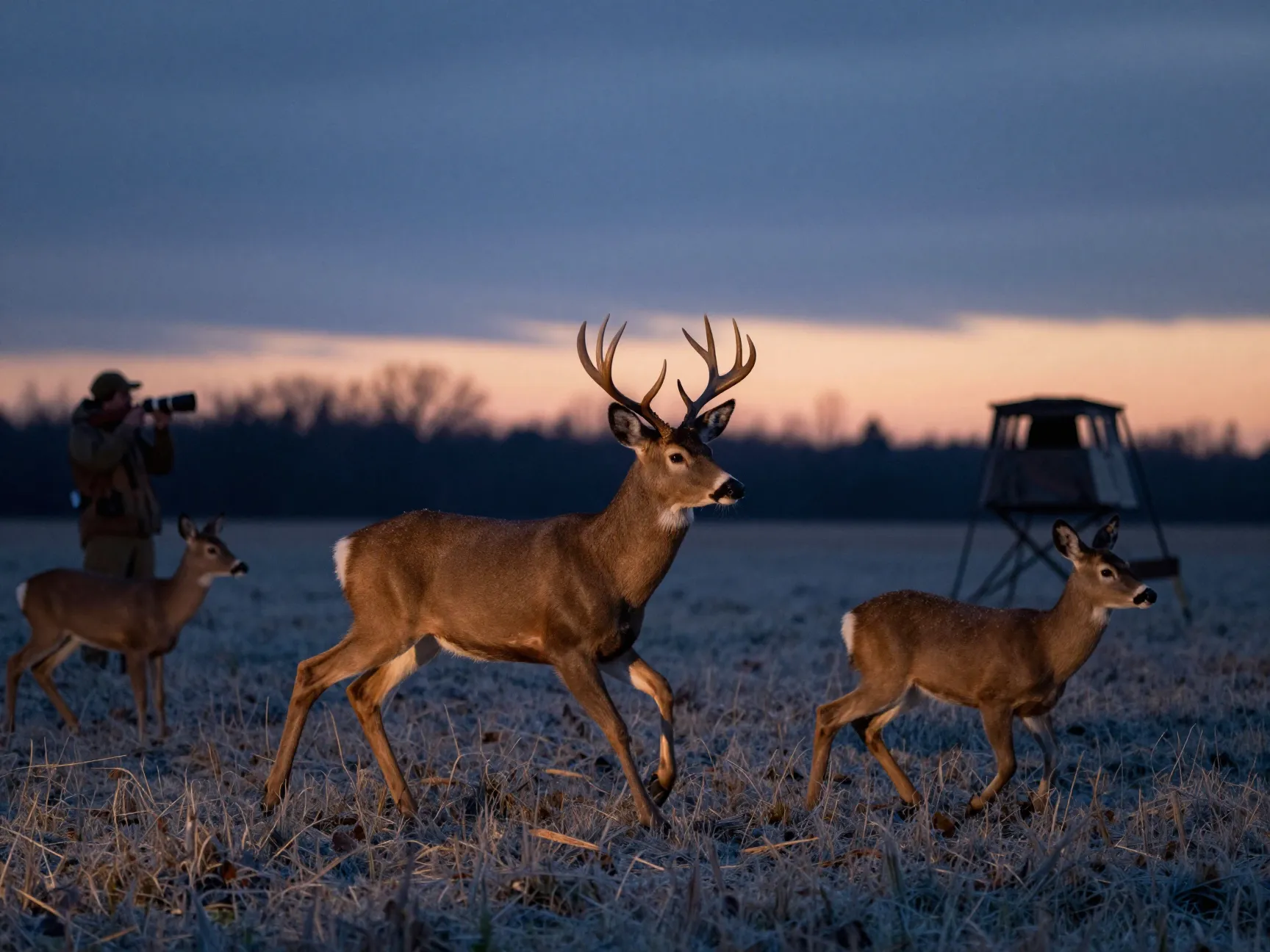
The whitetail rut is the single greatest equalizer in deer hunting. Bucks that are virtually invisible during the early season suddenly become vulnerable as breeding instincts override their survival instincts. Hunters who understand the distinct phases of the rut and adjust their strategies accordingly can experience their most productive days of the season [7].
The three primary rut phases:
Pre-rut (late October in most of the U.S.): Bucks are making scrapes, rubbing trees, and beginning to expand their home ranges. Calling with grunt tubes and rattling antlers starts to become effective. Hunt downwind of active scrape lines.
Peak rut (early to mid-November in most of the U.S.): Bucks are on their feet at all hours chasing does. All-day sits become productive. Doe decoys, estrus scents, and aggressive calling tactics are at their most effective. This is the time to hunt the best stand locations regardless of conditions [7].
Post-rut (late November into December): Bucks are exhausted and focused on recovery. Hunting pressure has been high. Return to food-source strategies and be patient. A second, smaller rut wave often occurs in December as unbred does cycle again.
Outdoor News highlights that hunters who map out their rut strategy months in advance, identifying which stands to hunt during which phase, consistently outperform those who make reactive, last-minute decisions [7].
9. Execute the Shot with Discipline and Patience
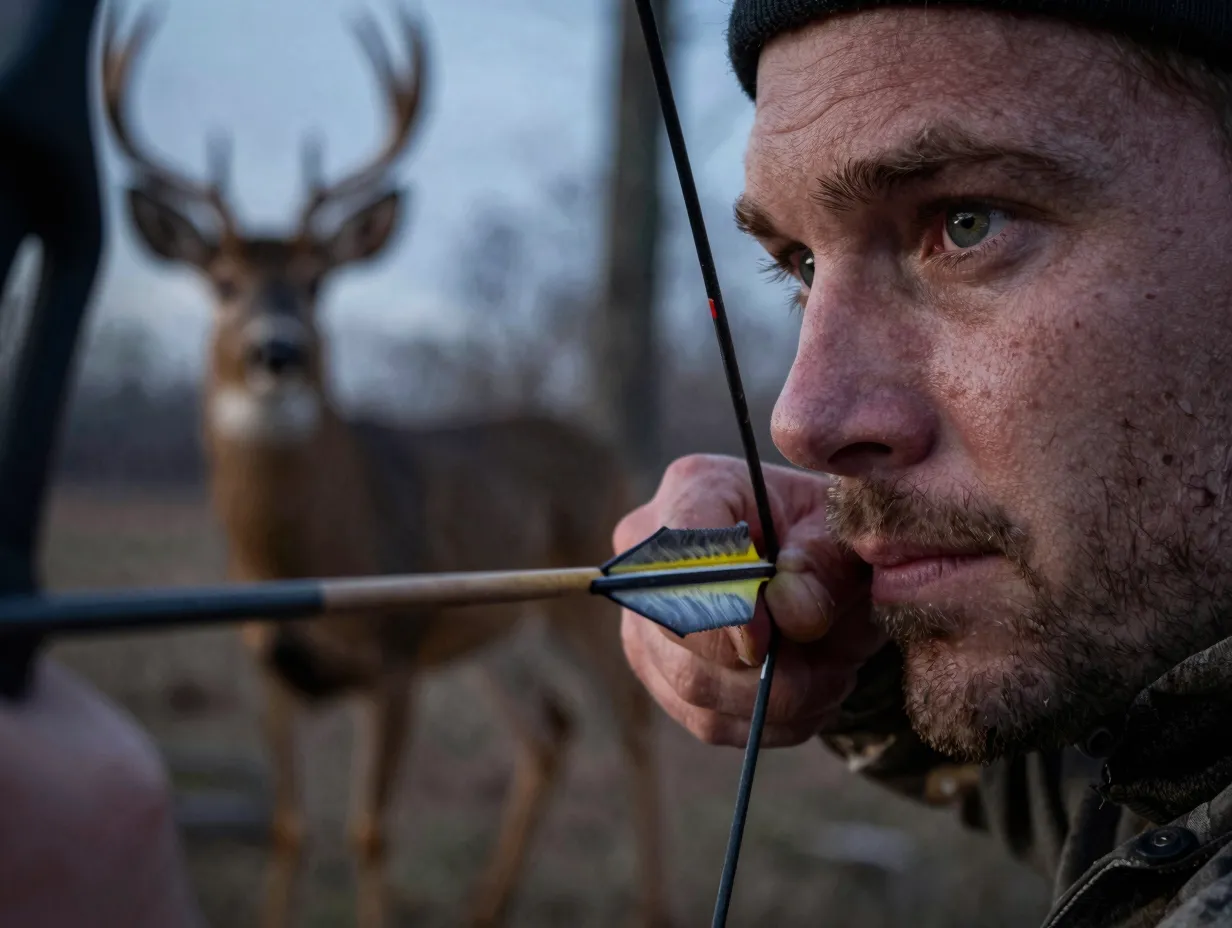
All of the preparation, scouting, and strategy in the world is meaningless without a clean, ethical shot. Shot execution under pressure is a skill that must be practiced deliberately and maintained throughout the season. Many bowhunters lose focus on shot mechanics once a deer is in range, and the result is poor hits or misses on animals that were well within range [5].
Shot execution fundamentals:
- Pick a spot, not the whole deer. Focus on a single hair or a small patch of hide behind the shoulder, not the entire animal.
- Wait for the right angle. The ideal shot is a broadside or slight quartering-away presentation. Quartering-to shots and head-on shots should almost always be passed.
- Control the shot surprise. A shot that is anticipated causes flinching and punching the trigger. Practice a back-tension or surprise release to eliminate this habit.
- Follow through. Keep the bow up and eyes on the deer after the shot. Note exactly where the deer was standing, the direction it ran, and any sounds it made.
- Wait before tracking. For a well-hit deer, waiting 30 to 45 minutes before beginning to track allows the animal to expire without being pushed further. For a liver or gut hit, waiting four to six hours is standard practice.
The Bowhunter Podcast and Field and Stream both emphasize that patience at the moment of truth, waiting for the right shot rather than forcing a marginal one, is the hallmark of a hunter who consistently recovers the animals they shoot [1][5].
Putting the 9 Proven Archery Hunting Strategies for a Successful Season Together
These nine strategies are not independent checkboxes. They form a sequential, interconnected system that builds from preseason preparation through in-season execution. A hunter who completes a thorough equipment inspection but skips scenario-based practice will still struggle. A hunter who scouts brilliantly but ignores wind on stand day will educate deer rather than kill them.
A simplified season timeline:
| Timeframe | Priority Actions |
|---|---|
| July | Begin 30-day preseason plan, review regulations, confirm land access |
| Late July – August | Full equipment inspection, broadhead tuning, begin practice |
| August – September | Scenario-based practice, summer scouting, hang stands |
| Opening Day – Pre-Rut | Hunt food sources, manage scent, rotate stands by wind |
| Pre-Rut – Peak Rut | Hunt funnels and scrape lines, call and rattle, all-day sits |
| Post-Rut – Late Season | Return to food sources, be patient, exploit second rut |
The Rogue Ridge bowhunting team puts it plainly: hunters who dominate archery season are not necessarily the most talented shots, they are the most prepared and the most disciplined [2].
Conclusion
The 9 proven archery hunting strategies for a successful season outlined here represent a complete framework, from the first gear inspection in late July to the final shot of the season. Success in the archery woods is earned through deliberate preparation, not stumbled into by chance.
Actionable next steps to take right now:
- Pull out a calendar and build a 30-day preseason plan starting in early July, with specific tasks assigned to each week.
- Schedule a full bow and equipment inspection at a local pro shop or on a personal workbench before August.
- Set up a scenario-based practice routine that includes elevated angles, full hunting gear, and broadheads at realistic distances.
- Download a mapping app and begin digital scouting of new or existing properties to identify stand locations before setting foot in the woods.
- Research the rut timing for the specific region and species being hunted, and plan which stands to hunt during each phase.
The hunters who follow through on these steps in 2026 will walk into the season with a significant advantage over those who wait until the last minute. The tag on the wall starts with the work done months before opening day.
References
[1] The Bowhunter Podcast – https://podcasts.apple.com/us/podcast/the-bowhunter-podcast/id1207041002
[2] Dominate Archery Season Tips And Tricks For Making The Most Of Your Fall – https://www.rogueridge.com/blog/dominate-archery-season-tips-and-tricks-for-making-the-most-of-your-fall/
[3] 7 Things Ill Do Different For Bowhunting In 2026 – https://www.bowhunting.com/article/7-things-ill-do-different-for-bowhunting-in-2026/
[5] 25 Tips Shoot Better Archery Season – https://www.fieldandstream.com/stories/hunting/all-hunting/25-tips-shoot-better-archery-season
[6] 7 Bow Hunting Tips For Deer Season A Beginners Guide – https://www.mossyoak.com/our-obsession/blogs/deer/7-bow-hunting-tips-for-deer-season-a-beginners-guide
[7] Want A More Efficient Whitetail Rut In 2026 Start Brainstorming Now – https://www.outdoornews.com/2026/01/05/want-a-more-efficient-whitetail-rut-in-2026-start-brainstorming-now/
[10] Bow Hunting Season Guide – https://www.ecoflow.com/us/blog/bow-hunting-season-guide