8 Rabbit Hunting Methods That Double as Predator Calling Practice
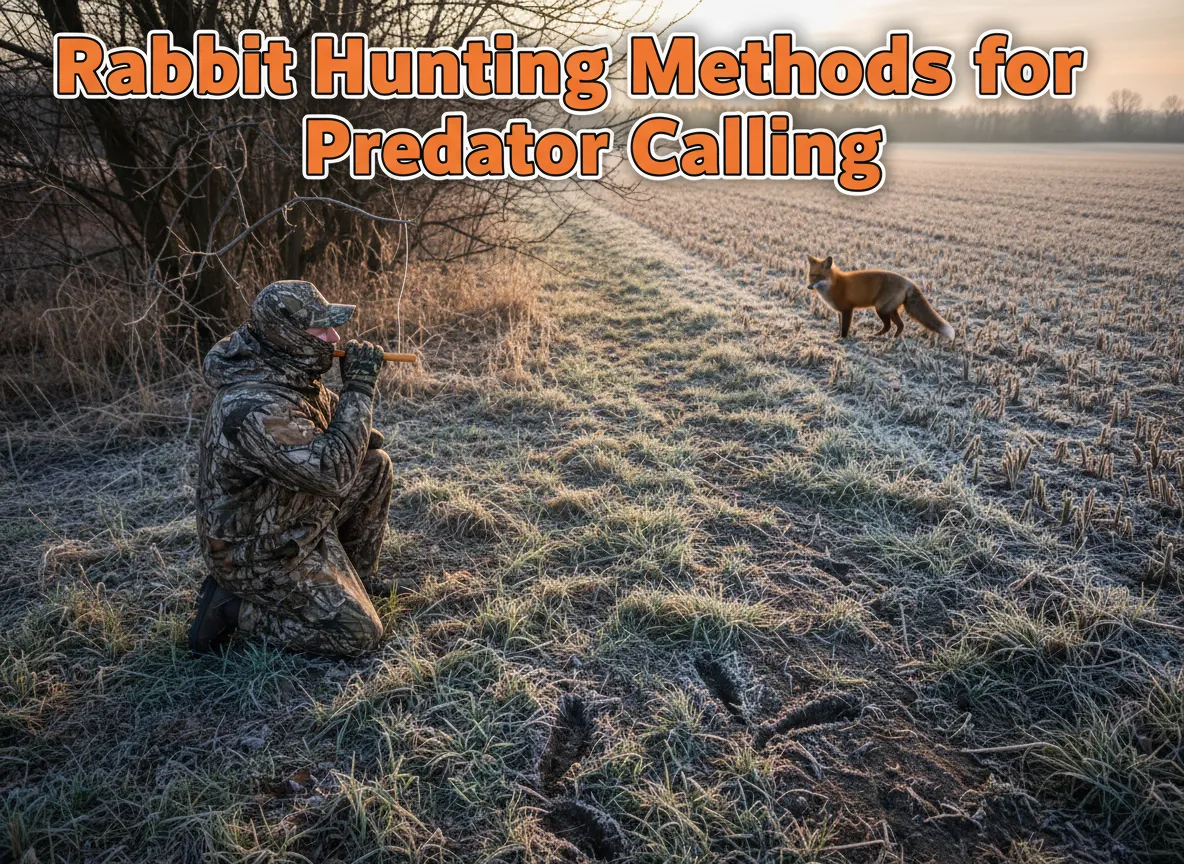
Fewer than one in five small-game hunters realize that every rabbit hunt they run is, at the same time, a free training session for calling in coyotes, foxes, and bobcats. The overlap is not accidental. Predators key on the same sounds, scent patterns, and movement cues that a rabbit hunter exploits, which means the 8 rabbit hunting methods that double as predator calling practice described below can sharpen two skill sets simultaneously. Whether the goal is a limit of cottontails before noon or a coyote pelt by February, the techniques in this guide build the fundamentals that matter most.
Disclosure: This post contains affiliate links. As an Amazon Associate, we earn from qualifying purchases, and at no extra cost to you.
Key Takeaways
- Rabbit distress calls are the single most transferable tool between small-game hunting and predator calling setups.
- Dawn and dusk windows produce the highest activity for both rabbits and the predators that hunt them.
- Wind, sun angle, and stand placement are non-negotiable fundamentals that must be practiced on every outing.
- Structured call cycles with deliberate silence periods are now a standard recommendation for both rabbit and predator hunting.
- Scouting skills built while reading rabbit sign translate directly into locating predator travel corridors.
Why Rabbit Hunting and Predator Calling Share the Same DNA
Before examining the specific methods, it helps to understand why the crossover works so well. Predators spend a large portion of their lives chasing rabbits. A cottontail in distress produces a high-pitched, wavering squeal that triggers an instinctive response in coyotes, red foxes, gray foxes, and bobcats across North America [3]. That same sound is exactly what a rabbit hunter uses to locate, flush, or hold rabbits in cover.
The result is a feedback loop: a hunter who practices rabbit distress calling in the field is, by definition, practicing predator calling at the same time. Every session teaches wind management, stand selection, call timing, and patience under real-world conditions [1].
“The rabbit distress call is arguably the most productive sound in all of predator calling. It works coast to coast, season to season, on virtually every North American predator.” [3]
The 8 rabbit hunting methods that double as predator calling practice outlined below are organized to build skills progressively, from the most basic to the most technically demanding.
The 8 Rabbit Hunting Methods That Double as Predator Calling Practice
1. Mouth-Blown Open-Reed Rabbit Distress Calls
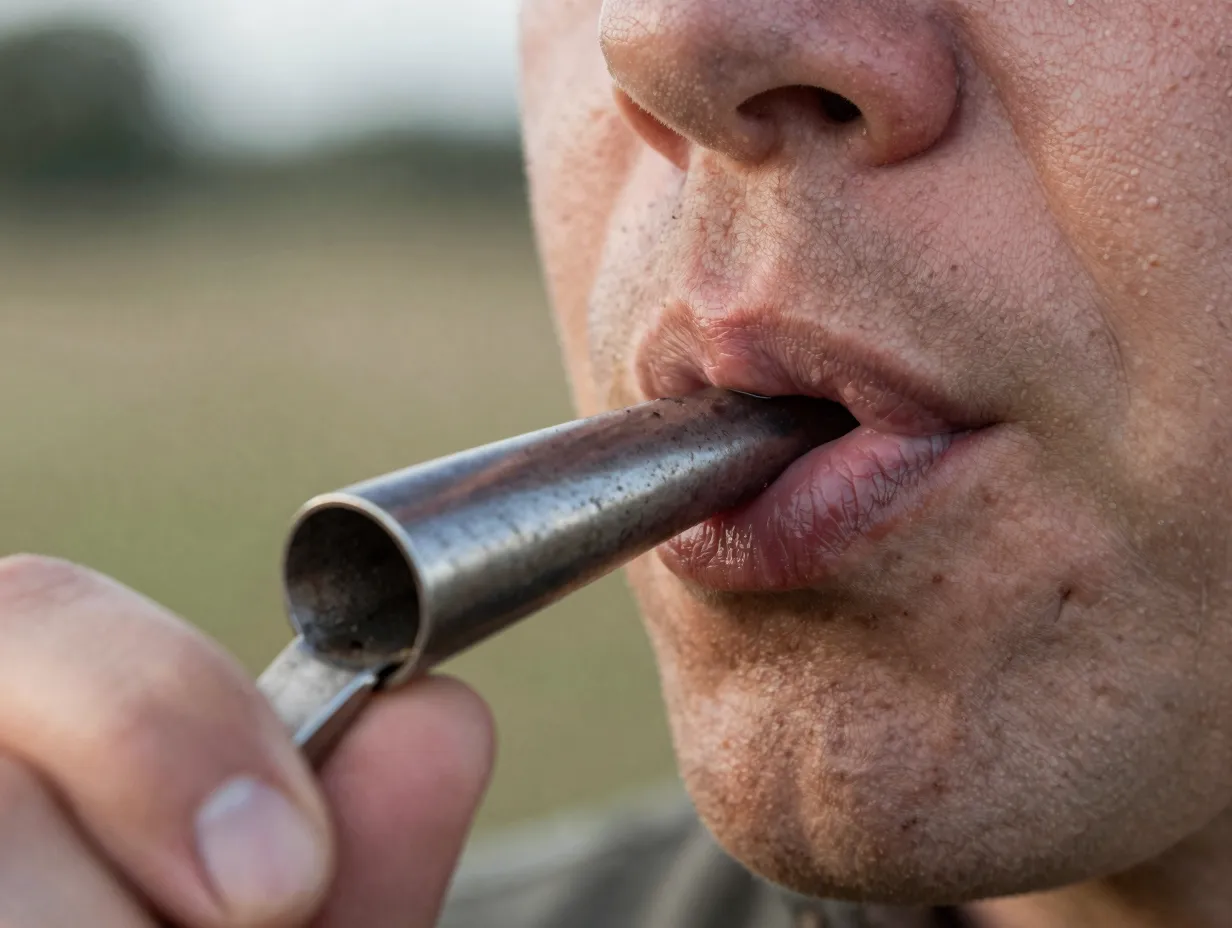
The open-reed call is the starting point for any hunter who wants to develop dual-purpose skills. Held between the lips and blown with controlled breath pressure, it produces a range of rabbit distress sounds from a low whimper to a full panic squeal [9]. The physical feedback of the reed against the lips teaches a hunter to modulate volume and pitch in real time, which is a skill that no electronic device can replicate.
Why it doubles as predator calling practice: Predator callers rely on the same open-reed design to produce rabbit distress sequences in the field [5]. Every hour spent on a rabbit stand with an open-reed call is direct muscle memory training for predator setups.
Key practice points:
- Start with low-volume whimpers and build to louder distress cries
- Vary the rhythm rather than blowing a steady, monotonous tone
- Practice stopping abruptly, which mimics a rabbit that has spotted a predator
2. The Handmade Rabbit Squeal (No Call Required)
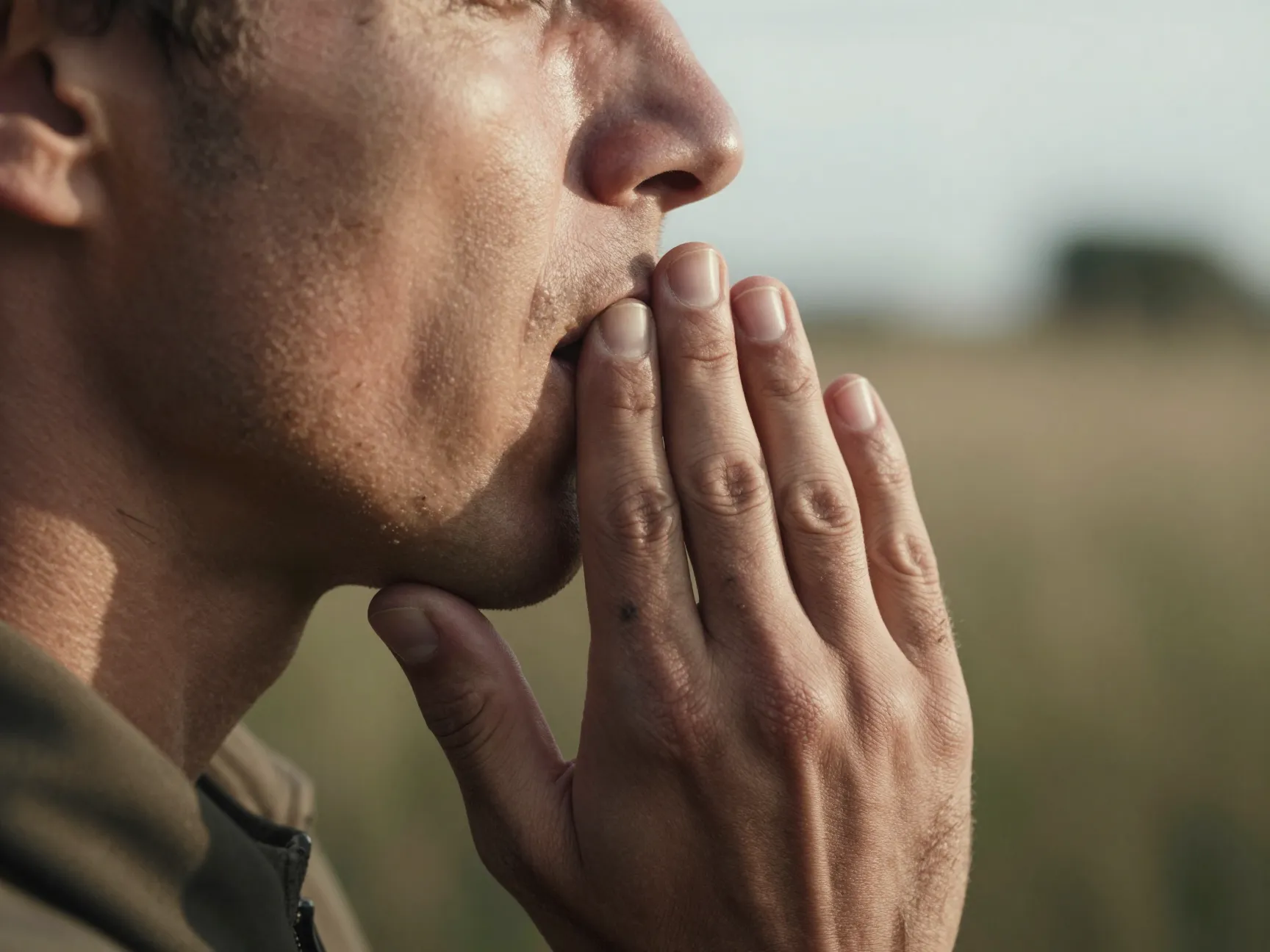
This minimalist method requires zero equipment. By pressing the back of the hand firmly against the lips and sucking air sharply, a hunter can produce a convincing rabbit distress squeal [8]. The technique has been taught in predator calling circles for decades and remains relevant in 2026 precisely because it demands no gear.
Why it doubles as predator calling practice: Predator hunters who lose or forget their calls in the field rely on exactly this technique to salvage a stand [8]. Practicing it during rabbit hunts builds the hand position and suction pressure needed to produce a realistic sound on demand.
Practice drill: Alternate between the handmade squeal and total silence for 30-second intervals. This trains the hunter to manage call timing without the crutch of a device.
3. Electronic Callers with Rabbit Distress Sound Libraries
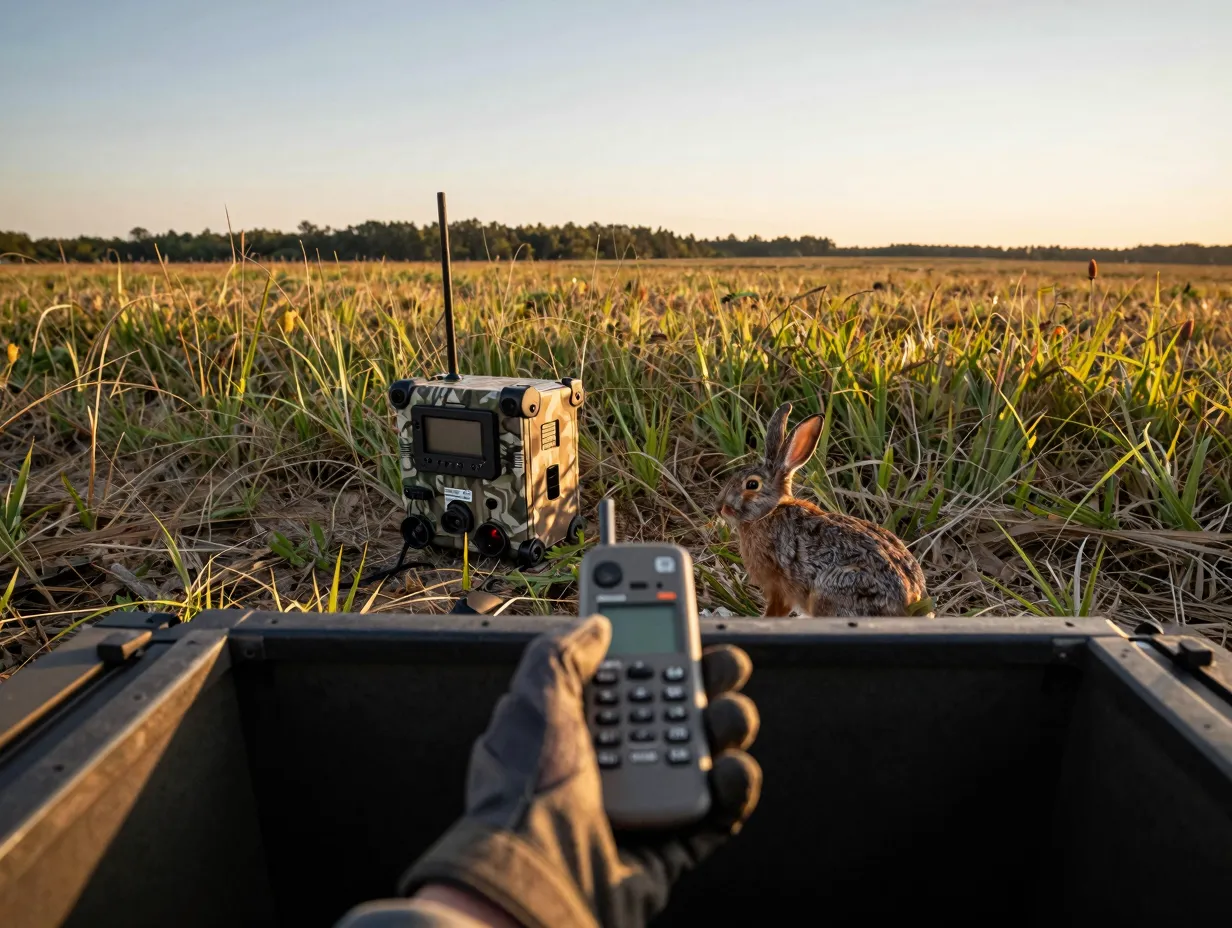
Electronic callers loaded with professionally recorded rabbit distress sounds have become the preferred tool for solo hunters who want to cover more ground systematically [3]. The best units allow the hunter to place the speaker 30 to 50 yards from the stand, drawing predators away from the shooter’s position.
Why it doubles as predator calling practice: Solo predator hunters depend on electronic callers because they cannot simultaneously call and shoot [1]. Running an e-caller during rabbit hunts teaches the hunter to manage speaker placement, volume levels, and call sequencing under real hunting pressure rather than in a backyard.
Recommended setup:
| Setting | Rabbit Hunting | Predator Calling |
|---|---|---|
| Volume | Low to medium | Medium to high |
| Speaker distance | 10-20 yards | 30-50 yards |
| Call interval | 2-3 min cycles | 3-5 min cycles |
| Silence period | 1 min | 2-3 min |
4. Structured Call Cycles with Deliberate Silence Periods
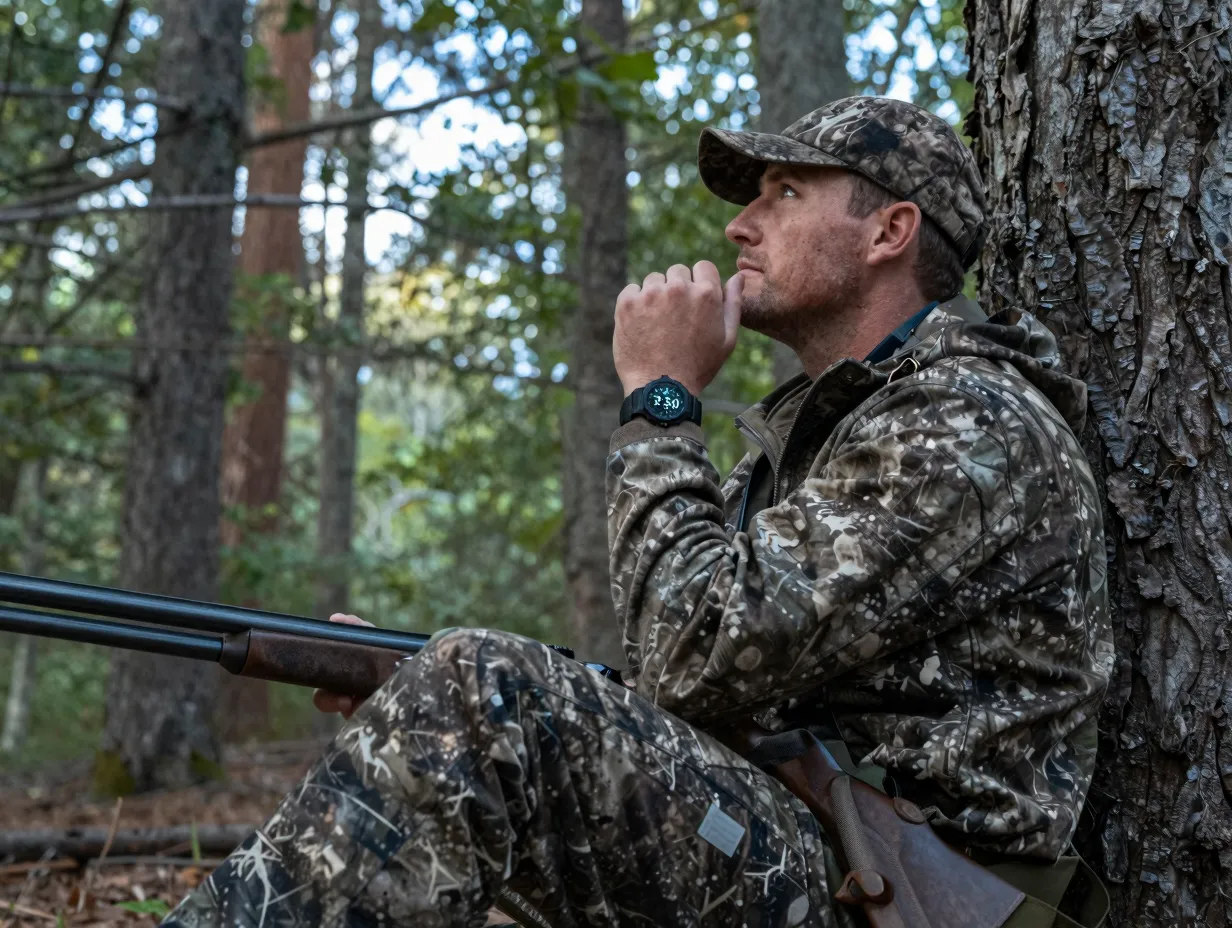
Regardless of whether a hunter uses a mouth call or an electronic unit, structured call cycles are now a standard recommendation in both rabbit and predator hunting instruction [3]. A typical cycle runs two to three minutes of calling followed by one to two minutes of complete silence.
Why it doubles as predator calling practice: Predator callers who call continuously train approaching animals to pinpoint the exact source of the sound, which increases the chance of detection [3]. Silence periods allow a predator to commit to the setup without locking onto the hunter’s position. Practicing this discipline on rabbit stands builds the patience that predator hunting demands.
Structured cycle template:
- Minutes 1-2: Aggressive distress sequence
- Minutes 3-4: Silence, scan for movement
- Minutes 5-6: Softer, intermittent whimpers
- Minutes 7-8: Full silence before relocating or continuing
5. Dawn and Dusk Time-of-Day Optimization
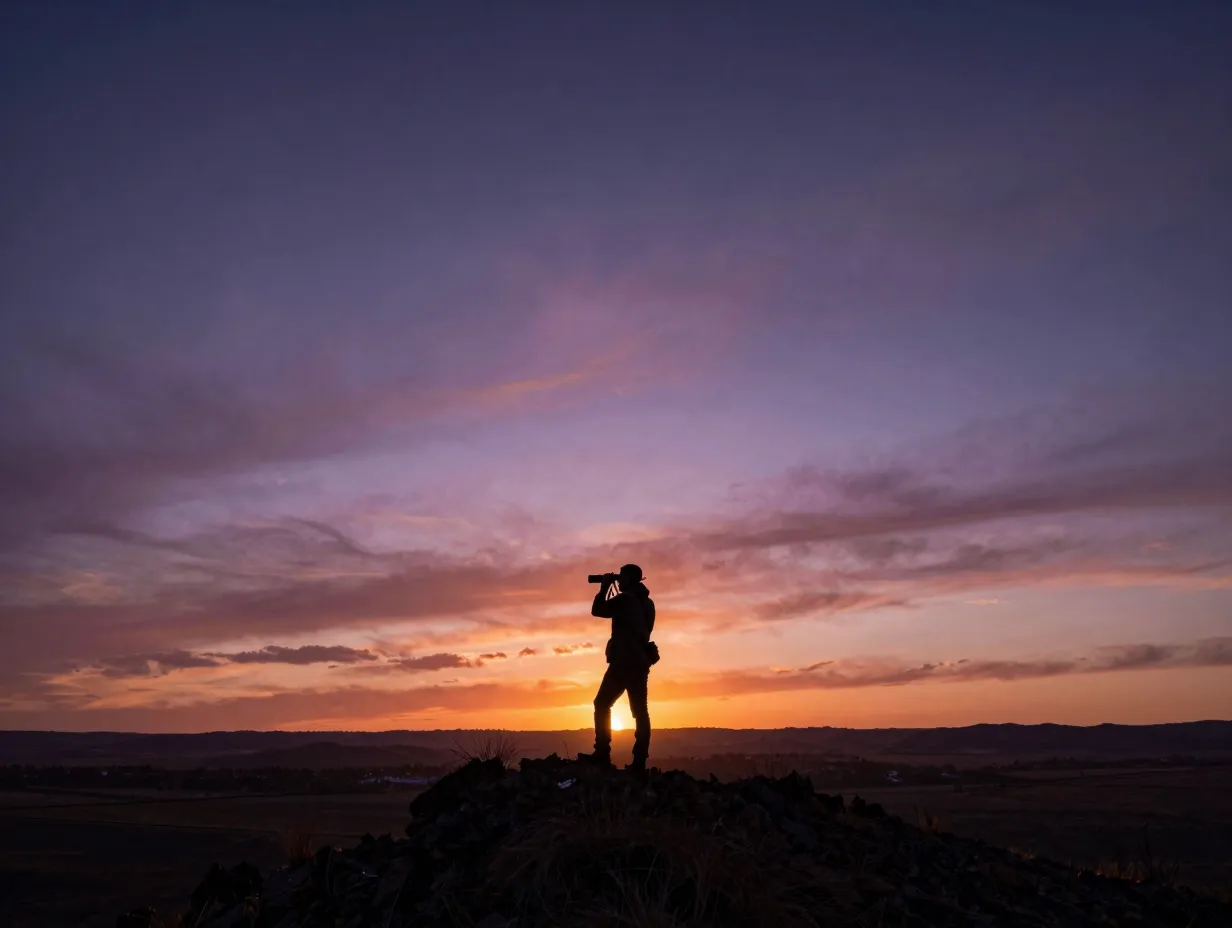
Timing is a method in itself. Dawn and dusk remain the most productive windows for both rabbit activity and predator movement [9]. Rabbits feed heaviest at first and last light, and predators follow the same schedule because that is when prey is most exposed.
Why it doubles as predator calling practice: A hunter who disciplines themselves to be on stand before first light and to stay through last light is building the same time-management habit that separates consistent predator callers from casual ones [1]. The physical experience of setting up in darkness, managing scent in shifting morning thermals, and reading low-light terrain is irreplaceable training.
Time-of-day productivity window:
| Period | Rabbit Activity | Predator Response |
|---|---|---|
| First 30 min of daylight | Very high | Very high |
| Mid-morning | Low | Low |
| Late afternoon | Moderate | Moderate |
| Last 30 min of daylight | Very high | Very high |
6. Wind, Sun, and Stand Placement Discipline
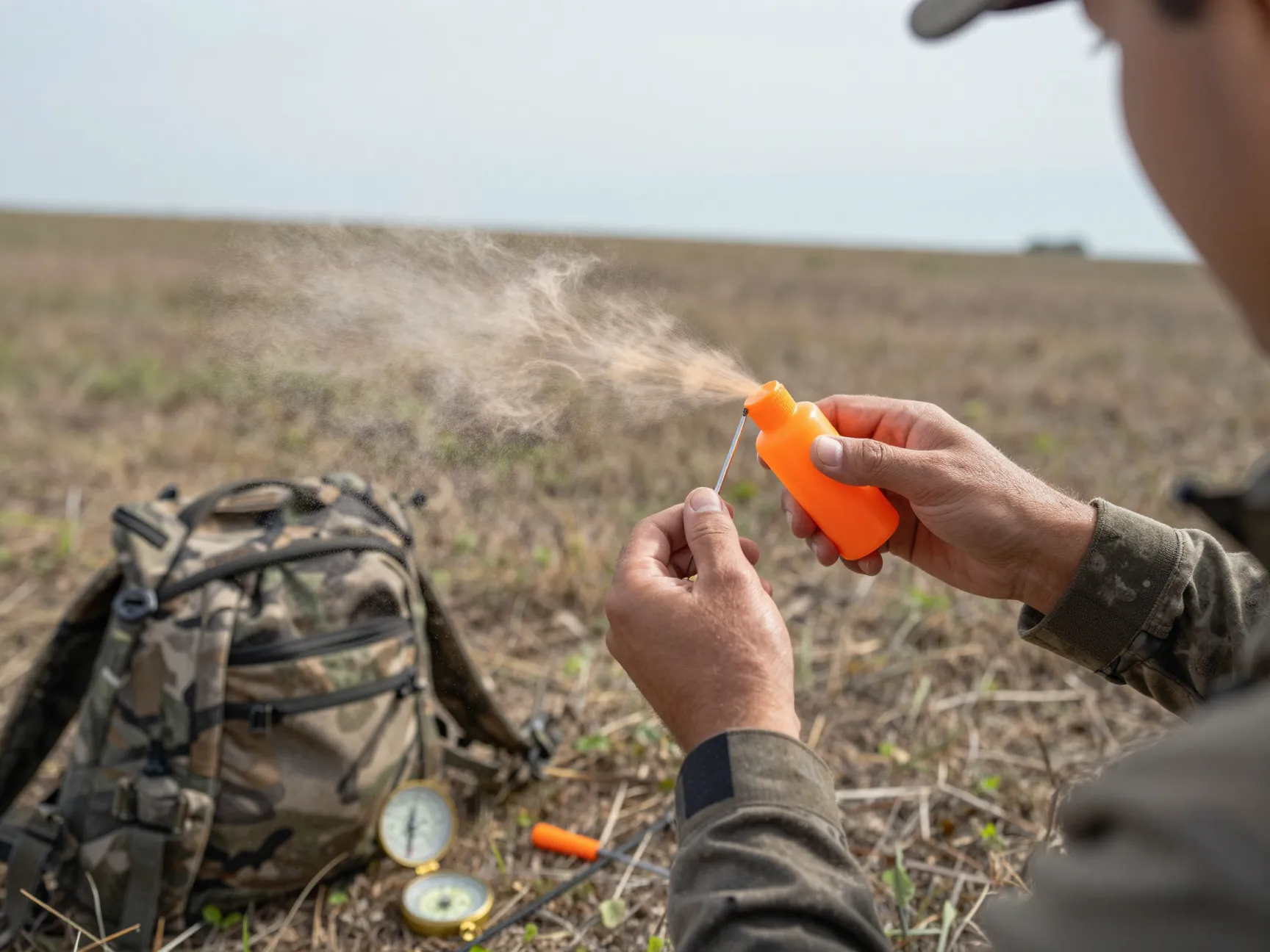
Stand placement is where most beginning hunters lose both rabbits and predators. The fundamentals are identical for both pursuits: hunt with the wind in the face, position the sun at the back or to the side, and select a stand that provides a clear view of likely approach routes [1].
Why it doubles as predator calling practice: Predators rely on their nose far more than rabbits do. A coyote or fox that scents a hunter at 200 yards will circle downwind and disappear without ever being seen [3]. Every rabbit stand that a hunter sets up with strict wind discipline is a repetition of the same setup process used for predators.
Stand placement checklist:
- Wind direction confirmed before moving into position
- Sun angle checked to avoid silhouetting
- Approach route chosen to minimize scent contamination of the kill zone
- Natural backstop identified to break the hunter’s outline
“Wind management is not optional. It is the single variable that determines whether a predator commits to the call or vanishes.” [3]
7. Scouting and Sign-Reading for Rabbit and Predator Overlap
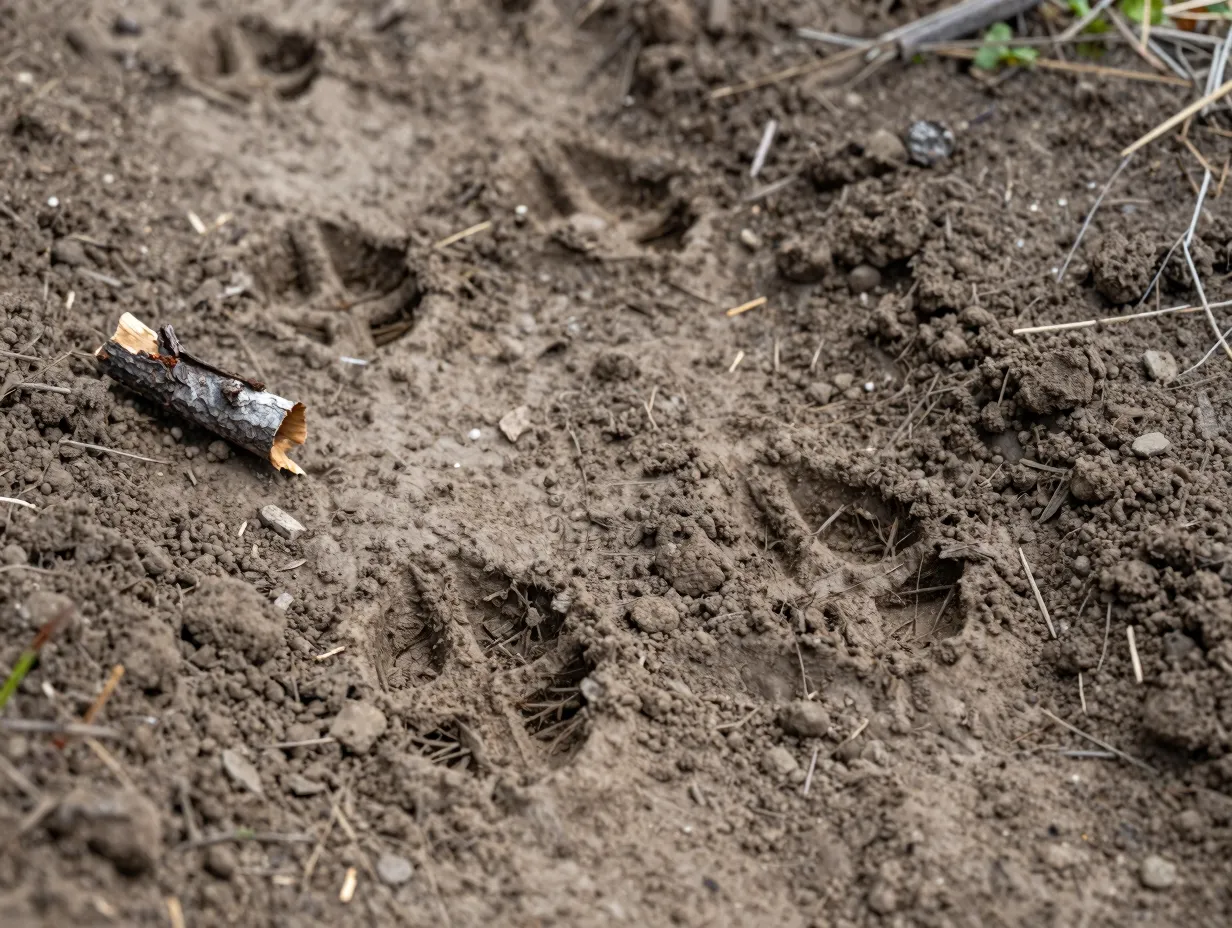
Scouting is a skill that most hunters treat as separate from the hunt itself, but it is one of the 8 rabbit hunting methods that double as predator calling practice precisely because it trains the eye to read landscape in a way that applies to both species. Fresh rabbit tracks, scat piles, gnawed vegetation, and territorial scrapes all indicate areas where rabbits concentrate [9].
Why it doubles as predator calling practice: Predators concentrate in the same areas where rabbits concentrate. A hunter who scouts rabbit sign is simultaneously mapping predator travel corridors [1]. Coyote tracks, fox scat, and bobcat scrapes found near rabbit habitat confirm that the location is worth setting up a calling stand.
Sign-reading priorities:
- Fresh tracks in soft soil or snow (within 24 hours)
- Scat deposits near feeding areas
- Gnawed bark or clipped vegetation at rabbit height
- Predator tracks overlapping rabbit sign
- Territorial markings (scrapes, urine posts) within 100 yards of rabbit cover
8. Call Variation and Realistic Distress Sequences
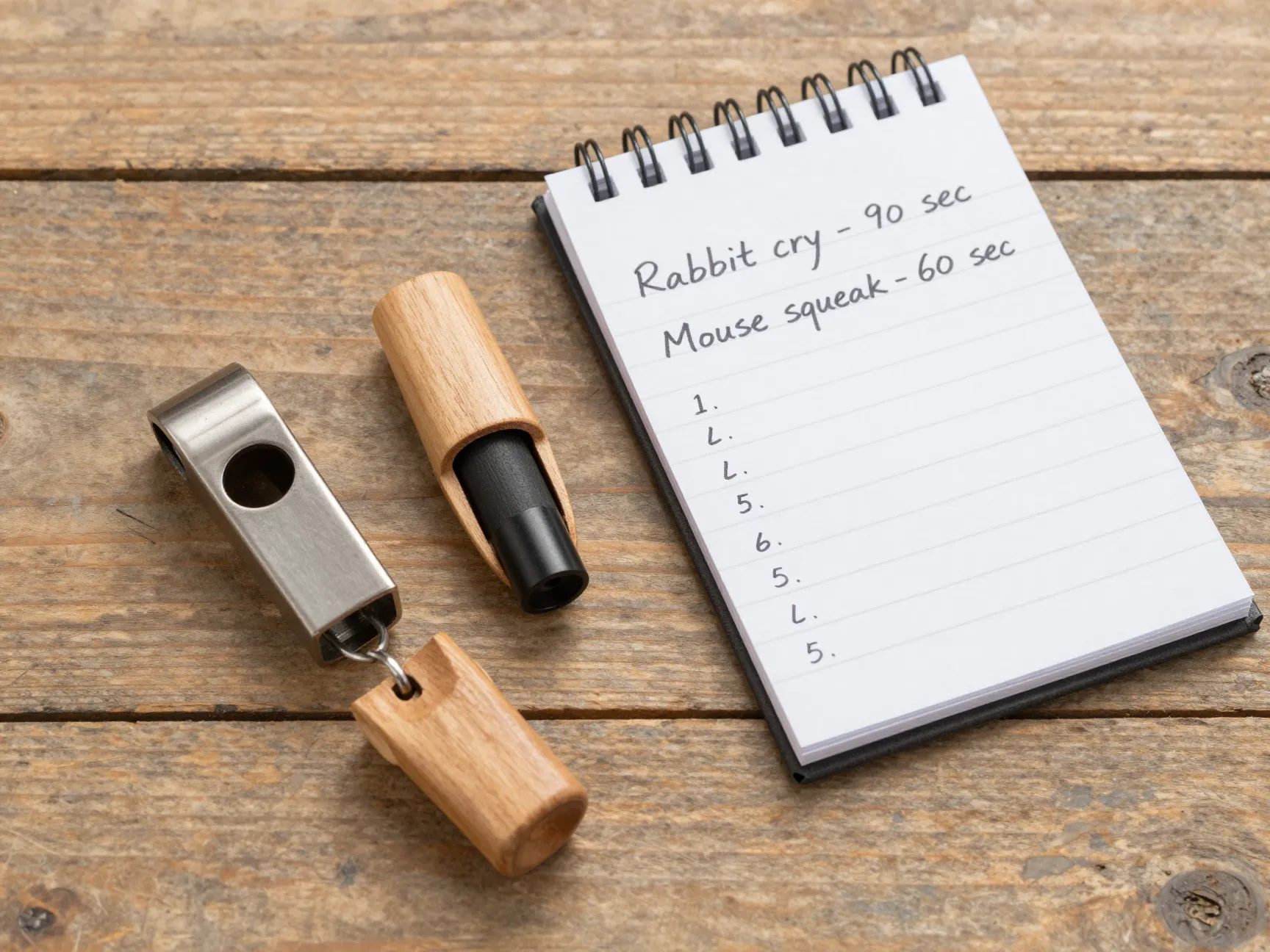
The most advanced of the 8 rabbit hunting methods that double as predator calling practice involves mixing rabbit distress sounds with other prey sounds to build realistic, varied sequences [3]. A single-note rabbit squeal repeated for 30 minutes sounds artificial to both educated rabbits and educated predators.
Why it doubles as predator calling practice: Predator callers who rely on a single sound eventually encounter call-shy animals that have been educated by other hunters [3]. Mixing rabbit distress with mouse squeaks, bird distress, or low-volume rabbit feeding sounds creates a soundscape that is harder for an animal to dismiss.
Realistic sequence example:
- Open with three to four aggressive rabbit distress cries
- Drop to low mouse squeaks for 60 seconds
- Return to moderate rabbit distress for 90 seconds
- End the cycle with soft, intermittent whimpers before silence
Call variation toolkit:
| Sound Type | Rabbit Hunting Use | Predator Calling Use |
|---|---|---|
| Loud rabbit distress | Locate and flush | Initial attraction |
| Soft rabbit whimper | Hold rabbits in cover | Draw predators closer |
| Mouse squeak | Transition sound | Close-range finisher |
| Bird distress | Cover noise | Secondary attraction |
Building a Dual-Purpose Practice Plan
The eight methods above work best when combined into a deliberate practice plan rather than used randomly. A structured approach might look like this across a single season:
Early season (September-October): Focus on methods 1, 2, and 7. Use open-reed calls and handmade squeals to build sound production skills while scouting new areas for rabbit sign. Note every location where predator tracks overlap rabbit habitat.
Mid-season (November-December): Introduce methods 3, 4, and 5. Begin running electronic callers on rabbit stands with structured call cycles. Commit to dawn and dusk windows exclusively for two weeks to build time-discipline.
Late season (January-February): Apply methods 6 and 8. Tighten stand placement discipline with strict wind and sun protocols. Build varied call sequences that mix rabbit distress with secondary sounds.
By late February, a hunter who has followed this progression has logged dozens of real-world repetitions of every fundamental predator calling skill, all while legally hunting rabbits.
Common Mistakes That Undermine Both Pursuits
Understanding what not to do is as important as knowing the right methods. Several errors appear consistently in both rabbit and predator hunting contexts [1] [3]:
Overcalling is the most common mistake. Continuous calling without silence periods sounds unnatural and alerts both rabbits and predators to the hunter’s position [3].
Ignoring wind shifts during a stand is the second most costly error. Wind direction can change within minutes, especially in broken terrain. A hunter who does not monitor wind throughout a stand will eventually be winded by a predator that was committed to the call [1].
Calling from a skylined position breaks the hunter’s silhouette against the sky, which is visible to both rabbits and predators at distances that exceed most hunters’ expectations.
Using maximum volume immediately is a habit that pushes nearby animals out of range before they can be seen. Starting low and building volume is the correct sequence for both rabbit and predator setups [9].
Gear That Supports Both Pursuits
A hunter does not need a separate kit for rabbit hunting and predator calling. The following items serve both purposes effectively:
- Open-reed mouth call: One call covers both applications [5]
- Electronic caller with rabbit distress library: Doubles as a predator calling unit [3]
- Camouflage pattern appropriate to the terrain: Identical requirement for both pursuits
- Wind indicator (powder or string): Non-negotiable for predator setups, highly useful for rabbit stands
- Binoculars: Identify approaching predators before they close to shooting range [4]
Conclusion
The 8 rabbit hunting methods that double as predator calling practice represent one of the most efficient skill-building opportunities available to any hunter. Every rabbit stand is a live-fire training session for wind management, call timing, stand placement, and sound production. The techniques above, from the handmade rabbit squeal to structured electronic call cycles, build the same muscle memory and situational awareness that predator calling demands at the highest level.
Actionable next steps for 2026:
- Purchase or locate a quality open-reed rabbit distress call before the next small-game season opens.
- Scout at least three new locations specifically looking for overlapping rabbit and predator sign.
- Commit to the structured call cycle template (call, silence, call, silence) on every stand regardless of species targeted.
- Practice the handmade rabbit squeal technique until it produces a consistent, realistic sound without a call device.
- Log each stand in a field journal, noting wind direction, time of day, animal responses, and call sequences used.
The hunter who treats every rabbit outing as a predator calling clinic will enter coyote and fox season with a level of field experience that most predator-specific hunters take years to accumulate.
References
[1] Predator Hunting Basics To Get Started – https://www.deeranddeerhunting.com/featured/predator-hunting-basics-to-get-started
[3] Mastering Predator Calling An In Depth Guide For Successful Hunts – https://www.sceeryoutdoors.com/blogs/field-notes/mastering-predator-calling-an-in-depth-guide-for-successful-hunts
[4] How To Bowhunt Predators – https://realtree.com/bowhunting/articles/how-to-bowhunt-predators
[5] Predator Distress Call – https://huntervale.com/calls/predator-distress-call/
[8] How To Call A Predator The Rabbit Squeal 1694132204 – https://gizmodo.com/how-to-call-a-predator-the-rabbit-squeal-1694132204
[9] Rabbit Sounds For Hunting A Guide To Effective Calls And Techniques – https://rt-stg.wd40.co.uk/rabbit-sounds-for-hunting-a-guide-to-effective-calls-and-techniques/