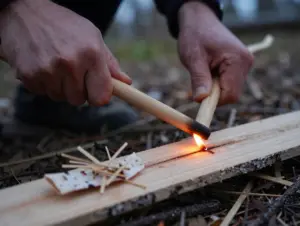
9 Ways to Achieve the Practical Outdoor Life Aesthetic
Nearly 60 percent of Americans say they want to spend more time outdoors, yet most struggle to translate that desire into a coherent, functional lifestyle identity. The practical outdoor life aesthetic is not about buying the most expensive gear or posing on a summit for social media. It is a deliberate design philosophy, one that fuses rugged utility with understated visual harmony. Whether the goal is to overhaul a wardrobe, redesign a living space, or simply carry better gear, understanding the 9 ways to achieve the practical outdoor life aesthetic gives anyone a clear, actionable roadmap.
Disclosure: This post contains affiliate links. As an Amazon Associate, we earn from qualifying purchases, and at no extra cost to you.
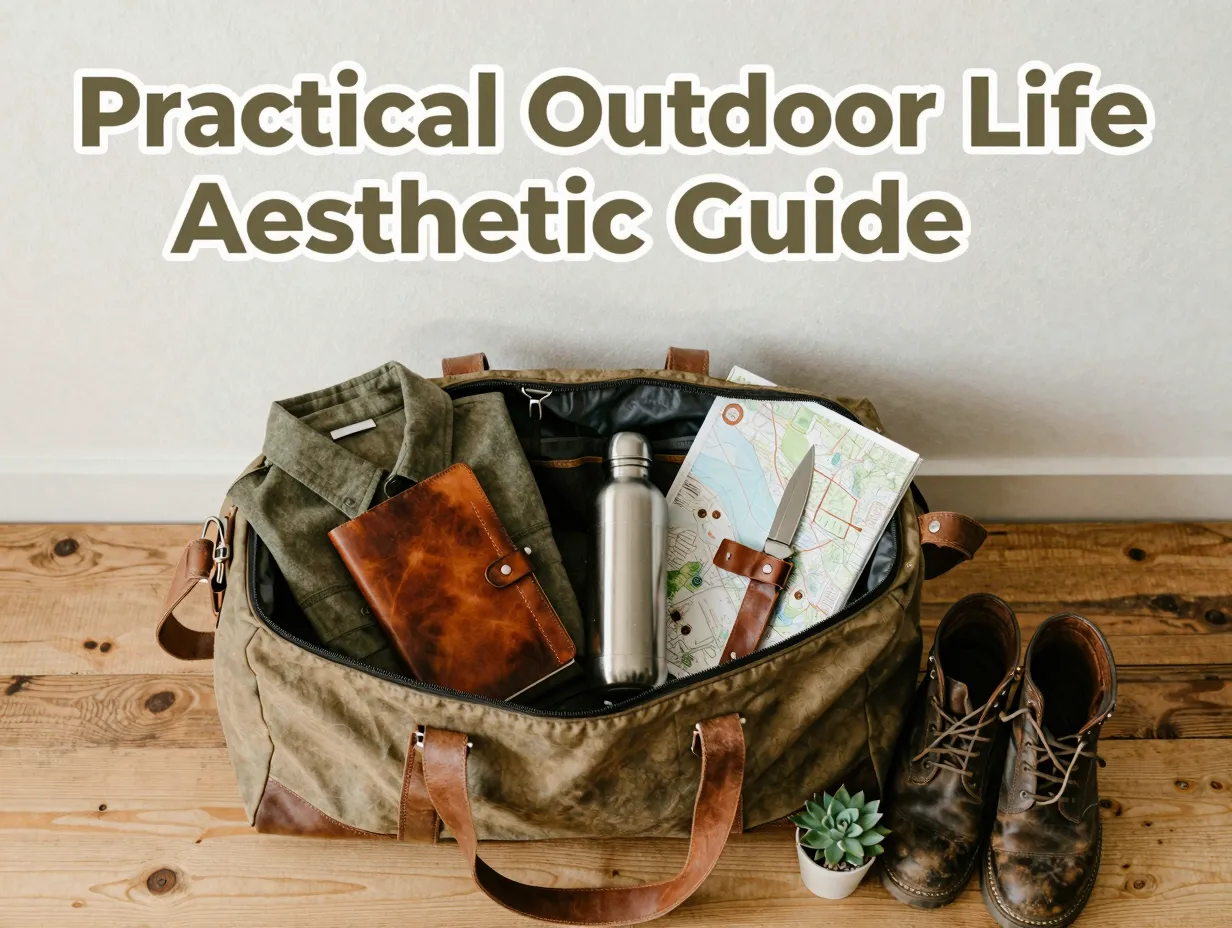
This guide breaks down each approach in plain terms, drawing on principles of functional design, sustainable material selection, and honest outdoor culture.
Key Takeaways
- The practical outdoor life aesthetic prioritizes function first, with form following naturally from well-chosen, durable materials.
- Earth-toned color palettes, natural textures, and minimalist layering are the visual foundation of this style.
- Gear, clothing, home environment, and daily habits all contribute equally to a cohesive outdoor aesthetic.
- Sustainability and longevity are core values, buy less, buy better, and maintain what is owned.
- The aesthetic is accessible at any budget when the focus shifts from brand prestige to genuine utility.
What the Practical Outdoor Life Aesthetic Actually Means
Before diving into the 9 ways to achieve the practical outdoor life aesthetic, it helps to define what this aesthetic truly is, and what it is not.
The practical outdoor life aesthetic is a visual and lifestyle philosophy rooted in purposeful simplicity. Every object, garment, and design choice earns its place by serving a real function. Unlike purely decorative interior trends or fashion-forward streetwear, this aesthetic resists excess. It draws from the traditions of wilderness guides, field researchers, backcountry farmers, and working foresters, people who depend on their gear and environment to perform.
Core characteristics include:
- Natural, muted color palettes (olive, slate, tan, charcoal, forest green, rust)
- Materials that age gracefully: waxed canvas, wool, leather, raw linen, oiled wood
- Tools and objects that are repairable, not disposable
- Spaces that feel lived-in, grounded, and connected to the natural world
- Clothing that transitions seamlessly from trail to town
“The best gear is the gear you forget you are wearing because it simply works.”
This aesthetic is not about performing ruggedness. It is about building a life where outdoor readiness is the default, not the exception.
9 Ways to Achieve the Practical Outdoor Life Aesthetic
1. Build a Capsule Wardrobe Around Function and Durability
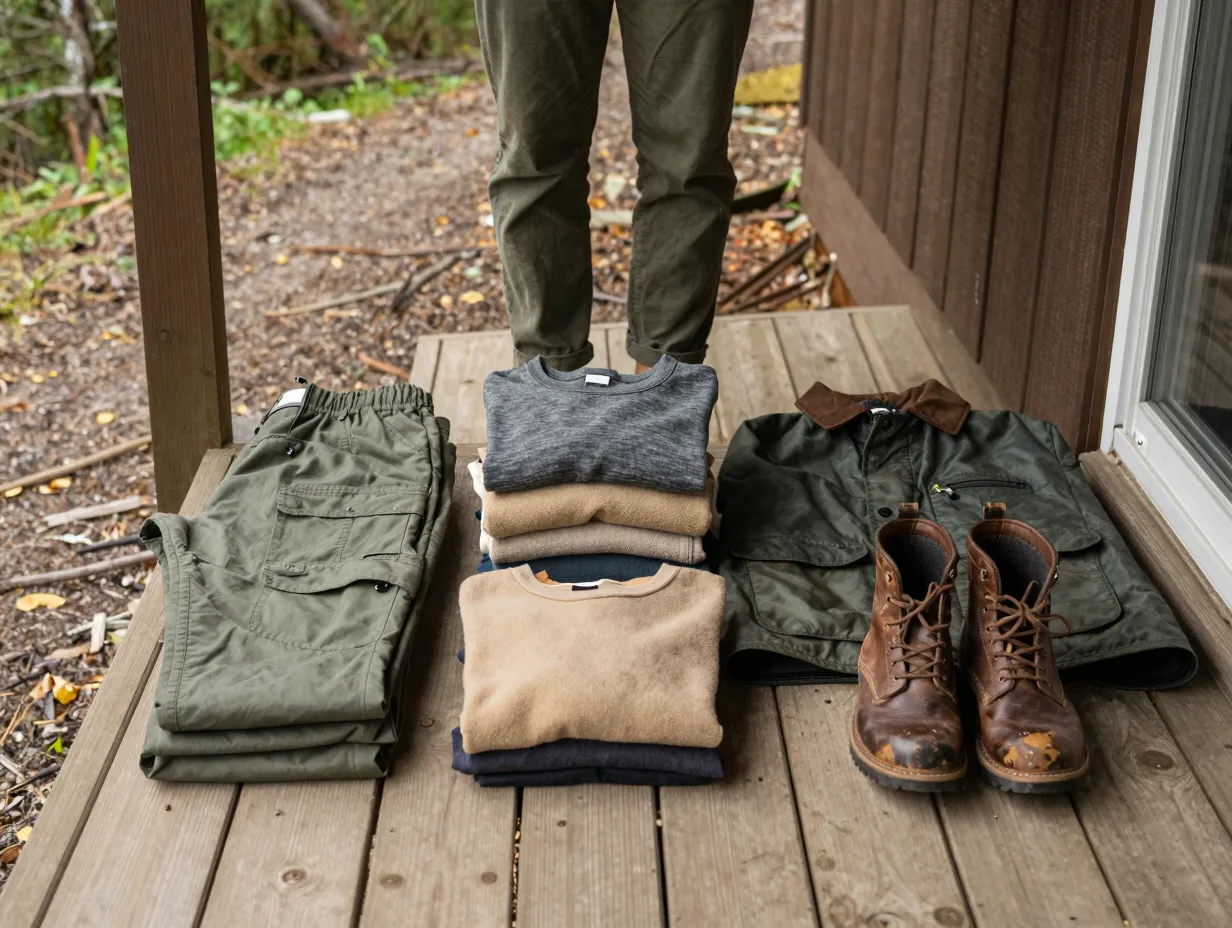
The foundation of the practical outdoor life aesthetic begins with clothing. A capsule wardrobe built on functional principles eliminates decision fatigue and ensures every garment earns its space.
Start with these core categories:
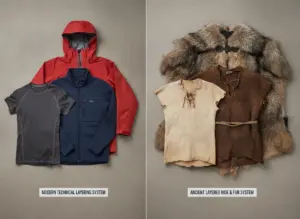
- Base layers in merino wool or moisture-wicking synthetics
- Mid-layers in fleece or insulated quilted jackets
- Outer shells in waxed cotton or technical waterproof fabrics
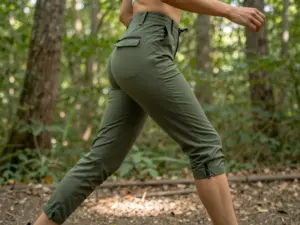
- Durable trousers in canvas, ripstop nylon, or heavy-duty denim
- Footwear that handles both trail and pavement with confidence
The color palette should stay tight: olive drab, tan, slate grey, charcoal, and muted rust work together without effort. Avoid loud logos and synthetic-looking fabrics that signal fashion over function.
Brands to research: Filson, Patagonia, Fjallraven, Danner, and Red Wing have built reputations on longevity. However, military surplus stores and workwear retailers often offer equivalent durability at a fraction of the price.
The goal is a wardrobe of roughly 20 to 30 pieces that cover every condition from a cold morning hike to a casual dinner in town.
2. Choose Gear That Solves Real Problems
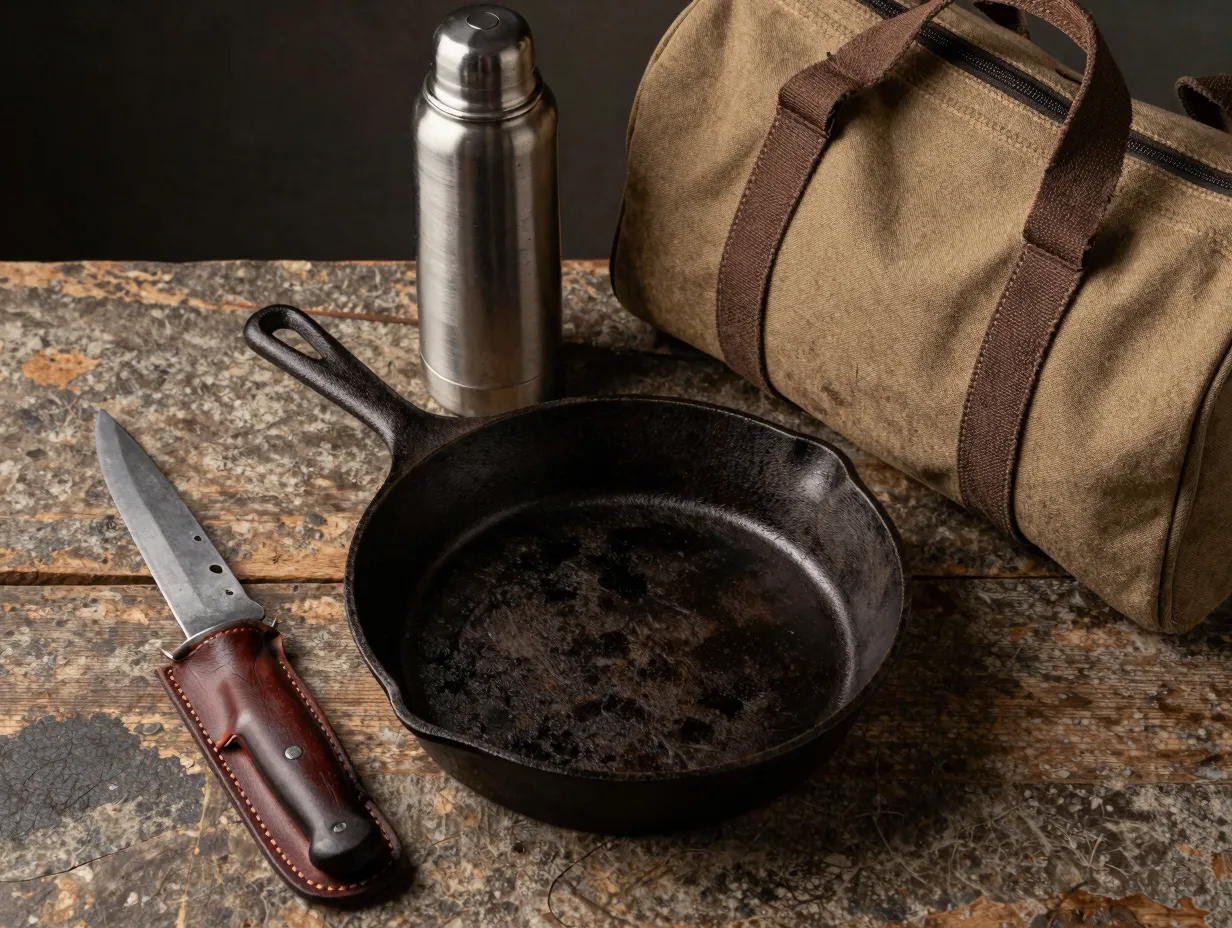
Gear selection is where the practical outdoor life aesthetic diverges sharply from gear culture. The aesthetic is not defined by owning the newest ultralight titanium everything. It is defined by owning the right tools for the actual life being lived.
Ask these questions before any purchase:
- Does this solve a specific problem encountered regularly?
- Is it repairable when it breaks?
- Will it still be useful in five or ten years?
- Is it made from materials that age well rather than degrade?
A well-oiled cast iron skillet, a quality fixed-blade knife, a stainless steel thermos, and a waxed canvas bag are more representative of this aesthetic than a collection of single-use gadgets.
3. Embrace an Earth-Toned Color Palette Everywhere
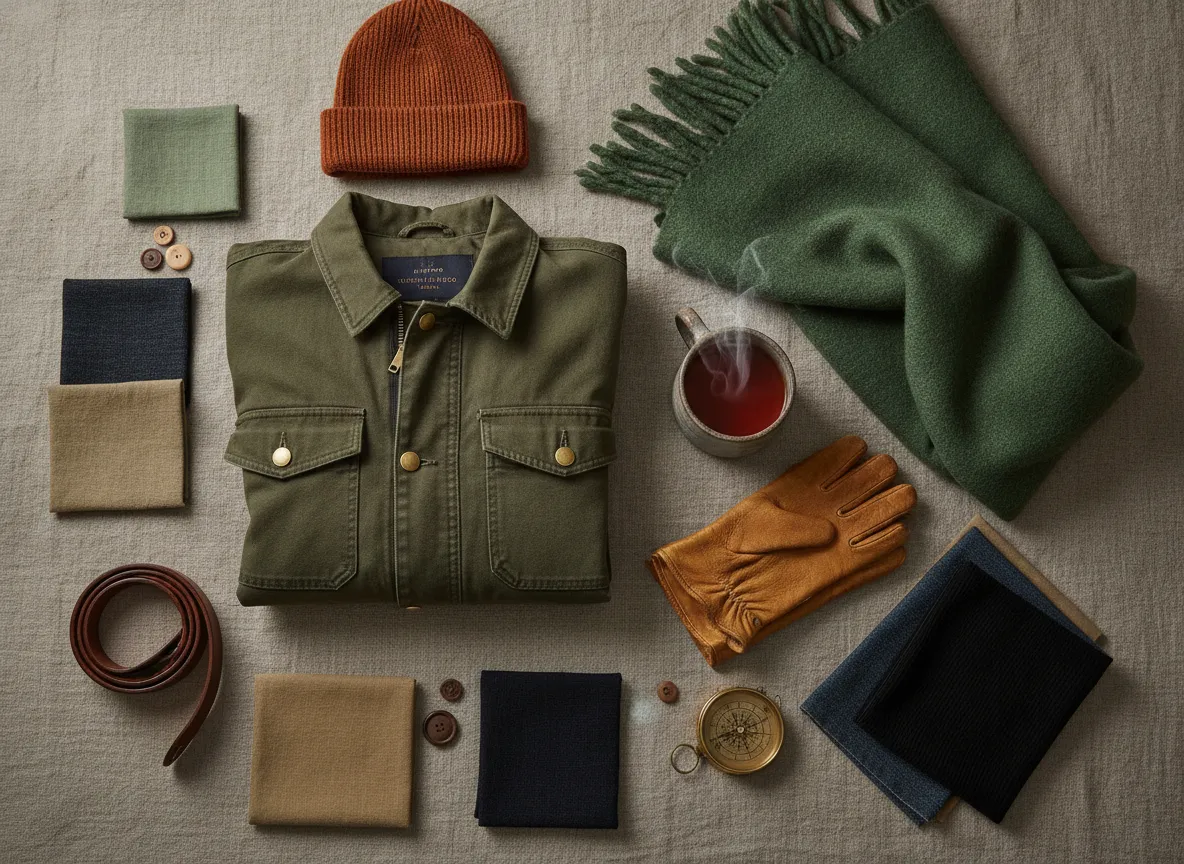
Color is one of the fastest ways to signal the practical outdoor life aesthetic. Earth tones are not just a fashion choice, they are a functional one. Muted, natural colors blend into outdoor environments, show wear gracefully, and coordinate effortlessly.
The core outdoor palette:
| Color Family | Examples | Where to Use |
|---|---|---|
| Greens | Olive drab, forest, sage | Jackets, trousers, packs |
| Neutrals | Tan, khaki, sand | Base layers, shirts |
| Darks | Charcoal, slate, black | Outer layers, footwear |
| Warm accents | Rust, burnt orange, brown | Accessories, leather goods |
Apply this palette beyond clothing. Home textiles, furniture finishes, wall colors, and even the objects kept on a desk can reflect this grounded, nature-connected visual language.
4. Design Your Living Space as a Base Camp
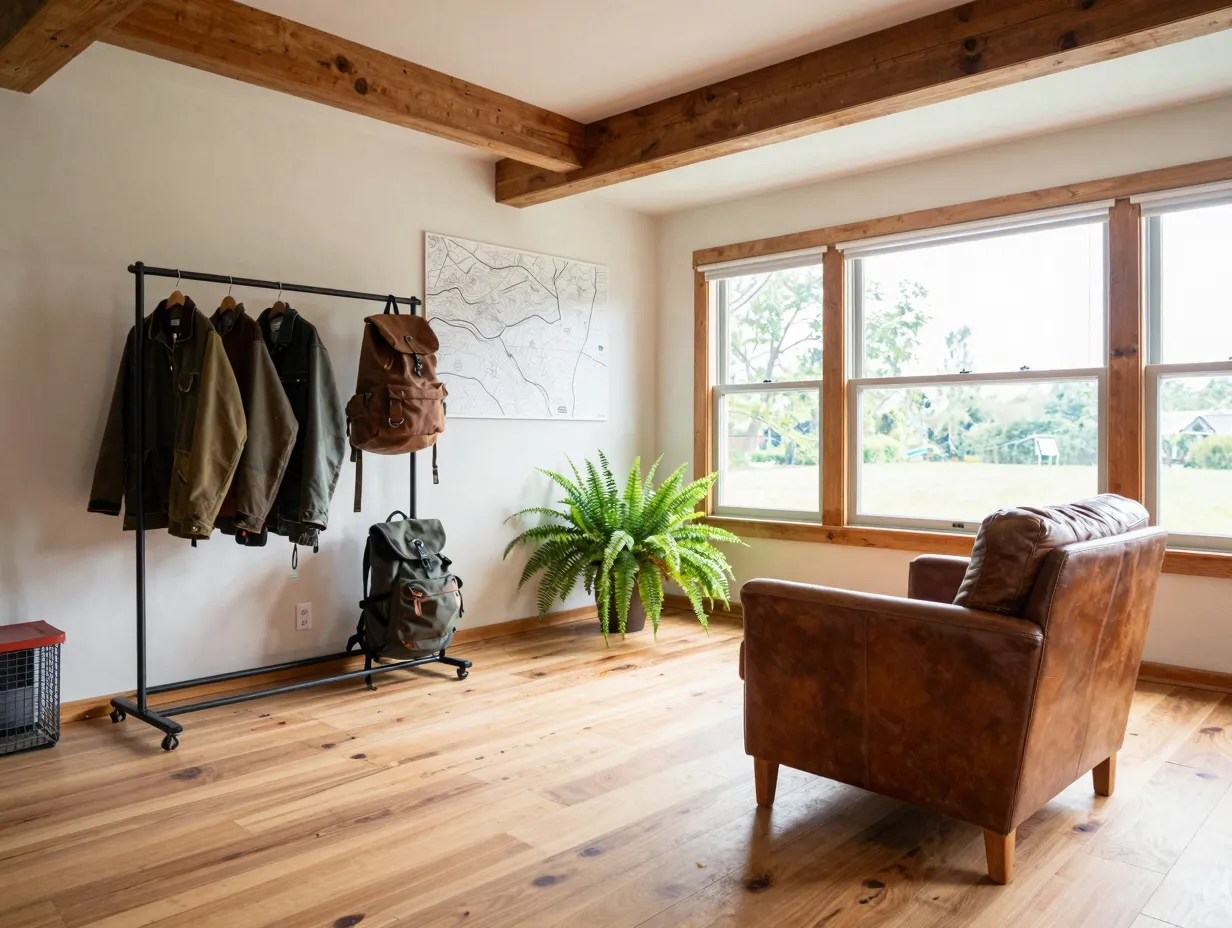
The practical outdoor life aesthetic extends indoors. A home or apartment that reflects this philosophy functions as a base camp, organized, purposeful, and ready for the next adventure.
Key interior principles:
- Use natural materials: raw wood, stone surfaces, linen textiles, leather upholstery
- Keep gear organized and visible rather than hidden in closets, a well-hung rack of packs and jackets is both functional and visually compelling
- Incorporate topographic maps, field guides, and nature photography as wall art
- Choose furniture built for durability over trend, solid wood, canvas, and metal over particleboard and fast furniture
- Let natural light dominate; avoid heavy, light-blocking window treatments
Plants, particularly low-maintenance varieties like succulents, ferns, and air plants, reinforce the connection to the natural world without requiring excessive upkeep.
The space should feel like it belongs to someone who actually goes outside, not someone who simply decorates with outdoor motifs.
5. Develop Consistent Outdoor Habits and Routines
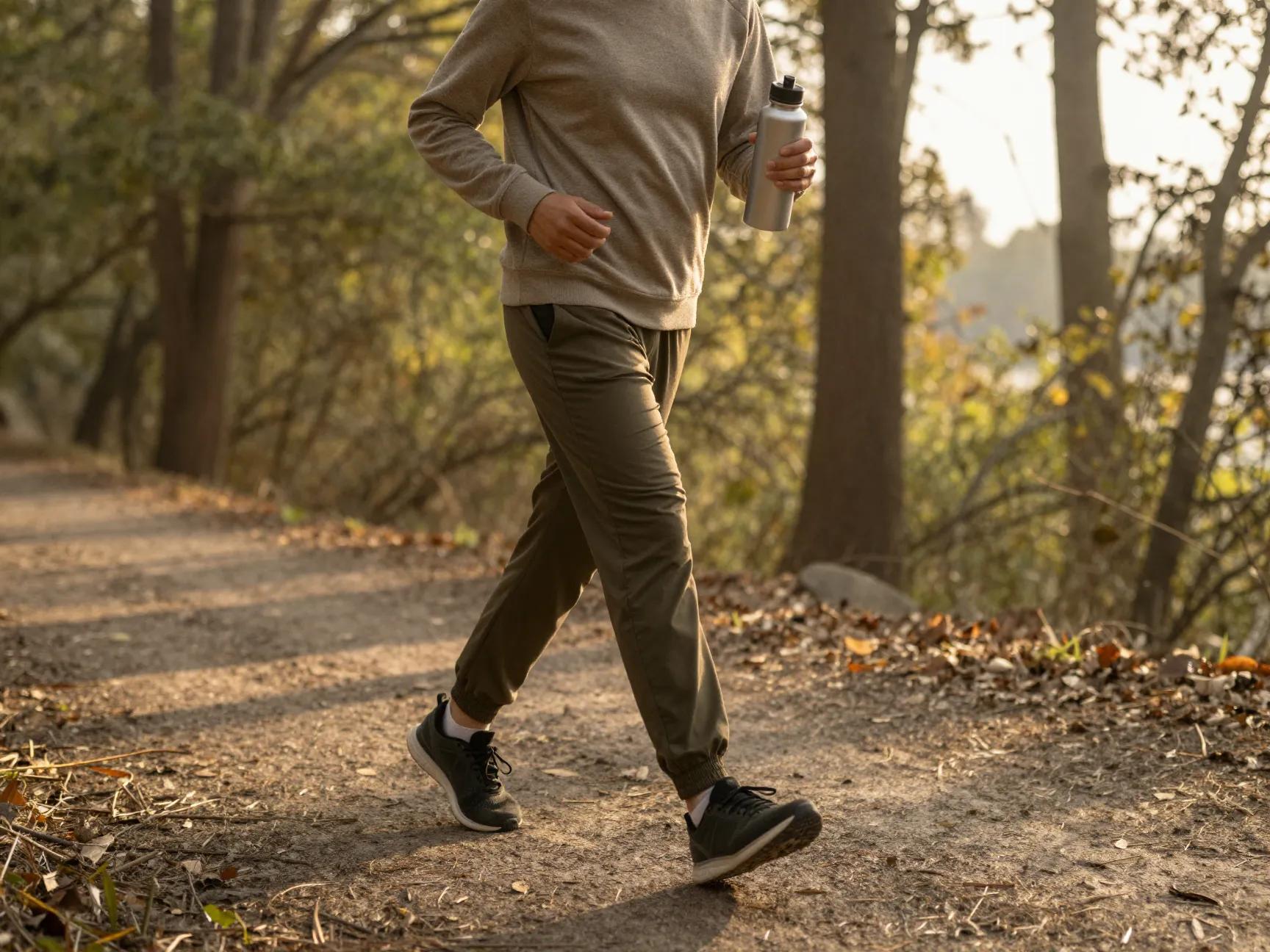
Aesthetic is not only visual. The practical outdoor life aesthetic is also behavioral. People who embody this style do not just look the part, they live it through consistent habits.
Habits that reinforce the aesthetic:
- Morning walks or runs before screens are checked
- Weekly time in nature, even in urban environments (parks, waterways, green spaces)
- Seasonal activities that connect to the local environment: foraging, fishing, snowshoeing, trail running
- Maintaining and repairing gear rather than replacing it at the first sign of wear
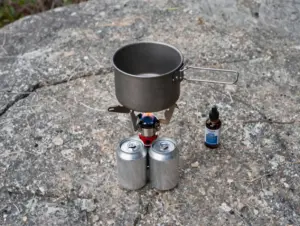
- Cooking outdoors regularly, a camp stove or fire pit used monthly is not a prop, it is a practice
Consistency matters more than intensity. A 30-minute walk in the woods three times a week builds a stronger connection to the outdoor aesthetic than one dramatic annual expedition.
6. Prioritize Natural and Sustainable Materials
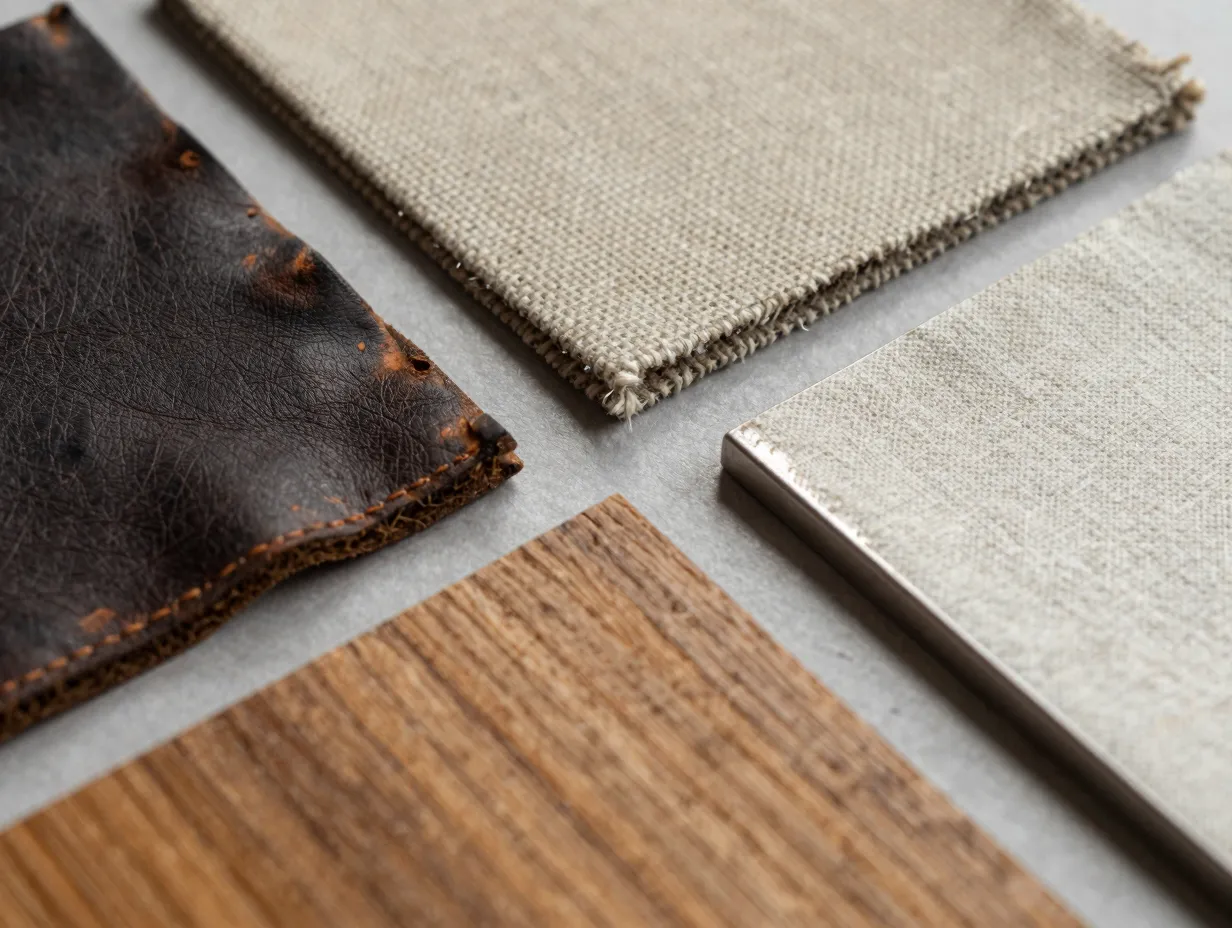
Material choice is both an ethical and aesthetic decision. The practical outdoor life aesthetic has always leaned toward materials that come from the natural world and return to it without lasting harm.
Materials that define this aesthetic:
- Wool: Naturally temperature-regulating, odor-resistant, and biodegradable
- Waxed canvas: Durable, water-resistant, and improves with age
- Leather: Long-lasting when properly maintained; develops a unique patina
- Linen and hemp: Breathable, durable, and low-impact to produce
- Oiled or reclaimed wood: Warm, tactile, and improves with use
- Stainless steel and cast iron: Virtually indestructible and fully recyclable
Avoid materials that degrade quickly, shed microplastics, or require replacement on a short cycle. Polyester fleece, while functional, sheds synthetic fibers with every wash, a consideration worth weighing against wool alternatives.
Sustainability is not a marketing trend in this context. It is a logical extension of the “buy once, buy right” philosophy.
7. Curate a Minimal, High-Quality Everyday Carry
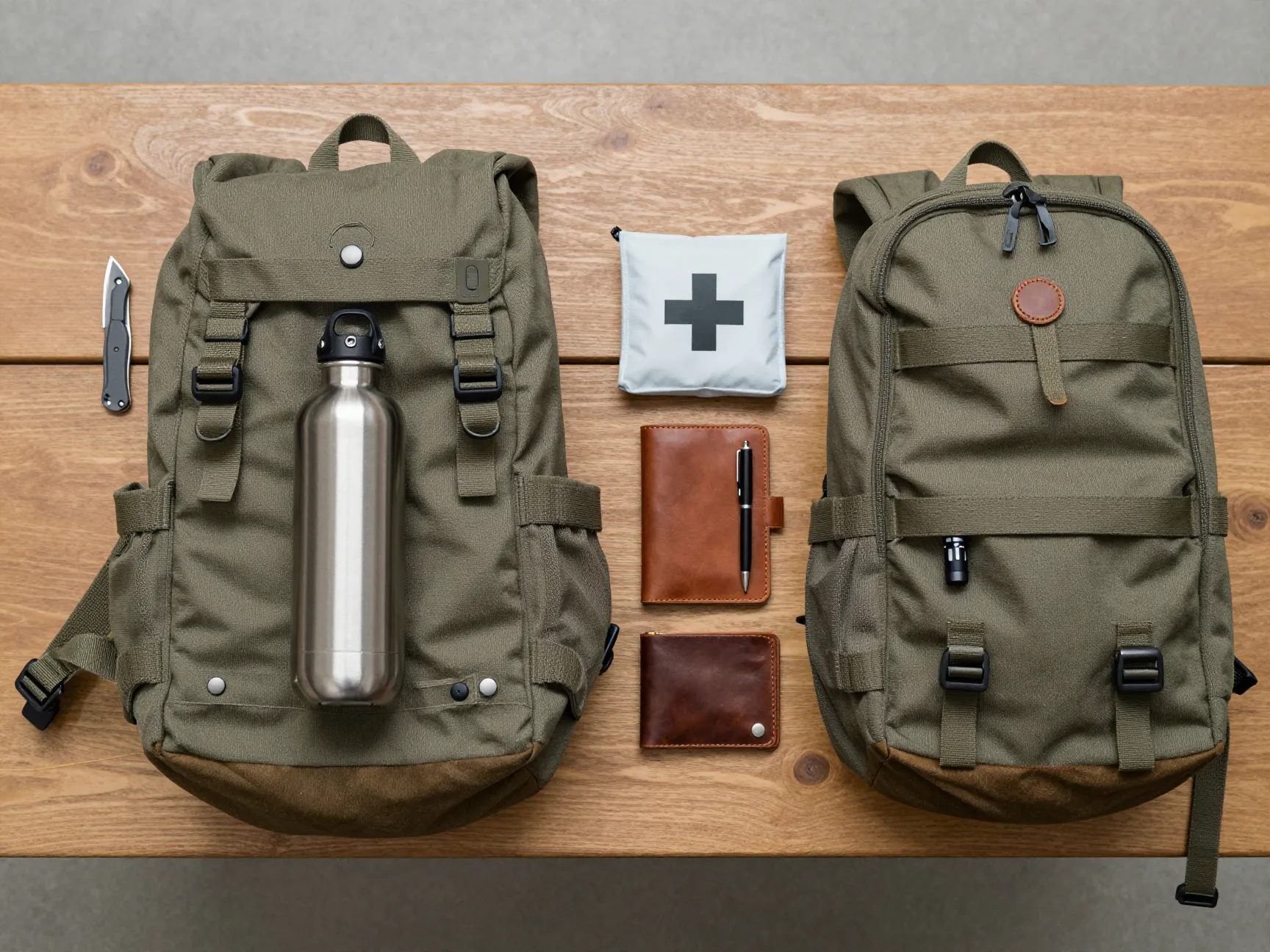
The everyday carry (EDC) is a microcosm of the practical outdoor life aesthetic. What someone carries daily reveals their values and priorities more clearly than almost anything else.
A well-curated EDC for this aesthetic typically includes:
- A compact, quality folding knife or multi-tool
- A durable stainless steel or titanium water bottle
- A small notebook and reliable pen (waterproof options preferred)
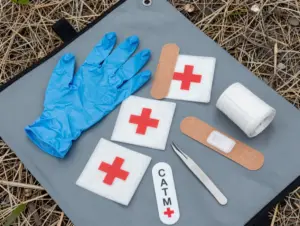
- A compact first aid kit or trauma kit
- A headlamp or compact flashlight
- A quality wallet in leather or waxed canvas
- A portable fire-starting tool if lifestyle warrants it
The key word is minimal. Every item should have a clear reason for being carried. Redundancy is acceptable for critical safety items but should be avoided elsewhere.
The bag or pack carrying these items matters too. A structured canvas or waxed nylon daypack in a muted color reinforces the aesthetic while providing genuine utility.
8. Learn and Apply Practical Outdoor Skills
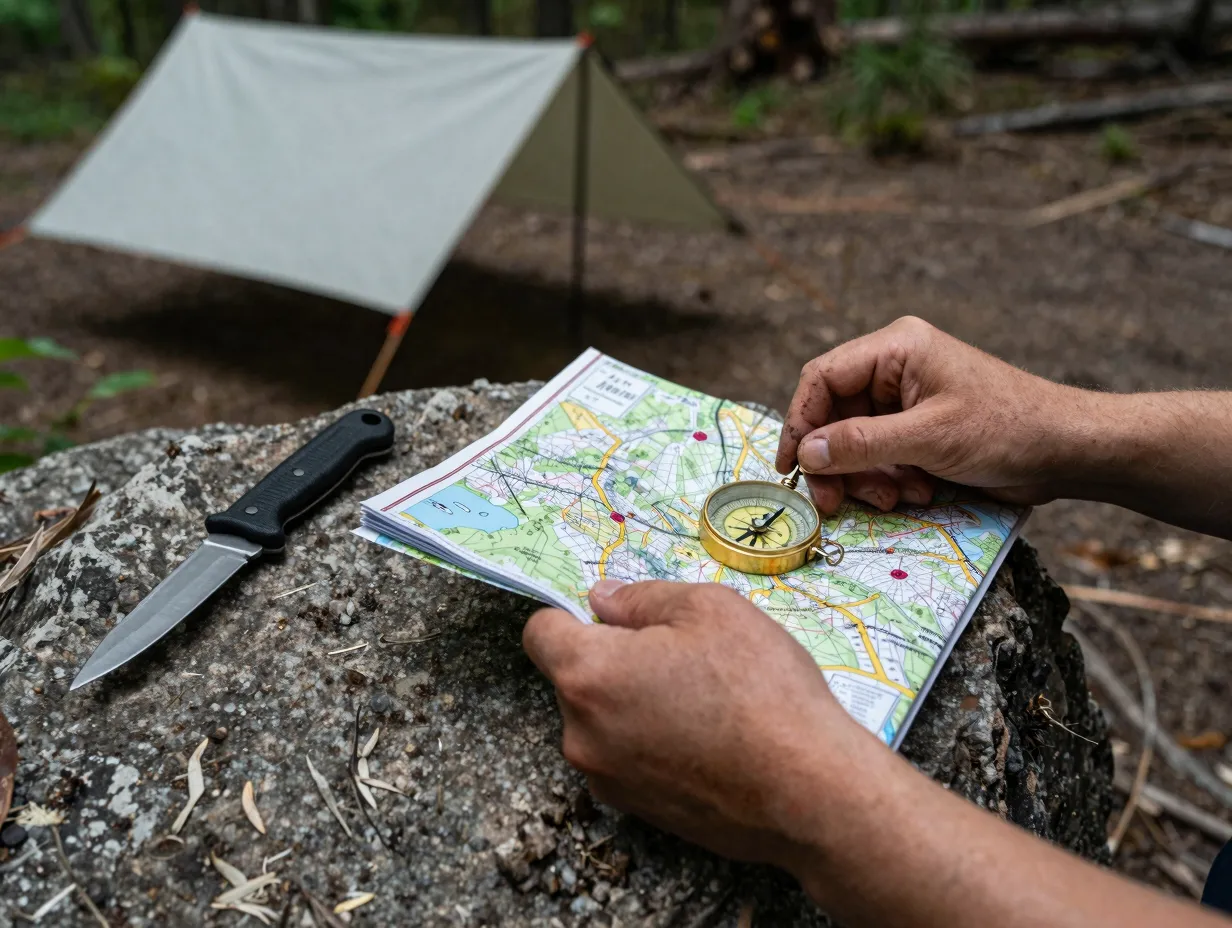
Skills are the invisible layer of the practical outdoor life aesthetic. Owning the right gear and wearing the right clothes rings hollow without the knowledge to back it up.
Skills worth developing in 2026:
- Navigation with map and compass (not solely GPS-dependent)
- Fire building and camp cooking
- Basic wilderness first aid
- Shelter construction and weather reading
- Foraging and plant identification in the local region
- Gear repair: sewing canvas, re-waxing jackets, resoling boots
Learning these skills does not require living in the wilderness. Many are teachable in a backyard, a local park, or through community courses. Organizations like wilderness medicine institutes, local hiking clubs, and outdoor education programs offer structured learning paths.
Skills build confidence, and confidence shapes how a person carries themselves, a quality that no amount of gear spending can replicate.
9. Cultivate an Outdoor-Oriented Social and Cultural Circle
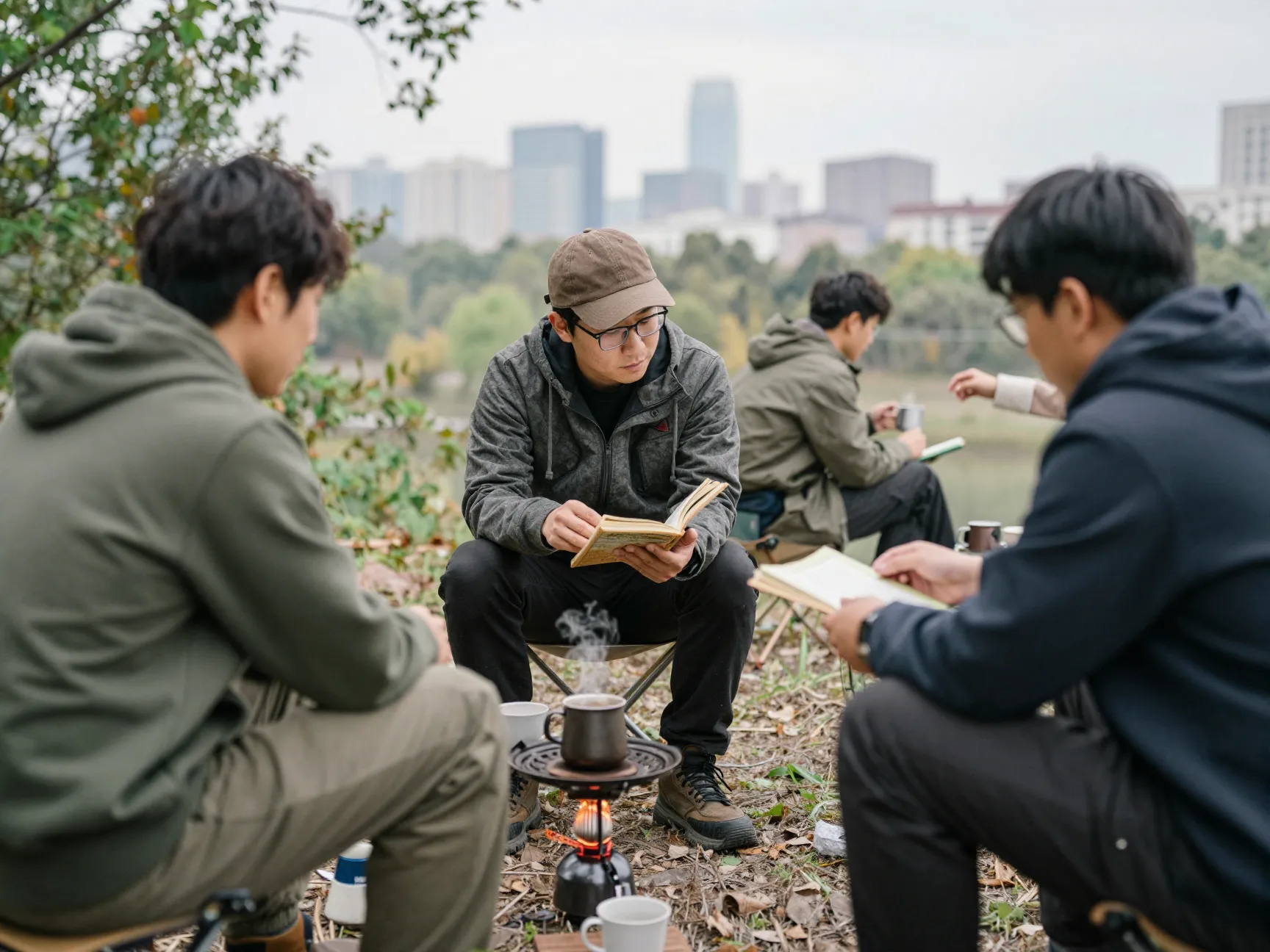
The final of the 9 ways to achieve the practical outdoor life aesthetic is perhaps the most underestimated: community. Aesthetic identity is reinforced and deepened through the people and culture that surround it.
Seek out:
- Local hiking, trail running, or paddling groups
- Community gardens or foraging clubs
- Outdoor skills workshops and wilderness courses
- Publications, podcasts, and photographers who document honest outdoor life rather than aspirational fantasy
- Makers and craftspeople who produce functional goods, leather workers, knife makers, textile artisans
The culture surrounding the practical outdoor life aesthetic values experience over appearance, knowledge over equipment lists, and community over competition. Immersing in that culture accelerates the development of a genuine, lived aesthetic rather than a performed one.
Social media can play a role here, but selectivity matters. Follow accounts that show real use, real conditions, and real skills, not curated gear flatlays and sponsored summit photos.
Common Mistakes to Avoid
Even with the best intentions, several pitfalls can undermine the practical outdoor life aesthetic:
- Over-buying gear before developing skills. Gear should follow need, not precede it.
- Chasing trends within the aesthetic. The gorpcore fashion moment, for example, brought outdoor aesthetics into mainstream fashion, but fast-fashion versions of outdoor clothing contradict the core values of durability and function.
- Neglecting maintenance. Waxed canvas needs re-waxing. Leather needs conditioning. Boots need resoling. A neglected kit signals aesthetic performance rather than genuine outdoor living.
- Prioritizing Instagram-worthy moments over actual outdoor time. The aesthetic is built through consistent, unglamorous outdoor engagement, not through carefully staged photography.
- Ignoring local environment. The practical outdoor life aesthetic should reflect the actual landscape where life is lived, desert dwellers do not need the same kit as Pacific Northwest hikers.
How to Start Implementing the 9 Ways to Achieve the Practical Outdoor Life Aesthetic Today
Starting does not require a complete overhaul. The most effective approach is incremental and intentional.
A practical starting sequence:
- Audit the current wardrobe and identify the two or three most-used outdoor garments. Build outward from those.
- Identify one outdoor skill to develop in the next 90 days and find a local resource for learning it.
- Replace one disposable item in the daily carry with a durable, repairable alternative.
- Spend one hour per week in a natural environment, regardless of weather.
- Redesign one corner of the living space using natural materials and functional organization.
Small, consistent changes compound over time into a fully realized aesthetic and lifestyle.
Conclusion
The 9 ways to achieve the practical outdoor life aesthetic form a coherent, interconnected system. Clothing, gear, home environment, daily habits, material choices, everyday carry, skills, and community all reinforce each other. No single element is sufficient on its own, but together they create a lifestyle that is visually distinctive, functionally sound, and genuinely satisfying.
The most important insight is this: the practical outdoor life aesthetic cannot be purchased in a single shopping session. It is built gradually through deliberate choices, real experience, and a genuine commitment to spending time in the natural world.
Actionable next steps for 2026:
- Conduct a full audit of current gear, clothing, and home environment against the principles outlined above.
- Identify the two or three areas with the greatest gap between current state and the aesthetic goal.
- Make one meaningful change per month rather than attempting a wholesale transformation.
- Prioritize skill development alongside material investment.
- Connect with at least one local community group that shares outdoor values.
The practical outdoor life aesthetic rewards patience and authenticity. Start where the current life is, move deliberately toward where it could be, and let the aesthetic develop as a natural expression of how time is actually spent.