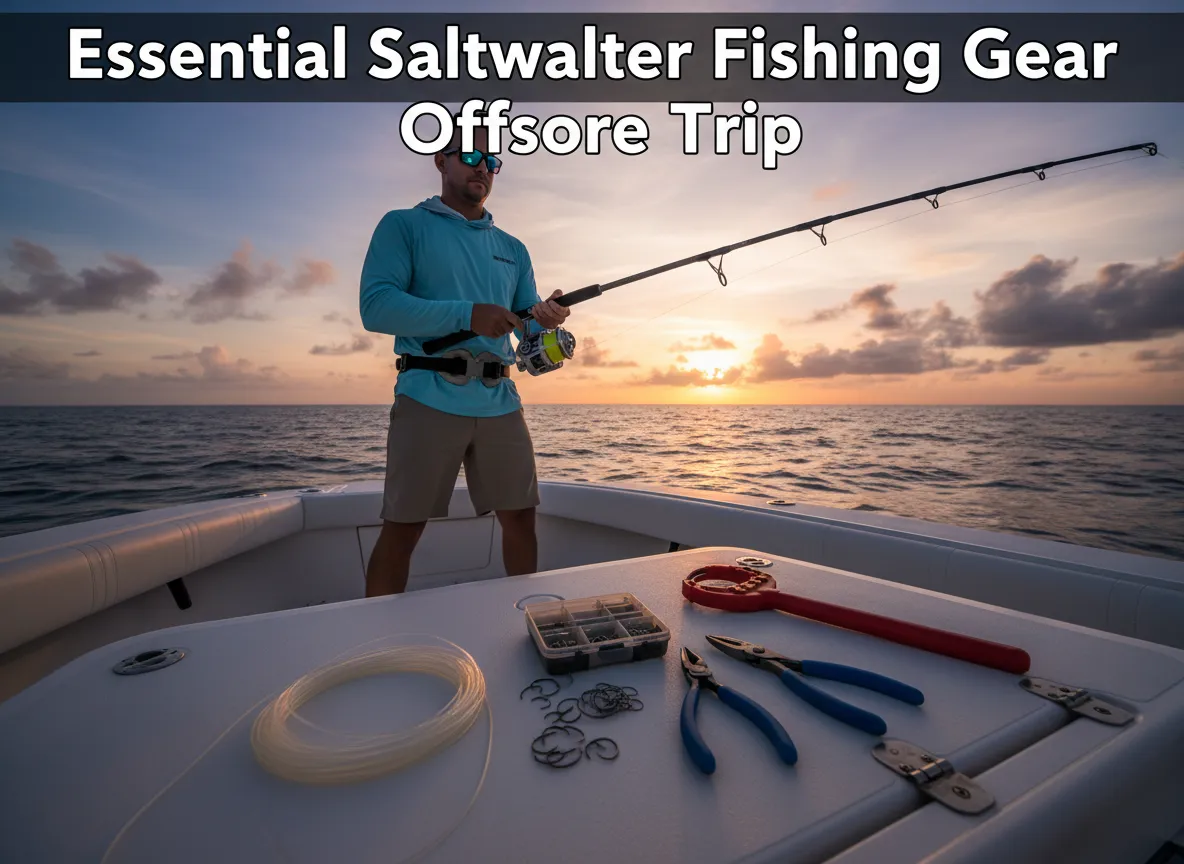
8 Essential Saltwater Fishing Gear Items for Your Next Offshore Trip
Saltwater fishing accounts for more than 30 million recreational participants in the United States alone, yet surveys consistently show that a majority of first-time offshore anglers arrive underprepared, missing critical gear that separates a successful trip from a frustrating one. Knowing exactly what to pack before heading beyond the inlet can mean the difference between landing a trophy fish and watching it disappear into the deep. This guide to the 8 Essential Saltwater Fishing Gear Items for Your Next Offshore Trip breaks down every piece of equipment that serious anglers rely on, explains why each item matters, and gives practical advice on choosing the right version for your needs.
Disclosure: This post contains affiliate links. As an Amazon Associate, we earn from qualifying purchases, and at no extra cost to you.
Key Takeaways
- Offshore saltwater fishing demands gear rated specifically for corrosive marine environments, freshwater equipment fails quickly at sea.
- A quality rod-and-reel combo matched to your target species is the single most important investment an offshore angler can make.
- Braided line, fluorocarbon leaders, and circle hooks work together as a system, swapping one without the others reduces effectiveness.
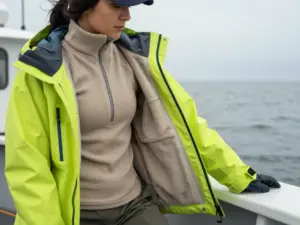
- Protective gear such as UV-rated clothing, polarized sunglasses, and fighting belts prevents injury and fatigue on long offshore runs.
- Proper tools, pliers, dehookers, and digital scales, protect both the angler and the fish, and are required on many charter boats.
Why Gear Selection Defines Your Offshore Fishing Success
The open ocean is an unforgiving environment. Saltwater corrodes standard metals within hours, waves create constant vibration that loosens cheap fittings, and the fish targeted offshore, tuna, mahi-mahi, wahoo, marlin, and grouper, are far stronger than anything encountered in freshwater or inshore fishing. Gear that performs flawlessly on a freshwater lake will fail at sea.
Beyond durability, offshore fishing involves longer fights, deeper water, and more physical demand on the angler. A poorly chosen reel with an inconsistent drag system can snap a line on a 200-pound yellowfin tuna. A rod without the right action will exhaust the angler long before the fish tires. Every item in the following list of 8 Essential Saltwater Fishing Gear Items for Your Next Offshore Trip was selected because it directly affects either safety, performance, or success rate on the water.
“The sea does not reward those who are too anxious, too greedy, or too impatient.”, Anne Morrow Lindbergh
That principle applies directly to gear selection. Rushing to buy the cheapest option or skipping an item entirely almost always costs more in the long run, in lost fish, broken equipment, or physical injury.
The Complete Breakdown of 8 Essential Saltwater Fishing Gear Items for Your Next Offshore Trip
1. Heavy-Duty Offshore Rod
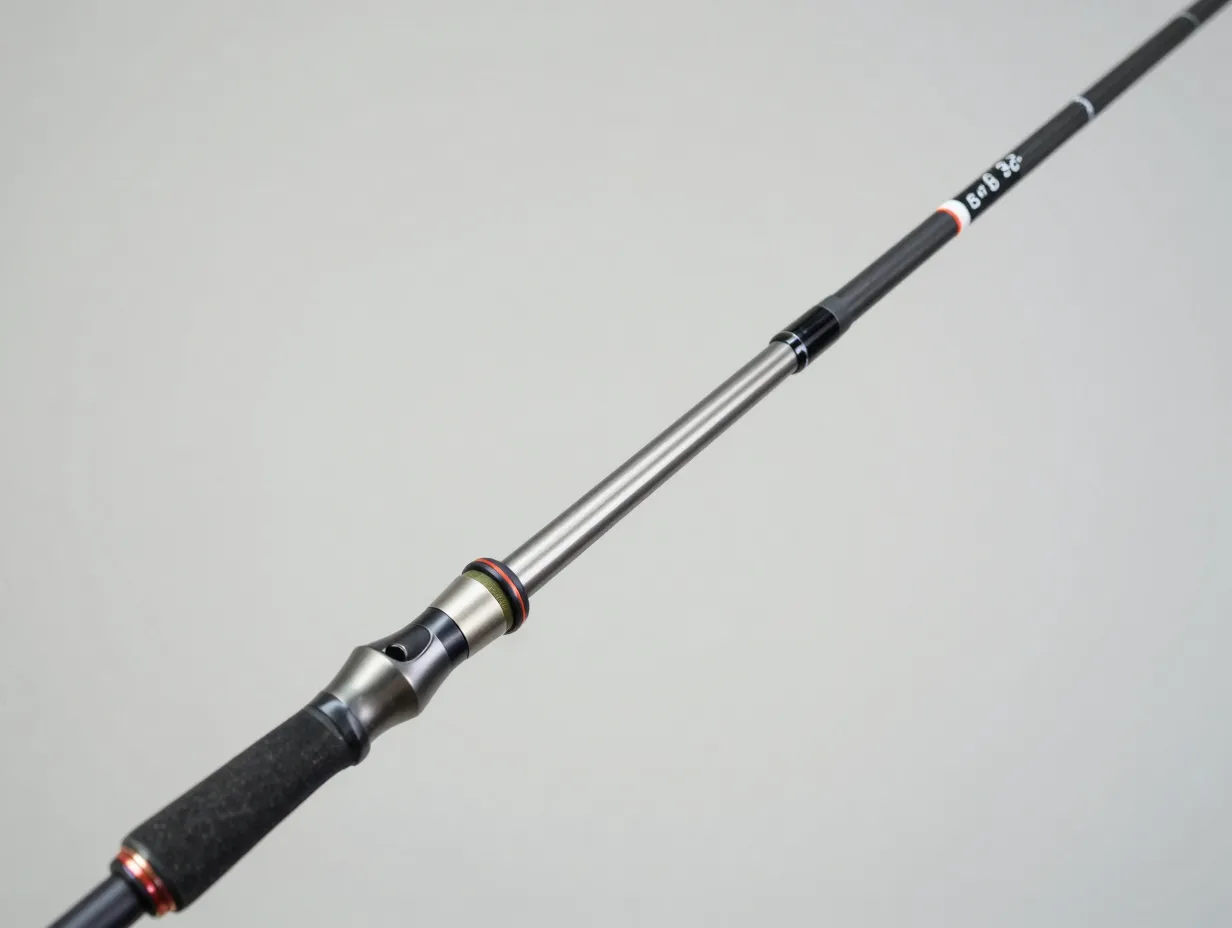
The offshore rod is the foundation of every successful saltwater setup. Unlike freshwater rods, offshore rods must handle extreme drag pressure, resist saltwater corrosion, and transmit the subtle vibrations of a deep-running lure while also absorbing the shock of a powerful strike.
Key specifications to look for:
| Feature | Recommended Spec |
|---|---|
| Power Rating | Heavy to Extra-Heavy |
| Length | 5’6″ to 7′ for conventional; 6’6″ to 7’6″ for spinning |
| Material | E-glass, carbon fiber, or composite |
| Guide Material | Stainless steel or titanium frames with ceramic inserts |
| Reel Seat | Corrosion-resistant aluminum or graphite |
Trolling rods are shorter and stiffer, designed to stay in a rod holder while a lure runs behind a moving boat. Jigging rods are longer and have a fast-action tip that allows for rapid vertical movement. Live bait rods fall in the middle, offering enough sensitivity to detect a bite while still having the backbone to handle a large fish.
For most offshore beginners, a 6-foot medium-heavy to heavy composite rod in the 30- to 50-pound class is a versatile starting point that handles a wide range of species.
2. Conventional or Spinning Reel Rated for Saltwater
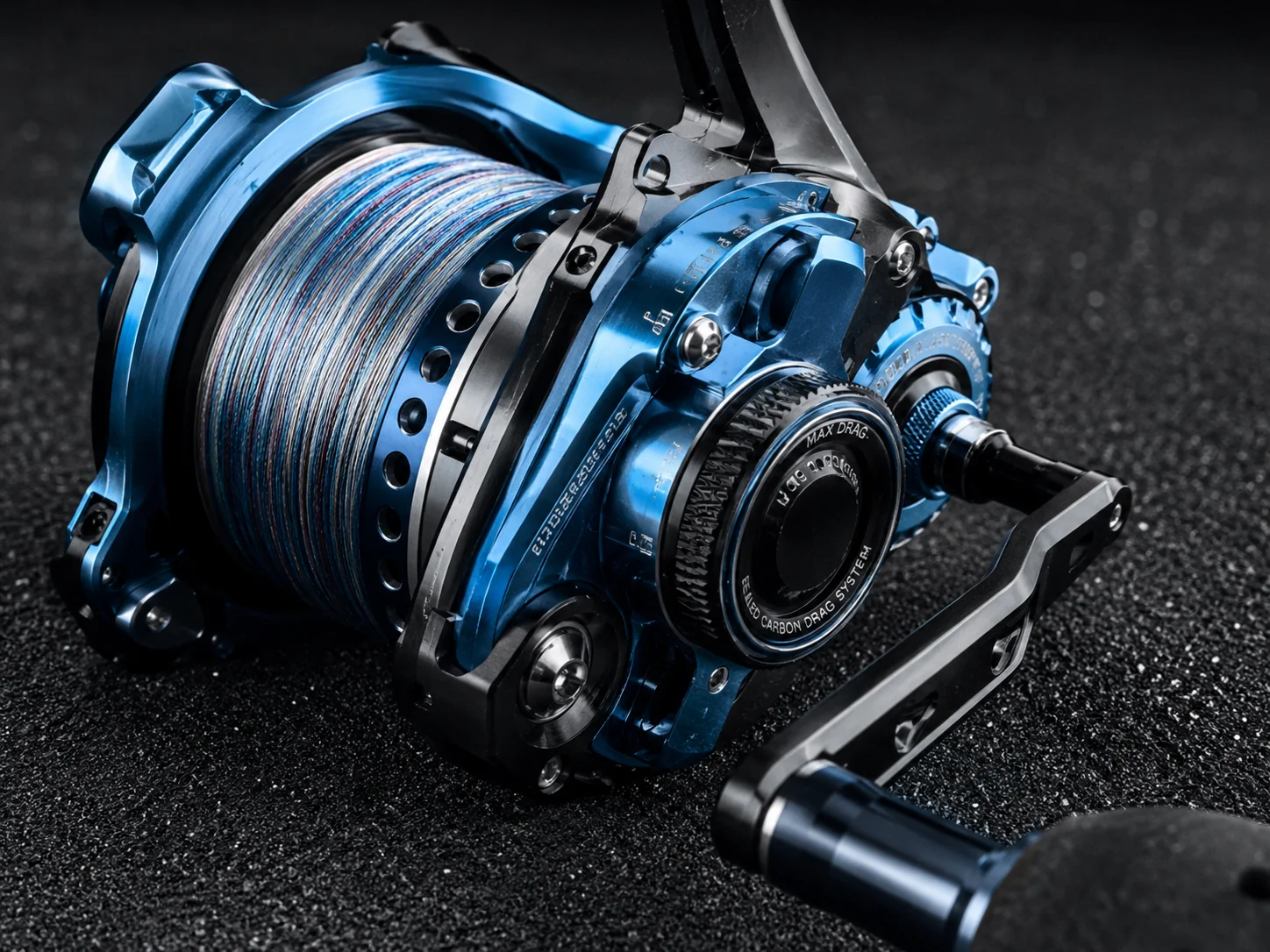
The reel is the mechanical heart of the offshore setup. A saltwater-rated reel differs from a standard reel in three critical ways: sealed bearings to resist corrosion, a drag system capable of sustained pressure under heat, and a frame built from marine-grade aluminum or graphite.
Conventional reels (also called overhead or baitcasting reels) dominate offshore fishing because they hold more line, generate more drag pressure, and are better suited for trolling and deep dropping. Spinning reels are preferred for lighter applications such as casting poppers or jigs to surface-feeding fish.
What to look for in a saltwater reel:
- Drag rating of at least 25 to 30 pounds for offshore use
- Line capacity of 300 yards or more of 50-pound braid
- Sealed or shielded bearings (minimum 4 to 6 bearings)
- Anodized aluminum or carbon fiber body
- Easy access for rinsing and maintenance
Brands such as Shimano, Penn, and Daiwa have long-standing reputations in the offshore market. Mid-range models from these manufacturers offer excellent performance without the premium price of tournament-grade equipment.
3. High-Strength Braided Fishing Line
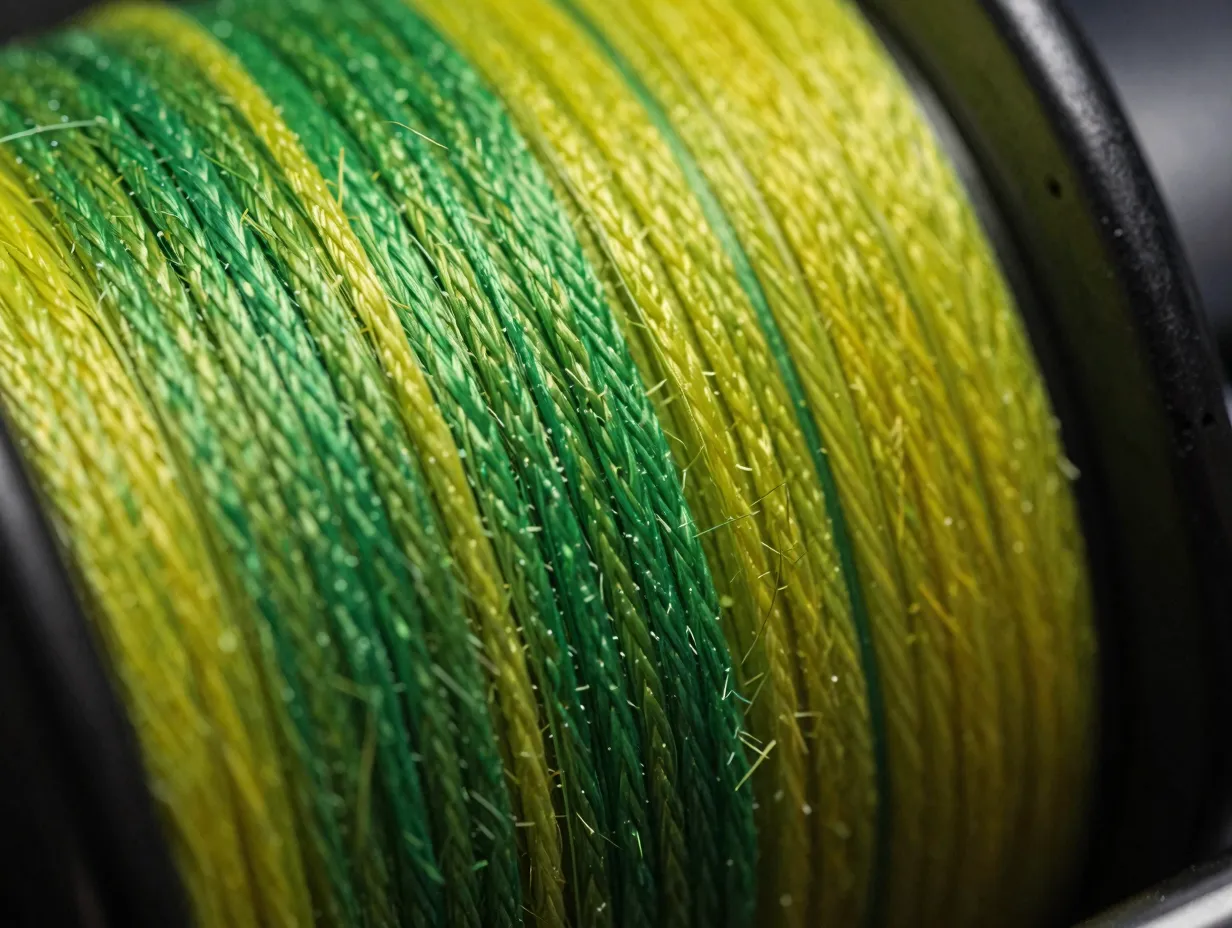
Braided line has largely replaced monofilament as the main line of choice for offshore fishing. The reason is straightforward: braid offers dramatically higher strength in a much thinner diameter, which means more line on the spool, better sensitivity, and less water resistance when fishing deep.
Braided vs. Monofilament: A Quick Comparison
| Property | Braided Line | Monofilament |
|---|---|---|
| Strength-to-diameter ratio | Excellent | Moderate |
| Stretch | Near zero | High |
| Abrasion resistance | Moderate to High | Moderate |
| Visibility in water | High | Low |
| Price per yard | Higher | Lower |
For most offshore applications, 50- to 80-pound braided line is the standard choice. The low stretch of braid provides immediate hooksets even at depth, and the thin diameter allows the reel to hold significantly more line, important when a large tuna or marlin makes a long initial run.
One important note: braid should always be paired with a fluorocarbon or heavy monofilament leader, since braid’s high visibility can deter wary fish near the surface.
4. Fluorocarbon Leader Material
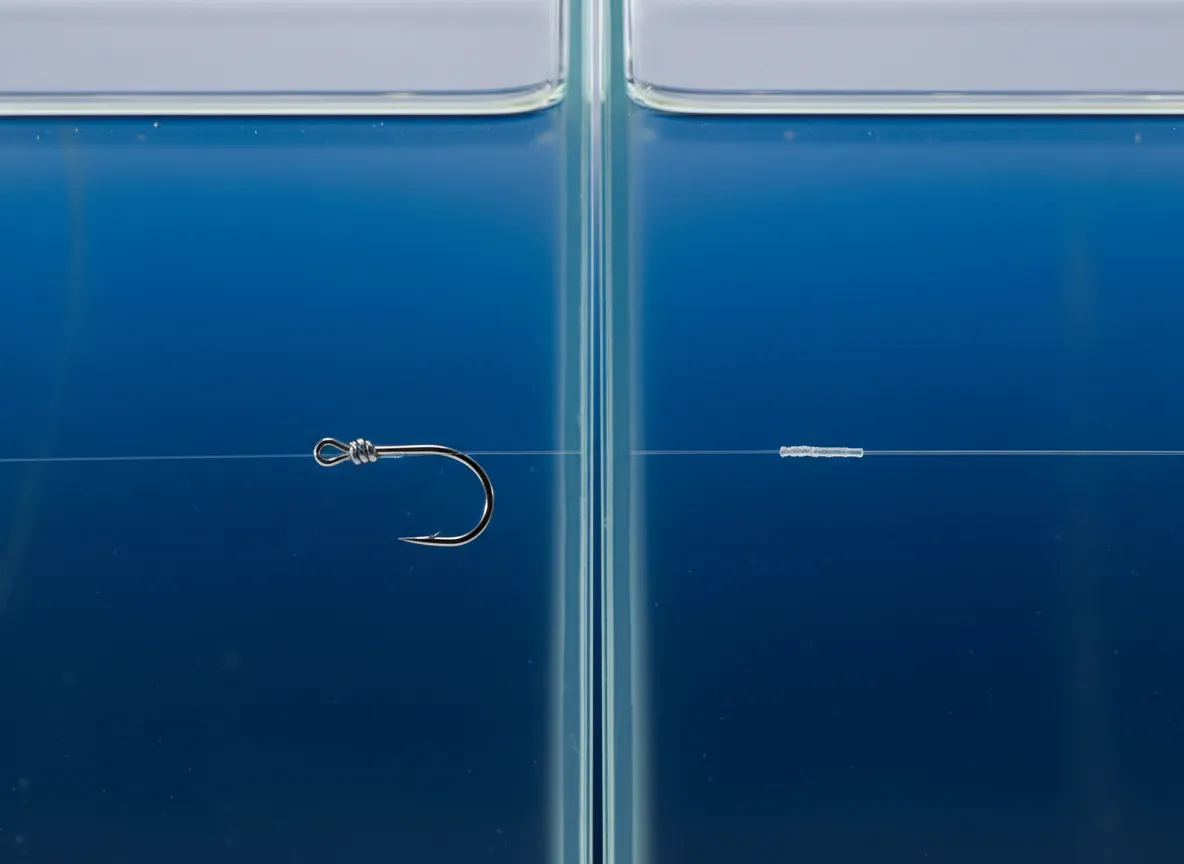
A fluorocarbon leader connects the main braided line to the hook or lure. Its near-invisibility underwater is its primary advantage, fluorocarbon has a refractive index very close to water, making it extremely difficult for fish to see.
Beyond invisibility, fluorocarbon is:
- More abrasion-resistant than monofilament, which matters when a fish runs near structure or rubs the line against its body
- Denser than water, so it sinks rather than floating on the surface
- More resistant to UV degradation than monofilament
Recommended leader weights by target species:
- Mahi-mahi and smaller tuna: 40- to 60-pound fluorocarbon
- Wahoo and larger tuna: 80- to 100-pound fluorocarbon
- Marlin and sailfish: 100- to 200-pound fluorocarbon or heavy mono
- Grouper and snapper (bottom fishing): 60- to 80-pound fluorocarbon
Leaders are typically 6 to 15 feet long, connected to the main line using a uni-to-uni knot or an FG knot. The FG knot is widely considered the strongest and most streamlined connection between braid and fluorocarbon.
5. Circle Hooks in Appropriate Sizes
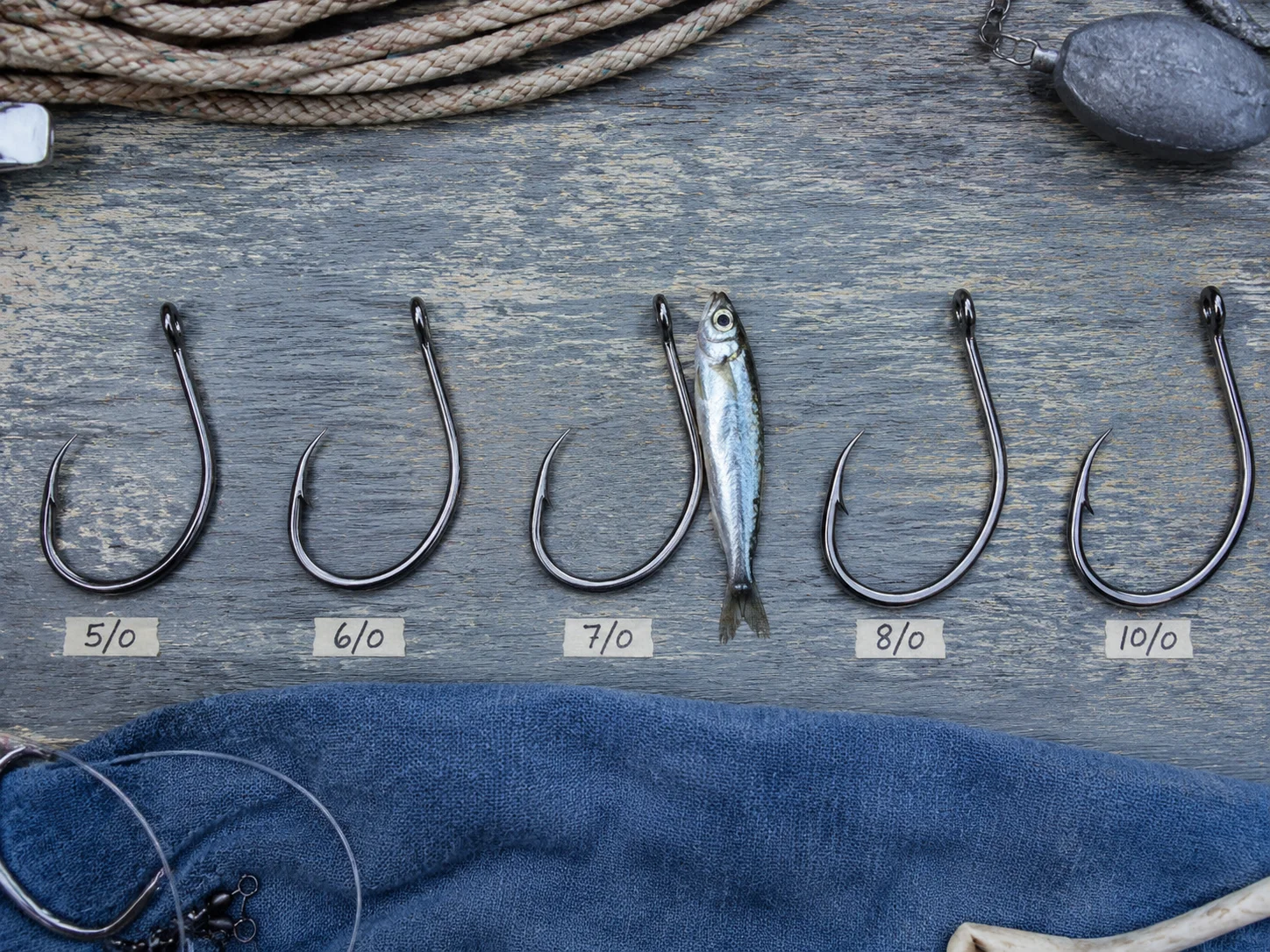
Circle hooks have become the standard in offshore fishing for good reason. Unlike J-hooks, circle hooks are designed to slide out of the fish’s gut and catch in the corner of the mouth as the fish swims away from the bait. This results in:
- Dramatically higher hookup rates on live bait
- Significantly reduced deep-hooking, which improves survival rates for released fish
- Less need for an aggressive hookset, reducing angler fatigue
Many tournaments and fisheries regulations now require circle hooks when fishing with natural bait, making them not just a best practice but often a legal requirement.
Circle hook sizing guide:
| Target Species | Recommended Hook Size |
|---|---|
| Mahi-mahi | 5/0 to 7/0 |
| Yellowfin tuna | 7/0 to 9/0 |
| Wahoo | 8/0 to 10/0 |
| Sailfish | 7/0 to 8/0 |
| Grouper | 6/0 to 8/0 |
Always match the hook size to the bait being used, not just the target species. A hook that is too large will prevent the bait from swimming naturally; one that is too small may not hold a large fish.
6. Polarized Sunglasses
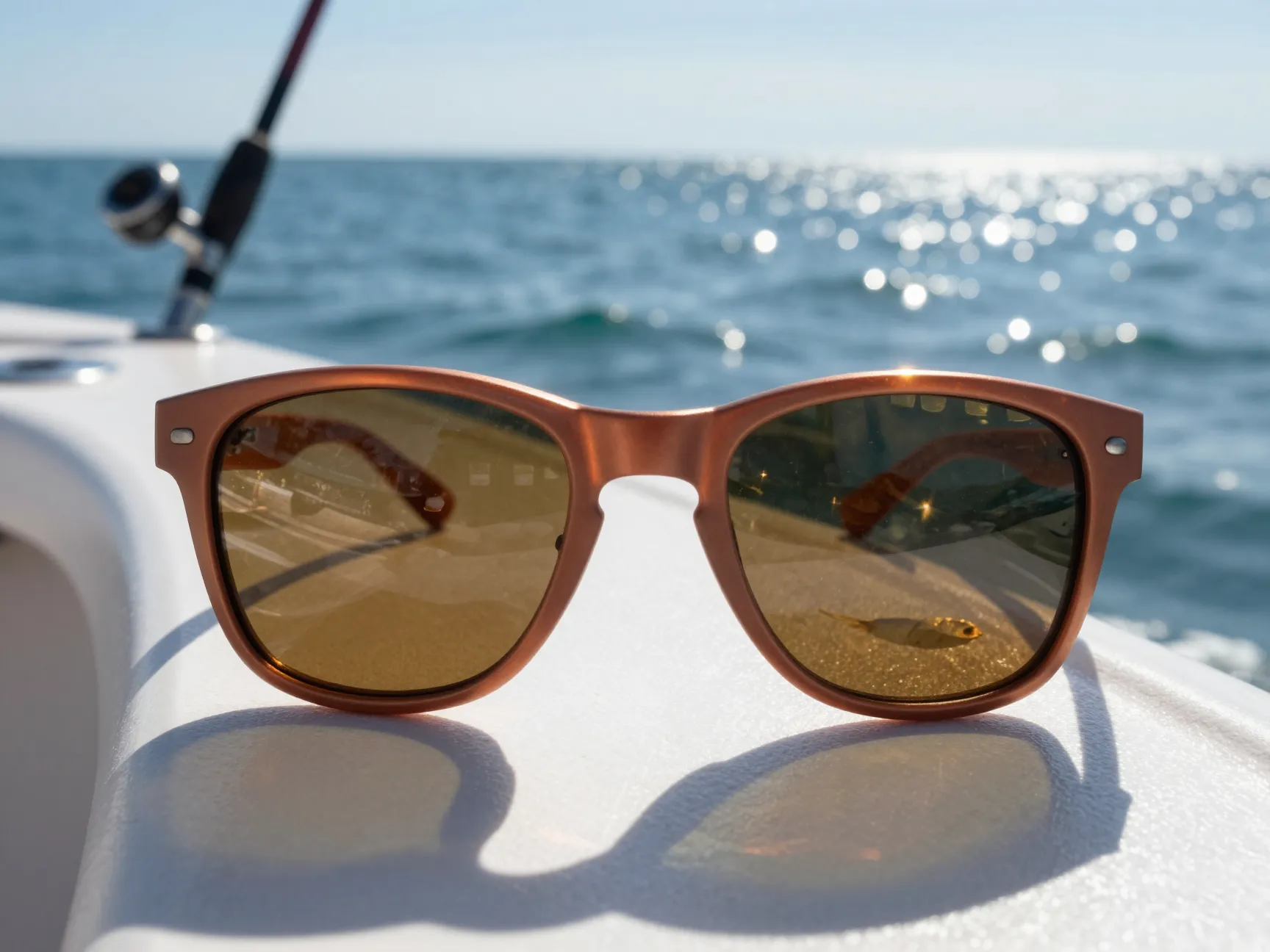
Polarized sunglasses are not optional on an offshore fishing trip, they are safety equipment. The combination of direct sunlight, glare from the water surface, and UV reflection from the boat deck creates conditions that can cause permanent eye damage over time.
Beyond eye protection, polarized lenses cut through surface glare to reveal what is happening beneath the water. Experienced offshore anglers use their sunglasses to spot:
- Baitfish schools near the surface
- Color changes in the water that indicate current edges
- Floating debris or weed lines that hold fish
- Finning or jumping fish at distance
What to look for in offshore sunglasses:
- Lens material: polycarbonate or glass (glass offers superior optical clarity)
- Lens color: copper or amber for general offshore use; blue-mirror for bright, open-water conditions
- Frame: wraparound style to block peripheral light
- UV protection: 100% UV400 blocking
- Polarization: look for 99% polarization efficiency
Brands such as Costa del Mar, Maui Jim, and Wiley X are consistently rated highly among offshore fishing professionals. Investing in a quality pair protects vision and measurably improves fish-spotting ability.
7. Fighting Belt and Harness
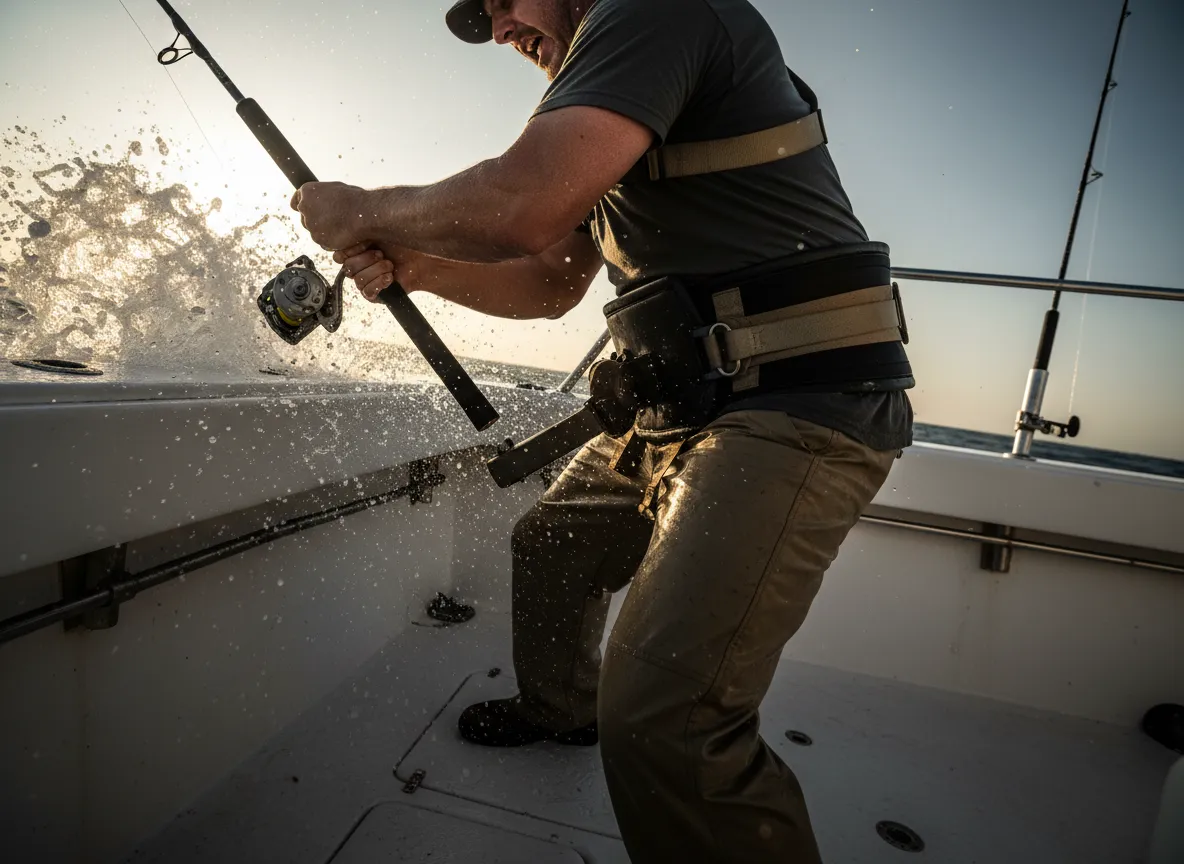
Landing a large offshore fish is a physical event. A 200-pound yellowfin tuna can fight for two or more hours, and without proper support equipment, the rod butt pressing against the angler’s body will cause significant bruising and fatigue. A fighting belt distributes that pressure across the hips and lower abdomen.
A fighting belt is a padded, cup-shaped device worn around the waist that holds the rod butt. A fighting harness connects the reel’s harness lugs to shoulder straps, transferring the load from the angler’s arms to their back and core muscles.
Two main types of fighting belts:
- Gimbal belt, features a metal gimbal pin cup that locks the rod butt in place; ideal for stand-up fishing
- Bucket belt, a wider, padded belt with a deep cup; provides more comfort for extended fights
For most recreational offshore anglers, a quality gimbal belt in the 30- to 50-pound class is sufficient. Anglers targeting large billfish or giant tuna should consider a full harness system.
Key features to look for:
- Padded, non-slip interior
- Corrosion-resistant hardware
- Adjustable waist sizing
- IGFA-compliant design if tournament fishing is a goal
8. Marine-Grade Pliers, Dehooker, and Digital Scale
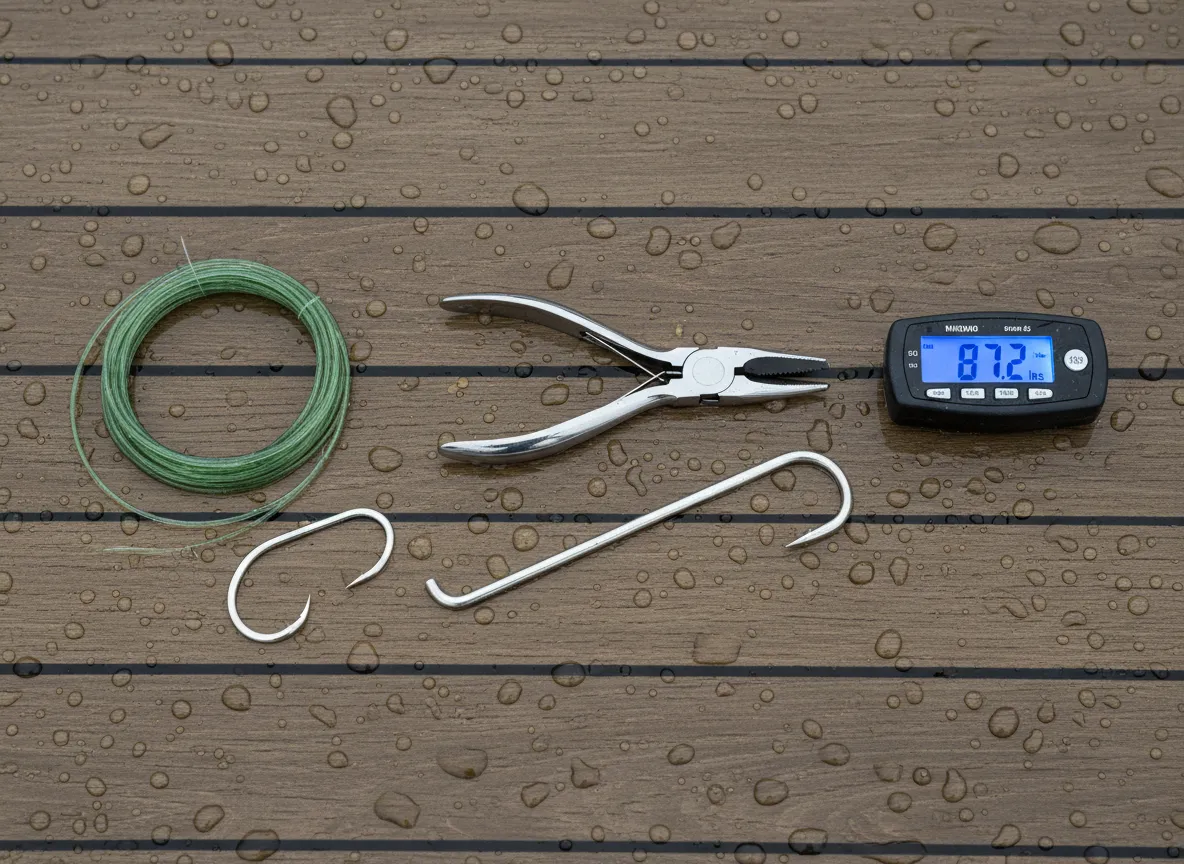
The final category covers the essential tools that every offshore angler needs on deck. These three items work together to handle fish safely, protect the angler from injury, and comply with catch-and-release best practices.
Marine-Grade Pliers
Standard pliers corrode within a single saltwater trip. Marine-grade pliers are made from stainless steel or titanium and feature:
- Long-nose design for reaching deep into a fish’s mouth
- Built-in line cutter capable of cutting braid and heavy mono
- Spring-loaded action for one-handed operation
- Lanyard attachment point to prevent dropping overboard
Dehooker
A dehooker is a simple tool, typically a bent stainless steel rod, that allows the angler to remove a hook from a fish’s mouth without handling the fish directly. This is particularly valuable for:
- Removing hooks from toothy species such as wahoo and barracuda
- Releasing fish quickly to maximize survival rates
- Avoiding cuts and puncture wounds from struggling fish
Digital Fish Scale
A digital scale rated for saltwater use allows anglers to weigh their catch accurately. Features to look for:
- Capacity of at least 100 pounds for offshore use
- Waterproof or water-resistant housing (IPX5 rating or higher)
- Stainless steel hook
- Tare function for weighing fish in a bag
- Backlit display for use in low light
Together, these three tools represent a modest investment, typically under $100 for a quality set, but they are used on virtually every offshore trip and have a direct impact on both safety and fish handling.
How to Build Your Offshore Kit Around These 8 Essential Saltwater Fishing Gear Items for Your Next Offshore Trip
Building a complete offshore kit does not require purchasing everything at once. A practical approach is to prioritize by category:
Tier 1, Non-negotiable before your first trip:
- Rod and reel combo
- Braided line and fluorocarbon leader
- Circle hooks
- Marine-grade pliers
Tier 2, Add before your second trip:
- Polarized sunglasses
- Fighting belt
- Dehooker and digital scale
Tier 3, Upgrade as budget allows:
- Higher-end rod and reel upgrades
- Full fighting harness for larger species
- Spare spools pre-loaded with line
Estimated budget ranges for 2026:
| Category | Entry-Level | Mid-Range | Professional |
|---|---|---|---|
| Rod | $80 to $150 | $200 to $400 | $500 and up |
| Reel | $100 to $200 | $300 to $600 | $800 and up |
| Braided line (300 yds) | $20 to $40 | $50 to $80 | $90 and up |
| Polarized sunglasses | $30 to $60 | $100 to $200 | $250 and up |
| Fighting belt | $30 to $60 | $80 to $150 | $200 and up |
Mid-range equipment from established brands consistently outperforms entry-level gear and is the recommended starting point for anyone planning to fish offshore more than once or twice per year.
Maintenance Tips to Extend the Life of Your Saltwater Gear
Saltwater is corrosive. A single offshore trip without proper post-trip maintenance can permanently damage reels, corrode hooks, and degrade line. Following a consistent maintenance routine extends the life of every item in this list significantly.
Post-trip maintenance checklist:
- Rinse all rods, reels, and tools with fresh water immediately after returning to the dock
- Open the reel’s side plate and rinse the drag system with a gentle stream, do not use high-pressure water
- Dry all gear thoroughly before storage, moisture trapped in reel bearings causes rapid corrosion
- Apply a light coat of reel oil to bearings and reel oil or grease to the drag washers per the manufacturer’s instructions
- Inspect line for abrasion, nicks, or UV damage after each trip, replace the top 50 to 100 yards if any damage is found
- Store rods horizontally or vertically in a rod rack, never leaning against a wall under pressure
- Rinse and dry polarized sunglasses with a microfiber cloth, saltwater deposits on lenses degrade optical clarity over time
Reels from quality manufacturers typically come with a service schedule. Following that schedule, usually an annual professional service for reels used frequently, dramatically extends the life of the drag system and bearings.
Conclusion
The offshore environment demands respect, preparation, and the right tools. The 8 Essential Saltwater Fishing Gear Items for Your Next Offshore Trip outlined in this guide, a heavy-duty rod, a saltwater-rated reel, braided line, fluorocarbon leader, circle hooks, polarized sunglasses, a fighting belt, and marine-grade tools, represent the minimum viable kit for any serious offshore angler.
Actionable next steps:
- Audit your current gear against the specifications listed in this guide and identify any gaps.
- Prioritize Tier 1 items if building a kit from scratch, then add Tier 2 items before your next trip.
- Research species-specific requirements for your target fishery, hook sizes, leader weights, and rod actions vary significantly by region and species.
- Establish a post-trip maintenance routine and stick to it after every outing.
- Consider a guided charter trip for your first offshore experience, charter captains provide gear, local knowledge, and hands-on instruction that accelerates the learning curve significantly.
Offshore fishing rewards preparation. Anglers who invest in quality gear, maintain it properly, and match their equipment to the target species consistently outperform those who do not. The ocean is vast, the fish are powerful, and the right gear makes all the difference.
References
- National Oceanic and Atmospheric Administration (NOAA). (2023). Recreational Fishing Statistics and Economic Contributions. U.S. Department of Commerce.
- International Game Fish Association (IGFA). (2022). World Record Game Fishes and Angling Rules. IGFA Press.
- Schultz, K. (2004). Ken Schultz’s Fishing Encyclopedia: Worldwide Angling Guide. Wiley Publishing.
- Penn Fishing. (2023). Saltwater Reel Maintenance Guide. Pure Fishing.
- Shimano American Corporation. (2022). Offshore Fishing Tackle Selection Guide. Shimano.
- Florida Fish and Wildlife Conservation Commission. (2023). Circle Hook Requirements for Reef Fish and Pelagic Species. FWC Publications.