8 Black Bear Hunting Tips for Tracking North America’s Stealthy Predator
North America is home to an estimated 900,000 black bears, yet most hunters who pursue them return empty-handed season after season. The reason is not a lack of bears. It is a failure to understand how this animal thinks, moves, and uses the landscape. These 8 black bear hunting tips for tracking North America’s stealthy predator close that gap with proven field tactics drawn from experienced hunters who have consistently tagged bears across multiple states and provinces.
Disclosure: This post contains affiliate links. As an Amazon Associate, we earn from qualifying purchases, and at no extra cost to you.
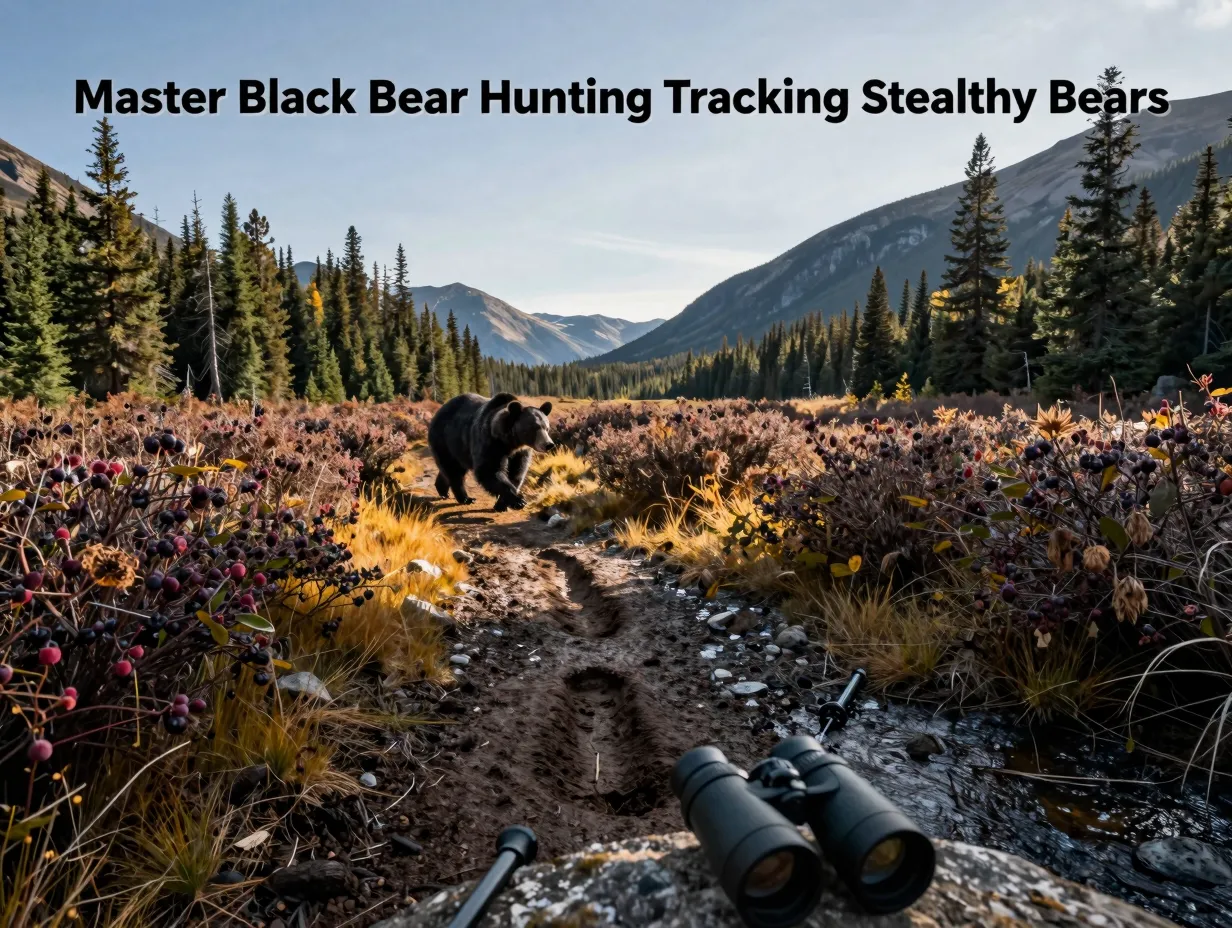
Black bears are not the slow, predictable animals many hunters assume them to be. They cover enormous home ranges, adapt quickly to hunting pressure, and possess a sense of smell that rivals or surpasses that of a whitetail deer [1]. Applying the right strategy at the right time is what separates a successful bear hunter from one who simply logs miles in the woods.
Key Takeaways
- Bears are driven almost entirely by food, so locating active food sources is the single most important step in any bear hunting strategy.
- Spot-and-stalk success is “90 percent spotting and 10 percent stalking,” meaning quality optics and patience from a high vantage point are non-negotiable [3].
- Wind management is critical because bears will detect human scent from remarkable distances, ending a stalk before it begins.
- Fresh sign such as tracks, scat, and claw marks tells a far more reliable story than old sign, and learning to read it accurately saves enormous amounts of time in the field.
- Shot placement on bears differs meaningfully from deer hunting, and understanding bear anatomy before the season opens can prevent lost animals.
1. Follow the Food to Find Bears
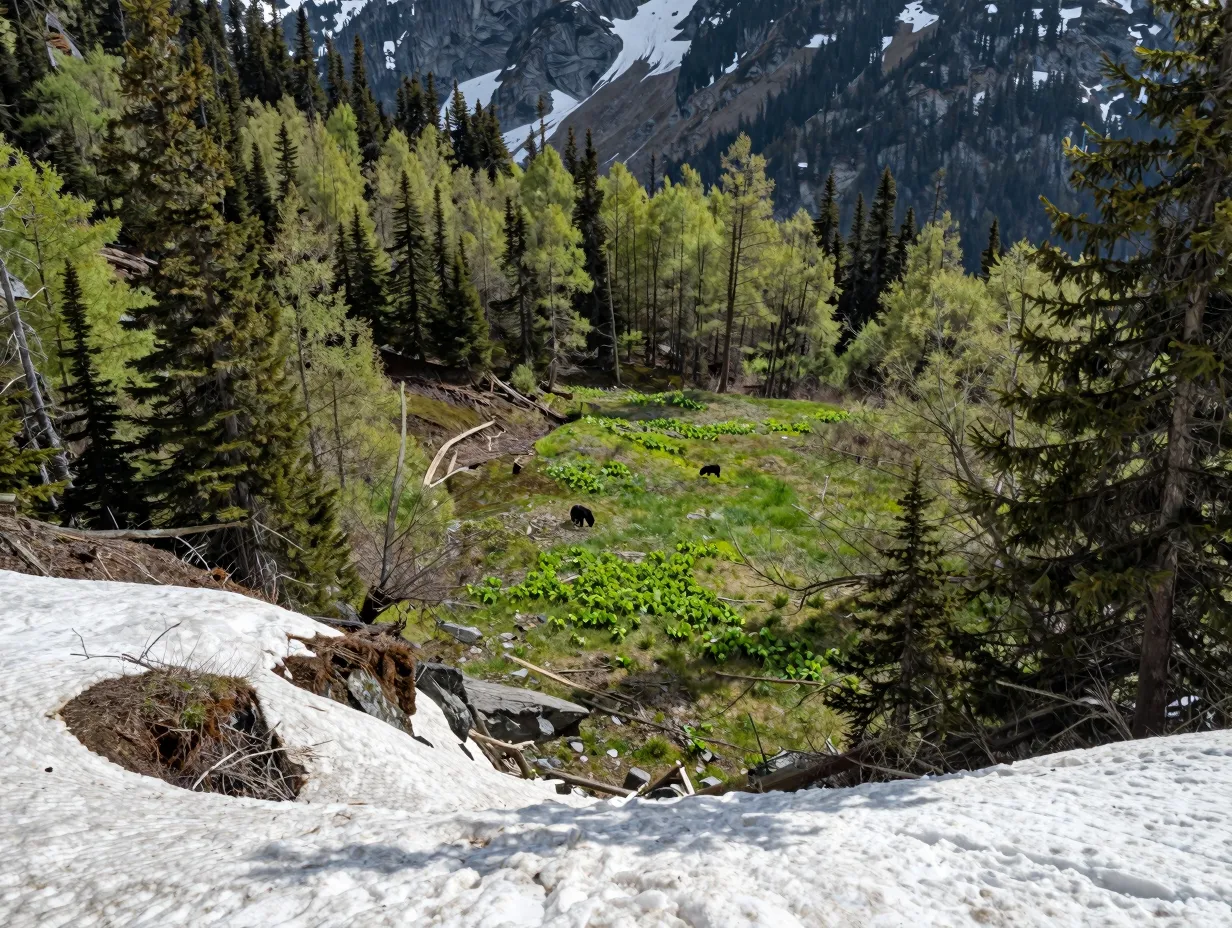
Bears are eating machines. From the moment they emerge from their dens in spring until they enter hyperphagia in fall, every decision a black bear makes is tied to caloric intake. Understanding this single fact reshapes an entire hunting strategy.
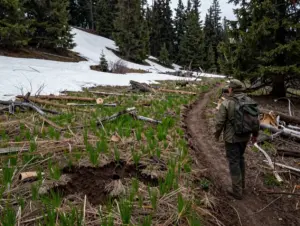
In spring, focus on south-facing slopes where snow melts first and early grasses emerge. Avalanche slides and open meadows adjacent to old-growth timber are productive because they offer both food and quick escape cover. As the season progresses, berry patches become magnets. Huckleberry, serviceberry, and chokecherry draws are worth scouting weeks in advance [1].
In areas with salmon runs, creek drainages during spawning season concentrate bears in predictable locations. A bear feeding on salmon is a focused bear, and a focused bear is an approachable bear.
Key food sources by season:
- Spring: Green-up slopes, clover fields, skunk cabbage, ant colonies under rotting logs
- Summer: Berry patches, agricultural fields, beehives
- Fall: Mast crops (acorns, beechnuts), corn fields, late berries
Hunt the food first. Everything else follows from there.
2. Master Glassing Techniques from High Vantage Points
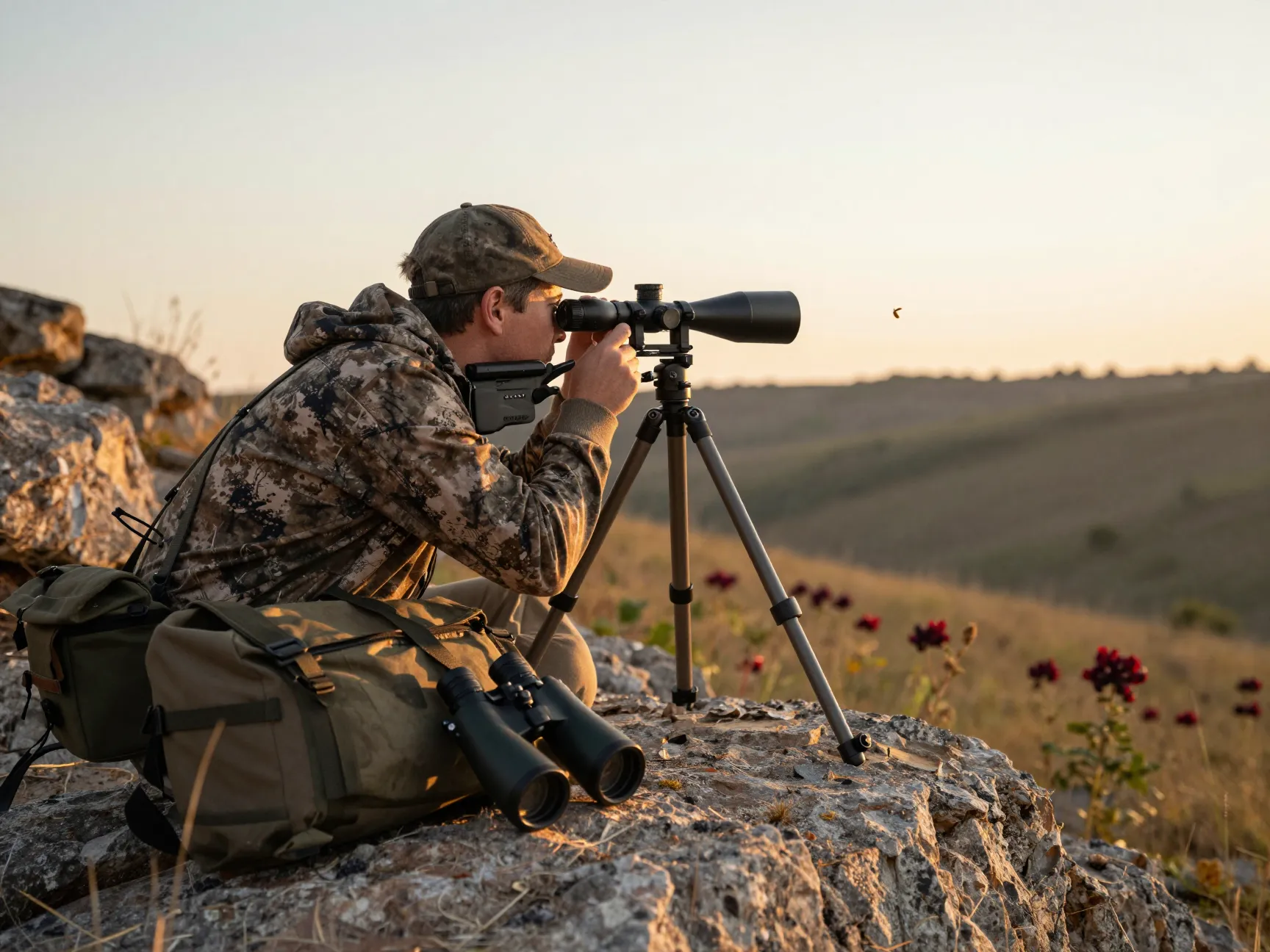
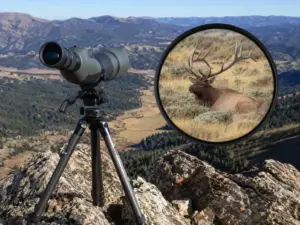
One of the most practical 8 black bear hunting tips for tracking North America’s stealthy predator is this: the hunter who sees the most bears kills the most bears. Experienced spot-and-stalk hunters consistently describe the process as “90 percent spotting and 10 percent stalking” [3].
Quality 7X or 10X binoculars are the minimum investment. A quality spotting scope mounted on a tripod allows hunters to cover vast terrain without moving, which is critical because movement spooks bears at distance. Glass open hillsides, clear-cuts, and berry patches during first light and the final two hours before dark, when bears are most active [3].
Glassing setup checklist:
| Item | Recommended Spec | Purpose |
|---|---|---|
| Binoculars | 7X or 10X, 42mm+ | Primary glassing tool |
| Spotting scope | 20-60X zoom | Assessing bear size and sex |
| Tripod | Carbon fiber, stable | Reduces fatigue, increases precision |
| Windicator | Powder or milkweed | Monitors wind direction constantly |
Do not rush the glass. Spend 20 to 30 minutes on each hillside before moving on. Bears blend into brush with surprising effectiveness, and a quick scan will miss animals that a slow, methodical grid search would reveal.
3. Identify and Interpret Fresh Bear Sign
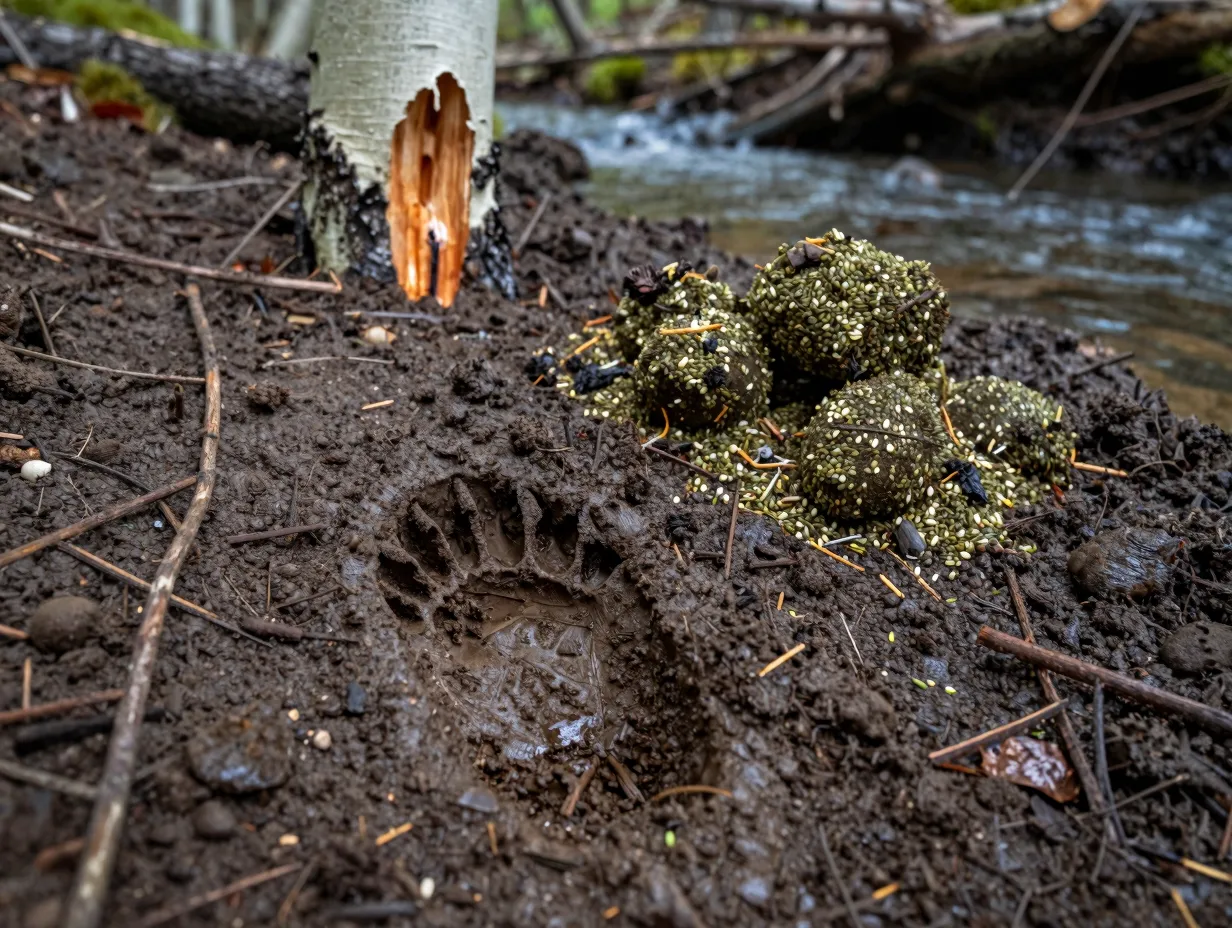
Old sign is interesting. Fresh sign is actionable. Learning the difference is one of the most undervalued skills in bear hunting.
What to look for:
- Scat: Large piles of black or green droppings indicate recent activity. Green scat means the bear is feeding on fresh vegetation. Dark scat with berry seeds confirms current food use in the area [3].
- Claw marks: Vertical scratch marks on smooth-barked trees like aspen or beech are territorial markers. Fresh marks show bright, wet wood underneath.
- Rubs: Hair caught on rough bark at shoulder height indicates a bear rubbing post. Multiple hairs suggest frequent use.
- Tracks: Mud along creek banks and soft soil near water sources hold tracks well. A useful field estimate for bear size is to measure the width of the front pad in inches and add one. That number roughly equals the bear’s squared hide measurement in feet [3].
“Fresh sign is a bear’s business card. It tells you what the bear is eating, how big it is, and how recently it passed through. Reading it correctly saves days of unproductive hunting.”
Walk creek bottoms and drainages specifically to find tracks. Bears use these natural corridors as travel routes, and the soft substrate preserves sign far better than dry upland terrain [4].
4. Play the Wind Strategically on Every Stalk
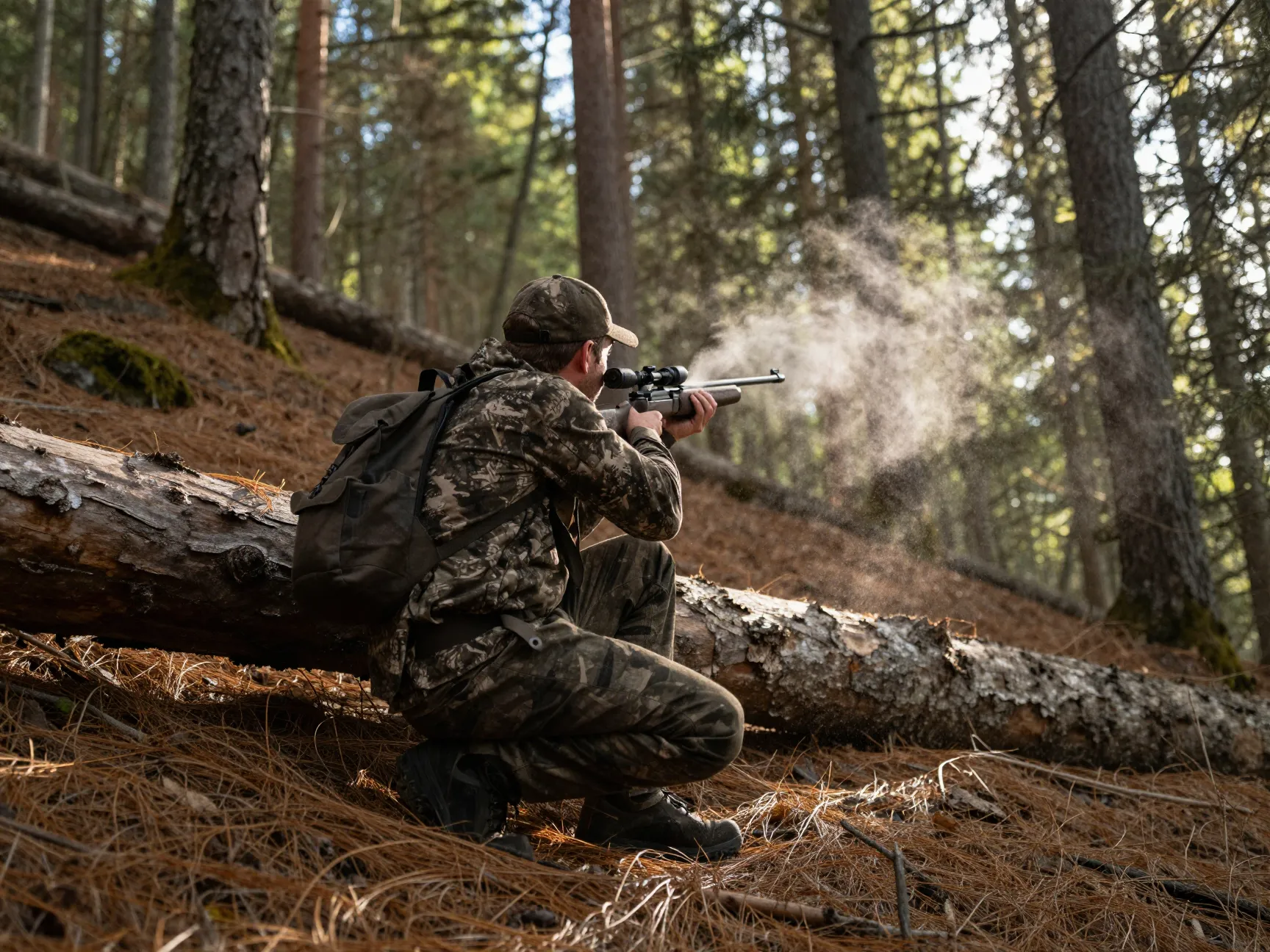
A bear’s nose is its primary defense. Research and field experience consistently show that black bears possess a sense of smell equal to or better than deer, capable of detecting human scent from distances that would surprise most hunters [1]. No amount of camouflage, scent-eliminating spray, or careful footwork compensates for a bad wind.
Before beginning any stalk, identify the wind direction and commit to a downwind approach. Use a windicator, either a powder puffer or natural milkweed, frequently throughout the stalk, not just at the start. Thermals shift throughout the day. Morning thermals typically flow downhill as cool air settles into valleys. Afternoon thermals reverse and flow uphill as the ground warms [1].
Wind management rules:
- Always approach from downwind or crosswind. Never approach from upwind.
- Check the wind every 50 to 100 yards during a stalk.
- Abandon a stalk if the wind swirls or becomes unpredictable. Reset and wait.
- Hunt south-facing slopes in the morning when thermals are most stable and predictable.
Losing a bear to wind is not bad luck. It is a correctable error in planning.
5. Establish Effective Bait Stations Where Legal
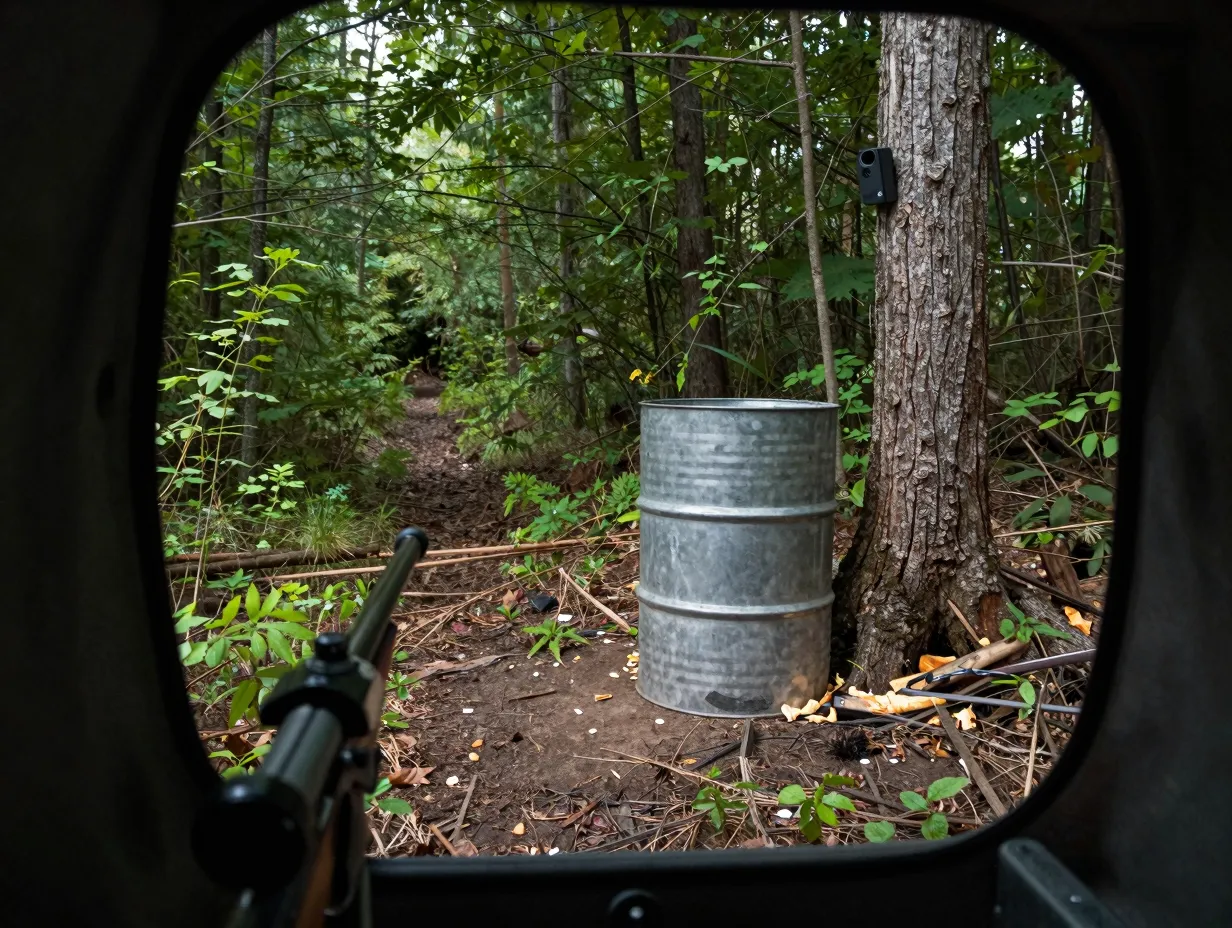
Baiting is legal in many Canadian provinces and a number of U.S. states, and where permitted, it remains one of the most effective methods for harvesting a bear. The key is station placement and maintenance [2].
Place bait stations near natural food sources and established bear trails. Bears are more likely to visit a bait site that fits naturally into their existing travel patterns than one placed in an arbitrary location. Dense surrounding cover provides the security bears need to approach in daylight hours, but the hunter needs a clear shooting lane of at least 20 to 30 yards to assess the bear’s size and sex before shooting [2].
Bait station setup principles:
- Position the bait so approaching bears present a broadside shot angle.
- Replenish bait as quickly as bears consume it. A depleted station loses bear interest rapidly.
- Use high-calorie attractants such as beaver carcasses, pastries, or grain-based mixes.
- Hang attractant scent (anise oil, fryer grease) above the bait to draw bears from a wider area.
- Check trail cameras regularly to inventory visiting bears and identify target animals.
Patience at a bait station is essential. Bears often circle a site for 20 to 30 minutes before committing to feed. Movement or noise during this window will push the bear out.
6. Understand Bear Anatomy for Ethical Shot Placement
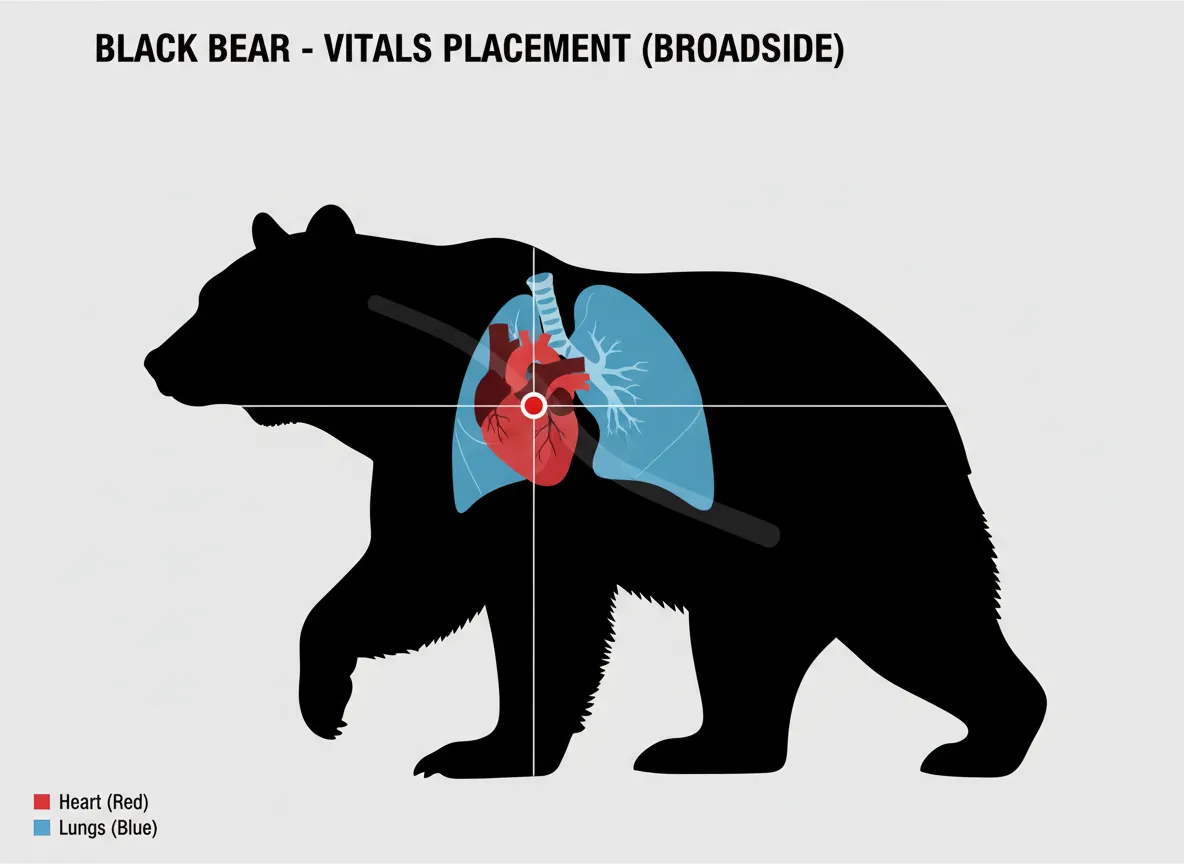
Shot placement on black bears is one of the most misunderstood aspects of the hunt, and it is the primary reason bears are wounded and lost. Bears carry their vital organs further forward in the chest cavity than deer or elk. The shoulder blade also covers more of the vitals than many hunters realize [1].
When a bear is standing broadside, time the shot for the moment the near front leg swings forward. This opens the shoulder and exposes the heart and lung zone. Aiming directly behind the shoulder at mid-body height is the correct reference point [5].
Shot placement by angle:
| Shot Angle | Aiming Point | Notes |
|---|---|---|
| Broadside | Behind shoulder, mid-body | Wait for front leg to swing forward |
| Quartering away | Far shoulder, trace through body | Adjust slightly back from deer reference |
| Quartering to | Base of neck or front shoulder | Only if confident in penetration |
| Head-on | Base of throat | Last resort, not recommended |
For rifle hunters, a flat-shooting cartridge with controlled-expansion bullets in the .30 caliber range or larger provides reliable penetration. For archery hunters, a fixed-blade broadhead with a cut-on-contact design maximizes penetration through the bear’s dense fat layer and heavy hide [5].
“Bears do not always react dramatically to a well-placed shot. A bear that walks calmly into the brush after the shot may be hit perfectly. Wait at least 30 minutes before following up.”
7. Study Terrain and Bear Movement Patterns
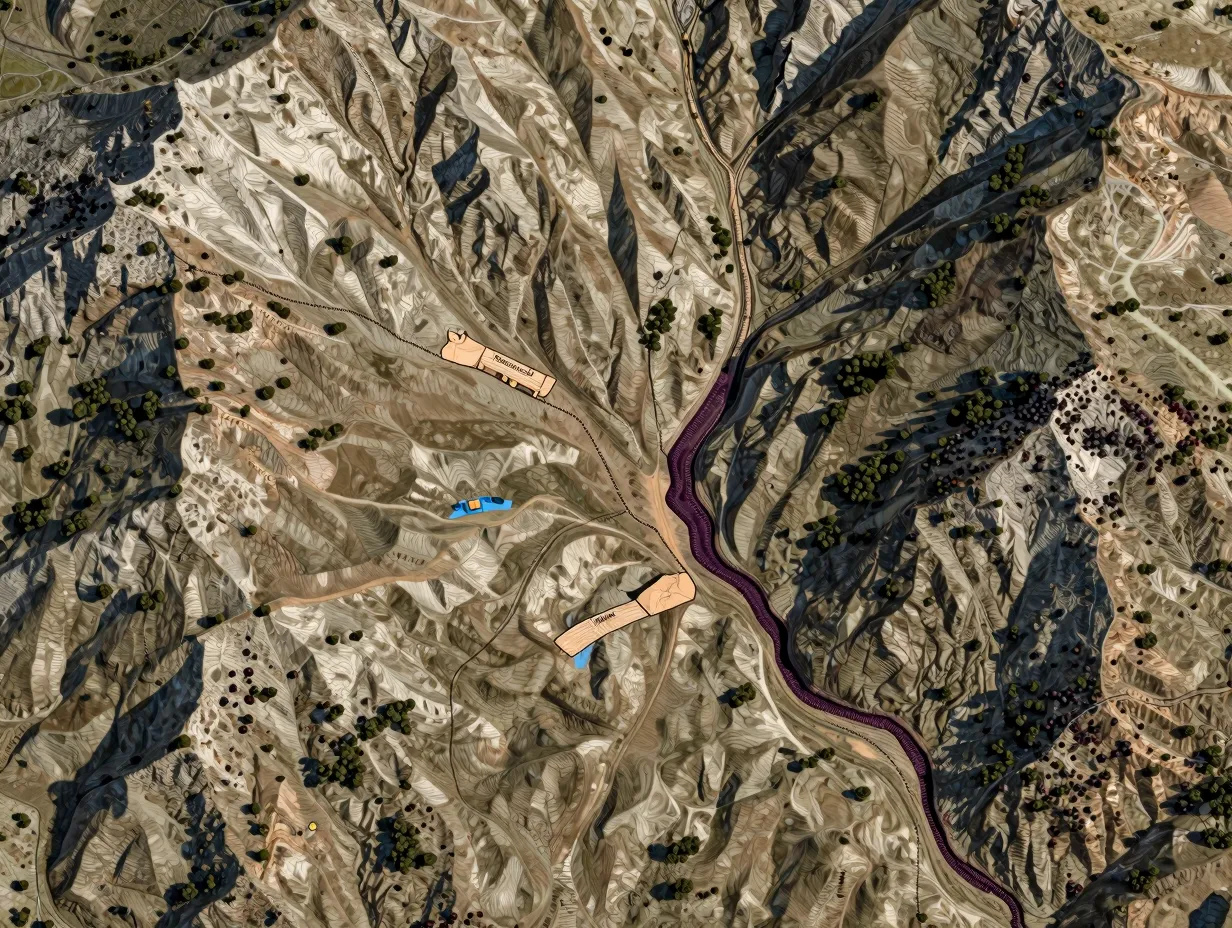
The most effective hunters do not simply react to bear activity. They predict it. This requires understanding how bears navigate a landscape and using that knowledge to intercept animals during their feeding movements [6].
Bears are creatures of efficiency. They follow the path of least resistance between food sources, bedding areas, and water. Saddles between ridges, creek drainages, and the edges between timber and open feeding areas are natural pinch points where bear movement concentrates.
Terrain features worth prioritizing:
- Saddles and passes between two drainages used as travel corridors
- The edge of old clear-cuts adjacent to mature timber
- Benches on steep hillsides where bears bed during midday
- Creek confluences where multiple drainages meet
- The transition zone between berry patches and escape cover
Set up near fresh sign rather than simply near terrain features that look good on a map. A perfect saddle with no fresh sign is far less productive than an unremarkable creek bottom loaded with tracks and scat [6].
Predator calls can also be used strategically during spot-and-stalk hunts. Bears are opportunistic and may investigate distress sounds. However, calling should be considered a supplemental tactic rather than a primary strategy. Locating active food sources with fresh sign remains the foundation of consistent success [4].
8. Follow Proper Blood Trail and Recovery Protocols
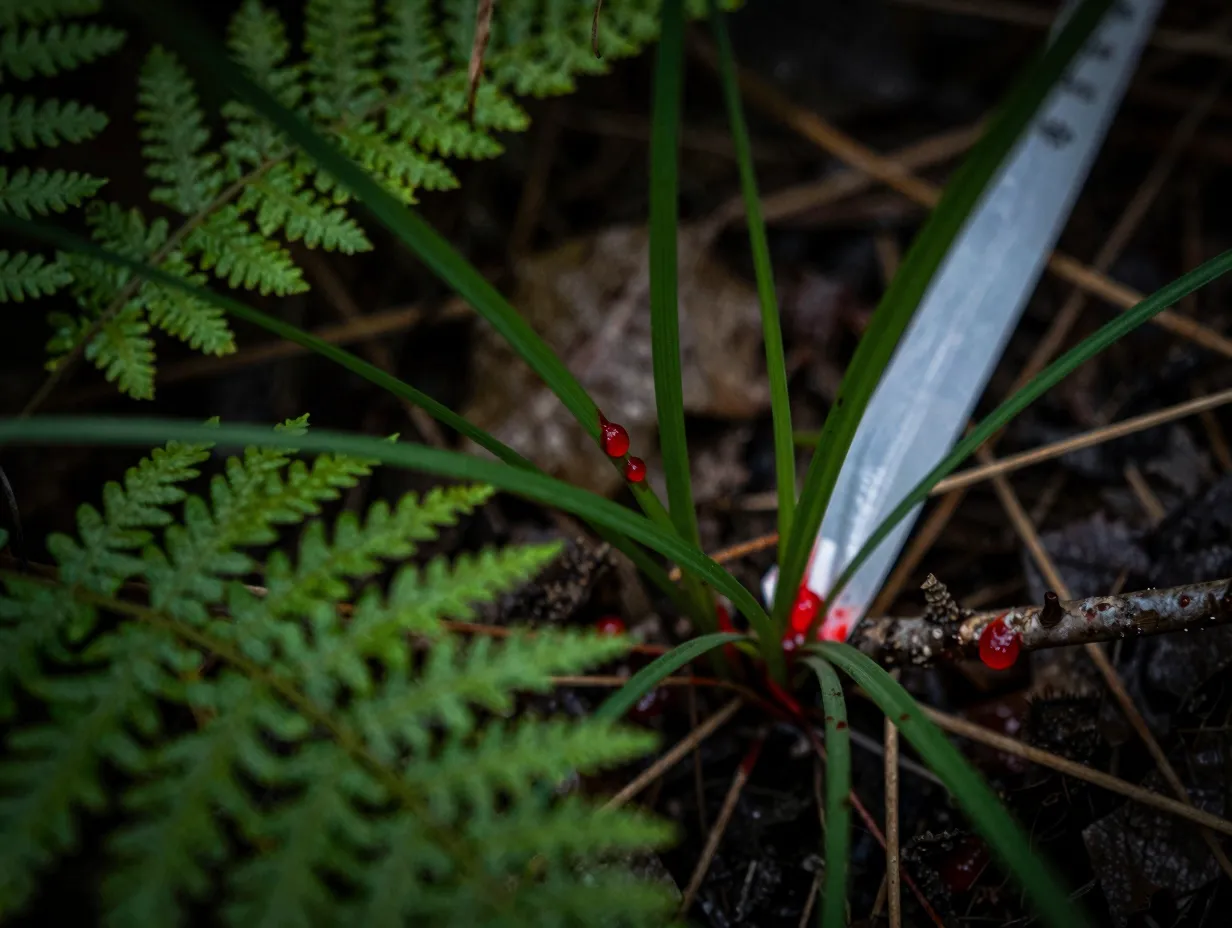
Even a perfectly placed shot requires a disciplined recovery process. Bears are thick-skinned, heavily muscled animals that can cover significant ground after being hit. Rushing the recovery is one of the most common mistakes hunters make [6].
Immediately after the shot, mark the exact location where the bear was standing. This is the anchor point for the entire recovery effort. Watch the bear’s direction of travel as long as it is visible, and note any landmarks it passed.
Step-by-step blood trail recovery:
- Wait a minimum of 30 minutes before leaving the shooting position, longer for marginal shots.
- Walk to the shot location and look for hair, blood, or bone fragments.
- Look low. Blood on bears often runs down the legs and appears as small drops on grass tips and low brush, not large pools on the ground [6].
- Follow the known path of travel rather than guessing where the bear went.
- Mark each blood sign with surveyor’s tape or a GPS waypoint before moving forward.
- If the trail goes cold, make a wide circle ahead to cut the trail again rather than pushing straight into the brush.
Bears that are pushed too soon will often travel much farther than they would have if left alone. A bear that beds down after a lethal hit will typically expire within 100 to 200 yards of the shot site if not disturbed.
Applying These 8 Black Bear Hunting Tips for Tracking North America’s Stealthy Predator in the Field
Success in bear hunting is rarely the result of one tactic executed perfectly. It is the product of multiple strategies working together. The hunter who locates a productive food source, reads fresh sign accurately, manages the wind on the stalk, and places the shot correctly has stacked every variable in their favor.
These 8 black bear hunting tips for tracking North America’s stealthy predator are most effective when applied as a system rather than as isolated techniques. Food source knowledge drives the initial scouting. Glassing from elevation confirms bear presence. Sign reading validates the location. Wind management makes the approach possible. Shot placement and recovery protocols complete the harvest ethically and efficiently.
Weather plays a supporting role throughout. Bears, much like deer, reduce movement during heavy rain or snow [1]. Prioritize hunting during weather windows of mild temperatures, low wind, and clear skies. The day after a storm system passes is often the most productive day of a hunt, as bears move aggressively to compensate for lost feeding time.
Consistent bear hunters also invest in pre-season scouting. Two or three days spent walking drainages, glassing hillsides, and mapping food sources before the season opens is worth more than two weeks of in-season hunting in unfamiliar country.
Conclusion
Black bear hunting rewards preparation, patience, and a willingness to adapt. The 8 tips covered here address every phase of the hunt, from pre-season scouting and sign identification through the stalk, the shot, and the recovery. None of them require expensive equipment or access to remote wilderness. They require knowledge applied consistently.
Actionable next steps for 2026:
- Research the regulations for black bear hunting in the target state or province, including legal methods, season dates, and any mandatory reporting requirements.
- Begin pre-season scouting at least 30 days before the opener, focusing on food sources and fresh sign in drainages and berry patches.
- Invest in quality optics before investing in any other gear upgrade. Binoculars and a tripod-mounted spotting scope are the highest-return tools in a bear hunter’s kit.
- Practice shot placement on a life-size bear target to internalize the correct aiming point before the season opens.
- Build a wind management habit by using a windicator on every scouting trip, not just during the hunt itself.
The bear is out there. The preparation determines whether the encounter ends with a tag filled or a story about the one that walked away.
References
[1] Spot Stalk Black Bear Hunting Tips – https://zenbowhunter.com/spot-stalk-black-bear-hunting-tips/
[2] A Guide To Hunting Black Bear – https://www.themeateater.com/hunt/black-bear/a-guide-to-hunting-black-bear
[3] How To Spot And Stalk Black Bears – https://www.americanhunter.org/content/how-to-spot-and-stalk-black-bears/
[4] Black Bear Hunting Tips – https://www.reddit.com/r/Hunting/comments/rmdzjc/black_bear_hunting_tips/
[5] Watch – https://www.youtube.com/watch?v=mQW1hZjCB7U
[6] Watch – https://www.youtube.com/watch?v=3C-SIMuvurM