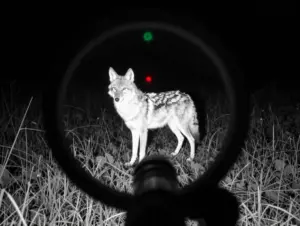
9 Must-Have Skills Every Successful Predator Hunter Needs to Master
Fewer than 20 percent of predator hunters consistently tag coyotes, bobcats, or foxes on any given outing, yet the top performers make it look effortless. The gap between a frustrating blank night and a productive stand almost always comes down to skill, not luck. The 9 Must-Have Skills Every Successful Predator Hunter Needs to Master outlined in this guide separate those who occasionally stumble onto success from those who engineer it every time they step into the field.
Disclosure: This post contains affiliate links. As an Amazon Associate, we earn from qualifying purchases, and at no extra cost to you.
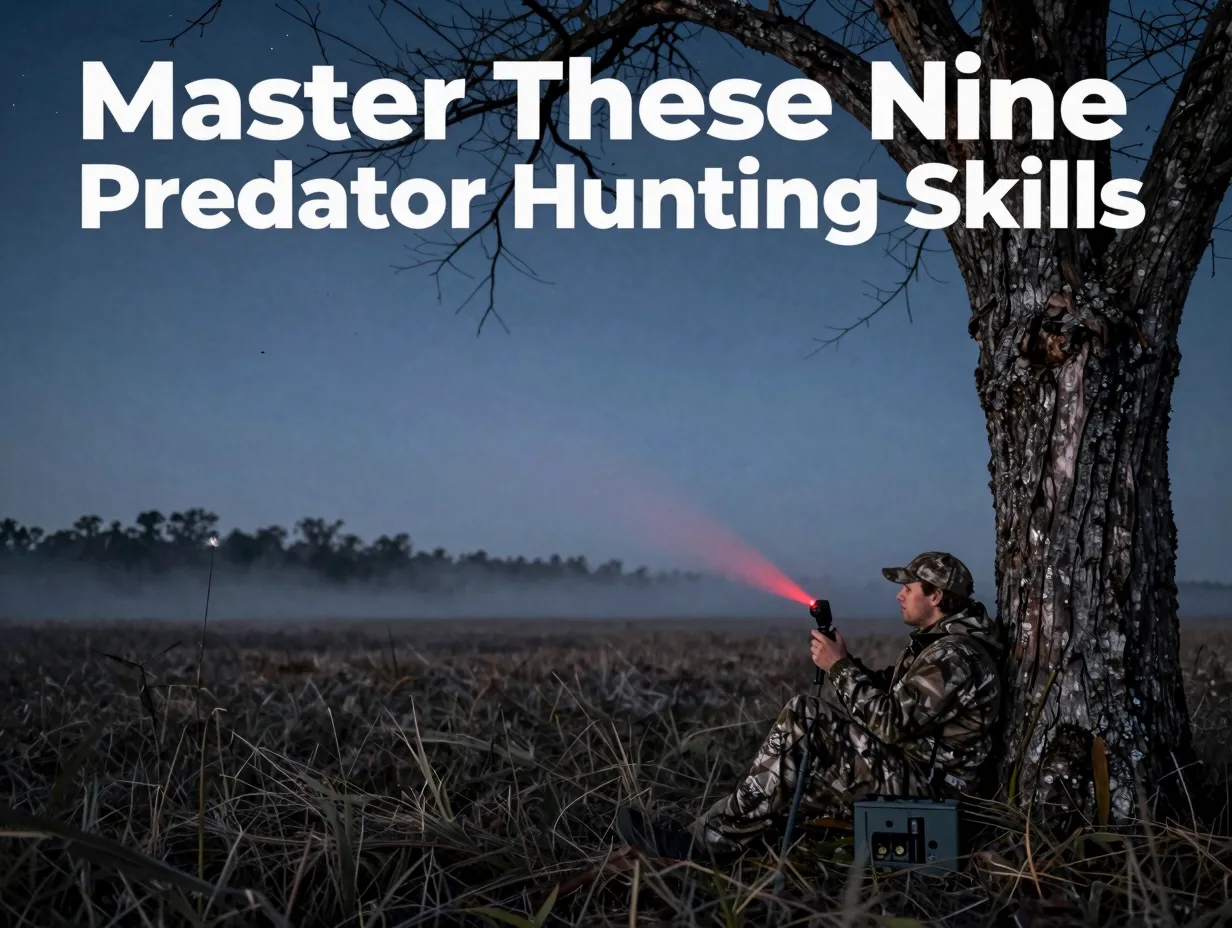
Whether a hunter is just starting out or has logged hundreds of hours behind a predator call, mastering these core competencies will sharpen every aspect of the pursuit, from scouting and setup to shot execution and recovery.
Key Takeaways
- Reading wind and thermals is the single most overlooked skill that ruins more stands than any other factor.
- Effective calling requires understanding predator behavior, not just mimicking sounds.
- Scouting and stand selection directly determine whether a hunter even gets an opportunity.
- Shot placement and marksmanship under pressure are non-negotiable for ethical, clean kills.
- Patience and mental discipline are as important as any piece of gear a hunter carries.
Why These Skills Define the Best Predator Hunters
Predator hunting is one of the most technically demanding forms of hunting in North America. Unlike deer hunting, where a hunter can sit a known travel corridor and wait, predator hunting requires active engagement, calling, reading animal behavior in real time, adjusting strategy mid-stand, and executing under pressure. The animals being pursued are highly intelligent, possess extraordinary senses, and have been conditioned by hunting pressure to be wary.
The 9 Must-Have Skills Every Successful Predator Hunter Needs to Master below are not arbitrary. Each one addresses a specific point of failure that causes hunters to come home empty-handed. Master all nine, and the success rate climbs dramatically.
The 9 Must-Have Skills Every Successful Predator Hunter Needs to Master
1. Wind and Thermal Management
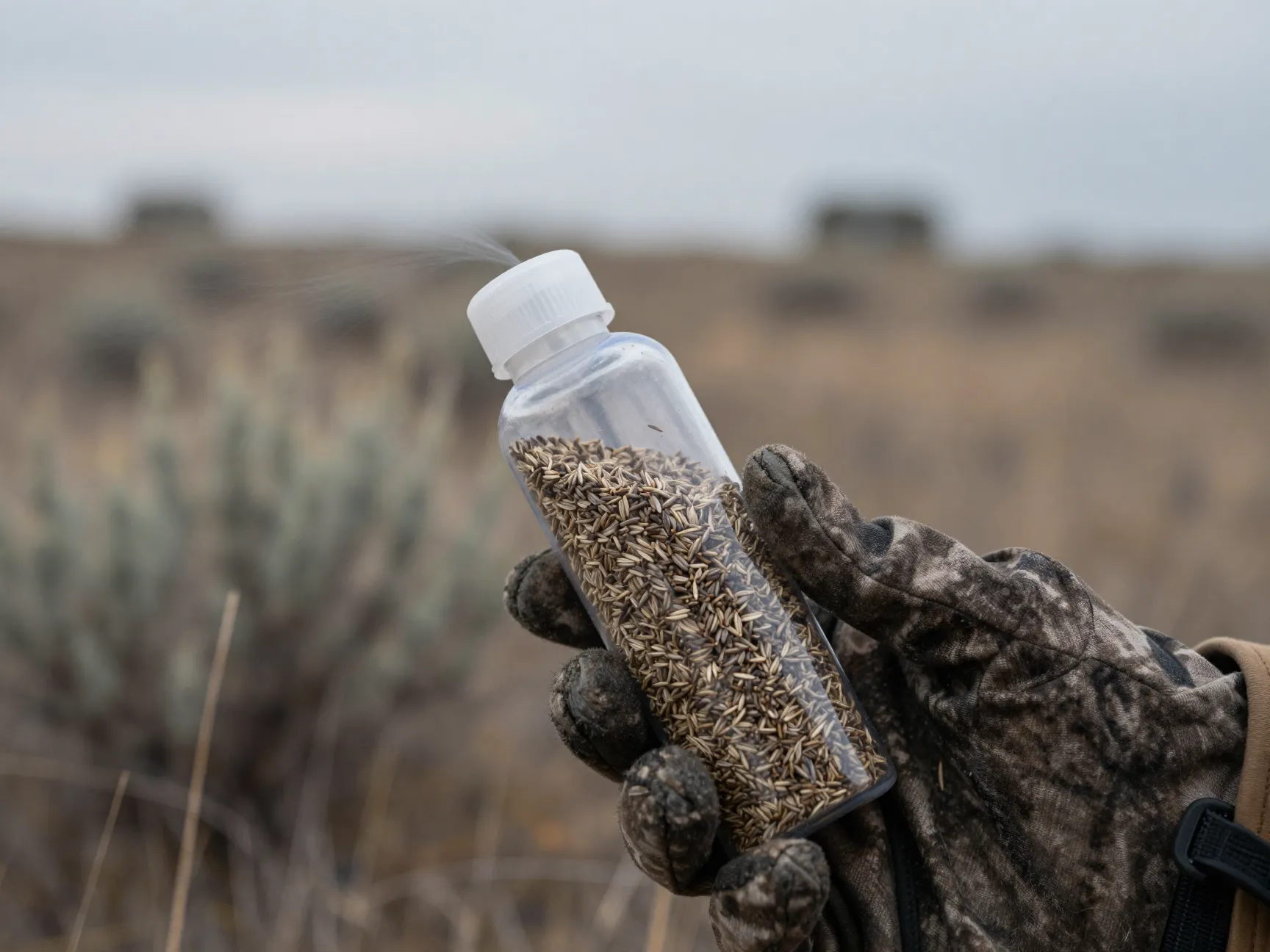
No skill on this list matters more than understanding wind and thermals. A coyote’s nose is its primary defense system. Research consistently shows that canines can detect human scent at distances exceeding 300 yards under the right conditions. A single thermal shift carrying human odor to an approaching predator ends the stand instantly, and the hunter may never know what happened.
Key principles to apply:
- Always set up with the wind blowing from the anticipated approach direction toward the hunter’s face.
- Thermals rise during morning warming and fall during evening cooling, plan stand entry and exit accordingly.
- Use a wind-check bottle or milkweed to monitor real-time air movement throughout the stand.
- Avoid setting up in terrain features like bowls or hollows where thermals swirl unpredictably.
“Wind management is not a suggestion, it is the foundation every other skill is built on.”
Hunters who ignore wind burn stands, educate animals, and wonder why calling never seems to work in their best spots.
2. Predator Calling Proficiency
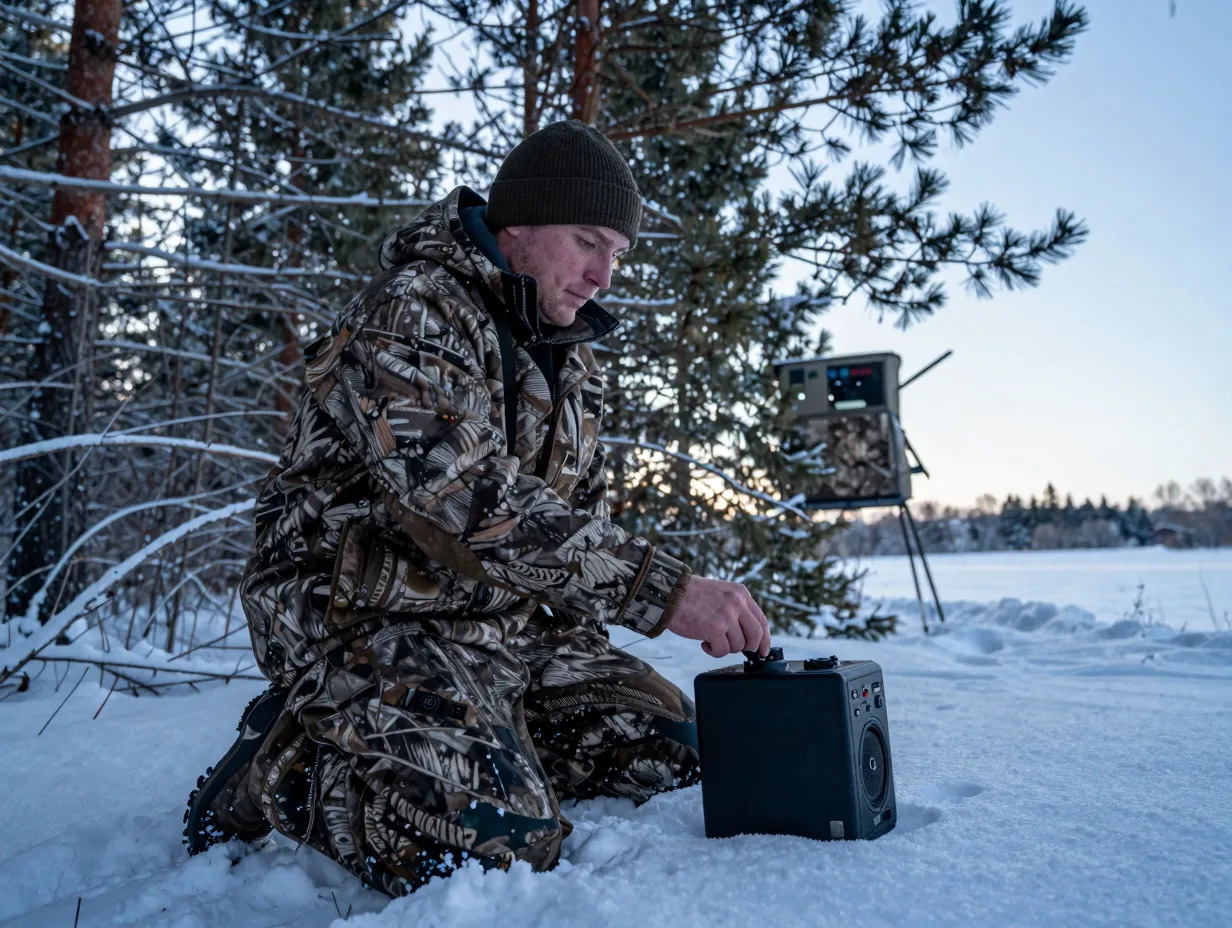
Calling is the most visible skill in predator hunting, and it is also the most misunderstood. Many hunters assume that any distress sound played loudly enough will bring in coyotes. In reality, effective calling is a nuanced communication system that requires understanding what animals are responding to and why.
Types of calls and when to use them:
| Call Type | Best Use Scenario |
|---|---|
| Cottontail distress | General purpose, high-pressure areas |
| Jackrabbit distress | Open country, larger coyotes |
| Coyote vocalizations | Territorial responses, breeding season |
| Bird distress | Pressured animals, late season |
| Fawn distress | Spring and early summer |
Critical calling principles:
- Start every stand at low volume and increase gradually, do not blast full volume immediately.
- Vary cadence, pitch, and rhythm to sound like a real animal in distress rather than a recording on loop.
- Know when to stop calling. Sometimes silence after an initial sequence is what pulls a hesitant animal in.
- Match the call to the season. Coyote pup distress in August triggers parental instincts; the same call in January is irrelevant.
Electronic callers have made consistent sound production accessible to all skill levels, but they do not replace the judgment required to know what to play and when.
3. Scouting and Stand Selection
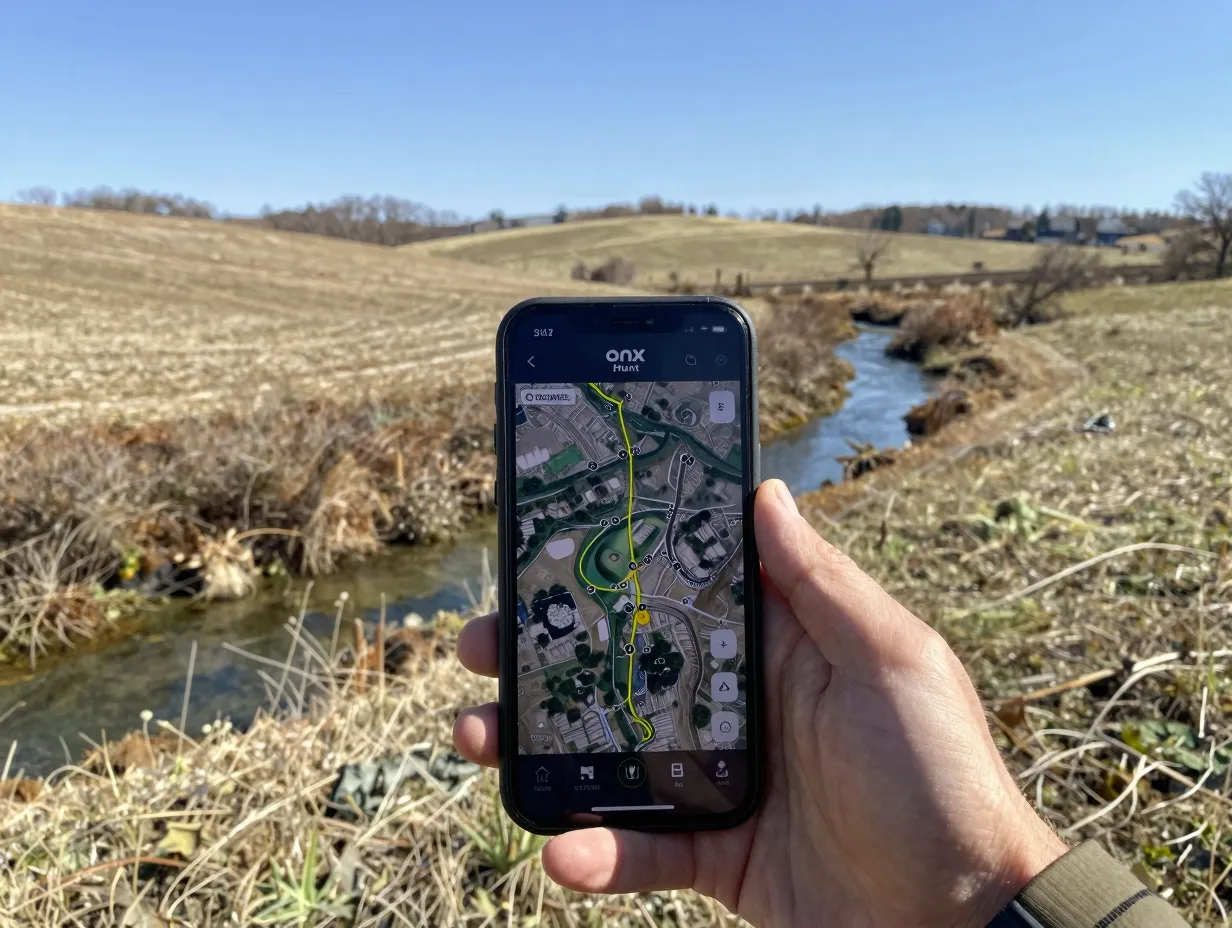
The best call sequence in the world cannot compensate for a poorly chosen stand. Predator hunters who consistently succeed spend more time scouting than most hunters spend actually hunting. Stand selection is a research-driven process, not a guessing game.
Effective scouting methods:
- Use aerial mapping tools (onX Hunt, Google Earth) to identify transition zones, agricultural edges, and water sources.
- Look for sign: tracks in mud or snow, scat on trails, prey concentrations like rabbit habitat or prairie dog towns.
- Drive roads at night with a spotlight before the season to identify where predators are actively moving.
- Talk to landowners and farmers, they often know exactly where coyotes are denning or traveling.
Stand selection checklist:
- Is there a natural backstop to silhouette incoming animals?
- Does the terrain funnel approaching predators into a shooting lane?
- Is there a clear downwind escape route if the stand needs to be exited quietly?
- Are there multiple approach routes that allow a stealthy entry without crossing the animal’s likely travel corridor?
A hunter who scouts thoroughly will sit down at every stand with confidence rather than hope.
4. Camouflage and Concealment
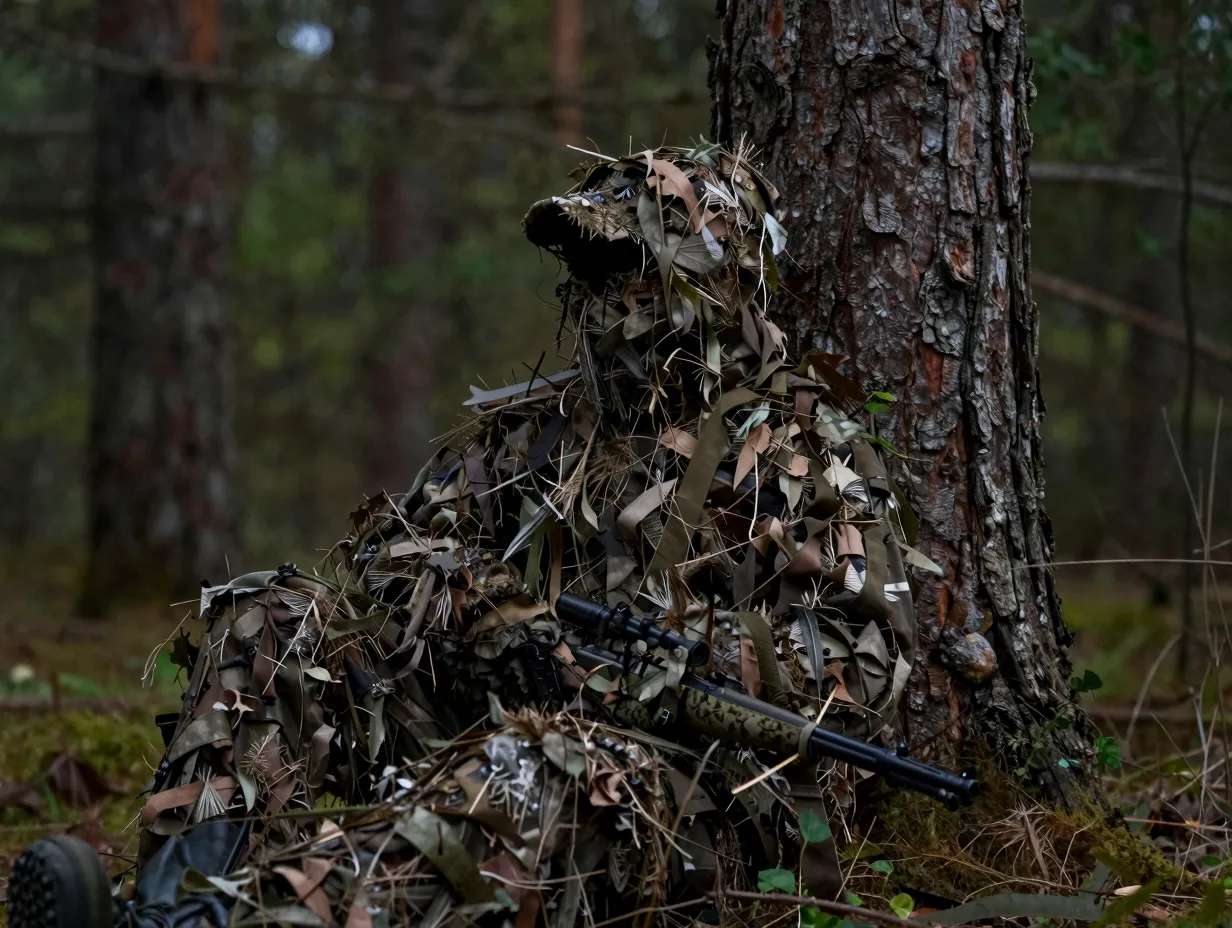
Predators, particularly coyotes and bobcats, have exceptional vision for detecting movement. While their color differentiation is limited compared to humans, their ability to spot unnatural shapes and motion at distance is remarkable. Concealment is not just about wearing the right pattern, it is about eliminating the human silhouette entirely.
Concealment fundamentals:
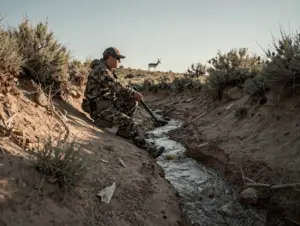
- Break up the human outline by sitting against a bush, tree, or rock rather than in the open.
- Match the camo pattern to the specific terrain and season, a snow camo pattern in brown grass is counterproductive.
- Cover all exposed skin, including hands and face, with gloves and a face mask or paint.
- Minimize movement during the stand. All adjustments to position, calls, or equipment should be slow and deliberate.
- Use a ground blind for open country stands where natural cover is limited.
The goal is not to be invisible, the goal is to be unrecognizable as a human threat.
5. Marksmanship and Shot Execution Under Pressure
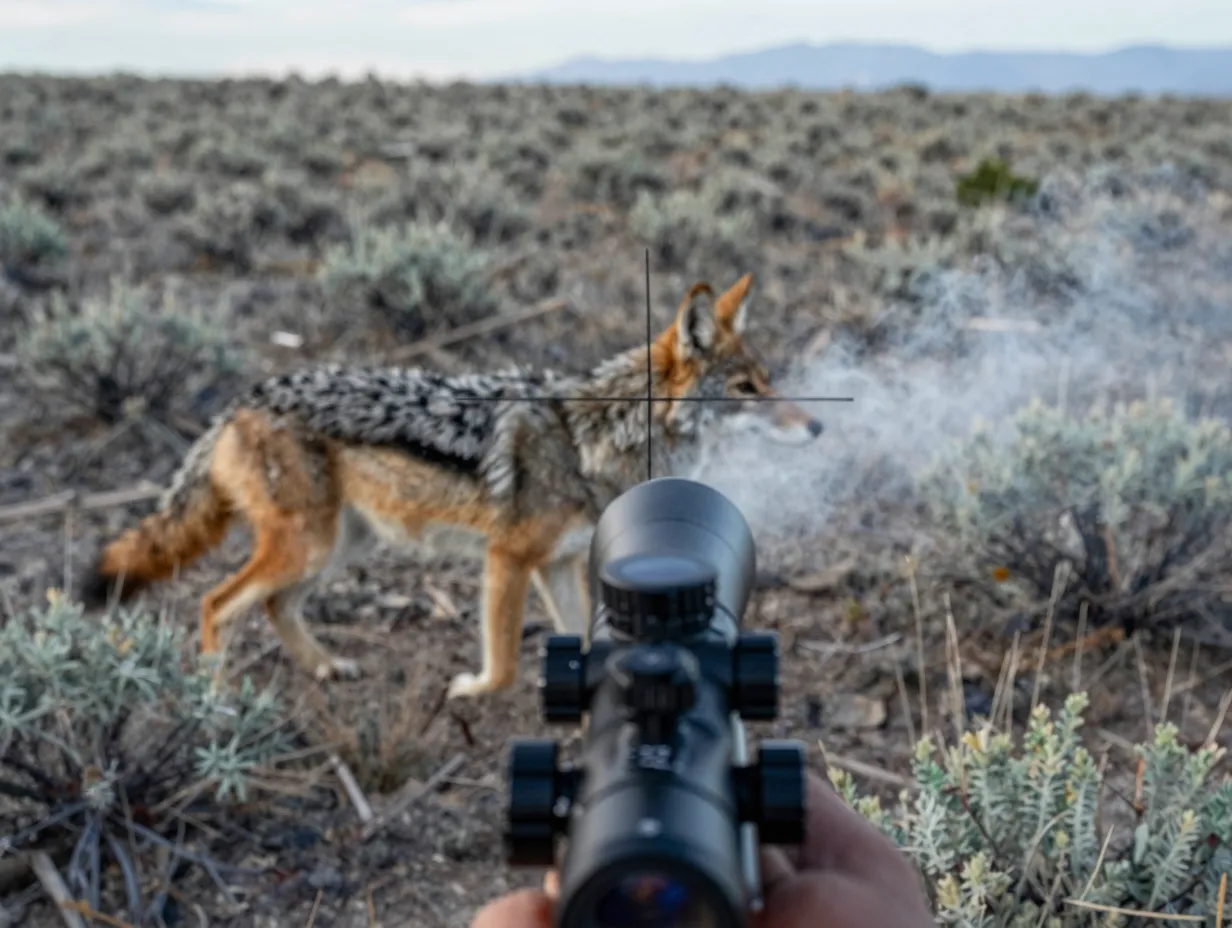
A predator approaching at speed, often angling unpredictably, presents a very different shooting challenge than a stationary deer at a known distance. Marksmanship for predator hunting requires both technical accuracy and the ability to perform under the adrenaline of a close, fast-moving encounter.
Building field-ready marksmanship:
- Practice shooting from field positions, sitting, kneeling, prone with bipod, not just from a bench.
- Train for shots at unknown distances by practicing at varied ranges without a rangefinder.
- Dry-fire regularly to build trigger discipline and eliminate flinch.
- Practice tracking moving targets using reactive steel or thrown clay pigeons.
Shot placement priorities:
- Broadside: aim for the shoulder/heart-lung zone for maximum tissue damage and quick kills.
- Head-on: the chest/sternum offers a reliable target on approaching animals.
- Quartering away: aim to exit through the far shoulder.
Fur hunters must also consider pelt preservation, a well-placed shot minimizes hide damage and preserves the animal’s value.
6. Understanding Predator Behavior and Biology
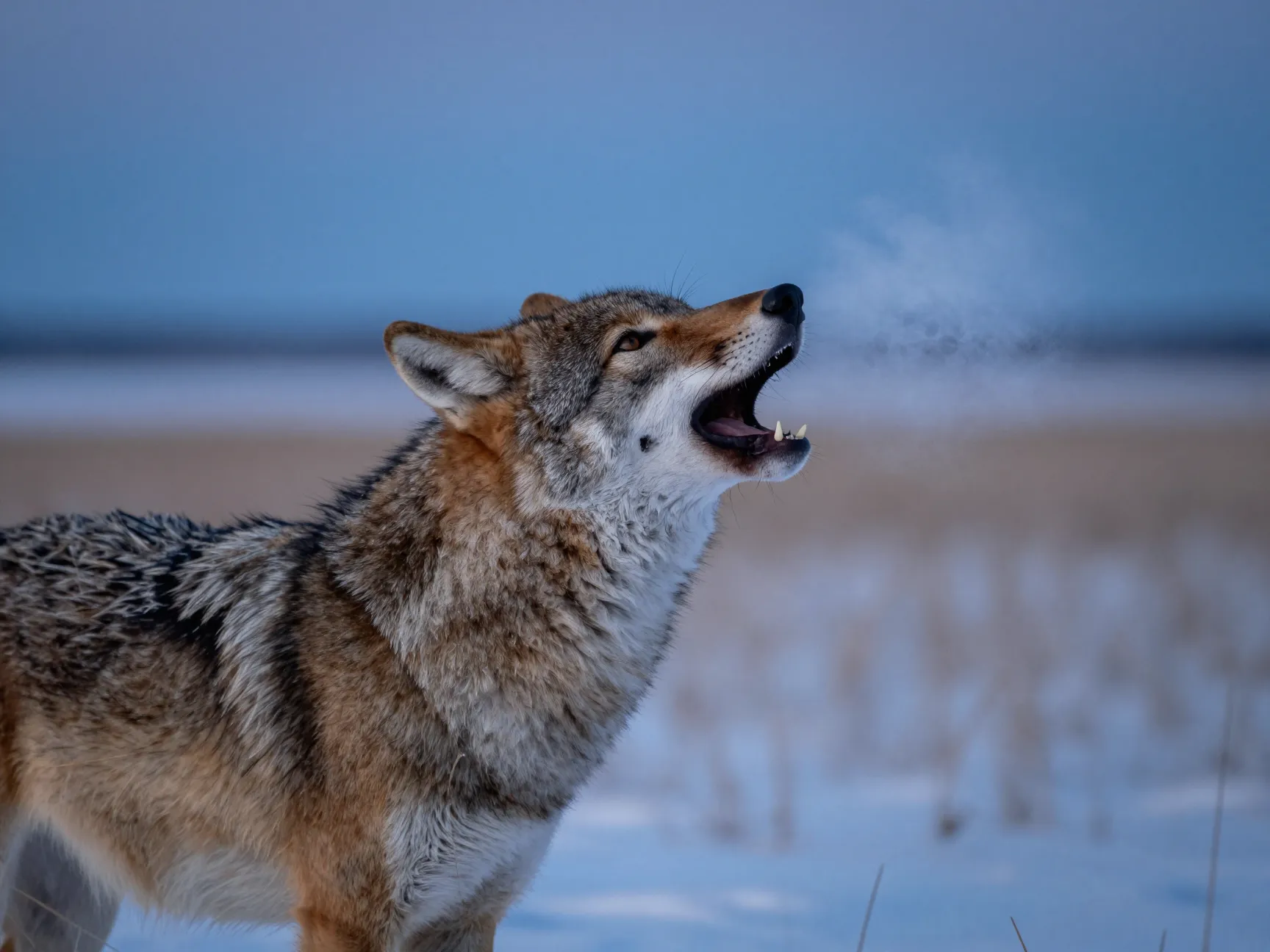
Hunters who understand how coyotes, foxes, and bobcats think and behave make better decisions at every stage of the hunt. Behavioral knowledge informs when to hunt, where to set up, what to call with, and how to interpret an animal’s body language as it approaches.
Key behavioral principles:
- Breeding season (January-February for coyotes): Animals are more vocal, more territorial, and more responsive to howls and challenge calls.
- Pup-rearing season (May-July): Adults are highly food-motivated and respond aggressively to pup distress sounds.
- Late season (October-December): Animals are wary from hunting pressure; subtle, lower-volume calling works better.
- Territorial behavior: Alpha coyotes will investigate and challenge intruders; subordinate animals may hang back or circle.
Understanding that a coyote hanging up at 200 yards is not ignoring the call, it is reading the wind, scanning for danger, and making a decision, allows the hunter to respond intelligently rather than calling louder out of frustration.
7. Scent Control and Odor Elimination
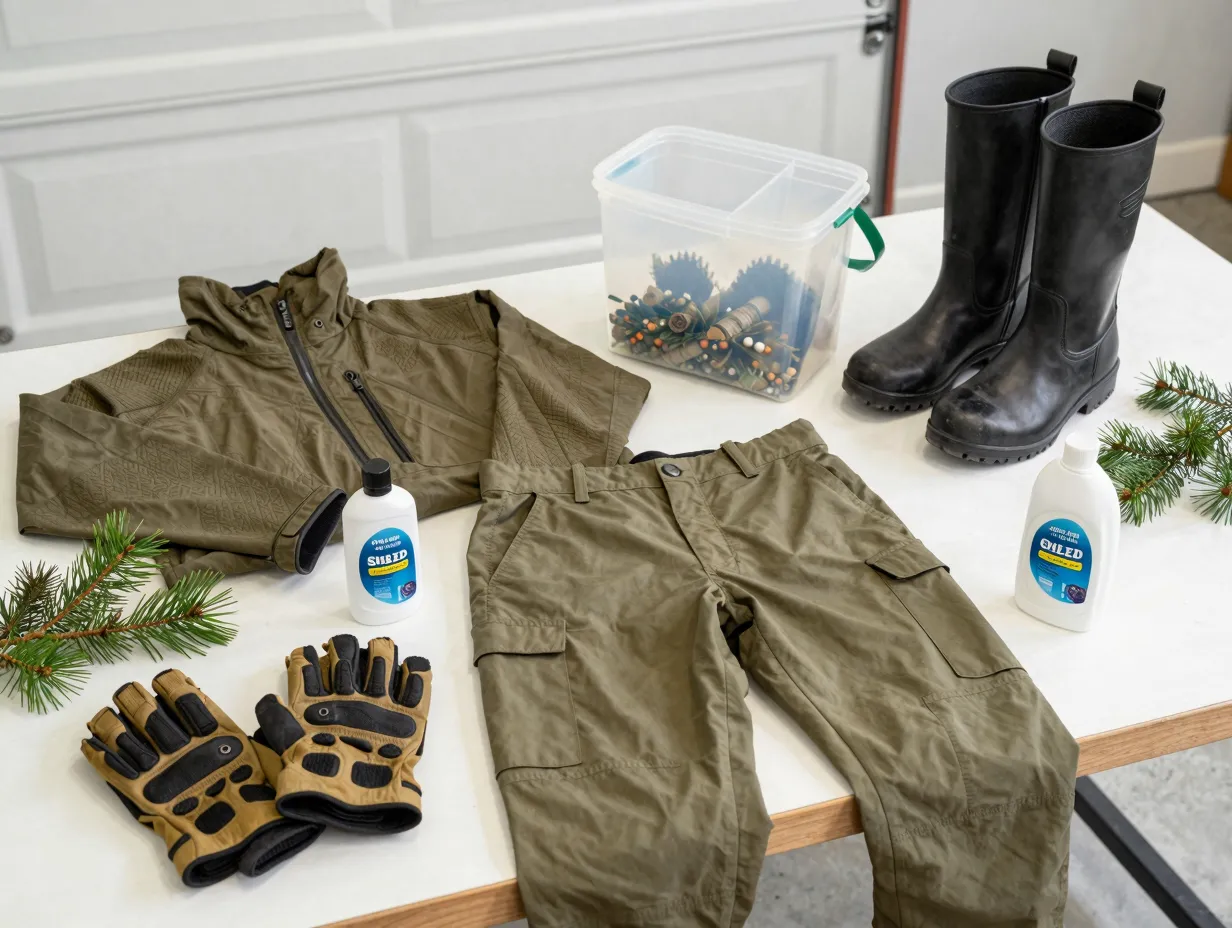
Scent control is the complement to wind management. Wind management dictates where a hunter sits; scent control reduces the odor signature that the wind carries. Even with a perfect wind, a hunter who reeks of gasoline, food, or synthetic fragrance is broadcasting a warning signal.
Practical scent control protocol:
- Wash hunting clothes in unscented or scent-eliminating detergent and store them in sealed bags or totes with natural cover scents (dirt, pine, cedar).
- Shower with unscented soap before every hunt.
- Spray down with a scent-eliminating spray immediately before entering the field.
- Avoid eating strong-smelling foods on hunt days.
- Let boots and gear air out between hunts in an outdoor environment rather than in a garage or vehicle.
Scent control is not a guarantee, it is a risk-reduction strategy. Combined with disciplined wind management, it dramatically reduces the chance of being winded.
8. Night Hunting Techniques and Equipment
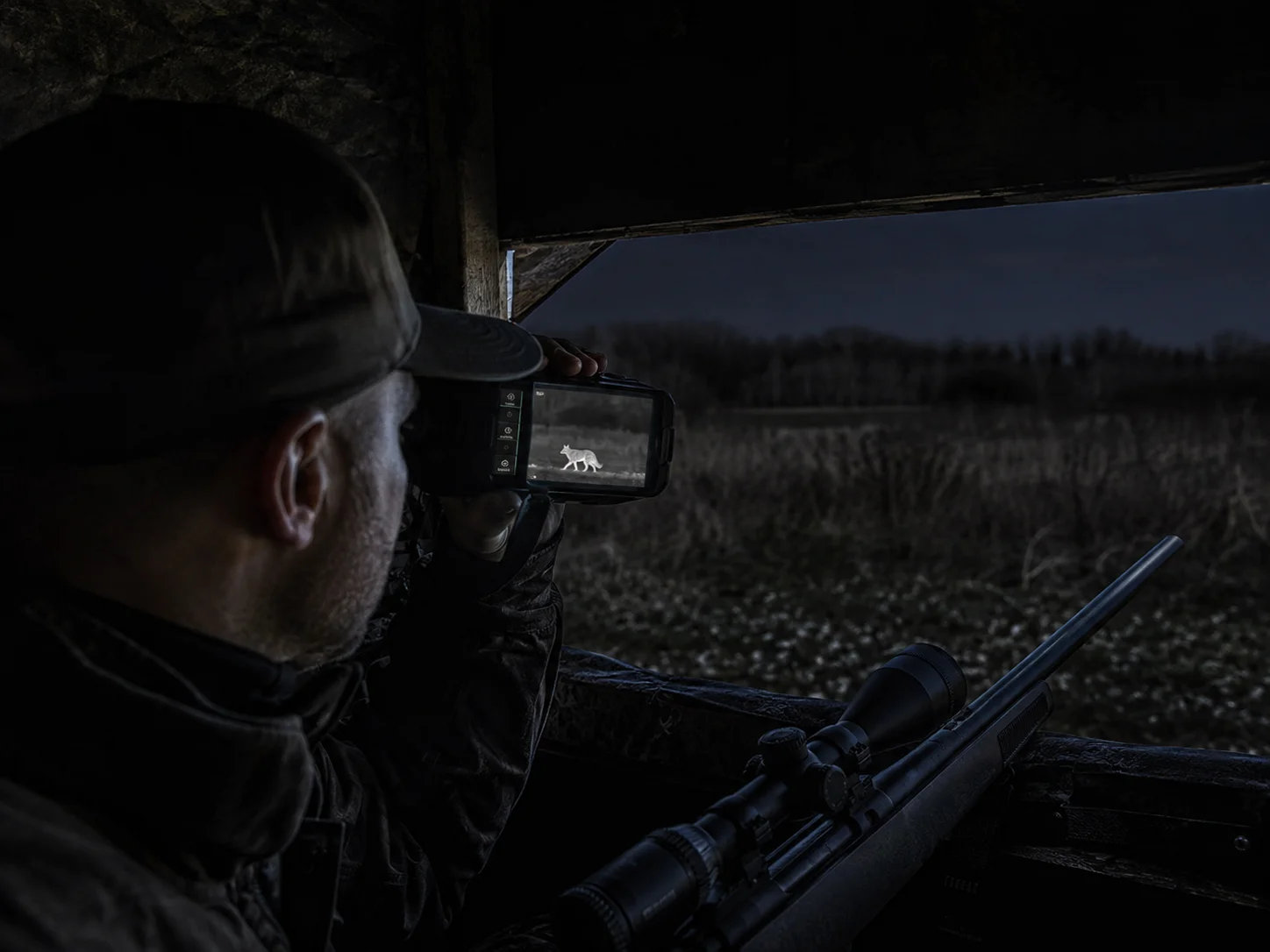
A significant portion of predator activity occurs after dark. In states where night hunting is legal, hunters who are comfortable and competent in low-light and no-light conditions have access to prime predator activity windows that daytime-only hunters miss entirely.
Night hunting skill set:
- Light selection: Red and green lights are less likely to spook predators than white light. Infrared with night vision eliminates visible light entirely.
- Thermal imaging: Thermal optics allow hunters to detect body heat at long range, identify approaching animals before they are visible to the naked eye, and confirm species before shooting.
- Shot discipline: Night shooting requires extra care to confirm target identity and ensure a safe backstop.
- Navigation: Moving in the dark requires familiarity with the terrain and a reliable GPS or mapping app to avoid hazards and maintain quiet entry/exit.
Night hunting adds complexity but rewards hunters who invest in the right equipment and practice the necessary skills.
9. Patience, Adaptability, and Mental Discipline
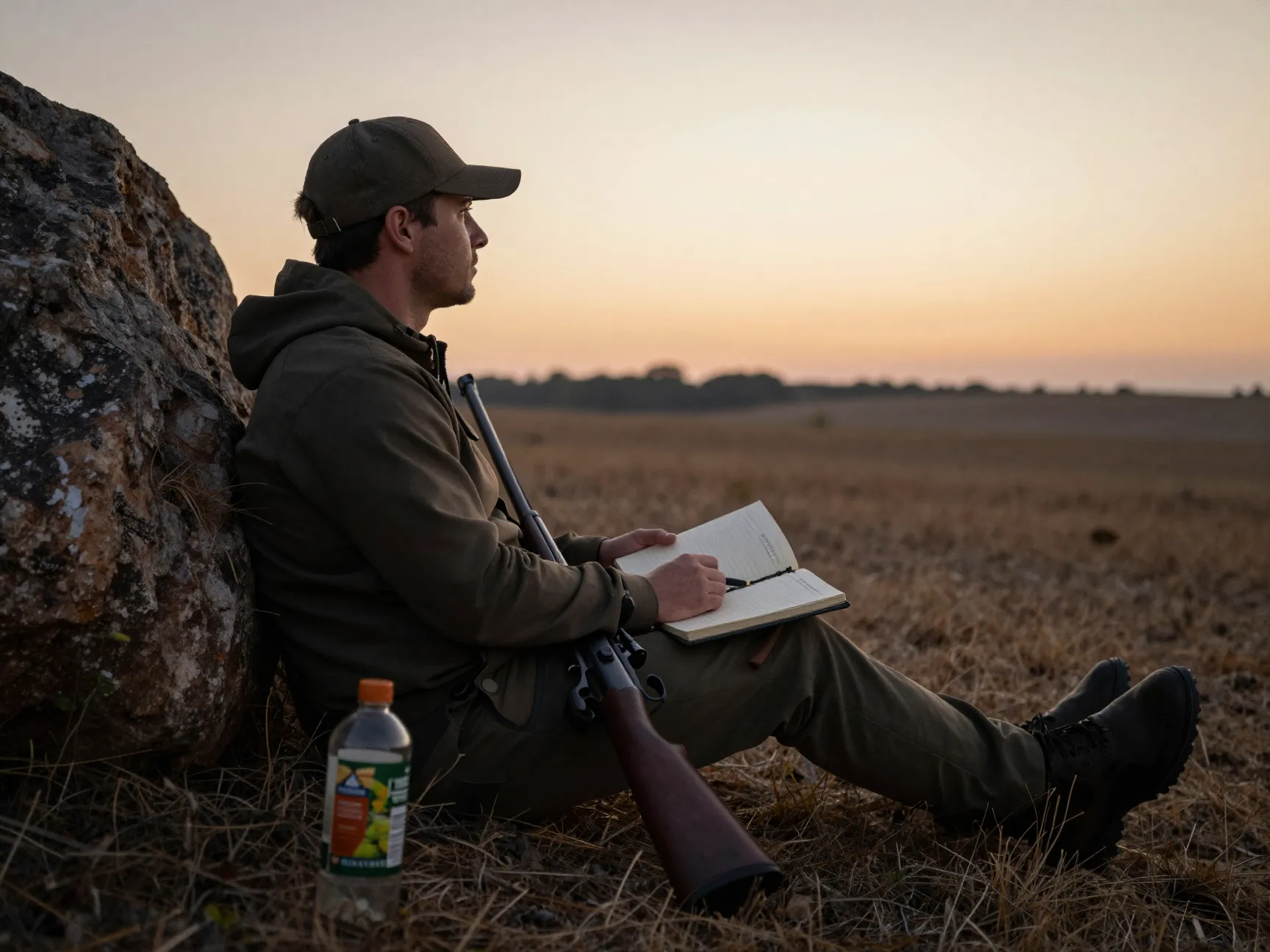
The ninth skill is the one most hunters underestimate because it cannot be purchased or practiced on a range. Patience and mental discipline determine whether a hunter stays committed through a slow stand, resists the urge to move too soon, and maintains focus when nothing is happening.
Mental game principles:
- Commit to a full stand time (typically 20-45 minutes per location) before moving. Many coyotes respond late in the sequence.
- Resist the temptation to call constantly. Silence is part of the calling sequence, not dead time.
- Stay adaptable, if the wind shifts, the stand is over. Move rather than compromise the setup.
- Keep a hunting journal. Logging stand locations, conditions, call sequences, and outcomes builds a personal database that improves future decisions.
- Accept that blank stands are part of the process. Even elite predator hunters have slow days.
Adaptability in the field:
| Situation | Adaptive Response |
|---|---|
| Wind shifts mid-stand | Pack up quietly and relocate |
| Animal hangs up at distance | Switch to a less aggressive call |
| No response after 20 minutes | Try a different call type before moving |
| Animal approaches but stops | Stop calling and wait |
| Repeated blank stands in an area | Scout for new sign before returning |
The hunters who consistently fill tags are not the ones with the most expensive gear, they are the ones who out-think and out-wait the animals.
How to Build These Skills Systematically
Mastering the 9 Must-Have Skills Every Successful Predator Hunter Needs to Master does not happen in a single season. It is a progressive process that rewards deliberate practice and honest self-assessment.
A practical development framework:
- Prioritize wind and scent control first, these are the most common failure points for new hunters.
- Invest in a quality electronic caller and practice calling sequences at home before using them in the field.
- Scout aggressively before the season opens. Time spent scouting multiplies the value of every stand.
- Dry-fire practice and range sessions should happen year-round, not just before the season.
- Study predator behavior through books, reputable hunting content, and mentorship from experienced hunters.
- Add night hunting equipment gradually, start with a quality light before investing in thermal or night vision.
- Keep a detailed hunting journal to identify patterns and track improvement over time.
Progress is measurable. A hunter who tracks stand outcomes, call sequences, and conditions will see clear improvement within one to two seasons of deliberate practice.
Conclusion
The difference between a hunter who occasionally gets lucky and one who consistently produces results is not the brand of their rifle or the price of their electronic caller. It is the depth of their skill set. The 9 Must-Have Skills Every Successful Predator Hunter Needs to Master, wind management, calling proficiency, scouting, concealment, marksmanship, behavioral knowledge, scent control, night hunting competency, and mental discipline, form a complete system. Weakness in any one area creates a gap that predators will find and exploit.
Actionable next steps for 2026:
- Audit current skill levels honestly against each of the nine categories.
- Identify the two or three weakest areas and build a specific improvement plan for each.
- Scout at least one new property before the next season opens.
- Add one new piece of night hunting equipment if night hunting is legal in the local area.
- Start or restart a hunting journal with structured entries after every stand.
The predators being pursued have been surviving by their wits for their entire lives. The hunters who respect that and commit to continuous skill development are the ones who earn consistent success in the field.