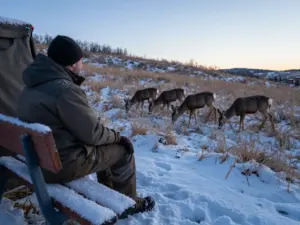
8 Critical Backcountry Hunting Strategies for Remote Wilderness Pursuits
Only about 10% of hunters ever venture more than two miles from a trailhead, yet that small group consistently tags more mature animals, encounters less competition, and returns with stories that define a lifetime. The gap between a successful backcountry hunt and an expensive, exhausting failure almost always comes down to strategy, not luck. Mastering the 8 Critical Backcountry Hunting Strategies for Remote Wilderness Pursuits covered in this guide can dramatically shift the odds in any hunter’s favor, whether the target is elk in the Rockies, mule deer in the Great Basin, or whitetails in the remote timber country of the upper Midwest.
Disclosure: This post contains affiliate links. As an Amazon Associate, we earn from qualifying purchases, and at no extra cost to you.
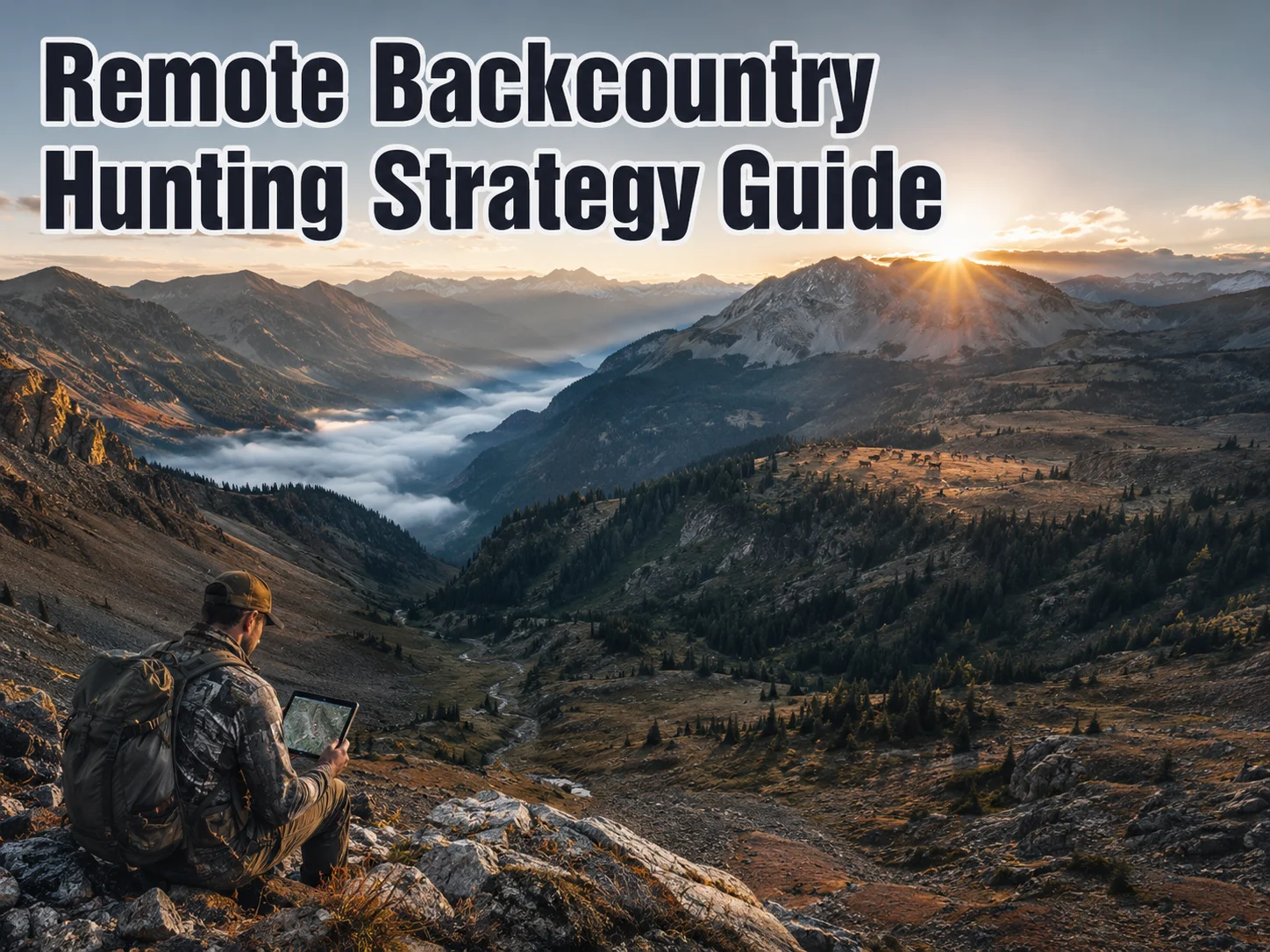
Remote wilderness hunting demands a different mindset than road-accessible hunting. Every decision, from where to pitch a tent to how to read a drainage on a digital map, carries real consequences when the nearest trailhead is eight miles behind you.
Key Takeaways
- Pre-season e-scouting using digital maps and satellite imagery is the single highest-leverage investment a backcountry hunter can make before the season opens.
- Water sources, camp placement, and logistical planning are primary strategic decisions, not afterthoughts.
- Getting at least two to three miles beyond the trailhead dramatically reduces hunting pressure and increases encounter rates with mature animals.
- Ultralight, minimalist gear systems allow hunters to move faster, cover more ground, and adapt to changing conditions.
- Physical fitness and mental preparation are non-negotiable prerequisites for safe, effective remote wilderness pursuits.
Why Strategy Separates Success from Survival in the Backcountry
Before diving into the specific tactics, it is worth understanding why strategy matters so much in remote settings. Public land backcountry hunting in 2026 is more competitive than ever. More hunters are entering wilderness areas each season, drawn by social media content and accessible mapping technology. The hunters who succeed are those who out-plan, out-prepare, and out-execute the crowd.
The 8 Critical Backcountry Hunting Strategies for Remote Wilderness Pursuits outlined below are drawn from hard-earned field experience and well-documented tactical frameworks. Each strategy builds on the last, creating a complete system from pre-season planning through the final pack-out.
1. Commit to Aggressive Pre-Season E-Scouting
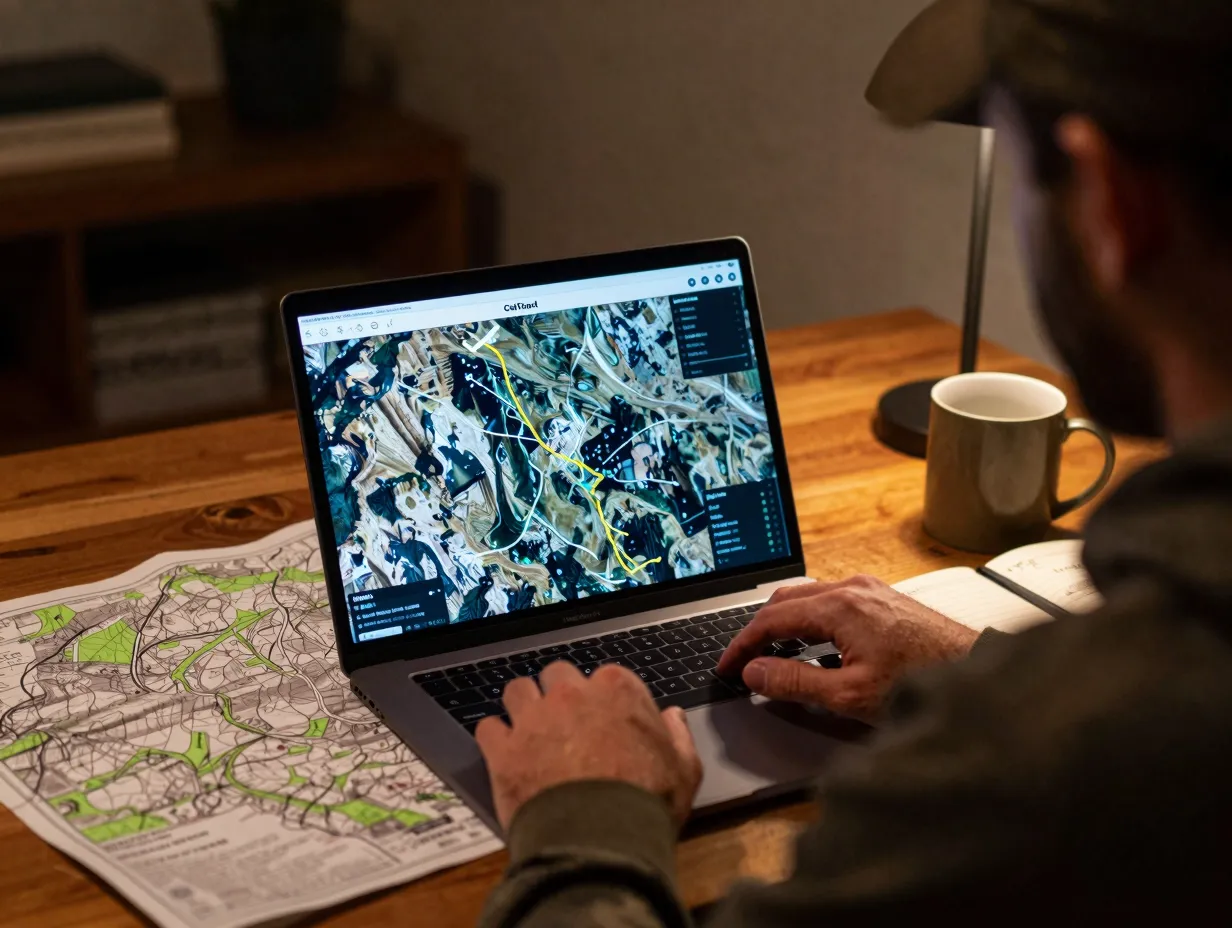
Long before boots hit the ground, the most productive backcountry hunters are already deep in digital terrain. E-scouting, the practice of studying satellite imagery, topographic maps, and digital scouting tools from a computer or mobile device, has become the foundation of every successful remote hunt plan [5].
What effective e-scouting looks like:
- Study multiple mapping platforms (OnX Hunt, CalTopo, Google Earth) to cross-reference terrain features.
- Identify travel corridors, saddles, benches, and water sources that concentrate game.
- Mark potential camp locations, glassing points, and access routes before the season.
- Analyze historical aerial imagery to detect seasonal patterns in vegetation and animal movement.
The goal is to arrive in the field with a mental model of the terrain so detailed that the physical landscape feels familiar on day one. Hunters who skip this step waste precious days learning terrain that could have been studied at home [4].
“The hunter who does the most homework before the season is rarely the one who comes home empty-handed.”
E-scouting also helps identify areas that receive heavy pressure. Roads, trailheads, and well-worn paths show up clearly on satellite imagery. Avoiding these corridors and targeting the drainages and basins that require genuine effort to reach is a core principle of backcountry success [10].
2. Prioritize Water Sources as the Anchor of Every Hunt Plan
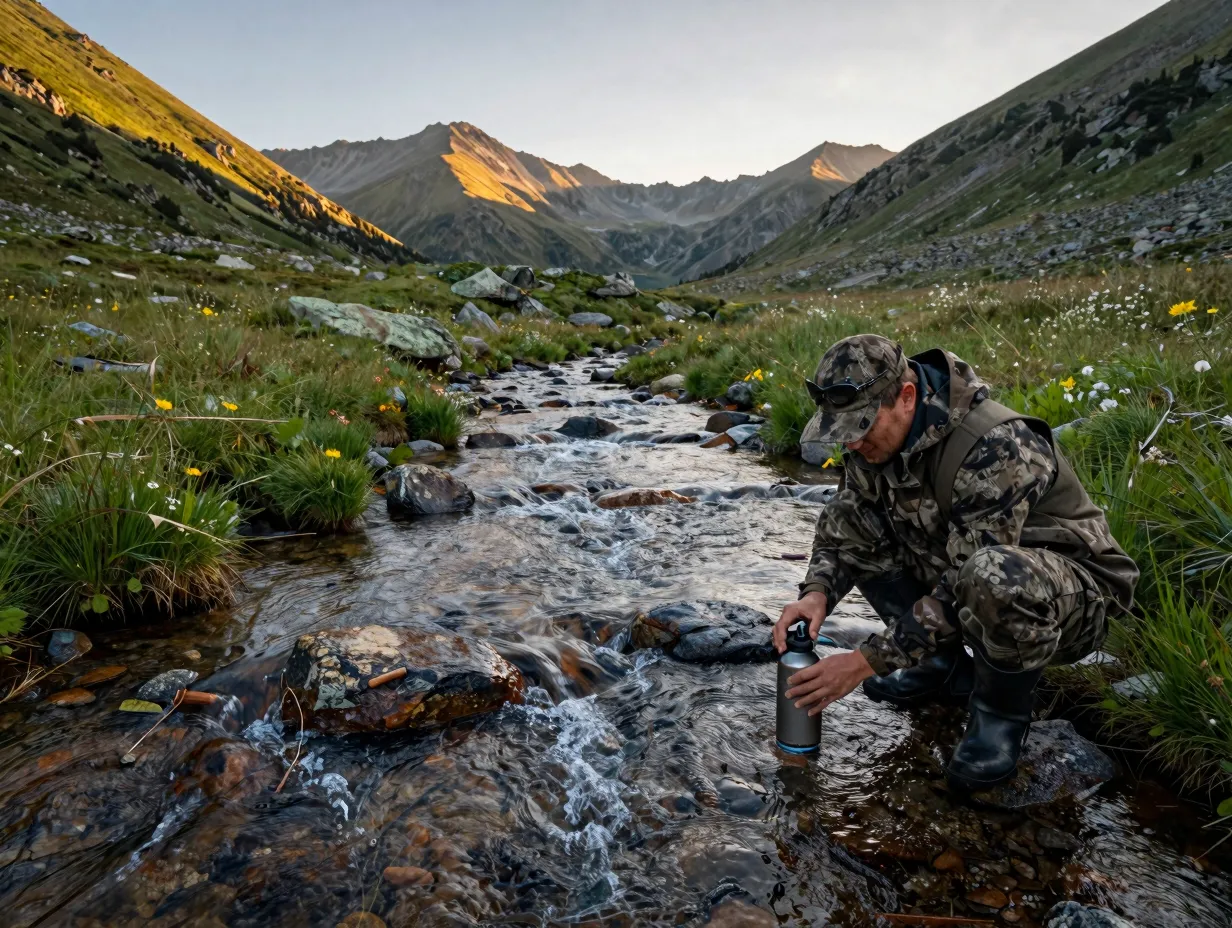
In remote terrain, water is not just a survival necessity, it is a strategic asset. Animals in wilderness environments structure their daily movement around reliable water sources, particularly during warm early seasons and dry years. Identifying water on a map and building a hunt plan around it is one of the most consistently productive backcountry tactics available [3].
Key water-based planning principles:
- Locate every spring, seep, creek, and stock tank within the hunt area during e-scouting.
- Prioritize water sources that are difficult to reach, these receive less hunting pressure.
- Plan camp locations within a reasonable distance of reliable water to reduce daily logistics burden.
- Understand that in arid terrain, a single reliable water source can be the difference between a productive hunt and a fruitless one.
Water also dictates where a hunter can safely camp for extended periods. Running out of water in remote terrain is a genuine emergency. Verifying water sources through recent trip reports, state wildlife agency data, and satellite imagery before departure is a non-negotiable step [6].
3. Select Camp Location as a Primary Strategic Decision
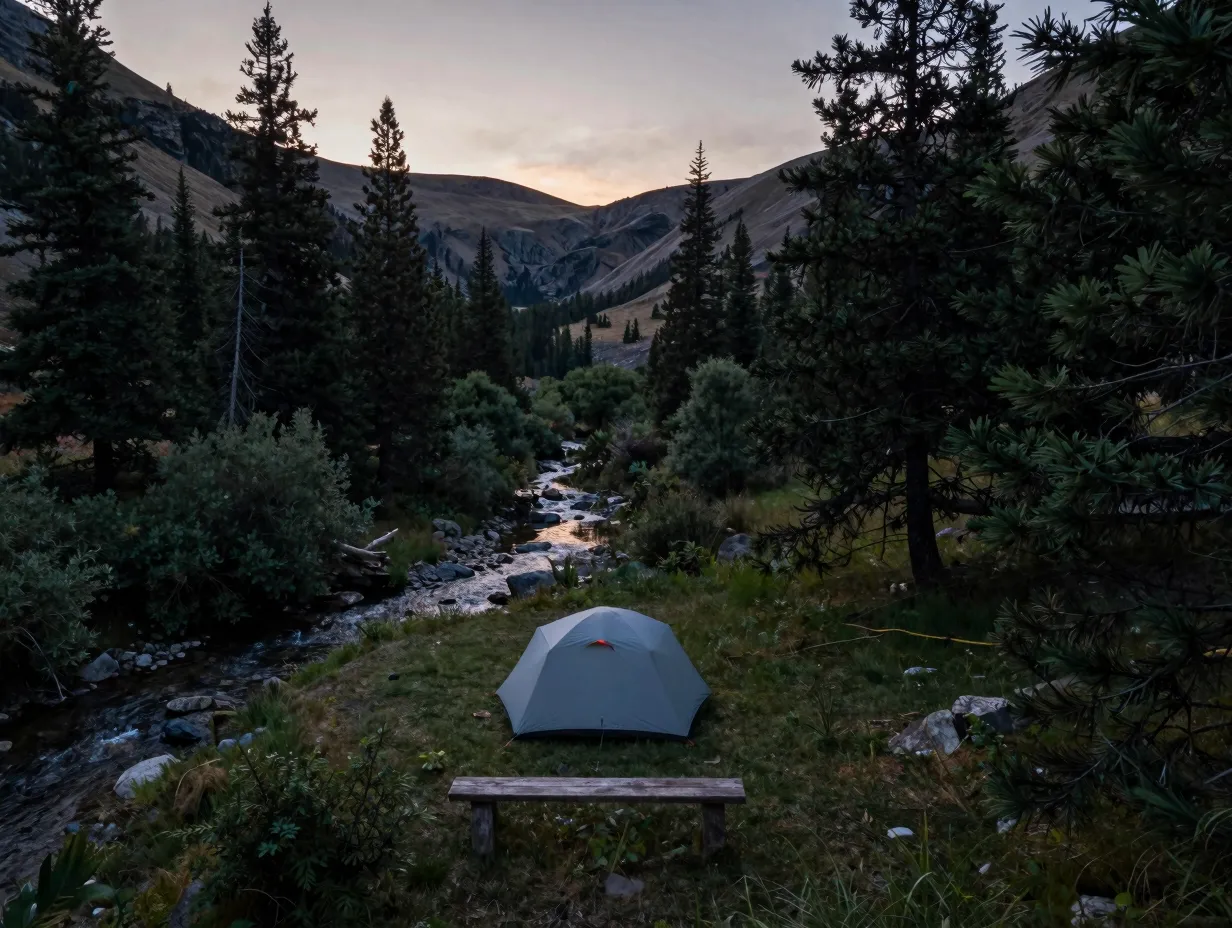
Camp placement is one of the most undervalued decisions in backcountry hunting. Many hunters treat camp as a convenience, they pitch a tent wherever seems flat and sheltered. Experienced wilderness hunters treat camp placement as a tactical choice that shapes every hunting day that follows [8].
Criteria for a strategically placed backcountry camp:
- Centrally located relative to the primary hunting areas to minimize daily travel time.
- Near reliable water but not so close that human activity disturbs animals using that source.
- Protected from prevailing winds and weather while maintaining access to glassing terrain.
- Positioned to allow quiet, low-impact entry and exit to hunting areas without crossing active travel corridors.
A well-placed camp allows a hunter to be in position before first light without a grueling approach. It also reduces fatigue, which is a major factor in decision-making quality during the later days of a multi-day hunt [6]. When camp is poorly placed, hunters spend energy commuting instead of hunting, a costly trade-off in the backcountry.
4. Get Two Miles Beyond the Trailhead, Minimum
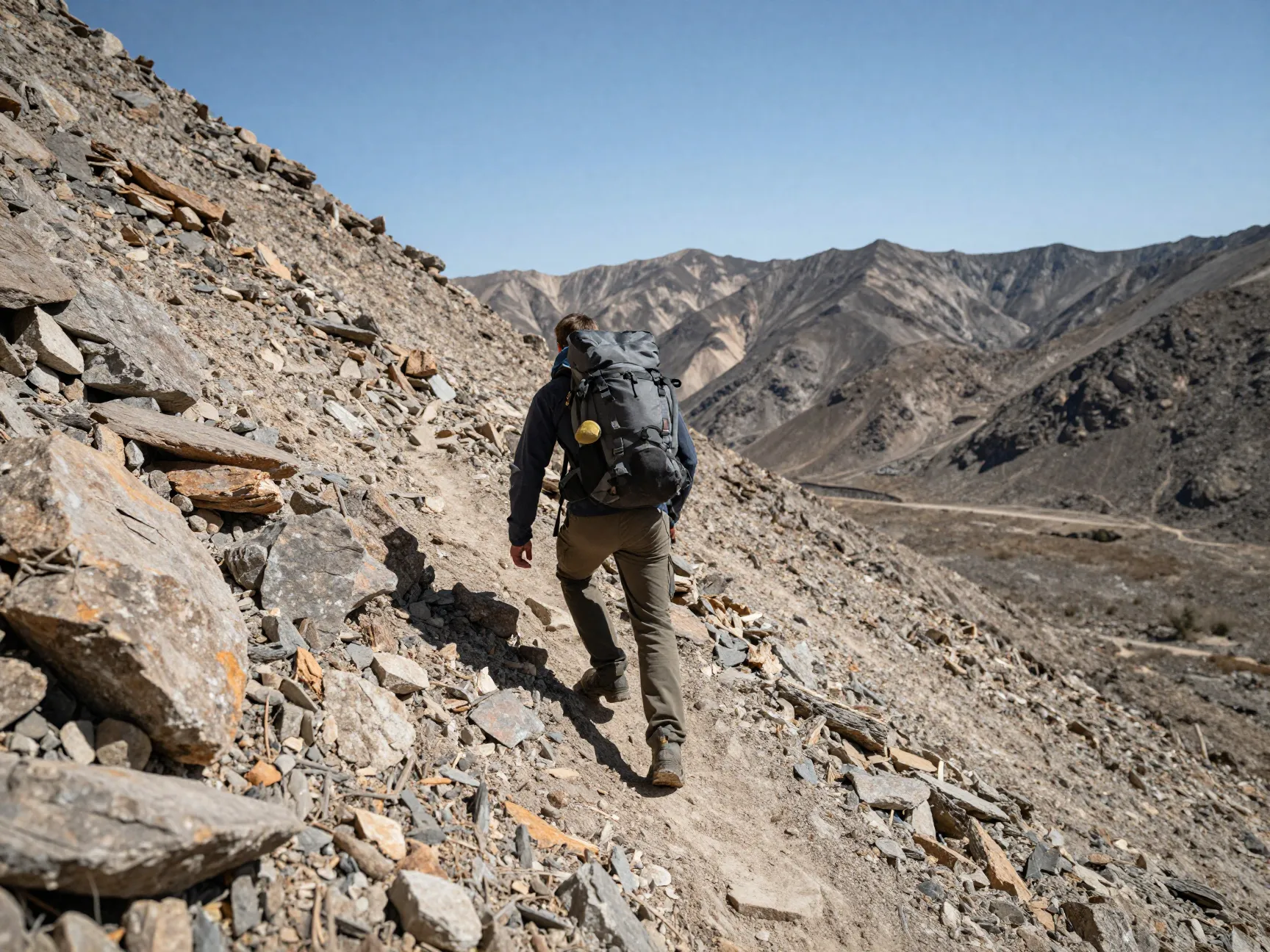
This is perhaps the most straightforward of all backcountry hunting strategies, and also the most consistently validated by experienced hunters and wildlife biologists alike. The vast majority of hunting pressure on public land concentrates within the first two miles of any trailhead [10].
Animals in these pressured zones learn quickly. They shift to nocturnal movement, relocate to terrain features that provide escape routes, and become virtually impossible to approach. The solution is simple in concept but demanding in practice: go further.
What the data and field experience show:
- Encounter rates with mature animals increase substantially beyond the two-mile threshold.
- Animals in remote basins and drainages often behave with significantly less pressure-induced wariness.
- The physical barrier of distance is itself a form of hunting strategy, it filters out the majority of competition.
Getting beyond the pressure zone requires physical fitness, efficient gear, and a willingness to suffer a bit on the approach. That investment pays dividends in the form of animals that are still operating on natural, daylight schedules [1].
5. Build a Minimalist, Ultralight Gear System
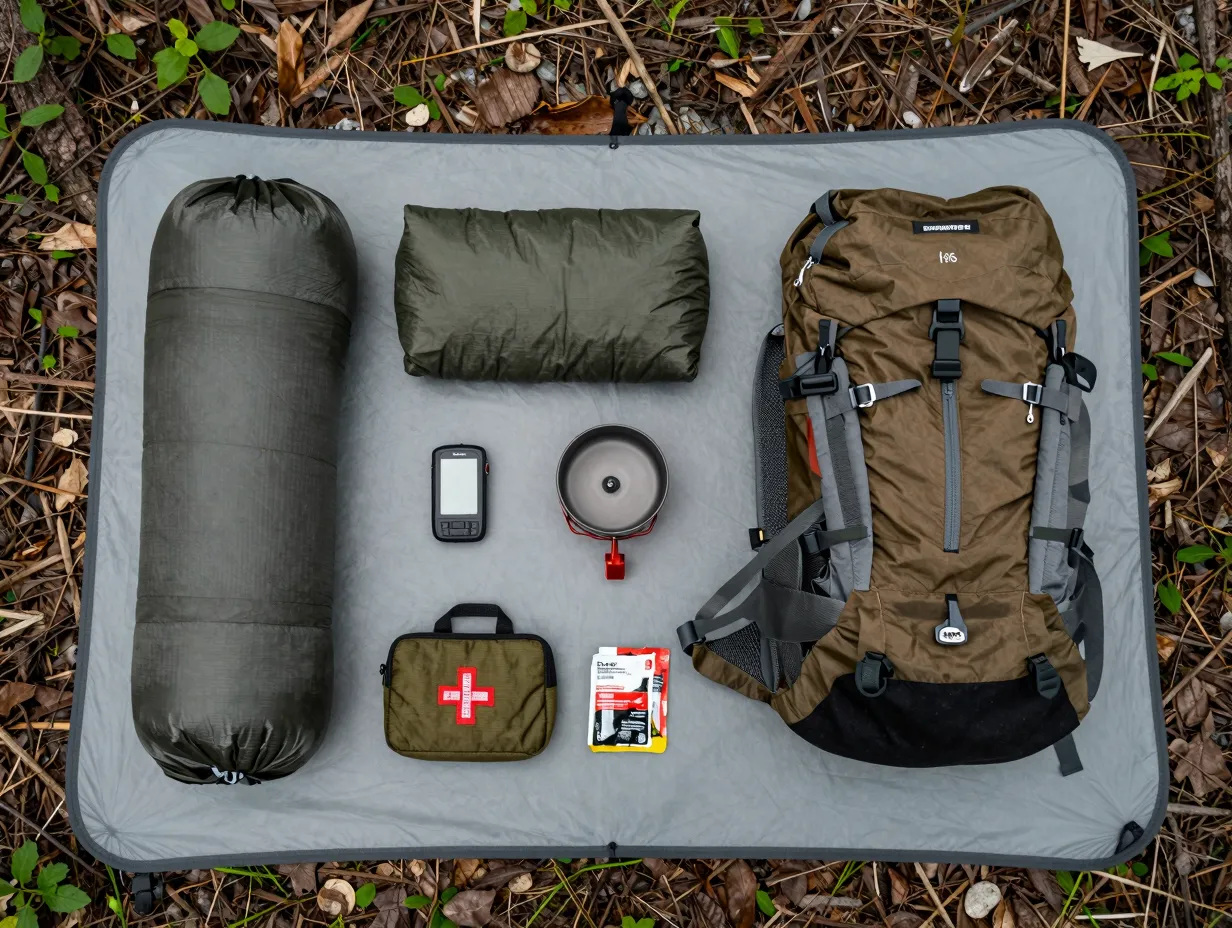
The backcountry punishes excess weight mercilessly. Every pound in a pack is a pound that slows movement, increases fatigue, and reduces the number of miles a hunter can cover in a day. The modern ultralight gear revolution has given backcountry hunters tools that were unimaginable a generation ago [2].
Core principles of a minimalist backcountry gear system:
- Target a base pack weight (everything except food and water) of 15 to 20 pounds for multi-day hunts.
- Prioritize shelter, sleep system, and rain gear, these are the items that keep a hunter alive and functional.
- Choose multi-use items wherever possible (a rain jacket that doubles as a wind layer, a tarp that serves as both shelter and meat cover).
- Ruthlessly eliminate redundancy without compromising safety margins.
| Gear Category | Target Weight | Key Consideration |
|---|---|---|
| Shelter | 1.5 – 2.5 lbs | Weather protection vs. weight trade-off |
| Sleep System | 2 – 3 lbs | Temperature rating for expected lows |
| Pack | 3 – 5 lbs | Frame and suspension for heavy meat loads |
| Rain Gear | 1 – 1.5 lbs | Waterproof-breathable construction |
| Navigation | 0.5 – 1 lb | GPS + paper map backup |
Nutrition planning is equally important. High-calorie, low-weight food that provides genuine fuel for sustained physical effort is not optional, it is a safety and performance requirement [6]. Skimping on calories in the backcountry leads to poor judgment, reduced physical capacity, and increased injury risk.
6. Master Terrain Reading and Mobile Glassing Tactics
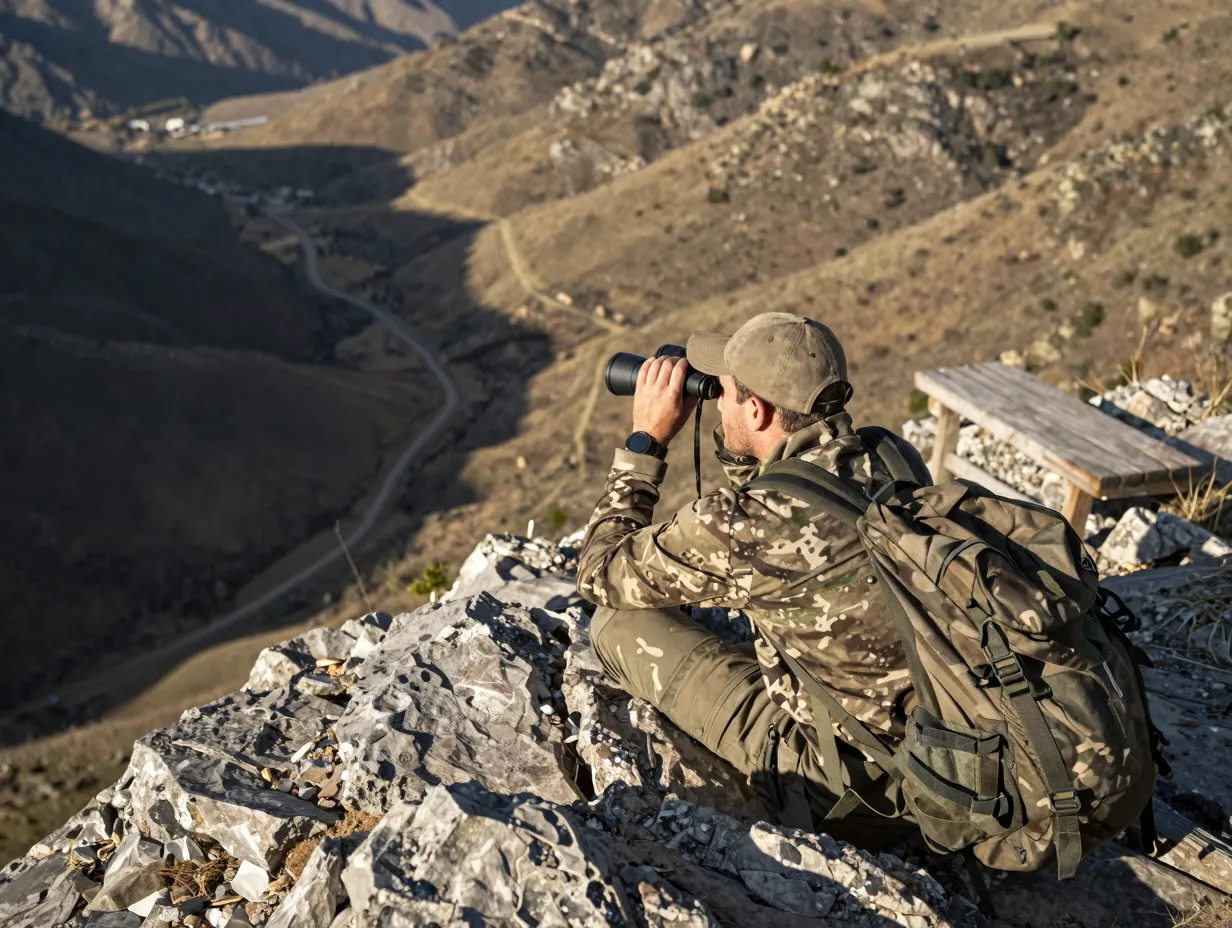
The backcountry rewards hunters who can read terrain and use it to their advantage. Unlike agricultural or timber-edge hunting, remote wilderness hunting often requires covering large amounts of ground to locate animals before committing to a stalk or stand location [4].
Effective terrain reading and glassing strategy:
- Identify natural funnels, saddles, benches, and creek confluences, where animal movement concentrates.
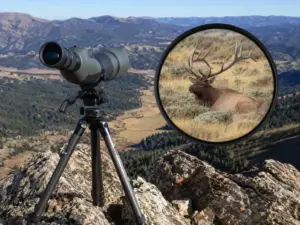
- Glass from high, concealed positions during low-light periods (first and last hour of daylight).
- Use terrain features to approach glassing positions from downwind and below the skyline.
- Spend more time glassing and less time walking, movement creates noise and scent that alert animals.
Mobile hunting, the practice of moving camp or stand locations frequently based on fresh sign and observed animal movement, is a highly effective backcountry tactic [2]. Rather than committing to a single location for an entire hunt, mobile hunters adapt daily to what the terrain and animals are showing them.
This approach requires confidence in navigation, efficient camp systems that can be broken down and relocated quickly, and the physical capacity to move with a full pack. When executed well, it is one of the most productive methods available for remote public land hunting [8].
7. Develop a Comprehensive Safety and Survival Protocol
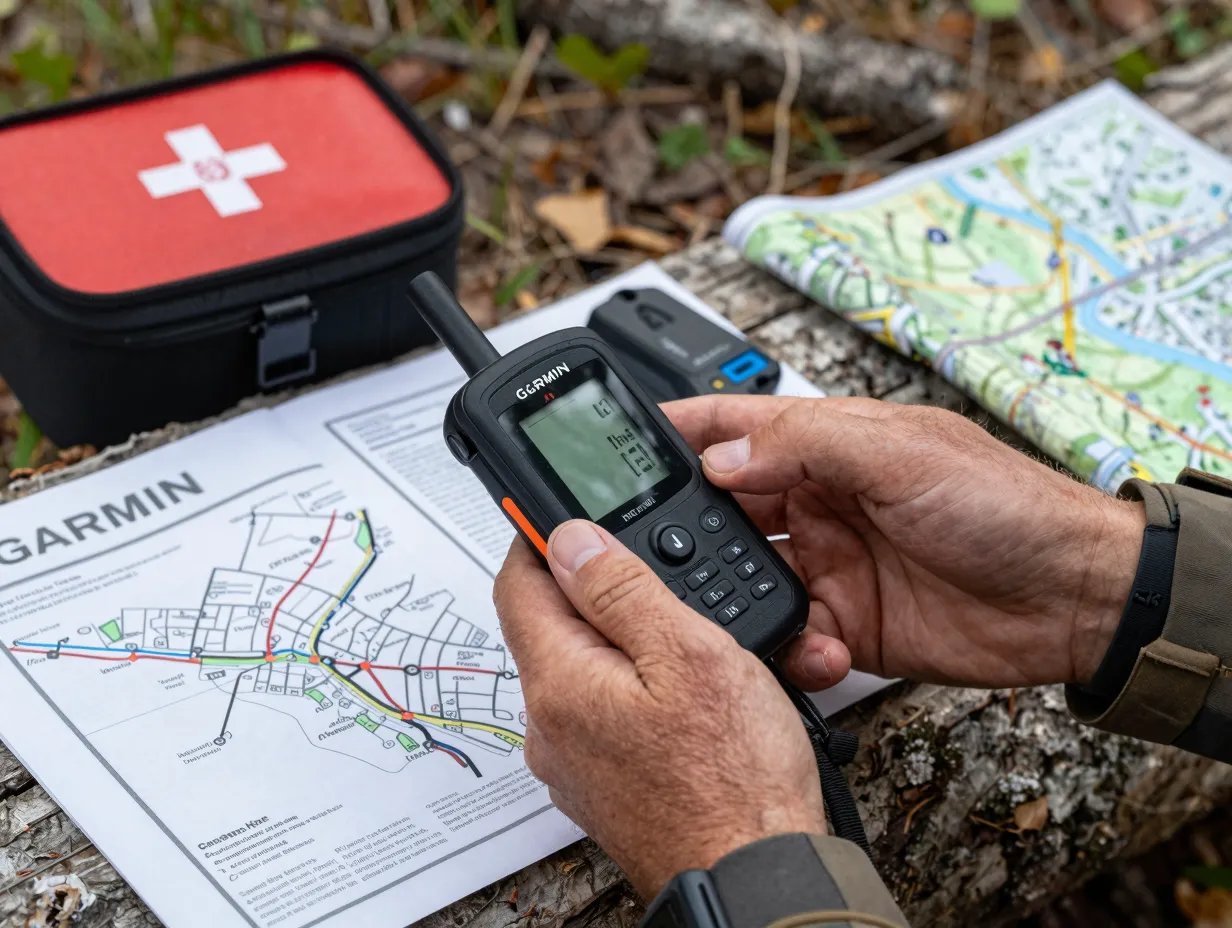
Remote wilderness hunting carries inherent risks that demand serious preparation. The combination of physical exertion, unpredictable weather, technical terrain, and significant distance from emergency services creates a risk profile that is categorically different from hunting closer to roads and civilization [3].
Non-negotiable safety elements for every backcountry hunt:
- File a detailed trip plan with a trusted contact who knows when to call for help.
- Carry a satellite communicator (SPOT, Garmin inReach, or equivalent) with a charged battery.
- Pack a comprehensive first aid kit and know how to use every item in it.
- Understand the weather patterns of the target region and carry gear rated for conditions worse than the forecast.
- Know the signs of hypothermia, altitude sickness, and dehydration, and have a response plan for each.
Survival in the backcountry is not about dramatic rescue scenarios. It is about making sound decisions consistently so that emergencies do not occur in the first place [3]. The most dangerous moment in backcountry hunting is often the period immediately after a successful kill, when a hunter is fatigued, potentially far from camp, and facing a demanding pack-out in deteriorating conditions.
Pre-hunt safety checklist:
- Trip plan filed with emergency contact
- Satellite communicator charged and tested
- First aid kit inventoried and restocked
- Weather forecast reviewed for full hunt duration
- Water purification method confirmed functional
- Navigation tools tested and backup map packed
- Emergency shelter available in day pack
8. Plan the Pack-Out Before the Shot
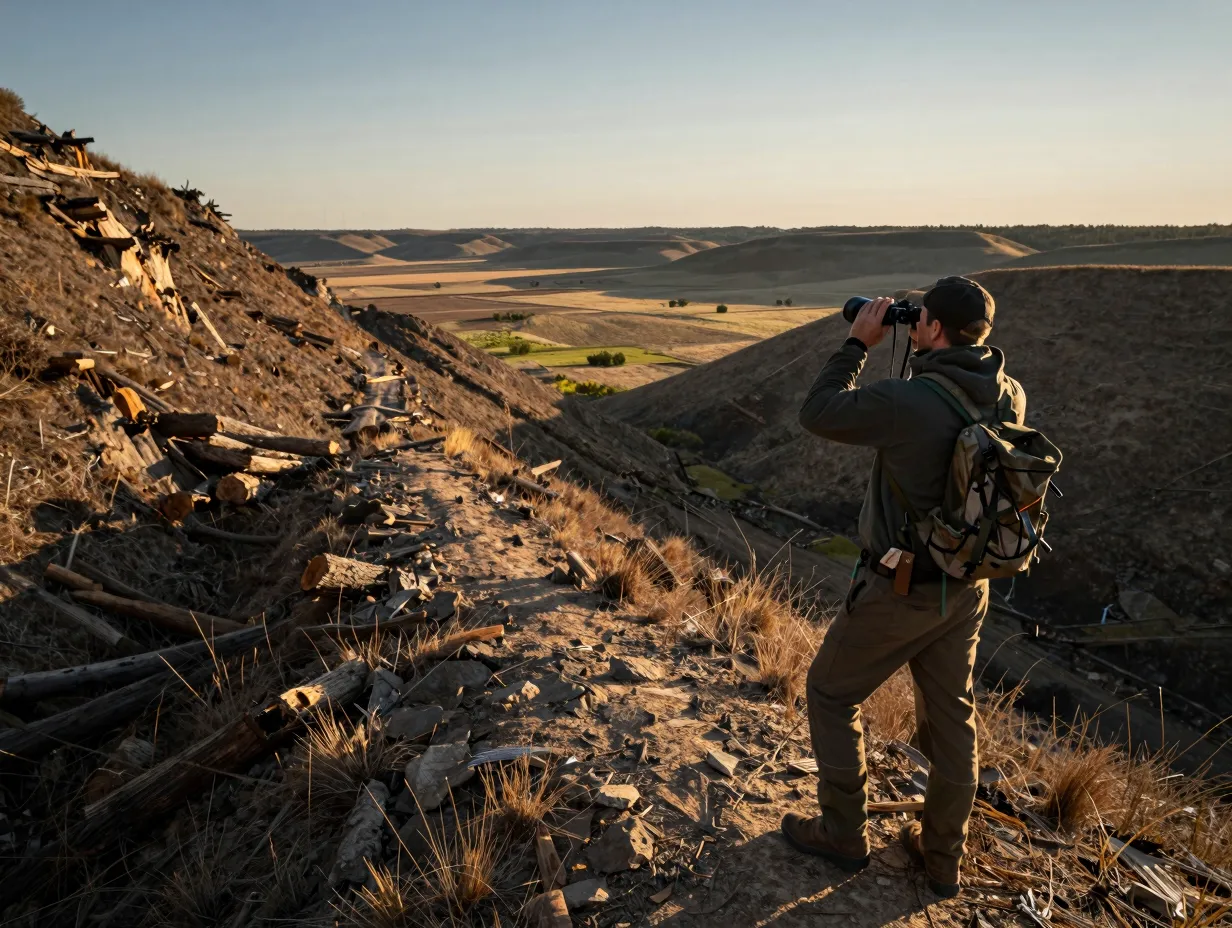
Every experienced backcountry hunter knows that killing an animal is only the halfway point of the hunt. The pack-out, the process of field dressing, quartering, and transporting meat from the kill site to camp and ultimately to the trailhead, is where many hunts succeed or fail in the final accounting [1].
Failing to plan the pack-out before the shot is one of the most common and costly mistakes in remote wilderness hunting. An elk killed at the bottom of a steep drainage five miles from the trailhead represents a logistical challenge that can take multiple days and enormous physical effort to resolve.
Pack-out planning principles:
- During e-scouting, identify not just where animals are likely to be, but how a carcass would be extracted from that location.
- Understand the weight of a quartered animal relative to pack capacity, a bull elk can yield 200-plus pounds of boneless meat.
- Plan for multiple pack loads and realistic daily mileage with a heavy load (one to two miles per hour on rough terrain with a full meat pack).
- Carry sufficient meat bags, game bags, and a bone saw to process an animal efficiently in the field.
- In warm weather, prioritize rapid cooling of meat above all other considerations after the shot.
“The pack-out is not the end of the hunt. It is the final exam.”
Hunters who scout with pack-out logistics in mind make better shot decisions, choose more accessible stand and stalk locations when given the option, and arrive home with unspoiled meat and intact bodies [5]. This forward-thinking approach is what separates hunters who consistently succeed in the backcountry from those who struggle despite putting in the miles.
Applying the 8 Critical Backcountry Hunting Strategies for Remote Wilderness Pursuits Together
These eight strategies are most powerful when applied as an integrated system rather than as isolated tactics. Pre-season e-scouting informs camp placement, which shapes daily hunting logistics, which determines how far a hunter can realistically push into prime terrain. Gear selection affects mobility, which influences glassing strategy, which dictates pack-out planning. Safety protocols underpin every decision throughout.
The hunters who consistently succeed in remote wilderness settings are not necessarily the most athletic or the most experienced, they are the most systematic. They treat each hunt as a project with defined phases: research, planning, preparation, execution, and extraction. Each phase receives serious attention, and each informs the next [4].
A simplified pre-hunt planning timeline:
- 6 to 12 months out: Begin e-scouting, apply for tags, identify target units and drainages.
- 3 to 6 months out: Finalize gear system, begin physical conditioning program, verify water sources.
- 1 to 3 months out: Plan camp locations, mark waypoints, research weather patterns, file trip plans.
- 1 to 4 weeks out: Final gear shakedown, nutrition planning, emergency protocol review.
- Hunt week: Execute with flexibility, adapt to conditions, prioritize safety and meat care.
Conclusion
The backcountry rewards preparation and punishes improvisation. The 8 Critical Backcountry Hunting Strategies for Remote Wilderness Pursuits covered in this guide, from aggressive e-scouting and water-based planning to ultralight gear systems, mobile tactics, and pack-out logistics, form a complete framework for pursuing game in the most demanding and rewarding environments available to hunters in 2026.
Actionable next steps for hunters ready to apply these strategies:
- Open a mapping platform today and begin e-scouting a target unit, even if the season is months away.
- Audit the current gear kit against the ultralight principles outlined in Strategy 5 and identify the three heaviest items that can be replaced or eliminated.
- Build a physical conditioning program that includes loaded pack carries, not just general fitness.
- Create a written trip plan template and share it with an emergency contact before the next hunt.
- Study pack-out logistics for every location identified during e-scouting, not just the hunting spots.
Remote wilderness hunting is one of the most demanding and deeply satisfying pursuits available to modern hunters. The strategies above do not guarantee success, nothing in hunting does. But they dramatically improve the probability of coming home with meat, memories, and the motivation to go back and do it again.
References
[1] Diy Backcountry Hunting Tactics And Gear – https://www.americanhunter.org/content/diy-backcountry-hunting-tactics-and-gear/
[2] The Mobile And Minimalist Approach To Bucks In The Backcountry – https://www.bowhunting.com/article/the-mobile-and-minimalist-approach-to-bucks-in-the-backcountry/
[3] Back Country Hunt Survival – https://www.letsgohunting.org/resources/articles/safety/back-country-hunt-survival/
[4] Basic Tips For Backcountry Hunting – https://westernhunter.net/tactics/basic-tips-for-backcountry-hunting/
[5] Diy Backcountry Hunt How Plan And Execute Your Public Land Adventure – https://www.outdoorlife.com/blogs/game-changers/diy-backcountry-hunt-how-plan-and-execute-your-public-land-adventure/
[6] Gear Clothing Nutrition Lessons Learned From A 10 Day Backcountry Bowhunting Trip – https://mtntactical.com/knowledge/gear-clothing-nutrition-lessons-learned-from-a-10-day-backcountry-bowhunting-trip/
[8] petersenshunting – https://www.petersenshunting.com/editorial/overnight-assault/472671
[10] Get Off The Beaten Track For Better Hunting – https://www.backcountryhunters.org/get_off_the_beaten_track_for_better_hunting