8 Essential Tips for Your First Deep Sea Fishing Adventure
Only about 38 million Americans fish each year, yet fewer than 10 percent of them ever venture beyond the shoreline into deep offshore waters, and those who do often arrive completely unprepared for what awaits them. The difference between a miserable first outing and a story worth telling for decades almost always comes down to preparation. These 8 essential tips for your first deep sea fishing adventure will close that gap, giving first-timers a clear, practical roadmap before they ever step aboard a charter boat.
Disclosure: This post contains affiliate links. As an Amazon Associate, we earn from qualifying purchases, and at no extra cost to you.
Key Takeaways
- Choosing the right charter and communicating your goals clearly is the single most important decision you will make before the trip
- Motion sickness prevention must begin the night before departure, not on the morning of the trip
- Proper gear, layered clothing, and sun protection are non-negotiable for comfort and safety offshore
- Understanding local regulations and licensing requirements protects both the angler and the fishery
- Staying hydrated, well-fed, and mentally prepared for long stretches of waiting dramatically improves the experience
Why Your First Deep Sea Fishing Trip Demands Serious Preparation
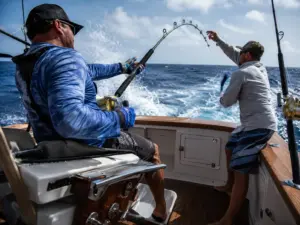
Deep sea fishing, also called offshore fishing or big-game fishing, takes place in waters typically 30 meters or deeper, far from the familiar comforts of the shore [1]. The environment is unpredictable. The equipment is specialized. The fish are powerful. And the consequences of poor planning range from mild discomfort to genuine danger.
Unlike freshwater fishing or even inshore saltwater fishing, an offshore trip removes you from easy access to help, supplies, or shelter. Waves can reach several feet in height on a calm day. The sun reflects off the water at an intensity most people underestimate. A trip that lasts six to eight hours, or even a full day, requires physical endurance, mental patience, and gear suited to the task [2].
The good news is that preparation is straightforward. The following tips are organized to cover every critical area, from booking your charter to the moment you drop your line into blue water.
8 Essential Tips for Your First Deep Sea Fishing Adventure
1. Choose the Right Charter and Communicate Your Goals Clearly
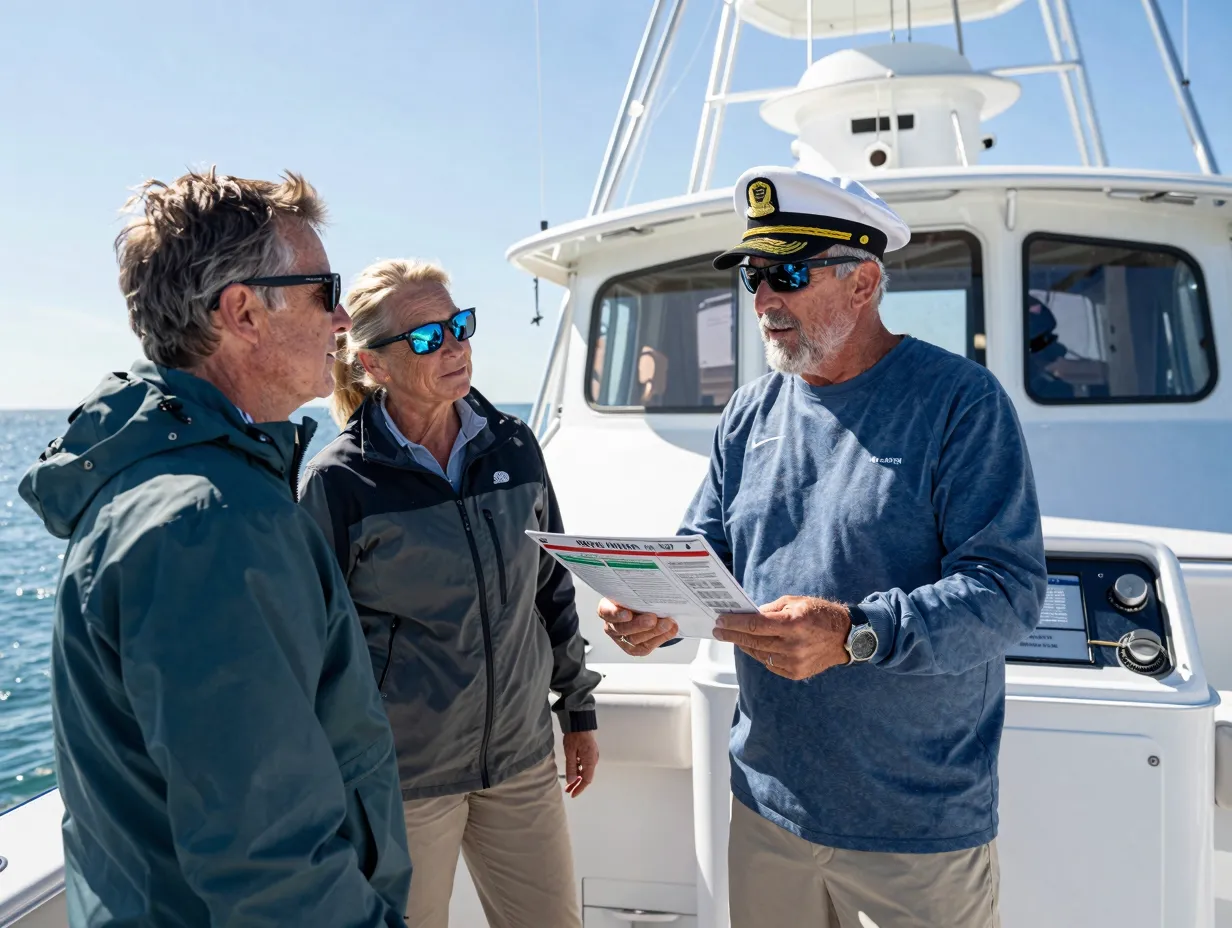
The charter you book is the foundation of the entire experience. A reputable, licensed charter captain brings local knowledge, proper safety equipment, and the kind of guidance that transforms a frustrating day into a productive one [1].
When evaluating charters, ask the following questions:
- Is the captain licensed and insured?
- What species are currently running in the area?
- How many anglers will be on the boat?
- What is included in the price (bait, tackle, fish cleaning)?
- What is the cancellation and refund policy?
Communicate your experience level honestly. A good captain will adjust the trip style, target species, and instruction level based on who is on board. First-timers who pretend to have more experience than they do often end up frustrated and underserved [5].
Private charters cost more but offer a personalized experience. Shared or “party boat” charters are more affordable and can be a great social environment for beginners who want to learn from other anglers [2].
“The captain’s local knowledge is worth more than any gear you can buy. Ask questions, listen carefully, and trust the process.”
2. Prepare for Motion Sickness Before You Leave the Dock
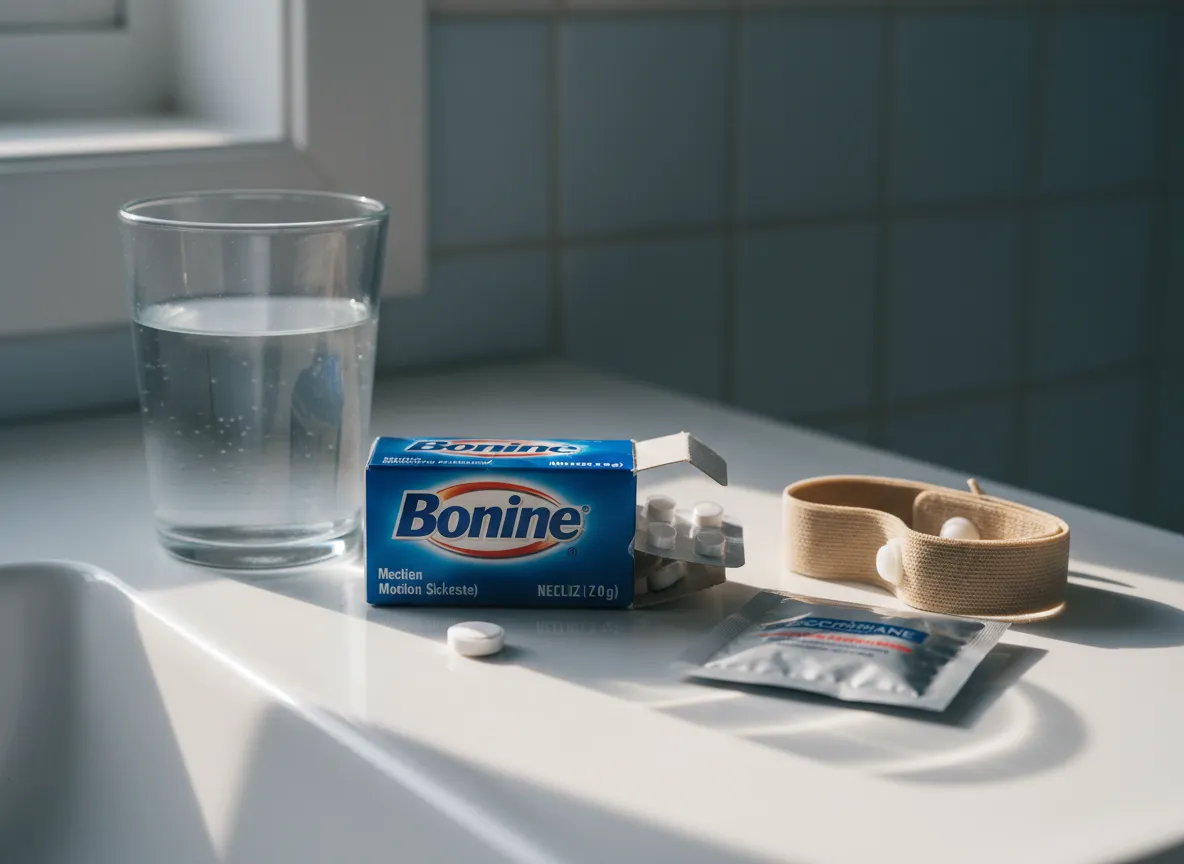
Seasickness is the number one reason first-time deep sea anglers swear they will never go again. The rolling motion of offshore swells affects even experienced sailors on rough days, and it can hit without warning [3].
The critical mistake most beginners make is waiting until they feel sick to address the problem. By that point, oral medications are largely ineffective because the stomach is already in distress.
Proven prevention strategies include:
- Taking over-the-counter medications such as meclizine (Bonine) or dimenhydrinate (Dramamine) the night before and again the morning of the trip
- Using scopolamine patches, which require a prescription but are highly effective for extended trips
- Applying acupressure wristbands as a drug-free alternative
- Eating a light, non-greasy meal before boarding, an empty stomach is not protective
- Staying on deck and fixing your gaze on the horizon rather than looking down at the deck or into the cabin [6]
Avoid alcohol the night before. Dehydration and a hangover dramatically increase susceptibility to nausea on the water [8].
3. Dress in Layers and Protect Yourself from the Sun
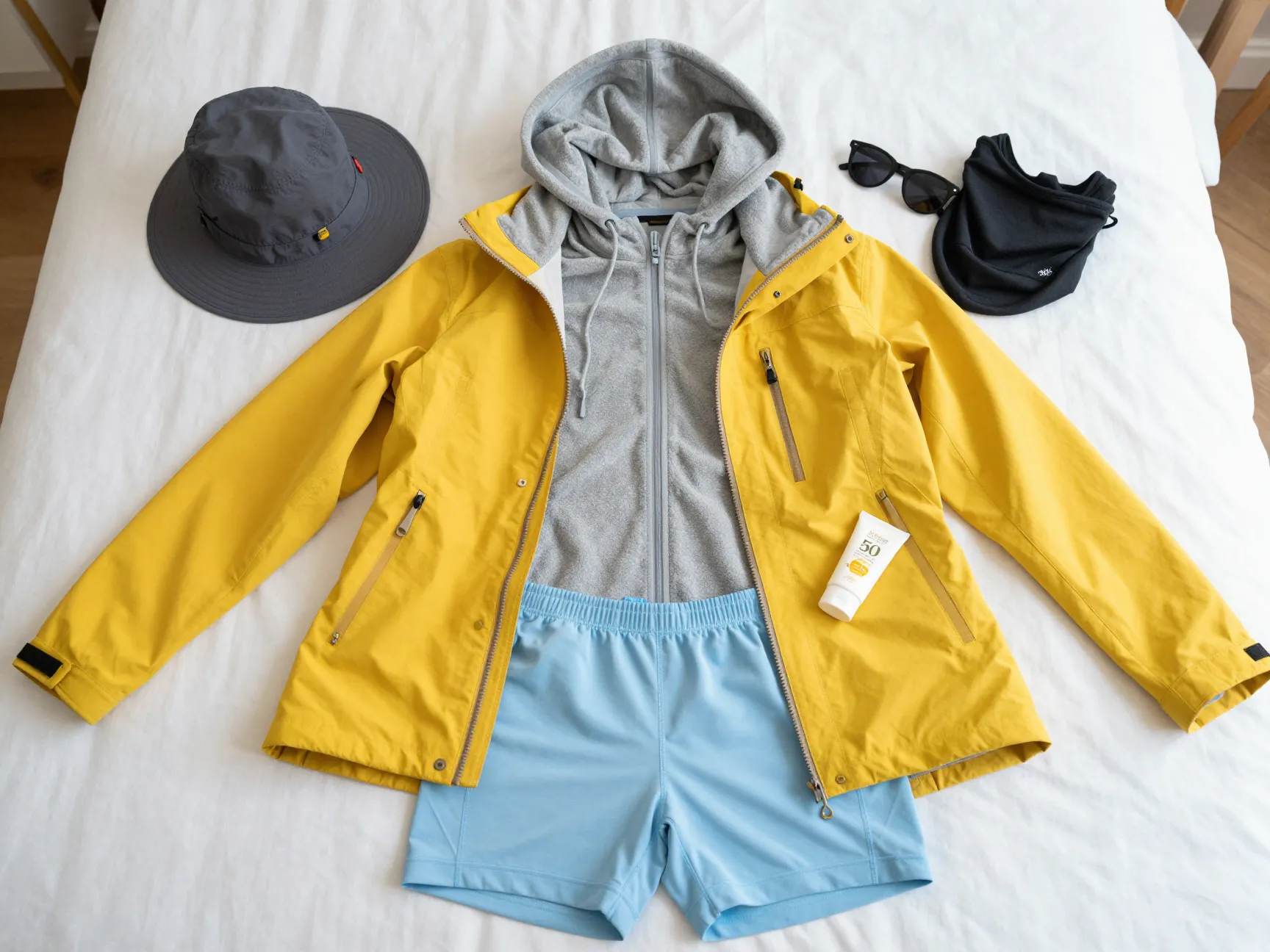
The ocean environment creates a unique combination of heat, wind, cold spray, and intense UV radiation. What feels like a mild morning on the dock can become brutal exposure by midday, and a comfortable afternoon can turn cold quickly once the sun drops or the wind picks up [9].
Recommended clothing approach:
| Layer | Purpose | Example Items |
|---|---|---|
| Base layer | Moisture wicking | Synthetic or merino wool shirt |
| Mid layer | Warmth | Light fleece or zip-up hoodie |
| Outer layer | Wind and spray protection | Waterproof jacket or foul-weather gear |
| Sun protection | UV defense | Wide-brim hat, UV buff, polarized sunglasses |
Apply broad-spectrum SPF 50 sunscreen to all exposed skin before boarding, and reapply every two hours. The combination of direct sunlight and reflection off the water can cause a severe sunburn in under 90 minutes, even on overcast days [10].
Polarized sunglasses serve double duty: they protect your eyes from UV damage and cut the glare off the water, making it easier to spot fish near the surface.
4. Understand What Gear You Actually Need
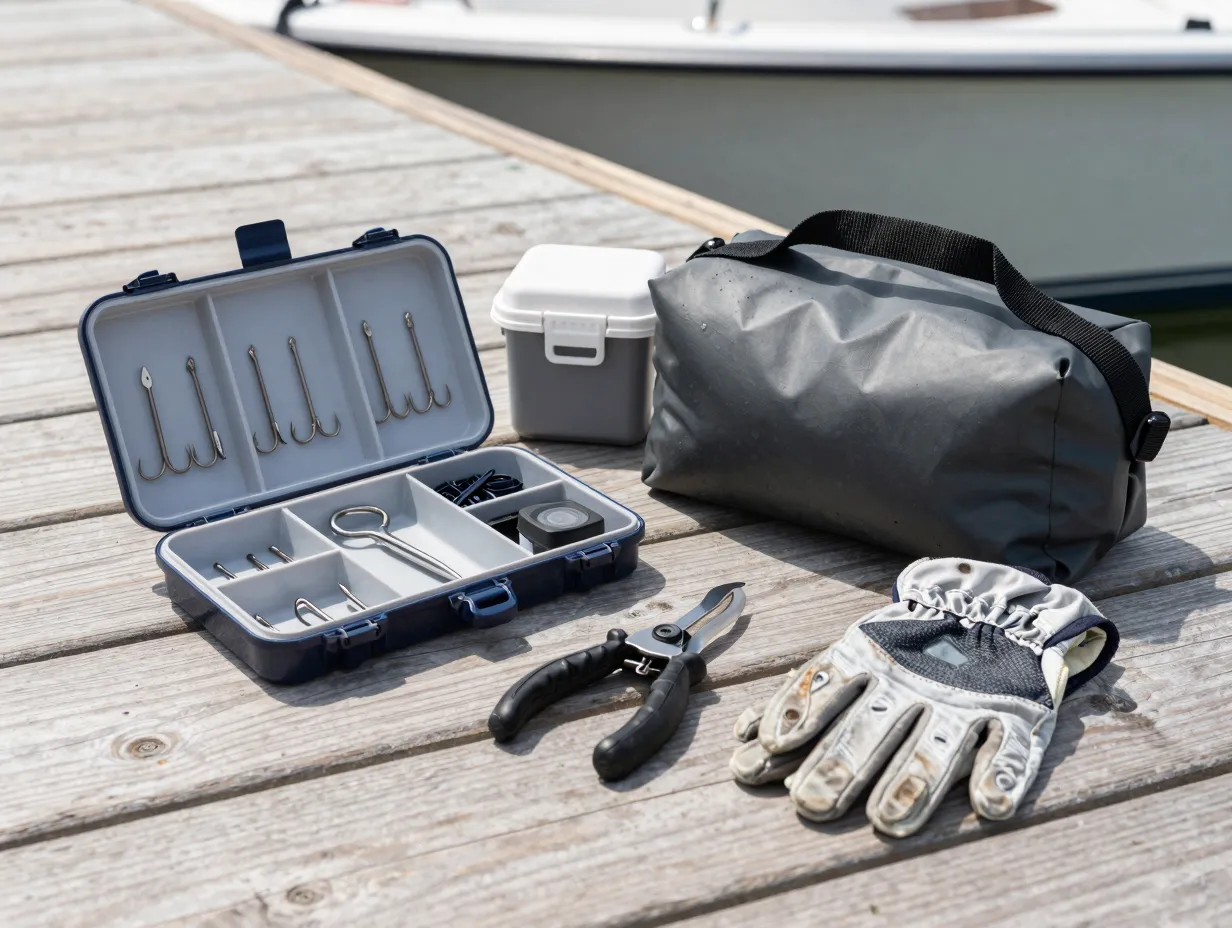
Most charter boats supply rods, reels, bait, and terminal tackle as part of the booking fee. First-timers should confirm what is included before purchasing anything [2]. That said, having a few personal items on hand improves both comfort and performance.
Personal gear worth bringing:
- A small tackle box with extra hooks, sinkers, and swivels in case of snags
- A quality pair of fishing gloves to protect hands when handling line or fish
- A dehooking tool or fish gripper for safe catch-and-release
- A small cooler for personal snacks and drinks (check with the charter about cooler policies)
- A waterproof dry bag for phones, wallets, and cameras
What to leave at home:
- Heavy freshwater rods, they are not suited for offshore species or saltwater conditions
- Excessive tackle, the captain and crew know what works in their local waters
- Expensive electronics unless they are waterproofed, saltwater and electronics are a destructive combination [5]
5. Know the Target Species and Local Regulations
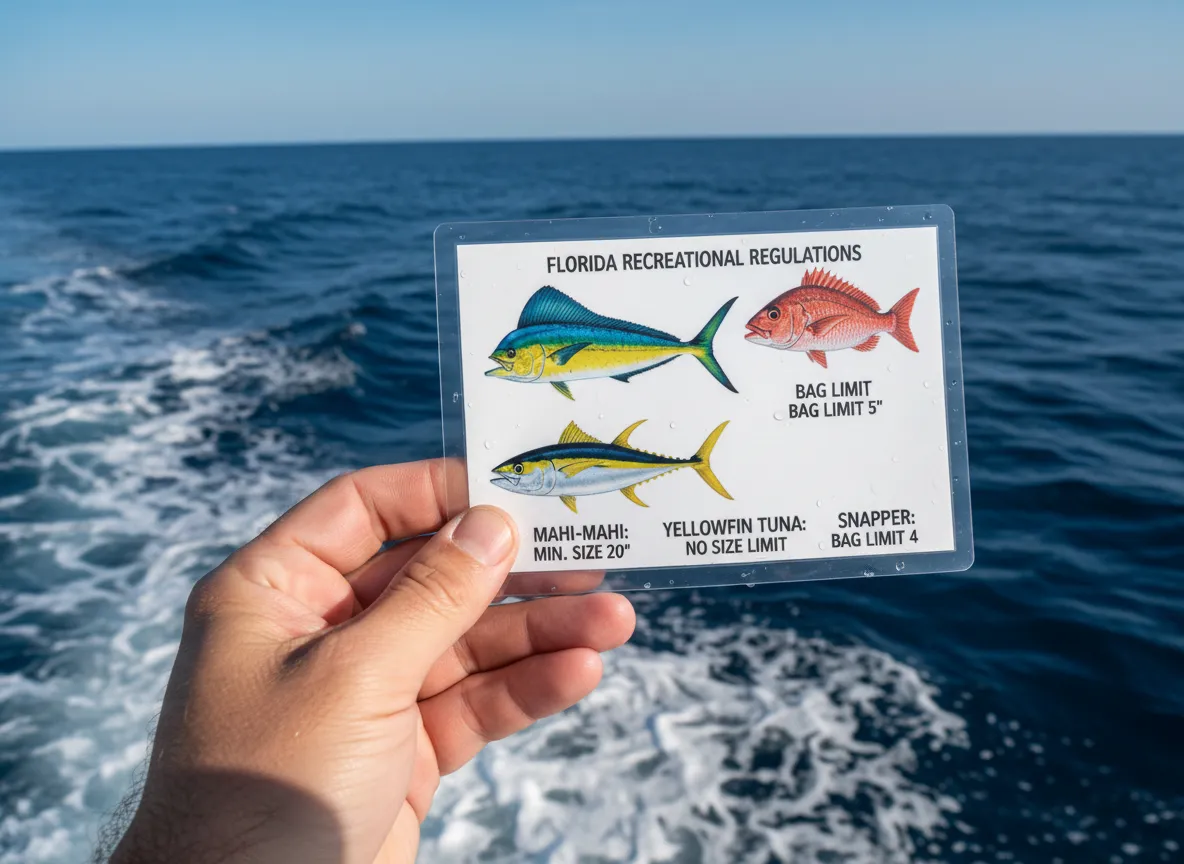
Deep sea fishing targets a wide range of species depending on location, season, and water depth. Common offshore targets include mahi-mahi (dorado), yellowfin tuna, wahoo, marlin, sailfish, grouper, and snapper [4].
Understanding what species are in season and what regulations apply is not just a legal obligation, it is an ethical one. Overfishing and illegal retention of undersized or protected fish cause lasting damage to marine ecosystems [7].
Key regulatory areas to research before your trip:
- Minimum size limits for target species
- Bag limits per angler per day
- Seasonal closures or protected species in the area
- Whether a fishing license is required (in most U.S. states, offshore anglers need a saltwater fishing license) [10]
A reputable charter captain will be fully up to date on local regulations and will guide anglers accordingly. However, knowing the basics yourself demonstrates respect for the resource and prevents uncomfortable situations on the water.
6. Eat Right, Stay Hydrated, and Pace Yourself
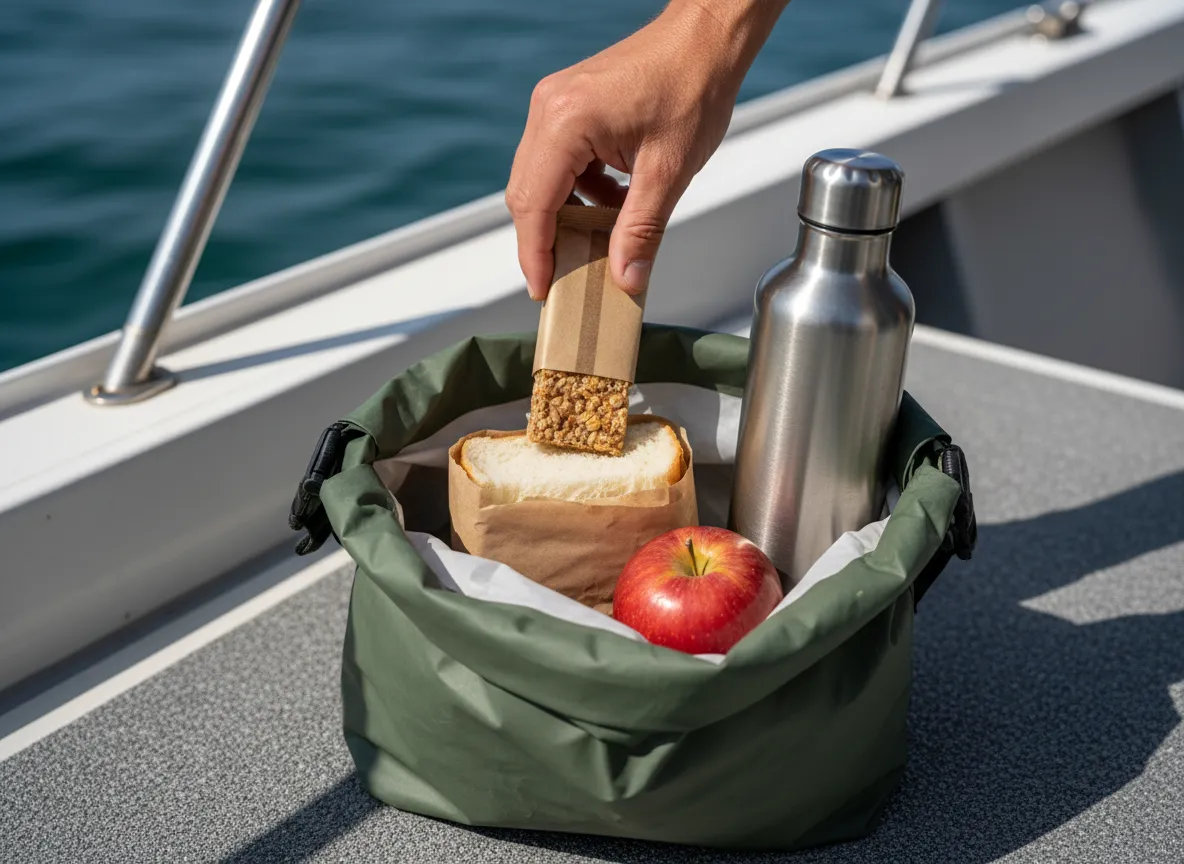
Physical endurance matters more on a deep sea trip than most beginners expect. Six to eight hours in the sun, on a moving deck, with bursts of intense physical effort when a fish is hooked, demands proper fueling [8].
Nutrition and hydration guidelines:
- Drink at least 16 ounces of water before boarding and continue drinking throughout the trip
- Avoid sugary sodas and energy drinks, which accelerate dehydration
- Pack easy-to-digest snacks: crackers, granola bars, fruit, and sandwiches on plain bread
- Avoid heavy, greasy, or spicy foods that can aggravate nausea
- Limit or eliminate alcohol during the trip, it dehydrates quickly and impairs judgment and balance on a moving vessel [6]
Fatigue is also a factor. Fighting a large fish on heavy tackle is physically demanding work. Pace yourself during the early hours of the trip so you have energy reserves when the action picks up.
7. Learn Basic Fishing Techniques Before You Go
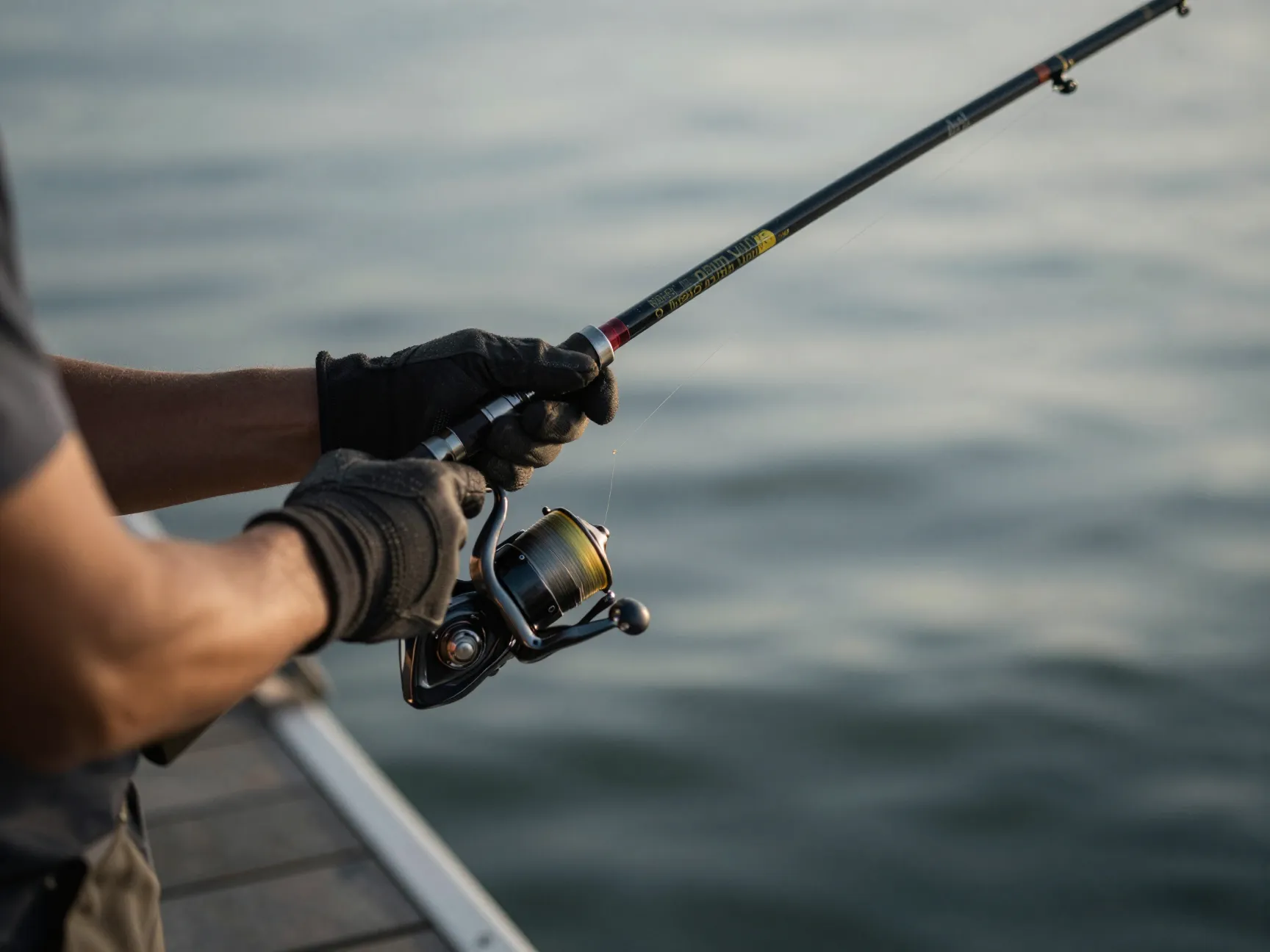
No one expects a first-timer to arrive with professional-level skills, but understanding a few fundamental techniques prevents basic mistakes and helps beginners get the most out of instruction from the crew [9].
Core techniques to familiarize yourself with:
- Trolling: Lures or baits are dragged behind a moving boat at varying speeds to attract pelagic species like tuna and mahi-mahi. This is one of the most common offshore methods [4].
- Bottom fishing: Weighted rigs are dropped to the seafloor to target species like grouper, snapper, and amberjack. Depth can range from 100 to over 1,000 feet.
- Jigging: Metal lures called jigs are worked vertically through the water column to mimic injured baitfish. This technique requires more physical effort but is highly effective.
- Live bait fishing: Live baitfish are hooked and deployed at specific depths to attract larger predators.
Understanding the difference between these methods allows beginners to follow crew instructions more quickly and reduces the chance of tangled lines, lost fish, or equipment damage [1].
Fighting a fish correctly is also worth studying. The basic principle, reel down as you lower the rod, then lift the rod to gain line, prevents broken rods and lost fish. The crew will demonstrate this, but arriving with a mental model of the technique speeds up the learning curve.
8. Set Realistic Expectations and Embrace the Full Experience
This final point may be the most psychologically important of all the 8 essential tips for your first deep sea fishing adventure. Fishing is not a guaranteed activity. Even experienced anglers on well-equipped boats have slow days. The ocean does not perform on demand [3].
First-timers who measure success purely by the number of fish caught often come home disappointed. Those who measure success by the total experience, the scenery, the camaraderie, the learning, the occasional heart-pounding strike, almost always come home wanting to go again.
Mindset tips for a better first trip:
- Accept that slow periods are normal and use them to observe, ask questions, and learn from the crew
- Bring a camera or waterproof phone case to document the experience
- Treat every catch, regardless of size, as a success worth celebrating
- Be respectful of the crew’s time and expertise, they are professionals working in a demanding environment
- Consider the conservation aspect: catch-and-release practices for billfish and other vulnerable species are increasingly standard and widely respected in the offshore community [7]
A first deep sea fishing adventure is rarely perfect. It is, however, almost always memorable. The combination of open water, powerful fish, and the raw unpredictability of the ocean creates an experience that stays with people for years.
Common Mistakes First-Time Deep Sea Anglers Make
Understanding what to do is only half the equation. Knowing what to avoid is equally valuable.
Top mistakes to sidestep:
- Booking the cheapest charter without researching reputation or safety record
- Skipping motion sickness prevention because “it probably won’t happen”
- Overpacking gear that the charter already provides
- Ignoring licensing requirements and assuming the charter covers everything
- Failing to eat or drink enough during the trip
- Not wearing sun protection because the morning feels cool and overcast
- Setting unrealistic expectations about fish counts and trophy catches [2][5]
Each of these mistakes is entirely preventable with a small amount of advance planning. The charter captain and crew are valuable allies, treat them as such from the moment of booking.
What to Do After the Trip
The experience does not end when the boat returns to the dock. A few post-trip steps complete the adventure properly.
Post-trip checklist:
- Rinse all personal gear with fresh water to prevent saltwater corrosion
- Properly store or transport any fish you are keeping, following local handling guidelines
- Leave a detailed review for the charter to help future anglers make informed decisions
- Debrief mentally: note what worked, what did not, and what to do differently next time
- Book the next trip while the experience is fresh and motivation is high [8]
Many anglers who follow the 8 essential tips for your first deep sea fishing adventure find that one trip is rarely enough. The offshore world is vast, the species are diverse, and the skill ceiling is high enough to keep even experienced anglers engaged for a lifetime.
Conclusion
A first deep sea fishing adventure is one of the most rewarding outdoor experiences available to anyone willing to prepare properly. The 8 essential tips for your first deep sea fishing adventure covered in this guide address every major area of preparation: charter selection, motion sickness prevention, clothing and sun protection, gear management, species knowledge and regulations, nutrition and hydration, basic technique, and realistic expectations.
Actionable next steps:
- Research and book a reputable licensed charter at least two to four weeks in advance, especially during peak season
- Purchase or obtain a valid saltwater fishing license for your target state or region
- Begin motion sickness prevention the evening before the trip, not the morning of
- Pack light, dress in layers, and apply SPF 50 sunscreen before boarding
- Approach the experience with curiosity and patience, the ocean rewards both
The open water is waiting. Preparation is the only thing standing between a first-timer and a genuinely exceptional day offshore.
References
[1] Beginners Guide Deep Sea Fishing – https://fishingbooker.com/blog/beginners-guide-deep-sea-fishing/
[2] 10 Deep Sea Fishing Tips For Beginners – https://www.discoverboating.com/resources/10-deep-sea-fishing-tips-for-beginners
[3] Just Went Deep Sea Fishing For The First Time – https://www.reddit.com/r/FishingForBeginners/comments/16mhcm2/just_went_deep_sea_fishing_for_the_first_time/
[4] Deep Sea Fish – https://fishingbooker.com/blog/deep-sea-fish/
[5] Beginners Guide To Deep Sea Fishing – https://fishmaster.com/blog/post/beginners-guide-to-deep-sea-fishing
[6] Deep Sea Fishing For Beginners – https://originalcrabisland.com/es/deep-sea-fishing-for-beginners/
[7] Deep Sea Fishing – https://www.hunt-nation.com/deep-sea-fishing/
[8] Deep Sea Fishing Tips For Beginners – https://www.secondwynndcharters.com/post/deep-sea-fishing-tips-for-beginners
[9] Deep Sea Fishing Beginners Tips – https://www.kanama.com/blogs/fishing/deep-sea-fishing-beginners-tips
[10] What To Know Before Your First Deep Sea Fishing Trip – https://www.tipstofishing.com/fishing-tips/what-to-know-before-your-first-deep-sea-fishing-trip/