8 Ways To Embrace The Ocean Core Aesthetic In Your Coastal Adventures
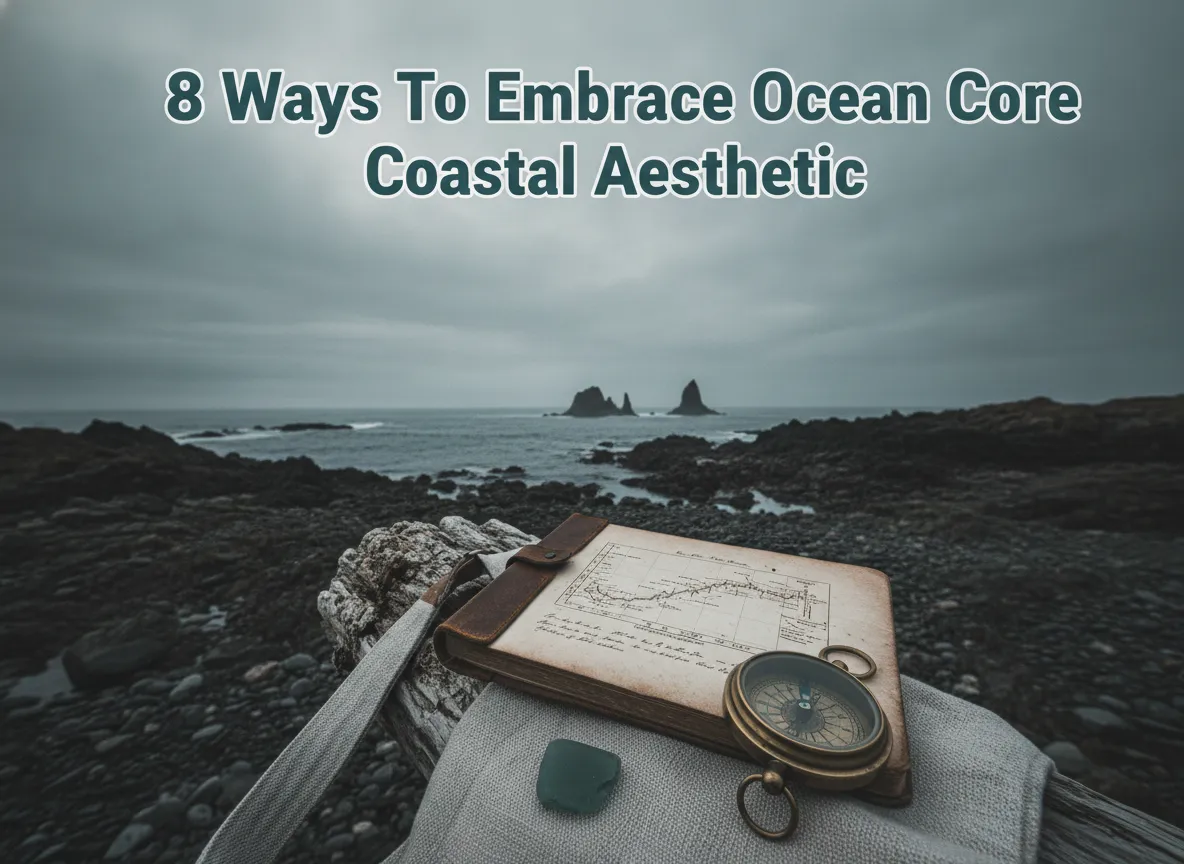
A full 78% of global travelers now say they actively seek “meaningful sensory experiences” when choosing coastal destinations, not just a beach chair and a cocktail [2]. That shift has fueled one of the most compelling style movements in both travel and fashion right now: oceancore. The 8 Ways To Embrace The Ocean Core Aesthetic In Your Coastal Adventures outlined in this guide give travelers, content creators, and beach lovers a practical, visually rich framework for living this aesthetic fully, from how you pack your bag to how you choose your next destination.
Disclosure: This post contains affiliate links. As an Amazon Associate, we earn from qualifying purchases, and at no extra cost to you.
Key Takeaways
- Oceancore is a defined aesthetic rooted in deep-sea wonder, maritime history, and coastal ecology, not simply “beach vibes”
- A curated wardrobe using ocean-inspired color palettes and natural textures is central to the look
- Accommodation choices, photography habits, and itinerary planning all contribute to a cohesive oceancore experience
- The “expedition beach” travel trend aligns closely with oceancore values, prioritizing discovery over leisure
- Sustainability and environmental awareness are embedded in authentic oceancore culture
1. Understand What Oceancore Actually Is
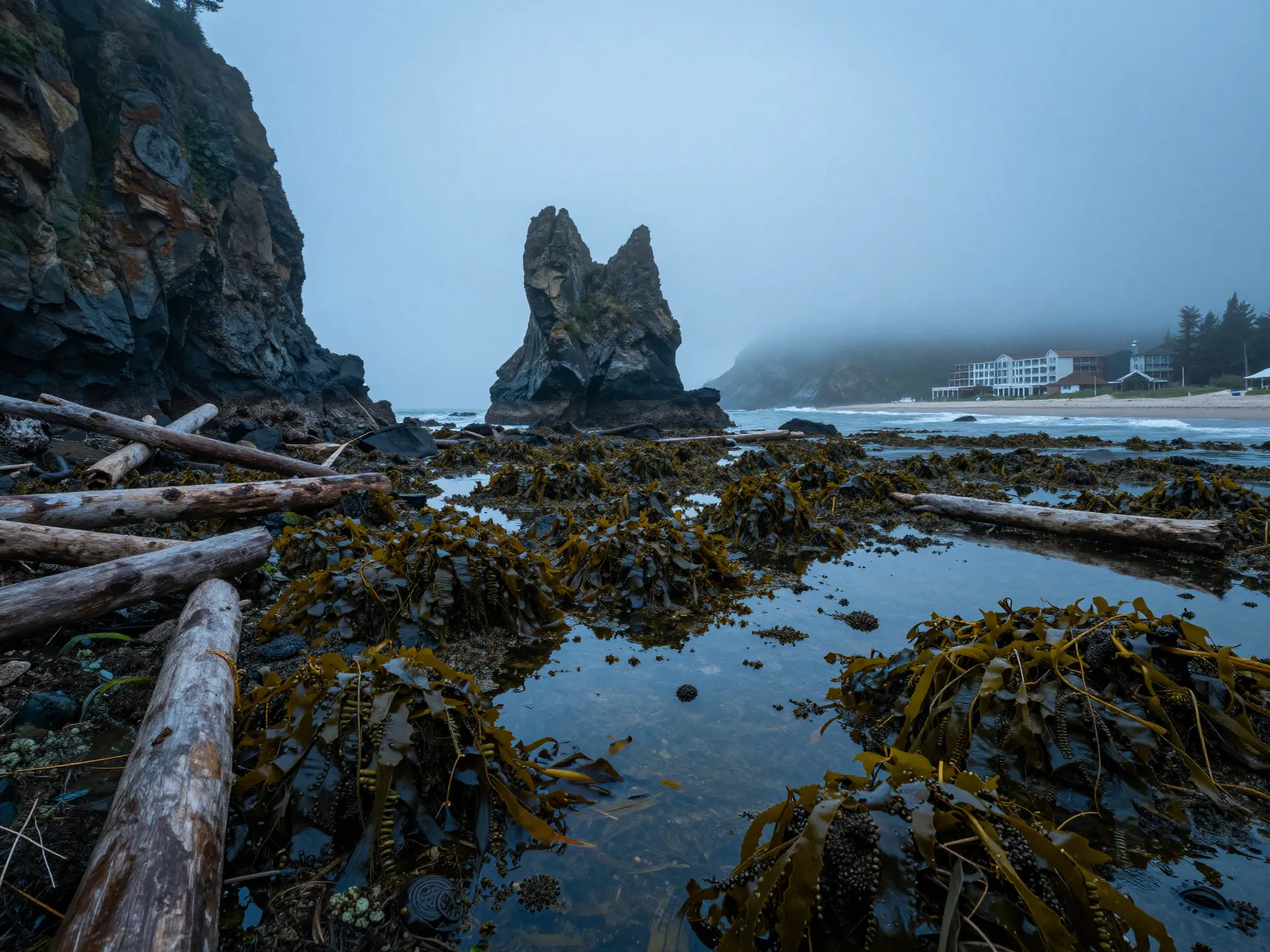
Before packing a single item or booking a single flight, it pays to understand the aesthetic on its own terms. Oceancore is not the same as generic beach culture. It draws from deep-sea imagery, maritime folklore, marine biology, and the raw, untamed quality of the open ocean rather than the polished, resort-style beach aesthetic most people default to [5].
Think of the difference between a manicured hotel pool overlooking a turquoise bay and a rocky, fog-covered coastline where kelp forests meet tidal pools. Oceancore leans hard into the second image. Its visual language includes:
- Deep, saturated blues and greens reminiscent of abyssal ocean zones
- Organic textures like weathered rope, barnacled wood, sea glass, and driftwood
- Marine life motifs, jellyfish, sea urchins, coral formations, bioluminescent creatures
- A sense of mystery and depth rather than sun-soaked brightness
The aesthetic has roots in both fashion and interior design, but it has rapidly expanded into travel planning, photography, and even culinary choices [1]. Recognizing these core elements allows travelers to make intentional decisions across every dimension of a coastal trip rather than accidentally defaulting to a more generic beach look.
“Oceancore is less about the shore and more about what lies beneath, the ancient, the mysterious, and the ecologically profound.”
Understanding this distinction is the foundation for all eight ways covered in this guide. Without it, the other seven steps risk becoming surface-level styling choices rather than a genuinely immersive aesthetic experience.
2. Build an Oceancore Wardrobe for Coastal Adventures
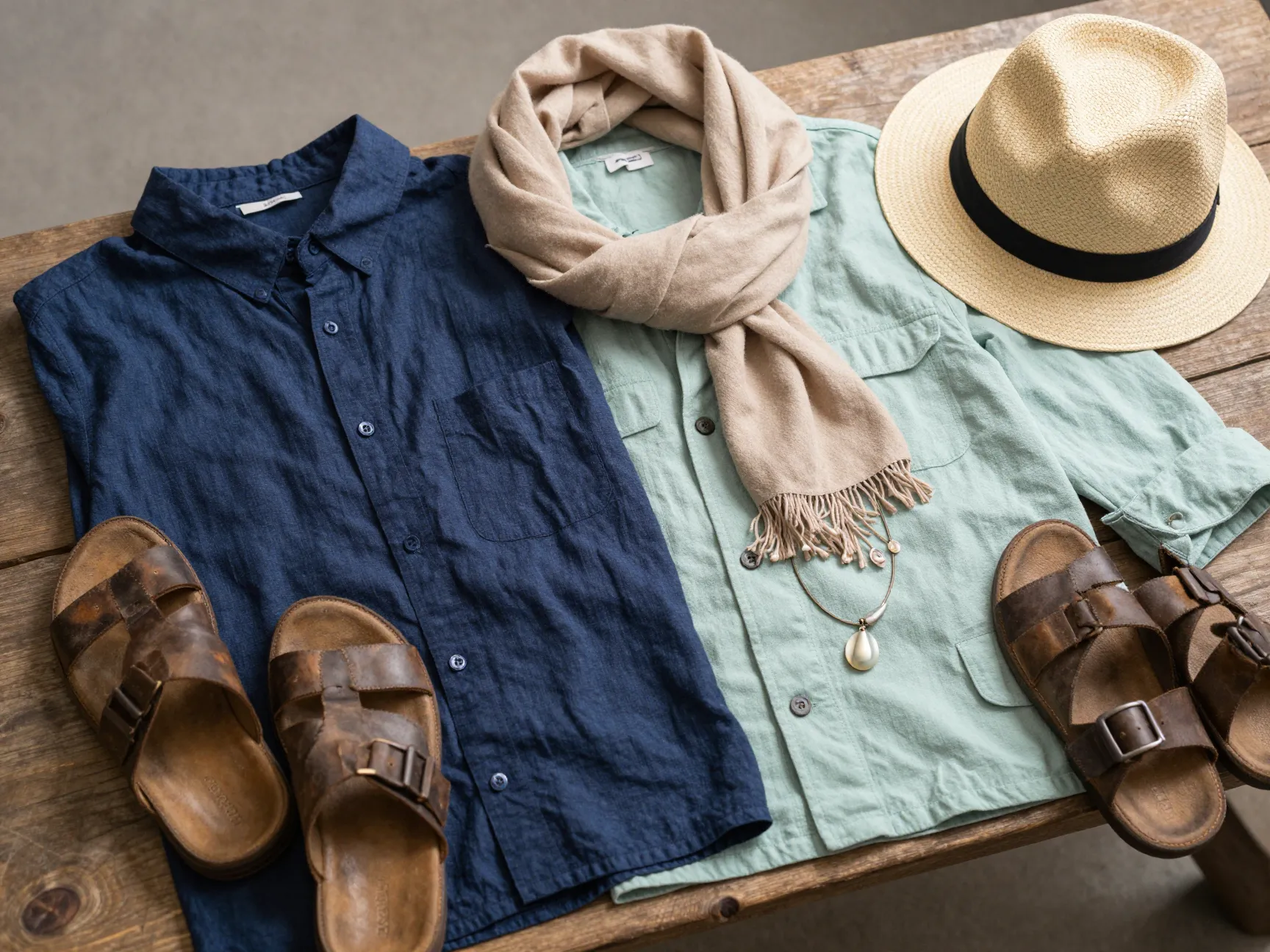
Clothing is one of the most immediate and visible expressions of the oceancore aesthetic, and building the right wardrobe for coastal adventures does not require a complete overhaul of your closet. It requires intentional selection.
Key color palette:
| Color Family | Examples | Mood |
|---|---|---|
| Deep ocean blues | Navy, indigo, midnight teal | Mystery, depth |
| Seafoam and sage | Pale green, muted aqua | Calm, organic |
| Sandy neutrals | Warm beige, bone, driftwood tan | Grounding, natural |
| Pearl and shell tones | Off-white, iridescent grey | Elegance, texture |
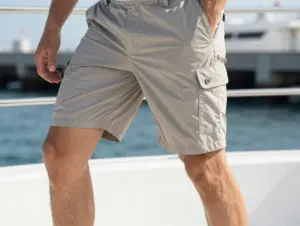
Fabric choices matter as much as color. Linen, raw cotton, and lightweight canvas all carry the worn, salt-touched quality that oceancore favors. Avoid synthetic fabrics with a high sheen, they read as resort-wear rather than expedition-ready coastal dressing [1].
Accessories are where the aesthetic deepens considerably:
- Glass or shell jewelry over plastic or brightly colored pieces
- Weathered leather or canvas bags rather than nylon totes
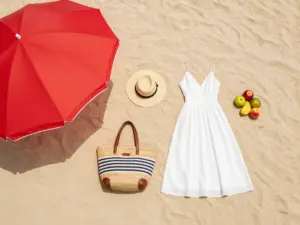
- Wide-brimmed hats in natural straw or cotton canvas
- Waterproof sandals or worn leather footwear for rocky coastlines
Layering is essential for authentic oceancore dressing, because the aesthetic is tied to real coastal environments where temperatures shift, sea spray is constant, and conditions change quickly. A lightweight linen shirt over a deeper navy base layer, finished with a canvas anorak, communicates both the look and the practical readiness that the aesthetic implies.
3. Choose Destinations That Match the Oceancore Mood
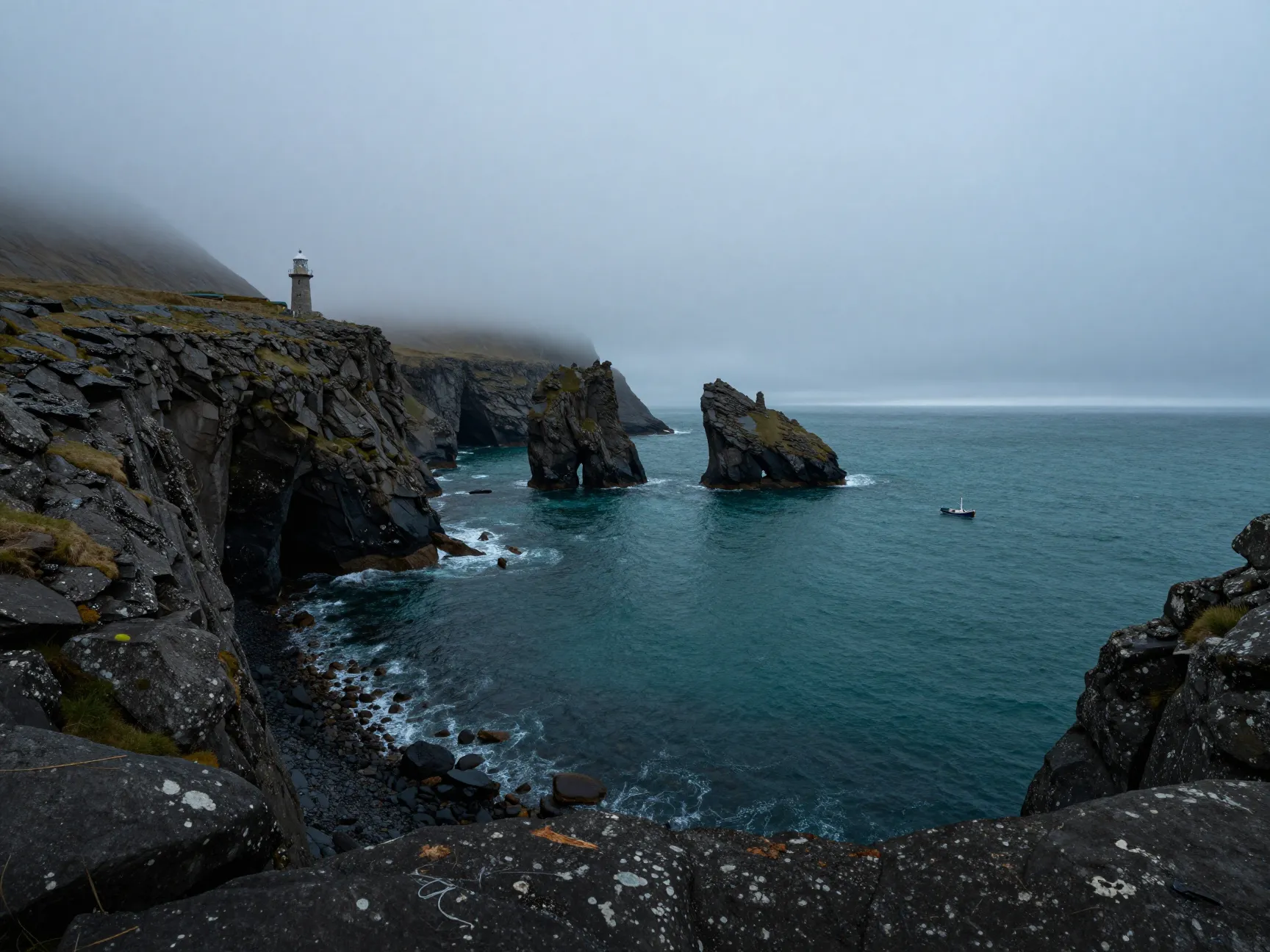
Not every beach destination suits the oceancore aesthetic equally. The movement gravitates toward coastlines with character, places where the ocean feels powerful, ancient, and slightly unknowable rather than simply pretty.
Destinations that align well with oceancore values tend to share certain features:
- Rocky or dramatic coastlines rather than flat, sandy resort beaches
- Visible marine ecosystems, tide pools, kelp beds, coral reefs accessible by snorkeling or diving
- Maritime history, old fishing villages, lighthouse trails, working harbors
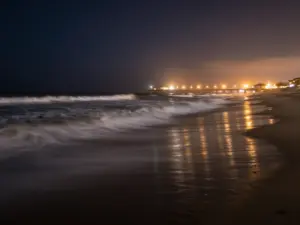
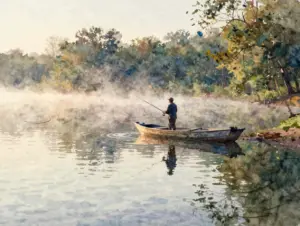
- Fog, mist, or dramatic weather patterns that add atmosphere
- Limited commercial development that preserves a raw coastal character
Travel reports from 2026 show a measurable rise in interest in what industry analysts are calling “expedition beach” travel, a trend in which coastal visitors prioritize active exploration, ecological discovery, and off-the-beaten-path coastlines over traditional resort experiences [8]. This trend maps almost perfectly onto the oceancore aesthetic.
Regions frequently cited in this context include the Pacific Northwest coast of North America, the Faroe Islands, coastal Iceland, the rugged Atlantic shores of Portugal and Ireland, and parts of Tasmania and New Zealand [4]. These locations offer the combination of dramatic scenery, rich marine biodiversity, and maritime atmosphere that oceancore demands.
Travelers who align their destination choices with the aesthetic report significantly higher satisfaction with their coastal experiences, according to 2026 beach travel trend data [3].
4. Align Your Itinerary With the Expedition Beach Trend

The “expedition beach” concept is one of the defining travel trends of 2026, and it offers a practical framework for structuring an oceancore coastal adventure [8]. Rather than building a trip around passive relaxation, lying on a beach, visiting a beach bar, repeating, expedition beach itineraries center on active discovery.
What an expedition beach itinerary looks like in practice:
- Morning: Guided tide pool exploration or snorkeling in a marine reserve
- Midday: Coastal hiking along cliff paths or sea-stack formations
- Afternoon: Kayaking through sea caves or paddleboarding in a sheltered cove
- Evening: Visiting a working fishing harbor, attending a local maritime museum, or joining a guided night walk to observe bioluminescent plankton
This structure creates a richer, more layered coastal experience that generates far more compelling content, memories, and genuine connection to the ocean environment. It also reinforces the core values of the oceancore aesthetic, depth, discovery, and respect for the marine world.
Planning tools to consider:
- Research marine reserve maps before booking accommodation
- Use tide charts to plan tide pool visits at low tide
- Book guided experiences with local marine biologists or conservation organizations
- Identify coastal hiking trails rated for their scenic and ecological value rather than just their difficulty
The expedition beach framework also tends to produce more sustainable travel behaviors, since it encourages engagement with local ecosystems and communities rather than consumption of resort infrastructure [7].
5. Curate Your Accommodation for an Oceancore Experience
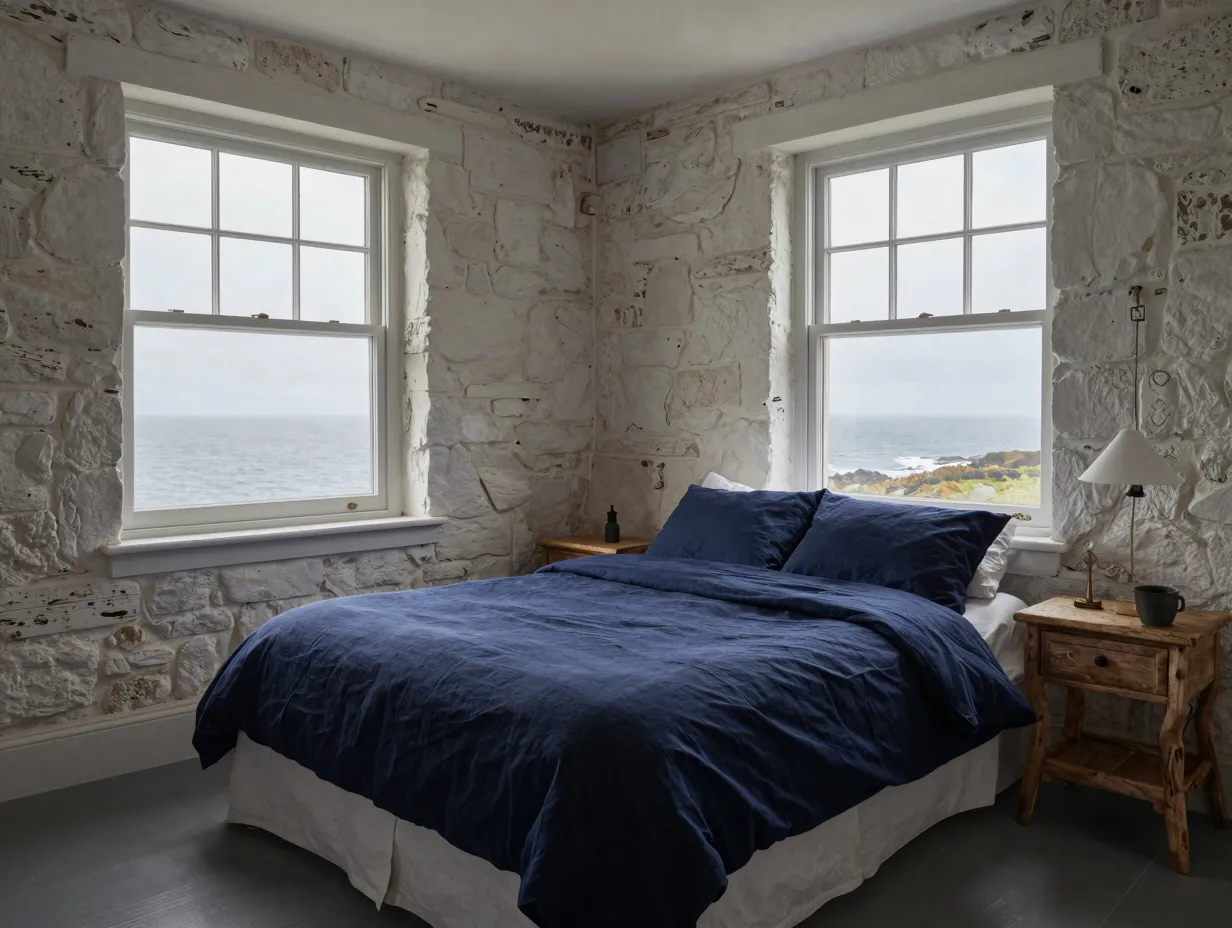
Where you sleep shapes the entire aesthetic of a coastal trip. Accommodation that aligns with oceancore values does not need to be expensive, it needs to be intentional.
Oceancore-aligned accommodation features:
- Natural materials throughout: driftwood furniture, linen bedding, stone or tile floors
- Color palettes drawn from the ocean environment: deep blues, greens, sandy neutrals, weathered whites
- Proximity to wild or semi-wild coastline rather than manicured resort beaches
- Views of open water, rocky shores, or working harbors
- Minimal artificial lighting in favor of natural coastal light
Accommodation types that naturally fit the aesthetic:
- Converted lighthouse keeper’s cottages
- Coastal fisherman’s cottages with original stone walls
- Cliffside cabins with unobstructed ocean views
- Boutique guesthouses in old maritime towns
- Eco-lodges positioned within or adjacent to marine reserves
The visual environment of accommodation has a direct impact on content creation, which matters significantly for travelers who document their experiences on social media or personal platforms. A room with raw stone walls, deep navy linens, and a window framing a grey Atlantic horizon will generate far more compelling imagery than a standard hotel room with generic coastal prints on the wall [6].
A practical checklist when booking:
- Review photos specifically for material and color palette, not just view
- Search for properties described with terms like “maritime,” “historic,” “coastal cottage,” or “eco-lodge”
- Prioritize locations within walking distance of wild coastline
- Check whether the property uses sustainable practices, this aligns with oceancore’s ecological values
6. Apply Ocean Core Color Palettes and Textures to Your Content
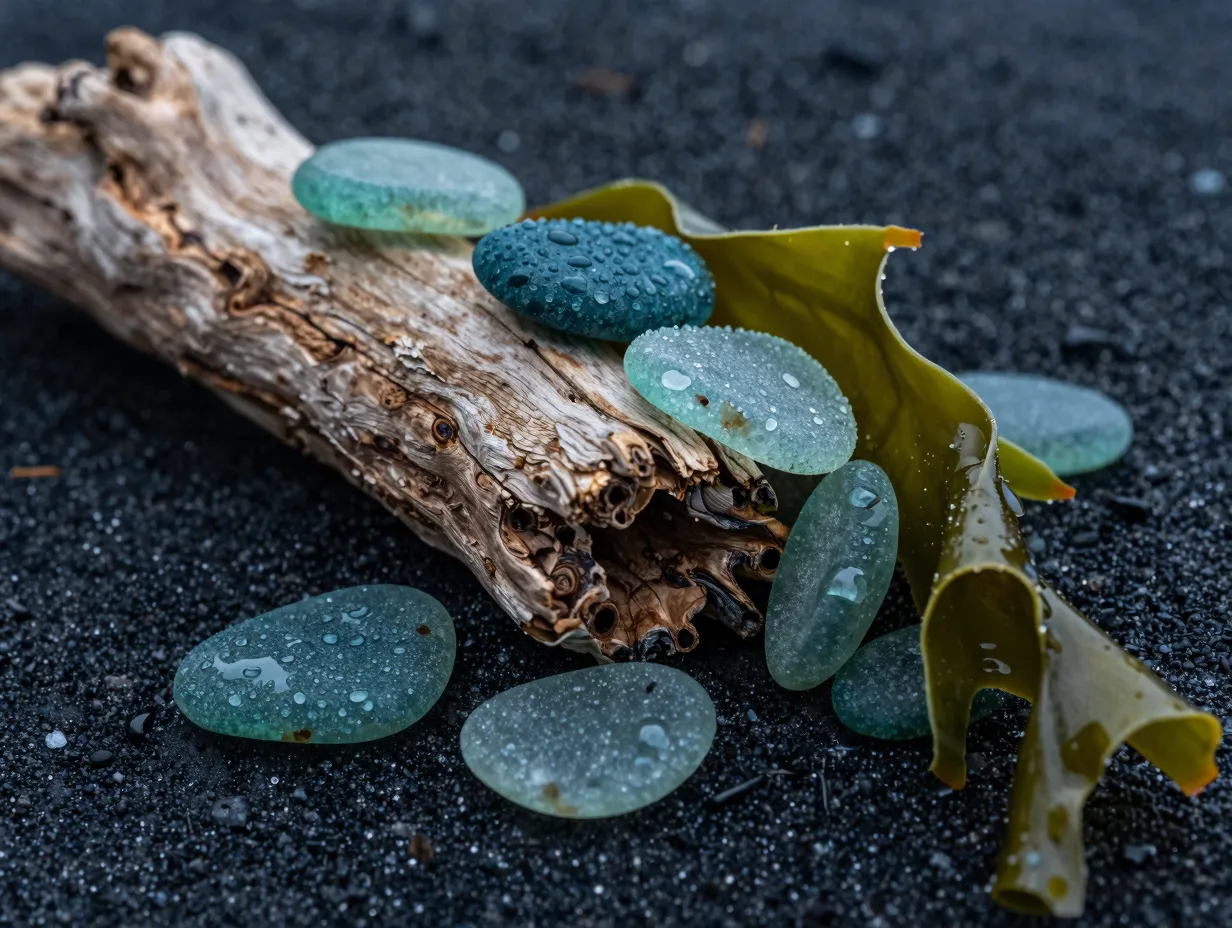
For travelers who document their coastal adventures through photography, video, or written content, the oceancore aesthetic offers a highly coherent visual language that produces distinctive, recognizable work.
The oceancore content palette:
- Primary tones: Deep teal, midnight navy, abyssal black-blue
- Secondary tones: Seafoam green, pearl grey, warm sand
- Accent tones: Coral rust, amber glass, bioluminescent blue-green
Texture is as important as color in oceancore content. The aesthetic rewards close-up photography of surfaces, barnacled rock, weathered rope, sea glass, kelp fronds, salt-crusted wood. These macro shots create depth and tactile richness in a feed or gallery that wide landscape shots alone cannot achieve.
Practical content creation tips for the oceancore aesthetic:
- Shoot during golden hour and blue hour for the deep, saturated light that suits the palette
- Incorporate water reflections and refracted light wherever possible
- Use natural framing, rock arches, cave openings, kelp canopies, rather than artificial composition aids
- Prioritize moody, overcast light over harsh midday sun for a more atmospheric result
- Edit toward cooler, deeper tones rather than the warm, saturated look associated with tropical beach content
Video content benefits from slow, deliberate movement, long panning shots across tide pools, underwater footage of marine life, time-lapses of fog rolling across a rocky headland. The pacing of oceancore video content mirrors the rhythm of the ocean itself: unhurried, layered, and deeply atmospheric [5].
Art licensing trends for 2026 and beyond show that oceancore imagery, particularly deep-sea marine life, bioluminescent organisms, and maritime textures, is among the fastest-growing categories in surface design and editorial illustration [6]. This signals that the aesthetic has moved well beyond social media into mainstream visual culture.
7. Engage With Marine Conservation as Part of the Aesthetic
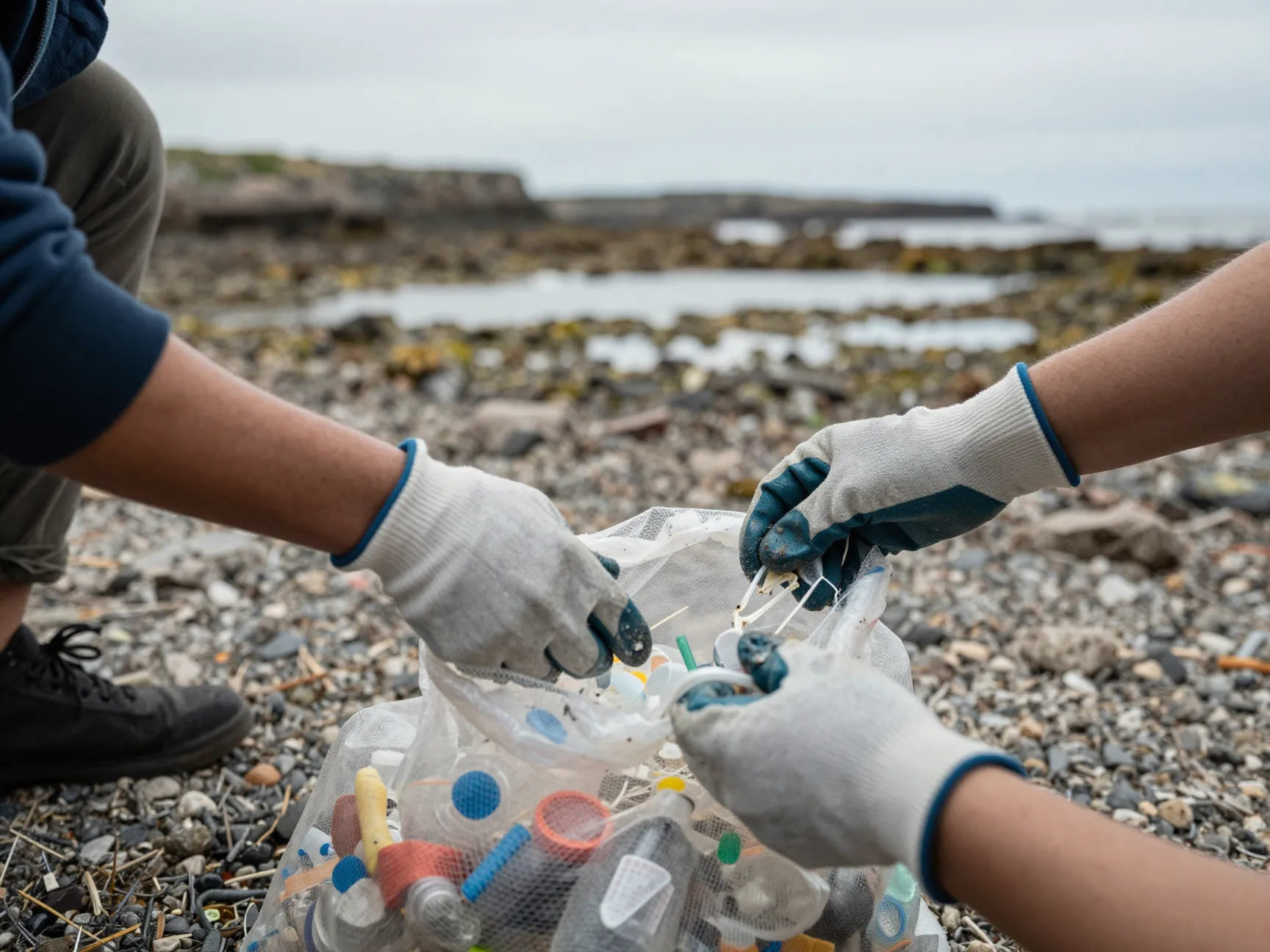
Authentic oceancore is inseparable from a genuine respect for the marine environment. The aesthetic draws its power from the ocean’s wildness, complexity, and ecological richness, which means that any meaningful engagement with it carries a responsibility to protect those qualities.
This is not simply a values statement. It is also a practical distinction between travelers who adopt the surface look of oceancore and those who live it fully. The latter group actively participates in the conservation of the environments that make the aesthetic possible.
Ways to integrate marine conservation into coastal adventures:
- Participate in organized beach or reef clean-up events at your destination
- Choose tour operators and dive companies certified by recognized marine conservation organizations
- Follow established guidelines for tide pool and reef interaction, no touching, no collecting
- Support locally owned businesses that contribute to marine conservation funding
- Document and report unusual marine life sightings to citizen science platforms like iNaturalist
Travel trends for 2026 show a significant rise in what researchers are calling “conservation-integrated travel”, trips in which environmental participation is built into the itinerary rather than treated as an optional add-on [7]. This trend aligns directly with oceancore values and gives travelers a concrete way to deepen their connection to coastal environments.
The practical benefit of this approach is that it opens access to experiences that purely recreational tourists rarely encounter, guided night dives with marine biologists, access to restricted conservation zones, behind-the-scenes tours of marine research stations. These experiences are among the most powerful and memorable that any coastal adventure can offer.
8. Ways To Embrace The Ocean Core Aesthetic Through Rituals and Sensory Details
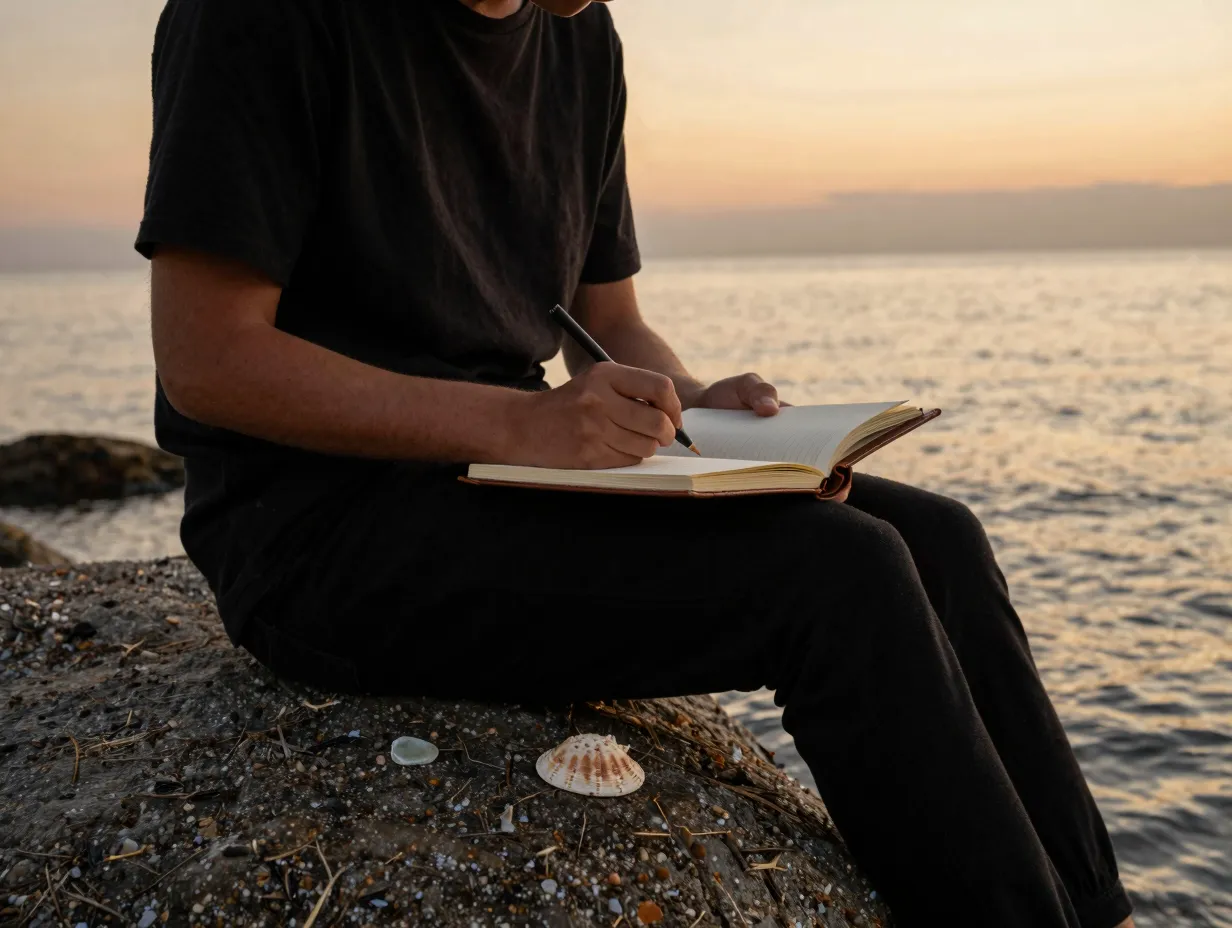
The final dimension of the 8 Ways To Embrace The Ocean Core Aesthetic In Your Coastal Adventures is perhaps the most personal: building daily rituals and sensory habits that keep the aesthetic alive throughout a trip rather than limiting it to visual choices.
Oceancore is a full-sensory experience. The sound of deep water, the smell of salt and kelp, the cold weight of sea air, the taste of fresh seafood eaten at a working harbor, these sensory details are as central to the aesthetic as any color palette or wardrobe choice.
Daily rituals that reinforce the oceancore aesthetic:
- Begin each morning with a walk along the coastline before other activities start, ideally at low tide when the most ecological detail is visible
- Keep a handwritten journal of observations: tidal patterns, marine life sightings, weather changes, sounds and smells
- Collect only what is already detached and harmless, a piece of sea glass, a fragment of driftwood, as tactile souvenirs that carry genuine sensory memory
- Eat locally and seasonally, with an emphasis on sustainably sourced seafood and coastal foraged ingredients
- Spend at least one period each day in complete stillness at the water’s edge, no phone, no content creation, simply observing
Scent and sound are underrated tools for deepening the oceancore experience. Travelers who engage deliberately with the sensory environment of a coastline, the particular smell of a specific harbor at low tide, the sound profile of a sea cave, report significantly deeper emotional connection to their destinations.
This ritualistic dimension of oceancore also produces better content, paradoxically. Travelers who slow down and observe carefully tend to notice details, a bioluminescent wave at dusk, a sea otter grooming on a kelp bed, the geometric perfection of a sand dollar, that faster-moving tourists walk past entirely.
The most compelling oceancore content is almost always the result of patient, deliberate observation rather than active pursuit of the perfect shot.
Conclusion
The 8 Ways To Embrace The Ocean Core Aesthetic In Your Coastal Adventures covered in this guide form a complete, actionable framework, from understanding the aesthetic’s philosophical roots to building a wardrobe, choosing destinations, structuring itineraries, curating accommodation, creating content, engaging with conservation, and developing daily rituals that keep the experience alive.
Actionable next steps for anyone ready to begin:
- Research one oceancore-aligned destination that features dramatic coastline, marine biodiversity, and maritime history, and book it for 2026
- Audit your existing travel wardrobe against the oceancore color palette and texture guide above, replacing synthetic resort-wear with natural, layered alternatives
- Identify one marine conservation organization at your chosen destination and plan one activity with them
- Before the trip, practice oceancore content creation techniques, macro texture photography, blue-hour shooting, slow video panning, so the skills are ready when the environment is
- Build a daily ritual structure into the itinerary from day one rather than leaving it to chance
The ocean core aesthetic rewards preparation, patience, and genuine curiosity about the marine world. Travelers who bring all three will find that the aesthetic is not simply a visual style, it is a fundamentally different way of experiencing the coast.
References
[1] Oceancore Is In The Siren Look Of The Summer – https://thegarnettereport.com/fashion/oceancore-is-in-the-siren-look-of-the-summer/
[2] 2026 Travel Trends Report – https://www.beach.com/trends/2026-travel-trends-report/
[3] 2026 Beach Travel Trends – https://www.beach.com/trends/2026-beach-travel-trends/
[4] Exciting Beach Travel Trend Why 030700999 – https://finance.yahoo.com/news/exciting-beach-travel-trend-why-030700999.html
[5] Oceancore Deep Sea Marine Life Aesthetic – https://beingu.me/oceancore-deep-sea-marine-life-aesthetic
[6] Trend Alert Oceancore Art Licensing Is Making Waves For 2027 – https://wildapple.com/trend-alert-oceancore-art-licensing-is-making-waves-for-2027/
[7] 5 Major Trends Set To Shape Travel In 2026 – https://www.cnbc.com/2025/12/25/5-major-trends-set-to-shape-travel-in-2026.html
[8] Article 1459 Travel Reports Highlight Rising Interest In Adventurous Beach Trips In 2026 – https://seasideretailer.com/article-1459-Travel-reports-highlight-rising-interest-in-adventurous-beach-trips-in-2026.html