9 Offshore Fishing Boats: A Guide to Models and Features
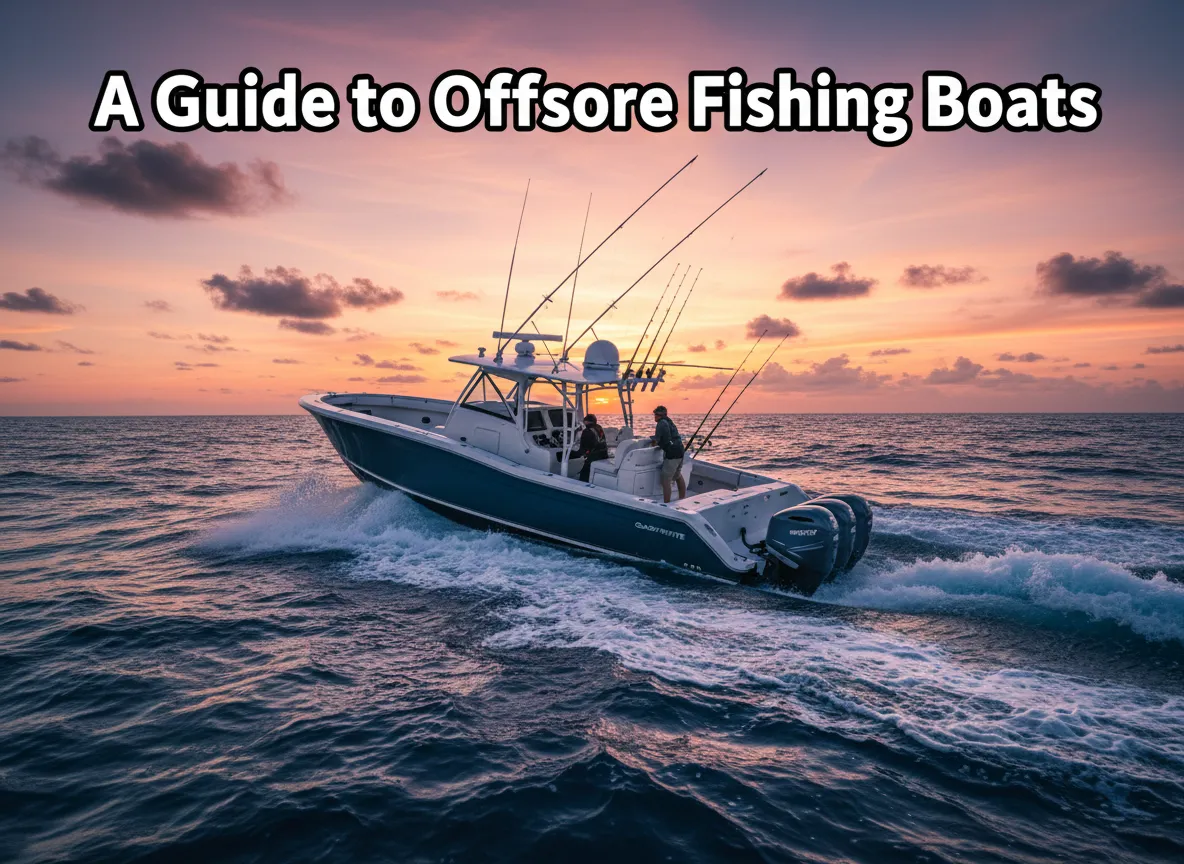
Only about 11% of recreational anglers ever venture beyond the 3-mile coastal boundary into true offshore waters, yet those who do consistently report the most rewarding catches of their lives. Choosing the right vessel is the single most consequential decision standing between a safe, productive offshore trip and a dangerous, expensive mistake. This guide to 9 offshore fishing boats covers the models and features that serious anglers need to evaluate before buying or chartering a bluewater-capable boat. Whether targeting mahi-mahi 50 miles out or chasing billfish in the Gulf Stream, the right boat makes all the difference.
Disclosure: This post contains affiliate links. As an Amazon Associate, we earn from qualifying purchases, and at no extra cost to you.
Key Takeaways
- Offshore fishing boats must balance seakeeping ability, range, and fishing-specific features like live wells, rod storage, and outriggers.
- Hull design, deep-V, catamaran, or modified-V, directly affects ride quality and safety in rough offshore conditions.
- Engine configuration (single, twin, or triple outboard) determines both performance and redundancy at sea.
- Different boat types suit different offshore missions: center consoles excel in versatility, while express sportfishers offer comfort on long runs.
- Matching the boat to the target species, typical sea conditions, and budget is essential before making a purchase decision.
What Makes a True Offshore Fishing Boat
Not every boat sold as an “offshore” model is genuinely built for bluewater conditions. A true offshore fishing boat must handle swells of 4 to 8 feet or more, carry enough fuel for round trips of 100-plus miles, and provide the structural integrity to fight large pelagic species without flexing or failing.
Key structural and performance criteria include:
- Hull depth and deadrise: A deep-V hull with 20 to 24 degrees of deadrise cuts through chop rather than slamming over it.
- Freeboard height: Higher freeboard keeps water out of the cockpit when seas build unexpectedly.
- Fuel capacity: Offshore runs demand tanks of 200 gallons or more on most platforms.
- Self-bailing cockpit: Mandatory for safety when large waves wash aboard.
- Redundant power: Twin or triple engine setups provide backup propulsion far from shore.
“The ocean does not care about your schedule. It only respects preparation.”
Understanding these baseline requirements helps narrow the field considerably when reviewing the 9 offshore fishing boats in this guide.
9 Offshore Fishing Boats: A Guide to Models and Features
The following nine boats represent distinct categories, hull types, and price points. Each entry covers the model’s defining characteristics, standout features, and the type of angler it suits best.
1. Grady-White Canyon 456
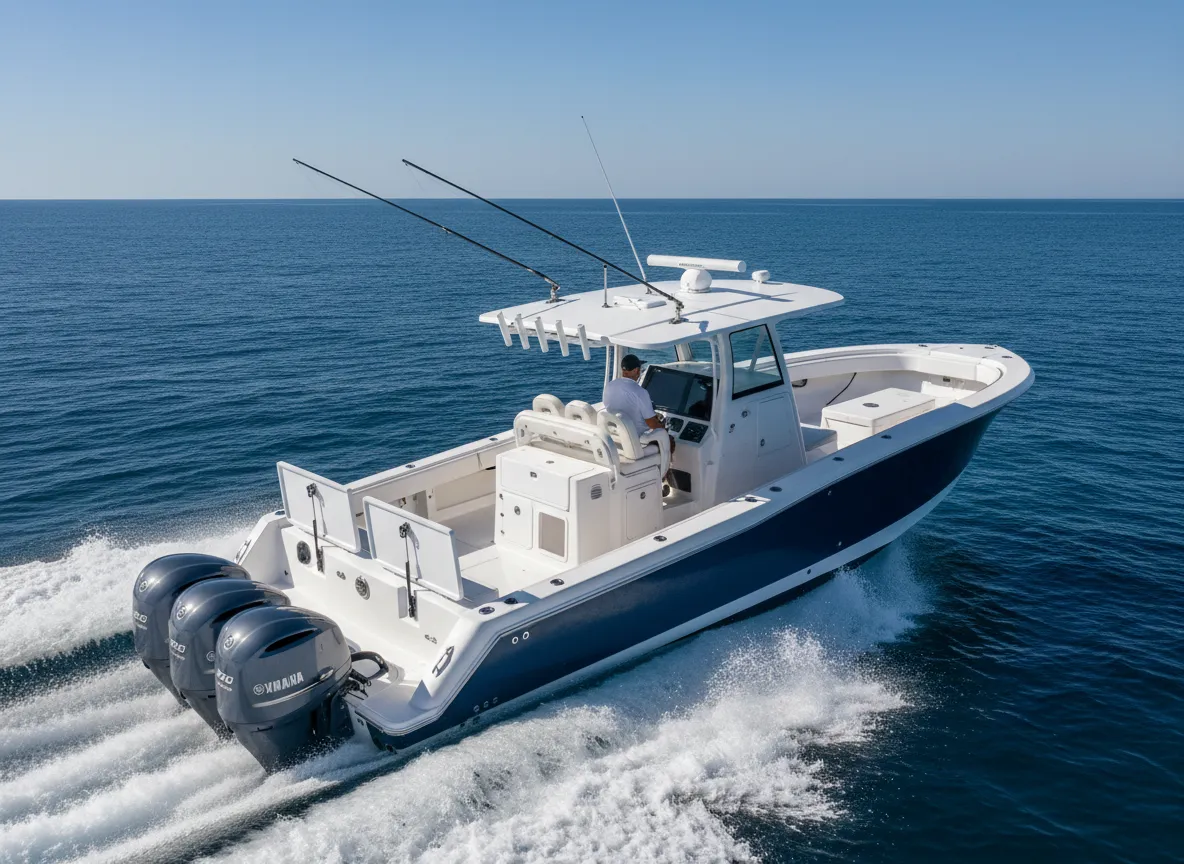
The Grady-White Canyon 456 is widely regarded as one of the most capable offshore center consoles available. Built on a 45-foot, 6-inch hull with a proven deep-V design, this boat is engineered for serious bluewater work.
Standout features:
- Triple or quad Yamaha or Mercury outboard options up to 1,400 total horsepower
- Integrated 400-gallon fuel capacity with optional auxiliary tanks
- Full-beam cockpit with in-deck fish boxes totaling over 200 gallons
- SeaV2 hull technology for a smoother ride in steep chop
- Enclosed head compartment and overnight sleeping berths
The Canyon 456 suits anglers who want center console versatility with near-sportfisher comfort. It is a strong choice for Gulf Stream runs and overnight offshore trips.
2. Contender 39 ST
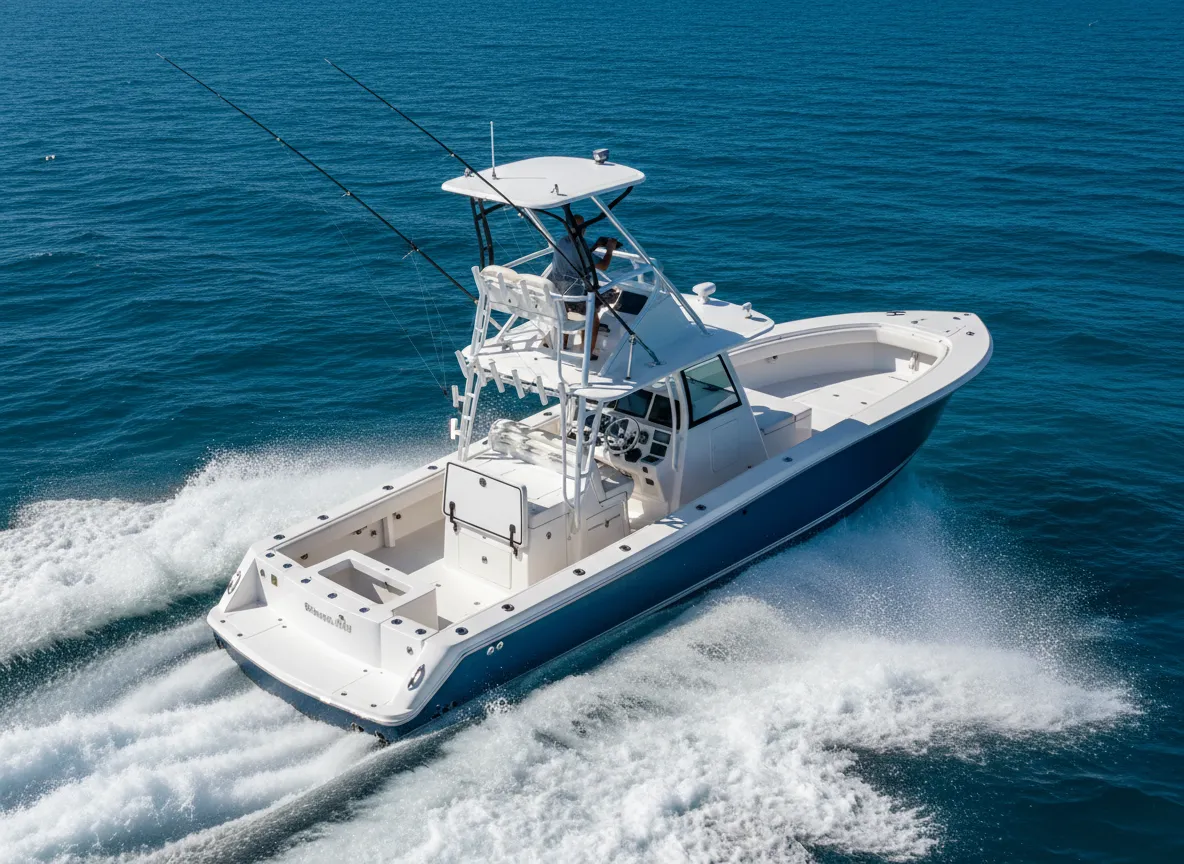
Contender Boats has built its reputation on tournament-grade offshore performance, and the 39 ST (Sport Tower) delivers exactly that. At 39 feet, it sits in a practical size range, large enough for serious offshore work, manageable enough for a two-person crew.
Standout features:
- Modified deep-V hull with 22 degrees of deadrise
- Integrated 300-gallon fuel tank
- Elevated sport tower with full helm controls for sight fishing
- Four in-deck fish boxes with a combined capacity exceeding 150 gallons
- Rigged for kite fishing, outriggers, and downriggers from the factory
The 39 ST is a tournament angler’s platform. Its tower gives a commanding view for spotting weed lines, birds, and color changes that signal offshore fish concentrations.
3. Yellowfin 42 Offshore
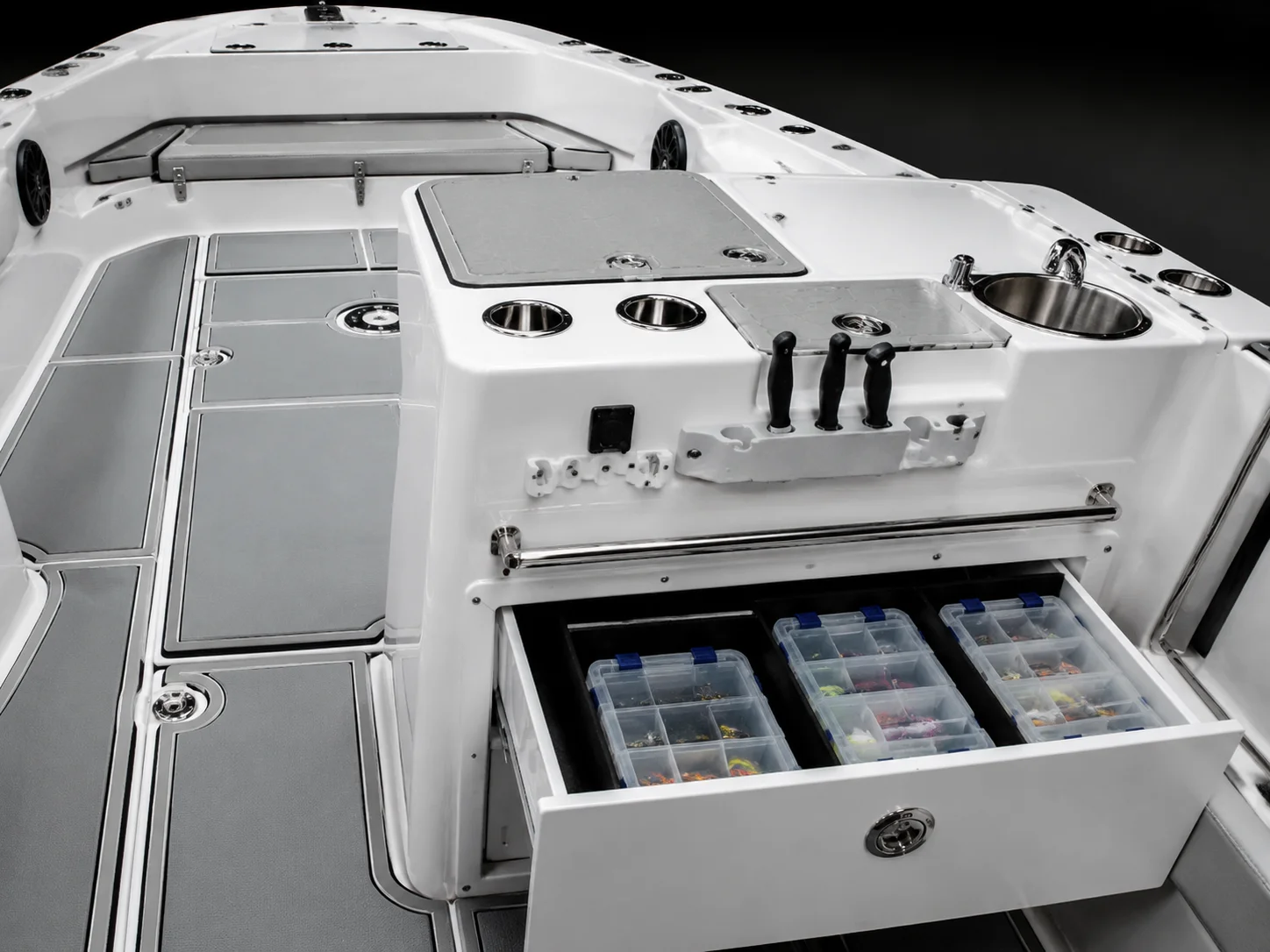
Yellowfin Boats has earned a devoted following among serious offshore anglers for building boats that prioritize fishing function over cosmetic flash. The 42 Offshore is the flagship of that philosophy.
Standout features:
- Deep-V hull with hand-laid fiberglass construction
- Triple or quad outboard capability
- 400-gallon standard fuel capacity
- Oversized 50-gallon raw water washdown system
- Flush-mount rod holders, tackle center, and rigging station integrated into the gunwales
The 42 Offshore is best suited to experienced anglers who fish frequently and want a no-compromise bluewater machine.
4. Viking 52 Convertible
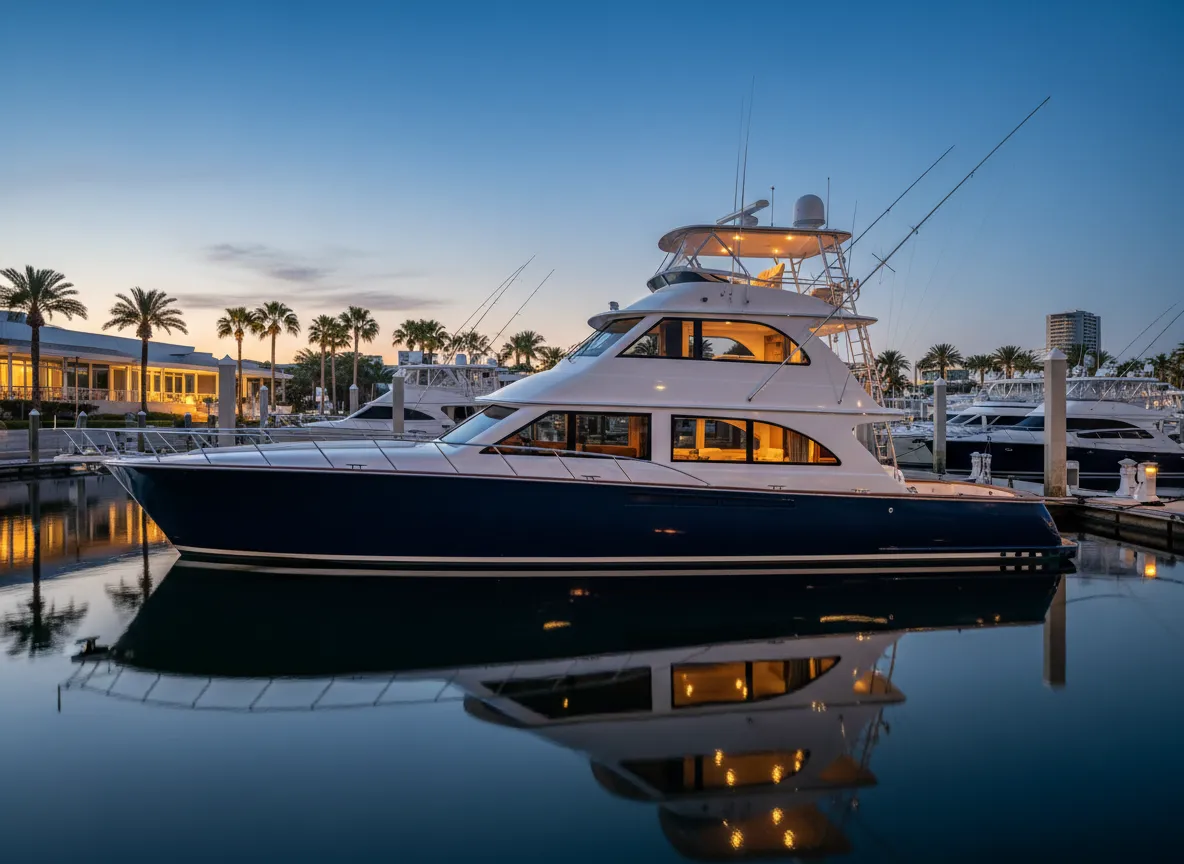
The Viking 52 Convertible represents the pinnacle of the express sportfisher category. Built in New Gretna, New Jersey, Viking yachts are synonymous with tournament billfishing, and the 52 Convertible is the model that defines the brand.
Standout features:
- Volvo IPS or MAN diesel inboard power options
- Full-beam salon with air conditioning and premium interior finishes
- Tournament-grade cockpit with 72-inch transom door for large fish
- Integrated outrigger system with carbon fiber poles
- Flybridge helm with full electronics suite and second fighting chair position
| Feature | Specification |
|---|---|
| LOA | 52 ft 7 in |
| Fuel Capacity | 1,100 gallons |
| Max Speed | 38 knots |
| Sleeping Berths | Up to 6 |
The Viking 52 is built for multi-day offshore runs and blue marlin tournaments. It is a significant investment, but its resale value and tournament pedigree are unmatched in its class.
5. Regulator 41
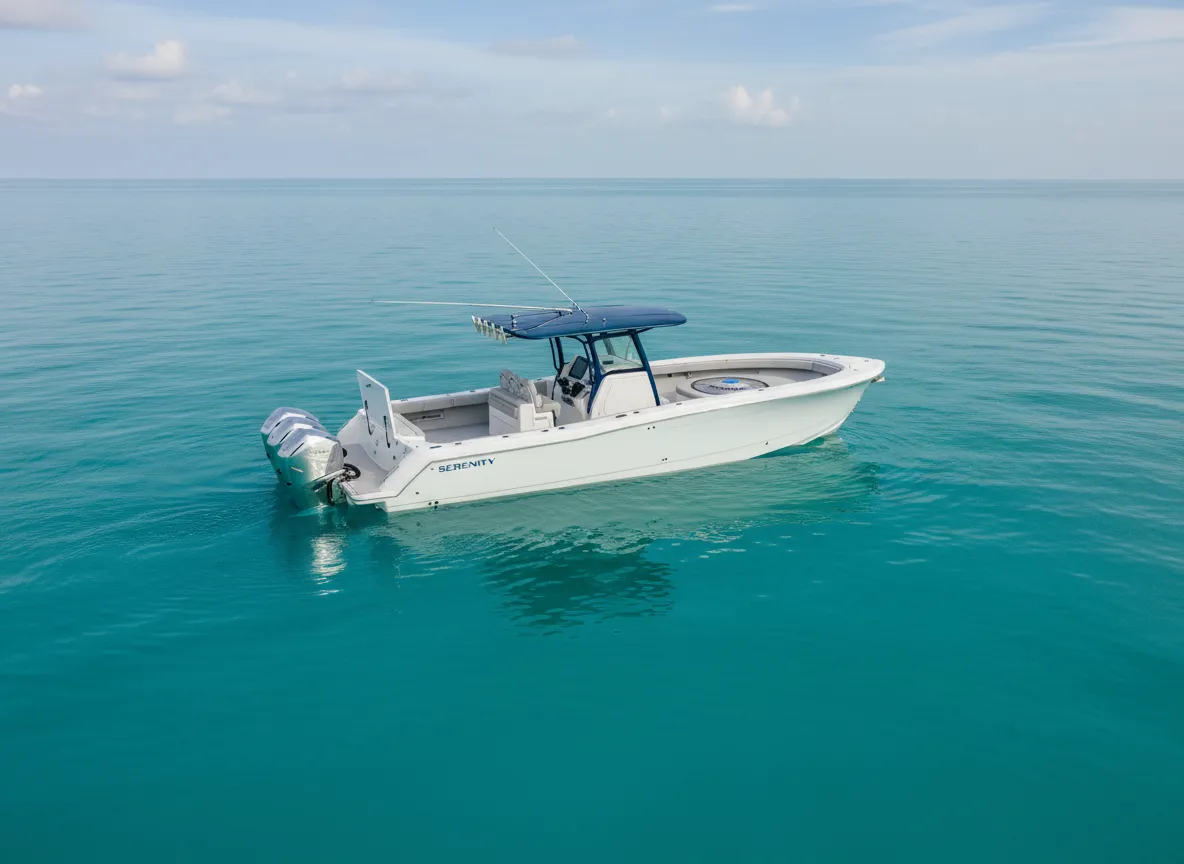
Regulator Marine occupies a specific niche in the offshore center console market: boats that are built to last decades with minimal maintenance. The Regulator 41 is the brand’s largest and most capable model.
Standout features:
- SEAKEEPER 2 gyro stabilizer standard on many configurations
- Triple 400-horsepower outboard option
- 330-gallon fuel capacity with optional 50-gallon auxiliary
- Integrated livewells with recirculating pumps
- Vacuum-infused hull construction for superior stiffness-to-weight ratio
The Regulator 41 appeals to anglers who value build quality and long-term ownership costs over flashy features. Its hull is notably quiet and dry compared to competitors in the 40-foot center console segment.
6. Pursuit OS 385 Offshore
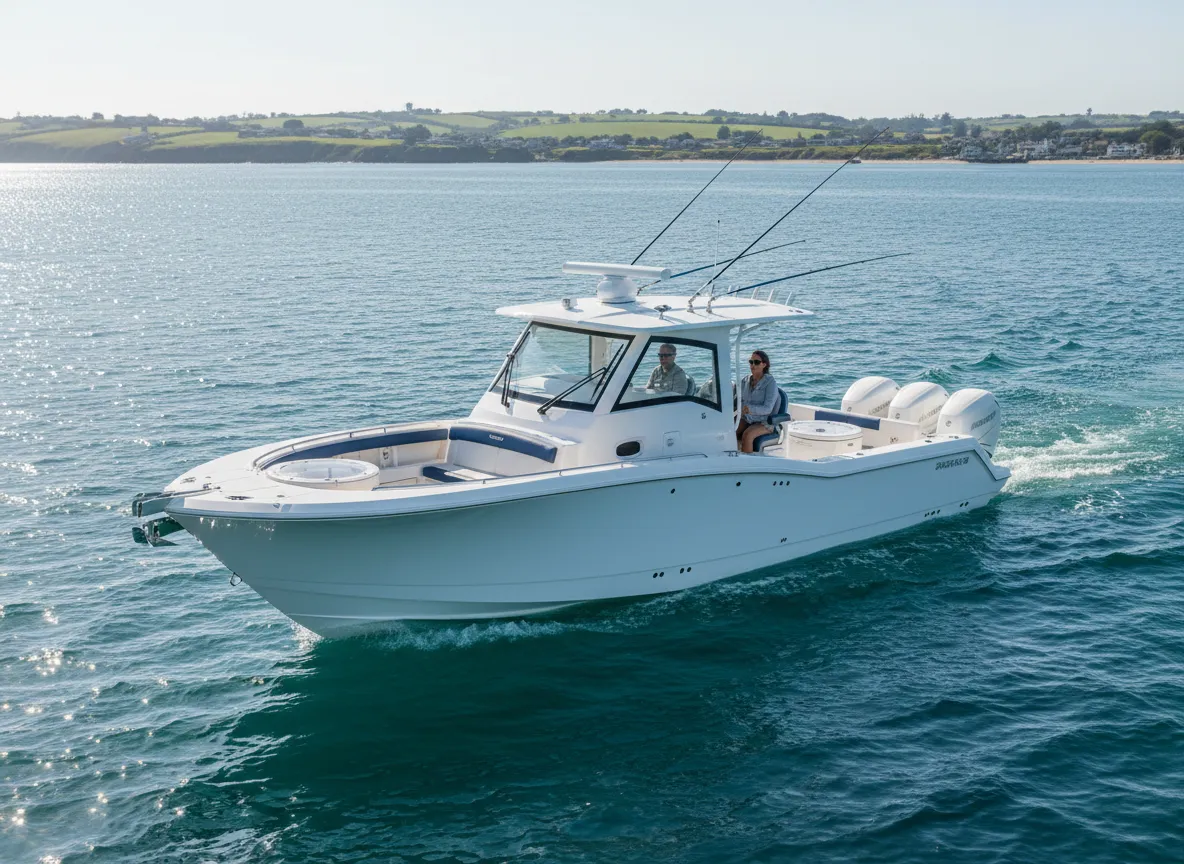
Pursuit Boats targets the mid-range offshore buyer with the OS 385 Offshore, a 38-foot, 5-inch offshore express that bridges the gap between center console and full sportfisher.
Standout features:
- Enclosed cabin with V-berth sleeping for four
- Twin 400-horsepower Mercury Verado outboards
- 300-gallon fuel capacity
- Cockpit fish box, livewell, and tackle storage integrated into the transom
- Hardtop with full electronics arch and rod storage overhead
The OS 385 is an excellent choice for anglers who want overnight capability without the complexity and cost of a full inboard sportfisher. It is particularly popular in the Mid-Atlantic and Southeast markets.
7. Boston Whaler 380 Outrage
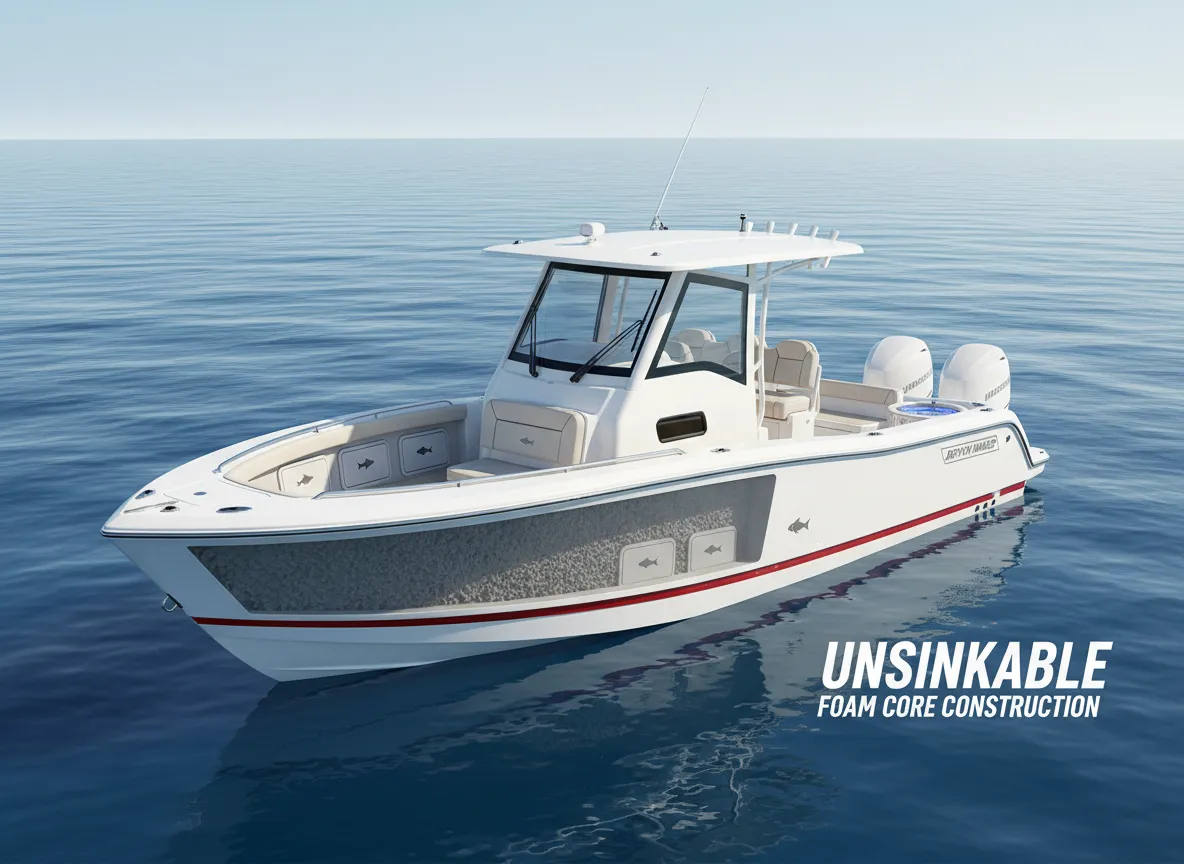
Boston Whaler’s UNSINKABLE hull construction is one of the most recognized claims in recreational boating, and the 380 Outrage brings that safety philosophy to the offshore center console segment.
Standout features:
- Tri-hull UNSINKABLE foam-filled construction
- Triple Mercury outboard power up to 1,050 horsepower
- Integrated hard top with full windshield enclosure option
- 350-gallon fuel capacity
- Cockpit layout with four in-deck fish boxes and a 30-gallon livewell
The 380 Outrage suits anglers who prioritize safety and brand reliability. It may not be the most fishing-specific platform on this list, but its build quality and resale value are exceptional.
8. Hatteras GT65 Carolina
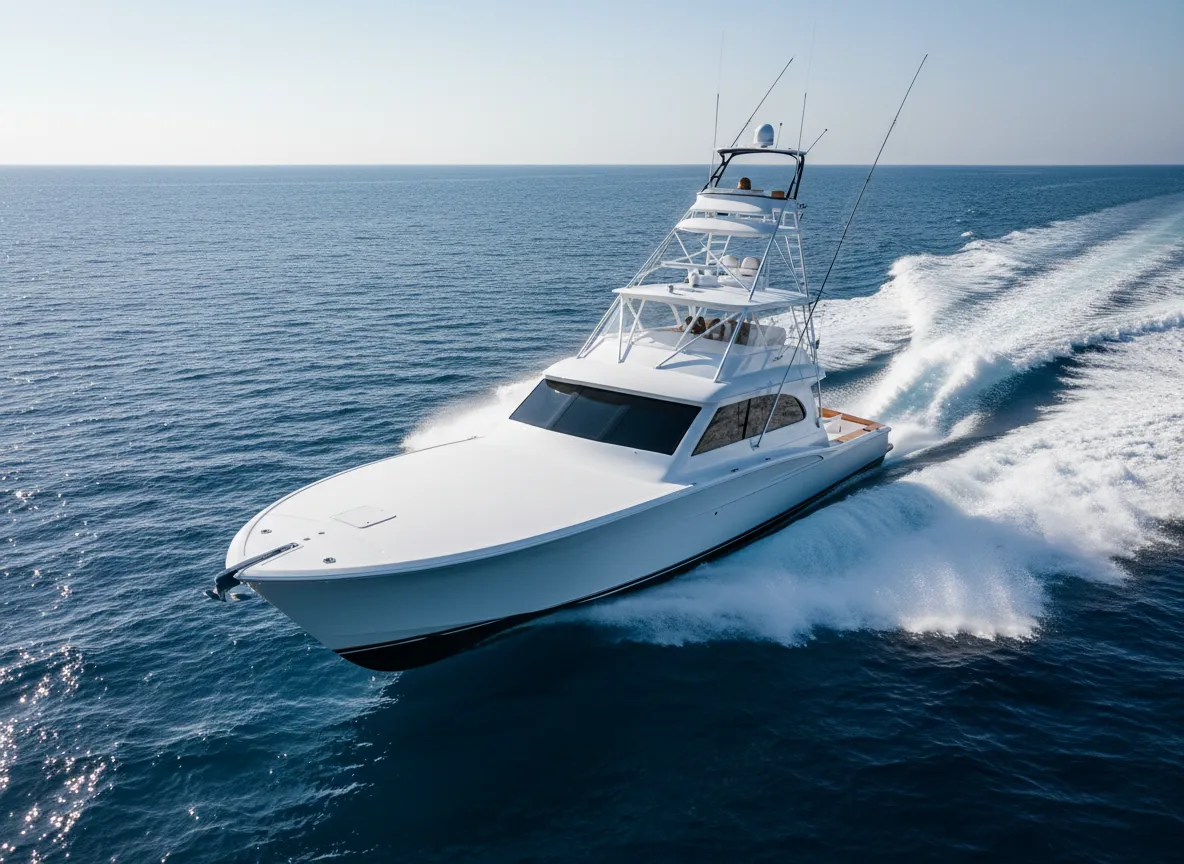
The Hatteras GT65 Carolina is a purpose-built tournament sportfisher that carries decades of offshore racing heritage. The GT (Grand Turismo) series represents Hatteras’s return to performance-oriented bluewater fishing.
Standout features:
- MTU or MAN diesel inboard engines producing up to 2,600 total horsepower
- Carolina-style hull with a sharp entry and wide beam aft for cockpit stability
- Full-beam master stateroom with premium joinery
- 1,400-gallon fuel capacity for extended offshore range
- Integrated outrigger system with electric control from the flybridge
| Feature | Specification |
|---|---|
| LOA | 65 ft |
| Fuel Capacity | 1,400 gallons |
| Max Speed | 40+ knots |
| Cockpit Area | 200+ sq ft |
The GT65 is a serious tournament machine. It is designed for anglers who compete at the highest levels and need a boat that can run to the canyons in rough weather and still arrive with a rested crew.
9. Fountain 47 Lightning
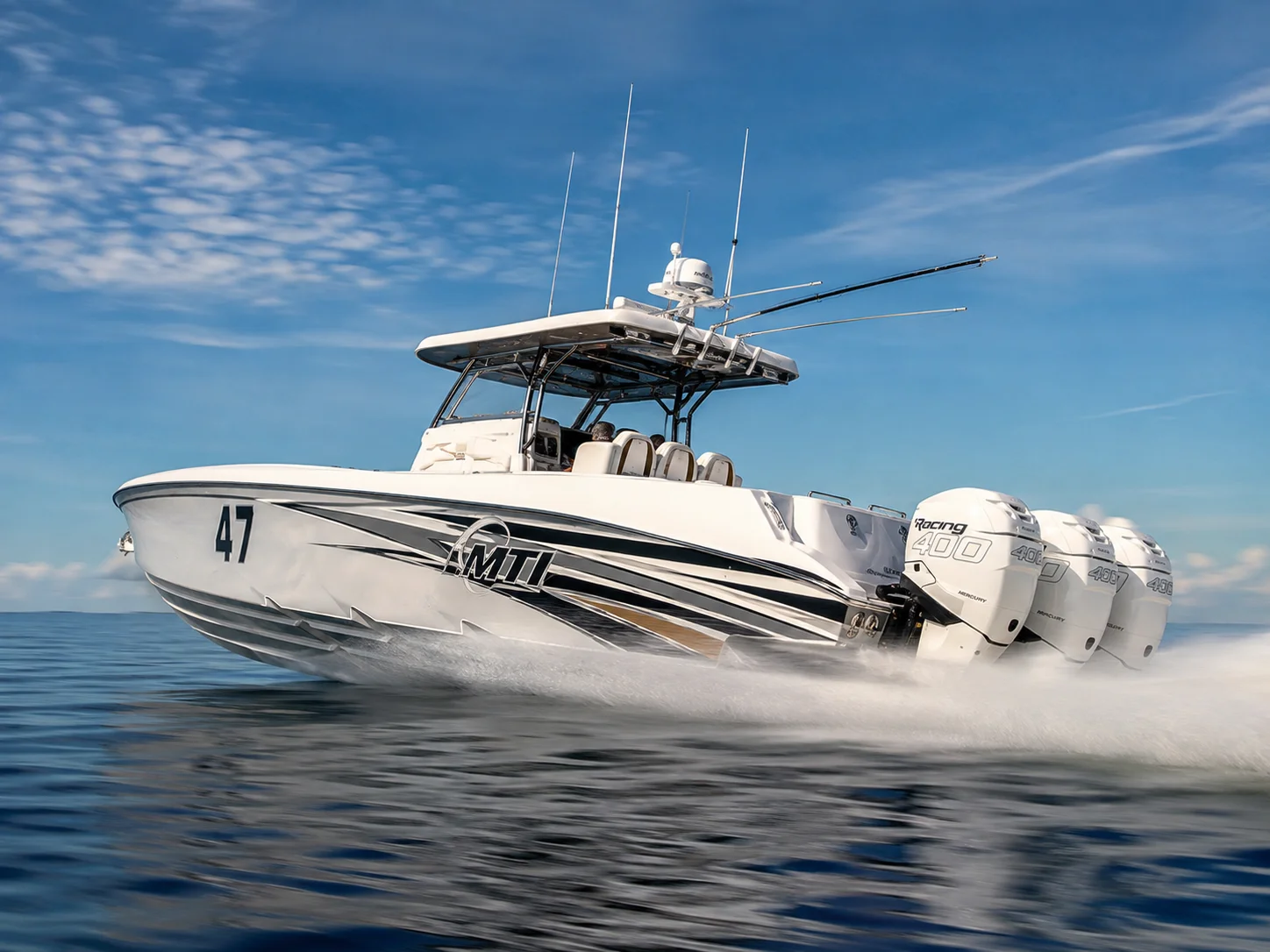
The Fountain 47 Lightning takes a different approach to offshore fishing by combining high-speed performance with serious fishing utility. Fountain’s stepped-hull technology produces exceptional speed for a boat of its size.
Standout features:
- Stepped deep-V hull for reduced drag and higher top speeds
- Triple Mercury Racing outboards producing up to 1,350 horsepower
- 400-gallon fuel capacity
- Cockpit configured for stand-up fishing with padded gunwale bolsters
- Integrated electronics arch with full Garmin or Simrad suite options
The Fountain 47 is for anglers who want to reach offshore fishing grounds faster than the competition. Speed is its defining advantage, it can cover 60 miles in under an hour in calm conditions, making it a serious tournament contender in time-limited events.
How to Choose Among These 9 Offshore Fishing Boats: A Guide to Models and Features
With nine strong candidates reviewed, the selection process comes down to four primary factors:
1. Target Species and Fishing Style
Billfish and tuna tournaments demand large cockpits, fighting chairs, and outrigger systems, pointing toward the Viking 52, Hatteras GT65, or Contender 39 ST. Versatile inshore-to-offshore anglers who also want to run the flats will find center consoles like the Grady-White Canyon 456 or Yellowfin 42 more practical.
2. Range and Endurance Requirements
Anglers fishing the Gulf of Mexico canyons (100-plus miles offshore) need fuel capacity of at least 400 gallons in a center console or 1,000-plus gallons in a sportfisher. The Hatteras GT65 and Viking 52 lead this category. The Regulator 41 and Yellowfin 42 are competitive in the center console segment.
3. Crew Size and Comfort
Overnight trips with six to eight people require cabin space, multiple berths, and a full galley. The Viking 52 and Hatteras GT65 are purpose-built for this. Day trips with two to four anglers are well-served by any of the center console options.
4. Budget and Total Cost of Ownership
Entry-level offshore center consoles in the 38-42 foot range start around $400,000 to $600,000 new. Full sportfishers like the Viking 52 and Hatteras GT65 exceed $2 million. Fuel, maintenance, slip fees, and insurance add 10-15% of the purchase price annually.
Essential Features to Evaluate on Any Offshore Fishing Boat
Beyond the specific models reviewed in this guide to 9 offshore fishing boats, certain features apply universally to offshore vessel selection.
Navigation and Electronics
- Chartplotter/GPS with offshore waypoint capability
- VHF radio with DSC distress function (required by USCG regulations)
- Radar for low-visibility navigation
- Satellite communication for areas beyond cellular range
Safety Equipment
- EPIRB (Emergency Position Indicating Radio Beacon)
- Life raft rated for offshore use
- Offshore-rated life jackets for all crew
- Fire suppression system in engine compartment
Fishing-Specific Systems
- Livewell with recirculating pump and aeration
- Outriggers (fixed or removable)
- Fighting chair or rocket launcher rod holders
- Electric reel outlets at multiple cockpit positions
- Rigging station with bait prep surface
Propulsion Redundancy
Single-engine boats are not appropriate for offshore use. Twin or triple outboard configurations, or twin inboard diesels, provide the backup power needed to return safely if one engine fails.
Comparing Boat Types in the 9 Offshore Fishing Boats Guide
The nine models reviewed fall into three broad categories. Understanding these categories helps clarify the trade-offs involved.
| Boat Type | Best For | Trade-Off |
|---|---|---|
| Offshore Center Console | Versatility, day trips, tournament fishing | Limited overnight comfort |
| Express Offshore (Pursuit OS 385) | Overnight capability, family fishing | Smaller cockpit than full sportfisher |
| Convertible/Tournament Sportfisher | Multi-day trips, billfish tournaments | High cost, marina-dependent operation |
Each category serves a legitimate offshore purpose. The mistake most first-time offshore buyers make is purchasing a boat sized for their aspirations rather than their actual usage patterns.
Maintenance and Long-Term Ownership Considerations
Offshore boats face harsh operating environments. Saltwater corrosion, UV exposure, and the mechanical stress of running in ocean swells accelerate wear on every system aboard. Prospective buyers should factor in:
- Annual haul-out and bottom paint: $3,000 to $10,000 depending on size
- Engine service: Outboard service intervals at 100 hours; inboard diesel service at 250-500 hours
- Electronics updates: Chartplotters and radar units typically need replacement every 7-10 years
- Rigging inspection: Outrigger cables, rod holders, and transom hardware should be inspected annually for corrosion
Buying a well-maintained used boat from a reputable dealer can reduce the initial capital outlay significantly. Models like the Regulator 41 and Grady-White Canyon 456 hold their value well and are available on the pre-owned market with documented service histories.
Conclusion
The decision to fish offshore is a commitment to preparation, investment, and respect for the sea. This guide to 9 offshore fishing boats covers the full spectrum from versatile center consoles to tournament-grade convertible sportfishers, giving anglers a clear picture of what each platform offers and what it demands in return.
Actionable next steps for prospective offshore boat buyers in 2026:
- Define the primary fishing mission, day trips vs. multi-day runs, inshore flexibility vs. dedicated offshore use.
- Establish a realistic total budget that includes purchase price, annual operating costs, and marina fees.
- Sea trial at least two or three models in the size and category that fit the mission profile.
- Consult a USCG-licensed captain or experienced offshore angler before finalizing a purchase decision.
- Review insurance options specific to offshore vessels before closing any deal.
The ocean rewards anglers who arrive in the right boat. Every model on this list is capable of delivering exceptional offshore fishing experiences, the key is matching the vessel to the angler’s specific needs, waters, and goals.