8 Facts About the Grey Nurse Shark: Identification and Conservation
Fewer than 1,500 grey nurse sharks are estimated to remain in Australian eastern coastal waters, making this species one of the most critically threatened large sharks in the world. Despite their fearsome appearance, these animals are docile, slow-moving, and pose virtually no unprovoked danger to humans. Understanding the 8 facts about the grey nurse shark: identification and conservation presented here can help shift public perception and support the urgent effort to protect a species that has survived for millions of years but now faces extinction-level pressure.
Disclosure: This post contains affiliate links. As an Amazon Associate, we earn from qualifying purchases, and at no extra cost to you.
Key Takeaways
- The grey nurse shark is critically endangered on Australia’s east coast and vulnerable on its west coast, protected under national law.
- Despite rows of visibly protruding teeth and an intimidating profile, grey nurse sharks are non-aggressive toward humans.
- They are the first fish species to be protected by law in Australia, a milestone in marine conservation history.
- Slow reproduction rates, with females producing only one or two pups per litter every two to three years, make population recovery extremely slow.
- Dive tourism centered on grey nurse sharks generates significant economic value, providing a strong financial argument for conservation.
What Is the Grey Nurse Shark
The grey nurse shark, known scientifically as Carcharias taurus, goes by several names depending on the region. In the United States and Canada, it is called the sand tiger shark. In South Africa, it is known as the ragged-tooth shark, or “raggies” colloquially. In Australia, the name grey nurse shark is standard, and it is this population that faces the most severe conservation challenges.
This species belongs to the order Lamniformes and the family Odontaspididae. It is a large, coastal shark found in warm and temperate waters across the globe, including the Atlantic, Indian, and Pacific Oceans. Despite its wide global range, regional populations are genetically distinct and face varying levels of threat.
Understanding the basic biology and behavior of this shark is the foundation for all conservation efforts. The following 8 facts about the grey nurse shark: identification and conservation cover the essential aspects every informed ocean advocate, diver, and policymaker should know.
8 Facts About the Grey Nurse Shark: Identification and Conservation
1. Physical Identification: A Distinctive and Unmistakable Appearance
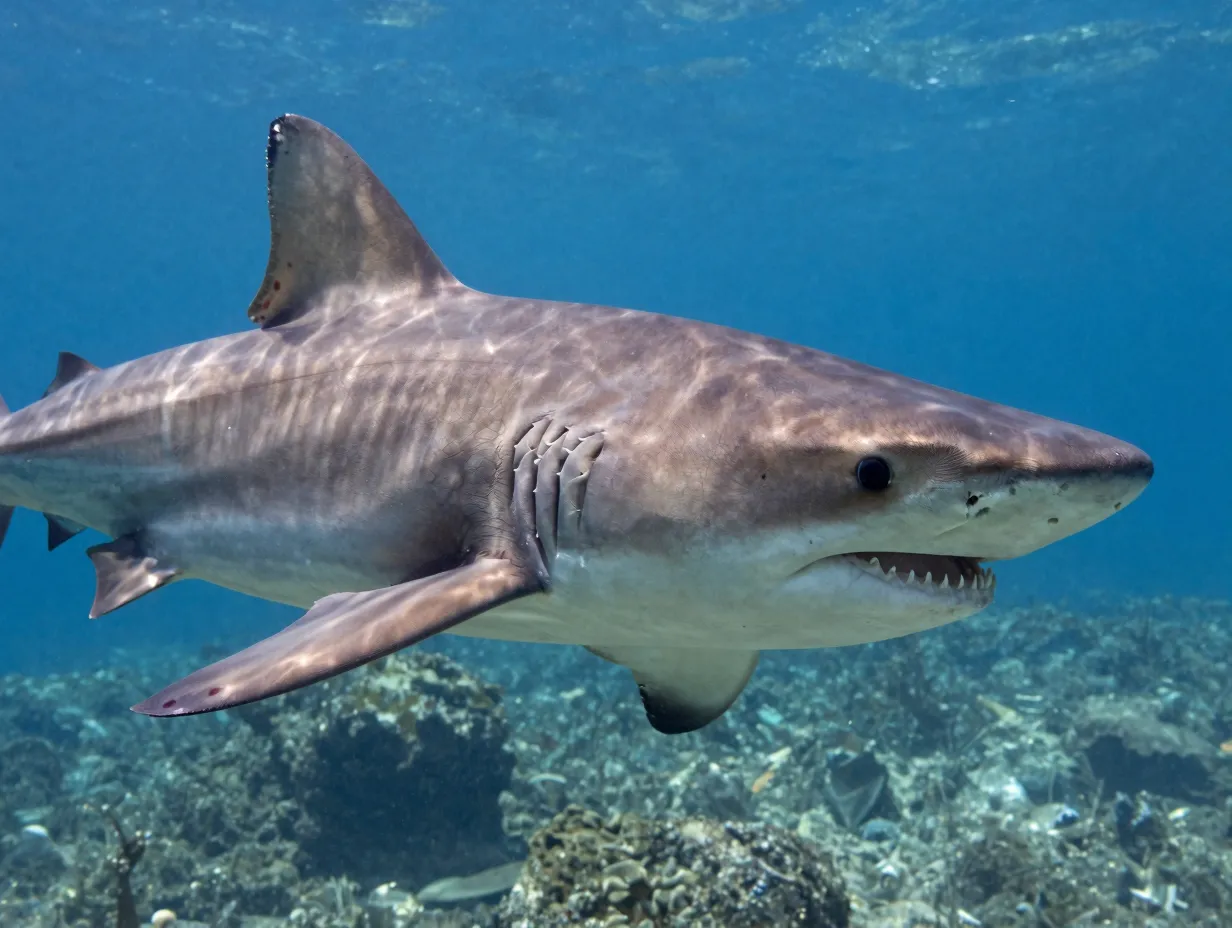
The grey nurse shark has one of the most recognizable silhouettes of any shark species. Key physical features include:
- Body shape: Large, heavy, and somewhat flattened, typically reaching 2.2 to 3.2 meters in length and weighing between 90 and 160 kilograms.
- Coloration: Brownish-grey on the dorsal (upper) surface with pale or whitish undersides. Adults often display scattered reddish-brown or yellowish spots, particularly toward the tail.
- Teeth: Long, slender, and sharply pointed teeth that protrude visibly from the mouth even when closed. These teeth are designed for gripping slippery fish rather than tearing flesh.
- Fins: Two dorsal fins of roughly equal size, which is an important distinguishing feature. Most sharks have a much larger first dorsal fin compared to the second.
- Eyes: Small, without eyelids, giving the shark a fixed, glassy stare that contributes to its intimidating reputation.
- Snout: Pointed and slightly flattened, with small nostrils positioned on the underside.
The combination of the protruding teeth, large second dorsal fin, and spotted patterning makes the grey nurse shark straightforward to identify underwater, which is why it is a favorite subject for scuba divers and underwater photographers.
2. Global Distribution and Preferred Habitat

Grey nurse sharks are found in coastal waters across multiple ocean basins. They are not open-ocean animals. Instead, they prefer:
- Shallow, nearshore environments typically between 1 and 191 meters depth
- Rocky reefs, sandy-bottomed gutters, and underwater caves
- Estuaries and surf zones
- Warm to temperate water temperatures
In Australia, the species is found along the entire eastern coastline from Queensland to southern New South Wales, as well as along the southwestern coast of Western Australia. Key aggregation sites include Fish Rock Cave near South West Rocks in New South Wales, Cod Grounds off Forster, and Shark Bay in Western Australia.
Globally, distinct populations exist along the eastern and western coasts of the Atlantic Ocean, in the Mediterranean Sea, along the coasts of southern Africa, and in parts of the Indo-Pacific. Research has confirmed that these regional populations do not interbreed, meaning the loss of one regional population cannot be compensated by immigration from another.
3. Feeding Behavior and Diet
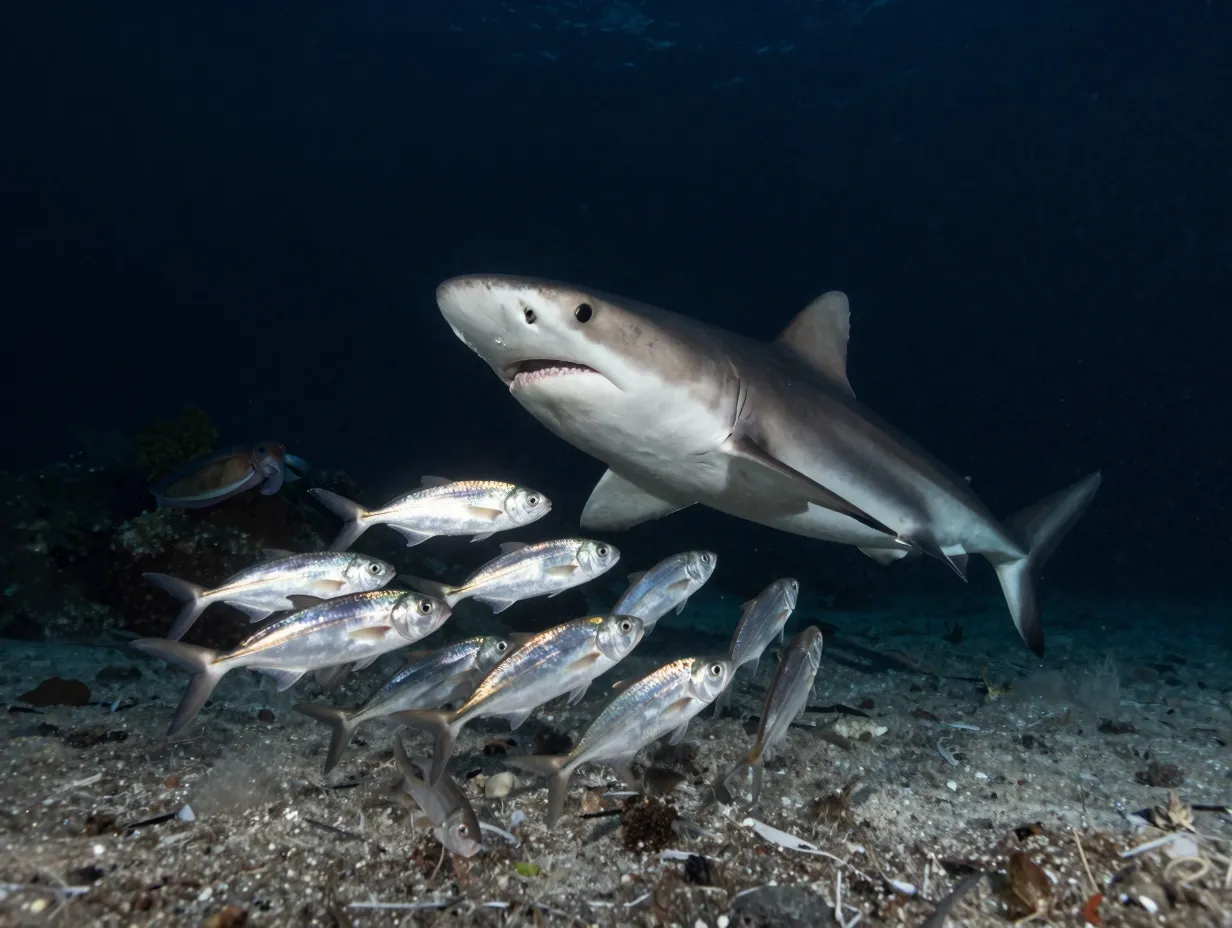
Grey nurse sharks are opportunistic, generalist predators. Their diet consists primarily of:
- Bony fish such as mullet, flathead, and salmon
- Smaller sharks and rays
- Squid and cuttlefish
- Crustaceans
They are nocturnal feeders, hunting primarily at night and resting in aggregations near reef structures during the day. This resting behavior is one reason they are so accessible to divers and why dive tourism centered on this species has become economically significant.
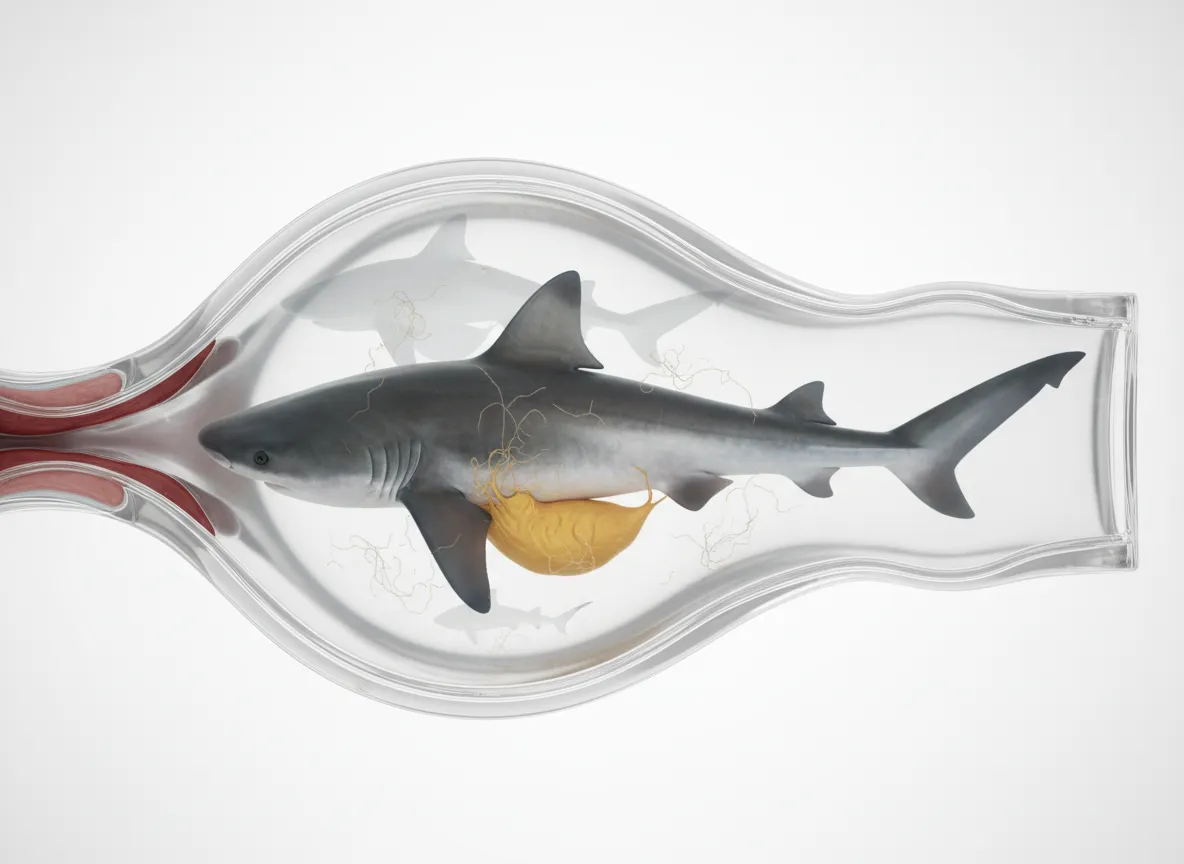
One of the most remarkable feeding-related behaviors of grey nurse sharks is their ability to swallow air at the surface to regulate buoyancy. By gulping air into their stomachs, they can maintain near-neutral buoyancy without constant swimming, allowing them to hover motionlessly near the seafloor. This behavior is unique among sharks and has been directly observed at aggregation sites.
4. Reproduction: The Slowest Recovery Rate of Any Shark
Perhaps the single most important biological fact for understanding why grey nurse shark populations struggle to recover is their reproductive strategy.
Key reproductive facts:
| Feature | Detail |
|---|---|
| Reproductive maturity (female) | 6 to 8 years |
| Reproductive maturity (male) | 4 to 6 years |
| Gestation period | Approximately 9 to 12 months |
| Litter size | 1 to 2 pups |
| Reproductive frequency | Every 2 to 3 years |
| Pup size at birth | Approximately 95 to 105 cm |
Grey nurse sharks practice intrauterine cannibalism, a process called adelphophagy. Multiple embryos begin development, but the largest and most developed embryo in each uterus consumes the remaining embryos and unfertilized eggs. Since females have two uteri, a maximum of two pups survive per pregnancy.
This means a single female produces at most one or two offspring every two to three years. When fishing pressure, habitat loss, or other mortality factors remove individuals from the population faster than reproduction can replace them, the population declines rapidly and recovers extremely slowly.
5. Conservation Status: Critically Endangered on Australia’s East Coast
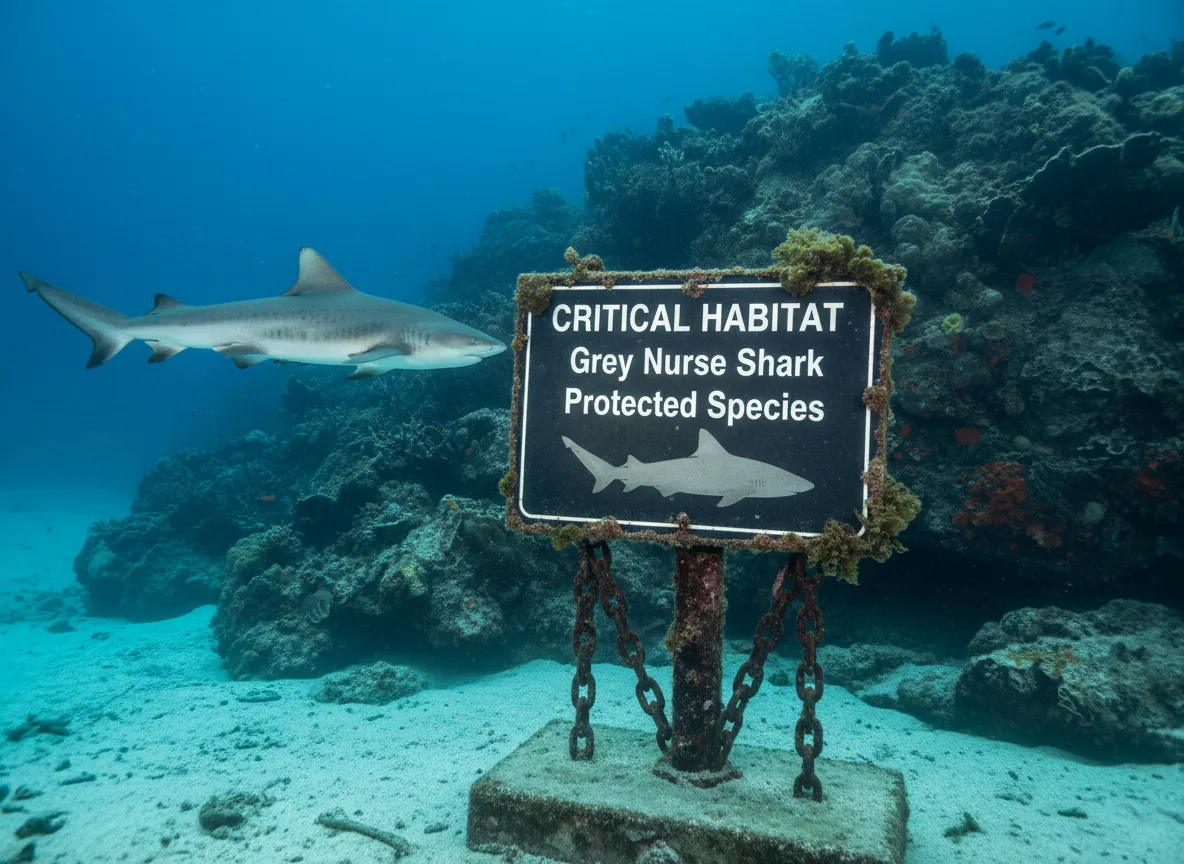
The grey nurse shark holds the distinction of being the first fish species to receive legal protection in Australia. It was listed as a protected species in New South Wales in 1984. Today, the species is listed under Australia’s Environment Protection and Biodiversity Conservation Act 1999 (EPBC Act) as:
- Critically Endangered on the eastern Australian coast
- Vulnerable on the western Australian coast
Internationally, the IUCN Red List classifies the grey nurse shark as Vulnerable globally, though regional assessments for specific populations, particularly eastern Australia, reflect a more severe status.
The eastern Australian population is of particular concern. Population estimates suggest fewer than 1,500 individuals remain, and some models have projected continued decline without significant intervention.
6. Major Threats to the Species
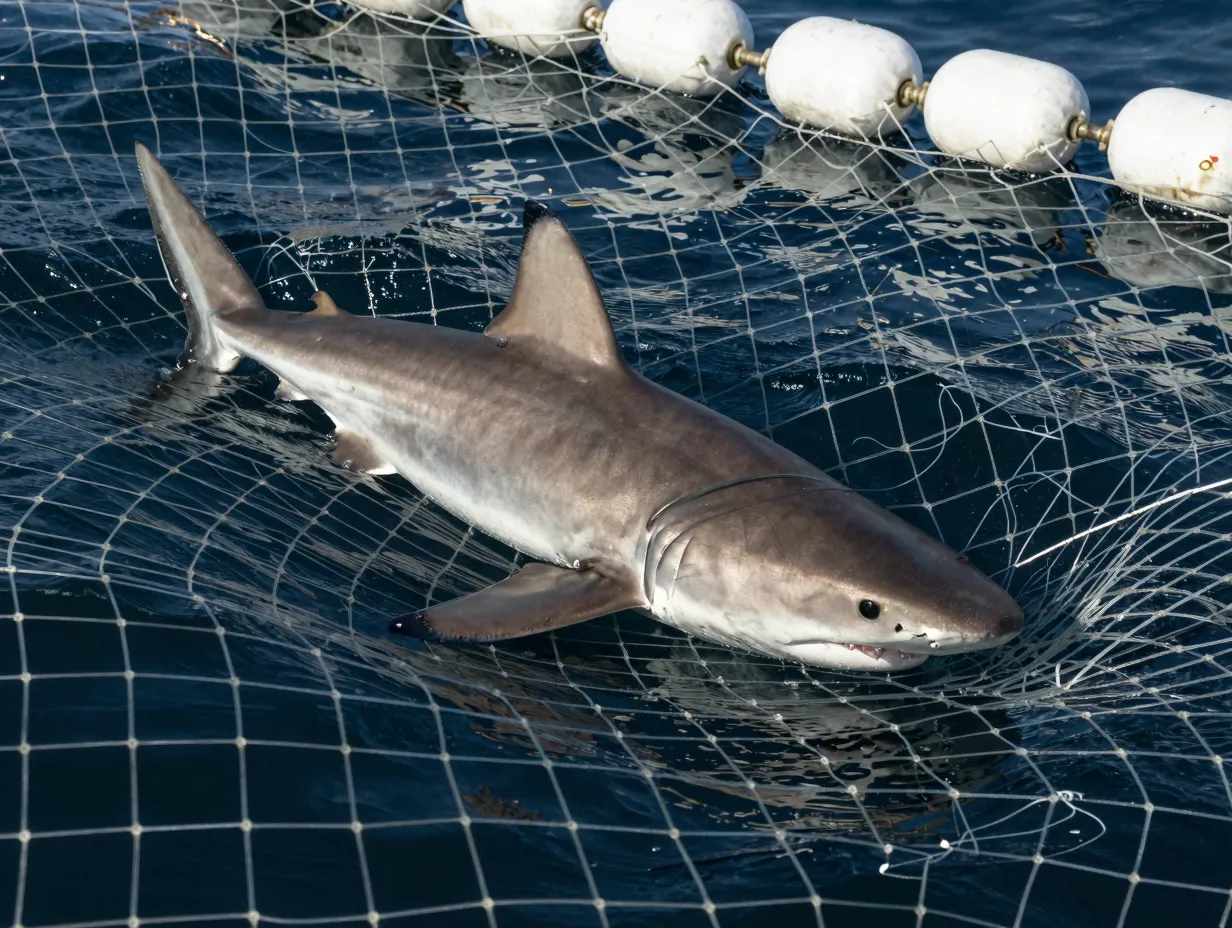
Understanding the threats facing grey nurse sharks is central to any meaningful conservation discussion. The primary threats include:
Fishing interactions
Historically, grey nurse sharks were targeted by recreational and commercial fishers who considered them a danger to both humans and fish stocks. This perception was incorrect but caused severe population declines throughout the mid-20th century. Today, direct targeting is illegal in Australia, but incidental capture (bycatch) in shark nets, drumlines, and recreational fishing gear remains a significant source of mortality.
Shark control programs
Queensland and New South Wales operate beach meshing and drumline programs designed to reduce shark attack risk. These programs have been documented to catch and kill grey nurse sharks, directly undermining conservation efforts for a critically endangered species.
Habitat degradation
Coastal development, increased boat traffic, pollution, and climate-driven changes to water temperature and prey availability all degrade the quality of grey nurse shark habitat. Aggregation sites are particularly sensitive because the sharks return to the same locations repeatedly.
Recreational diving pressure
While dive tourism is generally considered a conservation-positive activity, unregulated diver behavior at aggregation sites can cause stress and disrupt natural behaviors. Guidelines for responsible interaction have been developed but are not uniformly enforced.
Climate change
Shifts in ocean temperature and prey distribution are beginning to affect the timing and location of grey nurse shark aggregations, adding an emerging long-term threat to the existing pressures.
7. Conservation Efforts and Legal Protections
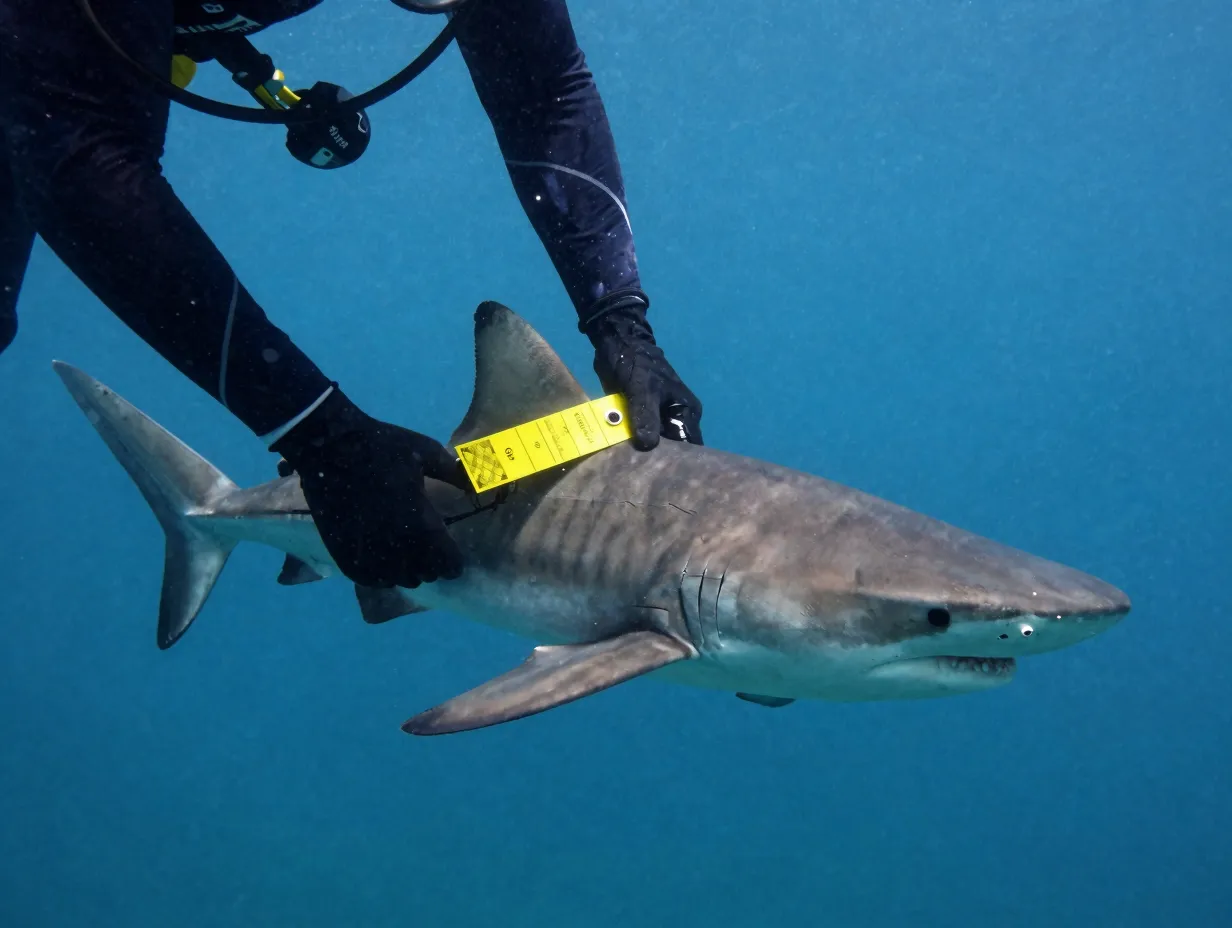
Australia has implemented a range of measures to protect the grey nurse shark, though conservationists argue that current efforts remain insufficient given the species’ critically endangered status.
Key conservation measures include:
- Full legal protection under the EPBC Act, prohibiting killing, injuring, taking, or interfering with grey nurse sharks in Australian waters.
- Designation of Critical Habitat sites along the eastern Australian coastline, identifying specific reef and cave locations as legally protected aggregation areas.
- Recovery plans developed by the Australian Government outlining research priorities, threat mitigation strategies, and population monitoring targets.
- Mandatory reporting requirements for any incidental capture of grey nurse sharks in commercial fishing operations.
- Restrictions on recreational fishing activities within designated critical habitat areas.
- Ongoing tagging and genetic research programs to better understand population structure, movement patterns, and connectivity between aggregation sites.
International cooperation is also relevant, as grey nurse sharks in Australian waters may move into adjacent international zones. Regional agreements and CITES (Convention on International Trade in Endangered Species) listings provide additional layers of protection.
8. The Role of Dive Tourism in Grey Nurse Shark Conservation
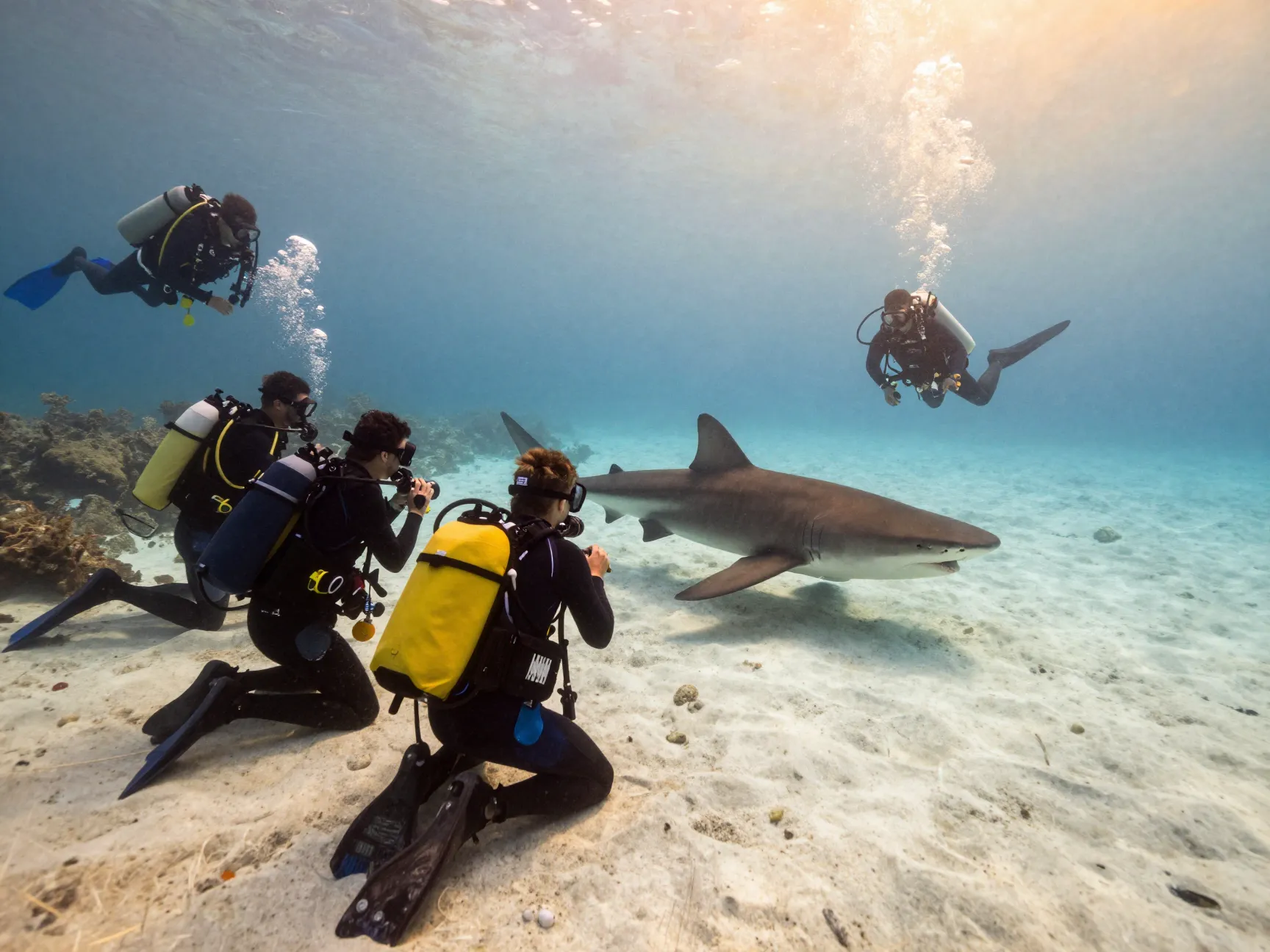
One of the most compelling arguments for protecting grey nurse sharks is the economic value they generate through dive tourism. A living grey nurse shark at a popular aggregation site is worth significantly more to local economies than a dead one.
Studies examining dive tourism at grey nurse shark sites in New South Wales have estimated that individual sites generate hundreds of thousands of dollars annually in direct tourism expenditure. Divers travel specifically to sites such as Fish Rock Cave, Seal Rocks, and Cod Grounds to observe grey nurse sharks in their natural habitat.
This economic dimension has been used effectively in conservation advocacy to demonstrate that protecting the species serves not only ecological goals but also regional economic interests. Local dive operators, tourism businesses, and coastal communities have become important stakeholders in grey nurse shark conservation, adding political and economic weight to purely scientific arguments.
The dive tourism model also supports citizen science. Divers regularly contribute photographic identification data to population monitoring programs, helping researchers track individual sharks, estimate population size, and detect changes in aggregation patterns over time. This community engagement builds broader public support for conservation measures.
Why These 8 Facts About the Grey Nurse Shark: Identification and Conservation Matter in 2026
The grey nurse shark’s situation in 2026 reflects a broader crisis in marine biodiversity. This species is not threatened because it is biologically fragile in isolation. It is threatened because human activity has outpaced its capacity to reproduce, and because public misunderstanding of its nature has historically made it a target rather than a protected asset.
The facts presented here reveal a species that is:
- Ecologically important as a mid-level predator in coastal reef ecosystems
- Economically valuable as a driver of dive tourism
- Biologically vulnerable due to extremely slow reproduction
- Legally protected but still declining in key populations
- Misunderstood by the public due to its intimidating appearance
Addressing the grey nurse shark’s decline requires action across multiple fronts simultaneously: reducing bycatch mortality, reforming shark control programs, protecting critical habitat, regulating diver behavior, and investing in ongoing research.
Conclusion
The 8 facts about the grey nurse shark: identification and conservation outlined in this article make one thing clear: this species is at a critical juncture. With fewer than 1,500 individuals estimated on Australia’s east coast and a reproductive rate that makes rapid recovery biologically impossible, every individual lost represents a significant setback.
Actionable next steps for those who want to contribute:
- Support organizations working on grey nurse shark recovery, such as marine conservation groups that fund tagging research and advocacy for shark control program reform.
- If diving at grey nurse shark aggregation sites, follow all established codes of conduct: maintain distance, avoid flash photography, never touch or chase sharks, and enter and exit the water calmly.
- Advocate for reform of beach meshing and drumline programs in Queensland and New South Wales, which continue to kill critically endangered individuals.
- Participate in citizen science by submitting photographic identification data to recognized monitoring programs when diving at aggregation sites.
- Share accurate information about grey nurse shark behavior with others. Correcting the misconception that these sharks are dangerous to humans removes a significant barrier to public support for their protection.
The grey nurse shark has survived for tens of millions of years. Whether it survives the next few decades depends entirely on the choices made by the humans who share its coastal waters.