9 Wild Pig Hunting Tactics for Controlling Destructive Predators
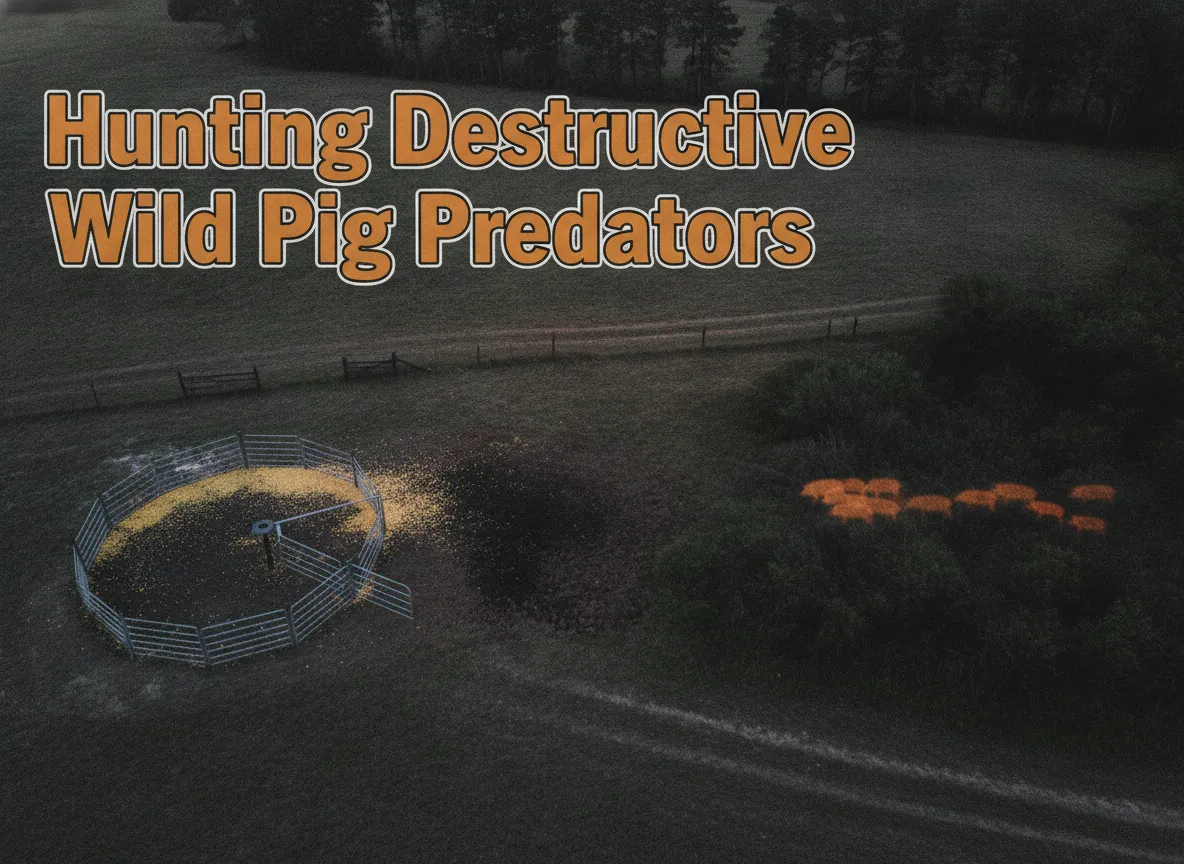
Feral hogs cause an estimated $2.5 billion in agricultural damage across the United States every year, and their population continues to grow despite decades of control efforts. These animals are not passive nuisances. They uproot crops, contaminate water sources, destroy native habitats, and outcompete wildlife that ecosystems depend on. The 9 wild pig hunting tactics for controlling destructive predators outlined in this guide represent the most effective, field-tested strategies that landowners, wildlife managers, and hunters use in 2026 to push back against one of North America’s most damaging invasive species.
Disclosure: This post contains affiliate links. As an Amazon Associate, we earn from qualifying purchases, and at no extra cost to you.
Key Takeaways
- Feral hogs reproduce rapidly, meaning population control requires consistent, multi-method pressure rather than one-time removal efforts.
- Trapping, especially whole-sounder trapping, remains the single most efficient method for removing large numbers of hogs quickly.
- Combining tactics such as night hunting with thermal optics, baiting, and aerial removal produces far better results than any single approach.
- Understanding hog behavior, movement patterns, and habitat preferences is essential before deploying any hunting or trapping strategy.
- Legal requirements vary significantly by state and region; always verify local regulations before beginning any wild pig control program.
Why Wild Pig Control Demands a Strategic Approach
Before diving into the 9 wild pig hunting tactics for controlling destructive predators, it helps to understand what makes feral hogs so difficult to manage. A single sow can produce two litters per year, with four to eight piglets per litter. Under ideal conditions, a population can double in size within 12 to 18 months. This means that removing 60 to 70 percent of a local population in a given year barely keeps numbers stable.
Hogs are also highly intelligent, adaptable, and cautious. They shift feeding times, change travel routes, and abandon areas where they detect hunting pressure. Effective control requires rotating tactics, understanding seasonal behavior, and applying sustained effort over time.
“Feral hog management is not a one-season project. It is a long-term land stewardship commitment that requires strategy, patience, and the right combination of tools.”
The following tactics are ranked by their general effectiveness and scalability, though the best approach for any property depends on terrain, hog density, available resources, and local regulations.
The 9 Wild Pig Hunting Tactics for Controlling Destructive Predators
1. Whole-Sounder Corral Trapping
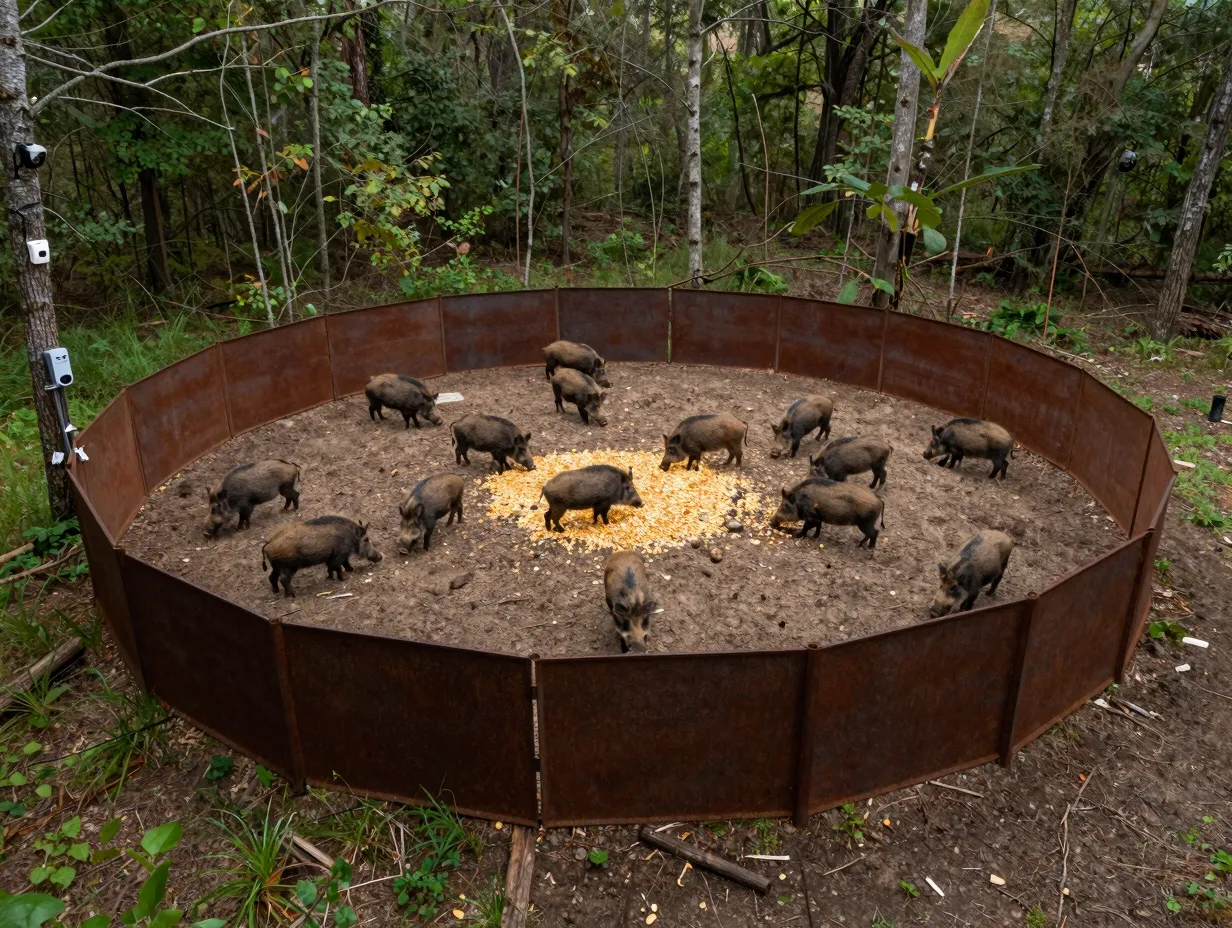
Whole-sounder trapping is widely considered the most effective population-reduction method available to landowners. The goal is to trap an entire family group, called a sounder, in a single capture event rather than removing one or two animals at a time.
How it works:
- Large corral traps (typically 30 to 50 feet in diameter) are constructed from hog panels or pre-fabricated systems.
- Bait such as shelled corn, soured corn, or commercial hog attractant is placed inside the trap for several days without setting the gate.
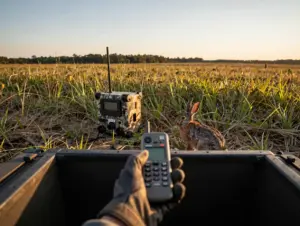
- Motion-triggered cameras monitor which hogs are visiting and when the full sounder is entering together.
- The gate is triggered remotely, via smartphone app or automated sensor, only when the entire group is inside.
Partial captures are counterproductive. Hogs that escape a triggered trap become “trap-shy” and are far harder to catch in the future. Patience during the pre-baiting phase is critical.
Key advantage: A single trap event can remove 10 to 20 or more hogs at once, making this method far more efficient than spot hunting.
2. Night Hunting with Thermal Optics
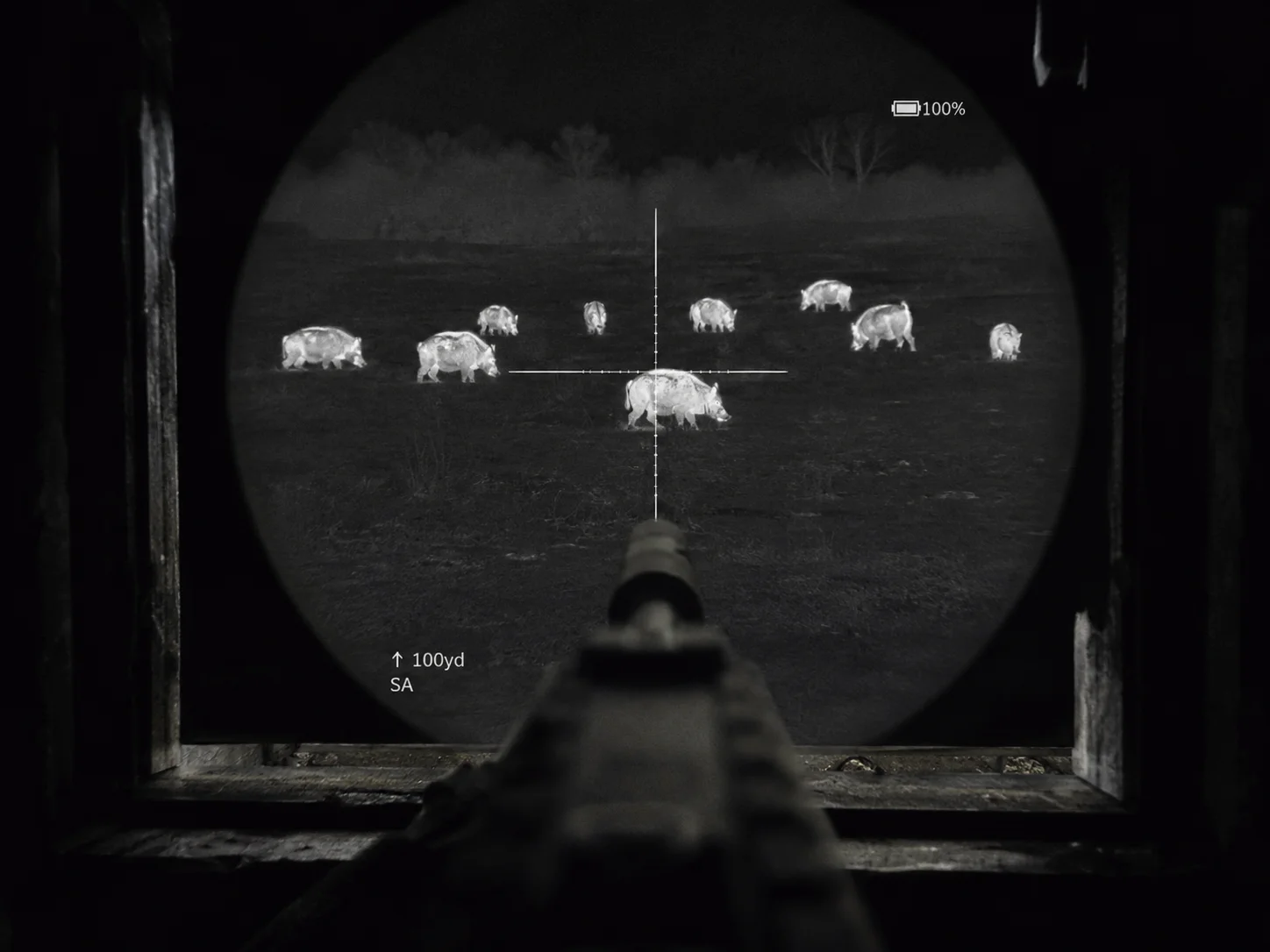
Feral hogs are primarily nocturnal, especially in areas with regular daytime hunting pressure. Night hunting with thermal imaging scopes or clip-on thermal devices has become one of the most productive tactics for reducing hog numbers on agricultural land.
Thermal optics detect heat signatures, making hogs visible in complete darkness, through light brush, and across open fields. Hunters can identify full sounders before engaging, allowing for strategic shot placement to maximize the number of animals taken in a single encounter.
Recommended setup:
- A suppressed rifle in a caliber appropriate for hog hunting (such as .308 Winchester, .300 Blackout, or 6.5 Creedmoor) reduces noise and allows follow-up shots before the sounder scatters.
- A thermal monocular for scouting paired with a thermal rifle scope for shooting provides maximum situational awareness.
- Elevated shooting positions such as box blinds or elevated platforms improve field of view and shot angles.
Night hunting regulations vary significantly by state. Some states require a specific license or permit for nighttime hog hunting. Always confirm local rules before hunting after dark.
3. Baiting and Stand Hunting
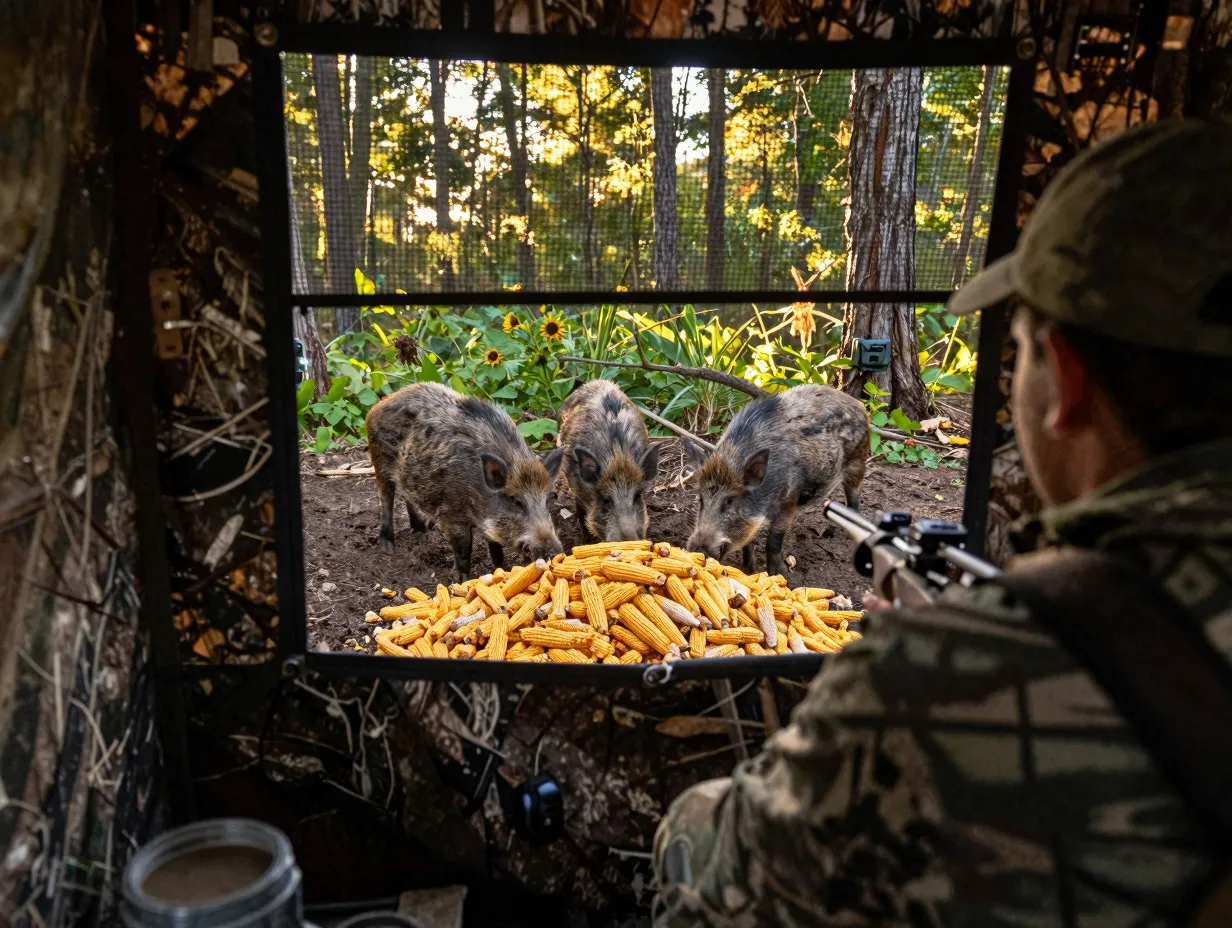
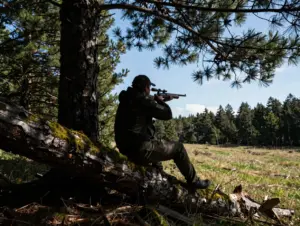
Baiting is one of the oldest and most reliable methods for drawing hogs to a predictable location. When combined with a well-positioned ground blind or elevated stand, it allows hunters to take multiple animals from a sounder before the group disperses.
Effective bait options:
- Shelled or soured corn (fermented corn is particularly attractive)
- Commercial hog attractants and scent products
- Diesel fuel mixed into mud wallows (hogs are drawn to the smell)
- Rotting fruit near orchards or food plots
Bait sites should be established well in advance of hunting, ideally two to four weeks, to allow hogs to develop a consistent feeding pattern. Cameras placed at bait stations provide valuable data on sounder size, timing, and approach routes.
Important note: Baiting regulations differ by state and by target species. Confirm that baiting is legal for hog hunting in the relevant jurisdiction before use.
4. Aerial Hunting (Helicopter Operations)
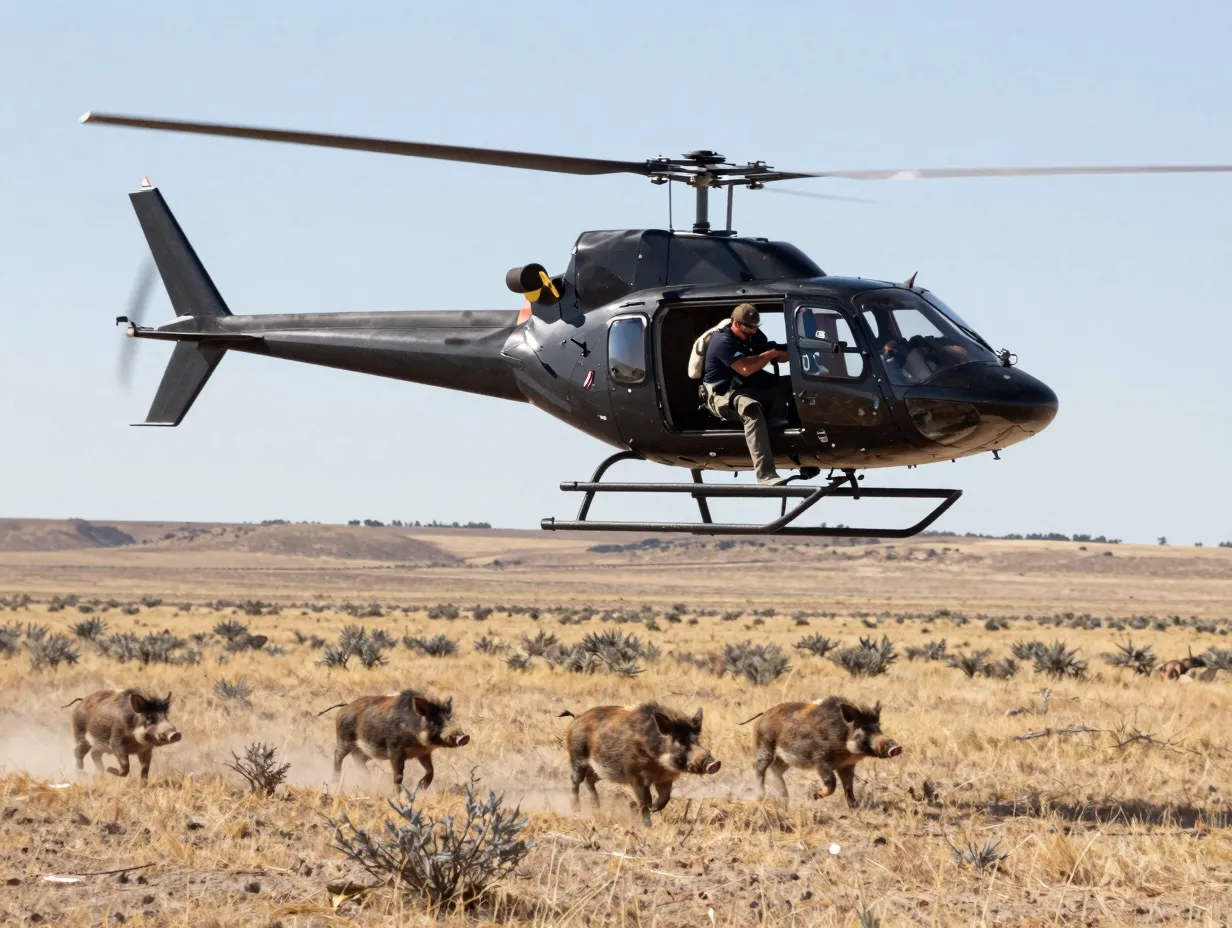
For large-scale operations on open rangeland, aerial hunting is one of the fastest ways to reduce hog populations across wide areas. Helicopters allow hunters to cover thousands of acres in a single day, locating and shooting hogs that would otherwise never be accessible on foot or by vehicle.
Aerial operations are typically conducted by licensed wildlife management companies or state wildlife agencies, though some states, most notably Texas, allow private landowners to obtain permits for aerial hog removal on their own property.
Operational considerations:
- Effective on open terrain such as pastures, savanna, and brush country; less effective in dense timber.
- Requires coordination between the pilot and one or two shooters positioned in the helicopter.
- Semi-automatic rifles chambered in .223 Remington or similar calibers are commonly used for their manageable recoil and magazine capacity.
- Weather conditions, particularly wind, significantly affect accuracy and safety.
Aerial removal is expensive but delivers rapid, large-scale results. It is most cost-effective when used as part of a broader integrated management plan rather than as a standalone solution.
5. Dog Hunting (Bay and Catch Dogs)
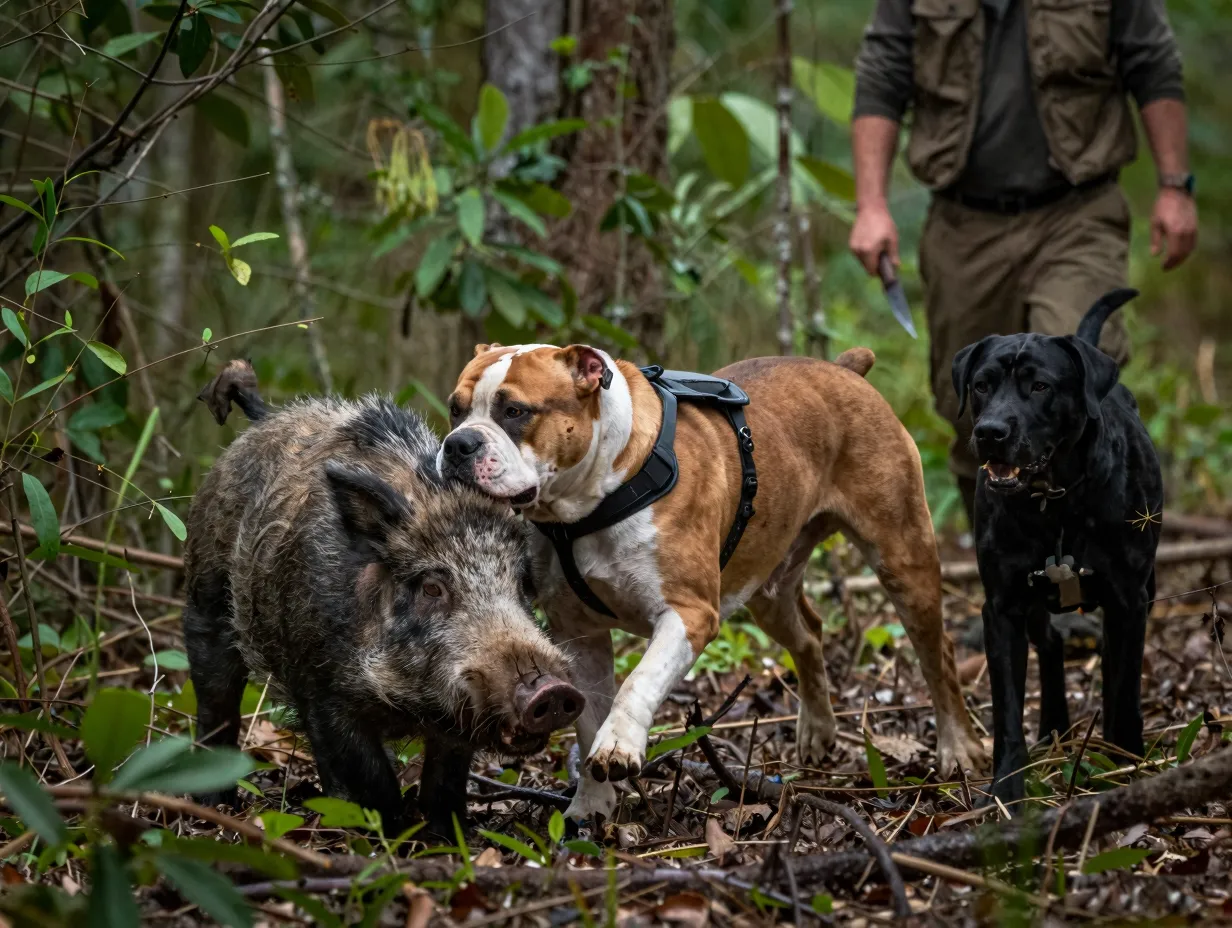
Dog hunting is a traditional and highly effective method, particularly in dense vegetation where other tactics are difficult to execute. The method uses two types of dogs working together: bay dogs and catch dogs.
Bay dogs are scent hounds, breeds such as Black Mouth Curs, Catahoulas, or Walkers, that track and locate hogs by scent, then bark continuously (“bay”) to hold the hog in place until the hunter arrives.
Catch dogs are larger, more powerful breeds, such as American Bulldogs or Dogo Argentinos, that physically hold the hog once it is bayed, allowing the hunter to dispatch it with a knife or firearm at close range.
This method requires significant investment in trained dogs, proper protective gear for the animals (cut vests and chest protectors), and experience handling both the dogs and the hogs. It is physically demanding but highly effective in thick cover where trapping or shooting is impractical.
6. Spot-and-Stalk Hunting
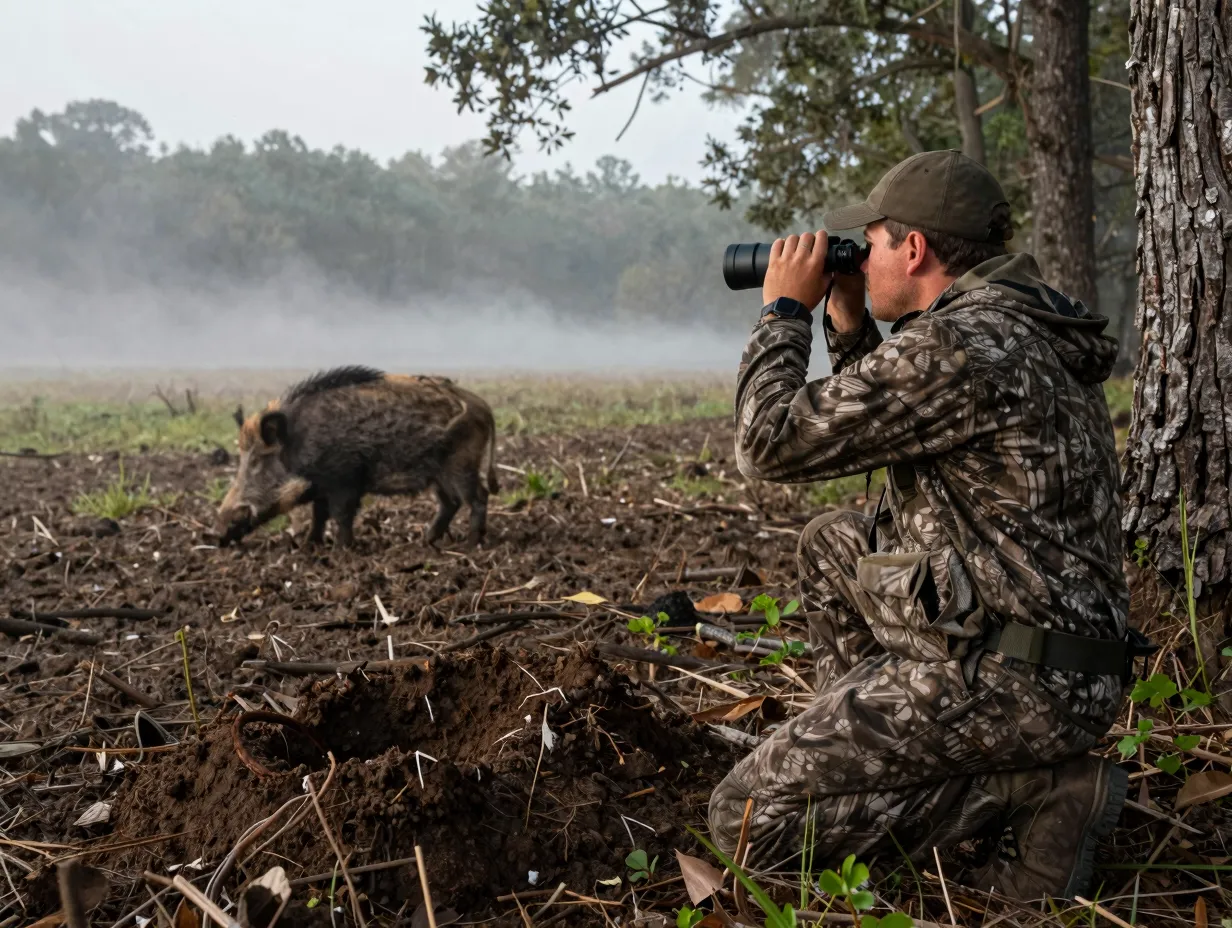
Spot-and-stalk hunting involves locating hogs visually or through sign reading, then closing the distance on foot for a shot. While less efficient than trapping or aerial removal for population control, it is an accessible and low-cost method that can be highly productive when done correctly.
Reading hog sign:
- Fresh rooting (overturned soil and vegetation)
- Rubs on fence posts, trees, or utility poles where hogs have scraped mud and hair
- Wallows, muddy depressions near water sources
- Tracks and trails leading to feeding areas
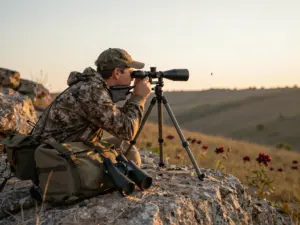
Hogs have poor eyesight but an exceptional sense of smell. Hunters must approach from downwind at all times. Moving slowly and pausing frequently to glass open areas is essential. Early morning and late evening, when hogs transition between bedding and feeding areas, offer the best opportunities.
7. Snaring
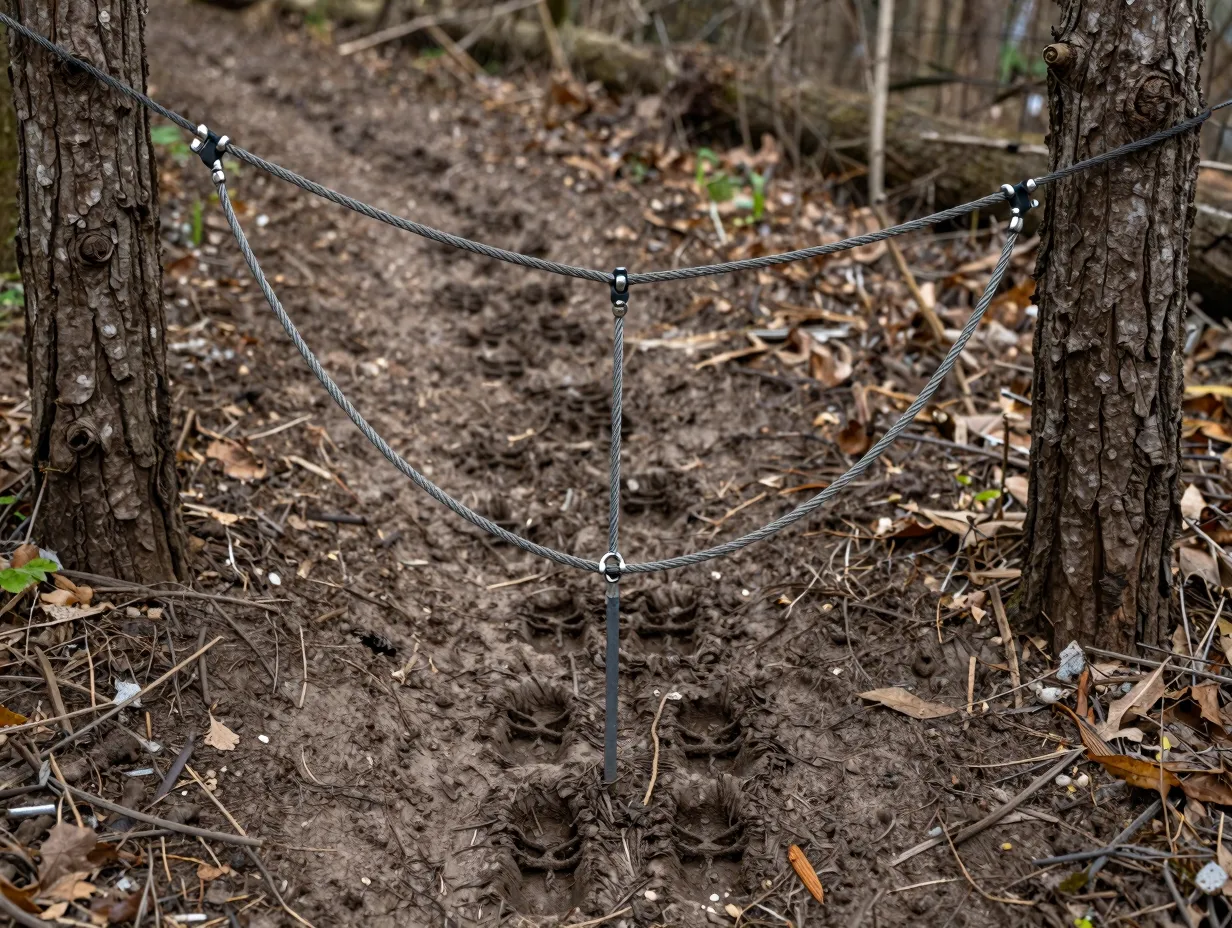
Snaring is a cost-effective and low-profile method for capturing or dispatching hogs, particularly in areas where trapping large corral systems is impractical. Cable snares are placed along established hog trails, at fence crossings, or at the entrances to wallow sites.
Setup guidelines:
- Use heavy-gauge cable snares (at least 3/8-inch aircraft cable) rated for large animals.
- Position the snare loop approximately 8 to 10 inches in diameter and 8 to 12 inches off the ground to target hogs while avoiding non-target species.
- Anchor snares securely to trees, T-posts, or deadman anchors to prevent hogs from dragging the snare.
- Check snares at least once every 24 hours to comply with most state regulations and to minimize suffering.
Snaring requires practice to set correctly and carries a risk of capturing non-target animals. It is most effective when used by experienced trappers who can identify active hog trails from other wildlife sign.
8. Toxicants and Fertility Control (Emerging Methods)
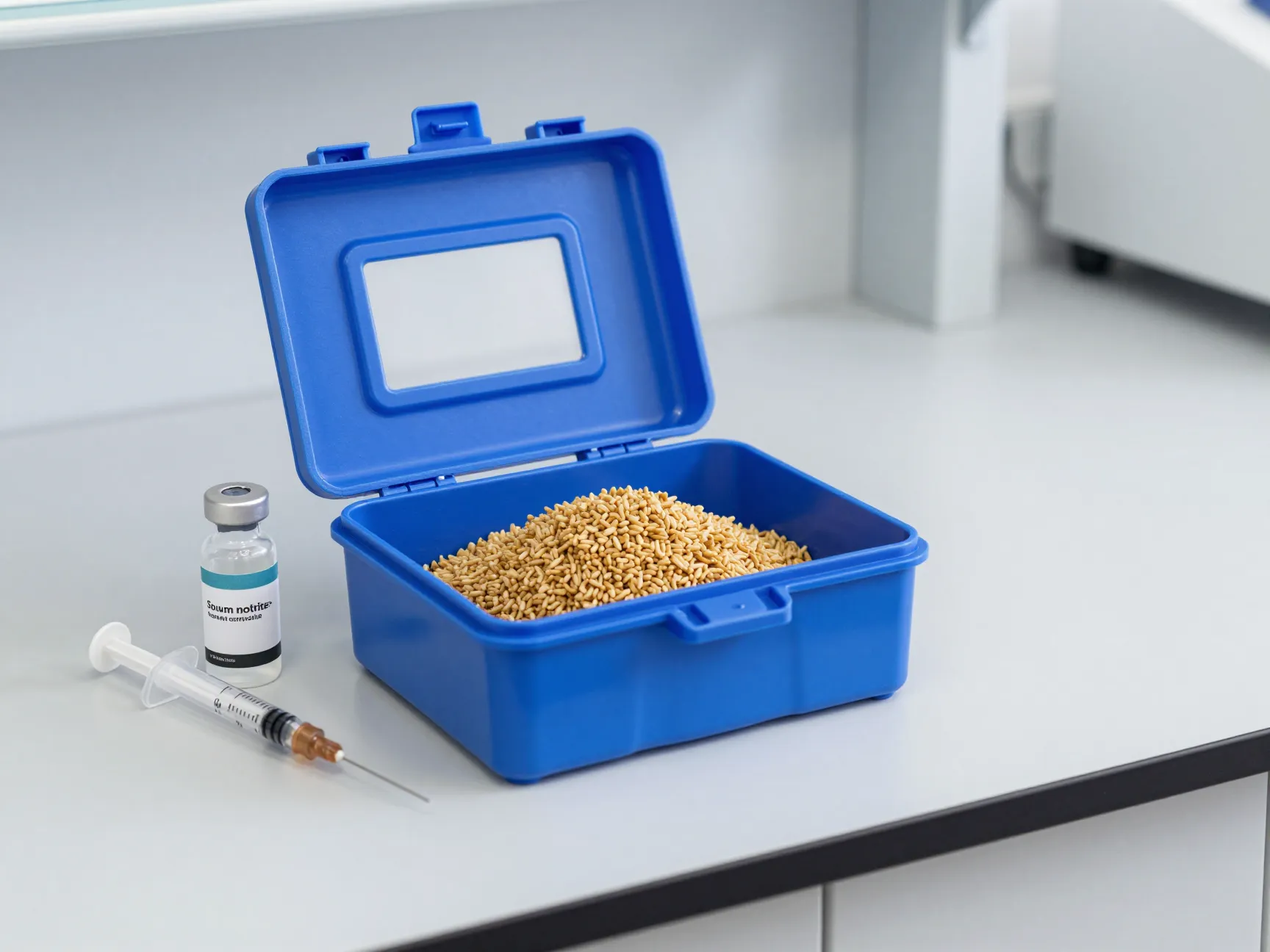
Two emerging approaches to wild pig management, toxicants and immunocontraception, are generating significant research interest, though neither is widely deployed as of 2026.
Toxicants: Sodium nitrite-based baits have been studied as a potential hog-specific toxicant. The compound causes rapid death in hogs but is metabolized quickly, reducing risks to scavengers. Research programs in Australia and the United States have tested delivery systems designed to exclude non-target species. Regulatory approval in the U.S. remains limited, and use of any toxicant for hog control must comply strictly with state and federal law.
Fertility control: Immunocontraceptive vaccines that reduce reproductive rates in wild pigs have been studied as a supplemental population management tool. While not a replacement for lethal removal, fertility control could theoretically slow population growth in areas where lethal methods face social or logistical barriers.
Both methods are best understood as supplemental tools in an integrated management framework rather than standalone solutions. Landowners interested in these approaches should consult with state wildlife agencies for current regulatory status.
9. Coordinated Community and Multi-Landowner Programs
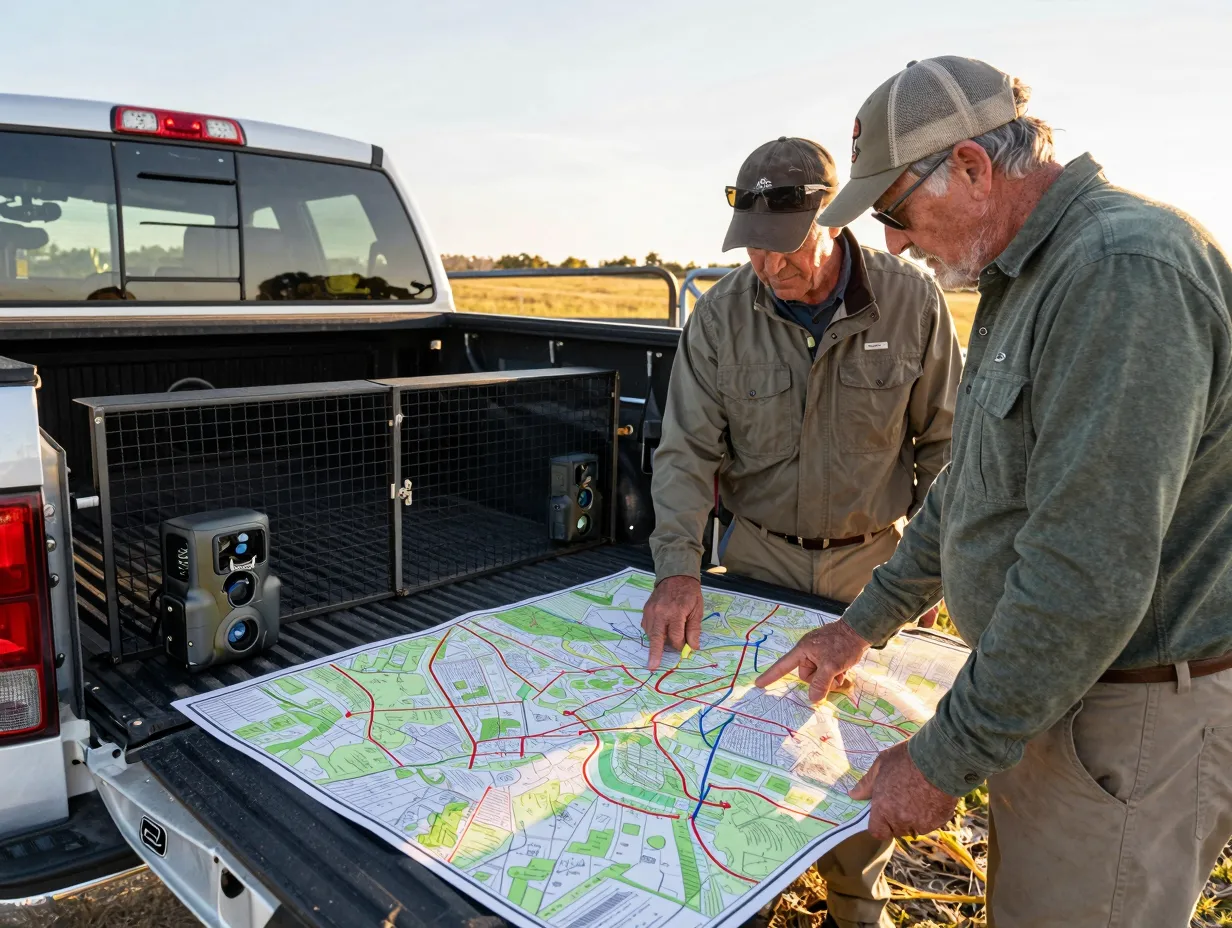
Perhaps the most underutilized of the 9 wild pig hunting tactics for controlling destructive predators is also one of the most powerful: organized, multi-landowner coordination. Hogs do not respect property lines. A sounder removed from one property will often be replaced within weeks by animals moving in from neighboring land.
What coordinated programs involve:
- Neighboring landowners sharing trail camera data, population estimates, and removal numbers.
- Synchronized trapping events across multiple properties to prevent hogs from simply shifting to adjacent land when pressure increases.
- Shared equipment programs where corral traps, cameras, and bait are pooled across a community.
- Engagement with county or state wildlife agencies that may offer technical assistance, cost-share programs, or aerial removal services.
Comparing the 9 Tactics: Effectiveness at a Glance
| Tactic | Best For | Scale | Cost Level |
|---|---|---|---|
| 1. Whole-Sounder Trapping | Any terrain with bait access | Medium | Moderate |
| 2. Night Hunting / Thermal | Open fields, pastures | Medium | Moderate-High |
| 3. Baiting and Stand Hunting | Consistent removal, any terrain | Small-Medium | Low-Moderate |
| 4. Aerial Hunting | Open rangeland, large acreage | Large | High |
| 5. Dog Hunting | Dense brush and timber | Small | Moderate |
| 6. Spot-and-Stalk | Low-pressure scouting areas | Small | Low |
| 7. Snaring | Trail pinch points, fence crossings | Small | Low |
| 8. Toxicants / Fertility Control | Supplemental / research contexts | Variable | Variable |
| 9. Multi-Landowner Programs | Landscape-scale control | Large | Low-Moderate |
Building an Integrated Wild Pig Management Plan
No single tactic from the 9 wild pig hunting tactics for controlling destructive predators list will solve a serious hog problem on its own. The most successful programs combine multiple methods in a deliberate sequence:
Phase 1, Assessment: Deploy trail cameras across the property for two to four weeks. Map rooting damage, wallow locations, and travel corridors. Estimate sounder size and composition.
Phase 2, Rapid Reduction: Use whole-sounder trapping as the primary tool to achieve the largest initial population reduction. Supplement with night hunting during the pre-baiting period.
Phase 3, Sustained Pressure: Rotate tactics to prevent hogs from habituating to any single method. Alternate between stand hunting, snaring at pinch points, and dog hunting in thick cover.
Phase 4, Community Coordination: Engage neighboring landowners and local wildlife agencies to expand the management footprint and prevent repopulation from adjacent areas.
Phase 5, Monitoring: Continue camera monitoring year-round to track population trends, identify new sounder activity, and adjust tactics as needed.
Legal and Safety Considerations
Wild pig hunting and trapping is broadly legal across most of the United States, but specific rules vary widely. Key points to verify before beginning any program:
- Licensing requirements: Some states require a hunting license for hog hunting; others do not classify feral hogs as game animals and impose no license requirement.
- Night hunting: Legal in many states but requires specific permits or endorsements in others.
- Aerial operations: Require special permits in all states; private aerial operations are most accessible in Texas under the Aerial Hunting Permit program.
- Baiting: Legal for hog hunting in many states but prohibited in others or restricted near certain wildlife management areas.
- Toxicants: Subject to strict federal and state pesticide regulations; never use unapproved substances.
- Firearm regulations: Standard firearm laws apply; suppressor use requires compliance with federal NFA regulations.
Always consult the relevant state wildlife agency or a qualified wildlife management professional before implementing any new tactic.
Conclusion
Feral hogs are among the most ecologically and economically damaging invasive species in North America, and the problem demands a serious, sustained response. The 9 wild pig hunting tactics for controlling destructive predators covered in this guide, from whole-sounder corral trapping and thermal night hunting to aerial removal and multi-landowner coordination, provide a comprehensive toolkit for landowners, hunters, and wildlife managers committed to meaningful population control.
Actionable next steps for 2026:
- Conduct a thorough property assessment using trail cameras before selecting any tactic.
- Prioritize whole-sounder trapping as the foundation of any control program for maximum efficiency.
- Add night hunting with thermal optics as a high-value supplement, particularly on agricultural land.
- Contact the state wildlife agency or local agricultural extension office to identify available technical assistance, cost-share programs, or community coordination opportunities.
- Commit to a multi-year management plan, short-term efforts rarely produce lasting results against a species that reproduces as rapidly as the feral hog.
The damage feral hogs cause is real and measurable. The tactics to fight back are proven. The only variable is the commitment to apply them consistently and strategically.