8 Proven Small Game Hunting Tactics for Predator Hunters
Fewer than 20% of small game hunters consistently fill their bag limits each season, not because game is scarce, but because most hunters move too fast, smell too strong, and set up in the wrong places. The 8 proven small game hunting tactics for predator hunters covered in this guide address every one of those failure points. Whether the target is cottontail rabbits, squirrels, or the predators that follow them, applying a predator mindset to small game pursuits transforms average outings into productive hunts.
Disclosure: This post contains affiliate links. As an Amazon Associate, we earn from qualifying purchases, and at no extra cost to you.
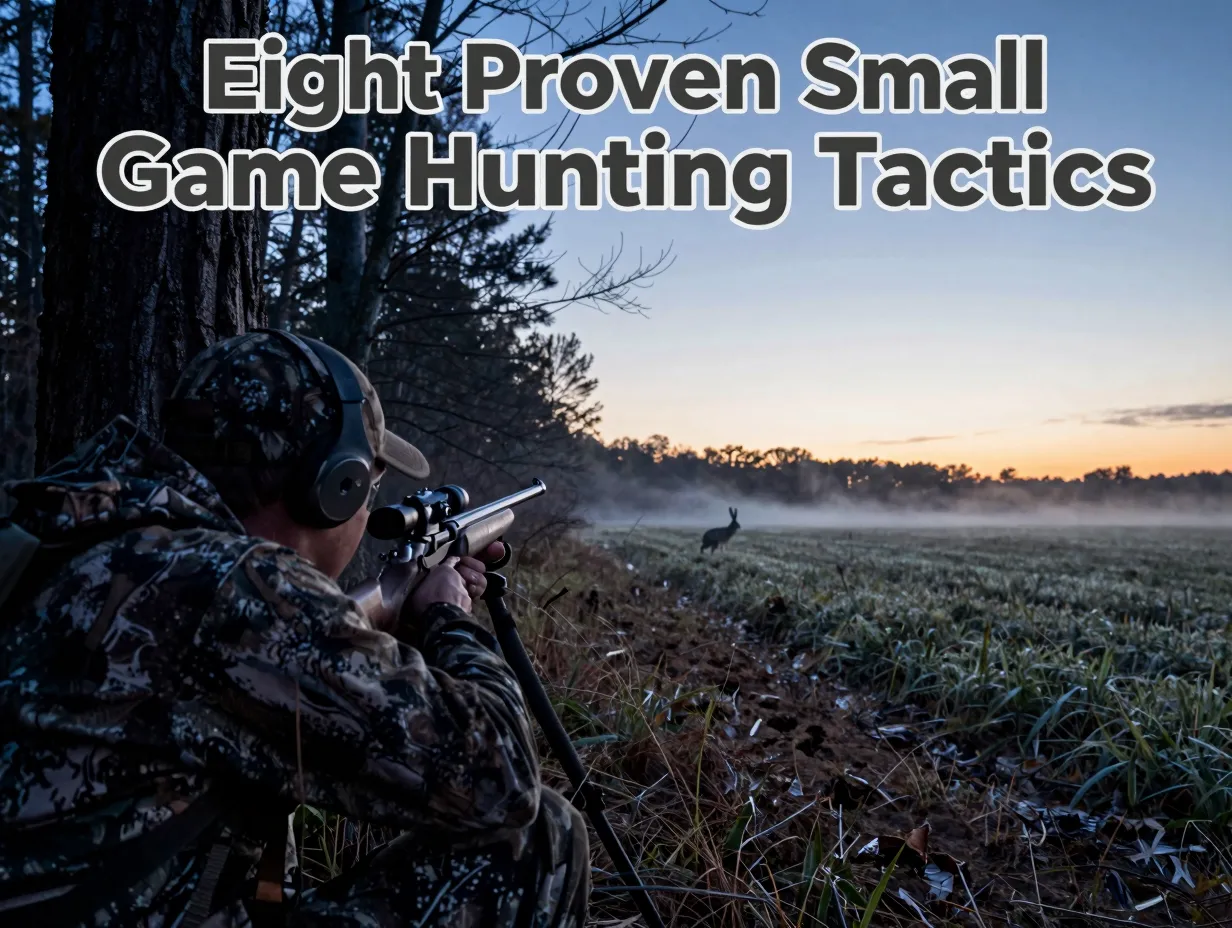
Key Takeaways
- Hunting edges, travel corridors, and sign-rich areas dramatically increases encounter rates for both small game and predators.
- Wind and scent discipline are non-negotiable fundamentals that apply on every single setup.
- Slow, deliberate movement and a stealthy entry into hunting areas prevent spooking game before the hunt begins.
- Elevation and shadow use give hunters a significant visual and concealment advantage.
- Matching tactics to terrain, season, and target species separates consistent hunters from occasional ones.
Why Predator Hunters Have the Edge in Small Game Pursuits
Most small game hunters walk too fast and think too little about their approach. Predator hunters, by contrast, treat every outing as a chess match. They read the land, manage their scent, control their silhouette, and time their setups around animal behavior. When those same habits are applied to small game hunting, the results are measurably better.
The tactics below are drawn from field-tested predator hunting strategies and adapted specifically for hunters who want to pursue rabbits, squirrels, grouse, and the coyotes or bobcats that share the same ground [1][4]. Each tactic builds on the last, creating a complete system rather than a collection of unrelated tips.
8 Proven Small Game Hunting Tactics for Predator Hunters
1. Hunt the Edges and Transition Zones
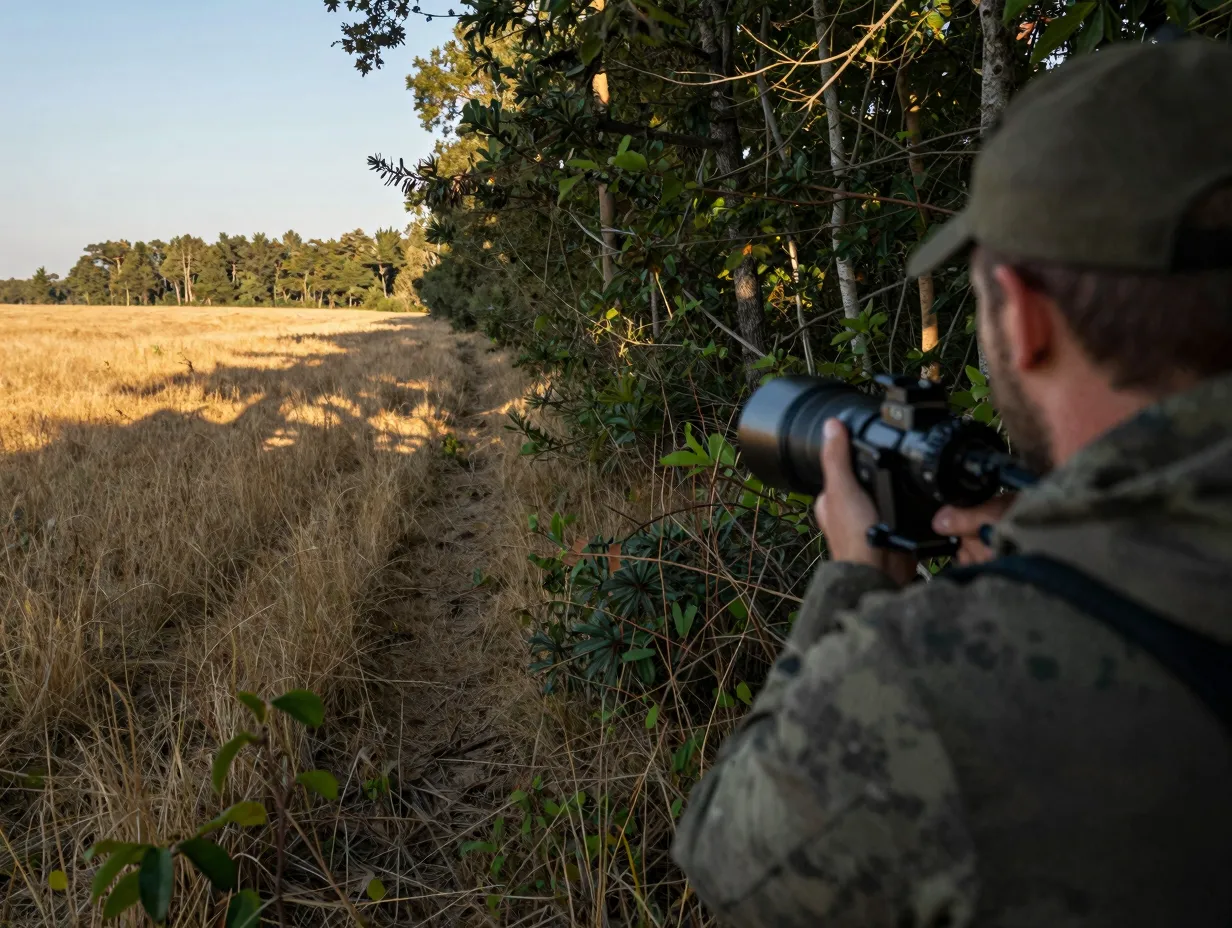
Edge habitat is the single most productive location in small game hunting. Edges are the boundaries where two different habitat types meet, a field bordering a woodlot, a creek bottom meeting a brushy hillside, or a clearcut transitioning into mature timber. These zones concentrate food, cover, and travel routes in one place, which is exactly why both small game and predators gravitate toward them [1].
Why edges work:
- Small game animals use edges for quick access to food and escape cover.
- Predators patrol edges because prey density is highest there.
- Visibility is better for the hunter without fully exposing position.
When scouting, look for the sharpest transitions in vegetation. A hard edge, where dense brush meets open grass, will almost always hold more game than the interior of either habitat type alone. Walk parallel to these transitions rather than through them to avoid pushing animals out before the hunt starts [6].
“The most successful hunters don’t just walk into the woods, they identify the seams in the landscape where everything converges.”
2. Use Wind and Scent Discipline on Every Setup
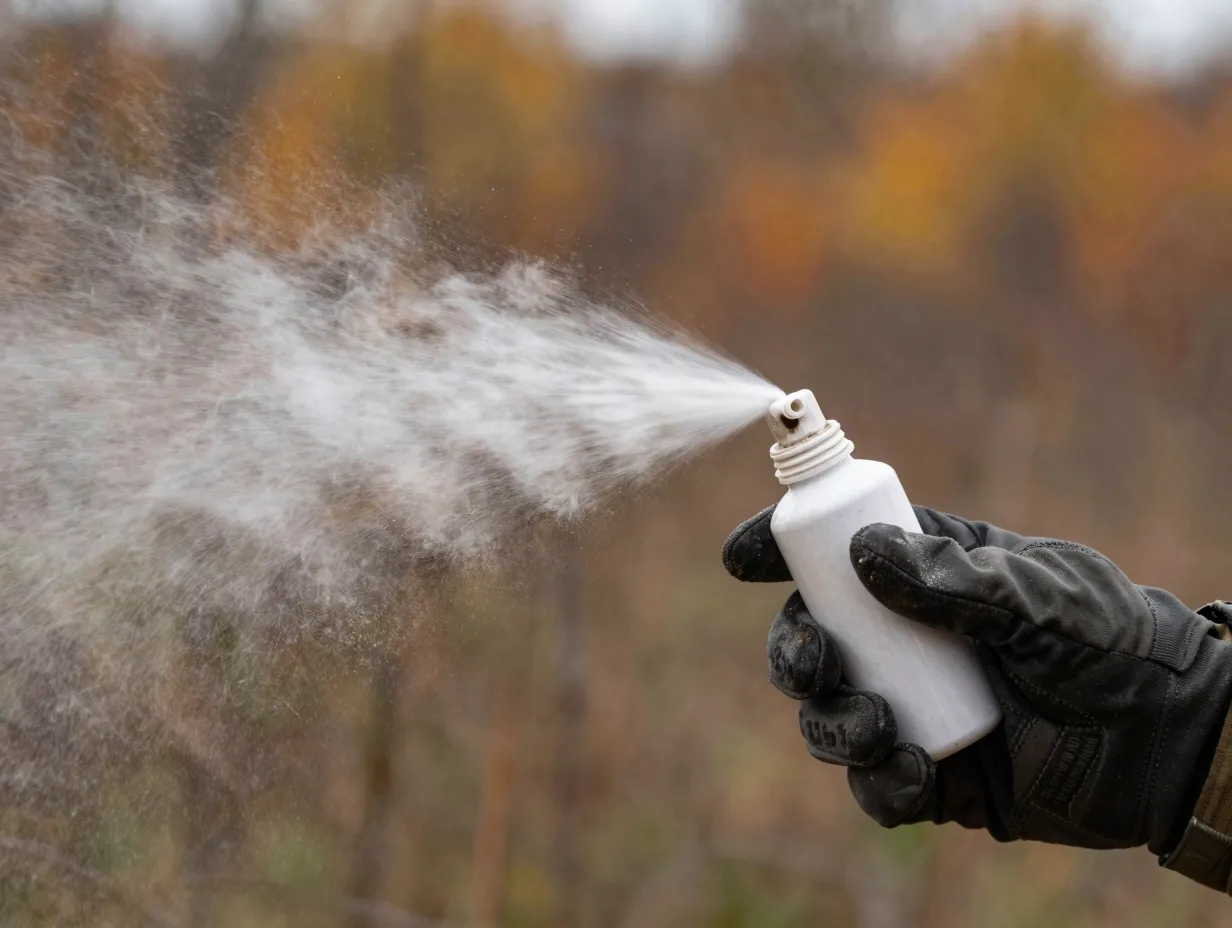
Scent control is the foundation of predator hunting, and it applies equally to small game. Rabbits and squirrels have acute senses of smell. Coyotes and bobcats are even more sensitive. A single careless approach into the wind can ruin an entire area for hours [3].
Scent discipline checklist:
- Check wind direction before leaving the vehicle, not after arriving at the setup.
- Always approach a hunting area from downwind or crosswind.
- Wear scent-control clothing or spray down with odor-eliminating products.
- Avoid touching vegetation along the approach path when possible.
- Store hunting clothes away from food, fuel, and household odors.
The wind is not static. Thermals shift throughout the day, rising in the morning as temperatures climb, falling in the evening as they drop. In hilly terrain, this means a setup that worked perfectly at 8 a.m. may be blowing scent directly toward game by 10 a.m. [4]. Adjust position accordingly rather than staying locked into a single spot.
A common mistake is focusing on scent control only during the setup and ignoring it during the approach. The walk in matters just as much as the sit. If the approach path crosses through the area where animals are expected to be, the hunt is likely over before it starts [7].
3. Master the Invisible Entrance
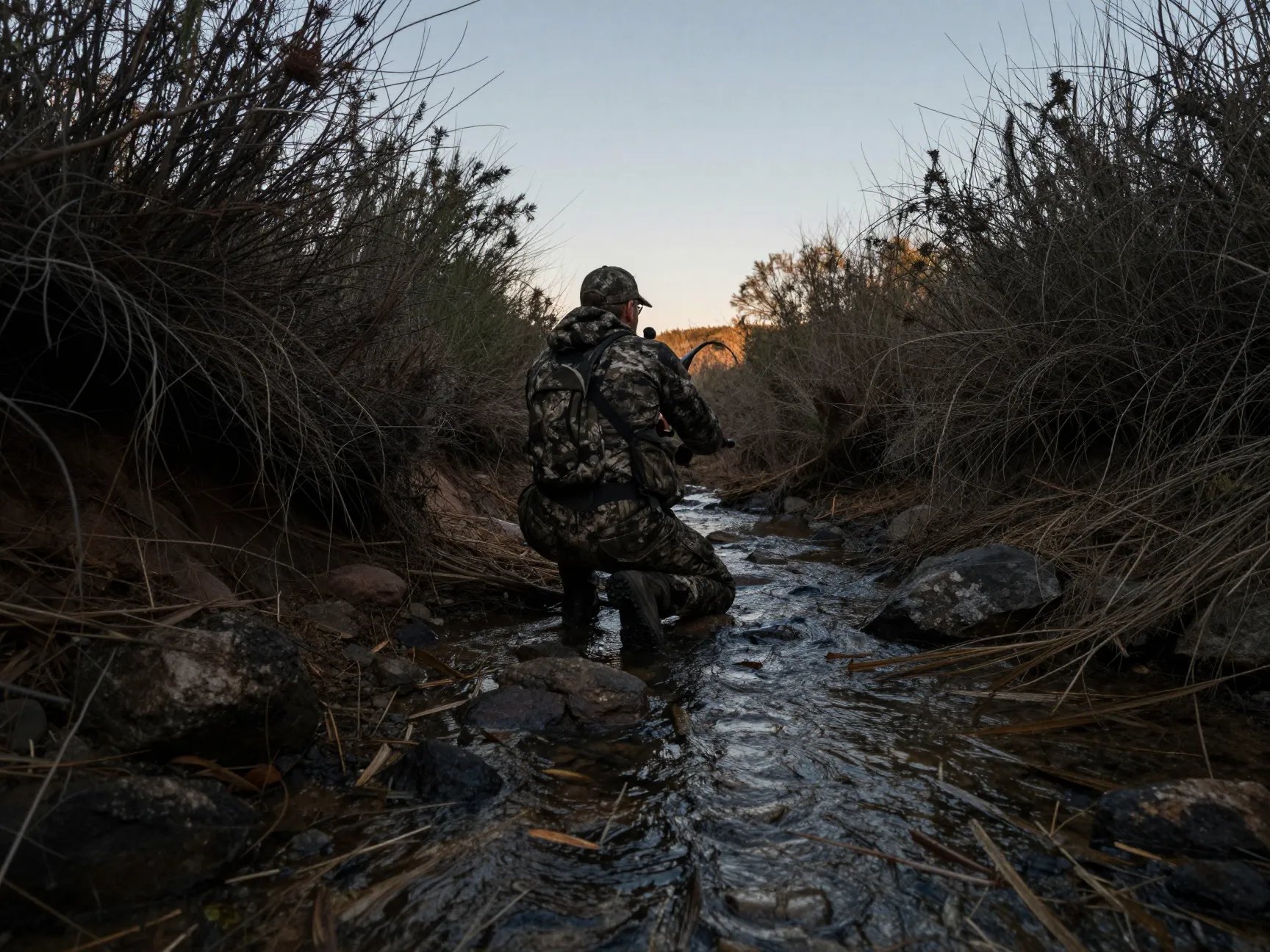
Getting into a hunting area without alerting game is a skill that separates productive hunters from those who wonder why they never see anything. Predator hunters call this the “invisible entrance”, moving into position in a way that leaves zero evidence of human presence [1].
Steps for an invisible entrance:
- Park vehicles well away from the hunting area and walk in.
- Use natural terrain features, creek beds, ridgelines, and tree lines, to break up approach routes.
- Move slowly and pause frequently to listen and observe.
- Avoid stepping on dry leaves, sticks, or gravel when possible.
- Enter from downwind, keeping the target area upwind of the approach path.
The invisible entrance concept also applies to timing. Arriving at a location well before legal shooting light, or during the midday lull when game movement is reduced, allows the area to settle before active hunting begins. Animals that are spooked by an entry will not return quickly [8].
4. Still-Hunt with Slow, Deliberate Movement
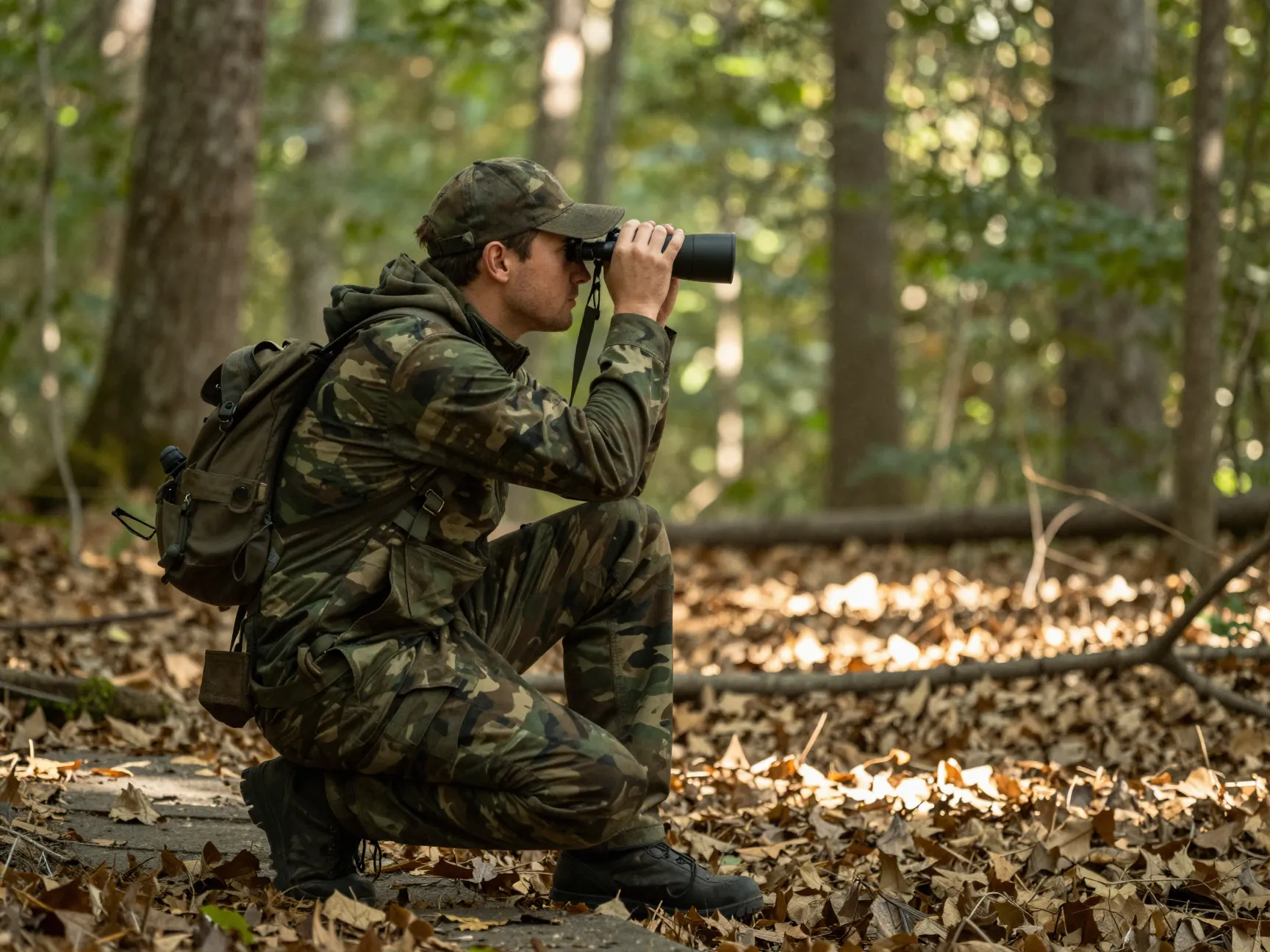
Still-hunting is one of the most effective and underused tactics in small game hunting. It involves moving through habitat at an extremely slow pace, far slower than most hunters are comfortable with, stopping frequently to scan, listen, and watch [5].
The still-hunting pace:
| Movement Style | Steps per Minute | Stops per 100 Yards | Success Rate |
|---|---|---|---|
| Casual walk | 80-100 | 0-2 | Low |
| Slow walk | 40-60 | 3-5 | Moderate |
| True still-hunt | 10-20 | 8-15 | High |
The goal is to see game before it sees the hunter. At a true still-hunting pace, the hunter covers very little ground but observes a great deal. Every pause should last at least 30 to 60 seconds, long enough for the woods to return to normal activity after the disturbance of movement [4].
Predator hunters use this same technique when calling, they move into position slowly, set up carefully, and then remain motionless for extended periods. The patience required for effective still-hunting is the same patience that makes a predator hunter successful [2].
5. Exploit Elevation and Shadows for Visual Advantage
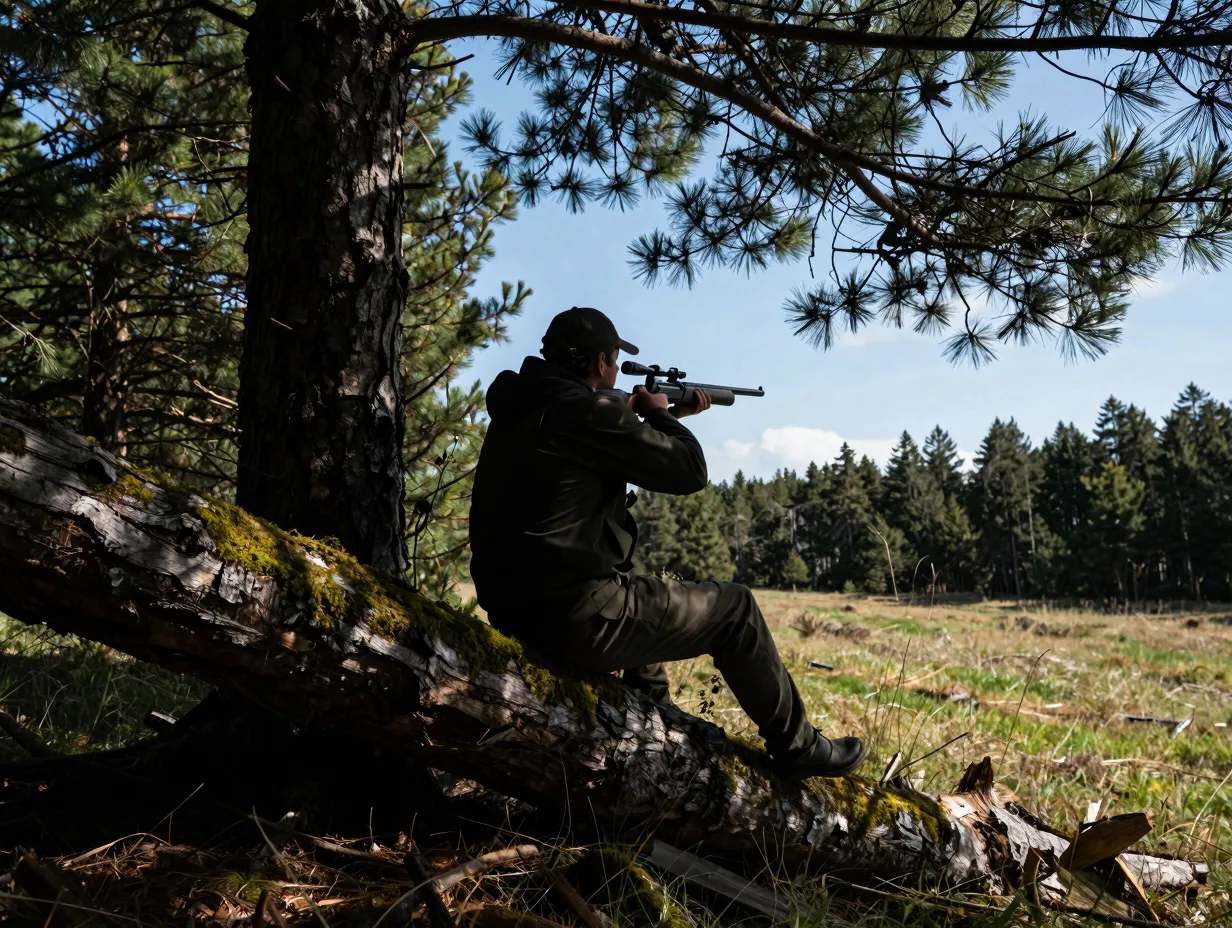
Height changes everything. A hunter positioned on a slight rise, a fallen log, or a rocky outcrop can see significantly more of the surrounding terrain than one standing flat on the ground. This visual advantage is a core predator hunting principle that translates directly to small game pursuits [1].
How to use elevation effectively:
- Seek out natural high points along travel routes and edges.
- Use the high ground to scan ahead before moving into an area.
- Position with a dark background, a shadow line, dense brush, or a tree trunk, to break up the human silhouette.
- Avoid skylining: never stand on a ridge or hilltop where the body is visible against the open sky.
Shadows are equally important. A hunter standing in bright sunlight is visible from a long distance. The same hunter standing in the shadow of a large tree is dramatically harder to detect. Moving from shadow to shadow, pausing in dark areas, and avoiding open sunlit ground are habits that predator hunters develop early and apply constantly [9].
“Elevation and shadow are free tools available on every piece of ground. Most hunters walk right past them.”
6. Read and Follow Fresh Sign
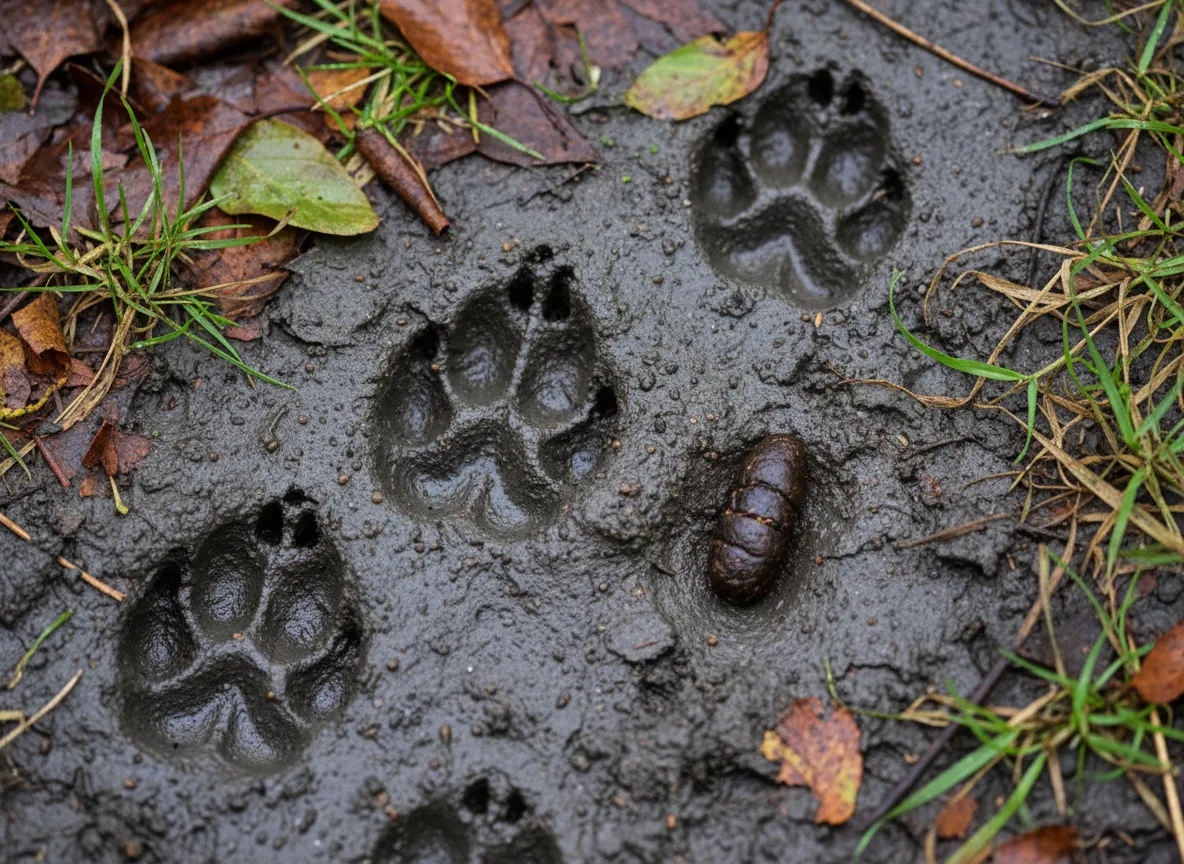
Sign reading is the intelligence-gathering phase of hunting. Fresh tracks, droppings, chewed vegetation, feathers, and disturbed ground all tell a story about what animals are using an area, when they were there, and where they were headed [6].
Key sign types and what they indicate:
- Fresh tracks in soft soil or mud: Animals were present within the last few hours; follow the direction of travel.
- Droppings: Indicate feeding areas and travel routes; fresh droppings are moist and dark.
- Chewed vegetation or stripped bark: Active feeding sites worth sitting near during morning or evening hours.
- Feathers or fur: Predator feeding sites; nearby predators may still be in the area.
- Runways and trails: Repeated use paths through grass or brush; excellent ambush locations.
Predator hunters are obsessive sign readers because calling a coyote into a location where no coyotes travel is a waste of time. The same logic applies to small game. Hunting where animals actually are, not where they are assumed to be, is the single biggest difference between productive and unproductive hunters [10].
When fresh sign is found, resist the urge to immediately push forward. Stop, assess the wind, check the surroundings, and plan an approach that does not contaminate the area with scent or noise.
7. Use Calls and Decoys Strategically
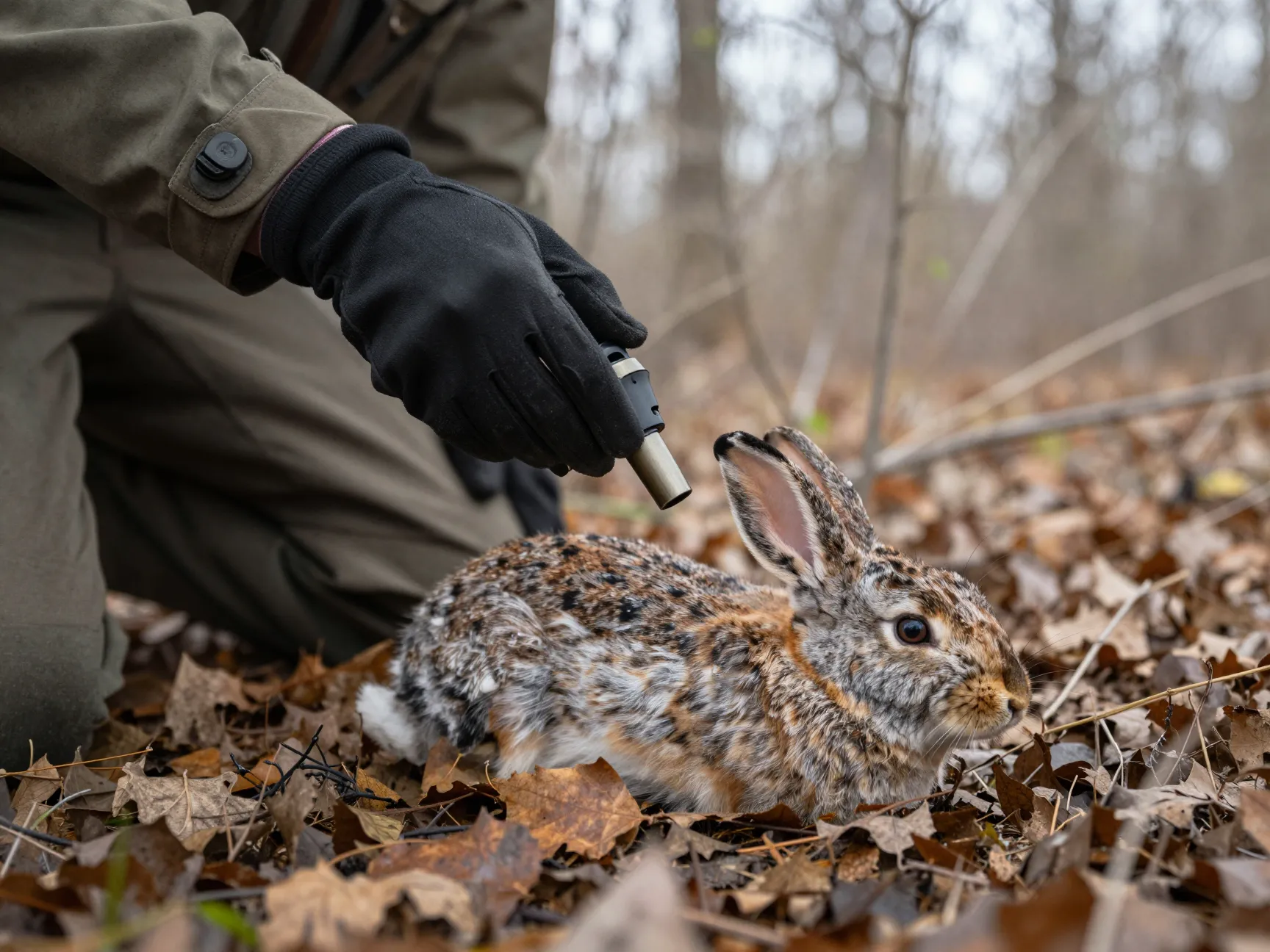
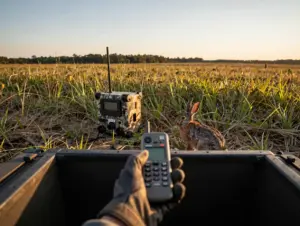
Calling is not just for predators. Distress calls, squeaker calls, and even simple hand-squeaking techniques can draw in rabbits, squirrels, and the predators that hunt them. The key is matching the call to the target species and the situation [2].
Calling approaches by target:
- Rabbits: A simple hand squeak or cottontail distress call can pull curious rabbits toward the hunter. Works best in dense brush where rabbits feel secure enough to investigate.
- Squirrels: Squirrel distress calls and chattering sounds trigger territorial responses. Works well during early season when squirrels are actively establishing ranges.
- Coyotes and bobcats: Rabbit distress calls are among the most effective sounds for drawing predators into range. Use electronic callers or mouth calls placed downwind of the hunter’s position [3].
Decoys add a visual component that increases confidence in responding animals. A rabbit decoy placed near a call can hold a predator’s attention long enough for a clean shot. For small game, even a simple piece of white cloth or a cotton ball can simulate the flash of a cottontail’s tail [9].
Calling discipline matters. Start with lower volume calls and increase intensity only if there is no response. Overcalling is a common mistake that alerts wary animals rather than drawing them in [4].
8. Match Tactics to Season, Time of Day, and Weather
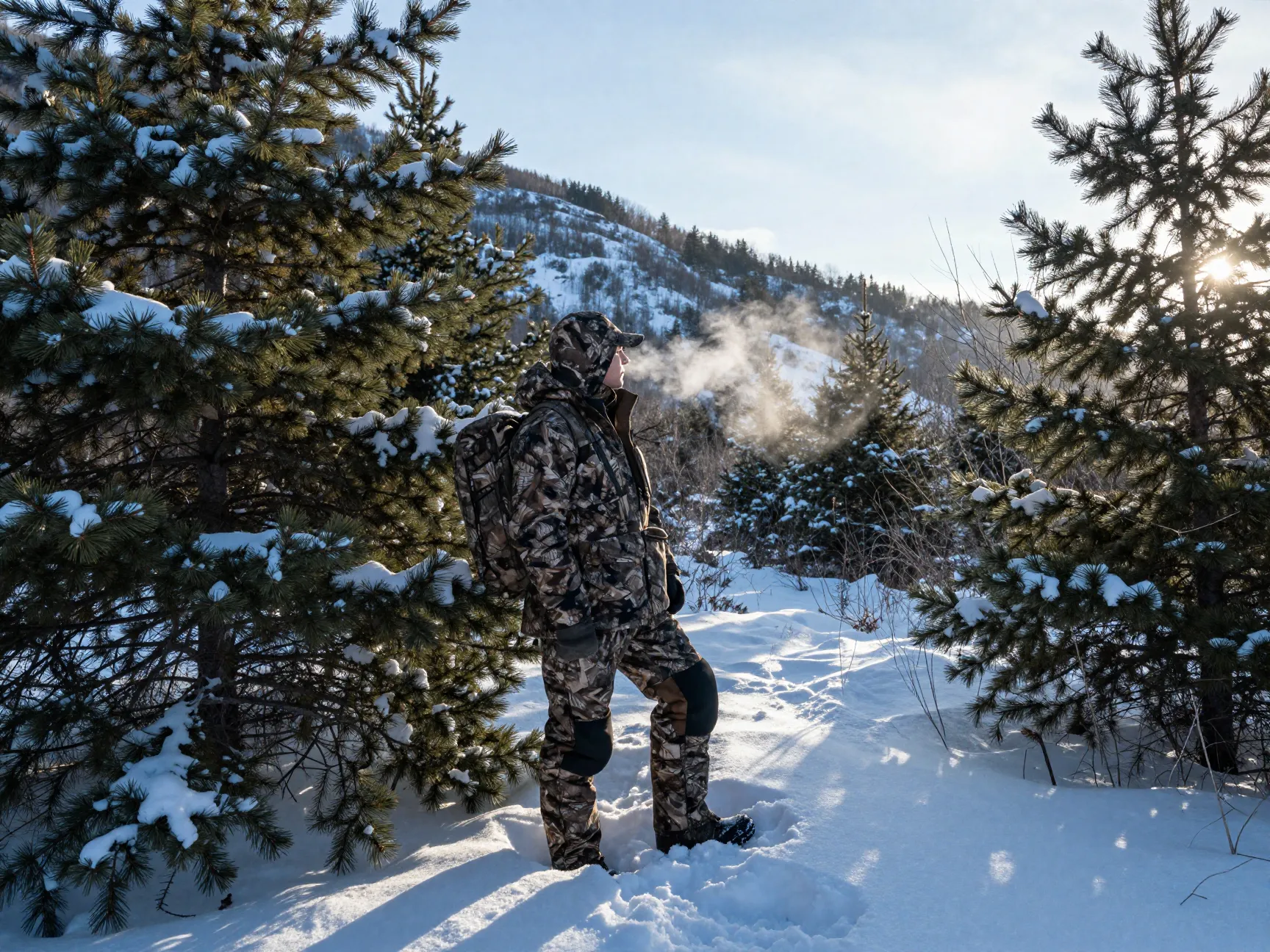
No single tactic works equally well in all conditions. The most effective predator hunters are adaptable, they read the conditions and adjust their approach accordingly. This same flexibility is essential for consistent small game success [8].
Seasonal adjustments:
- Early season (warm weather): Game is most active at dawn and dusk. Focus on food sources, mast crops, green fields, and water sources. Predators are also active early before heat sets in.
- Mid-season (cooling temperatures): Animals become more active throughout the day. Travel corridors and edges see increased movement. Calling becomes more effective as predators increase feeding activity.
- Late season (cold weather): Small game concentrates in the thickest available cover. Predators follow. Focus on south-facing slopes that warm earlier in the day and dense brush piles, briar patches, and conifer stands [6].
Weather windows:
| Condition | Effect on Game | Recommended Tactic |
|---|---|---|
| Calm, clear morning | High movement | Still-hunting edges and corridors |
| Light overcast | All-day movement | Calling setups every 30-45 minutes |
| High wind | Reduced movement | Focus on sheltered draws and thick cover |
| Post-front clearing | Feeding frenzy | Aggressive calling near food sources |
| Rain | Minimal movement | Scout and plan; save calling for after |
Time of day is equally important. The first and last hours of shooting light are consistently the most productive for both small game and predators. Midday hunting can be effective in cold weather or when targeting bedded animals in heavy cover, but the morning and evening windows are where most encounters happen [7].
Putting the 8 Proven Small Game Hunting Tactics for Predator Hunters Together
These eight tactics are most powerful when used as a system rather than applied in isolation. A complete hunting approach for a single morning might look like this:
- Scout the area the day before to identify fresh sign and edge habitat.
- Arrive early, park away from the hunting area, and walk in using the invisible entrance approach.
- Check wind direction and plan the route to keep scent away from target areas.
- Move into position using slow, deliberate still-hunting techniques.
- Set up on a slight elevation with a dark background, in shadow if possible.
- Begin calling with low-volume distress sounds, increasing intensity after several minutes with no response.
- Remain motionless for at least 20 to 30 minutes before moving to the next setup.
- Adjust tactics based on temperature, wind, and time of day throughout the hunt.
This integrated approach reflects how the best predator hunters operate, methodically, patiently, and with a deep understanding of animal behavior and habitat [2][10].
Conclusion
The 8 proven small game hunting tactics for predator hunters outlined in this guide are not complicated, but they do require discipline and consistency. Hunting edges and transition zones, managing scent on every approach, entering areas invisibly, still-hunting at a true predator’s pace, using elevation and shadow, reading fresh sign, calling strategically, and adapting to conditions, these are the habits that separate hunters who fill their game bags from those who come home empty.
Actionable next steps for 2026:
- Before the next hunt, spend 30 minutes scouting the area on foot or via aerial maps to identify edge habitat and fresh sign.
- Purchase or make a simple scent-elimination kit and commit to using it on every outing.
- Practice calling with at least two different distress sounds, a rabbit distress and a squirrel distress, before the season opens.
- Set a personal rule: never move faster than 20 steps per minute when still-hunting.
- Keep a hunting journal to track which tactics produced results under which conditions, building a personal database over time.
Consistency beats luck every time. Apply these tactics with patience, and the results will follow.
References
[1] Small Game Opportunities Hunt Like A Predator – https://www.firstgenhunter.com/blog/small-game-opportunities-hunt-like-a-predator
[2] 13 Predator Coyote Bobcat Hunting Strategies From Pros – https://www.outdoorlife.com/13-predator-coyote-bobcat-hunting-strategies-from-pros/
[3] Successful Predator Hunt – https://resources.mossberg.com/journal/successful-predator-hunt
[4] Predator Hunting Tactics Guide – https://allpredatorcalls.com/predator-hunting-tactics-guide/
[5] Strategies – https://tpwd.texas.gov/education/hunter-education/online-course/hunting-skills-1/strategies
[6] Small Game Hunting Guide – https://huntwise.com/field-guide/small-game/small-game-hunting-guide
[7] Predator Hunting Tips – https://www.mass.gov/info-details/predator-hunting-tips
[8] 8 Must Know Tips For Effective Small Game Hunting This Season – https://mtnbilly.com/blog/8-must-know-tips-for-effective-small-game-hunting-this-season/
[9] How To Bowhunt Predators – https://realtree.com/bowhunting/articles/how-to-bowhunt-predators
[10] Deadly And Downright Dirty Tactics Cal – https://www.outdoorlife.com/articles/hunting/predators-varmints-small-game/coyote/2008/12/deadly-and-downright-dirty-tactics-cal/