9 Best Fishing Poles For Beginners, Experts, And Every Technique In Between
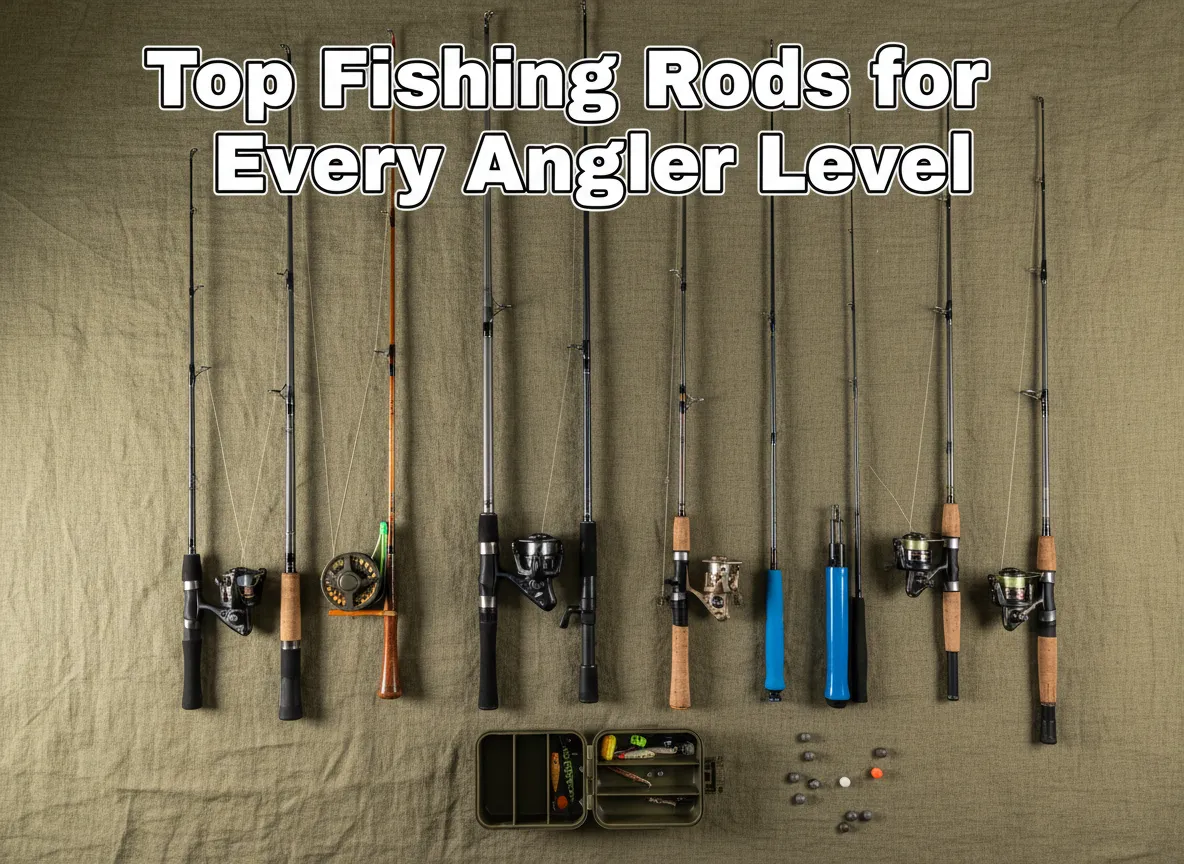
Roughly 54 million Americans go fishing at least once a year, yet a large share of them are using the wrong rod for their skill level or target species, and that single mistake costs them more fish than any other factor. Choosing the right fishing rod is not about spending the most money. It is about matching the tool to the technique, the angler, and the water. This guide covers the 9 best fishing poles for beginners, experts, and every technique in between, breaking down exactly what makes each rod worth your attention and how to decide which one belongs in your hands.
Disclosure: This post contains affiliate links. As an Amazon Associate, we earn from qualifying purchases, and at no extra cost to you.
Key Takeaways
- Rod material, power, and action are the three most important specs to understand before buying.
- Beginners benefit most from medium-power spinning rods because they are versatile and forgiving.
- Expert anglers often own multiple rods, each optimized for a specific technique or species.
- Price does not always equal performance, several mid-range rods outperform premium options in real-world conditions.
- Matching rod length to your fishing environment (shoreline, boat, river) dramatically improves casting accuracy and fish-landing rates.
What to Look for Before Buying a Fishing Rod
Before diving into specific recommendations, understanding a few core specs will make every entry on this list easier to evaluate.
Rod Power refers to how much force it takes to bend the rod. Power ratings run from ultralight to heavy. Ultralight rods work for panfish and trout. Heavy rods handle large bass, catfish, and saltwater species.
Rod Action describes where along the blank the rod bends. Fast action rods bend near the tip, offering sensitivity and quick hooksets. Slow action rods bend throughout the blank, providing more flex and better casting distance with lighter lures.
Rod Material is typically fiberglass, graphite (carbon fiber), or a composite of both. Fiberglass is durable and affordable. Graphite is lighter and more sensitive. Composite rods aim to deliver the best of both.
Rod Length affects casting distance and leverage. Longer rods (7 feet and above) cast farther and work well in open water. Shorter rods (5 to 6 feet) offer precision in tight cover.
“The best fishing rod is the one that matches your technique, your target species, and your current skill level, not the most expensive one on the shelf.”
The 9 Best Fishing Poles For Beginners, Experts, And Every Technique In Between
The following nine rods represent the strongest options across skill levels, fishing styles, and budgets available in 2026. Each entry includes a description, ideal use case, and the type of angler who will benefit most.
1. Ugly Stik GX2 Spinning Rod
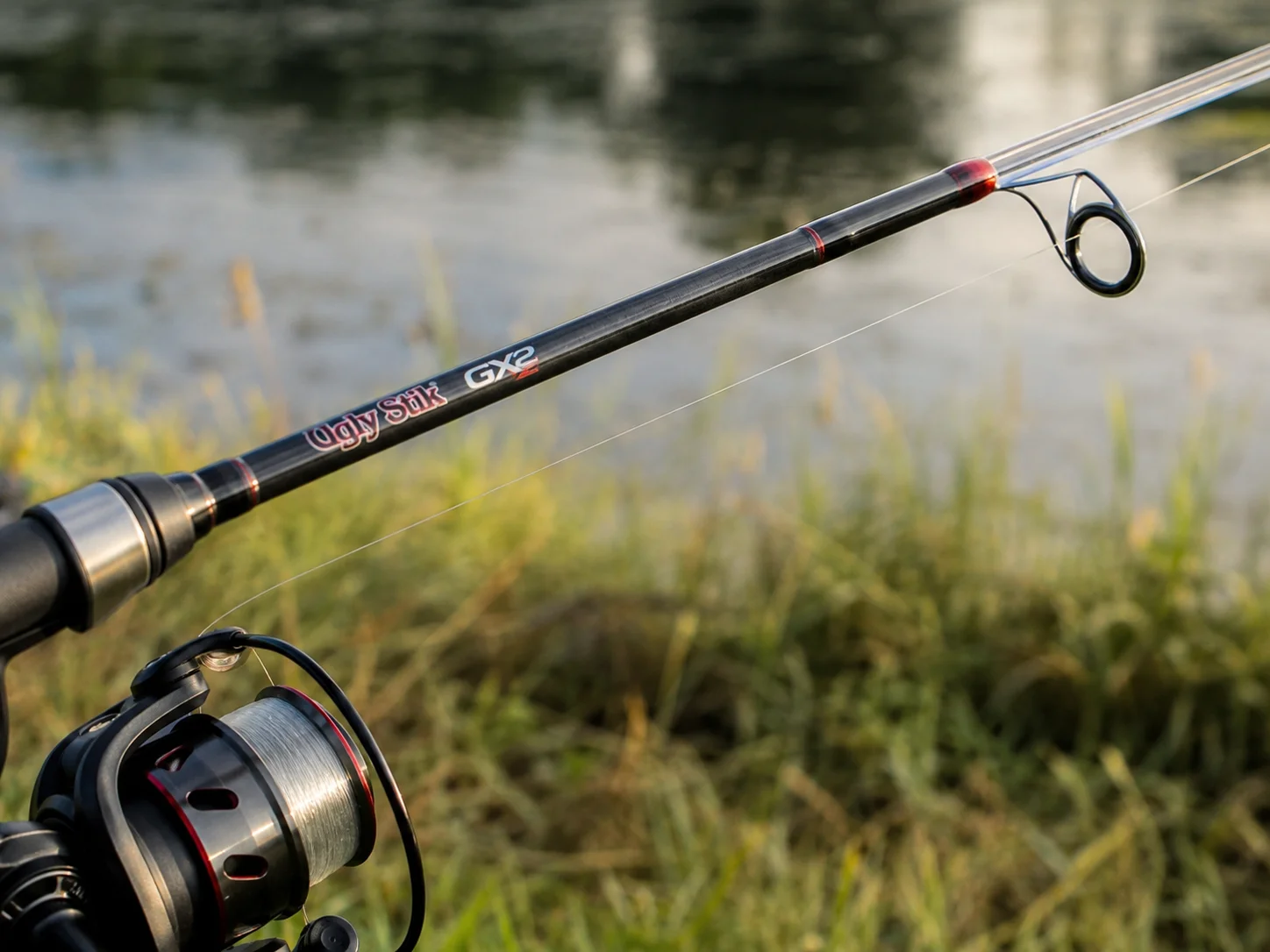
The Ugly Stik GX2 is the single most recommended beginner fishing rod on the market, and it has earned that reputation through decades of consistent performance. Built with a combination of fiberglass and graphite, the GX2 delivers durability that most beginners need when learning to handle fish, navigate snags, and develop casting mechanics.
Best for: Beginners fishing freshwater lakes, ponds, and slow rivers.
Key specs:
- Material: Fiberglass and graphite composite
- Action: Moderate fast
- Power: Medium
- Length options: 5’6″ to 7′
The Clear Tip design on the GX2 adds extra sensitivity at the rod tip, which helps newer anglers feel subtle bites they might otherwise miss. The rod pairs well with a basic spinning reel and 8 to 12 lb monofilament line. It handles everything from panfish to largemouth bass without complaint.
Why it stands out: Near-indestructible build quality at an accessible price point. This rod can take the abuse of a learning curve.
2. Shakespeare Ugly Stik Elite Spinning Rod
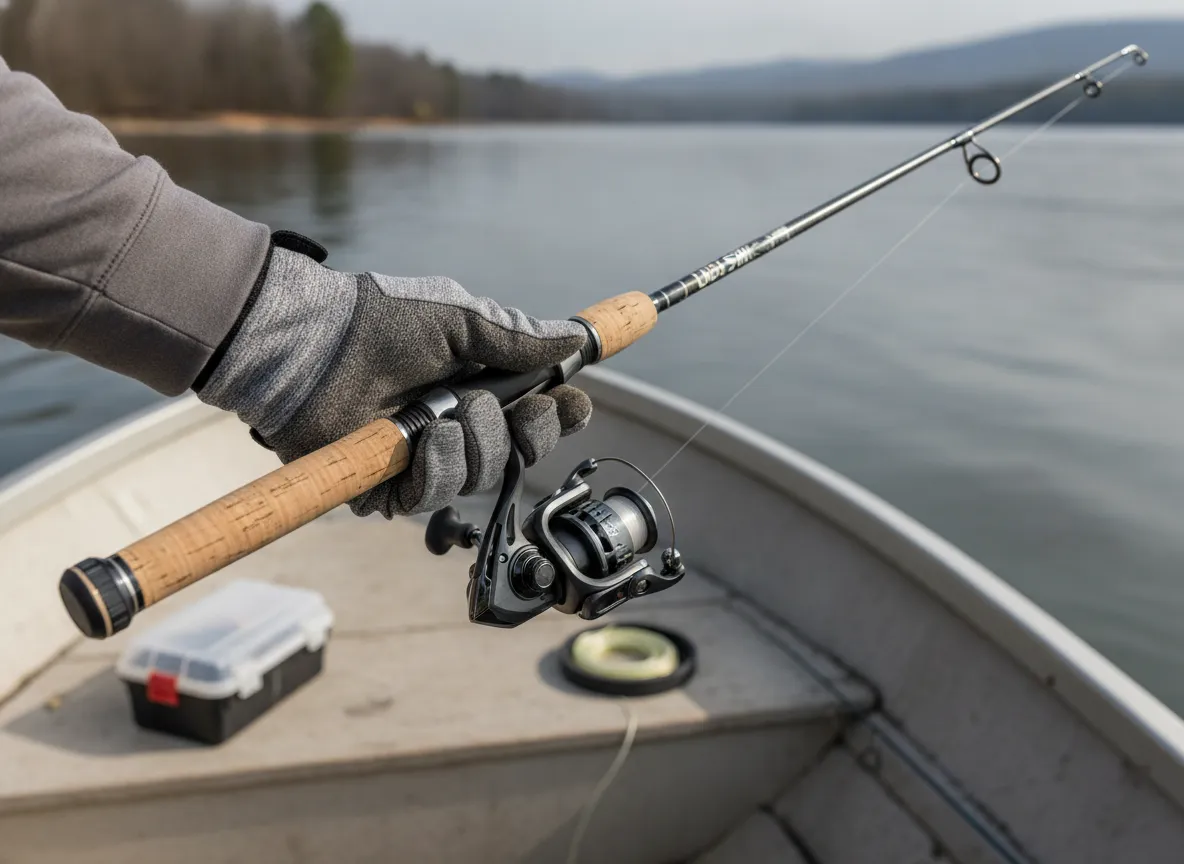
The Ugly Stik Elite is the upgraded sibling of the GX2, designed for anglers who have moved past the absolute beginner stage but are not yet ready to invest in a high-end graphite rod. The Elite uses a higher graphite content, which translates to noticeably better sensitivity and a lighter overall weight.
Best for: Intermediate anglers targeting bass, walleye, or trout.
Key specs:
- Material: High-graphite composite
- Action: Fast
- Power: Medium to medium-heavy
- Length options: 6′ to 7’6″
The Elite series features a stainless steel guide system with Ugly Tuff guides, which resist corrosion in both freshwater and light saltwater environments. The cork handle provides a comfortable grip during longer fishing sessions.
Why it stands out: Bridges the gap between beginner durability and the sensitivity that intermediate anglers start to demand.
3. St. Croix Triumph Spinning Rod
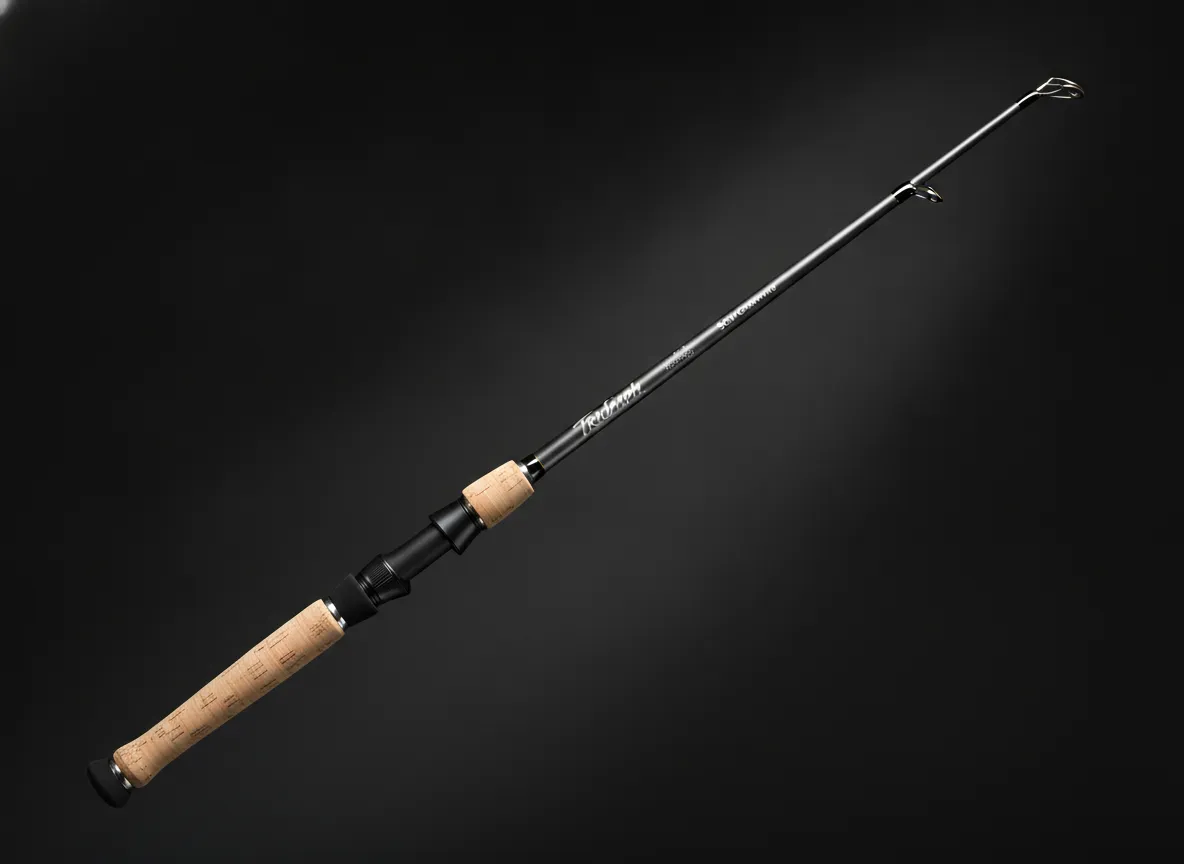
St. Croix is a name that serious anglers respect, and the Triumph series is where that brand becomes accessible to a wider audience. Made in the USA with premium SCII graphite, the Triumph delivers a level of sensitivity and responsiveness that most rods in its price range simply cannot match.
Best for: Intermediate to advanced anglers targeting bass, walleye, and northern pike.
Key specs:
- Material: SCII graphite
- Action: Fast to extra-fast
- Power: Light to heavy (multiple options)
- Length options: 5’6″ to 7’6″
The Kigan Master Hand 3D guides reduce line friction for longer, more accurate casts. The split-grip cork handle reduces weight without sacrificing balance. St. Croix backs the Triumph with a 5-year warranty, which is a strong signal of build confidence.
Why it stands out: American-made quality at a mid-range price. The sensitivity upgrade over composite rods is immediately noticeable.
4. Shimano Solora 2-Piece Spinning Rod
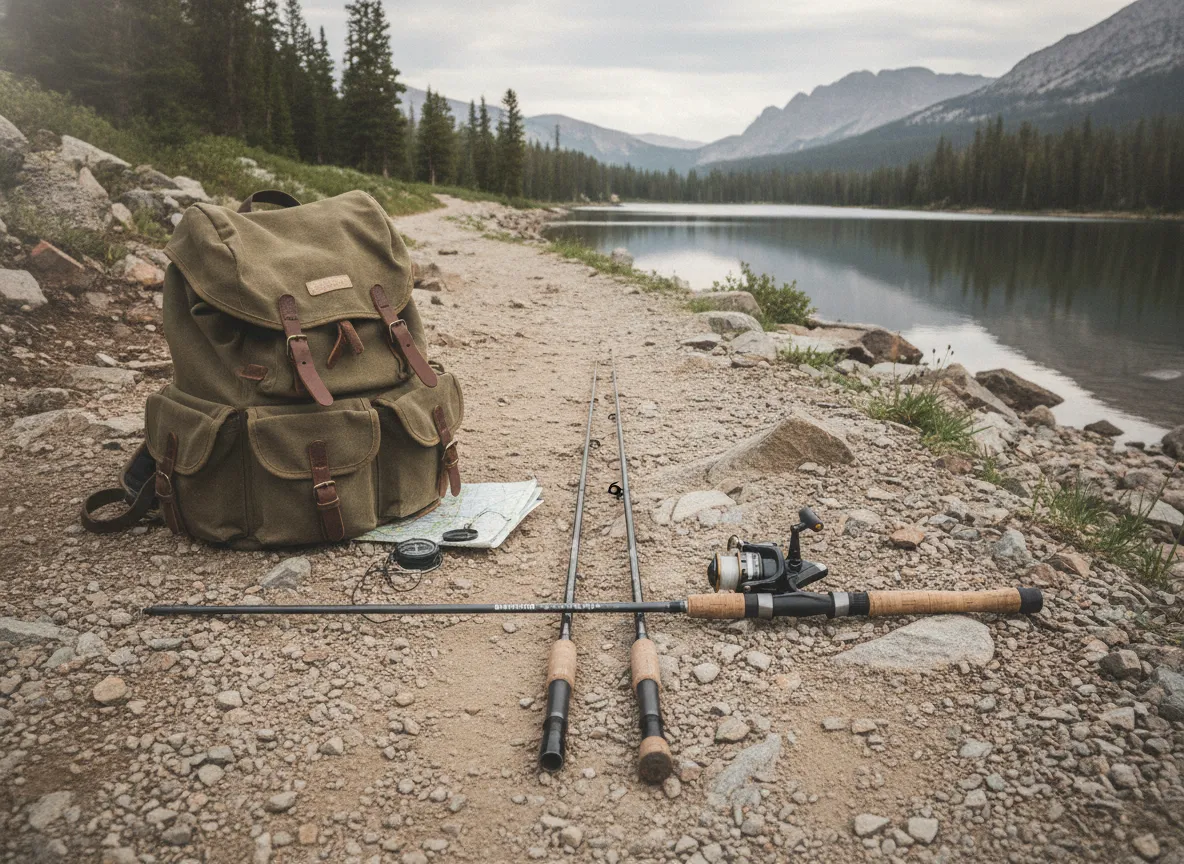
For anglers who need portability without sacrificing performance, the Shimano Solora 2-piece spinning rod is a standout choice. The two-piece design breaks down for easy transport in a backpack, on a plane, or in a small vehicle, making it ideal for travel anglers and hikers who fish backcountry lakes.
Best for: Beginners and casual anglers who travel frequently or fish from the bank.
Key specs:
- Material: Graphite composite
- Action: Moderate
- Power: Medium
- Length options: 6′ to 7′
Shimano’s reputation for quality components extends to the Solora’s guide system, which handles light to medium lures and live bait with equal ease. The rod is lightweight enough for all-day use and durable enough for the occasional rough handling that travel inevitably brings.
Why it stands out: Excellent portability paired with Shimano’s quality standards at a beginner-friendly price.
5. Abu Garcia Vendetta Spinning Rod
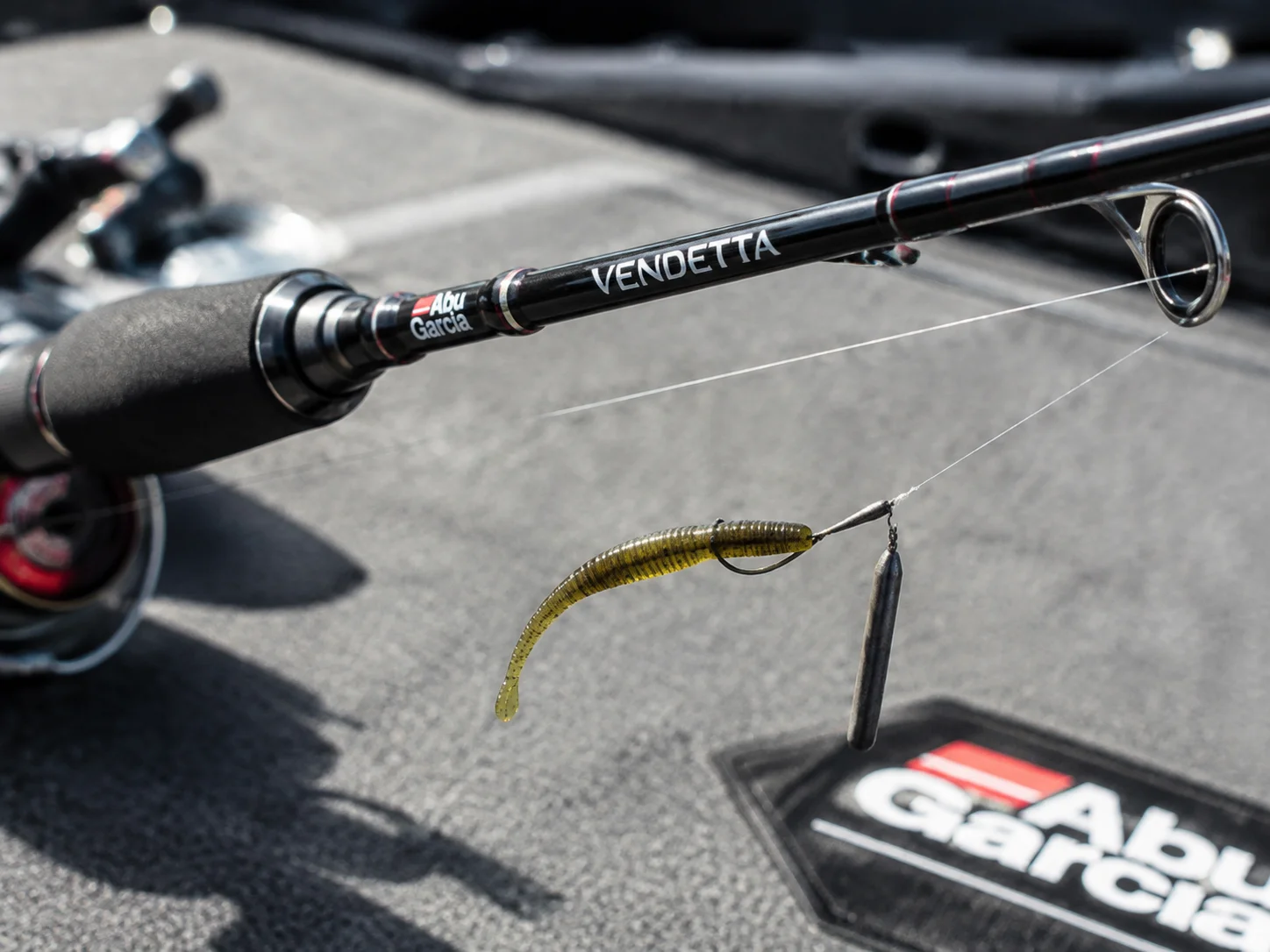
The Abu Garcia Vendetta is built for anglers who have developed a specific technique and want a rod engineered around it. Available in a wide range of power and action combinations, the Vendetta allows anglers to select a rod tuned precisely for drop shot, Texas rig, or finesse fishing applications.
Best for: Intermediate anglers who have identified their preferred technique and want a technique-specific tool.
Key specs:
- Material: 24-ton graphite
- Action: Fast to extra-fast
- Power: Ultralight to heavy
- Length options: 6′ to 7’6″
The stainless steel guides with zirconia inserts reduce friction and handle braided line exceptionally well. The split-grip EVA handle is comfortable and provides a secure grip in wet conditions. The Vendetta’s wide selection of models means there is likely a version optimized for whatever technique an angler is developing.
Why it stands out: Technique-specific versatility at a price point that does not require a major investment.
6. G. Loomis NRX+ Spinning Rod
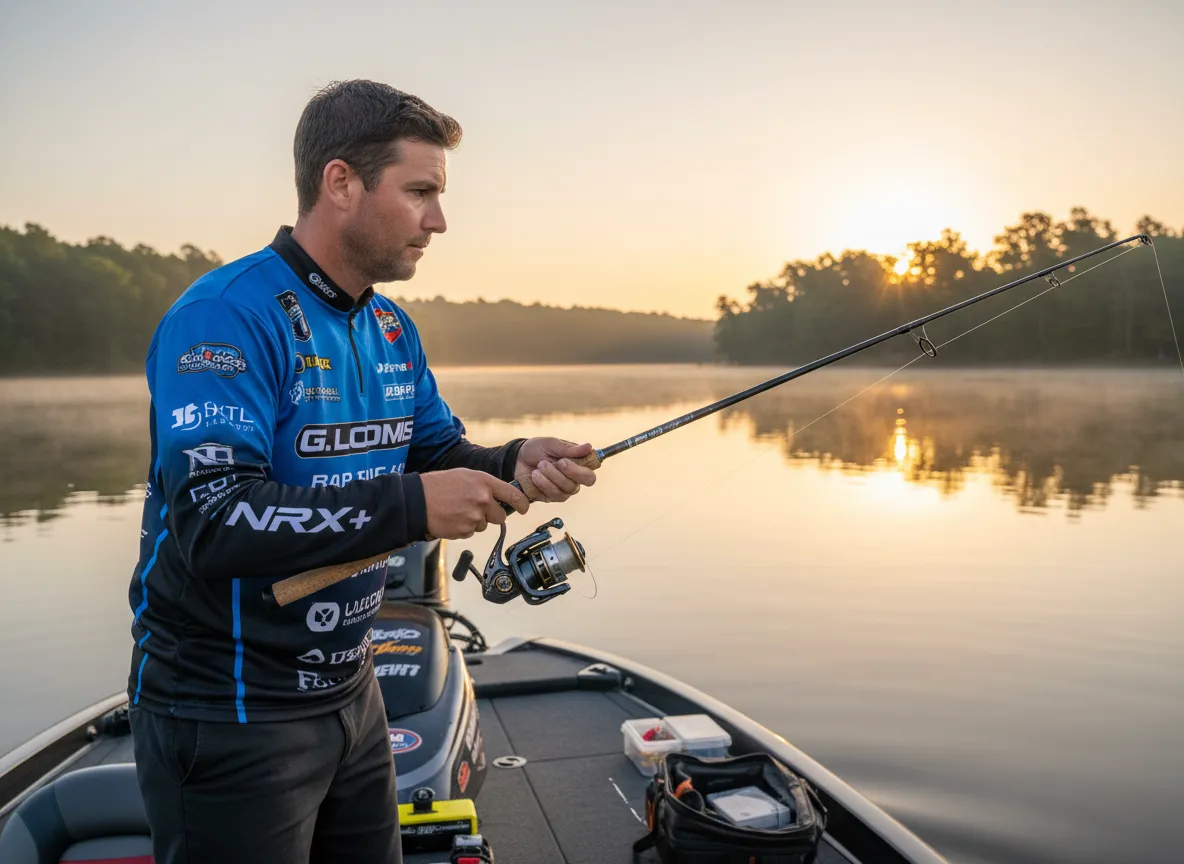
At this point on the list, the focus shifts firmly toward expert-level equipment. The G. Loomis NRX+ is widely regarded as one of the finest spinning rods ever produced. Built with nano-silica resin technology, the NRX+ achieves a combination of strength, sensitivity, and lightness that sets the benchmark for the entire industry.
Best for: Expert anglers targeting bass, walleye, or trout in competitive or high-stakes fishing situations.
Key specs:
- Material: Nano-silica resin graphite
- Action: Fast to extra-fast
- Power: Light to heavy
- Length options: 6’8″ to 7’4″
The sensitivity of the NRX+ is genuinely in a different category from most rods. Anglers report feeling the difference between a fish mouthing a lure and a fish actively biting, a distinction that translates directly into higher hookup rates. The guides are top-tier, the balance is exceptional, and the overall feel is what expert anglers describe as “alive.”
Why it stands out: The pinnacle of spinning rod technology. This rod rewards the skill of an experienced angler with feedback and performance that lesser rods cannot provide.
7. Orvis Clearwater Fly Rod
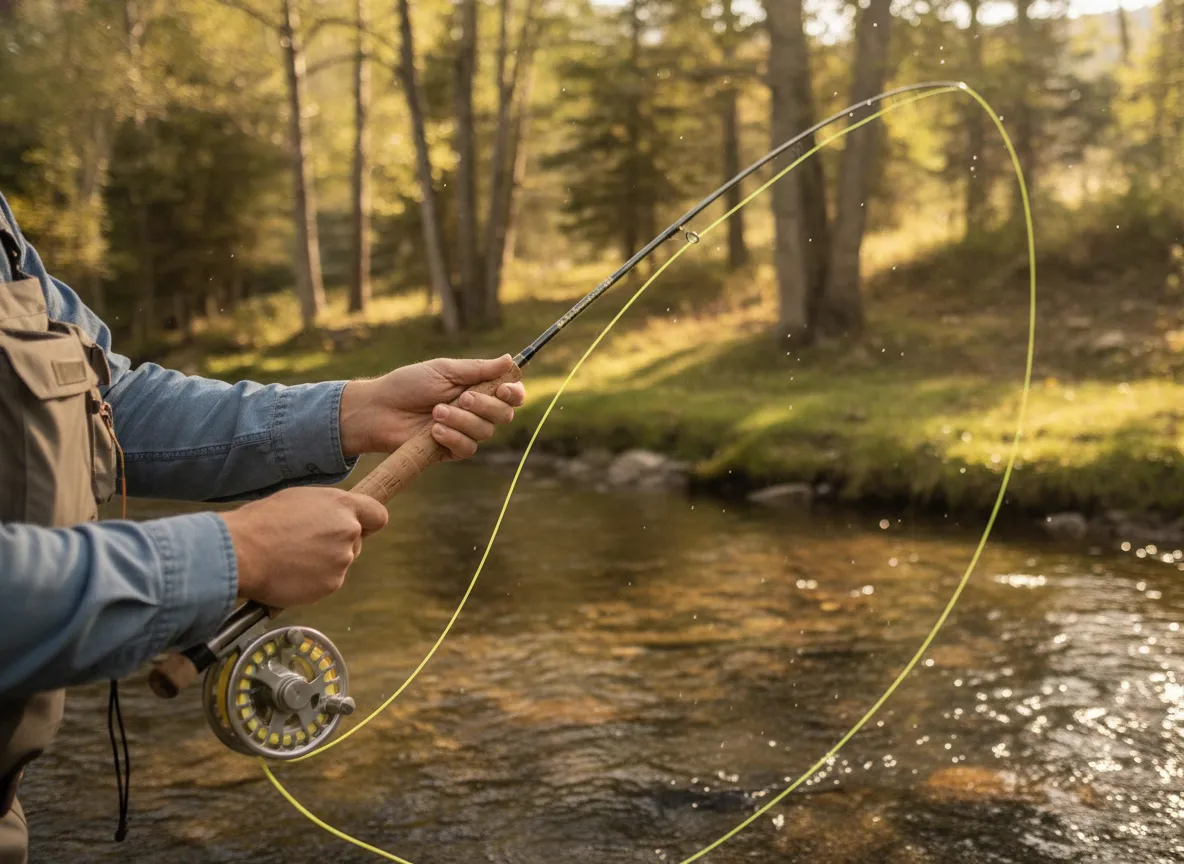
Fly fishing demands a completely different rod design, and the Orvis Clearwater is the best entry point into that world. Built with a medium-fast action and a 4-piece travel-friendly design, the Clearwater handles the fundamental challenge of fly casting, loading the rod properly to deliver a fly with precision, better than any other rod at its price point.
Best for: Beginners to intermediate fly anglers targeting trout, panfish, or small bass in streams and rivers.
Key specs:
- Material: Graphite composite
- Action: Medium-fast
- Power: Varies by line weight (3wt to 10wt available)
- Length: 9′ (standard)
The Clearwater comes with a lifetime guarantee, which is a significant value proposition for someone investing in fly fishing for the first time. The rod loads smoothly at short distances, which is critical for beginners still developing their casting stroke, while still performing well at longer ranges as skills improve.
Why it stands out: The most forgiving fly rod for beginners that does not force an upgrade the moment skills improve.
8. Sage R8 Core Fly Rod
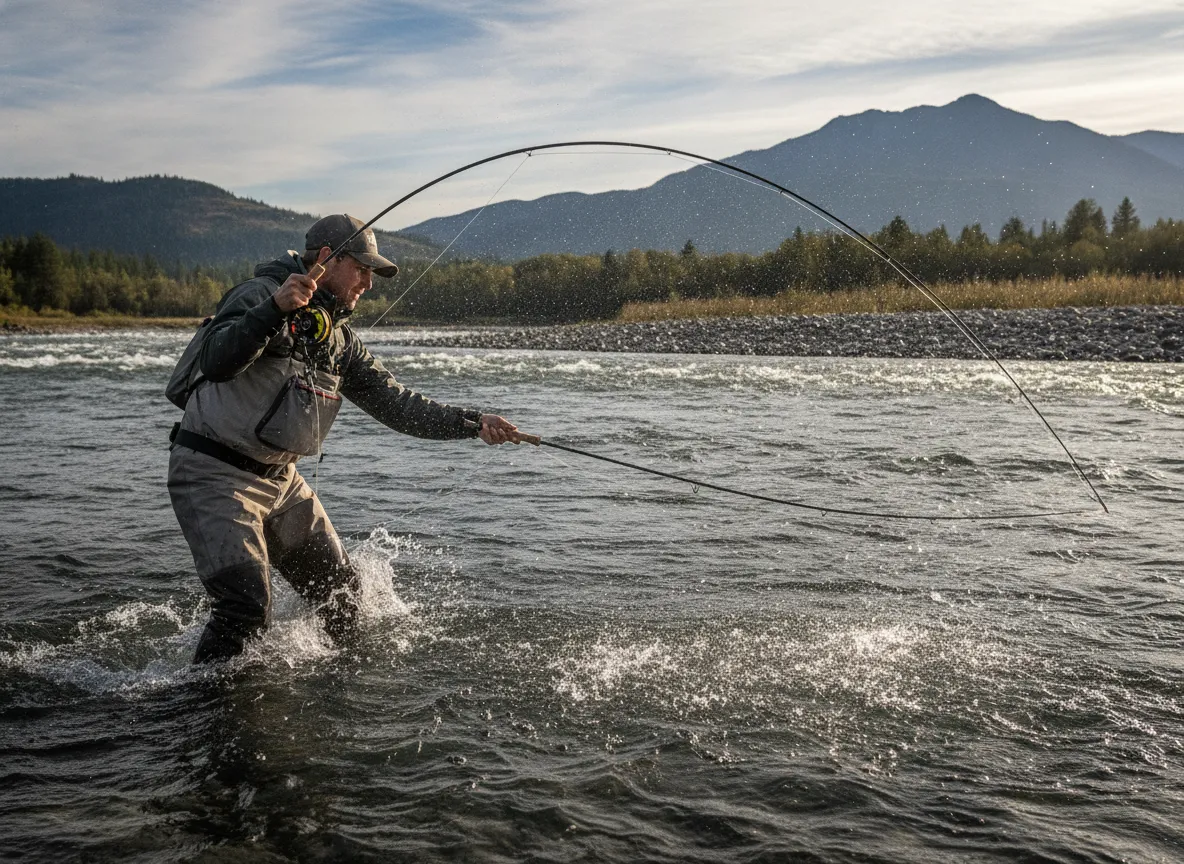
The Sage R8 Core represents the expert tier of fly fishing rods. Using Sage’s proprietary KonneticHD technology, the R8 Core achieves a blank construction that is simultaneously lighter, stronger, and more sensitive than previous generations. For experienced fly anglers, this rod changes what is possible on the water.
Best for: Expert fly anglers targeting trout, steelhead, salmon, or saltwater species.
Key specs:
- Material: KonneticHD graphite
- Action: Fast
- Power: Varies by line weight (3wt to 10wt available)
- Length: 9′ to 10′ depending on model
The R8 Core’s fast action rewards anglers with a refined casting stroke, delivering tight loops, long distances, and pinpoint accuracy in windy conditions. The rod’s recovery speed, how quickly it returns to straight after a cast, is exceptional, reducing fatigue during full days on the water.
Why it stands out: The gold standard for expert fly anglers. The performance gap between this rod and mid-tier options is immediately felt on the first cast.
9. Penn Battalion II Surf Spinning Rod
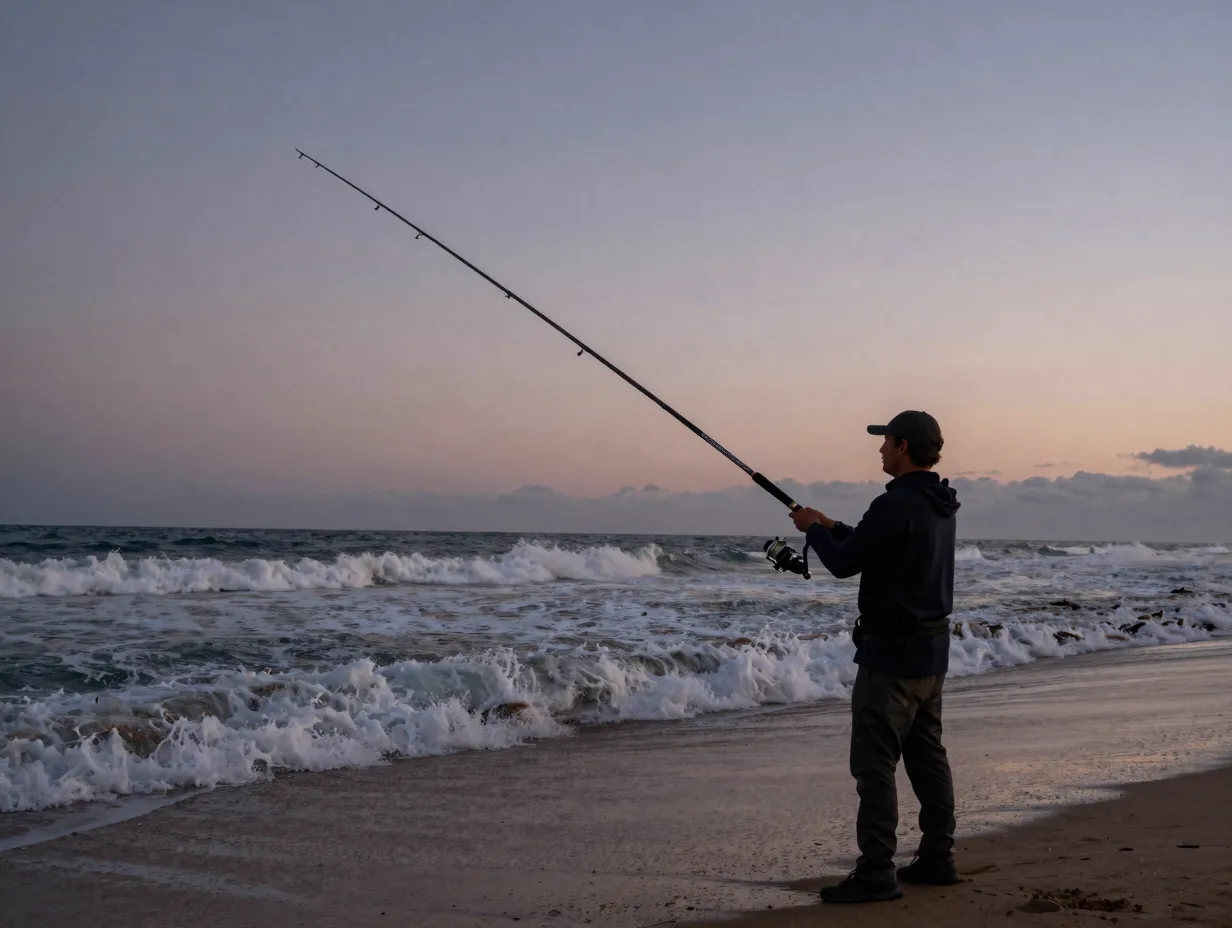
The final entry on this list addresses a technique that requires a rod unlike any other: surf fishing. The Penn Battalion II is built specifically for casting heavy lures and bait rigs long distances from the beach, jetty, or pier into saltwater environments where large, powerful fish live.
Best for: Intermediate to expert anglers targeting striped bass, bluefish, red drum, and other large surf species.
Key specs:
- Material: IM-6 graphite
- Action: Moderate fast
- Power: Medium-heavy to heavy
- Length options: 9′ to 12′
The Battalion II’s length is its defining feature. A 10 or 11-foot rod generates the leverage needed to cast 3 to 6 oz. rigs past the breaking waves where fish are actively feeding. The stainless steel guides are corrosion-resistant, and the EVA foam handle provides a secure grip during powerful hooksets and long fights with large fish.
Why it stands out: No other rod type can replace a dedicated surf rod for beach fishing. The Battalion II delivers surf-specific performance at a price that does not require a second mortgage.
How to Match These Rods to Your Skill Level and Technique
Understanding which of these nine rods fits your current situation requires honest self-assessment. The table below provides a quick reference framework.
| Skill Level | Technique | Recommended Rod |
|---|---|---|
| Beginner | General freshwater | Ugly Stik GX2 |
| Beginner / Travel | Bank fishing, portability | Shimano Solora 2-Piece |
| Intermediate | Bass, walleye, trout | Ugly Stik Elite / St. Croix Triumph |
| Intermediate | Technique-specific (drop shot, finesse) | Abu Garcia Vendetta |
| Beginner fly angler | Trout, stream fly fishing | Orvis Clearwater |
| Expert | Competitive bass, walleye | G. Loomis NRX+ |
| Expert fly angler | Trout, steelhead, saltwater | Sage R8 Core |
| Intermediate / Expert | Surf fishing, saltwater | Penn Battalion II |
Common Mistakes to Avoid When Choosing a Fishing Rod
Even with a strong list of recommendations, anglers frequently make avoidable errors when selecting gear. The most common mistakes include:
- Buying too heavy for the target species. A heavy-power rod designed for catfish will make catching panfish nearly impossible to feel or enjoy.
- Ignoring rod action in favor of brand name. A well-known brand does not guarantee the right action for a specific technique.
- Skipping the handle test. A rod that feels uncomfortable in hand during a 5-minute store visit will feel unbearable after 6 hours on the water.
- Pairing the wrong reel. A rod is only as effective as the reel it is matched with. Balance matters.
- Overlooking warranty and customer support. Rods break. A strong warranty (St. Croix, Orvis, Sage all offer excellent ones) is real financial protection.
Spinning Rods vs. Casting Rods: A Quick Clarification
All nine rods on this list are spinning rods or fly rods. Baitcasting rods, which pair with baitcasting reels, are a separate category that requires a different skill set and is generally not recommended for beginners. Once an angler has developed consistent casting mechanics with a spinning rod, transitioning to a baitcaster becomes a natural progression. For the purposes of the 9 best fishing poles for beginners, experts, and every technique in between, spinning and fly rods cover the widest range of techniques and skill levels with the least barrier to entry.
Conclusion
The 9 best fishing poles for beginners, experts, and every technique in between span a wide range of materials, price points, and fishing environments, but they share one common trait: each one is purpose-built to perform at its intended level. Choosing the wrong rod does not just mean fewer fish. It means a less enjoyable experience, slower skill development, and money spent twice when the first purchase proves inadequate.
Actionable next steps:
- Identify your primary target species and the water type you fish most often.
- Honestly assess your current skill level, beginner, intermediate, or expert.
- Select a rod from this list that matches both factors, not just one.
- Pair your rod with a quality reel in the appropriate size class.
- Practice casting in an open area before heading to the water to develop muscle memory with the new rod.
The right rod will not catch fish for you, but it will make sure that when a fish bites, every advantage is on your side.