9 Essential Skills Every Survival Girl Should Master
Only 26 percent of American adults can correctly identify safe drinking water sources in the wild, according to wilderness safety research, yet most people assume they could handle an emergency outdoors. That gap between confidence and competence is exactly where lives are lost. The 9 Essential Skills Every Survival Girl Should Master are not about fitting a stereotype or following a trend. They are about closing that gap with real, practiced knowledge that works when it matters most.
Disclosure: This post contains affiliate links. As an Amazon Associate, we earn from qualifying purchases, and at no extra cost to you.
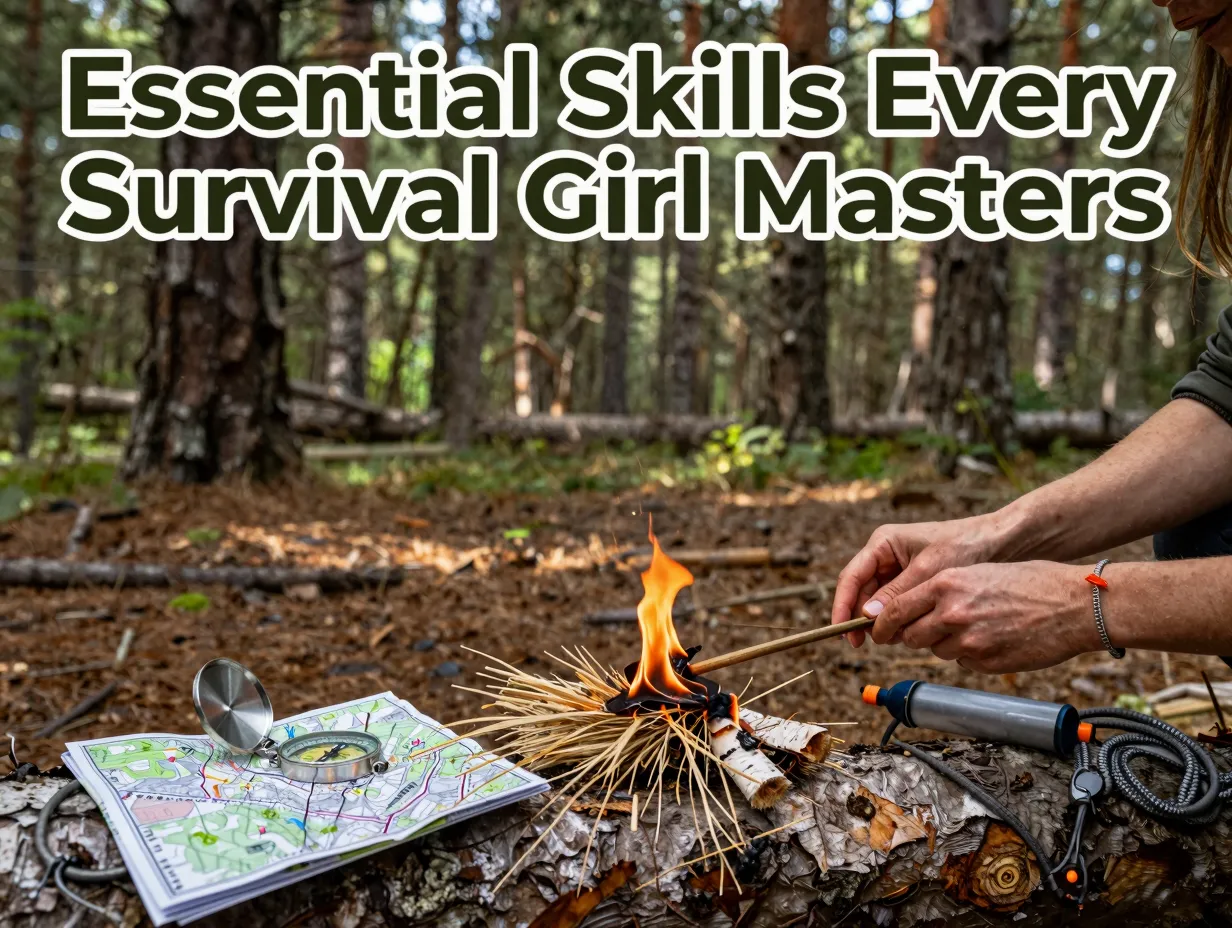
Whether the situation involves a car breakdown on a remote highway, a hiking trail that disappears at nightfall, or a natural disaster that cuts off power and clean water, these skills form a foundation that no app can replace. This guide breaks down each skill clearly, explains why it matters, and shows how to start building it today.
Key Takeaways
- Fire-starting, water purification, and shelter-building are the three most time-critical survival skills to learn first.
- Navigation without technology is a core competency that modern outdoor training programs consistently underemphasize.
- First aid knowledge dramatically increases survival odds in remote or disaster-affected environments.
- Situational awareness and mental resilience are often overlooked but are decisive factors in real emergencies.
- Regular practice in low-stakes settings is the only way to make these skills reliable under pressure.
Why the 9 Essential Skills Every Survival Girl Should Master Matter in 2026
Survival preparedness is no longer a niche interest. In 2026, extreme weather events, power grid vulnerabilities, and increased outdoor recreation participation have pushed emergency readiness into mainstream conversation. Women make up nearly half of all hikers, campers, and backcountry travelers in North America, yet survival training programs have historically been designed around male physiology and male-dominated scenarios.
The 9 Essential Skills Every Survival Girl Should Master address that imbalance directly. These skills are grounded in universal wilderness survival principles but framed with the specific contexts, safety considerations, and practical realities that women face, including solo travel, personal safety, and physical technique adaptations.
“Preparedness is not paranoia. It is the most rational form of confidence a person can carry into the unknown.”
Each skill below is presented with a clear explanation, practical starting points, and a difficulty rating to help prioritize learning.
| Skill | Priority Level | Time to Basic Competency |
|---|---|---|
| Fire Starting | Critical | 2-4 hours of practice |
| Water Purification | Critical | 1-2 hours of practice |
| Shelter Building | Critical | 3-6 hours of practice |
| Navigation | High | 4-8 hours of practice |
| First Aid | High | 8-16 hours (certified course) |
| Foraging | Moderate | 10+ hours with field guide |
| Knot Tying | Moderate | 2-3 hours of practice |
| Situational Awareness | High | Ongoing mindset development |
| Mental Resilience | High | Ongoing mindset development |
The Complete List: 9 Essential Skills Every Survival Girl Should Master
1. Fire Starting
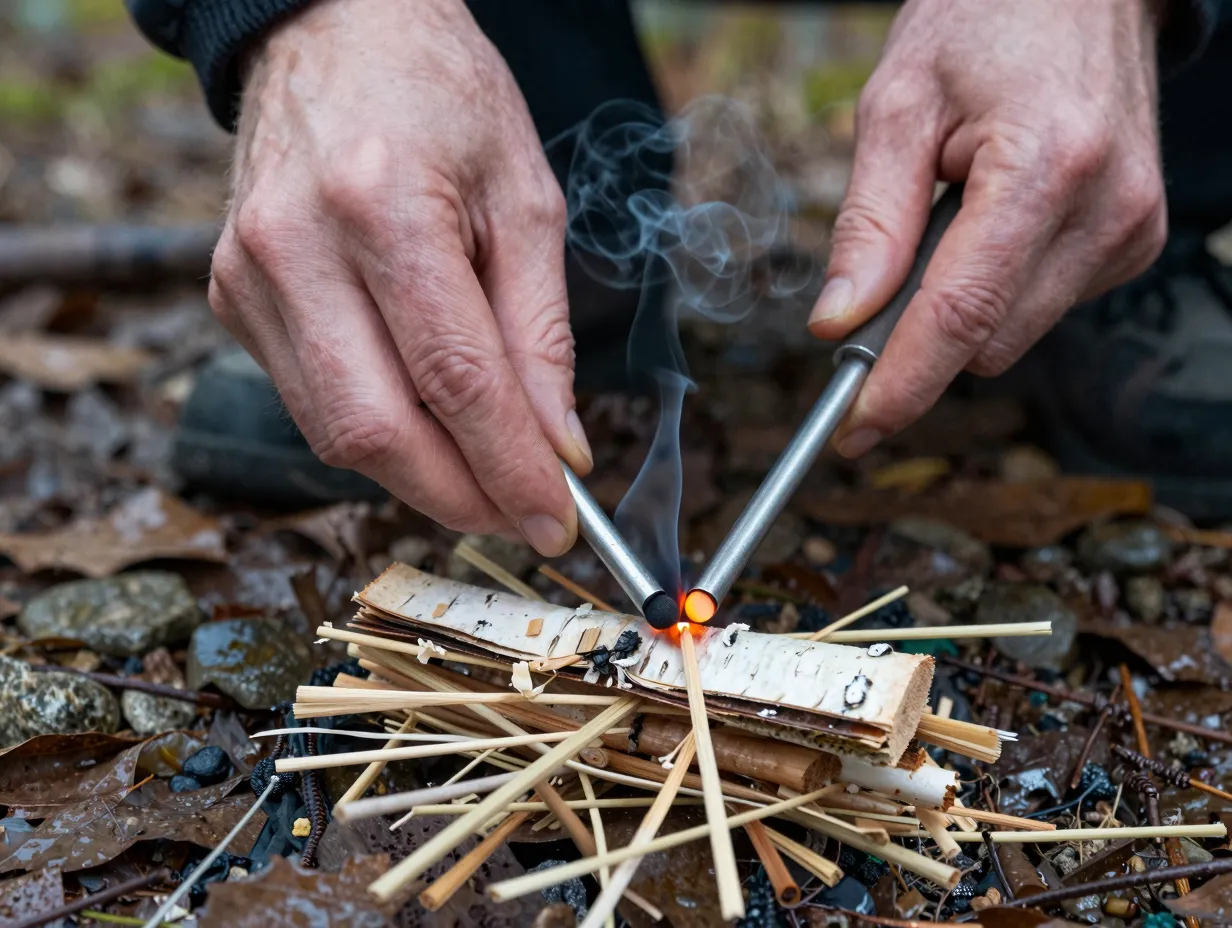
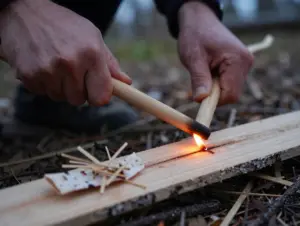
Fire is the cornerstone of wilderness survival. It provides warmth to prevent hypothermia, a method to purify water, a way to signal rescuers, and a psychological anchor in stressful situations. A survival girl who can reliably start a fire in wet, windy, or cold conditions holds a decisive advantage.
Core techniques to learn:
- Friction-based fire starting using a bow drill or hand drill
- Flint and steel sparking with a fire-starting kit
- Using a ferrocerium rod with dry tinder
- Waterproof match management and backup lighter storage
Tinder materials that work: dry grass, birch bark, cattail fluff, char cloth, and shredded cedar bark. The key variable is moisture. Practice building a fire in rain or high humidity before assuming the skill is solid.
Difficulty: Moderate to High. Friction fire in particular requires significant practice before it becomes reliable.
2. Water Purification and Sourcing
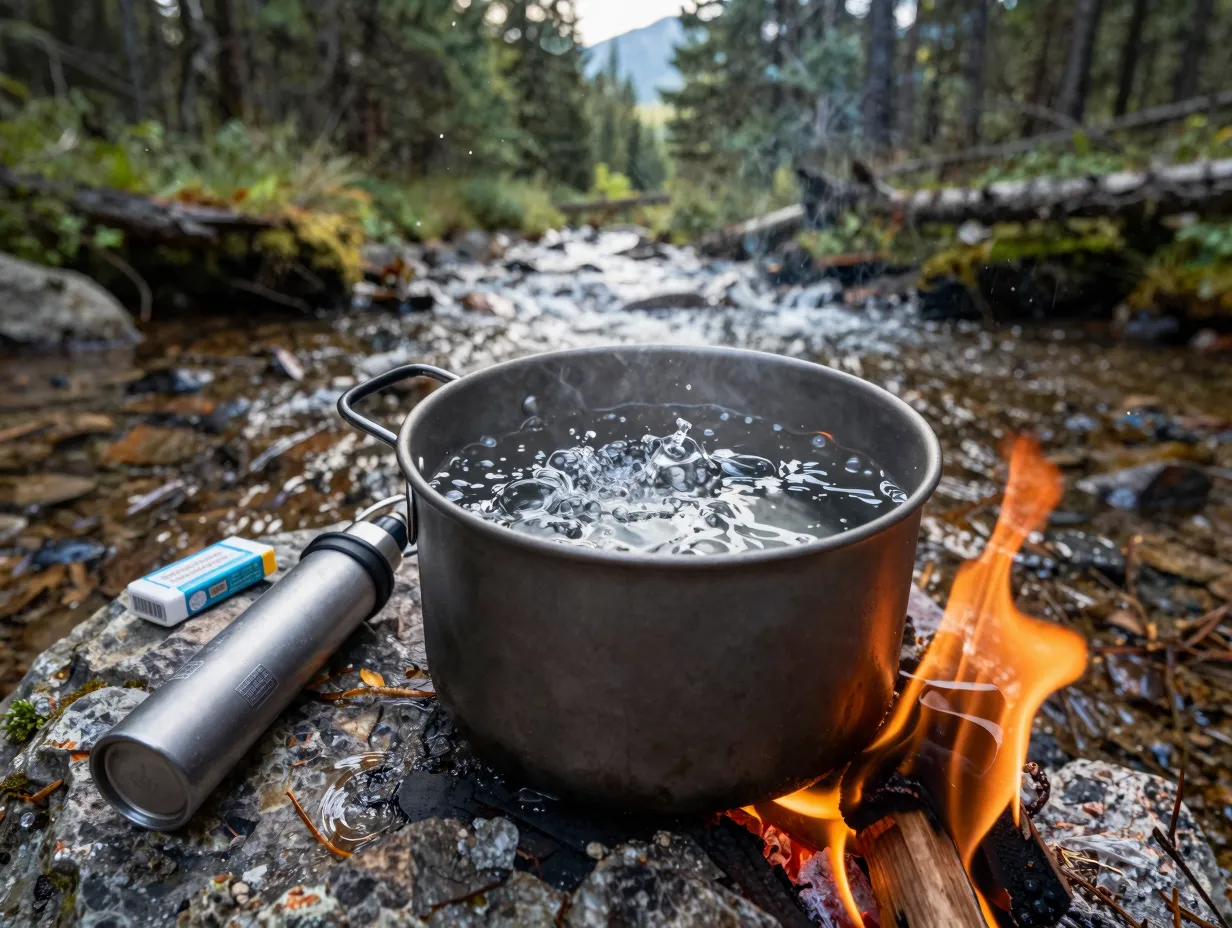
The human body can survive roughly three days without water under normal conditions, but physical exertion in heat can reduce that window dramatically. Knowing how to find and purify water is non-negotiable.
Primary purification methods:
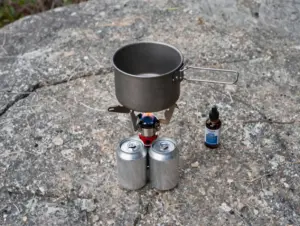
- Boiling: The most reliable method. Bring water to a rolling boil for at least one minute (three minutes at elevations above 6,500 feet).
- Chemical treatment: Iodine tablets or chlorine dioxide tablets are lightweight and effective against most pathogens.
- Filtration: Portable filters like squeeze filters or pump filters remove bacteria and protozoa but not all viruses.
- UV purification: UV pen devices are fast and effective but require battery power.
Finding water in the wild: Follow terrain downhill, look for animal trails converging, listen for running water, and watch for green vegetation clusters in dry landscapes. Morning dew collected from leaves is also a viable source.
Critical warning: Never assume water is safe because it looks clear. Giardia and cryptosporidium are invisible and cause severe illness.
3. Shelter Building
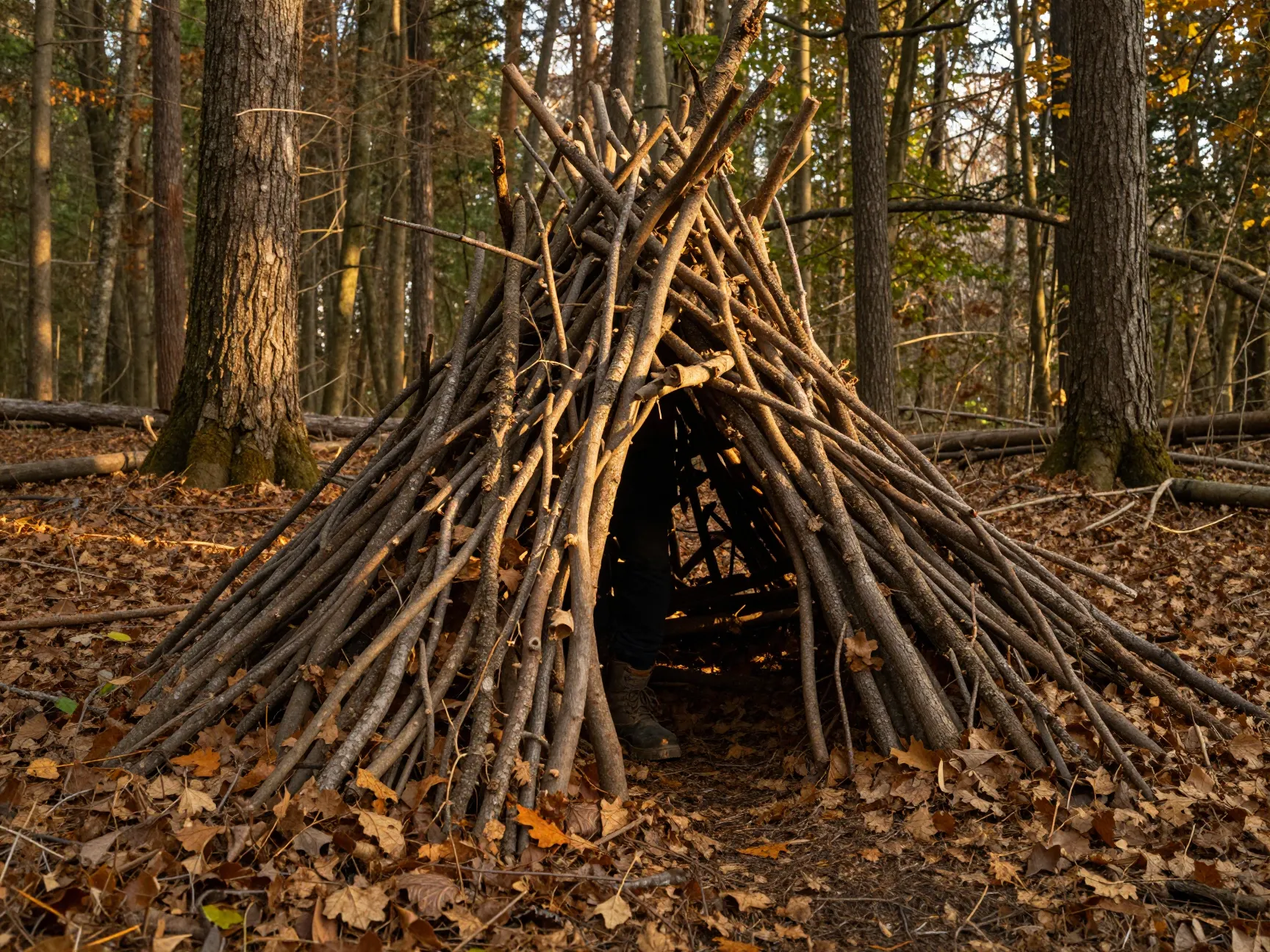
Exposure kills faster than most people expect. Hypothermia can set in at temperatures well above freezing when wind and moisture are factors. Building an effective emergency shelter from natural materials is a skill that directly saves lives.
Basic shelter types:
- Debris hut: A low-profile structure packed with leaves and forest debris for insulation. Excellent for solo use in temperate forests.
- Lean-to: Quick to build, offers wind protection, and can be oriented toward a fire for radiant heat.
- Snow shelter (quinzhee or snow trench): Essential knowledge for winter wilderness travel.
Key principles for any shelter:
- Insulate from the ground first, ground contact pulls heat away from the body faster than cold air.
- Keep the interior small to trap body heat efficiently.
- Choose a site protected from wind and elevated above drainage paths.
- Gather significantly more insulation material than seems necessary, a debris hut needs at least two feet of packed material on all sides.
4. Navigation Without Technology
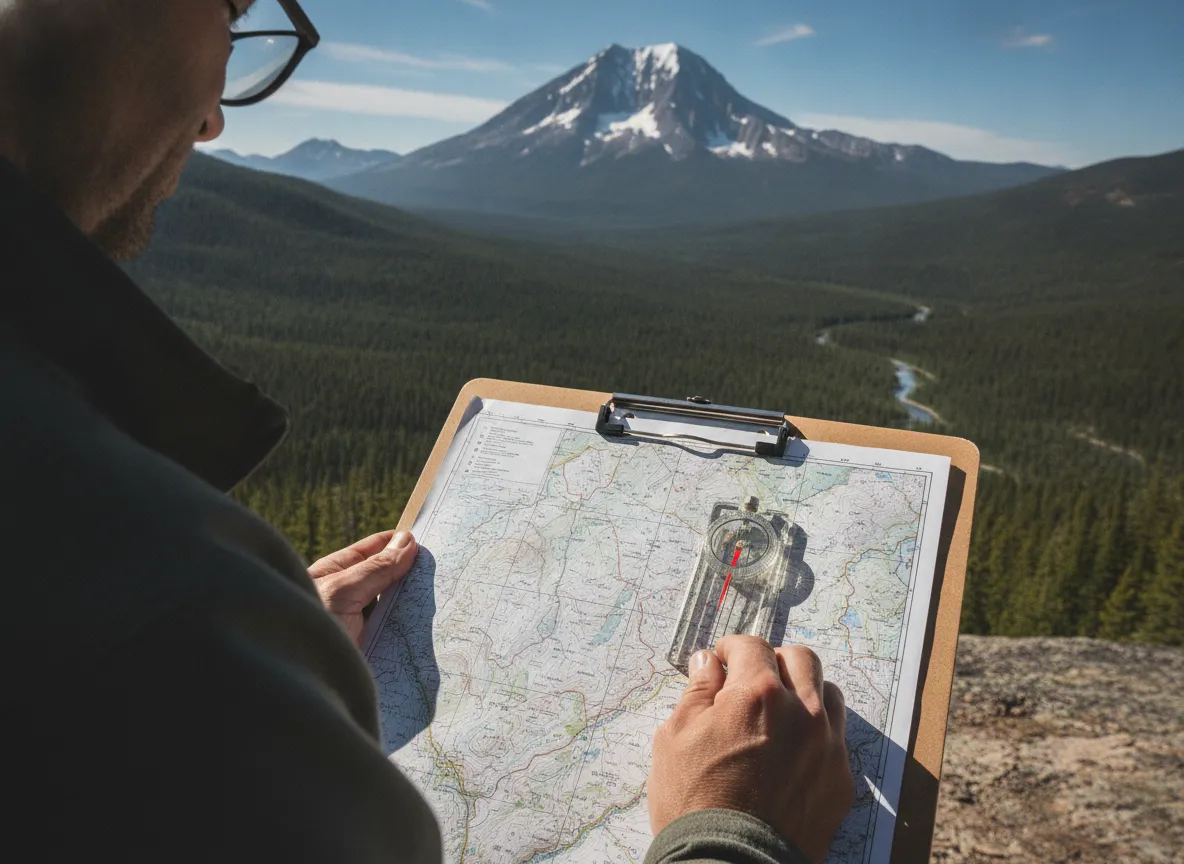
GPS devices fail. Batteries die. Signals disappear in canyons and dense forests. A survival girl who can navigate using a map and compass, or even by natural indicators, is never truly lost.
Skills to develop:
- Reading topographic maps and understanding contour lines
- Using a baseplate compass to take bearings and follow them accurately
- Triangulating position using two or more known landmarks
- Understanding declination and adjusting for it
Natural navigation methods:
- Sun position: The sun rises roughly east and sets roughly west. At solar noon in the Northern Hemisphere, it is due south.
- Stars: The North Star (Polaris) indicates true north and is found by extending the line of the Big Dipper’s outer edge.
- Moss and growth patterns: Moss grows on all sides of trees in humid climates, making this an unreliable sole indicator, use it as one data point among several.
Practice tip: Take a paper map and compass on every hike, even when carrying a phone. Use the phone only to verify, not to lead.
5. Wilderness First Aid
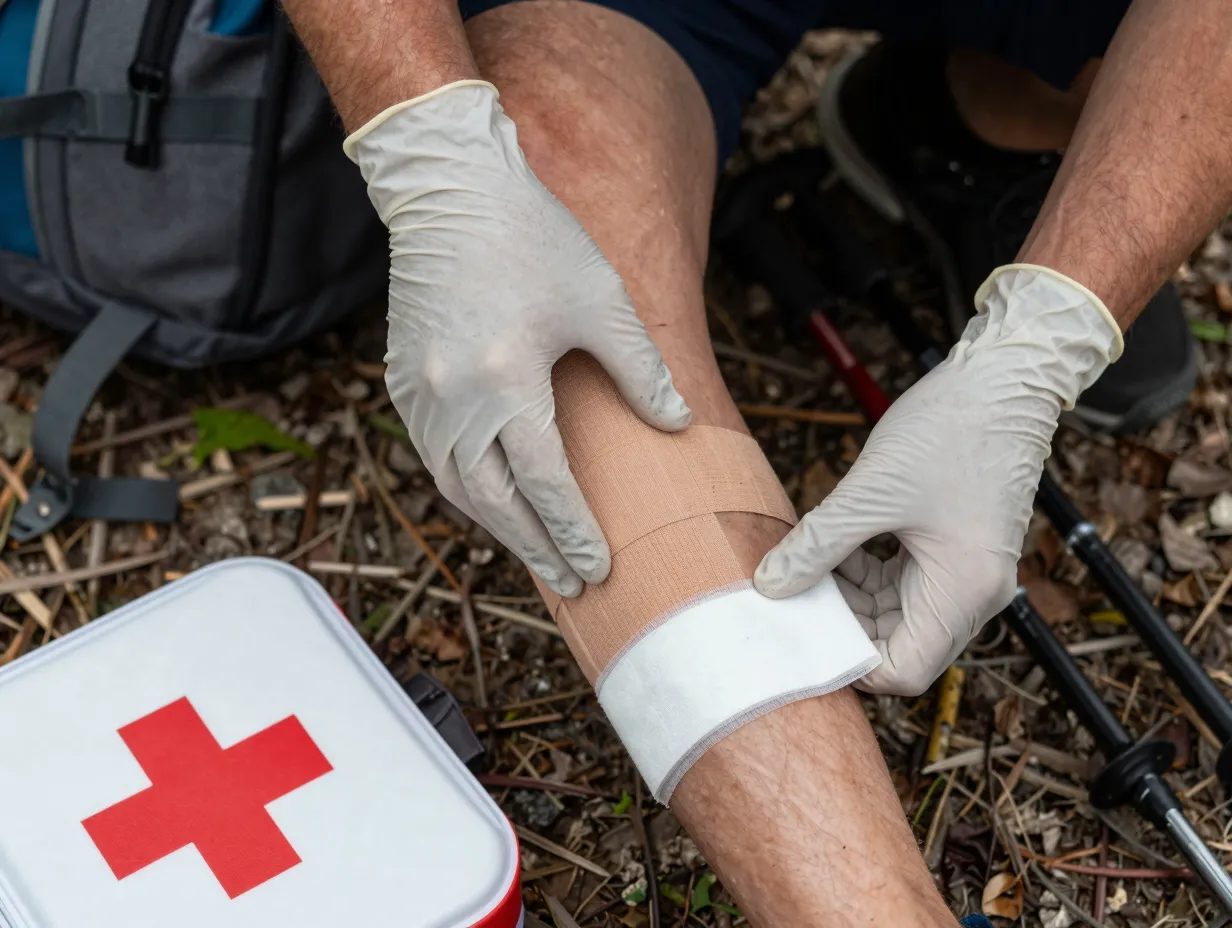
Injuries and medical emergencies do not wait for cell service. A Wilderness First Aid (WFA) or Wilderness First Responder (WFR) certification is one of the highest-value investments a survival-minded woman can make. Even without formal certification, core knowledge saves lives.
Priority skills:
- Wound management: Cleaning, closing, and bandaging lacerations to prevent infection
- Fracture stabilization: Improvising splints from sticks, trekking poles, or clothing
- Hypothermia treatment: Recognizing stages and applying rewarming protocols
- Anaphylaxis response: Using an epinephrine auto-injector if available; managing airway
- Blister prevention and treatment: A seemingly minor issue that can become debilitating over multi-day travel
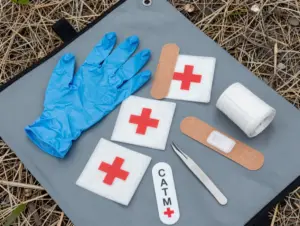
Build a personal first aid kit that includes nitrile gloves, gauze, medical tape, a SAM splint, antiseptic wipes, a tourniquet, blister pads, and any personal medications.
“In a remote emergency, the first responder is whoever is standing there. Make sure that person knows what to do.”
6. Wild Plant Foraging and Food Sourcing
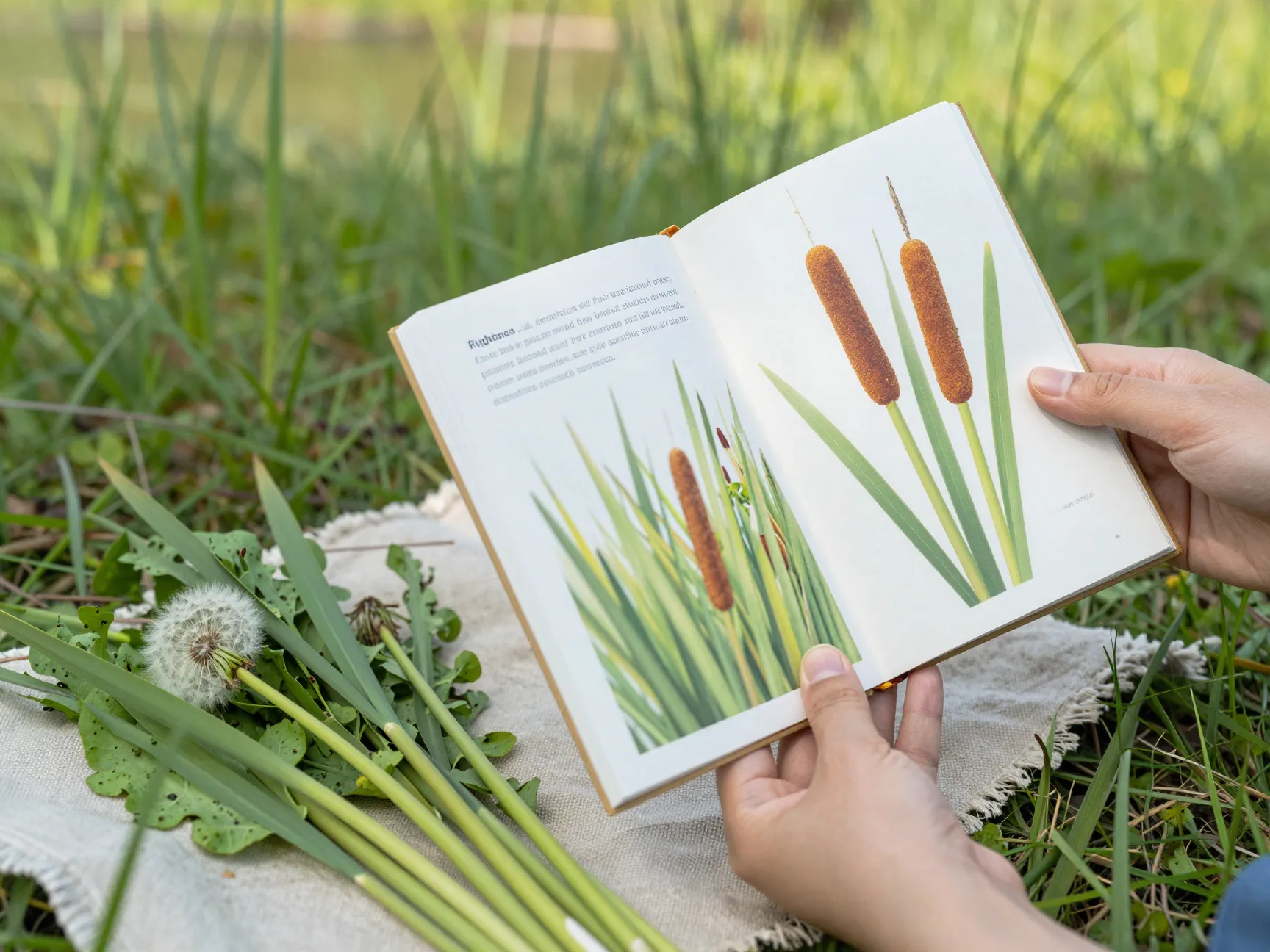
Food is the least urgent of the survival priorities, the body can function for weeks without it, but foraging knowledge becomes critical in extended survival situations and adds a powerful layer of self-reliance.
Safe approach to foraging:
- Start with a small number of highly distinctive, easy-to-identify plants in the local region.
- Use a region-specific field guide, not a general one.
- Learn the “deadly lookalikes” for every edible plant studied.
- Never eat anything that cannot be identified with complete certainty.
High-value plants for beginners to learn:
- Cattail (Typha spp.), edible at multiple growth stages
- Dandelion (Taraxacum officinale), leaves, flowers, and roots are edible
- Wild garlic (Allium ursinum), distinctive smell confirms identification
- Blackberries and raspberries, widely distributed and easy to identify
Protein sources beyond plants: Insects are calorie-dense and widely available. Grasshoppers, crickets, and ants are among the safest to harvest. Fishing with improvised gear is another valuable skill in riparian environments.
7. Rope and Knot Skills
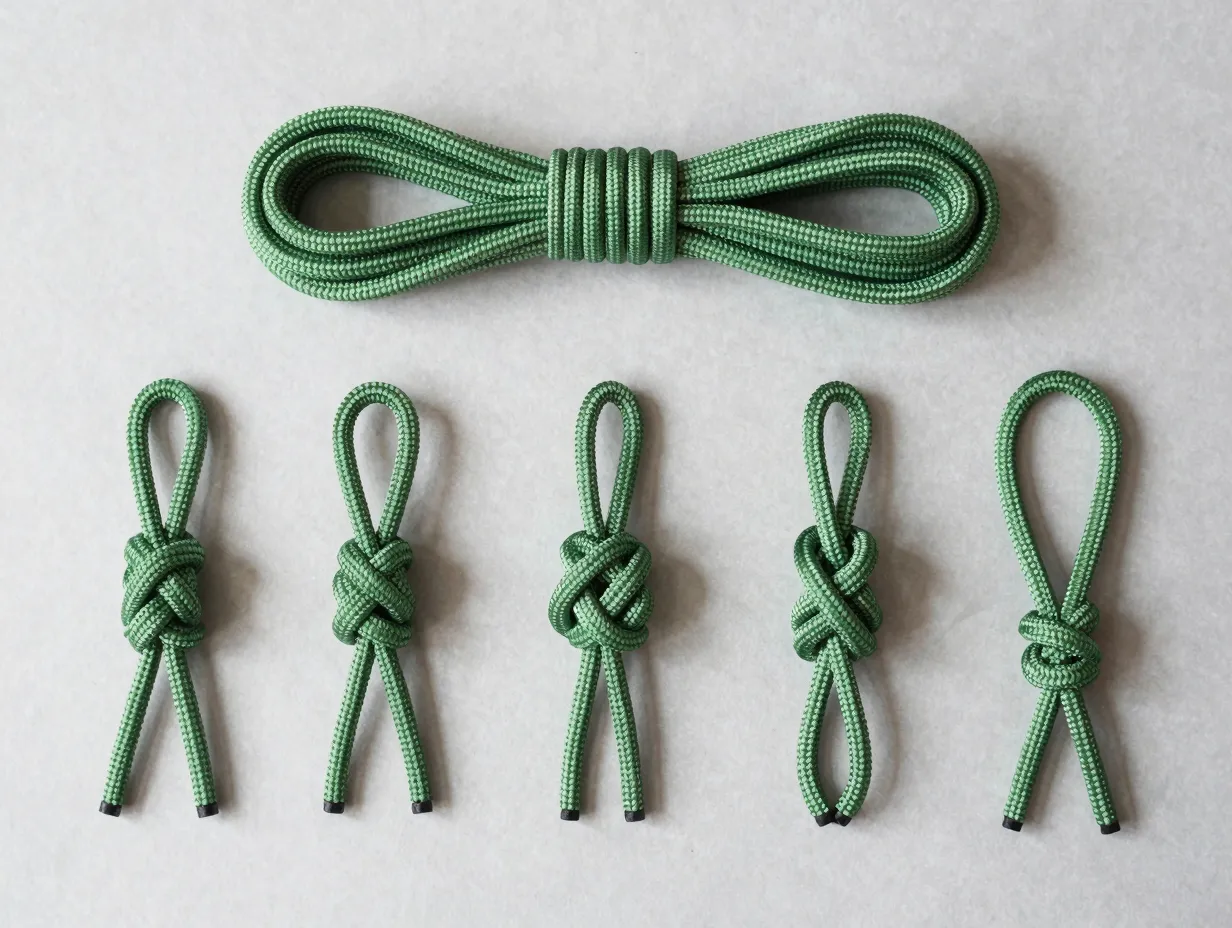
Rope work is one of the most versatile and underrated survival skills. From securing a shelter to rigging a bear hang, from building a stretcher to crossing a water obstacle, the ability to tie reliable knots and use cordage effectively multiplies every other skill.
Essential knots to master:
- Bowline: Creates a fixed loop that does not slip under load. Used for rescue, anchoring, and rigging.
- Clove hitch: Fast to tie and adjustable. Used for lashing poles and securing lines to posts.
- Square knot: Joins two ropes of similar diameter. Useful for bandaging and bundling.
- Prusik knot: A friction hitch that grips a rope under load but slides when unweighted. Used in climbing and rescue scenarios.
- Taut-line hitch: An adjustable loop used for tent guylines and tarp rigging.
Paracord (550 paracord) is the recommended practice and carry material. Its inner strands can be separated for fine work such as fishing line, sutures, or snare construction.
Practice method: Keep a length of paracord accessible and practice knots during idle moments, waiting for coffee, watching a show, or sitting in a car. Muscle memory is the goal.
8. Situational Awareness
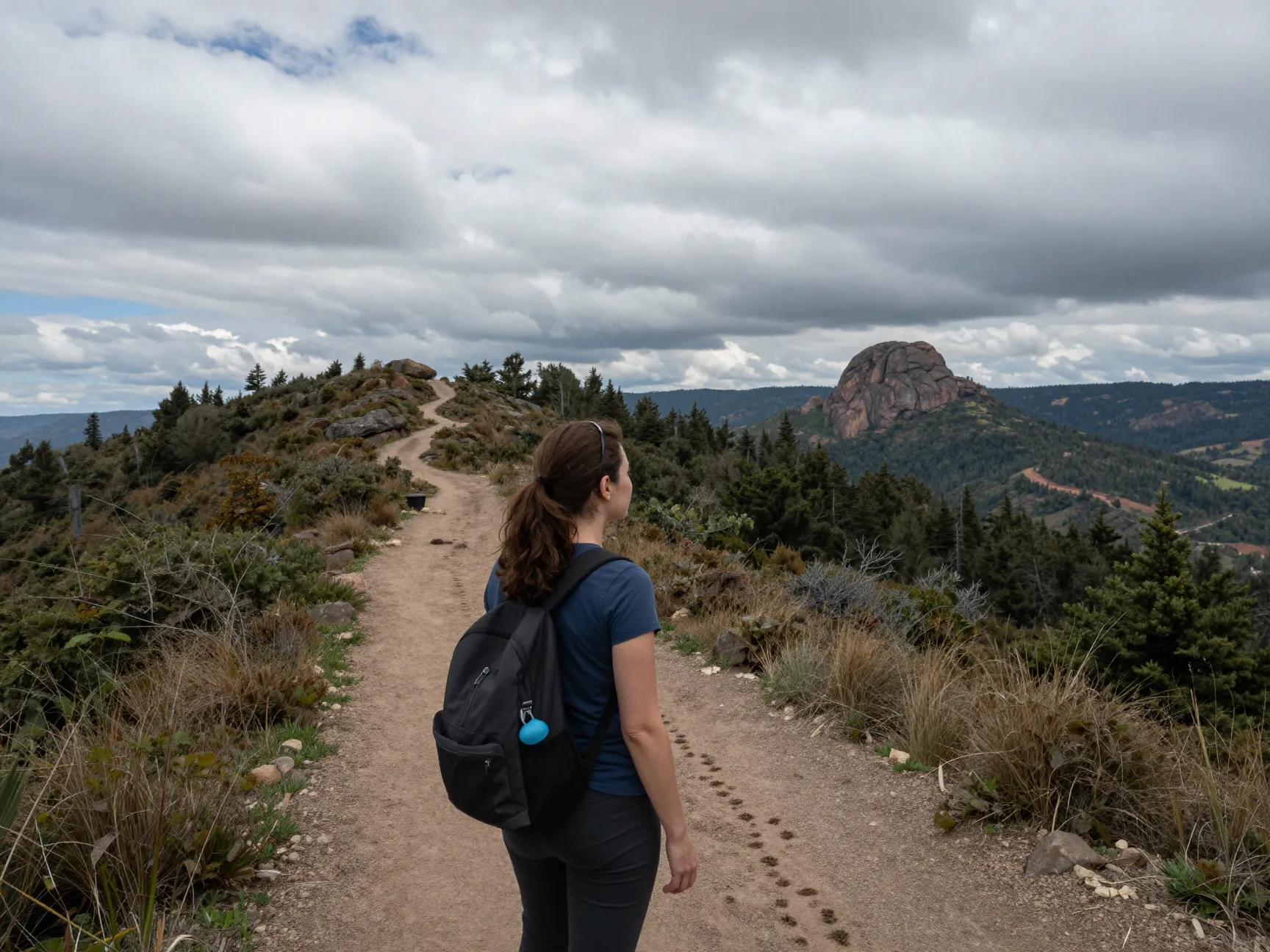
Situational awareness is the skill that prevents emergencies before they start. It is also a personal safety skill with direct applications in urban environments, not just the wilderness. The concept, popularized in military and law enforcement training, translates directly to outdoor survival.
The core framework, Cooper’s Color Code:
- White: Relaxed, unaware. Appropriate only in known-safe environments.
- Yellow: Relaxed alertness. The default state for anyone in an unfamiliar environment.
- Orange: Focused alert. A specific potential threat has been identified.
- Red: Ready to act. A threat is confirmed and a response is being executed.
Practical applications in the outdoors:
- Scanning the sky regularly for weather changes
- Noting terrain features, water sources, and landmarks as landmarks for navigation
- Identifying animal signs (tracks, scat, disturbed vegetation) that indicate wildlife presence
- Assessing group members for signs of fatigue, dehydration, or altitude sickness before they become crises
For personal safety: Trust instincts. Research consistently shows that the subconscious processes threat signals before conscious awareness catches up. If something feels wrong, it warrants attention.
9. Mental Resilience and Stress Management
Every survival expert who has documented real emergency situations identifies the same factor as the most decisive: the mind. Physical skills matter enormously, but panic, poor decision-making under stress, and giving up kill people who had every physical resource needed to survive.
Key mental frameworks for survival situations:
- The Rule of Three for priorities: Three minutes without air, three hours without shelter in harsh conditions, three days without water, three weeks without food. This framework prevents panic by clarifying what actually needs attention first.
- Task segmentation: Break overwhelming situations into the smallest possible actionable steps. “Build a fire” becomes “find dry tinder,” then “gather kindling,” then “construct the fire lay.”
- Positive self-talk: Research in performance psychology shows that directed self-talk reduces cortisol and improves decision quality under stress.
- Controlled breathing: Box breathing (four counts in, four counts hold, four counts out, four counts hold) activates the parasympathetic nervous system and reduces the physiological stress response within minutes.
Building resilience before an emergency:
- Deliberately practice discomfort, cold showers, fasting, sleep restriction in controlled settings, to expand the comfort zone.
- Take wilderness courses that include scenario-based stress inoculation.
- Debrief after difficult outdoor experiences to extract lessons and build confidence.
How to Start Building These Skills Today
Knowing the list is the beginning. Building genuine competency requires deliberate practice. Here is a practical progression for someone starting from zero:
Month 1, Critical foundations:
Focus on fire starting, water purification, and basic first aid. These three skills address the most time-sensitive survival threats. Take a one-day wilderness first aid course if possible.
Month 2, Shelter and navigation:
Spend at least two weekends practicing shelter construction in a local forest or park. Purchase a quality baseplate compass and a topographic map of a local area, and spend time learning to use them together.
Month 3, Expanding the toolkit:
Add knot tying, basic foraging identification (start with three to five local plants only), and begin exploring situational awareness practices in daily life.
Ongoing, Mental resilience and refinement:
Mental resilience is not built in a weekend course. It develops through consistent exposure to challenging situations, reflection, and community. Join a local wilderness skills group, take progressively more demanding outdoor trips, and revisit foundational skills regularly to keep them sharp.
Gear that supports skill development:
- A quality ferrocerium rod and striker
- A water filter rated for backcountry use
- A baseplate compass (Silva or Suunto are reliable brands)
- A regional plant identification field guide
- A 50-foot length of 550 paracord
- A personal first aid kit built for wilderness use
Conclusion
The 9 Essential Skills Every Survival Girl Should Master are not about preparing for the apocalypse. They are about building the kind of competence that transforms the outdoors from a place of potential danger into a place of genuine freedom. A woman who can start a fire in the rain, find and purify water, build a shelter, navigate without a phone, treat an injury, identify edible plants, tie a reliable knot, read her environment, and manage her own stress response is not just safer, she is more capable, more confident, and more independent in every outdoor context.
Actionable next steps:
- Choose one skill from this list and commit to two hours of deliberate practice this week.
- Register for a Wilderness First Aid course, most are completed in a single weekend.
- Purchase a baseplate compass and spend one afternoon learning to use it with a paper map.
- Build or audit a personal first aid kit against the components listed in the first aid section.
- Find a local wilderness skills group, women’s outdoor club, or survival training program to accelerate learning through community.
The gap between knowing and doing closes one practiced skill at a time. Start now.