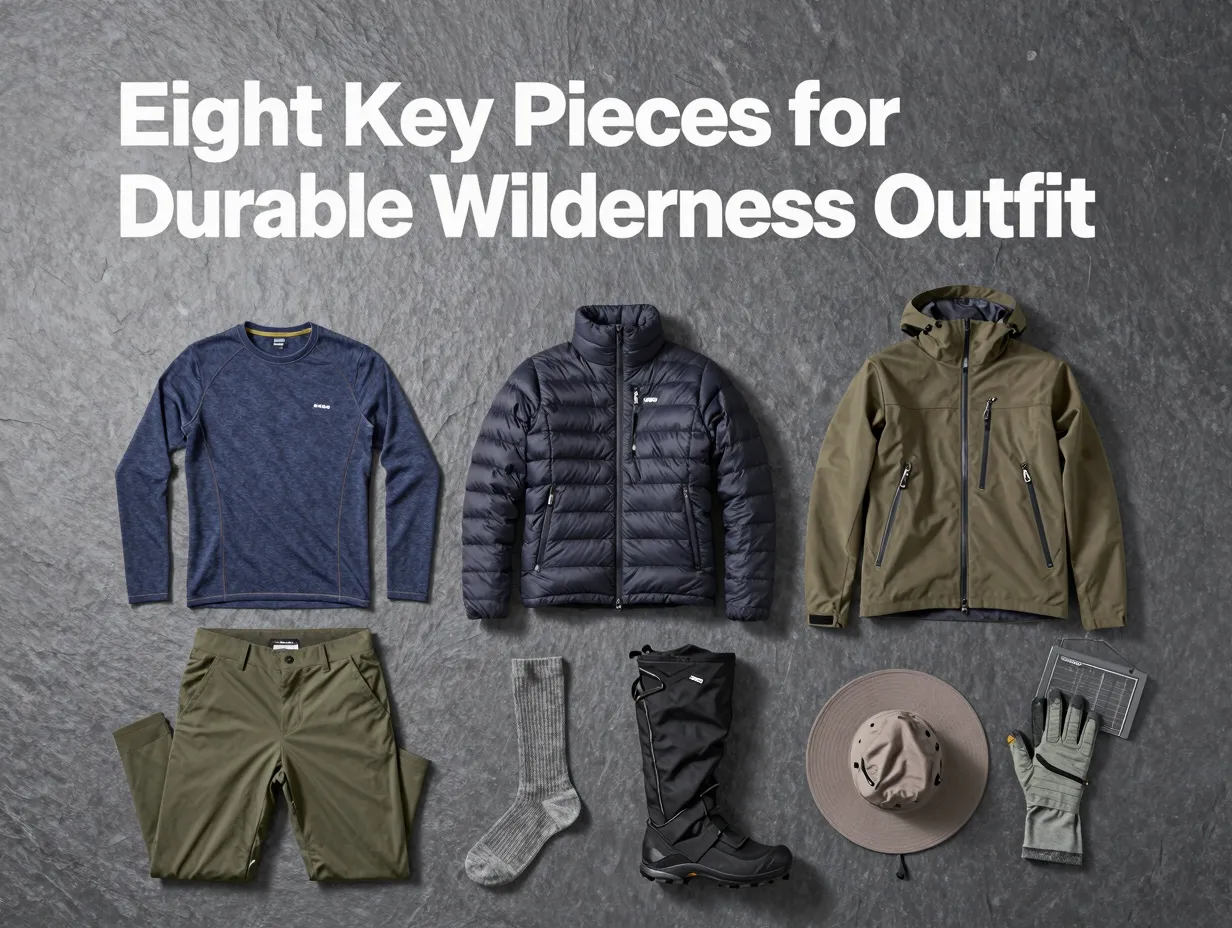
8 Key Pieces for a Functional and Durable Wilderness Outfit
Nearly 60 percent of search-and-rescue operations in North American backcountry terrain involve hikers who were underprepared for changing weather conditions, and a significant share of those incidents trace back to inadequate clothing. The right wilderness outfit is not a luxury; it is a life-safety system. The 8 key pieces for a functional and durable wilderness outfit represent an expert-driven framework that experienced hunters, mountaineers, and backcountry travelers have refined over decades. Understanding each component, and how they work together, is the difference between a miserable, dangerous outing and a confident, capable one.
Disclosure: This post contains affiliate links. As an Amazon Associate, we earn from qualifying purchases, and at no extra cost to you.
Key Takeaways
- A complete wilderness clothing system relies on eight specific pieces that work together as a layering and protection framework, not as isolated garments.
- Moisture management at the base layer level is the single most critical factor in preventing hypothermia and maintaining comfort across seasons.
- Durability and packability must be balanced; ultralight gear that fails in the field is worse than slightly heavier gear that holds up.
- Fit, fabric technology, and construction quality determine whether each piece performs under real backcountry stress.
- Building the 8 key pieces for a functional and durable wilderness outfit does not require buying everything at once, prioritize by the harshest conditions you expect to face first.
Why the 8-Piece System Is the Gold Standard for Wilderness Clothing
The concept of a structured wilderness clothing system is not new. Hunter and layering specialist John Barklow, formerly with Sitka Gear, helped popularize the idea that backcountry clothing should function as an integrated system rather than a random collection of garments [5]. The principle is straightforward: each piece serves a defined role, and together they cover every condition a wilderness traveler is likely to encounter.
The layering philosophy underpins the entire system. Outdoor educators and gear specialists consistently break the system into base, mid, and shell layers, with additional pieces addressing extremities, sun exposure, and terrain-specific hazards [6]. What makes the 8-piece framework powerful is its scalability, it applies equally to a summer backpacking trip in the Sierra Nevada and a late-fall elk hunt in the Rockies [2].
“The goal of any clothing system is to keep the body in a stable thermal and moisture state regardless of output level or weather conditions.”, Sitka Gear Experience Guide [5]
The table below summarizes the eight pieces and their primary function within the system:
| Piece | Layer Type | Primary Function |
|---|---|---|
| Moisture-wicking base layer top | Base | Sweat transfer, skin temperature regulation |
| Insulating mid-layer | Mid | Heat retention during rest or cold conditions |
| Waterproof/windproof shell jacket | Outer shell | Weather protection, wind and rain barrier |
| Durable hiking pants or bottoms | Lower body | Abrasion resistance, mobility, weather protection |
| Moisture-wicking hiking socks | Extremity | Blister prevention, foot temperature management |
| Gaiters | Terrain protection | Debris exclusion, ankle protection, waterproofing |
| Sun-protective hat or brim hat | Head/sun protection | UV protection, heat management, rain deflection |
| Lightweight gloves or hand protection | Extremity | Hand warmth, wind protection, dexterity retention |
The 8 Key Pieces for a Functional and Durable Wilderness Outfit, Explained
Each of the following pieces is numbered in ascending order, consistent with the system’s layering logic, starting closest to the body and working outward, then addressing lower body and extremities.
1. Moisture-Wicking Base Layer Top

The base layer is the foundation of any wilderness clothing system. Its job is not to keep the wearer warm, that is the mid-layer’s role. The base layer’s function is to move sweat away from the skin rapidly, preventing the clammy, chilling effect that soaked cotton causes [6].
Fabric choice matters enormously here. Merino wool and synthetic polyester blends are the two dominant options. Merino wool regulates temperature across a wider range, resists odor, and remains comfortable when damp. Synthetic fabrics dry faster and are generally more durable over repeated washes [8]. Many experienced backcountry travelers carry one of each and select based on trip length and expected exertion level.
Key features to look for:
- Flatlock seams to prevent chafing under pack straps
- Crew or zip-neck collar for ventilation control
- Fit that is snug but not restrictive, excess fabric bunches under layers
Avoid cotton entirely in wilderness settings. The phrase “cotton kills” is a cliche because it is accurate: cotton absorbs moisture, loses all insulating value when wet, and dries extremely slowly [9].
2. Insulating Mid-Layer
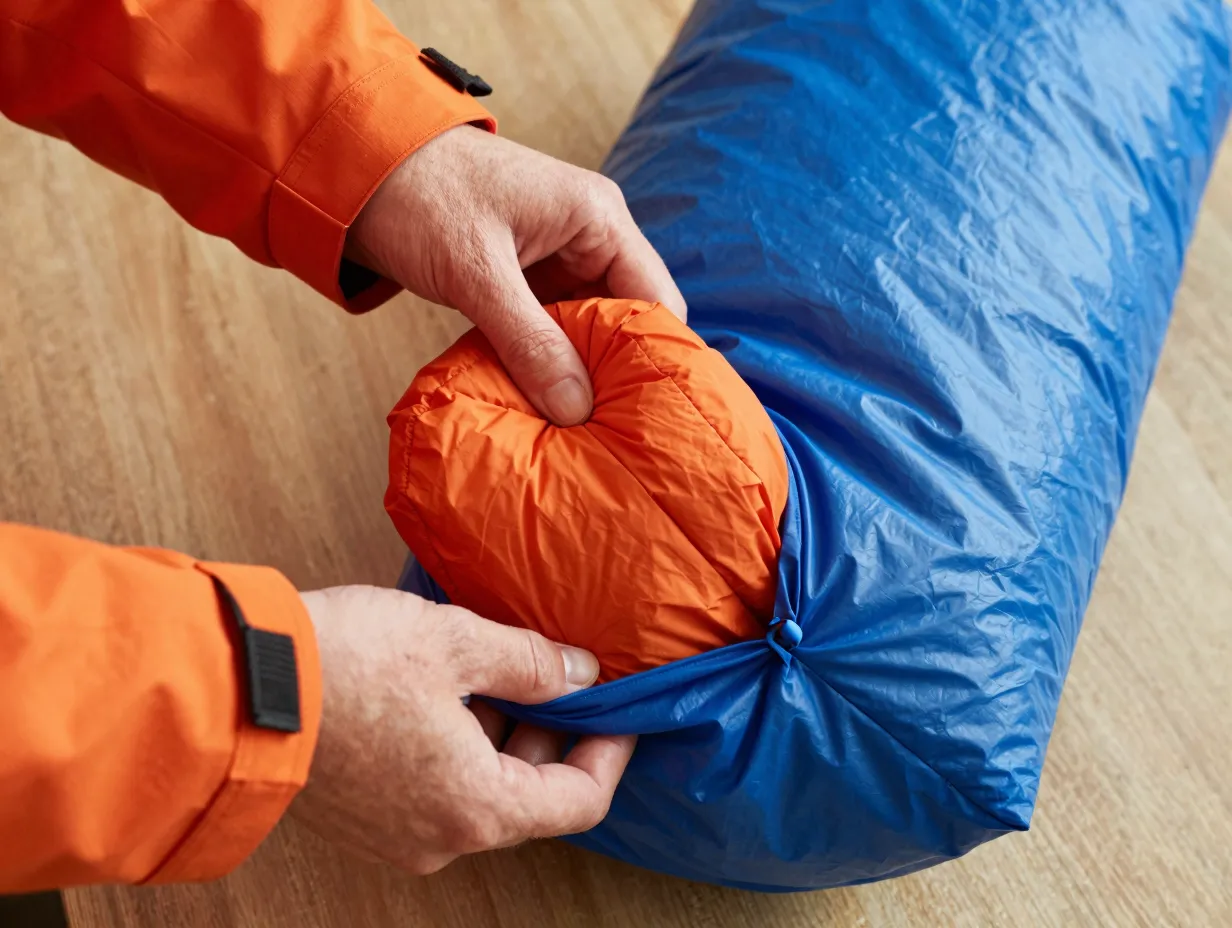
The mid-layer traps warm air close to the body. It activates primarily during rest stops, cold mornings, or when temperatures drop unexpectedly. The best mid-layers are highly compressible so they can be stuffed into a pack when not needed [7].
Down insulation offers the highest warmth-to-weight ratio available. A 700-fill or higher down jacket packs to the size of a water bottle and provides exceptional warmth. The critical weakness is moisture: wet down collapses and loses nearly all insulating value. Hydrophobic down treatments (such as DownTek or DriDown) partially address this, but down remains best suited to dry environments [5].
Synthetic insulation (PrimaLoft, Polartec Alpha, and similar products) retains warmth even when wet, dries faster, and is more affordable. For high-precipitation environments, Pacific Northwest, coastal ranges, tropical highlands, synthetic is the more reliable choice [7].
A fleece mid-layer is a third option that breathes well during high-output activity, making it popular for aerobic pursuits like trail running or ski touring where the wearer cycles rapidly between hard effort and rest [10].
3. Waterproof and Windproof Shell Jacket
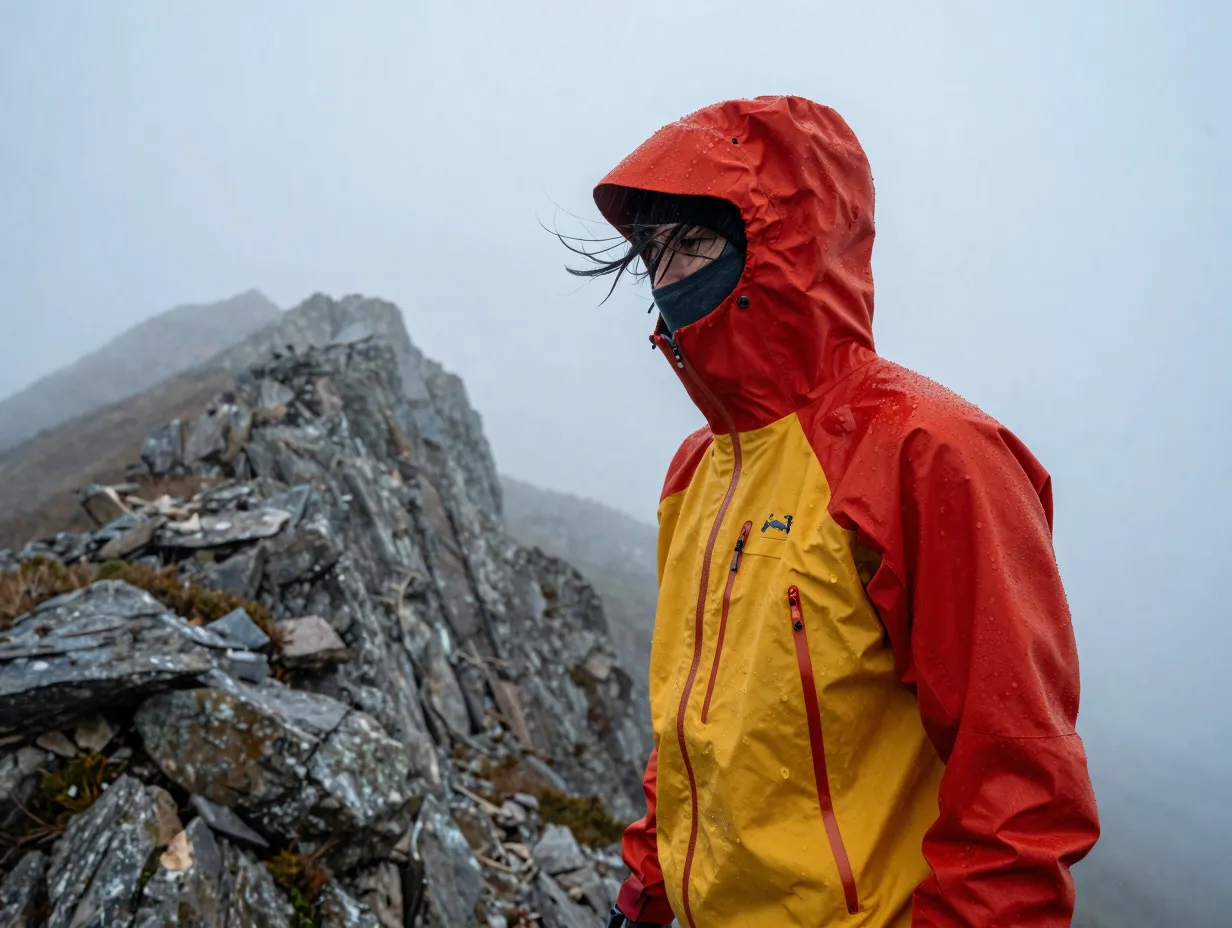
The shell jacket is the outermost armor against weather. It does not need to be warm on its own, that is handled by the layers underneath, but it must be reliably waterproof, windproof, and breathable enough to prevent internal moisture buildup during exertion [2].
Gore-Tex and its competitors (eVent, Pertex Shield, Polartec NeoShell) use microporous membrane technology that blocks liquid water while allowing water vapor (sweat) to escape. The breathability ratings of these fabrics vary significantly, and higher-output activities demand higher breathability [8].
Critical shell jacket features:
- Fully taped seams (not just critically taped) for full waterproofing
- Helmet-compatible hood with adjustment points
- Pit zips or underarm ventilation for dump venting during climbs
- Packable design that compresses into its own pocket or a stuff sack
Durable Water Repellent (DWR) coatings on the outer fabric face are a maintenance item, not a permanent feature. They degrade with use and washing. Reapplying DWR treatment annually, or more frequently with heavy use, keeps the shell performing as designed [9].
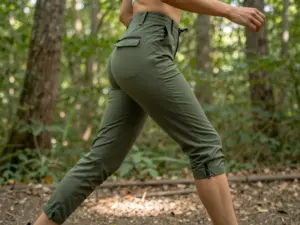
4. Durable Hiking Pants or Lower-Body System
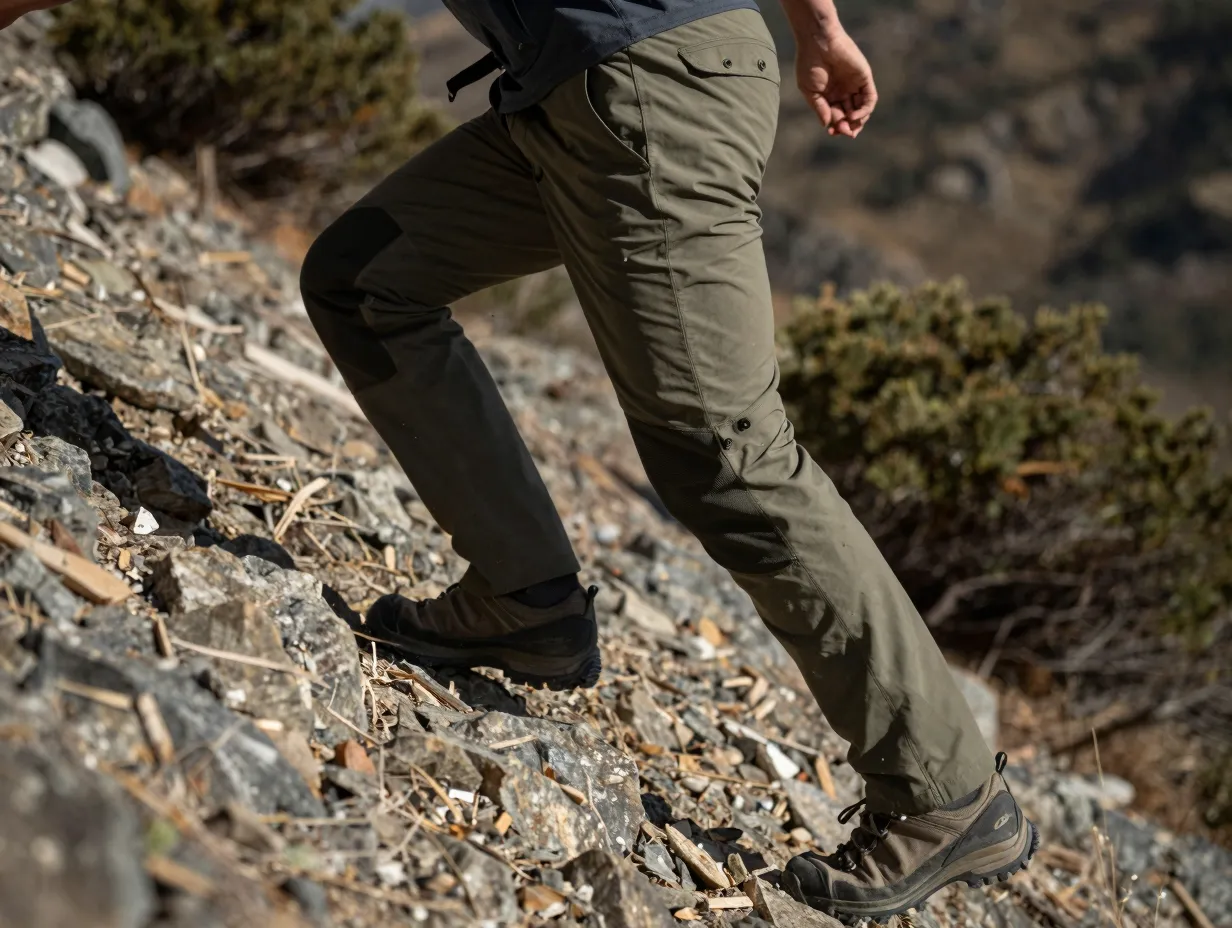
Lower-body protection is often underweighted in wilderness outfit planning. Legs are exposed to brush, rocks, insects, UV radiation, and precipitation throughout a day of travel. The right pants must balance abrasion resistance, moisture management, and freedom of movement [6].
Softshell pants made from stretch-woven nylon or polyester blends are the most versatile option for three-season use. They resist light precipitation, dry quickly, and move with the body during scrambling or steep terrain. For heavier rain, a lightweight waterproof shell pant worn over softshell bottoms provides the same layering logic as the upper body [5].
Convertible pants, those with zip-off legs that convert to shorts, are popular for summer backpacking where temperatures fluctuate significantly between morning and midday [2].
Key lower-body considerations:
- Articulated knees for unrestricted stride and step-up
- Reinforced seat and inner thigh panels for bushwhacking durability
- Belt loops or an integrated waistband with adjustment
- UPF 30 or higher rating for sun-exposed terrain
5. Moisture-Wicking Hiking Socks
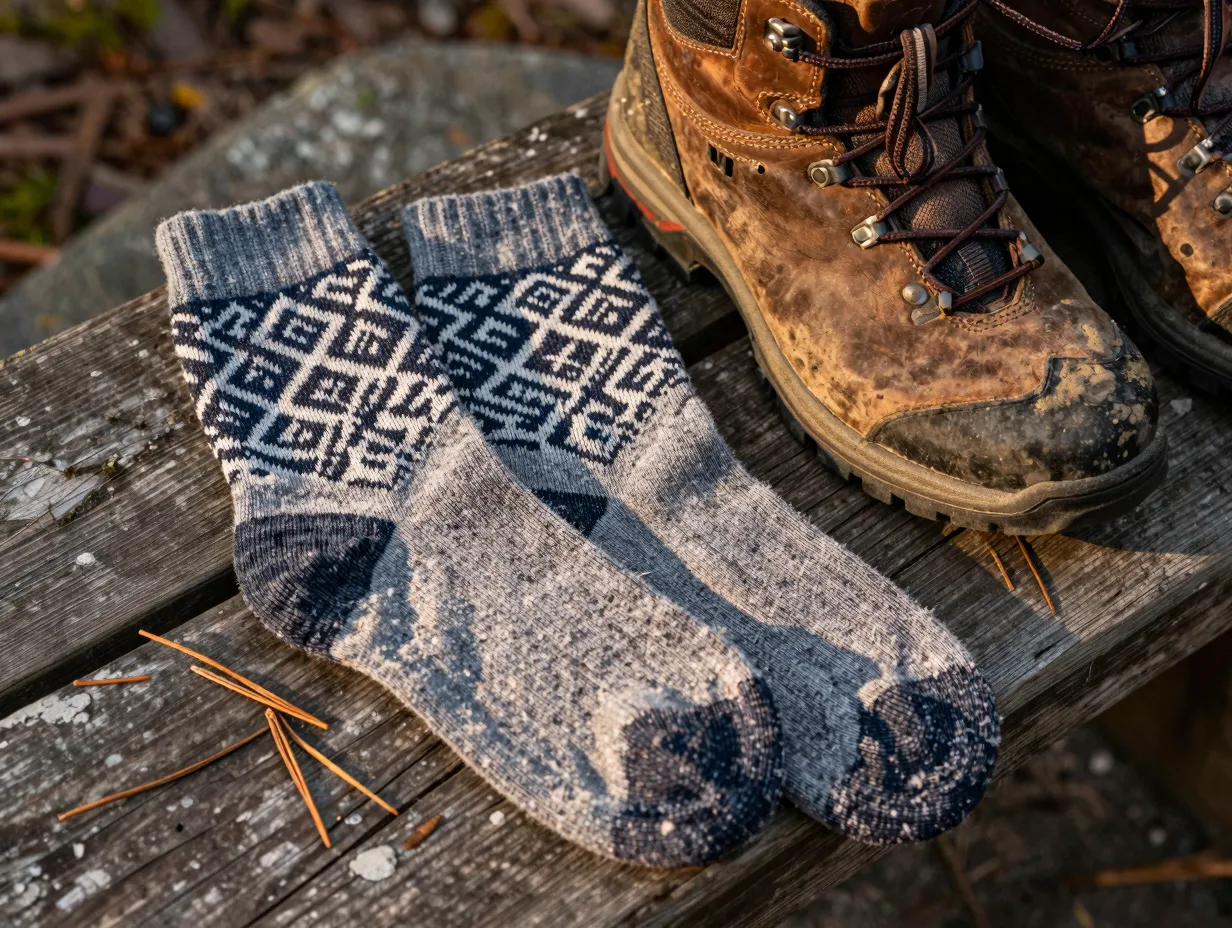
Foot care is a wilderness survival skill, and socks are the first line of defense. Blisters are among the most common reasons hikers cut trips short or require evacuation assistance. The right socks reduce friction, manage moisture, and provide cushioning in high-impact zones [9].
Merino wool hiking socks dominate the performance category for good reason. They regulate temperature in both hot and cold conditions, resist odor effectively over multi-day use, and cushion without excessive bulk. Brands such as Darn Tough, Smartwool, and Icebreaker have built strong reputations in this category [7].
Sock weight, ultralight, light, medium, and heavy, should match the boot type and terrain. A lightweight trail runner calls for a light-cushion sock; a heavy leather mountaineering boot pairs with a medium or heavy-cushion option.
Double-sock systems, a thin liner sock inside a thicker outer sock, reduce friction between layers rather than between sock and skin, which some hikers find significantly reduces blister formation on long-distance routes [10].
6. Gaiters
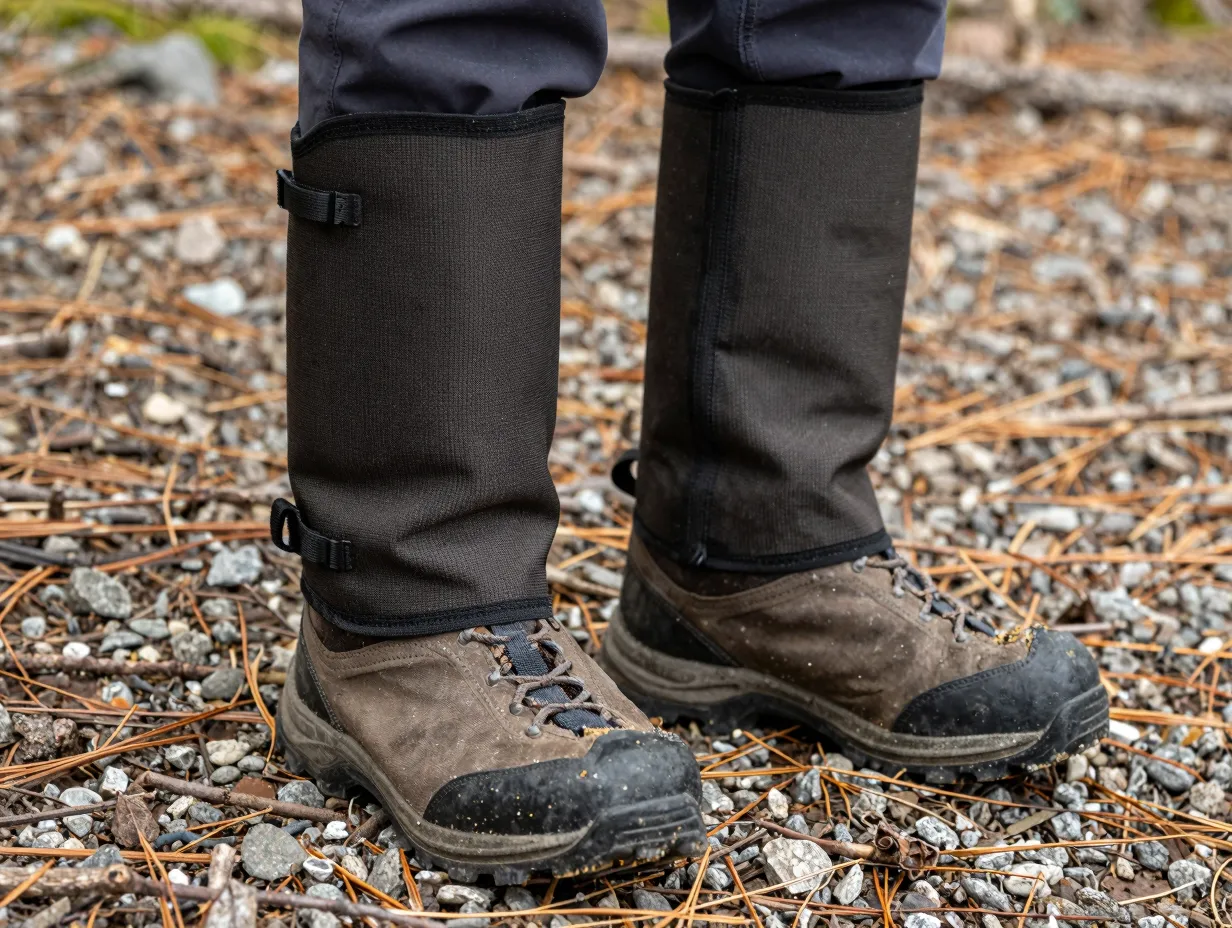
Gaiters are among the most overlooked pieces in the 8 key pieces for a functional and durable wilderness outfit, yet they deliver outsized value in specific terrain types. Their primary role is to prevent debris, rocks, sand, pine needles, snow, from entering the boot collar, which causes hotspots and blisters [6].
Low gaiters (ankle gaiters) are the standard choice for trail and off-trail travel in dry or moderately wet conditions. They are lightweight, pack flat, and add minimal bulk to a kit. Trail runners and fastpackers frequently use them on dusty or rocky terrain [8].
Mid and full gaiters extend above the knee and are essential for postholing through snow, crossing wet brush fields, or navigating swampy terrain. They add meaningful waterproofing to the lower leg and keep the base of the pants dry.
In dense brush or thorn country, gaiters also protect the lower leg from lacerations and insect contact, a benefit that becomes especially relevant in tick-heavy environments.
7. Sun-Protective Hat or Wide-Brim Hat

UV radiation increases approximately 4 percent for every 300 meters of elevation gain. Above treeline, where wilderness travelers frequently spend significant time, sun exposure is intense, reflected off rock and snow, and arrives from multiple angles simultaneously. A hat is not optional in these conditions; it is essential protection [2].
Wide-brim hats with a 3-inch or greater brim provide the best all-around protection for the face, ears, and back of the neck. UPF 50+ rated fabrics block 98 percent of UV radiation. Ventilated crown panels prevent heat buildup during high-output movement [7].
Baseball-style caps offer less coverage but are more aerodynamic in wind and pack more compactly. Many backcountry travelers carry a wide-brim hat for sun exposure and a wool or fleece beanie for cold mornings and evenings, covering both ends of the thermal spectrum with minimal weight.
A hat also serves as rain protection for the face during light precipitation, reducing the need to deploy a hood during brief showers and preserving peripheral vision and situational awareness on technical terrain.
8. Lightweight Gloves or Hand Protection
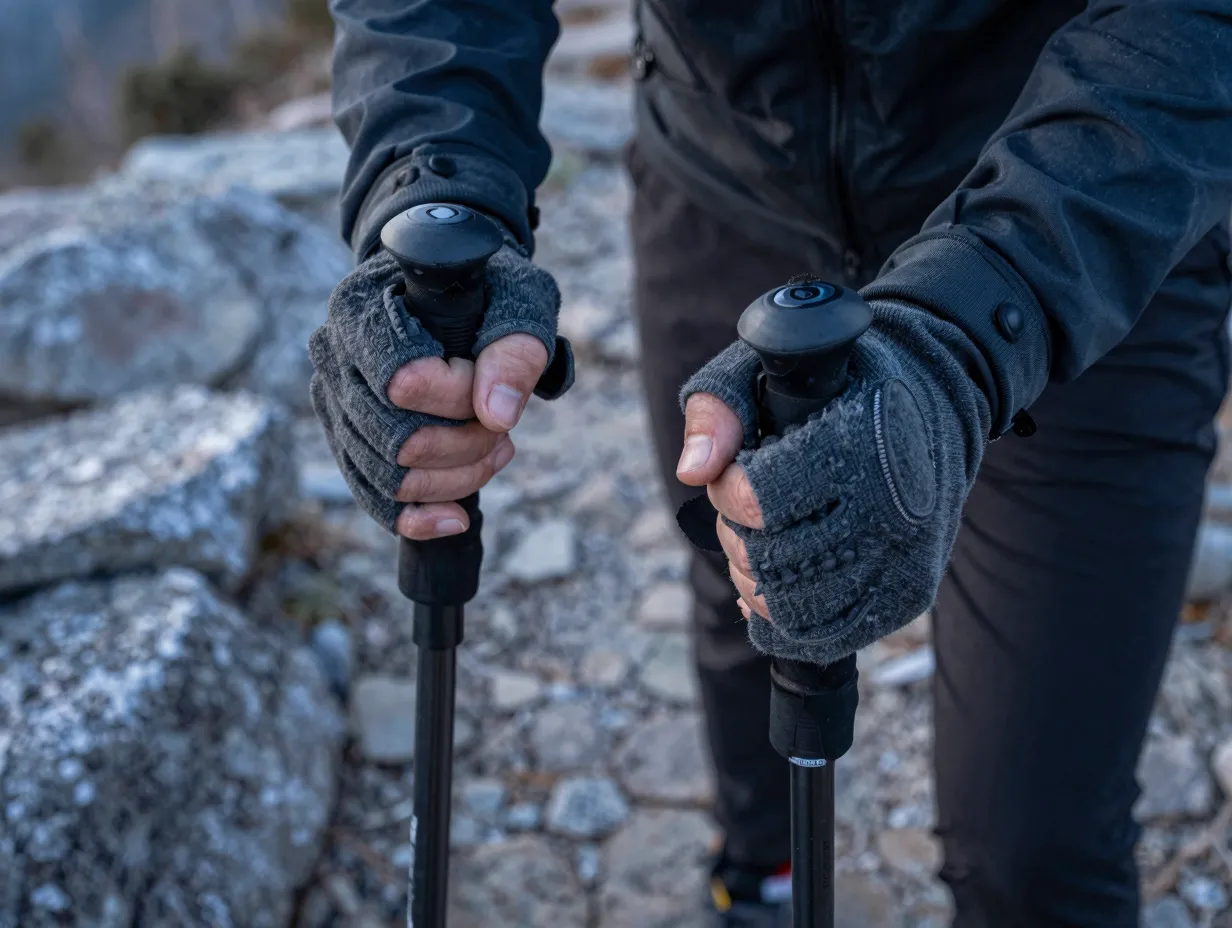
Hands are the most functionally critical extremity in wilderness travel. They grip trekking poles, manage ropes, operate stove systems, and navigate technical terrain. Cold, wet, or damaged hands compromise every one of those functions. Lightweight gloves are the final piece in the 8 key pieces for a functional and durable wilderness outfit [5].
Liner gloves made from merino wool or lightweight synthetic fleece weigh almost nothing and pack into a jacket pocket. They provide meaningful warmth down to approximately 5 degrees Celsius (40 degrees Fahrenheit) during active movement and serve as a base layer under heavier mittens in colder conditions [10].
Waterproof shell gloves or mittens are the outer layer equivalent for hands. Softshell gloves with a DWR treatment handle light rain and wind effectively while maintaining dexterity. Full waterproof gloves with Gore-Tex membranes are necessary for sustained rain, snowmelt, or stream crossings.
Key glove features to prioritize:
- Touchscreen-compatible fingertips for device operation without removal
- Wrist cinch or gauntlet cuff to seal against wind and precipitation
- Reinforced palm panels for grip and abrasion resistance
- Packable enough to carry as a backup even on warm-weather trips
How to Build the 8 Key Pieces for a Functional and Durable Wilderness Outfit on Any Budget
The complete system does not require a single large purchase. A phased approach, prioritizing the pieces that address the harshest conditions first, is both financially practical and strategically sound.
Priority tier 1 (buy first):
- Moisture-wicking base layer top (the piece worn every day, all day)
- Waterproof shell jacket (weather protection is non-negotiable)
- Moisture-wicking hiking socks (foot health directly affects mobility)
Priority tier 2 (buy next):
- Insulating mid-layer (critical for cold snaps and rest stops)
- Durable hiking pants (lower-body protection for multi-day trips)
Priority tier 3 (complete the system):
- Gaiters (terrain-specific; prioritize if traveling in snow, brush, or dusty trail conditions)
- Sun-protective hat (essential above treeline; useful everywhere)
- Lightweight gloves (low cost, high value; no reason to skip)
A note on fabric care: All eight pieces perform better and last longer with proper care. Wash base layers and insulation with technical fabric detergents (Nikwax, Gear Aid). Reapply DWR to shells and waterproof gloves seasonally. Store insulation pieces uncompressed when not in use to preserve loft [9].
Common Mistakes When Assembling a Wilderness Outfit
Even experienced hikers make avoidable errors when building their clothing kit. The following are the most frequently observed problems:
Over-layering the mid-layer. Wearing a heavy insulating jacket during active hiking causes excessive sweating that saturates the base layer. The mid-layer should be packed away during movement and deployed during rest stops or when temperatures drop [6].
Ignoring the lower body. Many hikers invest heavily in upper-body layers but wear standard cotton jeans or casual athletic pants. The lower body faces the same moisture and temperature challenges as the upper body and deserves the same technical fabric attention [5].
Buying for the best-case scenario. Gear decisions should be made based on the worst conditions expected, not the average conditions. A shell jacket that works fine in light drizzle fails catastrophically in a sustained mountain storm [8].
Neglecting fit. Technical outdoor clothing is engineered to function within specific fit parameters. A base layer that is too loose loses moisture-transfer efficiency. A shell jacket that is too tight restricts movement and compresses insulation layers beneath it [10].
Skipping the extremities. Socks, gloves, and hat are the three pieces most commonly left behind to save weight. They are also among the lightest pieces in the system and the first ones missed when conditions deteriorate [7].
Conclusion
The 8 key pieces for a functional and durable wilderness outfit form a complete, tested system that addresses every environmental challenge a backcountry traveler is likely to face. From moisture management at the skin level to weather protection at the outer shell, from foot care to hand dexterity, each piece plays a specific and irreplaceable role.
Actionable next steps:
- Audit the current gear closet against the eight-piece framework and identify gaps.
- Prioritize purchases based on the harshest conditions planned for the next 12 months.
- Test each piece on a day hike before committing to a multi-day backcountry trip.
- Learn to maintain technical fabrics, DWR reapplication, proper washing, and correct storage extend the life of every piece significantly.
- Reassess the system seasonally; a summer kit and a winter kit will share several pieces but differ meaningfully in insulation weight and waterproofing requirements.
A wilderness outfit built on this framework is not just clothing, it is a decision-making tool that expands the range of conditions a traveler can safely and comfortably operate in. Build it deliberately, maintain it properly, and it will perform reliably for years.
References
[1] Watch – https://www.youtube.com/watch?v=7_6AOy87J2Q
[2] Layers Summer Backpacking – https://www.outsideonline.com/outdoor-gear/clothing-apparel/layers-summer-backpacking/
[3] Watch – https://www.youtube.com/watch?v=_YG6RmzCXe0
[4] Watch – https://www.youtube.com/watch?v=Fu-naRjh95g
[5] Building The Perfect Clothing System – https://www.sitkagear.com/experience/building-the-perfect-clothing-system
[6] Layering For Backcountry – https://packlitelife.com/how-to/layering-for-backcountry/
[7] Best Outdoor Layers – https://www.popularmechanics.com/adventure/outdoor-gear/g45792093/best-outdoor-layers/
[8] Ultralight Layering Guide 2025 – https://ultralightpackers.com/ultralight-layering-guide-2025/
[9] Backpacking Layering System How To Layer Clothes For Hiking Complete Guide – https://mypacks.co/blog/backpacking-layering-system-how-to-layer-clothes-for-hiking-complete-guide-135e34
[10] Layering For Beginners Chenault – https://backpackinglight.com/layering-for-beginners-chenault/