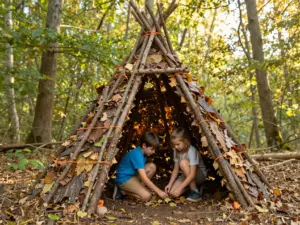
9 Fun and Educational Activities for a Survival Camp for Kids
Only 11 percent of American children spend time in unstructured outdoor environments on a regular basis, according to research from the National Wildlife Federation, a dramatic drop from previous generations. Survival camps are stepping in to fill that gap, giving kids hands-on experience with real-world skills that classrooms rarely teach. The 9 fun and educational activities for a survival camp for kids outlined in this article represent the most impactful, evidence-backed programming choices used by leading camps across North America in 2026.
Disclosure: This post contains affiliate links. As an Amazon Associate, we earn from qualifying purchases, and at no extra cost to you.
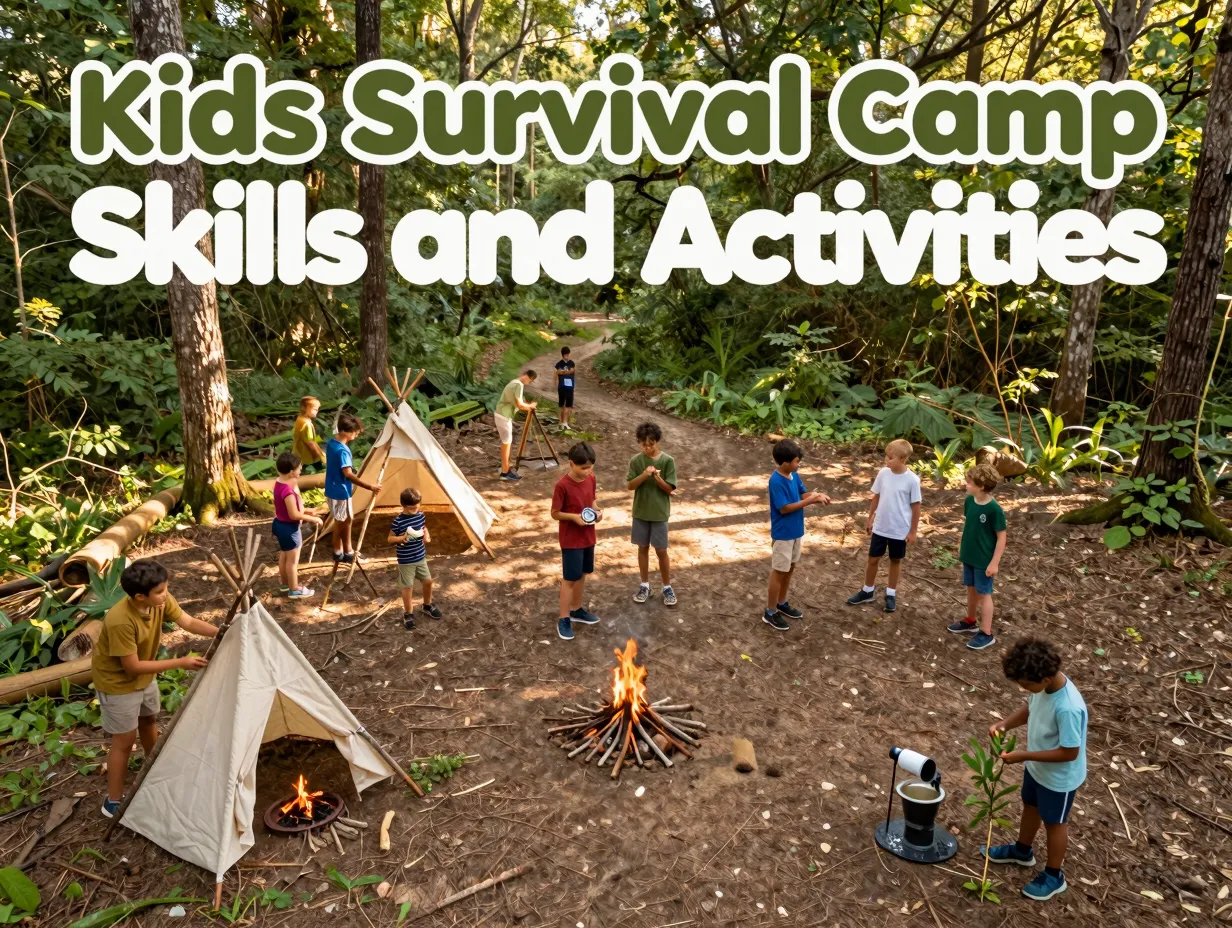
Whether a camp runs for a single weekend or a full summer session, the activities below balance genuine challenge with age-appropriate safety. Each one builds confidence, sharpens critical thinking, and creates lasting memories.
Key Takeaways
- Survival camps that combine physical challenges with structured learning produce the strongest gains in children’s confidence and problem-solving ability.
- Fire safety, shelter building, and navigation are the three core pillars found in nearly every high-quality survival camp curriculum [2][3][5].
- Team-based challenges teach communication and leadership alongside practical outdoor skills.
- Plant identification and first aid activities add a science and health education dimension that connects camp learning to school curricula.
- The best programs layer skills progressively, so each activity builds on the last rather than standing in isolation.
Why These 9 Fun and Educational Activities for a Survival Camp for Kids Work
Before diving into the list, it helps to understand the design principles behind effective survival camp programming. The best camps do not simply throw children into the woods and hope for the best. They structure each activity around a learning objective, a safety protocol, and a reflection moment.
Three design principles drive the activities below:
- Progressive challenge: Skills build from simple to complex across the camp session.
- Team interdependence: Most activities require cooperation, which mirrors real survival scenarios.
- Reflection and debrief: Children discuss what worked, what failed, and what they would change, a practice drawn from experiential education research.
Camps like those run through the University of Minnesota Landscape Arboretum and The Wild School have demonstrated that children who complete structured outdoor survival programming show measurable improvements in self-reliance and environmental awareness [3][5]. With that foundation in place, here are the nine activities.
The Complete List of 9 Fun and Educational Activities for a Survival Camp for Kids
1. Firecraft and Safe Fire-Starting
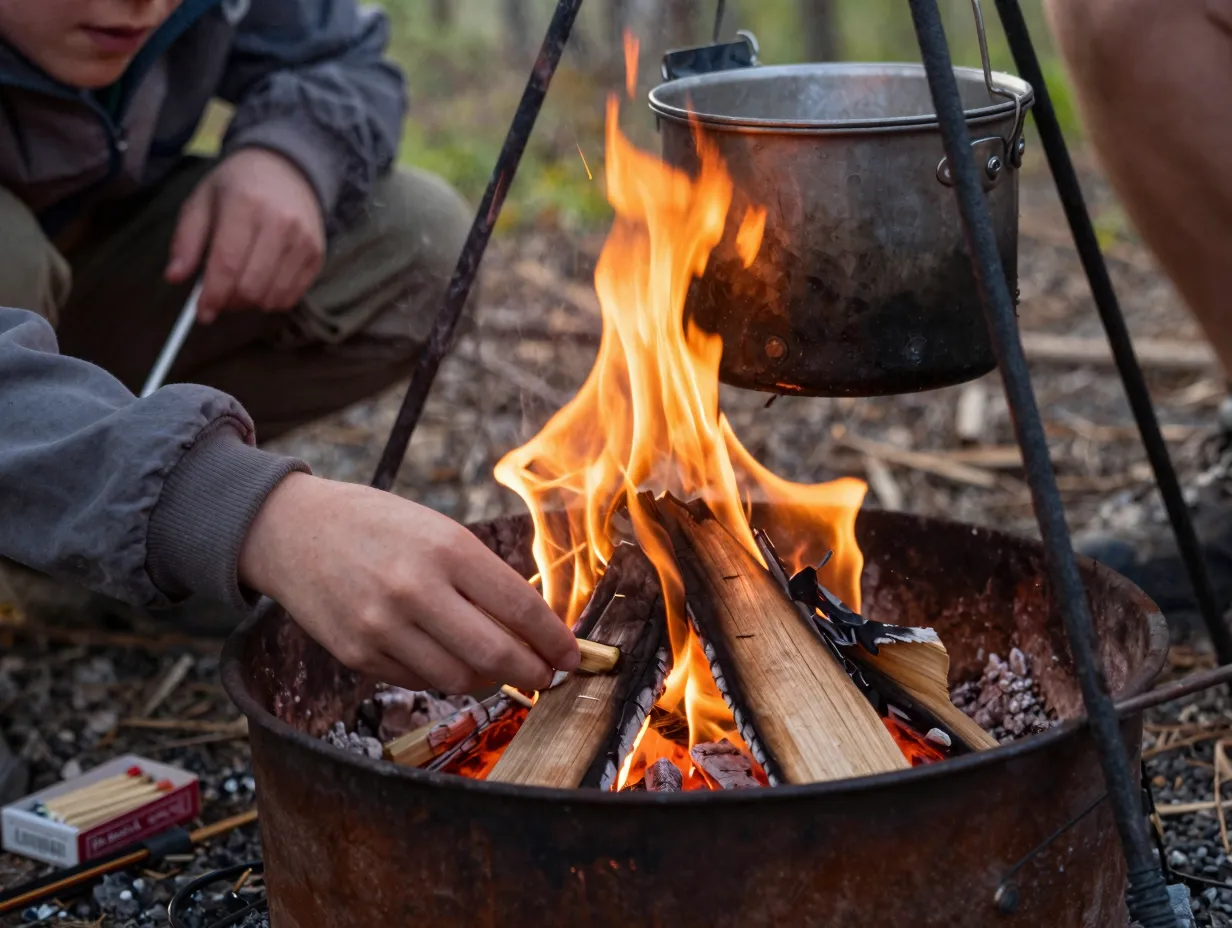
Fire is arguably the most iconic survival skill, and it earns its place at the top of this list for good reason. Modern survival camps in 2026 teach fire-starting in two stages: first with matches and fire-starters, then with friction-based methods such as the bow drill or flint and steel [2][3][5].
What children learn:
- The fire triangle (heat, fuel, oxygen)
- How to select and prepare tinder, kindling, and fuel
- Fire safety rules, including extinguishing fires completely
- Outdoor cooking basics over an open flame
The activity is structured as a supervised challenge. Small groups compete to light a fire, boil water, and cook a simple meal within a set time. Adult instructors maintain a safety perimeter and intervene immediately if any rule is broken. The Camas Meadows survival camp program, for example, integrates fire-starting directly into its core curriculum alongside cooking challenges [2].
“Fire teaches children more than warmth, it teaches patience, precision, and respect for nature’s power.”
Safety note: All fire activities should take place in designated fire rings or pits, with a water source and first aid kit within arm’s reach. Participant-to-instructor ratios should not exceed 6:1 during fire activities.
2. Shelter Building and Engineering Challenges
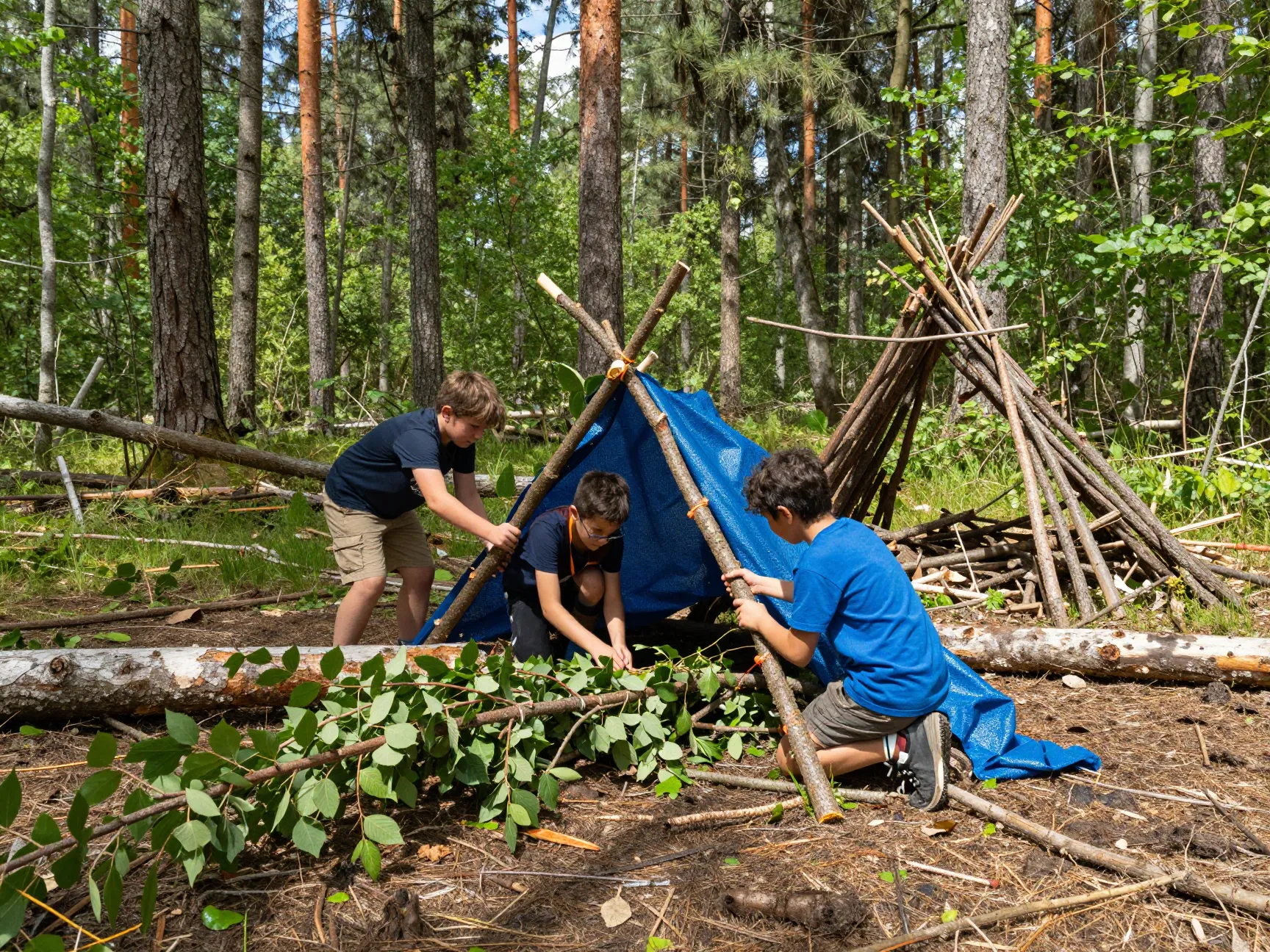
Shelter is the second survival priority after fire in most wilderness frameworks, and it translates naturally into a team engineering challenge for children. Groups are given a scenario, stranded hikers, forest guardians, overnight explorers, and tasked with building a functional shelter before a simulated “storm” arrives [3][4][5].
Common shelter types taught at camps:
| Shelter Type | Materials Used | Difficulty Level |
|---|---|---|
| Lean-to | Branches, leaves, tarp | Beginner |
| A-frame | Sticks, cordage, debris | Intermediate |
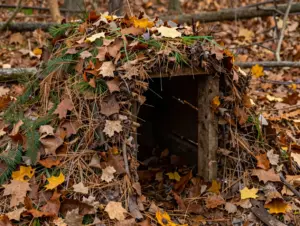
| Debris hut | Natural forest materials only | Advanced |
| Tarp shelter | Paracord, tarp, trees | Beginner-Intermediate |
The Evergreen Nature School and The Wild School both frame shelter building as a “forest guardian” mission, which increases engagement and gives children a narrative purpose beyond the technical task [3][4]. After construction, instructors evaluate each shelter for wind resistance, waterproofing, and insulation, criteria that mirror real engineering design reviews.
Skills reinforced: spatial reasoning, teamwork, resource assessment, and basic physics.
3. Navigation and Orienteering Games
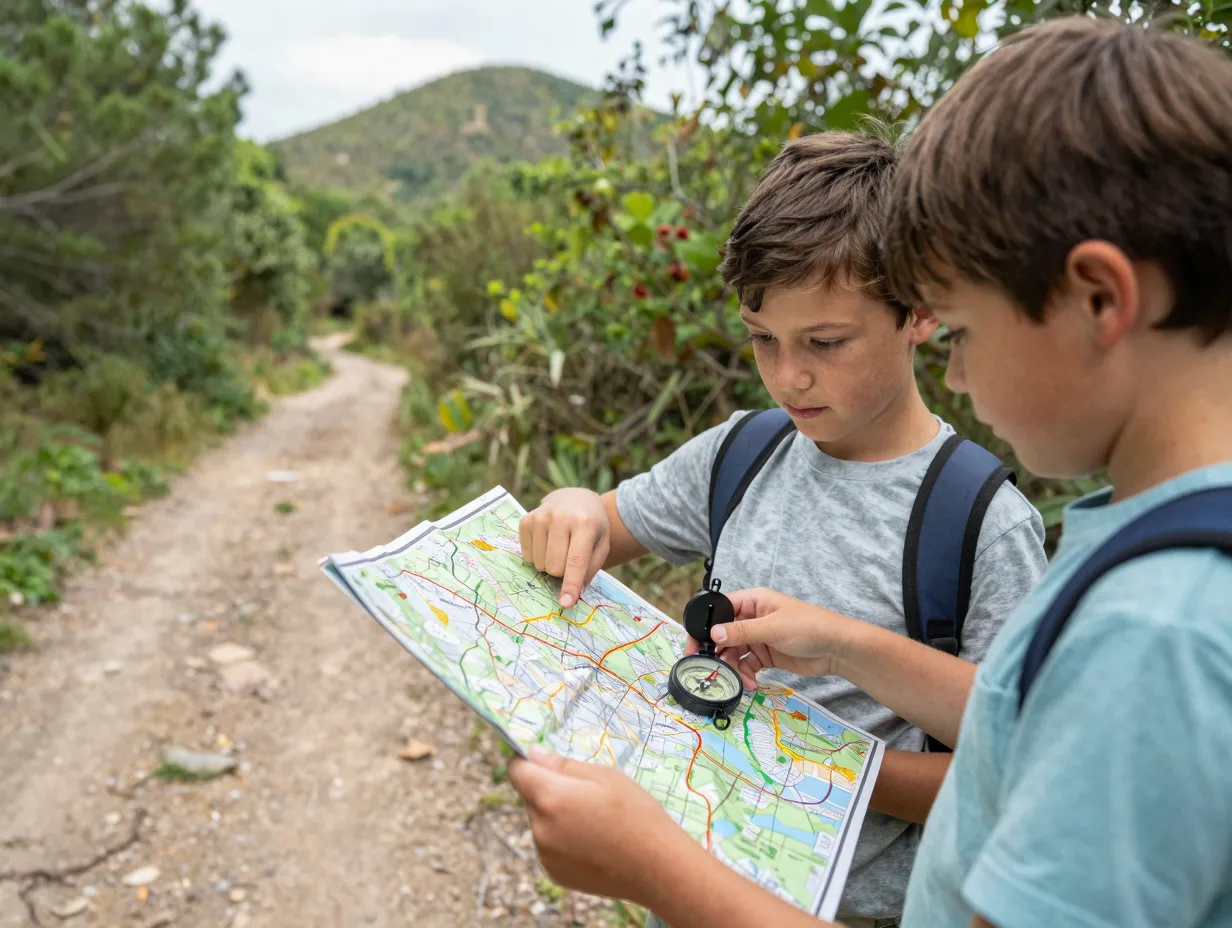
Getting lost is one of the most common wilderness emergencies. Teaching children to navigate with a map and compass, before they ever need to, is one of the highest-value skills a survival camp can deliver [2][5].
Navigation activities at leading camps take several forms:
- Compass treasure hunts: Children follow a series of bearings to find hidden checkpoints or prizes.
- Map-reading relay races: Teams race to identify landmarks on a topographic map and reach them in sequence.
- Route-finding hikes: Small groups plan a short hike using only a map, then execute it with minimal instructor guidance.
The Hogswood survival program at the University of Minnesota Landscape Arboretum uses terrain-based orienteering as a central activity for ages 7-9, combining compass skills with natural landmark identification [5]. Michigan’s Camp Explore Trailblazers Survival Quest similarly uses navigation challenges as a cornerstone of its programming [6].
Pro tip for instructors: Start with large-scale maps of the camp itself before moving to topographic maps of surrounding terrain. Children build confidence faster when they can physically see the landmarks they are navigating toward.
4. Water Sourcing and Purification
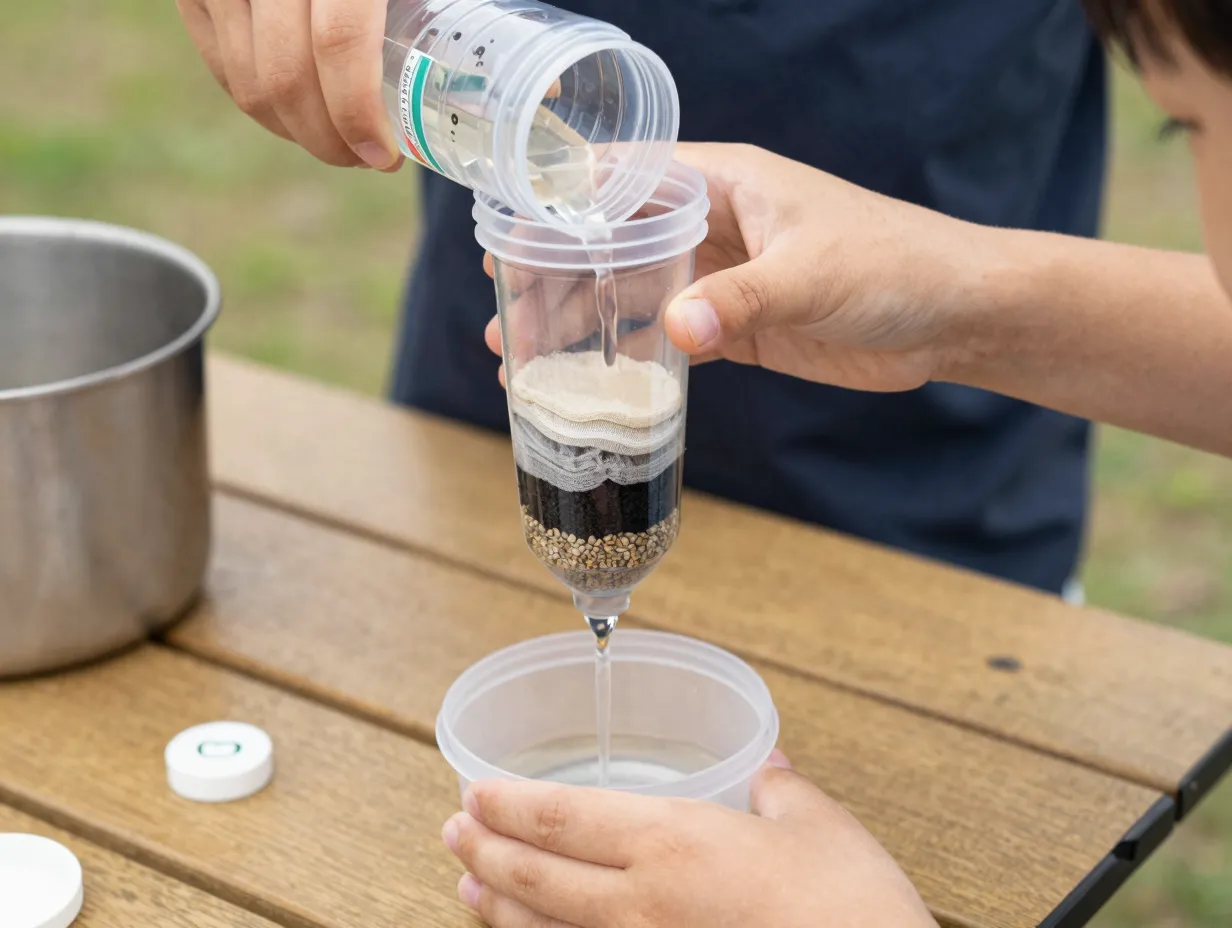
The human body can survive only three days without water, making water sourcing and purification one of the most urgent and memorable survival lessons available. This activity combines science education with practical skill-building in a way that resonates strongly with children aged 8-14.
Core components of a water purification activity:
- Identifying potential water sources (streams, rain collection, dew)
- Understanding why water must be treated before drinking
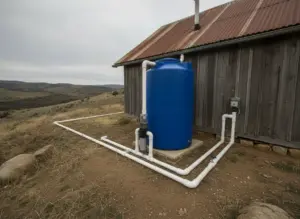
- Building a basic filtration system using sand, gravel, charcoal, and cloth
- Boiling water to a rolling boil and understanding the time requirements
- Using purification tablets as a backup method
The filtration system build is particularly popular because it doubles as a science experiment. Children can see turbid water become clear as it passes through their homemade filter, creating a visual “aha” moment that reinforces the lesson. Camps that include this activity report it as one of the highest-rated by camper feedback.
Safety consideration: All water consumed during camp activities should come from a verified safe source. The filtration and purification activities are demonstrations and practice exercises, not a replacement for safe drinking water supply.
5. Plant Identification and Foraging Basics
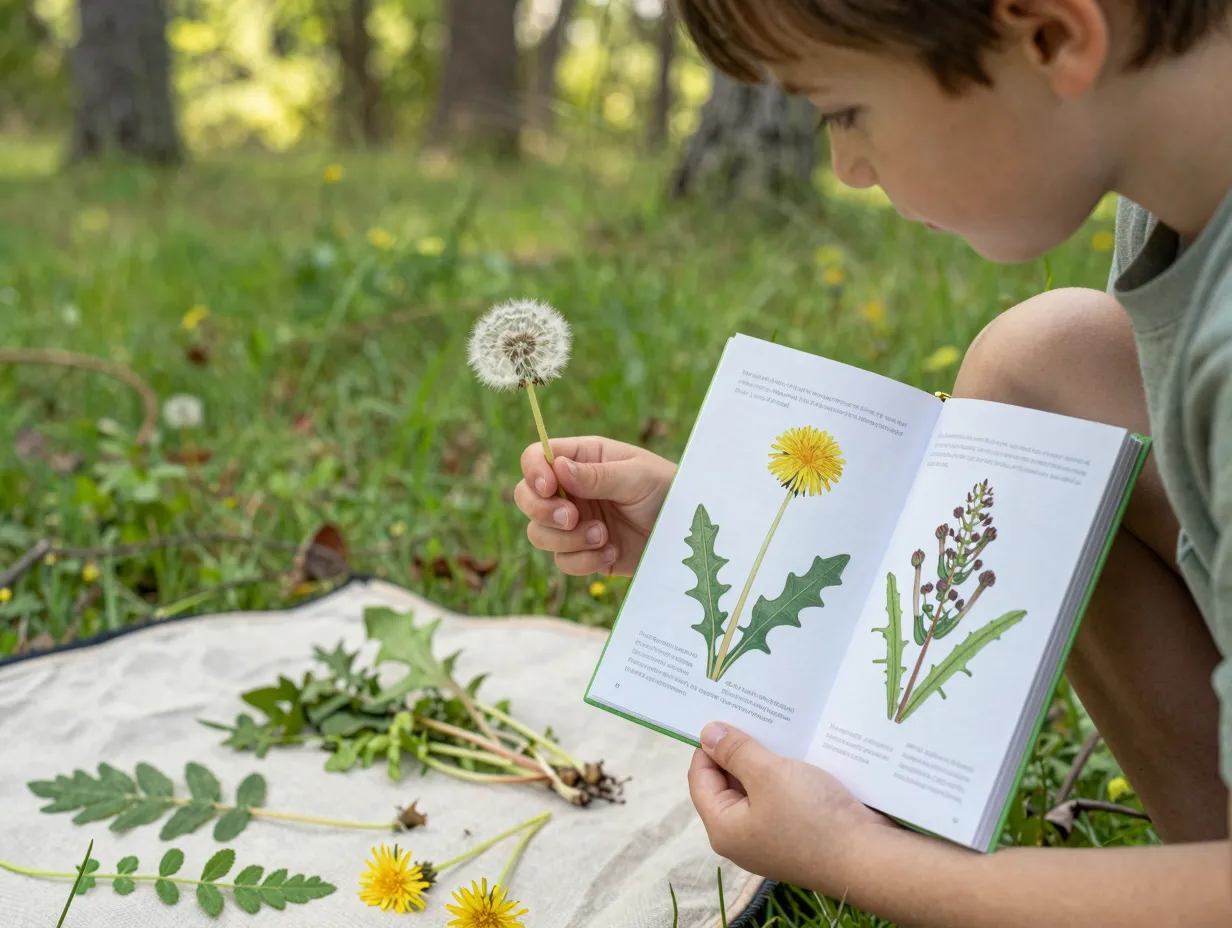
Knowing which plants are safe to eat and which are dangerous is a foundational survival skill that also happens to be an outstanding outdoor science lesson. Plant identification activities connect directly to biology, botany, and ecology curricula, making them a natural bridge between camp and classroom [3][7].
Typical plant identification curriculum includes:
- Three to five common edible plants native to the local region (e.g., dandelion, wood sorrel, cattail)
- Three to five toxic look-alikes and how to distinguish them
- The universal edibility test as a last-resort framework
- Ethical foraging principles (take only what you need, leave roots intact)
The Wild School’s summer camp program integrates plant identification walks into daily activities, using illustrated field guides and hands-on sampling of safe, pre-verified plants [3]. Highgate School’s Outdoor Explorer holiday camp similarly incorporates nature identification as a core component [7].
A useful teaching framework, the “three-check rule”:
- Check the leaf shape
- Check the stem structure
- Check the habitat and season
Children who learn this rule can apply it independently and develop genuine observational confidence.
6. Knot Tying and Rope Skills
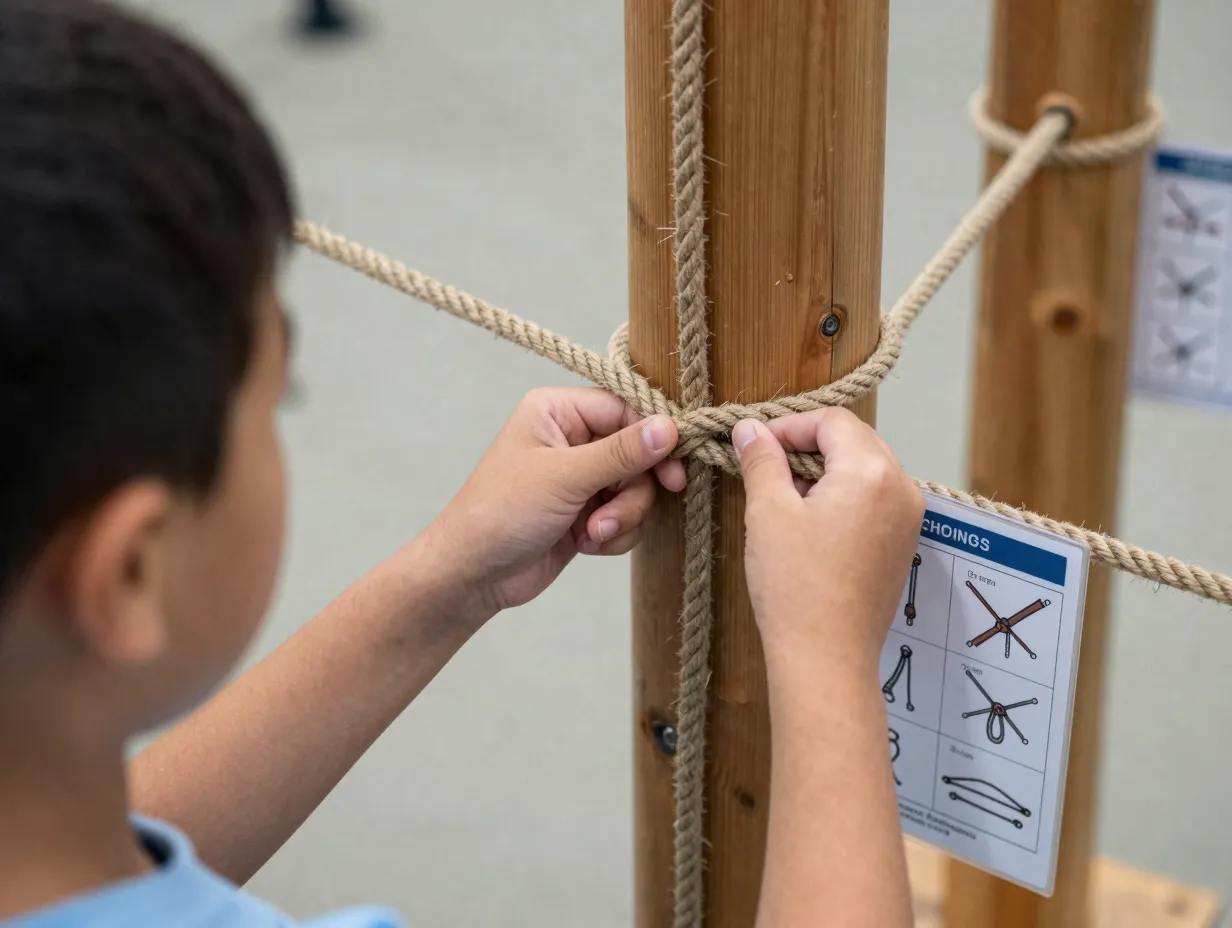
Knot tying may seem low-tech, but it underpins nearly every other survival skill on this list. Shelters need lashing. Rescue scenarios need secure anchors. Gear needs to be secured. Teaching children to tie a reliable set of knots builds fine motor skills, patience, and practical problem-solving ability.
The essential survival knot set for kids:
- Square knot, joining two ropes
- Bowline, creating a fixed loop that does not slip
- Clove hitch, securing a rope to a post or tree
- Taut-line hitch, adjustable tension for tent lines
- Figure-eight, stopper knot for climbing and rappelling
Rope skill stations work well as a rotation activity, with each station focused on one knot. Children practice until they can tie the knot correctly three times in a row without looking at the instruction card. Timed challenges add a competitive element that increases engagement.
Camps like Soaring Chicken Farm Ministry’s survival skills camp incorporate rope and lashing skills as part of their broader outdoor education programming [9].
7. First Aid and Emergency Response
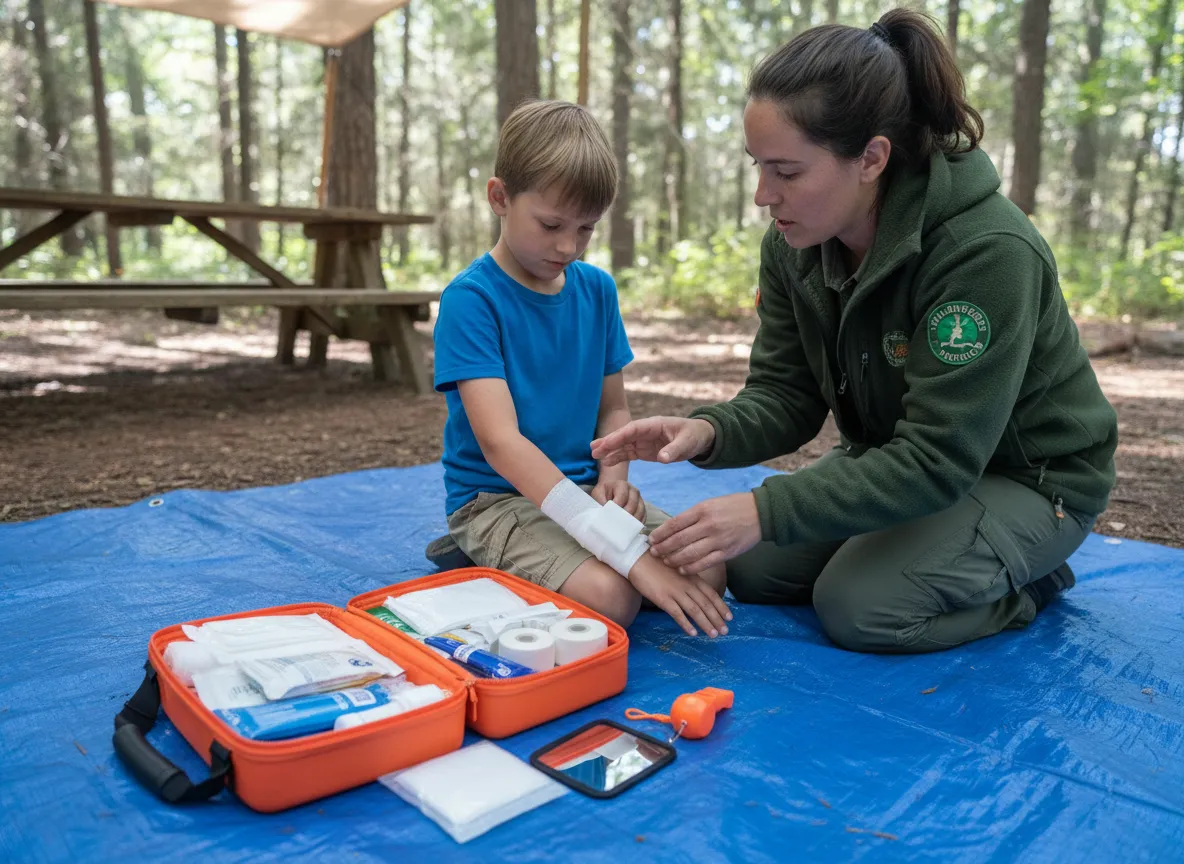
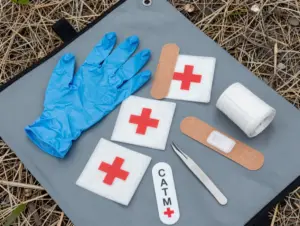
A survival camp that teaches children to start fires and build shelters but skips first aid is leaving a critical gap in the curriculum. Basic first aid training is age-appropriate, empowering, and potentially life-saving, and it is increasingly standard at quality programs in 2026 [6][9].
Age-appropriate first aid topics for survival camps:
| Topic | Age Group | Key Skill |
|---|---|---|
| Wound cleaning and bandaging | 7+ | Proper technique, infection prevention |
| Blister treatment | 7+ | Prevention and care |
| Splinting a sprained ankle | 10+ | Improvised splint from natural materials |
| Signaling for help | 8+ | Whistle signals, mirror flashing, ground-to-air signals |
| Recognizing hypothermia | 9+ | Signs, immediate response steps |
The emergency signaling component is particularly engaging for children. Learning that three whistle blasts is the universal distress signal, or that a mirror can be seen from a search aircraft miles away, gives children a genuine sense of capability and preparedness.
Important: First aid activities at survival camps should always be facilitated by a certified first aid instructor or wilderness first responder. Children should never practice techniques on each other without direct adult supervision.
8. Wildlife Awareness and Animal Tracking
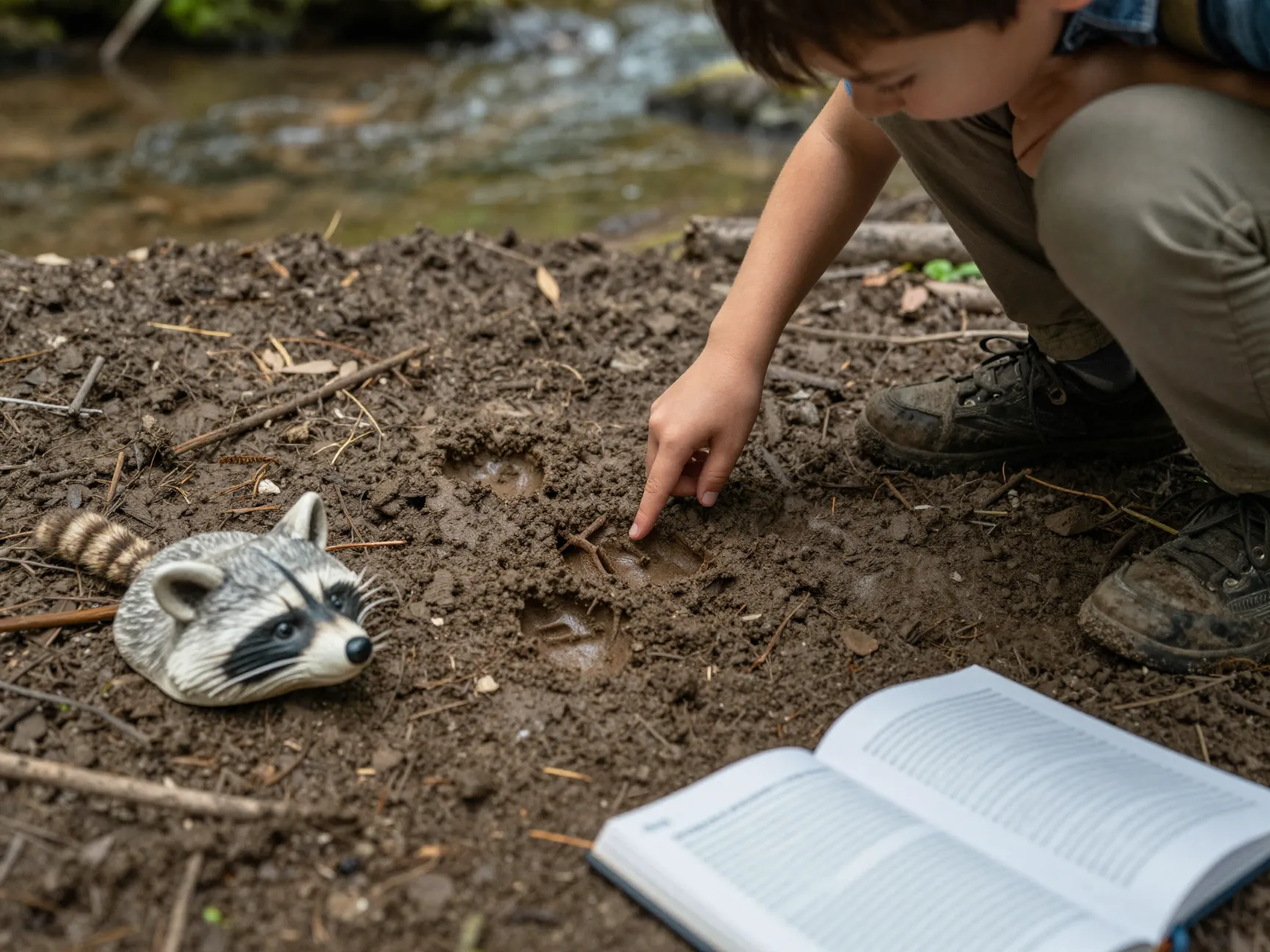
Wildlife awareness combines the excitement of discovery with genuine safety education. Children learn to read the landscape, identifying animal tracks, scat, and signs of wildlife activity, while also learning how to behave safely in environments shared with wild animals [4][5][7].
Core components of a wildlife awareness session:
- Identifying tracks from common local species using plaster casting or field guides
- Understanding predator awareness and bear/cougar country protocols
- Learning “leave no trace” principles to minimize human impact on wildlife
- Practicing quiet movement and observation techniques
Animal tracking is one of those rare activities that works equally well for reluctant campers and outdoor enthusiasts alike. The detective-style nature of tracking, reading a story from footprints and disturbed vegetation, captures the imagination of children who might not engage as strongly with more technical activities.
The Evergreen Nature School and Wild X Survivour Camp both incorporate wildlife awareness and tracking into their outdoor education programming [4][10]. Plaster casting of animal tracks is a particularly popular take-home activity that reinforces learning after camp ends.
9. Survival Scenario Challenges and Capstone Missions
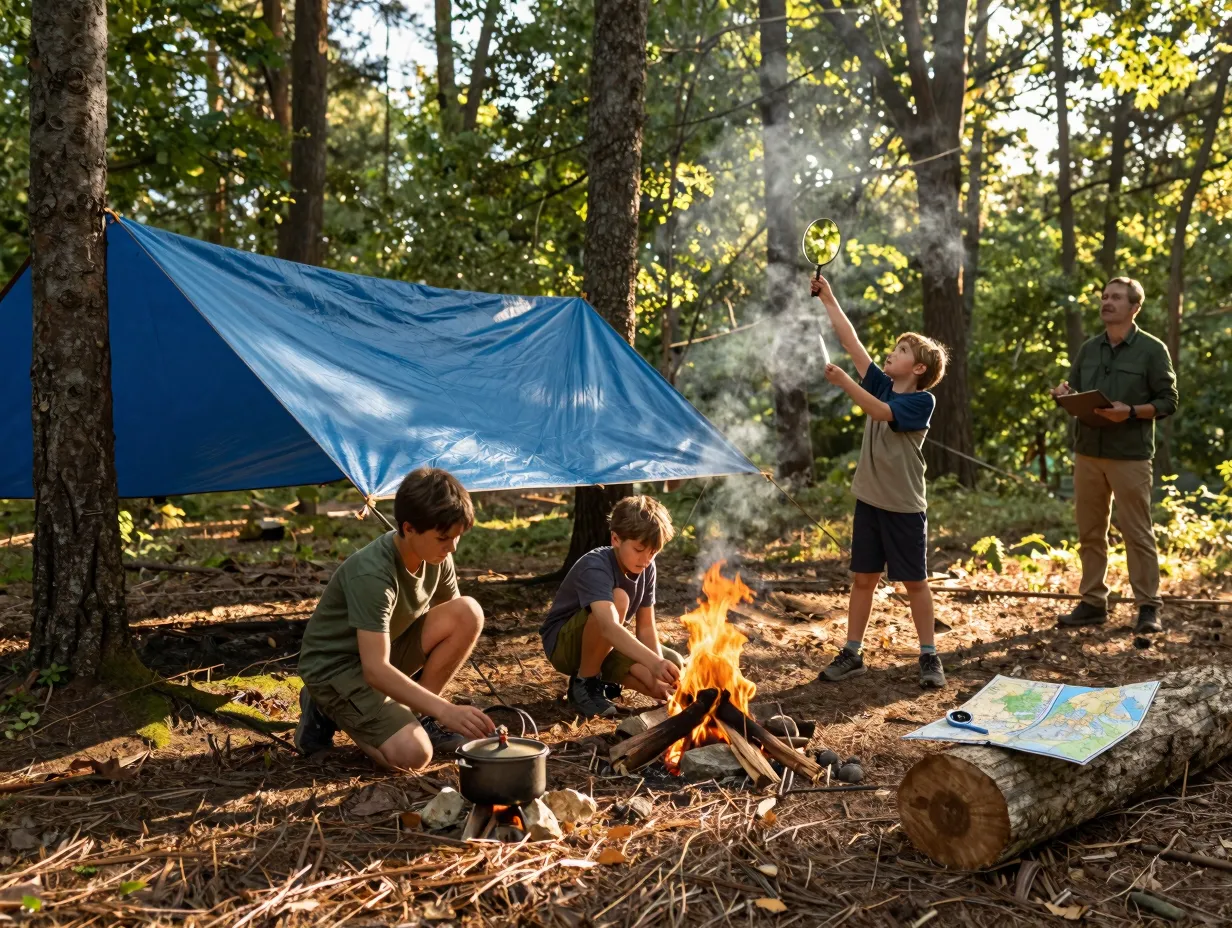
The ninth and final activity ties everything together. A survival scenario challenge, sometimes called a capstone mission or “final test”, asks children to apply every skill they have learned across the camp session in a simulated emergency situation [2][5][6].
A typical capstone scenario structure:
- Children receive a scenario brief (e.g., “Your hiking group is lost. It is 4 PM. You have a tarp, a knife, a compass, and a map.”)
- Teams must build a shelter, source and purify water, navigate to a checkpoint, signal for help, and treat a simulated injury, all within a set time.
- Instructors observe and score each team on safety, teamwork, and skill execution.
- A full group debrief follows, celebrating successes and identifying areas for growth.
This capstone format is used by programs including the Camas Meadows Survival Camp and Michigan’s Camp Explore Trailblazers Survival Quest [2][6]. It transforms a collection of individual skills into an integrated competency, which is the ultimate goal of any survival education program.
What the capstone teaches beyond survival skills:
- Decision-making under pressure
- Leadership and role distribution within a team
- Resilience when plans fail and adaptation is required
- Pride and self-efficacy upon successful completion
How to Structure These 9 Fun and Educational Activities for a Survival Camp for Kids Into a Program
Running all nine activities effectively requires thoughtful scheduling. Below is a sample three-day camp structure that sequences the activities for maximum learning impact.
Sample 3-Day Survival Camp Schedule:
Day 1, Foundation Skills
- Morning: Navigation and orienteering (Activity 3)
- Afternoon: Knot tying and rope skills (Activity 6)
- Evening: Firecraft introduction (Activity 1)
Day 2, Applied Skills
- Morning: Shelter building challenge (Activity 2)
- Afternoon: Water sourcing and purification (Activity 4)
- Evening: First aid and emergency response (Activity 7)
Day 3, Integration
- Morning: Plant identification walk (Activity 5) and wildlife awareness (Activity 8)
- Afternoon: Capstone survival scenario (Activity 9)
- Evening: Debrief, certificates, celebration
This structure mirrors the scheduling approach used by programs such as the Hogswood survival camp at the University of Minnesota Landscape Arboretum and the Crossings Day Camp [1][5].
Choosing the Right Survival Camp Program
Not every program that calls itself a survival camp delivers the same quality of experience. When evaluating options for children, consider the following criteria:
Instructor qualifications: Look for wilderness first aid certification, outdoor education credentials, and documented experience working with children.
Participant-to-instructor ratios: A ratio of no more than 8:1 for general activities and 6:1 for fire and water activities is a reasonable standard.
Age-appropriate curriculum: Programs designed for ages 7-9 should differ meaningfully from those designed for ages 12-15. The Hogswood program, for example, is specifically designed for ages 7-9 with activities calibrated to that developmental stage [5].
Safety protocols: Ask specifically about fire safety procedures, allergy management, and emergency response plans before enrolling a child.
Alignment with learning objectives: Some families prioritize STEM connections; others prioritize team-building or physical challenge. The best programs offer a mix, but understanding the emphasis helps match a child to the right camp.
Conclusion
The 9 fun and educational activities for a survival camp for kids described in this article represent more than outdoor entertainment. They represent a structured pathway to competence, confidence, and connection with the natural world. From fire-starting and shelter building to wildlife tracking and capstone scenario challenges, each activity is designed to teach something real and transferable.
Actionable next steps for parents, educators, and camp directors:
- Research local survival camp programs and verify instructor credentials and safety protocols before enrolling.
- Use the sample three-day schedule above as a planning template if building a new program from scratch.
- Encourage children to practice individual skills at home, knot tying, plant identification, and compass reading all work in backyards and local parks.
- Connect camp learning to school science and health curricula to reinforce retention and demonstrate the real-world value of what children are learning.
- Consider a progressive multi-year enrollment plan: beginner camps build foundational skills, while advanced programs introduce more complex scenarios and leadership responsibilities.
Survival camps done well do not just teach children what to do when things go wrong. They teach children that they are capable of handling whatever comes next.
References
[1] 2026 Day Camp Kids Schedule – https://gocrossings.org/wp-content/uploads/2026/01/2026-Day-Camp-Kids-Schedule.pdf
[2] Survival Camp – https://www.camasmeadows.org/survival-camp
[3] Summercamp – https://www.thewildschool.org/summercamp
[4] Summer Camps – https://www.evergreennatureschool.com/summer-camps
[5] 7 9 Survival Hogswood25 – https://arb.umn.edu/learn/7-9-survival-hogswood25
[6] Camp Explore 2025 Trailblazers Survival Quest – https://www.michigan.gov/oac/experience/event-calendar/2025/07/28/camp-explore-2025-trailblazers-survival-quest
[7] Outdoor Explorer – https://www.highgateschool.org.uk/mallinson/holiday-camps/outdoor-explorer/
[9] 2025 Survival Skills Camp – https://soaringchickenfarmministry.com/2025-survival-skills-camp
[10] Wild X Survivour Camp 2025 – https://www.taitonmaicamp.com/2025/05/01/wild-x-survivour-camp-2025/