9 Must-Have Pieces for the Perfect Women’s Outdoor Adventure Outfit
Nearly 60 percent of women who reported dissatisfaction with a hiking or camping trip cited clothing failure, not trail conditions, as the primary culprit, according to outdoor industry consumer surveys. The wrong gear can cut a summit attempt short, turn a light drizzle into a miserable slog, or leave a hiker dangerously cold after sundown. Getting dressed for the outdoors is not a matter of style alone; it is a functional decision with real safety stakes.
Disclosure: This post contains affiliate links. As an Amazon Associate, we earn from qualifying purchases, and at no extra cost to you.
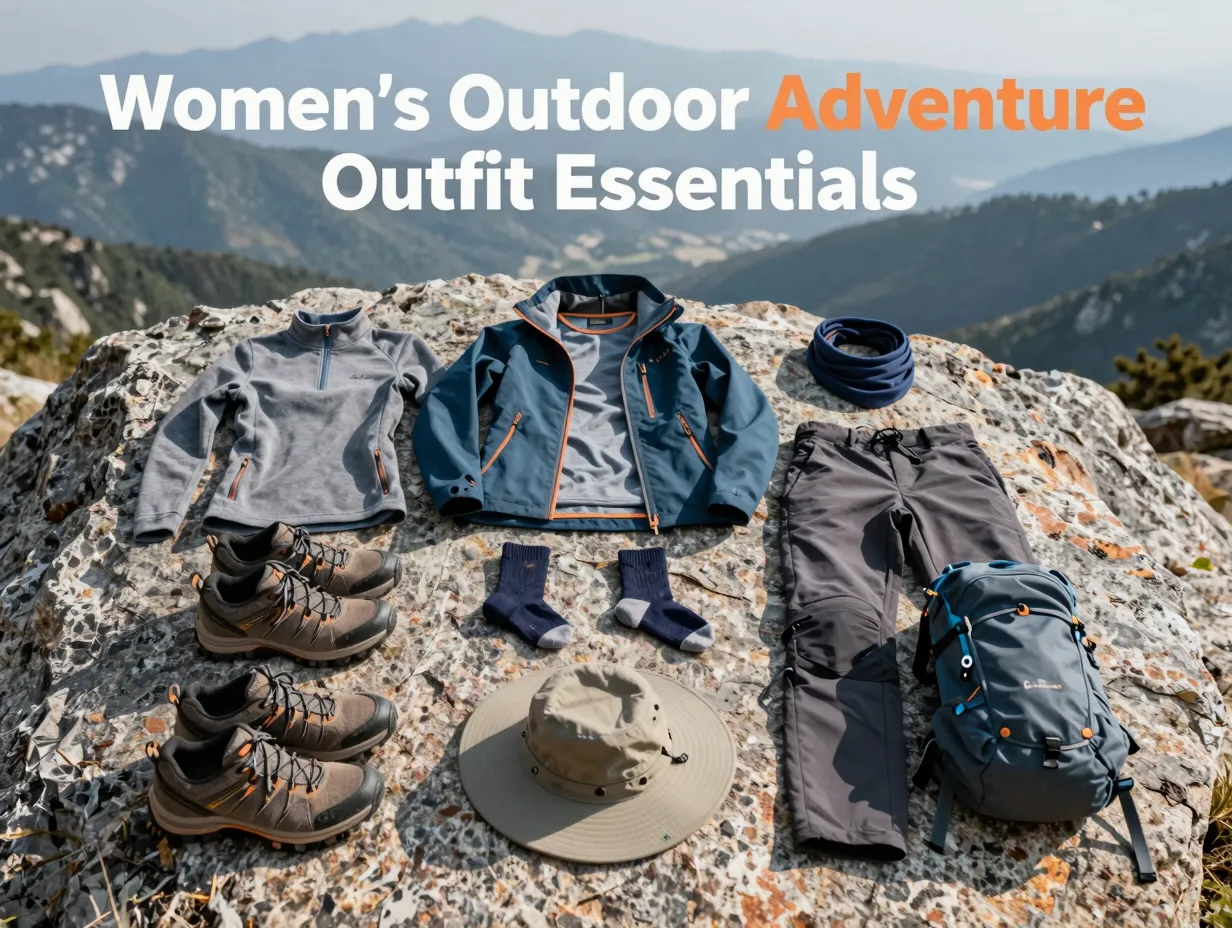
That is exactly why understanding the 9 Must-Have Pieces for the Perfect Women’s Outdoor Adventure Outfit matters so much. Whether planning a weekend backpacking trip, a day hike through alpine terrain, or a multi-activity adventure holiday, the right combination of technical clothing and accessories makes every difference. This guide breaks down each essential piece, explains why it belongs in every woman’s outdoor kit, and offers practical guidance on what to look for when choosing each item.
Key Takeaways
- Layering is the foundation of any effective women’s outdoor adventure outfit, base, mid, and shell layers work together to regulate temperature and moisture.
- Fabric technology matters more than brand name; look for moisture-wicking, quick-dry, and weatherproof properties suited to your specific activity.
- Fit designed specifically for women’s anatomy improves both comfort and performance on the trail.
- Accessories such as sun hats, buffs, and trekking poles are not optional extras, they are functional safety tools.
- Investing in quality pieces from reputable outdoor brands reduces long-term cost and increases durability across multiple seasons.
Why the Right Outfit Is a Safety Decision, Not Just a Style Choice
Outdoor adventure clothing has evolved dramatically over the past two decades. Technical fabrics, ergonomic cuts, and purpose-built designs have replaced the old model of “wear whatever is comfortable.” Today’s leading outdoor brands engineer women’s clothing to handle specific environmental conditions, from UV exposure at altitude to sudden temperature drops in mountain terrain [2].
“The best outdoor outfit is the one that disappears, you stop thinking about what you’re wearing and start focusing entirely on the experience.”
A well-constructed women’s adventure outfit manages three core challenges simultaneously: temperature regulation, moisture control, and protection from the elements. Every piece in the 9 Must-Have Pieces for the Perfect Women’s Outdoor Adventure Outfit list addresses at least one of these challenges directly.
The layering system, base layer, mid-layer, and outer shell, remains the gold standard for managing variable conditions [3]. Understanding how each layer functions, and how to combine them intelligently, is the starting point for building a reliable outdoor wardrobe.
The 9 Must-Have Pieces for the Perfect Women’s Outdoor Adventure Outfit
1. Waterproof and Breathable Shell Jacket
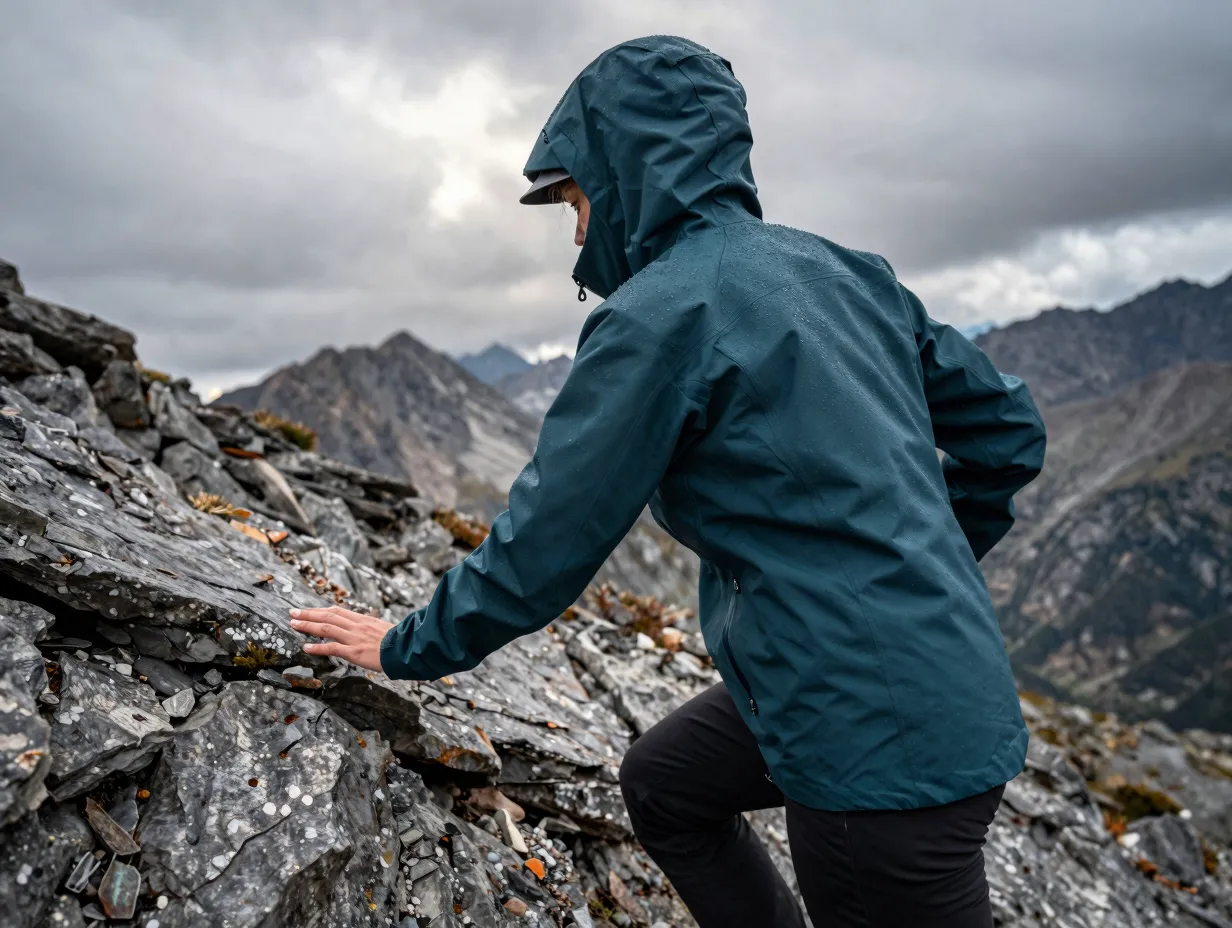
The shell jacket is the single most critical piece in any women’s outdoor adventure outfit. It serves as the last line of defense against wind, rain, and sudden weather changes. A quality shell is waterproof, windproof, and breathable, meaning it blocks moisture from outside while allowing sweat vapor to escape from inside.
2026 testing of women’s technical shells has consistently singled out jackets that combine a durable water repellent (DWR) finish with a fully taped seam construction. Look for jackets with a minimum waterproof rating of 10,000mm and a breathability rating of at least 10,000g/m²/24h for general hiking use.
Key features to prioritize:
- Helmet-compatible hood with adjustment points
- Pit zips or underarm venting for temperature control
- Packable design that compresses into a chest or hip pocket
- Women-specific cut with a longer back hem for coverage during movement
Leading outdoor clothing specialists offer a range of technical shells designed specifically for women’s proportions and movement patterns [3]. Mountain Equipment’s 2026 spring/summer women’s collection, for example, includes technical outerwear built for high-output alpine activity [4].
2. Moisture-Wicking Base Layer
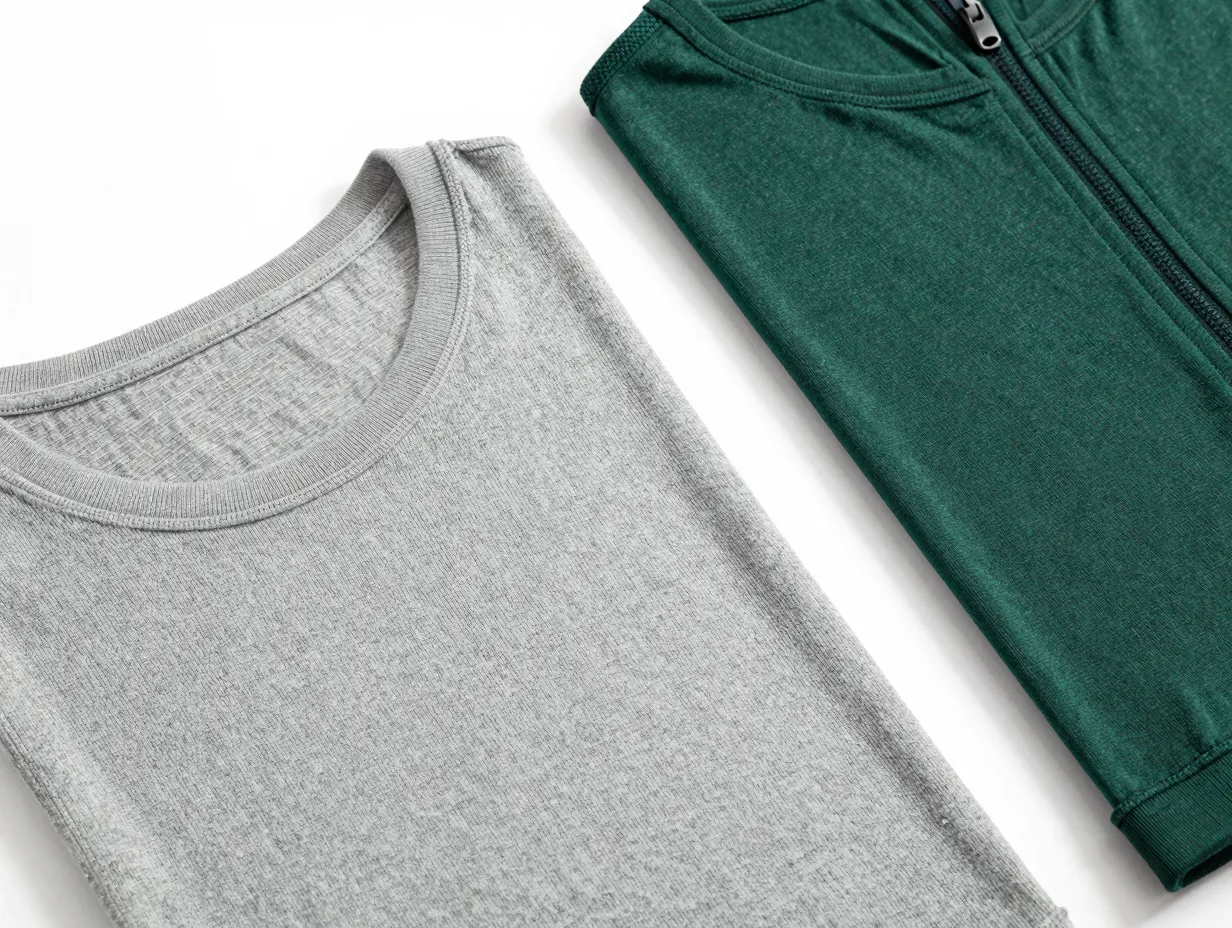
The base layer sits directly against skin and performs one essential job: moving sweat away from the body before it can chill. A wet base layer is one of the fastest routes to hypothermia in cold conditions, making fabric choice here a genuine safety consideration.
Two main options dominate the market:
| Material | Best For | Key Advantage |
|---|---|---|
| Merino Wool | Multi-day trips, variable temps | Natural odor resistance, temperature regulation |
| Synthetic (polyester/nylon) | High-output activities, wet conditions | Fast drying, durable, lower cost |
For summer hiking, a lightweight synthetic or fine-gauge merino crew or zip-neck works well. For colder seasons or high-altitude adventures, a mid-weight merino base layer provides superior warmth-to-weight performance [6].
3. Insulating Mid-Layer
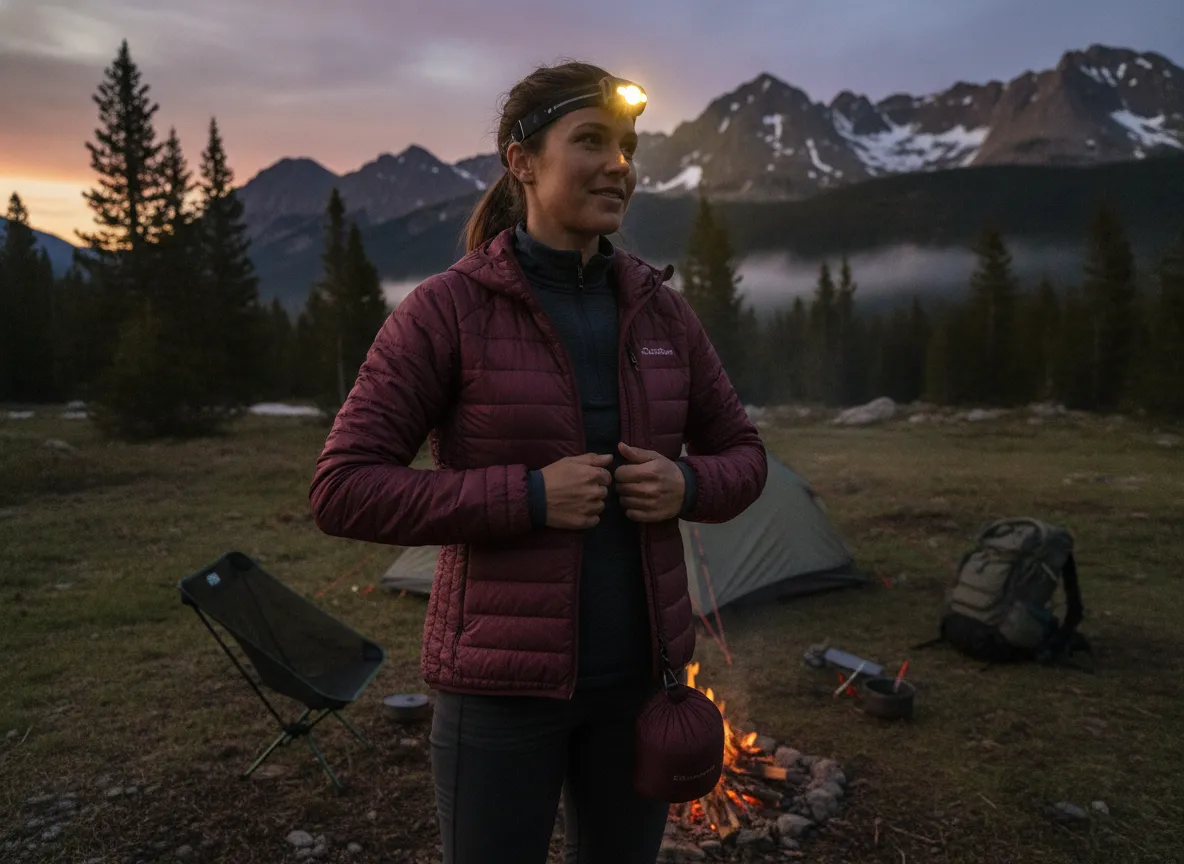
When temperatures drop or wind picks up, the mid-layer provides the thermal insulation that keeps core temperature stable. This layer sits between the base layer and the shell jacket and should be easy to add or remove as conditions change.
Common mid-layer options include:
- Fleece jackets: Breathable, quick-drying, and affordable. Grid fleece is particularly effective for high-output activities because it moves moisture efficiently.
- Down insulated jackets: Exceptional warmth-to-weight ratio, but loses insulating ability when wet. Best for cold, dry conditions or as a camp layer.
- Synthetic insulated jackets: Retains warmth even when damp, making it a safer choice for unpredictable weather. Packs down well and dries faster than down.
ThruDark’s 2026 women’s summer hiking capsule collection highlights the growing demand for lightweight, packable mid-layers that transition seamlessly between trail and camp environments [7]. The trend toward versatile, multi-use pieces reflects how modern adventurers approach packing, fewer items, greater functionality.
4. Convertible or Quick-Dry Hiking Pants
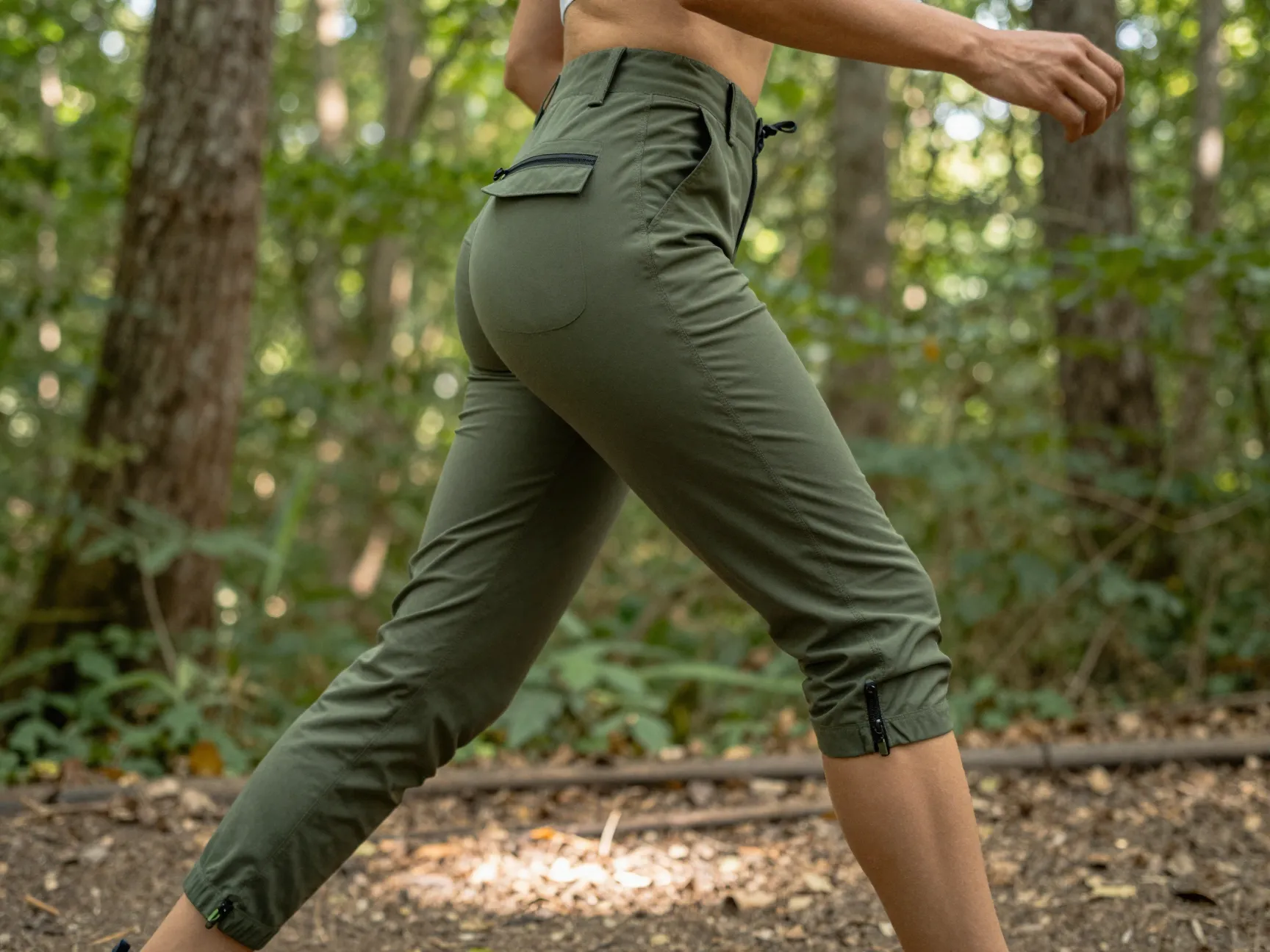
Leg coverage is often underestimated in women’s outdoor outfit planning. Convertible hiking pants, those that zip off at the knee to become shorts, offer the flexibility to adapt to changing temperatures and terrain throughout a single day on the trail.
Look for pants that combine:
- Stretch fabric (4-way stretch nylon or polyester blend) for unrestricted movement on technical terrain
- Quick-dry properties to handle stream crossings, rain, or high perspiration output
- UPF sun protection of at least UPF 30 for exposed ridgeline hiking
- Multiple secure pockets including a zippered thigh pocket for maps or a phone
Women-specific hiking pants are cut to accommodate hip-to-waist ratio differences and provide a longer inseam option for taller hikers. Brands such as Mountain Hardwear design their women’s outdoor clothing lines with these anatomical considerations built into the pattern [2].
5. Moisture-Wicking and Cushioned Hiking Socks
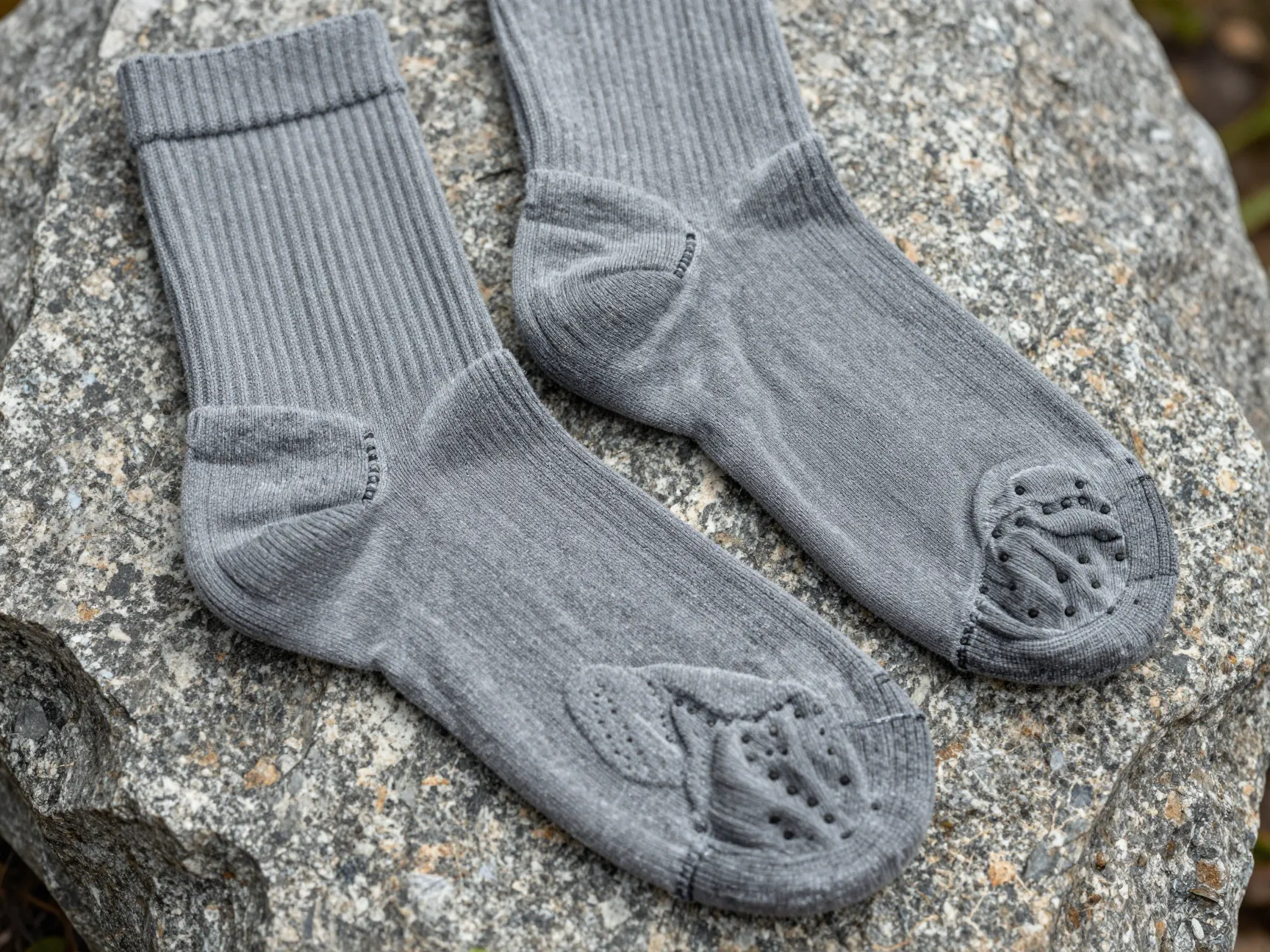
Socks are the most overlooked item in the women’s outdoor adventure outfit equation, yet blisters caused by poor sock choice end more hikes prematurely than almost any other single factor.
A quality hiking sock should provide:
- Targeted cushioning in the heel and ball of the foot
- Seamless or flat-seam toe construction to prevent friction hotspots
- Moisture management to keep feet dry during long ascents
- Merino wool content (at least 40 percent) for natural temperature regulation and odor control
Sock height matters too. Crew-height socks protect ankles from brush and debris on overgrown trails. Quarter-length socks suit low-cut trail runners in warm conditions. Carrying a spare pair of socks in a waterproof bag is a simple precaution that can prevent a painful end to a long day out.
6. Supportive and Terrain-Appropriate Trail Footwear
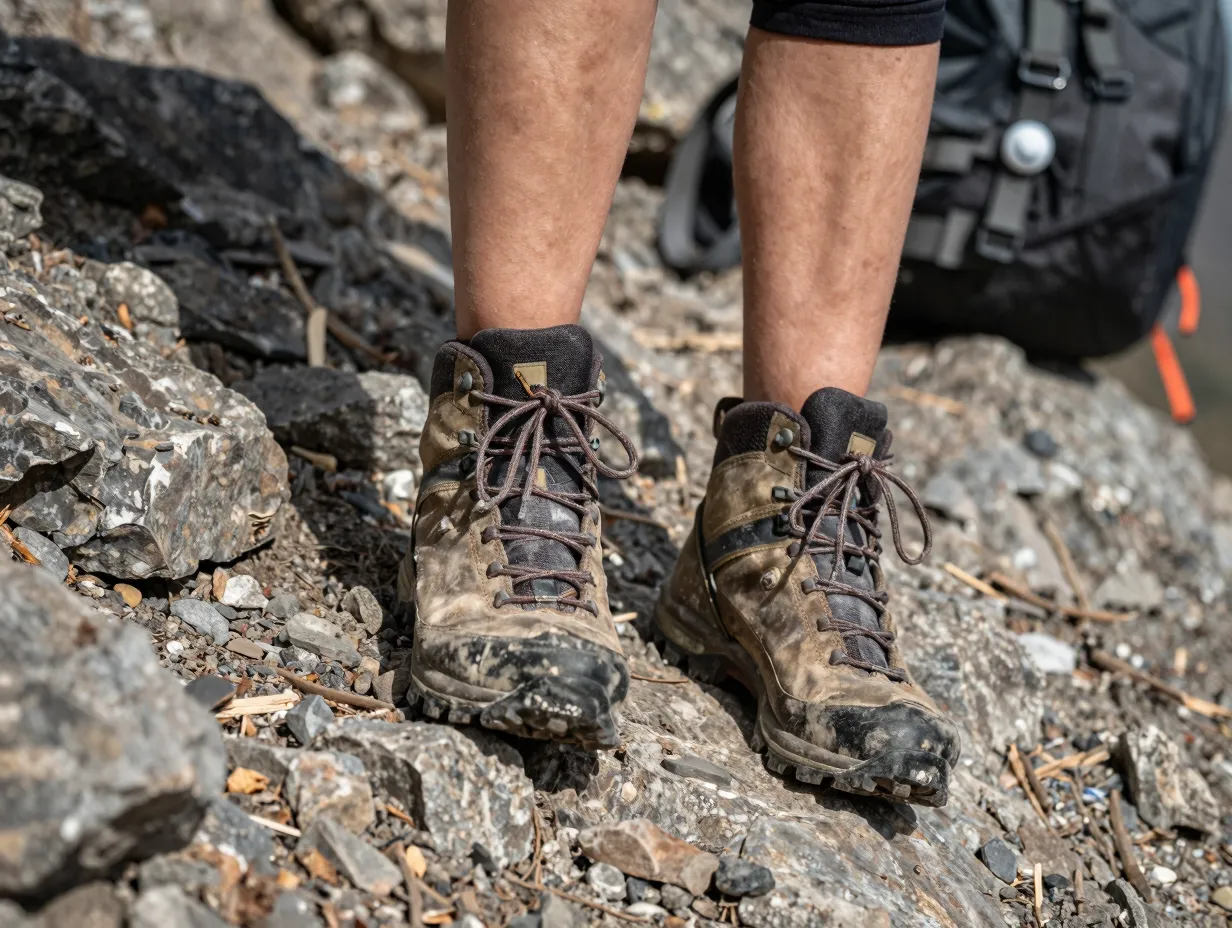
Footwear is arguably the most personal decision in building a women’s outdoor adventure outfit. The right shoe or boot depends on terrain type, pack weight, trip duration, and individual foot shape.
Three primary categories cover most adventure scenarios:
- Trail running shoes: Lightweight, low-cut, and fast-drying. Best for well-maintained trails, fast-packing, and warm-weather day hikes with a light pack.
- Hiking shoes (low-cut boots): More support and protection than trail runners, with a stiffer midsole for load-bearing. Suitable for moderate terrain with a daypack.
- Mid or high-cut hiking boots: Maximum ankle support and protection for off-trail travel, heavy packs, and technical or rocky terrain.
Women’s-specific lasts (the foot-shaped mold used to build the shoe) account for the narrower heel and wider forefoot typical of women’s foot anatomy. Choosing footwear built on a women’s last significantly reduces the likelihood of heel slippage and toe box compression [6].
Waterproofing via a Gore-Tex or equivalent membrane adds versatility in wet conditions but reduces breathability. For hot-weather hiking, a non-waterproofed mesh upper that dries quickly is often the better performance choice.
7. Sun-Protective Hat or Cap
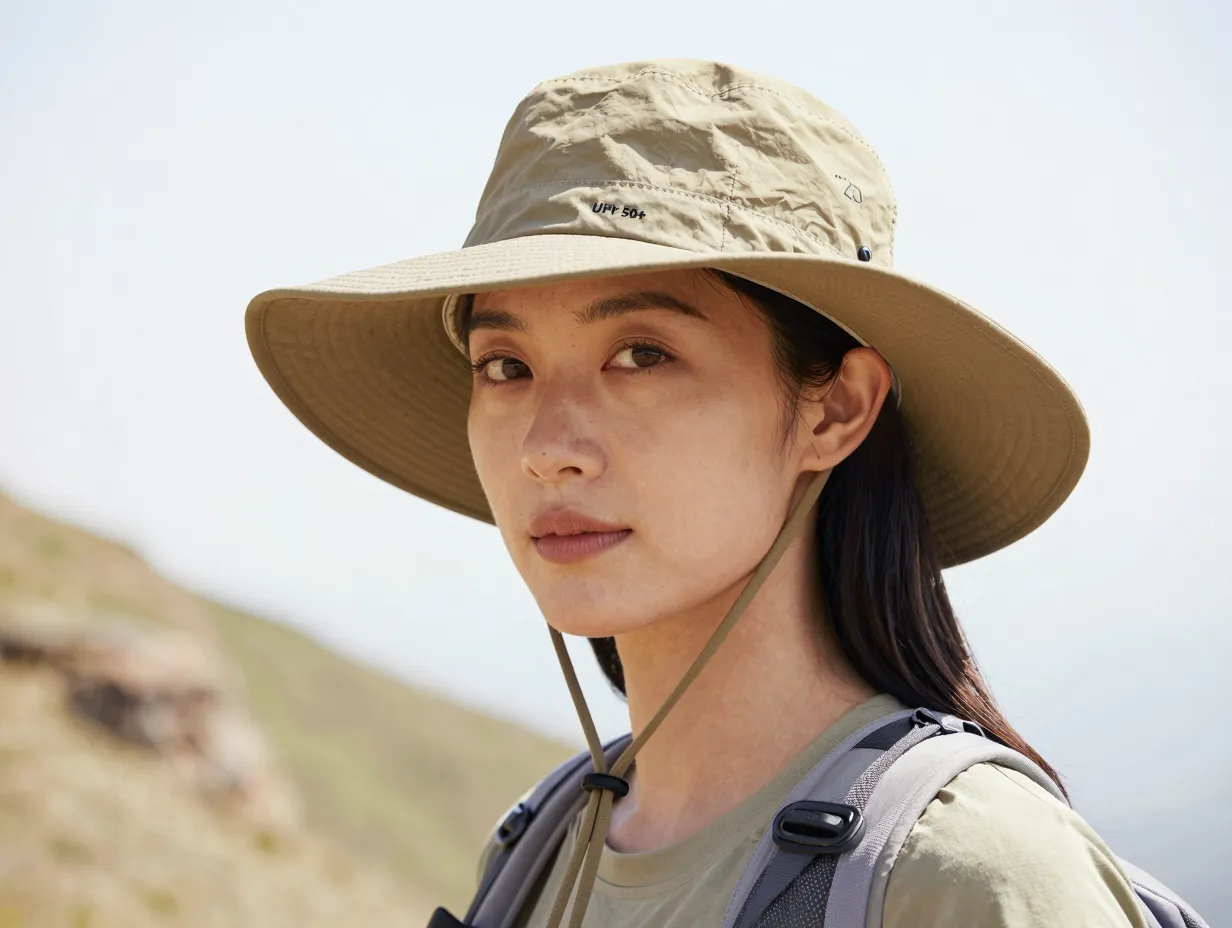
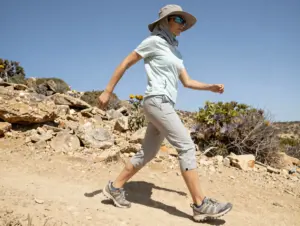
UV radiation increases by approximately 10 percent for every 1,000 meters of altitude gained. At elevation, sun protection is not a cosmetic concern, it is a health necessity. A wide-brim sun hat or technical trail cap with UPF 50+ fabric is a non-negotiable piece of the perfect women’s outdoor adventure outfit.
Features to look for:
- Brim width of at least 3 inches for full face, neck, and ear coverage
- Moisture-wicking sweatband to manage perspiration during high-output activity
- Packable or crushable construction so the hat can be stowed when not needed
- Chin strap or cord for windy ridgeline and summit conditions
Lightweight packable sun hats have become a staple recommendation across outdoor clothing guides and retailers [1]. For colder conditions or shoulder-season adventures, a merino or synthetic beanie that fits under a hood provides essential warmth without bulk.
8. Versatile Neck Gaiter or Buff
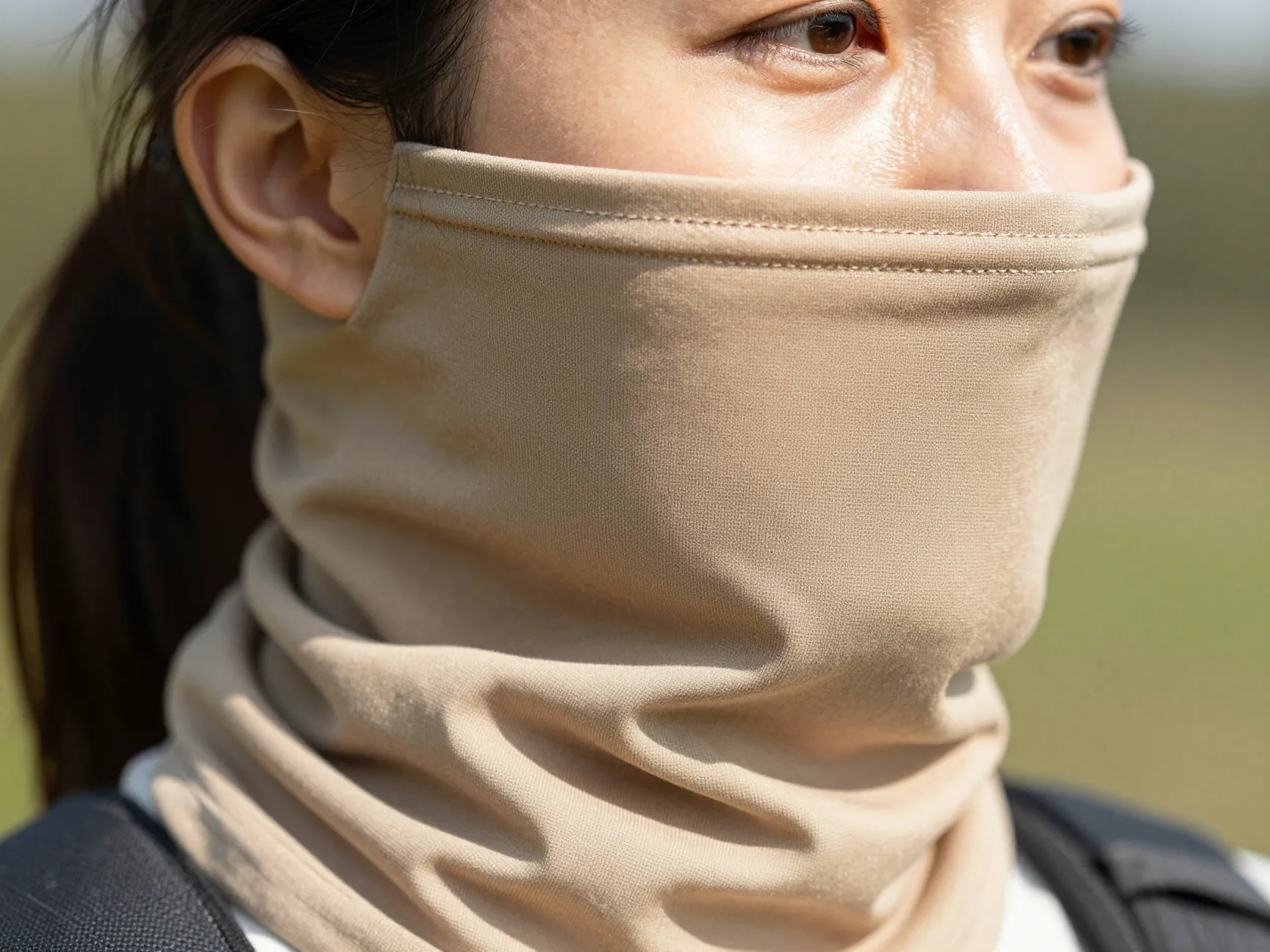
A neck gaiter, often sold under the brand name Buff, is one of the highest value-to-weight items in any outdoor kit. A single tubular piece of fabric can function as a neck warmer, face covering, balaclava, headband, wristband, or dust mask depending on how it is worn.
For summer adventures, a lightweight UPF 50+ mesh gaiter provides sun protection for the neck and lower face without adding heat. For shoulder-season or alpine use, a midweight fleece-lined version adds meaningful warmth when pulled up over the chin and nose.
Outdoor industry press releases and product roundups consistently highlight the neck gaiter as a versatile, packable essential that earns its place in even the most minimalist adventure kit [8]. Its minimal weight and packable size mean there is no logical reason to leave it behind.
9. Hydration Pack or Technical Daypack
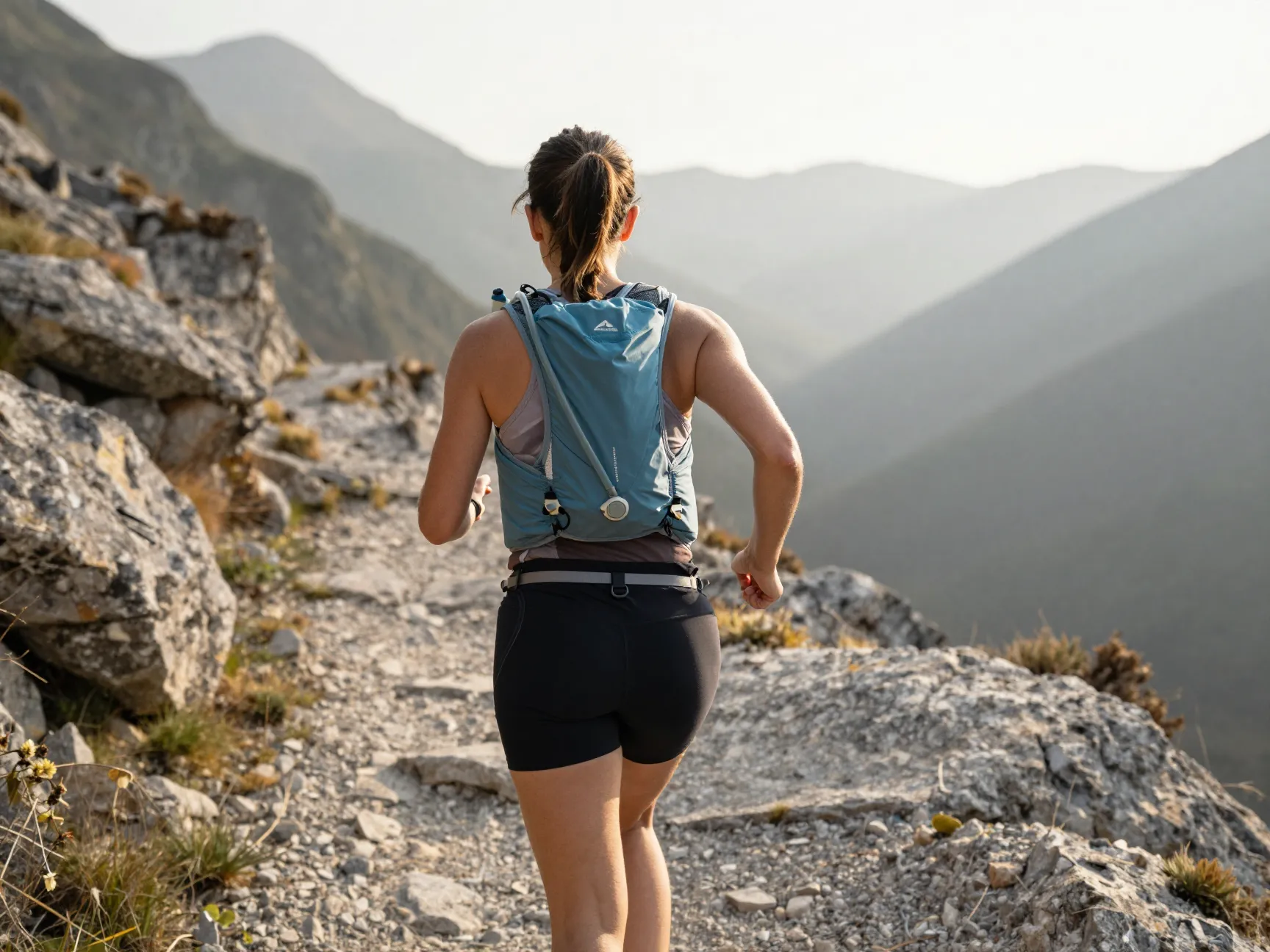
Carrying water efficiently is fundamental to safe outdoor adventure. A hydration pack, a backpack with an integrated water reservoir and drinking tube, keeps hands free while ensuring consistent hydration on the move.
Key specifications for a women’s outdoor adventure hydration pack:
- Women-specific harness system: Shorter torso length, narrower shoulder straps, and a sternum strap positioned for women’s anatomy
- Reservoir capacity: 1.5 to 3 liters for day hikes; larger for extended trips
- Storage volume: 8 to 20 liters of gear storage for a day pack; enough for layers, food, first aid, and navigation tools
- Load-bearing hipbelt: Transfers pack weight to the hips on longer or heavier carries
The Rab Valkyr 12 Mountain Running Vest, which won the European Outdoor Gold Award in 2026, demonstrates how vest-style hydration packs have advanced in fit, function, and stability for women engaged in high-output mountain activities [5]. For less technical day hiking, a simple 10-liter hydration daypack with a women’s-specific fit covers the majority of use cases.
Christy Sports and similar multi-brand outdoor retailers stock a wide range of women-specific packs from brands that have been founded or led by women with direct experience in outdoor adventure [9].
How to Build the Perfect Women’s Outdoor Adventure Outfit for Any Season
Understanding the 9 Must-Have Pieces for the Perfect Women’s Outdoor Adventure Outfit is the first step. Knowing how to combine them intelligently for different seasons and conditions is what separates a comfortable adventure from a miserable one.
Summer and Warm-Weather Layering
In warm conditions, the priority shifts from warmth retention to sun protection, moisture management, and ventilation. A typical summer outdoor outfit might include:
- Lightweight moisture-wicking base layer (short sleeve)
- Convertible hiking pants or quick-dry shorts
- Trail running shoes with mesh upper
- UPF 50+ sun hat and neck gaiter
- Packable shell jacket stored in the pack (not worn)
- Hydration vest with 1.5-liter reservoir
Cold Weather and Alpine Layering
In cold or alpine conditions, all three layers come into play simultaneously at rest, with the mid-layer removed during high-output ascents:
- Merino wool mid-weight base layer (long sleeve)
- Synthetic insulated mid-layer
- Waterproof and breathable shell jacket
- Softshell or insulated hiking pants
- Mid or high-cut waterproof hiking boots
- Merino hiking socks (crew height)
- Fleece-lined neck gaiter and insulated beanie
- 20-liter daypack with full gear load
Shoulder Season Versatility
Spring and autumn bring the most variable conditions, making the full 9-piece system most valuable. The ability to add or remove layers quickly, ideally one-handed while moving, is the defining feature of a well-chosen shoulder-season kit.
Muddy’s women’s camouflage layering system, designed for hunters and outdoor enthusiasts operating in variable conditions, illustrates how a modular approach to layering allows a single kit to cover a wide temperature range within a single day [10].
What to Look for When Shopping for Women’s Outdoor Clothing in 2026
The outdoor clothing market in 2026 is more sophisticated than ever, with brands investing heavily in women-specific design, sustainable materials, and performance testing. Several trends are worth noting when building or updating a kit:
Sustainability and durability: Leading brands are moving toward recycled fabrics, bluesign-certified materials, and repair programs that extend product lifespan. A durable piece that lasts five seasons has a lower environmental footprint than a cheaper item replaced annually.
Women-specific fit: The shift away from “shrink it and pink it” design philosophy toward genuinely women-specific patterns, torso lengths, and harness systems has accelerated. Always check whether a product is designed on a women’s last or pattern, not simply a scaled-down men’s version [2].
Versatility across activities: The best pieces in the 9 Must-Have Pieces for the Perfect Women’s Outdoor Adventure Outfit work across multiple activity types, hiking, trail running, camping, and travel. Multi-use gear reduces total pack weight and overall wardrobe cost.
Technical certifications: Look for independently verified performance ratings, waterproof ratings (mm), breathability ratings (g/m²/24h), and UPF ratings, rather than relying solely on marketing language.
Conclusion
Building the perfect women’s outdoor adventure outfit is a deliberate, informed process. Each of the 9 Must-Have Pieces for the Perfect Women’s Outdoor Adventure Outfit serves a specific functional purpose, and the system works best when all pieces are chosen to complement one another.
Actionable next steps:
- Audit the current outdoor wardrobe against the nine-piece checklist above. Identify gaps, particularly in the shell jacket, base layer, and footwear categories, which have the greatest impact on safety and comfort.
- Prioritize fit. Visit a specialist outdoor retailer to try women’s-specific versions of shell jackets, hiking boots, and hydration packs before purchasing online.
- Start with the three core layers, base, mid, and shell, before investing in accessories. These three pieces deliver the greatest performance return per dollar spent.
- Research brands that design specifically for women’s outdoor use and have a track record of technical performance testing [3][4].
- Test new gear on short, low-stakes outings before committing it to a multi-day expedition where equipment failure has serious consequences.
The outdoors rewards preparation. A well-chosen, properly fitted women’s outdoor adventure outfit does not just make a trip more comfortable, it makes it safer, more enjoyable, and more likely to be repeated.
References
[1] Outdoor Clothing Brands – https://www.countryliving.com/uk/travel-ideas/staycation-uk/a38816789/outdoor-clothing-brands/
[2] Womens Outdoor Clothing – https://www.mountainhardwear.com/womens-outdoor-clothing/
[3] Women – https://www.hellyhansen.com/en_us/activity/outdoor/women
[4] Womens New For Spring Summer 2026 – https://us.mountain-equipment.com/collections/womens-new-for-spring-summer-2026
[5] Rab Valkyr 12 Mountain Running Vest Wins European Outdoor Gold Award 2026 – https://www.snowsportsnews.com/newsrepository/2026/may/rab-valkyr-12-mountain-running-vest-wins-european-outdoor-gold-award-2026/
[6] Outdoor Hiking Outfits Summer – https://trevalix.com/outdoor-hiking-outfits-summer/
[7] Thrudark Womenswear Grows With New Summer Hiking Capsule Collection – https://outdoorindustry.org/press-release/thrudark-womenswear-grows-with-new-summer-hiking-capsule-collection/
[8] Emerging Gear 06 26 2026 – https://gearjunkie.com/emerging-gear/emerging-gear-06-26-2026
[9] Women Owned Brands – https://www.christysports.com/blog/women-owned-brands.html
[10] Muddy Introduces All New Women S Camouflage Layering System – https://www.nrawomen.com/content/muddy-introduces-all-new-women-s-camouflage-layering-system