8 Must-Have Items for Your Ultimate Outdoor Survival Kit
Every year, search-and-rescue teams in the United States respond to more than 150,000 incidents involving lost, injured, or stranded outdoor recreationists, and the majority of those emergencies involve people who left home without basic survival gear. That single statistic reframes the conversation around preparedness. Building the 8 must-have items for your ultimate outdoor survival kit is not an exercise for extreme preppers; it is a practical, evidence-based decision that can determine whether a bad day in the wilderness ends with a campfire story or a helicopter rescue.
Disclosure: This post contains affiliate links. As an Amazon Associate, we earn from qualifying purchases, and at no extra cost to you.
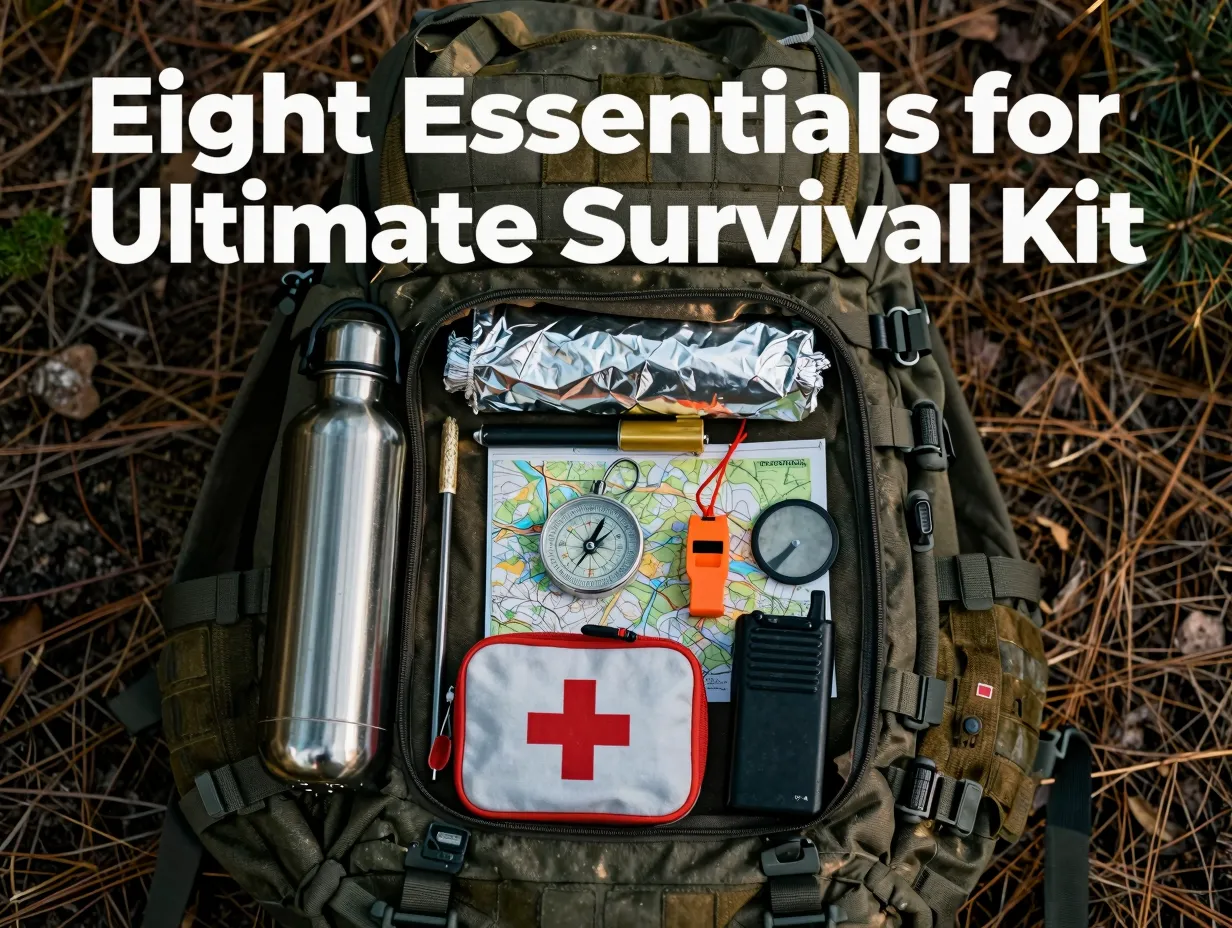
This guide draws on guidance from FEMA, Ready.gov, and leading outdoor experts to walk through every essential item in detail, explain why each one earns its place in your pack, and help you make smart purchasing decisions before you ever need to use them. [2][4]
Key Takeaways
- FEMA’s 72-hour standard is the baseline: every survival kit should support at least three days of independent operation per person. [2]
- The 8 must-have items for your ultimate outdoor survival kit cover water, food, shelter, fire, navigation, signaling, first aid, and communication, no single category can be skipped.
- Quality matters more than quantity; one reliable multi-tool outperforms a bag full of cheap single-use gadgets.
- Modern kits in 2026 increasingly include power banks and satellite communicators alongside traditional gear, reflecting how technology has changed emergency response. [10]
- Regular kit audits, at least twice a year, keep supplies fresh, batteries charged, and gear functional when it counts most.
Why the 8 Must-Have Items for Your Ultimate Outdoor Survival Kit Actually Save Lives
Before diving into the individual items, it helps to understand the framework behind them. Ready.gov recommends that every emergency supply kit, whether designed for home disasters or backcountry adventures, contain enough resources to sustain each person for a minimum of 72 hours without outside assistance. [2] That window matters because it reflects the realistic response time for emergency services in most scenarios, from a sudden wildfire evacuation to an unexpected overnight in the mountains.
The eight categories below are not arbitrary. They map directly to the core threats that kill people in survival situations: dehydration, hypothermia, injury, disorientation, and the inability to signal for help. Address all eight, and survival odds improve dramatically. Miss even one, and a single environmental stressor can cascade into a life-threatening crisis.
“Preparedness is not about fear, it is about giving yourself options when circumstances remove them.”
How to Think About Kit Building
Survival gear exists on a spectrum from minimalist day-hike kits to full 72-hour bug-out bags. The principles below apply across that spectrum. Prioritize items by threat level for your specific environment, then layer in redundancy for the most critical needs, particularly water and fire. [4]
1. Water Filtration and Storage
Why it tops the list: The human body begins to suffer cognitive and physical decline within hours of dehydration onset. In a survival scenario, impaired judgment is often more dangerous than thirst itself.
Ready.gov’s current guidance calls for one gallon of water per person per day as a storage baseline. [2] For backcountry situations where carrying that volume is impractical, a high-quality water filtration system becomes non-negotiable.
What to look for:
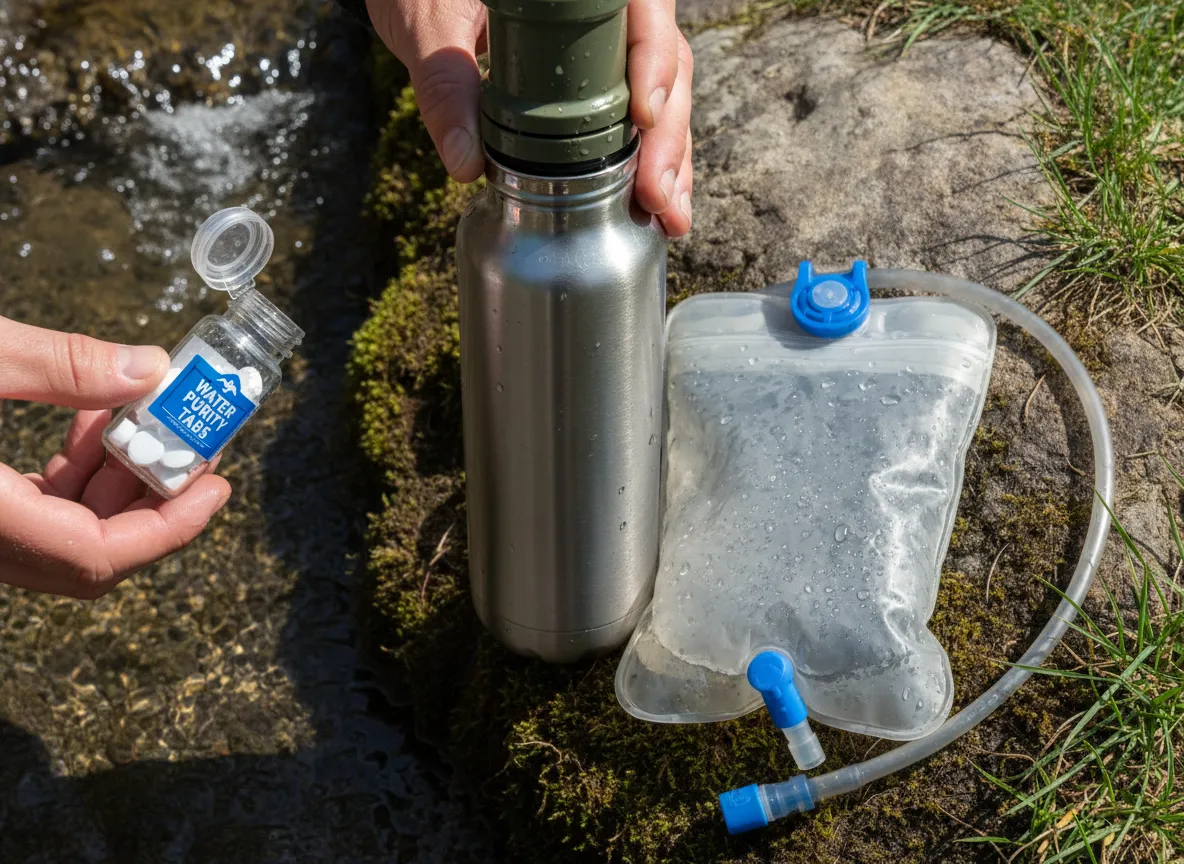
- Hollow-fiber filters that remove bacteria, protozoa, and microplastics
- A filter rated for at least 1,000 liters of use before replacement
- Compatibility with standard water bottles and hydration bladders
- Backup chemical treatment tablets (iodine or chlorine dioxide) as a secondary option
Stainless steel water bottles double as filtration vessels and can be used to boil water when chemical or mechanical filtration is unavailable. Carrying both a filter and purification tablets covers multiple failure scenarios. [4]
Recommended storage volume for a 72-hour kit: Three liters minimum per person, with filtration capability for ongoing resupply from natural sources.
2. High-Calorie, Non-Perishable Food Supplies
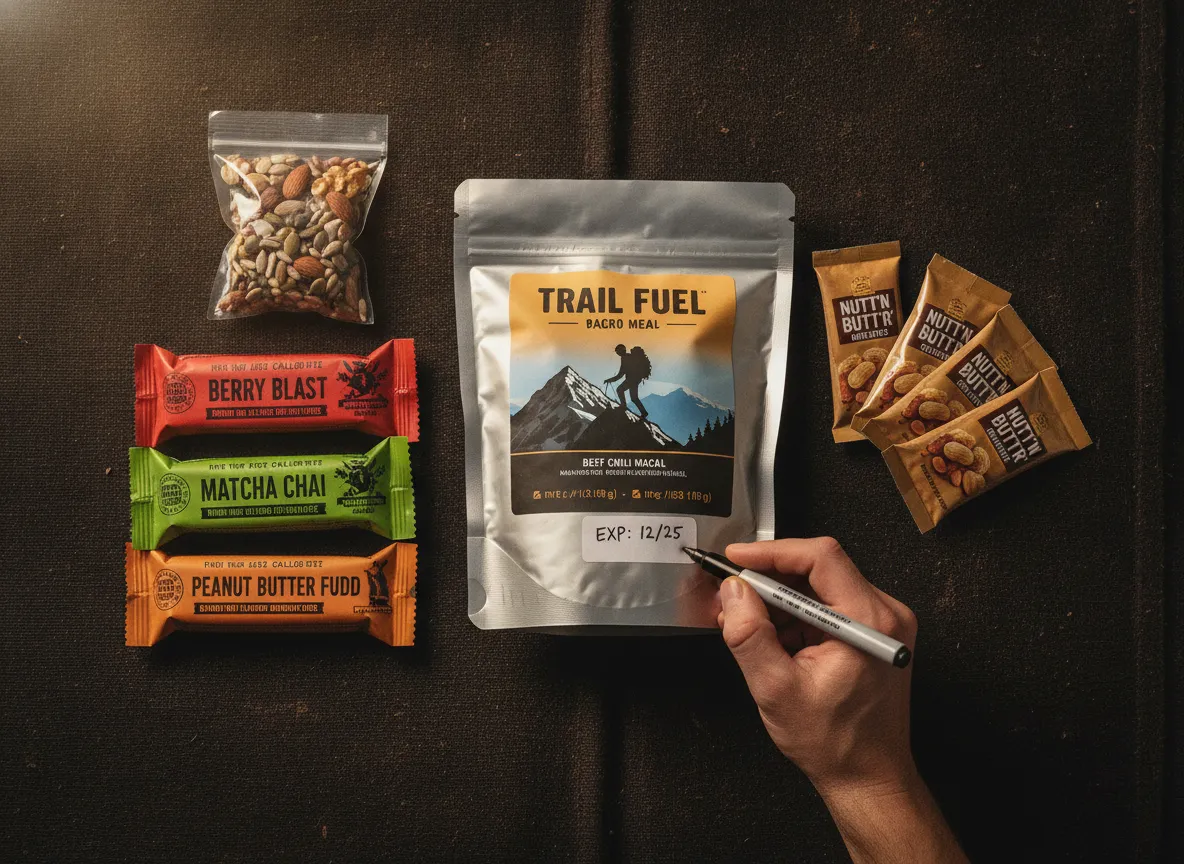
Caloric intake in a survival situation serves two purposes: it fuels physical activity like building shelter or signaling for help, and it maintains core body temperature in cold environments. Ready.gov recommends several days of non-perishable food that requires no cooking or refrigeration. [2]
Best options for a survival kit:
- Freeze-dried meals (up to 25-year shelf life, lightweight, calorie-dense)
- Energy bars rated at 2,400 to 3,600 calories per day
- Compact nut and seed mixes
- Single-serve peanut butter packets
A common mistake is packing foods that require significant water to prepare, a serious problem if water is already scarce. Prioritize ready-to-eat formats. [1]
Shelf-life audit tip: Mark the expiration date on every food item with a permanent marker and set a calendar reminder to rotate stock every 12 months.
3. Emergency Shelter and Thermal Protection
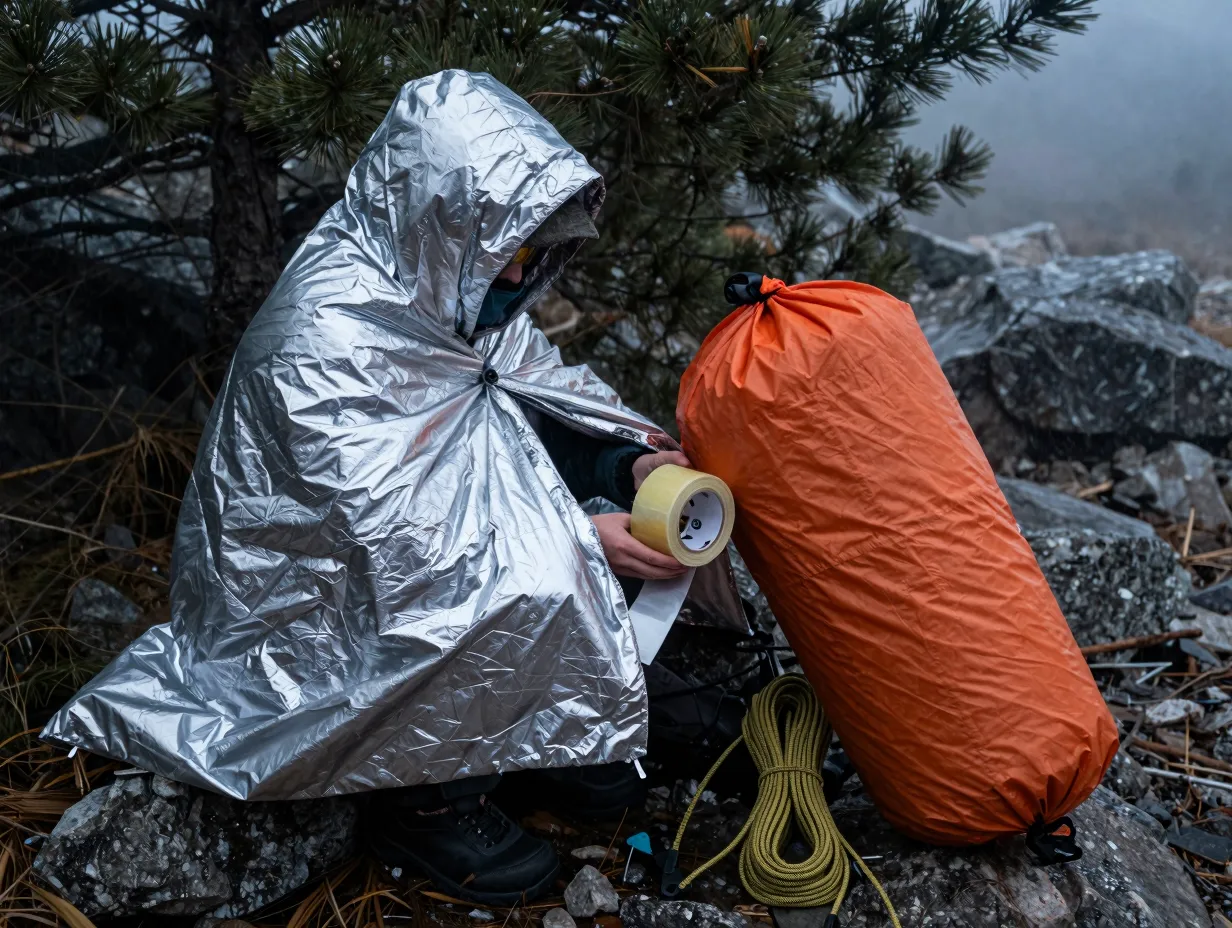
Hypothermia can set in at temperatures well above freezing, particularly when wind, rain, or wet clothing are factors. An emergency shelter does not need to be elaborate, it needs to retain body heat and block the elements long enough for rescue or conditions to improve.
Core shelter items for the 8 must-have items for your ultimate outdoor survival kit:
- Mylar emergency blankets (reflect up to 90% of body heat, weigh under 2 oz each)
- Lightweight bivy sack or emergency sleeping bag
- Plastic sheeting and duct tape for improvised windbreaks or lean-to structures [2]
- Paracord (minimum 50 feet) for rigging tarps and shelter frames
Mylar blankets are so compact and effective that most experts recommend carrying two, one for immediate use and one as a backup or to share. [7] For longer-duration kits, a compact tarp rated for three-season use provides far superior protection compared to a single-use blanket.
Temperature context: Wind chill at 40°F with wet clothing can produce hypothermia within two hours. Shelter is not optional gear, it is life-critical.
4. Fire Starting Tools
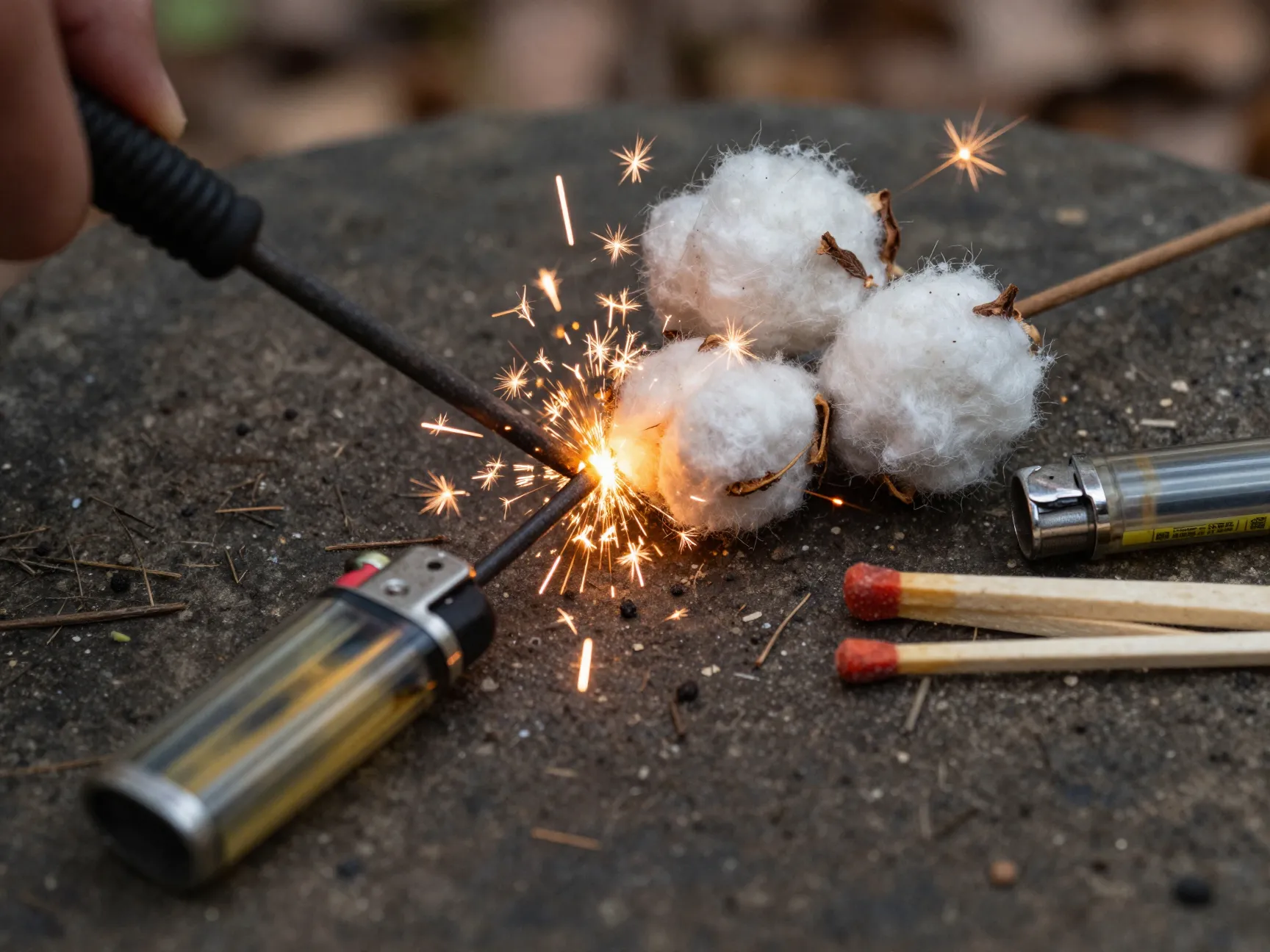
Fire provides warmth, water purification capability, a signaling mechanism, and a psychological anchor in high-stress situations. A survival kit without reliable fire-starting tools is fundamentally incomplete.
The rule of three for fire starting: Always carry three independent methods.
| Fire Starting Method | Reliability | Weather Resistance | Weight |
|---|---|---|---|
| Waterproof matches | High | Moderate | Very low |
| Ferrocerium rod | Very high | Excellent | Low |
| Windproof lighter | High | Good | Low |
| Magnesium fire starter | Very high | Excellent | Low |
A ferrocerium rod paired with a windproof lighter and a small supply of waterproof matches covers virtually every environmental condition. [4] Tinder material, cotton balls coated in petroleum jelly, for example, should also be pre-packed, since finding dry natural tinder in wet conditions is one of the most common failure points in field fire-starting.
5. First Aid Kit
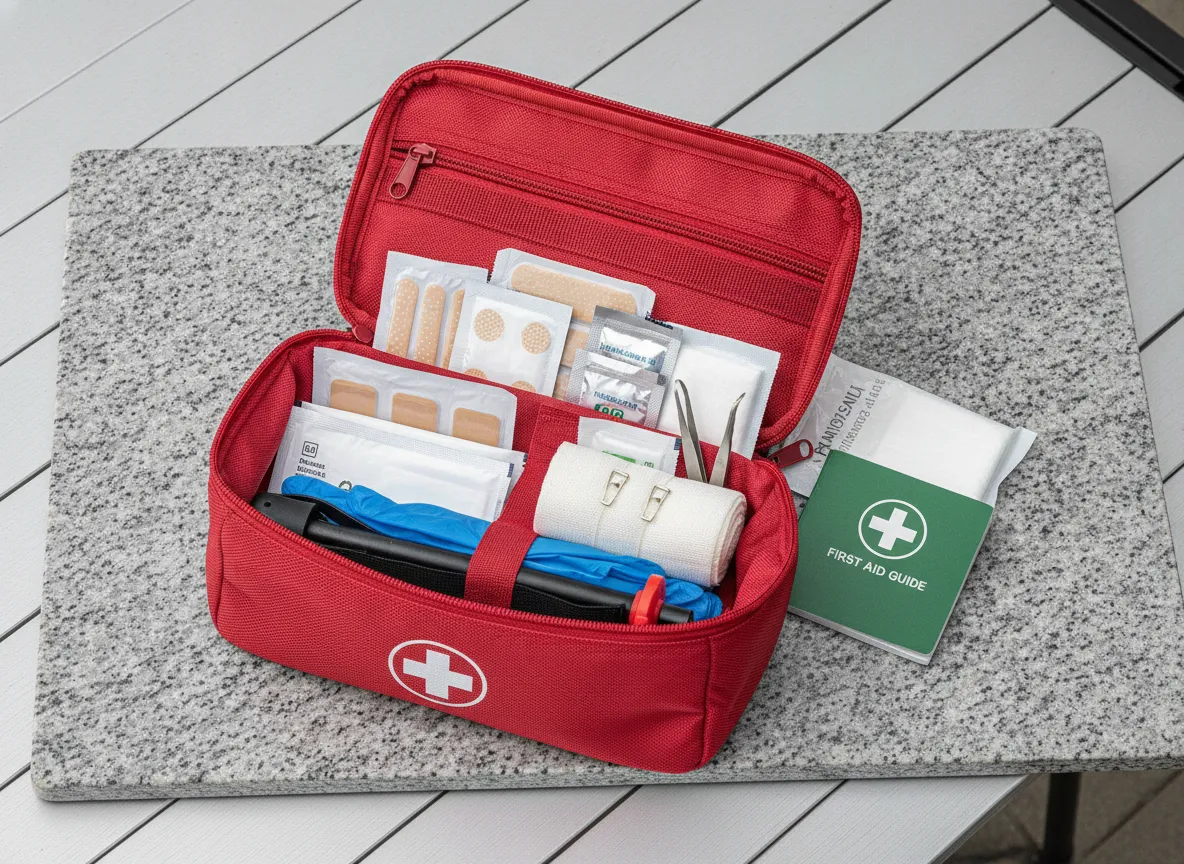
Injuries in the field range from minor blisters to life-threatening lacerations, and the gap between those outcomes often comes down to whether appropriate first aid supplies are available and whether the user knows how to apply them. [9]
A basic first aid kit should contain, at minimum:
- Adhesive bandages in multiple sizes
- Sterile gauze pads and medical tape
- Elastic bandage wrap (for sprains and pressure dressings)
- Antiseptic wipes and antibiotic ointment
- Blister treatment pads
- Tweezers and medical scissors
- Nitrile gloves (multiple pairs)
- A CPR face shield
- Any personal prescription medications (minimum 72-hour supply) [2]
- A comprehensive first aid instruction booklet
“The best first aid kit is the one you know how to use. Gear without training is just weight.”
In 2026, experts increasingly recommend adding a tourniquet and hemostatic gauze to outdoor first aid kits, particularly for remote backcountry use where evacuation times can exceed several hours. [9][10] Gear Junkie’s research on best first aid kits confirms that pre-assembled wilderness-specific kits from reputable brands consistently outperform DIY assemblies for completeness and packaging quality. [9]
6. Navigation Tools
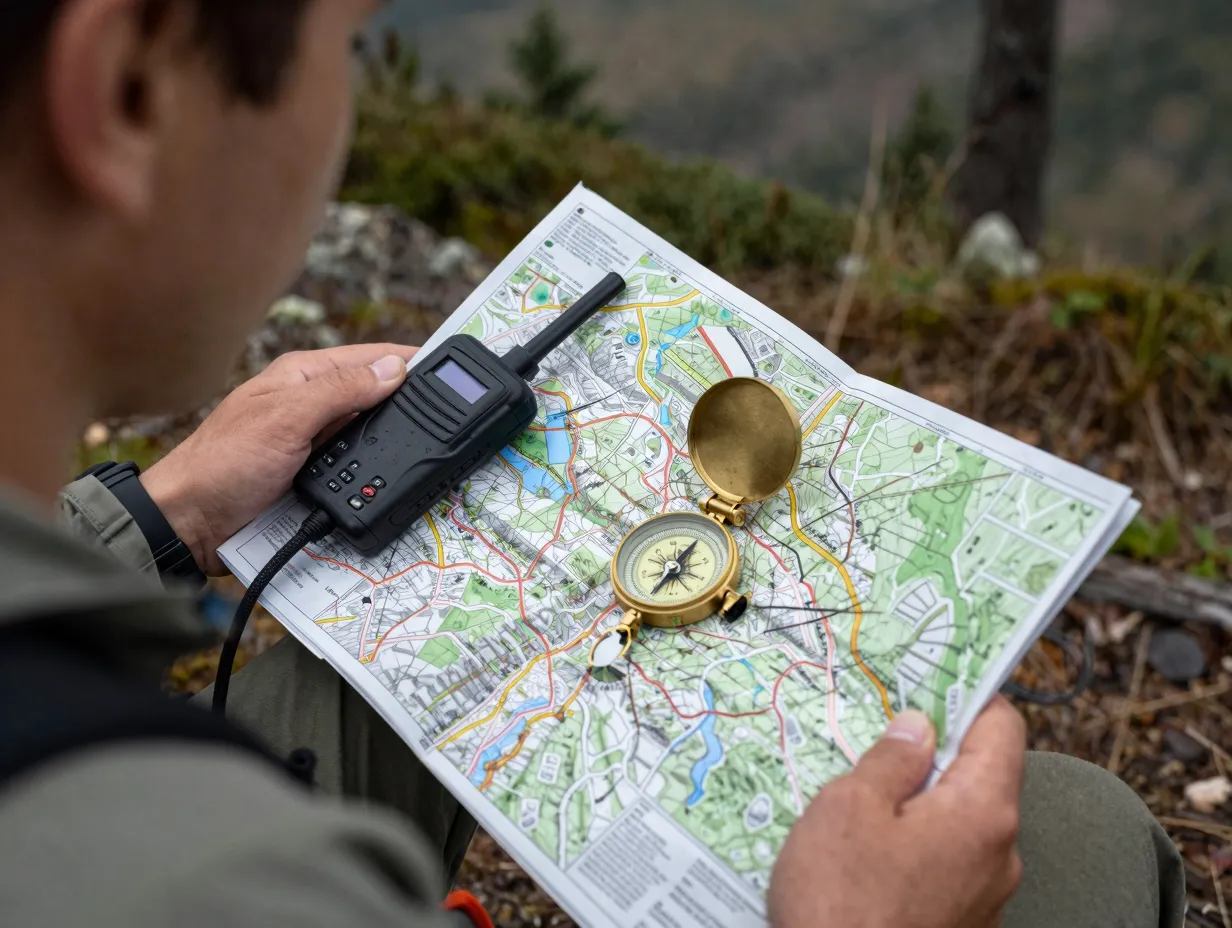
GPS devices fail. Phone batteries die. Cell service disappears. In a genuine survival scenario, digital navigation tools are a convenience layer, not a foundation. The foundation is a topographic map and a baseplate compass, tools that require no power and do not malfunction in extreme cold or moisture.
Navigation essentials:
- Waterproof topographic map of the specific area being traveled
- Baseplate compass with declination adjustment
- Personal GPS device or satellite communicator as a secondary layer [10]
- Knowledge of how to triangulate position using map and compass together
The satellite communicator category has expanded significantly by 2026, with devices now offering two-way messaging, SOS activation, and weather forecasts via satellite subscription. [10] These devices do not replace traditional navigation skills, but they dramatically reduce the time between an emergency and rescue response.
Skill note: A compass is only as useful as the person holding it. Practicing map-and-compass navigation before an emergency is as important as owning the tools.
7. Signaling Devices
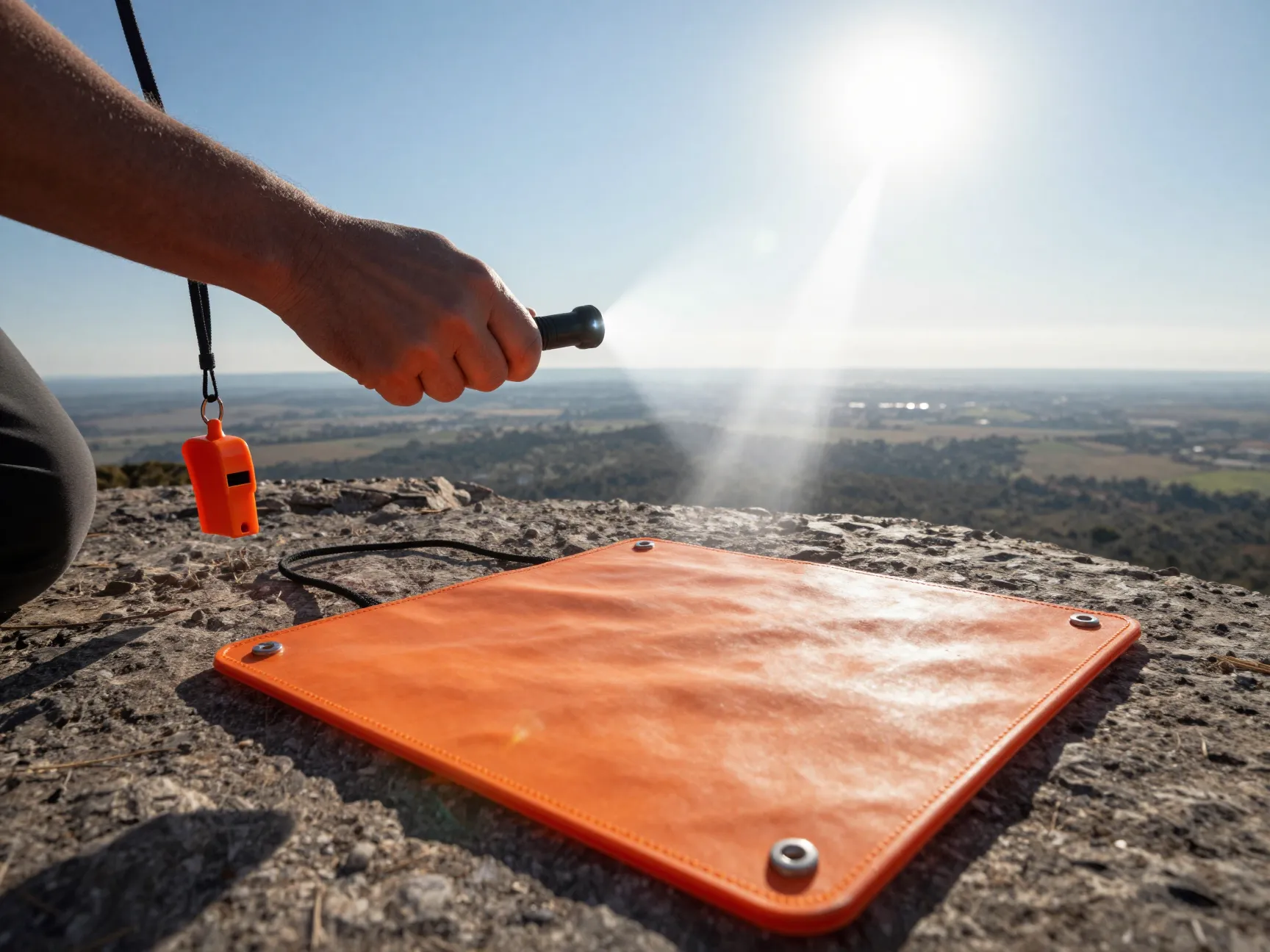
Being lost and being found are two entirely different problems. Signaling devices bridge that gap by making a person detectable to search-and-rescue teams, aircraft, and other people from distances far beyond unaided visibility.
Essential signaling tools in the 8 must-have items for your ultimate outdoor survival kit:
- Emergency whistle (pealess design, audible up to one mile) [2]
- Signal mirror (effective up to 10 miles in direct sunlight)
- Bright orange or red signaling panel or bandana
- Personal locator beacon (PLB) or satellite messenger with SOS function [10]
- Tactical LED flashlight with strobe mode for nighttime signaling [7]
Ready.gov specifically lists a whistle as a core kit item for its ability to signal for help without requiring battery power or line-of-sight visibility. [2] A pealess whistle, one without a small ball inside, functions reliably in freezing temperatures and wet conditions where traditional whistles fail.
Signal mirror technique: Aim the reflected sunlight toward the target by holding the mirror close to the face and using the shadow of your fingers as an aiming guide. Practice this before needing it.
8. Communication and Power Devices
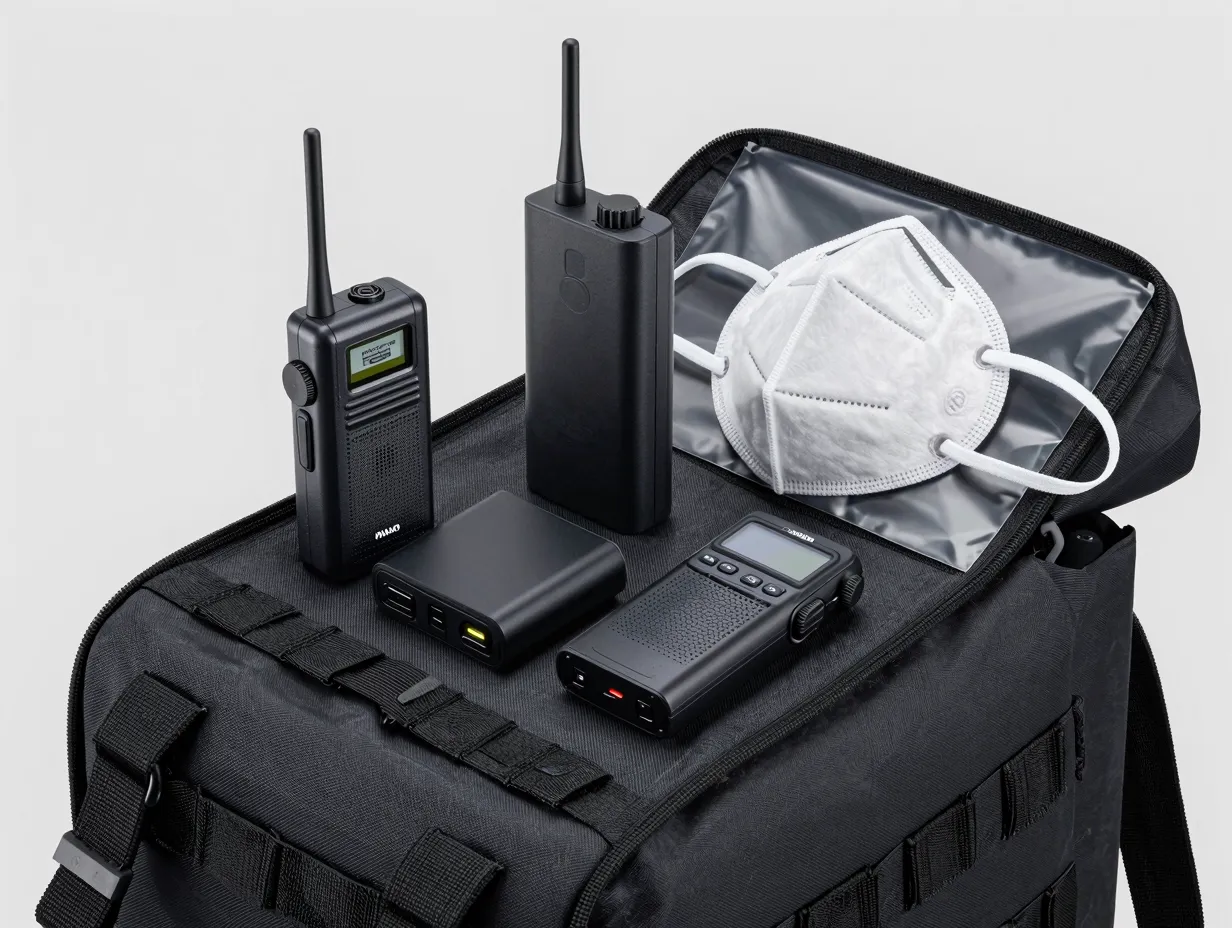
The final category ties the entire kit together. Communication tools allow survivors to receive critical information, weather updates, evacuation orders, search-and-rescue coordinates, and to transmit their location and status to rescuers.
Core communication items:
- Hand-crank or solar-powered NOAA weather radio [2]
- High-capacity power bank (minimum 20,000 mAh) for charging phones and GPS devices [10]
- Satellite communicator with two-way messaging capability
- Waterproof case or dry bag for all electronic devices
The NOAA weather radio is specifically recommended by Ready.gov because it operates independently of cell infrastructure, which is frequently the first system to fail during large-scale emergencies. [2] A hand-crank model eliminates battery dependency entirely.
Power banks have become standard kit items by 2026, reflecting the reality that modern survival increasingly depends on digital tools. [10] A 20,000 mAh bank can fully recharge a smartphone four to five times, sustaining navigation, communication, and documentation capability across a 72-hour window.
Dust mask note: Ready.gov also recommends including N95 or equivalent dust masks in emergency kits, particularly for scenarios involving wildfire smoke or structural collapse debris. [2] These are compact, lightweight, and address a threat that is increasingly relevant across North America.
Building Your Kit: Practical Considerations
Weight and Pack Organization
A survival kit that stays in the car because it is too heavy to carry is not a survival kit, it is a garage decoration. Target a total kit weight of no more than 20% of the user’s body weight for a full 72-hour pack, and significantly less for a day-hike emergency pouch.
Organization framework:
- Use color-coded dry bags or pouches to separate categories (red for first aid, blue for water, orange for fire and signaling)
- Keep the most frequently needed items, water, first aid, flashlight, in the most accessible pockets
- Vacuum-seal food and clothing items to reduce volume
Kit Maintenance Schedule
| Maintenance Task | Frequency |
|---|---|
| Check battery levels (flashlight, radio, PLB) | Every 6 months |
| Rotate food and water supplies | Every 12 months |
| Inspect first aid items for expiration | Every 12 months |
| Test fire-starting tools | Every 6 months |
| Update maps and navigation data | Annually or after major trips |
Experts at Lima Tango Survival recommend treating kit maintenance like a vehicle oil change, scheduled, non-negotiable, and logged. [1]
Customizing for Environment and Group Size
The eight categories above represent the universal baseline. Customization should account for:
- Climate: Desert environments prioritize water volume; alpine environments prioritize insulation and fire-starting redundancy.
- Group size: Scale water, food, and first aid supplies proportionally. [2]
- Medical needs: Personal prescriptions, EpiPens, and condition-specific supplies should always be included.
- Trip duration: Day hikes require a lighter subset; multi-day backcountry trips require the full 72-hour kit plus additional food. [3][7]
Conclusion
The 8 must-have items for your ultimate outdoor survival kit, water filtration, food, shelter, fire, first aid, navigation, signaling, and communication, represent a complete defensive system against the most common causes of outdoor fatalities. No single item works in isolation; the power of the kit comes from the interaction between categories. A fire starter helps purify water. A signal mirror works with a navigation fix to guide rescuers. A power bank keeps the satellite communicator operational.
Actionable next steps:
- Audit existing gear against the eight categories above and identify gaps.
- Purchase missing items starting with the highest-priority threats for your most common environments.
- Organize the kit using color-coded dry bags and label expiration dates on all consumables.
- Practice using every item, particularly the compass, fire starter, and signal mirror, before an emergency requires it.
- Schedule a six-month maintenance check and add it to a recurring calendar reminder.
Preparedness is not a one-time purchase. It is a habit. Start with the baseline, maintain it consistently, and the kit will be ready when it matters most.
References
[1] 65 Trusted Survival Items Preppers Actually Use In 2025 2026 – https://limatangosurvival.com/65-trusted-survival-items-preppers-actually-use-in-2025-2026/
[2] ready.gov – https://www.ready.gov/kit
[3] Best Survival Kits – https://www.outdoorlife.com/gear/best-survival-kits/
[4] Essential Survival Items – https://www.survivalstockup.com/start-here/essential-survival-items/
[7] Best Survival Kits – https://www.pwice.com/best-survival-kits/
[9] Best First Aid Kit – https://gearjunkie.com/outdoor/best-first-aid-kit
[10] Survival Essentials You Need To Start 2026 – https://www.gadgetreview.com/survival-essentials-you-need-to-start-2026