8 Items You Can’t Forget: The Ultimate Camping & Hiking Packing List
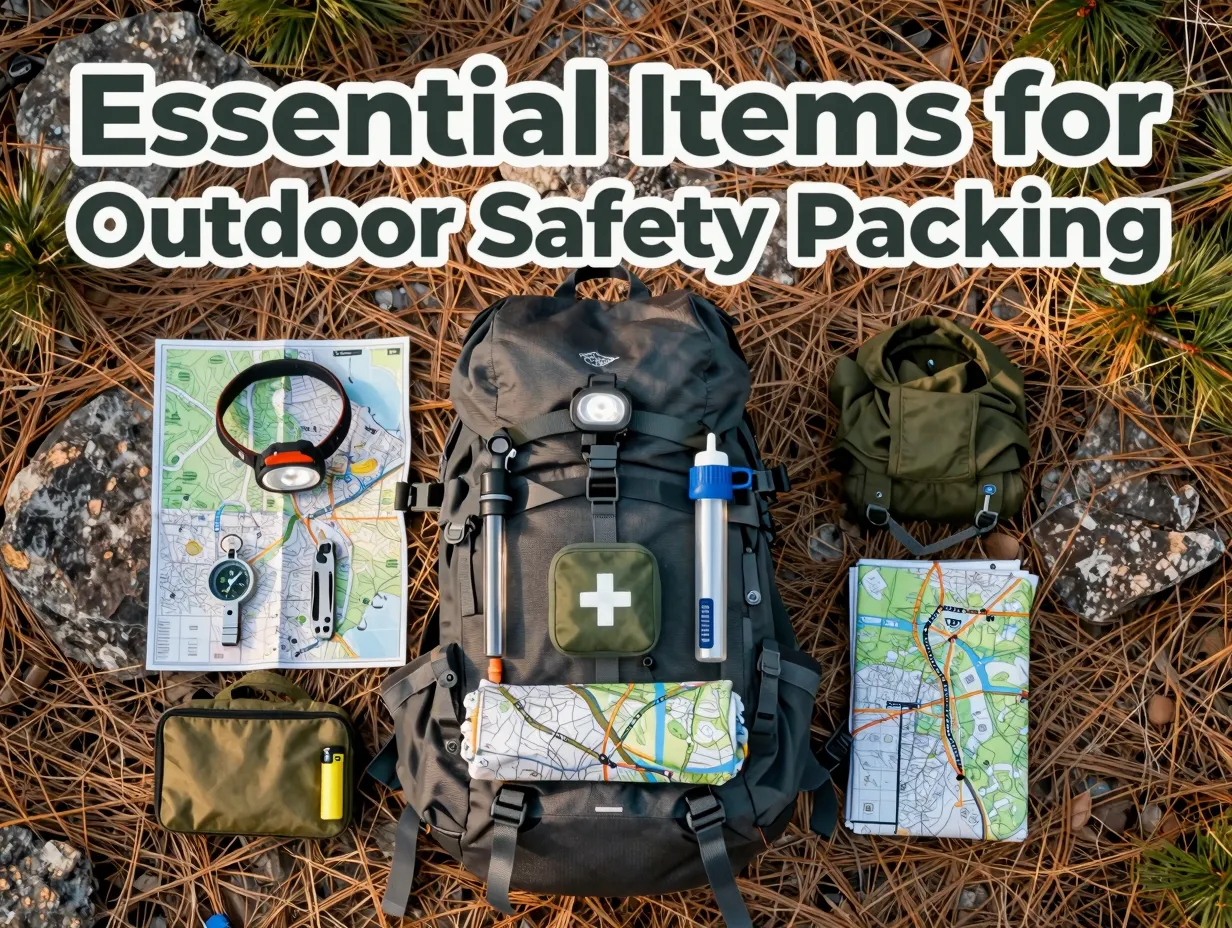
Nearly 40 percent of search-and-rescue operations in U.S. national parks involve hikers who set out underprepared, missing one or two critical items that could have changed the outcome entirely. That single statistic reframes what most people treat as a casual checklist into something far more serious. This guide to the 8 Items You Can’t Forget: The Ultimate Camping & Hiking Packing List is built on that premise: packing smart is not about carrying everything, it is about carrying the right things. Whether heading out for an overnight trip or a multi-day backcountry expedition in 2026, the items covered here represent the non-negotiable core of any safe, effective outdoor kit.
Disclosure: This post contains affiliate links. As an Amazon Associate, we earn from qualifying purchases, and at no extra cost to you.
Key Takeaways
- The 8 Items You Can’t Forget: The Ultimate Camping & Hiking Packing List covers survival, navigation, hydration, shelter, fire, first aid, food, and light, the foundational categories every hiker must address.
- Forgetting even one category can escalate a minor problem into a life-threatening emergency in remote terrain.
- Gear quality matters, but understanding how to use each item correctly matters more.
- Weight management is a real concern; each item on this list earns its place by serving multiple functions where possible.
- This list applies to day hikers and multi-night campers alike, the categories scale with trip length, not just difficulty.
Why Most Packing Lists Fail Hikers
Most generic camping checklists are too long, too vague, or both. They list “clothes” without specifying moisture-wicking base layers versus cotton (which kills in cold and wet conditions). They mention “food” without addressing caloric density per ounce. The result is hikers who carry 45-pound packs full of redundant items while missing the one tool that would have mattered.
The framework used here is different. It is organized around function, not category. Each of the 8 items represents a survival or comfort function that cannot be skipped. Everything else in a pack is optional. These are not.
“The goal of packing is not to bring everything you might need, it is to ensure you always have what you cannot do without.”
This principle is sometimes called the “Ten Essentials” philosophy in wilderness education circles, but this guide distills it further into 8 mission-critical items with clear reasoning behind each choice.
The 8 Items You Can’t Forget: The Ultimate Camping & Hiking Packing List
1. Navigation Tools
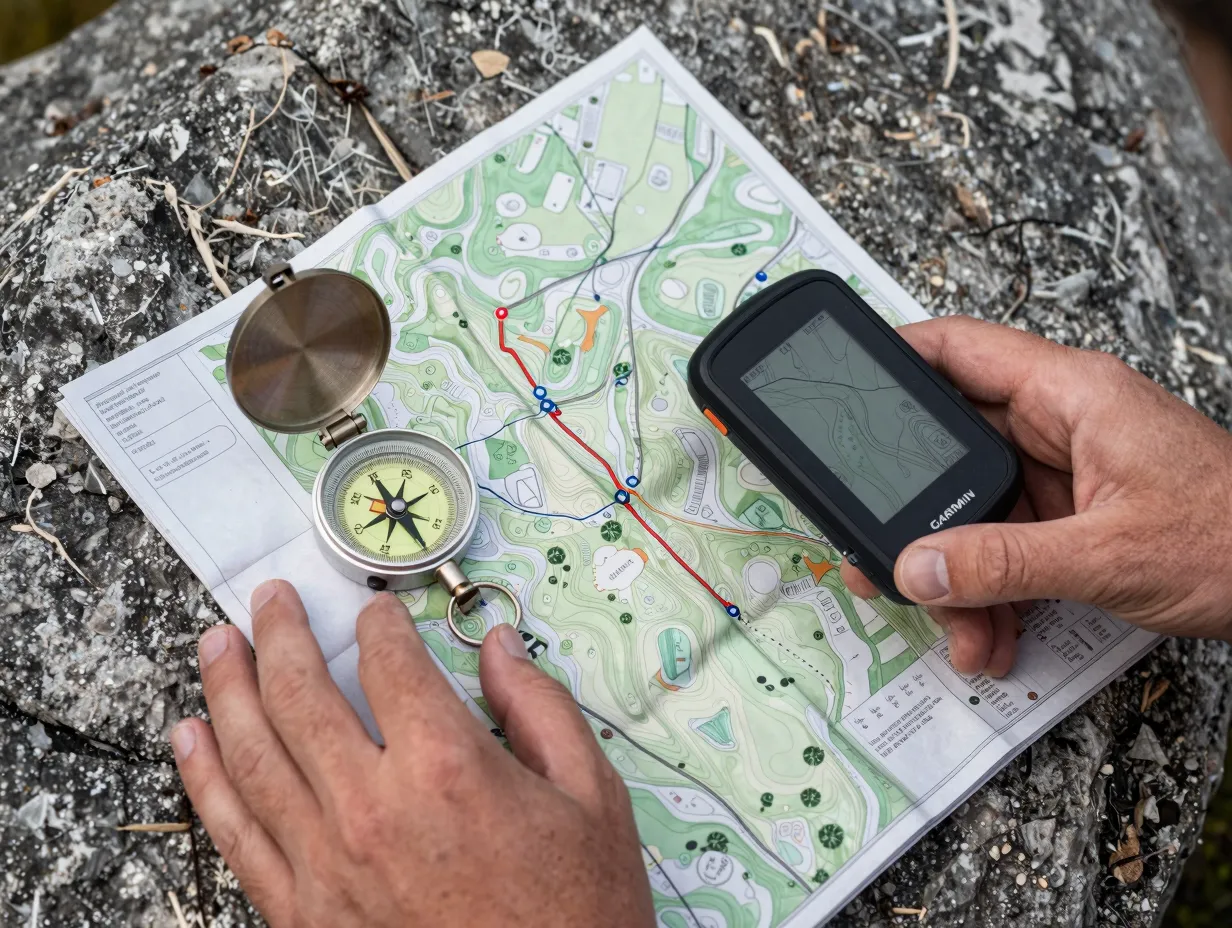
Getting lost is the most common precursor to outdoor emergencies. A smartphone with a downloaded map is a reasonable backup, but it is not a primary navigation tool. Batteries die. Screens crack. Signals disappear.
What to carry:
- A topographic map of the specific trail system, printed or on a dedicated GPS device
- A baseplate compass with a declination adjustment feature
- Knowledge of how to triangulate position using both
The combination of a physical map and compass costs less than $30 and weighs under four ounces. A dedicated GPS device like a Garmin inReach adds satellite communication capability, which is a significant upgrade for remote routes. The key point is redundancy: carry at least two independent navigation methods.
Pro tip: Before any trip, mark the trailhead, campsites, water sources, and nearest road on the map. Spend 10 minutes reviewing the route the night before departure.
2. Sun Protection
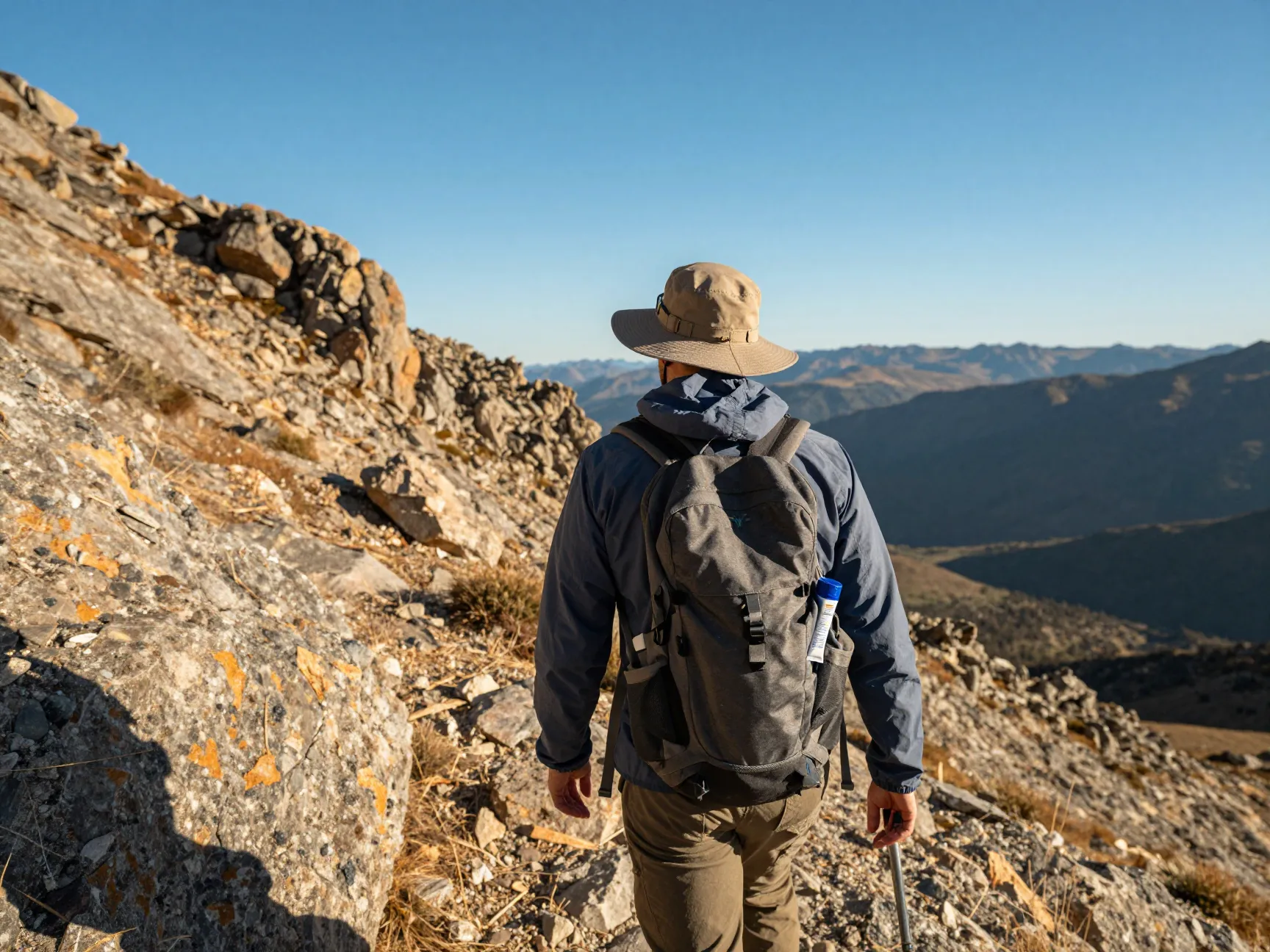
Ultraviolet radiation at elevation is significantly stronger than at sea level. For every 1,000 feet of elevation gain, UV intensity increases by roughly 4 percent. On a 10,000-foot summit, that is a 40 percent increase in UV exposure compared to the valley floor.
What to carry:
- Broad-spectrum SPF 30 or higher sunscreen (reef-safe formulas are preferred near water sources)
- UV-blocking sunglasses rated for 100 percent UVA and UVB
- A wide-brimmed hat or sun-protective buff
- UPF-rated sun hoody for extended exposed ridgeline travel
Sunburn is not just uncomfortable, it accelerates dehydration and impairs the body’s ability to regulate temperature. In a multi-day scenario, a bad sunburn on day one can compromise the entire trip.
3. Insulation and Layering System
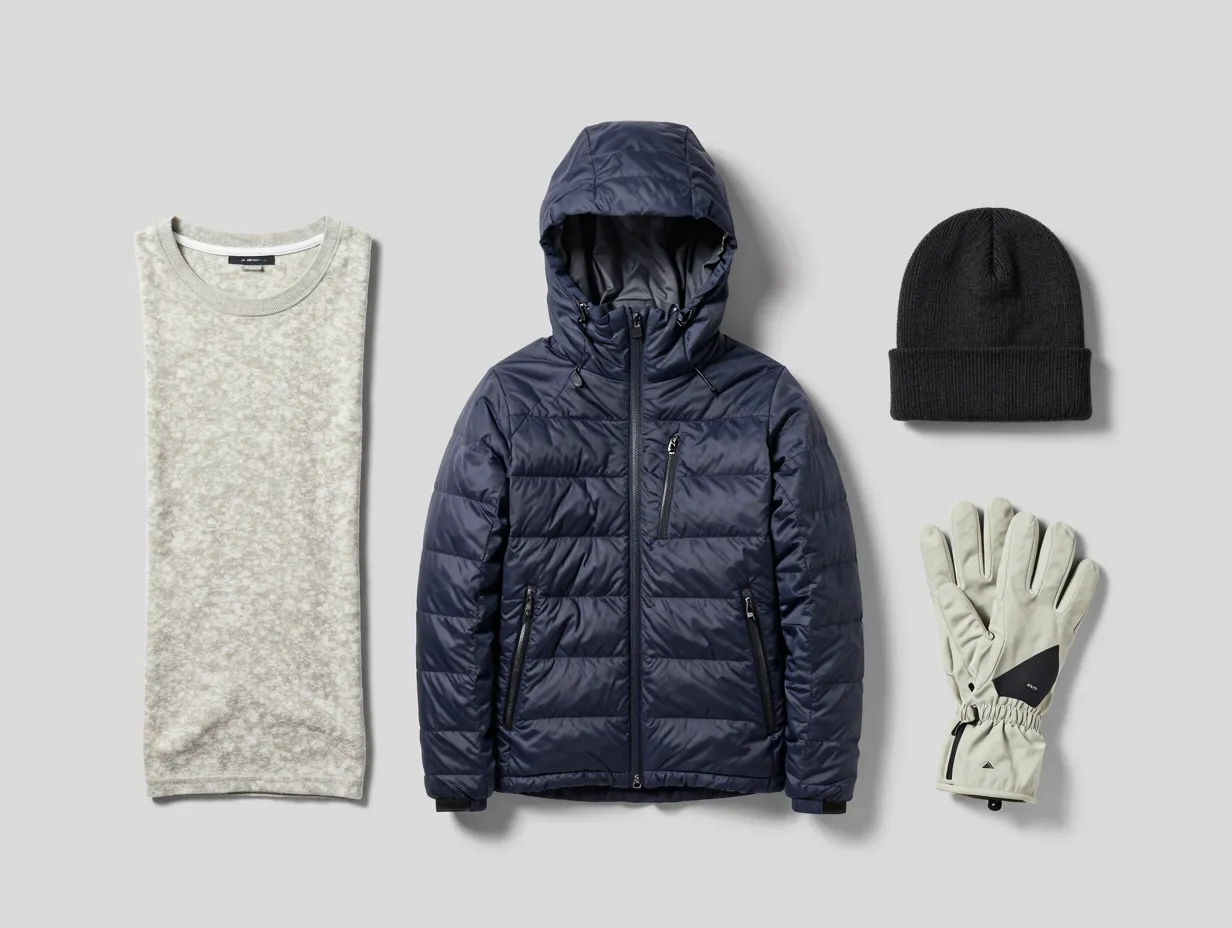
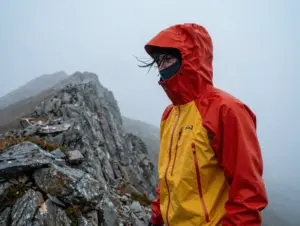
Weather in mountain environments changes faster than most people expect. A clear morning can become a hail storm by afternoon. The single most dangerous combination in the backcountry is wet clothing and wind, the conditions that produce hypothermia even in summer months.
What to carry:
- Moisture-wicking base layer (synthetic or merino wool, never cotton)
- Insulating mid-layer (down or synthetic puffy jacket)
- Waterproof, breathable shell jacket
- Lightweight gloves and a warm hat, even in summer
Pack for the weather you might encounter, not the weather you expect. A jacket that stays in the pack all trip is a success, not a waste of space.
The layering system works because it traps warm air in adjustable increments. Hikers can add or remove layers as exertion levels and weather shift throughout the day. A single heavy jacket does not offer that flexibility.
4. Illumination
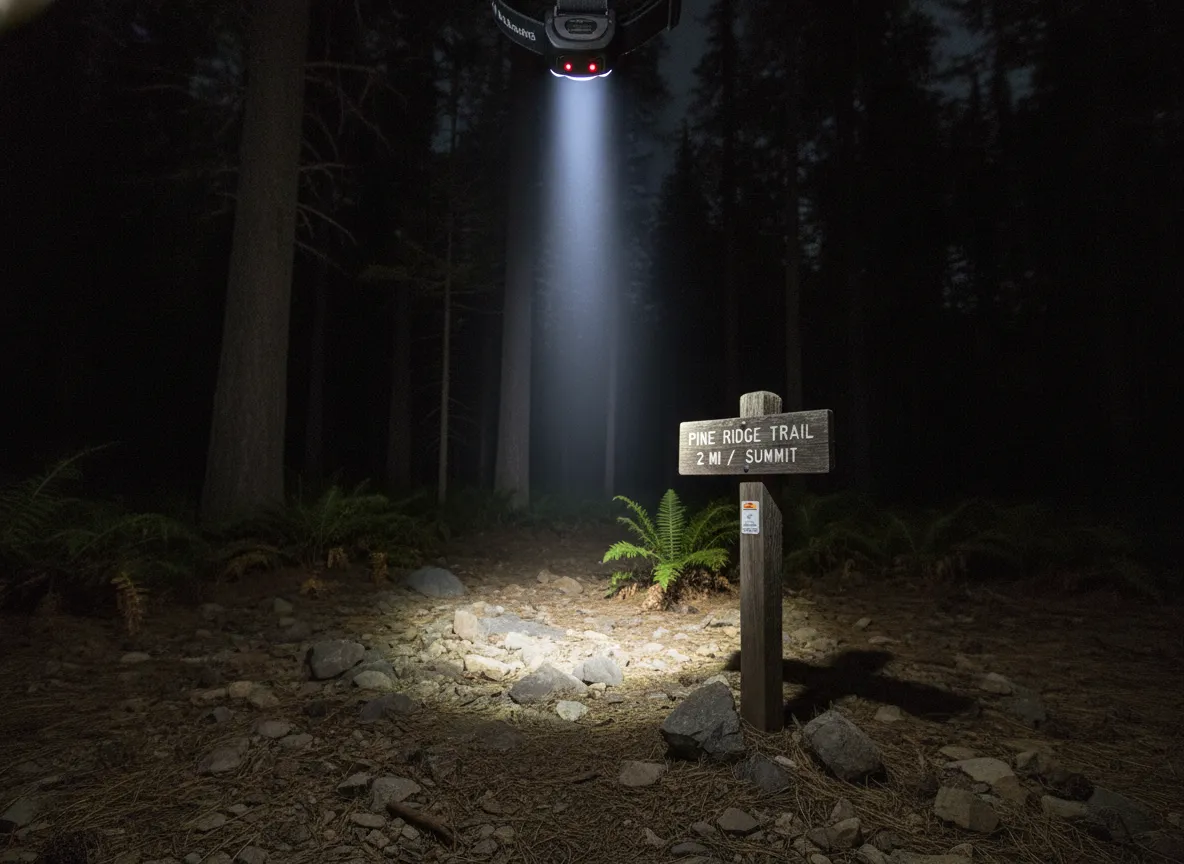
Headlamps are the most underestimated item on any camping packing list. Hikers routinely underestimate how long a route will take, how quickly daylight fades, or how disorienting a camp can be at 2 a.m. when nature calls.
What to carry:
- A headlamp with at least 200 lumens output and a red-light mode
- Fresh or fully charged batteries (carry one spare set regardless of battery life claims)
- A backup light source, a small keychain flashlight or a phone torch as a last resort
Modern headlamps from brands like Black Diamond, Petzl, and BioLite are lightweight, rechargeable, and durable. The red-light mode preserves night vision and is courteous to others in camp. Weight for a quality headlamp runs between 2.5 and 4 ounces, there is no valid reason to skip it.
Common mistake: Leaving the headlamp at the bottom of the pack. Keep it in an accessible side pocket or hip belt pouch.
5. First Aid Kit
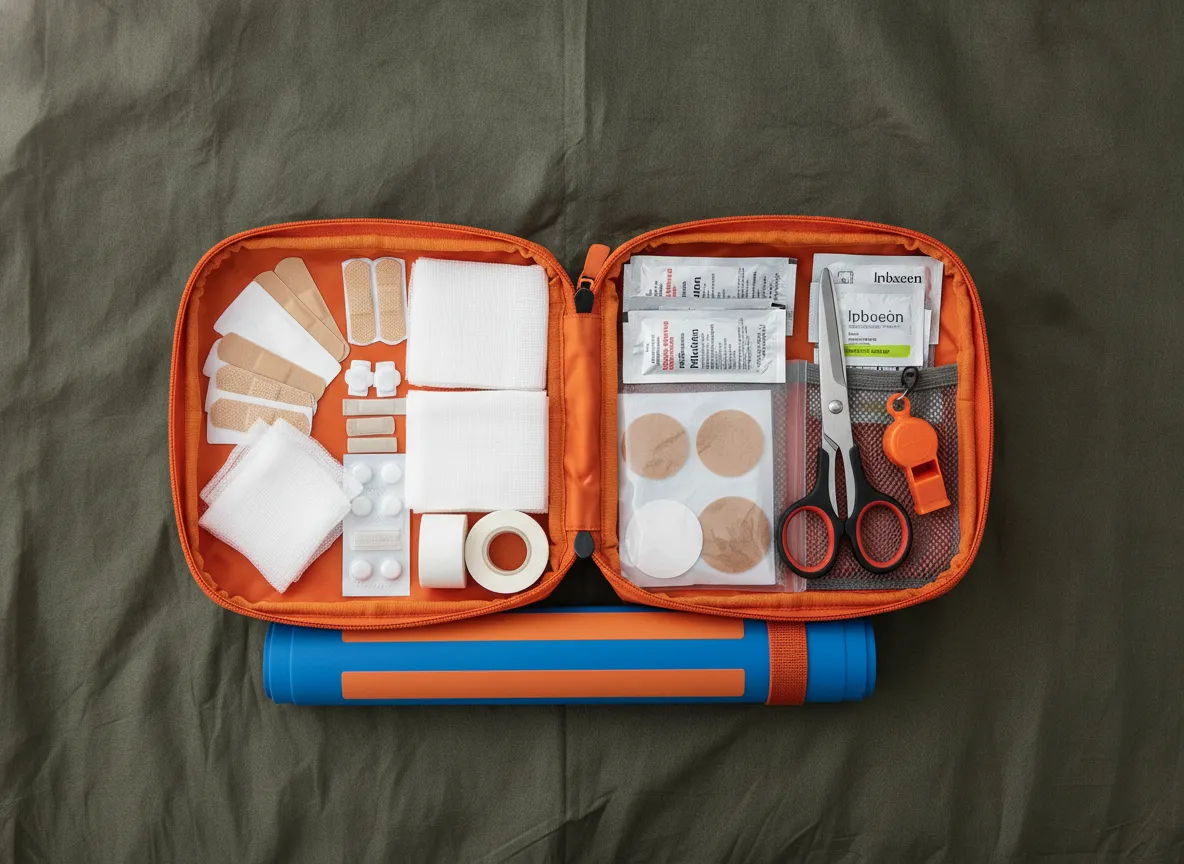
A well-stocked first aid kit does not need to be a full trauma kit. For most hiking and camping scenarios, the goal is to stabilize an injury well enough to self-rescue or wait for evacuation. That requires a focused, lightweight kit rather than a hospital bag.
Core contents of a trail-ready first aid kit:
| Category | Specific Items |
|---|---|
| Wound care | Adhesive bandages (multiple sizes), gauze pads, medical tape, antiseptic wipes |
| Blister management | Moleskin, blister pads, small scissors |
| Medications | Ibuprofen, antihistamine, antidiarrheal, personal prescriptions |
| Tools | Tweezers, nitrile gloves, a SAM splint |
| Emergency | Emergency whistle, CPR face shield |
Pre-assembled kits from Adventure Medical Kits or similar brands are a solid starting point. Customize them by removing items that duplicate what is already in the pack and adding personal medications or condition-specific supplies.
Critical note: Carrying a first aid kit without knowing how to use it is only marginally better than not carrying one. A basic wilderness first aid course is a worthwhile investment for anyone who hikes regularly.
6. Fire Starting Tools
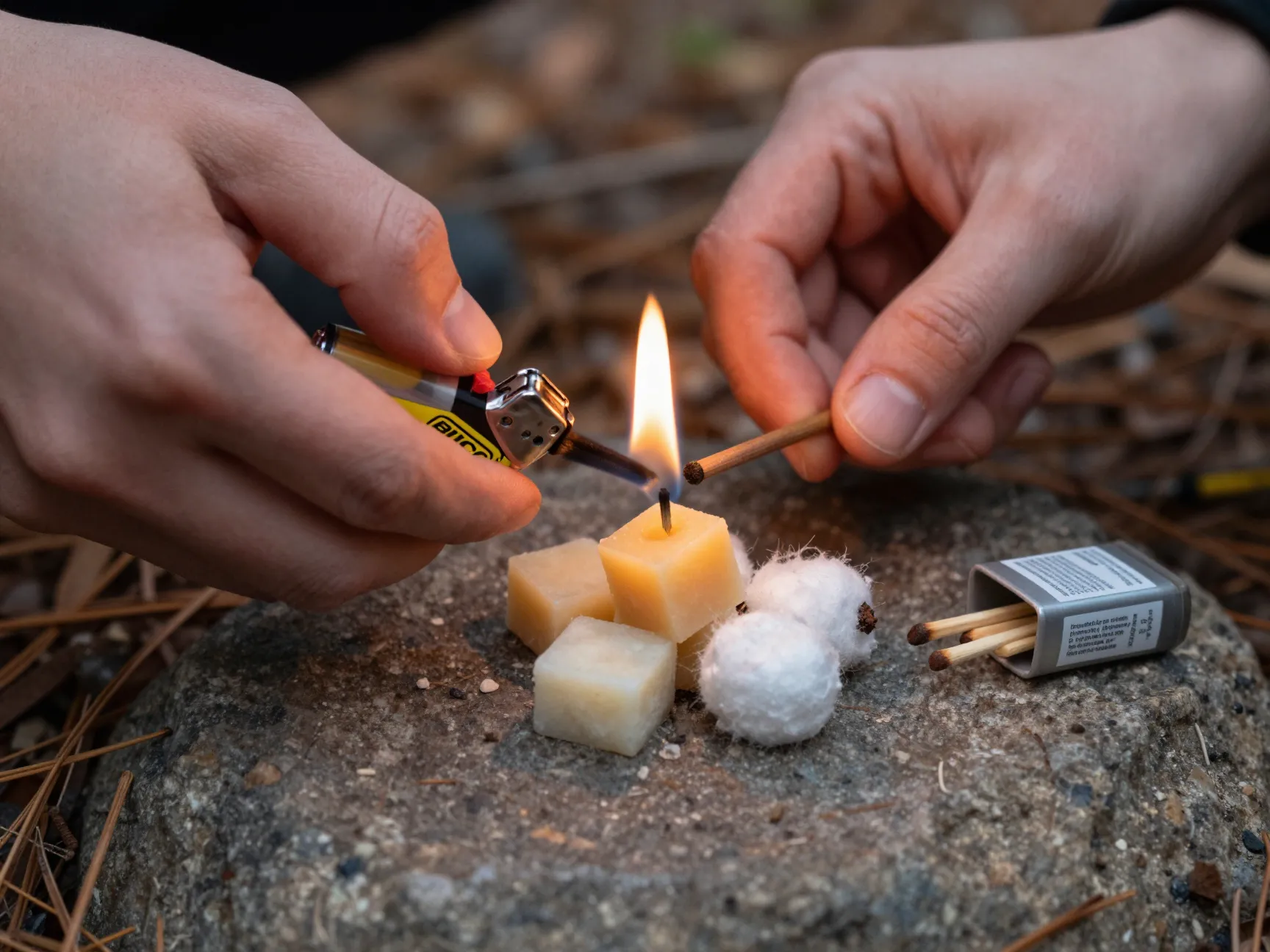
Fire serves multiple survival functions: warmth, water purification, signaling, and psychological comfort in a stressful situation. The ability to start a fire in wet, windy, or cold conditions is a skill that separates prepared hikers from unprepared ones.
What to carry:
- A BIC-style butane lighter (primary tool, reliable, lightweight, inexpensive)
- Waterproof matches in a sealed container (backup)
- A ferrocerium rod for conditions where liquid fuel lighters fail in extreme cold
- Fire-starting tinder: wax-based fire cubes, petroleum jelly-soaked cotton balls, or commercial tinder tabs
The lighter-plus-tinder combination is the most practical for most conditions. The ferrocerium rod is a true backup for situations where the lighter fails. All three together weigh less than three ounces.
Leave No Trace note: Always check fire regulations before a trip. Many wilderness areas and national parks have seasonal fire bans. Knowing the rules before departure prevents both fines and wildfires.
7. Repair Tools and a Knife
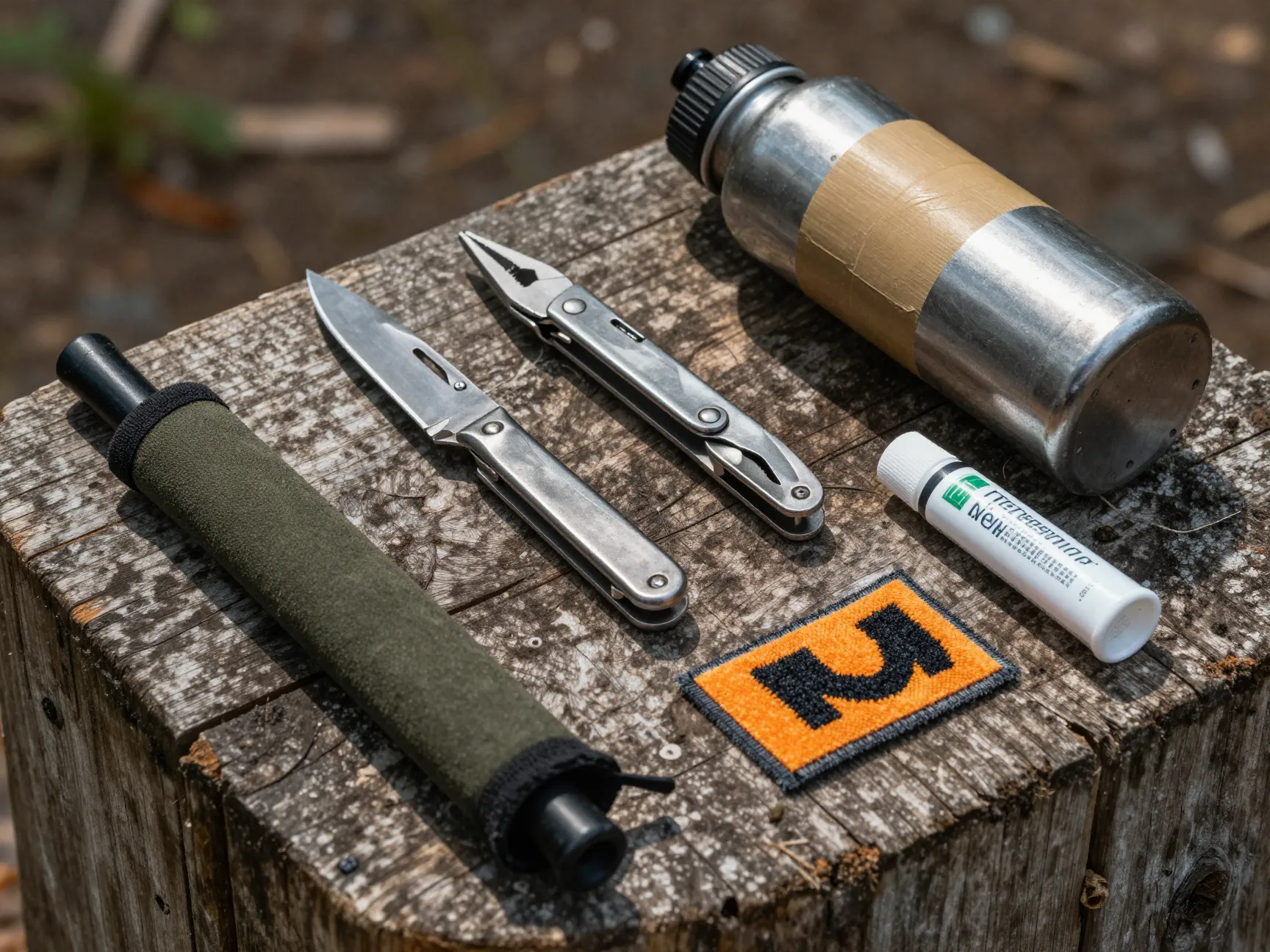
A quality knife is the single most versatile tool in any outdoor kit. It cuts rope, prepares food, builds shelter components, performs first aid tasks, and handles dozens of small jobs that arise on any multi-day trip.
What to carry:
- A fixed-blade knife (3 to 4 inches) or a quality folding knife with a locking blade
- A multi-tool (Leatherman or similar) for pliers, screwdriver, and file functions
- Duct tape, wrap 6 to 10 feet around a water bottle to save space
- Gear repair items specific to the kit: tent pole sleeve, seam sealer, sleeping pad patch kit
The duct tape entry deserves emphasis. It has repaired torn tent flies, patched sleeping pads, secured broken pack straps, and served as an improvised blister covering on countless trips. It is one of the highest function-to-weight-ratio items available.
Knife safety: A sharp knife is safer than a dull one. A dull knife requires more force, which increases the chance of slipping. Carry a small sharpening stone or ceramic rod for trips longer than three days.
8. Nutrition and Hydration Systems
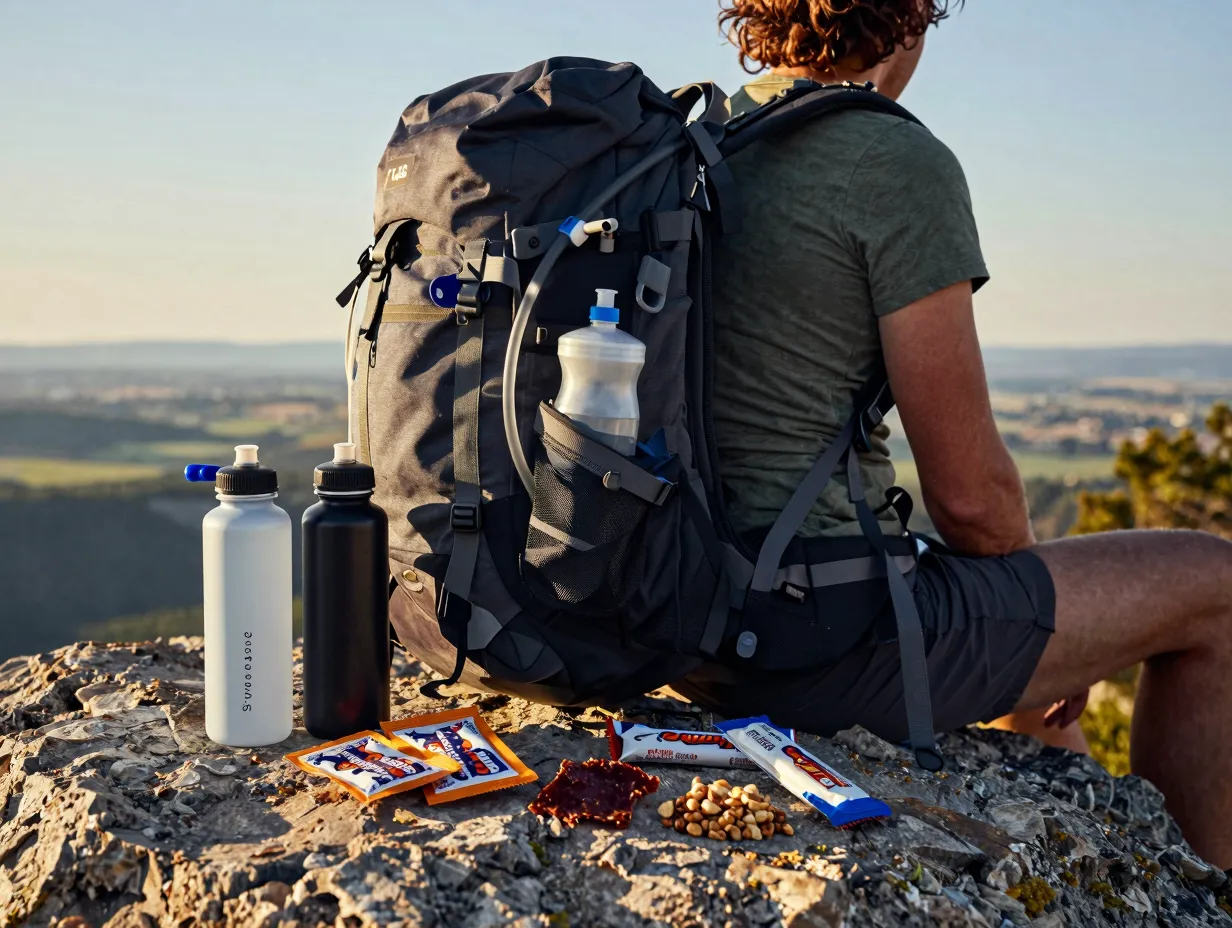
The body’s performance in the backcountry is directly tied to caloric intake and hydration status. Dehydration impairs decision-making, coordination, and thermoregulation, all of which matter enormously in a wilderness environment.
Hydration:
- Carry a minimum of 2 liters of water capacity (hard-sided bottles, soft flasks, or a hydration reservoir)
- Always carry a water treatment method: a filter (Sawyer Squeeze, BeFree), chemical tablets (iodine or chlorine dioxide), or a UV purifier (SteriPen)
- Never rely on a single water source being available at the planned location, sources dry up, freeze, or become contaminated
Nutrition:
- Target 250 to 350 calories per hour of active hiking
- Prioritize calorie-dense, lightweight foods: nuts, nut butter packets, jerky, hard cheese, energy bars, and freeze-dried meals
- Carry 10 to 20 percent more food than calculated need, weather delays, route extensions, and extra exertion happen regularly
Drink before feeling thirsty. Thirst is a lagging indicator, by the time it registers, mild dehydration has already begun to affect performance.
How to Build the 8 Items You Can’t Forget: The Ultimate Camping & Hiking Packing List Into Any Trip
The 8-item framework scales across trip types. Here is how to apply it practically:
For a day hike (under 10 miles, well-marked trail):
- Navigation: downloaded offline map plus compass
- Sun protection: sunscreen, sunglasses, hat
- Insulation: one mid-layer and a packable rain shell
- Illumination: headlamp with fresh batteries
- First aid: compact personal kit
- Fire: lighter and tinder tabs
- Repair and knife: folding knife and duct tape
- Nutrition and hydration: 2 liters water, filter, snacks for the duration plus 20 percent extra
For a multi-night backpacking trip:
Every category expands. Navigation includes a GPS device. The first aid kit grows to include a SAM splint and more wound care supplies. Nutrition planning becomes a full caloric calculation. Repair tools include tent-specific items. The core 8 categories remain the same, the depth within each category increases with trip duration and remoteness.
Common Packing Mistakes That Undermine Preparedness
Even experienced hikers make packing errors. The most frequent ones include:
- Overpacking clothing, underpacking safety gear. Five shirts and no water filter is a dangerous trade-off.
- Relying entirely on a smartphone for navigation. A phone is a convenience tool, not a survival tool.
- Buying gear without learning to use it. A water filter that has never been assembled at home will be confusing in the field.
- Ignoring weight distribution. Heavy items should sit close to the back and near the hips. Poor distribution causes fatigue and injury.
- Skipping the shakedown hike. A 2-to-3-mile local hike with a full pack reveals fit issues, missing items, and gear failures before they matter.
- Forgetting to tell someone the plan. A trip itinerary left with a trusted contact is not gear, but it is one of the most important safety steps a hiker can take.
Gear Weight Benchmarks for the 8 Core Items
Understanding target weights helps hikers make informed gear choices without sacrificing function.
| Item Category | Ultralight Target | Standard Target |
|---|---|---|
| Navigation (map + compass) | 2 oz | 4 oz |
| Sun protection | 3 oz | 6 oz |
| Insulation (shell + mid-layer) | 16 oz | 28 oz |
| Illumination (headlamp) | 2.5 oz | 4 oz |
| First aid kit | 4 oz | 8 oz |
| Fire starting tools | 1.5 oz | 3 oz |
| Knife and repair tools | 4 oz | 10 oz |
| Hydration system (empty) | 3 oz | 8 oz |
These benchmarks are useful for trip planning but should not override function. A slightly heavier first aid kit that contains the right supplies is better than a lighter one that does not.
Conclusion
The 8 Items You Can’t Forget: The Ultimate Camping & Hiking Packing List is not a suggestion, it is a minimum standard. Navigation, sun protection, insulation, illumination, first aid, fire, repair tools, and nutrition and hydration form the backbone of every safe outdoor excursion, regardless of distance, season, or experience level.
Actionable next steps for 2026:
- Audit the current gear kit against each of the 8 categories. Identify gaps and redundancies.
- Replace any item that has not been tested in the field with a proven alternative before the next trip.
- Take a wilderness first aid course if first aid skills are limited, many are available as weekend formats.
- Build a trip-specific checklist using these 8 categories as headers, then populate each with the specific items chosen for that route and season.
- Do a shakedown hike before any major backcountry trip to validate fit, weight, and gear function.
Preparedness is not about fear, it is about confidence. Hikers who carry the right 8 items move through the backcountry with a level of calm that comes from knowing they can handle what the trail delivers.