9 Essential Fishing Kayak Trailer Ideas to Transport Your Rig Safely
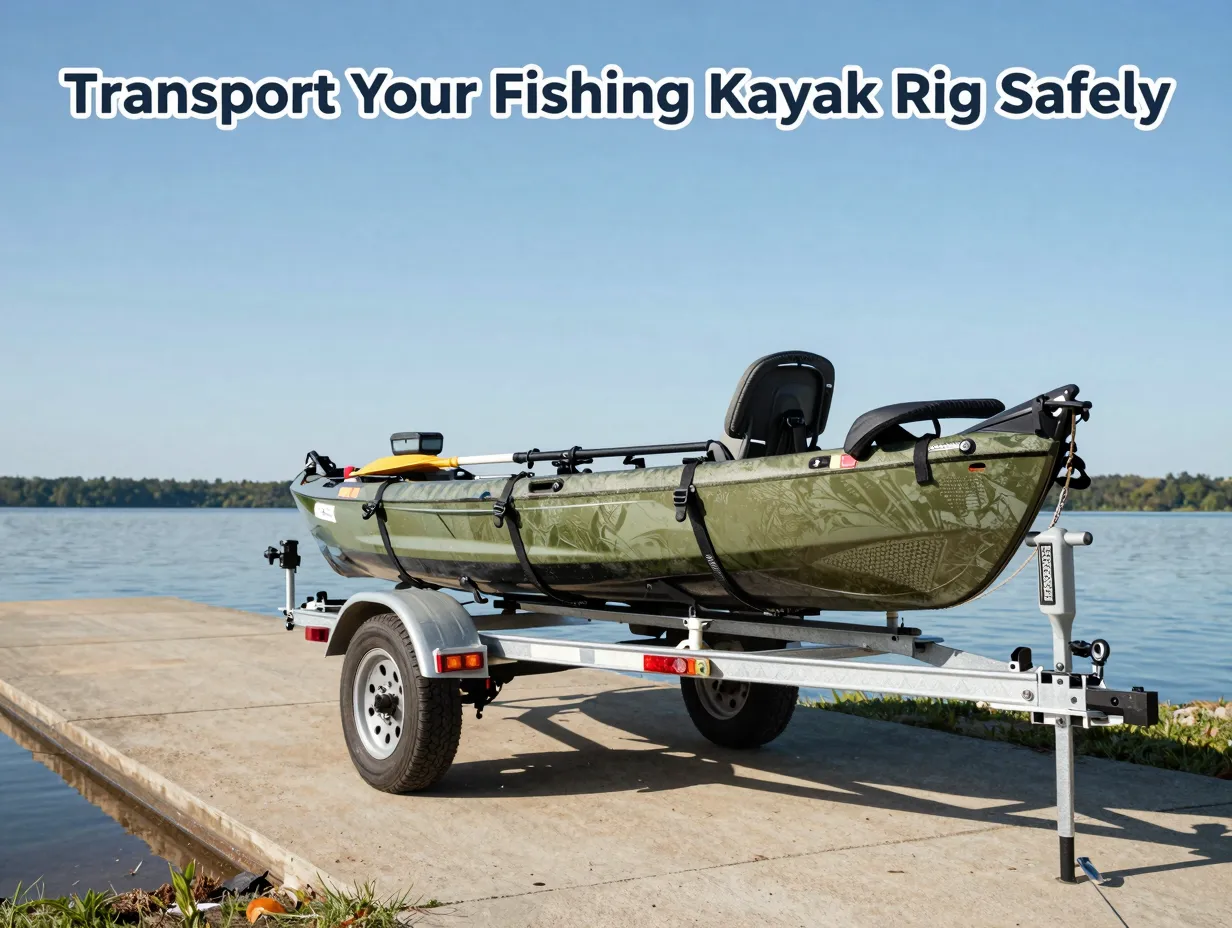
A kayak falling off a trailer at highway speed is not just a financial disaster, it is a genuine road hazard that can injure other drivers and destroy thousands of dollars of fishing gear in seconds. Yet a surprising number of anglers still rely on improvised roof racks, undersized trailers, or poorly secured loads every season. The 9 essential fishing kayak trailer ideas to transport your rig safely covered in this guide address every critical element, from choosing the right trailer platform to seasonal maintenance routines that keep your setup road-legal and reliable year after year. Whether you run a single sit-on-top or a fleet of fishing kayaks for a guide service, the right trailer strategy makes every launch day faster, safer, and more enjoyable. [5]
Disclosure: This post contains affiliate links. As an Amazon Associate, we earn from qualifying purchases, and at no extra cost to you.
Key Takeaways
- Matching trailer capacity to your total kayak load, including gear, prevents structural failure and protects other road users
- Proper tongue weight, hitch rating, and safety chain setup are non-negotiable legal and safety requirements in most jurisdictions
- Dedicated fishing kayak trailers with built-in rod holders and gear storage dramatically cut launch and retrieval time
- LED lighting systems and reflective tape are both legally required and proven to reduce rear-end collision risk
- A documented seasonal maintenance checklist extends trailer life and prevents costly roadside breakdowns
Why Dedicated Fishing Kayak Trailers Outperform Generic Options
Generic utility trailers were not designed with fishing kayaks in mind. Fishing kayaks are longer, heavier, and more awkwardly shaped than recreational models, many sit-on-top fishing kayaks exceed 13 feet and weigh 80 to 120 pounds before gear is added. A purpose-built fishing kayak trailer accounts for these dimensions with adjustable bunks, padded cradles, and tie-down points positioned to match a kayak’s hull geometry. [1]
Beyond fit, dedicated trailers often include integrated rod holders, tackle storage platforms, and accessory rails that turn the trailer itself into a mobile staging area. This matters on crowded boat ramps where speed and organization directly affect courtesy and safety. [6]
Key advantages of purpose-built fishing kayak trailers:
- Adjustable bunk spacing to fit multiple hull widths
- Lower load height for easier loading and unloading
- Corrosion-resistant galvanized or aluminum frames for saltwater use
- Integrated tie-down rails at hull-specific anchor points
- Optional rod and gear storage built into the trailer frame
The 9 Essential Fishing Kayak Trailer Ideas to Transport Your Rig Safely
The following ideas represent a complete system, not just a list of products. Each idea addresses a specific risk or operational challenge that fishing anglers face when transporting their rigs. Work through them in order, since each builds on the last.
1. Choose the Right Trailer Capacity for Your Full Load
The most common trailer mistake is calculating capacity based on kayak weight alone. Every angler needs to add the weight of paddles, fish finders, battery systems, tackle, and personal gear to arrive at the true loaded weight. A 90-pound kayak rigged with a 20-pound lithium battery, a mounted fish finder, and a full tackle load can easily reach 140 to 160 pounds per boat. [5]
Trailer manufacturers publish a Gross Vehicle Weight Rating (GVWR), which is the maximum safe total weight including the trailer itself. Always select a trailer whose GVWR exceeds your maximum loaded weight by at least 20 percent. This safety margin accounts for dynamic road loads, uneven weight distribution, and future gear additions. [2]
Quick capacity reference:
| Setup | Estimated Load | Recommended Minimum GVWR |
|---|---|---|
| 1 rigged fishing kayak | 150-180 lbs | 500 lbs |
| 2 rigged fishing kayaks | 300-360 lbs | 600 lbs |
| 4 rigged fishing kayaks | 600-720 lbs | 1,000 lbs |
| 6+ kayaks (guide service) | 900+ lbs | 1,500+ lbs |
2. Match Your Hitch and Tow Vehicle to the Trailer
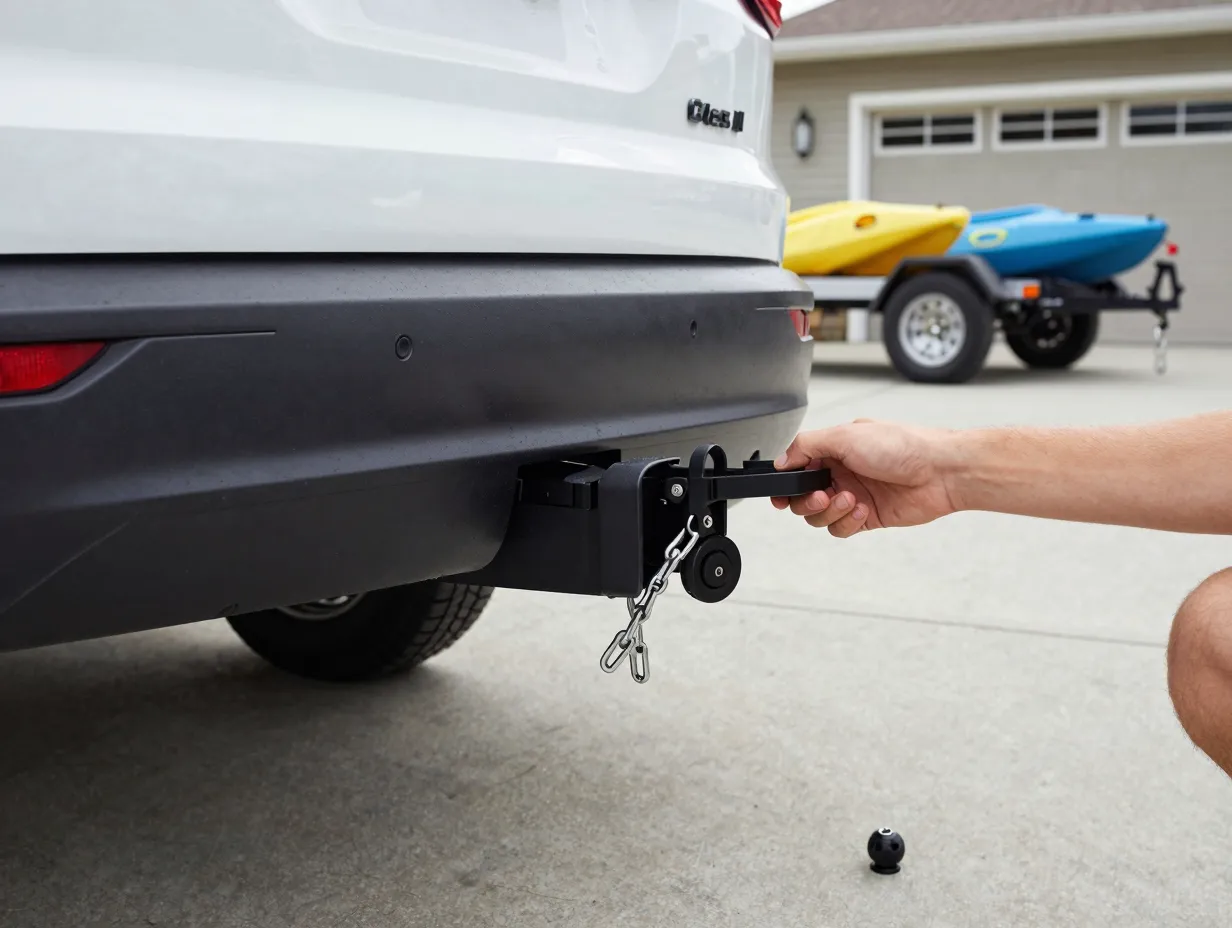
A trailer is only as safe as the connection point between it and the tow vehicle. Hitch classes are rated by tongue weight capacity and gross trailer weight, and mismatching these ratings is both dangerous and, in many states, illegal. [10]
For most single or double fishing kayak trailers, a Class I or Class II hitch (rated to 2,000-3,500 lbs gross trailer weight) is more than sufficient. Larger multi-kayak trailers used by guide services may require a Class III hitch. The ball size must match the trailer coupler exactly, a 1-7/8 inch ball used with a 2-inch coupler creates dangerous play that can cause separation at speed. [5]
Critical hitch checklist before every trip:
- Confirm ball size matches coupler rating
- Verify hitch class matches trailer GVWR
- Check that the coupler latch is fully engaged and locked
- Inspect the hitch receiver for cracks or corrosion
- Confirm the tow vehicle’s towing capacity in the owner’s manual
3. Set Tongue Weight Within the Safe Range
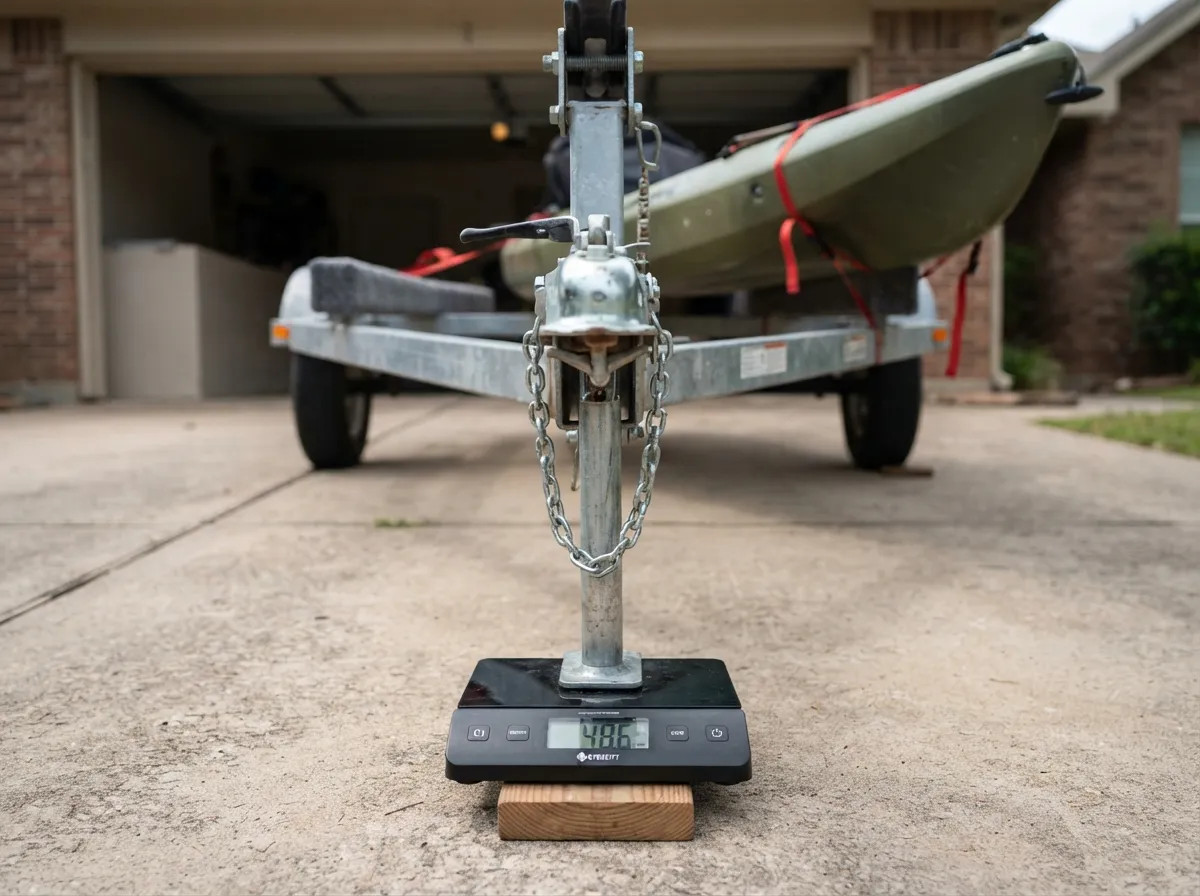
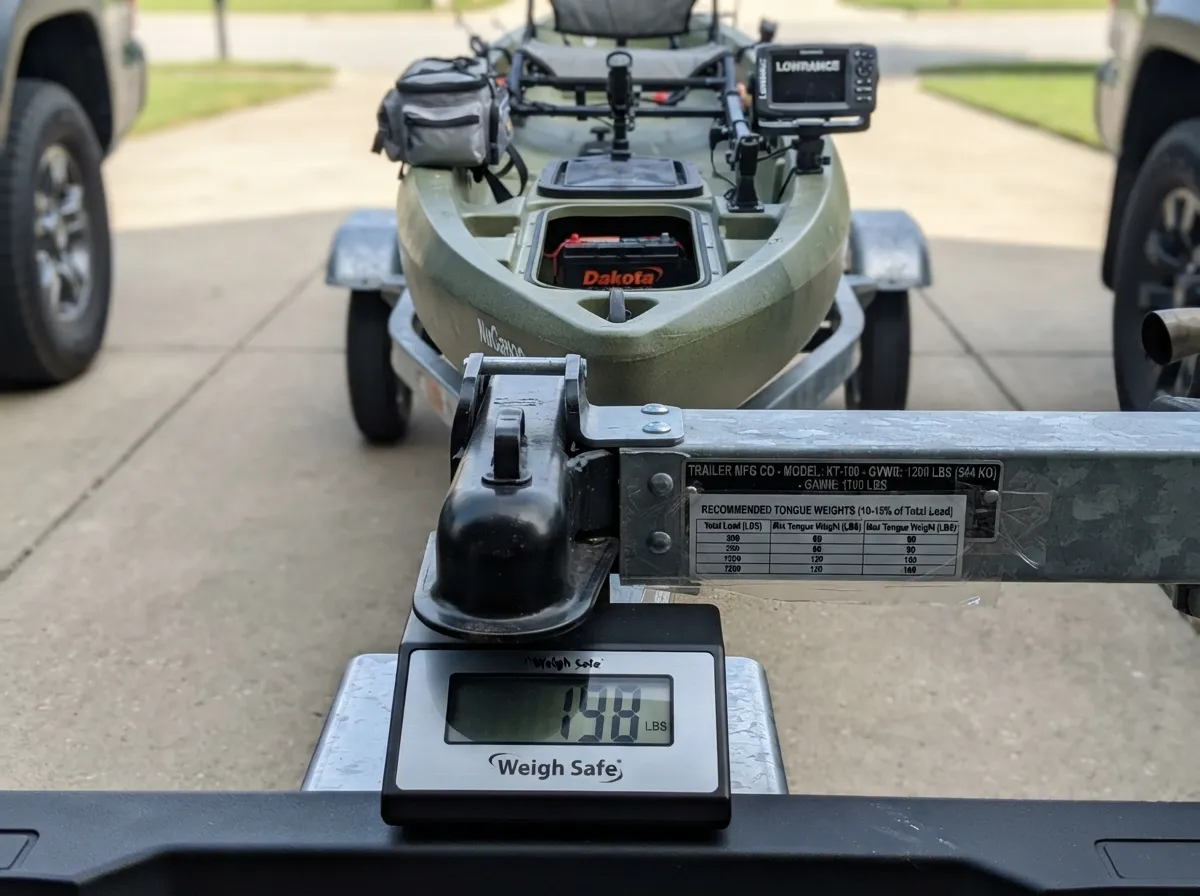
Tongue weight, the downward force the trailer exerts on the hitch ball, is one of the most misunderstood aspects of trailer safety. Too little tongue weight causes trailer sway, which is a leading cause of jackknife accidents. Too much tongue weight overloads the rear axle of the tow vehicle and reduces front-wheel steering control. [2]
The industry standard is that tongue weight should equal 10 to 15 percent of the total loaded trailer weight. On a 400-pound loaded trailer, that means 40 to 60 pounds of tongue weight. Adjusting kayak placement on the trailer, moving heavier boats slightly forward of the axle, is the primary way to dial in this balance. [5]
“Tongue weight is the single most controllable variable in trailer stability. Getting it right costs nothing but takes five minutes of thoughtful loading.” [2]
4. Install and Inspect Safety Chains Correctly
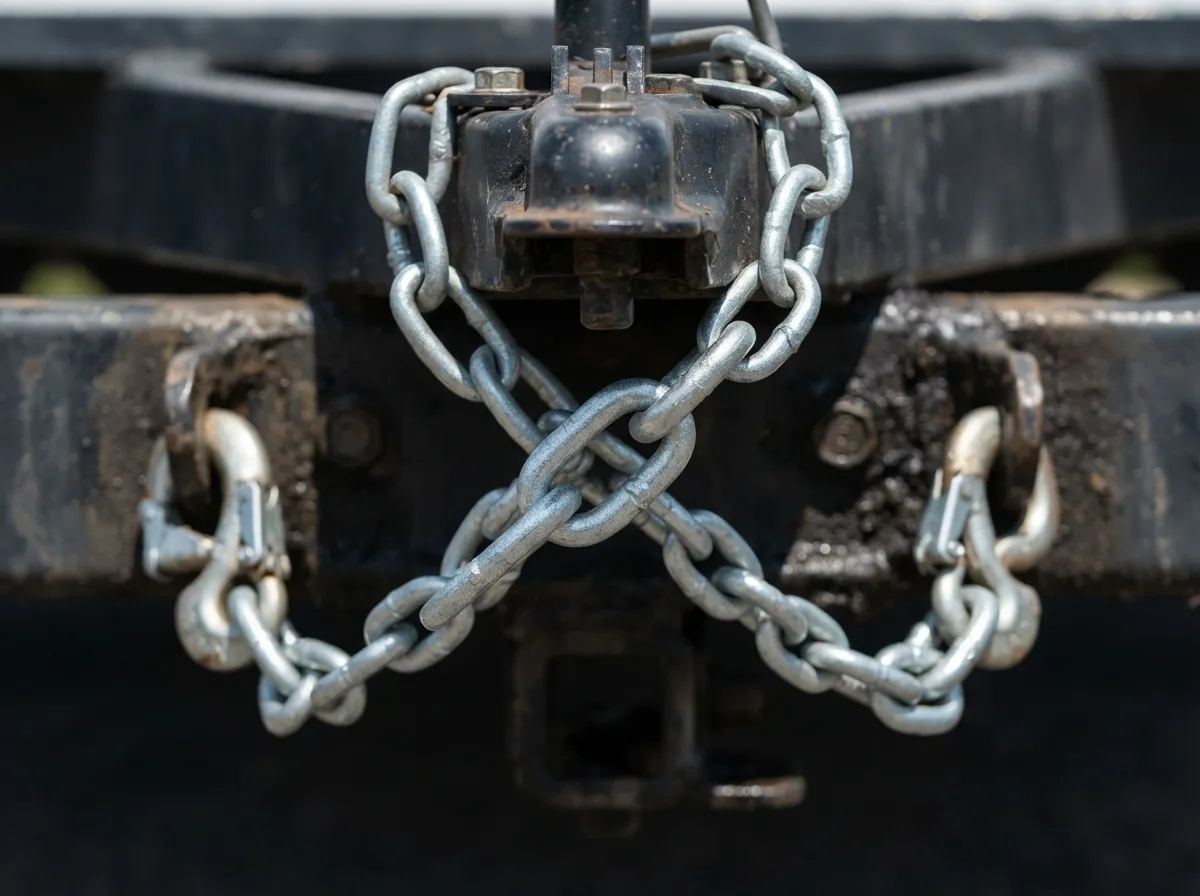
Safety chains are a legal requirement in all 50 U.S. states and most Canadian provinces. They serve as the last line of defense if the trailer coupler separates from the hitch ball. Incorrect installation renders them useless. [10]
Chains must be crossed under the tongue in an X pattern, which creates a cradle that catches the tongue if it drops. The chains should have just enough slack to allow turning without dragging on the ground. Use only chains rated to at least the trailer’s GVWR, and inspect every link for rust, cracks, or deformation before each trip. [9]
5. Use Proper Tie-Down Straps and Bow Lines
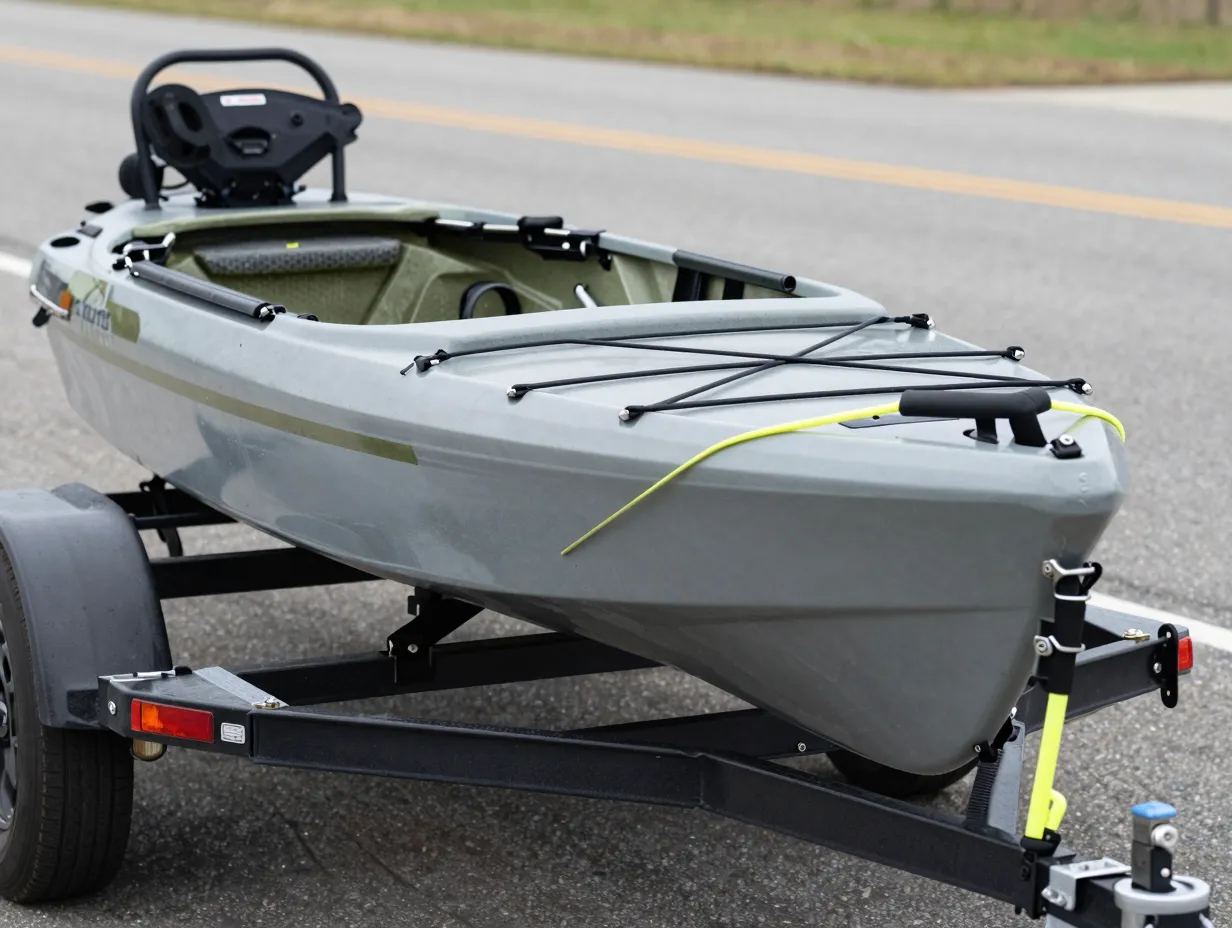
Cam buckle straps and ratchet straps serve different purposes on a kayak trailer. Cam buckle straps are preferred for securing kayak hulls because they apply consistent, moderate tension without the over-tightening risk that ratchet straps carry, excessive tension can crack composite hulls or deform plastic hulls permanently. [4]
In addition to hull straps, a bow line from the kayak’s bow handle to a forward anchor point on the trailer or tow vehicle prevents the kayak from sliding backward under hard braking. A stern line prevents forward slide on downhill grades. Use at least two hull straps per kayak, positioned over the strongest structural points of the hull. [6]
Tie-down best practices:
- Use 1-inch cam buckle straps rated to at least 500 lbs break strength per strap
- Position straps over bulkheads or structural ribs, never over hatches
- Apply bow and stern lines in addition to hull straps on every trip
- Check strap tension after the first 10 miles of highway driving
- Replace any strap showing fraying, mold, or corroded hardware
6. Upgrade to LED Trailer Lighting for Safety and Compliance
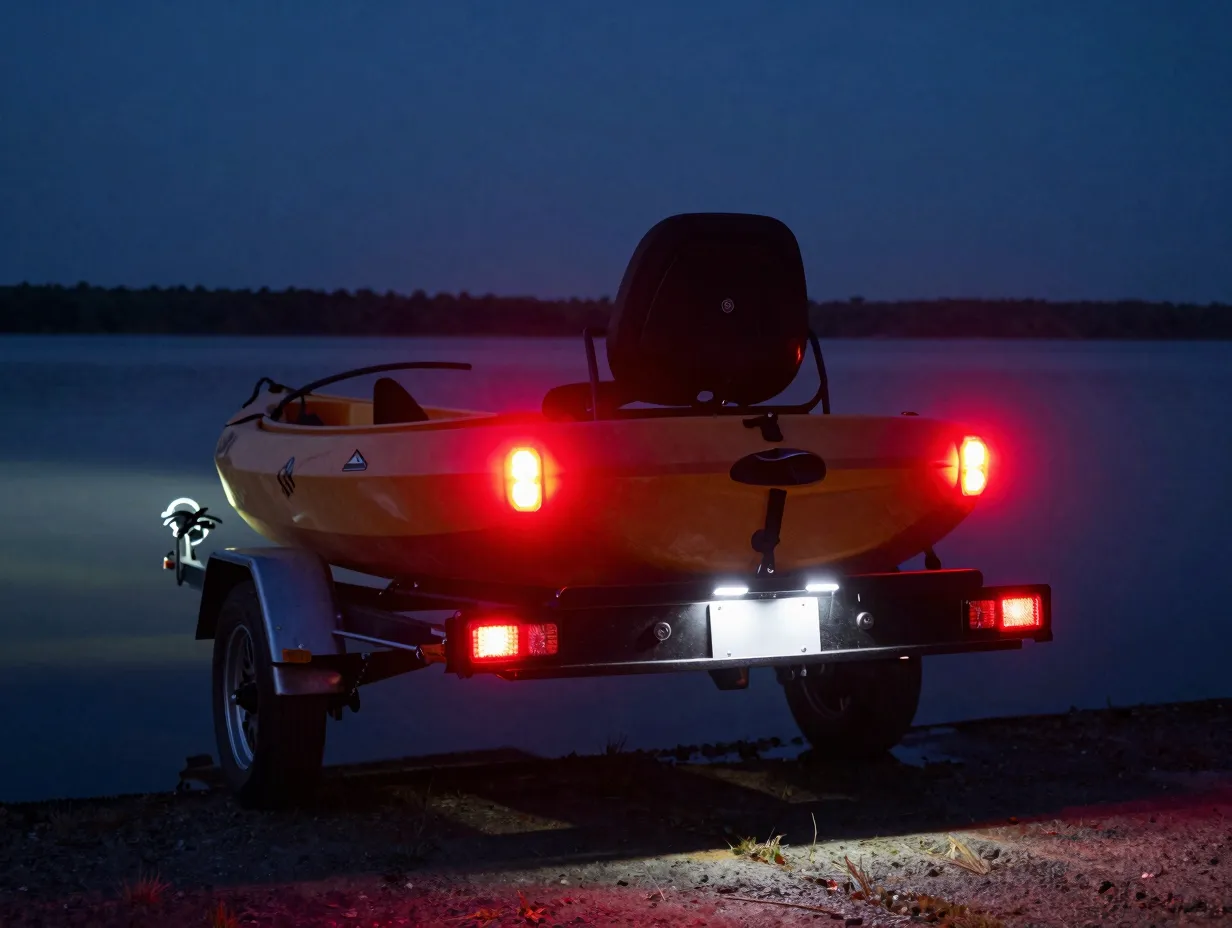
Federal Motor Vehicle Safety Standards require trailers over 80 inches wide to carry specific lighting configurations, and most states require functional tail lights, brake lights, and turn signals on any trailer operated on public roads regardless of width. [10]
LED trailer lighting systems outperform incandescent bulbs in every measurable way: they draw less current from the tow vehicle’s electrical system, last 25,000 to 50,000 hours versus 1,000 to 2,000 hours for incandescent, and are significantly brighter at low angles, the exact viewing angle at which following drivers see trailer lights. [5]
Submersible LED light kits are essential for anglers who back trailers into the water at boat ramps. Standard incandescent lights fail rapidly when repeatedly submerged. Look for LED kits rated to IP67 or IP68 for full waterproof protection. [1]
7. Select the Right Trailer Frame Material for Your Environment
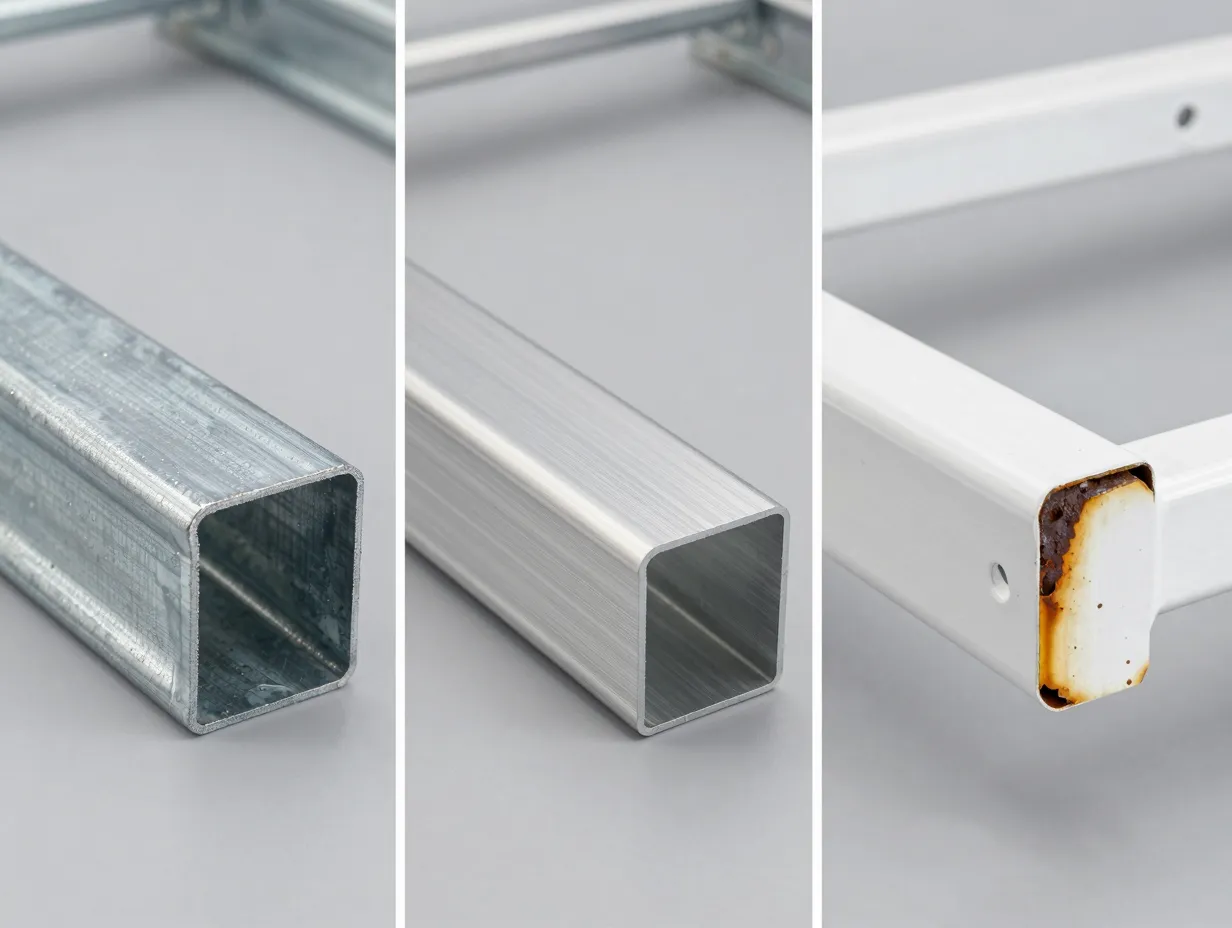
Trailer frame material is a long-term investment decision. The three primary options, galvanized steel, aluminum, and painted steel, each have distinct trade-offs that matter differently depending on whether you fish primarily in freshwater, saltwater, or both. [1]
Frame material comparison:
- Galvanized steel: Excellent corrosion resistance, heavier than aluminum, moderate cost, widely available for repair
- Aluminum: Lightest option, naturally corrosion-resistant, higher upfront cost, ideal for saltwater anglers
- Painted steel: Lowest upfront cost, requires annual paint inspection and touch-up, not recommended for saltwater use
For saltwater anglers, aluminum frames with stainless steel hardware represent the best long-term value despite the higher initial price. A galvanized steel trailer used in saltwater without regular freshwater rinsing will show significant corrosion within two to three seasons. [9]
8. Add Fishing-Specific Accessories to Your Trailer
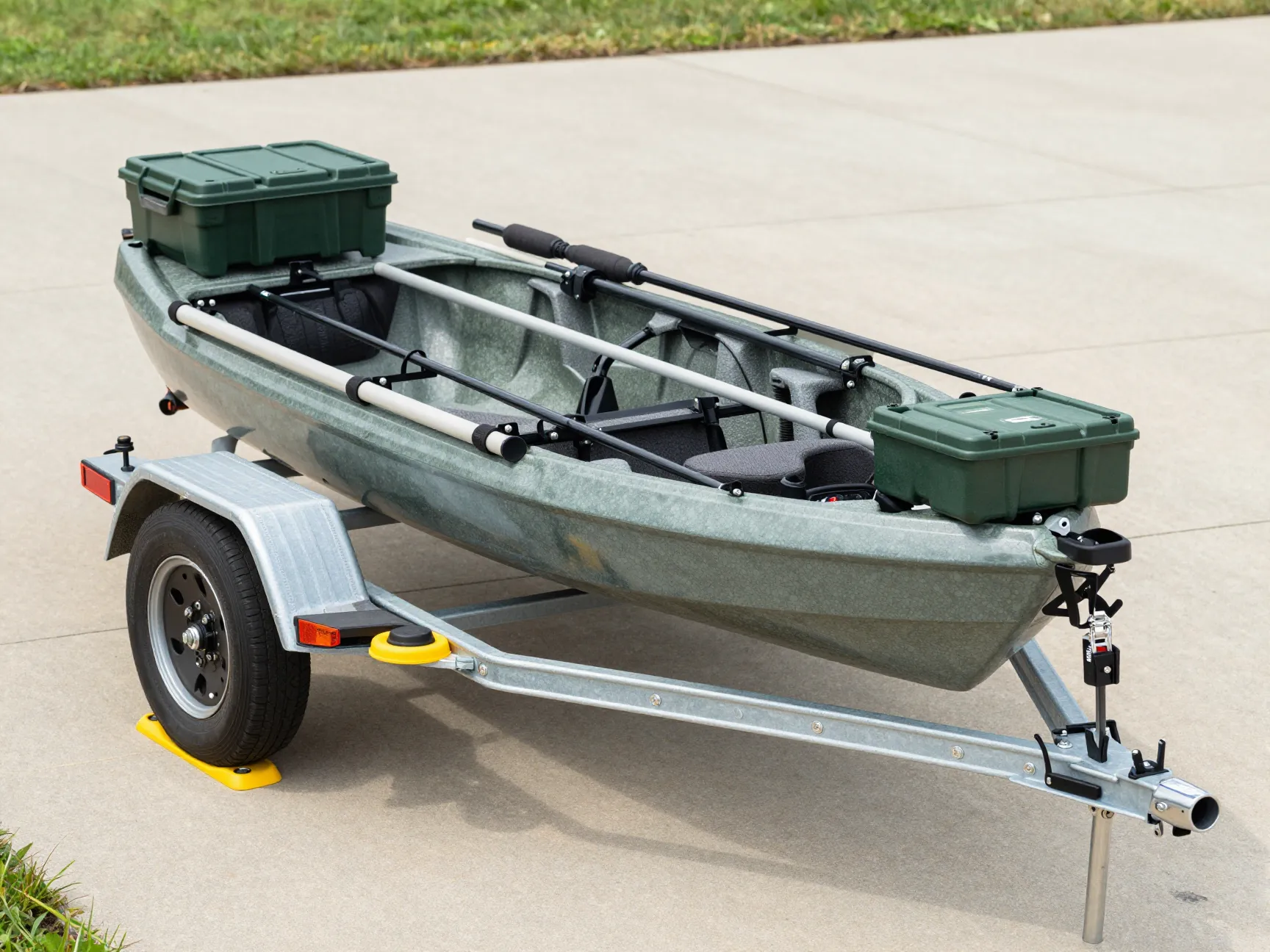
The best fishing kayak trailer ideas go beyond basic transport. A well-accessorized trailer becomes a mobile base camp that saves time, protects gear, and improves the overall fishing experience. [4]
High-value fishing trailer accessories:
- Rod holders: PVC or aluminum tube holders mounted to the trailer frame keep rods protected during transport and ready to deploy at the ramp
- Gear storage boxes: Weatherproof HDPE boxes bolted to the trailer tongue store tackle, safety equipment, and launch accessories
- Kayak cradles and padded bunks: V-shaped foam cradles prevent hull-to-hull contact and protect hull finishes during transit
- Wheel chocks: Rubber chocks prevent trailer roll during loading and unloading on sloped ramps
- Spare tire mount: A trailer-mounted spare tire bracket eliminates the need to carry a spare inside the tow vehicle
DIY trailer upgrades, such as custom rod holders built from PVC conduit and foam pipe insulation, can add significant function at minimal cost. [4]
9. Follow a Seasonal Maintenance Checklist to Keep Your Rig Road-Ready
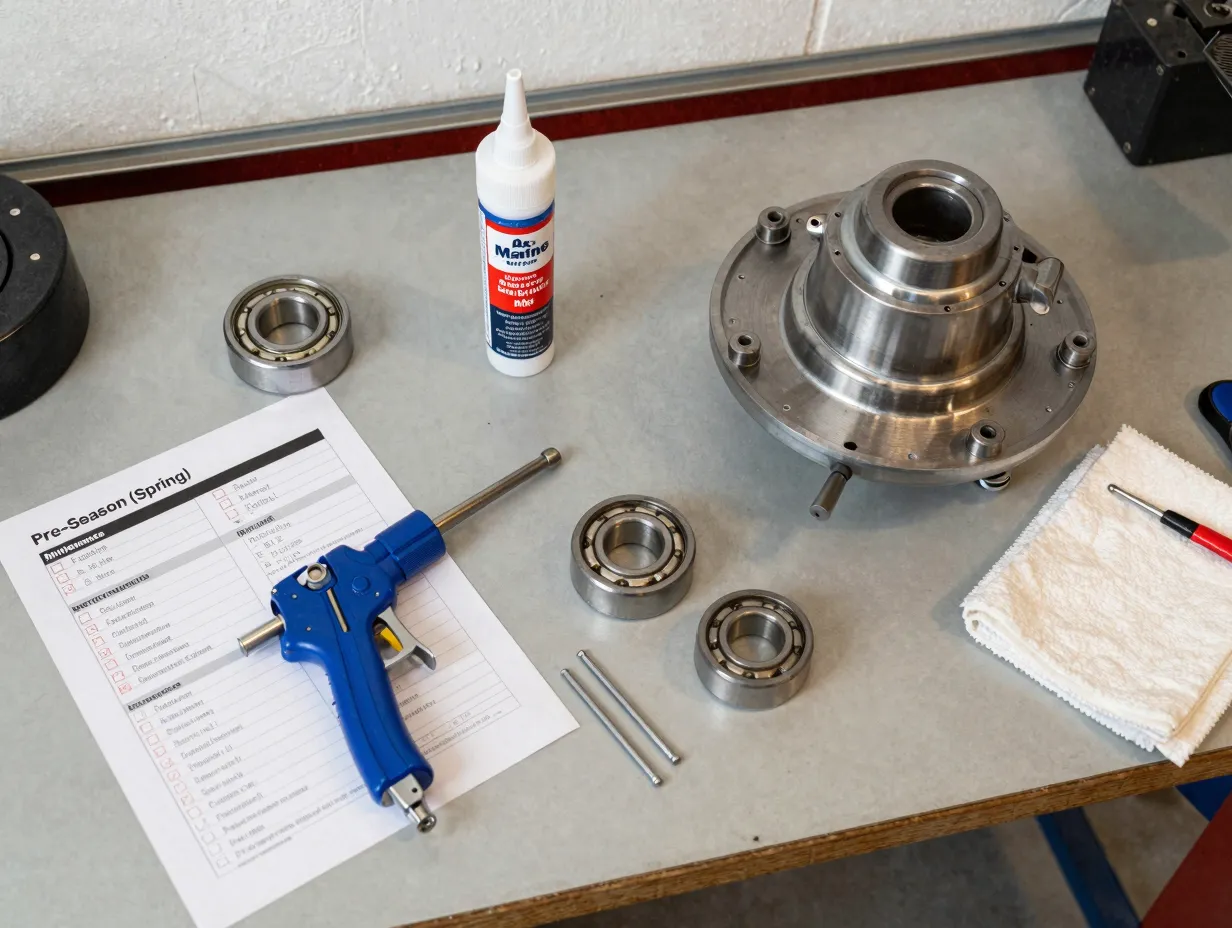
A trailer that is not regularly maintained becomes a liability. Wheel bearing failure is the most common cause of trailer breakdowns, and it is almost entirely preventable with annual repacking using marine-grade grease. Bearing Buddy-style grease caps allow in-season top-offs without disassembly. [9]
The following checklist covers the full maintenance cycle for 2026 fishing season readiness:
Pre-Season (Spring):
- Inspect all welds and frame connections for cracks or corrosion
- Repack wheel bearings with marine-grade grease or replace if worn
- Check tire pressure and inspect sidewalls for cracking or dry rot
- Test all lights with a trailer light tester before the first trip
- Lubricate coupler, hinge points, and safety chain hooks with marine grease
- Inspect all tie-down hardware for rust or deformation
Mid-Season (June, August):
- Re-check tire pressure monthly (heat causes pressure fluctuation)
- Rinse trailer with fresh water after every saltwater use
- Inspect strap condition after heavy use periods
- Re-torque lug nuts to manufacturer specification (typically 90-100 ft-lbs for most trailer wheels)
- Check LED light connections for corrosion at plug points
Post-Season (Fall):
- Full bearing inspection and repack
- Touch up any paint chips or galvanizing damage on steel frames
- Store straps indoors away from UV exposure
- Lubricate all moving parts before storage
- Cover trailer or store under shelter to prevent UV and weather damage [9]
“Wheel bearing failure accounts for the majority of preventable trailer breakdowns. A 30-minute annual repack is the single highest-return maintenance task any trailer owner can perform.” [9]
Comparing Top Fishing Kayak Trailer Models in 2026
The market for purpose-built fishing kayak trailers has expanded significantly. Several models stand out for anglers seeking the best combination of capacity, durability, and fishing-specific features. [5] [6]
Leading fishing kayak trailer categories in 2026:
- Single-kayak folding trailers: Compact, lightweight, and easy to store in a garage or shed. Best for solo anglers with limited storage space. Typical GVWR: 300-400 lbs.
- Two-kayak trailers: The most popular category for fishing partners or anglers who own multiple boats. Most feature adjustable bunks and integrated tie-down rails. Typical GVWR: 600-800 lbs.
- Multi-kayak trailers (4-6 boats): Designed for guide services, kayak fishing clubs, or families. Require Class II or Class III hitches. Typical GVWR: 1,000-1,500 lbs.
- Utility-style convertible trailers: Can carry kayaks, paddleboards, bikes, and camping gear. Less optimized for fishing-specific accessories but offer maximum versatility. [1] [2]
When evaluating any trailer, confirm that the manufacturer provides a clear GVWR rating, not just a “capacity” figure, as marketing capacity claims are sometimes calculated without including trailer frame weight. [5]
Legal Requirements and Road Safety for Kayak Trailer Transport
Beyond equipment choices, understanding the legal framework for trailer transport protects anglers from fines and liability. Requirements vary by state and province, but several standards apply broadly across North America. [10]
Common legal requirements for kayak trailers:
- Functioning tail lights, brake lights, and turn signals on all trailers operated on public roads
- Safety chains rated to trailer GVWR, crossed under the tongue
- Trailer width markings (reflective tape or clearance lights) for trailers exceeding 80 inches
- Load overhang flags: red flags or lights required when load extends more than 4 feet beyond the rear of the trailer in most states
- License plate light on trailers with registered plates
Kayaks extending beyond the rear of the trailer require a red flag (minimum 12 inches square) during daylight hours and a red light during nighttime operation in most jurisdictions. Always verify local requirements before a long-distance trip. [10]
DIY Fishing Kayak Trailer Upgrades That Deliver Real Results
Not every improvement requires buying a new trailer. Several high-impact upgrades can be applied to existing trailers at low cost, dramatically improving fishing-specific function. [4]
Top DIY upgrades for fishing kayak trailers:
- PVC rod holder tubes: 2-inch PVC conduit cut to length and mounted with U-bolts to the trailer frame creates durable, weather-resistant rod storage for under $20 per holder.
- Foam pipe insulation cradles: Closed-cell foam pipe insulation split lengthwise and secured to trailer bunks with zip ties provides hull protection equivalent to commercial padded cradles at a fraction of the cost.
- Weatherproof gear box: A standard HDPE storage box bolted to the trailer tongue with stainless steel hardware provides secure, waterproof storage for tackle, safety gear, and launch accessories.
- Reflective tape upgrade: Adding 2-inch DOT-approved reflective tape to trailer frame rails, fenders, and rear crossbar significantly improves nighttime visibility beyond the minimum legal requirement.
- Spare tire bracket: A bolt-on spare tire mount welded or bolted to the trailer tongue frame eliminates the need to carry a spare inside the tow vehicle and keeps it accessible when needed most. [4] [6]
Conclusion
The 9 essential fishing kayak trailer ideas to transport your rig safely represent a complete system that covers capacity planning, hitch and tongue weight setup, safety hardware, lighting compliance, accessory integration, material selection, and year-round maintenance. No single element works in isolation, a perfectly maintained trailer with incorrect tongue weight is still a sway risk, and a well-loaded trailer with failed lights is a legal liability.
Actionable next steps:
- Weigh your fully rigged kayak setup and compare it against your current trailer’s GVWR with the 20 percent safety margin applied.
- Inspect your hitch ball, coupler, and safety chains before the next trip using the checklist in idea 4.
- Test all trailer lights with a dedicated trailer light tester, do not assume they work because they worked last season.
- Schedule a wheel bearing repack if it has not been done within the last 12 months or 5,000 miles of towing.
- Identify one DIY upgrade from the list above that addresses your most frequent frustration at the boat ramp and complete it before the next fishing trip.
A reliable, well-organized trailer system does not just protect your kayaks, it protects other road users, saves time at the ramp, and extends the life of every piece of gear on board. The investment in getting it right pays dividends every single season.
References
[1] Best Kayak Trailers Reviews – https://www.paddleroundthepier.com/best-kayak-trailers-reviews/
[2] Kayak Trailers – https://www.boatsailmag.com/kayaking/kayak-trailers/
[3] Watch – https://www.youtube.com/watch?v=wWjhwdobGGY
[4] Diy The Ultimate Fishing Kayak Trailer Upgrade Video – https://kayakanglermag.com/videos/diy-the-ultimate-fishing-kayak-trailer-upgrade-video/
[5] Best Kayak Trailers For 2026 Top Picks And Buy Tips – https://www.airkayaks.com/best-kayak-trailers-for-2026-top-picks-and-buy-tips/
[6] Best Kayak Trailers – https://www.wired2fish.com/buyers-guides/best-kayak-trailers
[7] Watch – https://www.youtube.com/watch?v=1FmlMpvxdKw
[8] E58ea3bbd7fe12538ae2828b3f1a61f01997 – https://gzhls.at/blob/ldb/e/8/c/5/e58ea3bbd7fe12538ae2828b3f1a61f01997.pdf
[9] Kayak Trailer Maintenance Checklist How To Prepare Your Boat Trailer For The Season – https://trailex.com/blog/kayak-trailer-maintenance-checklist-how-to-prepare-your-boat-trailer-for-the-season/
[10] How To Transport A Kayak Step By Step Guide For Car Truck Roof Racks Trailers – https://sfcc.info/how-to-transport-a-kayak-step-by-step-guide-for-car-truck-roof-racks-trailers/