8 Essential Tips on How to Cook Deer Meat for Beginners
More than 6 million deer are harvested by hunters across the United States every single year, yet a significant portion of that venison ends up overcooked, gamey, or wasted, simply because beginners do not know how to handle it properly. The good news is that cooking deer meat is far more forgiving than most people assume, once a few foundational principles are understood. This guide on the 8 Essential Tips on How to Cook Deer Meat for Beginners covers everything from handling raw venison safely to choosing the right cooking method for each cut, so that every meal is tender, flavorful, and worth the effort.
Disclosure: This post contains affiliate links. As an Amazon Associate, we earn from qualifying purchases, and at no extra cost to you.
Key Takeaways
- Venison is a lean, nutrient-dense red meat that requires lower cooking temperatures and shorter cook times than beef to avoid dryness.
- Proper field dressing, aging, and trimming of silver skin and fat are critical steps that happen before the meat ever reaches the stove.
- Different cuts demand different cooking methods, steaks and loins need high heat and quick cooking, while shoulders and shanks benefit from slow, moist heat.
- Bringing meat to room temperature, drying the surface, and seasoning simply are the three pre-cook steps that most beginners skip but that make the biggest difference.
- Safe internal temperatures and proper storage practices protect both flavor and food safety.
Why Deer Meat Deserves a Place in Every Kitchen
Venison is one of the leanest, most protein-rich red meats available. A 3.5-ounce serving of venison contains roughly 26 grams of protein and only about 2 grams of fat, making it a nutritional powerhouse compared to most supermarket beef cuts [4]. It is also free from the hormones and antibiotics commonly found in commercially raised livestock.
Despite these advantages, many first-time cooks are intimidated by venison’s reputation for being tough or overly gamey. That reputation is largely undeserved and almost always the result of avoidable mistakes, poor field care, improper trimming, or simply cooking it the same way as beef. The tips below address every one of those mistakes directly.
8 Essential Tips on How to Cook Deer Meat for Beginners
1. Start With Proper Field Care and Aging
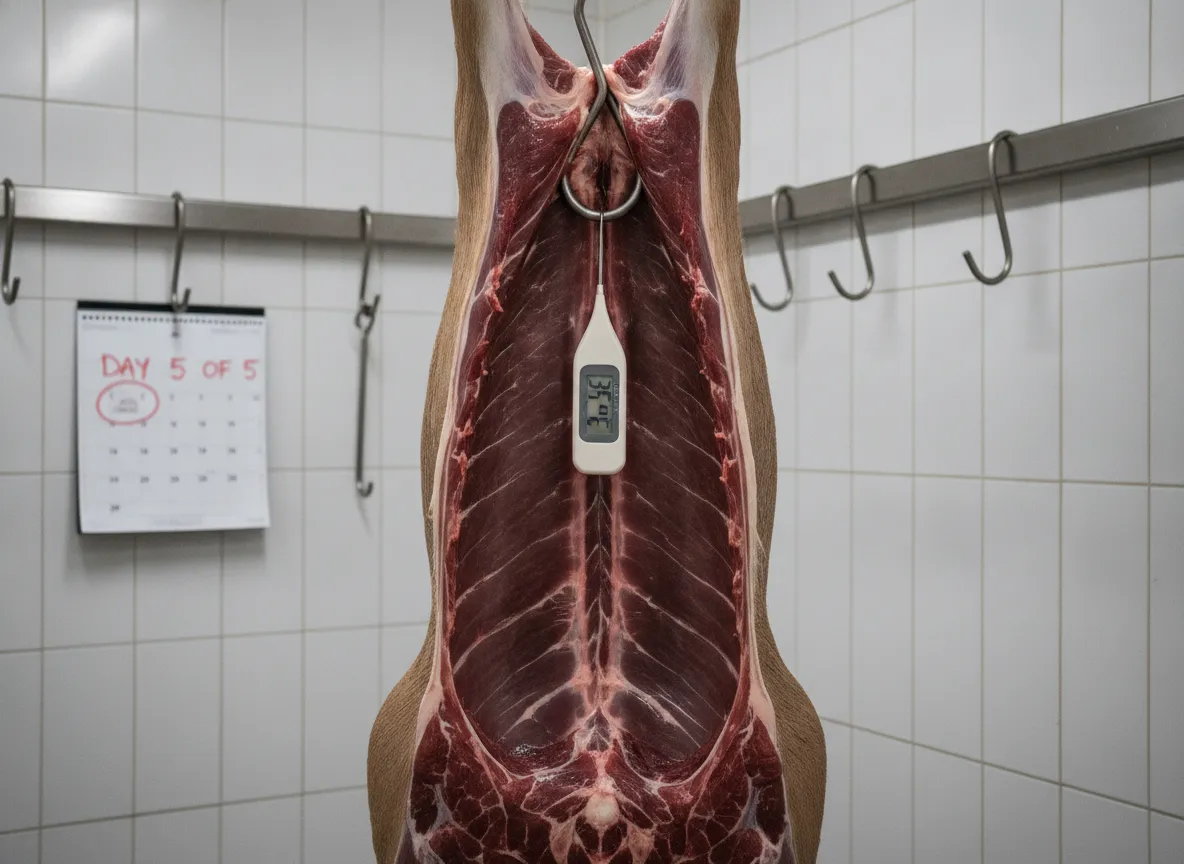
The quality of any venison dish is determined long before the meat reaches the kitchen. Field dressing the deer quickly after harvest, ideally within 30 to 60 minutes, removes the internal organs that cause heat buildup and bacterial growth. The sooner body heat is removed, the better the final flavor [3].
After field dressing, aging the meat in a controlled environment between 34°F and 40°F for 3 to 7 days allows natural enzymes to break down muscle fibers, resulting in noticeably more tender meat [6]. This step is frequently skipped by beginners in a hurry to cook, but it is one of the highest-impact things anyone can do for flavor and texture.
Key considerations for aging venison:
- Keep the carcass or butchered cuts at a consistent refrigerator temperature below 40°F
- Avoid freezing the meat before aging is complete, as freezing halts the enzymatic process
- Aging is most beneficial for larger muscle groups like the hindquarter and shoulder
2. Trim Silver Skin and Excess Fat Thoroughly
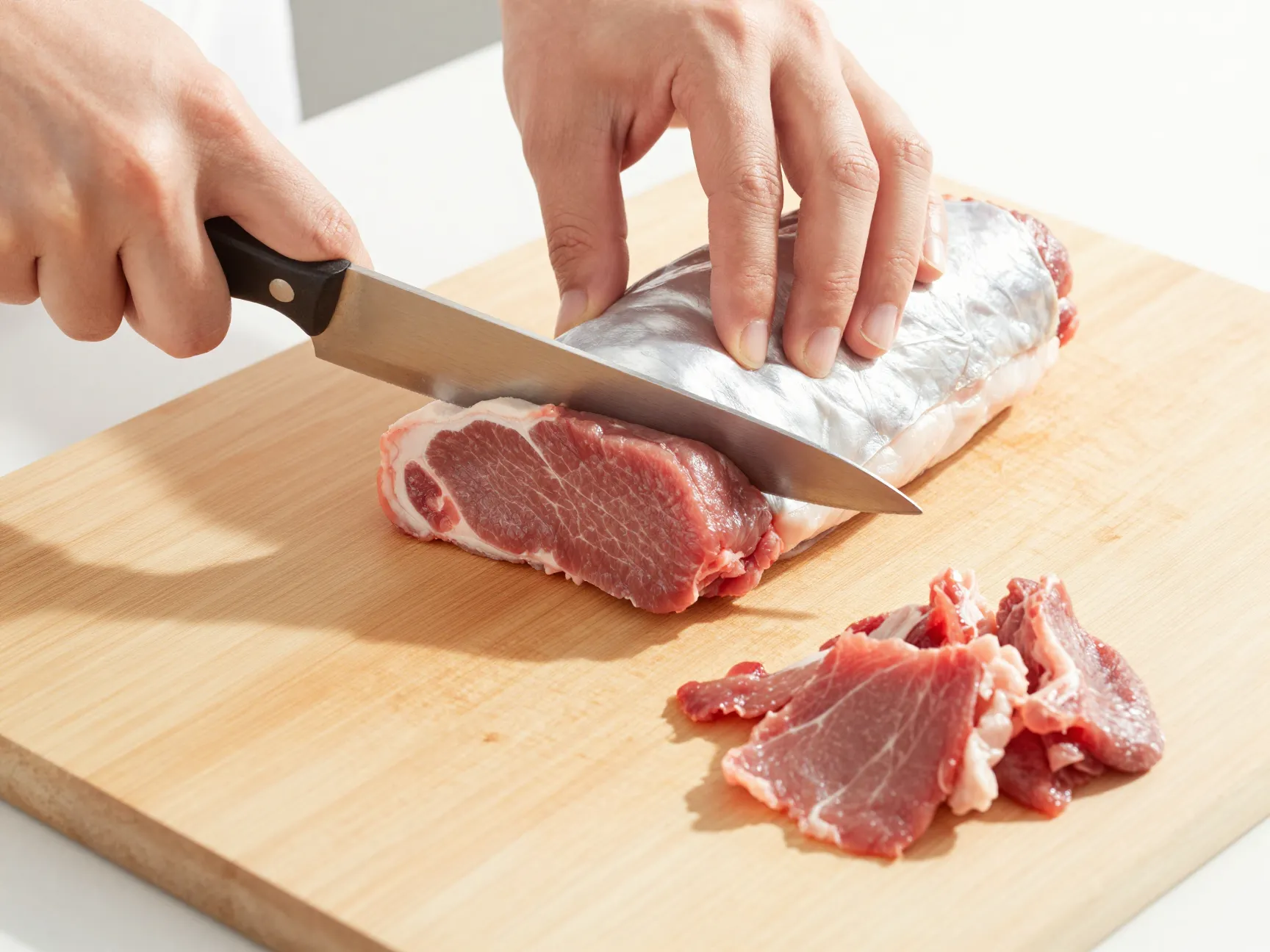
Deer fat and the thin membrane known as silver skin are the two primary sources of the strong, gamey flavor that puts many people off venison. Unlike beef fat, which melts and bastes the meat during cooking, deer fat has a high melting point and a waxy texture that can taste unpleasant when rendered [1].
Before any cooking begins, use a sharp boning knife to remove all visible white fat and every trace of silver skin. This process takes patience but pays off enormously in the finished dish. The underlying meat, once properly trimmed, is mild, clean, and versatile [5].
“Trimming venison thoroughly is not optional, it is the single most effective way to eliminate gamey flavor before cooking ever begins.”
3. Bring the Meat to Room Temperature and Dry the Surface
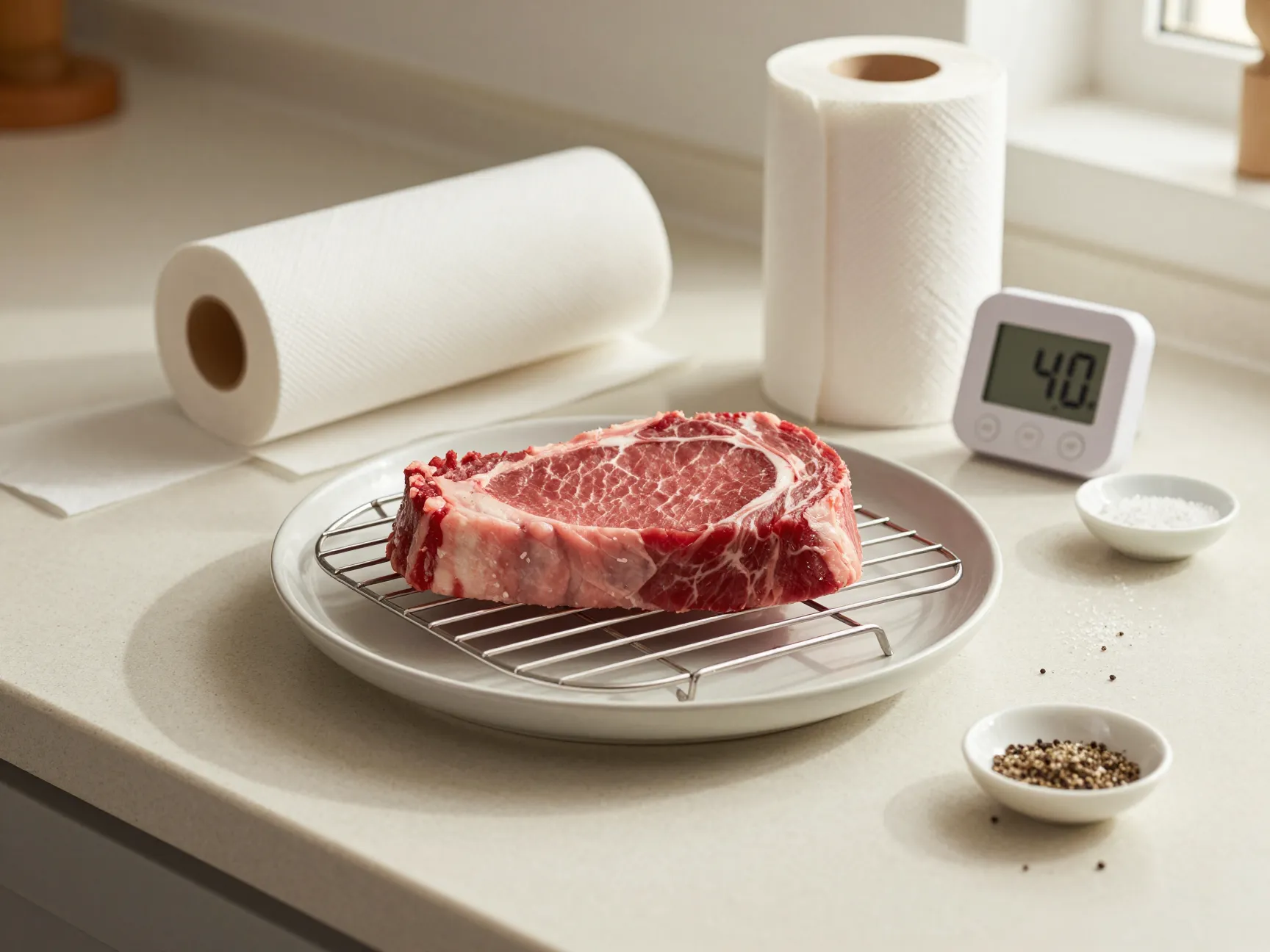
Cold meat placed directly into a hot pan creates steam rather than a sear, resulting in a gray, steamed texture instead of a flavorful crust. Allowing venison steaks and roasts to rest at room temperature for 30 to 45 minutes before cooking solves this problem [9].
Equally important is drying the surface of the meat with paper towels immediately before cooking. Moisture on the surface of the meat prevents the Maillard reaction, the chemical process responsible for browning and deep, savory flavor. A dry surface plus a hot pan equals a proper sear [4].
Pre-cook checklist:
- Remove venison from the refrigerator 30 to 45 minutes before cooking
- Pat all surfaces completely dry with paper towels
- Season just before cooking, not hours in advance, to avoid drawing out moisture
- Use a high-smoke-point oil such as avocado oil or refined coconut oil for pan searing
4. Match the Cut to the Cooking Method
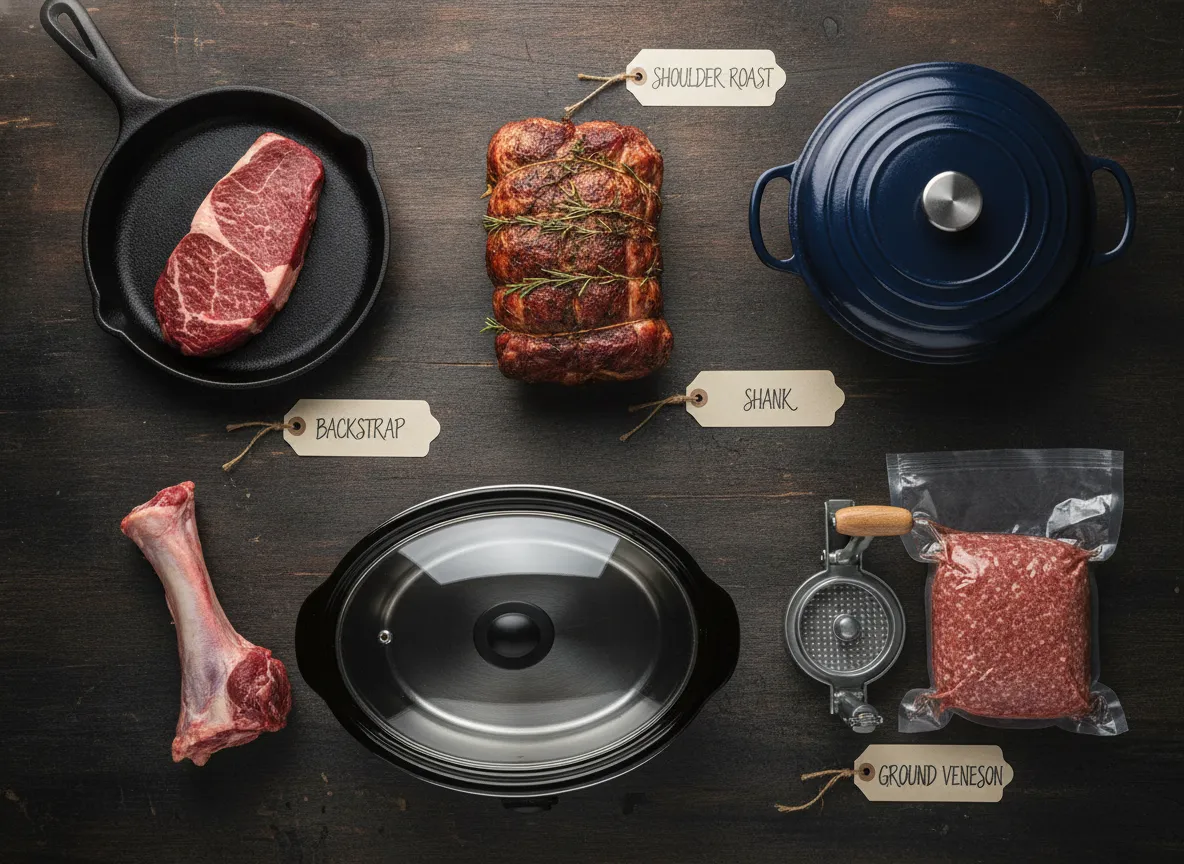
One of the most common beginner mistakes is treating all venison cuts the same way. Deer meat, like beef, has tender cuts and tough cuts, and each requires a fundamentally different approach [7].
| Cut | Best Cooking Method | Target Internal Temp |
|---|---|---|
| Backstrap / Loin | Pan sear, grill | 130-135°F (medium-rare) |
| Tenderloin | Quick pan sear | 125-130°F (rare to medium-rare) |
| Hindquarter / Round | Roast, slice thin for steaks | 135-145°F |
| Shoulder / Chuck | Slow cooker, braise | 195-205°F (fall-apart tender) |
| Shank | Braise, osso buco style | 195-205°F |
| Ground venison | Burgers, chili, meat sauce | 160°F (ground meat safety) |
The backstrap and tenderloin are the most prized cuts and should never be braised or slow-cooked. They are best treated like a fine steak, quick, high heat, and served no more than medium [2]. Tougher cuts from the shoulder and shank, on the other hand, contain significant connective tissue that only breaks down with long, slow, moist cooking methods [8].
5. Never Overcook Venison, Especially Steaks and Loin Cuts
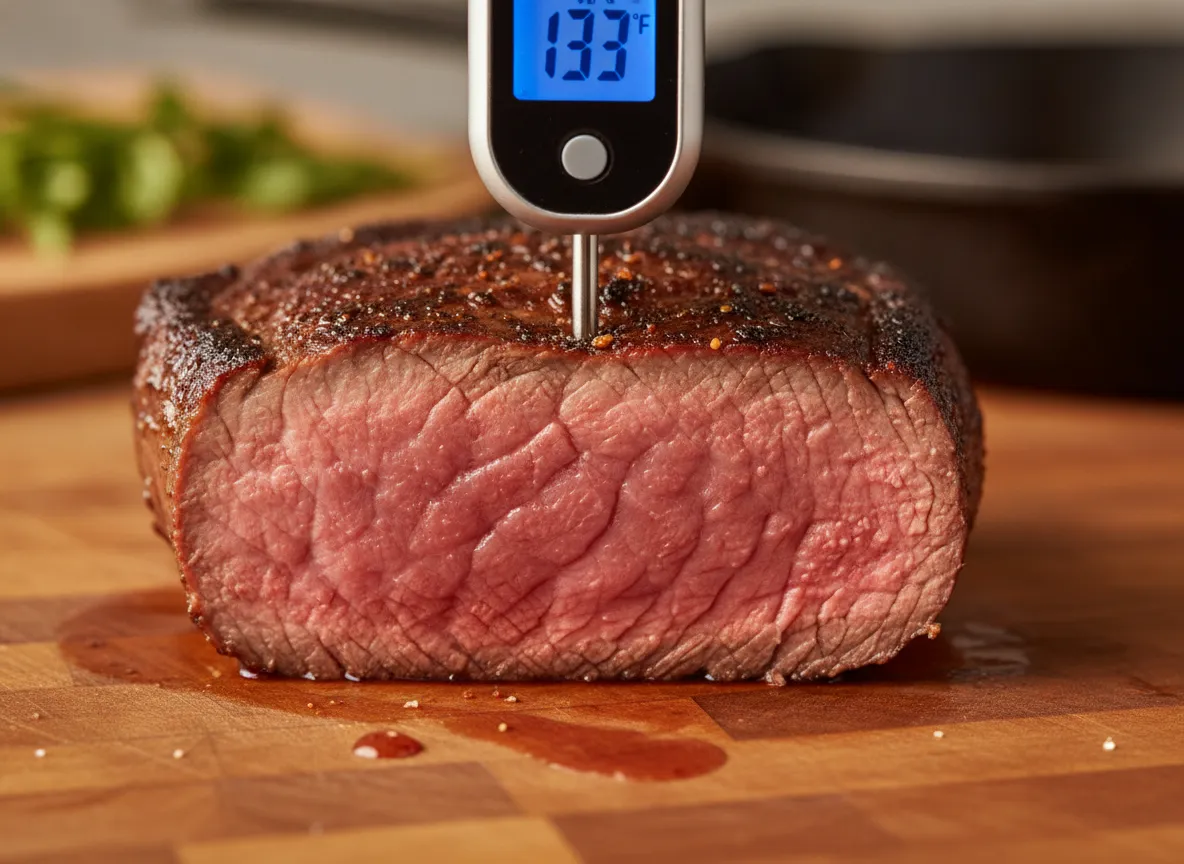
This is the single most important rule in all of venison cookery. Because deer meat is so lean, it has almost no internal fat to keep it moist during prolonged cooking. Overcooking venison steaks even slightly beyond medium results in meat that is dry, chewy, and unpleasant [10].
For backstrap steaks and tenderloins, the target is medium-rare to medium, an internal temperature of 130°F to 140°F. At this range, the meat remains pink in the center, juicy, and tender. A reliable instant-read meat thermometer is not optional for beginners; it is essential [9].
Temperature guide for venison steaks:
- Rare: 120-125°F, very pink, extremely tender
- Medium-rare: 130-135°F, pink center, ideal for backstrap
- Medium: 140-145°F, slightly pink, still acceptable
- Well-done: 160°F+, dry, tough, not recommended for lean cuts
After reaching the target temperature, remove the meat from heat and rest it on a cutting board for 5 to 10 minutes. Resting allows juices to redistribute throughout the muscle fibers rather than running out when the meat is cut [4].
6. Use Marinades and Complementary Flavors Strategically
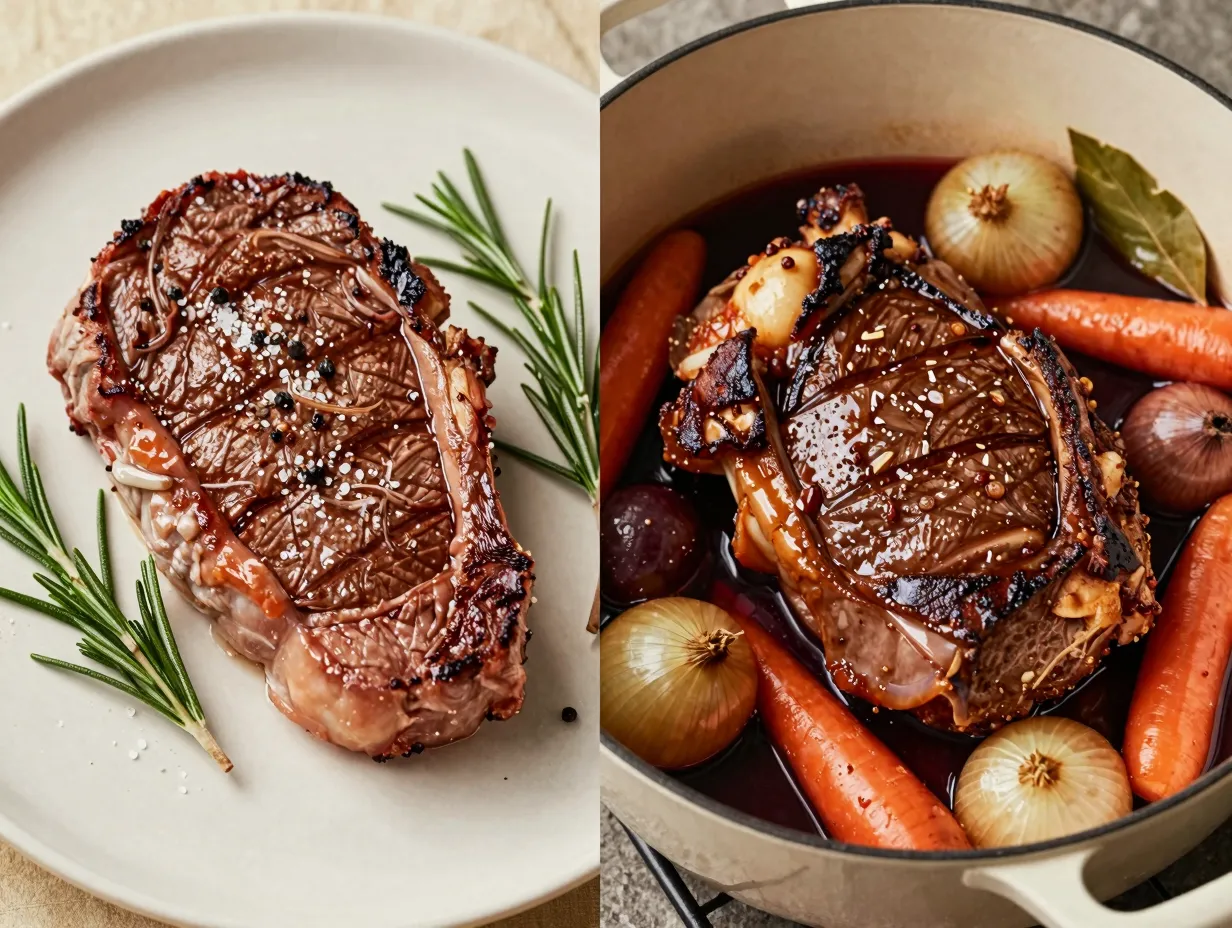
Marinades serve two purposes with venison: they add flavor and, when acid-based, they can help tenderize tougher cuts. However, marinating is not a substitute for proper trimming, and over-marinating can make the surface of the meat mushy and unpleasant [5].
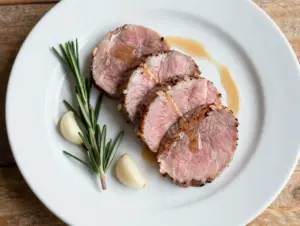
For tender cuts like the backstrap, a simple seasoning of coarse salt, cracked black pepper, and fresh herbs such as rosemary or thyme is all that is needed. The natural flavor of well-prepared venison is mild and pleasant, it does not need to be masked [2].
For tougher cuts destined for the slow cooker or braise, bold flavors work well:
- Red wine, juniper berries, and bay leaf for a classic European-style braise
- Soy sauce, ginger, and garlic for an Asian-inspired preparation
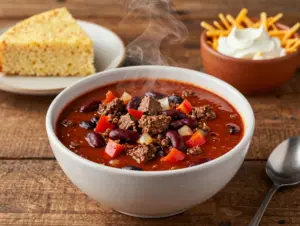
- Tomatoes, chili peppers, and cumin for venison chili or tacos
- Apple cider vinegar, brown sugar, and smoked paprika for barbecue-style pulled venison
“Season simple cuts simply. Reserve bold, complex flavors for the cuts that cook long and slow, they have the time to absorb and develop those layers.”
Acidic marinades (those containing vinegar, citrus juice, or wine) should not be used for longer than 4 to 6 hours on tender cuts, as prolonged acid exposure breaks down the protein structure too aggressively [1].
7. Master the Two Core Cooking Techniques: Searing and Braising
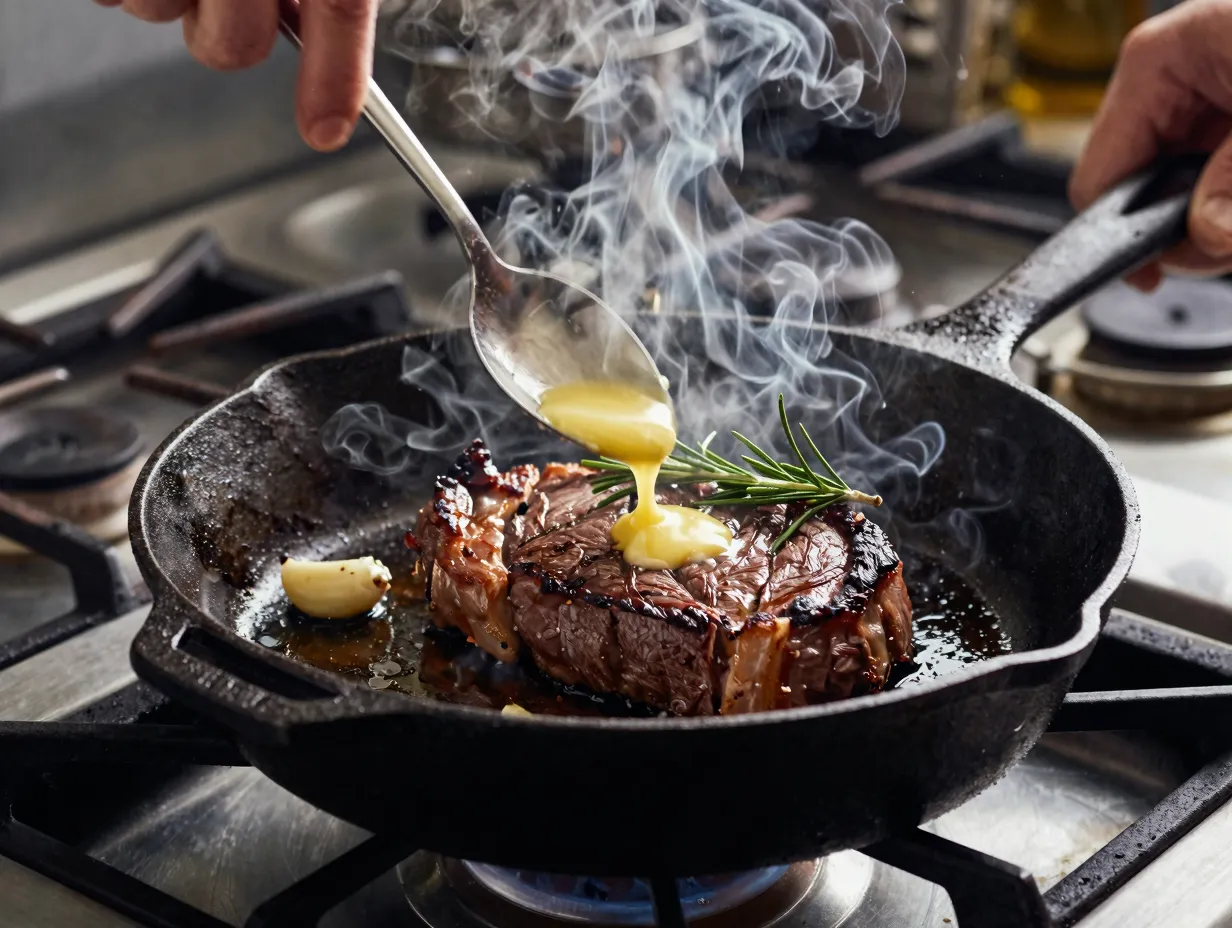
Understanding just two techniques covers the vast majority of venison cooking scenarios and forms the practical core of the 8 Essential Tips on How to Cook Deer Meat for Beginners.
Searing (for tender cuts):
A cast-iron skillet is the ideal tool for searing venison steaks. Cast iron retains heat exceptionally well and creates an even, consistent crust. Heat the pan over high heat until it begins to smoke lightly, add a thin layer of high-smoke-point oil, and place the dried, seasoned steak in the pan without moving it for 2 to 3 minutes per side. Add butter, garlic, and fresh herbs in the final 60 seconds and baste the steak continuously [9].
Braising (for tough cuts):
Braising involves searing the meat first to develop color and flavor, then cooking it low and slow in a flavorful liquid, stock, wine, or a combination, in a covered Dutch oven or slow cooker. The collagen in tough cuts like the shoulder slowly converts to gelatin over 4 to 8 hours of cooking, creating a rich, silky sauce and fork-tender meat [7].
Braising step-by-step:
- Pat the cut dry and season generously with salt and pepper
- Sear all sides in a hot Dutch oven with oil until deeply browned
- Remove the meat and sauté aromatics (onion, carrot, celery, garlic) in the same pot
- Deglaze with wine or stock, scraping up all browned bits
- Return the meat to the pot, add enough liquid to come halfway up the sides
- Cover and cook at 300°F in the oven or on low in a slow cooker for 4 to 8 hours
8. Follow Safe Handling, Storage, and Food Safety Practices
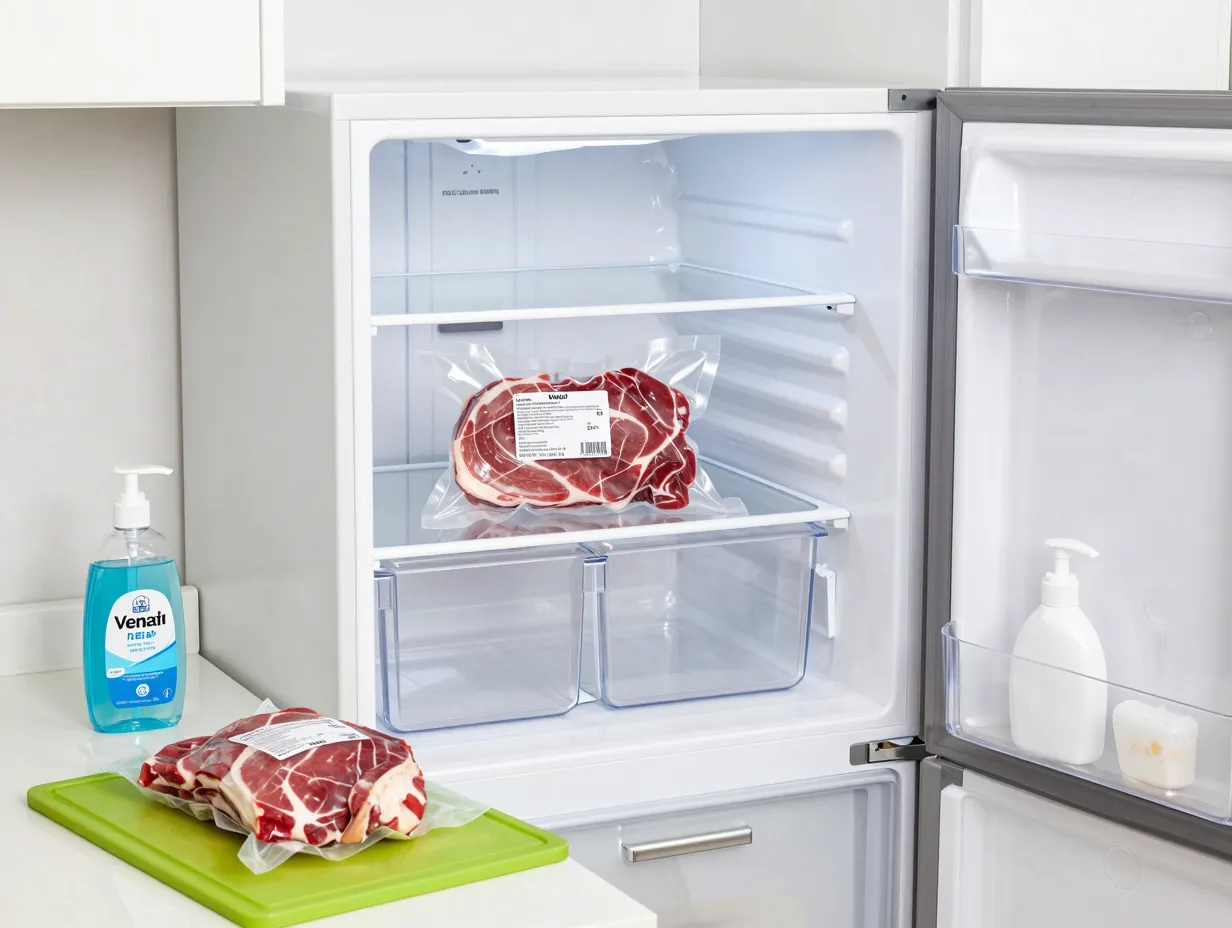
Food safety is a non-negotiable part of any venison preparation. Raw venison should be handled with the same care as any raw meat, separate cutting boards, thorough handwashing, and prompt refrigeration [3].
Storage guidelines for venison:
- Fresh venison in the refrigerator: use within 3 to 5 days
- Vacuum-sealed venison in the freezer: maintains best quality for up to 12 months
- Ground venison in the freezer: best used within 3 to 4 months
- Thaw frozen venison in the refrigerator, never at room temperature [6]
Chronic Wasting Disease (CWD) is a prion disease affecting deer populations in many parts of North America. Hunters should follow their state wildlife agency’s guidelines regarding CWD testing before consuming venison from harvested deer, particularly in areas where CWD has been detected [3].
Ground venison must always be cooked to an internal temperature of 160°F, as the grinding process distributes any surface bacteria throughout the meat. Whole muscle cuts can safely be served at lower temperatures when the surface has been properly seared [6].
Safe handling reminders:
- Wash hands for at least 20 seconds before and after handling raw venison
- Use separate cutting boards for raw meat and produce
- Clean and sanitize all surfaces and utensils that contact raw venison
- Never leave raw venison at room temperature for more than 2 hours
Putting It All Together: A Beginner’s First Venison Meal
For anyone working through the 8 Essential Tips on How to Cook Deer Meat for Beginners for the first time, a pan-seared backstrap steak is the ideal starting point. It requires minimal equipment, cooks in under 10 minutes, and showcases the natural quality of the meat without complexity.
Simple pan-seared backstrap:
- Trim all silver skin and fat from a 1-inch thick backstrap steak
- Rest at room temperature for 30 minutes
- Pat completely dry with paper towels
- Season with coarse salt and cracked black pepper just before cooking
- Heat a cast-iron skillet over high heat until lightly smoking
- Add 1 tablespoon of avocado oil
- Sear 2 to 3 minutes per side without moving
- Add 2 tablespoons of butter, 2 crushed garlic cloves, and a sprig of rosemary
- Baste continuously for 60 seconds
- Remove at 130°F internal temperature and rest for 5 minutes before slicing
This one recipe, executed well, demonstrates every principle covered in this guide: proper trimming, room temperature rest, dry surface, high heat, correct internal temperature, and proper resting [9].
Conclusion
Cooking deer meat well is a learnable skill, and the gap between a dry, gamey venison steak and a tender, restaurant-quality one comes down almost entirely to technique rather than talent. The 8 Essential Tips on How to Cook Deer Meat for Beginners outlined in this guide, from proper field care and aggressive trimming, through matching cuts to cooking methods, to never overcooking lean steaks, give any beginner a complete, actionable framework for success in 2026 and beyond.
Actionable next steps:
- Start with a backstrap steak using the simple pan-sear method described above
- Invest in a reliable instant-read meat thermometer before cooking any venison
- Practice trimming technique on less expensive cuts before moving to the prized loin
- Experiment with one slow-braised shoulder recipe to understand how moist heat transforms tough cuts
- Keep a cooking log noting internal temperatures, resting times, and flavor results to build consistency over time
Venison rewards the cook who respects it. Apply these principles consistently, and deer meat will become one of the most satisfying proteins in any kitchen.
References
[1] How To Cook Venison At Home A Beginners Guide – https://gameandflames.com/blog/how-to-cook-venison-at-home-a-beginners-guide
[2] How To Cook Venison For Beginners – https://www.womensoutdoornews.com/2026/02/how-to-cook-venison-for-beginners/
[3] Venison Food Safety – https://www.glitc.org/2020/wp-content/uploads/2023/11/venison-food-safety.pdf
[4] How To Cook Venison – https://www.missallieskitchen.com/how-to-cook-venison/
[5] How To Cook Deer Meat – https://trailblisshub.com/how-to-cook-deer-meat/
[6] Il Deer Donation Venison Food Safety Guide Final 20220804 – https://extension.illinois.edu/sites/default/files/il_deer_donation_venison_food_safety_guide_final_20220804.pdf
[7] Ways To Cook Deer Meat – https://ecocraftyliving.com/ways-to-cook-deer-meat/
[8] Venison Recipes – https://thewildgamegourmet.com/venison-recipes/
[9] How To Cook Venison Best Way To Cook Deer Meat – https://www.modernfarmhouseeats.com/how-to-cook-venison-best-way-to-cook-deer-meat/
[10] How To Cook Venison – https://www.bbcgoodfood.com/howto/guide/how-to-cook-venison