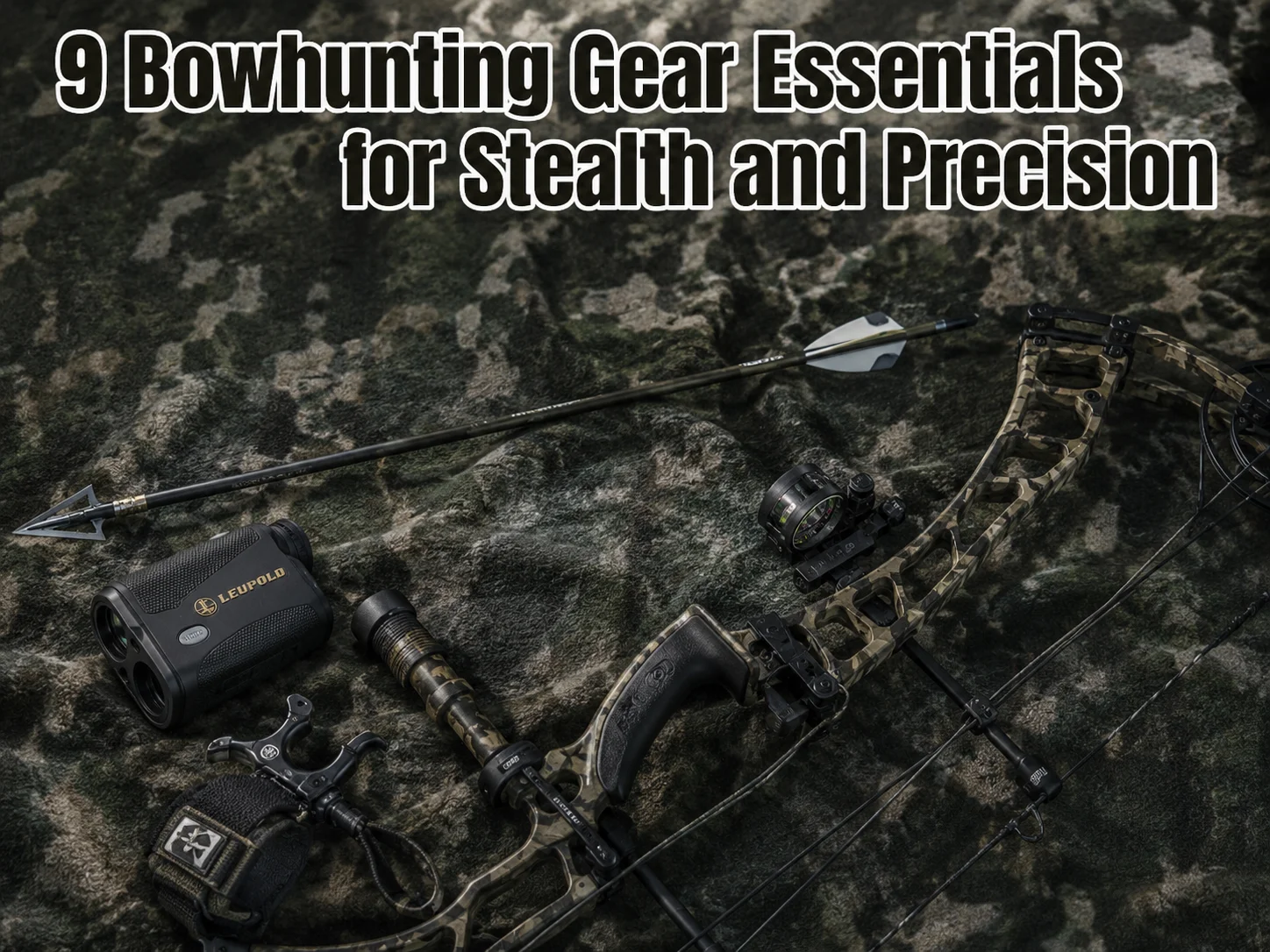
9 Bowhunting Gear Essentials for Stealth and Precision
Only 18% of bowhunters successfully harvest a deer in any given season, according to data compiled by state wildlife agencies across the U.S. That number is not a reflection of effort, most bowhunters spend hundreds of hours scouting, practicing, and preparing. The gap between effort and success almost always comes down to gear. The right equipment does not just improve comfort; it closes the distance between a hunter and a clean, ethical kill. This guide breaks down the 9 bowhunting gear essentials for stealth and precision that separate consistent harvesters from frustrated observers. Whether you are stepping into the woods for the first time or refining a setup built over years, these essentials form the foundation of a high-performance bowhunting system.
Disclosure: This post contains affiliate links. As an Amazon Associate, we earn from qualifying purchases, and at no extra cost to you.
Key Takeaways
- Stealth and precision work together, neglecting either one will cost you opportunities in the field.
- The right bow setup, including draw weight, arrow spine, and broadhead selection, directly determines shot accuracy and penetration.
- Scent control, camouflage, and noise reduction are non-negotiable for closing distance on wary game animals.
- Optics and rangefinders eliminate guesswork and are among the highest-return investments a bowhunter can make.
- A safety harness is not optional, falls from elevated stands are the leading cause of serious injury among bowhunters.
Why Gear Selection Defines Your Bowhunting Success
Bowhunting is a close-range discipline. The average ethical shot distance for a compound bow is between 20 and 40 yards, which means a hunter must get significantly closer to game than a rifle hunter ever needs to. At that proximity, every detail matters, the sound of a jacket sleeve brushing a bow limb, a faint trace of human scent drifting downwind, or a flash of movement from an ill-fitting glove. The 9 bowhunting gear essentials for stealth and precision addressed in this article are not random product recommendations. They are the categories that field experience and hunter success data consistently identify as critical.
A poorly chosen piece of gear does not just underperform, it actively works against you. A noisy release aid can startle a deer at 25 yards. A broadhead that flies differently from your field points will cause a miss or, worse, a poor hit. Understanding why each piece of gear matters is just as important as knowing which products to buy.
The 9 Bowhunting Gear Essentials for Stealth and Precision
1. Compound Bow
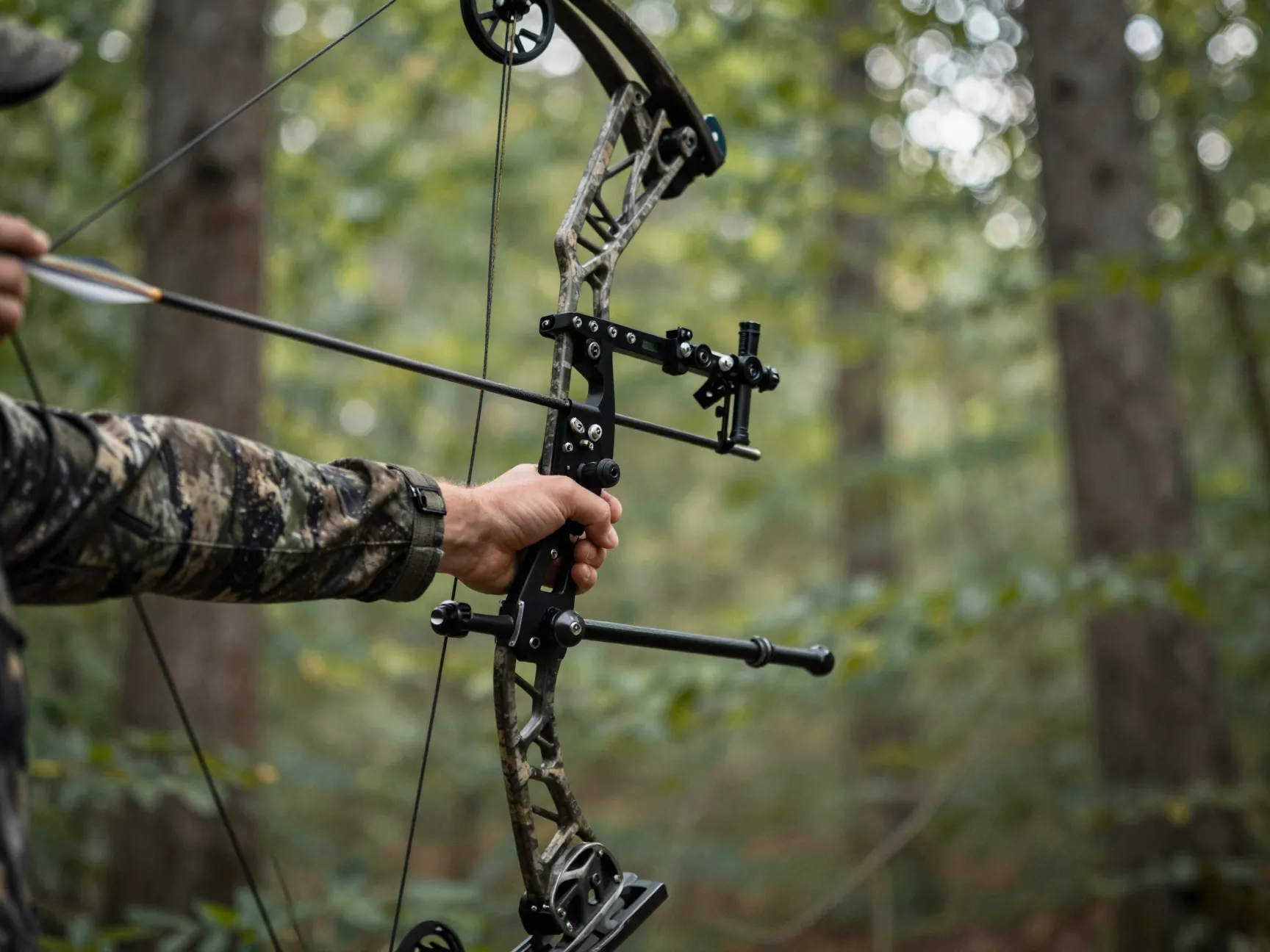
The compound bow is the centerpiece of every bowhunting setup. Modern compound bows feature cam systems that reduce holding weight at full draw, typically by 65 to 80 percent, allowing a hunter to hold steady for longer and make a more controlled shot. When selecting a compound bow, three specifications deserve close attention:
- Draw length: An improperly fitted draw length causes inconsistent anchor points and reduces accuracy.
- Draw weight: Most states require a minimum of 40 lbs for deer; 55 to 70 lbs is the practical sweet spot for most adult hunters.
- Axle-to-axle length: Shorter bows (28-32 inches) maneuver more easily in a tree stand; longer bows (33-36 inches) tend to be more forgiving for beginners.
Brands such as Hoyt, Mathews, and Bowtech consistently produce bows with tight tolerances and smooth draw cycles. However, the best bow is the one that fits the individual shooter’s body mechanics and shooting style.
“The bow is only as effective as the archer behind it. Fit matters more than brand.”
2. Carbon Arrows
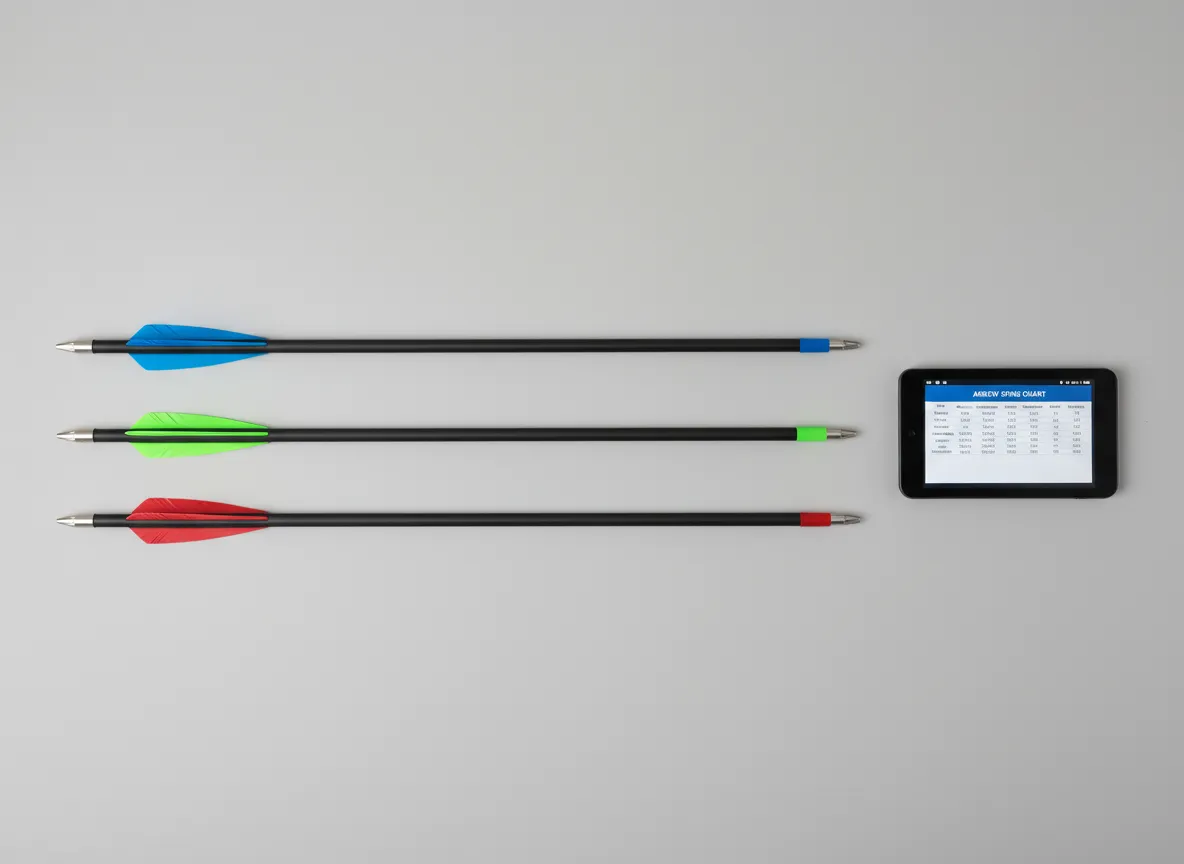
Arrow selection is one of the most underestimated variables in bowhunting accuracy. Carbon arrows dominate the modern market for good reason: they are lightweight, consistent in spine, and highly durable. The critical measurement is arrow spine, which refers to the arrow’s resistance to bending under the force of release.
| Arrow Spine | Recommended Draw Weight | Typical Use |
|---|---|---|
| 340 spine | 65-75 lbs | Heavier setups, elk/bear |
| 400 spine | 55-65 lbs | Deer, general purpose |
| 500 spine | 45-55 lbs | Lighter setups, youth |
Matching spine to draw weight ensures the arrow flies straight and recovers quickly after release. Arrows that are too weak (underspined) will fishtail in flight; arrows that are too stiff (overspined) lose kinetic energy. Manufacturers like Easton, Gold Tip, and Black Eagle offer spine charts to simplify the selection process.
Weight also matters. Heavier arrows (8-10 grains per pound of draw weight) penetrate better on large game. Lighter arrows (6-7 grains per pound) fly flatter but sacrifice penetration depth.
3. Broadheads
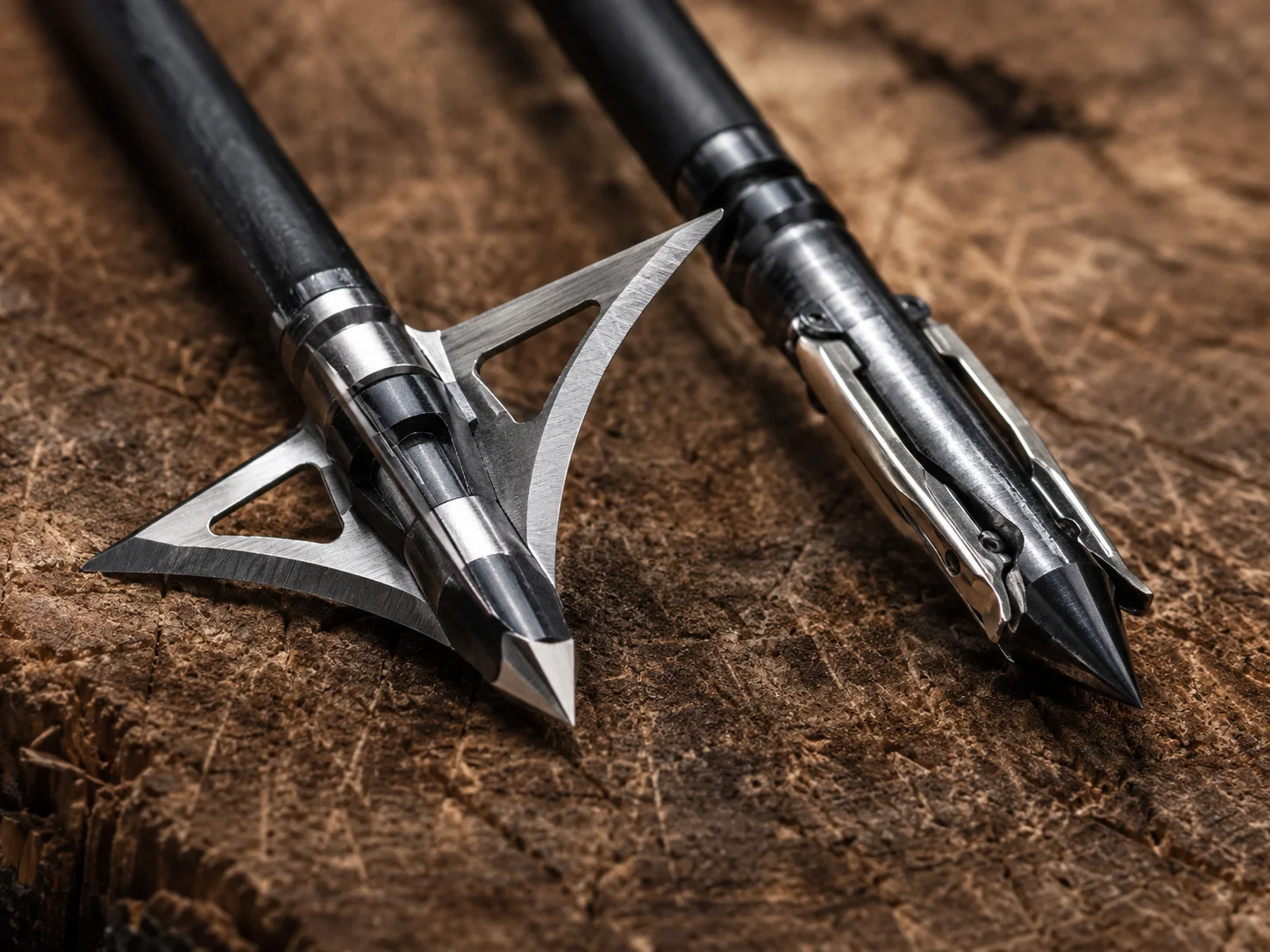
No piece of gear has a more direct impact on harvest success than the broadhead. A broadhead must fly true, penetrate deeply, and create a large wound channel for an effective blood trail. There are two primary categories:
Fixed-blade broadheads are mechanically simple, extremely durable, and tend to penetrate better through bone. They require careful tuning because they interact with arrow flight more than mechanical heads.
Mechanical (expandable) broadheads deploy blades on impact, offering a larger cutting diameter (often 1.5 to 2 inches) and typically fly more like field points. They are popular for deer hunting but require sufficient kinetic energy to reliably deploy, generally 55 lbs or more of draw weight.
A critical rule: always shoot broadheads through a paper tuner and at a target before the season. Even small flight deviations at 20 yards become significant misses at 40 yards.
4. Rangefinder
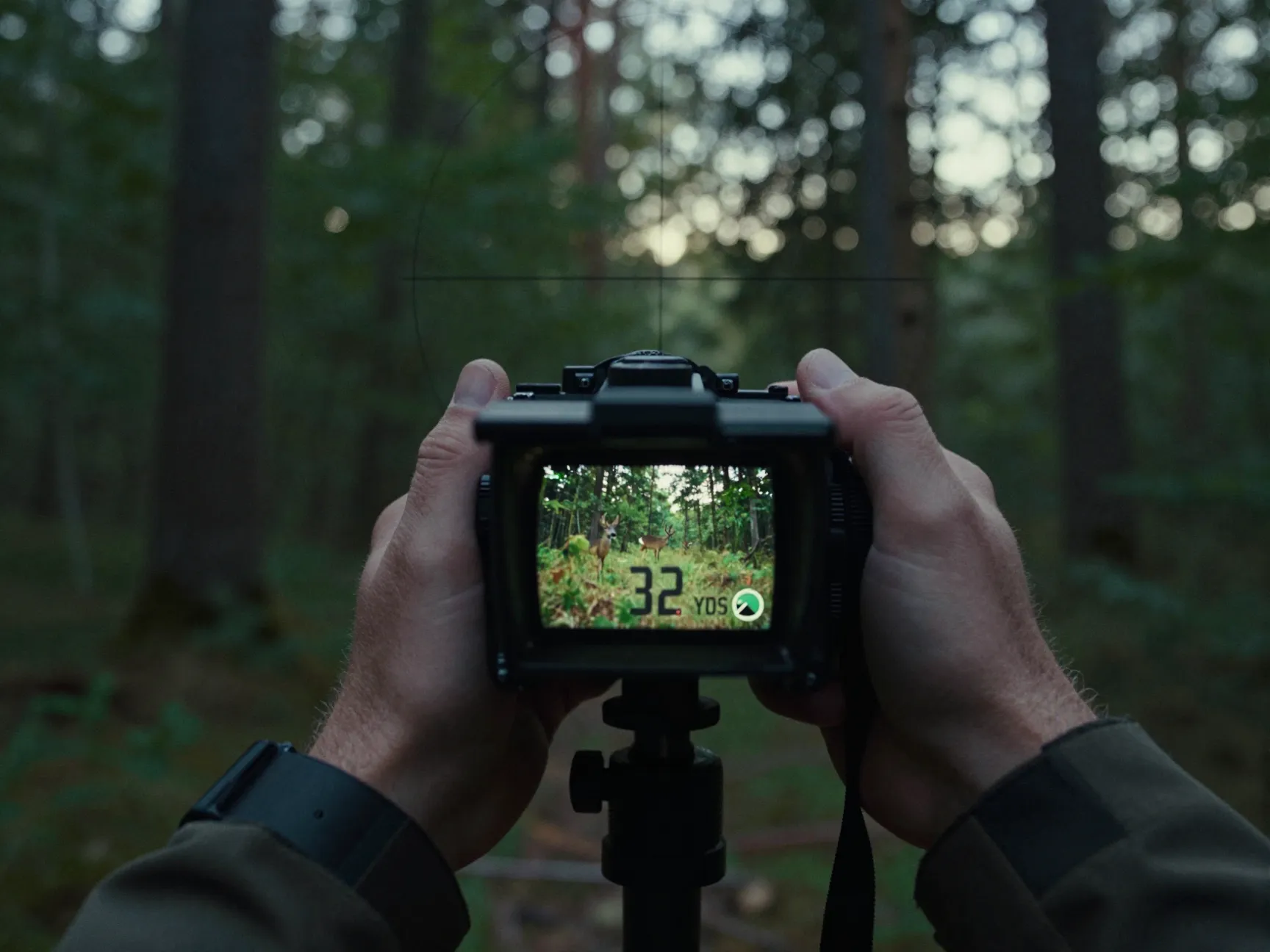
Accurate distance estimation is one of the most consequential skills in bowhunting, and a quality rangefinder removes the guesswork entirely. At 30 yards, misjudging a distance by just five yards can result in a complete miss or a non-lethal hit due to arrow drop.
Modern laser rangefinders are compact, fast, and accurate to within one yard at distances well beyond typical bowhunting ranges. Key features to look for:
- Angle compensation: Essential for tree stand hunters; calculates the true horizontal distance on angled shots.
- Speed of reading: A rangefinder that takes three seconds to lock on is useless when a deer is moving.
- Low-light performance: Many deer are harvested at dawn and dusk; a rangefinder must perform in poor light.
Leupold, Vortex, and Sig Sauer Electro-Optics produce rangefinders that consistently perform in demanding field conditions. Pre-ranging landmarks around a stand before an animal arrives is a best practice that eliminates fumbling during the critical moment.
5. Release Aid
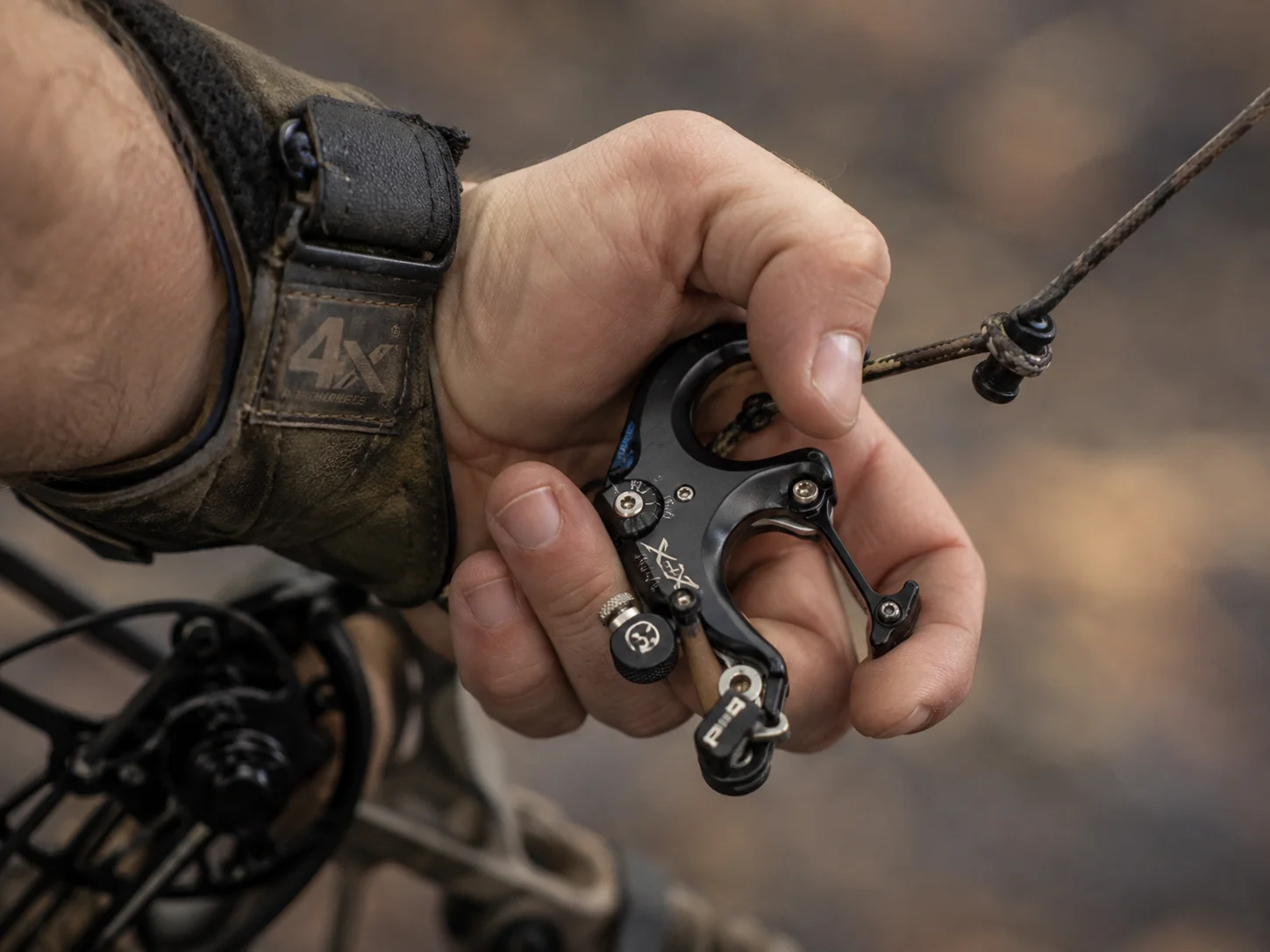
A release aid is a mechanical trigger device that attaches to the bowstring loop and allows a cleaner, more consistent release than fingers alone. Trigger punching, flinching before the shot, is the single most common cause of missed shots among bowhunters, and a well-fitted release aid is the primary solution.
There are three main types:
- Wrist strap releases are the most popular for beginners and general use. They attach around the wrist, are easy to operate, and are difficult to drop.
- Handheld thumb releases offer a more natural trigger feel and are favored by target archers and experienced hunters who want to eliminate target panic.
- Back-tension releases fire when the archer reaches a specific back muscle tension, virtually eliminating anticipation. They require significant practice but produce exceptional consistency.
Whatever type is chosen, the trigger sensitivity should be adjusted so the shot breaks as a mild surprise, not a deliberate punch.
6. Scent Control System
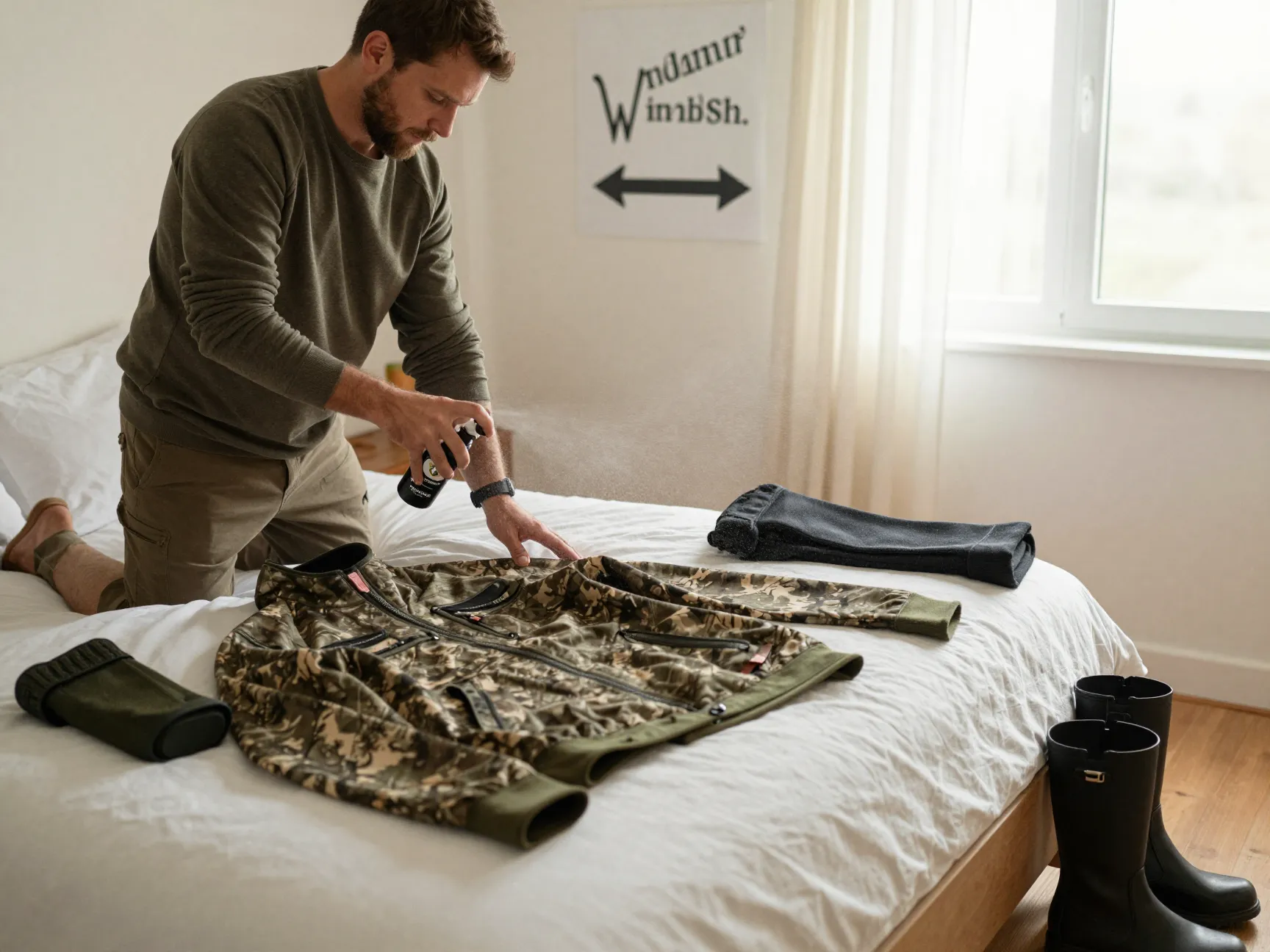
Whitetail deer can detect human odor at concentrations as low as parts per trillion. A single molecule of human scent landing on a deer’s nose can end a hunt instantly. Scent control is not a single product, it is a system that includes multiple layers:
- Scent-eliminating body wash and shampoo: Used the morning of the hunt to reduce baseline odor.
- Scent-control clothing: Activated carbon garments or silver-ion fabrics adsorb odor molecules before they leave the body.
- Scent-eliminating spray: Applied to clothing, boots, and gear immediately before entering the woods.
- Wind direction management: No scent control product eliminates all odor. Hunting with the wind in your favor is the non-negotiable foundation.
Brands like Sitka Gear, ScentLok, and Dead Down Wind have built strong reputations in this category. The most effective scent control program combines all four layers consistently.
7. Camouflage Clothing System
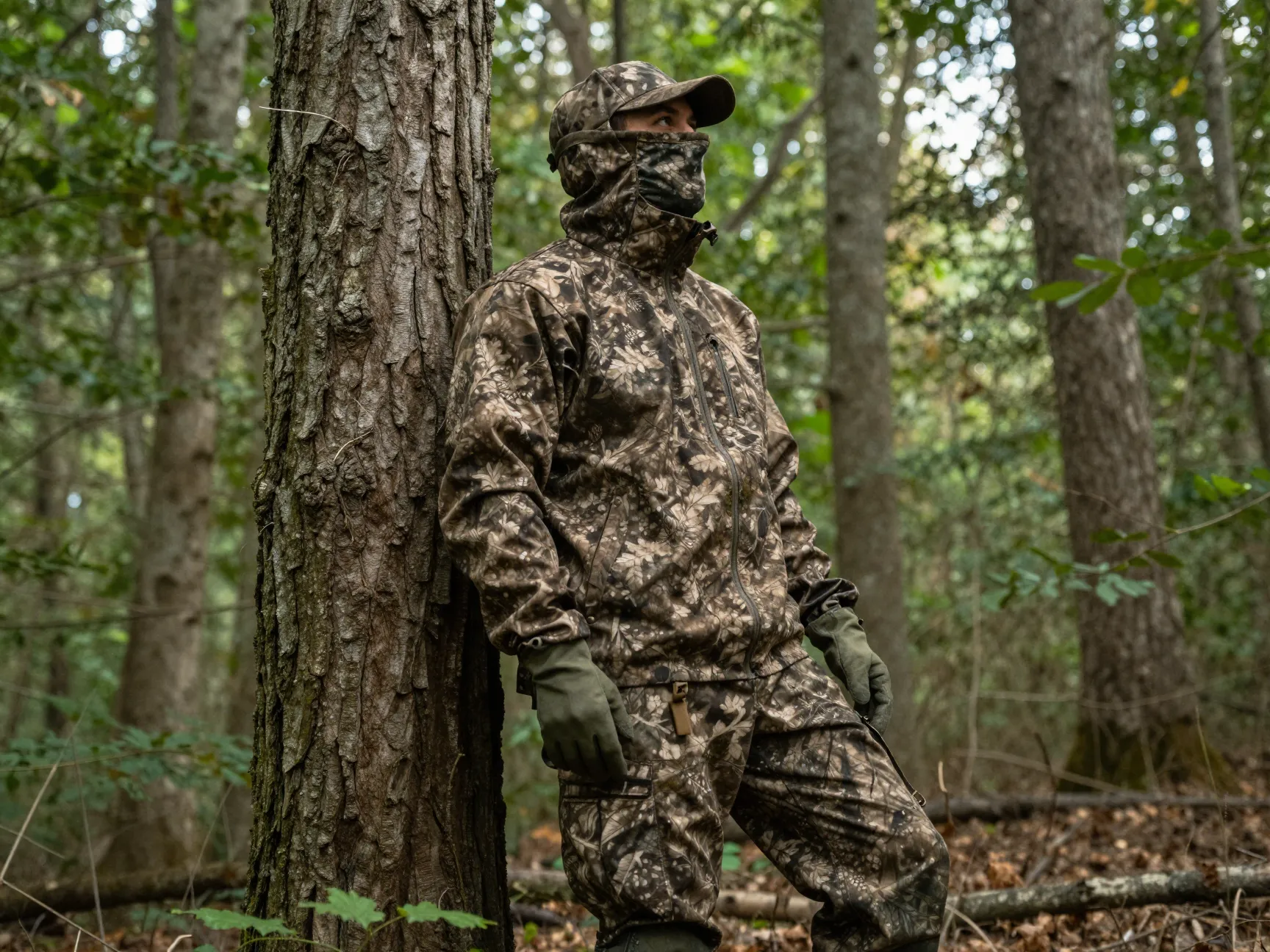
Camouflage serves two functions in bowhunting: breaking up the human outline to defeat a deer’s pattern recognition, and reducing UV reflection that can make a hunter glow to animals that see in the UV spectrum. Modern camouflage systems are designed for specific environments, open timber, dense brush, early season green, late season brown, and matching the pattern to the hunting environment meaningfully improves concealment.
Beyond pattern, the physical properties of the fabric matter enormously for stealth:
- Softness and silence: Stiff, crinkly fabrics are audible at close range. Fleece and brushed polyester are significantly quieter than nylon shells.
- Layering system: A base layer for moisture management, a mid-layer for insulation, and an outer layer for weather protection and noise reduction.
- Face and hand coverage: Deer detect movement and exposed skin. A face mask and lightweight gloves complete the visual concealment system.
Sitka, First Lite, and Kuiu lead the technical hunting apparel market with fabrics engineered specifically for silent movement.
8. Tree Stand and Safety Harness
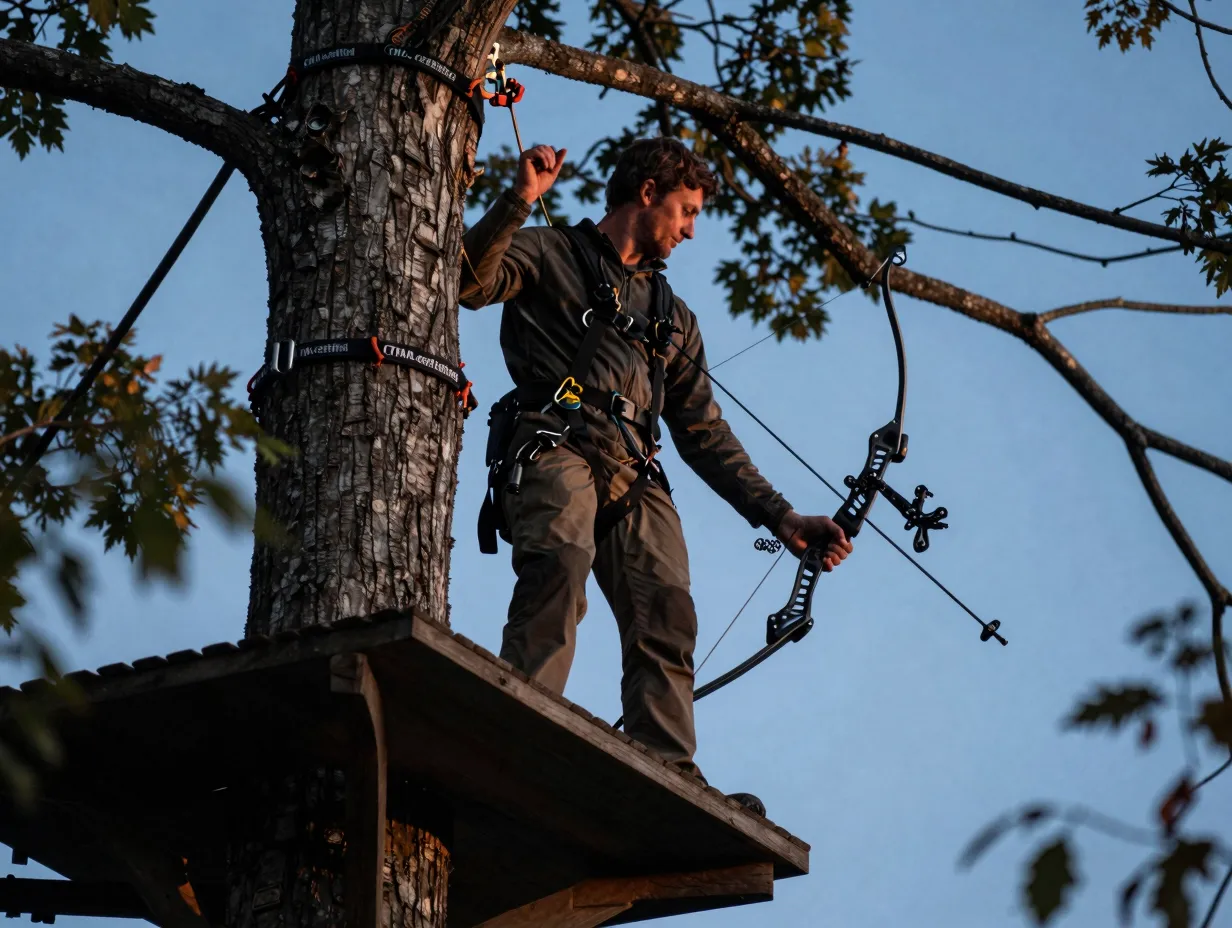
The elevated position of a tree stand provides two critical advantages: it places the hunter above a deer’s primary line of sight, and it lifts human scent above the deer’s nose. However, the benefits of elevation come with a serious risk. The Tree Stand Manufacturers Association (TMA) reports that falls from tree stands account for the majority of serious injuries and fatalities in bowhunting each year.
A full-body safety harness is not optional equipment, it is mandatory for any hunter who hunts from an elevated position. The TMA’s Treestand Safety Awareness program recommends that hunters wear a harness from the moment their feet leave the ground until they return to it.
Key considerations for tree stand selection:
- Hang-on stands are lightweight, packable, and quiet to hang. They require separate climbing sticks.
- Climbing stands are self-contained but require straight-trunked trees.
- Ladder stands offer the most stability and comfort for long sits but are permanent and heavy.
Regardless of stand type, a lineman’s belt for hands-free climbing and a rated, TMA-certified harness should accompany every elevated hunt.
9. Binoculars
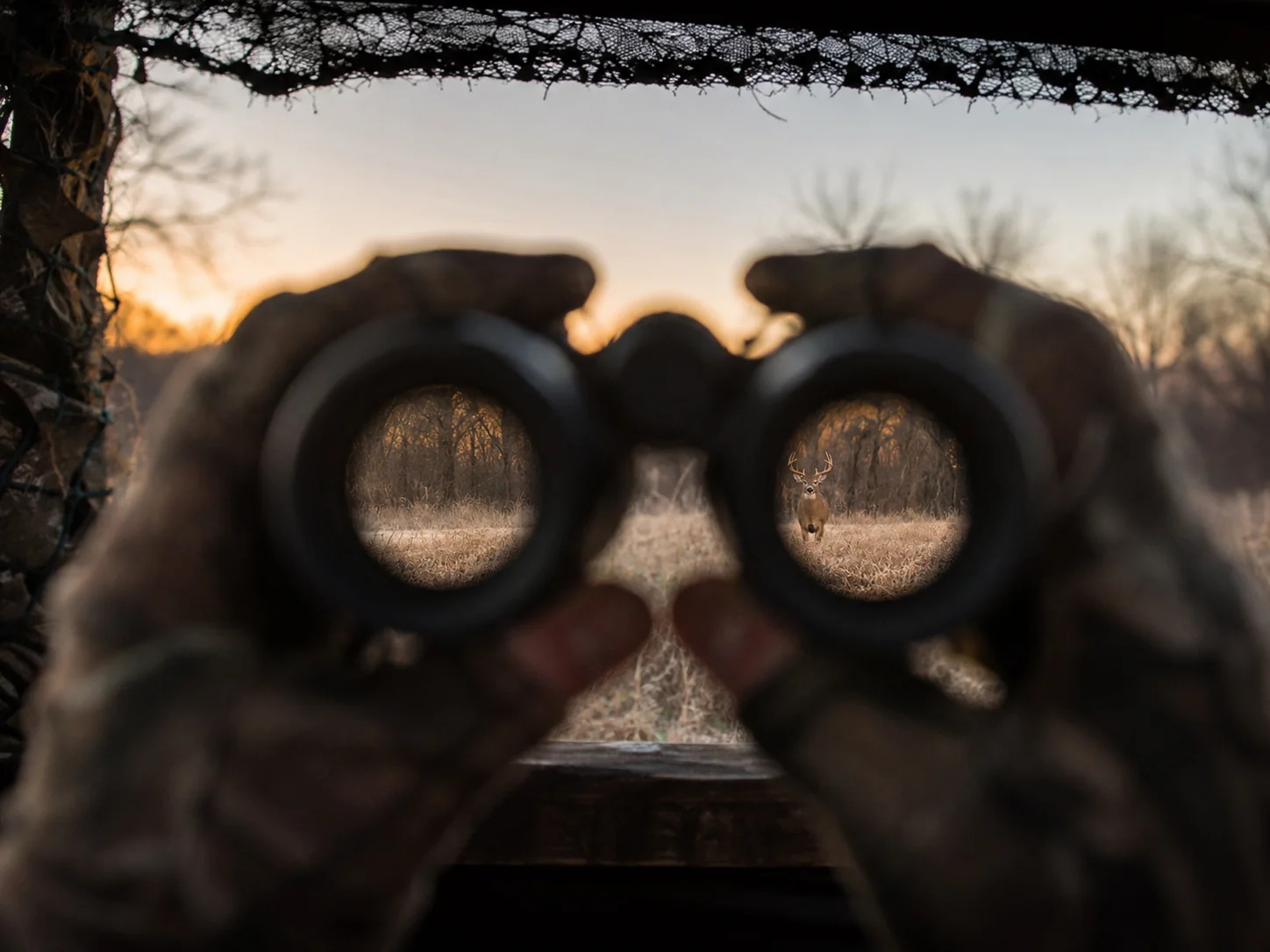
Binoculars are often overlooked by bowhunters who assume that close-range hunting makes optics unnecessary. This is a costly misconception. Binoculars serve several critical functions at close range:
- Identifying shot opportunities: At 30 yards in low light, it can be genuinely difficult to confirm whether a deer’s vitals are clear of obstructions without magnification.
- Reading body language: Binoculars allow a hunter to assess whether a deer is alert, relaxed, or moving toward or away from the stand without making movement visible to the animal.
- Scouting from distance: Glassing field edges and food sources from 200+ yards before a hunt reveals patterns without alerting deer to human presence.
For bowhunting, an 8×42 configuration offers the best balance of magnification, field of view, and low-light performance. Compact 10×25 binoculars are insufficient in low light. Vortex Optics, Leupold, and Maven produce excellent mid-range options that perform well without the weight of premium European glass.
How to Prioritize These Essentials on a Budget
Not every hunter can invest in all nine categories simultaneously. Prioritization should follow a logical sequence based on impact on harvest success:
Tier 1, Non-negotiable from day one:
- Compound bow (properly fitted)
- Carbon arrows (correctly spined)
- Broadheads (matched to kinetic energy)
- Safety harness (life safety, no compromise)
Tier 2, High-impact additions:
- Release aid
- Rangefinder
- Scent control system
Tier 3, Significant but upgradeable over time:
- Camouflage clothing system
- Binoculars
This framework allows a new hunter to enter the field safely and competently while building toward a complete system over one or two seasons.
Common Mistakes When Assembling a Bowhunting Kit
Even experienced hunters make avoidable errors when selecting or maintaining gear. The most frequent mistakes include:
- Ignoring arrow spine charts and shooting mismatched arrows that never group consistently.
- Buying a bow that is too heavy in draw weight, leading to poor form and inconsistent shots under pressure.
- Skipping broadhead flight testing before the season and discovering problems only when it matters most.
- Relying on scent control products alone without managing wind direction.
- Hunting without a safety harness because it feels unnecessary on a short or familiar sit.
- Using a rangefinder without the angle-compensation feature from a tree stand, resulting in overestimated shot distances.
Each of these errors is entirely preventable with proper preparation and attention to the fundamentals covered in the 9 bowhunting gear essentials for stealth and precision outlined above.
Maintenance and Pre-Season Preparation
Gear that is not maintained will fail at the worst possible moment. A pre-season checklist should include:
- Inspect bowstring and cables for fraying; replace every two to three seasons or at the first sign of wear.
- Check arrow nocks and fletching for damage; replace any arrow with a cracked nock or bent shaft.
- Sharpen or replace broadhead blades; a dull broadhead is a missed opportunity.
- Test rangefinder battery and clean the lens.
- Wash scent-control clothing in scent-free detergent and store in a sealed bag with natural cover scent.
- Inspect tree stand hardware for rust, cracks, or loose bolts; replace any compromised component.
- Test the safety harness for strap integrity and buckle function.
Spending two hours on pre-season maintenance prevents equipment failures that cost a season’s worth of effort.
Conclusion
The 9 bowhunting gear essentials for stealth and precision are not luxury items, they are the functional building blocks of a system designed to put an ethical shot on an animal at close range under real-world conditions. Each category addressed in this guide solves a specific problem: the bow and arrows deliver the energy, the broadhead transfers it, the rangefinder eliminates distance error, the release aid removes human inconsistency, the scent control and camouflage system defeats the animal’s senses, the tree stand and harness provide position and safety, and the binoculars provide the situational awareness to make a confident decision.
Actionable next steps for 2026:
- Visit a local pro shop for a professional bow fitting before purchasing or upgrading a compound bow.
- Run your current arrows through a spine chart calculator to confirm they match your draw weight.
- Shoot broadheads at 20, 30, and 40 yards before the season opens, not after.
- Invest in a TMA-certified safety harness if you hunt from any elevated position.
- Build a scent control routine and practice it consistently, not just on the days when conditions feel perfect.
Consistent bowhunting success is not accidental. It is the product of deliberate gear selection, disciplined preparation, and the willingness to treat every component of the system as important. Start with the fundamentals, maintain them rigorously, and the results will follow.
References
- Archery Trade Association. (2022). Bowhunting participation and harvest statistics. ATA Industry Research.
- Tree Stand Manufacturers Association. (2021). Treestand safety awareness program guidelines. TMA.
- Easton Archery. (2023). Arrow shaft selection guide and spine chart. Easton Technical Products.
- Pope and Young Club. (2020). Fair chase bowhunting standards and ethical harvest guidelines. Pope and Young Club Records Program.
- National Bowhunter Education Foundation. (2019). Bowhunter education student manual (5th ed.). NBEF.