9 Ideas For Creating A Dreamy Pink Beach Aesthetic In Your Travel Photos
Travel photos tagged with pink beach aesthetics generate up to 3 times more engagement on visual platforms than standard beach shots, according to social media analytics trends tracked through 2026. That single fact explains why so many travel photographers and content creators are actively searching for ways to infuse rosy, ethereal tones into their coastal images. The good news is that achieving a dreamy pink beach aesthetic does not require expensive gear or professional training. These 9 ideas for creating a dreamy pink beach aesthetic in your travel photos cover everything from timing and lighting to props, editing techniques, and composition strategies that work for beginners and seasoned photographers alike.
Disclosure: This post contains affiliate links. As an Amazon Associate, we earn from qualifying purchases, and at no extra cost to you.

Key Takeaways
- The golden hour and blue hour are the two most reliable natural lighting windows for capturing authentic pink tones at the beach.
- Color grading in post-processing is one of the most powerful tools for building a consistent pink beach aesthetic across an entire travel photo series.
- Props, wardrobe choices, and location scouting all contribute as much to the aesthetic as camera settings or editing software.
- Composition techniques like framing, reflection shots, and minimalism amplify the dreamy quality of pink-toned beach images.
- Consistency across a photo series matters more than perfection in a single shot when building a recognizable pink beach aesthetic for travel content.
Why the Pink Beach Aesthetic Dominates Travel Photography in 2026
The pink beach aesthetic sits at the intersection of nostalgia, romance, and wanderlust. Soft rose, coral, blush, and mauve tones evoke warmth and emotion in ways that cooler, desaturated palettes simply do not. Platforms that prioritize visually cohesive feeds have made this aesthetic especially valuable for travel creators who want their content to stand out.
Beyond trends, the pink aesthetic is also deeply tied to specific natural phenomena. Pink sand beaches exist in destinations like Bermuda, the Bahamas, and parts of Indonesia, where crushed coral and red foraminifera shells mix with white sand to create a naturally rosy shoreline. Even on ordinary beaches, the right light conditions can transform the scene into something that looks straight out of a dream.
Understanding why this aesthetic resonates helps creators make intentional choices rather than relying on luck or heavy-handed filters.
9 Ideas For Creating A Dreamy Pink Beach Aesthetic In Your Travel Photos
1. Shoot During Golden Hour for Natural Pink Light
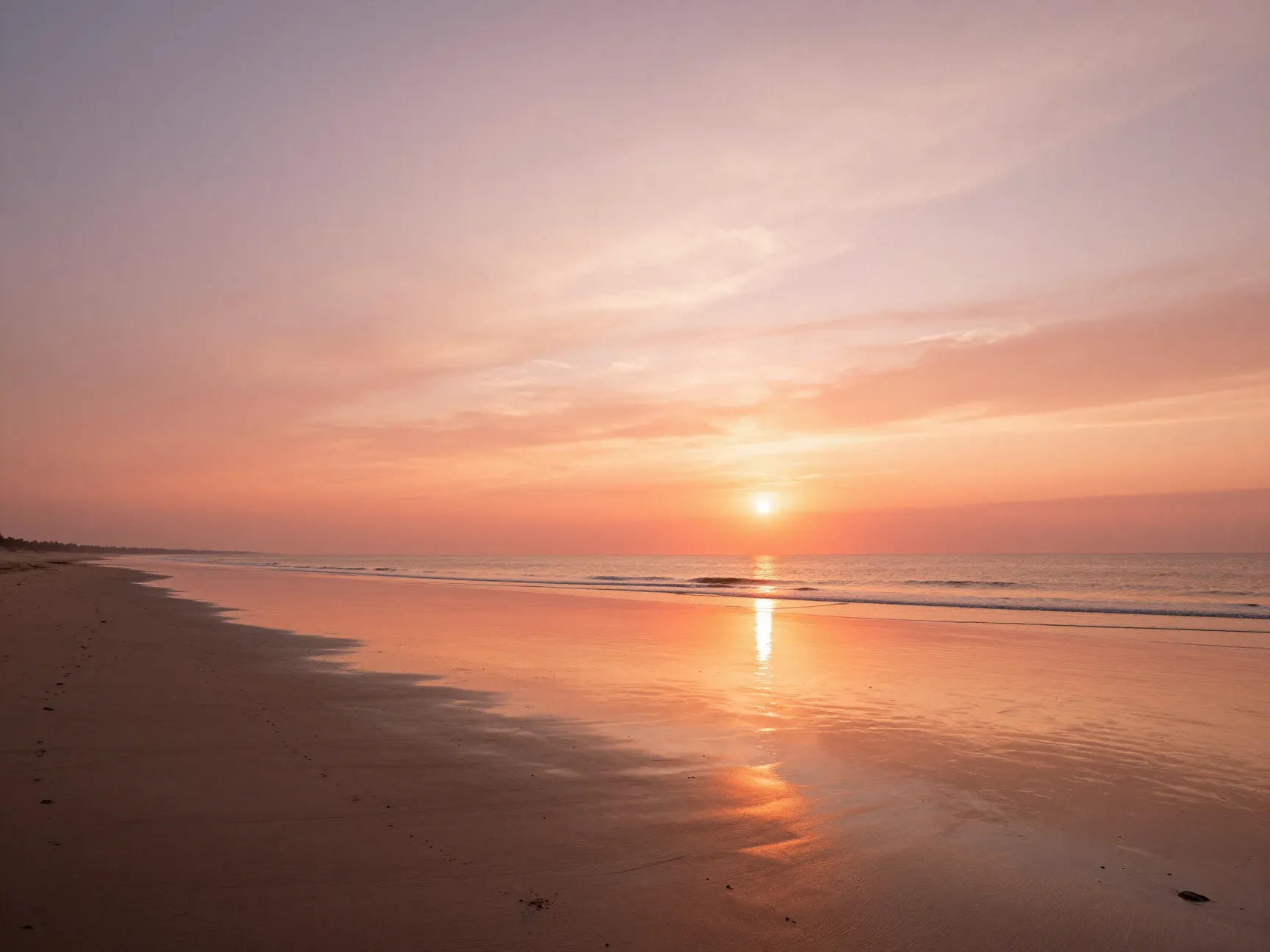
The single most powerful tool available for a pink beach aesthetic is free: natural light at golden hour. The 30 to 60 minutes after sunrise and before sunset flood the beach with warm, amber-to-pink light that transforms sand, water, and skin tones simultaneously.
Why it works: The sun’s low angle at golden hour scatters shorter blue wavelengths and allows longer red and orange wavelengths to dominate. When those warm tones hit reflective surfaces like wet sand and calm water, the result is a naturally pink-tinted scene.
Tips for maximizing golden hour light at the beach:
- Arrive at least 20 minutes early to set up and test compositions before peak light hits.
- Face the subject toward the light source for warm, glowing skin tones.
- Shoot toward the horizon to capture pink and coral reflections on the water.
- Use a tripod during the last few minutes of golden hour when light drops quickly.
2. Explore Blue Hour for Cooler Pink and Lavender Tones
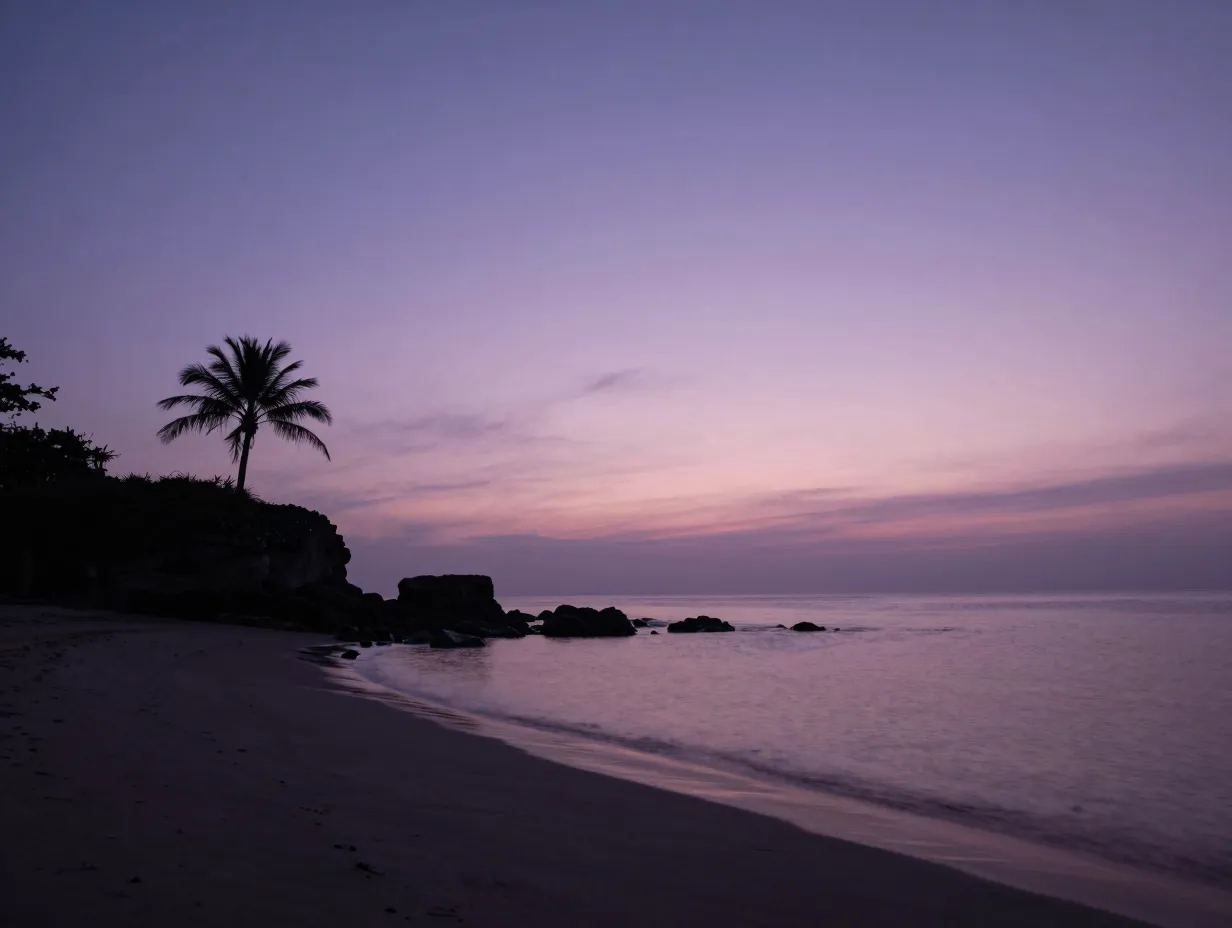
Blue hour, the short window just after sunset or just before sunrise, produces a distinctly different kind of pink. Rather than warm coral tones, blue hour delivers soft mauves, lilacs, and dusty rose hues that feel more ethereal and moody.
The key difference between golden hour and blue hour:
| Feature | Golden Hour | Blue Hour |
|---|---|---|
| Tone | Warm coral, amber, peach | Cool mauve, lavender, dusty rose |
| Duration | 30-60 minutes | 10-20 minutes |
| Best for | Vibrant, energetic shots | Dreamy, romantic compositions |
| Exposure needs | Standard | Longer exposure or higher ISO |
Blue hour requires faster decision-making because the window is shorter. Having the composition planned in advance is essential. A wide aperture (f/1.8 to f/2.8) helps capture enough light without introducing excessive noise.
3. Use Pink Props and Accessories Strategically
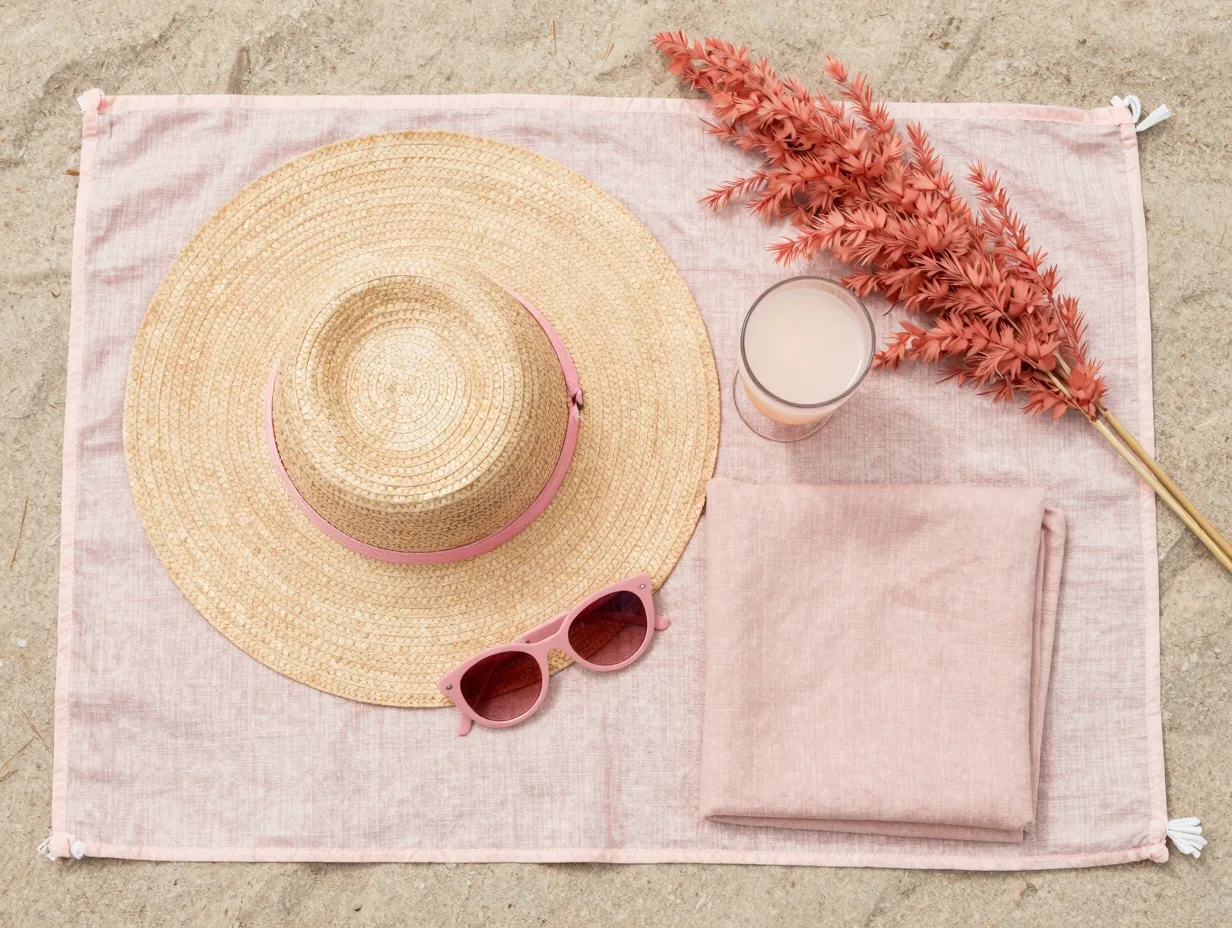
Props are one of the most reliable ways to introduce pink tones into a beach photo regardless of lighting conditions. The right props can anchor the color palette of an entire image and make even a midday shot feel cohesive and intentional.
High-impact pink prop ideas for beach photography:
- Oversized straw hats with pink ribbon trim
- Blush-colored linen cover-ups or sarongs
- Pink beach towels or blankets as ground texture
- Dried pampas grass or tropical flowers in rose and coral shades
- Pink-tinted sunglasses or accessories that catch the light
- Pastel-colored drinks or snacks for flat lay compositions
- Rose or blush-colored umbrellas and parasols
The most effective approach is to layer props at different depths within the frame. A pink towel in the foreground, a blush outfit on the subject, and a coral-tinted sky in the background create a unified color story without looking forced.
4. Choose Wardrobe Colors That Complement the Pink Palette
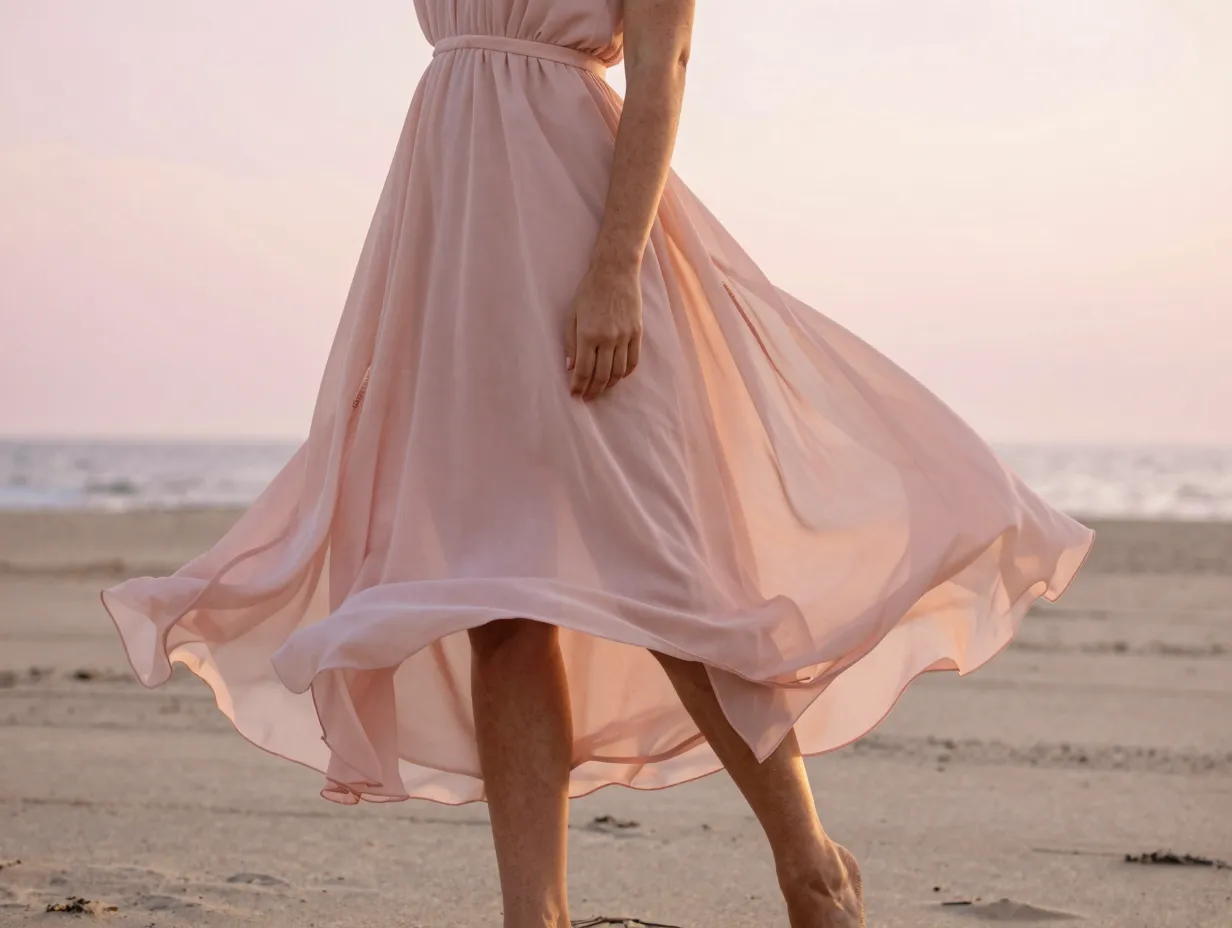
Wardrobe is arguably the most visible element in any travel photo that includes a person. Clothing choices can either reinforce or undermine the pink beach aesthetic entirely.
Best wardrobe colors for a pink beach aesthetic:
- Blush, rose, and dusty pink (direct match to the palette)
- Cream and ivory (neutral tones that let pink surroundings pop)
- Terracotta and rust (warm analogous tones that complement pink)
- Soft lavender and lilac (cool analogous tones for a dreamy contrast)
- White (reflects surrounding pink light beautifully)
Colors to avoid:
- Bright neon shades that compete with the palette
- Dark navy or black, which can feel visually heavy against soft pink tones
- Busy patterns that distract from the overall aesthetic
Flowing fabrics like linen, chiffon, and silk catch the breeze and add movement to beach photos, enhancing the dreamy quality of the image.
5. Apply Pink-Tinted Presets and Color Grading in Post-Processing
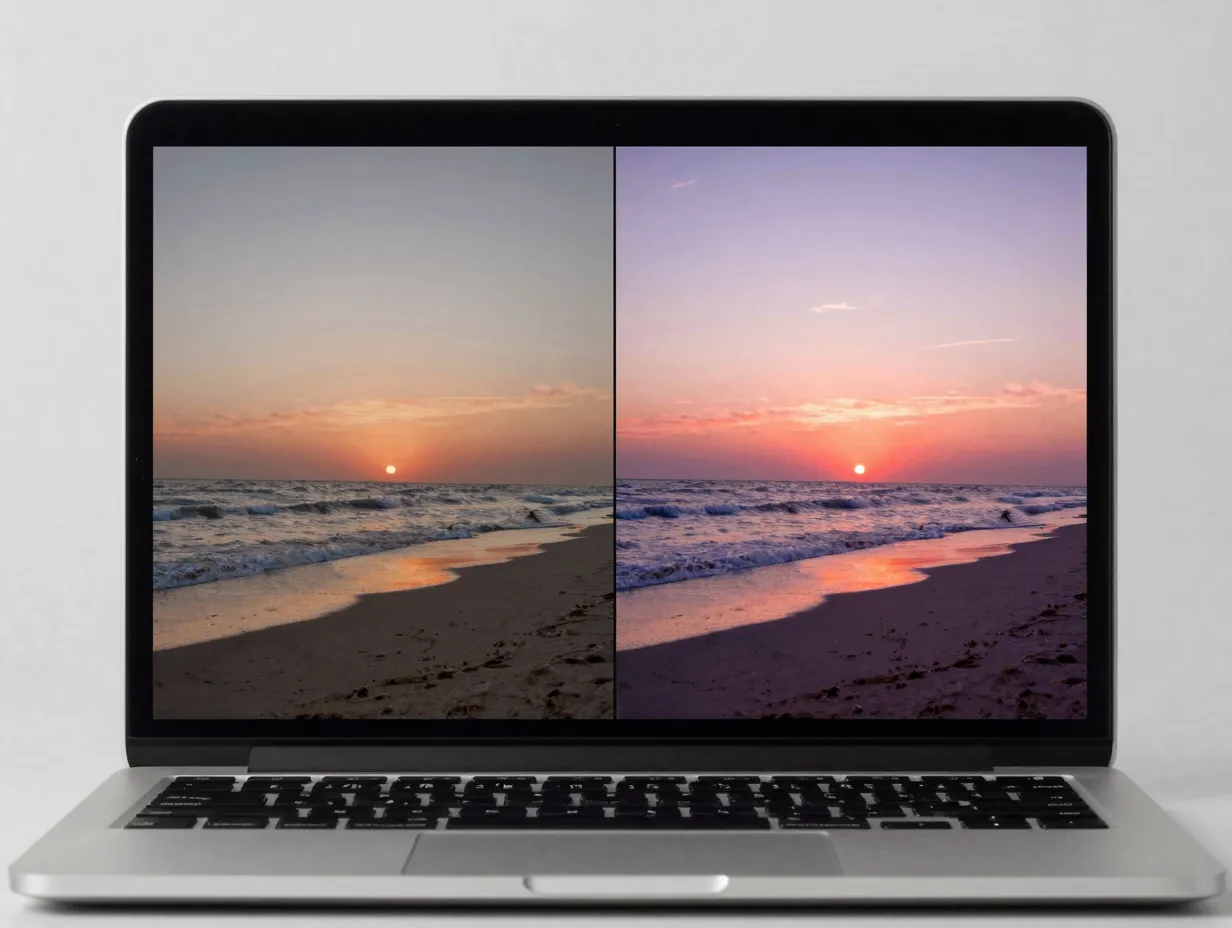
Even the most carefully composed beach photo benefits from intentional color grading in post-processing. A well-designed pink preset can unify an entire series of travel photos into a cohesive aesthetic that feels consistent across different locations and lighting conditions.
Core adjustments for a pink beach aesthetic in editing software:
- Hue shift: Shift reds and oranges slightly toward pink in the HSL (Hue, Saturation, Luminance) panel.
- Tone curve: Add a subtle S-curve with a slight lift in the shadows to create a soft, faded look. Add a touch of red to the highlights and midtones.
- Color balance: Push the highlights toward warm pink and the shadows toward a cool mauve.
- Vibrance vs. saturation: Increase vibrance slightly rather than saturation to keep skin tones natural while boosting the pink in the environment.
- Split toning: Use a warm rose or coral tone in the highlights and a cool lavender in the shadows for a cinematic, dreamy result.
Popular editing platforms like Adobe Lightroom, Lightroom Mobile, and VSCO all support these adjustments. Saving custom presets ensures consistency across an entire travel photo series.
6. Scout Locations With Natural Pink Elements
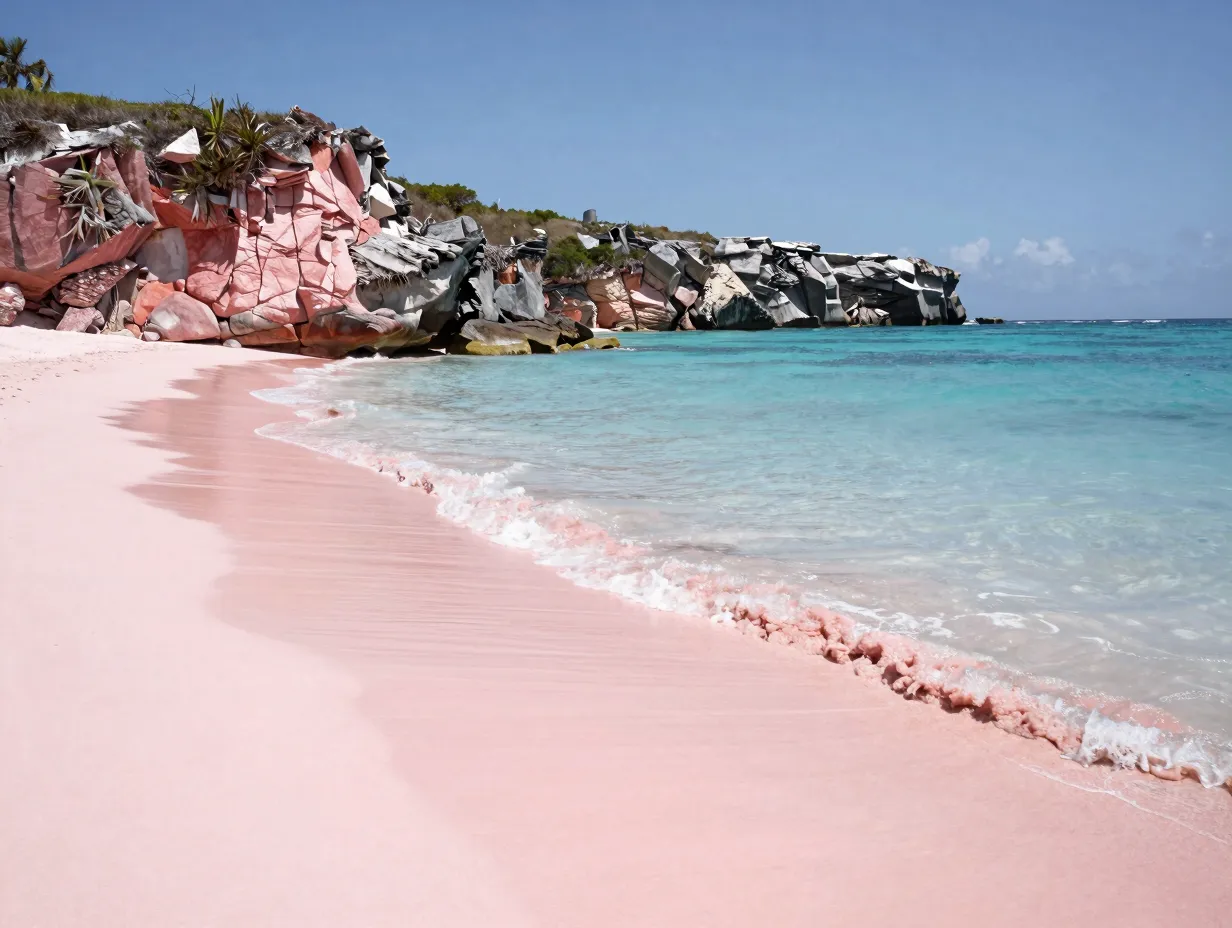
Location scouting is one of the most underrated strategies for achieving a genuine pink beach aesthetic. Certain beaches and coastal environments naturally contain pink-enhancing elements that reduce the amount of editing required.
Natural pink beach elements to look for:
- Pink sand beaches (Bermuda’s Horseshoe Bay, Balos Beach in Greece, Pink Beach in Komodo, Indonesia)
- Flamingo habitats near coastal wetlands
- Bougainvillea or hibiscus flowers growing near the shoreline
- Rose-tinted rock formations or cliffs
- Shallow tide pools that reflect the sky in pink tones
- Coral reefs visible through clear, shallow water
Even on standard beaches, looking for natural reflective surfaces like wet sand, tide pools, and calm water sections helps photographers capture pink sky tones in unexpected places within the frame.
“The best pink beach photos are not manufactured in editing software. They are found in the right location at the right moment, then refined in post-processing.”
7. Master Reflection and Wet Sand Compositions
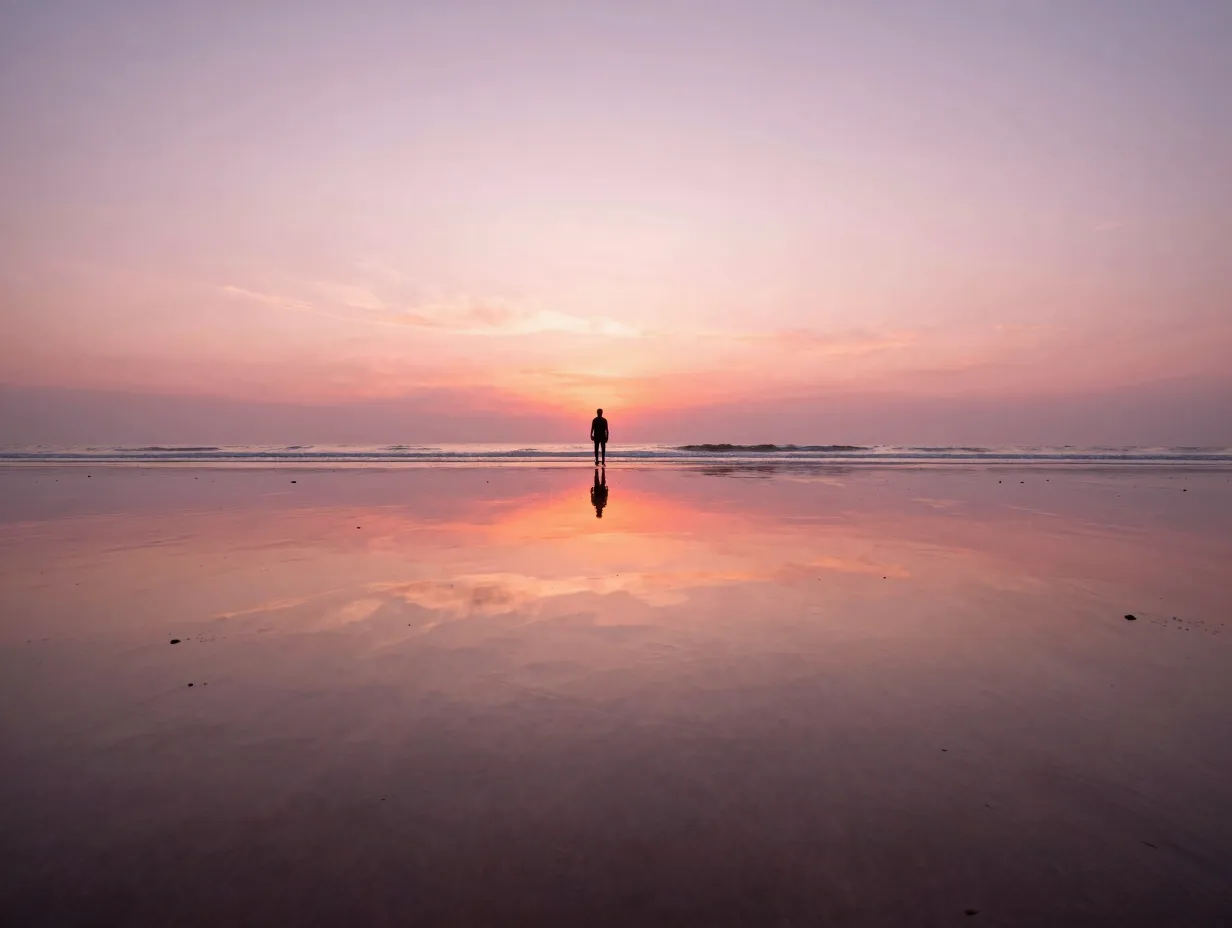
Wet sand is one of the most powerful natural mirrors available to a beach photographer. A thin layer of water left by a retreating wave turns the beach into a reflective surface that doubles the pink sky, creating a symmetrical, dreamlike image.
Techniques for capturing wet sand reflections:
- Get low: Shoot from a nearly ground-level angle (5 to 15 cm above the sand) to maximize the reflective surface in the frame.
- Time the shot: Position the camera just after a wave retreats, when the sand is still wet but the water is shallow enough to be still.
- Use a wide-angle lens: A 16mm to 24mm focal length captures more of the reflective surface and the sky simultaneously.
- Include a subject: A person standing or walking through the reflection adds scale and a human element to the dreamy composition.
This technique works especially well during golden hour and blue hour when the sky contains the strongest pink and coral tones.
8. Incorporate Bokeh and Soft Focus for a Dreamy Quality
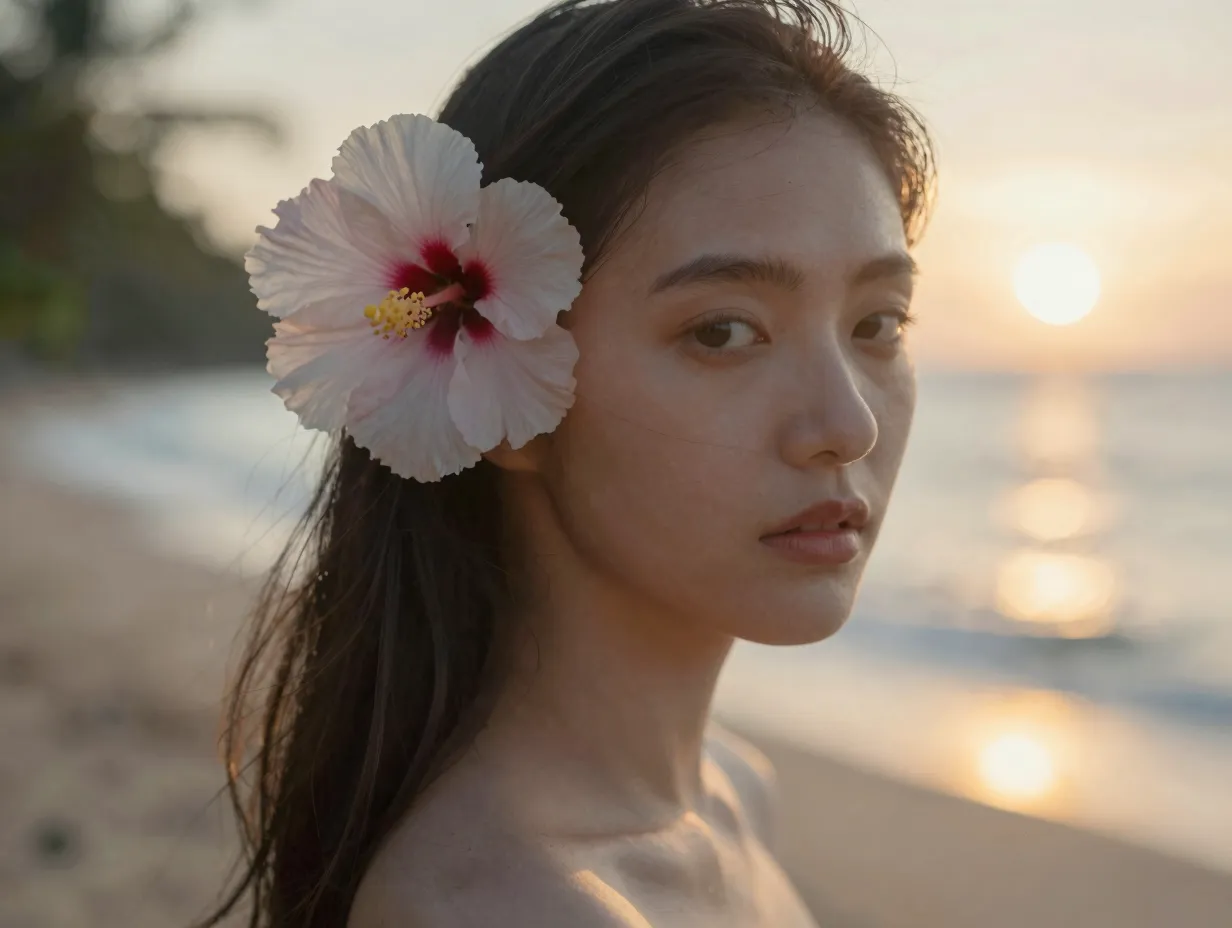
Sharp, clinical images rarely convey the dreamy softness that defines the pink beach aesthetic. Intentional use of bokeh (the blurred background effect created by a wide aperture) and soft focus techniques adds a romantic, ethereal quality to beach photos.
How to create effective bokeh at the beach:
- Use a lens with a maximum aperture of f/1.4, f/1.8, or f/2.8.
- Place the subject close to the camera while keeping the background (waves, horizon, foliage) at a significant distance.
- Use foreground elements like flowers, grass, or sheer fabric to create layered bokeh in front of the subject.
- Shoot in aperture priority mode (Av) to maintain control over depth of field while the camera adjusts exposure automatically.
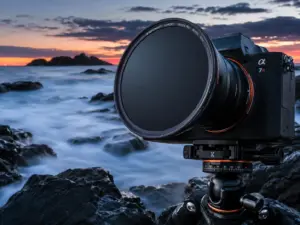
For an even softer, more painterly effect, a diffusion filter (such as a Black Pro-Mist filter) placed over the lens reduces contrast and creates a gentle glow around bright highlights, which is particularly flattering in pink-toned light.
9. Build a Consistent Pink Aesthetic Across a Series of Travel Photos
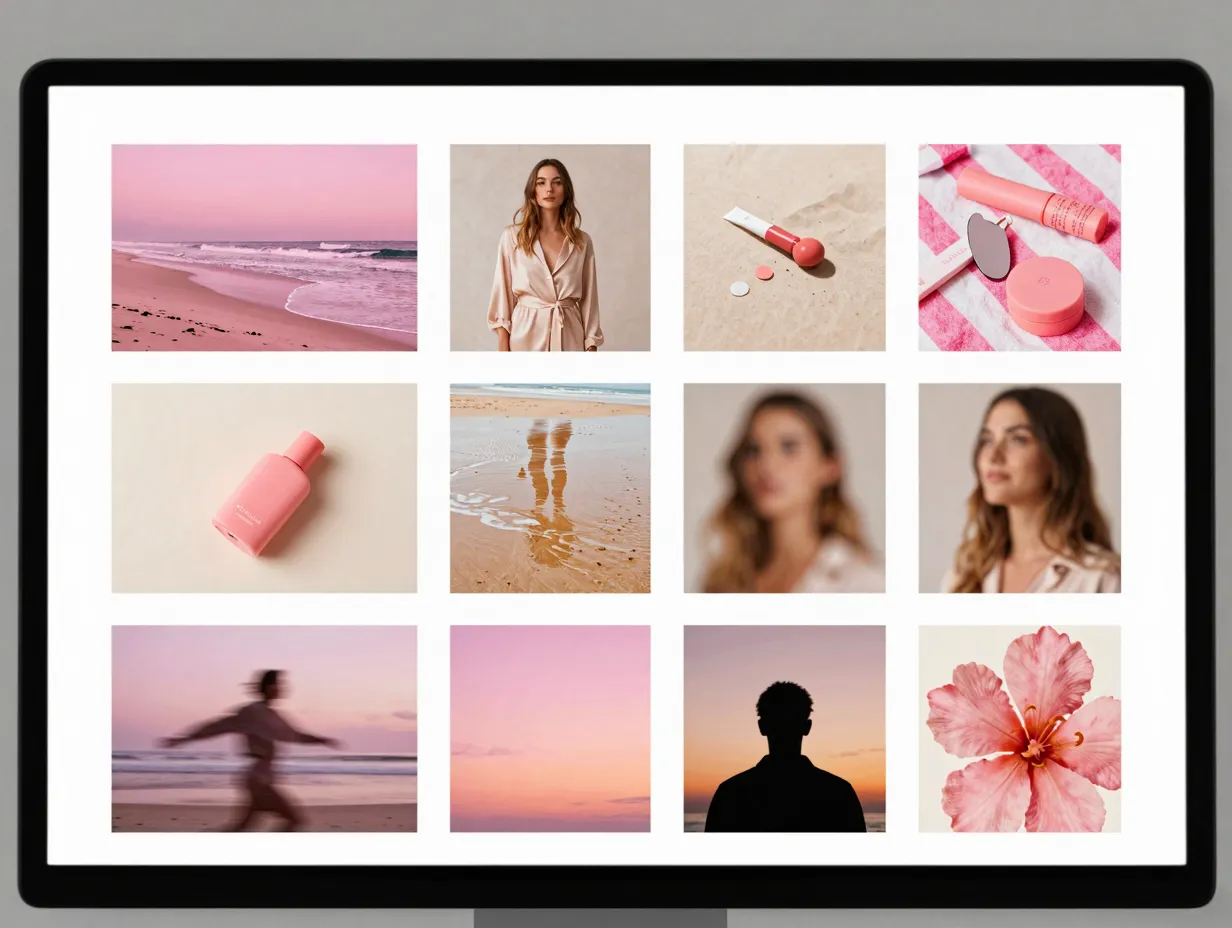
A single stunning pink beach photo is memorable. A cohesive series of pink beach photos builds a recognizable visual identity that audiences associate with a specific creator or travel brand. Consistency is what separates casual photography from intentional content creation.
Strategies for building a consistent pink beach aesthetic series:
- Apply the same preset or editing recipe to every photo in the series.
- Maintain a consistent color palette by returning to the same prop and wardrobe choices across different shots.
- Plan the series with variety in mind: wide establishing shots, medium portraits, close-up detail shots, and flat lays all tell different parts of the same visual story.
- Use a mood board before the shoot to align all creative decisions (location, wardrobe, props, time of day) around a unified vision.
- Review the series as a grid before publishing to ensure tonal and compositional balance.
Recommended shot types for a complete pink beach series:
- Wide landscape shot capturing the full beach environment in pink light
- Medium portrait of a subject in pink or complementary wardrobe
- Close-up detail shot of props, textures, or accessories
- Reflection shot using wet sand or tide pools
- Flat lay composition on a pink towel or blanket
- Action shot (walking, splashing, twirling) with motion blur
- Silhouette shot against a pink-toned sky
Additional Tips for Elevating the Pink Beach Aesthetic
Use a Color Checker Card on Location
Bringing a small color checker card to the beach allows for accurate white balance calibration in post-processing. This makes it significantly easier to shift tones toward pink in editing without introducing unwanted color casts in skin tones or neutrals.
Shoot in RAW Format
RAW files retain far more color information than JPEGs, giving editors much greater control over hue, tone, and saturation adjustments in post-processing. For a color-intensive aesthetic like the pink beach look, shooting in RAW is not optional; it is essential.
Experiment With Lens Filters
Beyond diffusion filters, a circular polarizer reduces glare on water and sand, which can actually make the pink tones in the environment appear more saturated and vivid. A light pink or warming filter can also be used directly on the lens for an in-camera effect.
Time Visits to Coincide With Natural Pink Phenomena
In certain coastal regions, bioluminescent plankton creates pink or blue glowing water after dark. Pink algae blooms, while environmentally sensitive, also create striking natural pink tones in shallow coastal waters. Researching the natural phenomena specific to a destination before arrival opens up creative opportunities that most tourists miss entirely.
Common Mistakes to Avoid When Creating a Pink Beach Aesthetic
Over-editing: Heavy-handed pink filters that turn skin tones unnatural shades of magenta undermine the dreamy quality of the aesthetic. The goal is subtle, believable warmth, not a neon filter.
Ignoring white balance: Incorrect white balance set in-camera makes post-processing adjustments more difficult and can introduce muddy or inconsistent tones across a series.
Shooting only at midday: Harsh midday sun produces flat, cool light with deep shadows. It is the most challenging lighting condition for achieving warm pink tones naturally.
Neglecting the background: A cluttered or tonally inconsistent background competes with the pink palette. Simplifying the background through composition or a wide aperture keeps the viewer’s attention on the intended color story.
Inconsistent editing across a series: Applying different presets or adjustment levels to different photos in a series creates a disjointed aesthetic that undermines the overall visual identity.
Conclusion
These 9 ideas for creating a dreamy pink beach aesthetic in your travel photos provide a complete framework for approaching coastal photography with intention and creativity. The most important takeaway is that the pink beach aesthetic is built through a combination of decisions made before, during, and after the shoot.
Actionable next steps:
- Identify the next beach destination and research golden hour and blue hour times using a free app like PhotoPills or The Photographer’s Ephemeris.
- Build a prop and wardrobe kit centered on blush, rose, cream, and terracotta tones before the trip.
- Create or download a pink-toned Lightroom preset and practice applying it to existing beach photos before the next shoot.
- Plan a shot list that includes at least one reflection composition, one bokeh portrait, and one flat lay to ensure variety within a cohesive series.
- Review the final series as a grid before publishing to confirm tonal consistency and visual balance.
The pink beach aesthetic rewards preparation and patience. With the right light, the right palette, and a clear creative vision, any beach can become the backdrop for travel photos that feel genuinely dreamy.