8 Ways to Capture the Deep Sea Fishing Aesthetic at Home
Fewer than 3% of Americans have ever fished in waters deeper than 100 feet offshore, yet the rugged, salt-worn visual language of deep sea fishing has become one of the most sought-after interior design aesthetics of 2026. From weathered rope accents to vintage nautical charts, the look speaks to something primal: open water, raw adventure, and honest craftsmanship. The good news is that you do not need a charter boat or a coastal address to bring it home. These 8 ways to capture the deep sea fishing aesthetic at home give any space, apartment, cabin, or suburban house, the atmosphere of a seasoned offshore angler’s retreat.
Disclosure: This post contains affiliate links. As an Amazon Associate, we earn from qualifying purchases, and at no extra cost to you.
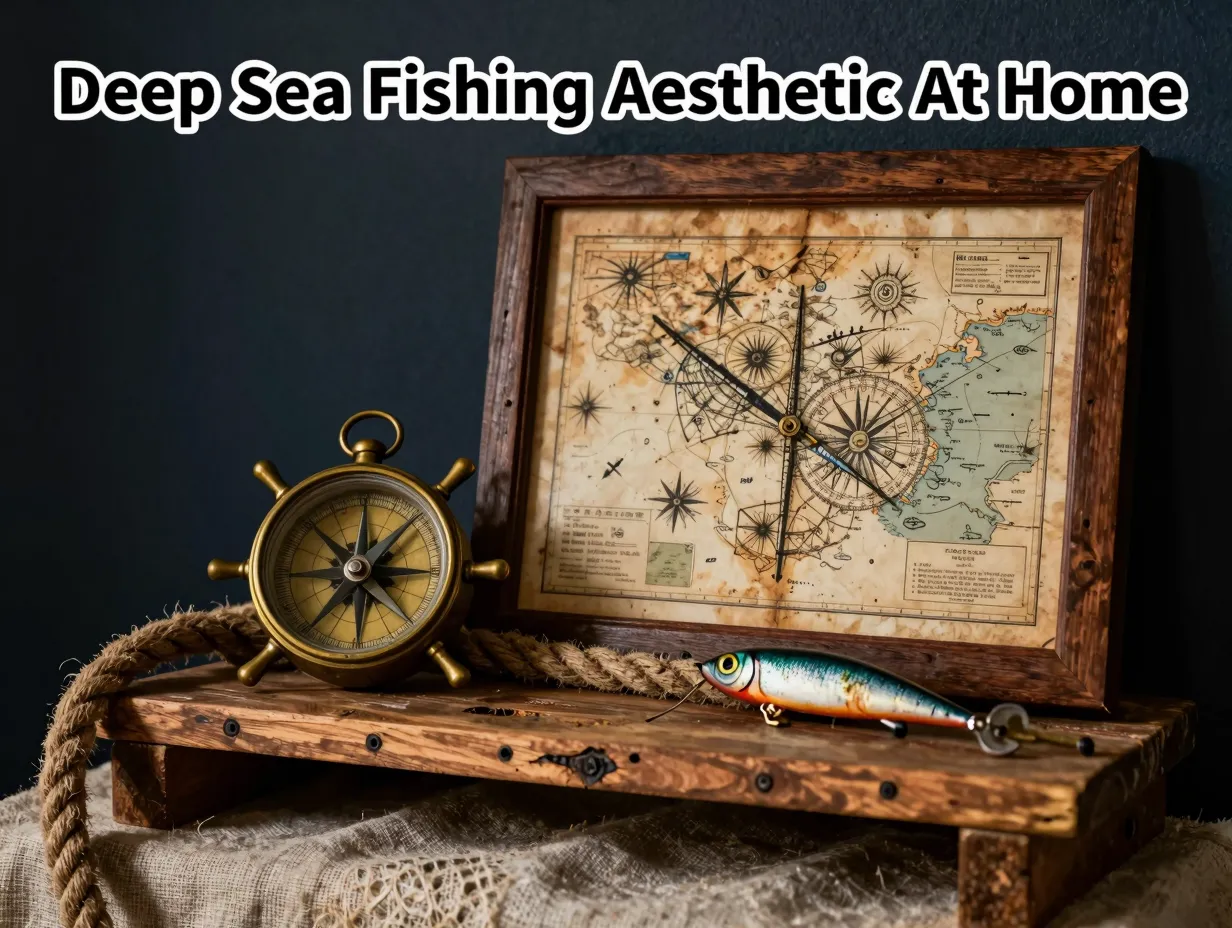
Key Takeaways
- The deep sea fishing aesthetic centers on natural textures, muted ocean-toned palettes, and functional maritime objects repurposed as decor.
- Authentic materials, reclaimed wood, manila rope, aged brass, and sea glass, create more convincing results than mass-produced novelty items.
- Lighting is one of the most powerful and often overlooked tools for establishing the offshore atmosphere indoors.
- Vintage and antique fishing gear, framed charts, and taxidermy mounts serve as high-impact focal points without requiring a full room renovation.
- Layering multiple elements together, color, texture, lighting, and objects, produces a cohesive look rather than a themed novelty space.
What Is the Deep Sea Fishing Aesthetic?
Before diving into the specific methods, it helps to define what separates the deep sea fishing aesthetic from generic “nautical” or “coastal” decor. Generic coastal design often leans toward light blues, white shiplap, and decorative seashells, a breezy beach house feel. The deep sea fishing aesthetic is darker, more rugged, and more purposeful.
Think of the interior of a well-used offshore charter boat: coiled rope, salt-stained wood, heavy brass hardware, tackle boxes, depth charts, and the quiet confidence of equipment that has actually worked hard. The palette runs toward deep navy, charcoal, rust, aged brass, and the warm brown of weathered teak. Every object looks like it earned its place.
This is a working-person’s aesthetic, functional, honest, and deeply atmospheric. The 8 ways to capture the deep sea fishing aesthetic at home outlined below all operate on that principle.
8 Ways to Capture the Deep Sea Fishing Aesthetic at Home
1. Anchor the Color Palette in Deep Ocean Tones
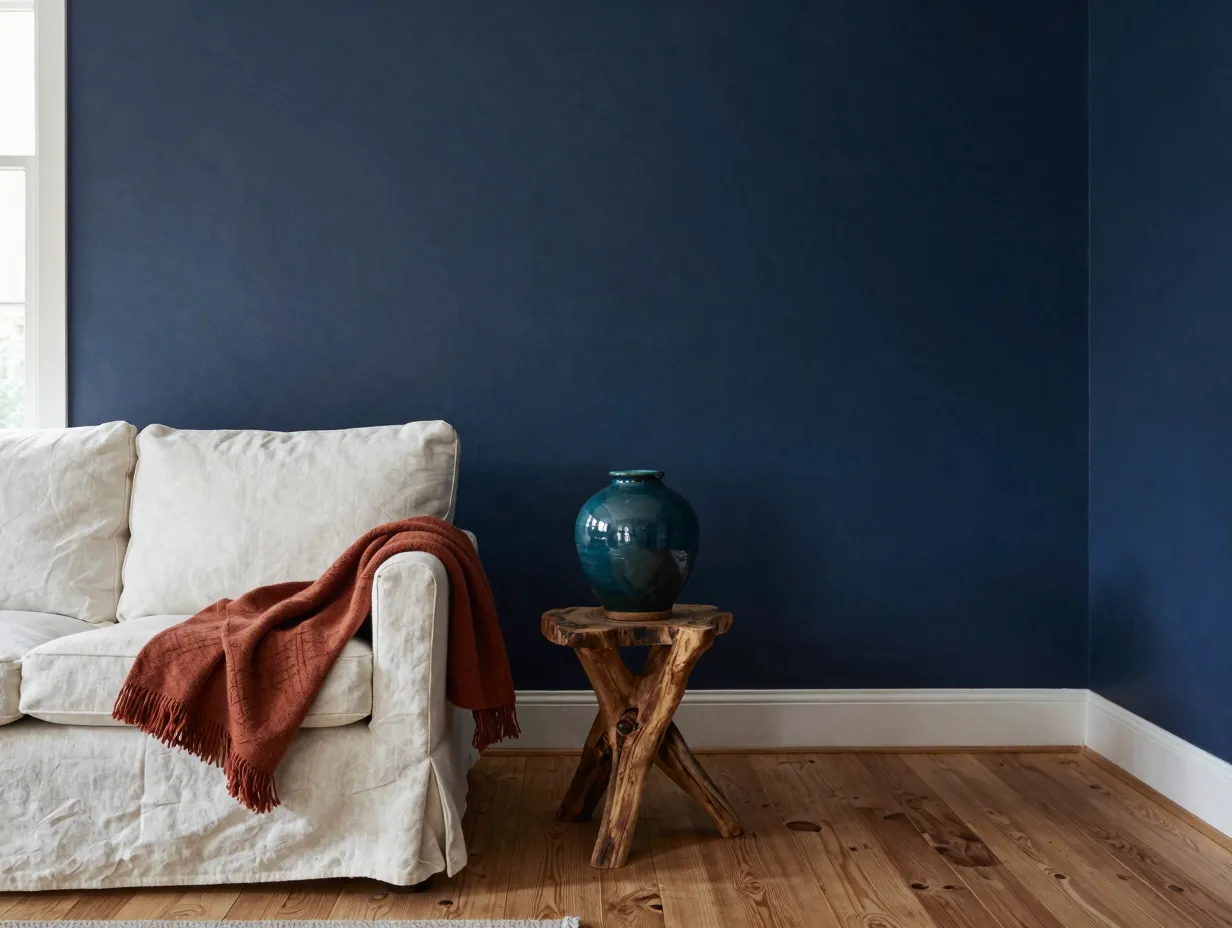
Color is the fastest way to shift a room’s atmosphere. The deep sea fishing aesthetic relies on a palette drawn from the actual environment of offshore fishing: deep navy, slate grey, charcoal, dark teal, and the warm neutrals of weathered wood and rope.
Recommended palette combinations:
| Primary Color | Accent Color | Neutral Base |
|---|---|---|
| Deep navy (walls) | Rust / burnt orange | Warm white or linen |
| Charcoal grey (walls) | Aged brass | Natural oak or driftwood |
| Dark teal (accent wall) | Off-white rope | Weathered pine |
Avoid the mistake of going too bright. Pale aqua and crisp white belong to beach house design, not deep sea. Paint at least one wall in a deep, saturated tone, navy or charcoal works especially well in living rooms, offices, and bedrooms. Pair it with warm wood tones and aged metal finishes to prevent the space from feeling cold.
For rooms where painting is not an option, use large area rugs, throw blankets, and upholstery in these tones to shift the color story without touching the walls.
2. Incorporate Reclaimed Wood and Raw Textures
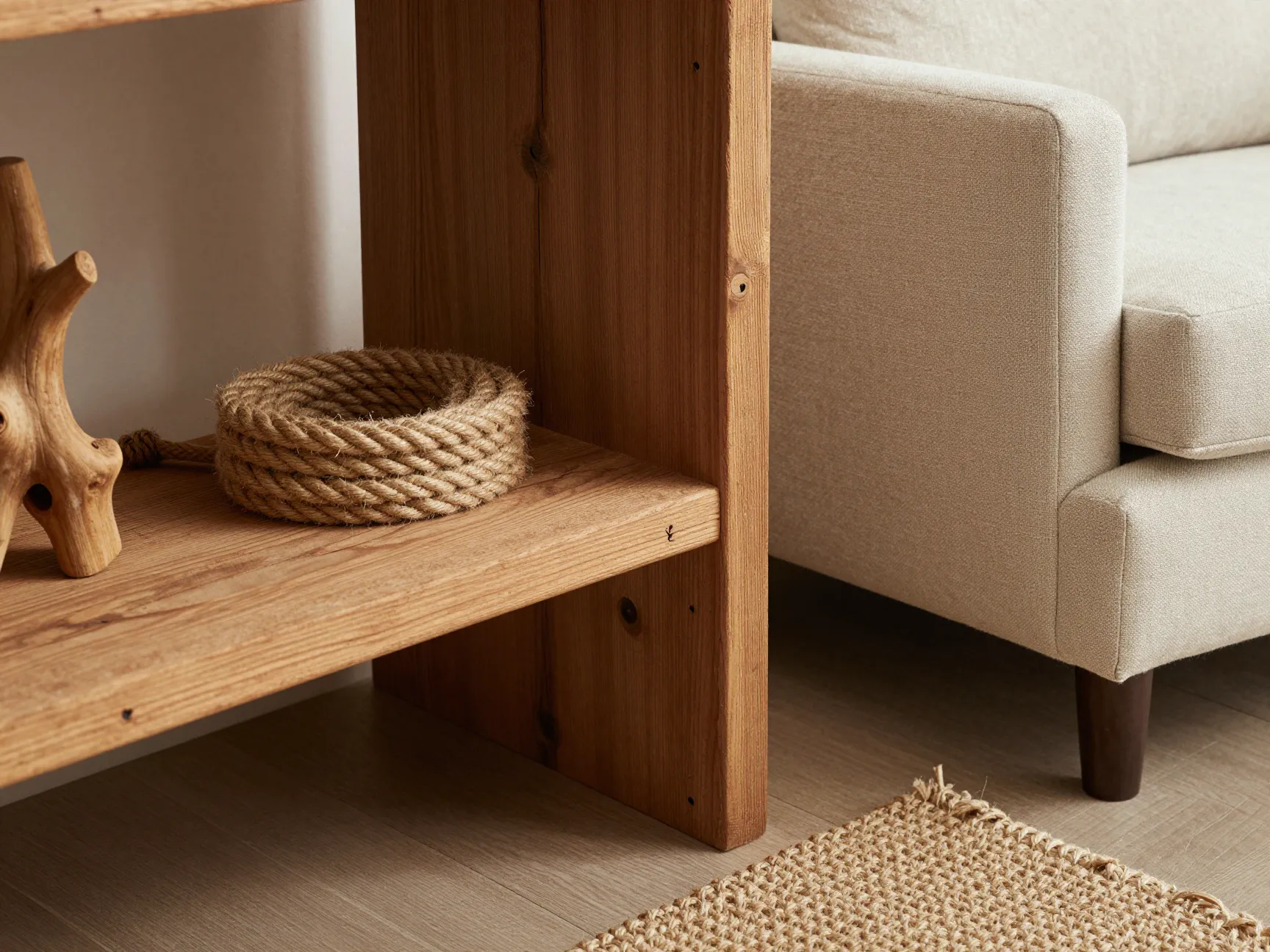
The surfaces aboard a working offshore vessel are never pristine. They are worn, salt-bleached, and full of character. Replicating that texture indoors is one of the most effective of the 8 ways to capture the deep sea fishing aesthetic at home.
High-impact texture applications:
- Reclaimed wood shelving with visible grain and nail holes
- Driftwood centerpieces or lamp bases
- Jute or sisal area rugs in natural tan tones
- Linen and canvas upholstery on sofas and chairs
- Woven rope placemats, coasters, and decorative coils
Reclaimed wood is widely available through architectural salvage yards, online marketplaces, and specialty lumber dealers. A single reclaimed wood shelf or mantel can anchor an entire room’s aesthetic. The key quality to look for is genuine weathering, grain that has opened up, color variation from sun and moisture exposure, and the occasional imperfection that signals real use.
Avoid faux wood vinyl or overly uniform “distressed” finishes sold at big-box stores. They read as costume rather than character.
3. Display Vintage Nautical Charts and Maps
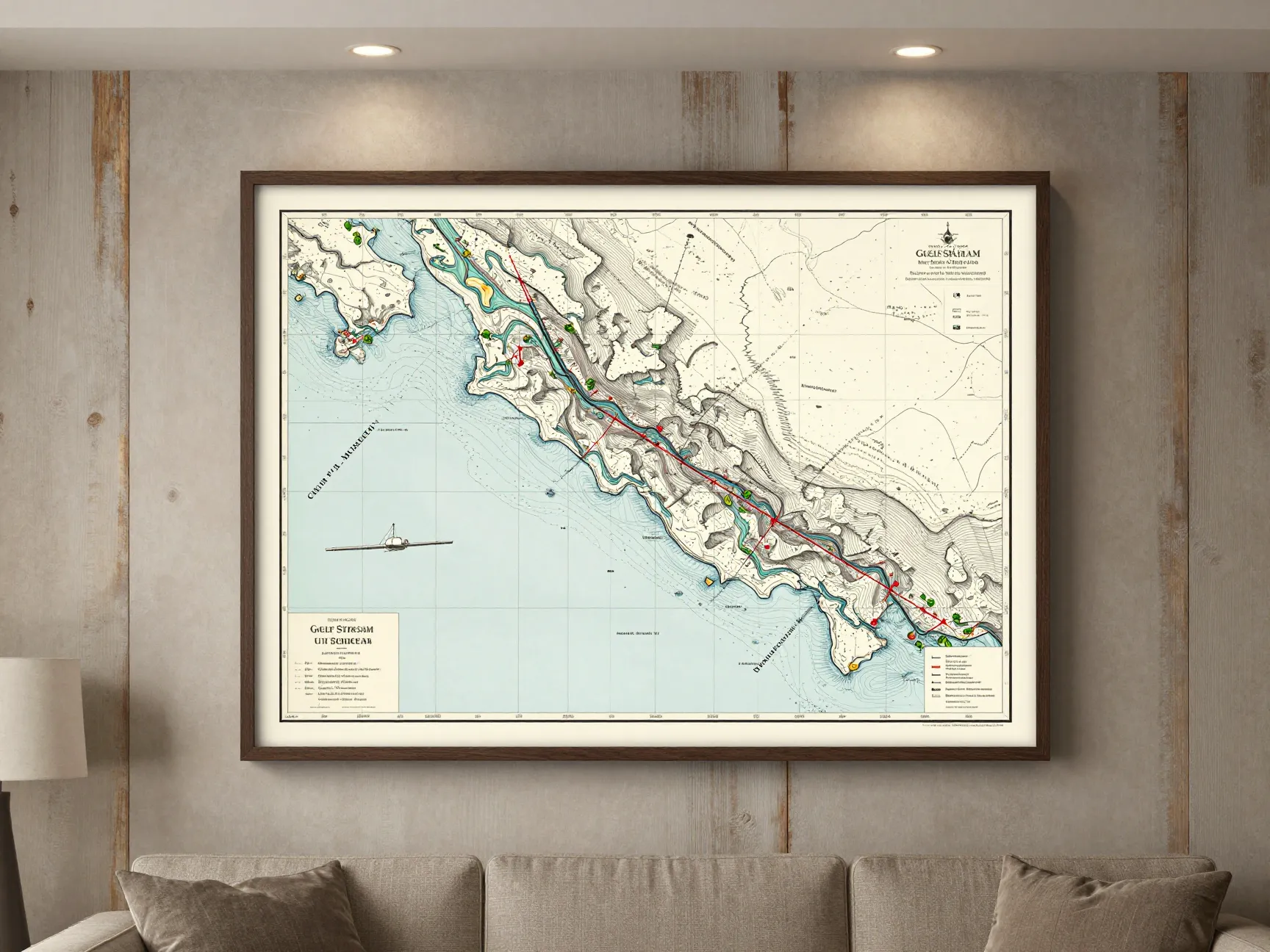
Nothing communicates the deep sea fishing world more directly than a nautical chart. These are the actual working maps that offshore captains use, dense with depth soundings, underwater topography, shipping lanes, and fishing grounds. As framed wall art, they are both visually striking and deeply authentic.
Where to source vintage nautical charts:
- NOAA (National Oceanic and Atmospheric Administration) sells historical chart reproductions
- Estate sales and antique shops in coastal cities
- Online auction platforms and vintage map dealers
- University library surplus sales
Choose charts of regions with personal meaning, the waters where a family member fished, a coastline from a memorable trip, or simply a famous deep sea fishing ground like the Gulf Stream, the Grand Banks, or the waters off Cabo San Lucas.
Frame charts in simple dark wood or aged brass frames. A large-format chart (24×36 inches or bigger) works well as a single statement piece above a sofa or fireplace. A gallery wall of three to five smaller charts, mixed with black-and-white photographs of fishing boats, creates a more layered, editorial effect.
“A nautical chart is not decoration, it is a record of the sea floor. Hanging one on a wall is the closest most people will ever get to reading the ocean.”
4. Use Authentic Fishing Gear as Functional Decor
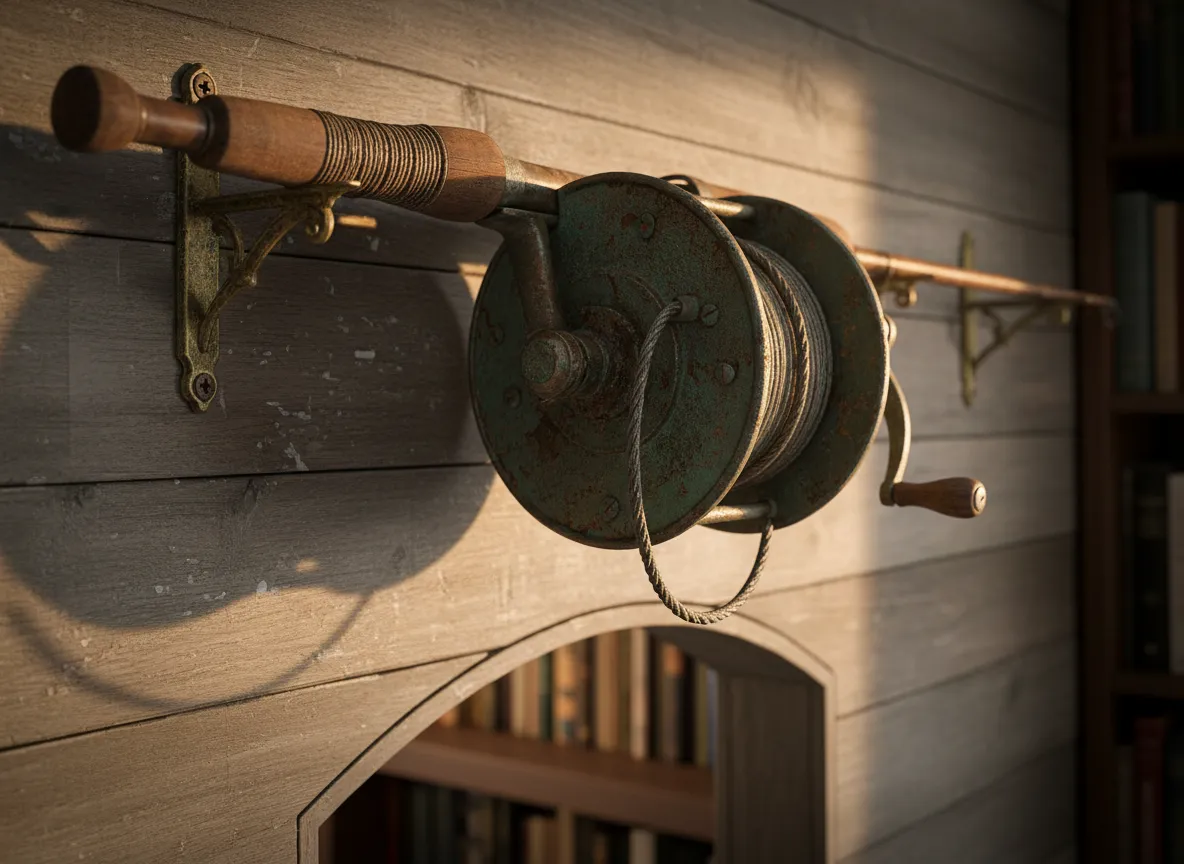
One of the defining principles of the deep sea fishing aesthetic is that objects should look like they have a purpose, or once did. Repurposing actual fishing gear as home decor achieves this instantly and at a relatively low cost.
Fishing gear with strong decorative potential:
- Deep sea fishing rods and reels mounted horizontally on wall brackets above windows or doorways
- Vintage lures and jigs displayed in shadow box frames or glass-lidded display cases
- Tackle boxes used as side tables, coffee table accents, or bathroom storage
- Gaff hooks and fighting belts hung on pegboards or wooden panels
- Fishing nets draped over shelving, used as curtain alternatives, or hung as ceiling accents
The most convincing pieces are those that show real wear, a reel with salt corrosion, a lure with chipped paint, a net with repaired sections. These imperfections are not flaws; they are the entire point. Seek out gear at estate sales, flea markets, and fishing supply liquidators rather than purchasing new decorative reproductions.
5. Install Rope and Rigging Accents Throughout the Space
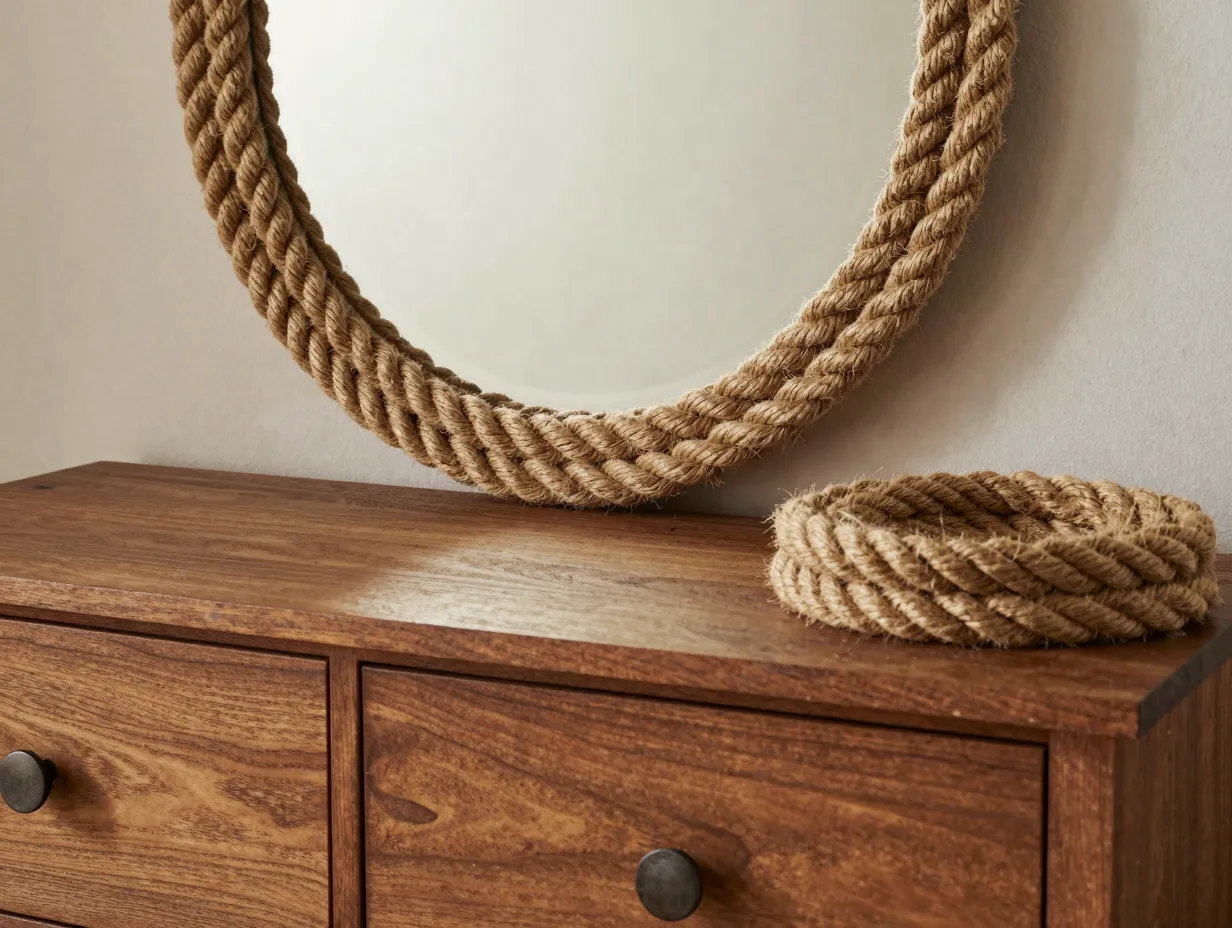
Rope is to the deep sea fishing aesthetic what exposed brick is to industrial loft design, a foundational texture that ties the entire look together. The good news is that rope is inexpensive, versatile, and easy to work with.
Practical rope accent applications:
- Wrap rope around curtain rods, stair railings, or lamp bases
- Create a rope-framed mirror by hot-gluing thick manila rope around a plain mirror frame
- Use knotted rope as drawer pulls on dressers, cabinets, or kitchen islands
- Hang pendant lights using thick rope instead of standard cord covers
- Display coiled rope on shelves as standalone sculptural objects
Manila rope (natural fiber) is the most authentic choice for this aesthetic. It has the warm tan color and rough texture associated with working vessels. Avoid synthetic polypropylene rope in bright white or neon colors, it reads as hardware store rather than offshore.
For more advanced applications, learning a few basic sailor’s knots, the bowline, the cleat hitch, the monkey’s fist, and incorporating them as decorative knots adds a layer of genuine craftsmanship that mass-produced decor cannot replicate.
6. Choose Lighting That Mimics the Offshore Environment
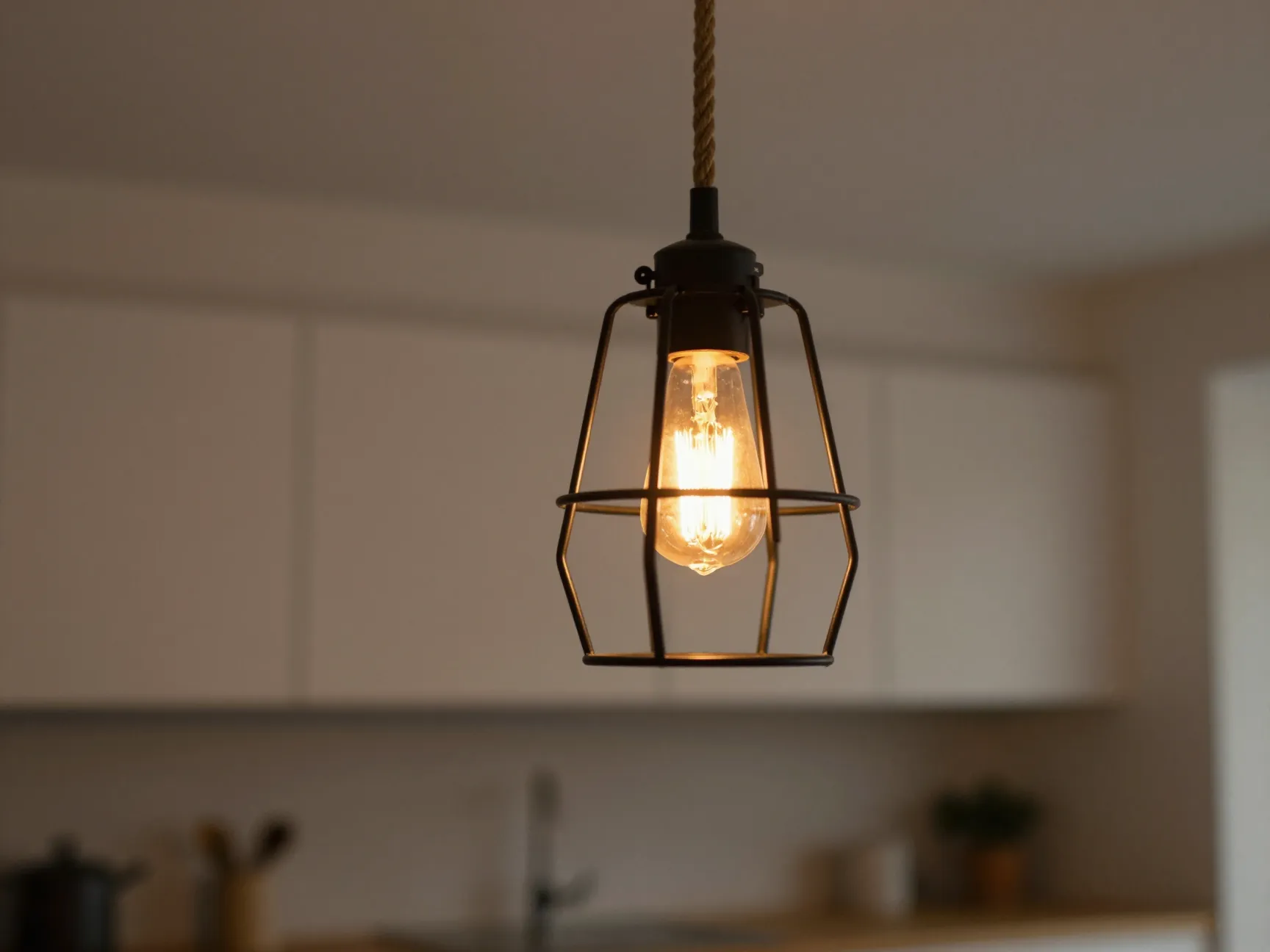
Lighting is one of the most powerful tools in interior design, and it is frequently underused when people attempt to recreate a specific aesthetic. The offshore fishing environment has a distinctive quality of light: the warm amber of a sunrise on the water, the harsh overhead glare of midday, the deep blue of dusk, and the focused beam of a work light over the stern.
Lighting strategies for the deep sea fishing aesthetic:
- Edison bulb pendants in cage or industrial fixtures evoke the utility lighting of a boat’s cabin
- Rope-wrapped pendant lights combine two key aesthetic elements in a single fixture
- Warm-toned bulbs (2700K-3000K) replicate the amber quality of sunrise and sunset on the water
- Directional spotlights aimed at key decor pieces, a mounted fish, a framed chart, mimic the focused work lights of an offshore vessel
- Lantern-style table lamps with amber glass shades reinforce the maritime atmosphere
Avoid cool-white LED strips or recessed lighting as the primary light source in spaces designed around this aesthetic. They flatten the texture of rope, wood, and aged metal that the look depends on. Layer multiple light sources at different heights, ceiling pendants, table lamps, and floor lamps, to create depth and warmth.
7. Mount a Statement Fish or Marine Trophy Piece
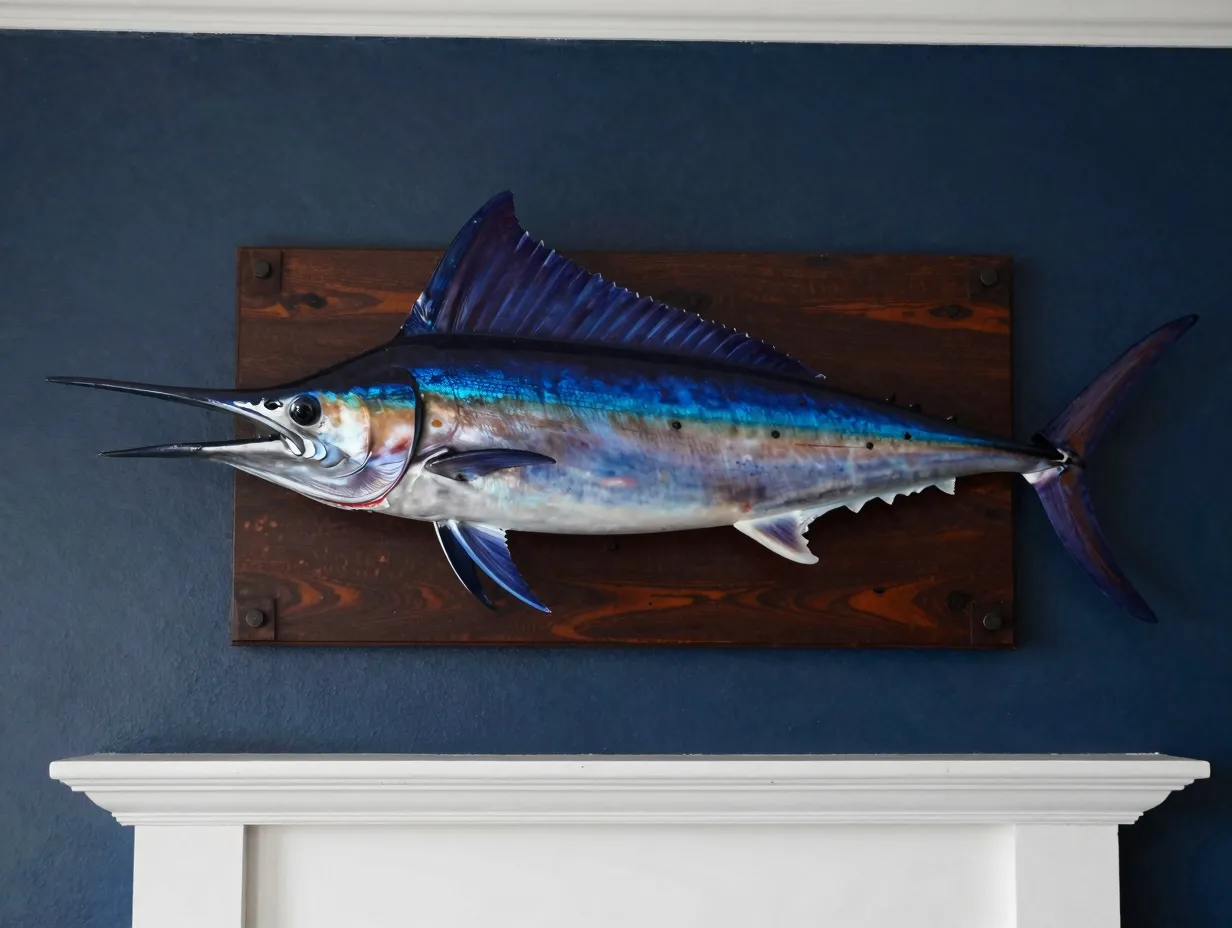
Few decorative elements signal the deep sea fishing world as powerfully as a mounted fish. A well-executed mount or replica of a billfish, tuna, mahi-mahi, or wahoo becomes an instant focal point and a conversation piece that anchors the entire room’s identity.
Options across different budgets and preferences:
- Traditional taxidermy mounts using actual fish skins, typically sourced from taxidermists or estate sales
- Fiberglass replica mounts produced from molds, these are more durable, more color-accurate, and do not require a harvested fish
- Carved wood fish sculptures in painted or natural finishes, available from folk art dealers and coastal artisans
- Vintage tin or cast iron fish signs from old bait shops and fishing lodges
The marlin is the iconic choice, its dramatic silhouette and association with big-game offshore fishing make it immediately recognizable. However, a large bluefin tuna mount, a swordfish bill, or even a beautifully detailed replica of a local species can work just as well, especially if it carries personal significance.
Mount the piece at eye level or slightly above on a solid wall with appropriate backing. A dark wood plaque or a section of reclaimed board behind the mount adds depth and prevents the piece from looking like it was simply nailed to drywall.
8. Layer in Maritime Antiques and Brass Hardware
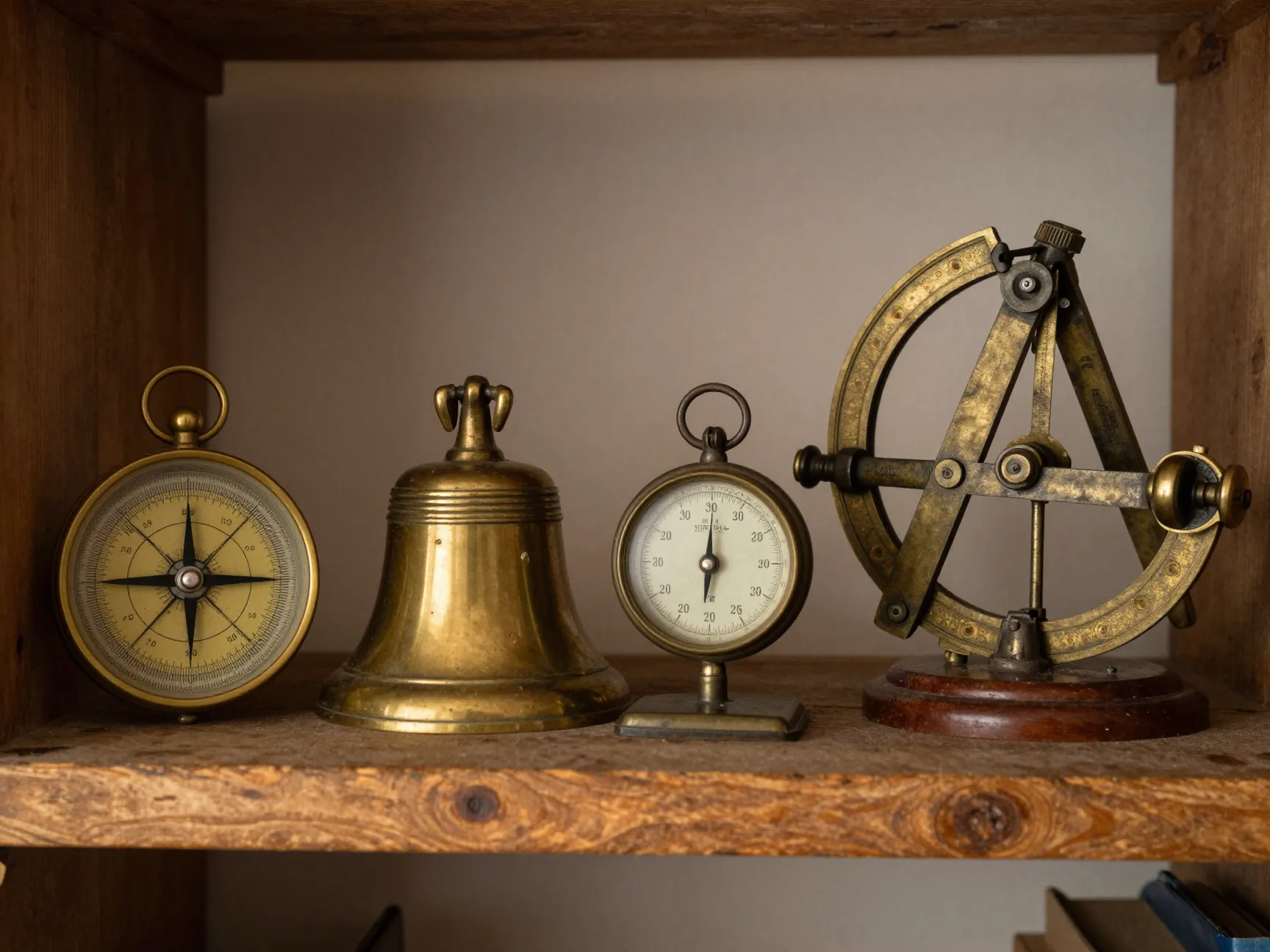
The final element that elevates the deep sea fishing aesthetic from a collection of themed objects to a genuinely cohesive interior is the presence of authentic maritime antiques and aged hardware. These pieces carry real history and a quality of craftsmanship that contemporary reproductions rarely match.
High-value maritime antiques to seek out:
- Brass compass roses and binnacle compasses displayed on shelves or used as bookends
- Ship’s bells mounted near entryways
- Vintage depth finders and fish finders from the pre-digital era, displayed as industrial sculpture
- Porthole mirrors, actual brass portholes repurposed as wall mirrors are widely available and immediately recognizable
- Antique lanterns converted to candle holders or electric lamps
- Navigation instruments, sextants, parallel rulers, dividers, arranged in display trays
Brass is the dominant metal finish in this aesthetic. Its warm, aged tone works beautifully against dark navy walls and reclaimed wood. Avoid polishing antique brass to a high shine, the patina is the point. A lightly tarnished compass or ship’s bell reads as genuine; a gleaming reproduction reads as a gift shop souvenir.
Sourcing maritime antiques is genuinely enjoyable. Coastal antique shops, maritime museums with deaccession sales, estate sales in fishing communities, and specialized online dealers all offer authentic pieces at a wide range of price points.
Putting It All Together: A Room-by-Room Strategy
Understanding the 8 ways to capture the deep sea fishing aesthetic at home individually is useful, but the real impact comes from combining them thoughtfully across different spaces.
Living Room: Lead with a deep navy or charcoal accent wall, a large framed nautical chart, a mounted fish above the fireplace, and rope-wrapped pendant lighting. Add reclaimed wood shelving with displayed vintage lures and a brass compass.
Home Office: Use dark teal walls, a reclaimed wood desk, Edison bulb task lighting, and a shadow box of vintage deep sea lures above the desk. A porthole mirror and a vintage tackle box used as a document organizer complete the look.
Bedroom: Keep the palette moody with charcoal and navy bedding in linen or canvas textures. A single large nautical chart above the bed, rope-wrapped bedside lamp bases, and driftwood nightstand accents create atmosphere without overwhelming the space.
Bathroom: This is an ideal space for concentrated maritime detail. A porthole mirror, rope-wrapped towel rings, aged brass fixtures, and a small shadow box of fishing flies or lures transform a standard bathroom into a standout space.
Common Mistakes to Avoid
Even with the best intentions, certain choices undermine the deep sea fishing aesthetic and push it toward kitsch rather than character.
- Overusing novelty items: Decorative anchors, plastic seashells, and “Gone Fishing” signs signal a theme park, not an authentic space.
- Ignoring scale: A single small decorative item on a large wall disappears. Invest in fewer, larger pieces rather than many small ones.
- Mixing too many coastal sub-styles: Beach house, nautical, and deep sea fishing are related but distinct. Pick one and commit.
- Neglecting lighting: The most carefully curated collection of objects will fall flat under harsh fluorescent or cool LED light.
- Choosing new over authentic: Reproductions lack the patina and imperfection that make this aesthetic convincing. Prioritize genuine vintage and antique pieces wherever possible.
Conclusion
The deep sea fishing aesthetic is one of the most compelling and underutilized directions in residential interior design. It rewards patience, authenticity, and a willingness to seek out objects with genuine history. The 8 ways to capture the deep sea fishing aesthetic at home covered in this guide, from deep ocean color palettes and reclaimed wood textures to vintage nautical charts, authentic fishing gear, rope accents, purposeful lighting, statement fish mounts, and maritime antiques, work together as a system rather than a checklist.
Actionable next steps:
- Start with color. Paint one wall in deep navy or charcoal before purchasing any decor.
- Visit a local antique shop or estate sale with maritime pieces in mind. Handle the objects and look for genuine wear.
- Source a large-format nautical chart of a meaningful body of water and have it professionally framed.
- Replace at least one overhead light fixture with a rope-wrapped or cage-style Edison pendant.
- Add one statement piece, a mounted fish, a porthole mirror, or a brass compass, as the room’s focal point.
Build the look gradually. The deep sea fishing aesthetic is not assembled in a single shopping trip, it is accumulated over time, the way a real angler’s collection of gear and trophies grows across a lifetime on the water.