9 Key Pieces of Archer Equipment for Improved Accuracy
Only 3% of beginner archers consistently hit a 10-ring at 30 meters within their first year of training, and equipment choice accounts for a significant portion of that gap. Skill matters, but the right gear creates the mechanical foundation that skill can build on. Understanding the 9 key pieces of archer equipment for improved accuracy separates archers who plateau from those who progress steadily. Whether shooting recurve, compound, or barebow, every piece of equipment in this guide directly influences arrow flight, consistency, and shot-to-shot repeatability.
Disclosure: This post contains affiliate links. As an Amazon Associate, we earn from qualifying purchases, and at no extra cost to you.
Key Takeaways
- Accuracy in archery depends on a system of interconnected equipment, not a single item.
- A properly fitted bow is the single most important starting point for any archer.
- Sights, rests, and stabilizers work together to reduce human error and improve consistency.
- Release aids and finger tabs protect form and deliver repeatable string release.
- Investing in quality arrows matched to your bow’s draw weight dramatically tightens groupings.
Why Equipment Matters as Much as Technique
Archery coaches often say that bad equipment can make a good archer look average. This is not an exaggeration. When a bow is poorly tuned or an arrow is mismatched to the draw weight, no amount of form correction will produce tight groupings. The physics are unforgiving: a spine that is too weak causes the arrow to fishtail; a sight that shifts under recoil introduces random error; a worn arrow rest creates inconsistent contact.
The 9 key pieces of archer equipment for improved accuracy outlined in this article are not luxury upgrades. They are functional tools, each addressing a specific variable in the shot cycle. Understanding what each piece does, and why it matters, allows archers to make informed purchases and diagnose problems faster.
“Archery is a sport of eliminating variables. Every piece of equipment either introduces error or removes it.”
The 9 Key Pieces of Archer Equipment for Improved Accuracy
1. The Bow
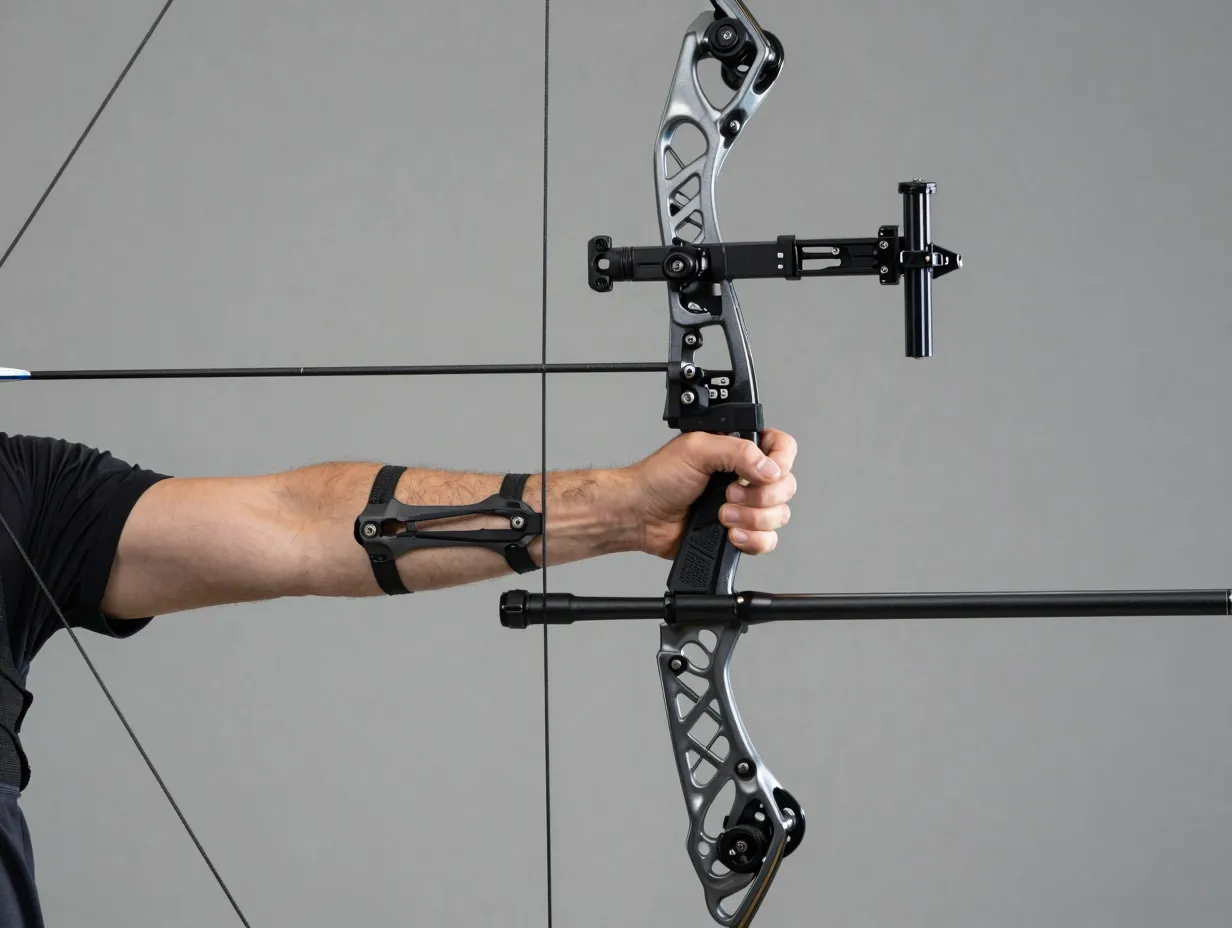
The bow is the foundation of the entire system. No other piece of equipment compensates for a bow that does not fit the archer’s draw length, draw weight, or shooting style.
Key considerations when selecting a bow:
- Draw length must match the archer’s arm span. A draw length that is too long forces the archer to overextend; too short creates a cramped anchor point.
- Draw weight should be manageable enough to hold at full draw for two to three seconds without shaking. Most beginners benefit from starting between 20 and 35 pounds.
- Bow type, recurve, compound, or longbow, determines what accessories are compatible and what shooting style is required.
A well-fitted bow allows the archer to focus on form rather than fighting the equipment. Before adding any accessories, confirm that the bow itself is properly sized and tuned.
2. Arrows
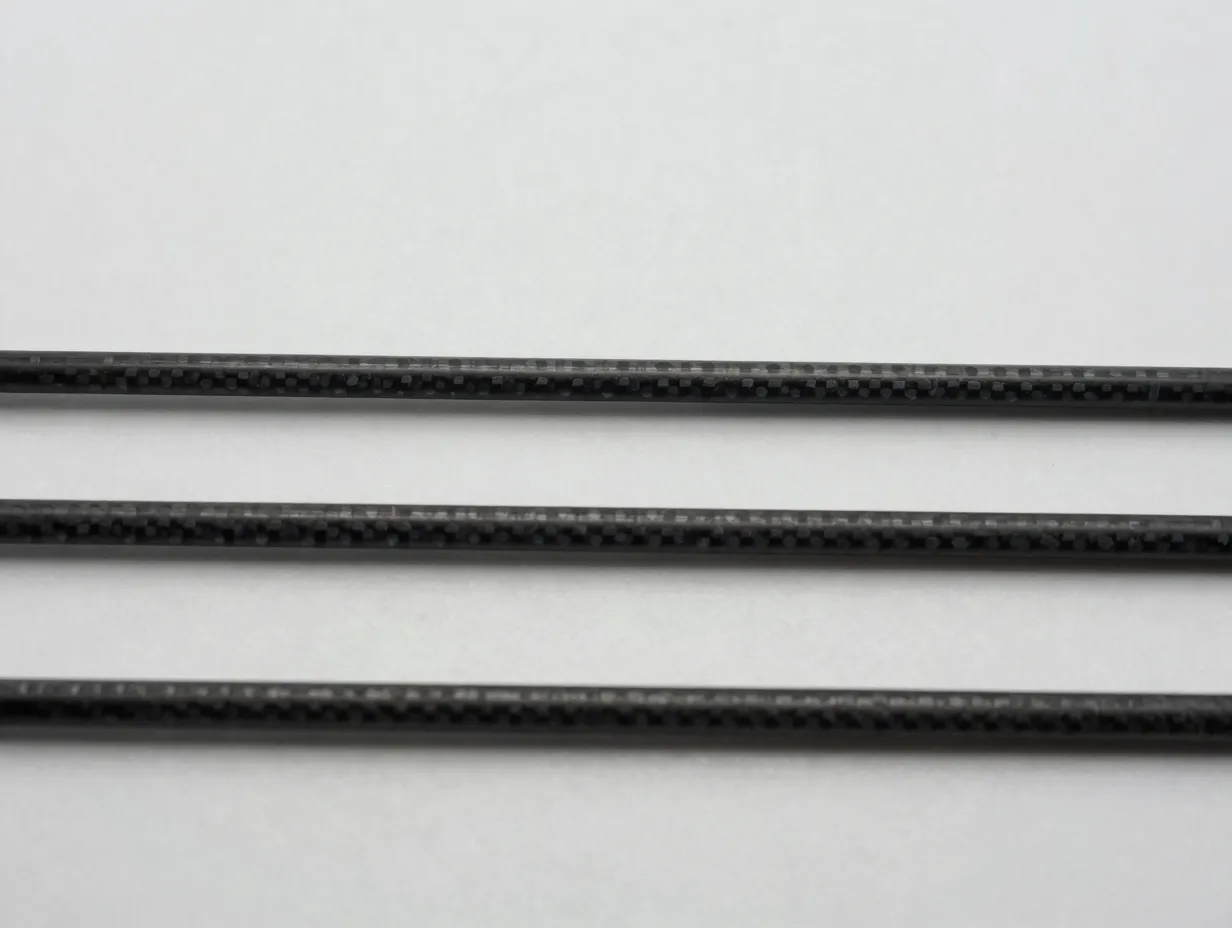
Arrows are arguably the most misunderstood piece of archery equipment. Many archers invest heavily in their bow and then purchase the cheapest arrows available, which undermines every other investment.
Arrow spine refers to the stiffness of the shaft. Spine must be matched to the bow’s draw weight and the arrow’s length. An arrow that is too flexible (weak spine) will bend excessively as it leaves the bow, causing erratic flight.
| Arrow Material | Weight | Durability | Best For |
|---|---|---|---|
| Carbon | Light | High | Target, field, hunting |
| Aluminum | Medium | Medium | Target, beginner |
| Carbon/Aluminum | Medium | Very High | Olympic, competition |
| Wood | Heavy | Low | Traditional, barebow |
Consistency is critical. Every arrow in a set should have the same spine rating, length, and fletching orientation. Even one mismatched arrow in a quiver introduces confusion when diagnosing grouping problems.
3. Bow Sight
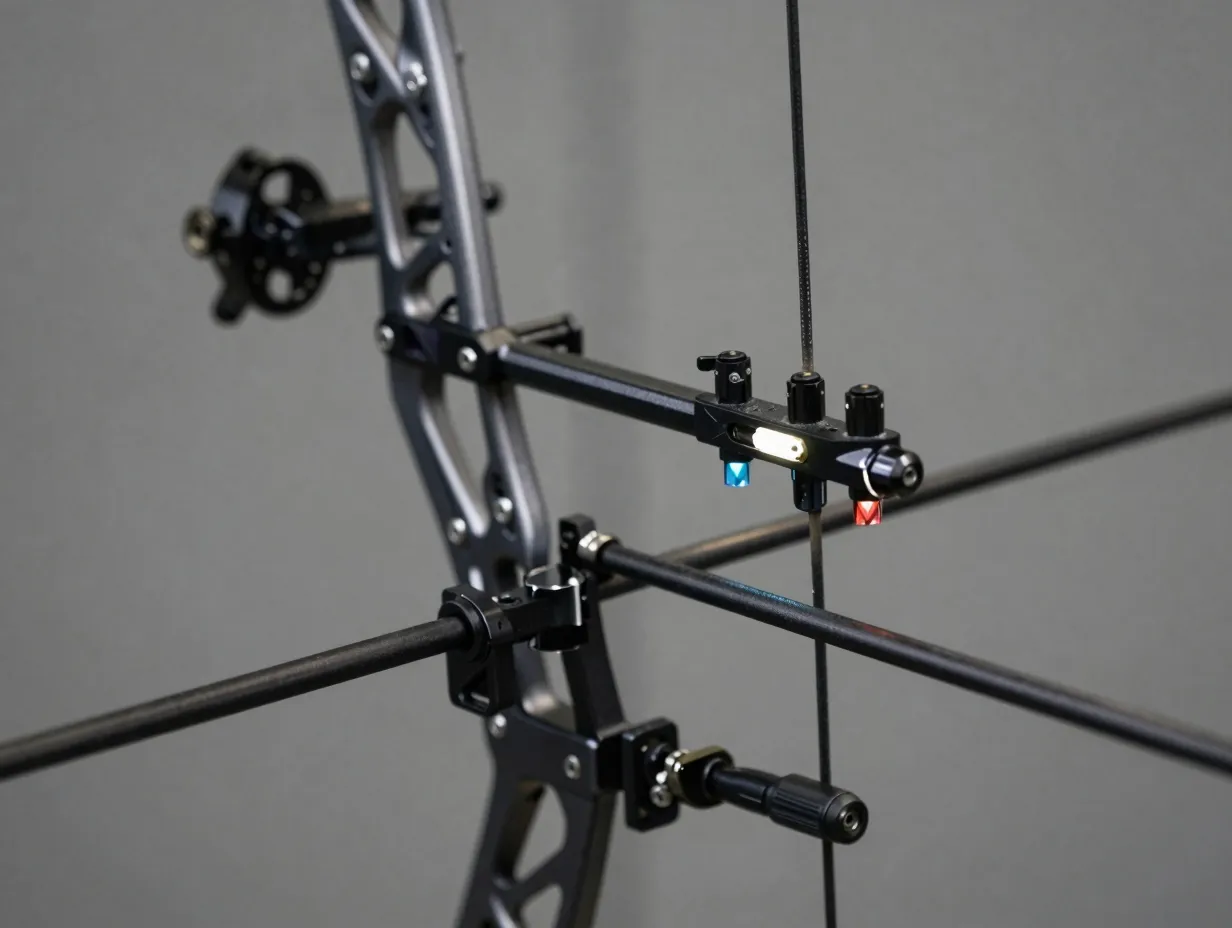
A bow sight gives the archer a reference point for aiming. Without one, the archer relies entirely on instinctive shooting, which takes years to develop reliably.
Types of bow sights:
- Single-pin adjustable sights are popular for hunting. The archer adjusts the pin for each distance.
- Multi-pin fixed sights offer pre-set pins for common distances (typically 20, 30, 40, and 50 yards).
- Target sights feature a micro-adjustable single pin with a larger aperture, used in Olympic and field archery.
A sight with a fiber optic pin collects ambient light, making the pin bright and easy to see even in low-light conditions. When choosing a sight, prioritize a solid mounting system that resists movement under repeated recoil. A sight that shifts even one millimeter between shots creates groupings that spread inches apart at 30 meters.
4. Arrow Rest
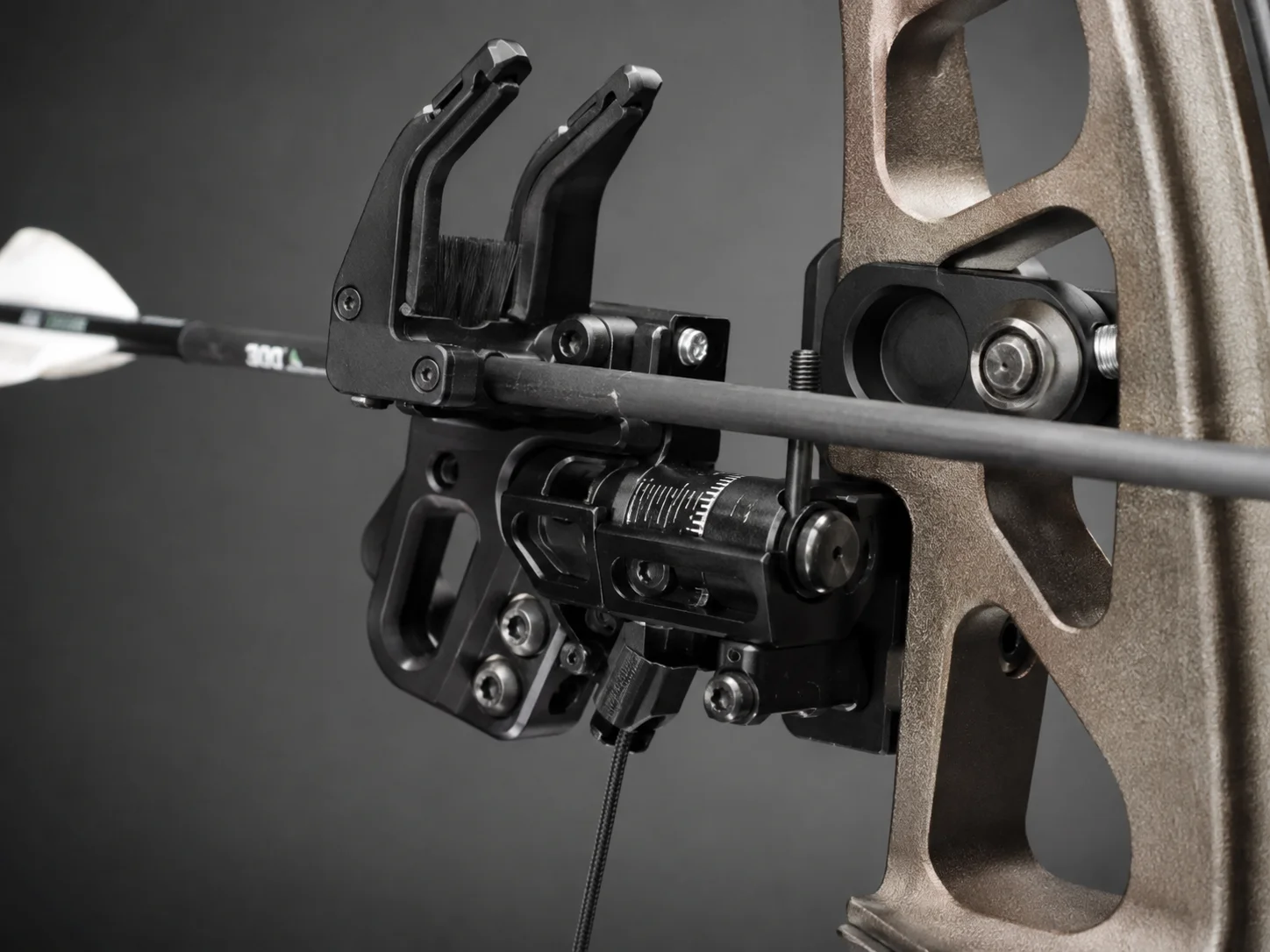
The arrow rest holds the arrow in position against the bow riser until the moment of release. It is a small component with an outsized impact on accuracy.
Common arrow rest types:
- Whisker biscuit (full-capture rest): The arrow is fully enclosed, making it nearly impossible to drop. Popular for hunting.
- Drop-away rest: Falls away from the arrow at the moment of release, eliminating contact with the fletching. Preferred for maximum accuracy in competition.
- Blade/plunger rest (recurve): A simple spring-loaded rest used in Olympic recurve shooting, paired with a pressure button.
For compound archers focused on accuracy, a drop-away rest is the gold standard. It removes the variable of fletching contact, which can deflect the arrow slightly if the rest is not perfectly aligned.
5. Release Aid
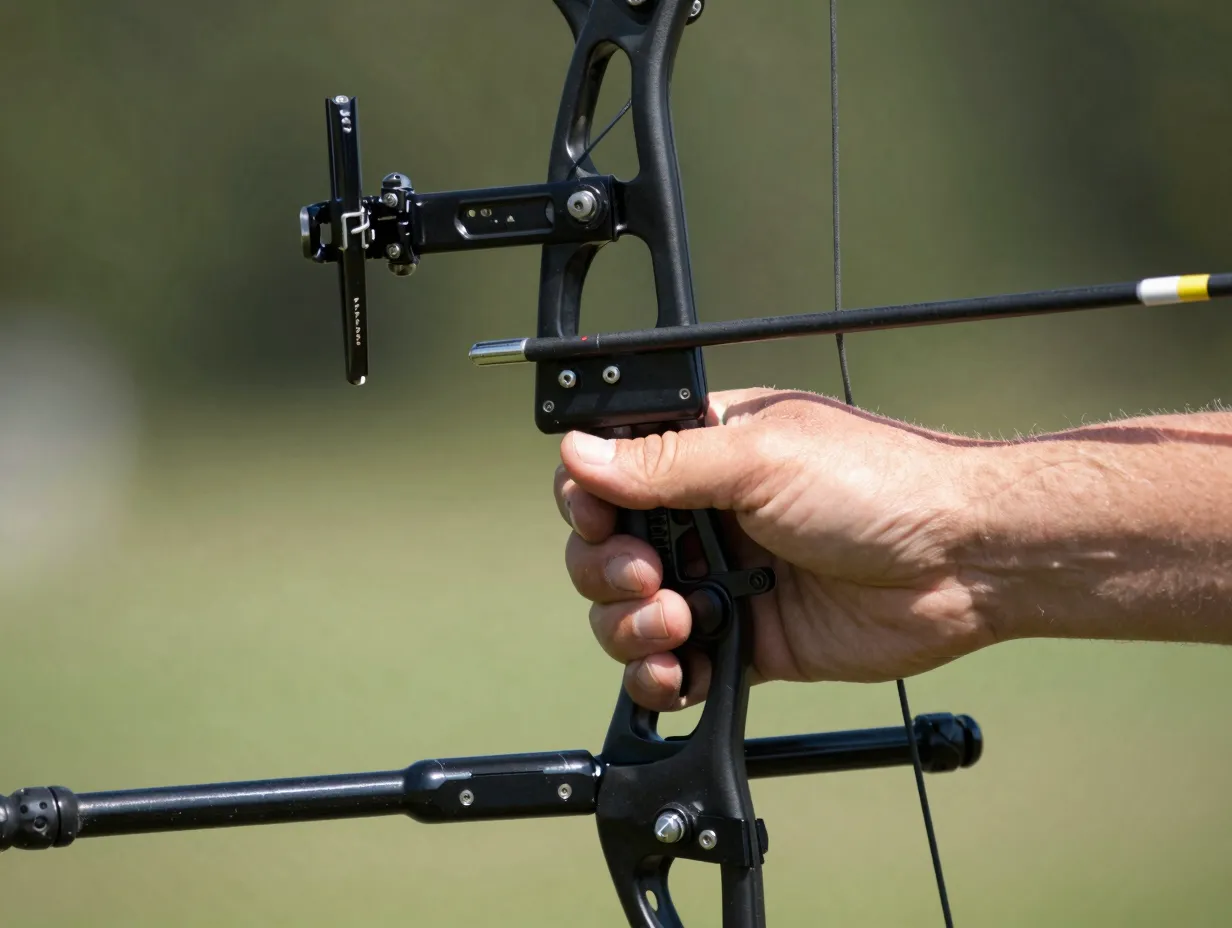
A release aid is a mechanical device used by compound archers to draw and release the bowstring. It replaces the fingers on the string, providing a cleaner, more consistent release.
Types of release aids:
- Wrist strap (index finger) release: The most common style for beginners. The archer hooks the release to the D-loop and fires with the index finger.
- Thumb release (back tension): Fires when the archer applies back tension, reducing anticipation of the shot. Preferred by experienced target archers.
- Hinge release: Similar to the thumb release; fires through a rotation mechanism. Excellent for eliminating flinching.
The primary benefit of a release aid is consistency. Fingers on a string create variable pressure points, which cause the string to leave the fingers at slightly different angles each shot. A mechanical release eliminates this variable almost entirely.
6. Stabilizer System
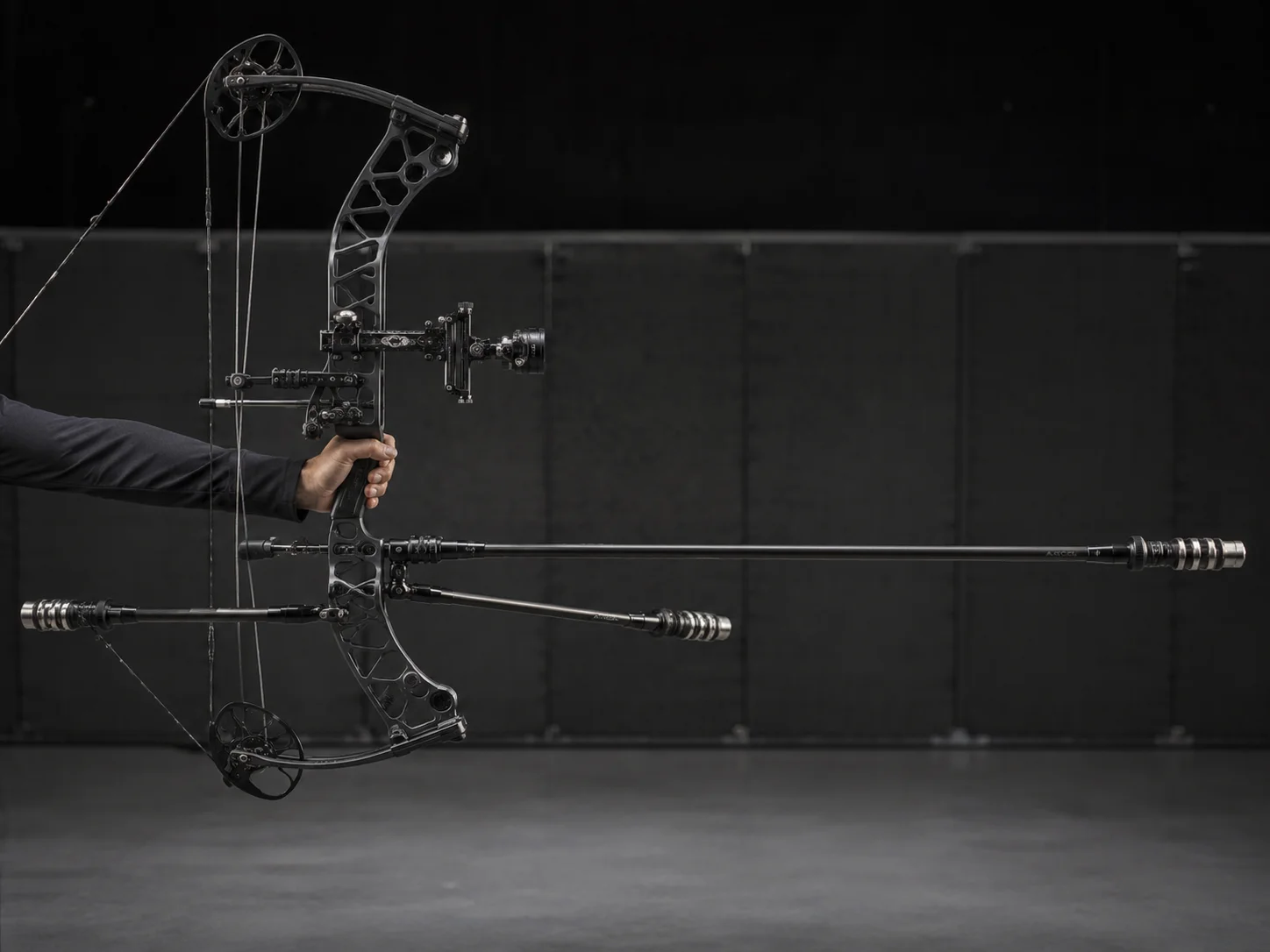
A stabilizer is a rod (or system of rods) attached to the bow’s riser. It serves two functions: it reduces vibration after the shot, and it shifts the bow’s center of gravity forward, which helps the bow remain steady at full draw.
Components of a stabilizer system:
- Front rod: The primary stabilizer, typically 24 to 36 inches for target archery, shorter for hunting.
- Side rods (V-bars): Angled rods that counterbalance the weight of accessories on the bow.
- Dampeners: Rubber or elastomer weights that absorb vibration at the end of the stabilizer.
A properly weighted stabilizer system noticeably reduces bow movement during the aiming phase. Archers who shoot without a stabilizer often see their pin wander significantly at full draw. Adding even a basic front rod tightens that movement and improves shot-to-shot consistency.
7. Arm Guard
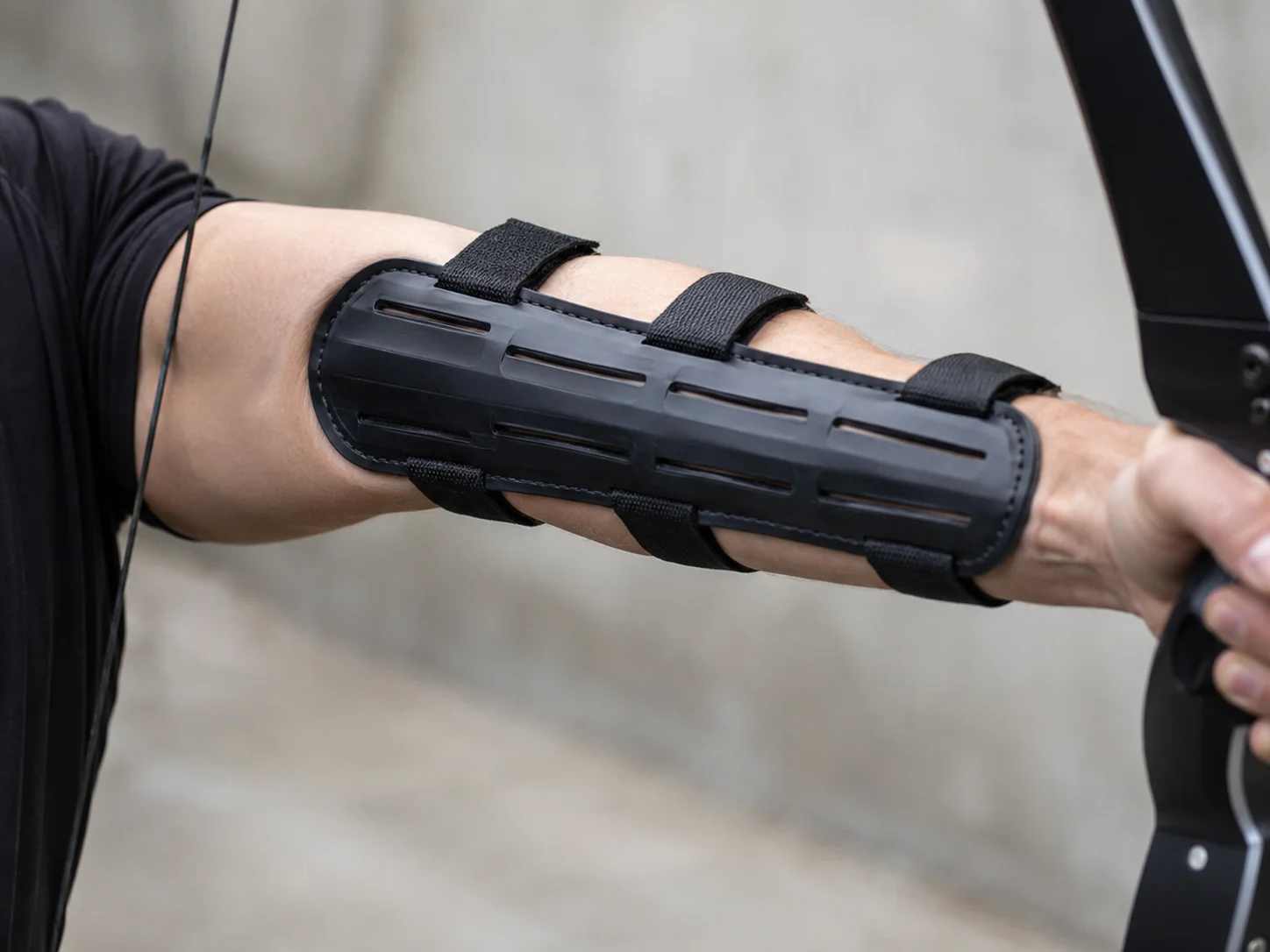
An arm guard protects the inside of the forearm from string slap, the impact of the bowstring striking the arm upon release. Beyond injury prevention, the arm guard plays a role in accuracy.
When the bowstring strikes the forearm, it slows down and deflects, altering the arrow’s flight path. Archers who shoot without an arm guard (or with improper form that causes string contact) will see their arrows hit consistently to one side. Eliminating string contact removes this variable entirely.
Arm guard selection tips:
- Choose a guard that covers the full length of the forearm, not just the wrist.
- A rigid guard offers better protection than a soft sleeve.
- Ensure the guard lies flat against the arm with no raised edges that could catch the string.
8. Quiver
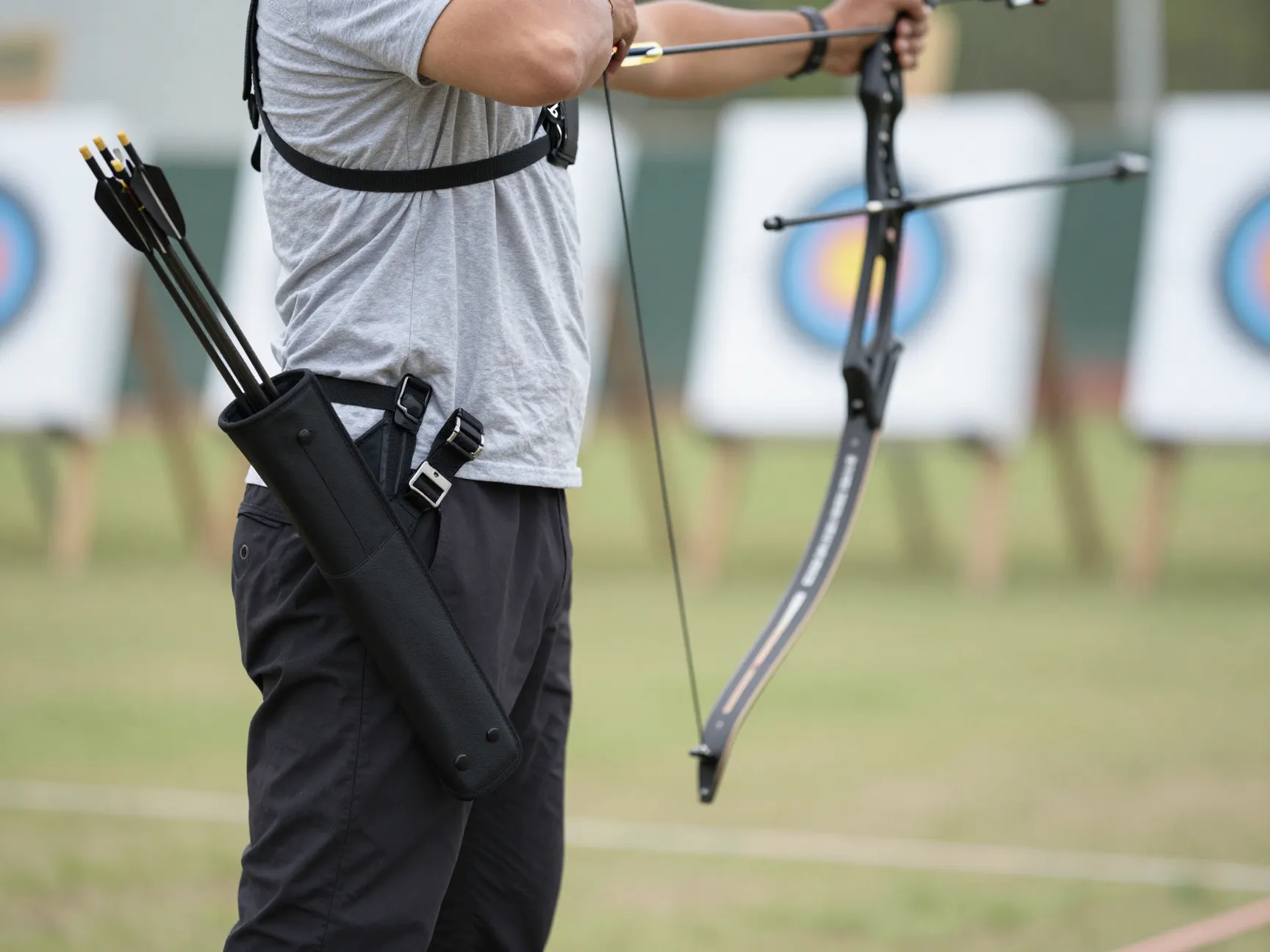
A quiver holds arrows during shooting. While it may seem like a purely logistical item, quiver type and placement affect both comfort and accuracy.
Quiver types:
- Back quiver: Traditional style, worn on the back. Accessible for barebow and traditional archers.
- Hip quiver: Worn on the hip or belt. Common in target archery; keeps arrows within easy reach without requiring the archer to reach overhead.
- Bow quiver: Attaches directly to the bow riser. Popular for hunting. Adds weight to the bow, which can affect balance if not accounted for in stabilizer setup.
- Ground quiver: A stand that holds arrows in the ground. Used at fixed shooting positions during practice.
For competitive target archers, a hip quiver is the standard choice. It allows fast arrow retrieval without disrupting stance or shoulder position between ends.
9. Finger Tab or Glove
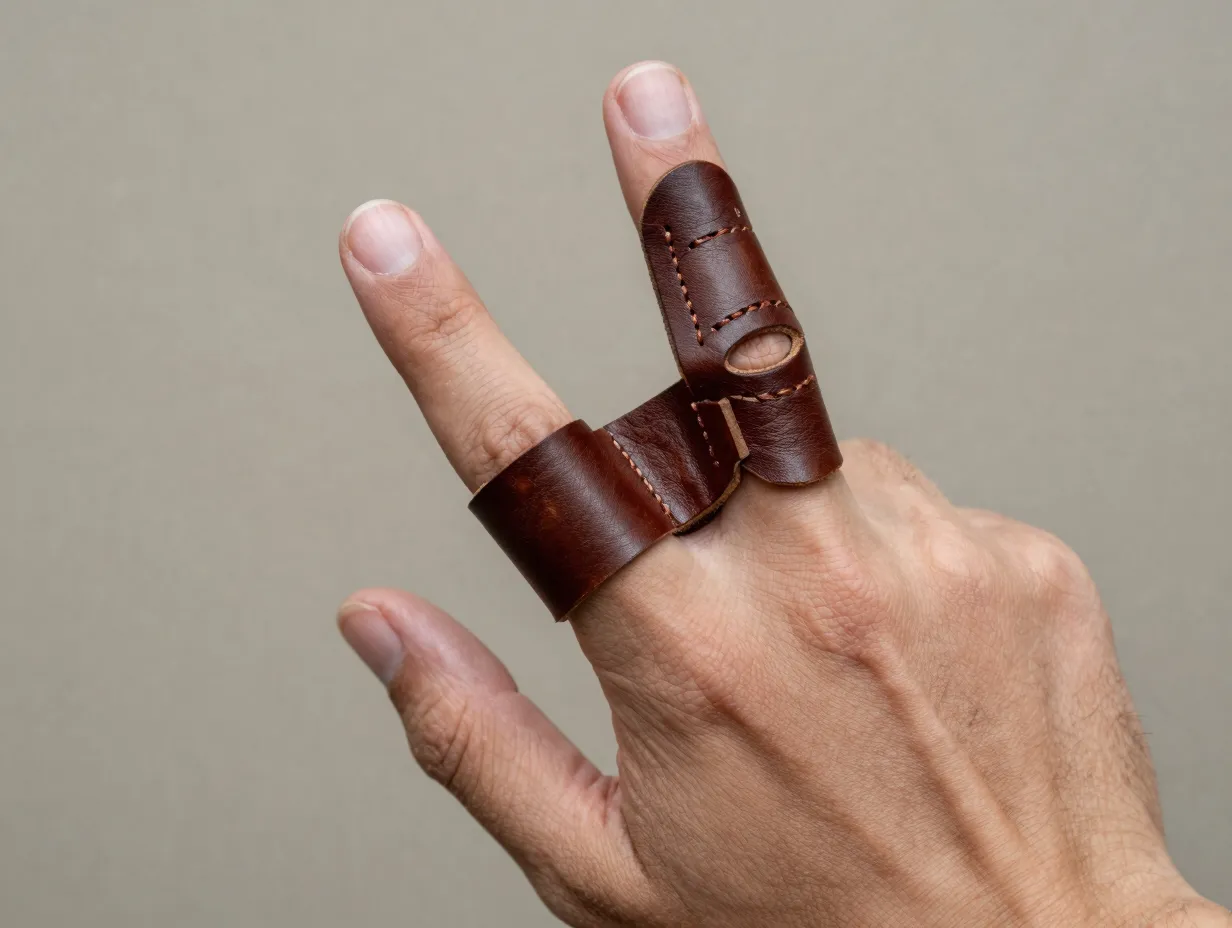
For recurve and barebow archers who draw the string with their fingers, a finger tab or shooting glove is essential. It protects the fingers from string pressure and, more importantly, provides a consistent, smooth surface for string release.
Finger tab vs. shooting glove:
| Feature | Finger Tab | Shooting Glove |
|---|---|---|
| String release consistency | Higher | Moderate |
| Comfort for long sessions | High | High |
| Ease of use for beginners | Moderate | Higher |
| Preferred in competition | Yes (Olympic) | Less common |
A quality finger tab includes a shelf that separates the index and middle fingers, preventing the string from pinching the arrow nock. It also has a smooth leather or synthetic face that allows the string to roll off cleanly. Archers who switch from a worn tab to a new one often notice immediate improvement in their groupings.
How These 9 Pieces Work Together as a System
Understanding each piece individually is useful, but accuracy comes from how these components interact. A well-tuned bow with mismatched arrows will not shoot well. A high-quality sight mounted on a bow with a worn arrow rest will still produce inconsistent results.
The shot cycle as a system:
- The bow (fitted to the archer) provides the power source.
- The arrow (matched to draw weight) carries that energy to the target.
- The arrow rest holds the arrow in consistent position at the start of every shot.
- The sight gives the archer a precise aiming reference.
- The release aid or finger tab delivers a clean, repeatable string release.
- The stabilizer reduces movement during the aiming phase and absorbs post-shot vibration.
- The arm guard eliminates string interference with the forearm.
- The quiver keeps arrows organized and accessible, supporting a consistent shooting rhythm.
When all nine components are properly selected and tuned, the archer’s job becomes simpler: focus on form and execution. The equipment handles the mechanical variables.
Common Equipment Mistakes That Hurt Accuracy
Even experienced archers make equipment errors that cost them points. Recognizing these mistakes is the first step toward correcting them.
Mistake 1: Ignoring arrow spine. Many archers buy arrows by length alone without checking spine rating against their draw weight. This is one of the most common causes of poor groupings.
Mistake 2: Neglecting bow tuning. A bow that is not paper-tuned or walk-back tuned will never perform to its potential, regardless of accessory quality.
Mistake 3: Buying accessories before the bow fits. Adding a premium sight to a bow with the wrong draw length is like putting racing tires on a misaligned car.
Mistake 4: Skipping the stabilizer. Many beginners view stabilizers as optional. At distances beyond 20 meters, the difference in pin movement between a stabilized and unstabilized bow is significant.
Mistake 5: Using worn or damaged equipment. A cracked arrow nock, a bent arrow rest blade, or a frayed bowstring introduces unpredictable variables. Regular equipment inspection is part of accuracy maintenance.
Choosing the Right Equipment for Your Archery Discipline
Different archery disciplines prioritize different equipment configurations. The 9 key pieces of archer equipment for improved accuracy remain relevant across all disciplines, but the specific models and setups vary.
| Discipline | Bow Type | Sight | Release |
|---|---|---|---|
| Olympic Recurve | Recurve | Target sight | Finger tab |
| Compound Target | Compound | Single-pin target | Thumb/hinge release |
| 3D Archery | Compound or recurve | Multi-pin or single-pin | Release aid or tab |
| Traditional/Barebow | Longbow or recurve | None | Finger tab or glove |
| Bowhunting | Compound | Multi-pin | Wrist strap release |
Before purchasing any equipment, identify the discipline being pursued. A hunting setup optimized for close-range shots in low light requires different choices than a target setup designed for 70-meter Olympic rounds.
Budget Considerations Without Compromising Accuracy
Quality archery equipment does not require unlimited spending. Prioritizing investments wisely makes a significant difference.
Highest-impact investments (prioritize these first):
- Correctly fitted bow
- Properly spined arrows
- Quality arrow rest
Secondary investments:
- Bow sight with solid mounting
- Release aid or finger tab
Upgrades that matter as skill advances:
- Stabilizer system
- Target-grade bow sight with micro-adjustment
- Premium arrows with consistent spine tolerances
A beginner can build a functional, accurate setup for a reasonable budget by focusing on fit and function over brand names. As skill level increases, the marginal gains from premium equipment become more meaningful because the archer has eliminated most of the human-error variables.
Maintenance and Longevity of Archery Equipment
Accurate archery equipment requires regular maintenance. Even the best gear degrades without proper care.
Maintenance checklist:
- Inspect arrow shafts for cracks or bends before every session.
- Check nocks for cracks or looseness.
- Wax the bowstring every 200 to 300 shots, or whenever it appears dry or fuzzy.
- Inspect the arrow rest for wear or misalignment monthly.
- Check all sight screws and stabilizer connections for tightness before each session.
- Store the bow unstrung (recurve) or at rest weight (compound) when not in use.
Neglecting maintenance introduces variables that are difficult to diagnose. An archer who struggles with inconsistent groupings despite good form should inspect their equipment systematically before assuming a technique problem.
Conclusion
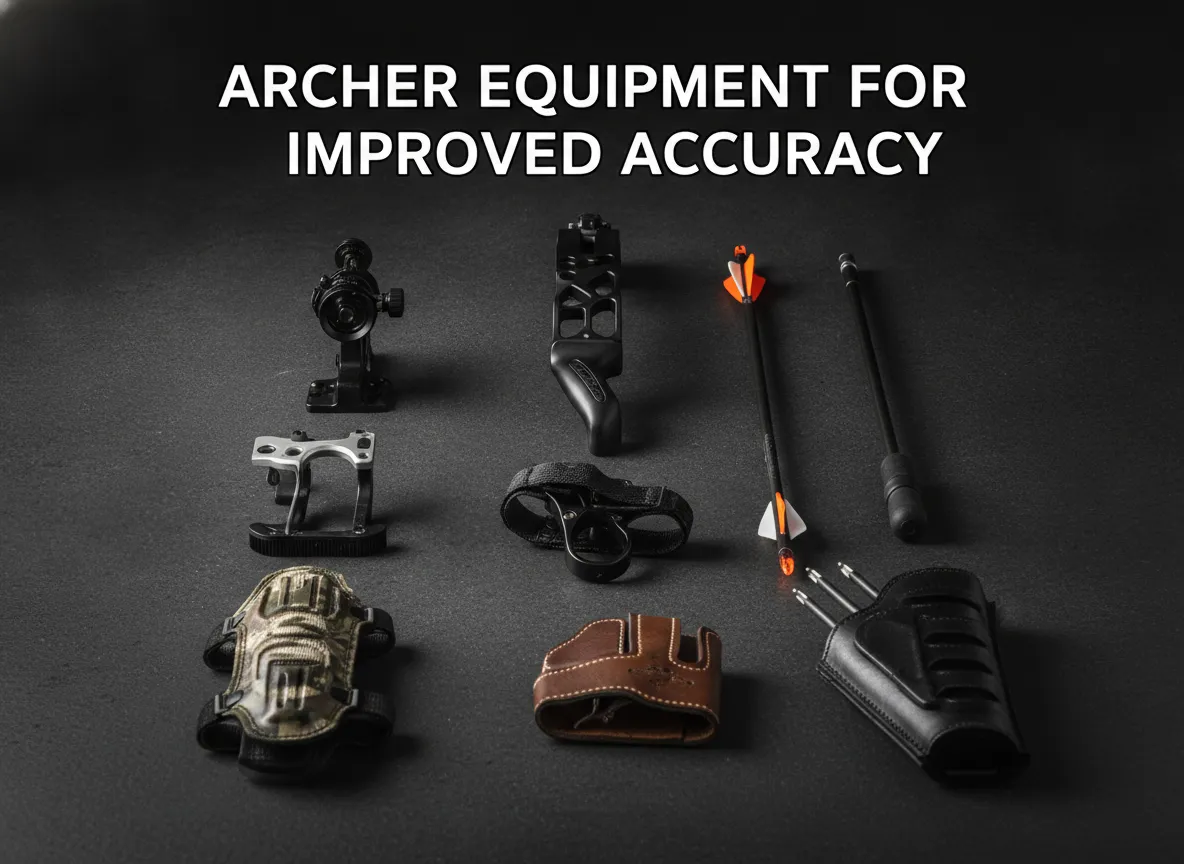
Accuracy in archery is not a mystery, it is the result of a well-matched, properly tuned system of equipment working in concert with disciplined technique. The 9 key pieces of archer equipment for improved accuracy covered in this guide, the bow, arrows, bow sight, arrow rest, release aid, stabilizer, arm guard, quiver, and finger tab, each address a specific mechanical variable in the shot cycle.
Actionable next steps for archers at every level:
- Start with a professional bow fitting to confirm draw length and draw weight are correct.
- Purchase arrows matched to your specific draw weight and length using a spine chart.
- Add a quality arrow rest before investing in a sight.
- Introduce a stabilizer system once the bow is tuned and arrows are matched.
- Inspect all equipment before every practice session and address wear immediately.
- Reassess equipment choices as skill advances, what works at 20 meters may need adjustment at 50 meters.
The archer who treats equipment as a system, not a collection of individual purchases, will see faster improvement and more consistent results. In 2026, the range of available archery equipment is broader and more accessible than ever. The challenge is not finding gear; it is understanding which pieces matter most and how to make them work together.