8 Essential Wilderness Survival Techniques Every Adventurer Must Master
Every year, search-and-rescue teams in the United States respond to more than 250,000 calls, many involving otherwise healthy, experienced outdoor enthusiasts who were simply unprepared for what the wilderness threw at them [4]. The difference between a harrowing story told around a campfire and a tragedy is rarely luck. It is knowledge, practiced skill, and the mental discipline to apply both under pressure.
Disclosure: This post contains affiliate links. As an Amazon Associate, we earn from qualifying purchases, and at no extra cost to you.
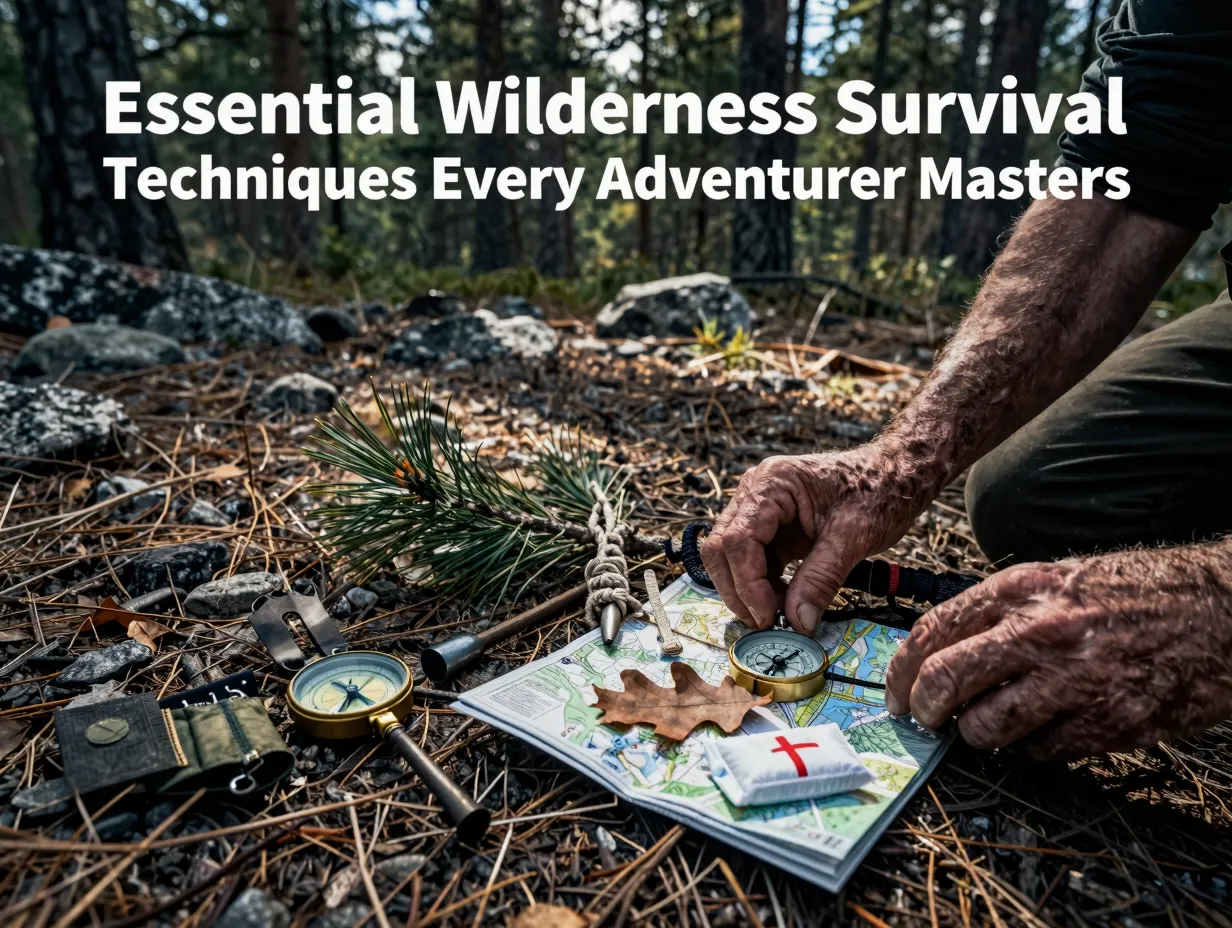
This guide breaks down the 8 Essential Wilderness Survival Techniques Every Adventurer Must Master, covering everything from the psychology of staying calm to the mechanics of building a fire, finding water, and signaling for rescue. Whether planning a solo thru-hike or a weekend backcountry camping trip, these foundational skills form the backbone of any serious outdoor safety plan.
Key Takeaways
- Mindset and decision-making are the single most important survival factors, panic kills faster than cold or dehydration
- The survival priority order (shelter, water, fire, food) should guide every decision in an emergency
- Navigation skills must combine traditional map-and-compass methods with modern GPS and offline digital tools
- Signaling for rescue early and effectively can dramatically reduce time spent in a survival situation
- Practicing these skills before an emergency, not during one, is what separates prepared adventurers from victims
Why the 8 Essential Wilderness Survival Techniques Every Adventurer Must Master Matter More Than Gear
Gear fails. Batteries die. Knives get lost. What never fails is a trained mind and a body that has practiced core skills until they become instinct. Research and field experience from wilderness medicine professionals consistently show that psychological preparedness, not equipment, is the primary determinant of survival outcomes [1].
The 8 Essential Wilderness Survival Techniques Every Adventurer Must Master outlined here are not theoretical. They are drawn from military survival training, wilderness medicine curricula, and decades of search-and-rescue data. Master them, and the wilderness becomes a place of manageable risk rather than unpredictable danger.
1. Survival Mindset: The Foundation of Every Other Skill
Before learning a single knot or fire-starting technique, every adventurer must understand one non-negotiable truth: the mind is the most powerful survival tool available.
Wilderness survival experts universally point to the STOP method as the first response to any emergency situation [1][2]:
- S, Stop: Halt all movement immediately. Rushing leads to injury and wasted energy.
- T, Think: Assess the situation calmly and honestly.
- O, Observe: Take stock of available resources, terrain, weather, and physical condition.
- P, Plan: Develop a deliberate course of action before moving.
“The will to survive is the most important element in any survival situation. It is the mental determination to keep going no matter what.”, widely cited principle in wilderness survival training [6]
Panic triggers poor decisions. Poor decisions compound into cascading failures. Survivors consistently describe a moment of deliberate calm, a choice to think rather than react, as the turning point in their ordeal [2].
Practical application: Before every wilderness trip, mentally rehearse emergency scenarios. Ask: “What would I do if I twisted my ankle three miles from the trailhead with no cell signal?” Mental rehearsal builds the neural pathways that allow calm decision-making under real stress [5].
2. Navigation: Maps, Compasses, and Digital Tools
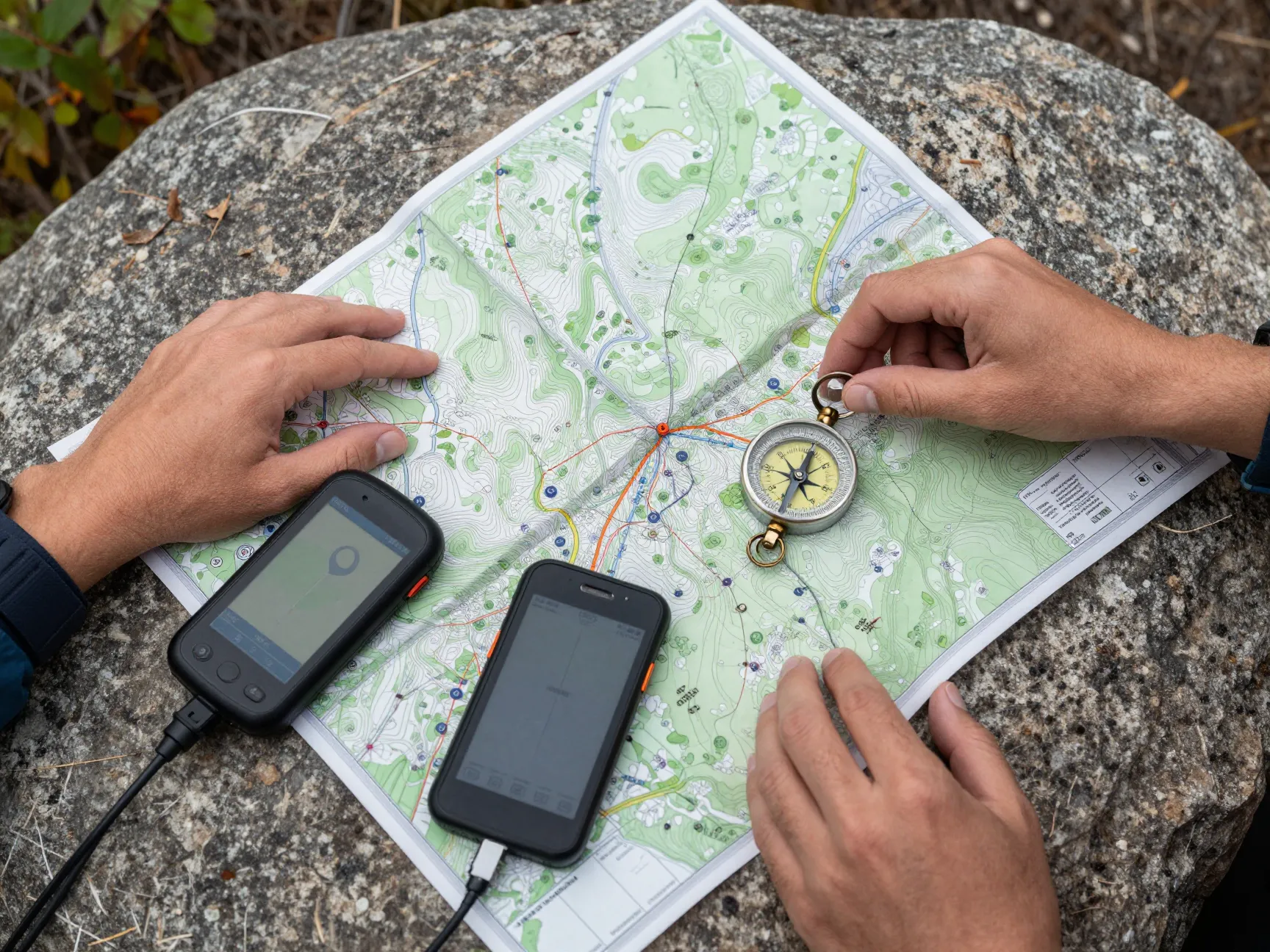
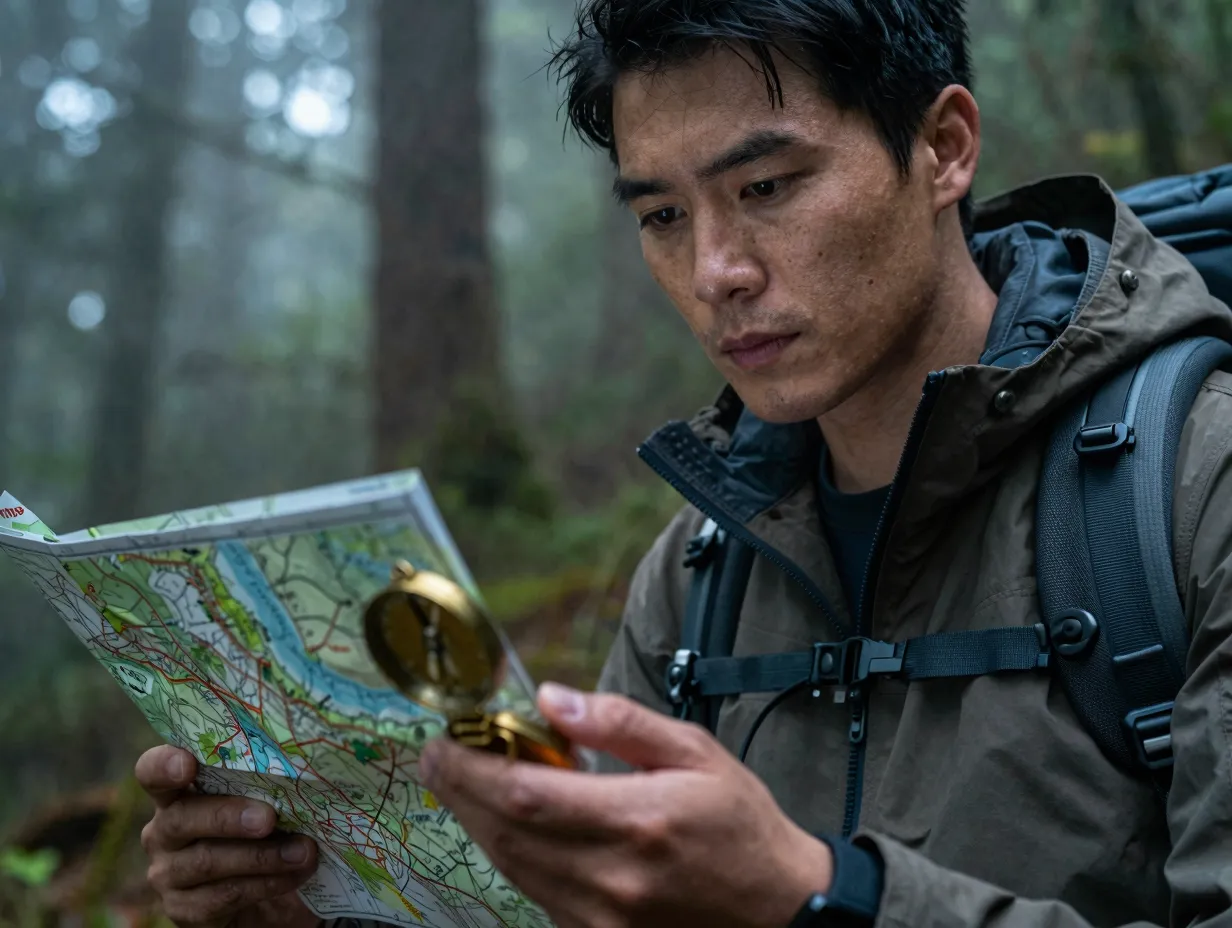
Getting lost is the most common trigger for wilderness emergencies. Modern adventurers have access to GPS devices and smartphone apps, but technology alone creates dangerous dependency [2].
The gold standard is a layered navigation approach:
| Navigation Tool | Strength | Weakness |
|---|---|---|
| Topographic map | Never runs out of battery | Requires skill to read |
| Baseplate compass | Works in any weather | Needs map to be most useful |
| GPS device | Precise, fast | Battery-dependent, fragile |
| Offline map app | Combines digital and paper benefits | Phone battery and screen durability |
Every adventurer should be able to:
- Orient a topographic map to actual terrain using a compass
- Identify major landmarks and triangulate position
- Follow a bearing across featureless terrain
- Use GPS and offline apps (such as Gaia GPS or AllTrails offline mode) as a backup, not a primary tool [2]
The ability to read contour lines, understanding that closely spaced lines indicate steep terrain and widely spaced lines indicate gentle slopes, can prevent dangerous route choices that look fine on a screen but are treacherous in person [3].
Before any trip: Download offline maps for the entire route. Carry a physical map and compass. Know how to use both.
3. Shelter Building: Your First Priority in an Emergency
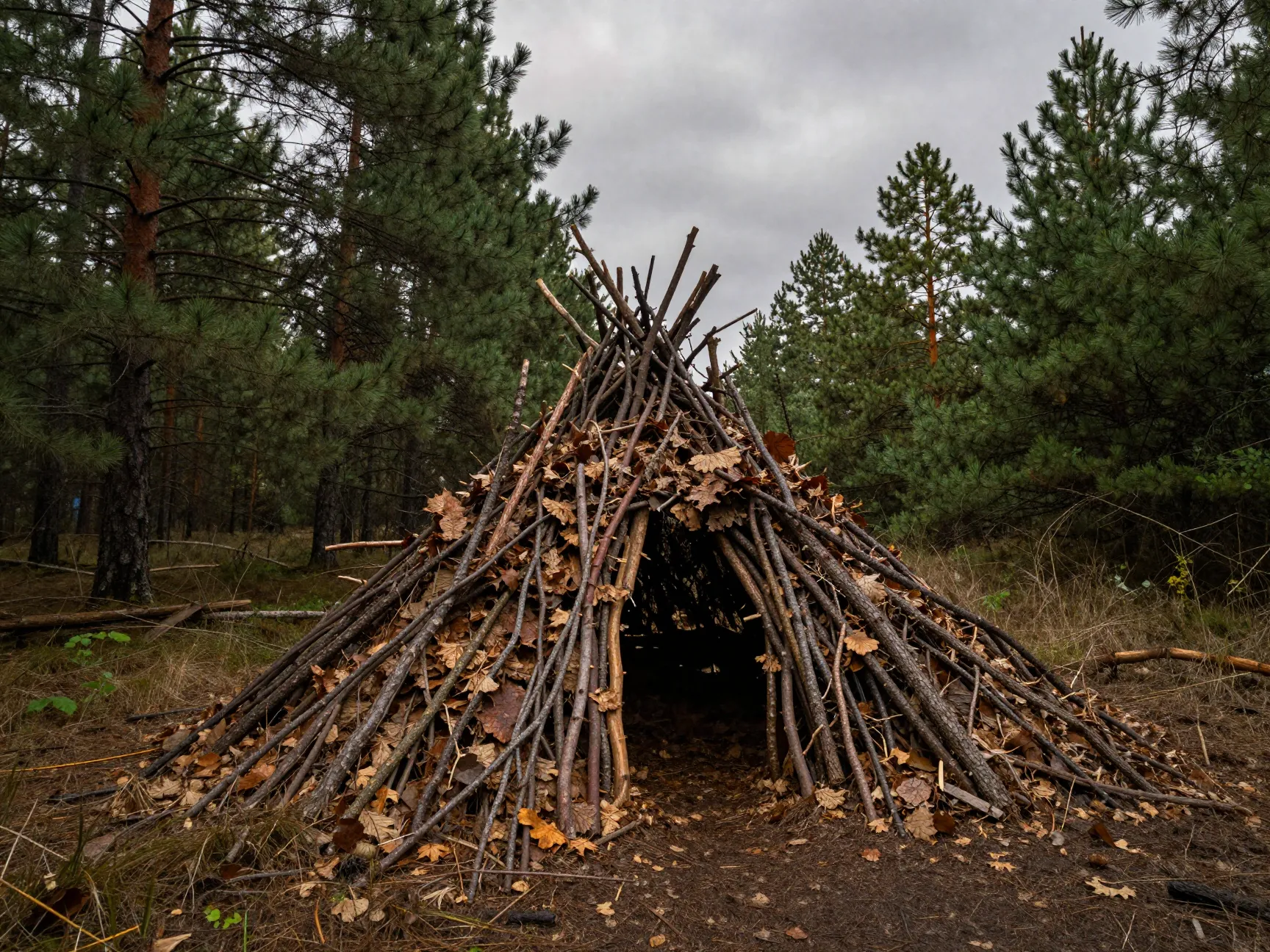
Exposure kills faster than thirst, hunger, or almost any other wilderness threat. Hypothermia can set in within hours in wet, windy, or cold conditions, even at temperatures as mild as 50°F (10°C) [4].
The priority rule is simple: shelter before water, water before fire, fire before food [7].
Types of emergency shelters to know:
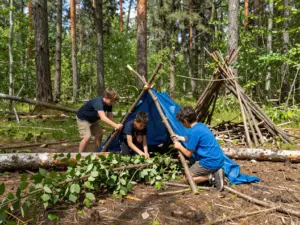
- Debris hut: Constructed from branches, leaves, and forest debris. Excellent insulation. Requires no tools. The interior should be just large enough to fit the body, smaller spaces retain heat better [3].
- Lean-to: A sloped roof of branches and debris propped against a horizontal support. Faster to build but less insulating than a debris hut.
- Snow shelter (quinzhee or snow trench): Essential knowledge for winter adventurers. Snow is an excellent insulator, interior temperatures can remain near 32°F (0°C) even when outside temperatures plunge far below zero [6].
- Natural shelters: Rock overhangs, dense conifer groves, and fallen logs can provide immediate wind and rain protection while a more permanent shelter is constructed.
Key shelter-building principles:
- Build on dry, elevated ground away from drainages and dead trees
- Insulate from the ground up, ground contact steals body heat far faster than cold air
- Keep the entrance small and oriented away from prevailing wind
- Always build shelter before dark or before weather deteriorates [1]
4. Fire Starting: More Than Warmth
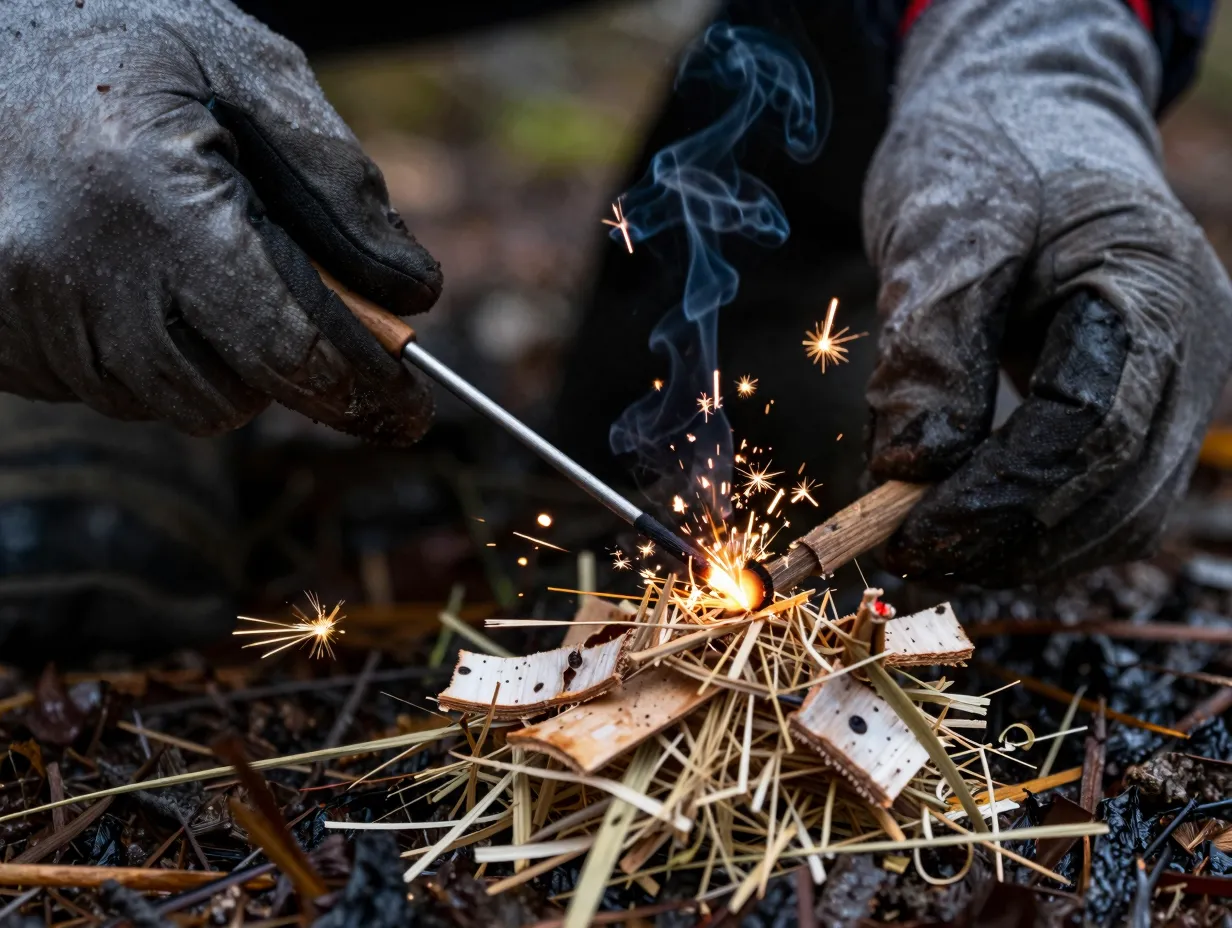
Fire serves five critical survival functions: warmth, water purification, food preparation, signaling, and psychological comfort. That last function is underestimated, a fire dramatically reduces the psychological toll of a survival situation [5].
Every adventurer should master at least three fire-starting methods:
- Lighter or waterproof matches: The simplest and most reliable method. Always carry multiple ignition sources in separate waterproof containers [4].
- Ferro rod (ferrocerium striker): Produces sparks at over 3,000°F. Works when wet. Long lifespan. Pairs with fine dry tinder such as birch bark, cattail fluff, or dried grass [1].
- Friction fire (bow drill or hand drill): The most demanding method, requiring practice and the right wood combinations. Invaluable when all other ignition sources are lost [7].
The fire triangle, fuel, heat, oxygen, must be managed at every stage:
- Tinder (fine, dry, fibrous material) ignites first
- Kindling (pencil-sized sticks) catches from tinder
- Fuel wood (wrist-sized and larger) sustains the fire
Practice fire-starting in adverse conditions, wind, rain, cold hands, before relying on the skill in an actual emergency.
Wet conditions demand extra preparation: split larger sticks to expose dry interior wood, look for standing dead wood rather than wood on the ground, and protect tinder from rain with a body or pack until the moment of ignition [3].
5. Water Procurement and Purification
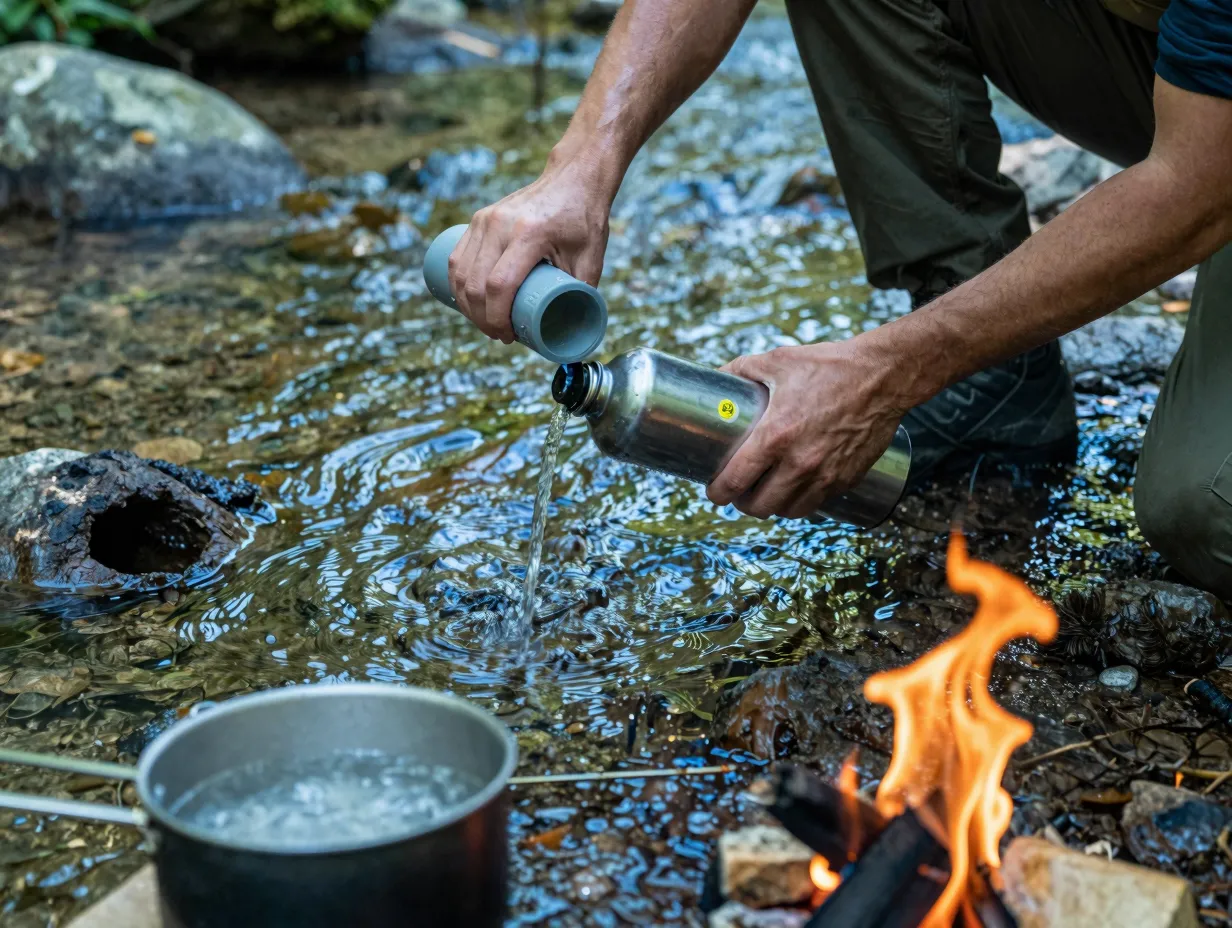
The human body can survive roughly three days without water under normal conditions, far less in heat, cold, or high-exertion situations [2]. Finding and purifying water is therefore a non-negotiable survival skill.
Water sources in order of general preference:
- Moving water (streams, rivers), lower bacterial load than stagnant sources
- Springs, often the cleanest natural source
- Rainwater collection, generally safe but can pick up contaminants from collection surfaces
- Standing water (ponds, puddles), highest risk, always purify
Purification methods every adventurer should know:
| Method | Effectiveness | Notes |
|---|---|---|
| Boiling (1 minute, 3 min at altitude) | Kills all pathogens | Requires fire; does not remove chemicals |
| Portable filter (e.g., LifeStraw, Sawyer) | Removes bacteria and protozoa | Carry as primary backcountry tool |
| Chemical treatment (iodine, chlorine dioxide) | Effective against most pathogens | Slower; less effective against Cryptosporidium |
| UV purification (SteriPen) | Kills viruses, bacteria, protozoa | Battery-dependent |
Never drink unpurified water from any natural source, regardless of how clean it appears. Giardia and Cryptosporidium are invisible and can cause debilitating illness within days [4][2].
In a true emergency with no tools: Dig a seep hole two to three feet from the edge of a stream or pond. Water filters slowly through soil, removing some biological contaminants. Then boil if possible [8].
6. Signaling for Rescue
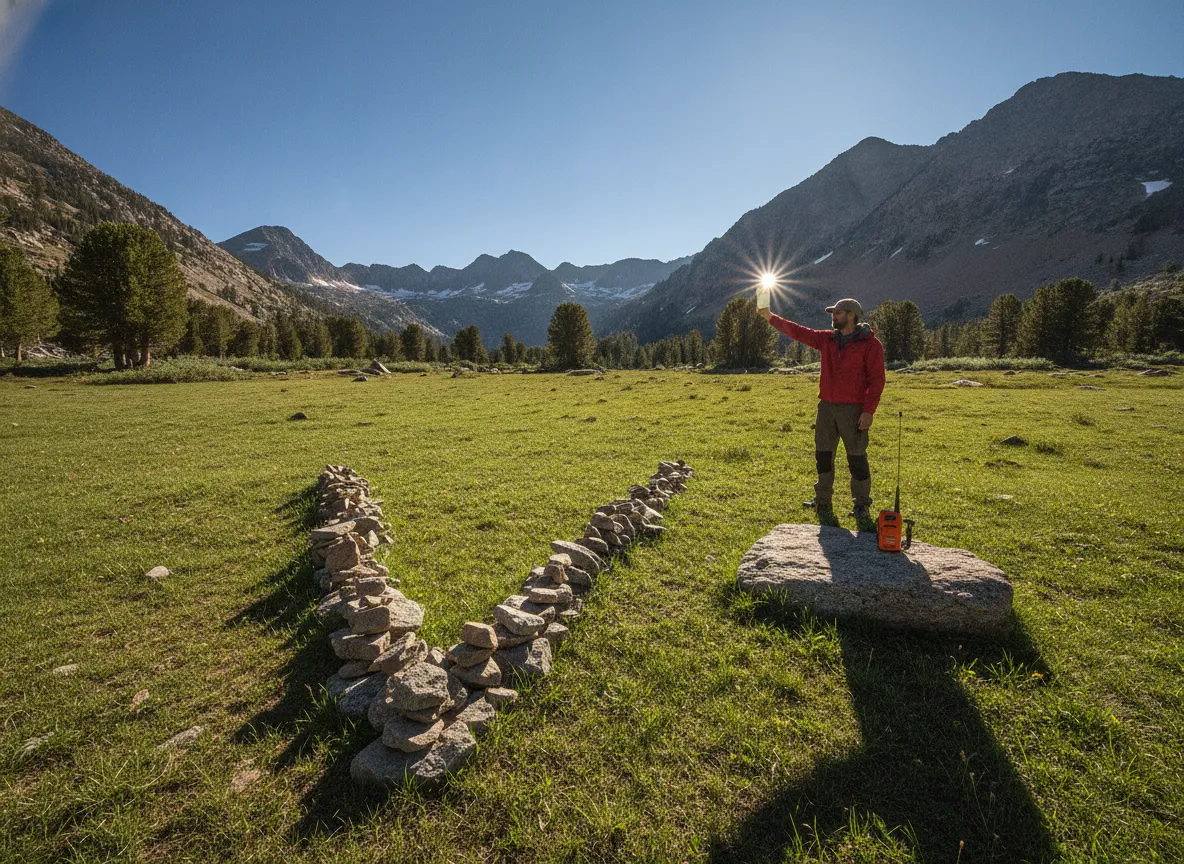
The fastest way out of a wilderness emergency is to be found. Signaling is a skill that many adventurers overlook until they need it, which is exactly the wrong time to learn it [6].
The universal distress signal is three of anything: three whistle blasts, three fires in a triangle, three gunshots. Rescuers are trained to recognize this pattern [2].
Primary signaling tools and techniques:
- Signal mirror: One of the most powerful passive signaling tools available. A mirror flash can be seen by aircraft up to 10 miles away on a clear day. Aim by extending a hand toward the target, creating a V between two fingers, and reflecting sunlight through the V [5].
- Whistle: A pealess whistle (such as a Fox 40) carries farther than a voice and requires far less energy. Carry one on every trip, attached to the body, not buried in a pack [4].
- Ground-to-air signals: In open terrain, use rocks, logs, or trampled vegetation to create large symbols. The international ground-to-air code: X = need medical assistance, V = need help, arrows indicate direction of travel [6].
- Personal Locator Beacon (PLB) or satellite communicator: Devices such as a SPOT or Garmin inReach send GPS coordinates to rescue services via satellite. In 2026, these devices are affordable, lightweight, and should be considered essential gear for any serious backcountry trip [4].
- Smoke signals: Green vegetation on a fire produces white smoke (visible against dark forest or terrain); rubber or plastic materials produce black smoke (visible against sky or snow). Use during daylight when aircraft are most likely overhead [3].
Critical rule: Activate signaling devices early. Many survivors wait too long, hoping the situation will resolve itself. The sooner rescue services are alerted, the sooner help arrives [1].
7. First Aid and Injury Management
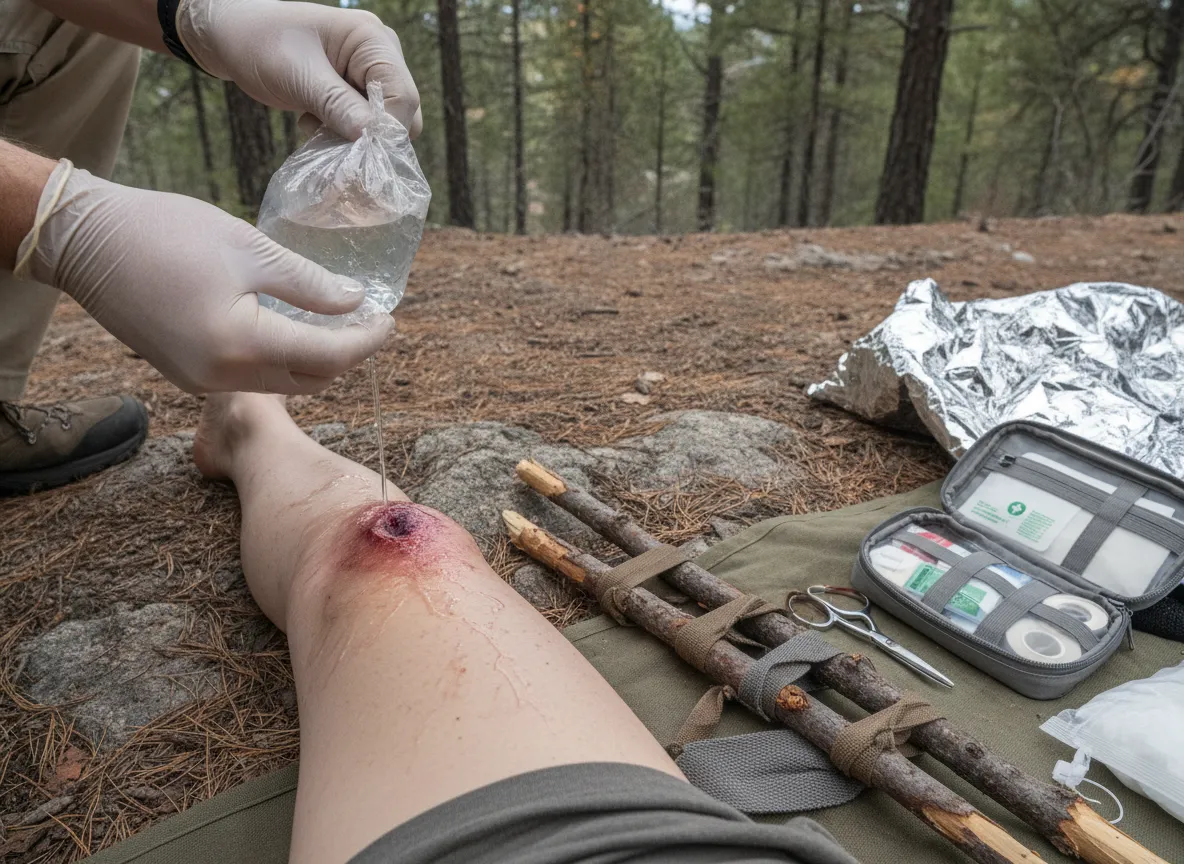
Wilderness first aid differs from urban first aid in one critical way: help is not minutes away, it may be hours or days away. This changes every calculation about wound management, improvised splinting, and patient monitoring [2].
Core wilderness first aid skills every adventurer must develop:
- Blister prevention and treatment: Hotspots should be addressed immediately with moleskin or athletic tape. Untreated blisters can become infected and incapacitating [4].
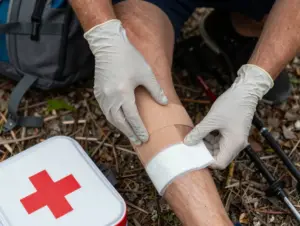
- Wound cleaning and closure: In the backcountry, wound infection is a serious threat. Irrigate wounds thoroughly with clean water under pressure (a plastic bag with a pinhole works), apply antibiotic ointment if available, and close with butterfly strips or medical tape [2].
- Sprain and fracture management: The RICE method (Rest, Ice, Compression, Elevation) applies where ice is available. Improvised splints can be constructed from sticks, trekking poles, or sleeping pad sections, padded with clothing and secured with strips of fabric [1].
- Hypothermia recognition and treatment: Shivering is early hypothermia. Confusion, slurred speech, and loss of coordination indicate moderate to severe hypothermia, a life-threatening emergency. Remove wet clothing, insulate from the ground, apply heat to the core (armpits, groin, neck), and never rub the extremities [4].
- Heat illness management: Move the patient to shade, remove excess clothing, apply cool water to skin, and encourage hydration. Heat stroke (hot, dry skin; altered mental status) is a medical emergency requiring immediate evacuation [2].
Every adventurer should complete a formal Wilderness First Aid (WFA) or Wilderness First Responder (WFR) course before undertaking serious backcountry travel.
8. Food Procurement and Energy Management
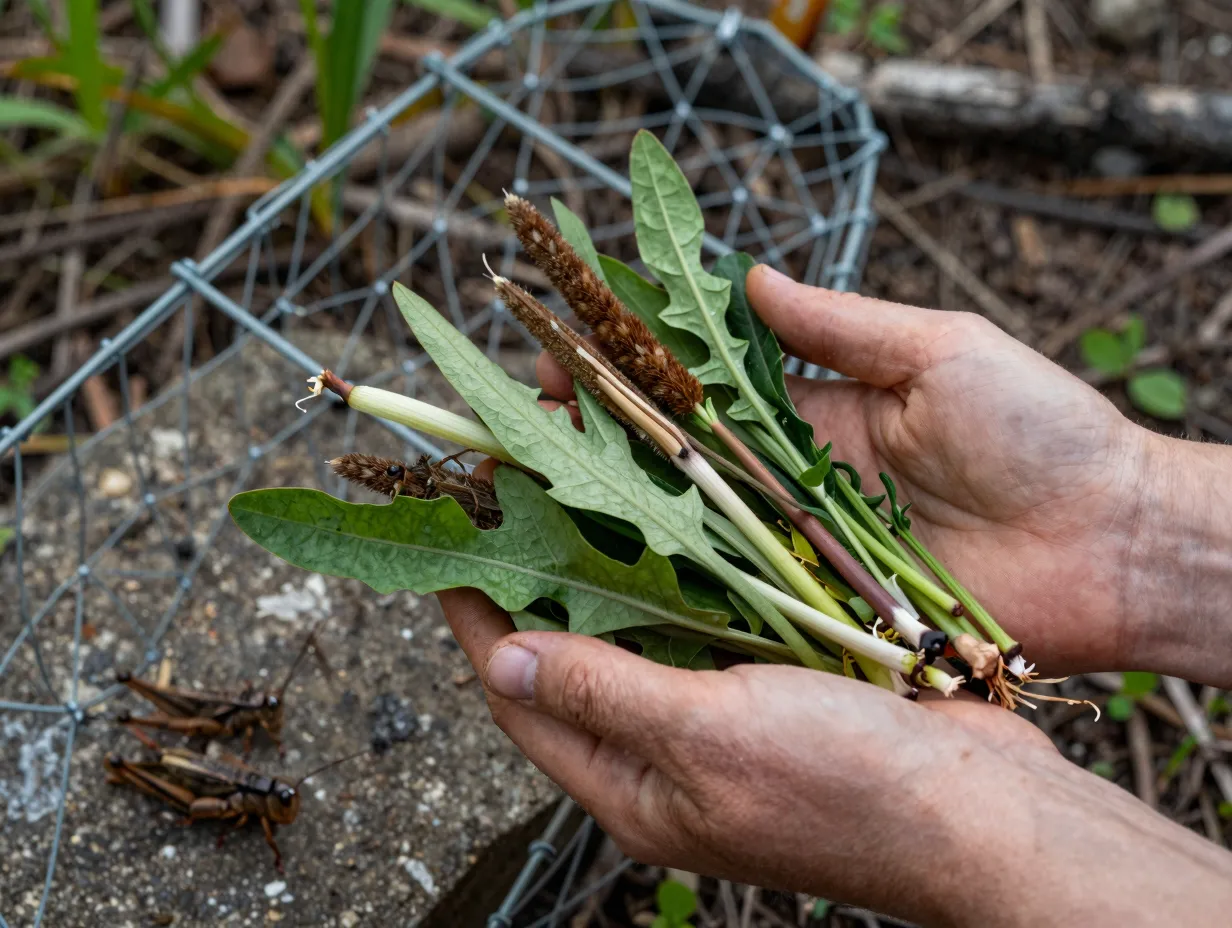
Food is the lowest priority in the classic survival hierarchy, the human body can survive weeks without it, but it profoundly affects morale, decision-making ability, and physical capacity [7].
Practical food procurement skills:
- Foraging: Learn to identify three to five edible plants native to the regions most frequently visited. Common reliable options in North American temperate forests include dandelion (entire plant edible), cattail (roots, shoots, and pollen), and wood sorrel [3][5]. Never consume any plant without absolute positive identification, misidentification can be fatal.
- Trapping: Simple snares (a fixed loop of wire or cordage set on an active animal trail) require minimal materials and can work passively while other survival tasks are completed [8]. Check local regulations, trapping is restricted in many areas outside of genuine survival emergencies.
- Fishing: A basic fishing kit (hooks, line, and sinkers) weighs almost nothing and can provide significant caloric return in areas with fish-bearing water [6].
- Insects: Nutritionally dense and widely available. Grasshoppers, ants, and beetle larvae are calorie-rich and safe when cooked. Remove wings and legs before consumption [7].
Energy conservation is equally important: In a survival situation, every calorie burned must be weighed against the caloric return of the activity. Avoid unnecessary movement, stay warm to reduce thermogenic calorie burn, and prioritize tasks by survival priority order [5].
Putting the 8 Essential Wilderness Survival Techniques Every Adventurer Must Master Into Practice
Knowledge without practice is fragile. The techniques described above must be rehearsed in controlled conditions before they are needed under stress. A structured approach to skill development looks like this:
Recommended practice progression:
- Take a certified Wilderness First Aid course (minimum) or Wilderness First Responder course (recommended for serious adventurers)
- Practice fire-starting with a ferro rod in rain and cold, not just on a sunny afternoon in the backyard
- Build a debris shelter in a local forest and spend a night in it to test its effectiveness
- Navigate a familiar trail using only a map and compass, with GPS turned off
- Purify water from a natural source using multiple methods on the same trip
- Practice signaling techniques, mirror flashing, whistle patterns, ground-to-air symbols
- Carry a 72-hour survival kit and audit its contents before every trip
Minimum recommended kit for every backcountry trip:
| Category | Item |
|---|---|
| Navigation | Topo map, compass, offline GPS app |
| Fire | Lighter, ferro rod, waterproof matches |
| Shelter | Emergency bivy or space blanket |
| Water | Filter, chemical tablets, metal container for boiling |
| Signaling | Whistle, signal mirror, PLB or satellite communicator |
| First Aid | WFA-level kit, personal medications |
| Food | High-calorie emergency rations (minimum 1,200 kcal) |
| Tools | Fixed-blade knife, multi-tool, paracord |
Conclusion
The wilderness does not distinguish between experienced adventurers and novices when conditions turn dangerous. What does make a difference is preparation, and the 8 Essential Wilderness Survival Techniques Every Adventurer Must Master outlined in this guide represent the minimum competency every person who ventures into the backcountry should possess.
Actionable next steps:
- Enroll in a certified Wilderness First Aid course within the next 60 days
- Audit the current gear kit against the minimum recommended kit table above
- Choose one skill from this list, fire starting, shelter building, or navigation, and practice it this weekend in a local outdoor setting
- Purchase and register a PLB or satellite communicator before the next backcountry trip
- Share this guide with every member of the adventure group, survival is a team skill, not an individual one
Preparedness is not pessimism. It is the highest form of respect for the power and beauty of the natural world.
References
[1] 10 Essential Wilderness Survival Skills – https://southeastwildernessmedicine.com/blog/10-essential-wilderness-survival-skills/
[2] 11 Survival Skills To Know – https://www.redcross.org/take-a-class/resources/articles/11-survival-skills-to-know
[3] Wilderness Survival Guide – https://www.twineagles.org/wilderness-survival-guide.html
[4] 10 Essential Outdoor Survival Tips – https://www.nuvancehealth.org/health-tips-and-news/10-essential-outdoor-survival-tips
[5] Wilderness Survival Skills – https://yostsurvivalskills.com/wilderness-survival-skills/
[6] Wilderness Survival – https://333sf.org/wilderness-survival
[7] 5 Basic Survival Skills – https://wildernessawareness.org/articles/5-basic-survival-skills/
[8] Files – https://www2.internationalinsurance.org/GR-8-22/files?ID=uwL42-0805&title=wilderness-survival-guide.pdf