8 Essential Venison Recipes for Cooking Deer Meat to Perfection
Hunters in the United States harvest more than six million white-tailed deer every season, yet surveys consistently show that a significant portion of that venison ends up dry, gamey, or overcooked, not because the meat is difficult, but because most cooks apply beef techniques to a fundamentally different protein. Mastering the 8 Essential Venison Recipes for Cooking Deer Meat to Perfection covered in this guide solves that problem by pairing the right cooking method to the right cut, every single time.
Disclosure: This post contains affiliate links. As an Amazon Associate, we earn from qualifying purchases, and at no extra cost to you.
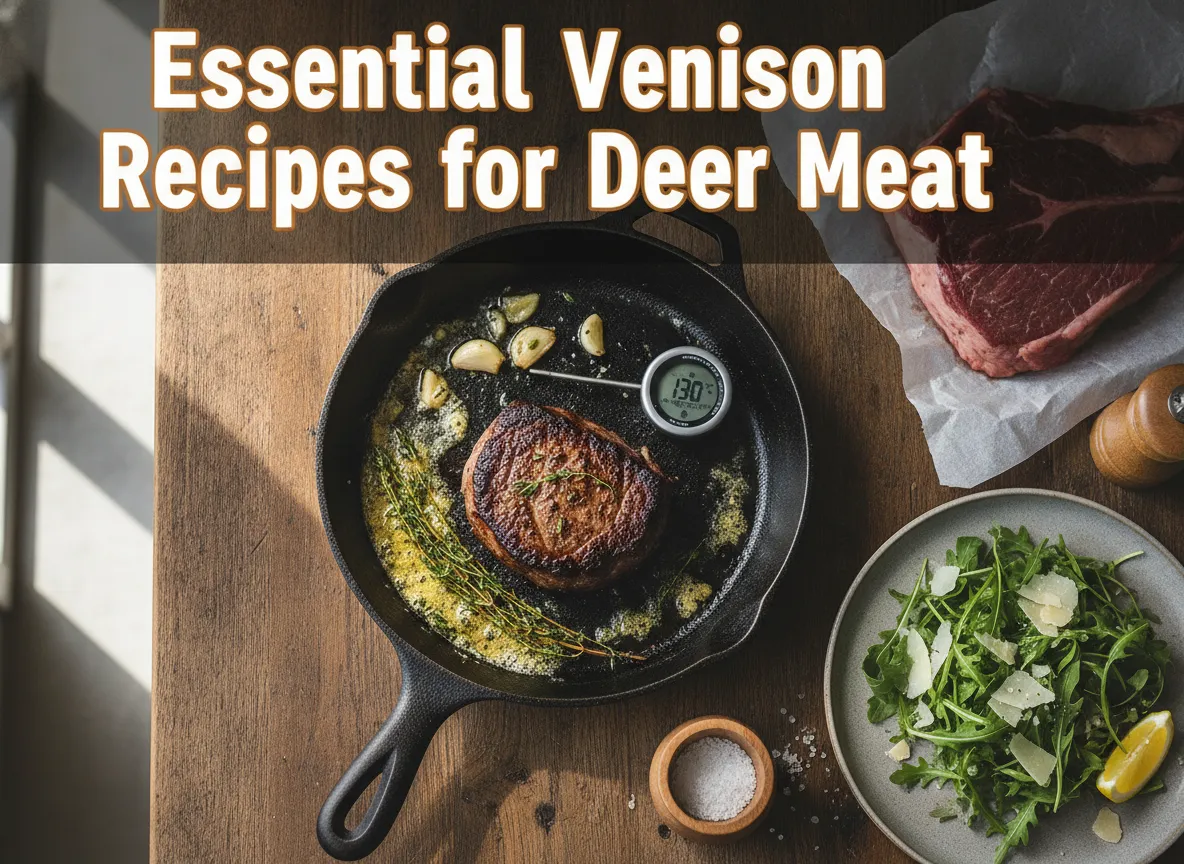
Venison is leaner than chicken breast, contains almost no intramuscular fat, and responds to heat far more quickly than conventional red meat. That single fact changes everything: temperature targets, resting times, braising liquids, and seasoning strategies all need to be recalibrated. The recipes and techniques below draw on the most authoritative wild-game cooking resources available in 2026 and are organized around the two foundational pillars that expert cooks rely on, hot-and-fast for tender cuts, and low-and-slow for tough ones [1][5].
Key Takeaways
- Tender cuts like backstrap and tenderloin must be cooked hot and fast to an internal temperature of 130-135°F (medium-rare) to stay juicy and flavorful [5].
- Tough cuts like shoulder, neck, and shanks require low-and-slow braising to break down collagen into silky, pull-apart tenderness [1].
- Overcooking is the single most common mistake with venison, because the meat is so lean, even a few degrees past medium-rare turns it dry and tough.
- Ground venison is one of the most versatile forms of deer meat and works in everything from burgers to chili to pasta sauce.
- Resting the meat after cooking is non-negotiable, a minimum of five minutes for steaks, and up to 20 minutes for larger roasts.
The Two Pillars Behind Every Great Venison Dish
Before diving into individual recipes, understanding the framework that underpins all great venison cooking saves time, prevents waste, and produces consistently better results.
Pillar 1: Hot and Fast
Tender cuts, backstrap (also called the loin), tenderloin, and loin steaks, have little connective tissue. Prolonged heat does nothing beneficial for them. Instead, a screaming-hot cast-iron skillet, a high-heat grill, or a broiler creates a deep sear on the outside while leaving the interior at the ideal temperature. Expert wild-game cooks target 120-125°F for rare and 130-135°F for medium-rare for steaks and whole-muscle roasts [1][5]. Anything above 145°F and the meat begins to lose moisture rapidly, turning chalky and tough.
Pillar 2: Low and Slow
Tough cuts, shoulder, neck, shanks, and some hindquarter roasts, are loaded with collagen and connective tissue. High heat tightens those fibers and produces shoe-leather results. Long, moist cooking at low temperatures (typically 275-325°F in an oven, or 8 hours on low in a slow cooker) converts collagen to gelatin, creating the rich, unctuous texture that makes braised venison dishes so deeply satisfying [1][7].
“The cut tells you the method. Once you know which pillar to use, the recipe almost writes itself.”, A core principle repeated across leading wild-game cooking resources [3][5]
With that framework in place, here are the 8 Essential Venison Recipes for Cooking Deer Meat to Perfection.
8 Essential Venison Recipes for Cooking Deer Meat to Perfection
1. Pan-Seared Venison Backstrap with Herb Butter
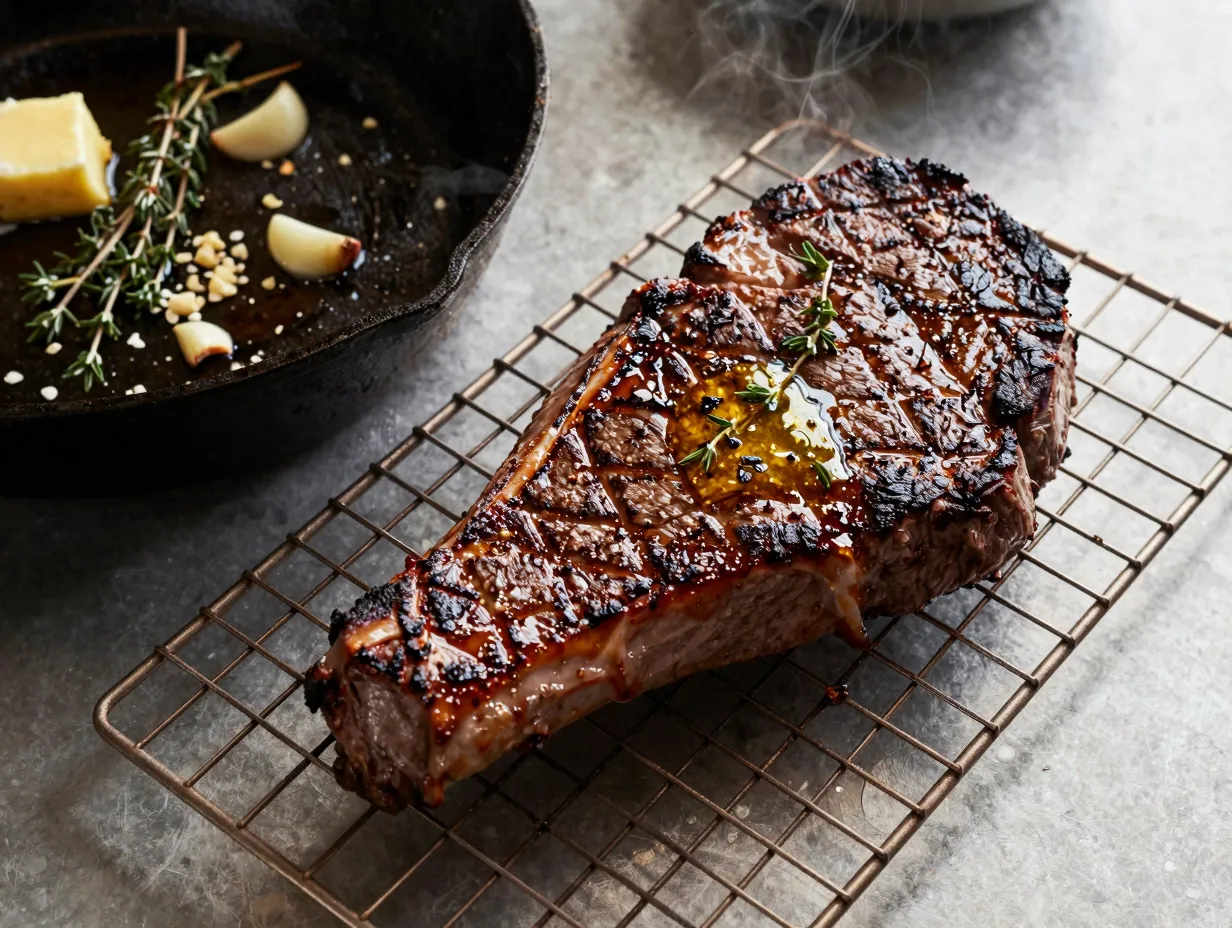
The backstrap is the most prized cut on a deer, a long, tender loin muscle that runs along both sides of the spine. It deserves the simplest, most precise treatment.
Method: Hot and fast
Key steps:
- Pat the backstrap completely dry with paper towels. Moisture is the enemy of a good sear.
- Season aggressively with kosher salt and cracked black pepper at least 30 minutes before cooking, or up to overnight in the refrigerator.
- Heat a cast-iron skillet until it is nearly smoking, then add a high-smoke-point oil (avocado or grapeseed).
- Sear the backstrap for 2-3 minutes per side, basting continuously with butter, crushed garlic, and fresh thyme in the final 90 seconds.
- Pull the meat at 130°F internal temperature and rest on a wire rack for at least 7 minutes before slicing.
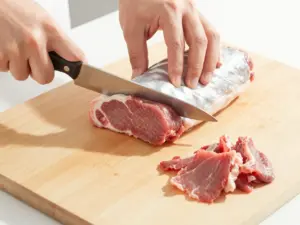
Why it works: The continuous butter basting adds fat to a naturally lean cut while the high heat creates the Maillard reaction crust that locks in juices [5]. Slicing against the grain is essential.
Serving suggestion: Sliced thin over a simple arugula salad with shaved Parmesan and a squeeze of lemon.
2. Reverse-Seared Venison Loin Steaks
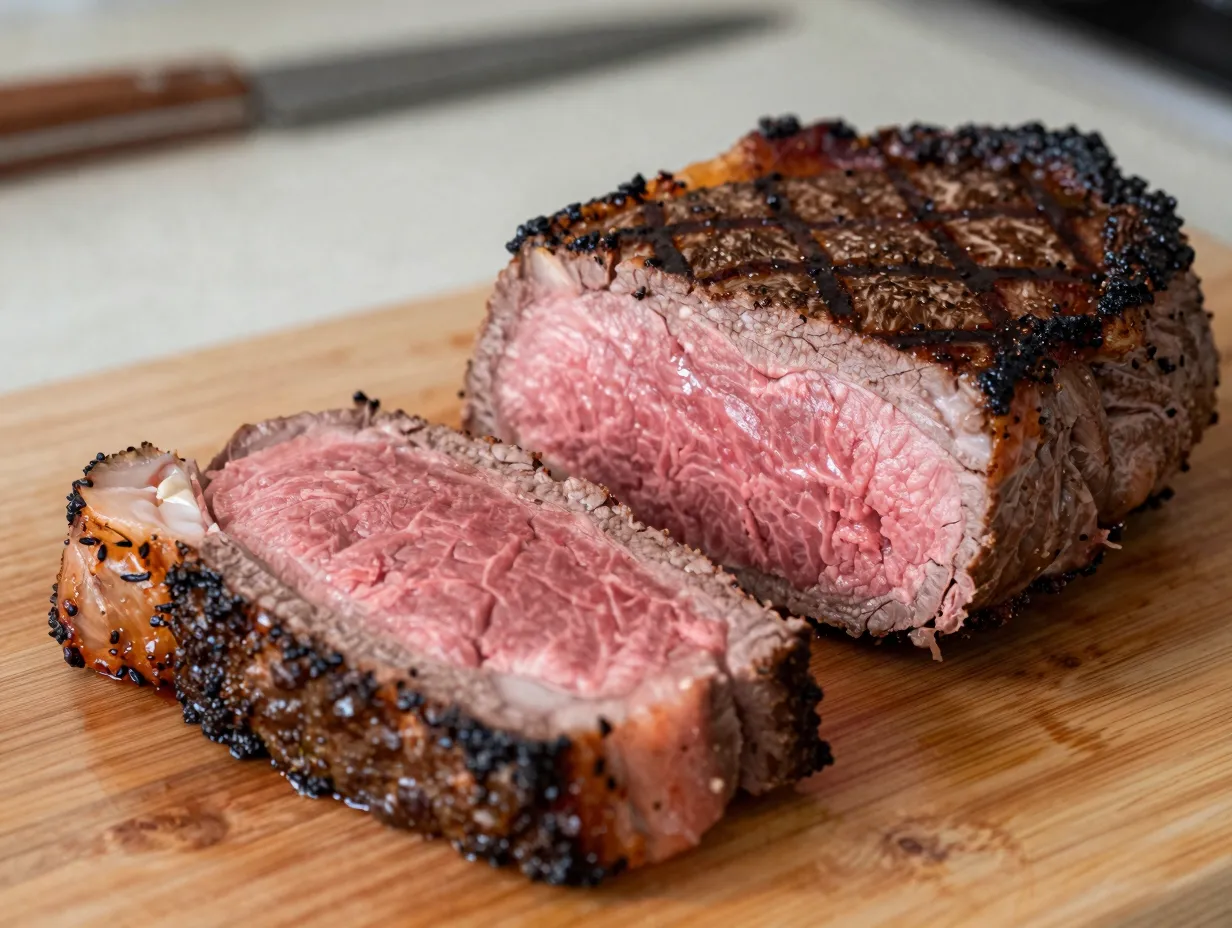
Reverse searing, cooking low in the oven first, then finishing with a hard sear, gives more control over the final internal temperature than the traditional sear-first method. It is especially useful for thick-cut loin steaks (1.5 inches or more).
Method: Low oven, then hot and fast
Key steps:
- Place seasoned steaks on a wire rack set over a baking sheet.
- Cook in a 250°F oven until the internal temperature reads 115°F (roughly 25-35 minutes depending on thickness).
- Remove from the oven and let rest for 10 minutes while a cast-iron skillet preheats to maximum heat.
- Sear for 60-90 seconds per side, just long enough to build a crust without raising the core temperature above 130-135°F [1].
Advantage over traditional searing: The slow oven phase dries the surface of the steak, which means the final sear is faster and produces a thicker, crispier crust with less risk of overshooting the target temperature.
3. Venison Pot Roast with Root Vegetables
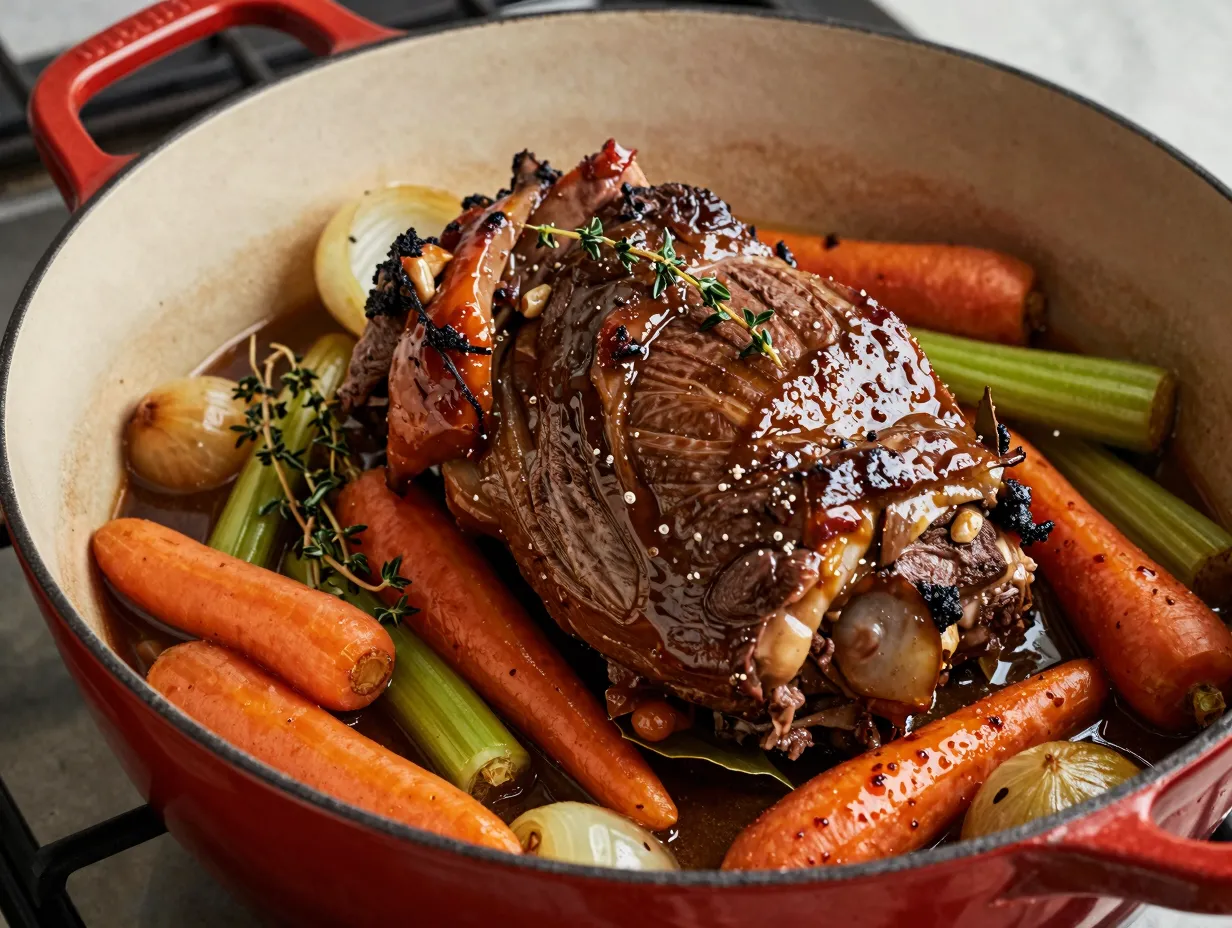
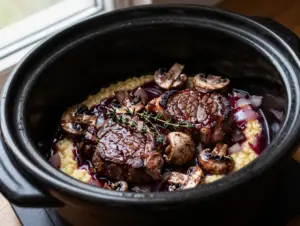
This is the quintessential low-and-slow venison recipe, and it is the best entry point for anyone new to cooking tough cuts like the shoulder or neck roast [7].
Method: Low and slow (braising)
Key steps:
- Season a 3-4 lb shoulder or neck roast generously, then sear it in a Dutch oven over high heat until deeply browned on all sides (do not skip this step, the fond is critical for flavor).
- Remove the roast and sauté diced onion, carrot, and celery in the same pot.
- Deglaze with a full cup of dry red wine, scraping up all the browned bits.
- Add beef or venison stock to come halfway up the roast, plus crushed tomatoes, fresh thyme, and bay leaves.
- Cover and braise in a 300°F oven for 3.5 to 4.5 hours until the meat pulls apart easily with a fork [7].
Pro tip: The braising liquid, once strained and reduced, becomes a rich, glossy sauce. Never discard it.
| Cut | Braising Time | Target Texture |
|---|---|---|
| Shoulder (boneless, 3 lb) | 3.5 – 4 hours | Pull-apart tender |
| Neck roast (bone-in, 4 lb) | 4 – 5 hours | Fall-off-bone |
| Shank (osso buco style) | 2.5 – 3 hours | Tender, gelatinous |
4. Venison Birria Tacos
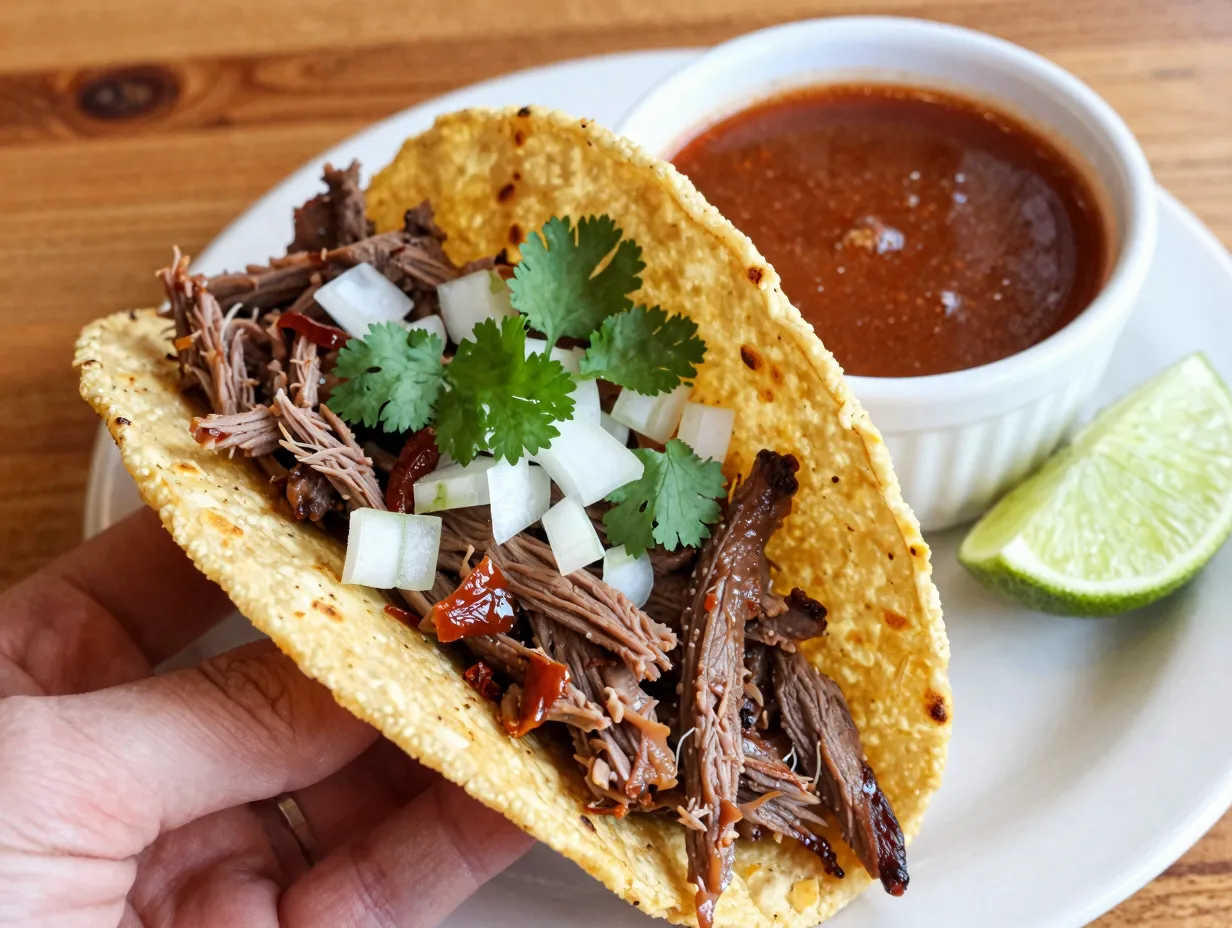
Birria, a rich, deeply spiced Mexican braise, has become one of the most popular applications for tough venison cuts in recent years, and for good reason: the bold chili-based braising liquid is perfectly suited to masking any strong gamey notes while producing extraordinarily tender, flavorful meat [9][10].
Method: Low and slow (braising)
Key steps:
- Toast and rehydrate dried guajillo, ancho, and chipotle chiles, then blend with garlic, cumin, oregano, apple cider vinegar, and beef stock into a smooth adobo sauce.
- Sear a venison shoulder or neck roast, then submerge it completely in the adobo sauce in a Dutch oven or slow cooker.
- Braise at 300°F for 4 hours (oven) or 8 hours on low (slow cooker) until the meat shreds effortlessly.
- Dip corn tortillas in the braising liquid (consommé), griddle until crispy, then fill with shredded venison, diced white onion, cilantro, and a squeeze of lime.
Why it earns a spot on this list: Birria tacos transform one of the least desirable parts of the deer into a dish that rivals any restaurant taco, and the consommé served alongside for dipping is a bonus course in itself.
5. Grilled Venison Medallions with Chimichurri
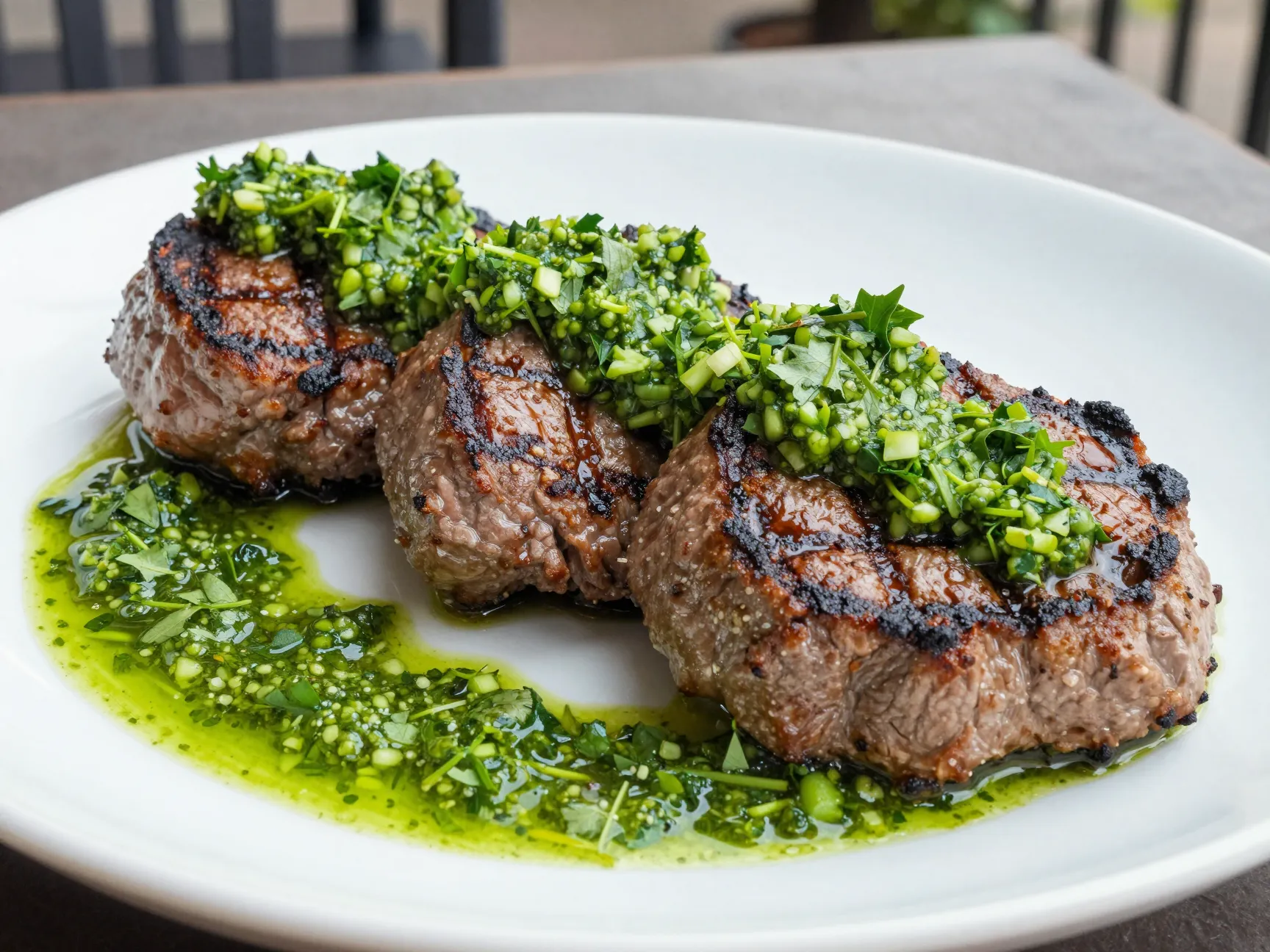
When the weather allows for outdoor cooking, grilled venison medallions cut from the backstrap or tenderloin are among the fastest and most impressive preparations in the wild-game cook’s repertoire [1][3].
Method: Hot and fast (grilling)
Key steps:
- Slice the backstrap into 1-inch-thick medallions and pound lightly to even thickness.
- Marinate for 2-4 hours in olive oil, garlic, Worcestershire sauce, and fresh herbs. Do not marinate longer, acid in the marinade begins to denature the protein and creates a mushy texture.
- Grill over direct high heat for 2 minutes per side, targeting an internal temperature of 130°F.
- Rest for 5 minutes, then serve topped with a bright, herbaceous chimichurri made from flat-leaf parsley, oregano, garlic, red wine vinegar, and olive oil.
Flavor note: The acidity of chimichurri cuts through any richness from the butter baste and complements the mineral, slightly sweet flavor of venison beautifully.
6. Venison Osso Buco (Braised Shanks)
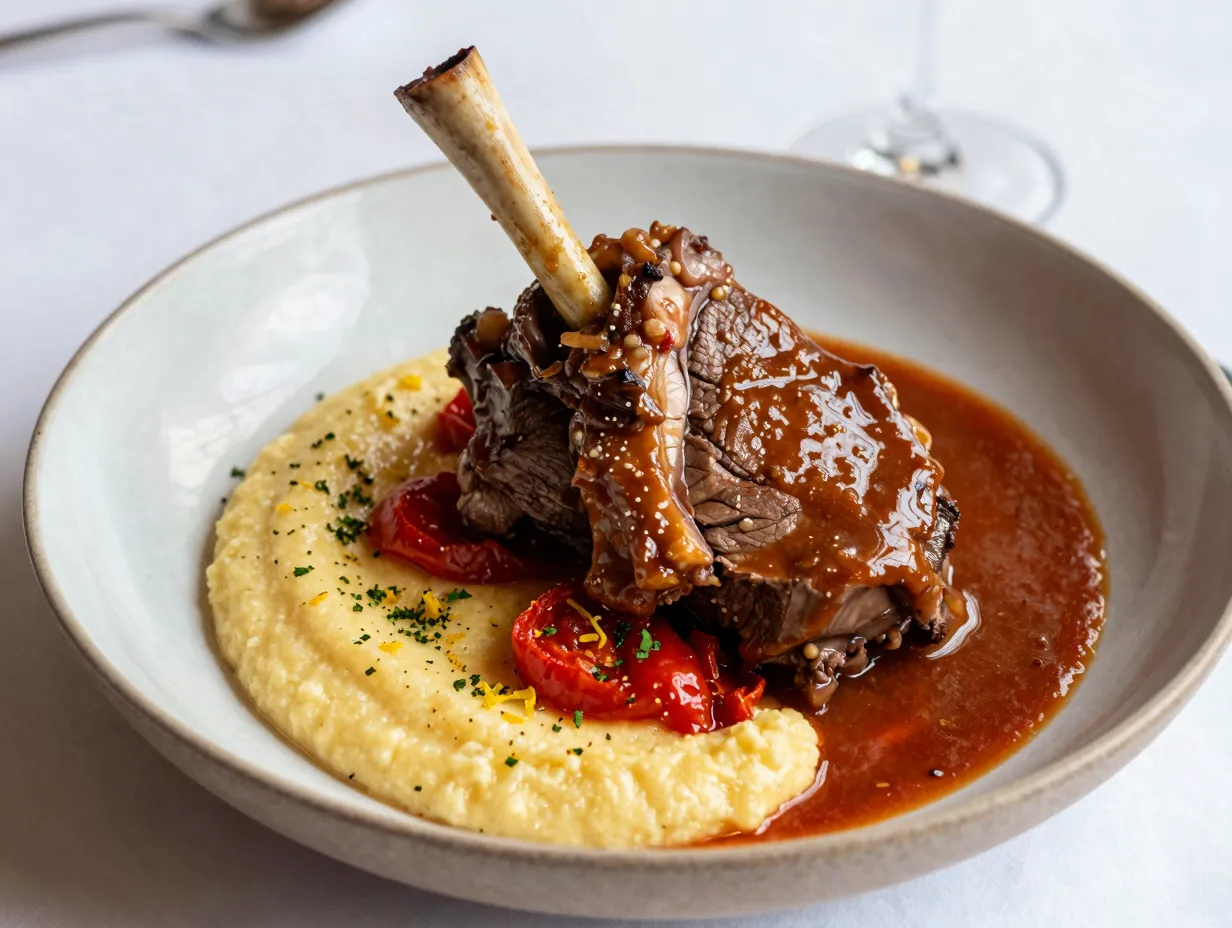
Venison shanks are one of the most underutilized cuts from a deer, largely because hunters do not know what to do with them. Prepared osso buco-style, cross-cut and slow-braised until the marrow is silky and the meat falls from the bone, they are extraordinary [3][8].
Method: Low and slow (braising)
Key steps:
- Ask a butcher to cross-cut the shanks into 2-inch rounds, or use a bone saw at home.
- Dredge lightly in seasoned flour and sear in a Dutch oven until deeply browned.
- Braise in a mixture of white wine, chicken stock, crushed tomatoes, onion, carrot, celery, and lemon zest at 325°F for 2.5 to 3 hours.
- Finish with a classic gremolata, a mixture of lemon zest, minced garlic, and flat-leaf parsley, stirred in at the last moment for brightness.
Serving suggestion: Serve over creamy polenta or saffron risotto to soak up the braising liquid.
7. Classic Venison Burger
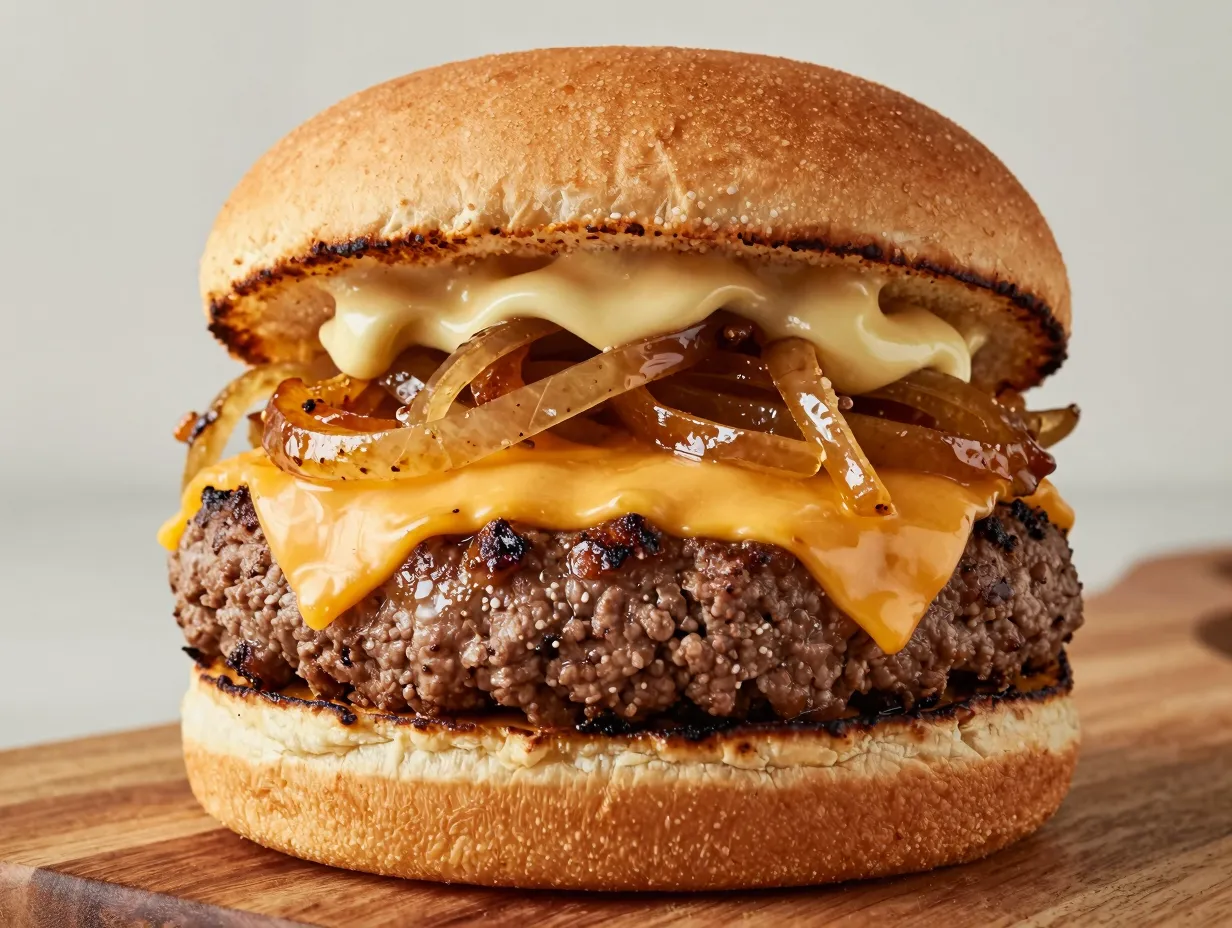
Ground venison is the most accessible form of deer meat for everyday cooking, and a well-made venison burger demonstrates just how good the protein can be when handled correctly [2][10].
The fat problem: Venison is so lean that ground venison patties fall apart and dry out without added fat. The standard solution is to mix in 15-20% pork fat, beef tallow, or bacon before grinding or forming patties. Some cooks use a 70/30 venison-to-pork shoulder blend for a richer result.
Key steps:
- Mix ground venison with added fat, plus salt, pepper, Worcestershire sauce, and a small amount of Dijon mustard.
- Form into patties slightly wider than the bun (they shrink during cooking) and press a shallow dimple in the center to prevent doming.
- Cook on a screaming-hot cast-iron griddle or grill for 3-4 minutes per side to an internal temperature of 160°F (ground meat must reach a higher temperature than whole-muscle cuts for food safety).
- Do not press the patties, this forces out the moisture that the added fat was meant to preserve.
Topping recommendation: A sharp aged cheddar, caramelized onions, and a smear of whole-grain mustard aioli complement the slightly sweet, mineral flavor of venison without overpowering it.
8. Venison Chili
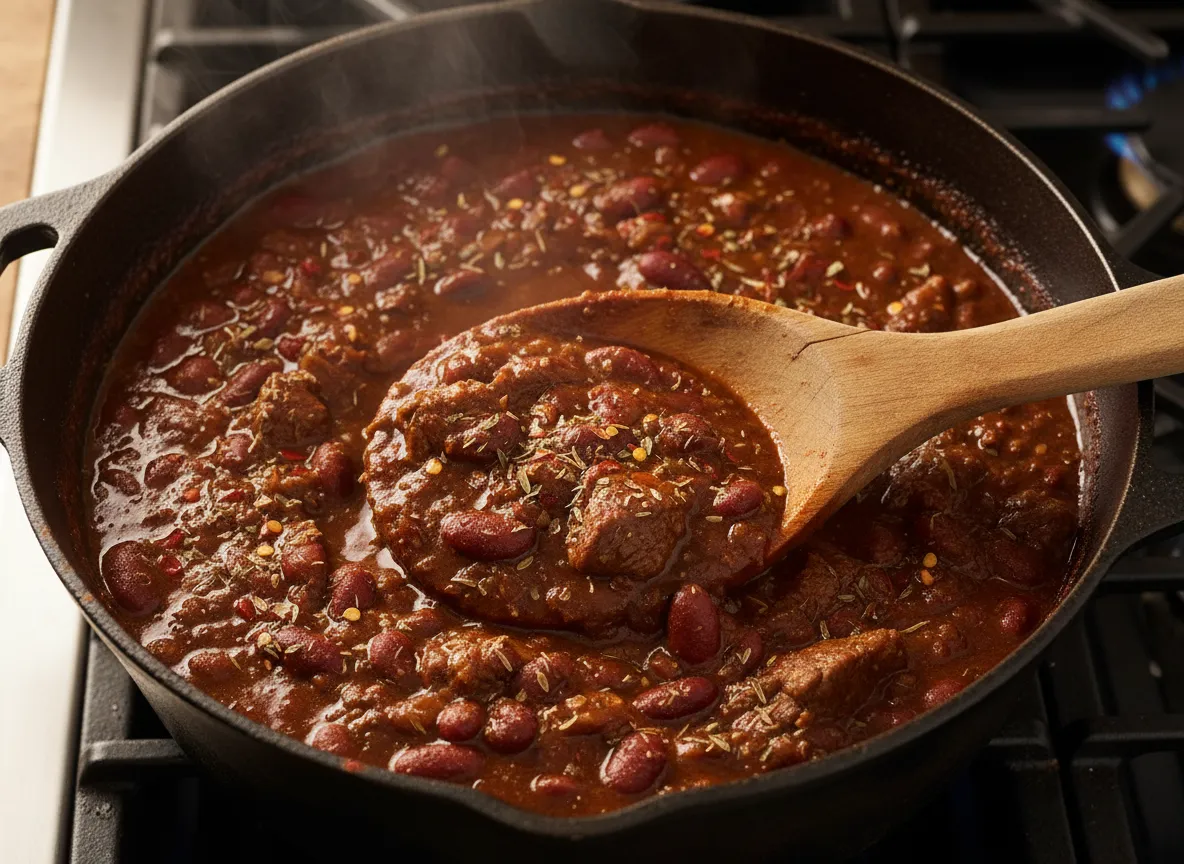
A well-built venison chili is the ideal recipe for using trim, stew meat, or any ground venison that accumulates over a season. It is forgiving, scalable, and improves significantly the next day as the flavors meld [2][8][9].
Method: Low and slow (stovetop or slow cooker)
Key steps:
- Brown ground venison or cubed stew meat in batches over high heat, crowding the pan causes steaming rather than browning, which eliminates depth of flavor.
- Build the chili base with diced onion, bell pepper, garlic, tomato paste, and a blend of chili powder, cumin, smoked paprika, oregano, and cayenne.
- Add crushed tomatoes, dark beer or beef stock, and kidney or pinto beans (optional).
- Simmer on low for at least 90 minutes, or transfer to a slow cooker for 6-8 hours, stirring occasionally.
- Adjust seasoning at the end. Venison absorbs spice differently than beef, so tasting and adjusting near the end of cooking is essential.
Make-ahead value: Venison chili freezes exceptionally well in individual portions, making it one of the highest-return recipes in terms of meal-prep efficiency.
Common Mistakes That Ruin Venison (and How to Avoid Them)
Even experienced cooks make avoidable errors with venison. The following table summarizes the most frequent mistakes and their solutions.
| Mistake | Why It Happens | Fix |
|---|---|---|
| Overcooked steaks | Treating venison like beef | Use a thermometer; pull at 130°F |
| Gamey flavor | Poor field dressing or improper aging | Source well-processed deer; use acid marinades |
| Dry ground meat | No added fat | Blend with 15-20% pork fat |
| Tough braised cuts | Cooking at too high a temperature | Stay below 325°F; use enough liquid |
| Burgers falling apart | Pure lean ground venison | Always add fat before forming patties |
| Skipping the rest | Impatience | Rest steaks minimum 5 minutes; roasts 15-20 minutes |
Seasoning and Flavor Pairing Guide for Venison
Venison has a distinctive flavor profile, slightly mineral, mildly sweet, and earthy, that pairs well with specific flavor families. Understanding these pairings elevates every recipe on this list.
Herbs that complement venison:
- Rosemary, thyme, sage, juniper berries, bay leaf
Acids that balance venison:
- Red wine, balsamic vinegar, apple cider vinegar, citrus juice
Aromatics that enhance venison:
- Garlic, shallots, dried porcini mushrooms, smoked paprika
Fats that add richness:
- Unsalted butter, rendered bacon fat, duck fat, olive oil
What to avoid: Overly sweet glazes (like teriyaki or honey-heavy marinades) can clash with venison’s mineral notes and produce a cloying result that masks the meat’s natural character rather than enhancing it.
Field-to-Table: Why Proper Processing Matters
No recipe, however well-executed, can rescue venison that was poorly handled in the field. The quality of the final dish begins the moment the deer is harvested.
Critical field-dressing steps:
- Remove the entrails as quickly as possible to prevent heat buildup and bacterial contamination.
- Cool the carcass rapidly, ideally to below 40°F within a few hours.
- Age the meat for 5-10 days in a controlled environment (34-38°F) to allow natural enzymes to tenderize the muscle fibers.
- Remove all silver skin (the thin, iridescent connective tissue membrane) before cooking, it does not break down with heat and creates a chewy, unpleasant texture in finished dishes.
Hunters who process their own deer and follow these steps consistently produce venison that requires far less masking with marinades or strong spices. The meat speaks for itself [3][5].
Conclusion
The 8 Essential Venison Recipes for Cooking Deer Meat to Perfection covered in this guide, pan-seared backstrap, reverse-seared loin steaks, pot roast, birria tacos, grilled medallions, osso buco, venison burgers, and venison chili, represent the full spectrum of what deer meat can achieve in the kitchen. Each recipe is anchored in the same two principles: match the cooking method to the cut, and never overcook a lean protein.
Actionable next steps for 2026:
- Invest in a reliable instant-read thermometer. It is the single most impactful tool for improving venison results immediately.
- Start with Recipe 1 (pan-seared backstrap) if working with a tender cut, or Recipe 3 (pot roast) if working with a shoulder or neck, these two recipes build the foundational skills that carry over into every other preparation.
- Source venison from a reputable processor or hunter who follows proper field-dressing and aging protocols. Processing quality is the foundation of flavor.
- Work through the full list systematically over a season. Each recipe builds on the last, and the techniques compound, a cook who has mastered braising for the pot roast will find birria tacos and osso buco far more intuitive.
- Consult the authoritative wild-game recipe libraries at Honest-Food.net and The Wild Game Gourmet for deeper exploration of cuts and methods beyond this list [1][3].
Venison is one of the most nutritious, sustainable, and flavorful proteins available, and with the right techniques, it is also one of the most rewarding to cook.
References
[1] Venison Recipes – https://thewildgamegourmet.com/venison-recipes/
[2] Oh Deer 7 Venison Recipes Youve Gotta Try – https://georgiawildlife.blog/2018/12/12/oh-deer-7-venison-recipes-youve-gotta-try/
[3] Venison Recipes – https://honest-food.net/wild-game/venison-recipes/
[5] How To Cook Venison – https://www.missallieskitchen.com/how-to-cook-venison/
[7] Venison Roast Recipes – https://www.missallieskitchen.com/venison-roast-recipes/
[8] Venison Recipes – https://www.binkysculinarycarnival.com/venison-recipes/
[9] Wild Game Recipes – https://www.modernfarmhouseeats.com/category/recipes/wild-game-recipes/
[10] Best Venison Recipes – https://venisonfordinner.com/best-venison-recipes/