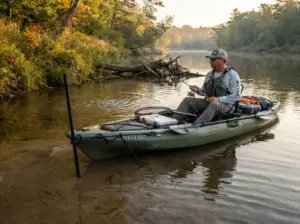
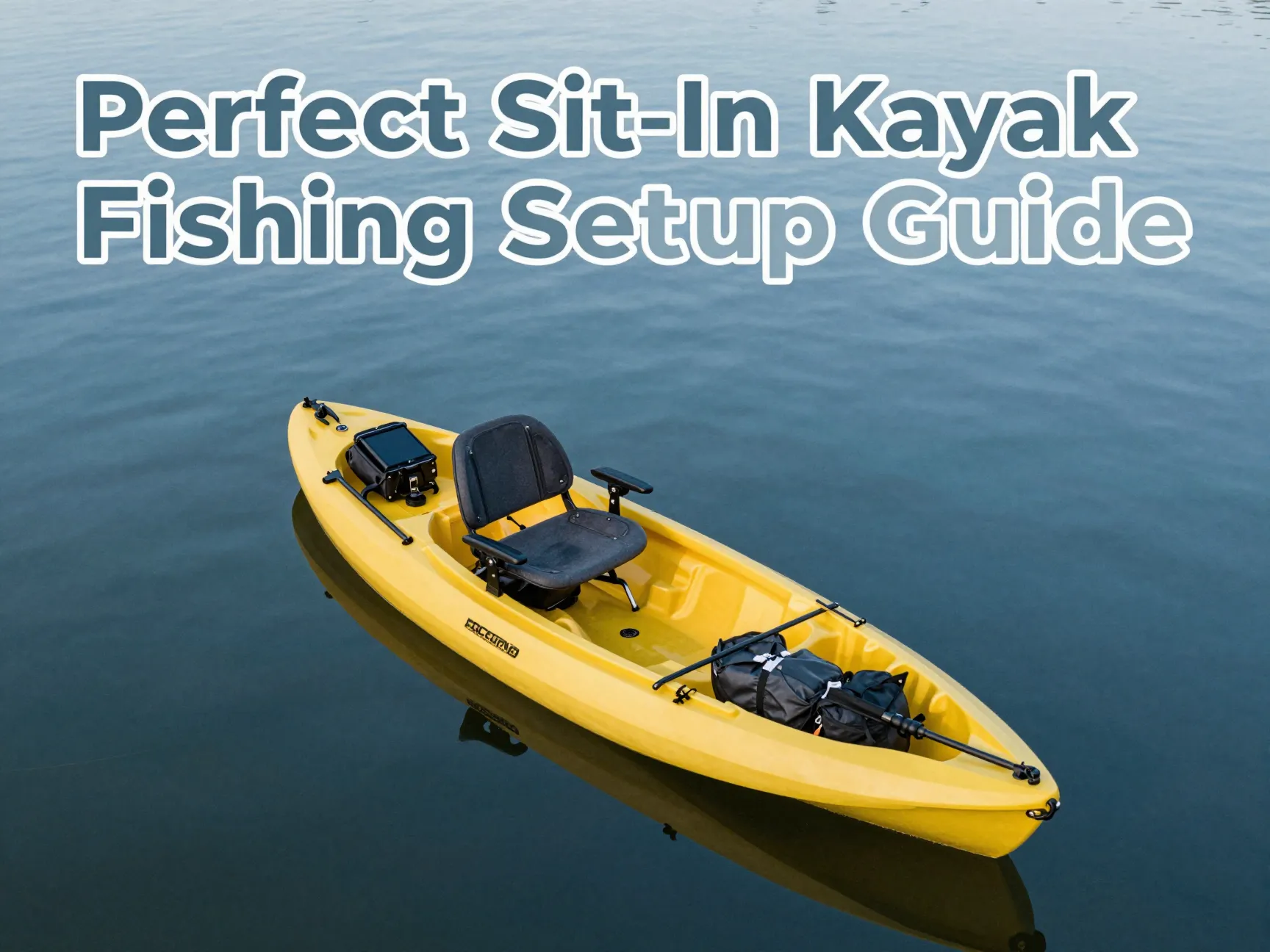
8 Key Steps for Your Perfect Sit-In Kayak Fishing Setup
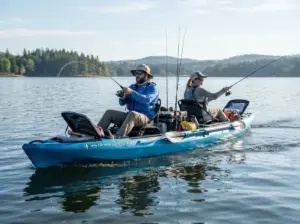
Fewer than 15% of kayak anglers ever optimize their cockpit configuration, and it shows in their catch rates, comfort, and safety on the water. A poorly rigged sit-in kayak is not just frustrating; it can be genuinely dangerous when conditions change fast. Following the 8 Key Steps for Your Perfect Sit-In Kayak Fishing Setup transforms a basic hull into a purpose-built fishing platform that works with you, not against you. Whether targeting bass on a quiet lake or chasing stripers in coastal inlets, every decision made before launch determines how the day unfolds.
Disclosure: This post contains affiliate links. As an Amazon Associate, we earn from qualifying purchases, and at no extra cost to you.
Key Takeaways
- Choosing the right sit-in kayak hull and outfitting it with the correct seat is the foundation of every other decision.
- Rod holders, anchor systems, and electronics must be positioned for both efficiency and safety.
- Weight distribution and storage organization directly affect paddling performance and stability.
- Personal flotation devices and lighting are non-negotiable safety requirements, not optional accessories.
- A systematic approach to rigging, following all 8 key steps, saves time, money, and frustration over the long term.
Why the Sit-In Kayak Fishing Setup Matters More Than Most Anglers Realize
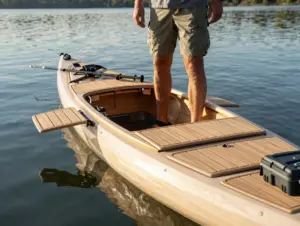
A sit-in kayak places the angler inside the hull rather than on top of it. This lower center of gravity improves stability in wind and chop, but it also creates unique rigging challenges. Leg room is limited. Gear access requires planning. Wet re-entry after a capsize demands practiced technique.
“The cockpit is your workspace. Treat it like one.”
Most anglers spend hundreds of dollars on rods and lures, then overlook the platform that carries all of it. A thoughtful setup pays dividends in every session: less time searching for gear, more time fishing, and a safer experience overall.
The sections below walk through each of the 8 Key Steps for Your Perfect Sit-In Kayak Fishing Setup in the order they should be addressed, from hull selection through final safety checks.
1. Select the Right Sit-In Kayak Hull for Fishing
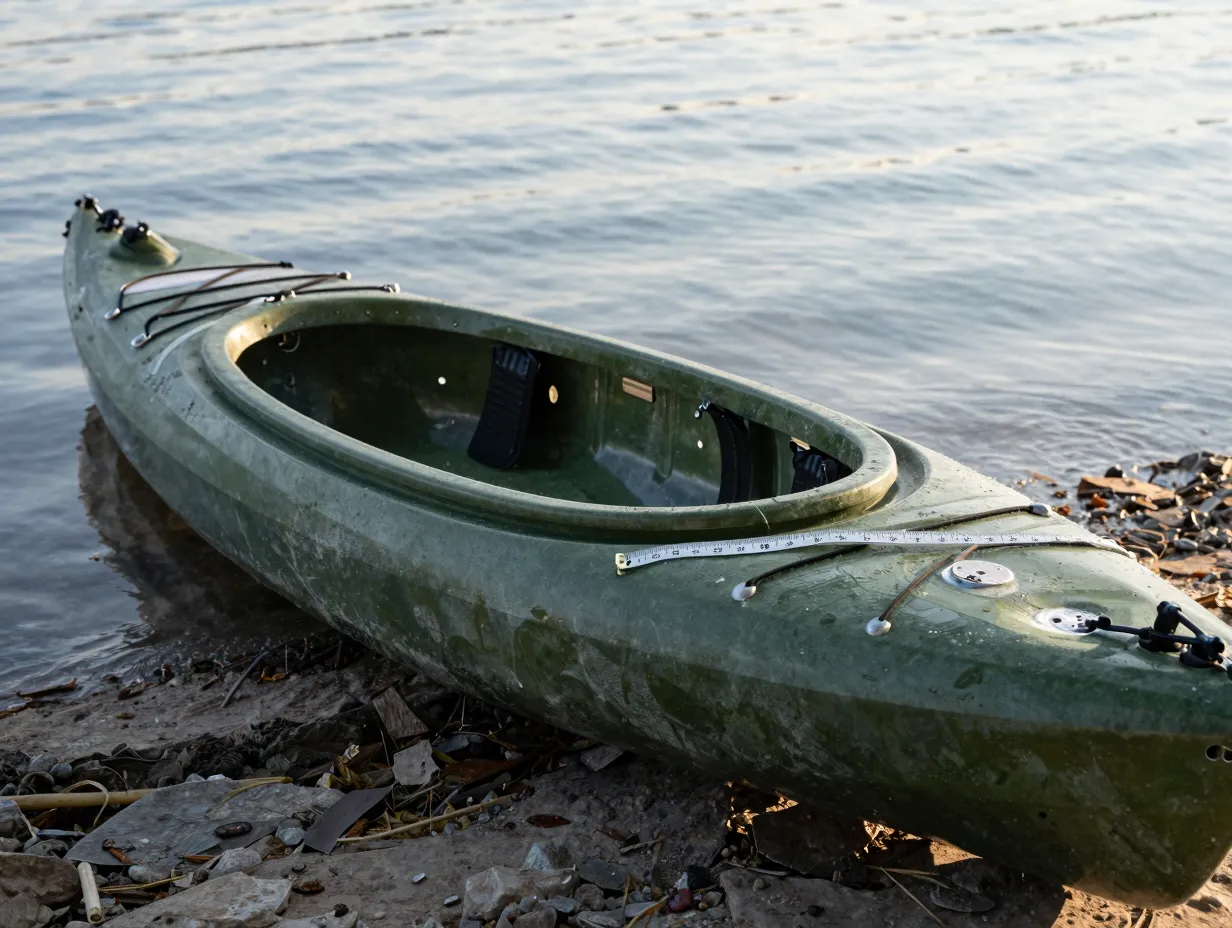
Not every sit-in kayak is built for fishing. Hull shape, cockpit size, and weight capacity all determine whether a kayak can be rigged effectively.
Hull length and width:
- Shorter hulls (10-12 feet) are maneuverable but slower over long distances.
- Longer hulls (13-16 feet) track better and carry more gear.
- Wider beams (24-28 inches) offer more initial stability for casting.
Weight capacity: Always choose a hull rated for at least 50 lbs more than the combined weight of the angler, gear, and fish. Overloaded kayaks sit low in the water, handle poorly, and are prone to swamping.
Cockpit size: A larger cockpit opening makes wet re-entry easier and allows more freedom of movement while fishing. Measure the cockpit before purchasing any aftermarket seat or thigh brace.
Material considerations:
| Material | Weight | Durability | Best For |
|---|---|---|---|
| High-density polyethylene (HDPE) | Heavy | Excellent | Rocky shorelines, budget builds |
| Thermoformed ABS | Medium | Good | All-around fishing |
| Fiberglass composite | Light | Moderate | Speed, long-distance paddling |
2. Install a High-Quality Aftermarket Seat
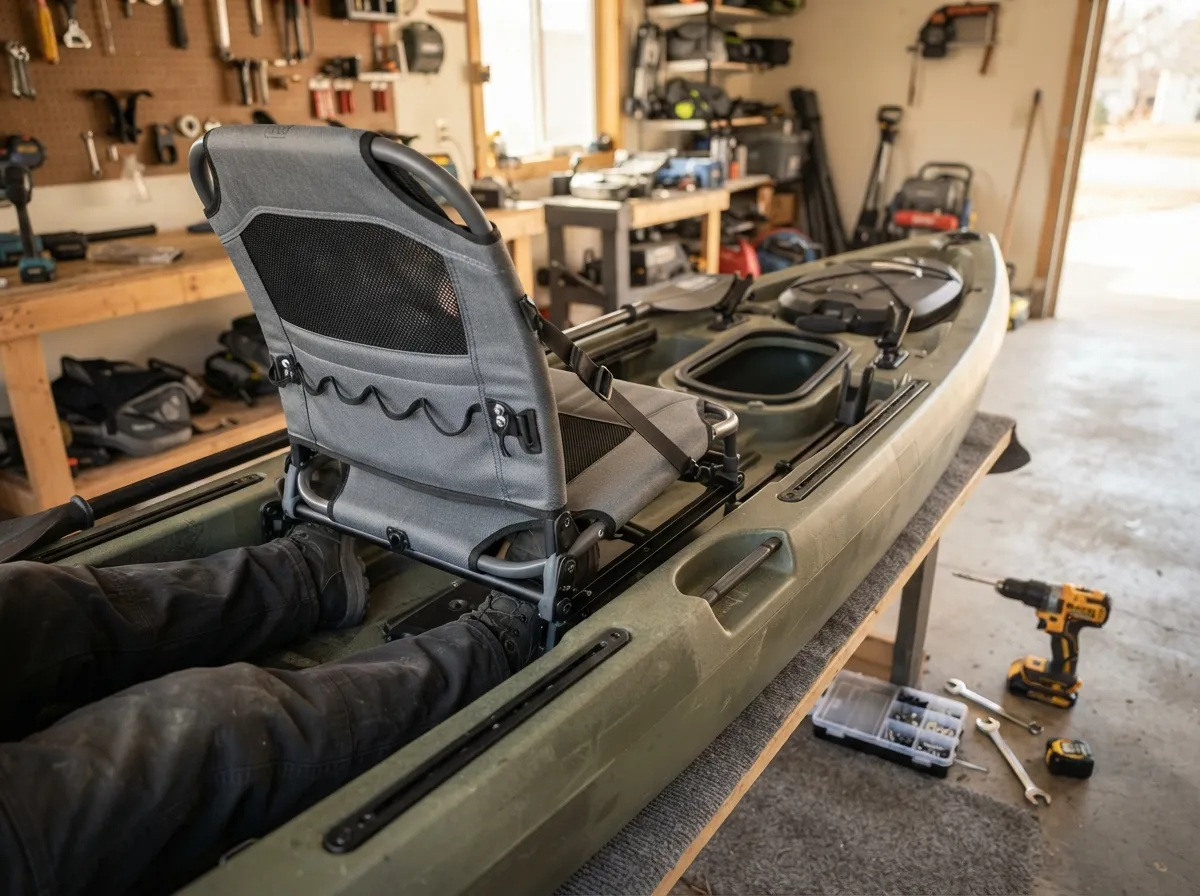
The stock seat on most production kayaks is designed for general paddling, not hours of stationary fishing. Upgrading the seat is one of the highest-return investments in any sit-in kayak fishing setup.
What to look for in a fishing seat:
- Lumbar support: Essential for multi-hour sessions. Look for adjustable back panels with firm foam or inflatable support.
- Breathable fabric: Neoprene and mesh panels reduce heat buildup and moisture retention.
- Attachment points: Gear loops and side pockets on the seat back keep small items within reach without cluttering the cockpit.
- Height adjustment: Some aftermarket seats allow the angler to raise or lower their position, which affects casting leverage and paddle stroke efficiency.
Installation tip: Before drilling any new mounting points, sit in the kayak on dry land and confirm the seat position allows full leg extension and comfortable thigh contact with the braces. A seat installed even two inches too far forward or back changes the entire feel of the cockpit.
3. Plan and Install Rod Holders Strategically
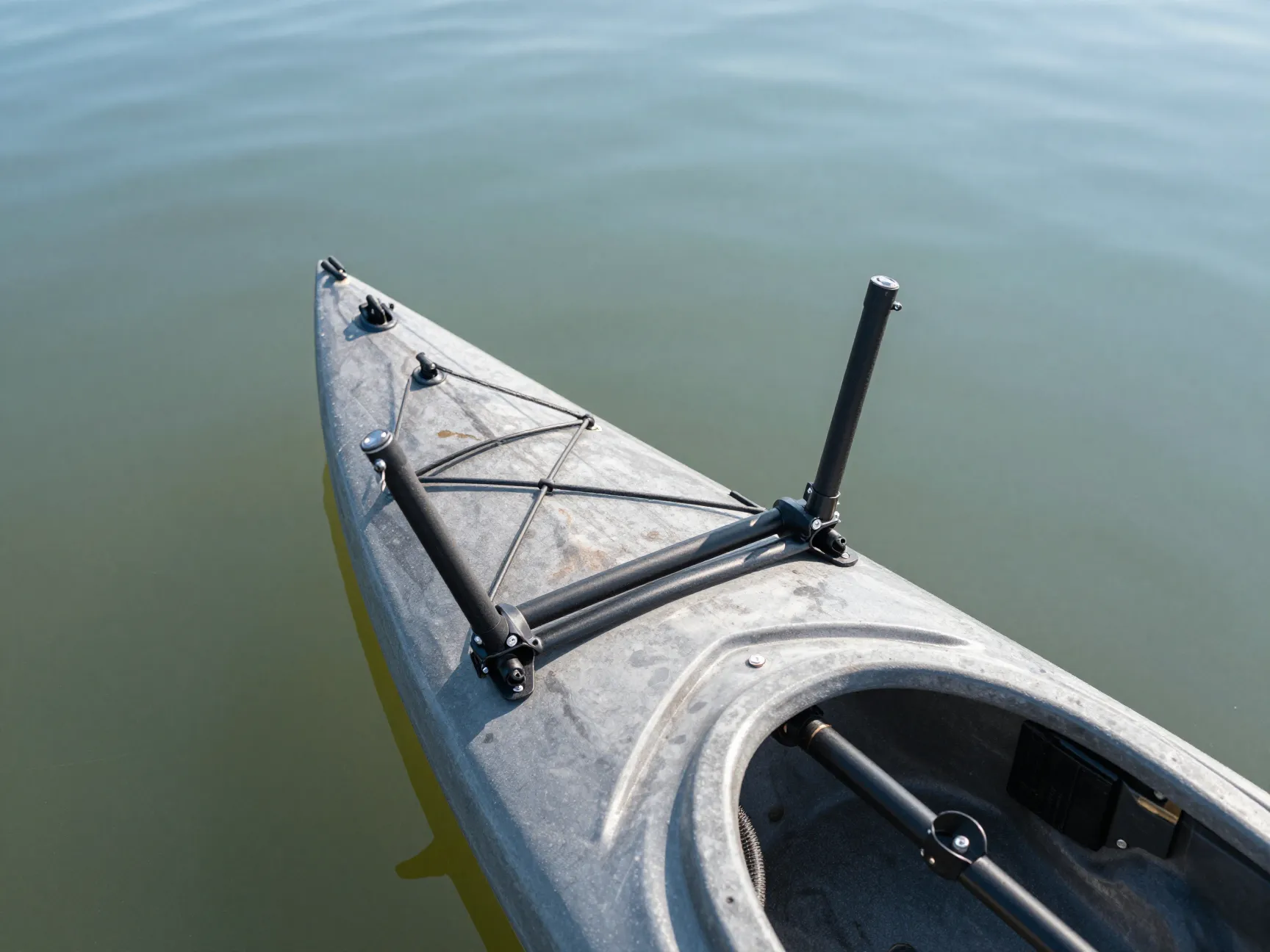
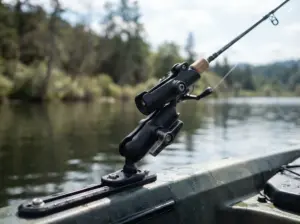
Rod holders are the most visible element of any kayak fishing rig, and they are also the most commonly misplaced. Poorly positioned rod holders create snag points, interfere with paddle strokes, and make it harder to reach the right rod at the right moment.
Types of rod holders:
- Flush-mount rod holders sit level with the deck surface. They are low-profile and ideal for trolling rods kept out of the way during paddling.
- Adjustable tube holders mount on rails or tracks and can be angled in multiple directions. These are the most versatile option for active fishing.
- Behind-the-seat holders keep rods accessible without blocking the cockpit. Best for rods rigged with lures that need to be grabbed quickly.
Positioning rules:
- Keep rod holders at least 6 inches from the cockpit rim to avoid interference with paddle entry.
- Angle holders slightly outward (15-20 degrees) so rods do not cross over the centerline of the kayak.
- Never mount a rod holder where it blocks the view of a fish finder screen or interferes with the paddle arc.
Track systems: Installing a continuous gear track (such as a Scotty or RAM track) along the gunwale gives maximum flexibility. Accessories can be repositioned without drilling new holes every time the setup evolves.
4. Set Up an Anchor System Appropriate for the Conditions
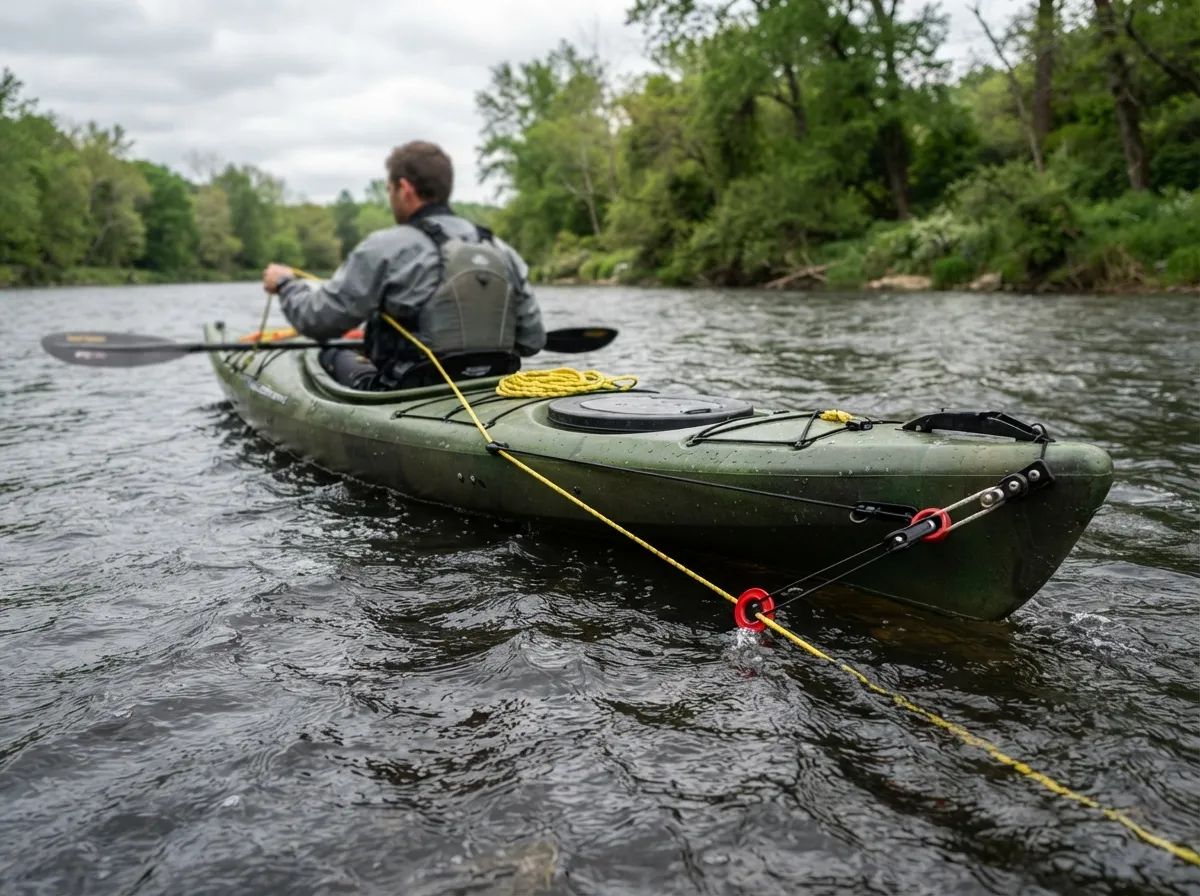
Drifting past a productive spot is one of the most common frustrations in kayak fishing. A reliable anchor system solves this, but the wrong anchor setup creates serious safety hazards.
Anchor types for sit-in kayaks:
- Folding grapnel anchors (1.5-3 lbs): Compact and effective in moderate current. The go-to choice for most freshwater and light saltwater use.
- Stake-out poles: Ideal for shallow water (under 8 feet). Push the pole into the bottom and clip the kayak to it. No rope to manage.
- Drift chutes (sea anchors): Slow drift speed without stopping the kayak entirely. Useful in open water with steady wind.
The anchor trolley system: This is the single most important safety upgrade for anchoring a sit-in kayak. An anchor trolley is a loop of cord running from bow to stern along the side of the hull, with a ring that slides to any position. By running the anchor line through the trolley ring, the angler can position the anchor point at the bow or stern, keeping the kayak aligned with current or wind rather than broadside to it.
A kayak anchored broadside to current is at serious risk of swamping. The anchor trolley eliminates this risk entirely.
5. Mount a Fish Finder and Electronics Properly
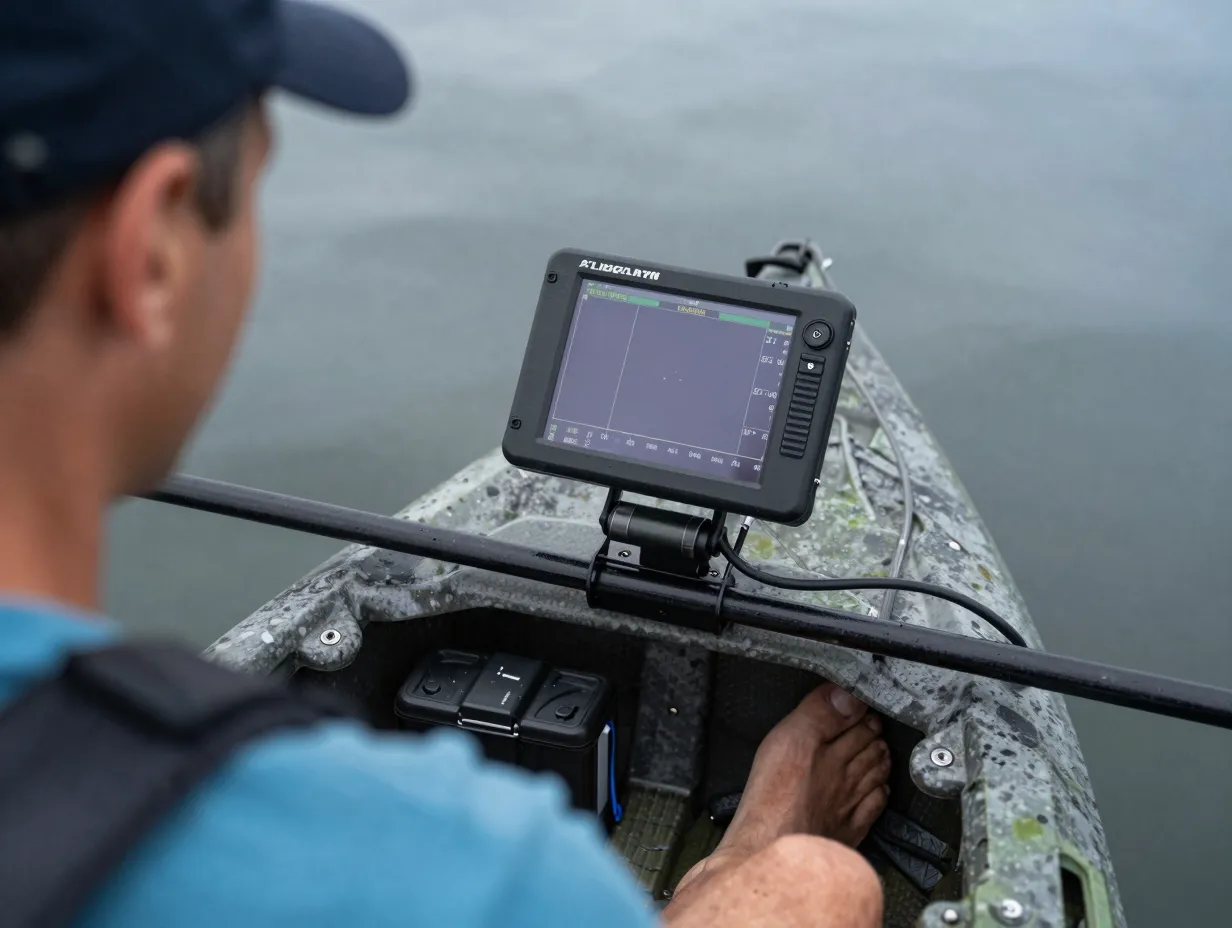
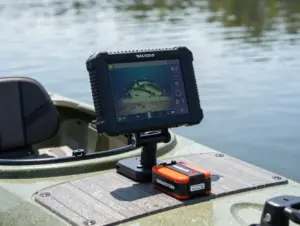
A fish finder transforms a sit-in kayak into a serious fish-locating platform. In 2026, compact units with GPS, sonar, and chartplotter functions are available at accessible price points, but mounting them correctly is critical.
Mounting location: The transducer (the underwater sensor) must be mounted where it has an unobstructed view straight down. Common positions include:
- Inside the hull (shoot-through mounting for HDPE hulls)
- On a scupper-style mount at the stern
- On a dedicated transducer arm off the side
Display unit placement: The screen must be readable without leaning forward or twisting the torso. A RAM mount arm attached to a gear track allows the display to be positioned directly in the angler’s sightline. Tilt the screen slightly away from direct sunlight to reduce glare.
Power: A small sealed lead-acid battery (7-12 Ah) or a lithium iron phosphate (LiFePO4) battery stored in a waterproof case provides reliable power for a full day of fishing. Run cables through the hull where possible to reduce snag points.
Waterproofing all connections: Use marine-grade heat-shrink connectors and apply dielectric grease to every exposed terminal. Saltwater environments are especially unforgiving of shortcuts in electrical work.
6. Organize Storage for Efficiency and Weight Distribution
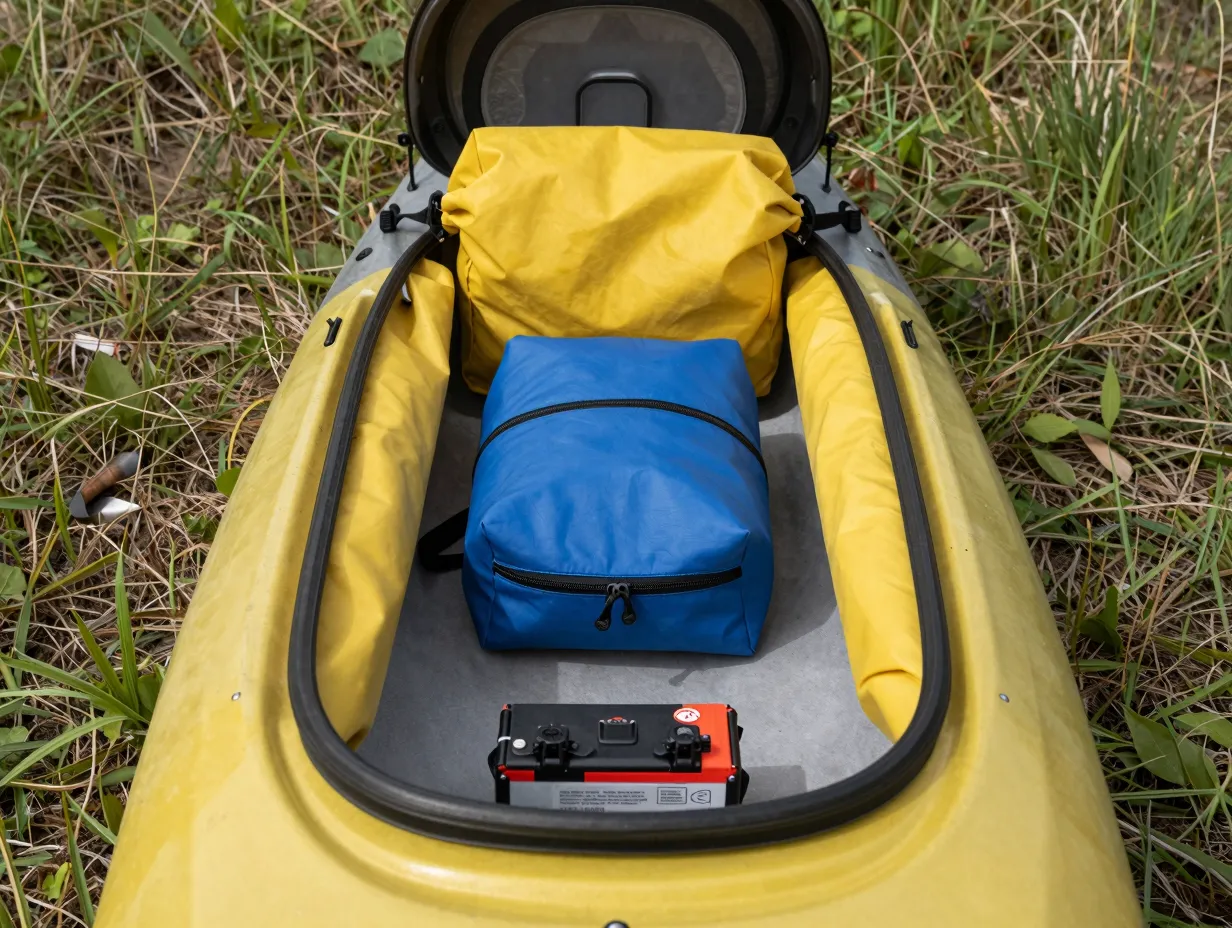
Storage organization in a sit-in kayak is a balance between accessibility and weight management. Every item placed in the kayak affects how it sits in the water and how it handles.
Weight distribution principles:
- Keep the heaviest items (battery, tackle boxes, water) centered and low in the hull.
- Balance weight port-to-starboard. An unbalanced kayak requires constant corrective paddle strokes.
- Keep frequently used items within arm’s reach of the cockpit. Items stored in the bow or stern should be things that are not needed until the end of the day.
Storage zones in a typical sit-in kayak:
- Cockpit area: Small dry bag or mesh pocket for items used every few minutes, pliers, lip gripper, hook remover, sunscreen.
- Day hatch (if present): Medium-sized dry bag with lunch, first aid kit, and backup tackle.
- Bow hatch: Rarely accessed items, spare paddle, extra clothing, emergency kit.
- Stern hatch: Heavier items like the battery and large tackle storage.
Soft tackle storage: Soft-sided tackle bags with waterproof zippers conform to the shape of the cockpit better than rigid boxes. They also reduce noise when the kayak rocks, which matters in shallow-water fishing situations.
Dry bags are non-negotiable: Every electronic device, wallet, phone, and piece of clothing that must stay dry should be inside a roll-top dry bag rated for submersion, not just splash resistance.
7. Configure Safety Gear as Part of the Core Setup
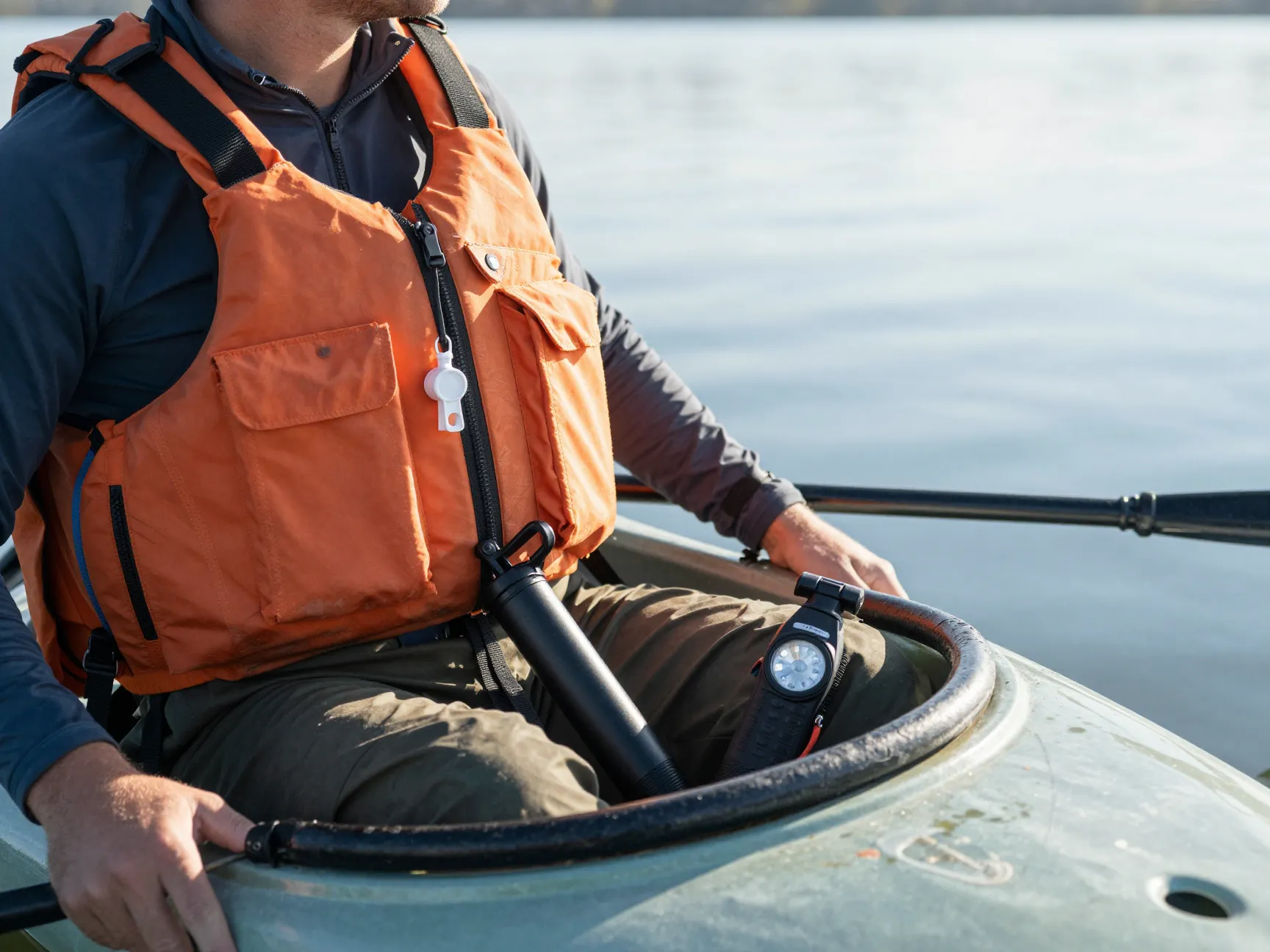
Safety equipment is not an afterthought in the 8 Key Steps for Your Perfect Sit-In Kayak Fishing Setup, it is a core component of the rig. Treating safety gear as optional or storing it where it is hard to reach defeats its purpose entirely.
Personal Flotation Device (PFD): In most jurisdictions, a Coast Guard-approved Type III or Type V PFD is legally required on every kayak. For fishing, a low-profile inflatable PFD or a fishing-specific foam PFD with multiple pockets is the practical choice. The PFD must be worn, not stored in the hatch.
Paddle float and bilge pump: A sit-in kayak that takes on water must be pumped out. A hand-operated bilge pump stored within reach of the cockpit, not buried in the stern hatch, is essential. A paddle float aids in self-rescue after a capsize.
Signaling devices:
- A waterproof VHF radio for coastal and open-water paddling.
- A whistle (required by law in most regions) attached to the PFD.
- A waterproof flashlight or signal mirror for low-visibility conditions.
Navigation lighting: Any kayak on the water between sunset and sunrise must display a white light visible from 360 degrees. Clip-on LED lights designed for kayaks are inexpensive and attach directly to the stern or cockpit rim.
Float plan: Before every session, leave a written float plan with a trusted person on shore. Include the launch location, intended route, expected return time, and emergency contact numbers. This single habit has saved lives.
8. Perform a Pre-Launch Systems Check Every Single Time
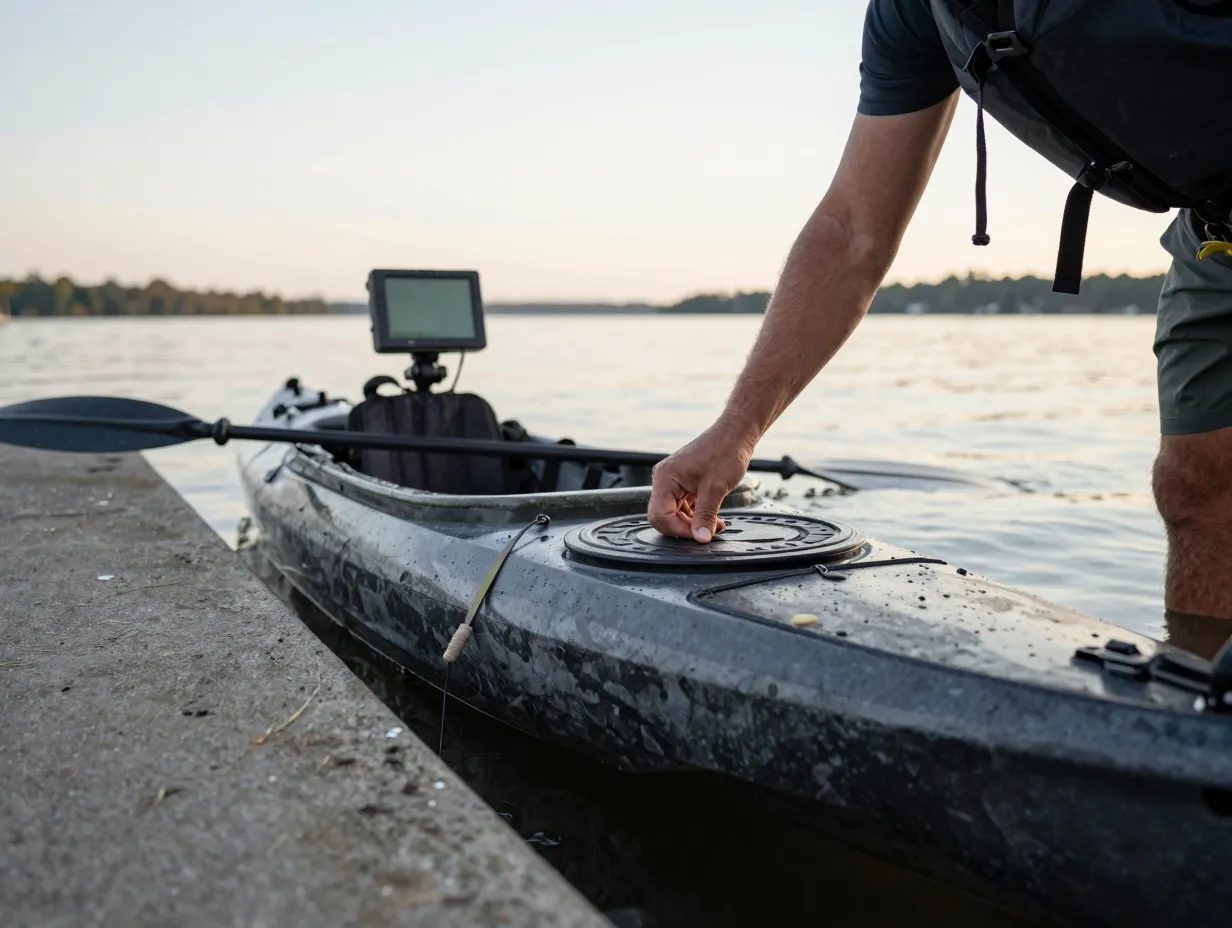
The final step in the 8 Key Steps for Your Perfect Sit-In Kayak Fishing Setup is the one most often skipped: a systematic pre-launch check. Even an experienced angler with a well-rigged kayak can have a poor or dangerous day because of something overlooked at the ramp.
Pre-launch checklist:
- Confirm the PFD is on and fastened correctly.
- Check that the bilge pump is accessible and the cockpit is dry.
- Verify all hatches are sealed and latched.
- Turn on the fish finder and confirm GPS lock and transducer signal.
- Check that rod holders are loaded and rods are secured.
- Confirm the anchor trolley ring is positioned correctly and the anchor line is clear.
- Test navigation lights if launching near dusk.
- Verify the paddle is leashed to the kayak.
- Check weather and water conditions against the forecast reviewed before leaving home.
- Confirm the float plan has been communicated.
This check takes under five minutes. It prevents the kind of small oversights, a loose hatch, a dead fish finder battery, a missing whistle, that ruin an otherwise well-planned trip.
Paddle leash: A paddle leash is a simple loop of bungee cord or coiled line that connects the paddle to the kayak. In a capsize or a moment of inattention, an unleashed paddle can drift out of reach faster than expected. This is a $10 item that belongs on every sit-in kayak.
Putting the 8 Key Steps for Your Perfect Sit-In Kayak Fishing Setup Together
The steps above are designed to build on each other. Hull selection determines what seat fits. Seat position determines where rod holders can go. Rod holder placement affects where the fish finder screen mounts. Storage organization depends on all of the above.
Common mistakes to avoid:
- Drilling permanent holes before testing accessory positions with clamps or tape.
- Overloading the kayak with gear that never gets used on the water.
- Skipping the anchor trolley and anchoring directly from the bow cleat.
- Storing the PFD in a hatch instead of wearing it.
- Neglecting to test the full setup on calm, shallow water before taking it into challenging conditions.
Upgrade sequence for new anglers:
If budget is a constraint, prioritize in this order:
- PFD and paddle, safety first, always.
- Aftermarket seat, comfort determines how long sessions last.
- Anchor trolley, safety and fishing effectiveness combined.
- Rod holders on a gear track, flexibility without permanent modifications.
- Fish finder, adds significant value once the platform is stable.
Conclusion
Building the perfect sit-in kayak fishing setup is a process, not a single purchase. Each of the 8 Key Steps for Your Perfect Sit-In Kayak Fishing Setup addresses a specific layer of the system, from the hull itself to the final pre-launch check, and each layer depends on the decisions made before it.
Actionable next steps for anglers at every level:
- Beginners: Start with the PFD, seat, and anchor trolley. Get comfortable on the water before adding electronics.
- Intermediate anglers: Audit the current setup against the eight steps. Identify the weakest link, it is usually storage organization or anchor positioning.
- Experienced anglers: Focus on the pre-launch checklist. Consistency in preparation is what separates reliable days on the water from frustrating ones.
The sit-in kayak is one of the most capable and cost-effective fishing platforms available in 2026. Rigged correctly, it puts anglers in water that larger boats cannot reach, with a level of stealth that no motorized vessel can match. The investment in a proper setup pays back in every session.