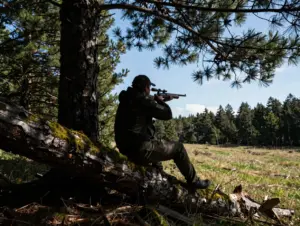
8 Alaska Hunting Adventures: Pursuing the State’s Top Predators
Alaska covers more than 663,000 square miles, an area larger than the next three biggest U.S. states combined, and it shelters some of the most formidable predators on Earth. For hunters willing to endure brutal cold, remote terrain, and logistical complexity, the rewards are unmatched anywhere on the continent. This guide to 8 Alaska Hunting Adventures: Pursuing the State’s Top Predators breaks down each pursuit in detail, covering the animals, the terrain, the tactics, and the regulations every serious hunter needs to understand before booking a trip in 2026.
Disclosure: This post contains affiliate links. As an Amazon Associate, we earn from qualifying purchases, and at no extra cost to you.
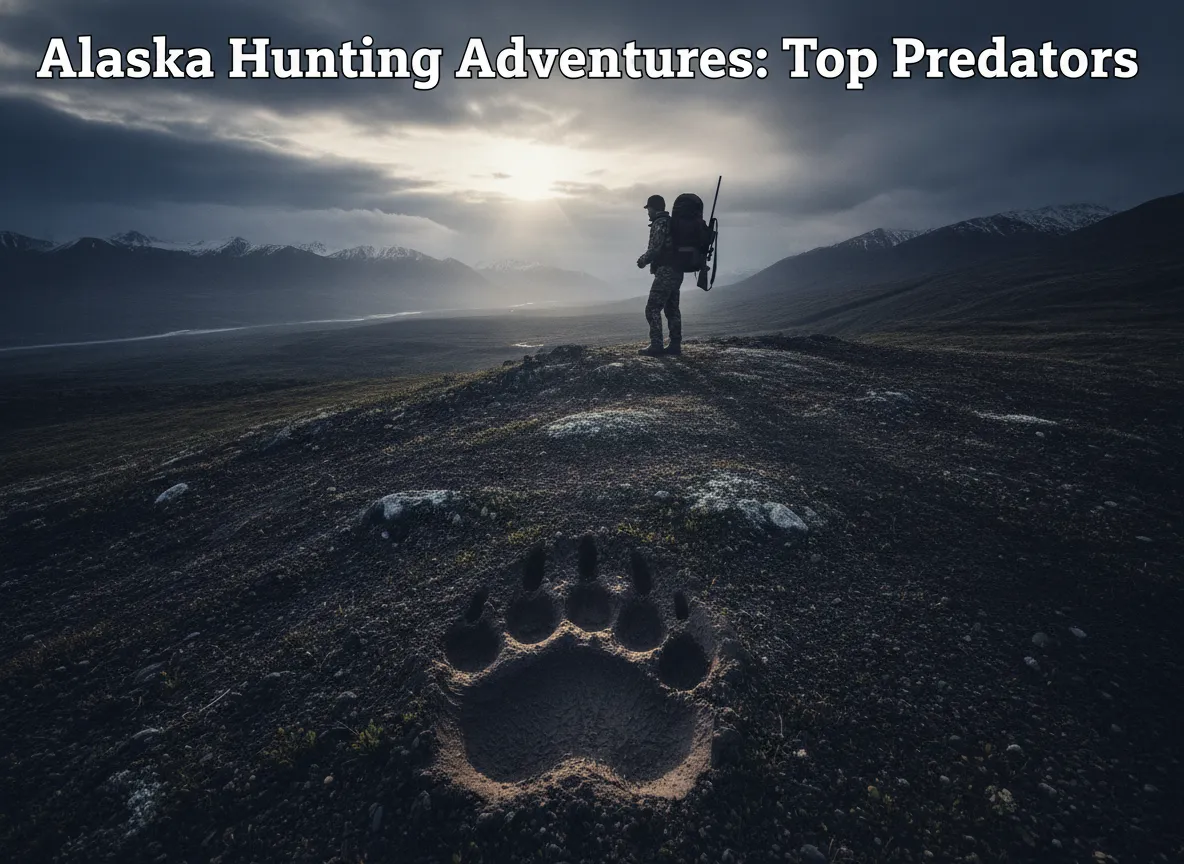
Key Takeaways
- Alaska hosts eight distinct predator hunting adventures, each requiring specialized gear, tactics, and licensing.
- Brown bear, black bear, gray wolf, wolverine, and lynx are among the most sought-after predators in the state.
- Non-resident hunters must navigate strict Alaska Department of Fish and Game (ADF&G) regulations, including mandatory guide requirements for certain species.
- Physical conditioning, proper layering systems, and satellite communication devices are non-negotiable for remote Alaska hunts.
- Seasons, bag limits, and unit-specific rules change annually, always verify current ADF&G regulations before any hunt.
Why Alaska Remains the Ultimate Predator Hunting Destination
No other state offers the density, diversity, and sheer scale of predator hunting that Alaska provides. The landscape ranges from coastal rainforests dripping with moisture to treeless Arctic tundra swept by 60-mph winds. Each ecosystem supports its own predator community, and each demands a different approach from the hunter.
Alaska’s predator management philosophy also differs from most states. The ADF&G actively manages predator populations to maintain healthy prey species, which means hunting seasons are often more liberal than hunters expect. In some game management units, wolf and wolverine seasons run for months, and bag limits reflect the biological reality of robust populations.
Critical regulatory note: Non-resident hunters pursuing brown or grizzly bear and Dall sheep are legally required to hire a registered guide or be accompanied by a resident relative within the second degree of kindred. Violating this rule carries severe penalties, including loss of licenses and equipment.
The Complete Guide to 8 Alaska Hunting Adventures: Pursuing the State’s Top Predators
1. Brown Bear
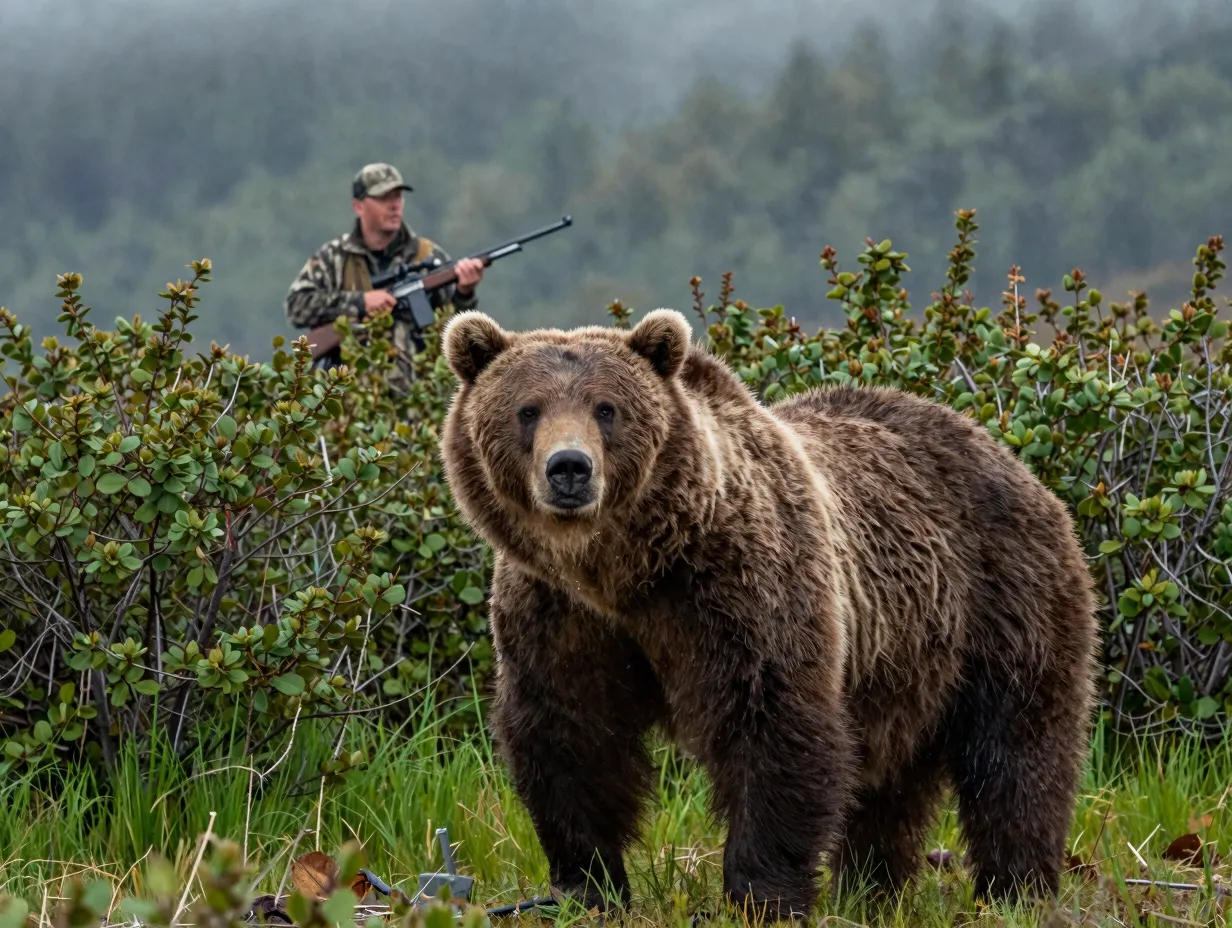
The brown bear is Alaska’s most iconic and most dangerous game animal. The state supports an estimated 30,000 brown bears, roughly 98% of the entire U.S. population outside of Yellowstone. Coastal bears, fattened on salmon, regularly exceed 1,000 pounds. Interior grizzlies are leaner but no less intimidating.
Best regions: Kodiak Island, the Alaska Peninsula, and the Kenai Peninsula for coastal giants; the Alaska Range and Brooks Range for interior grizzlies.
Season windows: Spring seasons typically run April through May. Fall seasons run August through October, depending on the unit.
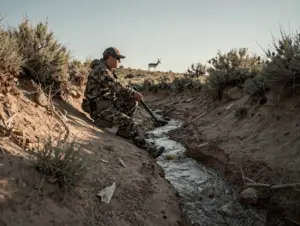
Tactics: Most guided brown bear hunts rely on spot-and-stalk methods. Guides use high ground to glass open terrain, identify mature boars by their size and the wear of their faces, and then plan a careful stalk. Shot distances are often under 100 yards due to dense brush. A minimum caliber of .338 Winchester Magnum is widely recommended by experienced guides, though many hunters choose .375 H&H or larger.
What makes it exceptional: The combination of physical danger, remote access, and the sheer mass of the animal creates a hunting experience with no parallel in North America. A brown bear tag on Kodiak Island requires entering a drawing that can have odds as low as 3%.
2. Black Bear
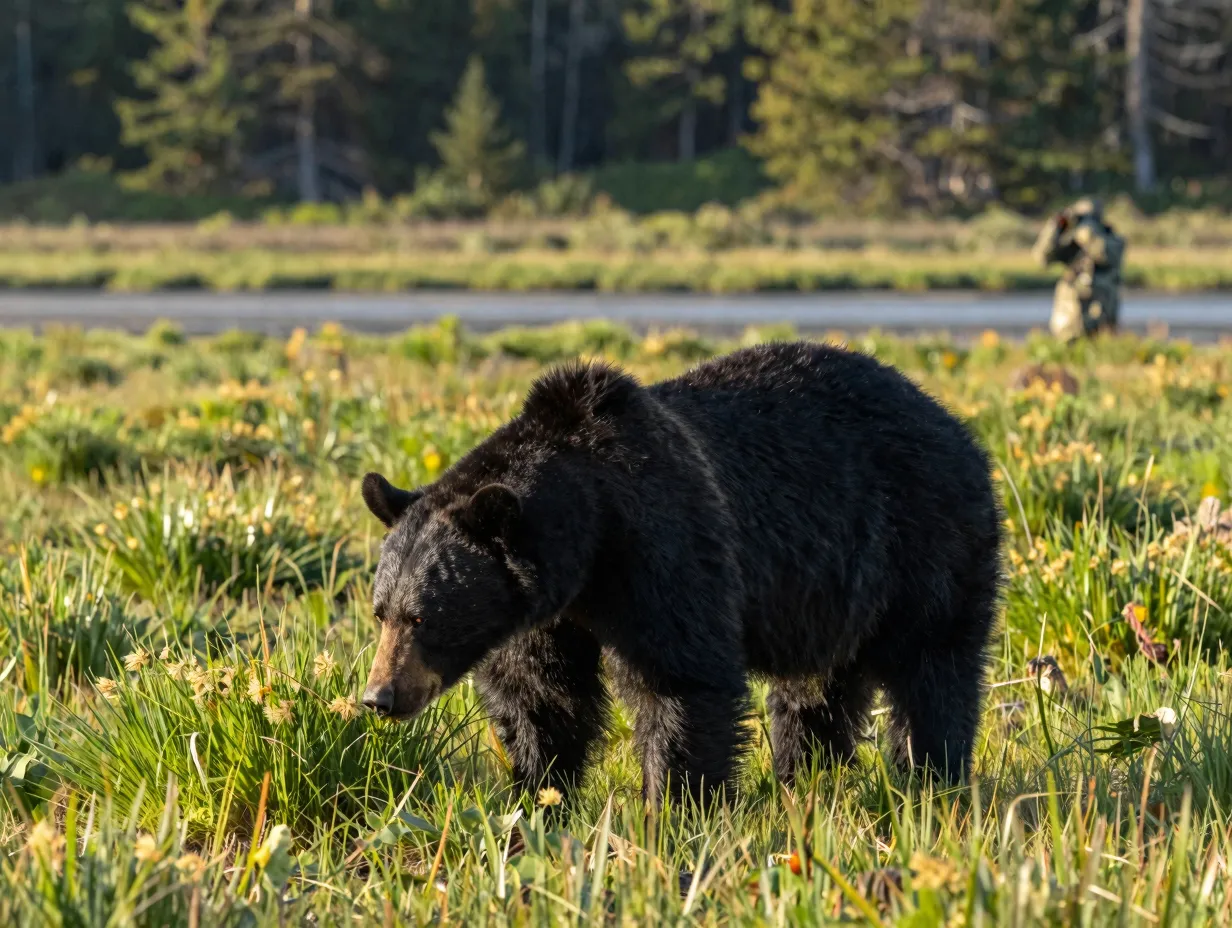
While the brown bear commands more prestige, Alaska’s black bear hunting offers outstanding opportunity with far fewer logistical barriers. The state holds an estimated 100,000 black bears, and non-residents are not required to hire a guide for this species.
Best regions: Southeast Alaska’s rainforest coast, the Kenai Peninsula, and Southcentral Alaska near Anchorage.
Season windows: Spring seasons open in mid-April in most units. Fall seasons typically run August through October.
Tactics: Spring hunting over green-up areas is highly productive. Black bears emerge from dens hungry and predictable, feeding on sedges and early grasses in open meadows and along tidal flats. Glassing from elevated positions and then stalking within 200 yards is the standard approach. Archery hunters find spring particularly effective because bears are focused on feeding rather than flight.
Gear consideration: A flat-shooting rifle in the .30 caliber range, .308 Winchester, .30-06, or .300 Winchester Magnum, handles black bears effectively at most field distances.
3. Gray Wolf
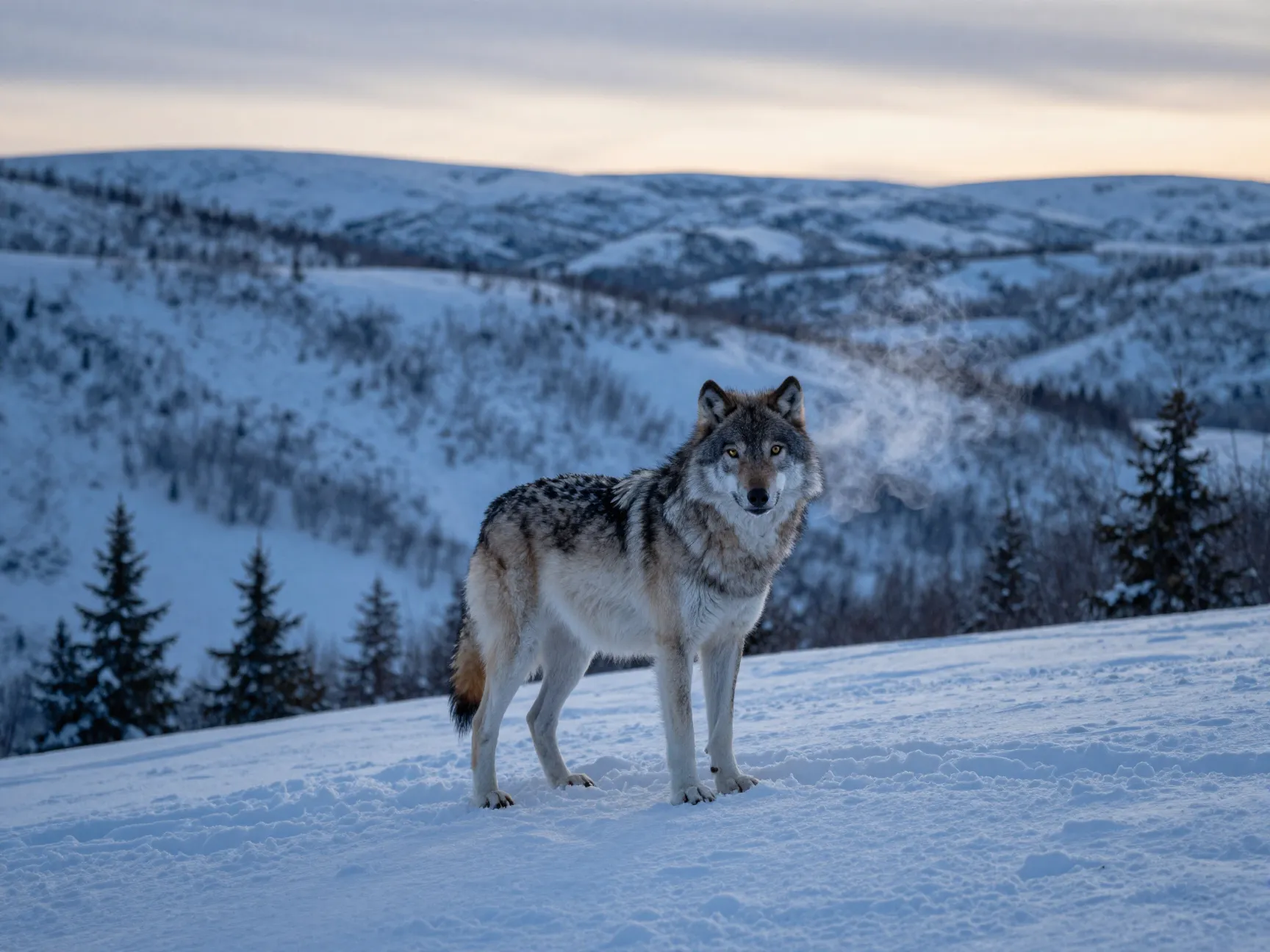
Few hunting experiences in North America carry the cultural weight and controversy of wolf hunting. Alaska manages wolves as a harvestable resource, and the state’s wolf population of approximately 7,000 to 11,000 animals supports regulated seasons across most of the state.
Best regions: Interior Alaska, the Alaska Range foothills, and the Yukon Flats for the highest wolf densities.
Season windows: Wolf seasons in many units run from August 10 through April 30, giving hunters an exceptionally long window.
Tactics: Calling is one of the most effective methods. Using a howler call in early morning or late evening can bring curious wolves within rifle range. Hunters also pursue wolves by tracking in fresh snow, often covering miles of terrain on snowshoes or by snowmachine (snowmobile) to locate a pack. Aerial hunting is legal in Alaska under specific conditions and with proper licensing, a practice that remains controversial but is regulated by ADF&G.
Trophy consideration: A large male wolf in Alaska can exceed 130 pounds and carry a pelt measuring over seven feet from nose to tail. The fur quality peaks in late fall and early winter.
4. Wolverine
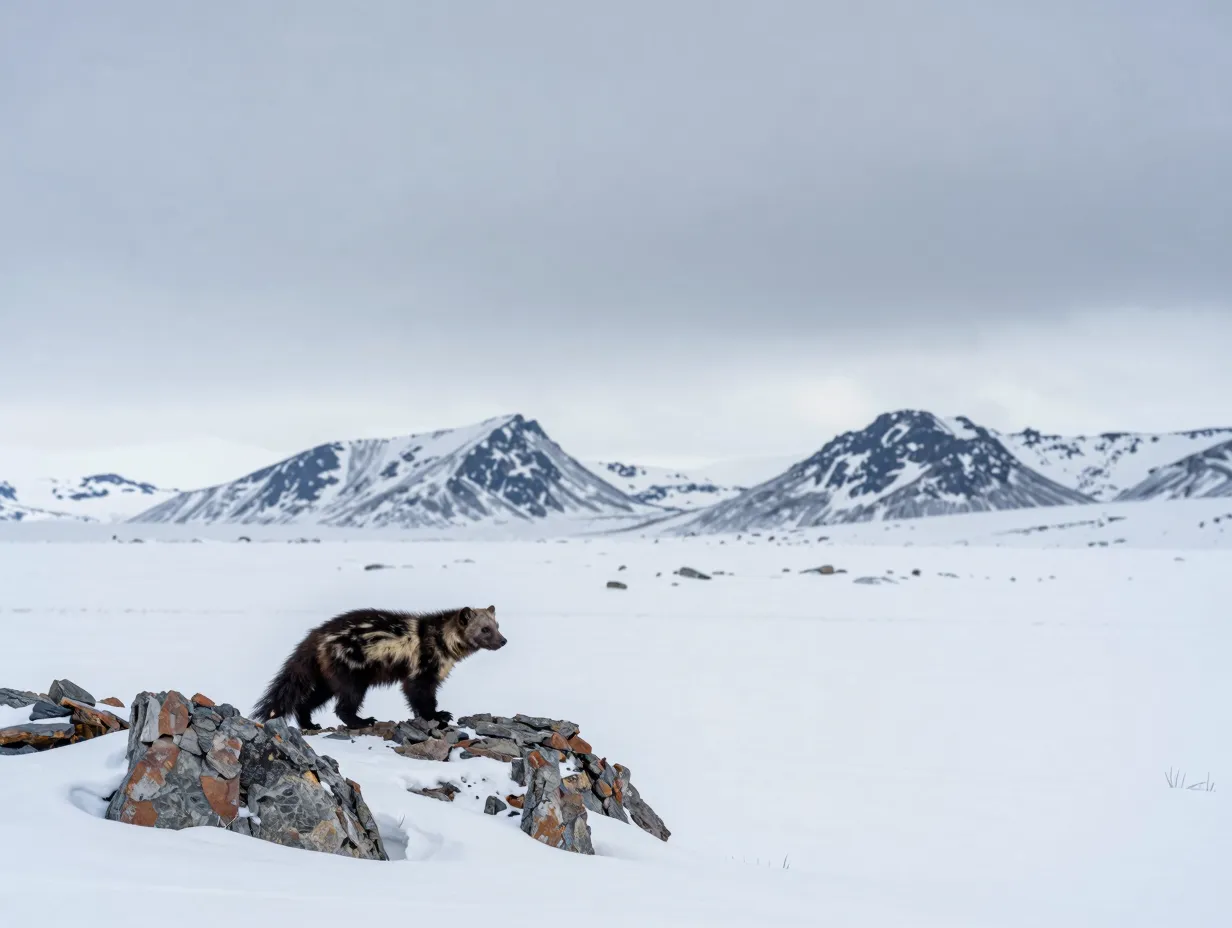
The wolverine is arguably the most difficult predator to hunt in Alaska, not because of danger, but because of its rarity and the vast territory each animal covers. A single wolverine may roam a home range of 500 square miles or more. Alaska holds the largest wolverine population in the United States, but encounters are never guaranteed.
Best regions: The Brooks Range, the Alaska Range, and remote Interior Alaska away from human settlements.
Season windows: Trapping seasons typically run November through March. Hunting seasons vary by unit, check current ADF&G regulations carefully.
Tactics: Most wolverines taken by hunters are opportunistic encounters during other hunts. Dedicated wolverine hunters often use a combination of snowmachine travel and set calling stations baited with meat scraps. Wolverines are intensely curious and will investigate unusual sounds and smells. Patience and the willingness to cover enormous distances in harsh winter conditions are the primary requirements.
“The wolverine represents the most honest test of wilderness hunting. There are no shortcuts, no guarantees, and no substitutes for time spent in the field.”
5. Lynx
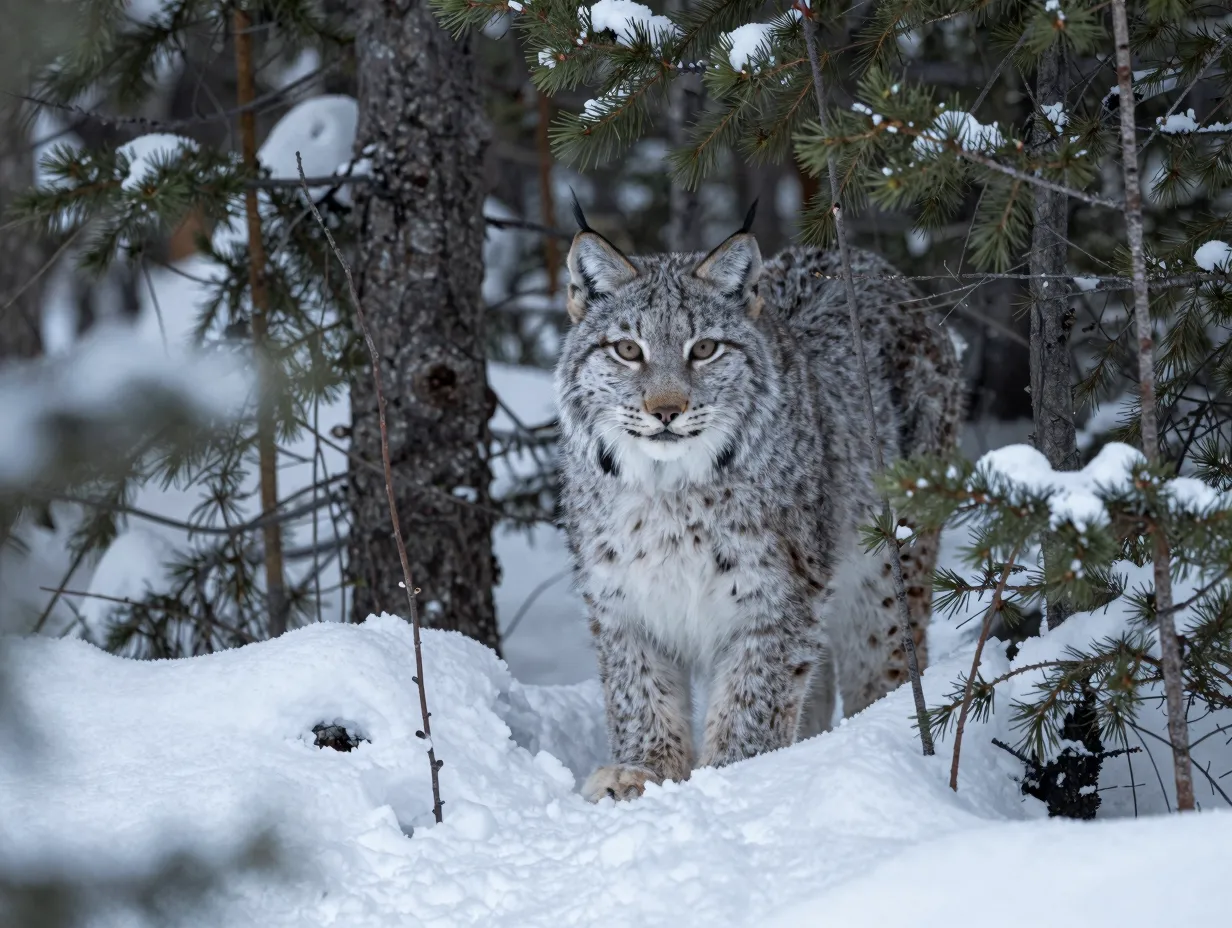
The Canada lynx reaches its greatest North American densities in Alaska’s boreal forest. Lynx populations cycle dramatically with snowshoe hare populations, when hares are abundant, lynx numbers peak; when hares crash, lynx populations follow within a year or two. Hunting during a population peak can produce remarkable results.
Best regions: Interior Alaska’s boreal forest, the Tanana Valley, and the Kuskokwim drainage.
Season windows: Trapping and hunting seasons typically run November through February.
Tactics: Lynx are most effectively taken by calling with rabbit distress calls in areas of dense spruce and willow thickets. Snowshoe hare sign, tracks, browse marks on willows, indicates productive lynx habitat. Hunters on snowmachines can cover large areas efficiently, stopping to call at likely spots. Lynx are less wary than most predators and will sometimes approach a caller in broad daylight.
Pelt value: Lynx fur is among the most commercially valuable in North America. A prime pelt can fetch several hundred dollars, making this hunt economically meaningful for some hunters.
6. Coyote
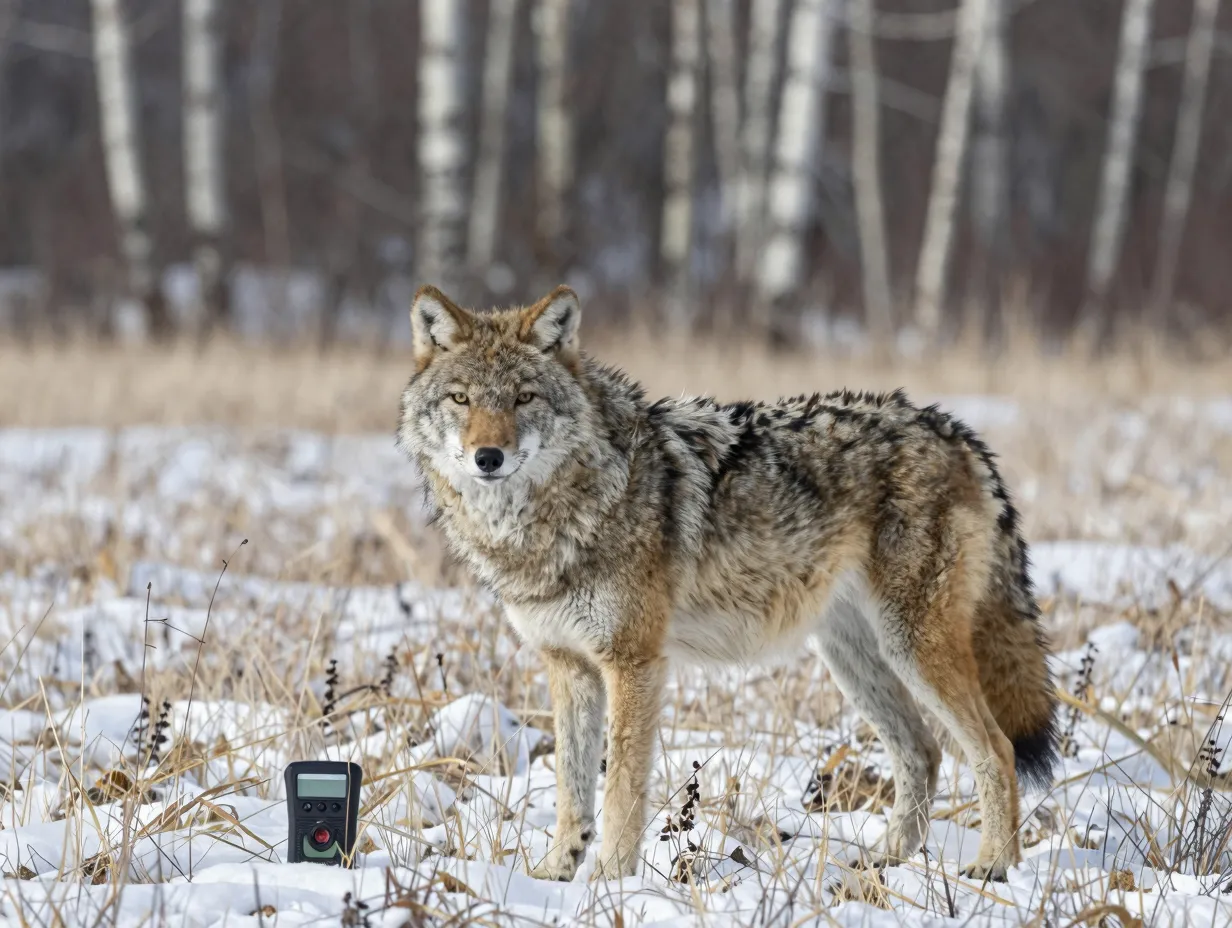
Coyotes are relative newcomers to Alaska, having expanded their range northward over the past several decades. They are now established in Southcentral Alaska and parts of the Interior. Alaska’s coyotes are typically larger than their Lower 48 counterparts due to Bergmann’s Rule, animals in colder climates tend to be larger.
Best regions: Southcentral Alaska, the Matanuska-Susitna Valley, and the Kenai Peninsula.
Season windows: Coyotes have no closed season in most Alaska units, making them available year-round.
Tactics: Electronic callers playing rabbit distress sounds or coyote howls are highly effective. Setting up downwind of a call station with a flat-shooting centerfire rifle, .223 Remington, .243 Winchester, or .22-250, allows shots at distances from 50 to 400 yards. Winter hunting in snow provides excellent visibility and allows hunters to track animals to productive areas.
Regulatory note: Always confirm unit-specific regulations, as some areas near urban centers have restrictions on discharge of firearms.
7. Red Fox
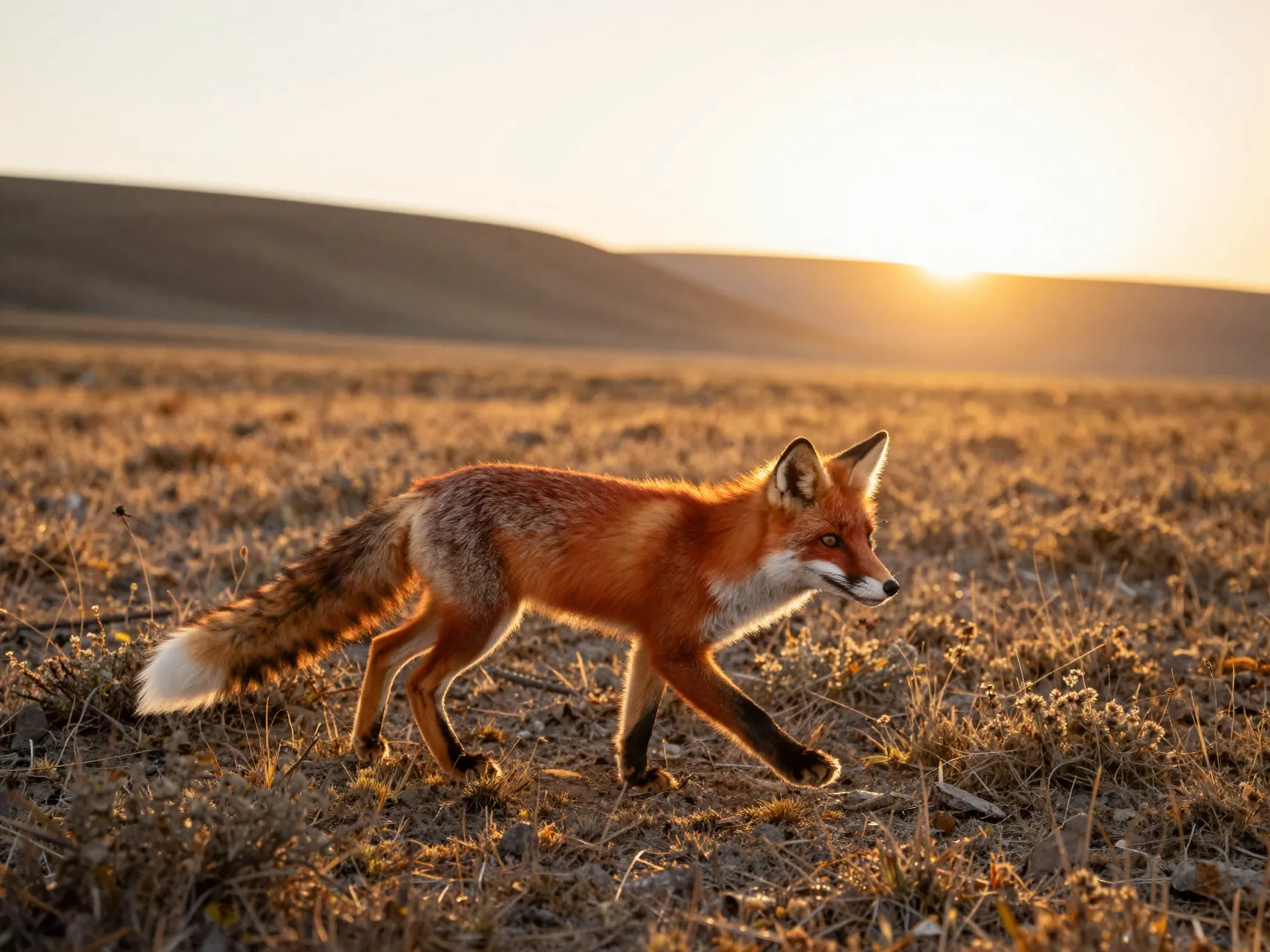
The red fox is widespread across Alaska and offers accessible hunting for both residents and non-residents. While not as dramatic as bear or wolf hunting, fox hunting in Alaska provides a challenging and rewarding experience, particularly for hunters interested in fur harvesting.
Best regions: Open tundra areas of Western Alaska, the Seward Peninsula, and Interior Alaska’s river valleys.
Season windows: Seasons vary by unit but generally run from late fall through early spring when fur is prime.
Tactics: Calling with mouse squeakers or rabbit distress sounds works well in open terrain. Foxes are visually acute, so hunters must remain motionless and well-camouflaged. Spotting foxes from elevated positions and then stalking within range is effective on open tundra. A .22 Hornet, .222 Remington, or similar small-bore varmint cartridge preserves pelt quality better than larger calibers.
Fur consideration: A prime Alaska red fox pelt is a striking trophy. Color phases including cross fox and silver fox occur naturally in Alaska populations, and these uncommon pelts are particularly prized.
8. Dall Sheep (Predator Management Context)
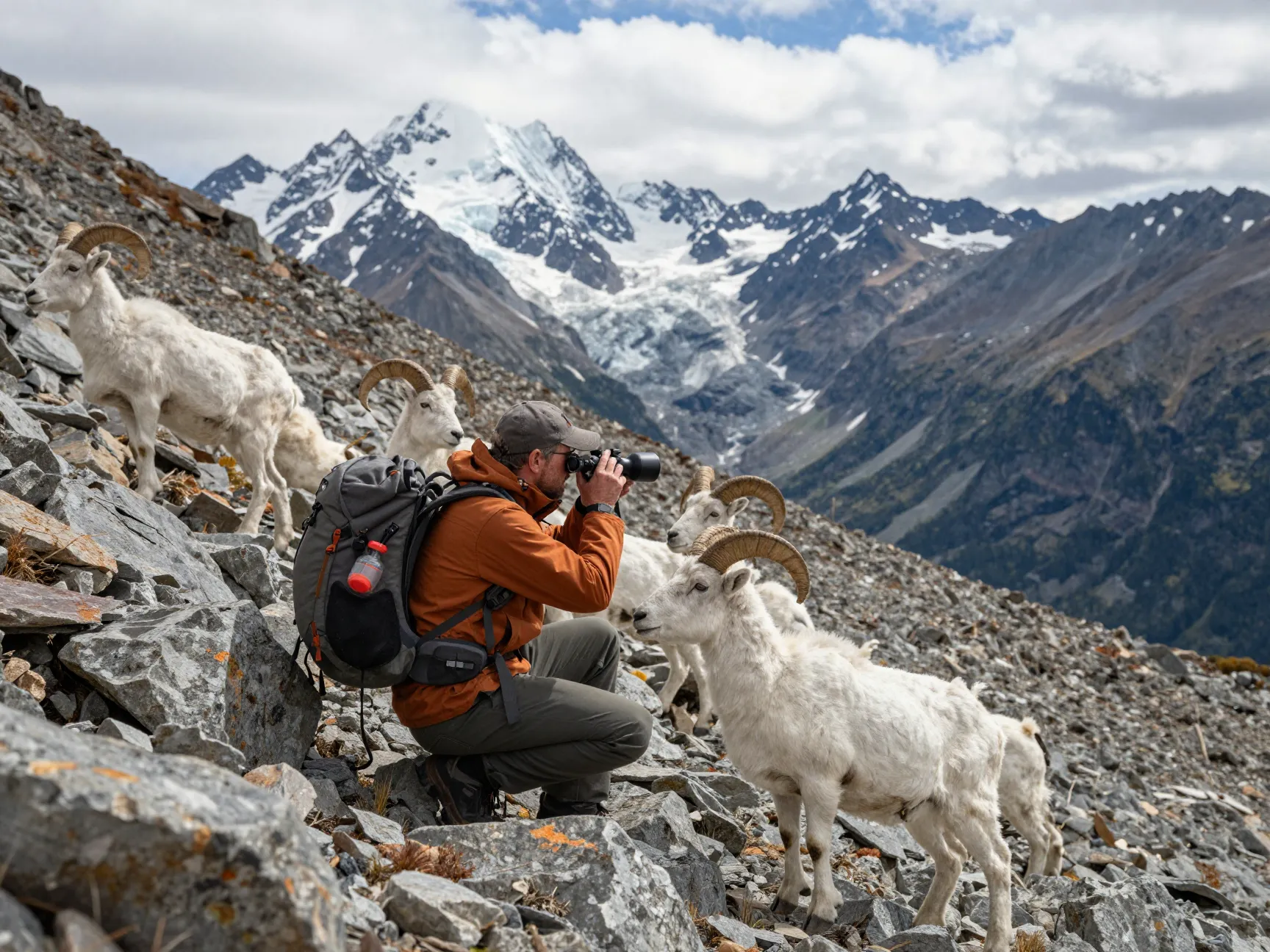
While Dall sheep are technically a big game prey species, they are included here because sheep hunting in Alaska serves a direct predator management function. Wolf and bear predation on Dall sheep populations in certain game management units has led ADF&G to implement predator control programs, and hunters participate directly in this management framework.
Best regions: The Alaska Range, Chugach Mountains, Wrangell Mountains, and Brooks Range.
Season windows: Most Dall sheep seasons run from early August through late September.
Tactics: Dall sheep hunting is among the most physically demanding pursuits in North America. Hunters must be capable of carrying heavy packs at elevations above 5,000 feet for multiple days. Spotting rams from valley floors and then executing a careful, wind-conscious stalk over broken alpine terrain is the standard method. Legal rams must have full-curl horns or be at least eight years old (as determined by annular ring count).
Guide requirement: Non-residents must be accompanied by a registered guide or a qualifying resident relative.
| Species | Guide Required (Non-Resident) | Peak Season | Difficulty Level |
|---|---|---|---|
| Brown Bear | Yes | April-May / Aug-Oct | Extreme |
| Black Bear | No | April-May / Aug-Oct | Moderate |
| Gray Wolf | No | Nov-Feb | High |
| Wolverine | No | Nov-March | Extreme |
| Lynx | No | Nov-Feb | Moderate |
| Coyote | No | Year-round | Low-Moderate |
| Red Fox | No | Oct-March | Low-Moderate |
| Dall Sheep | Yes | Aug-Sept | Extreme |
Essential Gear and Preparation for These 8 Alaska Hunting Adventures
Planning any of these 8 Alaska Hunting Adventures: Pursuing the State’s Top Predators demands serious logistical preparation. The following gear categories are non-negotiable for remote Alaska hunts.
Layering system: Alaska weather is notoriously unpredictable. A base layer of merino wool or synthetic moisture-wicking fabric, a mid-layer of fleece or down, and a waterproof-breathable outer shell are the minimum requirement. Temperatures can swing 40 degrees Fahrenheit within a single day.
Footwear: Insulated rubber boots rated to at least -40°F for winter predator hunts. Lightweight leather or synthetic boots with aggressive lug soles for mountain hunts. Gaiters are essential in wet coastal environments.
Navigation: A GPS device with downloaded topo maps, a paper map backup, and a compass. Cell service is nonexistent in most Alaska hunting areas.
Communication: A satellite communicator such as a Garmin inReach or SPOT device is essential. In the event of injury or weather-related delays, these devices provide the only reliable link to the outside world.
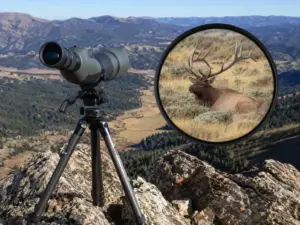
Optics: High-quality binoculars (8×42 or 10×42) and a spotting scope (20-60x80mm) are critical for the spot-and-stalk methods used in most Alaska predator hunting. Quality glass is not an area to cut costs.
Firearms and ammunition: Match the caliber to the quarry. Bring more ammunition than expected, weather delays can extend hunts by days, and practice shooting in field conditions is valuable.
Navigating Alaska Hunting Regulations in 2026
Regulations governing these 8 Alaska Hunting Adventures: Pursuing the State’s Top Predators are managed by the Alaska Department of Fish and Game and updated annually. The following framework applies to most non-resident hunters in 2026.
Licensing structure:
- Non-resident hunting license: Required for all hunters.
- Non-resident big game tags: Required for each species of big game, purchased separately.
- Drawing permits: Required for certain brown bear units and other restricted areas.
- Harvest tickets: Required for some species including wolverine and lynx.
Wanton waste law: Alaska law requires hunters to salvage all edible meat from big game animals. This applies to brown bear, black bear, and Dall sheep. Failure to comply can result in loss of hunting privileges.
Transporting firearms: Federal regulations govern the transport of firearms on commercial aircraft. Hunters must declare all firearms and ammunition at check-in, store them in locked hard-sided cases, and comply with airline-specific policies.
Taxidermy and export: Brown bear hides and skulls require sealing by ADF&G before transport out of the state. This process involves presenting the trophy to a local ADF&G office within a specified timeframe after harvest.
Planning Your Alaska Predator Hunt: Practical Steps
Turning knowledge of these eight Alaska hunting adventures into a successful trip requires structured planning. The following steps apply regardless of which species is the primary target.
Step 1: Identify the target species and game management unit. Alaska is divided into 26 game management units, each with distinct regulations. Narrowing the search to a specific unit and species is the starting point for all other planning.
Step 2: Determine guide requirements. Brown bear and Dall sheep require a registered guide for non-residents. Verify the guide’s registration status through the ADF&G guide licensing database.
Step 3: Secure licenses and tags early. Drawing permits for brown bear in high-demand units are allocated by lottery. Applications typically open in December for the following year’s seasons.
Step 4: Book transportation. Most remote Alaska hunts require a combination of commercial flight to a hub city (Anchorage, Fairbanks, or Juneau) and a bush plane charter to the hunt area. Bush plane availability is limited, book at least six months in advance.
Step 5: Conduct physical conditioning. A minimum of 90 days of structured aerobic and strength training is recommended before any mountain or remote Alaska hunt. Hunters who arrive out of shape compromise their safety and their chances of success.
Step 6: Prepare for field meat care. Bring sufficient game bags, a meat saw, and a reliable knife set. In warm weather, meat must be cooled quickly to prevent spoilage. Plan for the logistics of getting meat from the field to a freezer.
Conclusion
The 8 Alaska Hunting Adventures: Pursuing the State’s Top Predators outlined in this guide represent the full spectrum of what the Last Frontier offers, from the raw danger of a brown bear stalk on Kodiak Island to the patient, methodical pursuit of a wolverine across hundreds of miles of winter wilderness. Each adventure demands respect for the animal, the terrain, and the regulatory framework that keeps these populations sustainable for future generations.
Actionable next steps for 2026:
- Visit the Alaska Department of Fish and Game website at adfg.alaska.gov and download the current year’s hunting regulations for the target species and game management unit.
- Contact a registered Alaska guide service at least 12 months before the intended hunt date, premium guide services book out quickly.
- Begin a structured physical conditioning program immediately, targeting cardiovascular endurance, leg strength, and load-carrying capacity.
- Research bush plane charter operators in the nearest hub city to the target unit and secure a reservation with a deposit.
- Attend a wilderness first aid course, a minimum 16-hour Wilderness First Aid certification is strongly recommended for any remote Alaska hunt.
Alaska does not reward the unprepared. But for hunters who invest the time, resources, and physical effort required, these eight predator hunting adventures deliver experiences that remain vivid for a lifetime.