8 Ways To Capture The Perfect Fishing Aesthetic By The Ocean
Over 49 million Americans went fishing at least once in 2022, yet only a small fraction of those outings produced photographs or visual content worth a second look. The difference between a forgettable snapshot and a stunning coastal fishing image rarely comes down to expensive equipment. It comes down to intentional technique. Whether the goal is building an Instagram presence, documenting a personal fishing journey, or simply preserving the raw beauty of a day on the water, understanding the 8 ways to capture the perfect fishing aesthetic by the ocean gives any angler or photographer a decisive edge.
Disclosure: This post contains affiliate links. As an Amazon Associate, we earn from qualifying purchases, and at no extra cost to you.
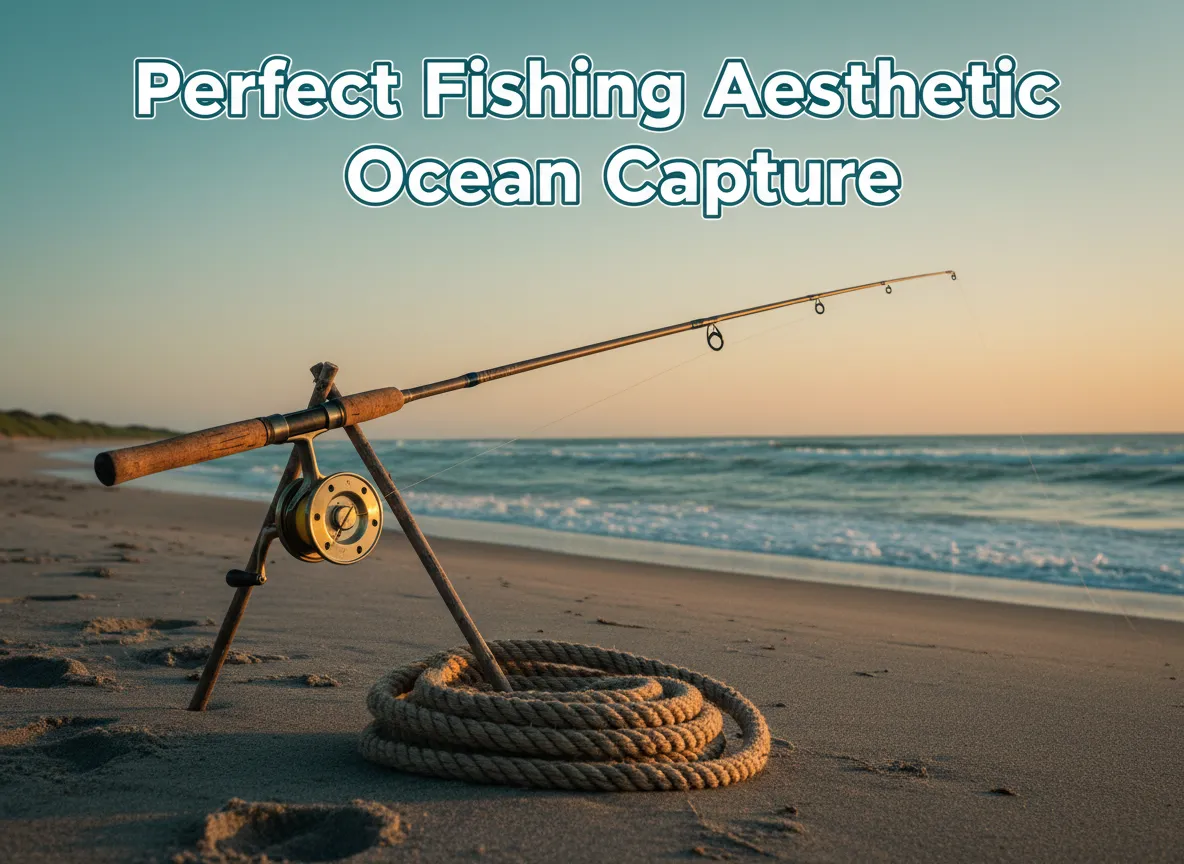
This guide breaks down each method with practical, actionable detail, covering light, composition, gear styling, storytelling, and more, so that every session by the water yields images that feel as alive as the ocean itself.
Key Takeaways
- The quality of natural light, especially at golden hour, is the single most powerful variable in coastal fishing photography.
- Authentic composition, including rule-of-thirds framing and foreground texture, transforms ordinary shots into editorial-quality images.
- Gear styling and intentional prop arrangement communicate the fishing lifestyle without saying a word.
- Storytelling through sequential shots creates emotional depth that a single image cannot achieve alone.
- Post-processing consistency, including a cohesive color palette, is what separates a polished fishing aesthetic from a random collection of photos.
Understanding the Core of a Fishing Aesthetic by the Ocean
Before diving into the specific techniques, it helps to understand what a “fishing aesthetic” actually means in a visual context. The term goes beyond showing a fish or a rod. It captures a feeling, the solitude of early morning tides, the texture of salt-worn rope, the patience embedded in the act of waiting for a bite. When executed well, these images evoke nostalgia, calm, and a deep respect for the natural world.
The ocean setting adds a layer of dramatic potential that freshwater environments rarely match. Crashing waves, tidal mist, dramatic skies, and the interplay between land and sea create a dynamic visual stage. The 8 ways to capture the perfect fishing aesthetic by the ocean outlined below work together as a system, not as isolated tips.
8 Ways To Capture The Perfect Fishing Aesthetic By The Ocean
1. Master Golden Hour and Blue Hour Lighting
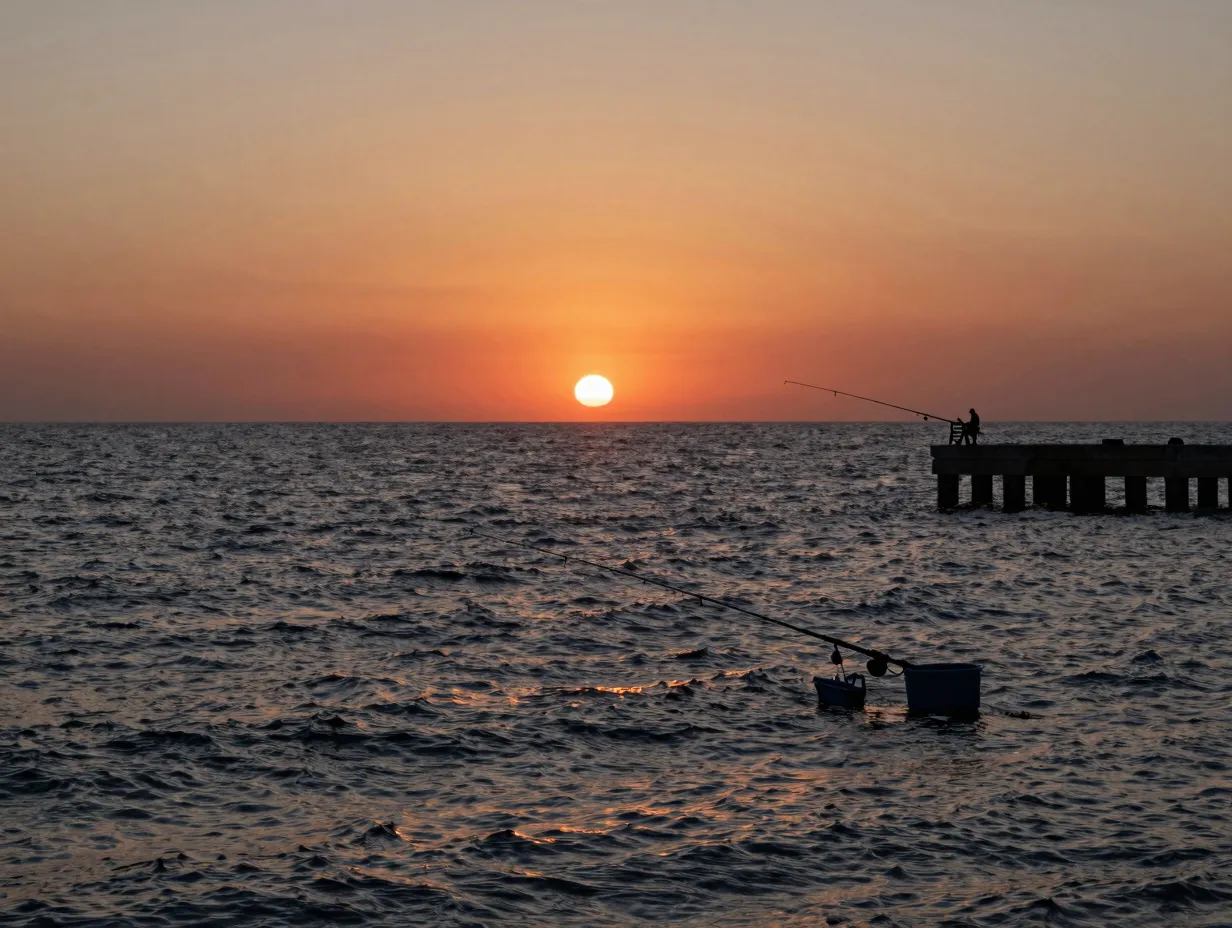
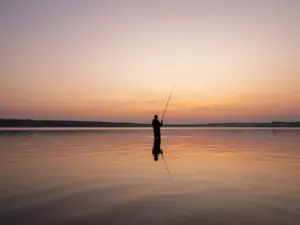
Light is the foundation of every great photograph, and nowhere is this more true than at the ocean. The hour after sunrise and the hour before sunset, commonly called golden hour, bathe coastal scenes in warm amber, coral, and soft rose tones that make fishing imagery feel cinematic and timeless.
Why it works: The low angle of the sun during golden hour creates long shadows and dimensional texture across water surfaces, ropes, tackle, and skin. Flat midday light, by contrast, washes out color and flattens depth.
Blue hour, the 20 to 30 minutes just before sunrise or just after sunset, offers a cooler, more moody palette. Deep indigos and steel blues pair beautifully with the silhouette of a fishing rod or the glow of a lantern on a dock.
Practical tips:
- Arrive at the location 30 minutes before sunrise to set up and scout compositions.
- Use a weather app that includes golden hour timing (many free options exist).
- Shoot in RAW format if possible to preserve the full dynamic range of the sky and water.
- Avoid harsh midday sessions unless intentionally seeking high-contrast, bleached aesthetics.
“The ocean does not negotiate with bad light. Work with its schedule, not against it.”
2. Apply Rule-of-Thirds Composition at the Waterline
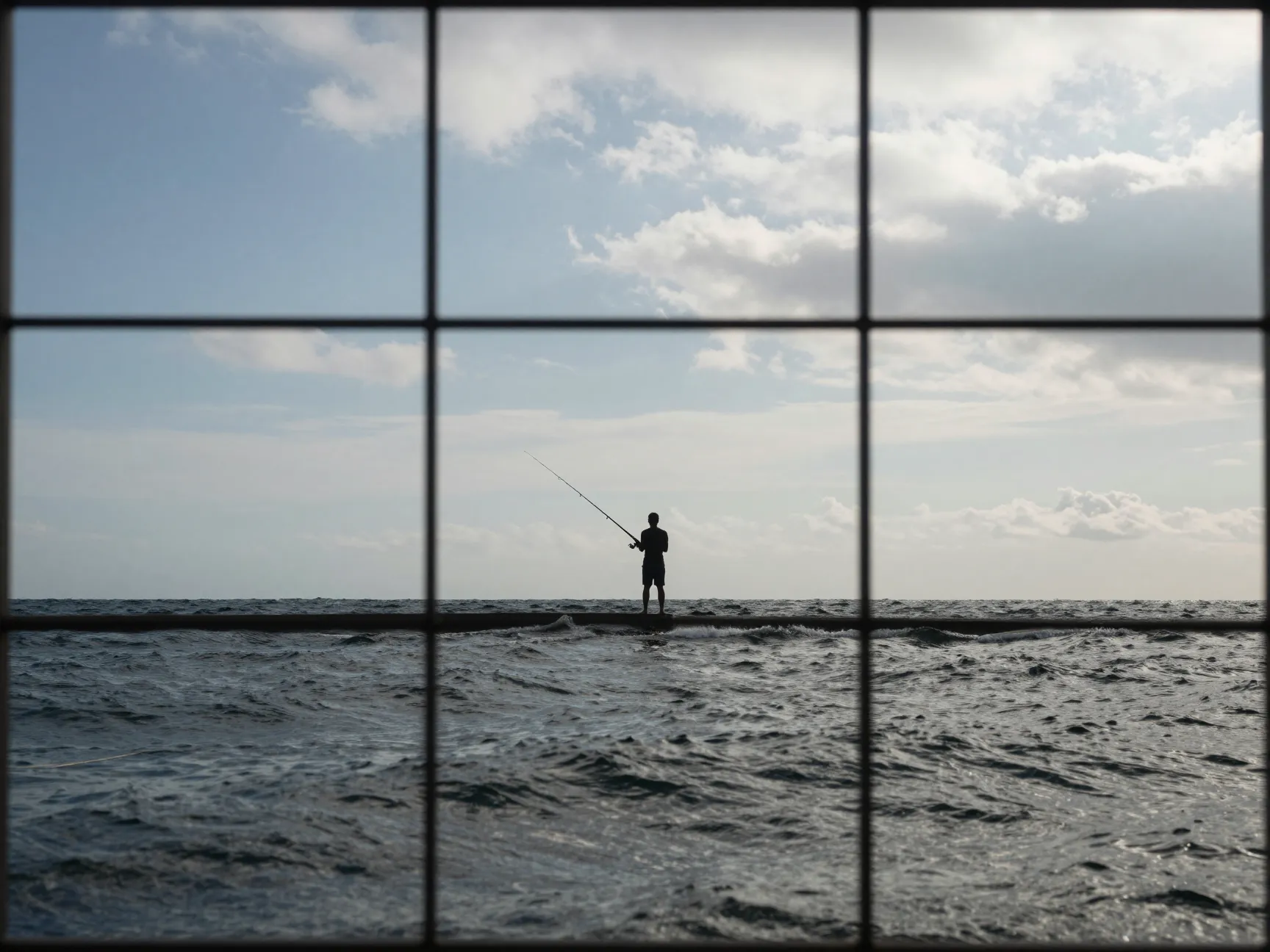
Composition is the grammar of visual storytelling. The rule of thirds divides any frame into a 3×3 grid, and placing key subjects, a fishing rod, a wave, a silhouetted figure, along those grid lines or at their intersections creates images that feel balanced yet dynamic.
At the ocean, the waterline itself becomes a powerful compositional tool. Placing the horizon on the lower third of the frame emphasizes a dramatic sky. Placing it on the upper third draws attention to the texture and movement of water in the foreground.
Composition strategies specific to ocean fishing:
- Position the angler off-center, with open water ahead of them to suggest anticipation and space.
- Use leading lines, a dock, a fishing line, a row of waves, to guide the viewer’s eye toward the subject.
- Include foreground elements such as wet rocks, sea foam, or coiled rope to add depth and layering.
- Avoid centering every subject; symmetry works occasionally but quickly becomes predictable.
A grid overlay is available on most smartphone cameras and DSLRs. Enabling it costs nothing and immediately improves compositional instincts.
3. Style and Arrange Fishing Gear with Intention
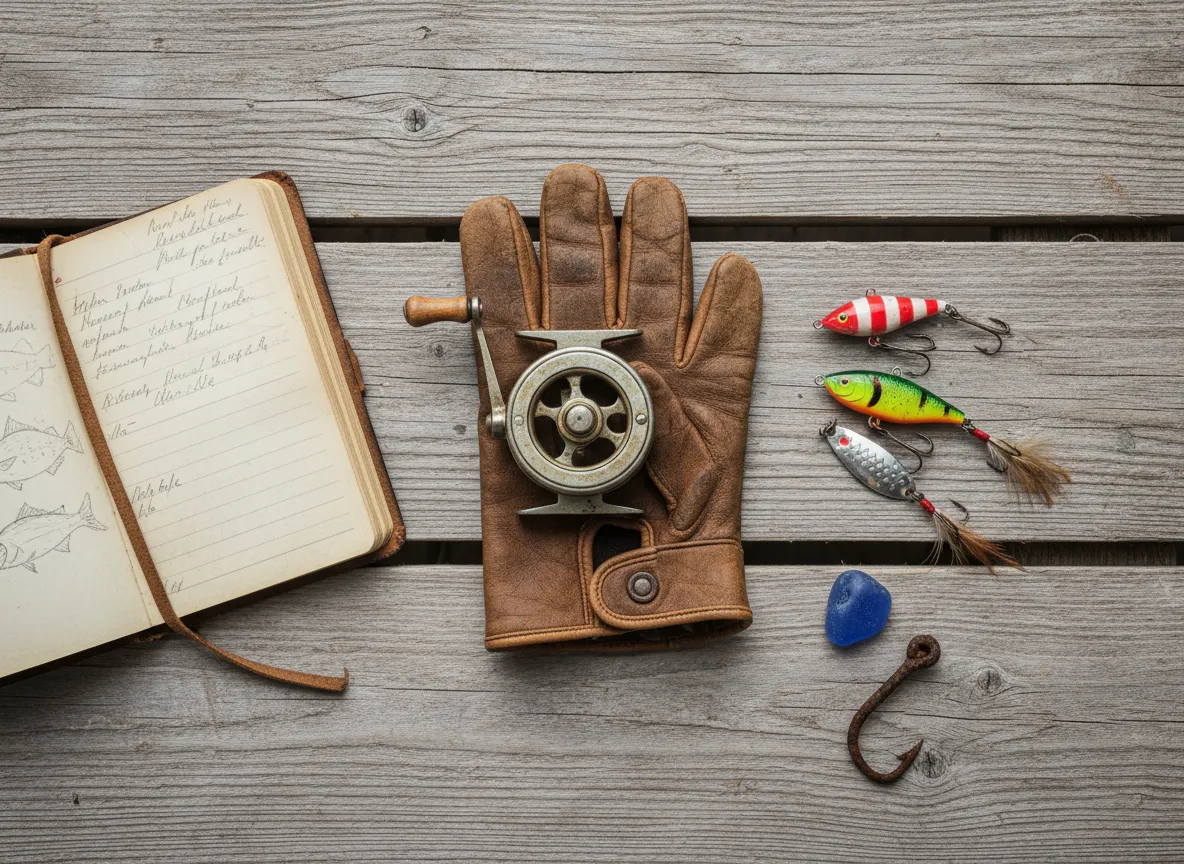
The gear itself is a character in the story. A carelessly dumped tackle box tells a very different story than a thoughtfully arranged flat-lay of lures, leaders, and a vintage reel on weathered wood. Intentional gear styling is one of the most underused tools in the fishing aesthetic toolkit.
Flat-lay photography, shooting gear from directly above on a textured surface, has become a dominant format in outdoor lifestyle content. For ocean fishing, surfaces like salt-bleached dock planks, dark wet sand, or kelp-covered rock slabs provide natural, authentic backdrops.
Gear styling principles:
- Group items by category or color family for visual coherence.
- Include tactile, story-rich items: a handwritten fishing log, a worn glove, a rusted hook, a piece of sea glass.
- Use odd numbers of objects, three lures, five flies, as odd groupings feel more natural to the eye.
- Leave intentional negative space; not every inch of the frame needs to be filled.
- Natural props like sand, water droplets, and seaweed integrate gear into the environment rather than isolating it.
Avoid overly clean or studio-styled arrangements. The ocean fishing aesthetic thrives on authenticity and the marks of real use.
4. Capture Motion, Waves, Casts, and the Line in the Water
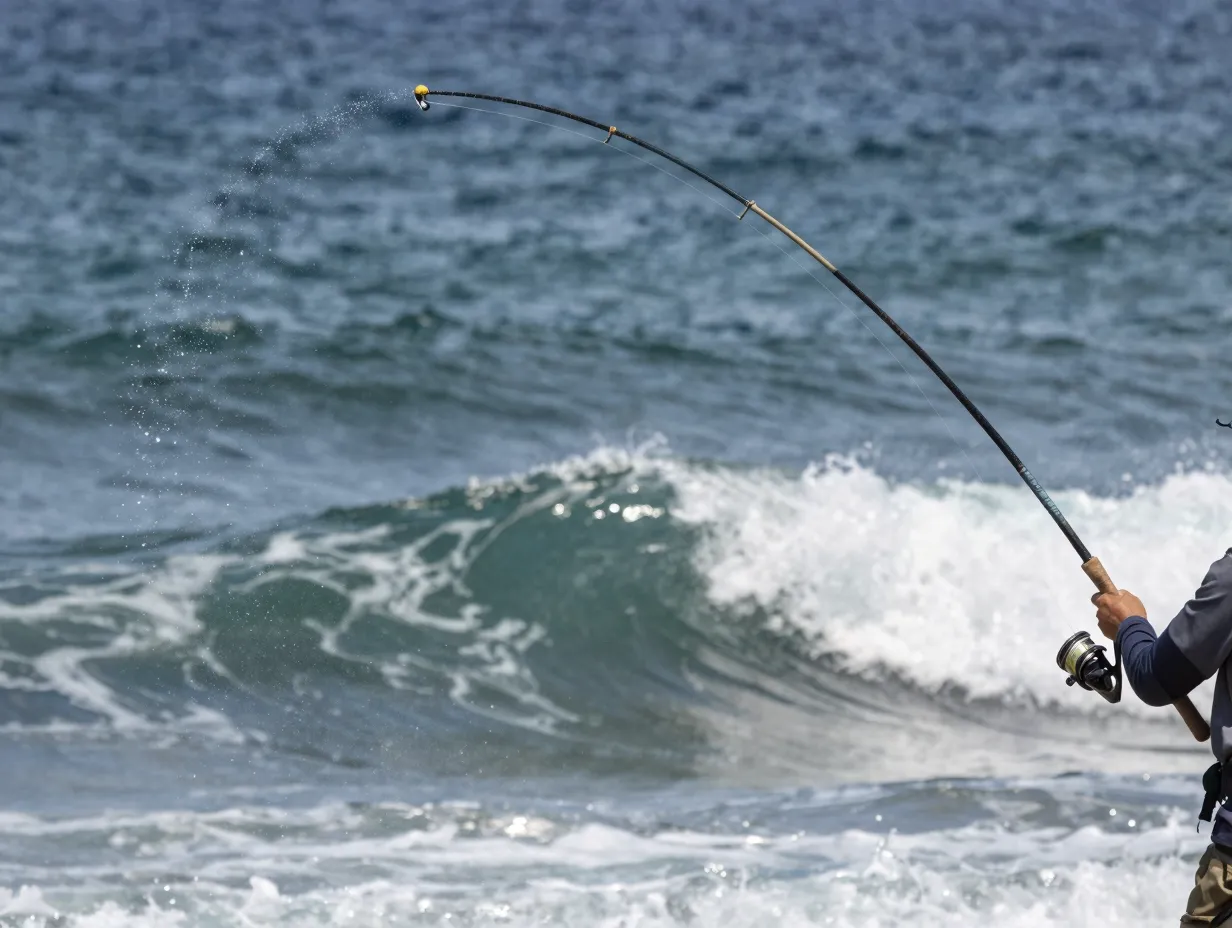
Static images tell one kind of story. Motion tells another. The ocean is never still, and incorporating movement into fishing photography creates energy and immediacy that static compositions cannot replicate.
Types of motion to capture:
- Casting motion: Use a fast shutter speed (1/1000s or faster) to freeze the arc of a fly rod mid-cast, preserving the bend of the rod and the spray of water.
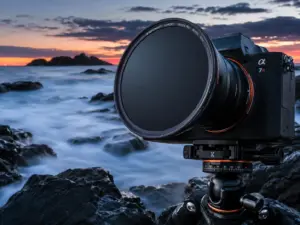
- Wave motion: Use a slow shutter speed (1/4s to 2s) with a tripod to create silky, blurred wave motion that contrasts sharply with a sharp foreground subject.
- Fishing line: In the right light, a taut fishing line cutting across a wave or sky becomes a powerful compositional element.
- The catch moment: Anticipate rather than react. Positioning and readiness are everything for capturing the explosive moment of a strike or a fish breaking the surface.
A neutral density (ND) filter is invaluable for achieving slow shutter speeds in bright coastal light without overexposing the image. Even a basic 3-stop ND filter opens up creative motion options in full daylight.
5. Tell a Sequential Story Through a Photo Series
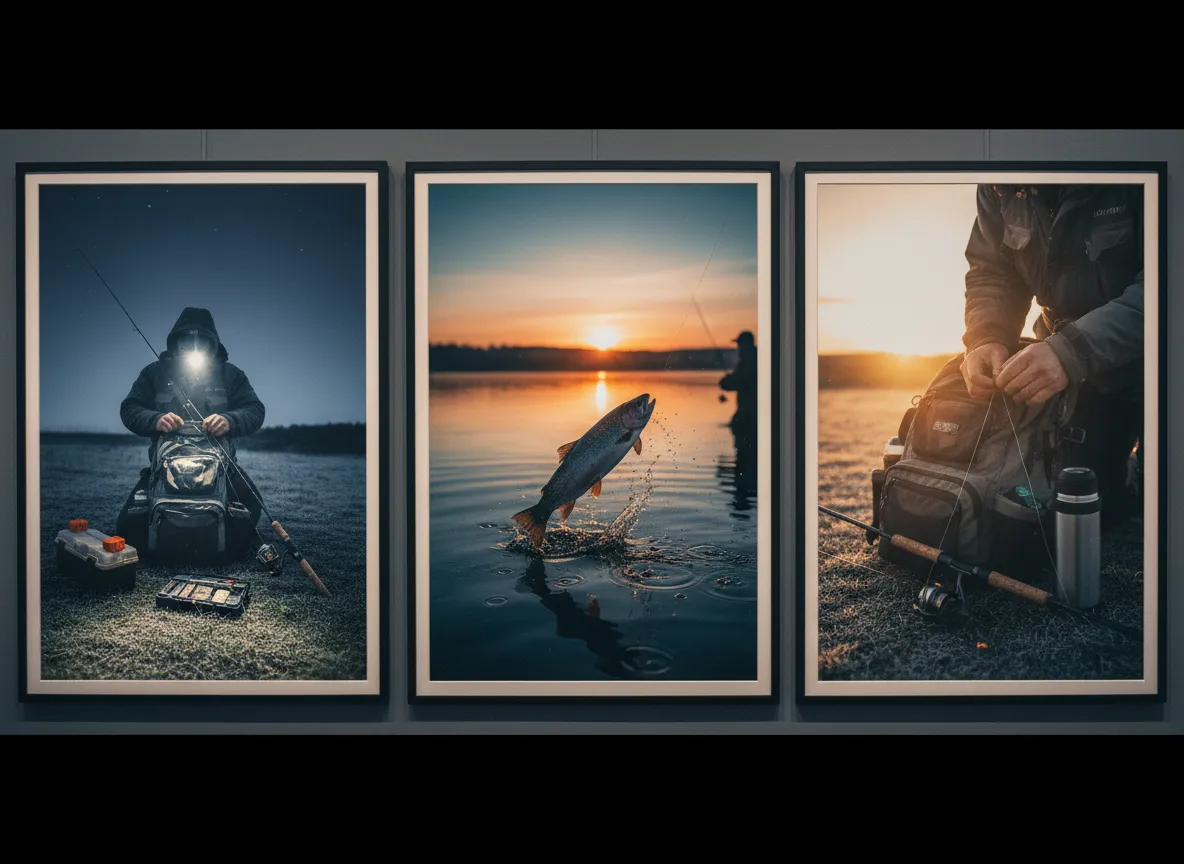
Single images capture moments. A series of images captures an experience. One of the most effective 8 ways to capture the perfect fishing aesthetic by the ocean is to document the full arc of a fishing session, from the pre-dawn preparation to the final cast at dusk.
A story arc for a fishing session might include:
| Story Beat | Visual Opportunity |
|---|---|
| Pre-dawn arrival | Dark sky, headlamp glow, gear being loaded |
| Bait and tackle prep | Close-up detail shots, hands at work |
| The first cast | Wide establishing shot with ocean backdrop |
| The wait | Quiet, contemplative composition, horizon line |
| The catch | Action, emotion, the fish and the angler |
| The release or keep | Hands in water, the decision moment |
| End of day | Golden light, tired hands, packed gear |
This narrative structure gives a social media post, a blog feature, or a printed photo book a beginning, middle, and end. It transforms documentation into storytelling.
6. Use Foreground Texture to Add Depth and Dimension
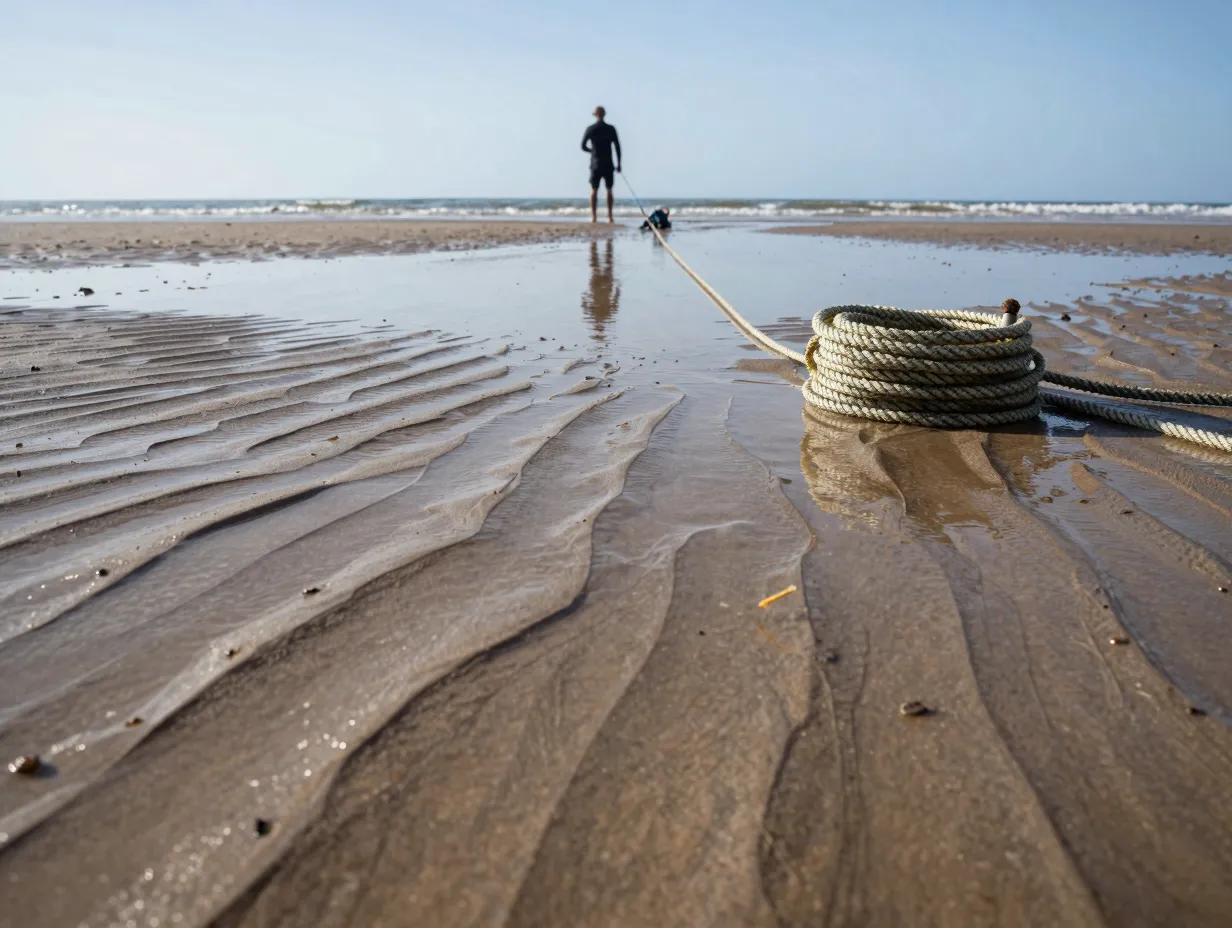
Depth is one of the qualities that separates a photograph that feels three-dimensional from one that feels flat. At the ocean, foreground texture is everywhere, and most photographers walk right past it.
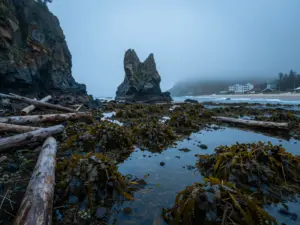
High-value foreground elements for ocean fishing photography:
- Wet, reflective sand with ripple patterns
- Tide pools with trapped light and sea life
- Coils of fishing rope or net
- Barnacle-covered rocks with moss and algae
- Shallow water with visible sand patterns beneath the surface
- Kelp, driftwood, or sea glass
The technique involves shooting with a wide-angle lens (or wide smartphone setting) positioned close to the foreground element, with the fishing subject or ocean scene in the background. This creates a sense of being inside the scene rather than observing it from a distance.
A wide aperture (low f-number like f/2.8) blurs the background, isolating the subject. A narrow aperture (f/11 or higher) keeps both foreground and background sharp, which works well for landscape-style fishing imagery.
7. Dress and Present the Angler as Part of the Aesthetic
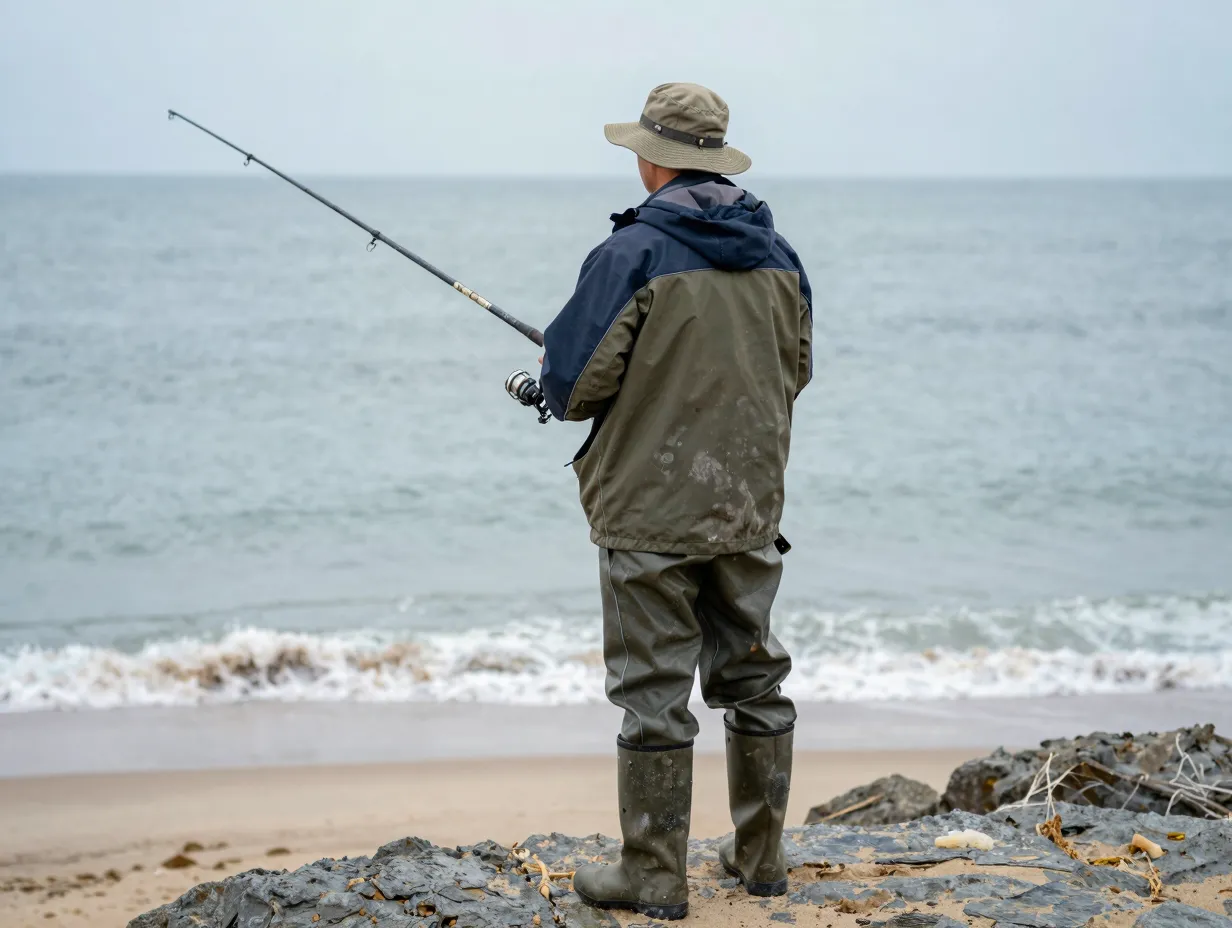
The person in the frame is not just a subject, they are a visual element that either reinforces or undermines the aesthetic. Clothing, posture, and the relationship between the angler and their environment all communicate meaning.
Clothing and styling considerations:
- Muted, natural tones, olive, navy, sand, charcoal, blend with the ocean environment and avoid competing with the natural color palette.
- Avoid neon or heavily branded clothing unless the brand is part of the story.
- Layering adds visual interest and communicates the practical reality of coastal fishing (wind, spray, temperature change).
- Worn, authentic gear, a faded hat, a patched wader, a salt-stained jacket, tells a richer story than pristine, fresh-from-the-store equipment.
Posture and positioning:
- A figure facing away from the camera, looking out to sea, creates mystery and draws the viewer into the scene.
- A figure in action, casting, reeling, netting, communicates skill and engagement.
- A figure at rest, sitting on a rock, hands around a coffee cup, communicates the contemplative side of fishing culture.
Authenticity is the guiding principle. The most compelling fishing aesthetic images feel lived-in, not staged.
8. Apply a Consistent Post-Processing Style
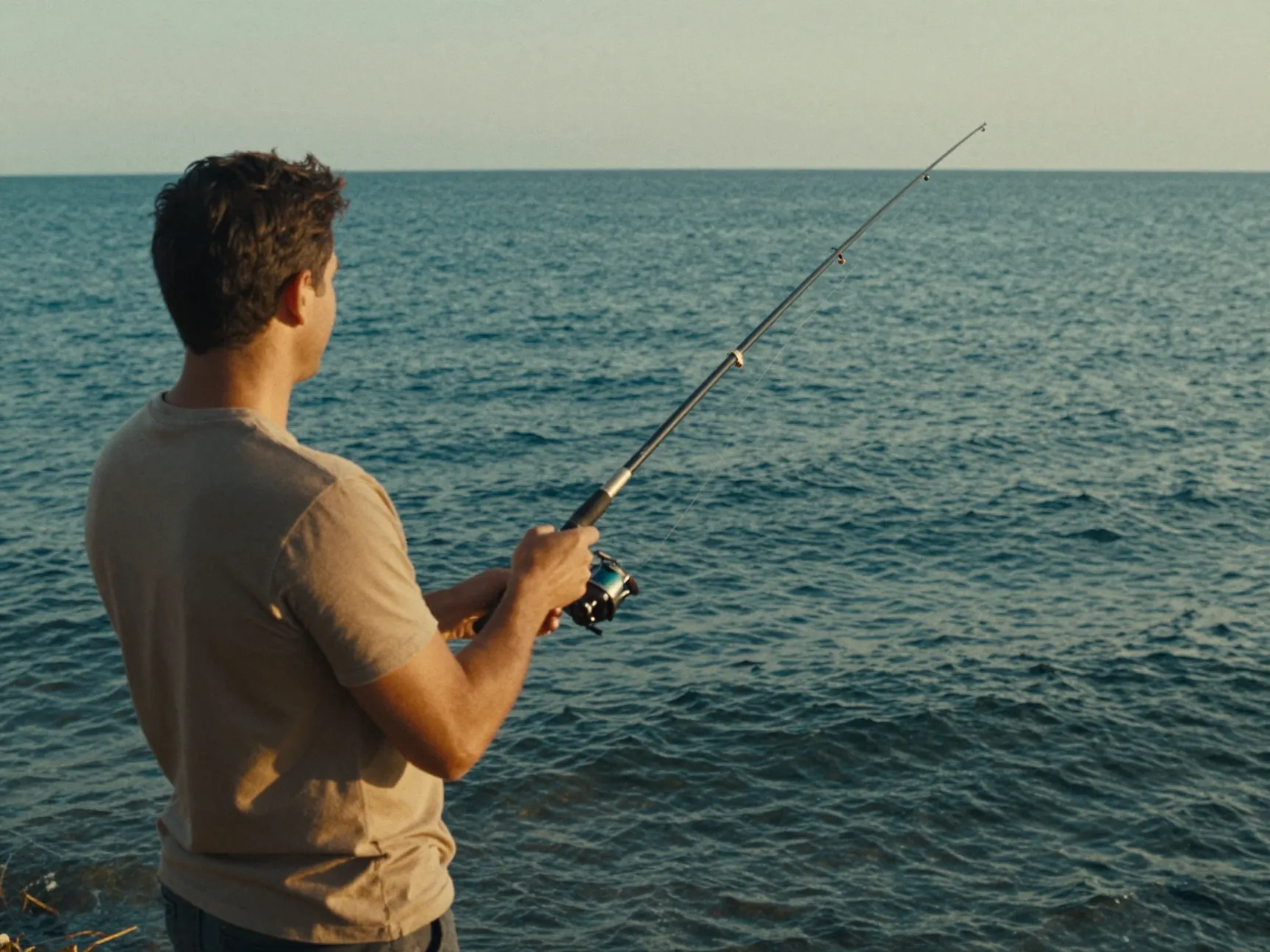
Capturing the image is only half the process. Post-processing, editing the colors, contrast, and tone of a photograph, is what creates a cohesive, recognizable fishing aesthetic across a body of work.
Core editing principles for ocean fishing imagery:
- Teal and orange is the classic coastal palette: warm skin tones and golden light against cool blue-green water. It is widely used in surf and fishing photography for good reason.
- Desaturated greens and blues create a more moody, documentary feel suited to overcast or stormy coastal conditions.
- Film grain adds texture and warmth, evoking the analog photography tradition that runs deep in fishing culture.
- Lifted shadows (slightly brighter dark areas) prevent images from feeling too dark or oppressive, which suits the open, airy quality of ocean scenes.
Recommended workflow:
- Adjust exposure and white balance first.
- Set the overall contrast and tone curve.
- Fine-tune individual color channels (especially blues and teals for ocean water).
- Add subtle grain and vignette if desired.
- Export at consistent settings for a uniform look across a gallery or feed.
Presets, whether purchased or self-built, are a practical tool for applying a consistent look efficiently. Building a personal preset based on a favorite edit saves significant time and creates visual brand consistency.
Common Mistakes That Undermine the Fishing Aesthetic
Even skilled photographers fall into predictable traps when shooting at the ocean. Recognizing these pitfalls is as important as mastering the techniques above.
Mistakes to avoid:
- Shooting at midday when light is flat and harsh
- Centering every subject without variation
- Ignoring the background, a cluttered or distracting background undermines even a perfectly composed foreground
- Over-editing, particularly over-saturating blues and greens to an unnatural degree
- Neglecting the human element entirely, gear-only shots lack emotional resonance
- Shooting only horizontal frames; vertical compositions are essential for mobile-first platforms
- Failing to clean the lens, salt spray accumulates quickly and creates haze or flare
A quick reference checklist before shooting:
- Light quality confirmed (golden or blue hour preferred)
- Composition grid enabled on camera or phone
- Gear styled and arranged
- Lens clean and dry
- Shutter speed appropriate for intended motion effect
- Background checked for distractions
- Story arc planned for the session
Gear Recommendations for Ocean Fishing Photography
No specific budget is required to execute the 8 ways to capture the perfect fishing aesthetic by the ocean. The techniques work across a wide range of equipment levels.
| Equipment Level | Recommended Tools | Key Advantage |
|---|---|---|
| Smartphone | iPhone 15 Pro, Google Pixel 8, Samsung S24 | Portability, always available, excellent computational photography |
| Entry-level mirrorless | Sony a6400, Fujifilm X-T30 | Manual control, interchangeable lenses, RAW files |
| Professional mirrorless | Sony a7 IV, Nikon Z6 III | Full-frame sensor, superior low-light, weather sealing |
| Accessories | ND filter, polarizing filter, small tripod, lens cloth | Motion control, glare reduction, stability, salt spray management |
A polarizing filter deserves special mention for ocean fishing photography. It cuts through surface glare on water, revealing the color and depth beneath, an effect that cannot be fully replicated in post-processing.
Conclusion
The ocean is one of the most visually rich environments on earth, and fishing within it provides an endless supply of authentic, emotionally resonant moments. The 8 ways to capture the perfect fishing aesthetic by the ocean, mastering light, applying strong composition, styling gear intentionally, capturing motion, building sequential narratives, using foreground texture, presenting the angler authentically, and maintaining post-processing consistency, form a complete system for elevating fishing photography from documentation to artistry.
Actionable next steps:
- Plan the next fishing session around golden hour timing rather than convenience.
- Enable the rule-of-thirds grid on the camera or smartphone before arriving at the water.
- Spend 10 minutes styling and arranging gear before picking up the camera.
- Shoot a minimum of three story beats per session: arrival, action, and close.
- Build or download a single editing preset and apply it consistently for the next 30 days to develop a recognizable visual style.
The ocean rewards patience, both in fishing and in photography. Apply these techniques consistently, and the results will reflect the full depth and beauty of the coastal fishing experience.