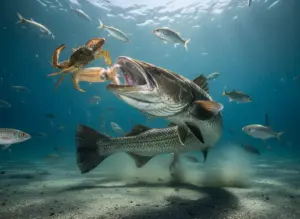
8 Nurse Shark Facts Every Saltwater Enthusiast Should Know
Nurse sharks are among the most misunderstood animals in the ocean, a species that divers routinely swim alongside yet rarely understand. Found resting motionless on sandy seafloors across the Atlantic and Pacific, Ginglymostoma cirratum defies nearly every popular stereotype about sharks. This guide to the 8 Nurse Shark Facts Every Saltwater Enthusiast Should Know breaks down the biology, behavior, and conservation status of one of the ocean’s most fascinating bottom-dwellers. Whether a hobbyist saltwater aquarist, a recreational diver, or a marine biology enthusiast, understanding these facts will deepen appreciation for a species that plays a critical role in reef ecosystems.
Disclosure: This post contains affiliate links. As an Amazon Associate, we earn from qualifying purchases, and at no extra cost to you.
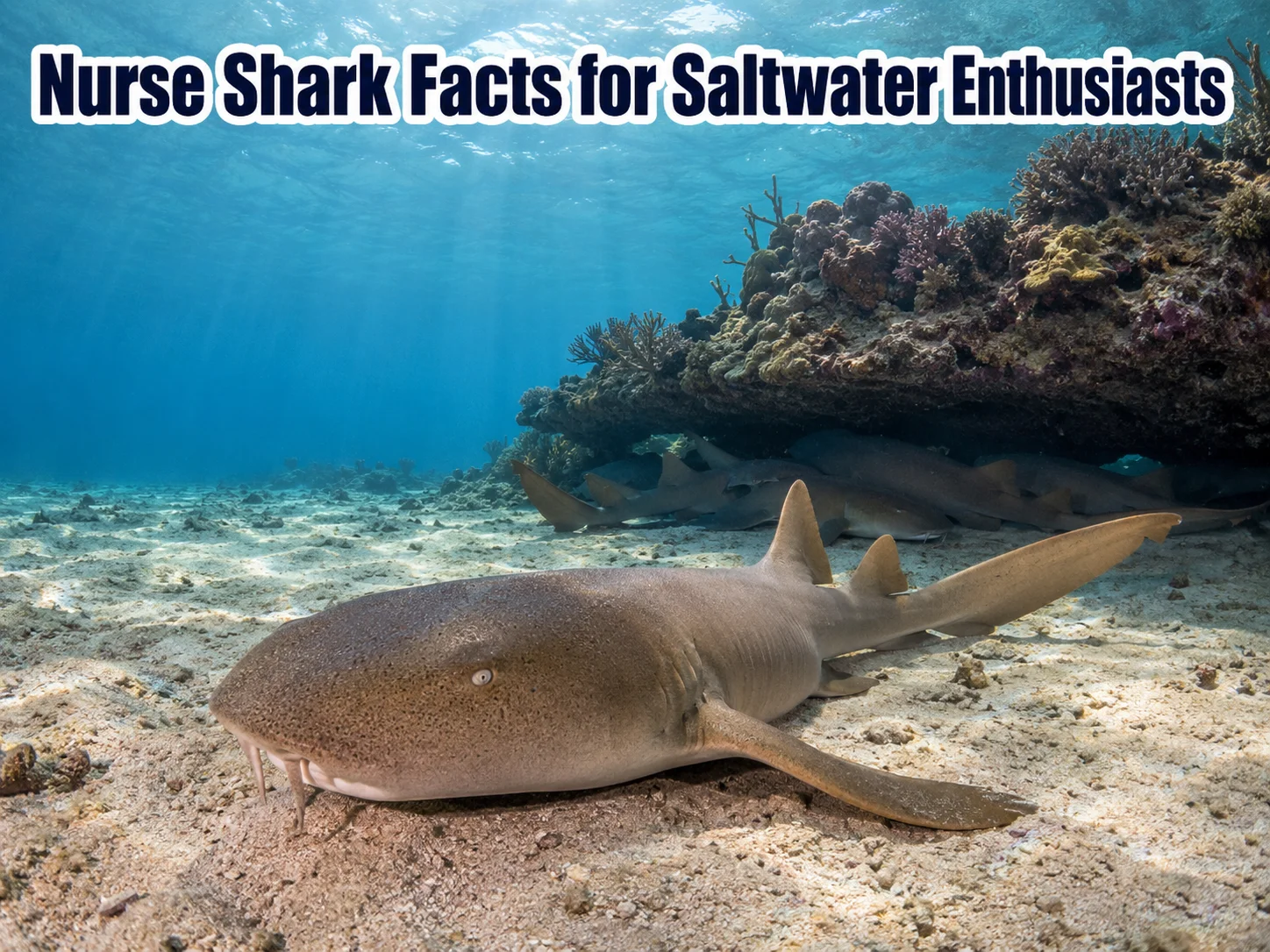
Key Takeaways
- Nurse sharks are nocturnal hunters that spend most of the day resting in groups on the seafloor, making them a common sight for daytime divers.
- They use powerful suction feeding to consume hard-shelled prey, including lobsters, crabs, and sea urchins.
- Despite their docile reputation, nurse sharks can and do bite when provoked, and their grip is exceptionally strong.
- Nurse sharks are ovoviviparous, giving birth to live young after a gestation period of approximately six months.
- Their slow reproductive rate and habitat dependence on coral reefs make them vulnerable to overfishing and environmental degradation.
Why These 8 Nurse Shark Facts Every Saltwater Enthusiast Should Know Matter
Before diving into the individual facts, it helps to understand why nurse sharks deserve dedicated study. They occupy a unique ecological niche as benthic (bottom-dwelling) predators. Unlike pelagic sharks such as the great white or mako, nurse sharks interact directly with reef structures and sediment communities. Their feeding habits influence the population dynamics of invertebrates, and their presence signals a healthy, functioning reef system.
For saltwater aquarium keepers, nurse sharks are occasionally housed in large professional aquarium exhibits. For divers, they are among the most frequently encountered shark species in tropical waters. In both contexts, accurate knowledge prevents dangerous misconceptions and promotes responsible interaction.
The 8 Nurse Shark Facts Explained in Full
1. Nurse Sharks Are Bottom-Dwellers With a Highly Distinctive Body Shape
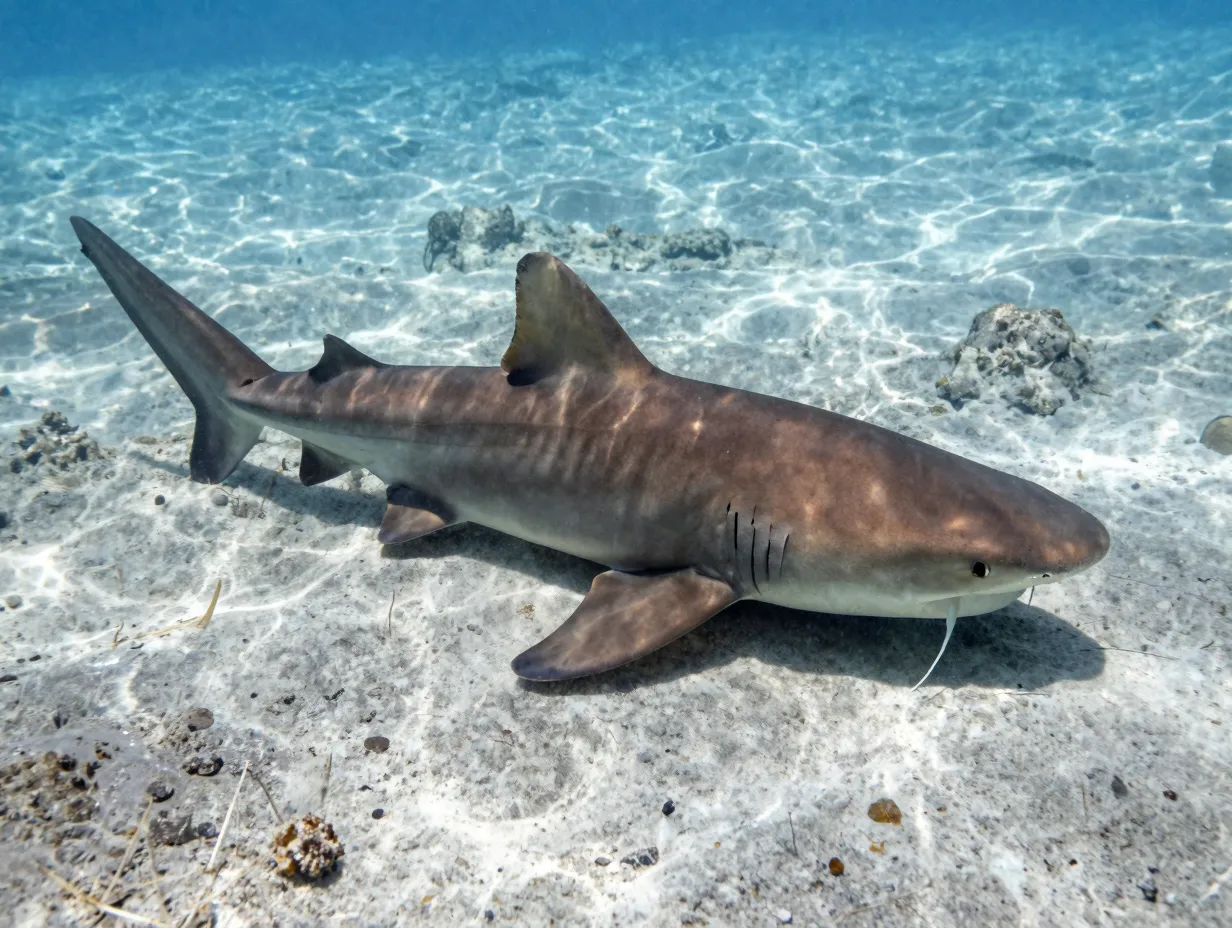
The nurse shark‘s body is immediately recognizable. Adults typically reach between 2.1 and 3 meters (7 to 10 feet) in length, though some individuals have been recorded at up to 4.3 meters. Their coloration ranges from yellowish-brown to grayish-brown, providing effective camouflage against sandy and rocky substrates.
Several anatomical features set them apart from other shark species:
- Two barbels, fleshy, whisker-like sensory organs, hang from the nostrils and are used to detect prey buried in sediment.
- Two dorsal fins of nearly equal size, positioned toward the rear of the body, unlike many sharks whose first dorsal fin is prominently forward.
- A large, broad caudal fin with a notably underdeveloped lower lobe, reflecting their slow, undulating swimming style.
- Spiracles, small openings behind the eyes, allow the shark to breathe while resting on the seafloor without needing to swim.
This last feature is particularly important. Most sharks must keep moving to force water over their gills. Nurse sharks can pump water through their spiracles while completely stationary, which explains why they are so often found motionless on the ocean floor.
2. They Are Nocturnal Predators That Rest in Groups During the Day
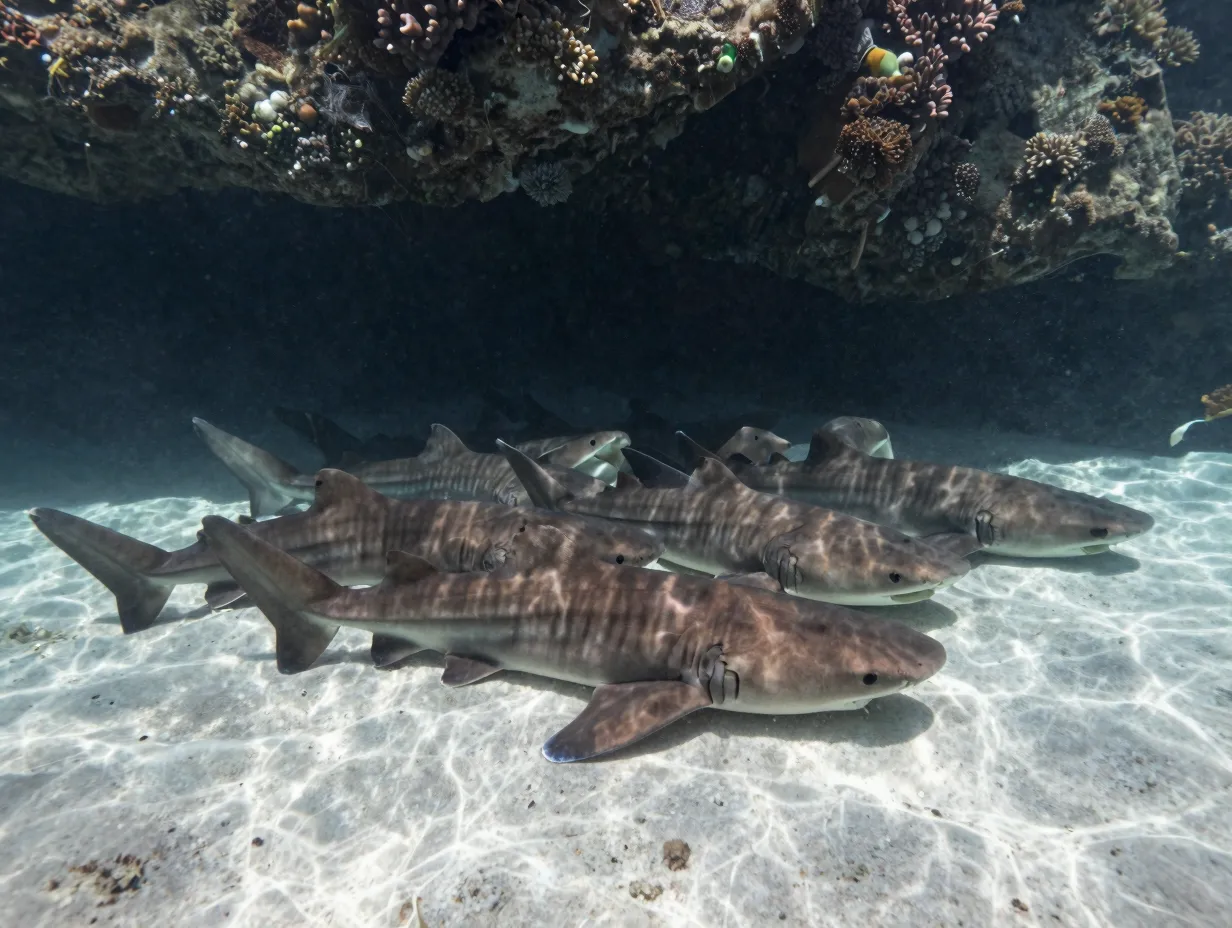
Nurse sharks are primarily nocturnal. During daylight hours, they congregate in groups, sometimes called “piles”, resting under ledges, in caves, or on open sandy patches. Groups of a dozen or more individuals have been documented sharing the same resting site, suggesting a degree of social behavior unusual among sharks.
“Nurse sharks are one of the few shark species that exhibit consistent site fidelity, returning to the same resting locations day after day.”
This predictable behavior makes them a favorite subject for underwater photographers and ecotourism operators. However, it also makes them vulnerable to disturbance. Divers who approach resting nurse sharks too aggressively risk triggering a defensive response, a point addressed in more detail under Fact 5.
At night, nurse sharks become active hunters, using their barbels, electroreceptors (ampullae of Lorenzini), and keen sense of smell to locate prey in low-light conditions.
3. Their Feeding Mechanism Is One of the Most Powerful in the Shark World
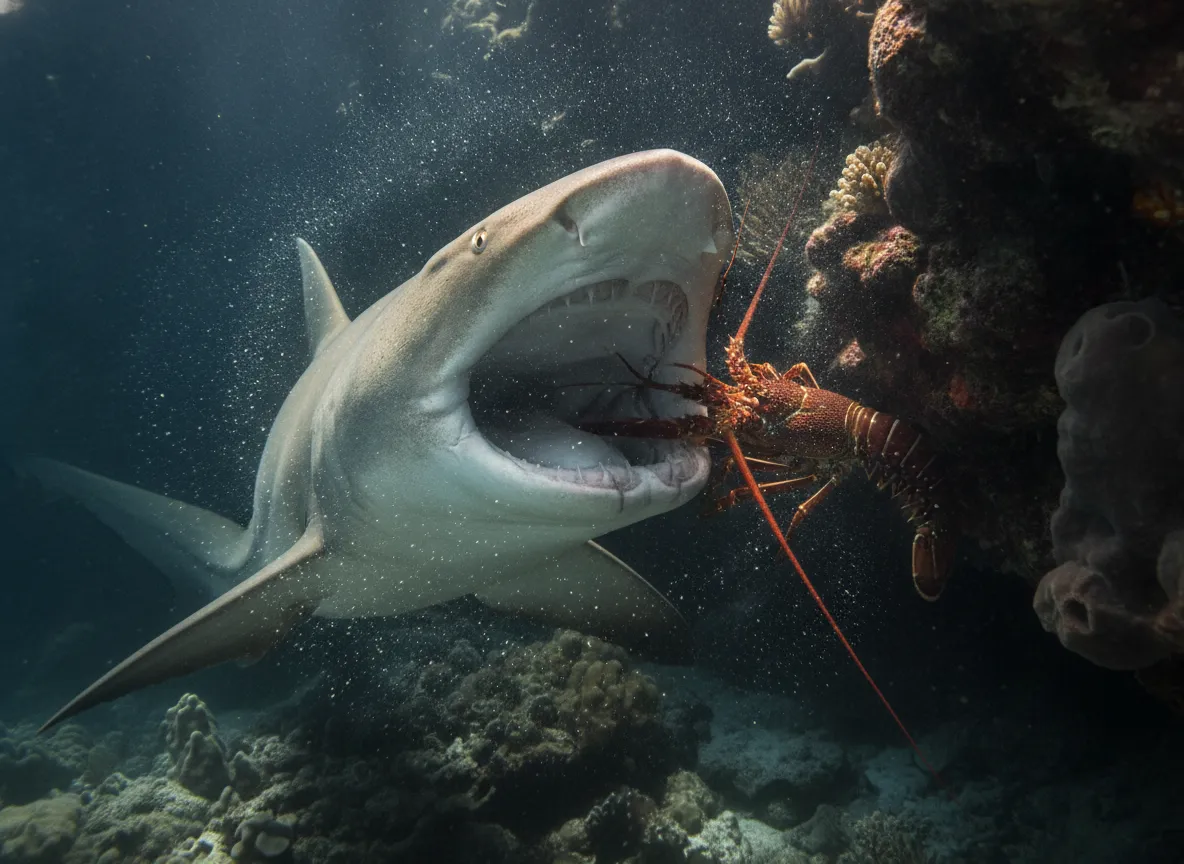
Nurse sharks do not chase fast-moving prey. Instead, they have evolved a specialized suction feeding technique that is among the most powerful recorded in any vertebrate.
By rapidly expanding the floor of their mouth and throat, nurse sharks create a sudden, intense negative pressure, essentially a vacuum, that can pull prey out of crevices in coral or rock. This mechanism allows them to extract:
- Spiny lobsters
- Crabs and shrimp
- Octopus
- Sea urchins
- Stingrays
- Small bony fish
- Squid
Their teeth are small, serrated, and designed for crushing rather than tearing. The combination of suction force and crushing dentition makes them highly effective at processing hard-shelled invertebrates that other predators cannot easily access.
4. Nurse Sharks Have a Surprisingly Wide Geographic Range
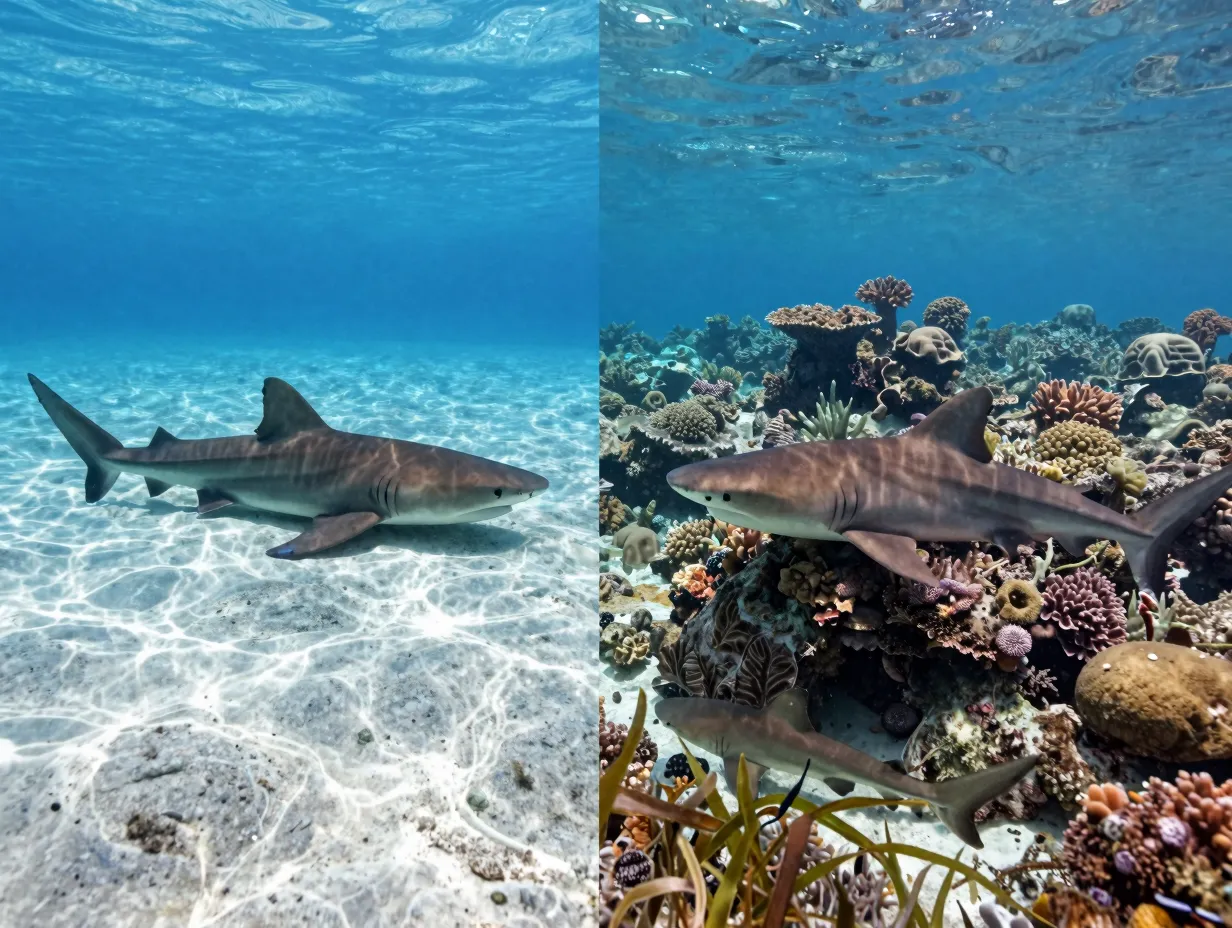
While most people associate nurse sharks with the Caribbean, their range is considerably broader. There are actually three recognized species within the nurse shark family (Ginglymostomatidae):
| Species | Common Name | Primary Range |
|---|---|---|
| Ginglymostoma cirratum | Atlantic nurse shark | Western Atlantic, Eastern Atlantic |
| Nebrius ferrugineus | Tawny nurse shark | Indo-Pacific |
| Pseudoginglymostoma brevicaudatum | Short-tail nurse shark | Western Indian Ocean |
The Atlantic nurse shark (G. cirratum) is the most studied. Its range extends from Rhode Island in the United States south to Brazil, including the Gulf of Mexico and the Caribbean Sea. On the eastern Atlantic side, populations exist along the West African coast.
Preferred habitats include:
- Coral reefs
- Rocky substrates
- Mangrove channels
- Sandy flats in depths from intertidal zones to approximately 130 meters
Juvenile nurse sharks often inhabit very shallow water, including seagrass beds and mangrove margins, where they find shelter and abundant prey.
5. Despite Their Docile Reputation, Nurse Sharks Are Responsible for a Significant Number of Unprovoked Bites
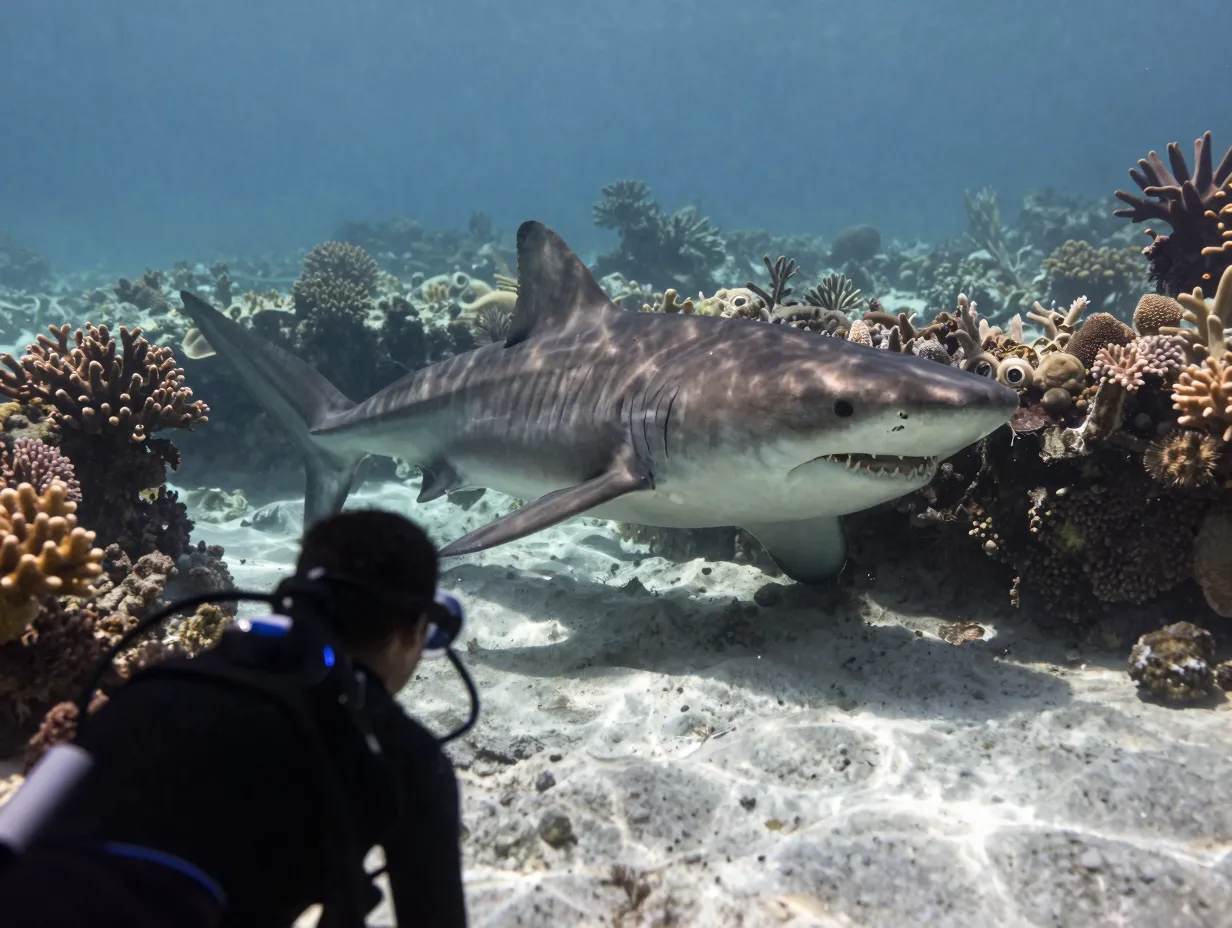
The nurse shark’s calm daytime behavior has given it an undeserved reputation as completely harmless. In reality, nurse sharks account for a notable proportion of recorded shark bites on humans, not because they are aggressive, but because people frequently handle or harass them.
Common triggers for nurse shark bites include:
- Divers grabbing or riding the shark
- Spearfishers whose catch attracts a feeding response
- Swimmers accidentally stepping on a resting shark
- Divers cornering a shark against a reef or ledge
The bite itself is the real danger. Nurse sharks have an exceptionally strong jaw and a locking-grip reflex. Once they bite, they are extremely reluctant to release. Documented cases include bites that required surgical intervention to remove the shark, which continued gripping even after being lifted out of the water.
Best practices for safe interaction:
- Maintain at least a 2-meter distance from resting nurse sharks
- Never attempt to touch, grab, or ride a nurse shark
- Avoid blocking a shark’s escape route
- Do not carry speared fish near resting aggregations
Respecting these guidelines makes encounters with nurse sharks safe and rewarding for both the diver and the animal.
6. Nurse Sharks Reproduce Slowly, Which Makes Them Vulnerable to Population Decline
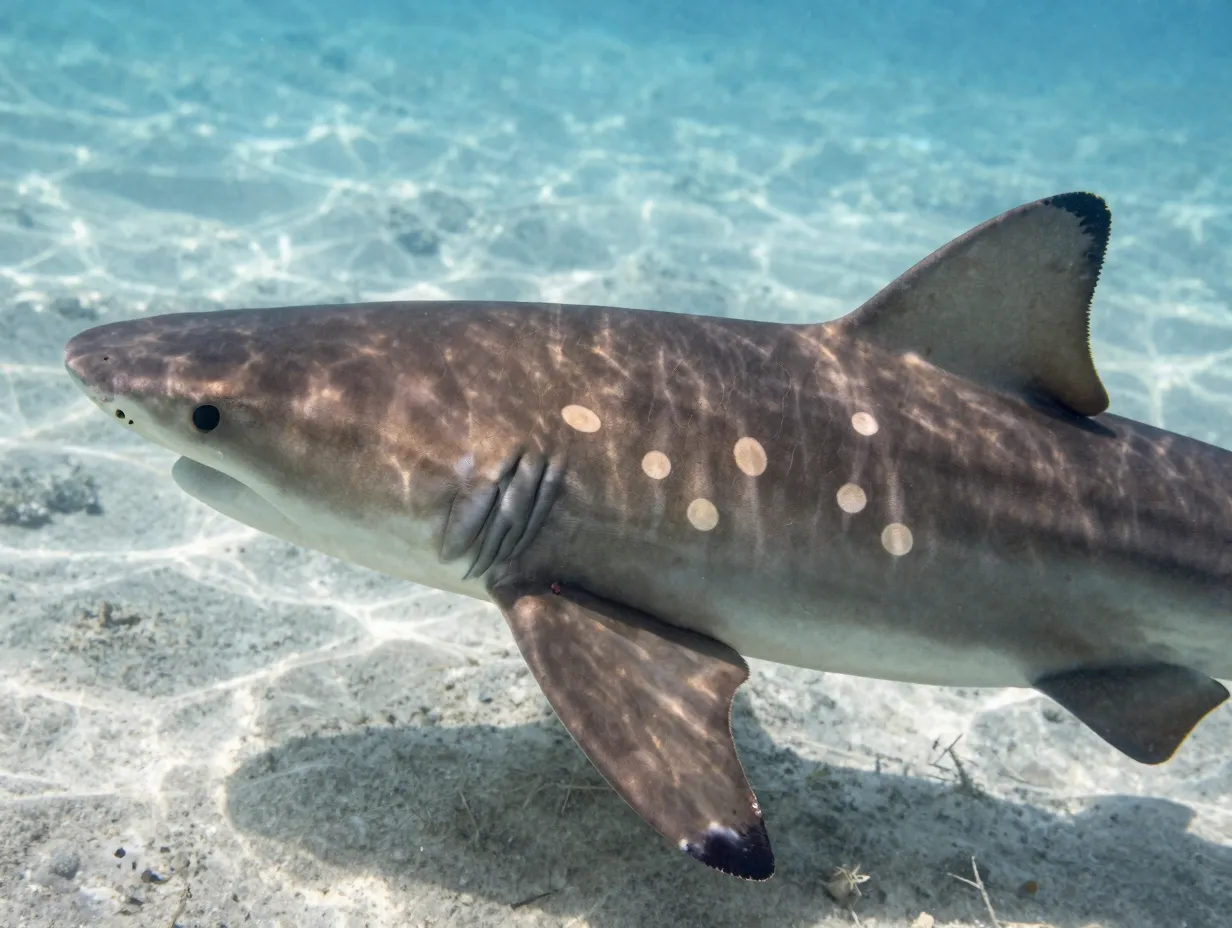
Nurse sharks are ovoviviparous, meaning embryos develop inside eggs that remain within the mother’s body until they hatch. The young are then born live.
Key reproductive facts:
- Gestation period: Approximately 6 months
- Litter size: 20 to 30 pups per litter
- Pup length at birth: Approximately 27 to 30 centimeters
- Reproductive cycle: Females reproduce approximately every two years
- Age at sexual maturity: 10 to 15 years for both sexes
This slow reproductive rate, combined with late sexual maturity, means that nurse shark populations recover slowly from overharvesting or habitat loss. A population that has been significantly reduced by fishing pressure may take decades to recover even under ideal conditions.
Mating behavior in nurse sharks is also notable. Males bite the female’s pectoral fin to hold position during copulation, a behavior that leaves distinctive scarring on females. Mating aggregations have been observed in shallow water during the summer months.
7. Nurse Sharks Play a Measurable Role in Reef Ecosystem Health
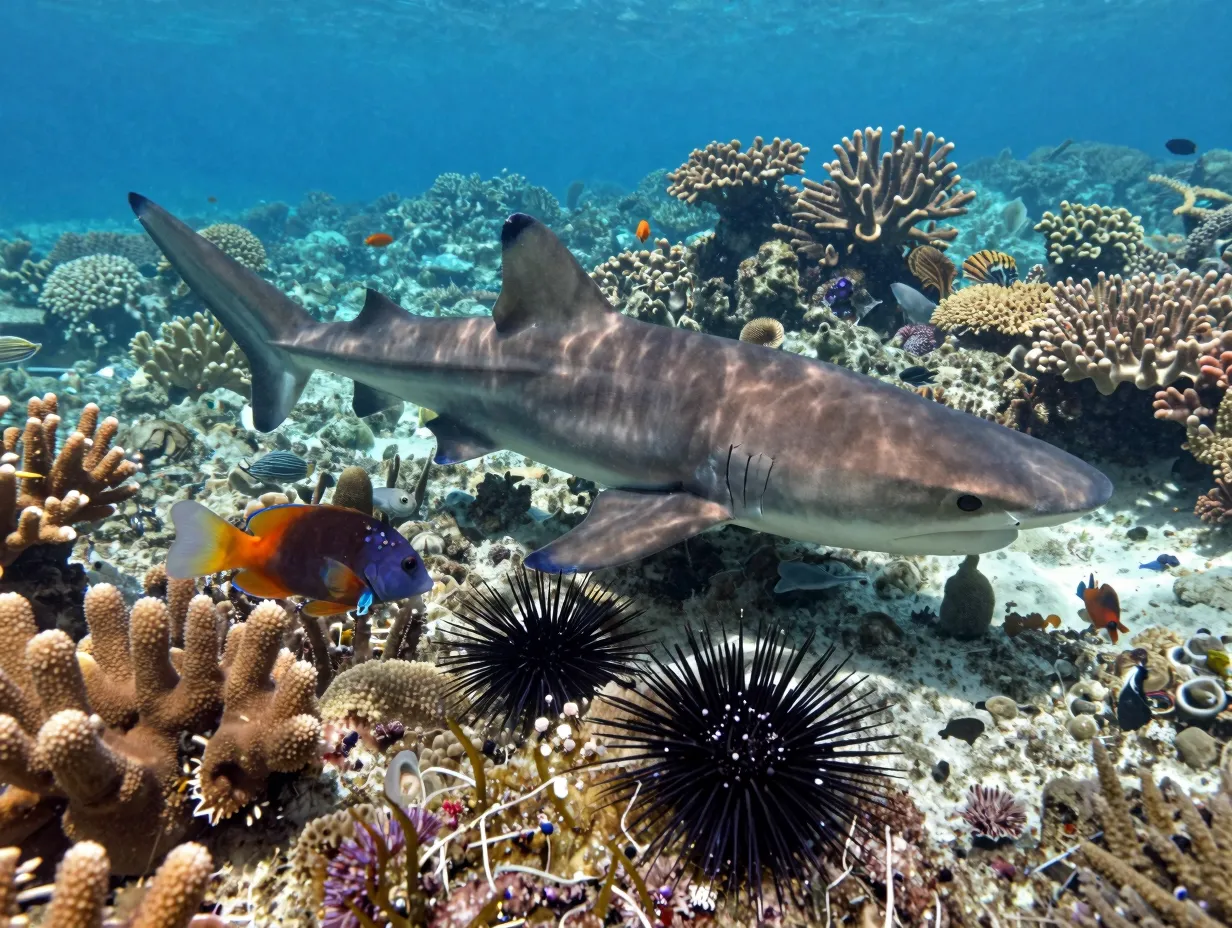
As mesopredators, predators that occupy a middle tier in the food web, nurse sharks exert what ecologists call a trophic cascade effect on reef communities. By controlling populations of invertebrates such as lobsters, crabs, and sea urchins, they indirectly influence the health of coral and seagrass ecosystems.
Sea urchins, for example, graze on coralline algae. When urchin populations are unchecked, overgrazing can damage reef structures. Nurse sharks help regulate this dynamic.
Beyond direct predation, nurse sharks also serve as:
- Prey items for larger sharks, including bull sharks and tiger sharks, linking them into broader food web dynamics.
- Hosts for parasites that are in turn consumed by cleaner fish species, supporting cleaning station activity on reefs.
- Indicators of reef health, since their presence correlates with intact benthic habitat and adequate invertebrate prey populations.
The removal of nurse sharks from reef systems, through targeted fishing or bycatch, has been associated with shifts in invertebrate community structure, though the full extent of these effects remains an active area of research.
8. Conservation Status and the Threats Facing Nurse Sharks in 2026
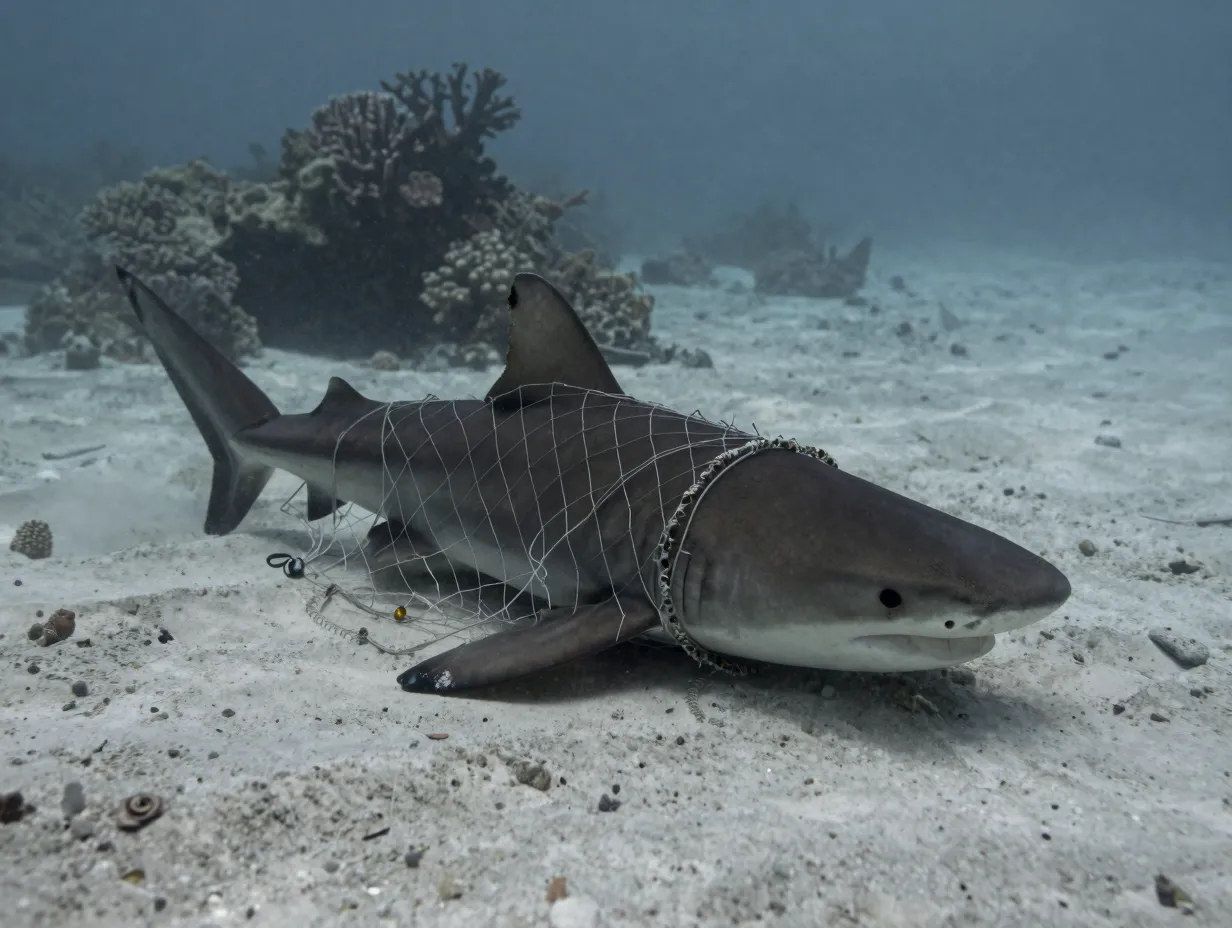
The Atlantic nurse shark (Ginglymostoma cirratum) is currently listed as Vulnerable on the IUCN Red List of Threatened Species. The tawny nurse shark (Nebrius ferrugineus) carries a more serious designation of Vulnerable with declining population trends across much of its Indo-Pacific range.
Primary threats include:
- Targeted fishing, Nurse sharks are harvested for their fins, meat, liver oil, and skin in several regions.
- Bycatch, They are frequently caught incidentally in longline, gillnet, and trawl fisheries targeting other species.
- Habitat degradation, Coral reef decline from bleaching events, coastal development, and sedimentation reduces both shelter and prey availability.
- Ecotourism pressure, Poorly managed dive tourism can disrupt resting aggregations and alter natural behavior patterns.
- Slow reproductive rate, As noted above, biological factors amplify the impact of all other threats.
Conservation measures currently in place or under development:
- Protected status in U.S. waters under state regulations in Florida and several Caribbean nations
- Inclusion in CITES Appendix II for the tawny nurse shark, regulating international trade
- Marine protected areas (MPAs) that encompass key nurse shark habitat
- Research tagging programs that track movement patterns and population size
For saltwater enthusiasts, supporting certified dive operators that follow responsible wildlife interaction guidelines, advocating for expanded MPA coverage, and avoiding products made from shark fins or liver oil are direct, meaningful contributions to nurse shark conservation.
Practical Takeaways for Saltwater Enthusiasts
Understanding the 8 Nurse Shark Facts Every Saltwater Enthusiast Should Know translates directly into better behavior in the water and more informed advocacy outside of it. Here is a concise reference summary:
| Fact | Core Insight |
|---|---|
| 1. Body shape and anatomy | Spiracles allow stationary breathing; barbels detect buried prey |
| 2. Nocturnal behavior | Daytime resting in groups; active hunters at night |
| 3. Suction feeding | Powerful vacuum mechanism; crushes hard-shelled prey |
| 4. Geographic range | Three species across Atlantic, Indo-Pacific, Indian Ocean |
| 5. Bite risk | Docile but dangerous if provoked; strong locking jaw |
| 6. Reproduction | Ovoviviparous; slow reproductive cycle; 10-15 year maturity |
| 7. Ecosystem role | Mesopredator controlling invertebrate populations on reefs |
| 8. Conservation status | Vulnerable; threatened by fishing, bycatch, and habitat loss |
Conclusion
The nurse shark is far more complex than its sluggish, bottom-resting appearance suggests. From its vacuum-powered feeding mechanism to its critical role in reef ecosystem balance, every aspect of this species rewards closer examination. The 8 Nurse Shark Facts Every Saltwater Enthusiast Should Know outlined in this guide provide a foundation for safer, more respectful encounters in the wild and a stronger basis for conservation advocacy.
Actionable next steps for saltwater enthusiasts:
- Research the dive operators in any destination before booking, choose those with documented responsible wildlife interaction policies.
- Report nurse shark sightings to citizen science platforms such as iNaturalist or regional shark monitoring programs to contribute to population data.
- Avoid purchasing shark fin products or seafood caught through methods with high shark bycatch rates.
- Share accurate information about nurse shark behavior with fellow divers and snorkelers to counter the myth that all sharks are uniformly dangerous.
- Support marine protected area initiatives in regions where nurse shark populations are under pressure.
The ocean’s health depends on the survival of its mesopredators. Nurse sharks have patrolled reef systems for millions of years, understanding them is the first step toward ensuring they continue to do so.