9 Barracuda Fish Facts: Identification, Habitat, and Behavior
Few ocean predators command as much respect, and as much misunderstanding, as the barracuda. With a bite force capable of severing fingers and a top swimming speed exceeding 35 miles per hour, this fish is built for one purpose: precision predation. Yet most divers and anglers encounter barracudas without incident, circling curiously at a safe distance. This article covers 9 Barracuda Fish Facts: Identification, Habitat, and Behavior, drawing on peer-reviewed research to separate myth from biology and give readers an accurate, science-backed portrait of one of the ocean’s most iconic fish.
Disclosure: This post contains affiliate links. As an Amazon Associate, we earn from qualifying purchases, and at no extra cost to you.
Key Takeaways
- Barracudas belong to the family Sphyraenidae and the great barracuda (Sphyraena barracuda) is the largest species, reaching up to 2 meters in length
- They are found across tropical and subtropical oceans worldwide, including the Atlantic, Indo-Pacific, and Red Sea
- Barracudas are ambush predators that rely on speed, sharp eyesight, and fang-like teeth to catch prey
- Ciguatera fish poisoning is a documented health risk associated with consuming large barracudas
- Despite their fearsome reputation, unprovoked attacks on humans are rare and usually linked to mistaken identity or provocation
Understanding the Basics: 9 Barracuda Fish Facts: Identification, Habitat, and Behavior
Before diving into each individual fact, it helps to understand where barracudas fit in the animal kingdom. Barracudas belong to the family Sphyraenidae and the genus Sphyraena, which contains approximately 29 recognized species. The great barracuda (Sphyraena barracuda) is the most widely studied and the largest of all species [7]. These fish are ray-finned, meaning they belong to the class Actinopterygii, and they share the order Perciformes with perch and grouper.
The 9 Barracuda Fish Facts: Identification, Habitat, and Behavior covered in this article span physical traits, geographic range, predatory strategy, reproduction, and the risks they pose to humans, giving a complete picture of this species.
1. Barracudas Have a Highly Distinctive Physical Appearance
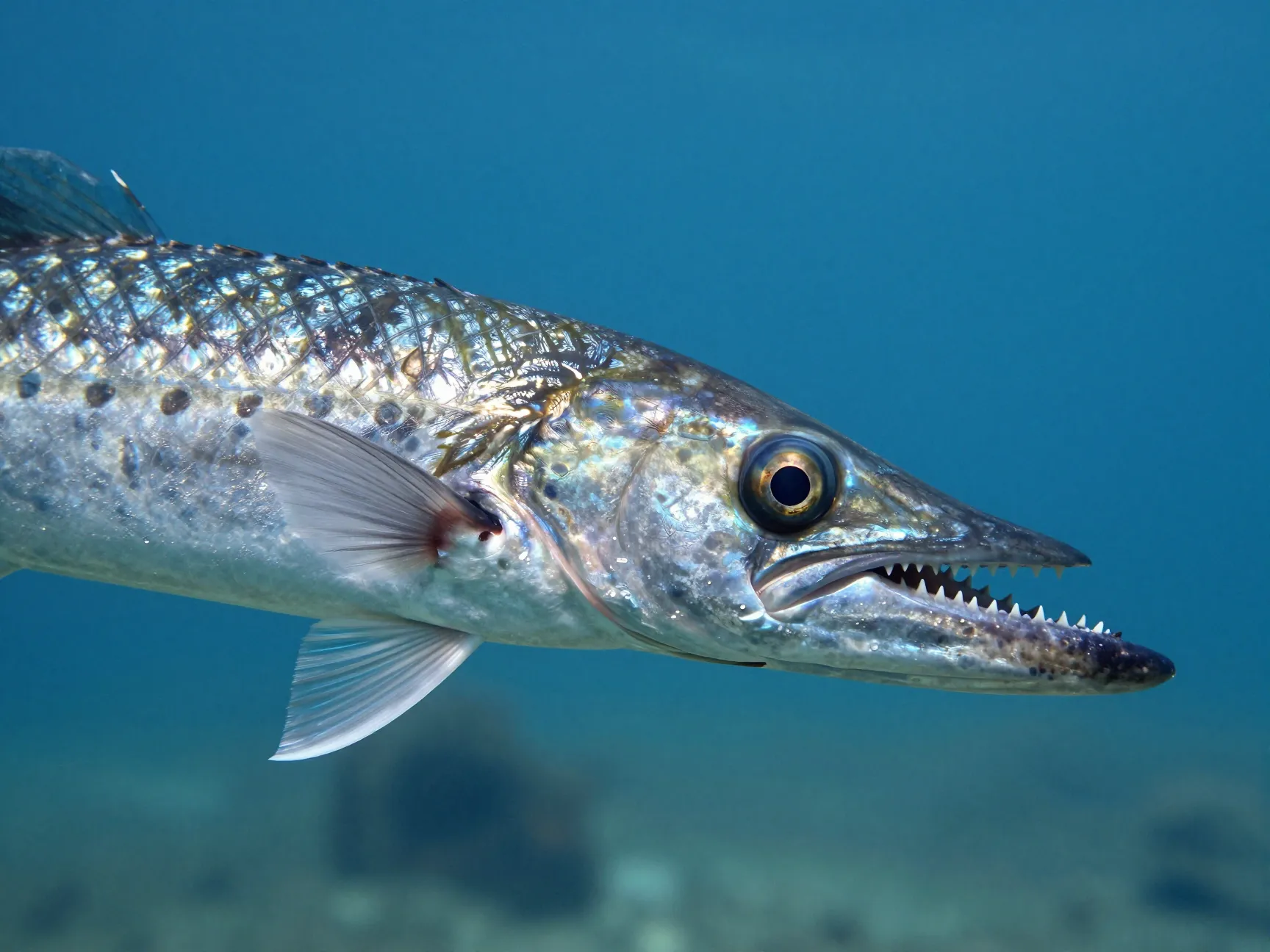
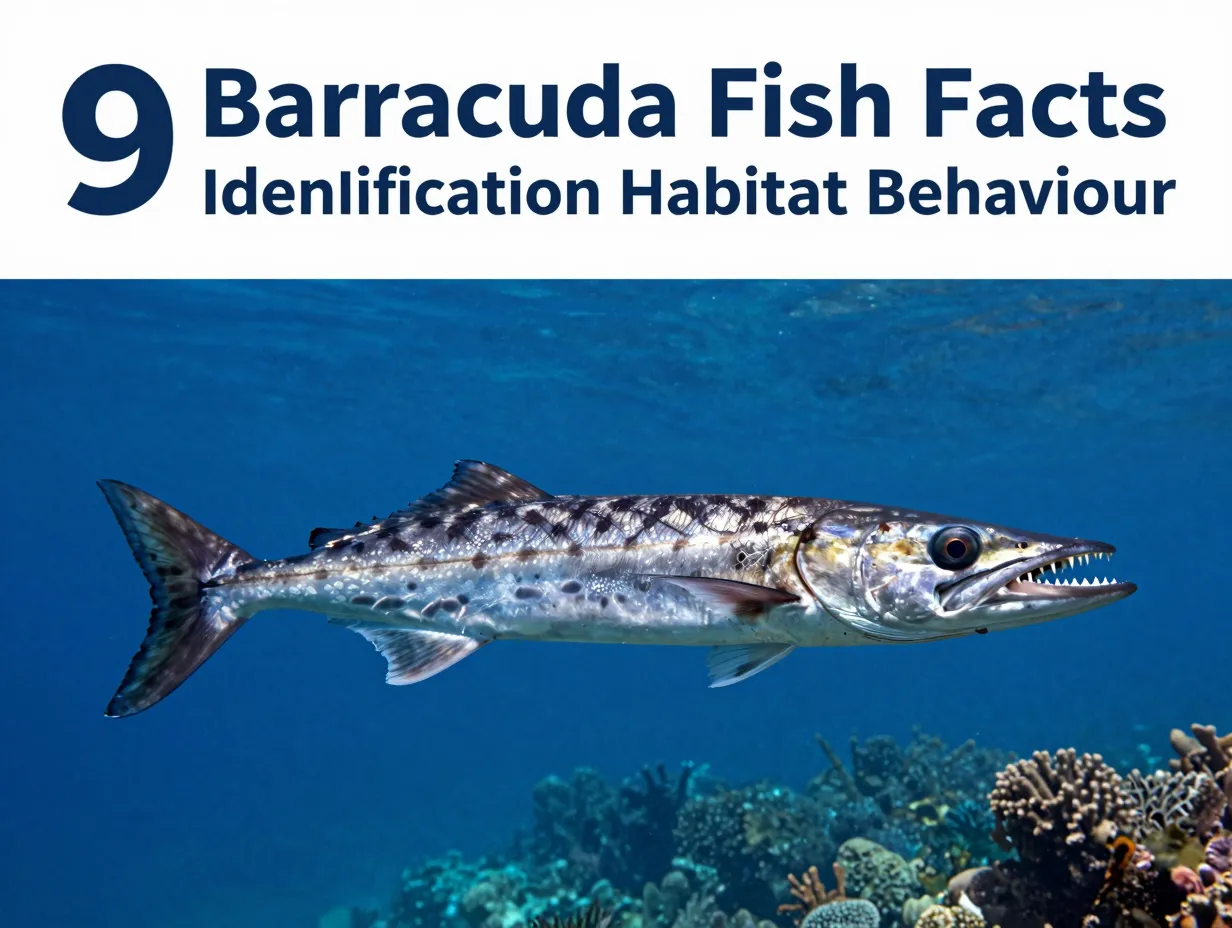
The great barracuda is one of the most recognizable fish in tropical waters. Its body is long, torpedo-shaped, and laterally compressed, designed for rapid acceleration through the water column. Adults typically measure between 1 and 1.8 meters in length, with some individuals recorded at close to 2 meters [7]. Weight can exceed 50 kilograms in the largest specimens.
Key identification features include:
- Coloration: Silvery-gray on the sides, darker blue-green on the dorsal surface, and white on the belly. Dark, irregular blotches appear on the lower sides, particularly in adults.
- Teeth: Two rows of sharp, fang-like teeth of unequal size. The front teeth are large and dagger-like, while inner teeth are smaller but equally sharp.
- Fins: Two well-separated dorsal fins. The first has five spines; the second is soft-rayed. The caudal (tail) fin is forked and powerful.
- Jaw: The lower jaw protrudes slightly beyond the upper jaw, giving the fish a permanently aggressive expression.
- Lateral line: A prominent lateral line runs the full length of the body, aiding in detecting vibrations in the water.
Juveniles look notably different from adults. Young barracudas often display a more pronounced pattern of dark bars or spots and tend to inhabit shallower, more sheltered waters such as mangroves and seagrass beds [10].
2. The Great Barracuda Has an Exceptionally Wide Geographic Range
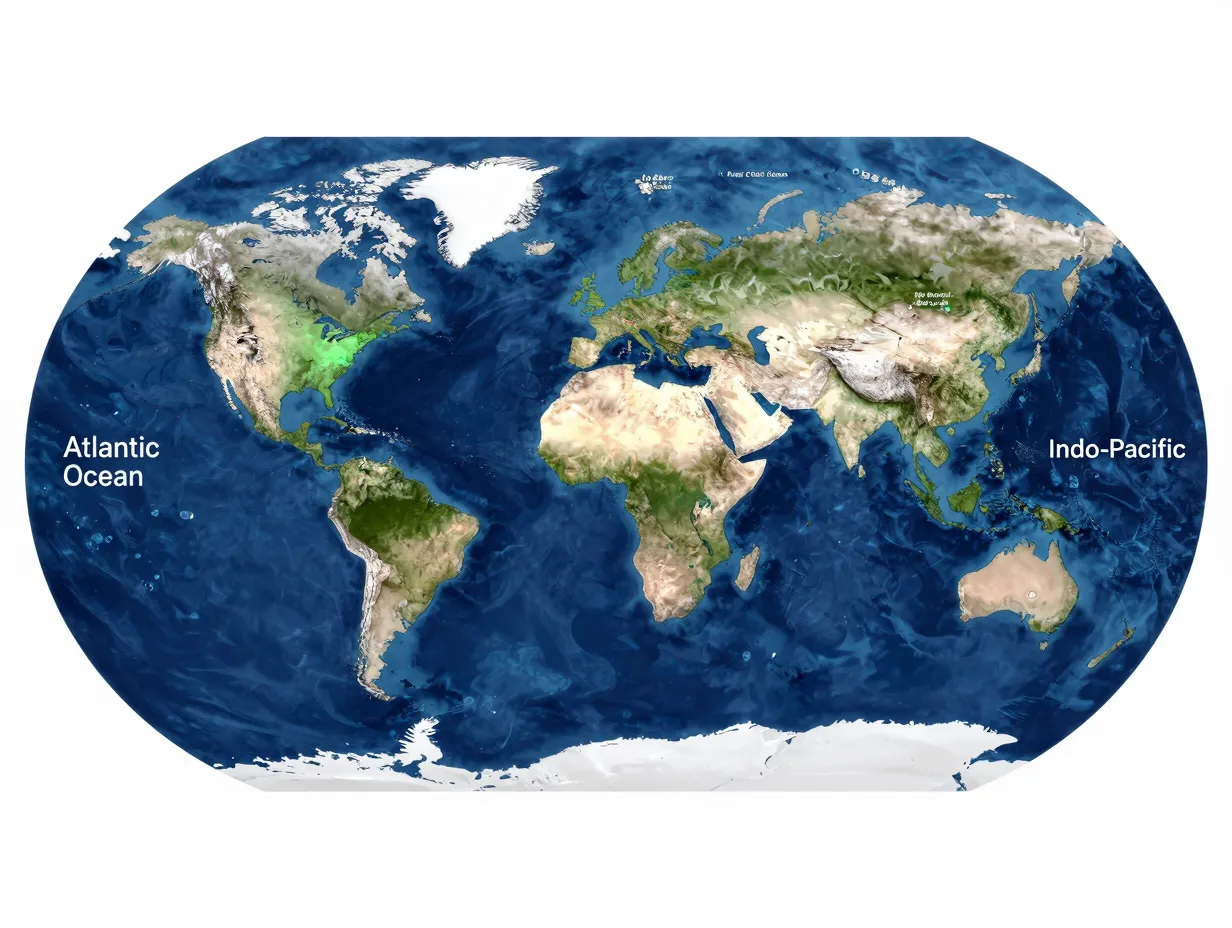
The great barracuda is a cosmopolitan species, meaning it is found across a remarkably broad stretch of the world’s oceans. Its range covers tropical and subtropical waters of the Atlantic, Indian, and Pacific Oceans, including the Caribbean Sea, Gulf of Mexico, Red Sea, and coastal Indo-Pacific regions [7].
A notable example of range expansion was documented when a great barracuda was recorded in the Azores, in the northeastern Atlantic, a region not previously associated with this species [1]. This sighting suggests that warming ocean temperatures may be pushing the species into new territories, a trend consistent with broader climate-driven shifts in marine fish distributions.
Typical habitat zones by region:
| Region | Common Presence |
|---|---|
| Caribbean Sea | Year-round, very common |
| Gulf of Mexico | Year-round |
| Red Sea | Year-round |
| Indo-Pacific | Year-round |
| Mediterranean | Occasional, seasonal |
| Northeast Atlantic (Azores) | Rare, newly documented [1] |
Barracudas are highly adaptable and can be found from near-surface waters down to depths of approximately 100 meters, though they most frequently patrol depths between 0 and 30 meters [10].
3. Barracudas Are Selective Habitat Users at Different Life Stages
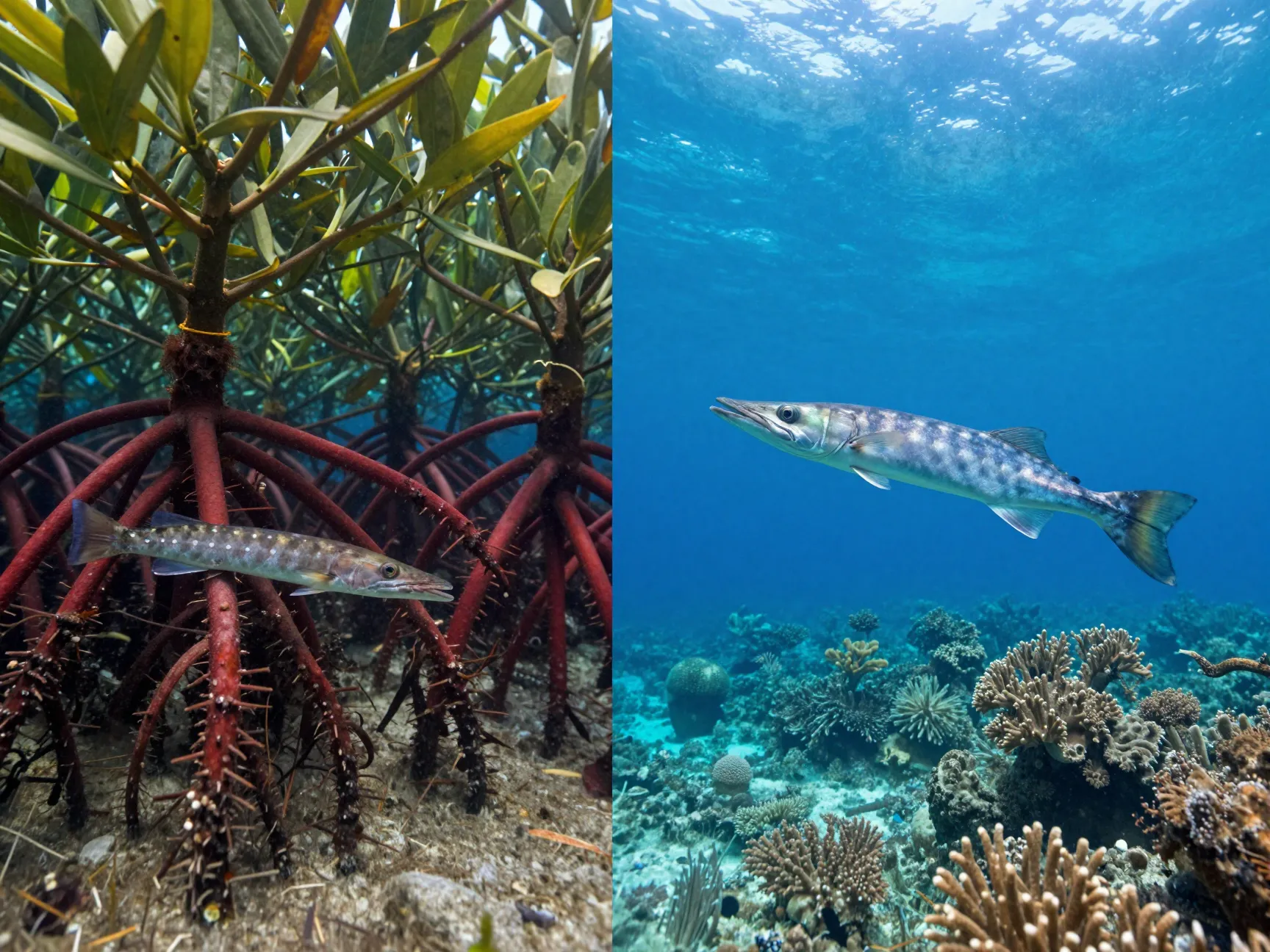
One of the most ecologically important aspects of barracuda biology is how dramatically their preferred habitat changes as they grow. This ontogenetic habitat shift, the movement between different environments at different life stages, is well documented in the scientific literature [10].
Juvenile stage: Young barracudas seek shelter in nearshore habitats. Mangrove forests, seagrass meadows, and shallow estuaries provide cover from larger predators and a rich supply of small prey. These nursery habitats are critical to juvenile survival.
Sub-adult stage: As barracudas grow, they begin moving into patch reefs and the edges of coral reef systems. At this stage, they may form loose schools or aggregations, which offer some protection and improve hunting efficiency.
Adult stage: Fully grown adults are largely solitary and move into deeper reef environments, open-water pelagic zones, and offshore structures. Large adults are frequently observed hovering near the surface or patrolling reef drop-offs, often remaining motionless for extended periods before striking at prey.
This habitat partitioning means that protecting barracuda populations requires conserving a range of coastal ecosystems, not just coral reefs, but also mangroves and seagrass beds that serve as juvenile nurseries [10].
4. Barracudas Are Apex Ambush Predators With Remarkable Speed
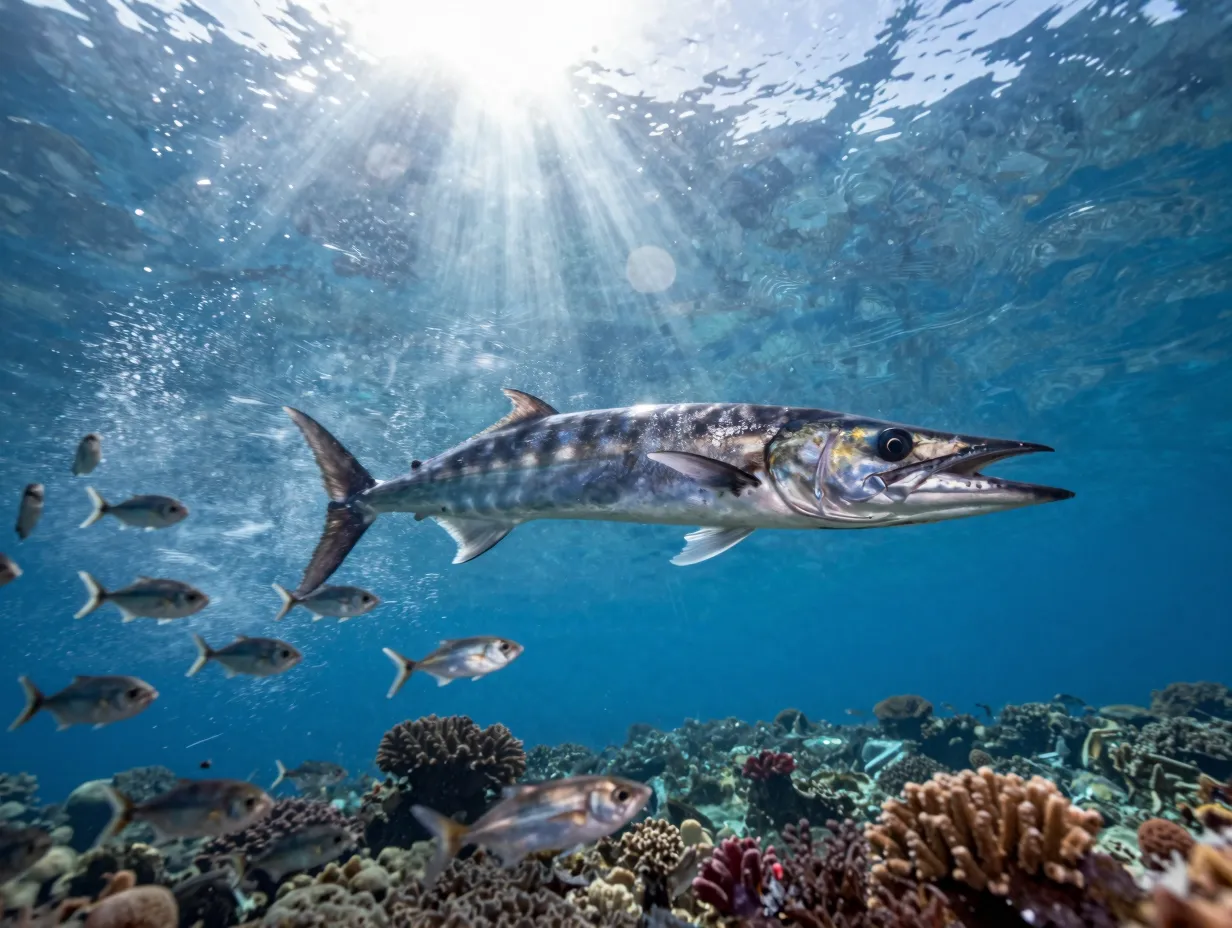
The barracuda’s hunting strategy is built on a combination of explosive speed, acute vision, and precision targeting. Unlike pursuit predators that chase prey over long distances, barracudas typically rely on short, high-velocity bursts to close the gap between themselves and their target.
Recorded burst swimming speeds reach 35 to 40 miles per hour (56 to 64 km/h), making the barracuda one of the fastest fish in the ocean over short distances. This speed, combined with their streamlined body shape, allows them to ambush prey with minimal warning.
Barracudas are primarily diurnal hunters, most active during daylight hours when their exceptional eyesight gives them a significant advantage. Their large eyes are adapted for detecting movement and contrast, which explains why shiny objects (jewelry, lures, metallic dive gear) can trigger an investigative or even aggressive response.
Primary prey items include:
- Small to medium-sized reef fish (mullet, grunts, anchovies, herrings)
- Squid and cephalopods
- Occasionally larger fish when the barracuda is fully grown
Barracudas often use a “slash and return” technique, striking prey at high speed, disabling it with a single powerful bite, then circling back to consume it [10].
5. Schooling Behavior Is Common in Younger Barracudas
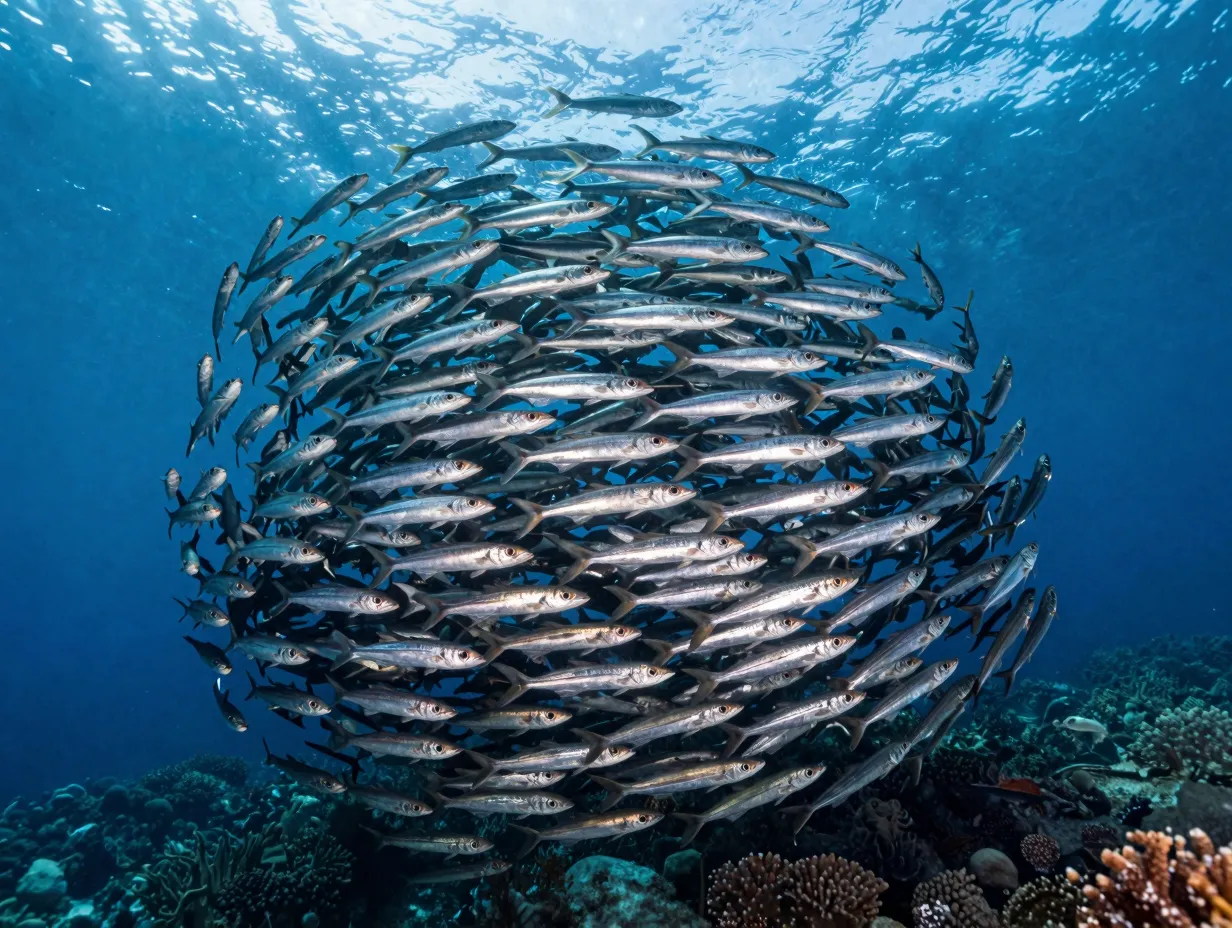
While adult great barracudas are famously solitary, younger and smaller individuals frequently form large, tightly packed schools that can number in the hundreds or even thousands. These aggregations are a common sight for divers in tropical reef environments and represent one of the most visually striking behaviors in the species.
Schooling in juvenile and sub-adult barracudas serves several functions:
- Predator avoidance: A large, swirling school is harder for a predator to target than a single individual.
- Hydrodynamic efficiency: Swimming in formation reduces drag and conserves energy.
- Coordinated foraging: Groups can herd prey fish more effectively than solitary hunters.
As barracudas mature and grow larger, the advantages of schooling diminish. Large adults have few natural predators and are capable of taking larger prey independently, making the solitary lifestyle more energetically efficient [10].
Some species within the genus Sphyraena, such as the blackfin barracuda (Sphyraena qenie), maintain schooling behavior into adulthood more consistently than the great barracuda, a distinction worth noting for identification purposes.
6. Barracuda Reproduction Involves Offshore Spawning

Relatively little is known about barracuda reproductive biology compared to many commercially important fish, but research has shed light on several key aspects. Great barracudas are broadcast spawners, releasing eggs and sperm into the open water column where fertilization occurs externally.
Spawning typically takes place in offshore, open-water environments rather than near reefs or coastal zones. Spawning seasons vary by region but generally align with warmer water temperatures, often occurring in spring and summer months in the Northern Hemisphere [10].
Females are larger than males at equivalent ages, a pattern known as sexual size dimorphism. This size difference is common in fish species where females benefit from greater body size to produce more eggs. Barracudas reach sexual maturity at approximately 2 years of age, though this varies by location and environmental conditions.
Larvae and very young juveniles are pelagic, drifting in the open water column, before settling into nearshore nursery habitats as they develop. The transition from pelagic larva to benthic juvenile represents one of the most vulnerable periods in the barracuda’s life cycle.
7. Ciguatera Poisoning Is a Documented Risk From Eating Barracuda
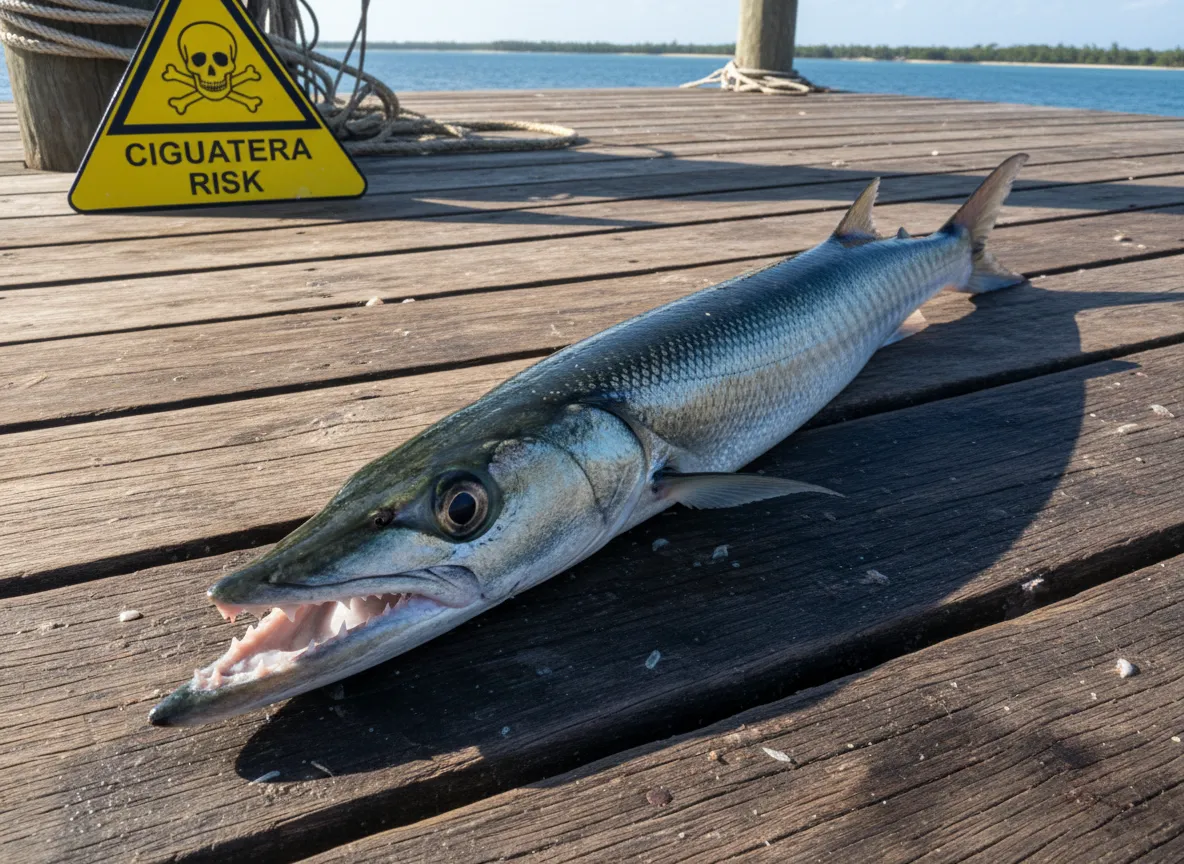
Barracuda flesh is consumed in many parts of the world, but eating large specimens carries a well-documented health risk: ciguatera fish poisoning (CFP). This is one of the most important public health facts associated with the species.
Ciguatera is caused by ciguatoxins, which originate from the dinoflagellate Gambierdiscus toxicus, a microscopic alga that grows on coral reefs. Small herbivorous fish eat the alga, and the toxin bioaccumulates up the food chain. Because barracudas are high-level predators that consume large quantities of reef fish over long lifespans, they accumulate particularly high concentrations of ciguatoxin [5].
Symptoms of ciguatera poisoning include:
- Nausea, vomiting, and diarrhea (onset within hours)
- Neurological symptoms: tingling, numbness, and the hallmark “reversal of hot and cold sensation”
- Cardiovascular symptoms in severe cases
- Symptoms can persist for weeks, months, or even years in severe cases [5]
There is currently no antidote for ciguatera. Treatment is supportive, focusing on managing symptoms. The risk is highest from large, older barracudas caught near reef systems in endemic areas such as the Caribbean and Pacific Islands [5].
“Ciguatera fish poisoning is the most frequently reported seafood toxin illness in the world, and barracuda is among the most commonly implicated species.” [5]
8. Barracuda Attacks on Humans Are Rare but Documented
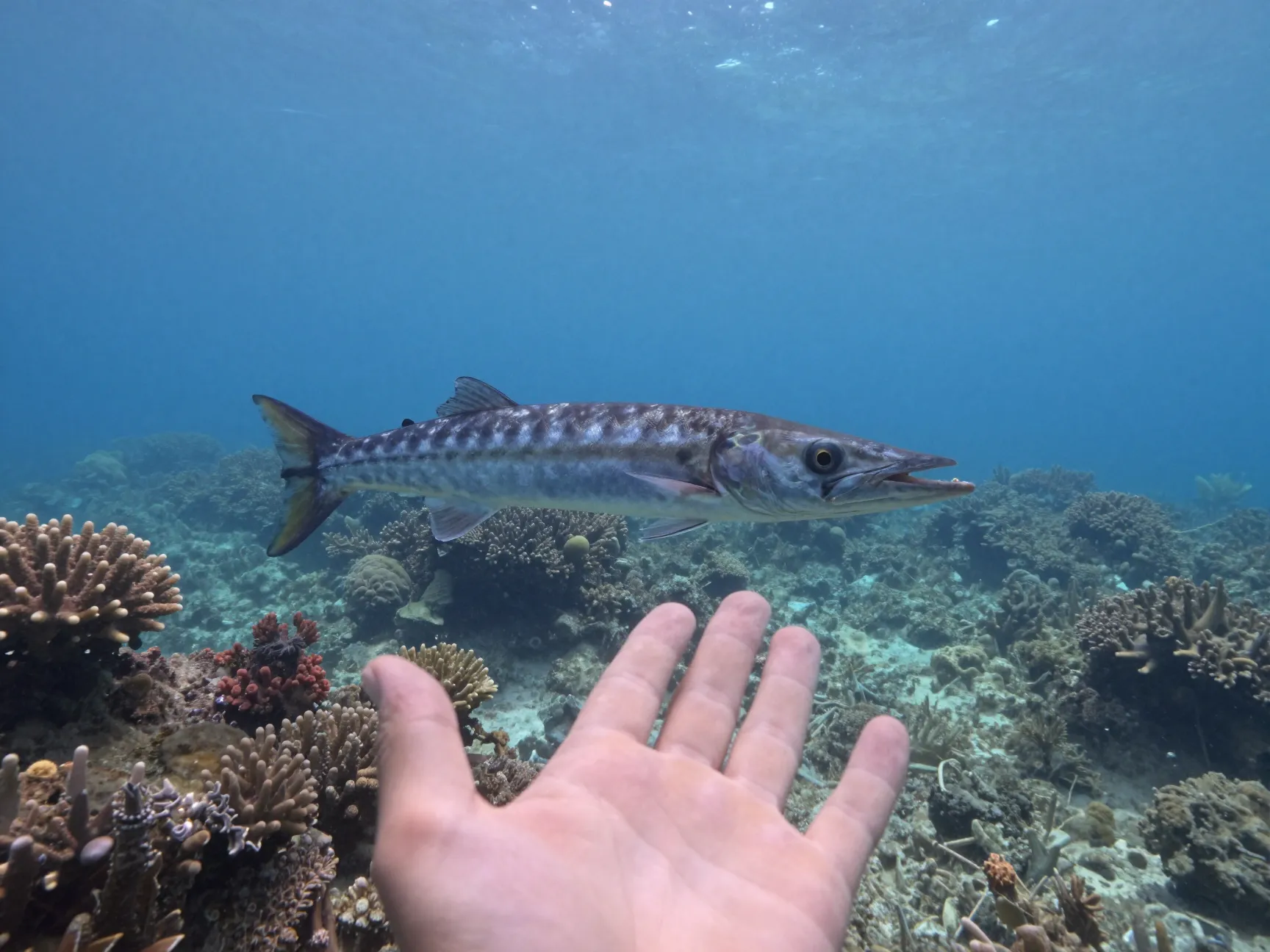
The barracuda’s reputation as a dangerous fish is not entirely unfounded, but it is frequently overstated. Documented attacks on humans are rare, and fatalities are virtually unknown. Most incidents involve minor lacerations rather than serious injury.
Research and case documentation suggest that the majority of barracuda-human incidents fall into one of three categories [10]:
- Mistaken identity: Barracudas are attracted to shiny, reflective objects that resemble the scales of prey fish. Divers wearing metallic jewelry or carrying shiny equipment have reported investigative bites.
- Provocation: Spearfishing in the presence of barracudas, or attempts to hand-feed them, significantly increases the risk of an aggressive response.
- Poor visibility: In murky water, barracudas may misidentify a hand or foot as prey and strike before retreating.
Unprovoked attacks in clear water on calm divers are extremely uncommon. Most experienced divers report that barracudas are curious rather than aggressive, they will often follow a diver at a fixed distance, observing without approaching.
Safety guidelines for diving near barracudas:
- Remove or cover shiny jewelry and metallic accessories before entering the water
- Avoid erratic, splashing movements at the surface
- Do not attempt to touch, corner, or feed barracudas
- In spearfishing situations, secure caught fish promptly and exit the water if barracudas approach closely
9. Barracudas Play a Key Ecological Role in Reef Ecosystems
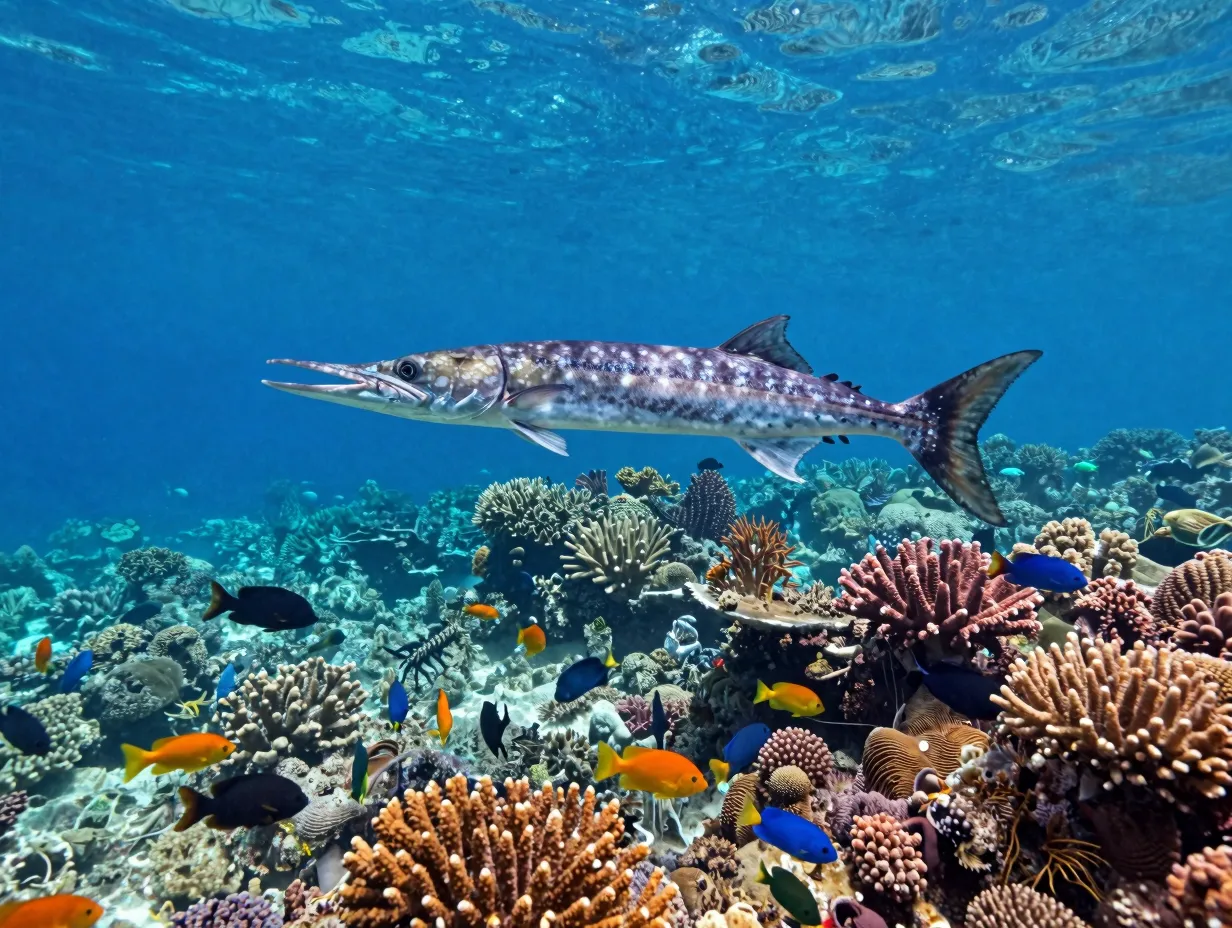
Beyond their status as a striking predator, barracudas serve a critical ecological function in the reef systems they inhabit. As apex or near-apex predators, they help regulate the populations of mid-level fish species, which in turn affects the health of the entire reef food web.
This top-down regulation, sometimes called a trophic cascade, means that removing large predators like barracudas from a reef system can trigger a chain reaction: mid-level fish populations increase, overgrazing of algae-controlling species occurs, and reef health can decline. The presence of healthy barracuda populations is therefore considered an indicator of overall reef ecosystem integrity [10].
Studies examining barracuda population dynamics have noted that overfishing and habitat degradation pose the most significant threats to the species in many regions [4][6]. While the great barracuda is not currently listed as endangered globally, localized depletions have been documented in heavily fished areas.
Conservation considerations include:
- Protecting mangrove and seagrass nursery habitats
- Implementing size and catch limits in commercial and recreational fisheries
- Monitoring ciguatera-risk areas to reduce human health impacts while preserving fish populations
Additional Identification Tips: Distinguishing Barracuda Species
With approximately 29 species in the genus Sphyraena, accurate identification matters, both for scientific study and for practical purposes like assessing ciguatera risk. The following traits help distinguish the most commonly encountered species:
Great Barracuda (Sphyraena barracuda):
- Largest species; adults commonly exceed 1 meter
- Dark blotches on lower flanks
- Solitary as adults
- Wide global distribution [7]
Guachanche Barracuda (Sphyraena guachancho):
- Smaller, typically under 60 cm
- More slender body
- Found in the western Atlantic and Gulf of Mexico
Pacific Barracuda (Sphyraena argentea):
- Confined to the eastern Pacific
- Silvery body with yellow tail
- Important commercial species in California
Blackfin Barracuda (Sphyraena qenie):
- Indo-Pacific distribution
- Maintains schooling behavior as adults
- Chevron-shaped markings on sides
Accurate species identification is particularly important when assessing ciguatera risk, as the great barracuda carries a significantly higher risk than smaller, non-reef-associated species [5].
Conclusion
The 9 Barracuda Fish Facts: Identification, Habitat, and Behavior covered in this article reveal a fish that is far more complex than its fearsome reputation suggests. From its torpedo-shaped body and fang-like dentition to its critical role as a reef ecosystem regulator, the barracuda is a species worthy of both respect and scientific attention.
Actionable next steps for different audiences:
- Divers and snorkelers: Follow the safety guidelines outlined in Fact 8. Remove shiny accessories, avoid erratic movements, and treat any barracuda encounter as an opportunity for observation rather than concern.
- Anglers: Be aware of ciguatera risk when targeting large barracudas near reef systems. Consult local health advisories before consuming catches, particularly in the Caribbean and Pacific Islands.
- Conservationists and marine managers: Prioritize the protection of mangrove and seagrass nursery habitats alongside reef conservation efforts. Barracuda population health is a useful proxy indicator for broader reef ecosystem integrity.
- Researchers: The reproductive biology and larval ecology of barracudas remain understudied relative to their ecological importance. Population-level studies in regions experiencing range expansion, such as the northeast Atlantic, represent a valuable research frontier [1].
Understanding the barracuda as a complete biological entity, predator, prey, habitat specialist, and ecosystem engineer, is the foundation for both safe human interaction and effective conservation of the species.
References
[1] First Record Of The Great Barracuda Sphyraena Barracuda Perciformes Sphyraenidae In The Azores North East Atlantic – https://www.ce3c.pt/research/publications/research-paper/first-record-of-the-great-barracuda-sphyraena-barracuda-perciformes-sphyraenidae-in-the-azores-north-east-atlantic
[2] PubMed – https://pubmed.ncbi.nlm.nih.gov/38240296/
[3] Onlinelibrary Wiley – https://onlinelibrary.wiley.com/doi/abs/10.1111/jfb.15655
[4] epubs.icar.org.in – https://epubs.icar.org.in/index.php/IJF/article/view/131134
[5] PMC3784357 – https://pmc.ncbi.nlm.nih.gov/articles/PMC3784357/
[6] Article 130849 – https://jifro.areeo.ac.ir/article_130849_2bf06b9f4becfb10f70d4534f2e20d1e.pdf
[7] Sphyraena Barracuda – https://www.sciencedirect.com/topics/agricultural-and-biological-sciences/sphyraena-barracuda
[8] Article 1 5776 En – http://jifro.ir/article-1-5776-en.pdf
[9] Bioflux 2024 – https://bioflux.com.ro/docs/2024.2685-2695.pdf
[10] Biology and Ecology of Great Barracuda – https://scholarship.miami.edu/esploro/outputs/report/Biology-and-ecology-of-great-barracuda/991032594299002976?institution=01UOML_INST
9 Barracuda Fish Facts: Identification, Habitat, Behavior
Discover 9 barracuda fish facts covering identification, habitat range, predatory behavior, ciguatera risk, and ecological role. Science-backed and up to date for 2026.
Tags: barracuda fish, great barracuda, Sphyraena barracuda, barracuda identification, barracuda habitat, barracuda behavior, ciguatera poisoning, reef predators, marine fish facts, tropical fish species, barracuda attacks, ocean predators