9 Mouthwatering Fried Deer Meat Recipes for Crispy, Tender Results
Venison accounts for more than 1.5 billion pounds of wild game consumed in the United States each year, yet most home cooks still treat it like an afterthought, over-seasoning to mask gaminess or boiling away every trace of texture. The truth is that deer meat, when fried correctly, rivals any premium cut of beef or pork for flavor, tenderness, and sheer satisfaction. These 9 mouthwatering fried deer meat recipes for crispy, tender results prove that venison deserves a permanent place at the center of the table, not just during hunting season.
Disclosure: This post contains affiliate links. As an Amazon Associate, we earn from qualifying purchases, and at no extra cost to you.
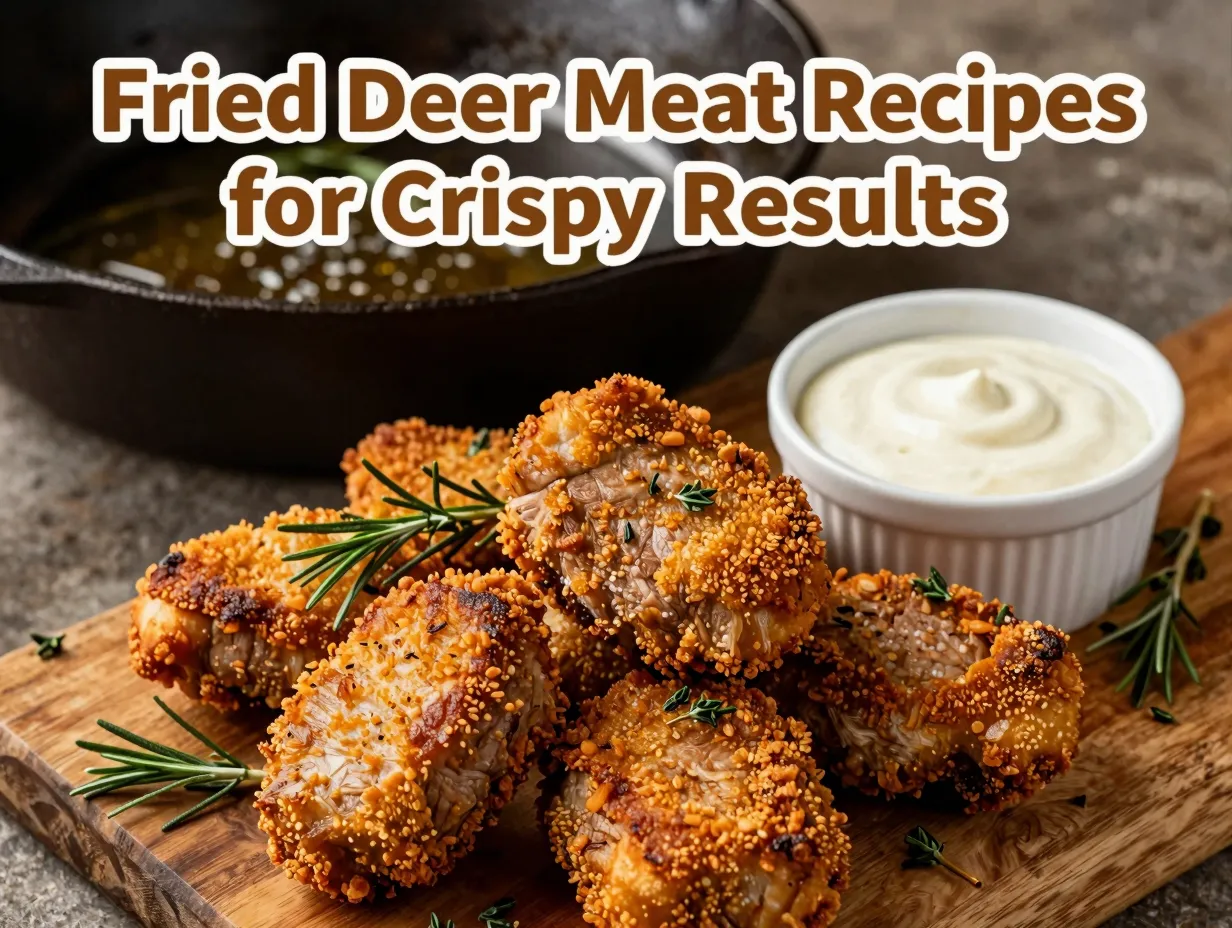
Whether the deer was harvested last weekend or pulled from the freezer months ago, the right frying technique transforms it into something extraordinary. From classic Southern-style country fried venison to spicy Korean-inspired bites, the recipes below cover every skill level, occasion, and flavor preference.
Key Takeaways
- Soaking venison in buttermilk or salted water before frying removes excess gaminess and tenderizes the meat significantly.
- Oil temperature control (325-375 degrees F) is the single most important factor for achieving a crispy exterior without a dry interior.
- Thin cuts like backstrap medallions and cube steak fry faster and more evenly than thick roast pieces.
- Seasoning the flour dredge generously, not just the meat, builds layers of flavor in every bite.
- Resting fried venison on a wire rack instead of paper towels preserves the crispy coating longer.
Why Deer Meat Is Perfect for Frying
Before diving into the 9 mouthwatering fried deer meat recipes for crispy, tender results, it helps to understand what makes venison uniquely suited to high-heat frying.
Lean protein with bold flavor. Deer meat contains significantly less fat than beef, which means it cooks faster and absorbs marinades and coatings more readily. That leanness is also why overcooking is the enemy, venison dries out quickly past medium doneness.
Dense muscle fibers. Venison has tightly packed muscle fibers that benefit enormously from mechanical tenderizing (a meat mallet or cube steak press) before frying. This creates more surface area for the coating to grip and shortens cooking time.
Natural umami depth. Wild deer feed on a varied diet of grasses, acorns, and browse plants, which gives the meat a rich, earthy flavor profile that pairs beautifully with bold spice blends, buttermilk, and savory coatings.
The Science Behind the Crispy Crust
The Maillard reaction, the chemical browning that occurs when proteins and sugars are exposed to high heat, is responsible for that irresistible golden crust. For venison, hitting the sweet spot of 350 degrees F oil temperature triggers this reaction quickly without pushing the interior past medium.
“The crust is not just texture, it is a flavor layer. Every spice in the dredge toasts in the hot oil, creating complexity that no amount of table seasoning can replicate.”
Essential Prep Tips Before You Start Frying
Getting the prep right separates a good fried venison dish from a great one. Apply these steps to every recipe below.
Soak the meat. Submerge venison cuts in cold buttermilk, salted water (1 tablespoon salt per quart), or a milk-and-egg mixture for at least 2 hours, overnight is better. This draws out blood, reduces gaminess, and begins tenderizing the fibers.
Pound it thin. Use a meat mallet to pound backstrap medallions or round steaks to about 1/4 to 1/2 inch thickness. Uniform thickness means even cooking.
Dry before dredging. Pat the soaked meat completely dry with paper towels before dredging. Excess moisture creates steam in the hot oil, which softens the crust and causes dangerous splattering.
Season every layer. Season the meat, the flour dredge, and the egg wash. Flavor should be built at every stage.
Use a thermometer. A clip-on deep-fry thermometer or instant-read probe removes all guesswork from oil temperature management.
| Prep Step | Why It Matters | Time Required |
|---|---|---|
| Buttermilk soak | Tenderizes, reduces gaminess | 2-12 hours |
| Pounding thin | Even cooking, more surface area | 5 minutes |
| Pat dry | Crispier crust, safer frying | 2 minutes |
| Layer seasoning | Deeper, more complex flavor | 1 minute |
| Oil temperature check | Prevents greasy or burnt crust | Ongoing |
The 9 Mouthwatering Fried Deer Meat Recipes for Crispy, Tender Results
1. Classic Southern Country Fried Venison Steak
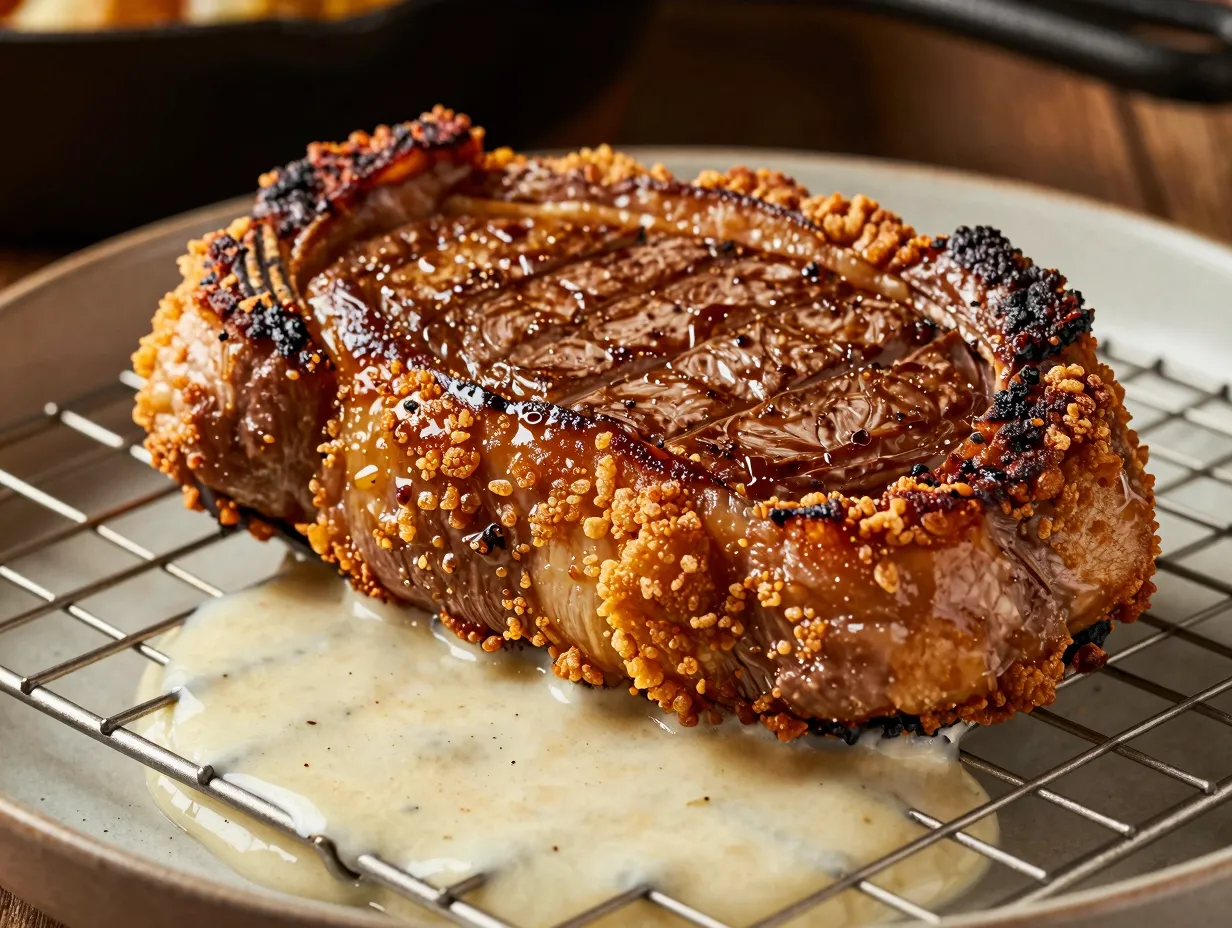
This is the foundational recipe, the one that converts skeptics into venison believers. It mirrors the beloved country fried steak technique but uses deer backstrap or round steak as the star.
Ingredients:
- 4 venison steaks (backstrap or round), pounded to 1/2 inch
- 2 cups all-purpose flour
- 1 teaspoon each: garlic powder, onion powder, smoked paprika, black pepper, salt
- 2 eggs beaten with 1/2 cup buttermilk
- Vegetable oil or lard for frying
Method: Dredge steaks in seasoned flour, dip in egg wash, dredge again in flour. Fry in 360-degree F oil for 3-4 minutes per side until deep golden. Rest on a wire rack. Serve with white gravy made from the pan drippings.
Pro tip: Double-dredging (flour, egg, flour) creates a substantially thicker, crunchier crust that holds up to gravy without going soggy.
2. Buttermilk-Soaked Venison Tenders
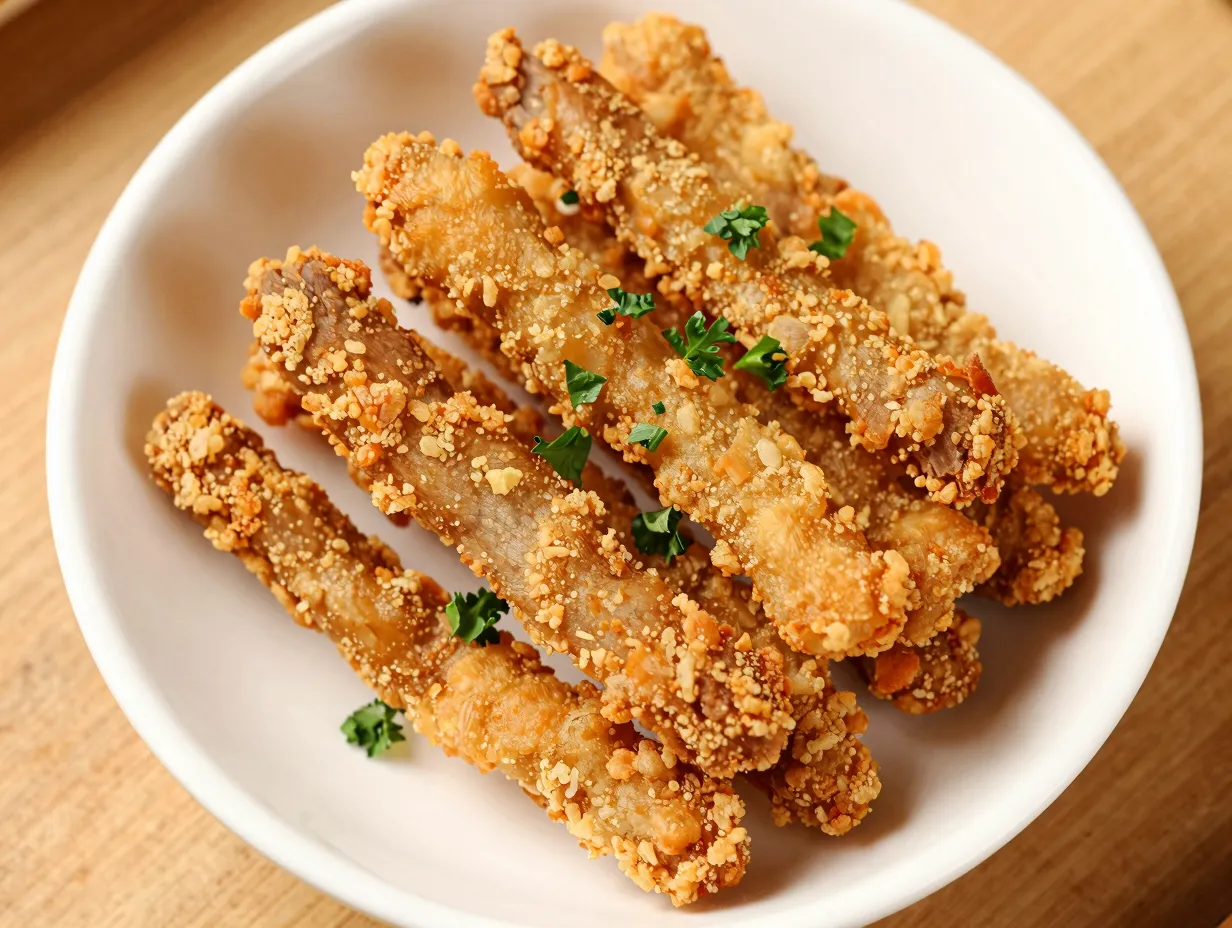
Think chicken tenders, but richer and more complex. Cut venison backstrap into finger-length strips, soak overnight in seasoned buttermilk, then fry to golden perfection.
Key technique: Add a tablespoon of hot sauce to the buttermilk soak. It does not make the finished dish spicy, it tenderizes the meat further through mild acid action and adds a subtle depth of flavor.
Coating: Combine flour with cornstarch (3:1 ratio) for an extra-crispy shell. Cornstarch reduces gluten development, which means a lighter, crunchier bite.
Fry at 375 degrees F for 2-3 minutes per side. These cook fast because of their small size, watch them carefully.
3. Spicy Cajun Fried Venison Cutlets
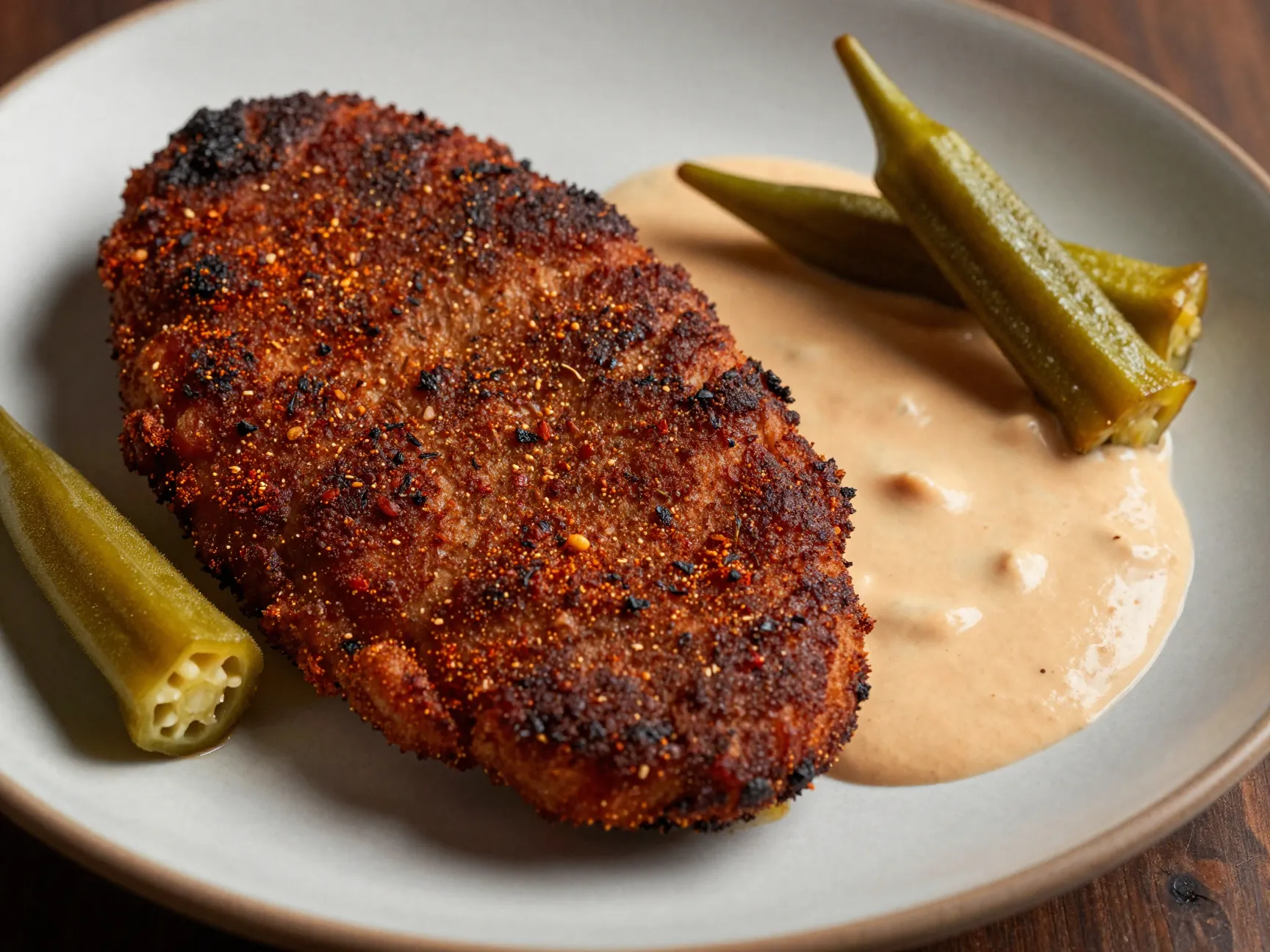
Louisiana-style seasoning was practically invented for lean wild game. The bold spice blend compensates for the lower fat content and creates a crust with serious personality.
Cajun dredge blend:
- 1 cup flour
- 1 tablespoon Cajun seasoning
- 1 teaspoon cayenne pepper
- 1 teaspoon dried thyme
- 1/2 teaspoon white pepper
Soak cutlets in buttermilk mixed with a beaten egg and 1 teaspoon of Cajun seasoning. Dredge, rest for 5 minutes to let the coating hydrate, then fry at 365 degrees F.
Serve with remoulade sauce and pickled okra for a full Southern Louisiana experience.
4. Panko-Crusted Venison Schnitzel
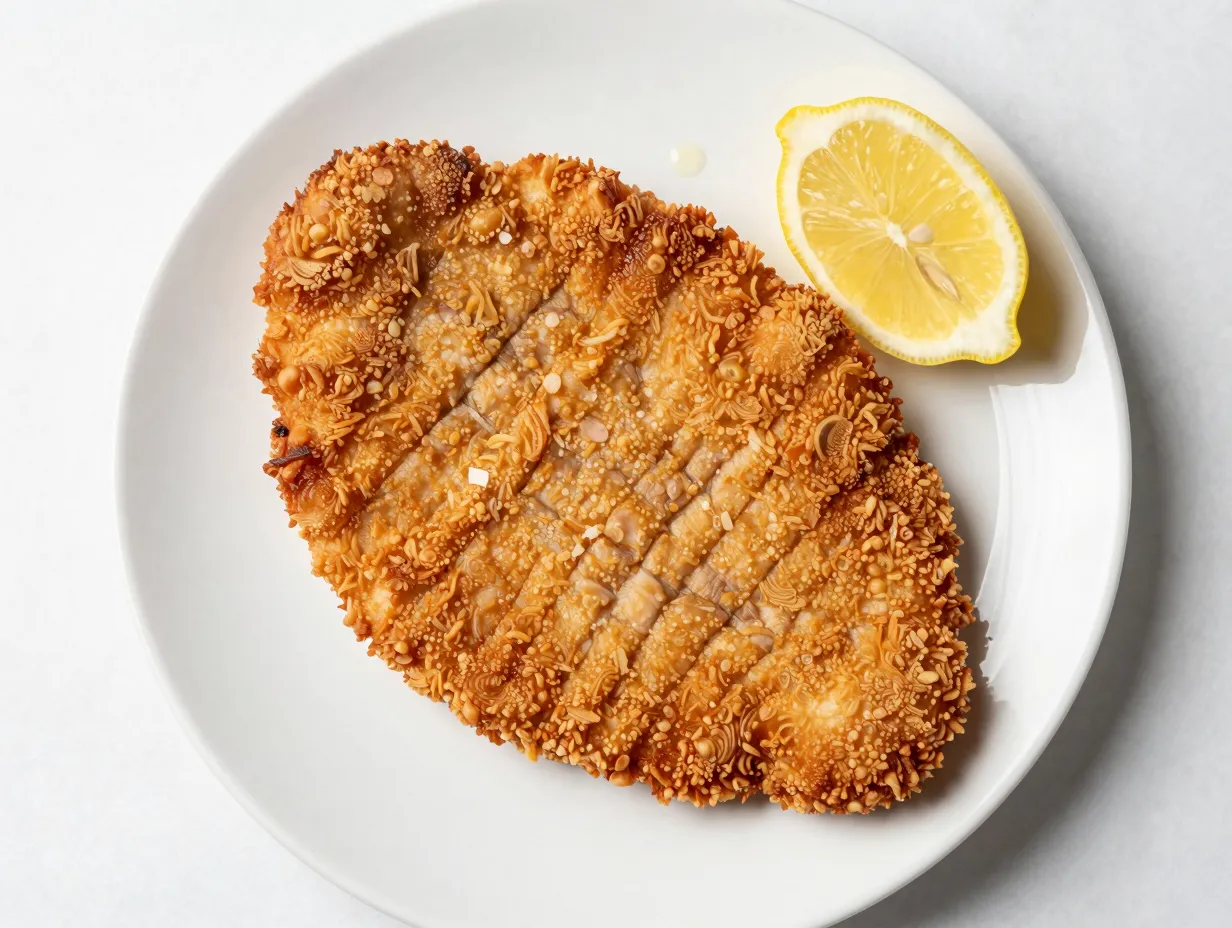
Austrian schnitzel technique applied to venison produces an impossibly light, shatteringly crispy crust. The secret is shallow frying in a generous amount of oil (about 1/2 inch deep) rather than deep frying.
Method:
- Pound venison steaks to 1/4 inch, thinner than any other recipe here.
- Dredge in flour, then beaten egg, then panko breadcrumbs seasoned with salt and lemon zest.
- Fry in 350-degree F oil, moving the pan gently so oil washes over the top of the schnitzel. This creates the signature rippled, bubbly crust.
- Cook 2 minutes per side. Finish with a squeeze of fresh lemon.
Why it works: Panko’s larger, flakier crumbs create more air pockets in the crust, resulting in a texture that is noticeably lighter than standard breadcrumbs.
5. Korean-Inspired Crispy Venison Bites
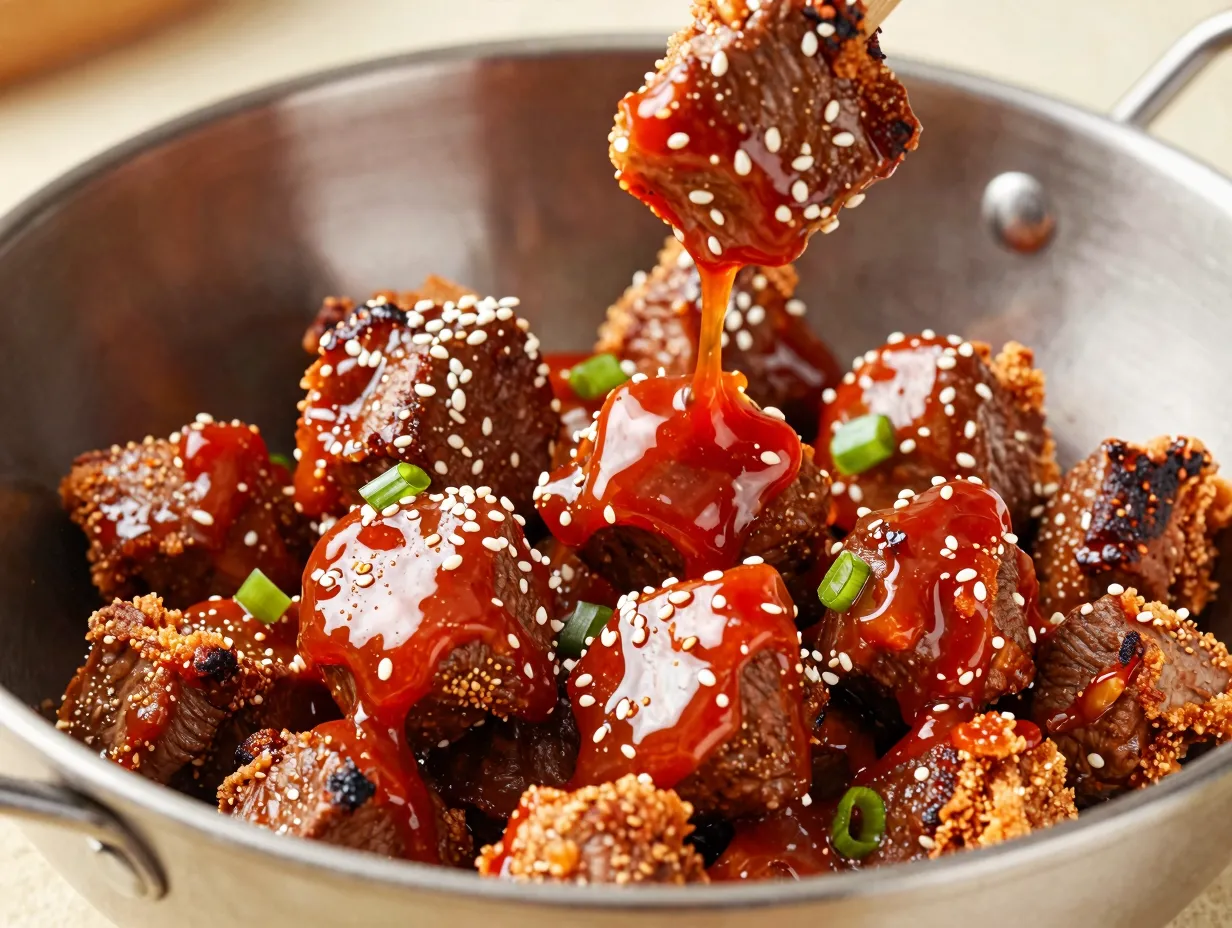
This recipe draws from the Korean fried chicken tradition, using a double-fry method and a sweet-spicy glaze that makes it nearly impossible to stop eating.
Double-fry technique:
- First fry: 325 degrees F for 3 minutes (cooks the interior without browning the crust)
- Rest: 5 minutes on a wire rack
- Second fry: 375 degrees F for 2 minutes (creates an ultra-crispy, blistered exterior)
Glaze: Combine gochujang (Korean chili paste), honey, soy sauce, minced garlic, and rice vinegar. Toss the fried venison bites in the warm glaze immediately before serving. Garnish with sesame seeds and sliced green onions.
The double-fry method is arguably the most effective technique for achieving maximum crispiness on lean meats like venison.
6. Herb and Parmesan Fried Venison Medallions
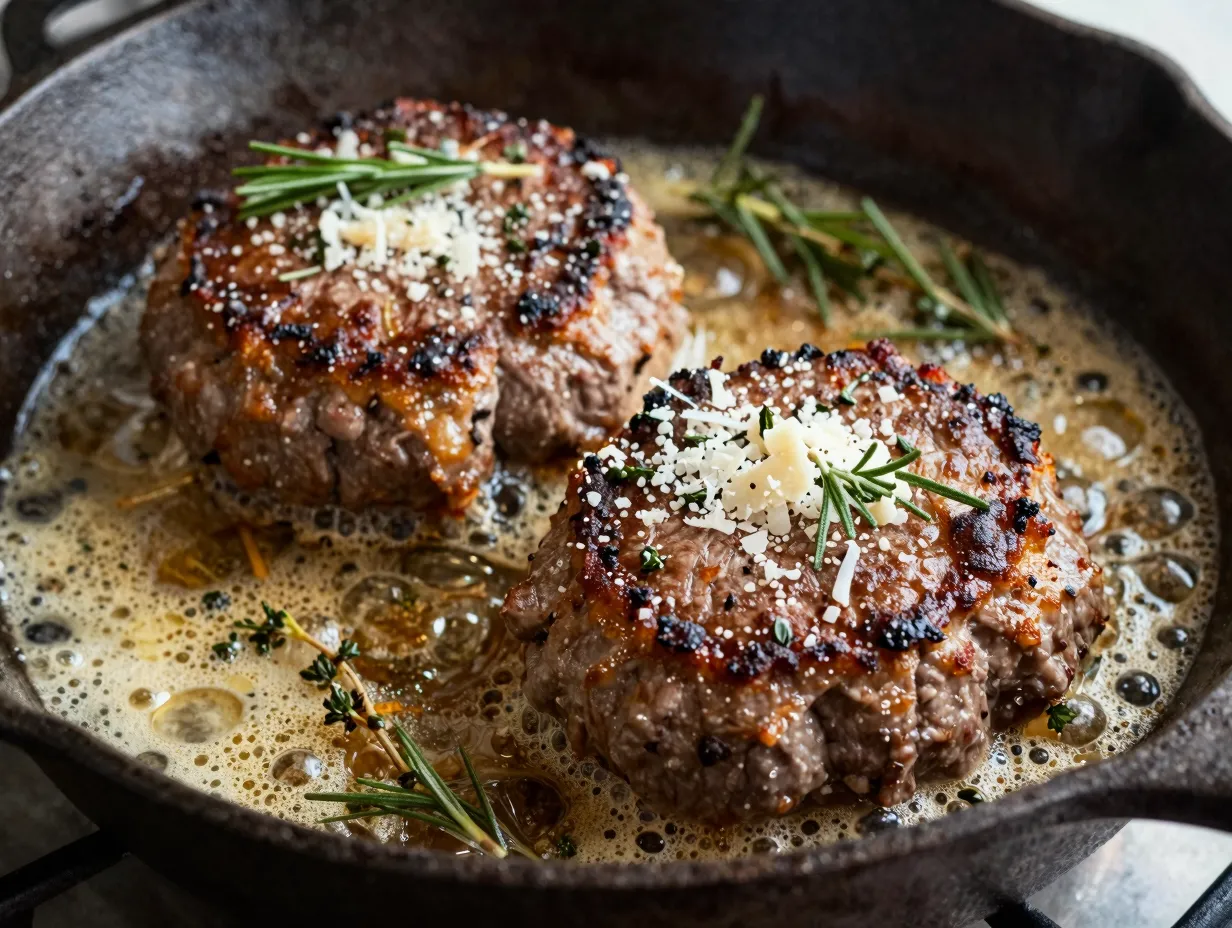
For a more refined presentation, this recipe coats venison backstrap medallions in a Parmesan-herb crust that browns beautifully and adds a savory, nutty dimension.
Coating mixture:
- 1/2 cup grated Parmesan cheese
- 1/2 cup panko breadcrumbs
- 2 tablespoons fresh rosemary, finely chopped
- 1 tablespoon fresh thyme leaves
- Salt and black pepper
Dredge medallions in flour, egg wash, then the Parmesan-panko mixture. Pan-fry in a cast iron skillet with a mixture of butter and olive oil at medium-high heat for 3 minutes per side.
The butter adds richness that complements venison’s leanness, while the olive oil raises the smoke point to prevent burning.
7. Jalapeño-Brined Fried Venison Strips
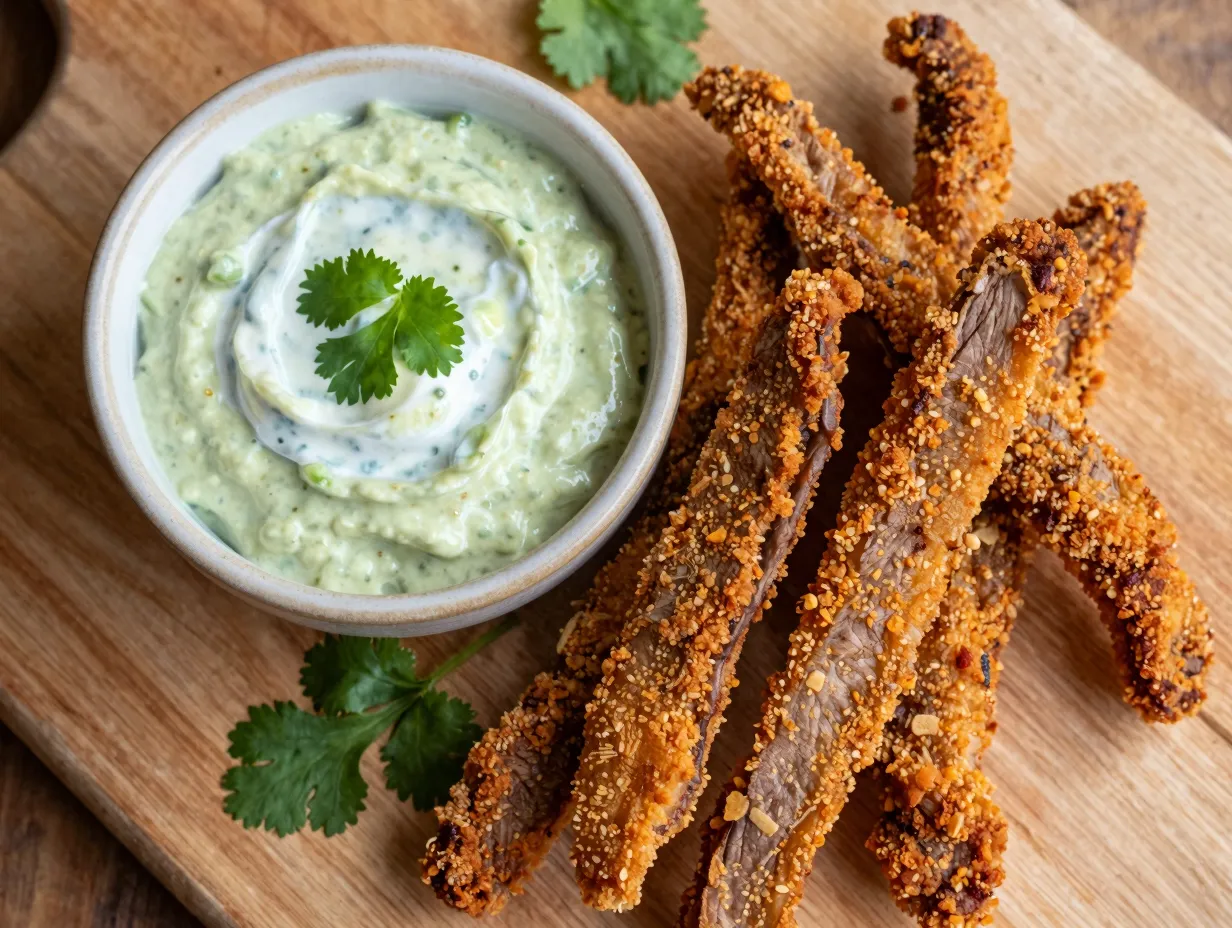
Brining in jalapeño brine (the liquid from a jar of pickled jalapeños) is one of the most underrated techniques in wild game cooking. The brine is salty, acidic, and subtly spicy, a perfect trifecta for tenderizing and flavoring venison simultaneously.
Brine soak: Submerge venison strips in jalapeño brine for 4-8 hours. Do not go longer, the acid will begin to break down the texture too aggressively.
Dredge: Seasoned flour with 1 teaspoon each of garlic powder, cumin, and smoked paprika.
Fry at 370 degrees F for 2-3 minutes. The result is tender, mildly spicy strips with a crispy exterior that pairs perfectly with a cool ranch or avocado dipping sauce.
8. Venison Cube Steak Fingers with Gravy
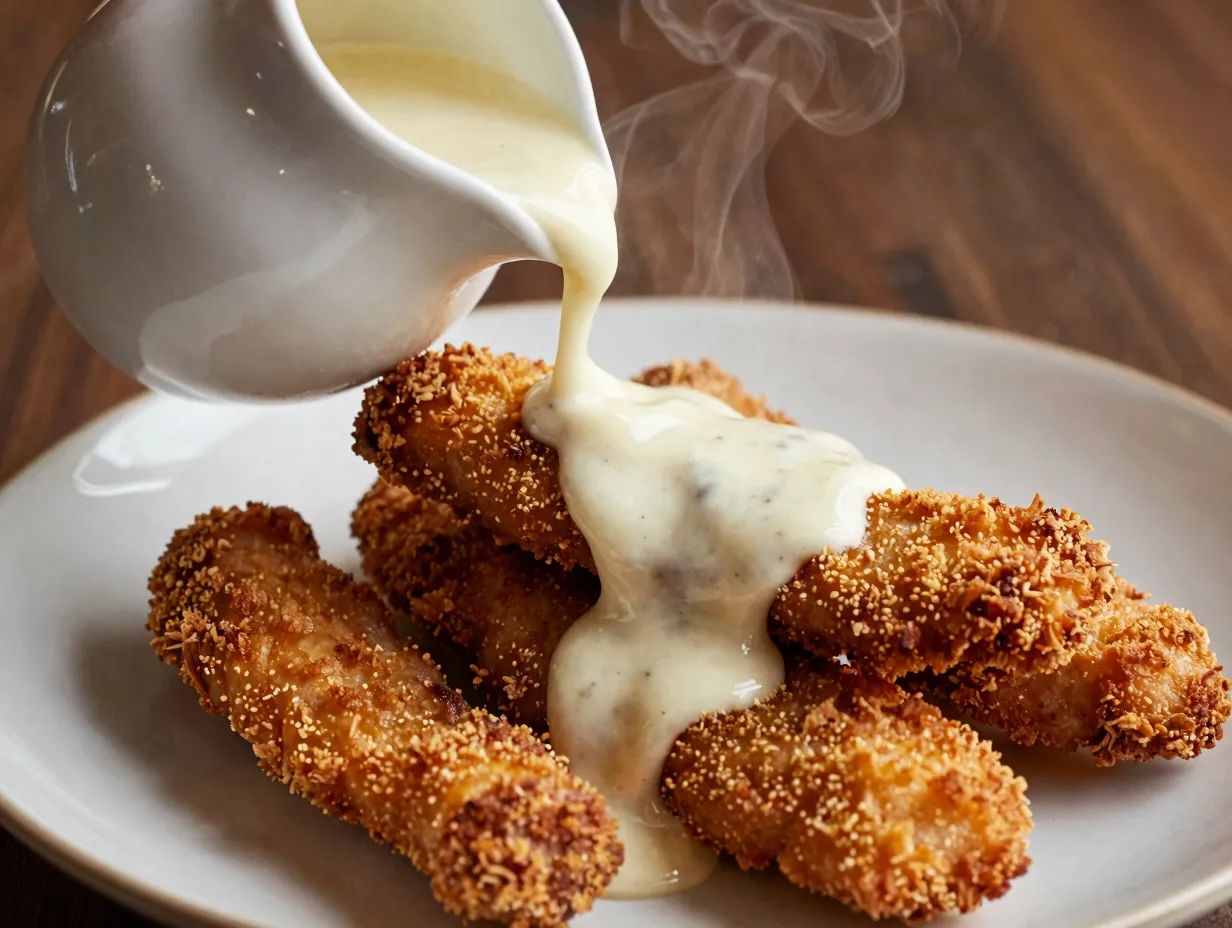
Cube steak, venison that has been mechanically tenderized through a cubing machine or meat mallet, is the ideal cut for this comfort food classic. The tenderizing process creates a rough, textured surface that grabs the flour coating aggressively.
Key difference from Recipe 1: This recipe uses a thinner, crispier coating (no double dredge) and is served as strips rather than whole steaks, making it ideal for sharing or serving as an appetizer.
Gravy: After frying, pour off most of the oil, leaving about 3 tablespoons in the pan. Whisk in 3 tablespoons flour, cook for 1 minute, then slowly whisk in 2 cups whole milk. Season with salt, black pepper, and a pinch of cayenne. Simmer until thickened.
9. Coconut-Crusted Venison Bites with Mango Dipping Sauce
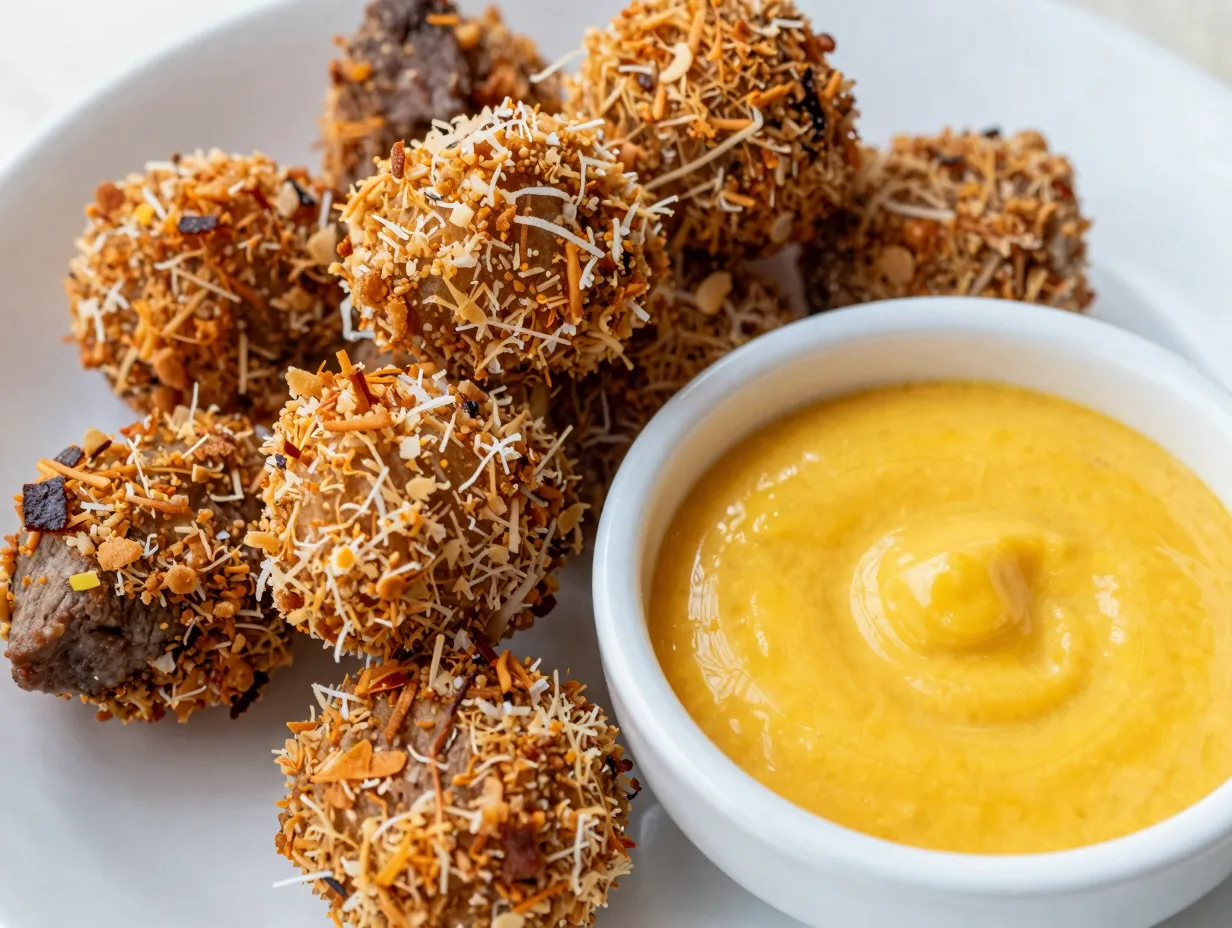
The most adventurous recipe in this collection pairs the earthy depth of venison with the sweet, tropical crunch of shredded coconut. It sounds unconventional, it tastes extraordinary.
Coating:
- 1/2 cup all-purpose flour
- 2 eggs beaten with 2 tablespoons coconut milk
- 1 cup shredded unsweetened coconut mixed with 1/2 cup panko
Method: Standard three-stage dredge (flour, egg wash, coconut-panko mixture). Fry at 350 degrees F for 2-3 minutes per side until the coconut is golden brown. Watch carefully, coconut browns faster than breadcrumbs.
Mango dipping sauce: Blend fresh mango, lime juice, a small piece of fresh ginger, and a pinch of cayenne until smooth. The acidity of the sauce cuts through the richness of the fried coating and brightens the venison’s natural flavor.
Common Mistakes to Avoid When Frying Venison
Even experienced cooks make these errors with venison. Avoiding them is what separates good results from great ones.
Overcrowding the pan. Adding too many pieces at once drops the oil temperature dramatically, leading to greasy, pale meat instead of a crispy golden crust. Fry in batches, leaving at least 1 inch of space between pieces.
Skipping the rest. Venison needs 3-5 minutes to rest after frying. Cutting into it immediately releases all the internal juices onto the plate, leaving the meat dry.
Using cold meat. Pulling venison directly from the refrigerator and dropping it into hot oil means the exterior burns before the interior reaches safe temperature. Let it rest at room temperature for 20-30 minutes before frying.
Wrong oil choice. Use oils with high smoke points: refined vegetable oil, canola oil, peanut oil, or lard. Olive oil and butter alone will burn at frying temperatures.
Cooking past medium. Venison is safe to eat at 145 degrees F internal temperature (USDA guidelines for whole muscle cuts). Pushing past 160 degrees F results in noticeably dry, tough meat.
Best Cuts of Deer Meat for Frying
Not all venison cuts perform equally in the fryer. Matching the right cut to the right recipe makes a significant difference.
Backstrap (loin): The premium cut. Naturally tender, lean, and fine-grained. Best for schnitzel, medallions, and tenders. Minimal prep required.
Round steak (hindquarter): Slightly tougher but excellent when pounded thin. Best for country fried steak and cube steak fingers. Benefits most from buttermilk soaking.
Tenderloin: The most tender cut on the deer. Small in size but perfect for medallions and bites. Cooks in under 3 minutes total.
Shoulder (chuck): Tougher and more connective tissue-heavy. Requires cubing or slicing very thin against the grain. Best for strips and bites rather than whole steaks.
Oil Temperature Quick-Reference Guide
| Oil Temperature | Best For | Result |
|---|---|---|
| 325 degrees F | First fry in double-fry method | Cooked interior, pale crust |
| 350 degrees F | Thick cuts, schnitzel, coconut crust | Even golden crust |
| 360-365 degrees F | Country fried steak, Cajun cutlets | Deep golden, crispy |
| 370-375 degrees F | Tenders, strips, bites | Fast, very crispy |
| Above 380 degrees F | Avoid for venison | Burns exterior, raw interior |
Conclusion
The 9 mouthwatering fried deer meat recipes for crispy, tender results covered in this guide represent a full spectrum of techniques, flavor profiles, and occasions, from weeknight comfort food to impressive dinner party centerpieces. Venison is one of the most nutritious, flavorful, and sustainable proteins available, and frying it correctly unlocks a dimension of the meat that most people never experience.
Actionable next steps:
- Start with Recipe 1 (Classic Southern Country Fried Venison Steak) if this is a first attempt at frying venison. It is the most forgiving and delivers the most universally crowd-pleasing result.
- Invest in a reliable deep-fry thermometer before attempting any of these recipes. Oil temperature is the single variable that determines success or failure more than any other.
- Try the double-fry technique from Recipe 5 on any of the other recipes for a noticeably crispier result, especially with thicker cuts.
- Experiment with different brine and soak combinations. The jalapeño brine from Recipe 7 works exceptionally well with the Cajun dredge from Recipe 3.
- Share results with other hunters and home cooks. Wild game cooking knowledge is best passed forward, every successful fried venison dish is an argument for better stewardship of wild game from field to table.
Venison fried right is not a compromise or a novelty. It is genuinely exceptional food. These recipes are the starting point.