9 Survival Lessons We Can Learn From Observing Wild Horses
Mustangs in the American West have survived droughts, predators, harsh winters, and human encroachment for centuries, without veterinarians, feed buckets, or shelter. A 2020 Bureau of Land Management census counted more than 86,000 free-roaming wild horses on public lands across the United States, each one a living case study in resilience. The 9 survival lessons we can learn from observing wild horses are not abstract philosophical points. They are field-tested strategies encoded in the daily behavior of animals that have endured conditions most domesticated creatures would not survive. Whether you are preparing for emergencies, building mental toughness, or simply looking to understand what genuine adaptability looks like, wild horse behavior offers a masterclass.
Disclosure: This post contains affiliate links. As an Amazon Associate, we earn from qualifying purchases, and at no extra cost to you.
Key Takeaways
- Wild horses survive through collective intelligence, not individual heroics, the herd is the strategy.
- Constant environmental awareness, not paranoia, is the foundation of threat detection.
- Strategic rest and energy conservation are active survival skills, not signs of weakness.
- Knowing when to flee and when to stand firm is a learned, practiced decision, not instinct alone.
- Adaptability to changing terrain, food sources, and social dynamics determines long-term survival.
Why Wild Horse Behavior Is a Masterclass in Survival
Before exploring the specific lessons, it helps to understand why wild horses are worth studying at all. These animals operate in genuinely hostile environments. The Great Basin, the Pryor Mountains, and the Outer Banks of North Carolina all present different but equally demanding survival challenges, extreme temperature swings, scarce water, predator pressure, and competition for resources.
Wild horses have no safety net. Every behavioral pattern they display has been pressure-tested over generations. Ethologists, scientists who study animal behavior in natural settings, have documented that feral horse bands exhibit sophisticated social structures, nuanced communication systems, and highly efficient resource management. These are not random behaviors. They are solutions.
The 9 survival lessons we can learn from observing wild horses map directly onto human preparedness, leadership, and resilience frameworks. Each lesson below is drawn from documented wild horse behavior and translated into practical human application.
The 9 Survival Lessons We Can Learn From Observing Wild Horses
1. Build a Reliable Social Network Before You Need It
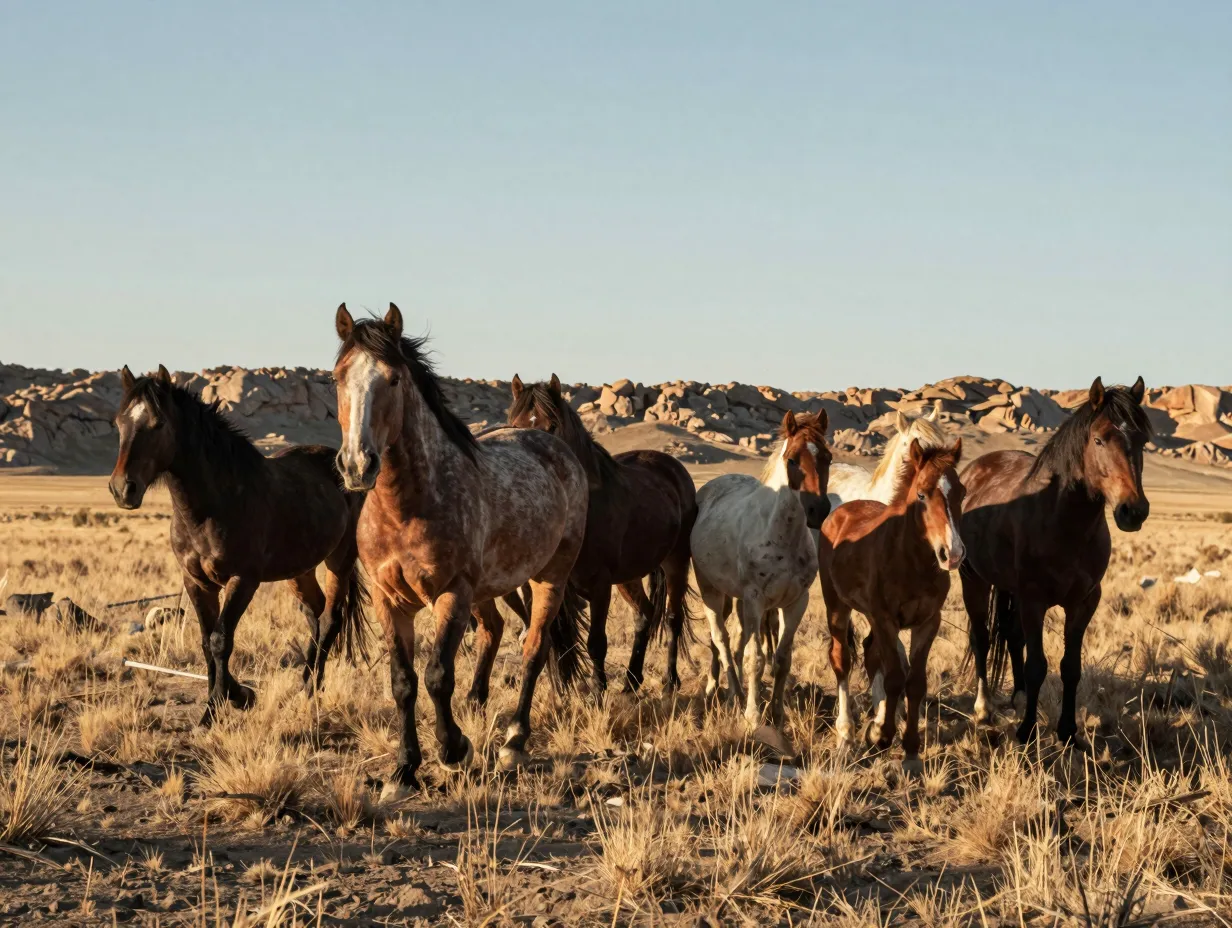
Wild horses do not survive alone. A lone horse is a vulnerable horse. Bands typically consist of one dominant stallion, several mares, and their offspring. The social bonds within these bands are not casual, they are survival infrastructure.
Mares form the core of the group’s decision-making. The lead mare, often the oldest and most experienced female, determines where the band travels, when they move to water, and how they respond to threats. Research on feral horse bands in Nevada has shown that bands with stable, established social hierarchies have higher foal survival rates than fragmented or unstable groups.
Human application: In a survival or emergency context, a well-connected social network is not a luxury, it is a force multiplier. Communities with strong pre-existing relationships recover faster from disasters. Building those connections before a crisis arrives is the strategic move.
“The most dangerous position in the wild is isolation. The safest position is a known role within a trusted group.”
2. Maintain Constant Situational Awareness Without Burning Out
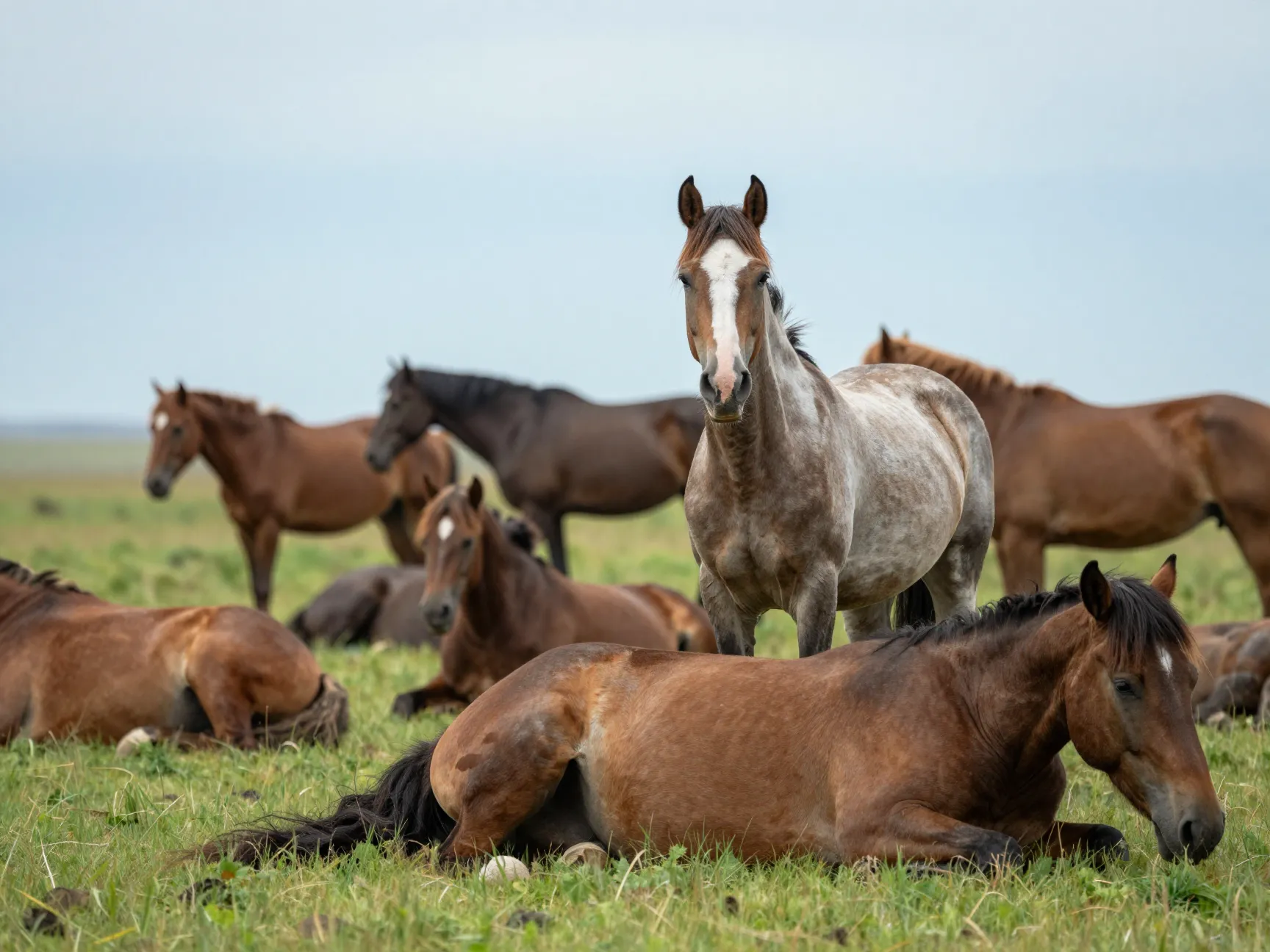
Watch a wild horse herd at rest and you will notice something striking: they never all sleep at the same time. At any given moment, at least one animal is standing with head raised, ears rotating, nostrils testing the air. This is not accidental. It is a coordinated, energy-efficient watch system.
Wild horses use a 360-degree sensory network. Their eyes are positioned on the sides of their heads, giving them nearly panoramic vision. Their ears can rotate independently to locate sounds. Their sense of smell can detect predators from significant distances downwind.
The key insight is efficiency. The herd does not maintain maximum alertness at all times, that would be exhausting and unsustainable. Instead, they rotate vigilance duties, allowing individuals to rest while the group remains protected.
Human application:
- Rotate watch duties in group survival situations rather than relying on one person.
- Practice scanning your environment regularly without becoming hypervigilant or anxious.
- Identify the “blind spots” in your awareness, the directions or categories of threat you habitually ignore.
3. Know Your Terrain Better Than Your Predators Do
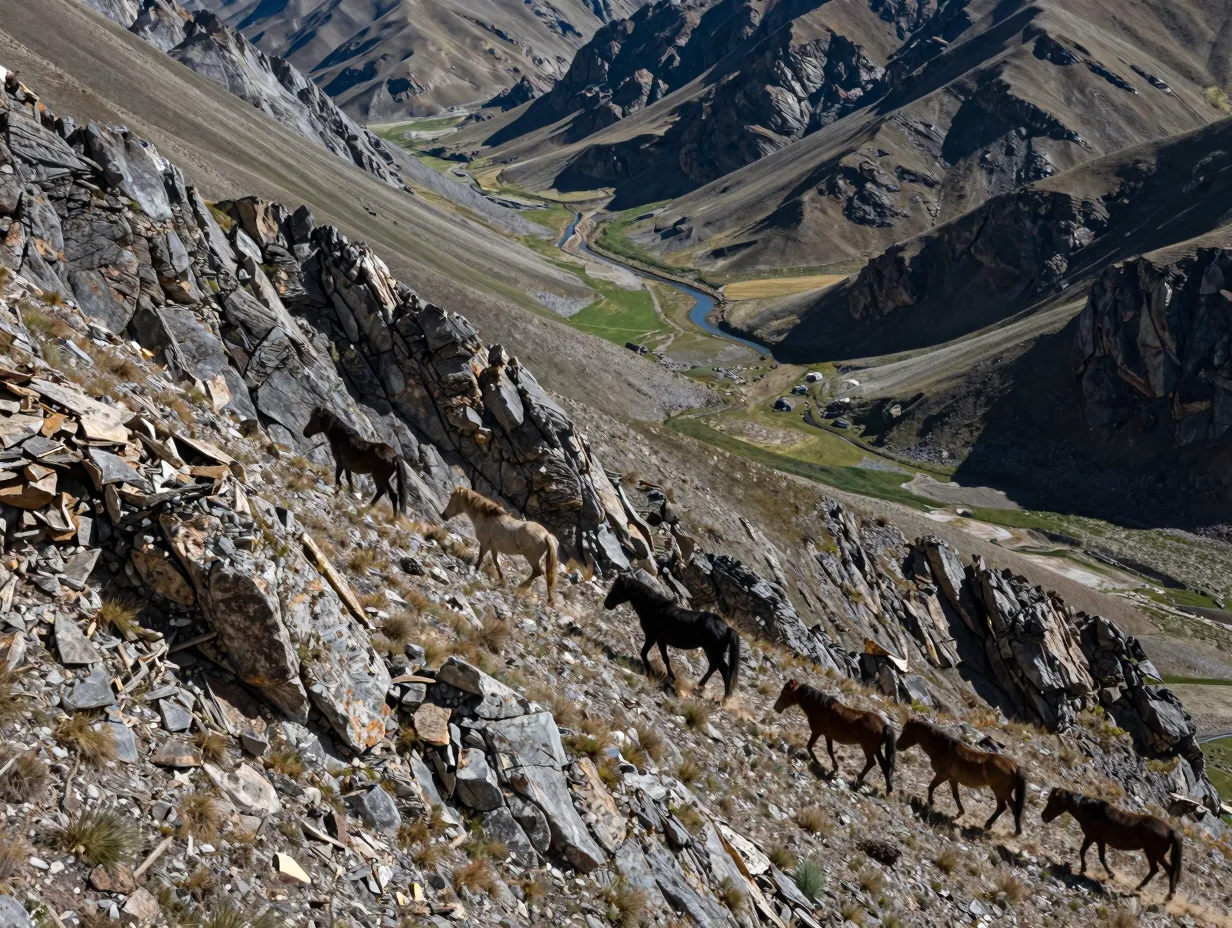
Wild horse bands in mountainous regions like the Pryor Mountain Wild Horse Range in Montana demonstrate remarkable topographic intelligence. They know where the escape routes are. They know which ridgelines provide visibility. They know where water collects after rain and where it dries up first in drought.
This knowledge is not innate, it is accumulated through repeated movement across the same landscape over seasons and years. Younger horses learn it by following experienced adults. The band’s survival often depends on this accumulated geographic memory.
Terrain knowledge serves two functions:
- It enables faster, more confident escape from threats.
- It reveals resource locations that less-familiar animals cannot access.
Human application: In any survival scenario, local geographic knowledge is a decisive advantage. Knowing alternate routes out of your neighborhood, the location of natural water sources near your home, and the layout of nearby public land can make a critical difference. This knowledge must be built before it is needed.
4. Conserve Energy as an Active Strategy
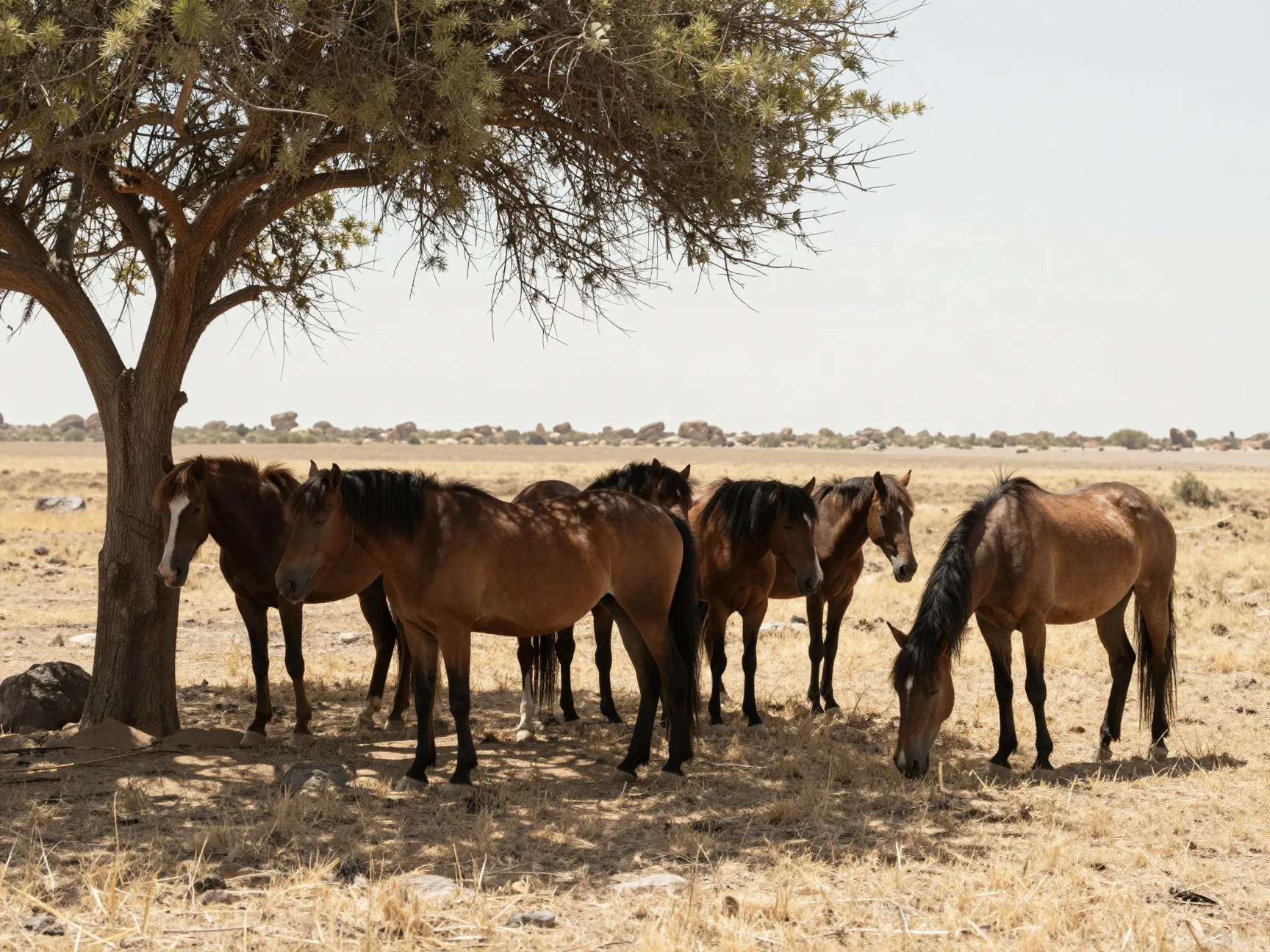
Wild horses spend a significant portion of their day in low-activity states, standing quietly, grazing slowly, resting in shade. This is not laziness. In environments where caloric resources are unpredictable, energy conservation is a survival skill.
A wild horse that burns unnecessary energy in the morning may not have the reserves to outrun a predator in the afternoon. The band’s daily rhythm reflects a careful energy budget: graze during cooler hours, rest during peak heat, move toward water at predictable times, and avoid unnecessary exertion.
Wild horse band: Rotates vigilance, shares movement decisions, rests in coordinated cycles, sustainable indefinitely.
Isolated individual: Maintains constant vigilance alone, makes all decisions independently, cannot rest safely, unsustainable within days.
Human application: In extended survival situations, the instinct to stay constantly busy and productive can be counterproductive. Strategic rest preserves cognitive function, physical capacity, and emotional stability. Experienced survivalists and military personnel both emphasize the importance of deliberate rest cycles.
5. Communicate Clearly and Economically
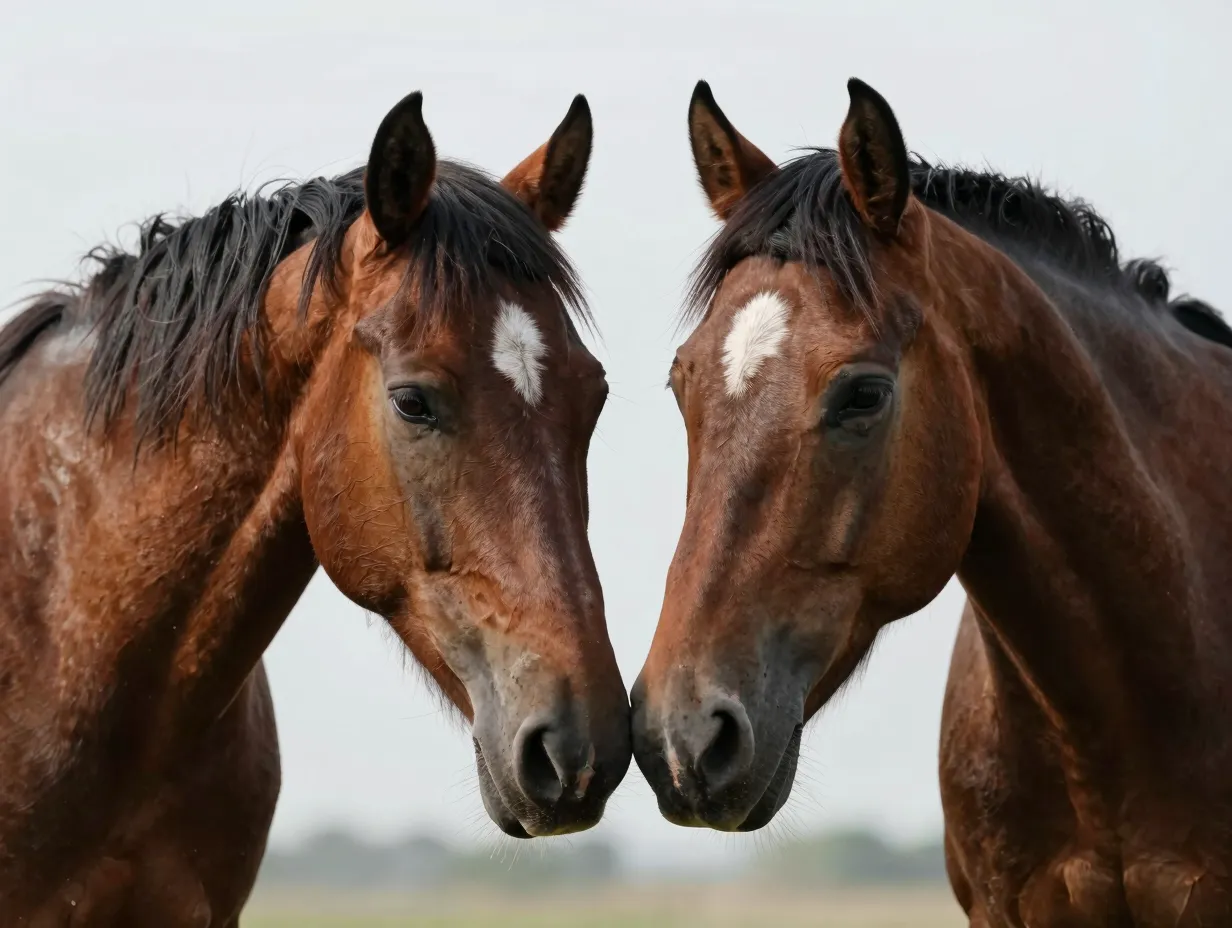
Wild horses communicate through a layered system of body language, vocalizations, and scent signals. The communication is highly efficient, a single ear position, a shift in weight, or a specific tail carriage can convey complex information to the entire band instantly.
Crucially, wild horses do not over-communicate. Unnecessary noise in a predator-rich environment is dangerous. Their signals are precise, context-specific, and understood by every member of the band through socialization and observation.
Key communication signals in wild horse bands:
| Signal | Meaning |
|---|---|
| Head raised, ears forward | Alert, potential threat detected |
| Ears pinned flat | Aggression or dominance assertion |
| Relaxed lower lip, drooping head | Deep rest, full trust in surroundings |
| Tail clamped down | Fear or submission |
| Mutual grooming | Social bonding, stress reduction |
Human application: In high-stress situations, communication tends to become either excessive (panic-driven chatter) or insufficient (critical information withheld). Effective survival communication is clear, brief, and purposeful. Developing shared signals or protocols with your group before a crisis reduces confusion when it matters most.
6. Establish and Respect a Clear Leadership Structure
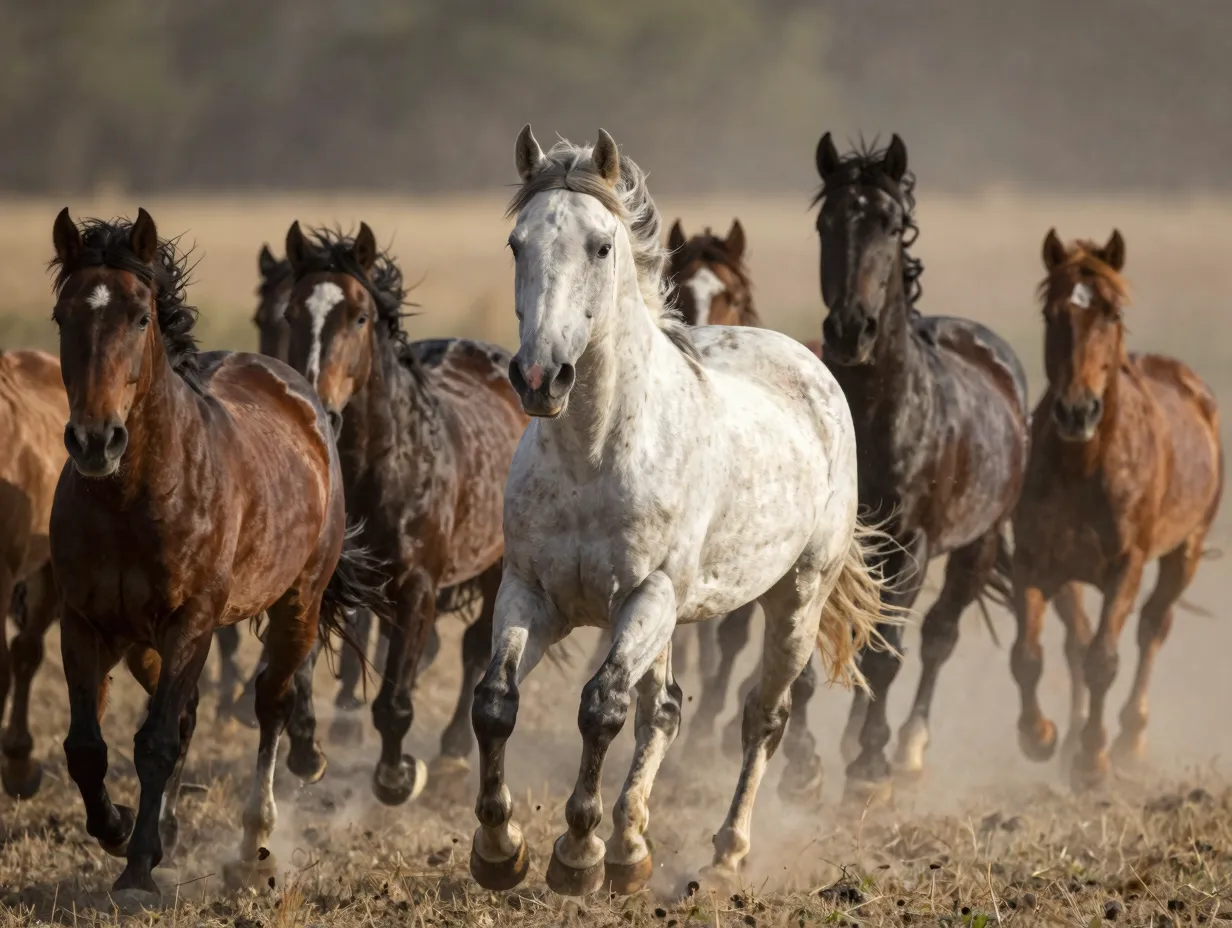
Wild horse bands do not operate by committee. Decisions about movement, threat response, and resource access are made quickly and followed without debate. The lead mare’s authority is established through consistent, calm, experienced behavior, not through aggression alone.
Importantly, leadership in wild horse bands is not static. If a lead mare becomes incapacitated or makes repeated poor decisions, another experienced mare will gradually assume the role. The band’s survival takes priority over any individual’s status.
What makes wild horse leadership effective:
- It is earned through demonstrated competence, not just dominance.
- It is accepted voluntarily by followers who trust the leader’s judgment.
- It adapts when circumstances change.
- It distributes specific responsibilities (the stallion manages external threats; the lead mare manages internal movement decisions).
Human application: Groups without clear leadership structures tend to freeze or fragment under pressure. Establishing roles and decision-making protocols before a crisis, and selecting leaders based on relevant competence, dramatically improves group performance under stress.
7. Know When to Run and When to Stand Your Ground
Wild horses are prey animals, and their primary survival response to serious threats is flight. But experienced horses do not flee from every stimulus, that would be exhausting and would also reveal the band’s location unnecessarily. They assess threats before responding.
The threat assessment process is visible in their behavior: a horse that detects something unusual will raise its head, orient toward the stimulus, and hold still. If other horses in the band mirror this behavior, the threat level escalates. If the lead mare turns and moves away calmly, the band relaxes. If she breaks into a gallop, every horse follows instantly.
The critical skill is calibration, distinguishing genuine threats from false alarms. Wild horses that have been chased repeatedly by non-predatory stimuli (such as helicopter roundups) show elevated stress responses and poorer threat discrimination over time. Chronic stress degrades the very system it is meant to protect.
Human application: Threat assessment is a learnable skill. Overreacting to minor risks depletes resources and erodes judgment. Underreacting to genuine threats is obviously dangerous. Training yourself to pause, assess, and then respond, rather than reacting automatically, is one of the most transferable lessons from wild horse behavior.
8. Adapt Your Diet and Resource Use to What Is Available
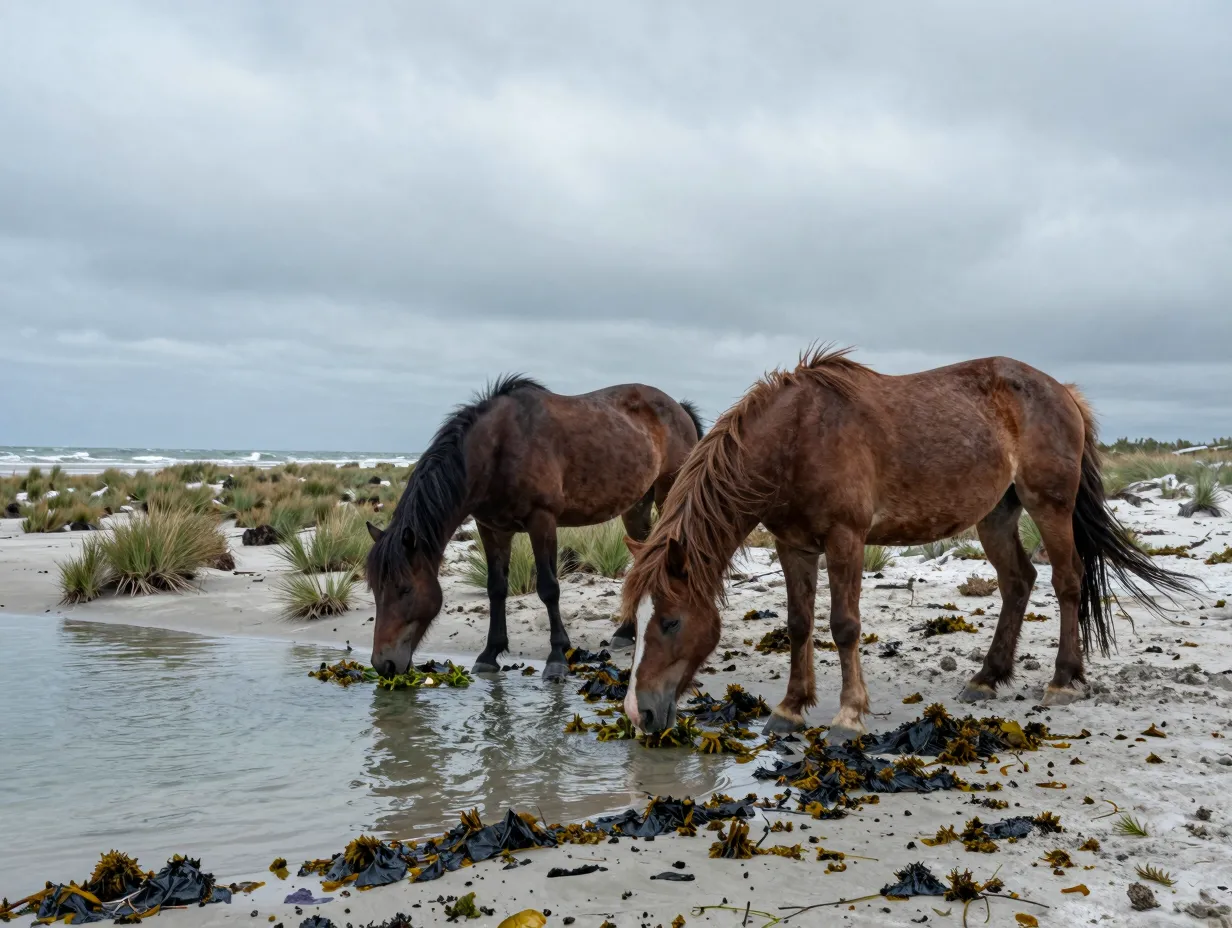
Wild horses in different regions eat dramatically different diets. Nevada mustangs graze on sparse desert grasses and shrubs. Assateague Island ponies on the Virginia coast eat salt marsh grasses and even seaweed. Pryor Mountain horses navigate rocky terrain to reach high-altitude meadows in summer and lower elevations in winter.
None of these horses are eating an “ideal” diet by domestic horse standards. They are eating what is available, and their digestive systems have adapted accordingly. The behavioral lesson is not about nutrition specifically, it is about the willingness and ability to use available resources rather than waiting for preferred ones.
Resource flexibility in wild horses includes:
- Consuming water from sources of varying quality when clean water is unavailable.
- Traveling significantly farther than usual to reach seasonal food sources.
- Reducing activity levels during scarcity to lower caloric demand.
- Returning to known resource locations based on seasonal memory.
Human application: Rigid resource preferences are a vulnerability in survival situations. The ability to identify, prepare, and use available local resources, rather than depending on stored supplies alone, is a foundational preparedness skill. Wild horses demonstrate that this flexibility is not a compromise; it is a competitive advantage.
9. Recover Quickly and Move Forward After Trauma
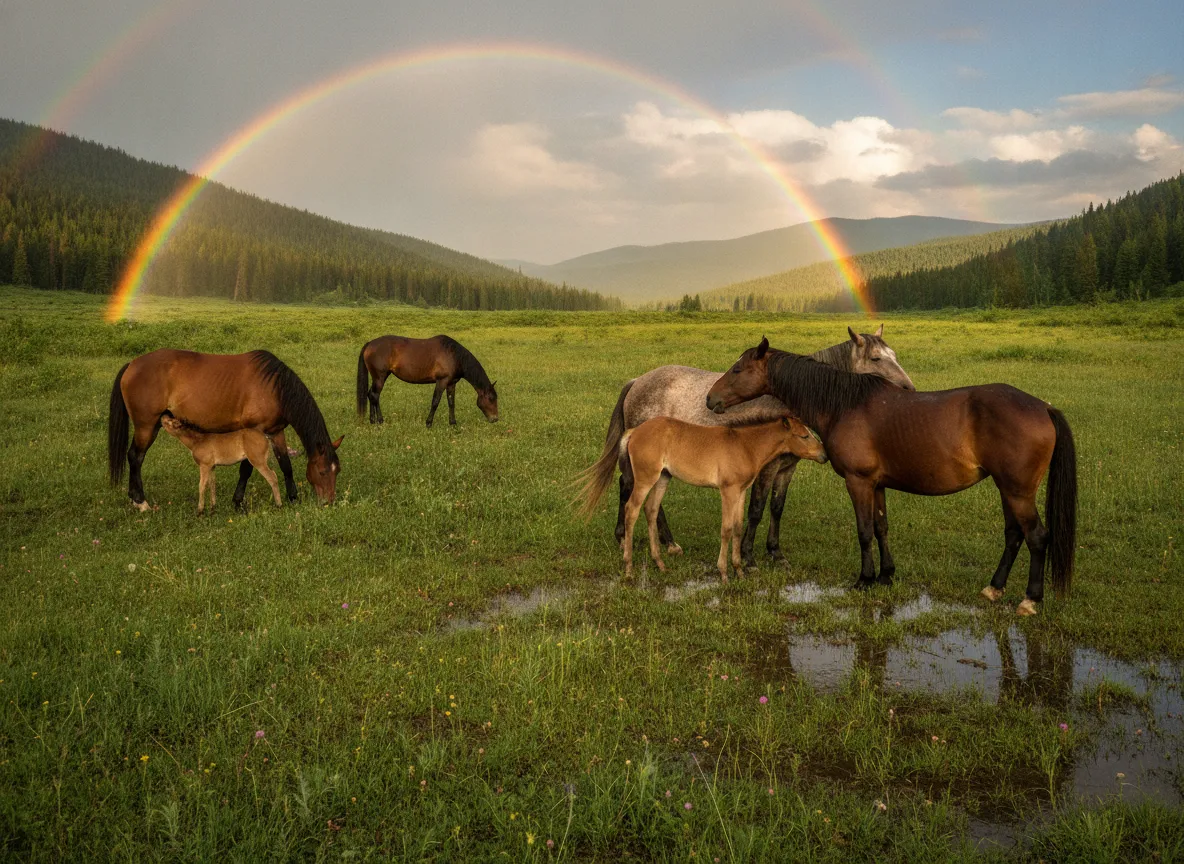
Wild horses experience genuine trauma, predator attacks, severe weather events, loss of band members, and forced relocation during roundups. What is notable is their recovery pattern. Once a threat has passed and the environment is assessed as safe, wild horses return to normal behavior relatively quickly. They graze, rest, and resume social interactions.
This is not because they lack emotional complexity. Research in animal cognition has shown that horses have long memories and can exhibit grief responses. The recovery is behavioral and functional, the band cannot afford extended paralysis after a crisis. Survival requires returning to normal operations as quickly as possible.
The recovery pattern follows a recognizable sequence:
- Immediate response to threat (flight or defensive behavior).
- Post-threat assessment (scanning, sniffing, listening for continued danger).
- Gradual return to normal activity, led by the calmest, most experienced animals.
- Full resumption of routine behavior once safety is confirmed.
Human application: Psychological resilience after crisis events follows a similar pattern. The ability to acknowledge what happened, assess the current situation accurately, and then deliberately return to productive activity, rather than remaining in a prolonged stress response, is both learnable and practicable. Wild horses model this recovery arc with remarkable consistency.
Applying the 9 Survival Lessons in Real-World Preparedness
The 9 survival lessons we can learn from observing wild horses are not metaphors, they are behavioral templates with direct practical applications. The table below summarizes each lesson and its human preparedness equivalent.
| Wild Horse Behavior | Human Preparedness Application |
|---|---|
| Stable band structure | Build and maintain a trusted preparedness group |
| Rotated vigilance | Share watch duties; avoid solo burnout |
| Terrain knowledge | Map local geography, routes, and resources |
| Energy conservation | Plan deliberate rest cycles in extended situations |
| Efficient communication | Develop clear, brief group communication protocols |
| Competence-based leadership | Assign roles based on relevant skills |
| Calibrated threat response | Practice threat assessment before reacting |
| Resource flexibility | Learn to use local, available resources |
| Rapid post-trauma recovery | Build psychological resilience through practice |
What Makes Wild Horse Survival Strategies Universally Relevant in 2026
In 2026, the relevance of these lessons extends beyond traditional survivalism. Climate-related disruptions, supply chain vulnerabilities, and increasing community-level emergency events have made resilience thinking mainstream. Urban emergency planners, military trainers, and organizational psychologists are all drawing on similar principles, the same principles that wild horse bands have been executing for generations.
The horses do not plan. They do not read preparedness manuals. Their strategies emerged through evolutionary pressure and social learning. That is precisely what makes them credible. Every behavior that persists in wild horse bands has earned its place through real-world testing under genuine survival conditions.
Conclusion
The 9 survival lessons we can learn from observing wild horses converge on a single core principle: survival is a collective, adaptive, and practiced discipline, not a solo heroic act. Wild horses do not survive because they are the strongest individual animals on the landscape. They survive because they build reliable social structures, maintain calibrated awareness, conserve resources strategically, communicate efficiently, and recover from setbacks without extended paralysis.
Actionable next steps for applying these lessons:
- Identify three to five people in your community who would form a reliable preparedness group and begin building those relationships now.
- Conduct a terrain and resource audit of your local area, identify water sources, exit routes, and food-producing land within walking distance.
- Practice deliberate rest and recovery cycles, particularly after stressful events, rather than pushing through exhaustion.
- Develop a simple, shared communication protocol with your household or group that can function without technology.
- Study a real wild horse band through documented field research, wildlife documentaries, or visits to public lands where mustangs roam, direct observation is irreplaceable.
Wild horses have been refining their survival playbook for thousands of years. The lessons are available to anyone willing to watch carefully.