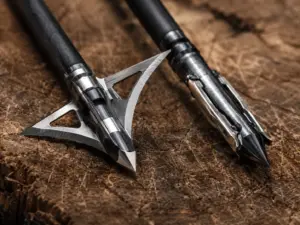
8 Must-Have Pieces of Archery Gear for Every Skill Level
Archery participation has grown by more than 20% over the last decade, yet surveys consistently show that nearly half of new archers quit within their first year, most often because they started with the wrong equipment. Whether someone is stepping onto a range for the first time or preparing for a competitive tournament, having the right gear is not a luxury; it is the foundation of safe, accurate, and enjoyable shooting. This guide to the 8 Must-Have Pieces of Archery Gear for Every Skill Level breaks down exactly what every archer needs, why each piece matters, and how to choose wisely at any budget or experience level.
Disclosure: This post contains affiliate links. As an Amazon Associate, we earn from qualifying purchases, and at no extra cost to you.
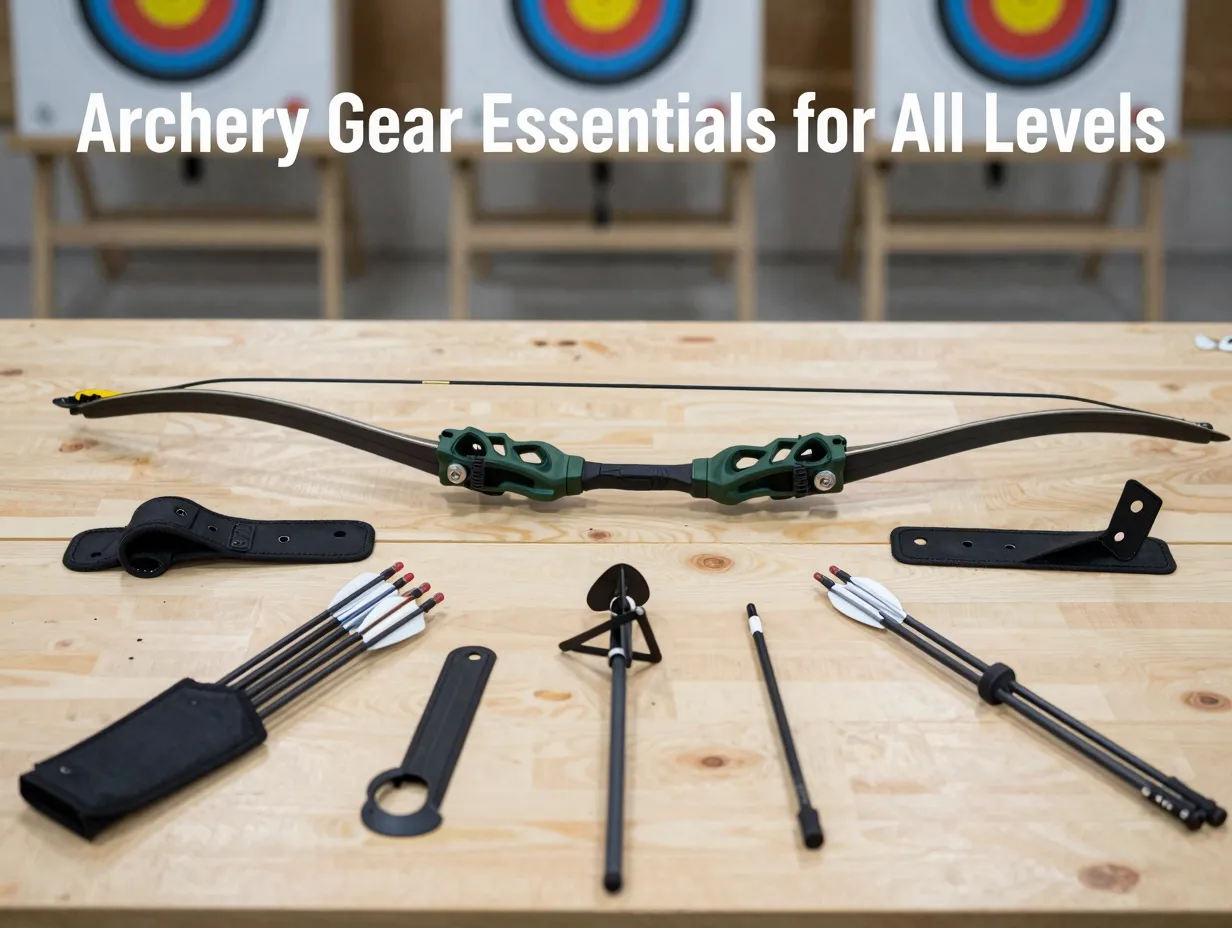
Key Takeaways
- The right archery gear protects the archer and dramatically improves accuracy from day one.
- Beginners and advanced archers share the same eight core equipment categories, but the specifications differ.
- Investing in a properly fitted bow is more important than spending money on accessories first.
- Safety equipment such as arm guards and finger tabs are non-negotiable at every skill level.
- Upgrading gear incrementally, rather than all at once, leads to better technique and smarter spending.
Why the Right Equipment Matters More Than Raw Talent
Many coaches argue that consistent technique is impossible without consistent equipment. A bow that is too heavy, arrows that are too stiff, or a sight that is poorly mounted will undermine even the most disciplined practice session. The relationship between the archer and their gear is deeply physical: draw weight, arrow spine, and release mechanics must all align to produce repeatable results.
This is why understanding the 8 Must-Have Pieces of Archery Gear for Every Skill Level is not just a shopping exercise. It is a performance strategy. The sections below cover each essential item in detail, including what beginners should prioritize and how advanced archers can refine their setup.
The 8 Must-Have Pieces of Archery Gear for Every Skill Level
1. The Bow
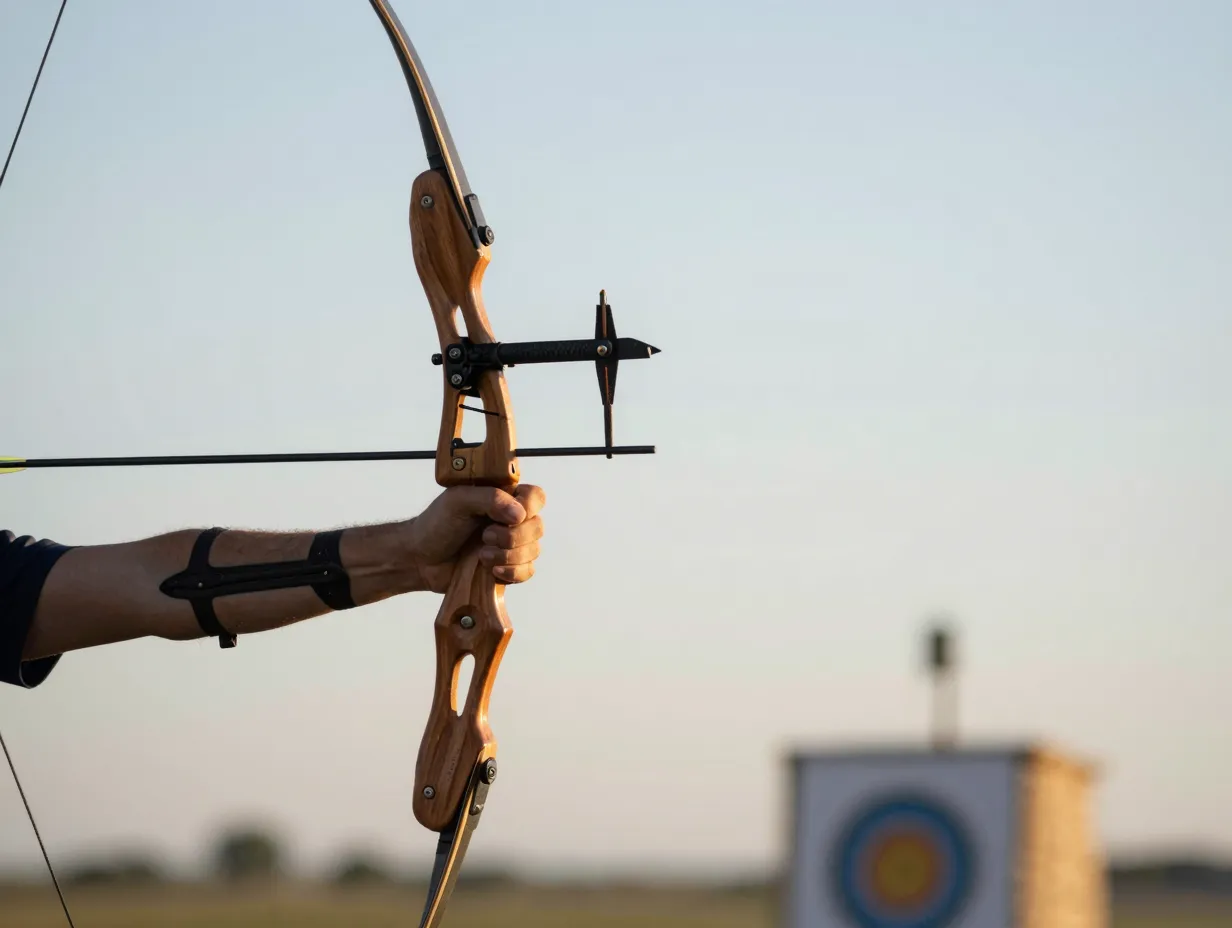
The bow is the single most important piece of archery equipment, and choosing the right one sets the tone for everything else. Three main types dominate the market: recurve bows, compound bows, and longbows.
| Bow Type | Best For | Draw Weight Range | Key Advantage |
|---|---|---|---|
| Recurve | Beginners, Olympic-style | 20-40 lbs | Simple mechanics, easy to learn |
| Compound | Intermediate to advanced | 40-70 lbs | Let-off reduces holding weight |
| Longbow | Traditional enthusiasts | 30-60 lbs | Minimal accessories required |
Beginner guidance: A recurve bow with a draw weight between 20 and 30 pounds is the standard starting point for adults. It allows the archer to focus on form without the physical strain of heavier weights.
Advanced guidance: Competitive compound archers often shoot between 60 and 70 pounds of draw weight, optimizing for speed and flat trajectory. The bow’s axle-to-axle length and brace height become critical fine-tuning variables at this level.
“The bow does not make the archer, but the wrong bow will certainly break them.”, A principle repeated across archery coaching manuals worldwide.
Draw length is equally critical. A bow that is too long or too short for the archer’s arm span will produce inconsistent anchor points and poor arrow flight. Most pro shops offer free draw length measurements before purchase.
2. Arrows
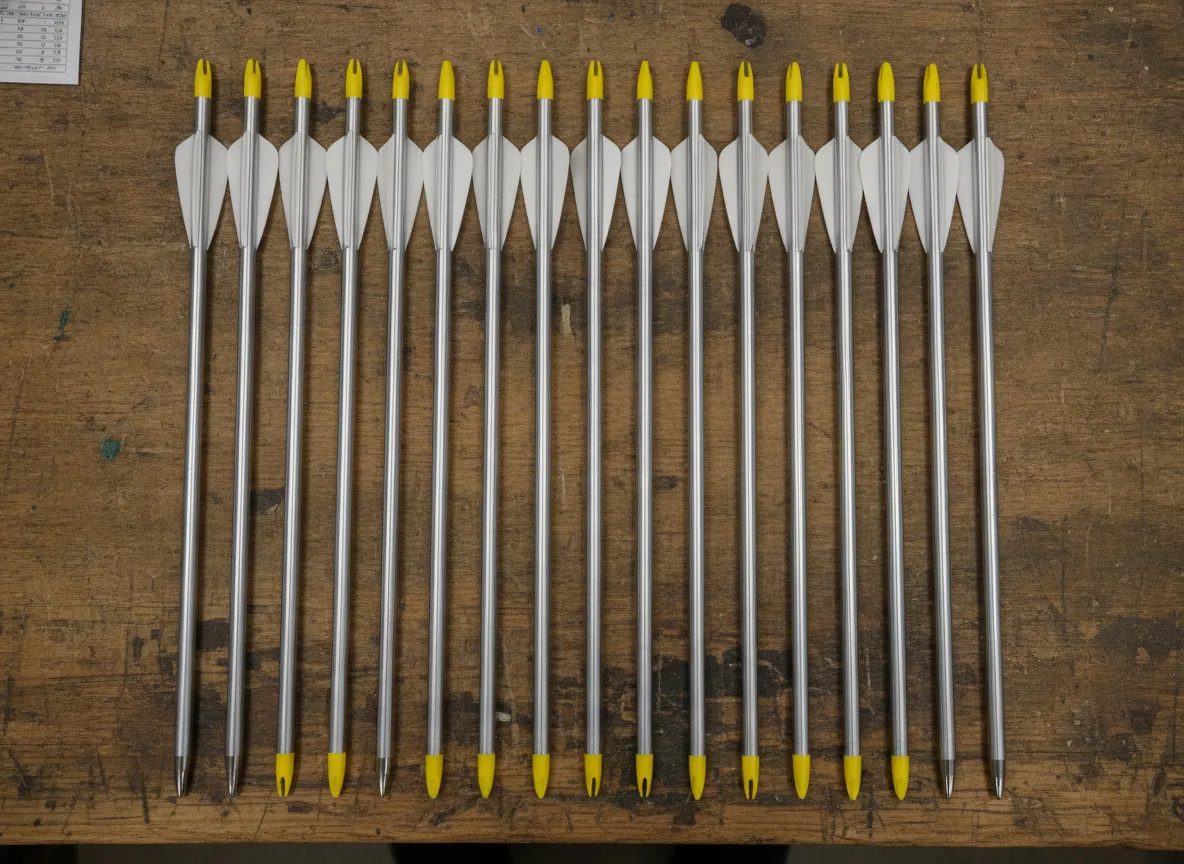
Arrows are arguably more technical than the bow itself. An arrow that does not match the bow’s draw weight and the archer’s draw length will fly unpredictably, regardless of how well the shot is executed.
Arrow materials to know:
- Aluminum: Affordable, consistent, good for beginners. Susceptible to bending on hard impacts.
- Carbon: Lightweight, fast, durable. The standard for intermediate and advanced archers.
- Carbon/Aluminum hybrid: Precision-engineered for competitive shooting. Higher cost.
- Wood: Traditional aesthetic, used primarily with longbows.
Arrow spine refers to the stiffness of the shaft. Each bow’s draw weight and draw length combination requires a specific spine rating. Using arrows with the wrong spine is one of the most common beginner mistakes and leads to erratic groupings.
Key arrow components:
- Shaft, the main body of the arrow
- Nock, the plastic clip that attaches to the bowstring
- Fletching, the vanes or feathers that stabilize flight
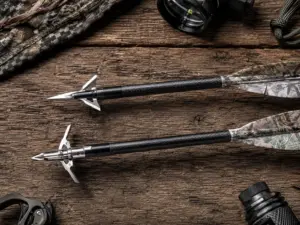
- Point/tip, the front end, which varies by purpose (field points for practice, broadheads for hunting)
Most manufacturers publish spine selection charts based on draw weight and arrow length. Using these charts before purchasing a dozen arrows saves significant money and frustration.
3. Arm Guard (Bracer)
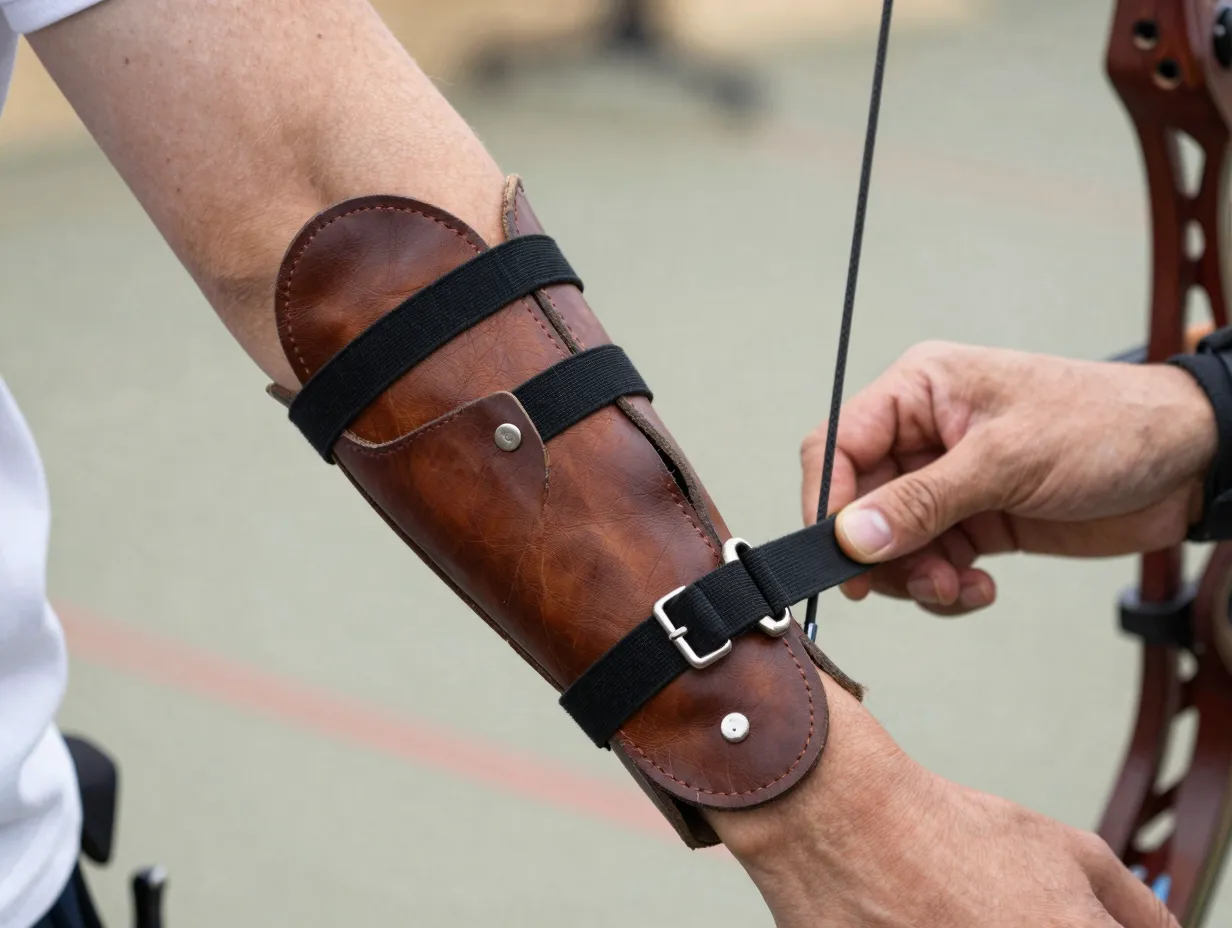
The arm guard is a strip of rigid or semi-rigid material, typically leather, synthetic leather, or hard plastic, worn on the inside of the bow arm’s forearm. Its purpose is straightforward: it prevents the bowstring from striking bare skin during release.
String slap is painful, can leave bruises, and, more critically, causes flinching. Flinching is one of the hardest habits to correct in archery because it becomes a subconscious anticipatory response. Wearing an arm guard from the very first shot eliminates the stimulus that creates the flinch.
Choosing an arm guard:
- Beginners: A medium-length guard covering the full forearm is ideal. It compensates for inconsistent elbow rotation during the learning phase.
- Advanced archers: Many experienced archers use a short, minimal guard or none at all once their elbow rotation is locked in. However, having one available during long practice sessions remains wise.
Arm guards are inexpensive, typically ranging from $8 to $30, making them one of the highest-value purchases in any archery kit.
4. Finger Tab or Release Aid
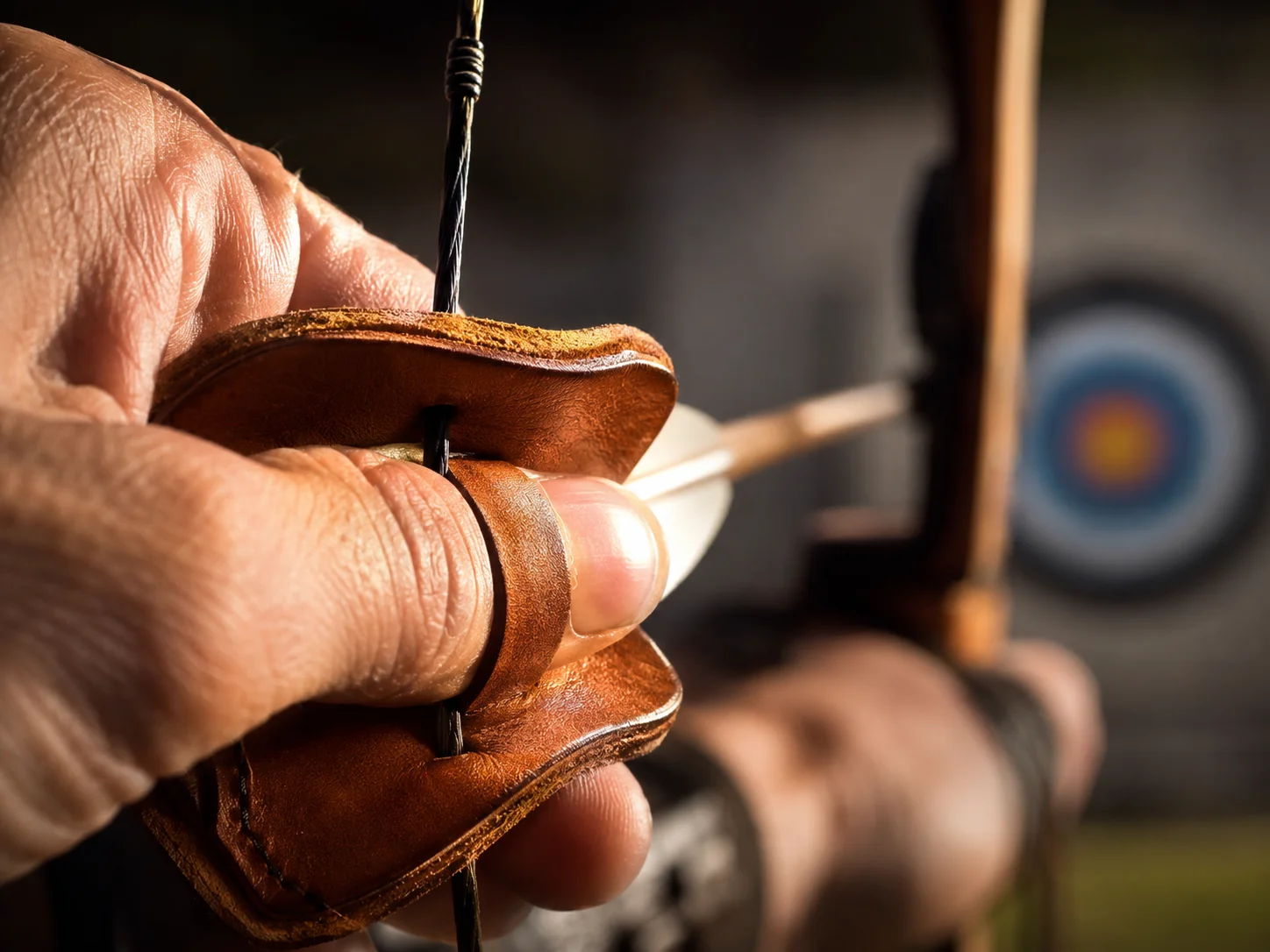
How the archer releases the bowstring is the final determinant of arrow direction. Any inconsistency at the moment of release sends the arrow off course. A finger tab or mechanical release aid standardizes this critical moment.
Finger Tab
A finger tab is a flat piece of leather or synthetic material worn on the drawing hand, protecting the fingers from the bowstring and reducing friction for a cleaner release. Tabs are standard equipment in recurve and longbow shooting.
- Smooth leather surface reduces string friction
- Adjustable models allow customization of the shelf depth
- Olympic recurve archers almost universally use tabs
Mechanical Release Aid
A release aid is a mechanical device that clips onto the bowstring’s D-loop and is triggered by the archer’s thumb or index finger. It is the standard for compound bow shooting.
- Provides a consistent, surprise-style release
- Eliminates finger contact with the string entirely
- Types include: wrist strap (most common for beginners), thumb button, and back-tension (most advanced)
Switching from fingers to a release aid, or vice versa, requires recalibrating the entire shooting form. Archers should choose one method and commit to it during the learning phase.
5. Quiver
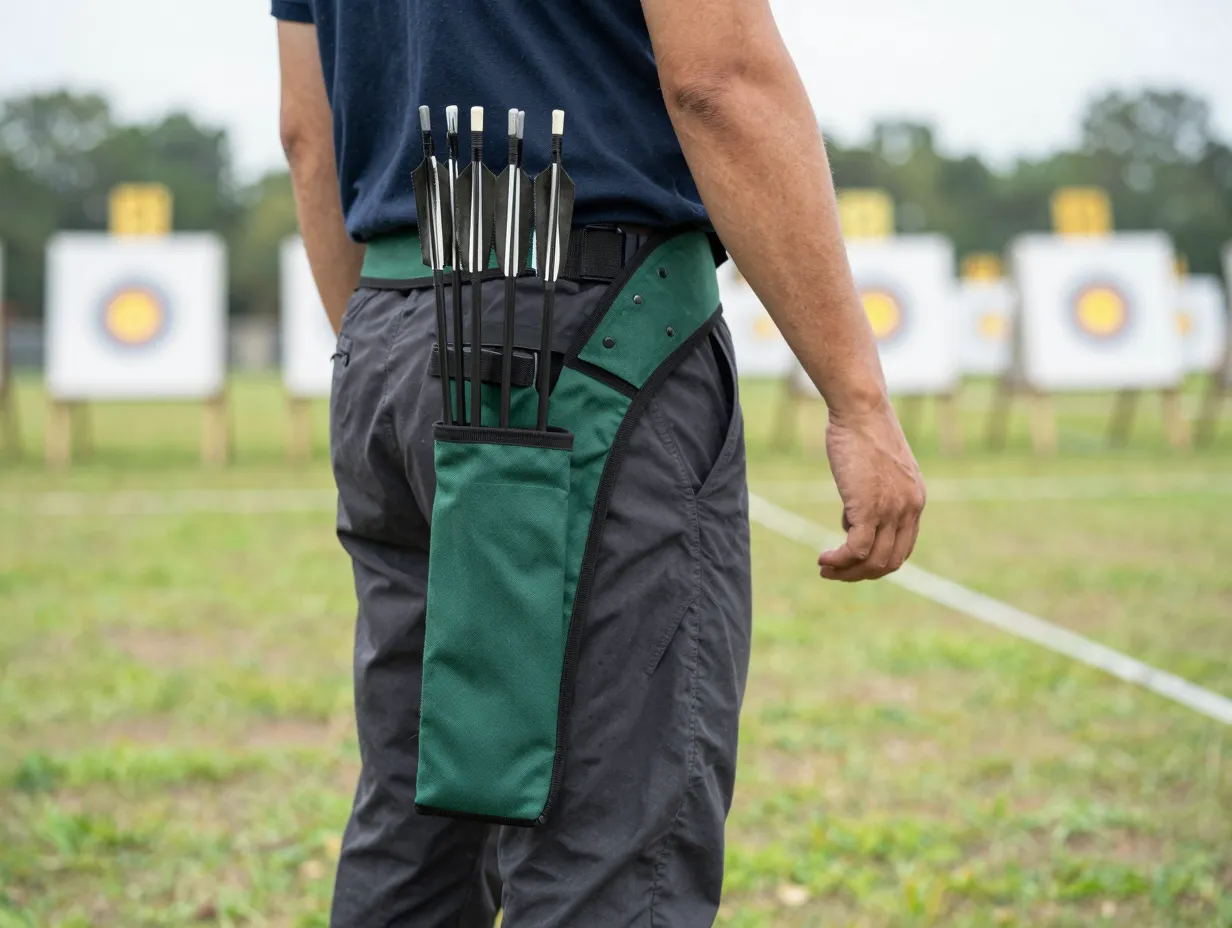
A quiver holds arrows safely and keeps them accessible during shooting. Three main quiver styles serve different purposes:
- Back quiver: Worn over the shoulder, traditional aesthetic, common in recreational and field archery.
- Hip quiver: Clips to a belt or waistband, preferred by target archers for easy access.
- Bow quiver: Mounts directly onto the bow, popular among hunters for a compact, quiet carry.
Practical considerations:
- Hip quivers with multiple tube compartments allow archers to separate arrows by type or weight.
- For range shooting, a ground quiver, a stand that holds arrows upright, keeps equipment organized without wearing anything.
- Arrow capacity matters: a quiver holding 6-12 arrows is sufficient for most practice sessions.
The quiver is often overlooked by beginners, who sometimes carry arrows loosely in their hands. This is a safety hazard. Arrows have sharp points, and an unsecured arrow can cause serious injury during movement on a range.
6. Bow Sight
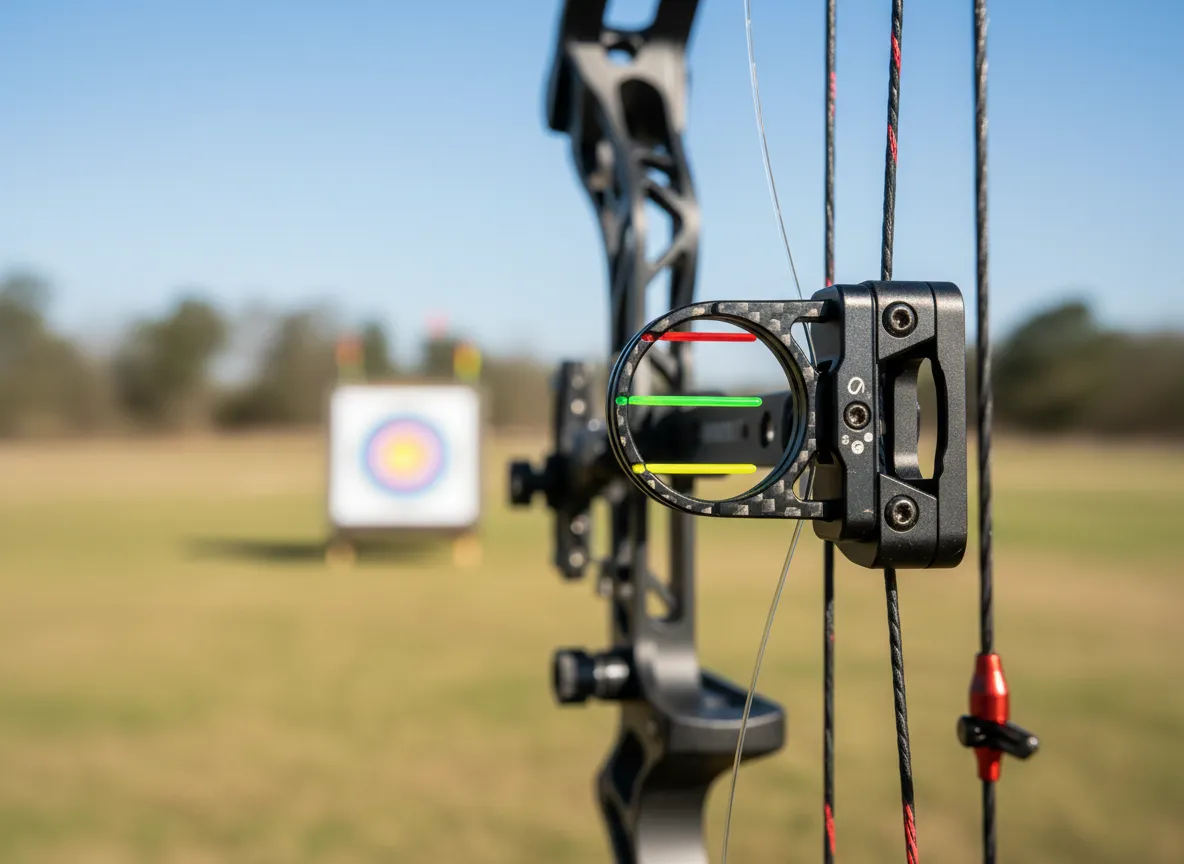
A bow sight is a mounted aiming device that attaches to the riser of the bow. It provides a visual reference point, typically a pin or series of pins, that the archer aligns with the target.
Types of bow sights:
- Fixed pin sight: Multiple pins set at different distances (e.g., 20, 30, 40 yards). The most common type for compound archers.
- Single-pin adjustable sight: One pin that slides to the correct distance. Preferred by many target archers for a cleaner sight picture.
- Recurve sight: A simple bar with a single aperture, used in Olympic-style shooting.
- Peep sight: A small ring inserted into the bowstring that the archer looks through to align with the front sight. Used almost exclusively with compound bows.
Beginner note: Many coaches recommend that beginners spend several weeks shooting instinctively (without a sight) to develop a feel for the bow before adding a sight. This builds proprioceptive awareness that improves long-term accuracy.
Advanced note: Sight quality directly affects precision at distance. High-end sights feature micro-adjustable windage and elevation, fiber-optic pins, and vibration-dampening construction.
7. Arrow Rest
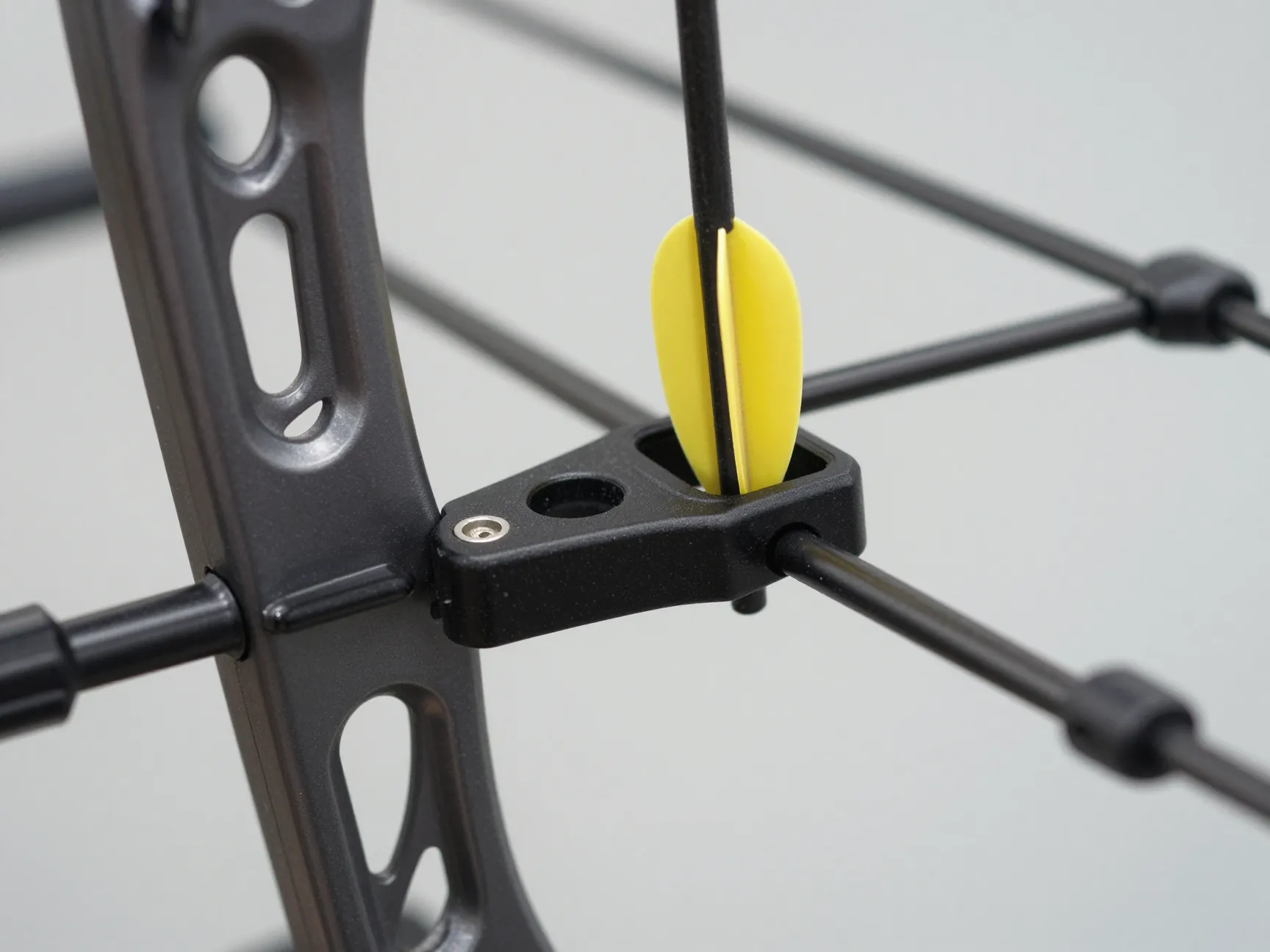
The arrow rest is a small device mounted on the bow’s riser that supports the arrow during the draw and at the moment of release. Without a rest, the arrow sits on the archer’s hand or a simple shelf, which introduces inconsistency.
Types of arrow rests:
| Rest Type | Best For | How It Works |
|---|---|---|
| Stick-on shelf rest | Beginners, recurve | Simple adhesive pad on the shelf |
| Whisker Biscuit | Hunters, beginners | Bristle ring holds arrow fully enclosed |
| Drop-away rest | Compound, competitive | Falls away at release for maximum clearance |
| Plunger/pressure button | Olympic recurve | Adjustable pressure for fine-tuning arrow flight |
The arrow rest has a direct impact on arrow flight consistency. Even a small amount of contact between the arrow’s fletching and the rest during release can cause the arrow to veer off course. Drop-away rests solve this by removing all contact at the critical moment.
For beginners using a recurve bow, a simple stick-on rest or a basic containment rest is entirely adequate. Upgrading to a more sophisticated rest is a natural progression as form becomes consistent.
8. Stabilizer
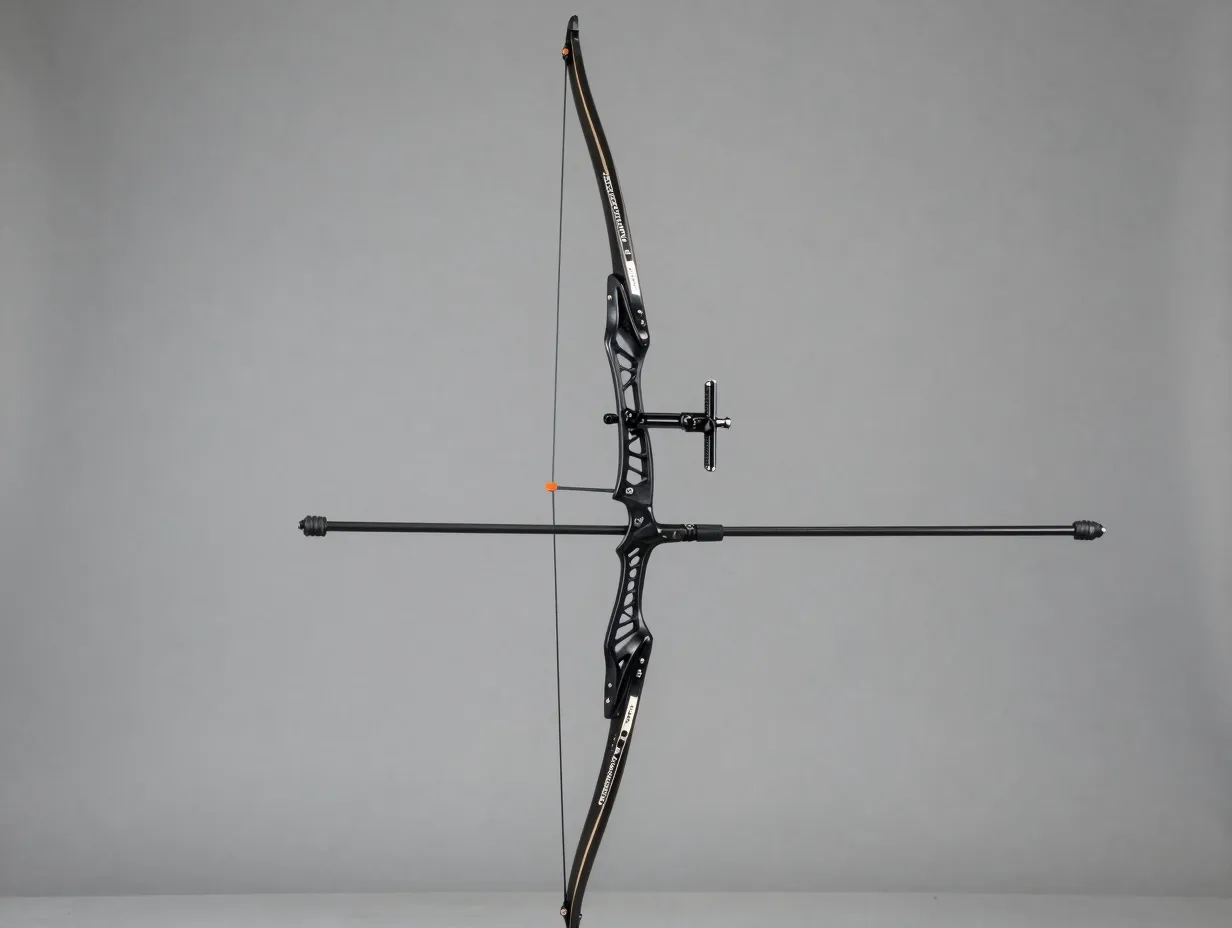
A stabilizer is a weighted rod (or system of rods) that screws into the front of the bow’s riser. Its primary function is to reduce bow torque and vibration at the moment of release, keeping the bow steady during the shot cycle.
How stabilizers work:
The mass of the stabilizer creates inertia that resists the rotational movement of the bow. When the string is released, the bow wants to jump or rotate. The stabilizer dampens this movement, which keeps the sight picture stable and reduces noise and vibration.
Stabilizer configurations:
- Short front rod only: Common for beginners and hunters. Lengths typically 4-8 inches.
- Long front rod: Standard for target archery. Lengths of 28-36 inches are common in Olympic recurve shooting.
- V-bar system: A front rod plus two angled side rods for maximum balance. Used by competitive compound and recurve archers.
Weight and balance: Adding weight to the stabilizer changes the bow’s balance point. Many archers experiment with different weights to find a setup that feels natural at full draw.
Beginners do not need an elaborate stabilizer system. A basic 6-inch front rod stabilizer costing $15-$40 will noticeably reduce hand shock and improve shot consistency from the first session.
Choosing the Right Gear at Every Skill Level
Understanding the 8 Must-Have Pieces of Archery Gear for Every Skill Level is one thing; knowing how to prioritize purchases at each stage is another. The table below provides a practical framework.
| Gear Item | Beginner Priority | Intermediate Priority | Advanced Priority |
|---|---|---|---|
| Bow | Low draw weight recurve | Upgrade draw weight | Competition-spec compound or recurve |
| Arrows | Aluminum, matched spine | Carbon shafts | Carbon/aluminum hybrid, spine-matched |
| Arm Guard | Full-length, essential | Medium or short | Minimal or optional |
| Finger Tab/Release | Basic tab or wrist release | Upgraded tab or release | Back-tension or custom tab |
| Quiver | Basic hip or ground quiver | Multi-tube hip quiver | Competition hip quiver |
| Bow Sight | Basic fixed-pin or none | Multi-pin with fiber optic | Micro-adjustable single pin |
| Arrow Rest | Stick-on or containment | Whisker Biscuit or drop-away | Drop-away or precision plunger |
| Stabilizer | Short front rod | Longer front rod | V-bar system with weights |
Common Mistakes When Building an Archery Kit
Even with the right list in hand, archers at all levels make predictable errors when assembling their gear. Recognizing these pitfalls saves money and prevents bad habits.
Buying a bow that is too heavy: The most common beginner mistake. A draw weight that is too high causes the archer to develop compensatory movements, dropping the bow arm, creeping forward, or punching the trigger, that become deeply ingrained habits.
Mismatching arrow spine to bow: As noted earlier, an incorrectly spined arrow will not fly straight regardless of how well the shot is executed. Always use a spine chart or consult a pro shop.
Skipping safety gear: Some beginners skip the arm guard or finger tab to save money. This leads to string slap, flinching, and ultimately, poor technique that takes months to correct.
Buying all accessories before mastering form: A $400 sight will not improve accuracy if the archer’s anchor point is inconsistent. Gear upgrades should follow technique milestones, not replace them.
Neglecting maintenance: Bowstrings stretch and wear over time. Arrows develop micro-cracks. A cracked arrow can shatter on release and cause serious injury. Regular inspection of all equipment is part of responsible archery practice.
Frequently Asked Questions
How much should a beginner spend on their first archery setup?
A functional beginner kit, bow, six arrows, arm guard, finger tab, and a basic quiver, can be assembled for $150 to $300. Spending more does not accelerate learning at the beginner stage.
Can the same arrows be used with both recurve and compound bows?
Not always. Compound bows generate significantly more energy, requiring stiffer-spined arrows. Always match arrow spine to the specific bow being used.
How often should bowstrings be replaced?
Most manufacturers recommend replacing bowstrings every two to three years for recreational archers, or every season for competitive archers who shoot frequently.
Is it necessary to join an archery club to get started?
Not mandatory, but highly recommended. Club ranges provide safe shooting environments, access to experienced coaches, and the opportunity to try different equipment before purchasing.
What is the minimum age to start archery?
Most archery programs accept children as young as 8 years old. Youth-specific bows with very low draw weights (10-15 lbs) are available for younger archers.
Conclusion
The path from a first arrow to consistent, confident shooting is shorter when the right equipment is in place from the start. The 8 Must-Have Pieces of Archery Gear for Every Skill Level, bow, arrows, arm guard, finger tab or release aid, quiver, bow sight, arrow rest, and stabilizer, form a complete, interdependent system. Each piece influences the others, and neglecting any one of them introduces variables that undermine accuracy and safety.
Actionable next steps for 2026:
- Visit a local pro shop or archery club for a free draw length and draw weight assessment before purchasing a bow.
- Use a manufacturer’s spine chart to select arrows that match the bow’s specifications precisely.
- Purchase an arm guard and finger tab as the first accessories, before any optics or upgrades.
- Shoot for at least 30 sessions with a basic setup before investing in advanced accessories.
- Schedule a form check with a certified coach after the first month of practice. Small form corrections early prevent expensive technique problems later.
Archery rewards patience and precision. Building a kit that supports good form, rather than compensating for poor form, is the smartest investment any archer can make, regardless of where they are on the skill spectrum.
References
- Archery Trade Association. (2023). Archery participation report: U.S. market trends and growth data. Archery Trade Association.
- USA Archery. (2022). Beginner archer development program guide. USA Archery National Training System.
- World Archery Federation. (2021). Equipment rules and specifications for recurve and compound disciplines. World Archery.
- Haywood, K. M., & Lewis, C. F. (2018). Archery: Steps to success (5th ed.). Human Kinetics.
- National Field Archery Association. (2023). Arrow selection and spine chart guidelines. NFAA Technical Resources.