9 Essential Tips for Women Bow Hunting Success
Women now make up the fastest-growing segment of new hunters in North America, with the U.S. Fish and Wildlife Service reporting a 25% increase in female hunting participation over the past decade. Yet despite this surge, most bowhunting advice is still written with a male body and male gear in mind. That gap matters, because a bow sized for the wrong body does not just feel awkward, it actively destroys accuracy, causes injury, and kills confidence before it has a chance to grow. These 9 essential tips for women bow hunting success are built specifically around the physical, technical, and strategic realities that female bowhunters face in 2026.
Disclosure: This post contains affiliate links. As an Amazon Associate, we earn from qualifying purchases, and at no extra cost to you.
Key Takeaways
- Getting professionally fitted for a bow that matches your draw length and draw weight is the single most important step before anything else.
- Being “overbowed”, using more draw weight than you can control, causes poor form, bad shots, and potential injury.
- Scent control, practice consistency, and mental preparation are just as critical as physical gear choices.
- Women-specific archery equipment has improved dramatically, and trying multiple bows at a local shop before buying is strongly recommended.
- Confidence and shot discipline, built through repetition and proper coaching, separate successful bowhunters from those who struggle.
Why These 9 Essential Tips for Women Bow Hunting Success Actually Work
Before diving into the tips themselves, it is worth understanding why gender-specific guidance matters in bowhunting. The mechanics of drawing, anchoring, and releasing a bow are directly tied to body proportions, arm length, shoulder width, grip size, and upper-body muscle distribution. Advice that ignores those differences produces generic guidance that fits no one particularly well.
The tips below are grounded in real-world experience from professional bowhunters, archery shop professionals, and field-tested strategies shared across the female bowhunting community [1][8]. They are ordered from foundational setup decisions through to in-field execution, so working through them in sequence builds a complete skill set.
1. Get Professionally Fitted for the Right Bow
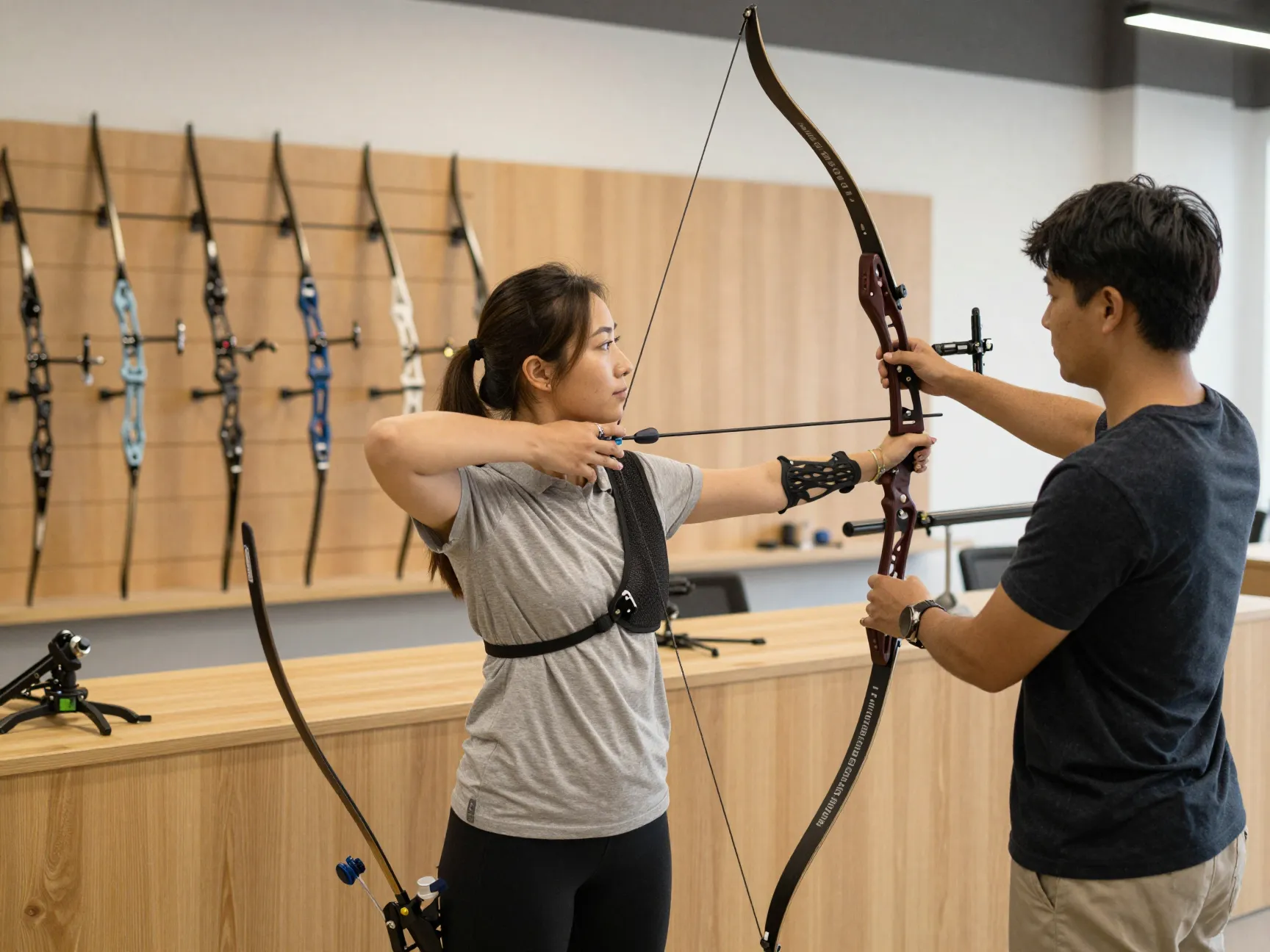
No single decision affects bowhunting success more than bow fit. A bow that does not match your body forces compensations in form that compound over time, leading to inconsistent shots and potential shoulder or elbow injuries.
Draw length is the most critical measurement. It is determined by your arm span and body proportions, not by preference or what looks good on a shelf. Most adult women have draw lengths between 24 and 27 inches, which is shorter than the male average, and many off-the-shelf bows are pre-set for longer draws [1].
Draw weight must be manageable across an entire hunt, not just in a warm gym. A weight you can pull smoothly and repeatedly, even after sitting still in cold weather for two hours, is the right weight. Most state regulations require a minimum draw weight for big game (commonly 35-40 lbs), and staying near that minimum while learning is both legal and smart [1].
“Visit a local archery shop, try multiple bows, and have your draw length and weight set correctly. Also consider high-quality used bows to stay within budget while still getting properly fitted equipment.”, Melissa Bachman, professional bowhunter [6]
Action steps for bow fitting:
- Measure draw length at a certified archery shop, not online
- Pull the bow at least 20 times during a fitting session to feel fatigue
- Ask to try at least three different bow models before deciding
- Request that the shop set draw weight at the lower end of the legal range initially
2. Avoid Being Overbowed
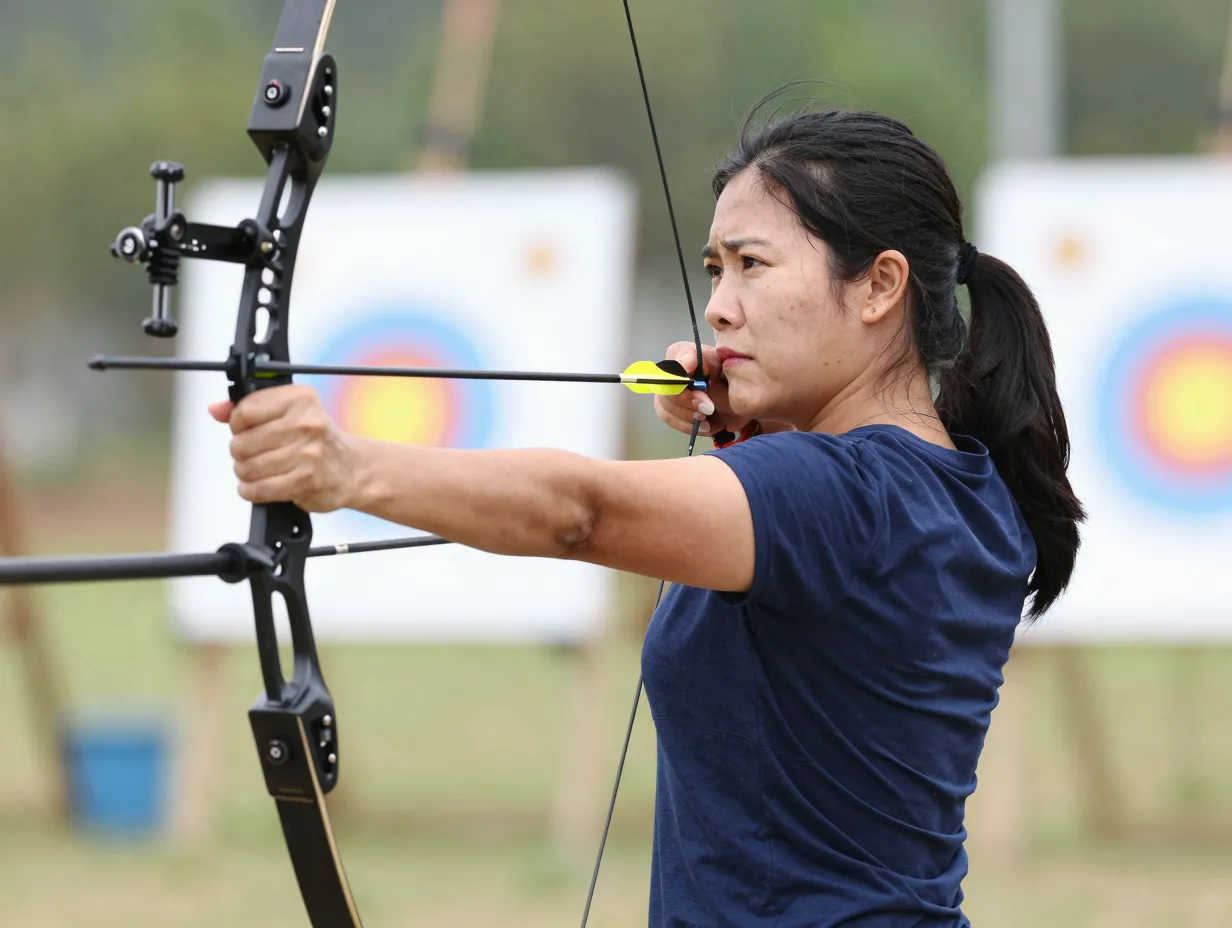
Being “overbowed” means shooting more draw weight than you can comfortably and consistently control. It is one of the most common mistakes new female bowhunters make, often because of social pressure to shoot heavier poundage [1].
The consequences are serious: poor form, punching the trigger, flinching at the shot, and inconsistent arrow flight. Over time, overbowing also causes repetitive stress injuries to the shoulder and rotator cuff.
Signs you may be overbowed:
- You have to lean back or use your whole body to complete the draw
- Your bow arm shakes at full draw
- You cannot hold at full draw for five seconds without strain
- Your groups open up significantly after the first few shots
The fix is straightforward, reduce draw weight until form is clean, then increase gradually over weeks as strength builds. A bow at 38 lbs shot with perfect form will outperform a bow at 55 lbs shot with compensated form every single time [7].
3. Invest in Women-Specific or Adjustable Equipment
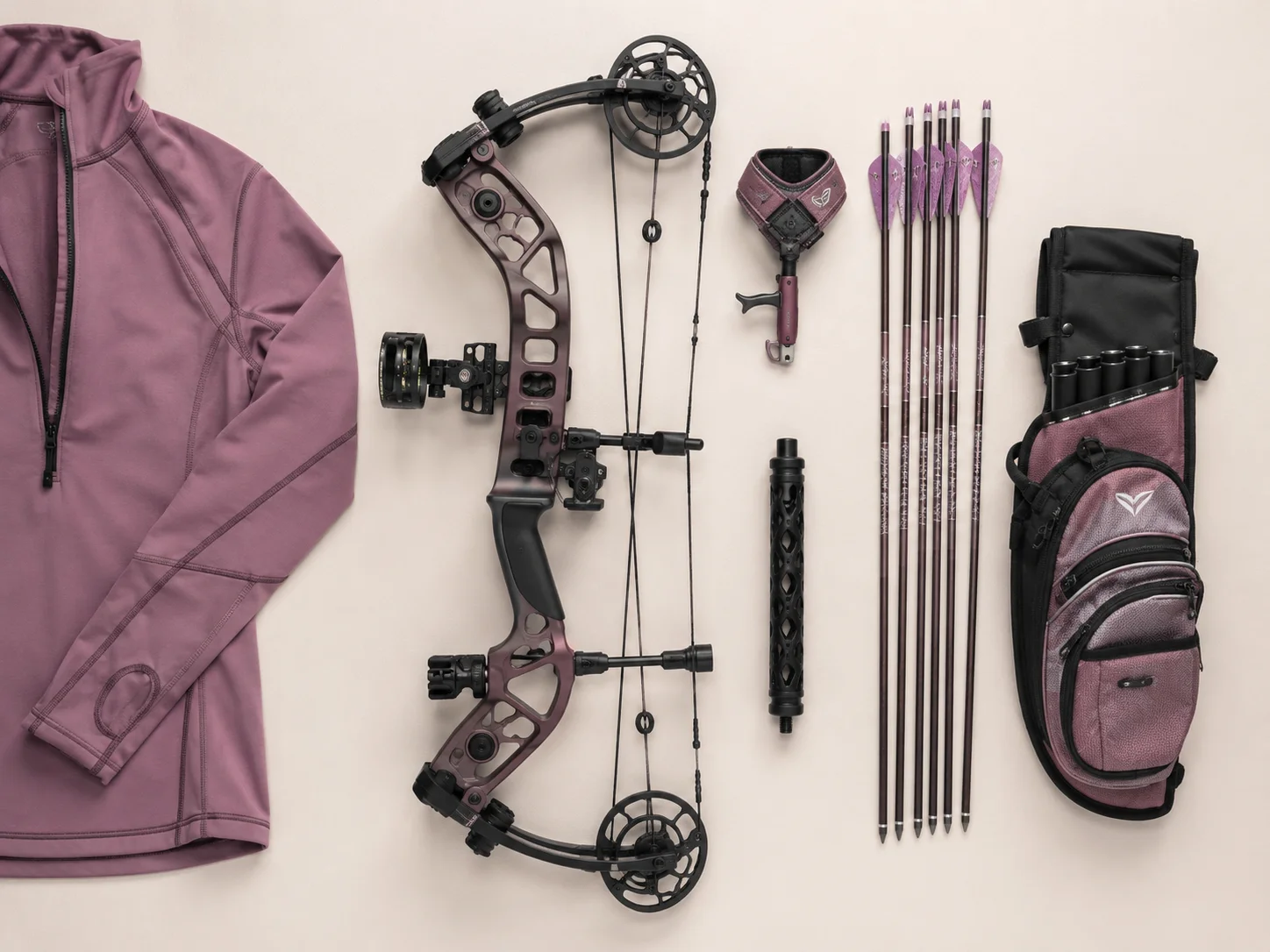
The archery industry has made significant progress in designing equipment that fits female bodies. Women-specific compound bows typically feature shorter axle-to-axle lengths, lower brace heights, and grips sized for smaller hands. These are not cosmetic differences, they affect how the bow performs for a smaller frame [8].
Key equipment considerations for women:
| Equipment Item | What to Look For |
|---|---|
| Compound bow | Adjustable draw length, short ATA, small grip |
| Release aid | Wrist strap or thumb trigger sized for smaller hands |
| Arrows | Spine matched to your draw weight and length |
| Quiver | Lightweight, low-profile to avoid torque |
| Stabilizer | Shorter, lighter models for better balance |
Beyond the bow itself, clothing matters. Women-specific hunting apparel is designed with chest room and shoulder mobility in mind, which directly affects draw clearance. A standard men’s jacket can catch the bowstring on release, a problem that women-specific designs eliminate [8].
4. Master Proper Form Before Focusing on Distance
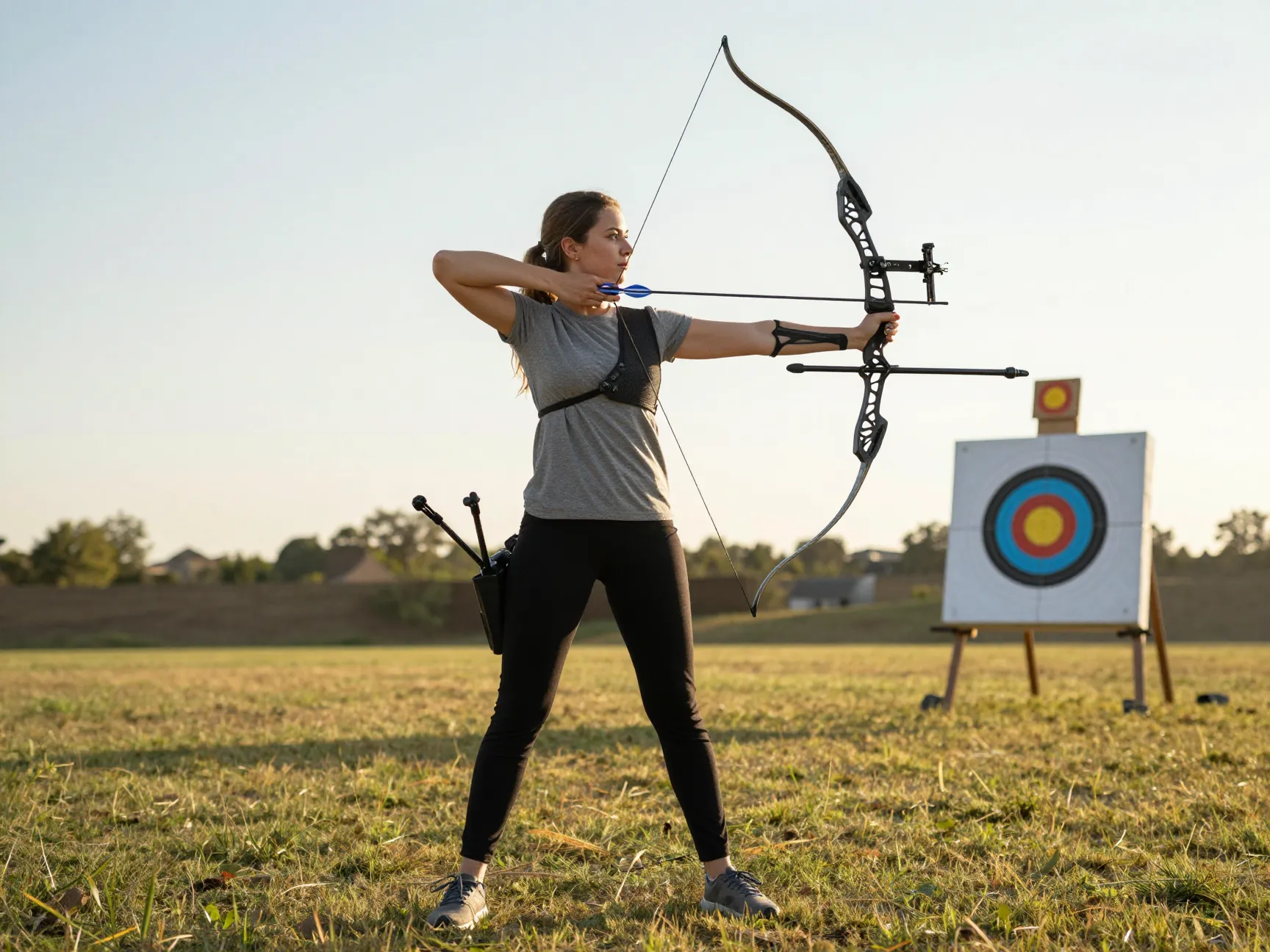
Distance is exciting. Form is everything. Many new bowhunters rush to shoot at 40 or 50 yards before their mechanics at 20 yards are consistent. This is a mistake that creates bad habits that are difficult to unlearn.
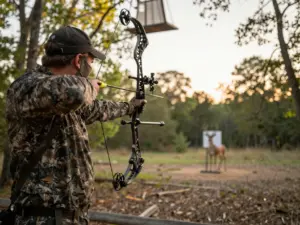
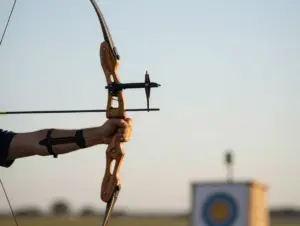
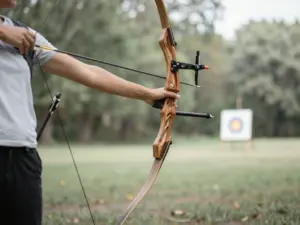
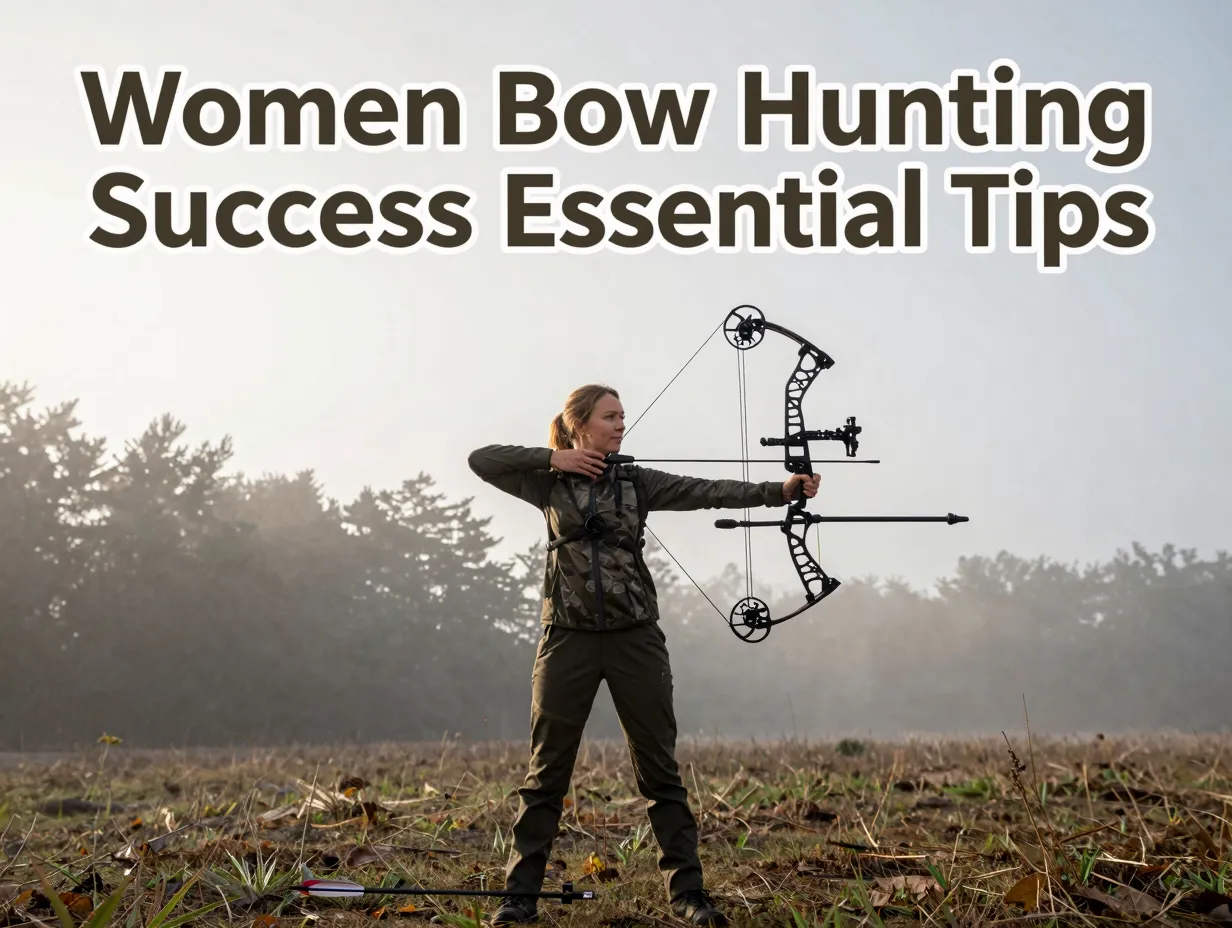
The core elements of proper bowhunting form:
- Stance, feet shoulder-width apart, perpendicular to the target
- Grip, relaxed, no torquing of the bow hand
- Draw, use back muscles, not arm muscles, to pull through the draw
- Anchor point, consistent contact at the corner of the mouth or cheekbone every shot
- Sight alignment, front pin centered in the peep
- Release, back tension release, not a punched trigger
- Follow-through, hold the bow up and keep eyes on the target after release
Bowhunter education resources and experienced coaches consistently emphasize that a clean, repeatable shot process at 20 yards is the foundation for ethical shots at longer ranges [9]. Shoot at 20 yards until groups are consistently tight, then move to 30, then 40.
5. Build a Consistent Practice Routine
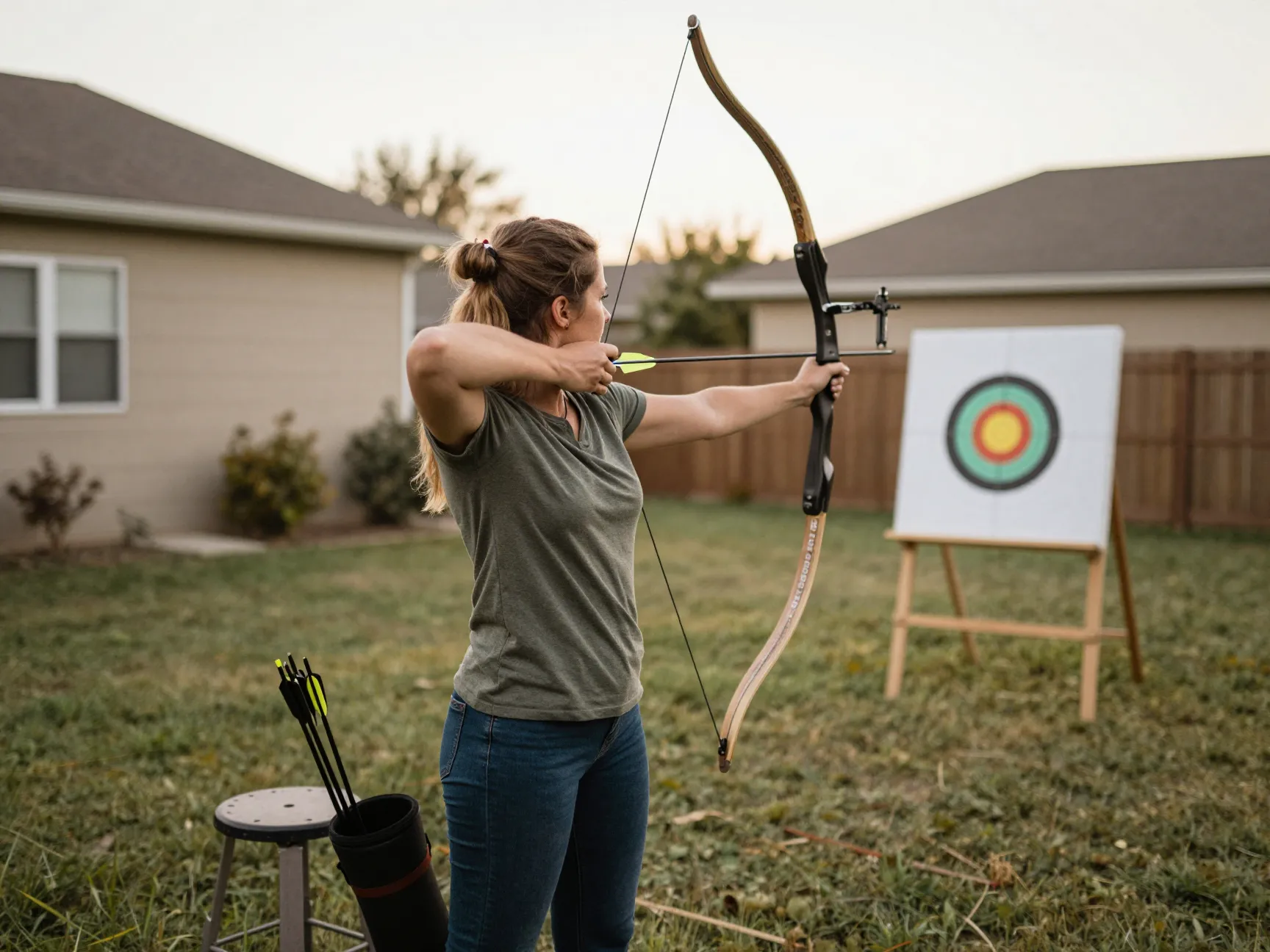
Muscle memory is built through repetition, not through occasional marathon sessions. Shooting 10 to 15 arrows daily with full attention to form produces better results than shooting 100 arrows on a Saturday and nothing for the rest of the week [9].
Effective practice structure:
- Warm up with 5 shots at close range (10 yards) focusing purely on form
- Shoot 10 shots at your primary hunting distance with deliberate focus
- Finish with 5 shots at a longer distance to build confidence
- End on a good shot, not a bad one
Practice should also include shooting from hunting-realistic positions: seated, from an elevated platform, in full hunting clothing, and in low light. The shot you take in the field will rarely match the conditions of a comfortable range session [2].
Practicing in your hunting clothes before the season opens is not optional, it is essential. Bulky jackets change your anchor point and draw clearance in ways that surprise even experienced shooters.
6. Prioritize Scent Control and Wind Awareness
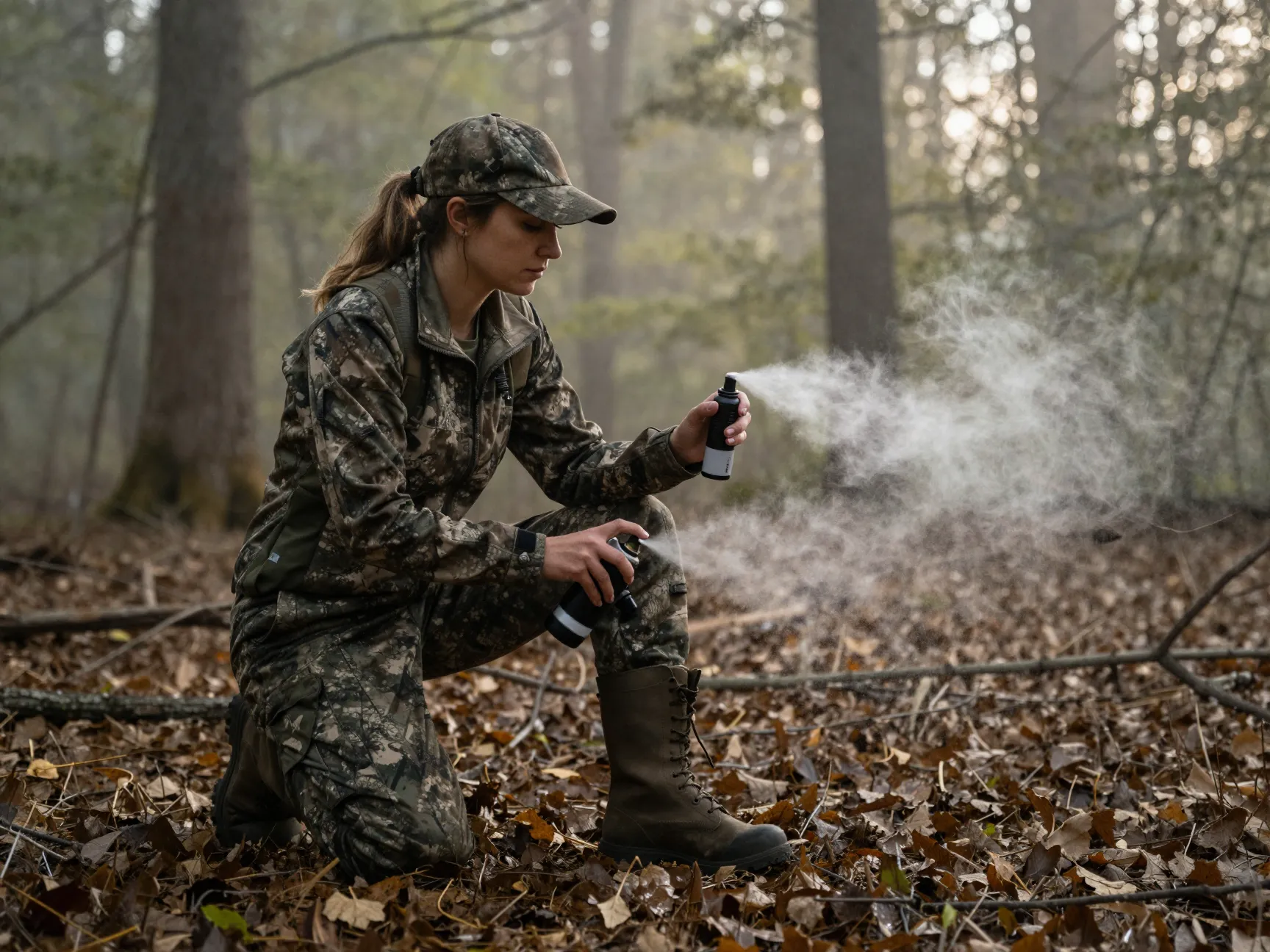
Bowhunting requires close-range shots, typically 20 to 40 yards for most hunters. At those distances, deer and other game can detect human scent with devastating reliability. Scent control is therefore not a minor detail, it is a core strategy [2].
A practical scent control checklist:
- Wash hunting clothes in scent-free detergent and store in a sealed bag with natural materials (leaves, dirt from the hunting area)
- Shower with scent-free soap on hunt days
- Apply scent-eliminating spray to clothing, boots, and gear before entering the woods
- Always approach your stand from downwind of where you expect game to travel
- Check wind direction multiple times during a hunt using a wind checker or milkweed puff
Wind shifts are the most common reason deer bust hunters at close range. Paying attention to thermals, which rise in the morning and fall in the evening, adds another layer of awareness that separates consistent hunters from lucky ones [9].
7. Choose the Right Stand or Blind Setup
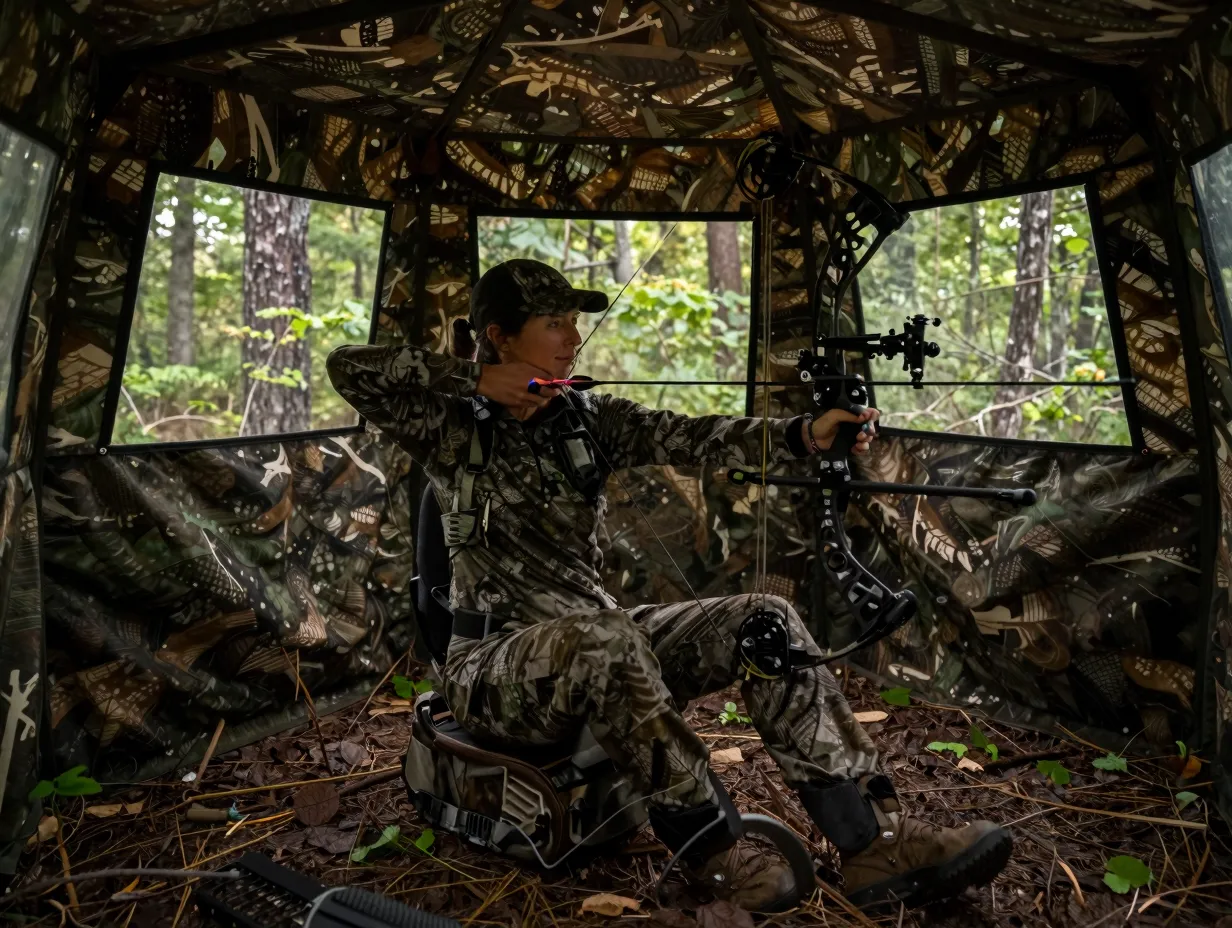
The best shot opportunity means nothing if the setup does not allow a clean draw and release. Stand placement and blind configuration need to be planned with archery-specific mechanics in mind, not rifle hunting assumptions [2].
Tree stand considerations for bowhunters:
- Height matters: 15 to 20 feet is a common range, but the angle to the target must still allow a clean shot through the vitals
- Shooting lanes must be cleared of branches that could deflect an arrow
- The platform must allow a full draw without obstruction, test this before the season opens
- Harness fit for women: standard safety harnesses often do not fit female torsos correctly, so women-specific or adjustable harnesses are worth the investment
Ground blind advantages for women bowhunters:
Ground blinds offer concealment without the height risk and are easier to draw in without being seen. They also allow shooting from a seated or kneeling position, which some women find more stable. The key limitation is that shooting lanes must be pre-cut and the blind must be set up well in advance so game habituates to it [7].
8. Develop Shot Discipline and Know Your Limits
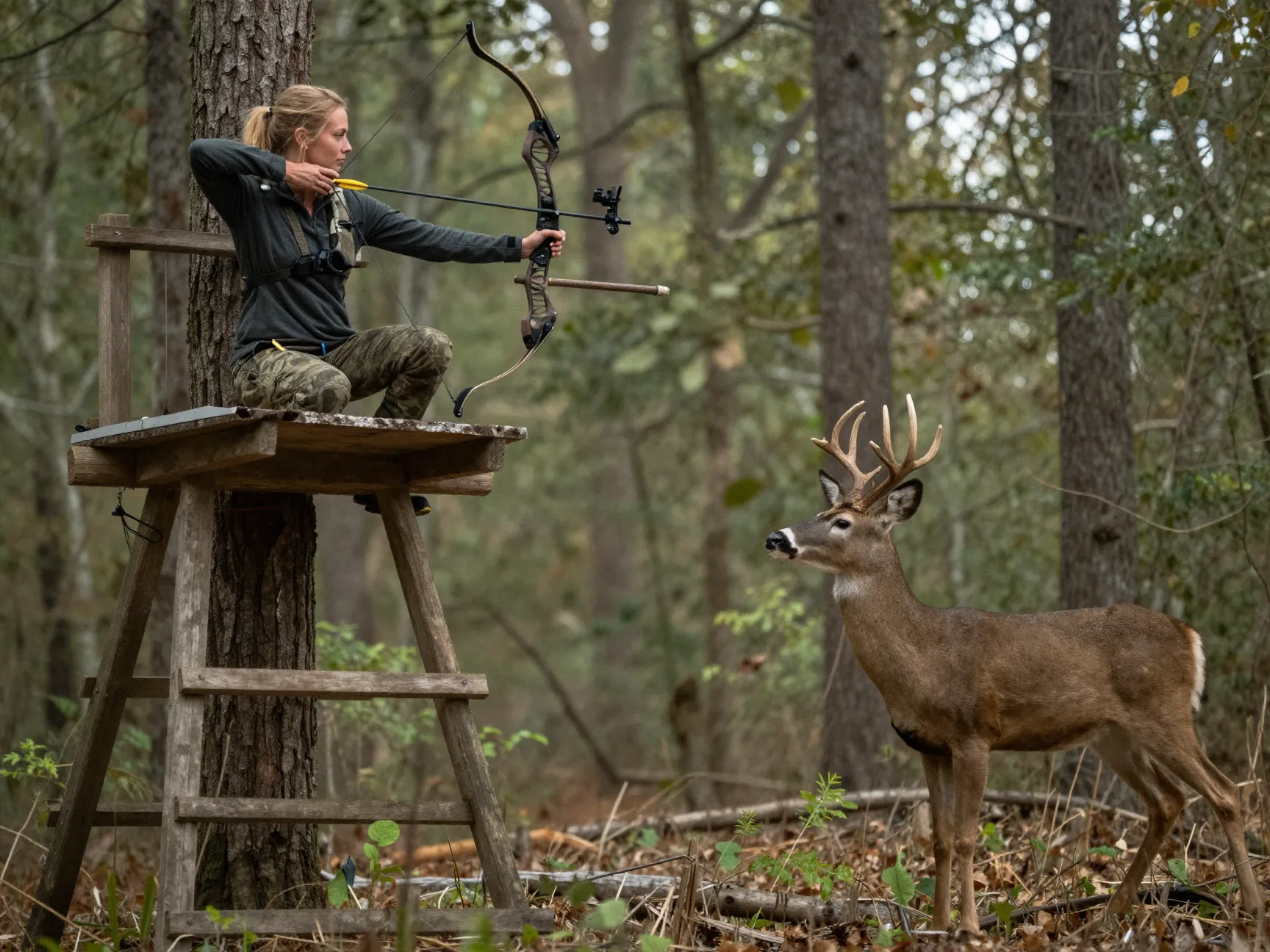
One of the most important, and least discussed, skills in bowhunting is knowing when not to shoot. An ethical bowhunter passes on shots that are beyond their reliable range, at bad angles, or in conditions that reduce confidence [9].
Shot discipline principles:
- Know your maximum ethical range through honest practice, not optimistic estimation
- Only take shots with a clear path to the vital zone (heart and lungs)
- Avoid quartering-to shots; wait for broadside or quartering-away angles
- Never rush a shot because the animal is about to move, a bad shot is worse than a missed opportunity
- Practice saying no to marginal shots during the off-season by setting strict group-size standards at various distances
“The willingness to let an animal walk is what separates ethical bowhunters from those who wound game. That discipline is built in practice, not invented on the spot in the field.” [9]
Shot discipline also includes understanding your own mental state. Cold, fatigued, or rushed conditions affect judgment. Recognizing those states and adjusting expectations accordingly is a sign of experience, not weakness.
9. Connect with the Female Bowhunting Community
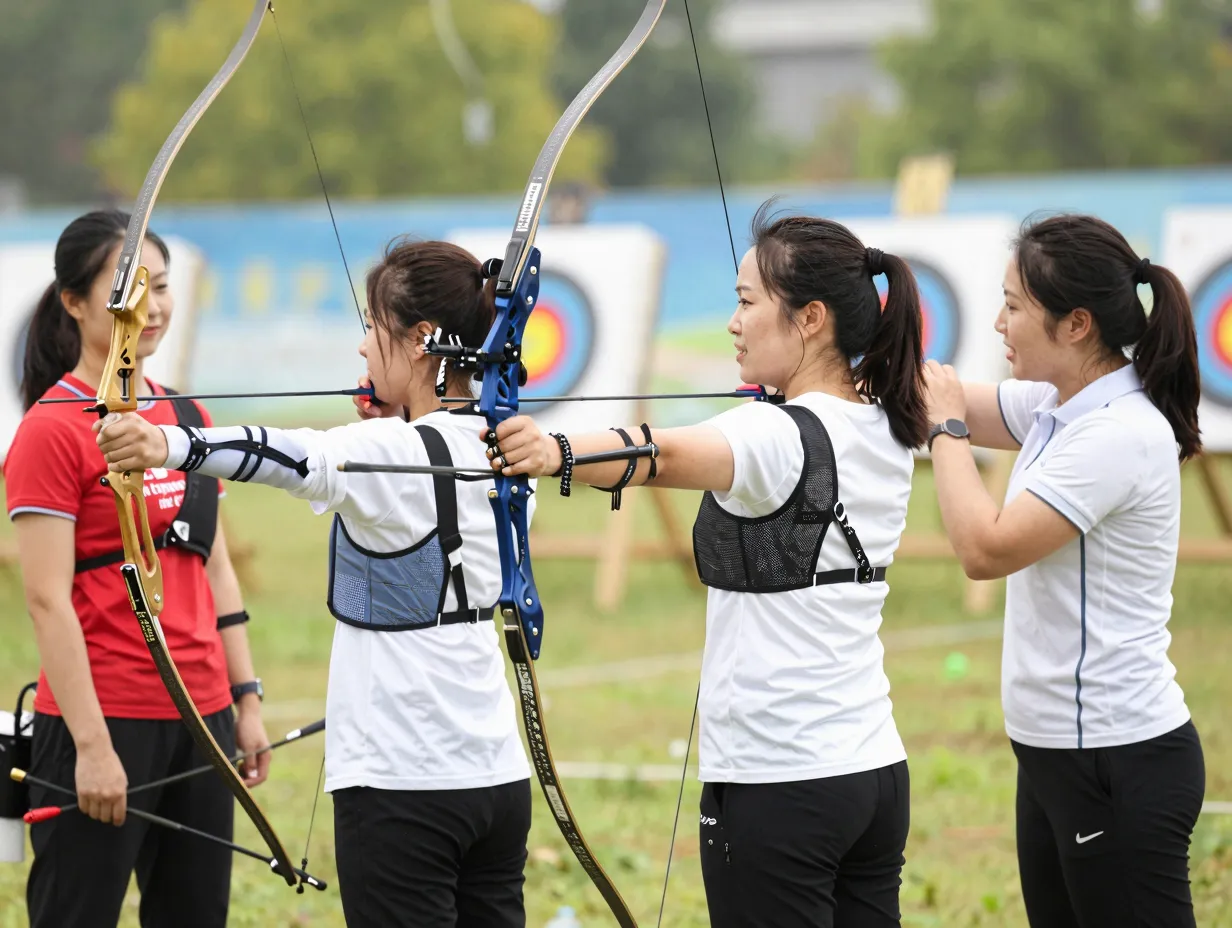
Bowhunting can feel isolating, especially for women entering a sport that has historically been male-dominated. The good news is that the female bowhunting community in 2026 is larger, more organized, and more accessible than at any previous point [8].
Ways to connect and grow:
- Join women-specific hunting groups and online communities where experiences and tips are shared freely [4]
- Seek out female mentors or guides for your first few seasons
- Watch instructional content from experienced female bowhunters to see proper technique demonstrated by someone with a similar body type [3][5][10]
- Attend women-only archery clinics and hunting workshops, which are now offered by many state wildlife agencies and archery organizations
- Follow and engage with professional female bowhunters whose content addresses women-specific challenges [8]
The value of community goes beyond social support. Seeing other women succeed in the field with the same equipment and physical constraints normalizes the experience and accelerates learning. Mentorship shortens the learning curve dramatically and reduces the trial-and-error period that discourages many beginners [6].
Putting the 9 Essential Tips for Women Bow Hunting Success Into Practice
These tips work best as a system, not as isolated pieces of advice. The sequence matters: equipment fit comes before form work, form comes before distance, and distance comes before hunting pressure. Rushing any step undermines the ones that follow.
A practical timeline for new women bowhunters:
- 4 to 6 months before season: Get fitted, purchase equipment, begin daily form practice
- 2 to 3 months before season: Extend range, practice from hunting positions and in hunting clothing
- 4 to 6 weeks before season: Scout locations, set up stands or blinds, practice scent control routines
- 2 weeks before season: Shoot only at hunting distances, simulate hunt-day conditions
- Opening week: Trust the preparation, execute shot discipline, connect with the community for real-time support
The mental side of bowhunting, patience, discipline, and the willingness to pass on marginal shots, develops alongside the physical skills. Both require deliberate practice and honest self-assessment [9].
Conclusion
The 9 essential tips for women bow hunting success covered in this article address the full arc of what it takes to become a confident, ethical, and effective female bowhunter. From getting properly fitted at a local archery shop to building shot discipline and connecting with a growing community of women in the field, each tip removes a specific barrier that too often stops talented beginners from reaching their potential.
Actionable next steps to take this week:
- Book a fitting appointment at a certified local archery shop and bring someone who can observe your form objectively.
- Research your state’s minimum draw weight requirements for the game species you plan to hunt.
- Join at least one women-focused bowhunting community online to start building your support network.
- Set up a daily 15-arrow practice routine and track your groups at 20 yards for the next 30 days.
- Review your existing hunting clothing for draw clearance issues and address them before the season opens.
Bowhunting rewards patience, preparation, and precision, qualities that are not gender-specific. The equipment and community support available to women in 2026 make this the best time in history to start. The only remaining step is to begin.
References
[1] Female Bowhunters – https://www.completeguidetoarchery.com/female-bowhunters/
[2] bowhunter – https://www.bowhunter.com/editorial/first-time-women-bowhunters/477732
[3] Watch – https://www.youtube.com/watch?v=ArqPaQt6GRQ
[4] facebook – https://www.facebook.com/groups/BowhuntOrDie/posts/1880588162563834/
[5] Watch – https://www.youtube.com/watch?v=fDG5p5vUpXs
[6] Melissa Bachman Q A – https://www.huntressview.com/post/2015/04/15/melissa-bachman-q-a
[7] Shoot Archery Like A Girl – https://westernhunter.net/hunting-strategies/shoot-archery-like-a-girl/
[8] Bowhunting For Women Breaking Barriers In The Field – https://shootlikeagirl.com/bowhunting-for-women-breaking-barriers-in-the-field/
[9] 7 Archery Season Commandments – https://www.nrawomen.com/content/7-archery-season-commandments
[10] Watch – https://www.youtube.com/watch?v=bkODqOn_J1k