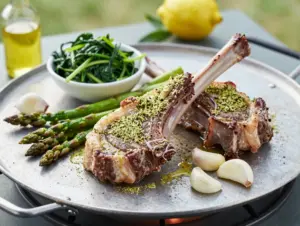
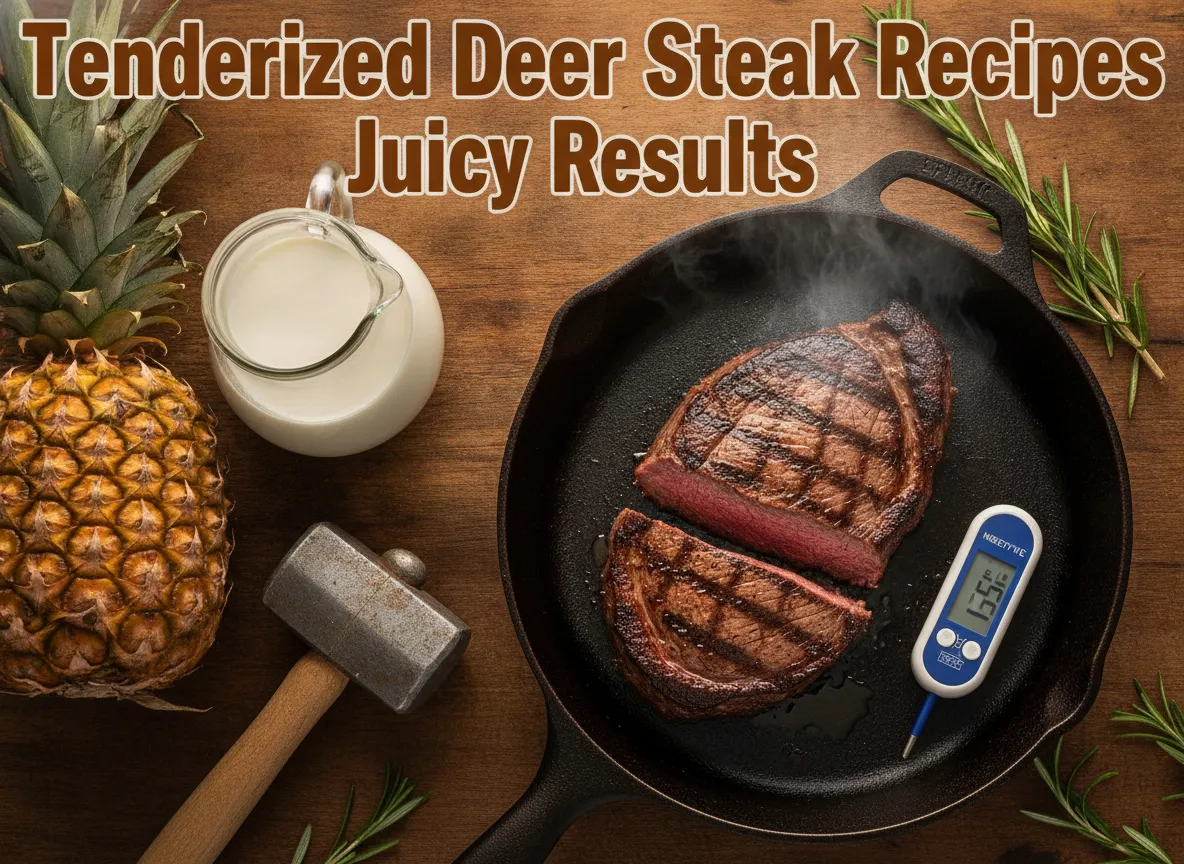
8 Tenderized Deer Steak Recipes for the Most Juicy and Flavorful Results
Venison is one of the leanest red meats available, containing up to 50% less fat than beef, yet most home cooks still end up with tough, chewy steaks that disappoint at the dinner table. The difference between a dry, rubbery venison steak and a fork-tender, restaurant-quality cut comes down almost entirely to tenderizing technique and recipe execution. This guide to 8 Tenderized Deer Steak Recipes for the Most Juicy and Flavorful Results covers everything from mechanical tenderizing to enzyme-based marinades, giving hunters and home cooks the tools they need to transform wild game into a memorable meal.
Disclosure: This post contains affiliate links. As an Amazon Associate, we earn from qualifying purchases, and at no extra cost to you.
Key Takeaways
- Venison is naturally lean and benefits greatly from tenderizing before cooking to prevent toughness.
- Mechanical tenderizing (pounding), acidic marinades, and enzyme-based brines all produce noticeably juicier results.
- Cooking deer steak to an internal temperature of 130-145 degrees Fahrenheit preserves moisture and flavor.
- Resting the steak for at least five minutes after cooking is non-negotiable for juicy results.
- The right fat, butter, olive oil, or bacon fat, compensates for venison’s low natural fat content and enhances flavor dramatically.
Why Tenderizing Deer Steak Matters Before You Cook
Deer muscle fibers are tightly packed and contain significant connective tissue, especially in cuts from the hindquarters and shoulders. Without proper tenderizing, even a perfectly seasoned venison steak can finish tough and dry. Understanding the science behind tenderizing helps cooks choose the right method for each cut.
Three primary tenderizing methods work best for venison:
- Mechanical: Using a meat mallet or jaccard tool to physically break down muscle fibers.
- Chemical: Applying acidic marinades (citrus juice, vinegar, buttermilk) that denature proteins.
- Enzymatic: Using natural enzymes found in papaya (papain), pineapple (bromelain), or kiwi to dissolve connective tissue.
A general rule: the tougher the cut, the more aggressive the tenderizing approach should be. Backstrap (loin) needs only a light pounding or short marinade, while round steaks from the hindquarter benefit from overnight marinating or mechanical tenderizing followed by a slow braise.
“The single biggest mistake hunters make is treating venison exactly like beef. Venison needs help, fat, acid, or physical force, to reach its full potential on the plate.”
The 8 Tenderized Deer Steak Recipes for the Most Juicy and Flavorful Results
Below are eight proven recipes, each using a different tenderizing strategy or flavor profile. Every recipe includes preparation notes, key ingredients, and cooking guidance.
1. Classic Buttermilk-Marinated Pan-Seared Venison Steak
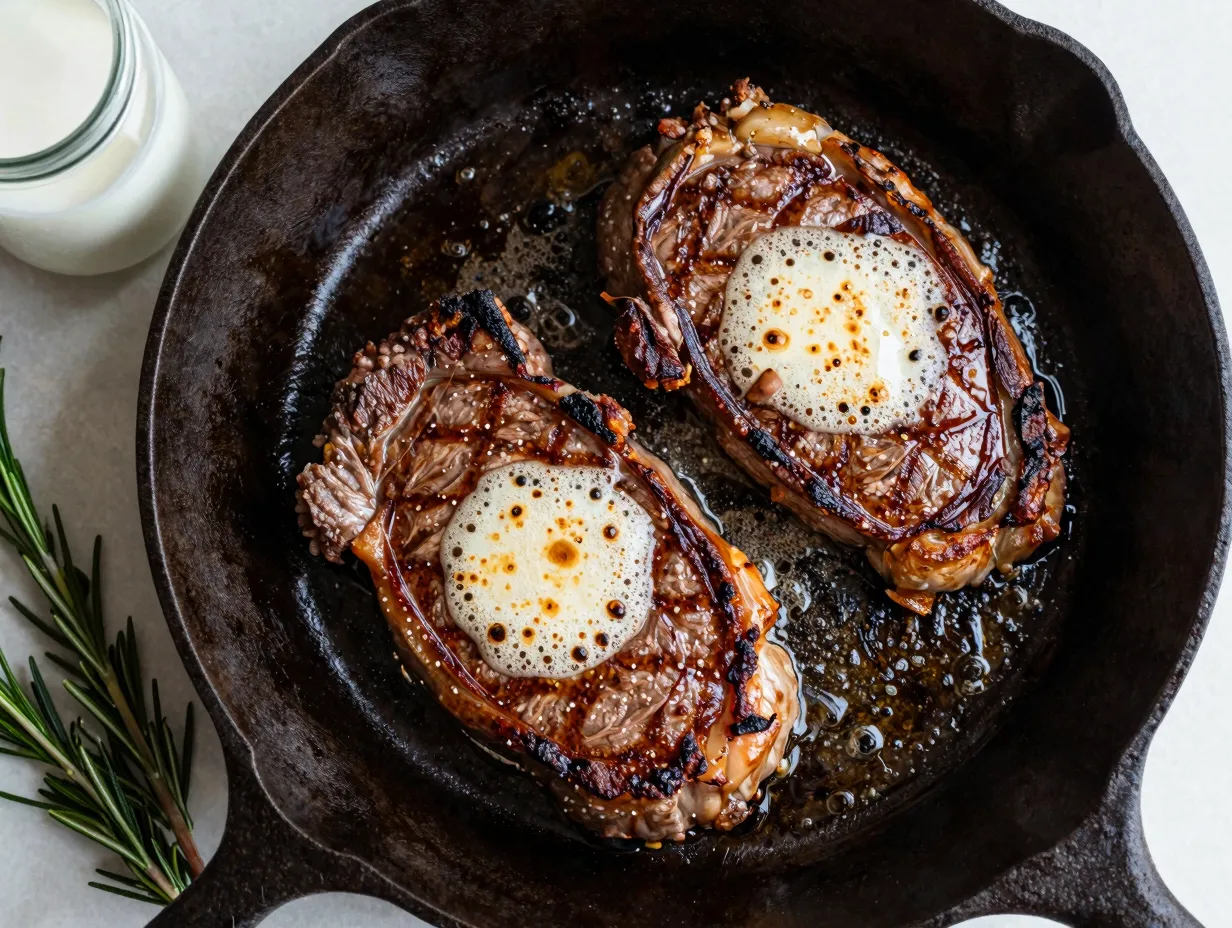
Buttermilk is one of the most effective natural tenderizers for wild game. Its lactic acid gently breaks down muscle proteins without turning the meat mushy, which is a common problem with highly acidic marinades left too long.
Key ingredients:
- 4 venison steaks (backstrap or round), about 6 oz each
- 2 cups buttermilk
- 1 teaspoon garlic powder
- 1 teaspoon onion powder
- 1 teaspoon smoked paprika
- Salt and black pepper to taste
- 2 tablespoons butter
Method: Submerge steaks in buttermilk seasoned with garlic powder, onion powder, and paprika. Refrigerate for 8-12 hours. Remove, pat completely dry, and season with salt and pepper. Sear in a hot cast iron skillet with butter for 3-4 minutes per side. Rest 5 minutes before serving.
Why it works: The lactic acid in buttermilk tenderizes without over-softening, and the milk solids create a beautiful golden crust during searing.
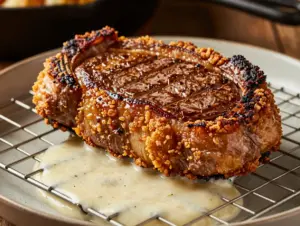
2. Pounded and Breaded Country-Fried Venison Steak
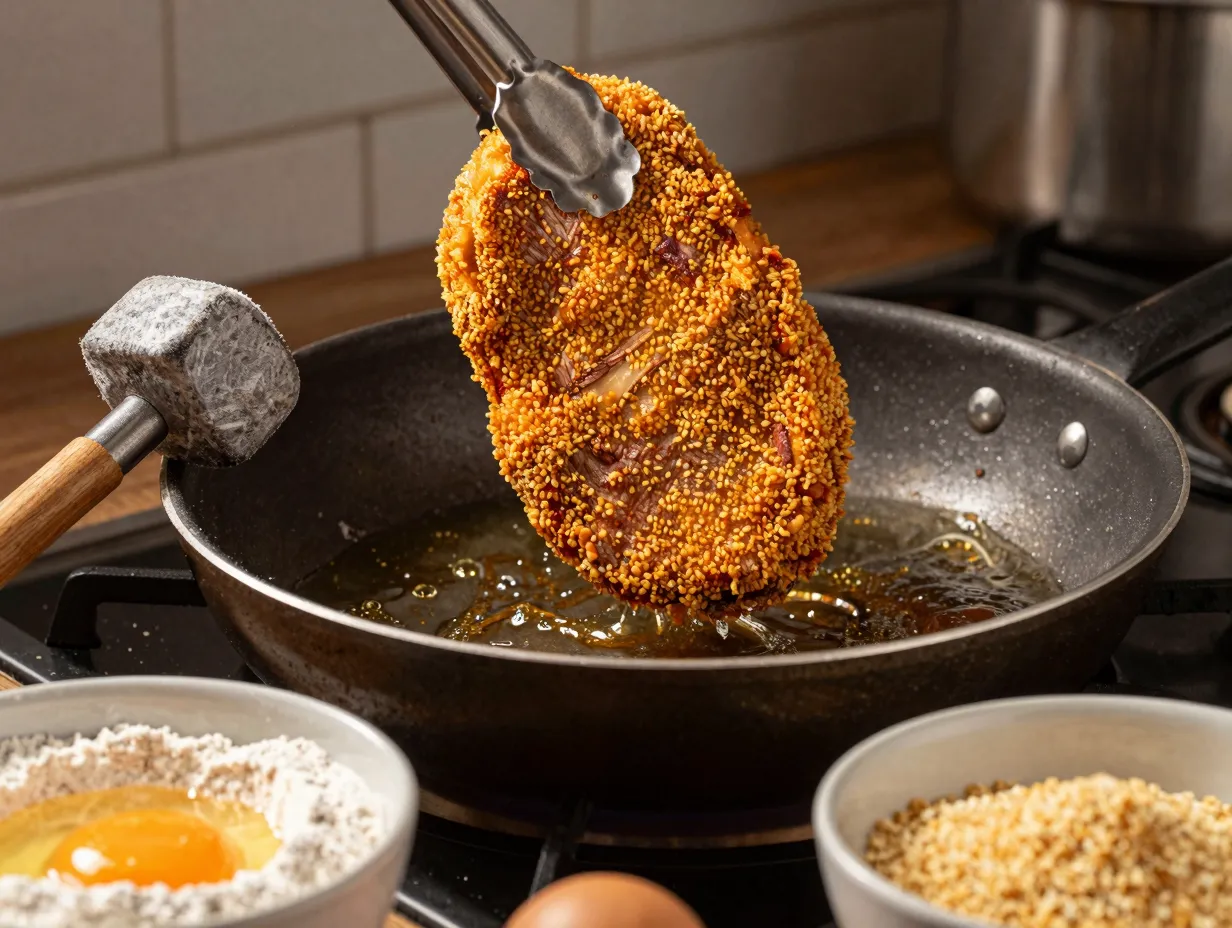
Country-fried venison steak is arguably the most popular way to prepare tough cuts like round steak. Mechanical tenderizing with a meat mallet physically breaks down the dense muscle fibers before breading and frying.
Key ingredients:
- 4 venison round steaks, 1/2 inch thick
- Meat mallet
- 1 cup all-purpose flour
- 2 eggs, beaten
- 1 cup seasoned breadcrumbs
- 1 teaspoon cayenne pepper
- Salt, pepper, garlic powder
- Vegetable oil for frying
- White gravy for serving
Method: Place steaks between plastic wrap and pound to 1/4 inch thickness using the textured side of a meat mallet. Season flour with salt, pepper, garlic, and cayenne. Dredge steaks in flour, dip in egg wash, then coat in breadcrumbs. Fry in 350-degree oil for 3-4 minutes per side until golden. Serve with white gravy.
Pro tip: Double-dredge (flour, egg, flour again) for an extra-thick, crunchy crust that stays crispy longer.
3. Red Wine and Rosemary Overnight Marinated Venison Steak
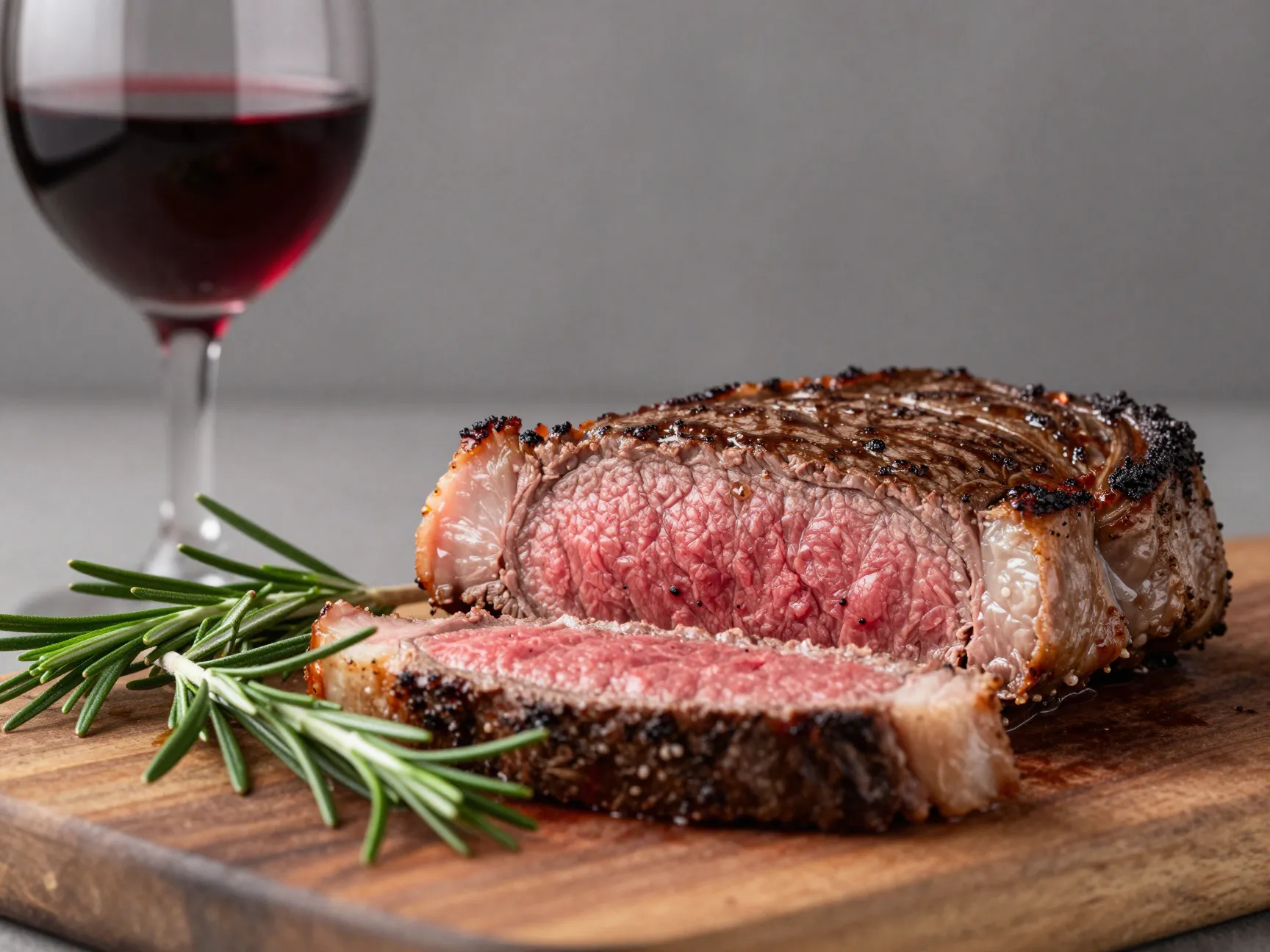
Red wine contains tartaric acid and tannins that penetrate deep into venison muscle fibers, tenderizing while simultaneously adding complex, earthy flavor. This recipe suits backstrap or sirloin cuts particularly well.
Key ingredients:
- 4 venison steaks, 1 inch thick
- 1 cup dry red wine (Cabernet Sauvignon or Merlot)
- 3 cloves garlic, minced
- 2 sprigs fresh rosemary
- 2 tablespoons olive oil
- 1 tablespoon Worcestershire sauce
- Salt and cracked black pepper
Method: Combine wine, garlic, rosemary, olive oil, and Worcestershire. Marinate steaks for 12-24 hours in the refrigerator. Remove, pat dry, and grill over high heat for 4-5 minutes per side. Target an internal temperature of 135 degrees Fahrenheit for medium-rare. Rest 5-7 minutes before slicing.
Flavor note: The wine reduces residual gaminess in wild venison, making this recipe especially useful for older bucks harvested during the rut.
4. Pineapple Enzyme Marinade Venison Steak
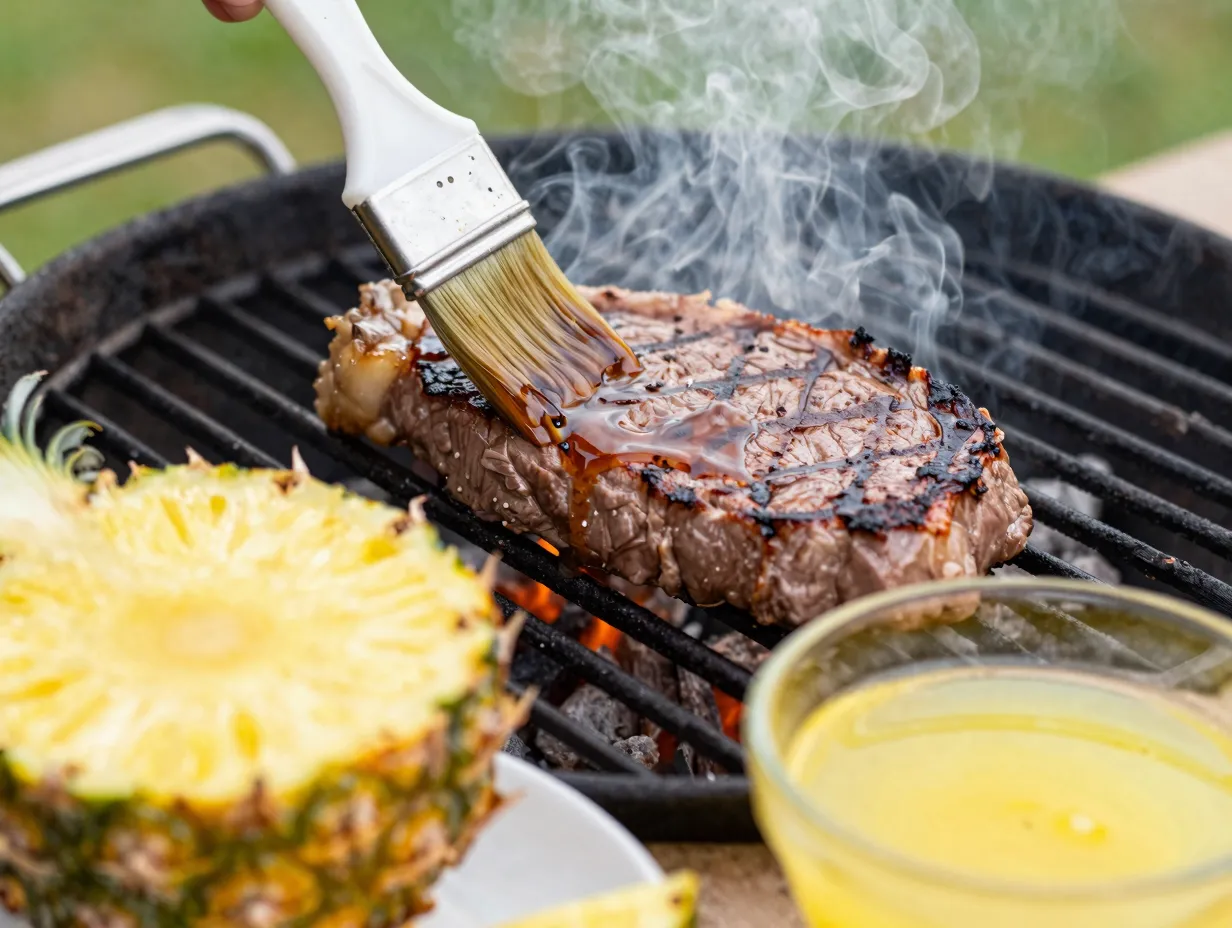
Fresh pineapple contains bromelain, a proteolytic enzyme that aggressively breaks down protein bonds in meat. This method works extremely fast, 30 to 60 minutes is often enough to transform a tough cut.
Key ingredients:
- 4 venison steaks
- 1/2 cup fresh pineapple juice (not canned, canned juice is heat-treated and loses enzyme activity)
- 2 tablespoons soy sauce
- 1 tablespoon brown sugar
- 1 teaspoon ginger, grated
- 2 cloves garlic, minced
- Sesame oil for finishing
Method: Combine pineapple juice, soy sauce, brown sugar, ginger, and garlic. Marinate steaks for 30-60 minutes only. Do not exceed 90 minutes or the enzymes will over-tenderize the meat, creating a mushy texture. Pat dry, brush with sesame oil, and grill or sear over high heat. Finish with a light glaze of the reserved marinade (boiled first for food safety).
Critical warning: Always use fresh pineapple juice. Canned or bottled pineapple juice has been pasteurized, which deactivates the bromelain enzyme and eliminates the tenderizing benefit.
5. Garlic Herb Butter-Basted Backstrap Steak
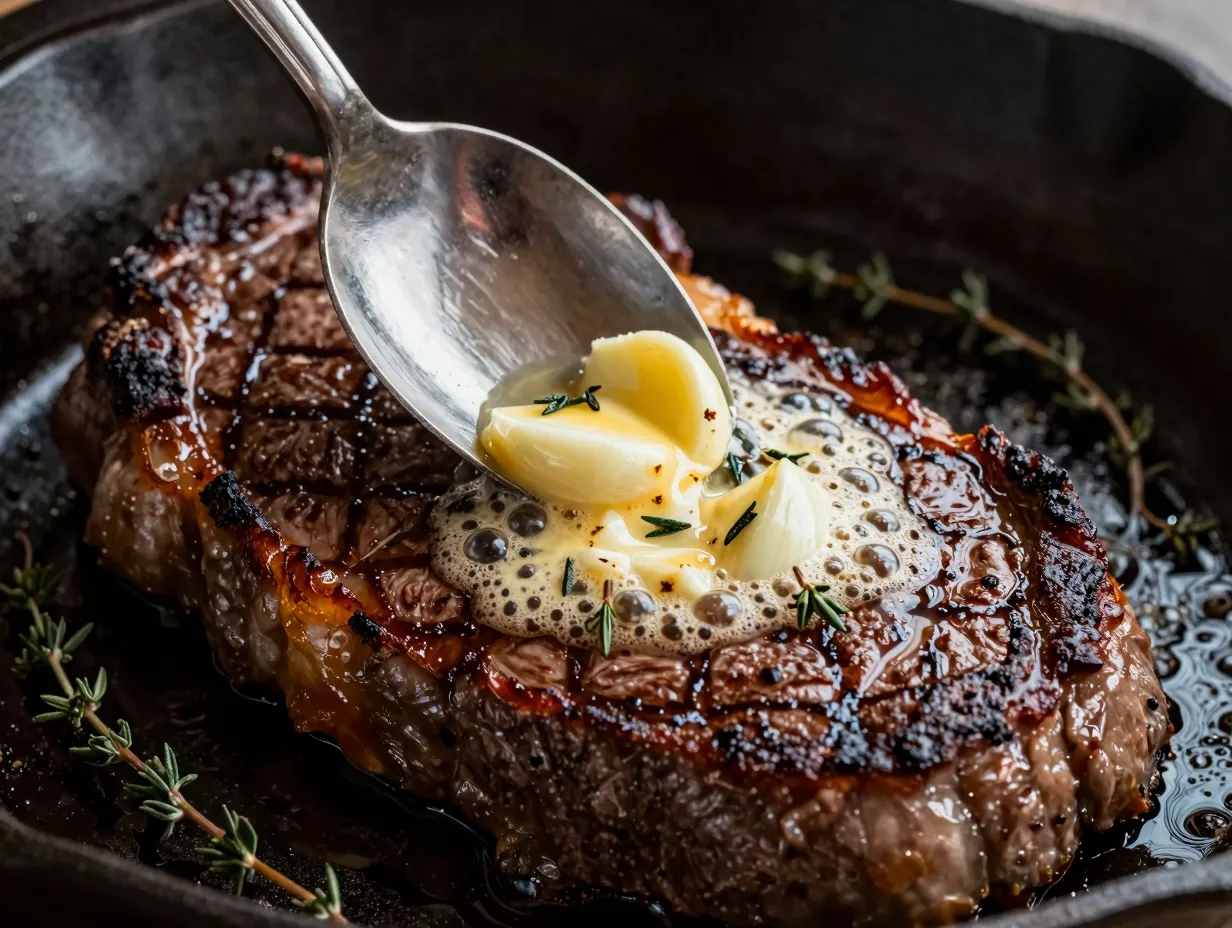
Backstrap, the loin of the deer, is the most tender cut and requires the least aggressive tenderizing. A quick pound with the smooth side of a mallet and a generous butter basting during cooking is all it needs to reach peak juiciness.
Key ingredients:
- 2 backstrap steaks, 1.5 inches thick
- 2 tablespoons olive oil
- 4 tablespoons unsalted butter
- 4 cloves garlic, smashed
- Fresh thyme and rosemary
- Salt and coarse black pepper
Method: Season backstrap generously with salt and pepper. Heat a cast iron skillet until smoking. Add olive oil, then sear steaks for 3 minutes on the first side without moving. Flip, add butter, garlic, and herbs. Tilt the pan and continuously spoon melted butter over the steak for 2-3 minutes. Pull at 130 degrees Fahrenheit for medium-rare. Rest 5 minutes.
Why backstrap is special: Backstrap contains very little connective tissue, so over-tenderizing or overcooking destroys its naturally silky texture. Treat it like a premium beef tenderloin.
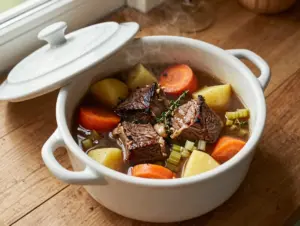
6. Slow-Braised Venison Round Steak with Mushrooms and Onions
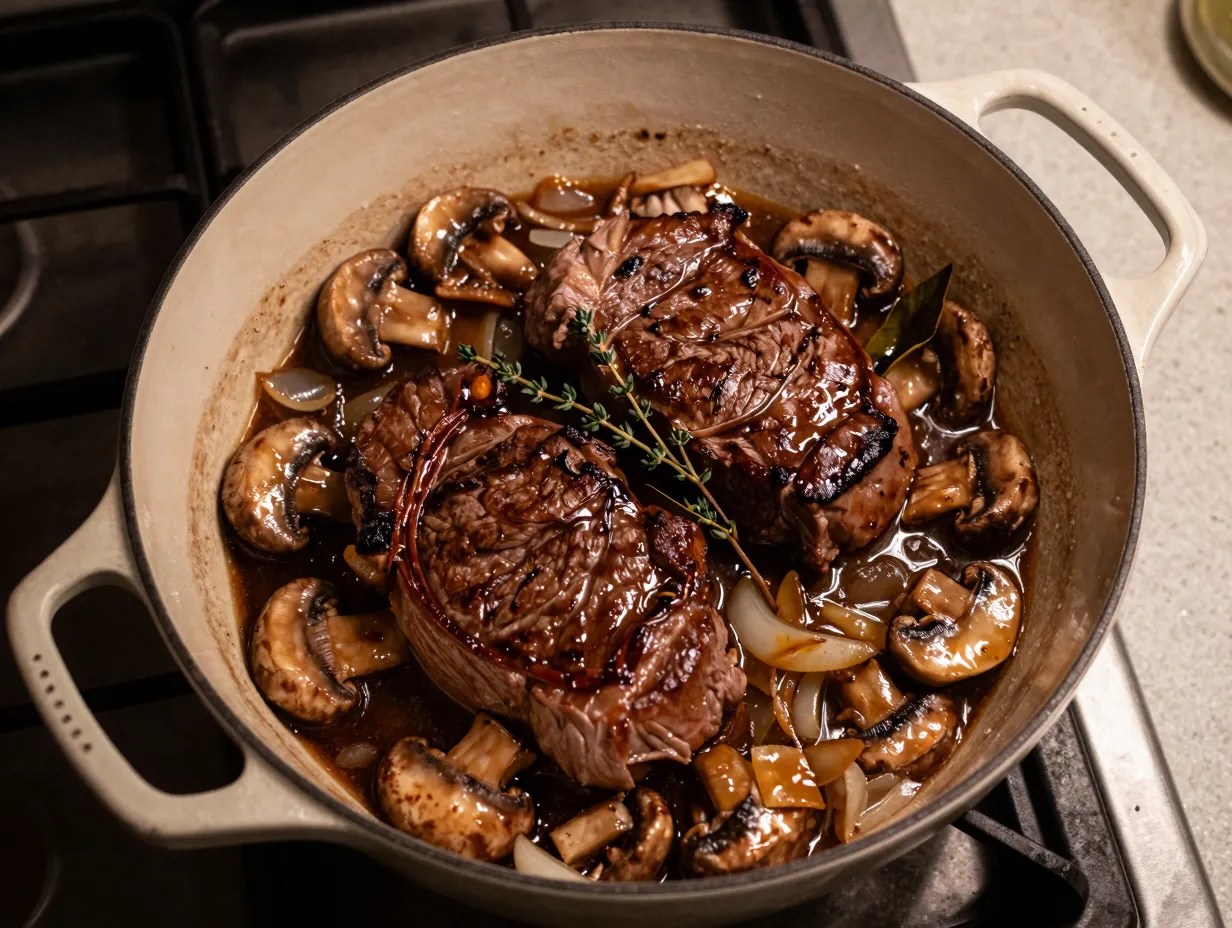
Braising is the ultimate tenderizing cooking method for tough cuts. Long, slow cooking in liquid breaks down collagen into gelatin, producing fork-tender meat with a rich, deeply savory sauce.
Key ingredients:
- 4 venison round steaks, pounded lightly
- 2 tablespoons vegetable oil
- 1 large onion, sliced
- 2 cups cremini mushrooms, sliced
- 2 cups beef broth
- 1 cup red wine
- 2 tablespoons tomato paste
- 2 cloves garlic
- Fresh thyme, bay leaves
Method: Brown steaks in oil over high heat, 2 minutes per side. Remove and set aside. Saute onions and mushrooms until softened. Add garlic, tomato paste, wine, and broth. Return steaks to the pan, cover, and braise in a 325-degree oven for 2 to 2.5 hours until completely tender. Serve over mashed potatoes or egg noodles.
Braising tip: The liquid should come halfway up the steaks, not fully cover them. Fully submerged steaks boil rather than braise, producing a less flavorful result.
7. Spicy Chimichurri Marinated Venison Steak
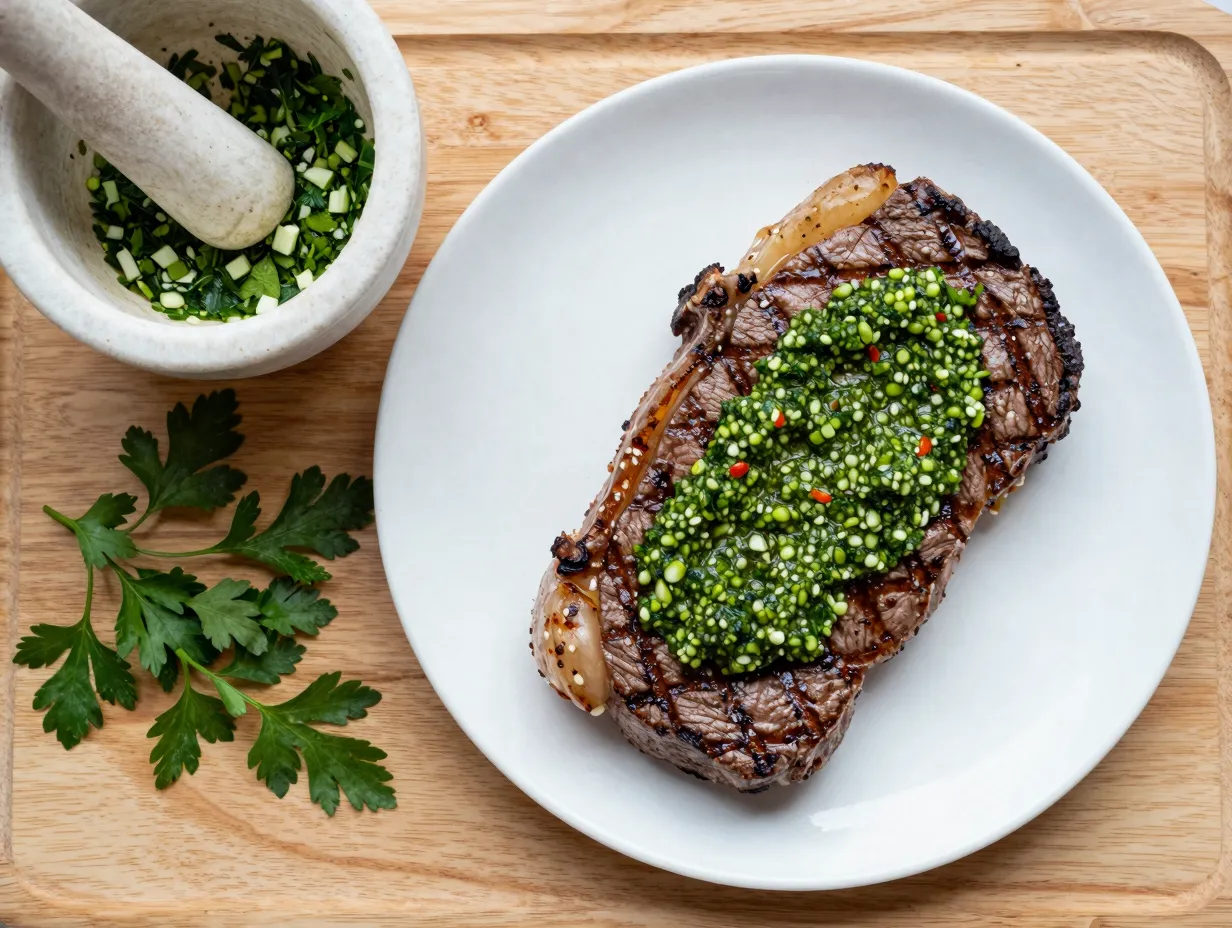
Chimichurri is a South American herb sauce traditionally served with beef, but its combination of red wine vinegar (acid tenderizer) and fresh herbs makes it an outstanding marinade and finishing sauce for venison.
Key ingredients:
- 4 venison steaks (sirloin or backstrap)
- 1 cup fresh flat-leaf parsley, packed
- 4 cloves garlic
- 1/3 cup red wine vinegar
- 1/2 cup olive oil
- 1 teaspoon red pepper flakes
- 1 teaspoon dried oregano
- Salt and pepper
Method: Blend all chimichurri ingredients in a food processor until roughly chopped (not pureed). Reserve half for serving. Use the other half as a marinade for 4-8 hours. Remove steaks, pat dry, and grill over high heat to desired doneness. Serve topped with reserved chimichurri sauce.
Flavor profile: Bright, herbaceous, and slightly spicy. The vinegar cuts through the gaminess of wild venison while the olive oil adds the fat the meat naturally lacks.
8. Bourbon and Brown Sugar Glazed Venison Steak
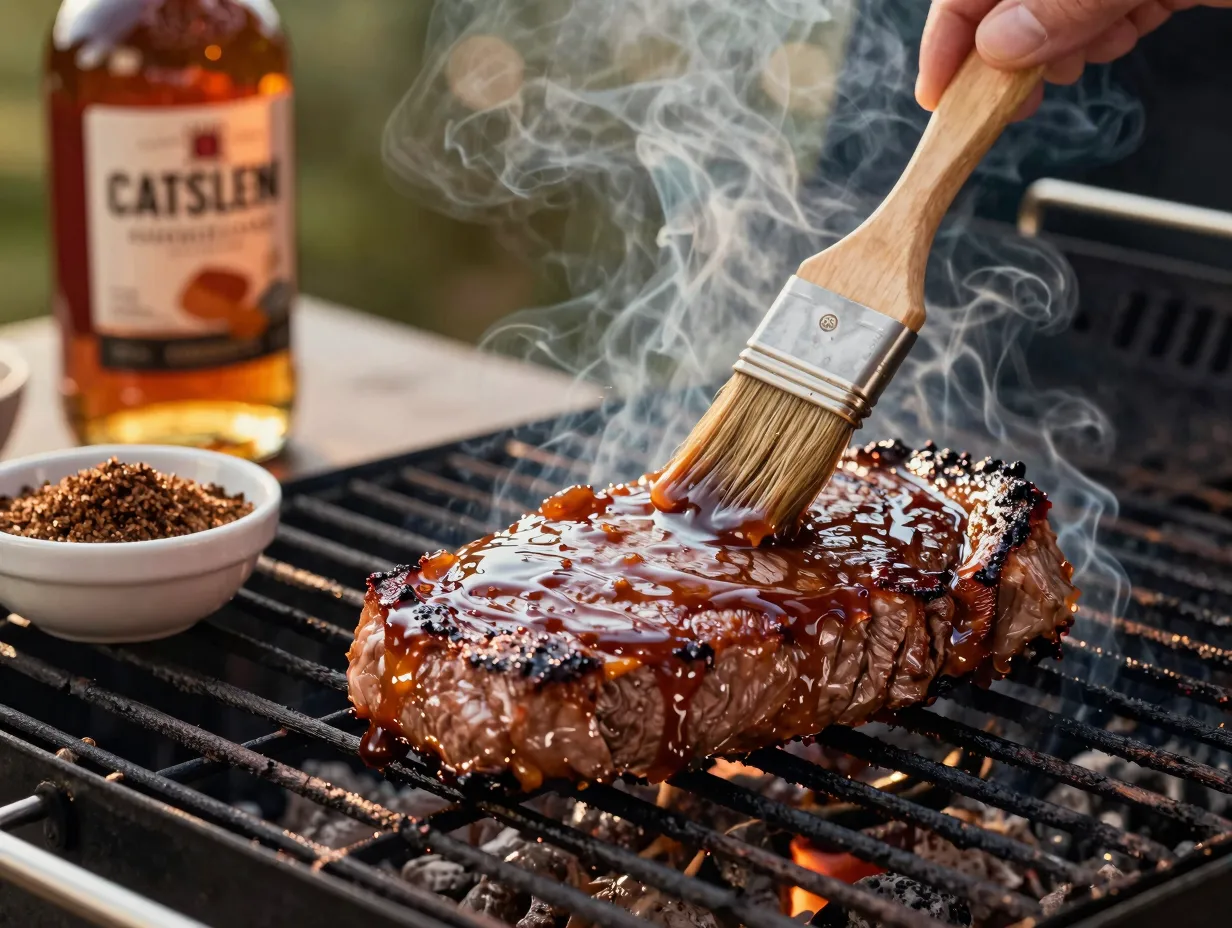
This recipe combines the tenderizing power of bourbon (alcohol helps denature proteins) with the caramelizing effect of brown sugar for a sweet, smoky glaze that pairs beautifully with venison’s earthy flavor.
Key ingredients:
- 4 venison steaks
- 1/4 cup bourbon
- 3 tablespoons brown sugar
- 2 tablespoons soy sauce
- 1 tablespoon Dijon mustard
- 2 cloves garlic, minced
- 1 tablespoon apple cider vinegar
- Butter for finishing
Method: Whisk together bourbon, brown sugar, soy sauce, mustard, garlic, and vinegar. Marinate steaks for 4-8 hours. Remove and pat dry. Grill or sear over high heat. In the final minute of cooking, brush the glaze over the steak and allow it to caramelize. Finish with a small pat of butter. Rest before serving.
Pairing suggestion: Serve alongside roasted sweet potatoes or grilled corn for a complete Southern-inspired wild game dinner.
Essential Tips for Getting the Most Juicy and Flavorful Results from All 8 Tenderized Deer Steak Recipes
Executing these 8 Tenderized Deer Steak Recipes for the Most Juicy and Flavorful Results successfully depends on a few universal principles that apply across every method.
Temperature Control Is Non-Negotiable
Rare: 120-125 degrees F, Very pink, extremely juicy
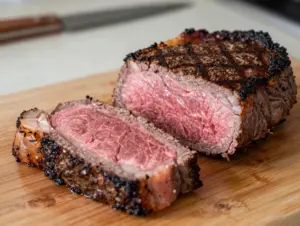
Medium-Rare: 130-135 degrees F, Pink center, ideal for backstrap
Medium: 140-145 degrees F, Slightly pink, safe and still moist
Well Done: 160+ degrees F, Gray throughout, risk of dryness
The USDA recommends cooking whole-muscle venison steaks to a minimum of 145 degrees Fahrenheit with a three-minute rest. However, many experienced venison cooks prefer medium-rare (130-135 degrees F) for backstrap and loin cuts, as these cuts dry out quickly above 140 degrees.
Always Rest the Steak
Resting allows muscle fibers to relax and reabsorb juices that migrate toward the center during cooking. Cutting a steak immediately after cooking releases those juices onto the cutting board rather than keeping them in the meat. A minimum rest of five minutes is required; seven to ten minutes is better for thicker cuts.
Add Fat to Compensate for Venison’s Leanness
Venison contains roughly 2-4 grams of fat per 100 grams, compared to 15-20 grams in a comparable beef ribeye. This is why butter basting, olive oil marinades, and bacon fat searing are so important in venison cookery. Fat carries flavor compounds and lubricates muscle fibers during cooking, directly contributing to the perception of juiciness.
Match the Tenderizing Method to the Cut
| Cut | Tenderness Level | Best Tenderizing Method | Recommended Recipe |
|---|---|---|---|
| Backstrap (Loin) | Very Tender | Light pounding, butter basting | Recipe 5 |
| Tenderloin | Very Tender | Minimal, short marinade only | Recipe 7 |
| Sirloin | Moderately Tender | Overnight acid marinade | Recipe 3 or 8 |
| Round Steak | Tough | Mechanical + braising | Recipe 2 or 6 |
| Shoulder Steak | Very Tough | Enzyme marinade + slow braise | Recipe 4 or 6 |
Avoid Overcooking at All Costs
Overcooking is the single most common mistake in venison cookery. Because venison is so lean, it transitions from perfectly juicy to dry and tough within a very narrow temperature window. Use an instant-read thermometer on every cook until the process becomes instinctive.
Frequently Asked Questions About Tenderized Deer Steak Recipes
How long should venison steak marinate?
It depends on the marinade type. Buttermilk and wine marinades work best at 8-24 hours. Enzyme-based marinades (pineapple, kiwi, papaya) should not exceed 60-90 minutes or the meat becomes mushy. Simple herb and oil marinades can safely go 24-48 hours.
Does soaking venison in milk actually tenderize it?
Soaking venison in milk or buttermilk does help tenderize the meat and reduces gamey flavor. The calcium in milk activates natural enzymes in the meat that break down proteins. It also draws out blood, which contributes to the strong flavor some people find off-putting in wild game.
What is the best cut of deer for steak?
Backstrap (loin) and tenderloin are the premium cuts for steak preparation. They are naturally tender and benefit from quick, high-heat cooking. Round steaks from the hindquarter are more economical and flavorful but require more aggressive tenderizing.
Can deer steak be cooked medium-rare safely?
Whole-muscle venison steaks (not ground) can be safely consumed at medium-rare temperatures (130-135 degrees F) by healthy adults, similar to beef. The USDA recommends 145 degrees F with a rest period as a conservative guideline. Ground venison should always be cooked to 160 degrees F.
Why does my venison steak always come out tough?
The most common causes are: insufficient tenderizing before cooking, overcooking past 145 degrees F, skipping the resting period, or using the wrong cooking method for the cut. Tough cuts like round steak need either mechanical tenderizing plus frying, or long braising, not a quick sear.
Conclusion
Mastering the 8 Tenderized Deer Steak Recipes for the Most Juicy and Flavorful Results outlined in this guide requires understanding one fundamental truth: venison rewards preparation. Unlike well-marbled beef that can tolerate a degree of neglect, deer steak demands intentional tenderizing, careful temperature management, and adequate resting time.
Actionable next steps for 2026 hunting season:
- Match the tenderizing method to the specific cut being cooked, use the cut guide table above as a reference.
- Invest in an instant-read digital thermometer and use it on every venison cook.
- Start with Recipe 5 (Garlic Herb Butter-Basted Backstrap) if working with premium cuts, and Recipe 2 (Country-Fried) or Recipe 6 (Braised) for tougher round steaks.
- Keep buttermilk and fresh pineapple on hand as the two most versatile and effective natural tenderizers for wild game.
- Never skip the resting step, five minutes of patience produces noticeably juicier results every single time.
Wild venison is one of the most nutritious, sustainable, and flavorful proteins available. With the right technique, every cut from backstrap to round steak has the potential to become the centerpiece of an outstanding meal.
References
- Savell, J. W., & Cross, H. R. (1988). The role of fat in the palatability of beef, pork, and lamb. National Research Council (US) Committee on Technological Options to Improve the Nutritional Attributes of Animal Products. National Academies Press.
- USDA Food Safety and Inspection Service. (2020). Safe minimum internal temperature chart. U.S. Department of Agriculture.
- Bekhit, A. E. D., Hopkins, D. L., Fahri, F. T., & Ponnampalam, E. N. (2013). Exogenous proteases for meat tenderization. Critical Reviews in Food Science and Nutrition, 54(8), 1012-1031.
- Campo, M. M., Nute, G. R., Hughes, S. I., Enser, M., Wood, J. D., & Richardson, R. I. (2006). Flavour perception of oxidation in beef. Meat Science, 72(2), 303-311.
- Wiklund, E., Stevenson-Barry, J. M., Duncan, S. J., & Littlejohn, R. P. (2001). Electrical stimulation of red deer (Cervus elaphus) carcasses, effects on rate of pH decline, meat tenderness, colour stability and water-holding capacity. Meat Science, 59(2), 211-220.