8 Ways To Capture The Iconic Miami Beach Aesthetic On Your Vacation
Miami Beach draws more than 24 million visitors every year, yet most leave with photos that look identical to everyone else’s, flat, overexposed, and missing the electric energy that makes this city one of the most visually distinctive destinations on earth. The difference between a forgettable vacation album and a genuinely stunning visual record of South Florida comes down to knowing exactly where to look, when to show up, and how to engage with the layers of culture, architecture, and light that define this place. These 8 Ways To Capture The Iconic Miami Beach Aesthetic On Your Vacation give travelers a practical, expert-level framework for experiencing and documenting the city at its most vivid.
Disclosure: This post contains affiliate links. As an Amazon Associate, we earn from qualifying purchases, and at no extra cost to you.
Key Takeaways
- The Miami Beach aesthetic is built on three pillars: Art Deco architecture, tropical light, and vibrant street culture, engage all three deliberately.
- Timing matters more than gear; golden hour on Ocean Drive and blue hour on the causeway produce dramatically different but equally iconic results.
- Wardrobe, color coordination, and location scouting are as important as camera settings when trying to capture the Miami look.
- Local neighborhoods beyond South Beach, Wynwood, the Design District, and Little Havana, add visual depth and authenticity to any vacation record.
- Preparation, including researching permit requirements and understanding crowd patterns, separates polished results from tourist snapshots.
Understanding the Miami Beach Visual Identity Before You Shoot
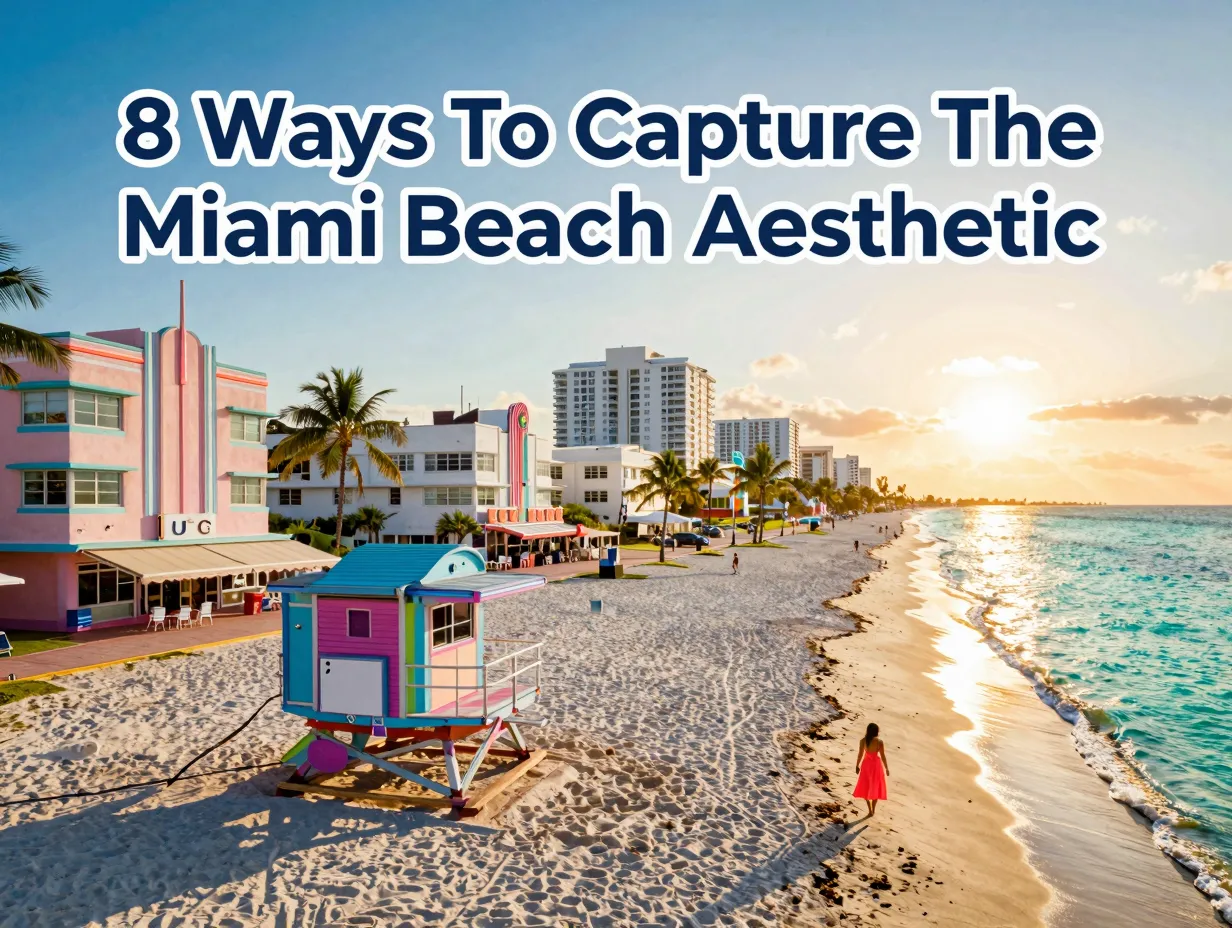
Before diving into the specific methods, it helps to understand what the Miami Beach aesthetic actually is. It is not a single image. It is a layered visual language made up of pastel-painted Art Deco facades, electric-blue water, swaying palms, neon signage, and a fashion culture that treats the street as a runway. The city sits at the intersection of Caribbean color, European glamour, and American pop culture, and that collision is visible in every block of South Beach.
Knowing this context shapes every decision a traveler makes, from the neighborhoods they visit to the clothes they pack. The goal is not simply to take photographs of Miami Beach but to immerse in its visual logic so that the aesthetic shows up naturally in every frame, every outfit choice, and every memory made.
8 Ways To Capture The Iconic Miami Beach Aesthetic On Your Vacation
1. Master the Art Deco Architecture District
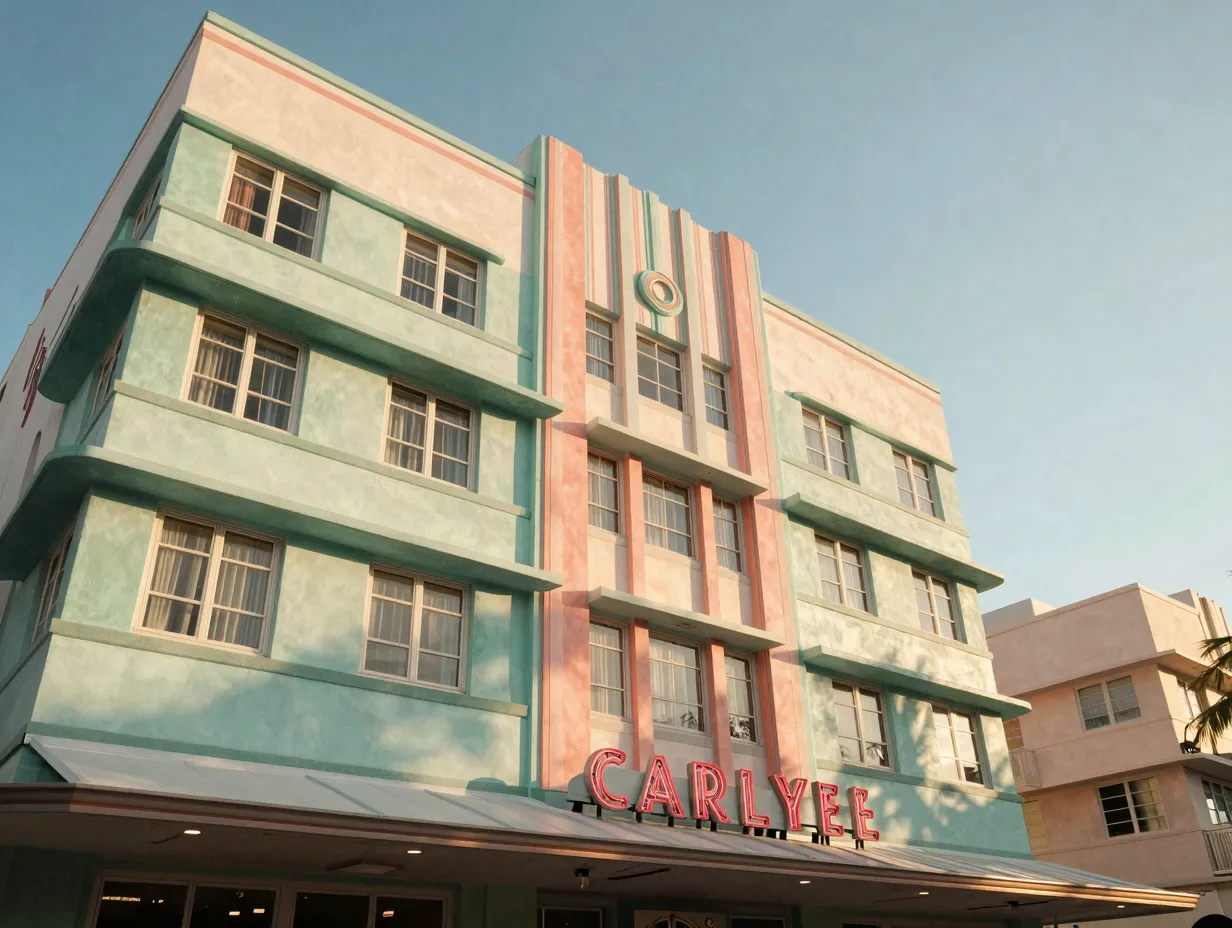
The Art Deco Historic District on Ocean Drive and Collins Avenue is the single most concentrated collection of Art Deco architecture in the world. More than 800 buildings constructed between 1923 and 1943 line these streets, featuring eyebrow shading, porthole windows, racing stripes, and pastel color schemes that photographers have been chasing for decades.
What to do:
- Walk Ocean Drive between 5th and 15th Streets at sunrise, when the light is soft and the crowds are thin.
- Position the camera low and angle upward to exaggerate the vertical geometry of the facades.
- Look for repeating architectural details, fins, friezes, and neon signage, and use them as leading lines.
- The Carlyle, The Breakwater, and The Colony Hotel are among the most photographed buildings; arrive before 7 a.m. for unobstructed shots.
| Best Time | Light Quality | Crowd Level |
|---|---|---|
| Sunrise (6-7:30 a.m.) | Soft, warm, golden | Very low |
| Mid-morning (9-11 a.m.) | Bright, high contrast | Moderate |
| Golden hour (5:30-7 p.m.) | Warm amber, long shadows | High |
| Blue hour (7-8 p.m.) | Cool, neon-lit | Moderate |
The pastel palette of these buildings, mint green, coral pink, sky blue, and cream yellow, is the chromatic foundation of the entire Miami Beach look. Coordinate outfit colors with the building being photographed for a cohesive, editorial result.
2. Embrace the Iconic Lifeguard Stands of South Beach
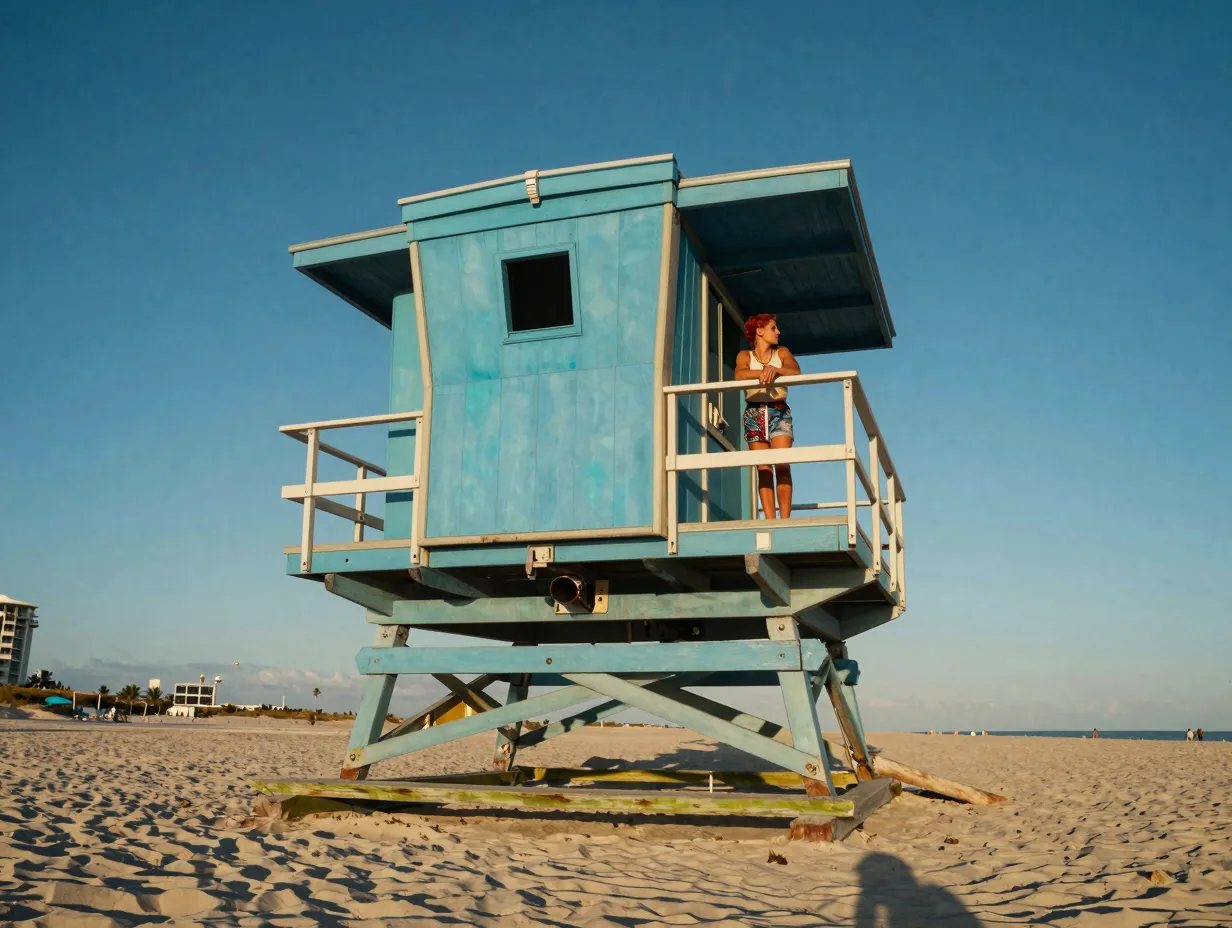
Few images say Miami Beach more immediately than the brightly painted lifeguard stands that dot the shoreline from South Pointe to 86th Street. Each stand is painted in a different bold color combination, and they have become design objects in their own right, geometric, graphic, and perfectly scaled for photography.
Practical tips:
- The stands are most accessible for photography outside of active lifeguard hours (typically before 9 a.m. and after 5 p.m. in the off-season).
- Use a wide-angle lens or phone camera in portrait orientation to capture the stand against a pure blue sky.
- Incorporate a human subject wearing a color that contrasts or complements the stand’s paint scheme.
- The stands near 10th Street and 22nd Street are among the most visually striking.
“The lifeguard stands of South Beach are not just safety infrastructure, they are public art installations that have defined the visual shorthand of Miami Beach for generations.”
The stands work especially well at golden hour when the low sun creates long shadows and saturates the paint colors. A subject leaning against the stand, looking out toward the ocean, produces the kind of effortless, sun-drenched image that defines the Miami Beach vacation aesthetic.
3. Dress the Part, Color, Cut, and Confidence
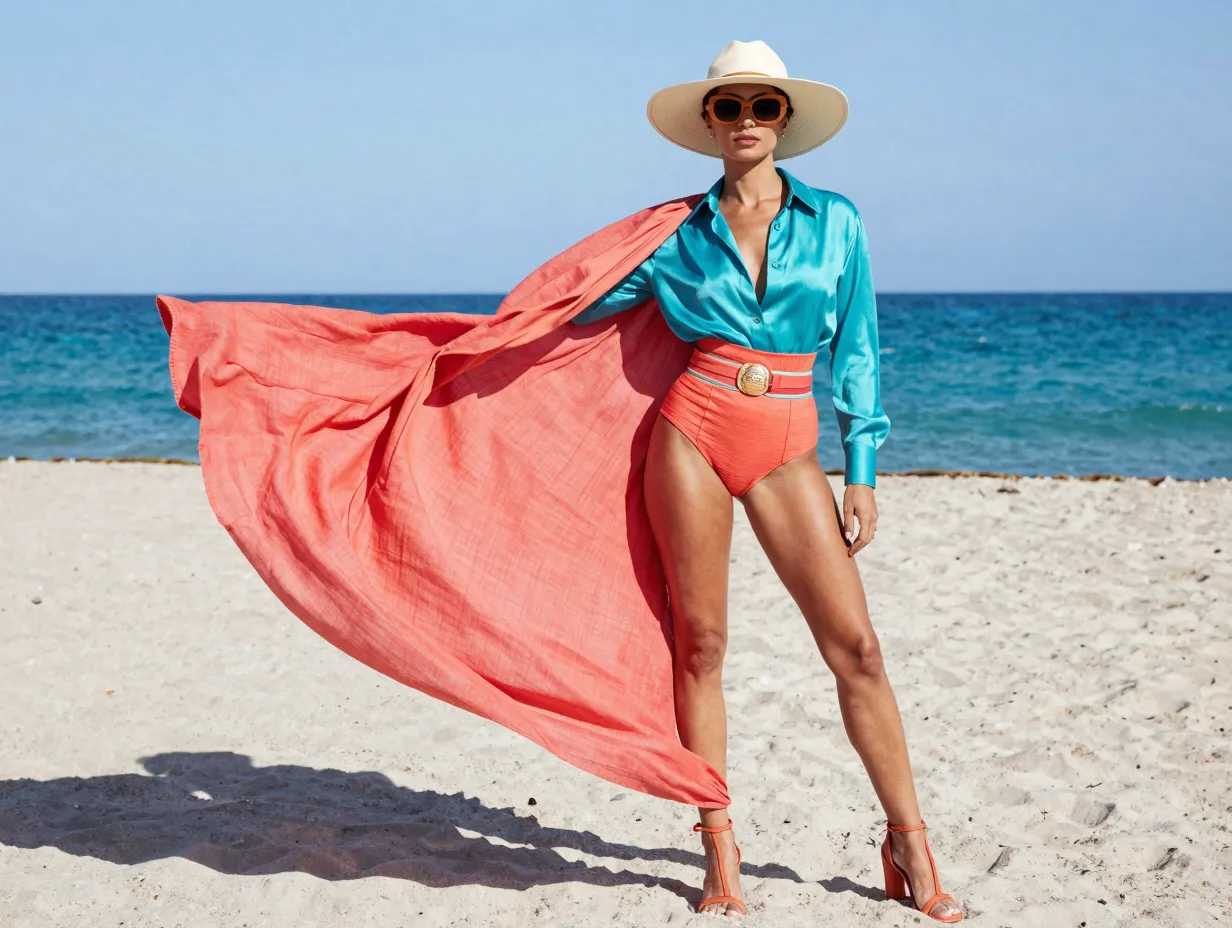
The Miami Beach aesthetic is as much about personal style as it is about location. The city has a fashion culture built on bold color, minimal coverage, and maximum confidence. Visitors who arrive in muted, conservative clothing often find that their photos feel disconnected from the environment around them.
Wardrobe strategy for capturing the Miami look:
- Pack at least two or three outfits in saturated tropical colors: coral, turquoise, canary yellow, hot pink, or electric blue.
- Linen, silk, and lightweight cotton fabrics photograph well in the heat and move naturally in the ocean breeze.
- Retro-inspired swimwear, high-waisted bottoms, structured one-pieces, and vintage trunks, reads as authentically Miami in photographs.
- Accessories matter: oversized sunglasses, wide-brimmed hats, and strappy sandals complete the visual language.
Color coordination by location:
- Pastel outfits against Art Deco buildings
- Bold primaries against white sand and blue water
- Neon accents for Wynwood Walls murals
- Earth tones and vibrant prints for Little Havana street scenes
Dressing intentionally is one of the most underrated of the 8 Ways To Capture The Iconic Miami Beach Aesthetic On Your Vacation, because it transforms the traveler from a bystander into a participant in the visual story.
4. Shoot During Golden Hour and Blue Hour
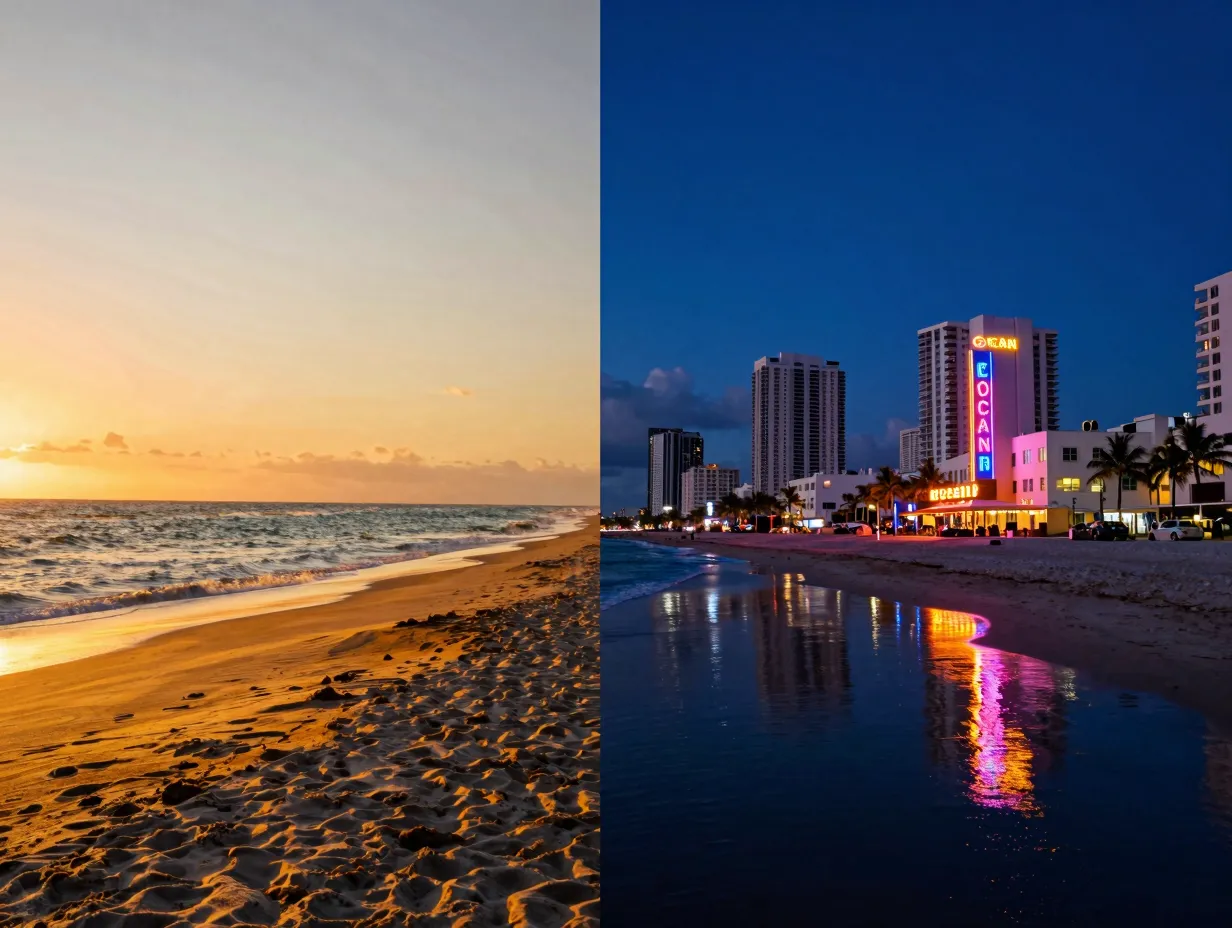
Miami’s light is genuinely different from most American cities. The subtropical latitude, the reflective surface of the Atlantic, and the humidity in the air combine to produce a quality of light that photographers describe as painterly. This effect is most dramatic during the two “magic hours” that bracket sunrise and sunset.
Golden hour (the hour after sunrise and before sunset):
- The low angle of the sun creates long, warm shadows across the beach and architecture.
- Skin tones glow amber and bronze, requiring no filter or post-processing.
- The ocean shifts between deep teal and liquid gold depending on the angle.
Blue hour (the 20-30 minutes after sunset):
- The sky turns a deep cobalt that perfectly balances the warm neon of Ocean Drive signage.
- Reflections on wet sand and puddles double the visual impact of the scene.
- This is the ideal time to photograph the causeway bridges and the Miami skyline from South Beach.
A practical schedule for a single day of optimal shooting:
- 6:00 a.m., Arrive at Ocean Drive for sunrise architecture shots
- 7:00 a.m., Move to the beach for water and lifeguard stand photography
- 5:30 p.m., Return to Ocean Drive for golden hour portraits
- 7:00 p.m., Walk to the water’s edge for blue hour skyline and neon reflections
5. Explore Wynwood for Street Art and Urban Texture
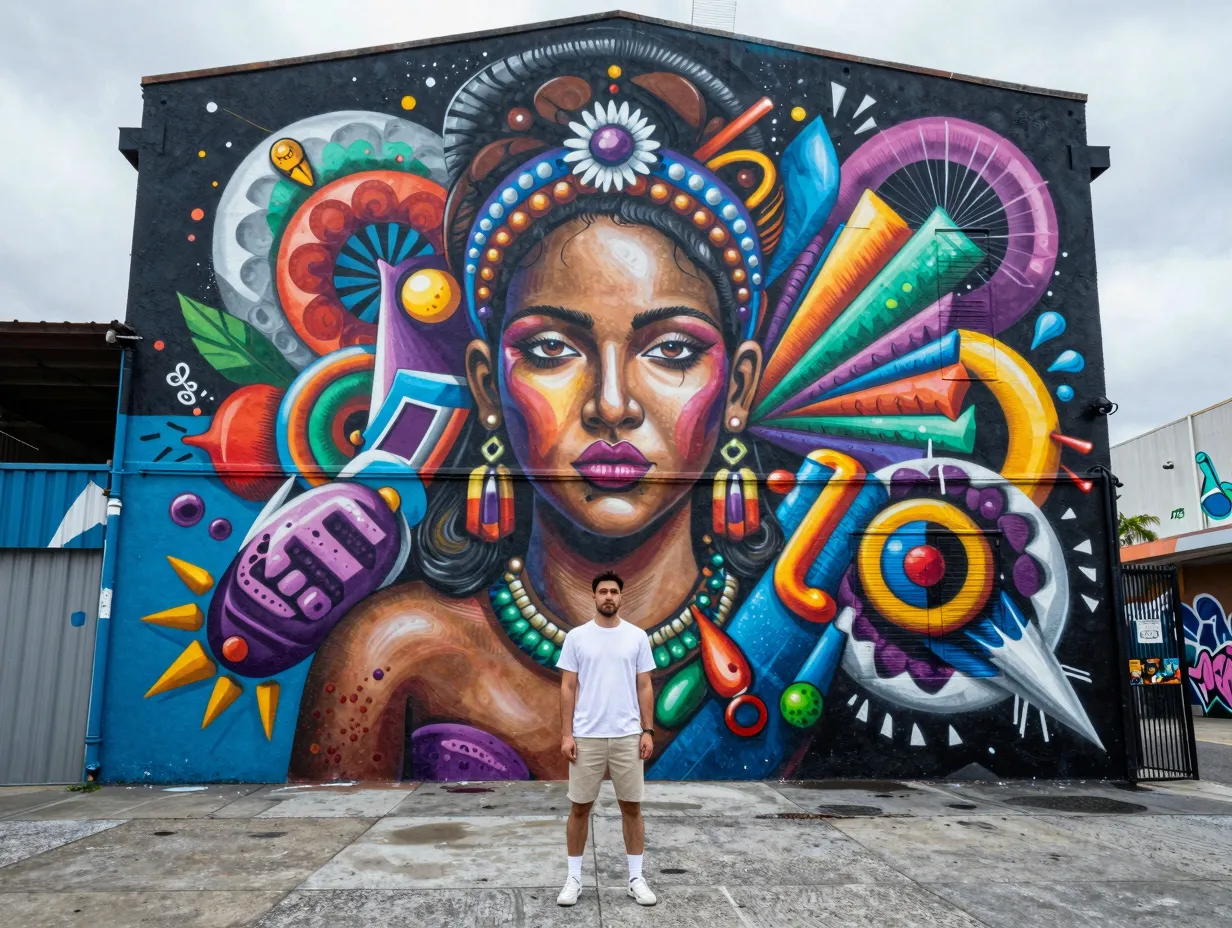
South Beach is the most famous face of Miami Beach, but the Wynwood Arts District, located on the mainland just across the MacArthur Causeway, adds a layer of urban grit and contemporary creativity that enriches any visual record of the Miami experience. The Wynwood Walls, a curated outdoor museum of large-scale murals by internationally recognized street artists, is one of the most photographed locations in all of Florida.
How to get the most from Wynwood:
- Visit on weekday mornings (before 10 a.m.) to avoid crowds that accumulate by mid-morning.
- The murals change periodically, so research which artists are currently featured before visiting.
- Use the murals as backgrounds for portraits, positioning subjects at least 6-8 feet from the wall to keep the full design visible.
- The surrounding streets of Wynwood, NW 2nd Avenue, NW 24th Street, are lined with additional murals, galleries, and painted warehouses.
Contrast is the key visual strategy in Wynwood. A subject in a clean, simple outfit against a wildly complex mural creates a tension that is immediately compelling. Wynwood also offers excellent opportunities for detail shots: close-up textures of spray paint, stencil work, and wheat-paste layers that tell a story about the neighborhood’s creative energy.
6. Incorporate the Water, Ocean, Bay, and Pool
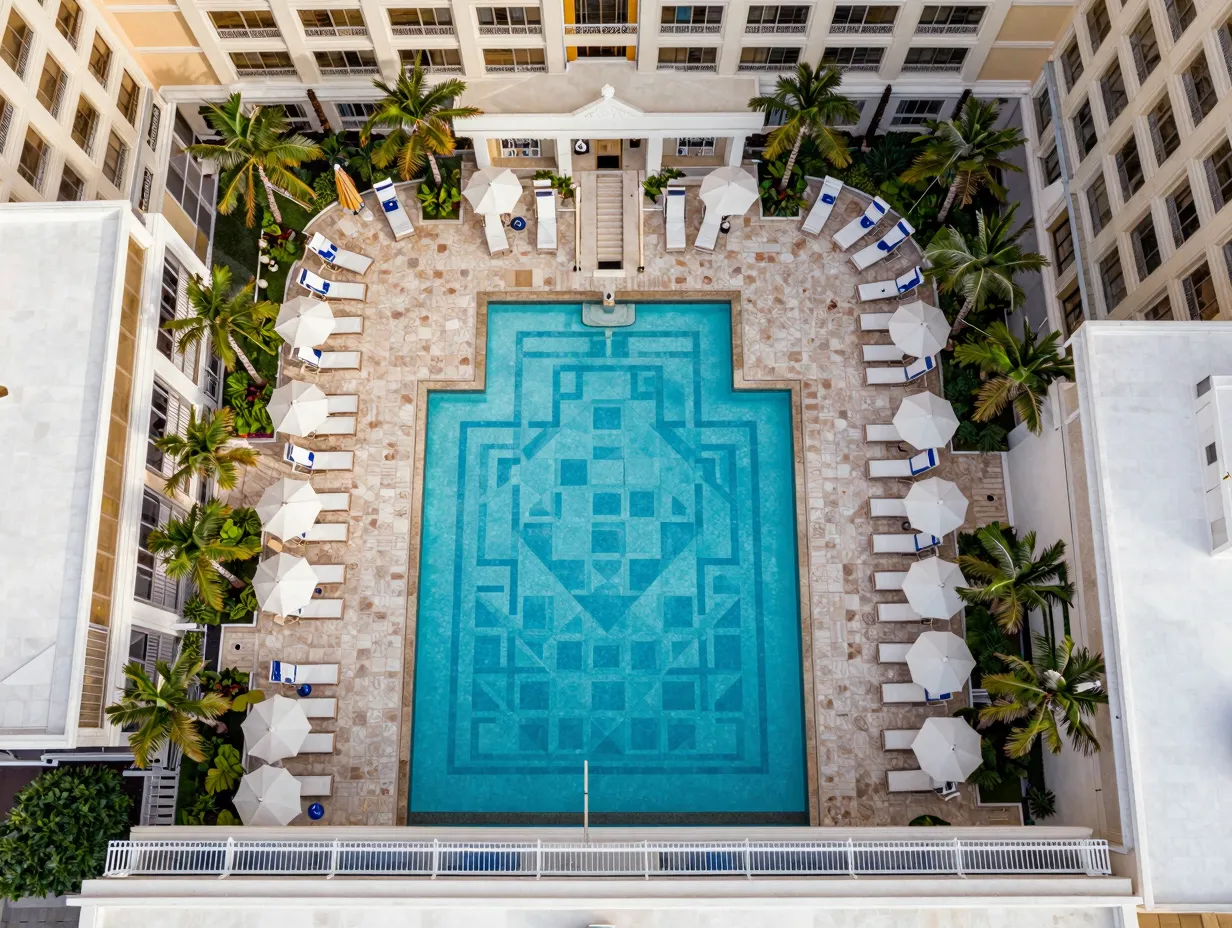
Water is the defining natural element of the Miami Beach aesthetic, and it appears in three distinct forms: the Atlantic Ocean, Biscayne Bay, and the legendary hotel pools that line Collins Avenue.
The Atlantic Ocean:
- Shoot from the waterline looking back toward the beach for a perspective that puts the city in context.
- Early morning produces glassy, calm water with minimal wave interference.
- Aerial drone photography (check FAA regulations and local ordinances before flying) reveals the stunning gradient from shallow turquoise to deep blue.
Biscayne Bay:
- The western side of Miami Beach faces the bay and the Miami skyline, a completely different visual from the ocean side.
- Sunset from the bay side produces dramatic silhouettes of the downtown skyline.
- Paddleboarding or kayaking on the bay creates dynamic, active imagery.
Hotel pools:
- The iconic pools of the Delano, the Fontainebleau, and the W South Beach are architectural statements as much as amenities.
- Many hotels offer day passes that grant access to their pools and beach clubs.
- Photograph from above (a balcony or mezzanine level) to capture the graphic geometry of pool tiles, lounge chairs, and umbrellas.
“In Miami Beach, water is not the backdrop, it is the subject. Every image that excludes water misses something essential about what makes this place feel the way it does.”
7. Visit Little Havana for Authentic Cultural Depth
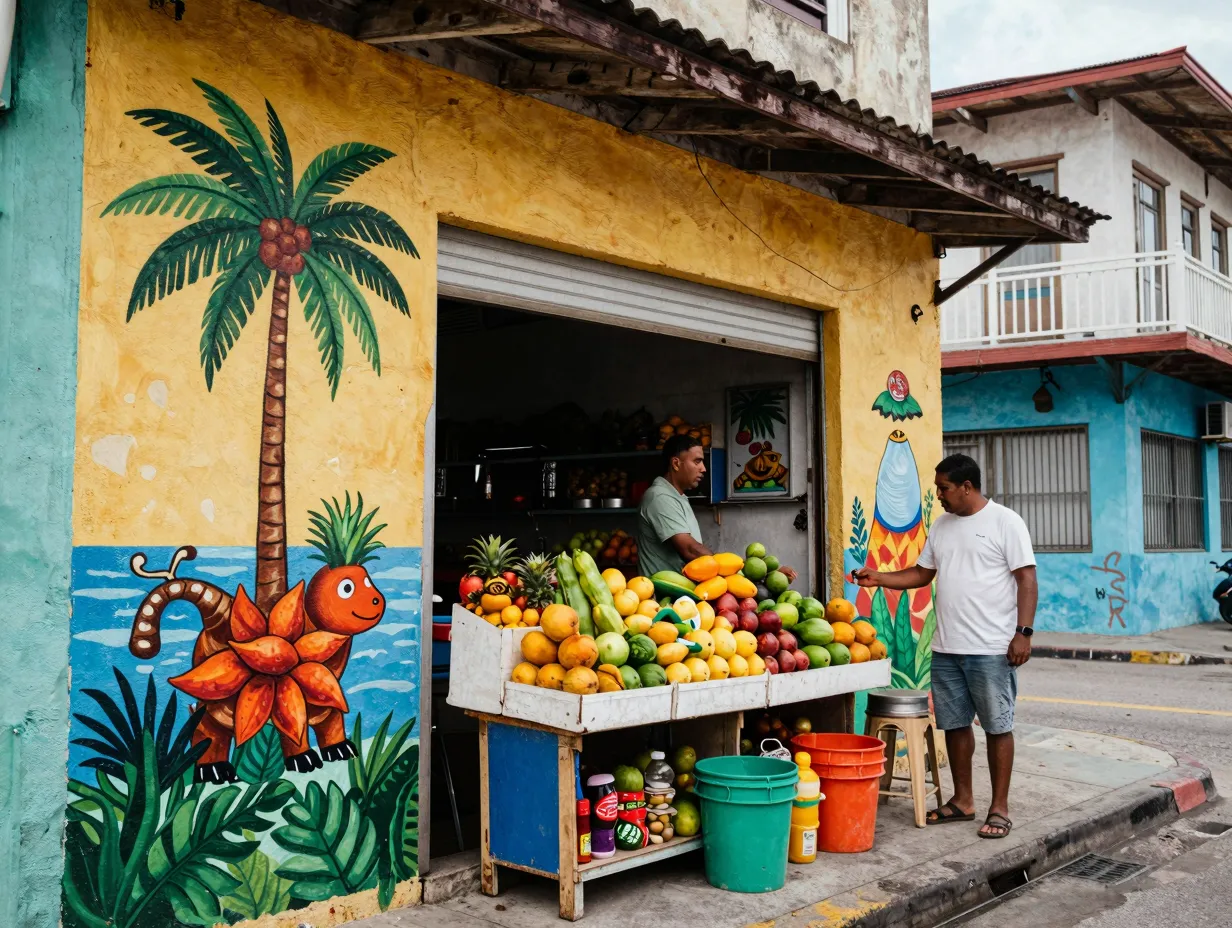
The 8 Ways To Capture The Iconic Miami Beach Aesthetic On Your Vacation would be incomplete without acknowledging the Cuban and Latin American cultural heritage that gives Miami its soul. Little Havana, centered on Calle Ocho (SW 8th Street), is a living neighborhood where dominoes are played in Maximo Gomez Park, hand-rolled cigars are made in storefronts, and the smell of Cuban coffee drifts from every ventanita.
What to photograph in Little Havana:
- The murals and painted storefronts along Calle Ocho, which rival Wynwood in color intensity.
- The domino players at Maximo Gomez Park, always ask permission before photographing individuals.
- The Calle Ocho Walk of Fame stars embedded in the sidewalk.
- Fruit stands, flower shops, and botanicas with their vivid displays of color.
Cultural sensitivity note: Little Havana is a working neighborhood, not a theme park. Approach residents with respect, ask before photographing people, and support local businesses by purchasing something rather than simply using the neighborhood as a backdrop.
The contrast between Little Havana’s warm, lived-in texture and South Beach’s polished glamour is itself a story worth telling, and it makes any vacation visual record richer and more honest.
8. Use the Right Gear and Settings for the Miami Light
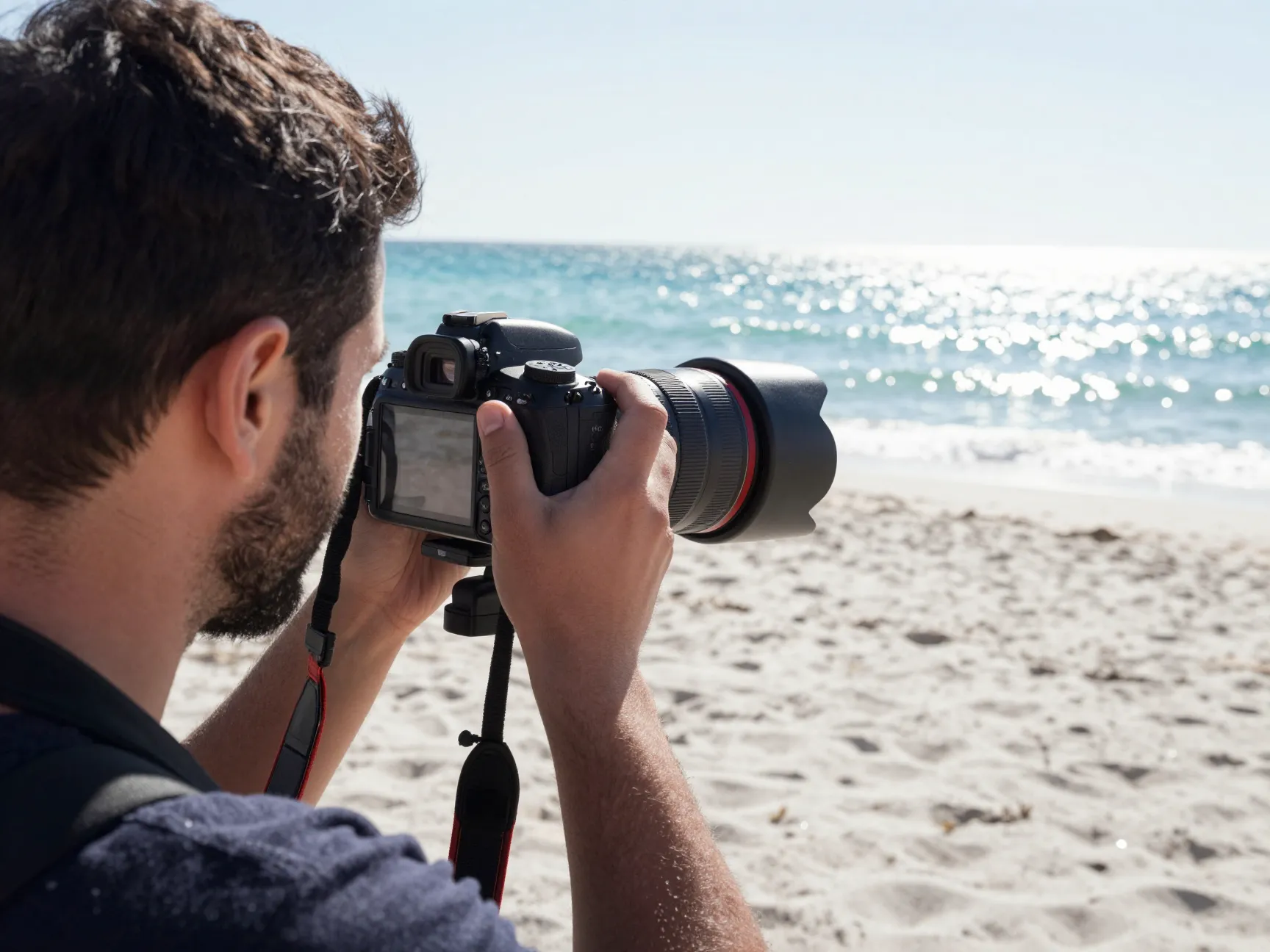
Miami’s intense subtropical light is beautiful but technically demanding. The combination of bright sun, reflective water, white sand, and pale building facades creates exposure challenges that can wash out detail and flatten color if not managed correctly.
Camera settings for Miami Beach conditions:
- Shoot in RAW format to preserve maximum dynamic range for post-processing.
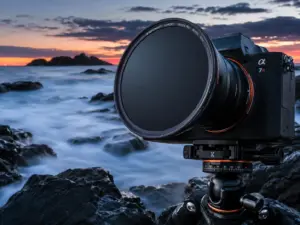
- Use a polarizing filter to cut glare from water and sand, deepening the blue of the sky.
- Set exposure compensation to -0.3 to -0.7 stops in bright midday conditions to protect highlights.
- For beach portraits, use fill flash or a reflector to eliminate harsh facial shadows caused by overhead sun.
Smartphone photography tips:
- Use HDR mode sparingly, it can flatten the dramatic contrast that makes Miami images pop.
- The native portrait mode on current flagship phones handles Miami’s bright backgrounds well.
- Third-party apps like Lightroom Mobile allow manual control over exposure, white balance, and focus.
- Shoot toward the light (backlit subjects) for a sun-flare, hazy aesthetic that reads as authentically Miami.
Post-processing the Miami look:
| Adjustment | Direction | Effect |
|---|---|---|
| Highlights | Pull down slightly | Recover sky and water detail |
| Shadows | Lift slightly | Open up dark areas without washing out |
| Vibrance | Increase moderately | Boost tropical colors naturally |
| HSL, Aqua/Teal | Increase saturation | Deepen ocean and sky tones |
| HSL, Orange | Increase luminance | Warm skin tones in golden light |
| Clarity | Add subtly | Sharpen architectural texture |
The goal in post-processing is not to manufacture a Miami look but to recover what the camera’s sensor compressed, the full range of color and light that the eye actually perceived on location.
Planning Your Trip for Maximum Visual Impact
Knowing the 8 Ways To Capture The Iconic Miami Beach Aesthetic On Your Vacation is most useful when paired with smart trip planning. A few logistical considerations make a significant difference in results.
Best time of year to visit:
- November through April is peak season, drier, cooler (mid-70s to low 80s Fahrenheit), and less humid.
- May through October brings summer heat, afternoon thunderstorms, and hurricane season risk, but also fewer crowds and lower hotel rates.
- Art Basel Miami Beach (early December) transforms the city into a global art event, adding extraordinary visual content but also significant crowds.
Neighborhoods to prioritize:
- South Beach (Art Deco District, Ocean Drive, Lincoln Road)
- Mid-Beach (Fontainebleau area, 41st Street corridor)
- Wynwood (mainland, 10-15 minutes from South Beach)
- Little Havana (mainland, 20-25 minutes from South Beach)
- Design District (mainland, luxury retail and public art installations)
Permit and access considerations:
- Commercial photography and video production on Miami Beach public property requires a permit from the Miami Beach Film and Print Office.
- Personal/vacation photography does not require a permit.
- Drone flights are heavily restricted over South Beach and require FAA authorization.
- Many hotel pools require either a room reservation or a paid day pass for access.
Transportation tips:
- The South Beach Local bus circulates along Washington Avenue and Collins Avenue for a flat fare.
- Citi Bike stations are available throughout South Beach and are ideal for moving between shooting locations quickly.
- Rideshare services are reliable but surge during Art Basel and major events.
Conclusion
The visual power of Miami Beach is real, but it does not reveal itself automatically to every visitor. It rewards preparation, timing, and genuine engagement with the city’s layered identity. These 8 Ways To Capture The Iconic Miami Beach Aesthetic On Your Vacation, from mastering the Art Deco District at sunrise to dressing intentionally for the camera to exploring the cultural depth of Little Havana, form a complete framework for experiencing and documenting one of the world’s most photogenic destinations.
Actionable next steps for your 2026 Miami Beach trip:
- Build a shot list using the locations and timing recommendations in this guide before departure.
- Research current Wynwood Walls artists and plan the visit for a weekday morning.
- Pack at least two outfits in saturated tropical colors specifically for photography sessions.
- Download Lightroom Mobile and practice the post-processing adjustments described above using existing photos before the trip.
- Book accommodations on or near Ocean Drive to minimize travel time during golden hour windows.
- Check the Miami Beach Film and Print Office website for any event-related restrictions on public photography during your travel dates.
Miami Beach in 2026 remains one of the most visually rich environments in North America. The travelers who leave with genuinely iconic images are the ones who arrive knowing exactly what they are looking for, and this guide provides the map.