Winter Survival List Must-Haves for Cold-Weather Fishing Trips
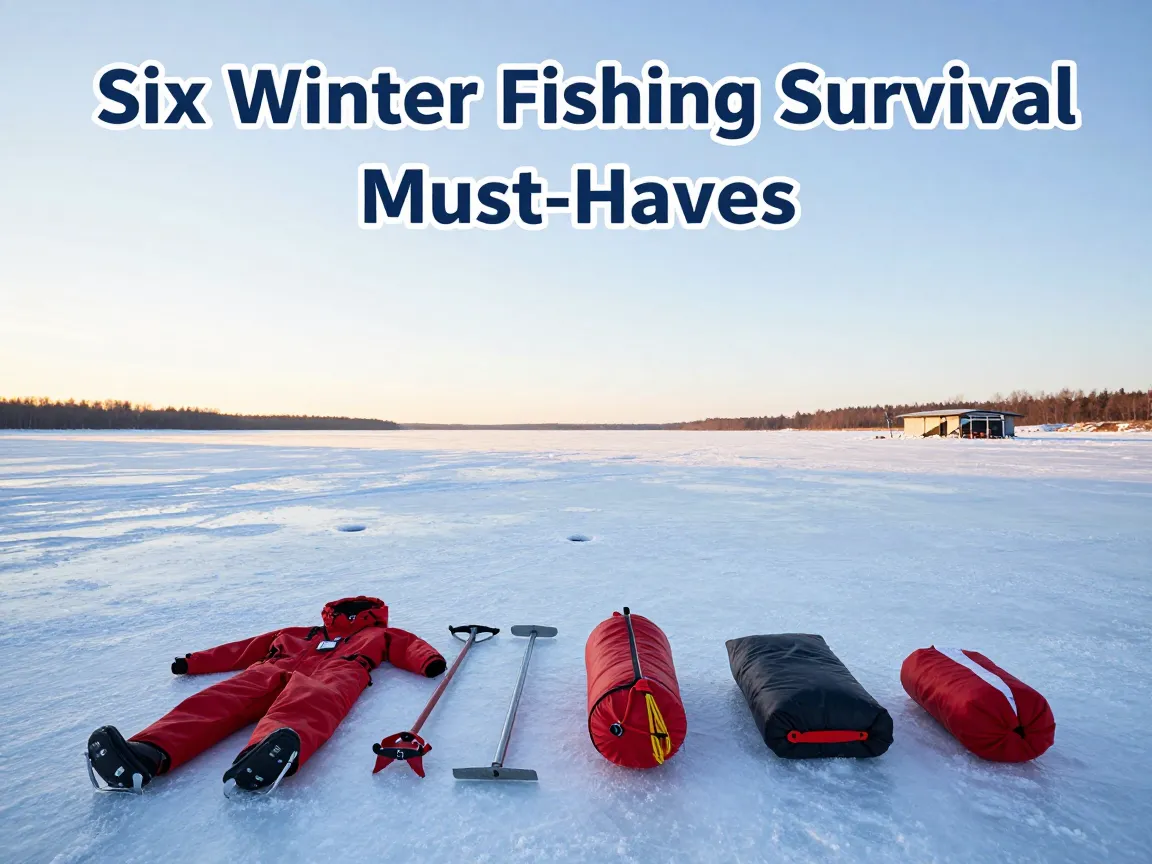
Cold exposure kills faster than most anglers expect. Water at 32°F (0°C) can cause cold-water shock within seconds and render a person unable to swim within minutes, yet thousands of ice and open-water winter anglers head out each season without the gear that changes those odds. The 6 Winter Survival List Must-Haves for Cold-Weather Fishing Trips covered here are not comfort upgrades. Each one addresses a documented survival gap: flotation, self-rescue, ice assessment, partner rescue, thermal protection, and emergency response. Get these six right before worrying about anything else in your kit.
Disclosure: This post contains affiliate links. As an Amazon Associate, we earn from qualifying purchases, and at no extra cost to you.
Key Takeaways
- A personal flotation device or float suit is the single item with the greatest impact on cold-water survival odds, wear it, do not store it.
- Ice picks and cleats work only when they are on your body, not buried in a pack.
- Four inches of clear, solid ice is widely cited as the minimum for a single person on foot; check thickness continuously, not just at the launch point.
- A throw rope of at least 50 feet (15 m) lets a partner rescue you without entering the water and becoming a second victim.
- Layering works only when every layer is dry; always carry backup gloves and a dry base layer sealed in a waterproof bag.
- A compact hypothermia kit, space blanket, heat packs, dry clothes, signaling device, costs less than most fishing reels and weighs under two pounds.
1. Personal Flotation Device or Float Suit
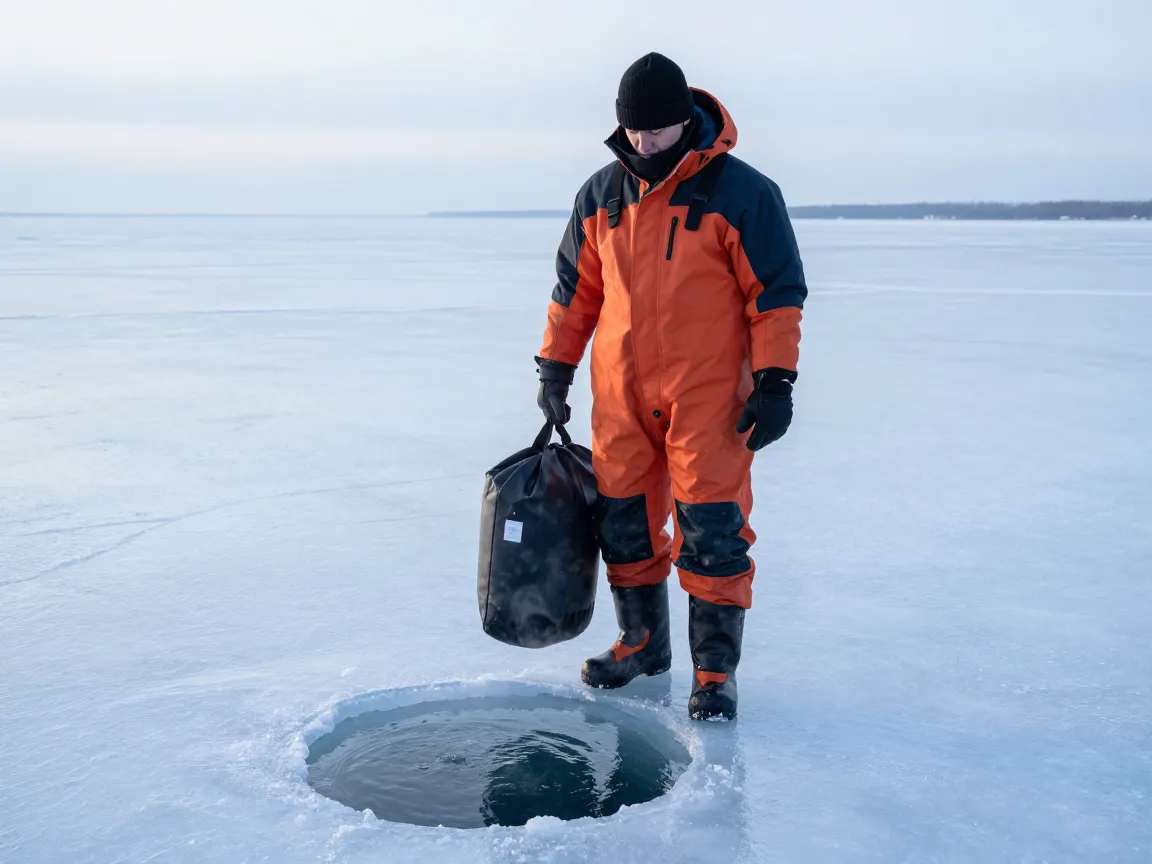
A standard life jacket rated for cold water keeps an unconscious person face-up. A float suit does that and adds thermal insulation, buying extra time before cold incapacitation sets in. The difference between wearing one and having it stowed in a sled is the difference between a recoverable fall through ice and a fatality.
Cold-water shock is the first danger, not drowning. It triggers an involuntary gasp reflex and hyperventilation the instant cold water hits skin. That reaction alone can cause inhalation of water. After that, swimming failure typically sets in within three to five minutes in water near freezing. A PFD keeps your airway above water through both stages without requiring any voluntary action from you.
Float suits designed for ice fishing, brands like Mustang Survival and Stearns produce dedicated models, combine USCG-approved flotation with windproof outer shells and built-in thermal liners. For open-water winter fishing, an inflatable PFD worn consistently is more practical for mobility. Either way, the rule is the same: on your body before you leave shore, not zipped into a bag on the boat.
Fit matters. A PFD that is too large will ride up over the face of an unconscious wearer. Try it on, cinch the straps, and confirm it holds your chin above water in a pool before the season starts.
2. Ice Picks and Ice Cleats
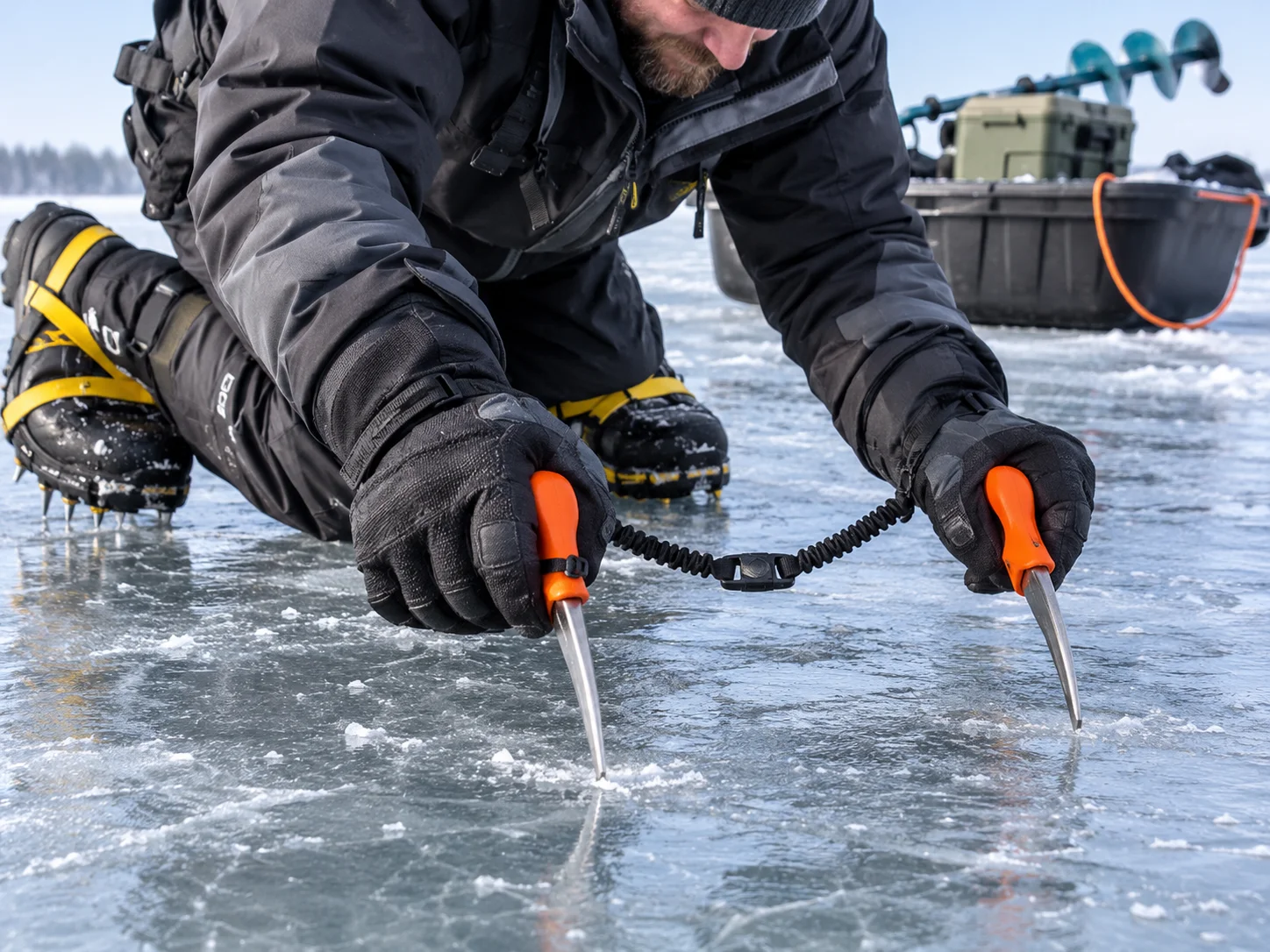
Self-rescue picks, sometimes called ice awls or ice spikes, are two pointed metal tools worn around the neck on a short cord or breakaway lanyard. When you go through ice, the natural reaction is to claw at a smooth, slick surface with bare hands. Picks give you purchase to drag yourself back onto the ice shelf.
The technique matters as much as having the tools. Extend your arms forward onto solid ice, drive both picks in simultaneously, and kick your feet to the surface behind you, essentially a horizontal swimming motion. Practice this in shallow, controlled water before you need it for real. Many anglers who own picks have never rehearsed the motion and fumble them in a genuine emergency.
Ice cleats address the other side of the problem: not falling through in the first place. Yaktrax and Kahtoola both make strap-on cleats that fit over insulated boots and reduce slip risk on glaze ice, particularly when carrying heavy gear. Falls on ice cause head injuries and broken wrists independently of any water exposure.
Keep picks on your body at all times on the ice. A lanyard under a jacket, accessible by one hand, is the right position. If they are in your tackle bag, they are useless.
3. Ice Spud Bar and Thickness Gauge
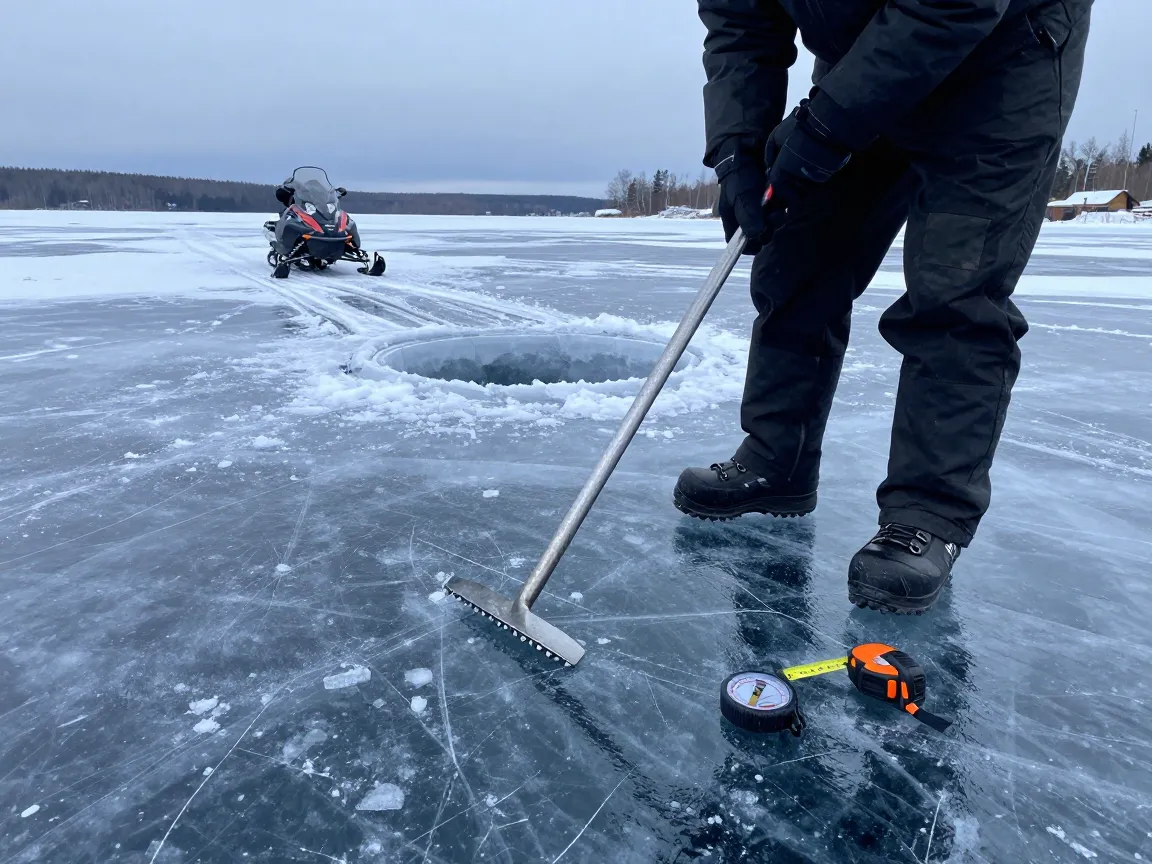
A spud bar is a heavy steel chisel, typically 48 to 60 inches long and weighing four to six pounds, used to test ice strength by striking it repeatedly ahead of each step. The sound and resistance tell an experienced user whether the ice is solid, honeycombed, or dangerously thin. It is the oldest ice-safety tool in use and still the most reliable for real-time assessment.
Ice thickness is not uniform across a body of water. Inlets, outlets, pressure cracks, and areas of moving water beneath the surface can drop ice thickness from eight inches to two in a span of a few feet. Drilling test holes with an auger and measuring with a tape or a dedicated ice-thickness gauge every 50 to 100 feet when moving across unfamiliar ice is standard practice, not excessive caution.
The commonly cited minimums for clear, blue-black ice: four inches for a single person on foot, five to six inches for a snowmobile, eight to twelve inches for a small group, and twelve to fifteen inches for a light vehicle. Those numbers apply to new, solid ice only. White or opaque ice (formed from snow slush) is roughly half as strong. Layered ice, older ice with a frozen layer on top of a gap, can look solid and fail without warning.
A spud bar also doubles as a walking staff on rough or uneven ice, reducing the chance of a fall before you even reach your fishing spot.
4. Throw Rope or Throw Bag
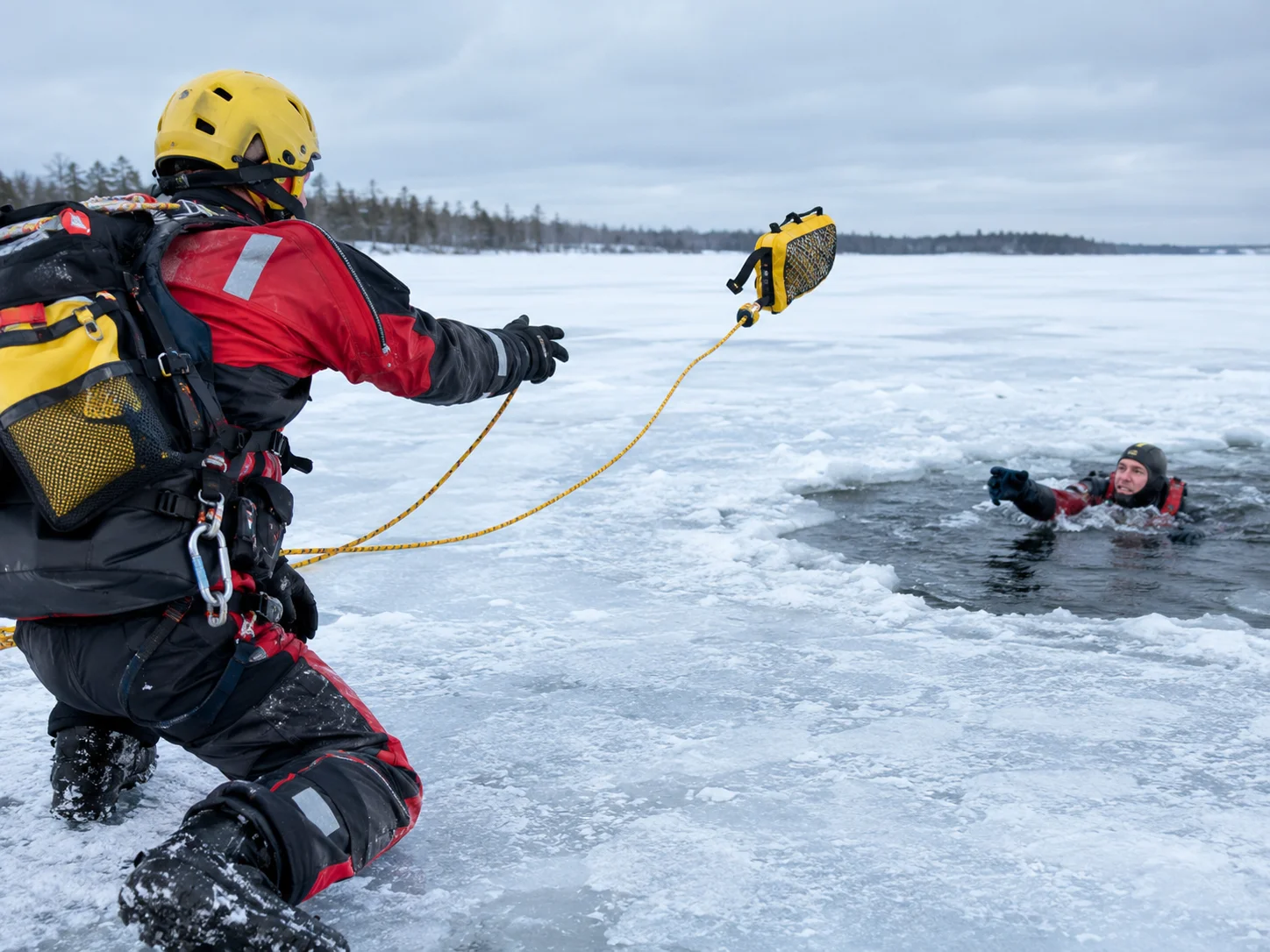
A throw bag is a nylon bag packed with 50 to 75 feet of floating polypropylene rope. You hold one end, throw the bag to a person in the water, and pull them to safety. The person in the water grabs the rope, rolls onto their back, and you drag them out. No one else enters the water.
That last point is the reason throw ropes exist. The instinct when someone falls through is to reach for them or move toward them. On ice, that approach regularly turns one victim into two. A throw bag removes the need to get close to compromised ice. At 50 feet, a standing rescuer can often stay on ice thick enough to support their weight while still reaching the person in the water.
Polypropylene floats, which matters because a sinking rope becomes impossible to grab quickly. Bag designs with a mesh exterior allow the rope to self-drain and repack faster than solid nylon bags. Carry it clipped to the outside of your pack or sled, not buried inside, so you can deploy it in under ten seconds.
A 70-foot bag runs about $25 to $40 from manufacturers like Mustang Survival or NRS. That is roughly the cost of a mid-range fishing lure. For groups of three or more, carry two.
5. Layered Clothing System, Insulated Boots, and Backup Gloves
The layering principle, moisture-wicking base, insulating mid-layer, windproof and waterproof outer shell, is well established. What gets skipped on winter fishing trips is the backup component. Wet gloves, a soaked base layer from sweat, or ice water over the boot top are routine occurrences, and each one accelerates heat loss sharply.
A merino wool or synthetic base layer (never cotton, which loses virtually all insulating value when wet) moves perspiration away from the skin. A fleece or down mid-layer traps air. An insulated, waterproof bib and jacket rated for sustained wind and precipitation form the outer shell. For ice fishing specifically, chest-high insulated bibs offer protection against both wind and incidental contact with slush and wet ice.
Boots deserve individual attention. Rubber-bottomed, leather-topped packs like the Baffin Impact or LaCrosse Alpha Extreme are rated to -40°F (-40°C) and have removable felt liners that can be dried overnight. Neoprene ice-fishing boots are lighter and work for shorter outings. Neither type protects against full immersion for more than a few minutes, but insulated waterproof boots significantly delay the onset of frostnip when standing on ice for hours.
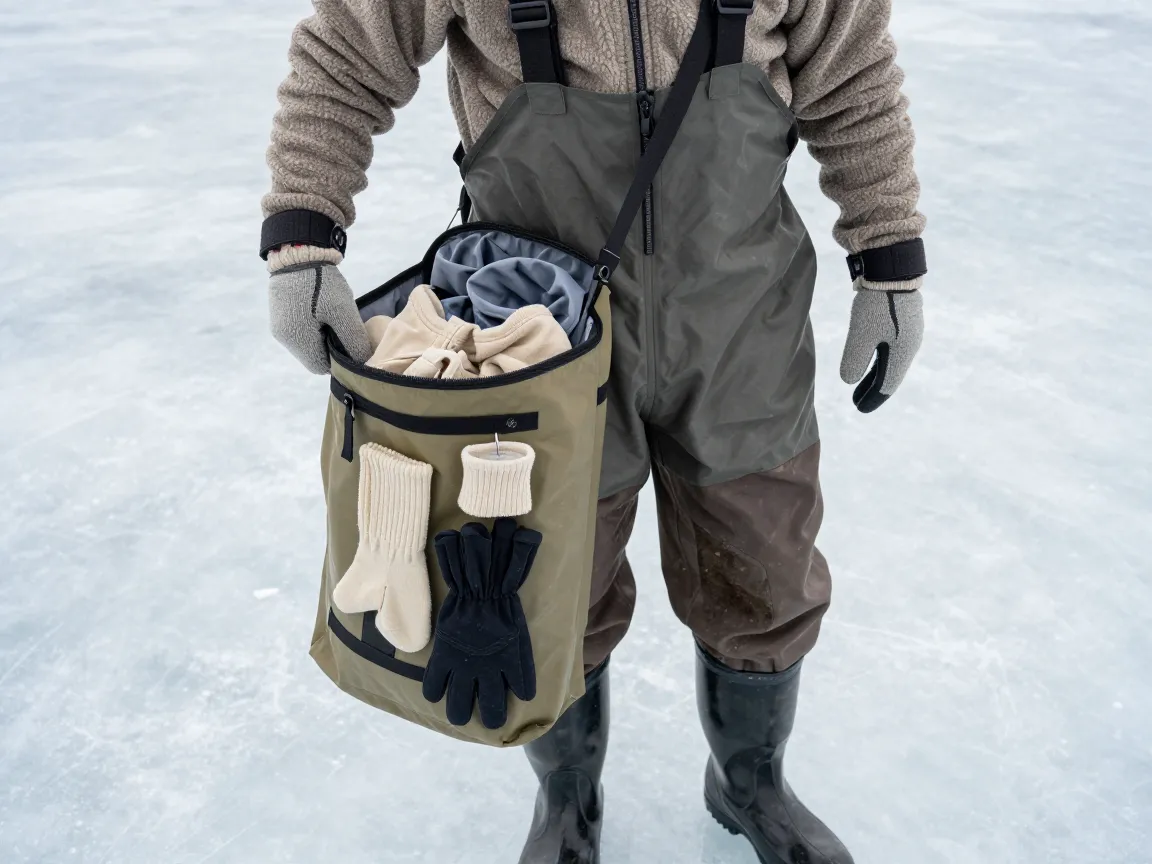
Carry a sealed dry bag inside your pack containing at minimum: one dry base layer top, one pair of dry socks, and two pairs of dry gloves. Thin liner gloves under thicker mittens offer the best combination of dexterity and warmth. When fingers go numb, fine motor tasks, tying knots, operating zippers, deploying safety gear, become difficult or impossible. Keeping hands functional is a safety issue, not just a comfort one.
6. Compact Emergency and Hypothermia Kit
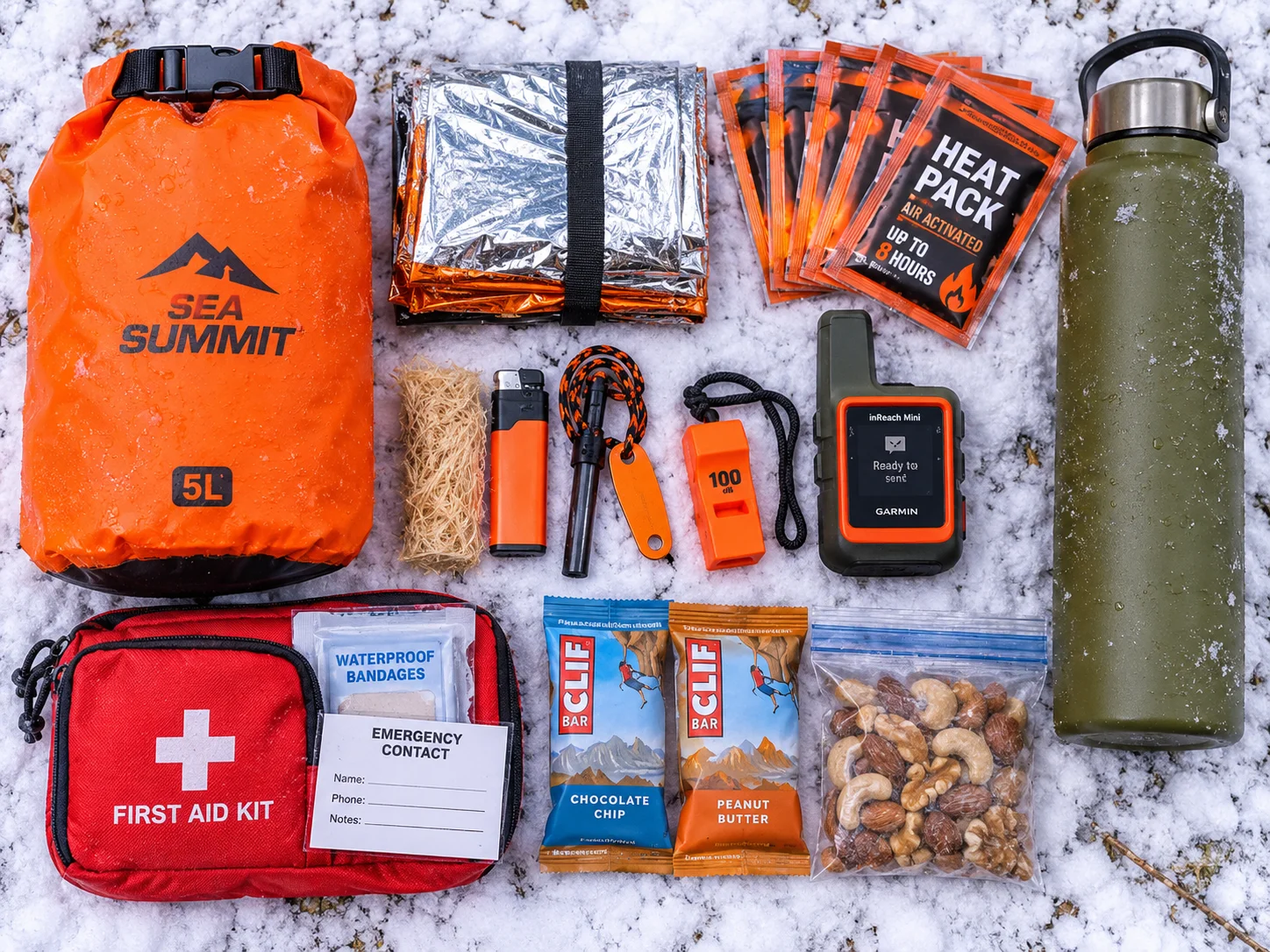
The last item on any 6 Winter Survival List Must-Haves for Cold-Weather Fishing Trips is the one most anglers treat as optional. It is not. Hypothermia begins when core temperature drops below 95°F (35°C). Mild symptoms, shivering, clumsiness, confusion, progress to severe impairment and cardiac risk below 86°F (30°C). Treatment in the field requires stopping heat loss and adding heat from external sources.
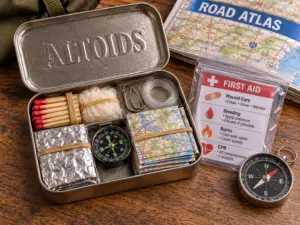
A purpose-built cold-weather emergency kit fits in a dry bag about the size of a large water bottle and should contain: a space blanket or bivy rated for wind and rain (SOL brand makes a reusable version that packs smaller than a fist), four to six chemical heat packs (place in armpits and groin, not directly on skin), a waterproof lighter and fire-starting material, a whistle rated to 100 dB, a small first-aid kit with waterproof bandages and an emergency contact card, and a fully charged backup communication device. In 2026, a personal locator beacon (PLB) or a satellite communicator like a Garmin inReach Mini is considered baseline for backcountry ice or remote open-water trips, not luxury gear.
High-calorie food, energy bars, nuts, jerky, provides fuel for the shivering response, which is the body’s primary heat-generating mechanism. Pack 500 to 800 calories above what you expect to need, stored in a pocket where body heat keeps them from freezing solid. Dehydration worsens cold tolerance, so carry insulated water bottles and drink on a schedule rather than waiting for thirst, which diminishes in cold conditions.
Wind is the overlooked multiplier. A portable ice shelter or even a simple windbreak tarp drops the effective temperature on a fishing outing significantly. A 20°F (-7°C) day with a 20 mph wind feels like -10°F (-23°C) at skin level. Shelter from wind reduces caloric demand, extends safe outing duration, and lowers the probability of needing the emergency kit in the first place.
Quick Comparison
| Item | Primary Function | Minimum Spec | Weight/Size |
|---|---|---|---|
| PFD or Float Suit | Keeps airway above water post-fall | USCG-approved rating | 2-5 lbs depending on type |
| Ice Picks | Self-rescue from open hole | Two picks, neck lanyard | Under 0.5 lbs |
| Ice Cleats | Fall prevention on glaze ice | Fits over insulated boot | Under 1 lb per pair |
| Spud Bar + Gauge | Ice strength assessment | 48-inch bar, tape measure | 4-6 lbs |
| Throw Bag | Partner rescue without contact | 50 ft (15 m) floating rope | 1-2 lbs |
| Layered System + Backup | Thermal protection and redundancy | Dry backup base + 2 glove pairs | Variable |
| Emergency/Hypothermia Kit | Field treatment and signaling | Space blanket, heat packs, PLB | Under 2 lbs |
Conclusion
The gear above is listed in rough order of immediacy: flotation and self-rescue tools address the first two minutes after something goes wrong; ice assessment tools prevent the fall-through; throw ropes handle partner rescue; clothing and emergency kits extend survival time and enable treatment. None of the six items on this survival list requires a large budget, a complete basic safety kit assembled from reliable brands runs well under $300 in 2026, less than the cost of most quality fishing rods.
The most useful next step is a gear audit before the first outing of the season. Lay out everything listed here, confirm it fits, confirm picks and throw bag are accessible in under ten seconds, and check that backup dry clothes are sealed and dry. Gear that needs to be located in a panic is not ready gear.