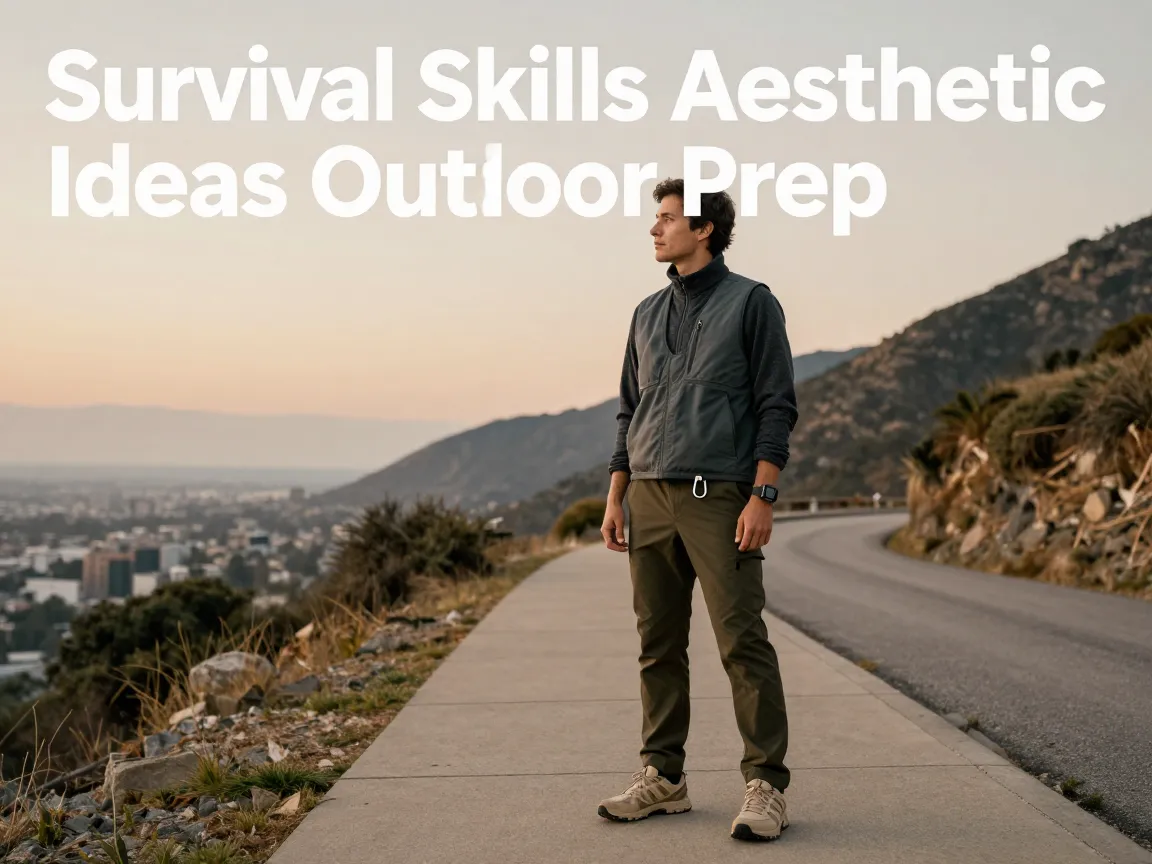
Survival Skills Aesthetic Ideas for Stylish, Practical Outdoor Prep
Roughly 72 million Americans camp or hike at least once a year, yet most outdoor gear sits in a bag untouched because it looks too tactical for everyday wear. That gap between function and daily use is exactly what the 6 survival skills aesthetic ideas for stylish, practical outdoor prep covered here are designed to close. These aren’t costume choices or Instagram-ready cosplay. Each idea represents a gear or styling decision that earns its place both on a trail and in a city block, built around the same competencies that serious outdoor preparation demands: thermal management, load distribution, navigation, weather response, and terrain adaptability.
Disclosure: This post contains affiliate links. As an Amazon Associate, we earn from qualifying purchases, and at no extra cost to you.
Key Takeaways
- A modular three-layer clothing system is the single most effective thermal management strategy for mixed environments.
- Cargo and trail pants designed around EDC (everyday carry) principles eliminate the need for a dedicated bag on shorter outings.
- Weather-adaptive shells and vests provide disproportionate protection relative to their packed size and weight.
- Hybrid trail footwear has closed the gap between performance and street-ready style more than any other gear category over the past five years.
- Earth-tone, eco-tech palettes aren’t just aesthetic choices, the materials behind them often outperform synthetic alternatives in durability and weather resistance.
1. Modular Layering Systems Built from Technical Fabrics
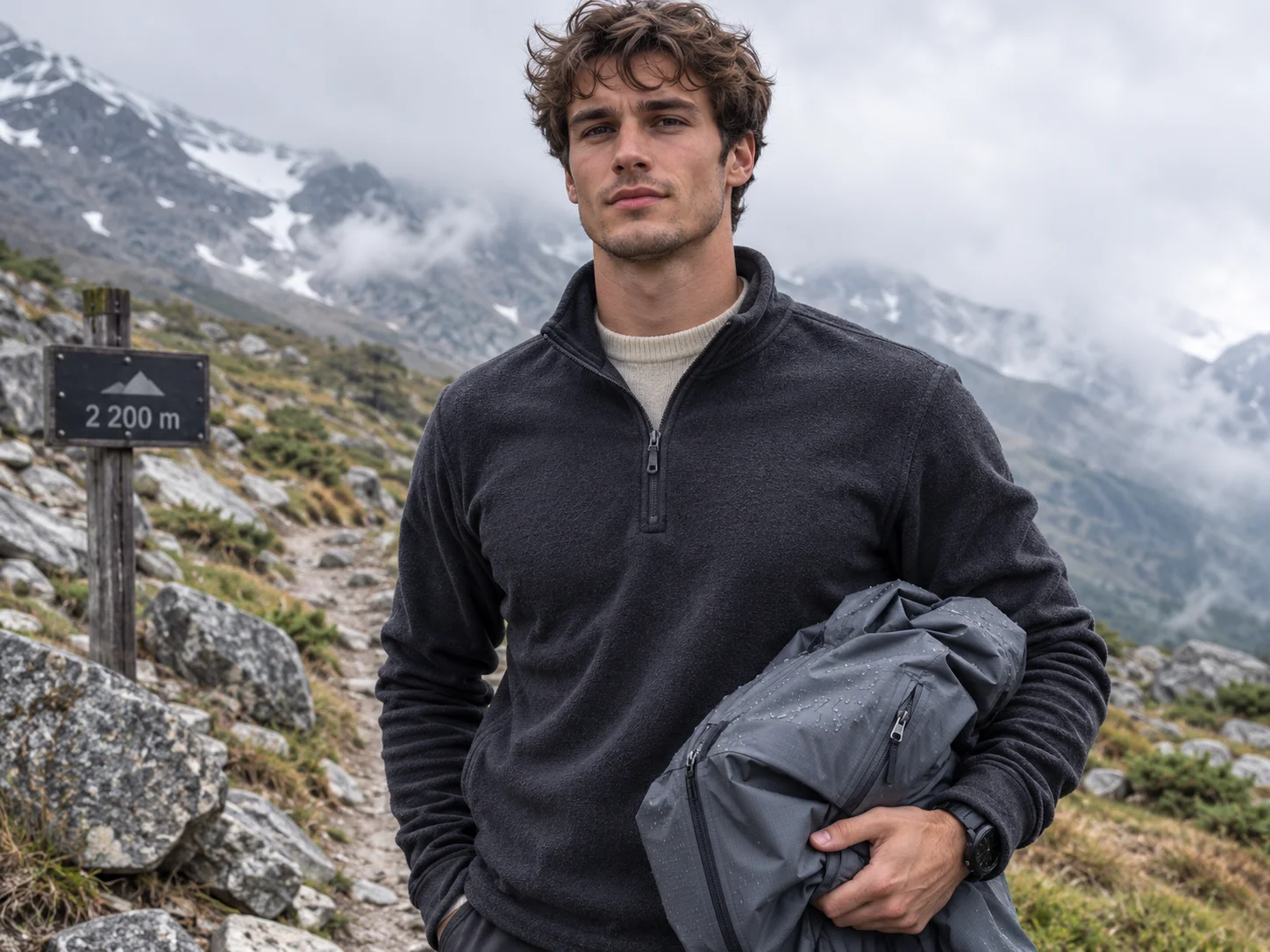
The base-mid-shell system is older than Gore-Tex, but the fabrics used to build it in 2026 are fundamentally different from what was available a decade ago. A merino wool base layer handles moisture by wicking sweat away from skin without retaining odor, a property synthetic polyester blends still can’t fully replicate over multi-day use. Mid-layers built from recycled fleece or PrimaLoft aerogel insulation trap heat without bulk. Hardshell outer layers with 20,000mm waterproofing ratings shed sustained rain while remaining breathable enough for sustained movement.
What makes this survival skill aesthetic is the way technical layering translates directly to real preparedness. A person caught in an unexpected temperature drop on a mountain trail at 2,200 meters has the same thermal management needs as someone who underestimated how cold a transit hub becomes at midnight. The system works identically in both situations.
The practical application comes down to one rule: each layer must work independently and in combination. Buy a mid-layer that looks presentable as a standalone piece, a quarter-zip fleece in charcoal or slate reads as workwear in most urban settings. Add a shell that packs into its own pocket. The base layer is invisible. When you dress this way daily, the system stays in rotation instead of living in a gear closet.
A caveat worth naming: technical fabric quality varies sharply at lower price points. Merino wool blends below 150gsm often pill within a season of regular use. Hardshells rated below 10,000mm Hydrostatic Head may fail in sustained rain. The investment in mid-tier technical fabrics from brands like Patagonia, Arc’teryx, or Fjällräven typically pays back in longevity over three to four seasons.
2. EDC-Ready Cargo and Trail Pants with Functional Storage
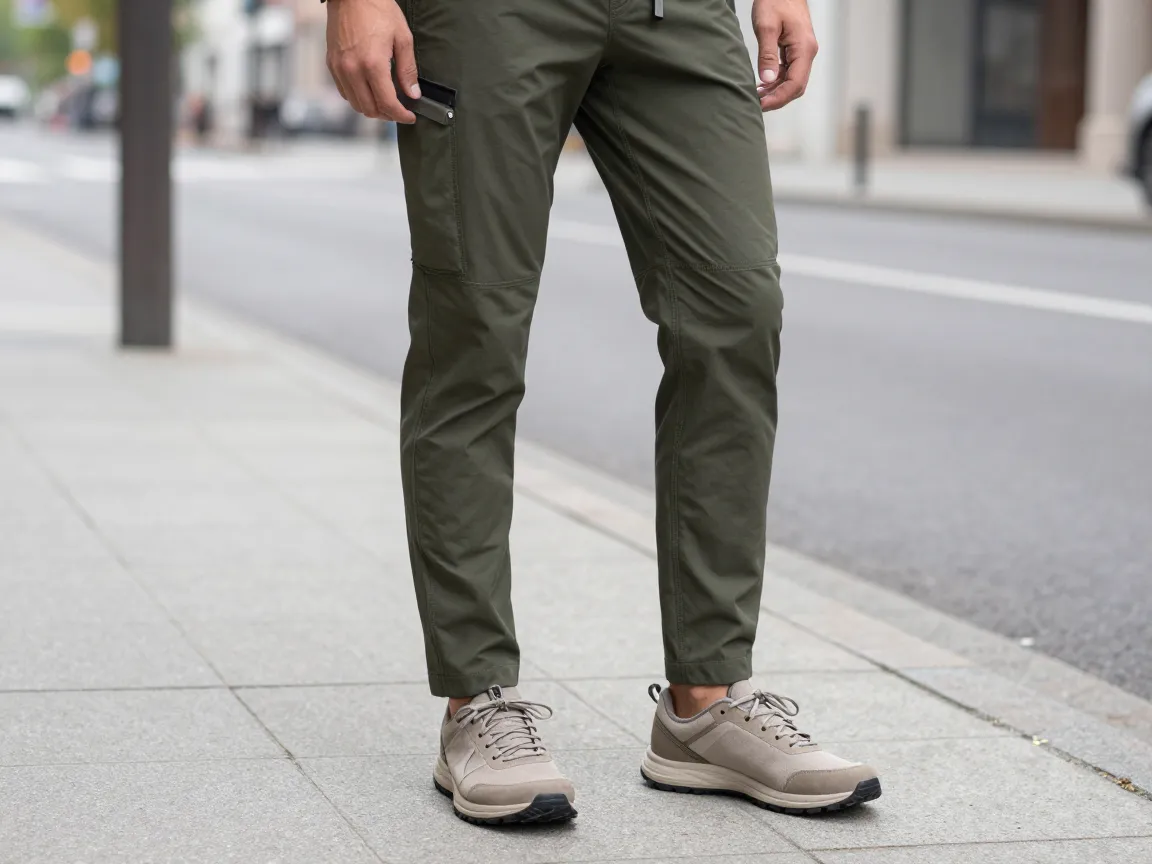
Standard jeans carry a phone, keys, and a wallet. That’s the full capacity. EDC-focused cargo pants and trail pants are engineered around a different assumption: that the person wearing them might need to solve a problem in the field without a bag nearby.
Modern trail pants from brands like Outlier, Kuhl, and Norrona include articulated knees for scrambling, four-way stretch fabric that handles both a climbing move and a business meeting, and storage that goes beyond the standard four-pocket layout. Thigh pockets with YKK zipper closures hold a compact first-aid kit or a folding knife without shifting during movement. Some designs incorporate hidden waistband pockets sized specifically for a folded emergency mylar blanket or a compact fire-starter.
The aesthetic shift that makes this idea viable as daily wear is the move away from military-surplus silhouettes. Contemporary trail pants sit slim through the seat and thigh, taper at the ankle, and come in earth tones, stone, mushroom, deep olive, that read as elevated casual rather than field-ready. The storage is there but it isn’t advertised by bulging pockets or oversized hardware.
For practical prep, treat the pockets as assigned slots, not general storage. Decide before you dress what goes where and keep it consistent. A folding multitool in the left thigh pocket, a compact flashlight in the right cargo, a tourniquet in the waistband pocket. Consistency means faster access under stress, which is exactly the standard that survival skill training uses to evaluate gear placement.
3. Weather-Adaptive Shells and Vests as Everyday Armor
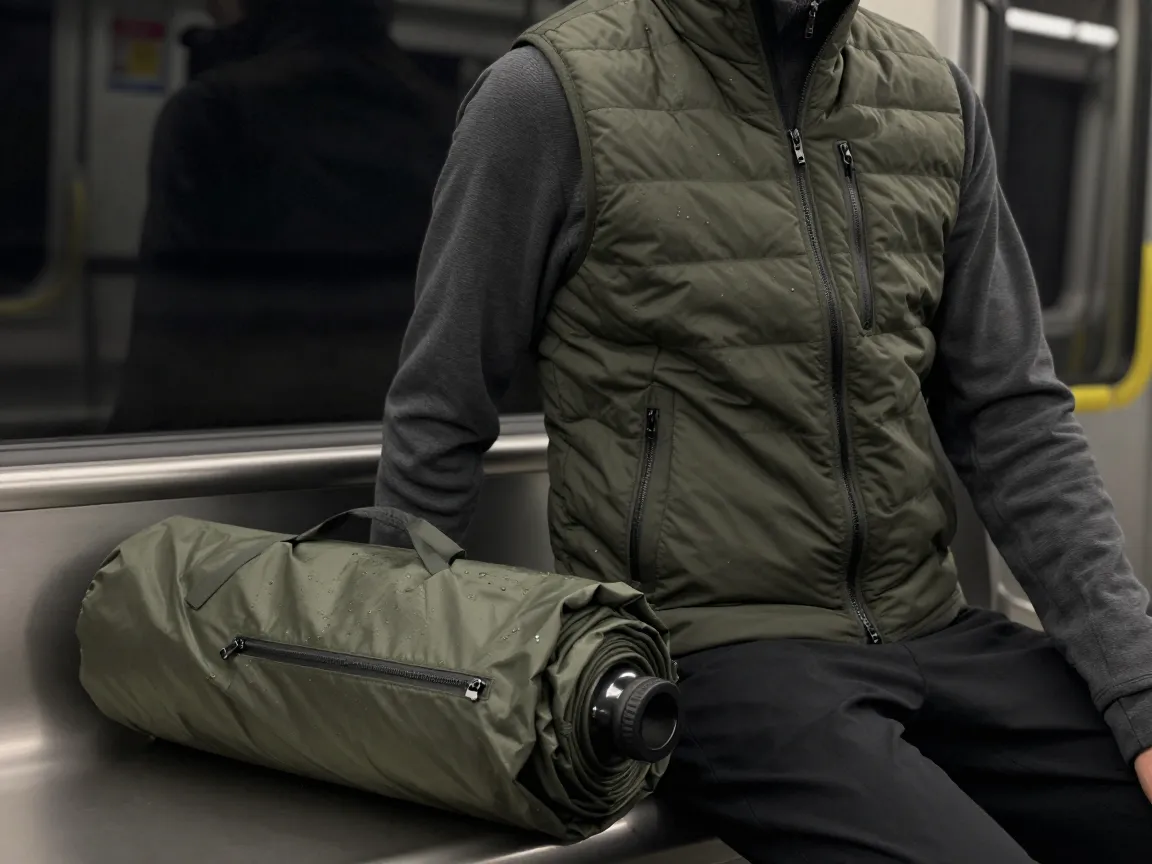
A hardshell jacket rolled into a daypack takes up roughly the volume of a water bottle. Its functional range covers anything from a sudden thunderstorm to sustained wind at a ridge line. The vest variant, an insulated or softshell gilet, adds a layer of core warmth while keeping arms free for movement and maintaining a silhouette close enough to conventional outerwear that it doesn’t signal “expedition gear” to a casual observer.
The survival application here is straightforward. Core body temperature drops faster than extremities in cold exposure. A vest that takes 90 seconds to put on and weighs 220 grams delivers more protection per gram than almost any other single piece of emergency gear. Patagonia’s Nano Puff Vest, for example, weighs 212 grams and packs into a hand-sized stuff sack. That’s a meaningful specification, not marketing copy.
Weather shells have crossed into mainstream fashion through what the industry calls gorpcore, a styling trend built on outdoor-performance pieces worn in urban contexts. The trend has real staying power because the underlying gear is functional, not just aesthetic. Brands like The North Face, Helly Hansen, and Salomon have produced shell designs that feature in both technical reviews and style publications, which reflects genuine crossover utility rather than branding effort.
The constraint to flag: softshell fabrics offer stretch and breathability but sacrifice waterproofing. In sustained rain above 15mm/hour, a softshell will wet out within 30 to 45 minutes. For genuine weather protection as opposed to wind resistance and light precipitation, a hardshell with a durable water-repellent (DWR) coating refreshed every two to three seasons is the correct choice.
4. Trail Sneakers and Hybrid Footwear for All-Terrain Style
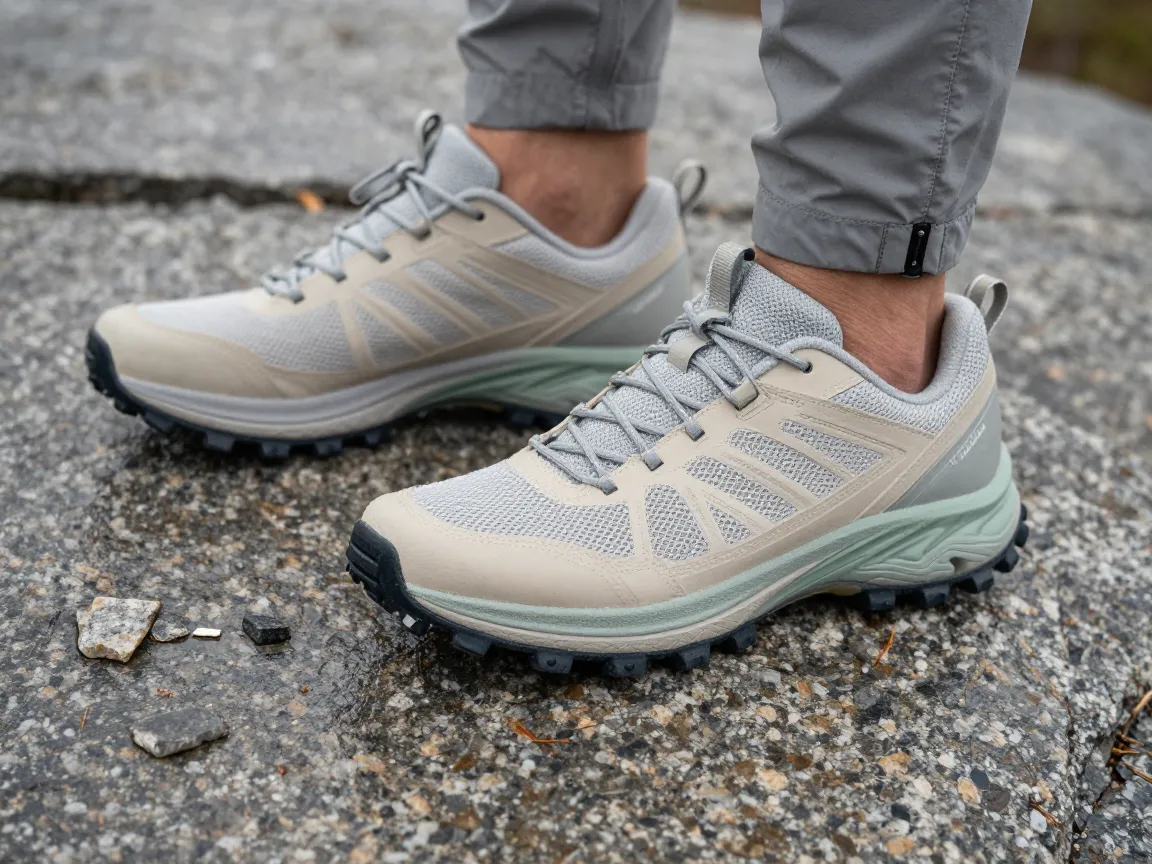
No category has narrowed the gap between performance and street style faster than footwear. Trail running shoes from Salomon, HOKA, and On Running now appear on city sidewalks as commonly as they do on singletrack trails. The technical specs behind that crossover are real: a Salomon Speedcross sole provides 4.5mm lug depth for grip on wet roots and loose scree, while the upper construction keeps weight under 300 grams per shoe. That’s usable in a sprint across a transit connection or a scramble over wet granite.
From a survival skills perspective, footwear is the most consequential single gear decision after shelter. Wet feet in cold conditions accelerate the onset of hypothermia. A twisted ankle on uneven terrain is a cascade-failure event if you’re carrying weight or responsible for others. Hybrid trail sneakers that handle varied surfaces without requiring a dedicated trail boot reduce the friction of actually wearing appropriate footwear every day, which matters more than theoretical performance if the shoes stay on a shelf because they’re too specialized to wear routinely.
The aesthetic case is already made by the market. Trail sneakers in colorways like desert dust, phantom grey, and mineral green have appeared in editorial fashion coverage since 2022, and the styling logic is consistent: technical sole, clean upper, muted palette. Worn with trail pants and a mid-layer, the total look reads as considered outdoor casual rather than gear-obsessed.
One practical point on fit: trail shoes are engineered for a specific foot volume and lacing tension during downhill movement. Sizing up half a size to accommodate toe splay on descents is standard advice in trail running communities and prevents the black toenails that sideline runners who size for flat ground. This detail matters for prep use: if your footwear causes pain after two hours, it doesn’t function as survival gear regardless of its technical specs.
5. Tactical Accessories and Timepieces as Subtle Survival Tools
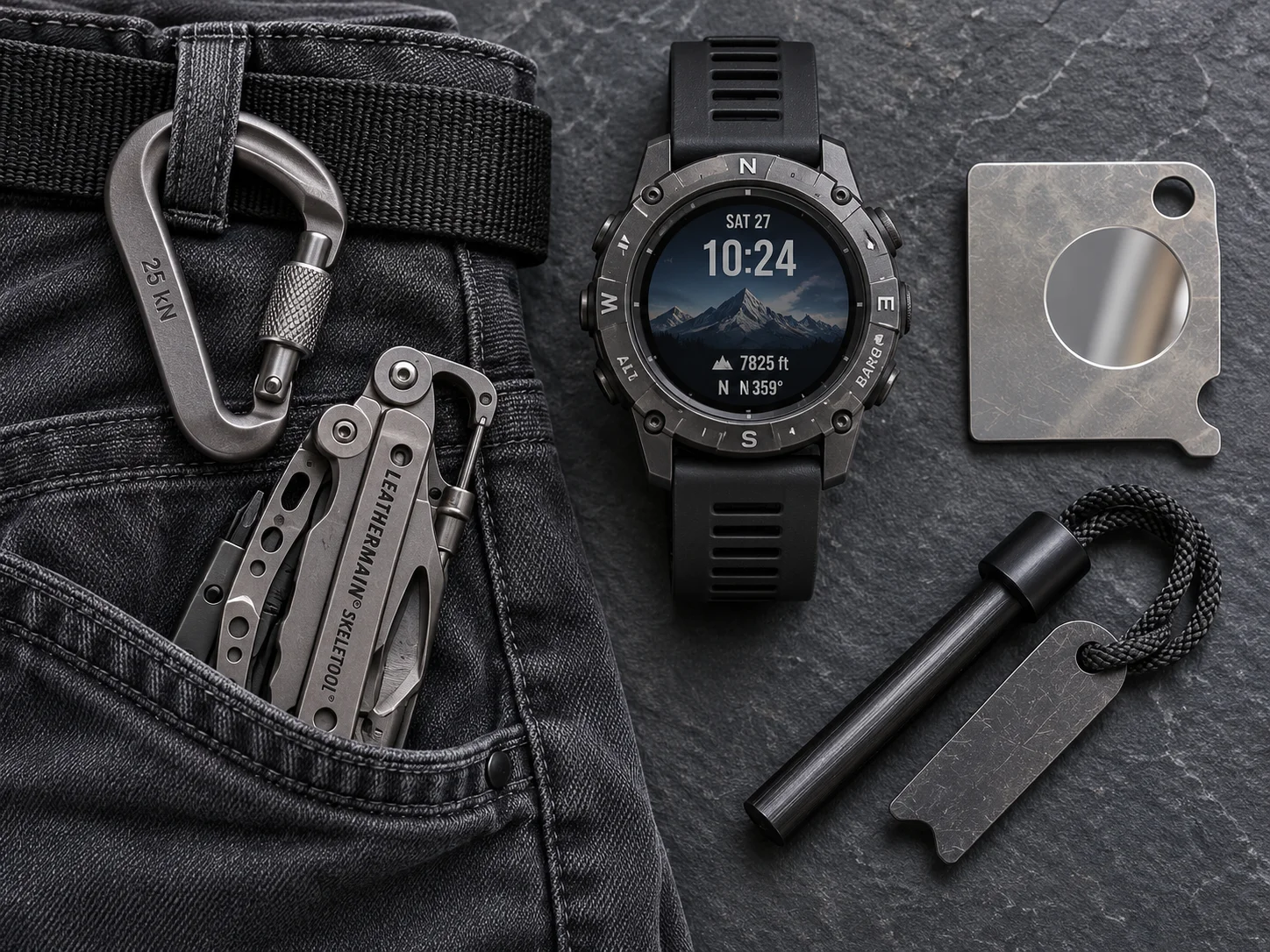
A compass, a fixed-blade knife, a fire-starter, and a signaling mirror cover most survival scenarios beyond shelter and water. The question is whether you carry them or leave them behind because they’re inconvenient to integrate into daily dress. Tactical accessories designed for EDC solve this by embedding function into objects with conventional form.
A titanium carabiner rated to 25kN costs under twenty dollars and clips to a belt loop or bag strap without signaling anything beyond “organized person.” A compact multitool, the Leatherman Skeletool weighs 142 grams and includes pliers, a knife, a bit driver, and a carabiner clip, fits in a front pocket. These aren’t novelty items. They’re tools with documented field use that happen to have minimal visual footprint.
Timepieces occupy a specific role in the survival skills aesthetic. Solar-powered GPS watches from Garmin’s Instinct series or Casio’s G-Shock GW-series log GPS tracks, include an altimeter, barometer, and compass, receive solar charge to extend battery life indefinitely in daylight conditions, and retail in a price range that positions them as premium but accessible. The Instinct 2 Solar, specifically, has a battery life exceeding 100 days in smartwatch mode with solar charging input. That’s a meaningful spec for extended wilderness use, not just a marketing claim.
The styling constraint is real: a 48mm tactical watch reads differently on a dressed-up wrist than it does paired with trail pants and a technical mid-layer. The accessory works best within a coherent system rather than as a standalone statement piece. When the whole outfit operates on the same functional logic, each piece reinforces the others.
6. Earth-Tone Palettes and Eco-Tech Materials for Durable Prep
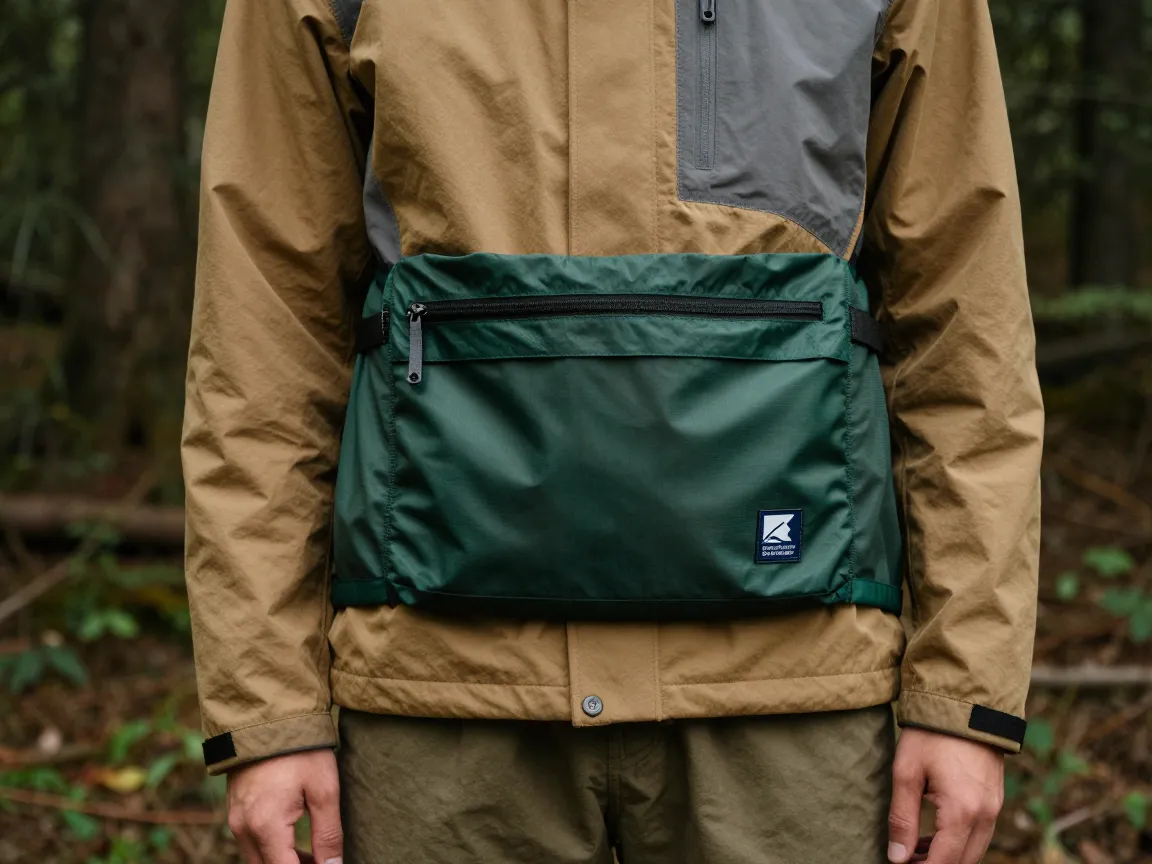
Color and material choice are the two levers that determine whether a survival-ready outfit reads as prepared or as dressed for a movie set. Earth tones, specifically the range from warm tan through olive drab to slate grey and deep forest green, have a functional basis that predates their current fashion relevance. They reduce visual contrast against natural backgrounds, which matters in both wildlife observation and low-profile movement. They also age more gracefully than bright synthetic colors: a faded olive softshell looks worn-in; a faded neon yellow looks worn-out.
Eco-tech materials add a performance layer to this palette logic. Recycled nylon from Econyl (made from reclaimed fishing nets and industrial waste) now matches virgin nylon in tensile strength and abrasion resistance while reducing raw material extraction. Dyneema composite fabrics, originally developed for offshore sailing, offer the highest strength-to-weight ratio of any woven textile currently available and are appearing in ultralight pack designs. These materials tend toward natural tones in their base form because heavy dyeing compromises fiber integrity in some constructions, which aligns exactly with the aesthetic palette described above.
The gorpcore trend, which has driven substantial market growth in outdoor-adjacent apparel since roughly 2020, isn’t simply a fashion cycle. It reflects a genuine shift in how people think about daily gear: function-first, durable, not disposable. Market data from outdoor industry reports consistently shows growth in technical apparel categories that cross outdoor and urban use cases, while purely seasonal or fashion-driven outdoor clothing has remained flat. Brands built around this overlap, Cotopaxi, Norrona, Satisfy Running, have expanded their retail footprint year over year through 2025.
The practical application for someone building a survival-skills wardrobe around this idea is to prioritize material specifications over brand logos. Look for fabric weight (gsm), denier count in nylon goods, and certification marks like bluesign or Oeko-Tex Standard 100 as indicators of material integrity. A 500D Cordura nylon bag with a bluesign certification and an earth-tone colorway is functionally and aesthetically superior to a heavier, brightly colored alternative, and it integrates into daily use without drawing attention.
Quick Comparison
| Idea | Core Survival Function | Aesthetic Strength | Daily Usability |
|---|---|---|---|
| 1. Modular layering | Thermal regulation | Versatile, layered looks | High, each layer works solo |
| 2. Cargo/trail pants | EDC load distribution | Slim modern silhouette | High, replaces standard trousers |
| 3. Shells and vests | Weather protection | Gorpcore crossover appeal | High, packs to pocket size |
| 4. Trail sneakers | Terrain adaptability | Strong editorial presence | Very high, worn daily |
| 5. Tactical accessories | Navigation and tool access | Minimal, integrated | High, weightless in carry |
| 6. Earth-tone eco-tech | Durability and low-profile | Ages well, timeless palette | Very high, no seasonal obsolescence |
Conclusion
The thread connecting all 6 survival skills aesthetic ideas for stylish, practical outdoor prep is the same: gear that stays in daily rotation is gear that actually protects you. A technically superior shell jacket left at home because it looks out of place provides zero survival value. The next practical step is an audit of what you already own against the layer system framework: identify which layer is missing from your current daily carry, fill that gap first, and build outward from there rather than buying a complete kit at once.