Medieval Archery Aesthetic Ideas for a Fantasy-Inspired Look
A longbow costs more to rent for a weekend shoot than most people spend on groceries in a month, yet the look built around it has become one of the most copied silhouettes in costume design this year. From Renaissance fairs to fantasy film sets, the archer aesthetic keeps outpacing knights and wizards in popularity polls and search interest alike. That staying power is not an accident. It comes from a handful of design choices that work together to make an outfit feel both believable and magical.
Disclosure: This post contains affiliate links. As an Amazon Associate, we earn from qualifying purchases, and at no extra cost to you.
This guide breaks down 6 Medieval Archery Aesthetic Ideas for a Fantasy-Inspired Look, covering everything from silhouette and layering to color palettes and gender-inclusive styling. Whether the goal is a Halloween costume, a cosplay build, or inspiration for a themed photoshoot, these ideas translate across skill levels and budgets.
1. The Hooded Ranger Silhouette Still Rules the Archer Look
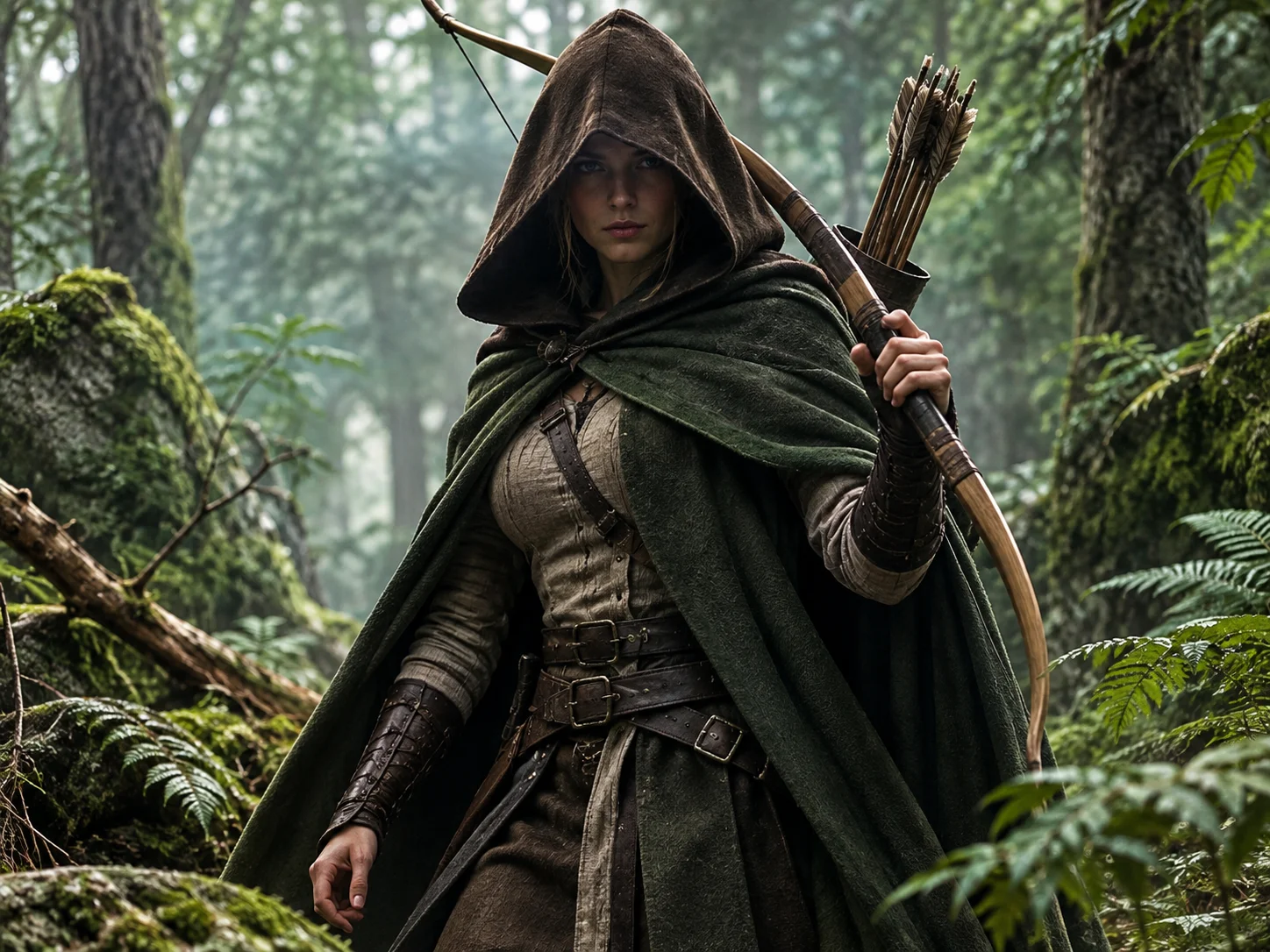
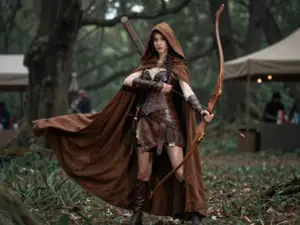
Walk through any fantasy convention or browse costume marketplaces during the October and November shopping season, and the same shape keeps appearing: a deep hood, a long cloak, and a bow peeking over one shoulder. This hooded ranger or outlaw silhouette has become the default visual shorthand for “archer” in popular culture, and it shows no sign of losing ground.
Part of the appeal is practical storytelling. A hood suggests someone who moves through forests unseen, someone who lives outside castle walls and answers to no lord. Think of the classic outlaw archer hiding in dense woodland, bow ready, face half-hidden. That narrative reads instantly, even to someone who has never picked up a costume catalog before.
For anyone building this look, the hood should sit low enough to shadow the upper face but not so deep it blocks peripheral vision, since most archer costumes get worn at active events. Pairing a slightly oversized hood with a fitted underlayer keeps the proportions balanced instead of swallowing the whole frame. A rough-spun or waxed canvas hood reads more authentic than smooth synthetic fabric, which can look costume-y under daylight.
2. Build Depth Through Layered Historical Garments
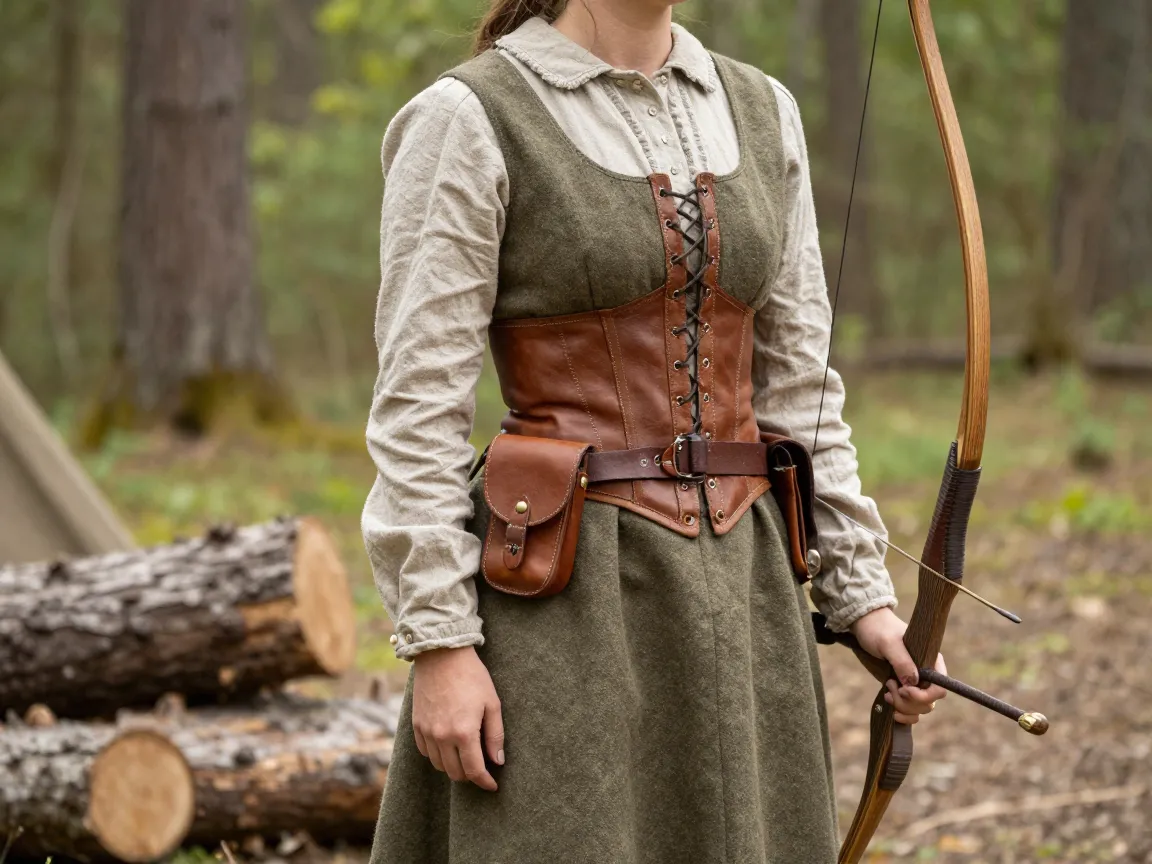
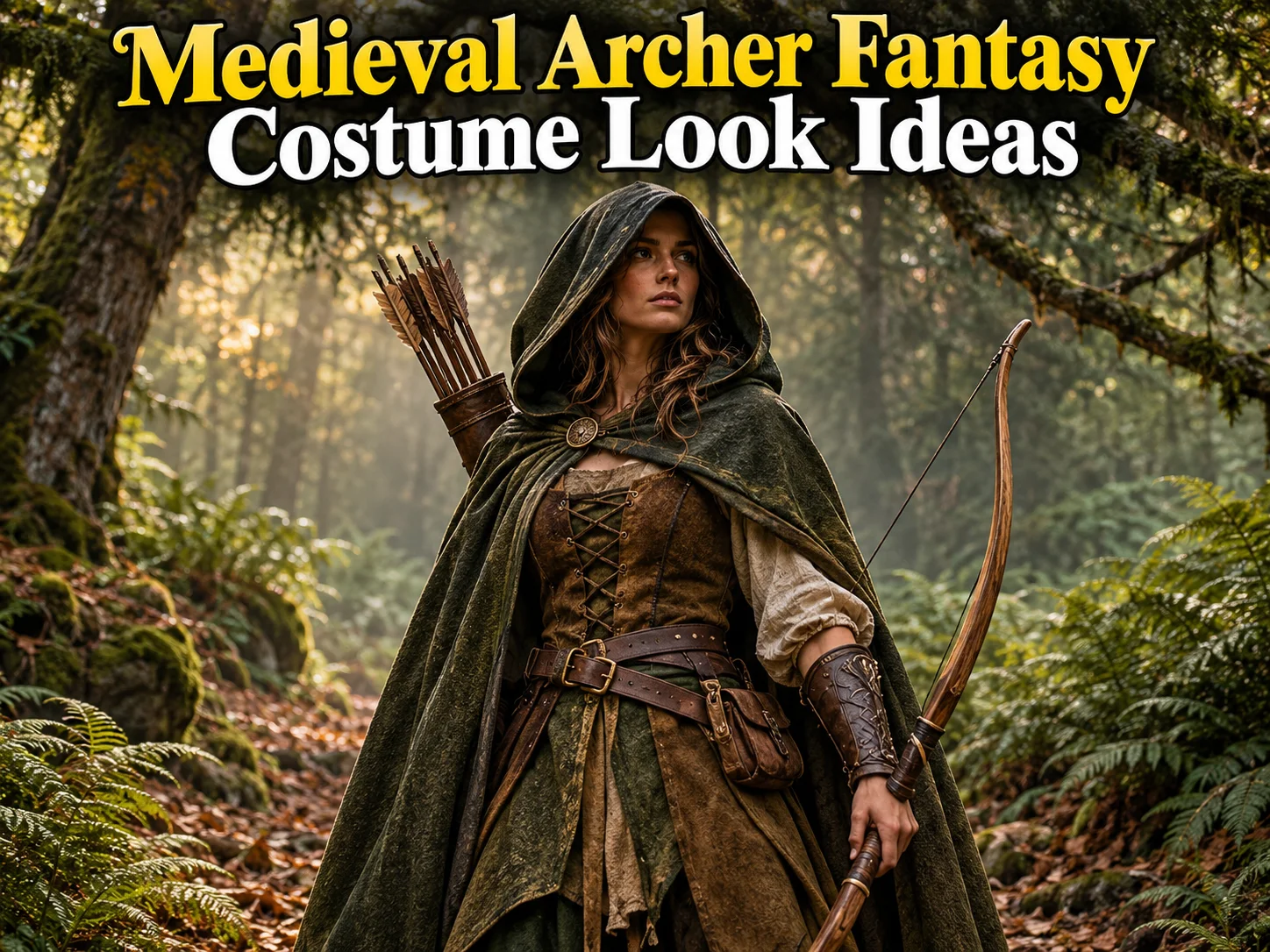
Flat, single-layer costumes rarely hold up to close inspection, which is why experienced costume builders lean on a layering formula that borrows from genuine medieval dress. The structure usually runs from an underdress or tunic, to a main outer layer, to a corset or light armor piece, finished with accessories like belts and pouches.
Each layer earns its place. The underdress or linen tunic sits against the skin and gives the outfit a lived-in base, often peeking out at the wrists or collar. The main layer, frequently a wool or suede overdress or coat, provides shape and color identity. A laced corset or a fitted leather armor piece then cinches the silhouette and signals readiness for movement or combat, while a thick belt anchors everything and gives the eye a clear horizontal line.
A common mistake is treating these layers as decoration rather than structure. If the corset or armor piece sits loosely over the main garment instead of pulling it in, the whole look falls flat. Lacing it snugly, even just slightly, changes the entire read of the costume from “robe with extras” to “outfit built for the woods.” Archeresses and rangers in illustrated fantasy art almost always show this cinched, purposeful layering, which is exactly why it photographs so well.
3. Prioritize Mobility With Bracers and Light Leather Armor
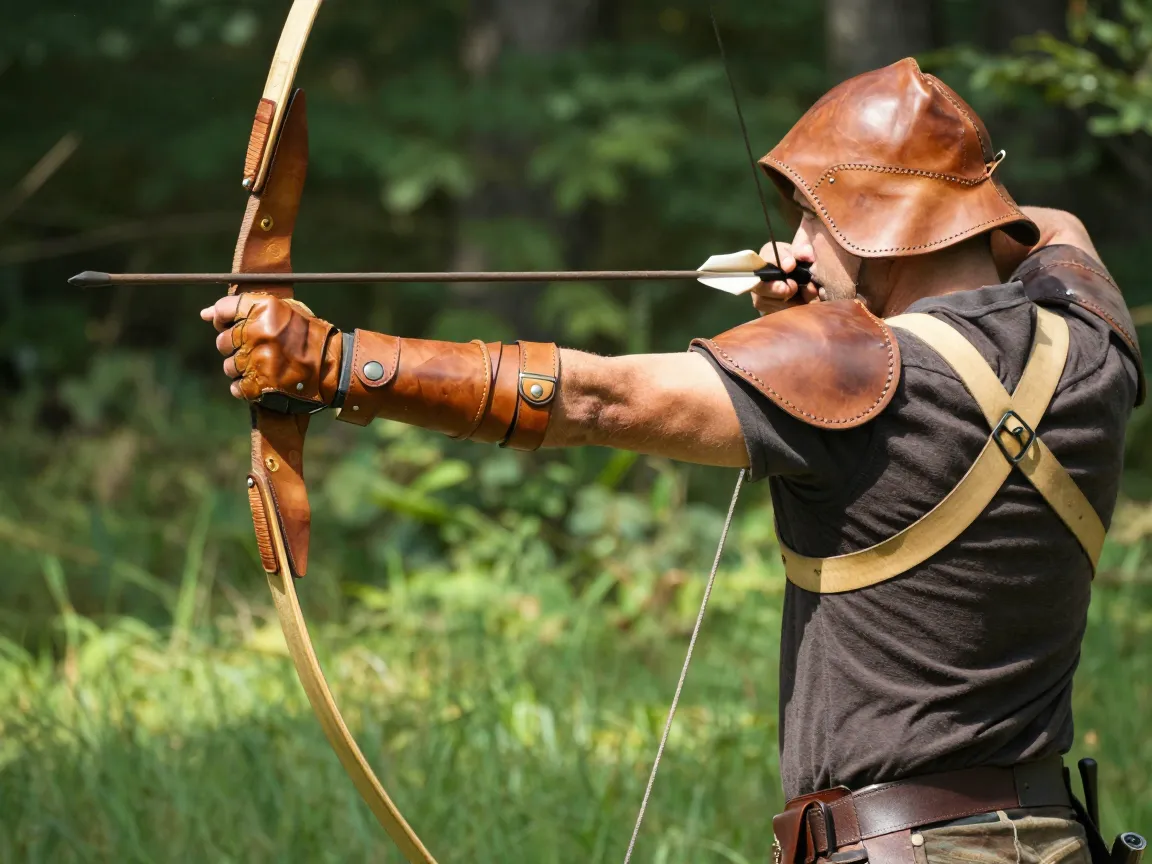
Nothing breaks the fantasy archer illusion faster than gear that clearly cannot survive drawing a bowstring. Functional bracers, light leather armor, and mobility-first construction separate a genuinely archery-inspired outfit from a generic cloak-and-boots costume.
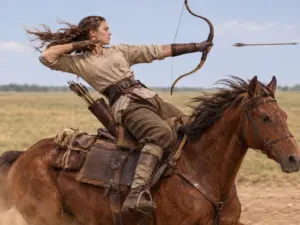
A bracer, worn on the forearm that faces the bowstring, exists for a real reason: it protects skin from string slap. Even in a costume context, including one signals attention to detail that fans of the genre notice immediately. Light leather vambraces, a fingerless glove or tab on the drawing hand, and a snug-fitting shoulder area that will not catch a bowstring all read as “this person could actually shoot” rather than “this person is holding a prop.”
Armor choices should favor segmented or soft leather pieces over rigid plate, since archers in both history and fantasy fiction relied on speed and range rather than heavy protection. A simple leather chest harness, a few buckled straps, or a light pauldron on the non-drawing shoulder add visual interest without weighing the outfit down. Anyone planning to actually shoot a bow while in costume should prioritize this idea above all others, since loose sleeves and dangling fabric near the bowstring create real safety problems, not just aesthetic ones.
4. Choose Cloaks or Hoods Based on How the Gear Sits
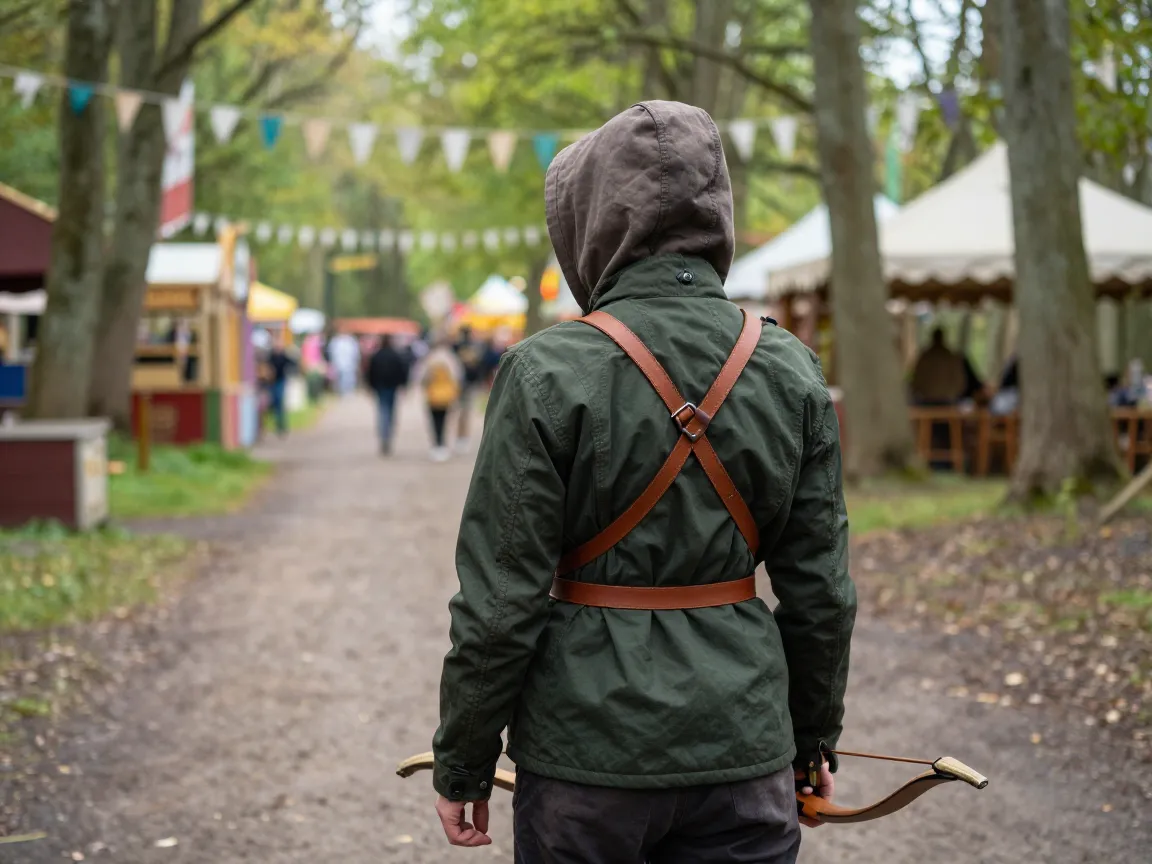
Cloaks and hoods often get treated as interchangeable, but they shape an outfit in different ways, and the choice affects how the rest of the gear gets worn. A full cloak sweeps the look toward dramatic, storybook romance, while a fitted hood attached to a jacket or tunic leans practical and battle-ready.
A long, swinging cloak photographs beautifully in still shots and works well for court scenes, fairgrounds, or slower-paced cosplay events where dramatic movement matters more than functionality. The tradeoff is that a cloak can tangle with a quiver strap or catch on branches, which matters for anyone doing live archery demonstrations or walking through wooded event grounds. A hood sewn into a shorter jacket or cape solves that problem by keeping the silhouette closer to the body, which is why working rangers in fantasy illustration almost always wear the attached-hood version rather than a flowing cloak.
Gear placement follows from this decision. With a full cloak, the quiver typically sits underneath, near the hip or lower back, so the cloak can be thrown back for a dramatic draw. With a fitted hood and jacket, the quiver often rides higher, across the back between the shoulder blades, since there is no loose fabric to manage. Deciding between the two early in the planning process saves a lot of rework later, since belts, straps, and quiver mounts all depend on it.
5. Lean Into Forest Palettes and Elven Ranger Influences
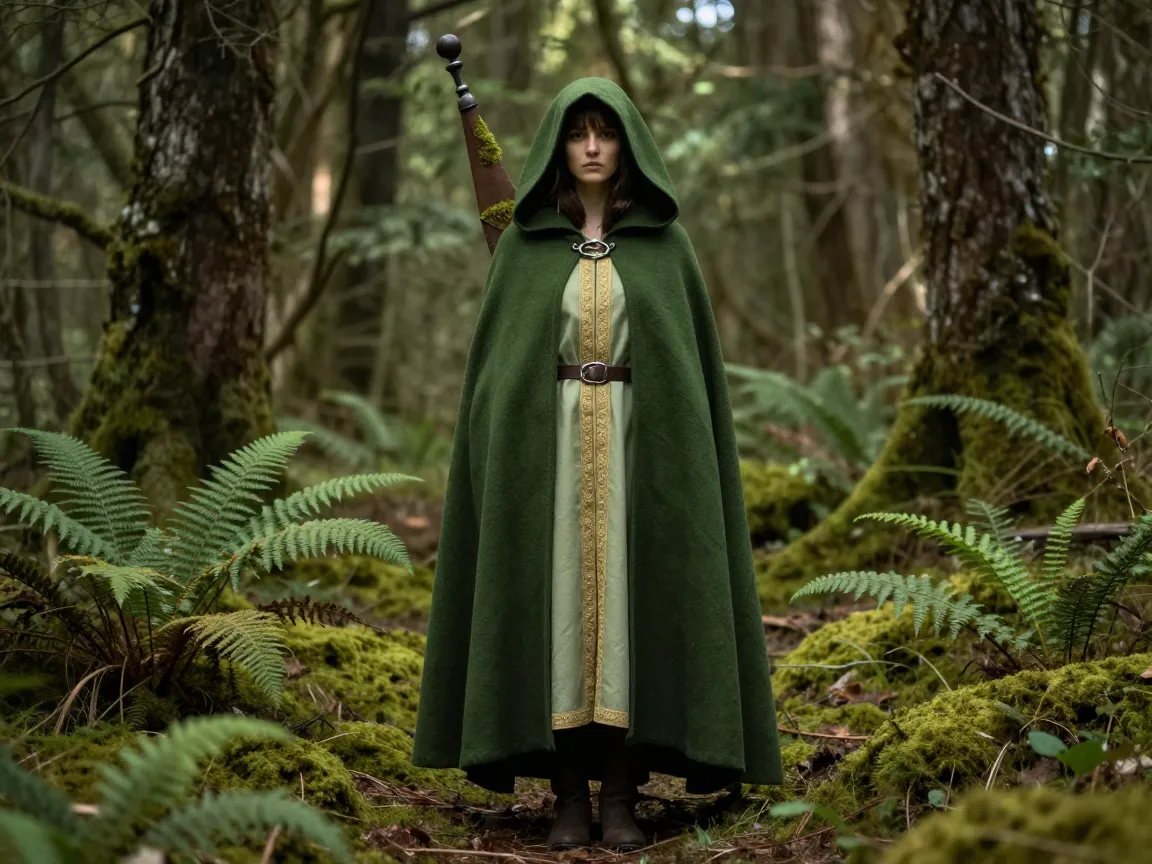
Color does more work in this aesthetic than most people expect. Earthy greens, mossy browns, muted golds, and deep forest shadows dominate the archer look for a simple reason: they come straight from the environment these characters supposedly live in. A bright red or electric blue cloak might look striking on a hanger, but it immediately reads as “costume” rather than “someone who has spent years in the woods.”
The elven ranger hybrid takes this palette one step further, adding pale greens, silvers, and soft golds to suggest something slightly otherworldly layered over the practical hunter base. This blend has become especially popular in fantasy-inspired styling because it lets a single outfit serve two aesthetics at once, grounded woodland survivor and ethereal forest guardian, depending on how it is accessorized.
A practical way to apply this is choosing one dominant forest tone, usually a mid-depth green or brown, then building two supporting shades around it, one darker for shadowed layers like the hood lining, one lighter for accents like a sash or embroidery trim. Keeping the palette within three or four related tones prevents the outfit from looking like mismatched Halloween pieces thrown together. Metallic accents, if used, should stay muted, since bright gold or silver hardware tends to pull focus away from the woodland mood that makes this style work in the first place.
6. Design for Every Body With Practical Skirts and Sleeves
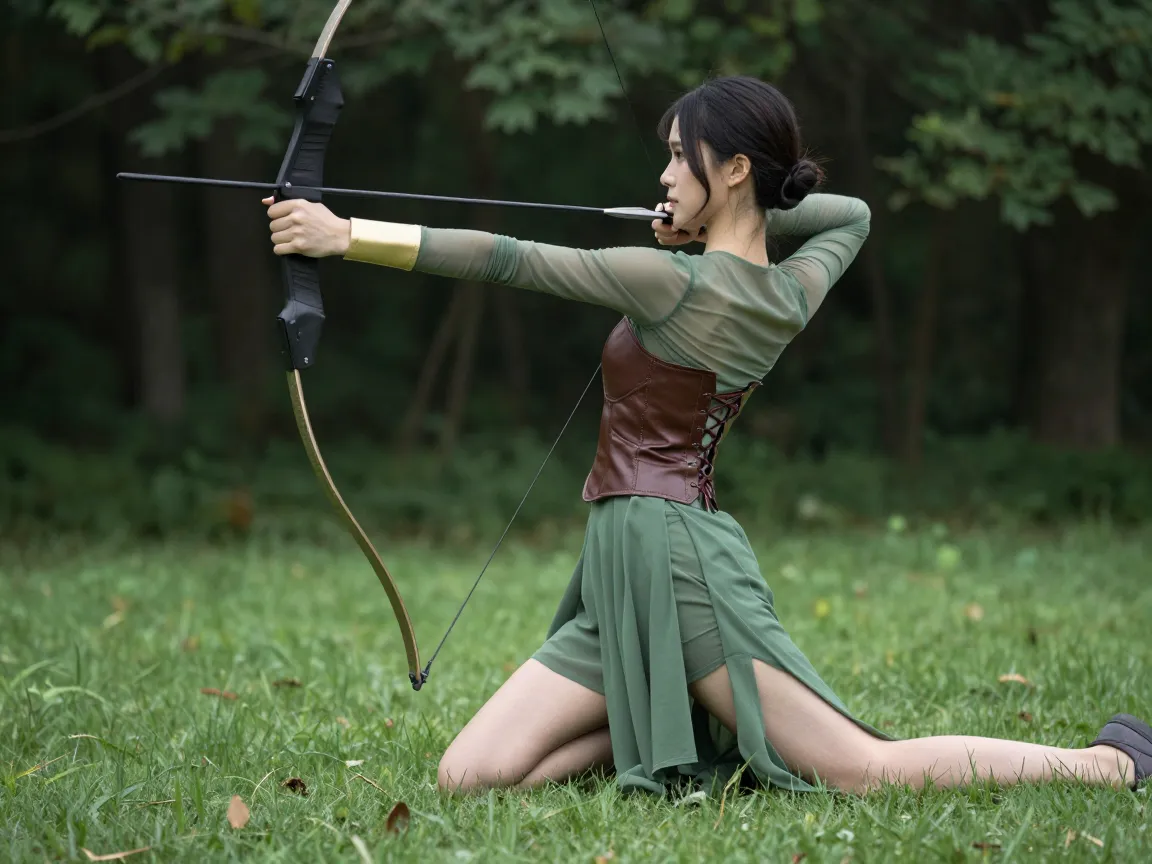
The archer aesthetic has moved well past a single masculine template, and feminine and gender-inclusive archeress designs now make up a large share of what costume makers and cosplayers actually build. The key design challenge is keeping these versions just as functional as their more traditionally masculine counterparts, not just decorative.
A split or layered skirt, cut to allow a full stride or a kneeling draw, solves the most common complaint about feminine archer costumes: fabric that restricts movement. Side slits, asymmetrical hemlines, or a shorter under-skirt paired with a longer sheer over-layer all keep the silhouette elegant while leaving the legs free. Sleeves deserve the same attention. Fitted sleeves that end above the wrist, or ones with a snug cuff, avoid interfering with the bowstring the same way a bracer does, while still allowing decorative detail like lacing or fabric wrapping higher up the arm.
This approach also opens the aesthetic to a wider range of builders, since the same core formula, cinched bodice, practical skirt, functional sleeve, forest palette, works whether someone is designing for a traditionally feminine archeress, a masculine ranger, or something that blends both. The growing popularity of gender-inclusive fantasy archer designs across cosplay communities and costume retailers reflects this shift, with many current product lines marketed explicitly as adaptable rather than locked to one gender presentation.
Final Thoughts on Building a Fantasy Archer Look
A convincing medieval archery aesthetic comes down to choices that reinforce each other: a silhouette that suggests stealth, layers that add real structure, gear that could survive an actual draw, a palette pulled from the forest floor, and a design that fits the person wearing it rather than a generic template. Start with one or two of these ideas, likely the layering formula and the color palette, since they affect every other decision, then build outward from there. The result is a costume that looks ready for the woods, not just ready for a photo.