Fly Fishing Outfit Ideas That Keep You Comfortable on the Water
Roughly 55 million Americans fish each year, yet a surprisingly large share of them show up to the water in clothing that works against them before the first cast is made. Cotton hoodies, jeans, and sneakers might feel fine at the trailhead, but they become heavy, cold, and miserable the moment they meet water, wind, or sun. Getting the clothing right is not about spending a fortune on gear, it is about understanding how fabric, fit, and layering interact across changing conditions. The 6 fly fishing outfit ideas that keep you comfortable on the water covered in this guide span every season and skill level, drawing on current apparel thinking to help anglers stay dry, warm, mobile, and focused on the fish.
Disclosure: This post contains affiliate links. As an Amazon Associate, we earn from qualifying purchases, and at no extra cost to you.
1. The Three-Layer Foundation for All-Season Fly Fishing
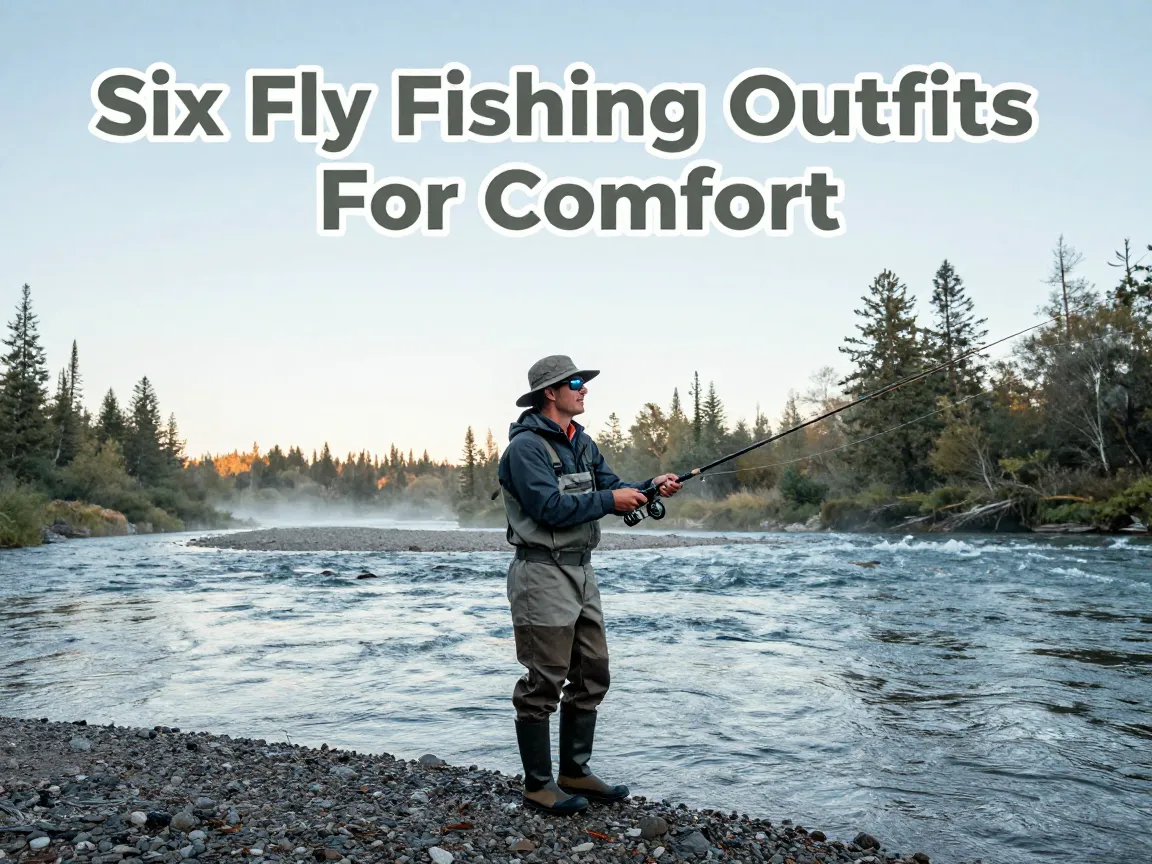
The single most effective concept in fly-fishing apparel is also the most transferable: a base layer, a midlayer, and an outer shell. Understanding how these three pieces work together transforms an angler’s comfort across wildly different conditions without requiring a separate wardrobe for every trip.
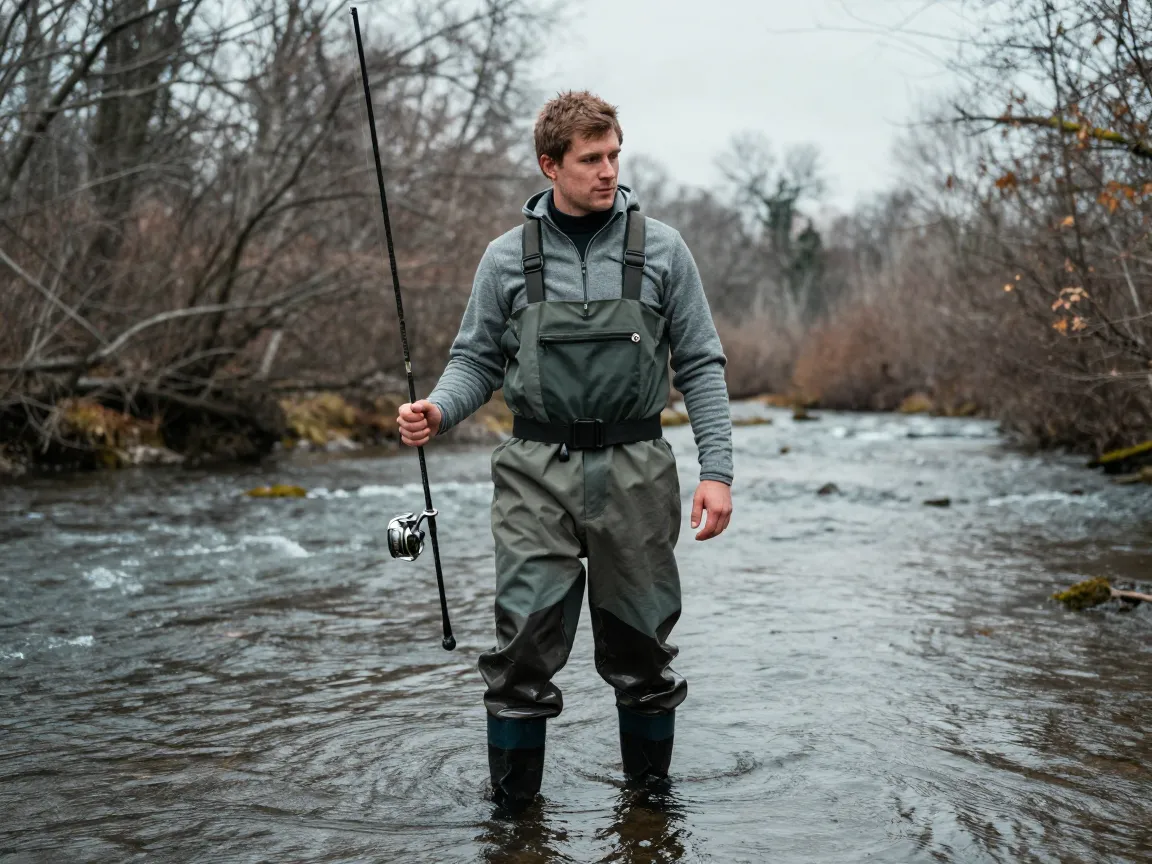
The base layer does the first and most critical job, moving sweat away from the skin. Synthetic fabrics like polyester and nylon dry fast and cost less, while merino wool regulates temperature slightly better and handles odor on multi-day trips. Both are strong choices. The one fabric to avoid at every layer is cotton. Cotton absorbs moisture and holds it against the skin, which feels tolerable on a warm afternoon but becomes dangerously cold when temperatures drop or a breeze picks up. A well-chosen base layer is thin, fitted without being restrictive, and invisible beneath everything else.
The midlayer traps body heat. Fleece is the most versatile option, it insulates even when damp, packs down reasonably well, and comes in a range of thicknesses to suit conditions from cool spring mornings to hard winter sessions. Lightweight down or synthetic puffy jackets work well as midlayers too, though they perform best when kept dry, making them a better choice under a reliable shell than as a standalone piece on a wet day.
The outer shell handles wind, rain, and spray. For fly fishing specifically, a wading jacket worn over the waders, not tucked inside, is the correct configuration. That placement allows water to run off the shell and over the wader bib rather than pooling inside. Modern wading jackets use waterproof-breathable membranes that block precipitation while letting internal moisture vapor escape, preventing the clammy buildup that makes cheaper rain gear so uncomfortable during active casting.
Patagonia and other technical outfitters have organized their entire clothing recommendation framework around this three-layer system, and for good reason. It scales from a mild October morning to a sub-freezing January wade simply by swapping the thickness of each layer. Mastering this framework once means comfortable fishing in almost any weather.
2. Hot-Weather Wet-Wading Setup for Summer Streams
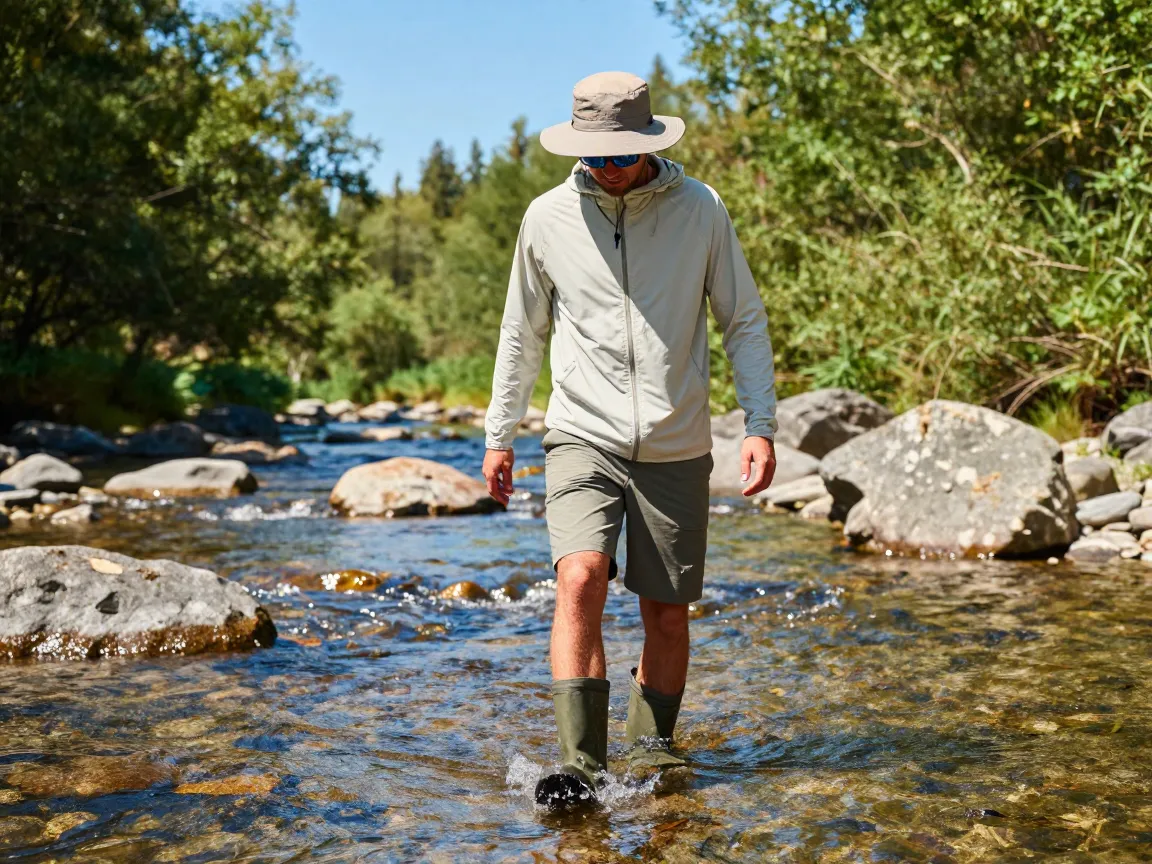
When air temperatures climb above 75°F and stream water is warm enough to be safe, wading without waders, commonly called wet wading, is both practical and liberating. The right summer outfit keeps an angler cool, sun-protected, and mobile enough to scramble over boulders and navigate slippery gravel bars without slowing down.
The core of a hot-weather fly-fishing outfit is a moisture-wicking shirt with a UPF rating between 40 and 50. These casting shirts and sun hoodies work by blocking a large percentage of ultraviolet radiation while allowing airflow and drying almost instantly when splashed. A sun hoodie, a lightweight, stretchy top with an attached hood and thumb loops, has become especially popular because it protects the neck and the back of the hands without requiring sunscreen reapplication throughout the day. For extended trips on open water or high-elevation rivers with intense midday sun, the full coverage of a sun hoodie is worth more than it might seem from a hanger in a shop.
Pants or shorts beneath the shirt should follow the same quick-dry logic. Lightweight technical shorts with a mid-length inseam, around 9 inches, give full freedom of movement in the water and dry between casts. Those who prefer pants for brush protection or added sun coverage should look for nylon or polyester styles specifically designed for wading, as standard hiking pants tend to hold water in the seat and thighs for far too long. Avoid board shorts or athletic shorts made from cotton-blend fabrics for the same reason.
Footwear for wet wading requires some thought. Neoprene wading socks under wading boots protect the feet from sharp rocks and cold water, and grippy rubber-soled boots are the safest and most regulation-compliant option in rivers where felt soles are prohibited to limit invasive species transfer. Sun protection for the face and hands rounds out the outfit: a wide-brimmed hat with a minimum 3-inch brim and polarized sunglasses that cut glare and reveal underwater structure simultaneously handle both comfort and function.
3. Cold-Weather Wader Outfit With a Two-Sock System
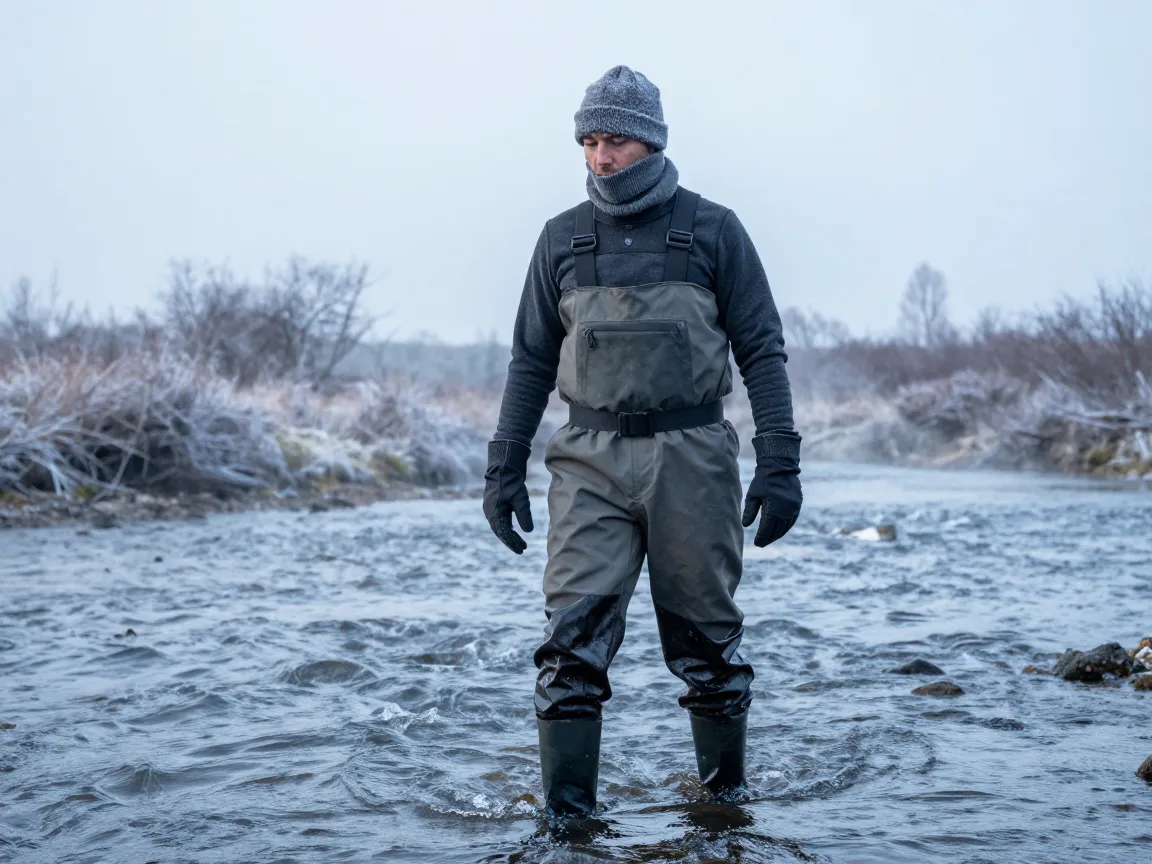
Winter fly fishing demands a different level of preparation. The goal shifts from staying cool to staying warm and dry through hours of standing in cold, moving water, sometimes in near-freezing air temperatures. The right cold-weather outfit builds warmth from the inside out, starting with what goes under the waders.
A synthetic or merino wool long-underwear base layer is the starting point. These fabrics wick perspiration away from the skin even during the exertion of wading through current, preventing the chilling effect of sweat saturation that cotton creates. Over the base layer, fleece-lined leggings or midweight thermal pants add a secondary insulation layer directly against the legs before the waders go on. Chest waders worn over this layering stack seal out water while allowing the internal layers to manage moisture and warmth.
The two-sock system, increasingly recommended by major outfitters and cold-weather fishing specialists in 2026, pairs a thin synthetic liner sock worn next to the skin with a thicker wool-blend sock layered over it. The liner manages moisture and reduces friction, while the outer sock insulates. Critically, wading boots for winter use should be sized one to two sizes larger than street shoes to accommodate this thicker sock combination without compressing the foot, compression restricts circulation and causes cold feet far faster than thin socks ever would.
Above the waders, the layering continues with a fleece midlayer and a waterproof-breathable wading jacket worn over the wader bib. Insulated, convertible gloves, ideally with flip-back finger sections for tying knots, and a snug-fitting fleece or wool hat complete the outfit. Cold weather also exposes the neck and face to wind chill; a neck gaiter made from merino or fleece adds meaningful warmth without bulk and can be pulled down when conditions moderate mid-day.
4. The Beginner Starter Outfit Built Around Versatility
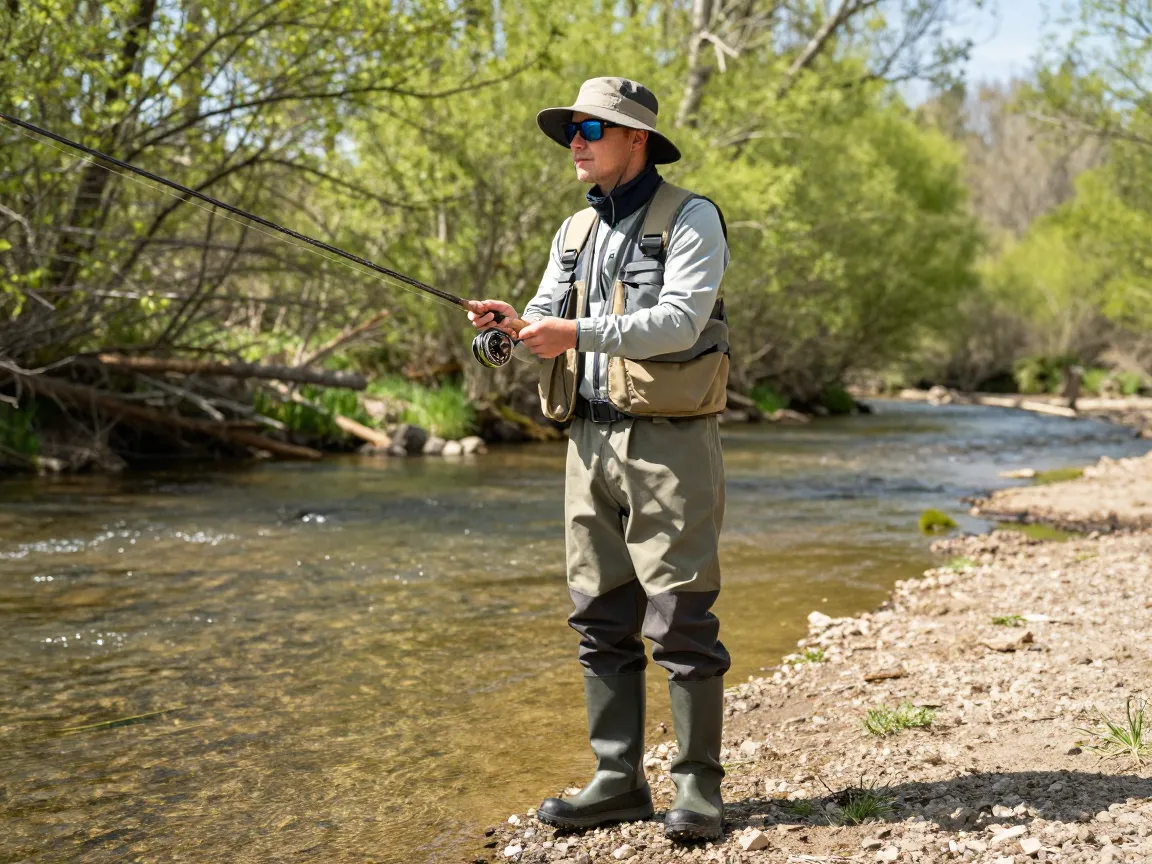
New fly anglers face an overwhelming number of product categories, and clothing is no exception. The good news is that an effective beginner fly-fishing outfit does not require owning everything at once. A focused starter kit built around versatility covers most trout stream situations across spring, summer, and fall while keeping the initial investment manageable.
The foundation of this starter outfit is a pair of stocking-foot chest waders combined with separate wading boots. Chest waders are more versatile than hip waders because they handle deeper crossings and cold mornings equally well, and stocking-foot designs allow the angler to find the best-fitting boot for their foot shape. Neoprene or breathable waders both work for beginners; breathable styles are more comfortable across a wider temperature range and are now the dominant choice sold by outfitters.
A fly fishing vest or a chest pack worn over a moisture-wicking shirt provides the pocket access that makes managing flies, tippet spools, and tools practical without a bag. Vests distribute weight evenly and keep gear visible, while chest packs offer a more streamlined profile and work well for anglers who wade in deep or fast water. Either option outperforms stuffing items into jacket pockets or a backpack.
Headwear and eye protection are non-negotiable from day one. A brimmed hat protects against sun and deflects errant flies during casting, and polarized sunglasses are arguably the most important piece of equipment for a new angler after the rod itself, they remove surface glare and reveal the fish, rocks, and current seams that form the foundation of reading water. A basic polarized pair does not need to be expensive to be effective. The beginner who invests in these two items and a solid base layer is better equipped for a comfortable day on the water than one carrying a premium rod in jeans and a baseball cap.
5. The Boat-to-Bar Outfit for Drift Boat and Social Fishing
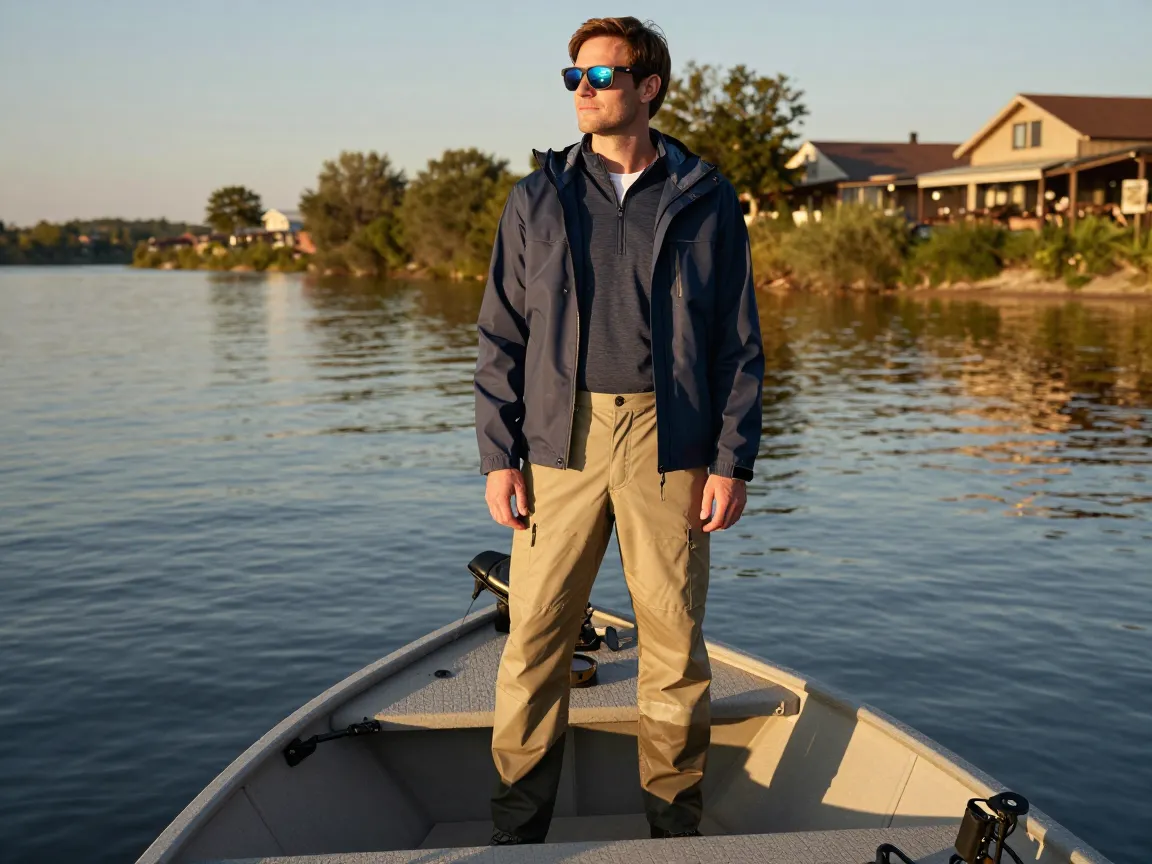
A growing segment of fly fishing takes place on drift boats, guided floats, and social fishing trips where anglers move between river time, shore lunches, and casual post-trip settings without an opportunity to change clothes. This context demands apparel that handles active outdoor use but does not broadcast “just came from the river” in a coffee shop or restaurant.
Modern fishing pants have evolved considerably to meet this need. The best current options use stretch-woven nylon fabrics with a water-resistant finish, a classic five-pocket silhouette that reads as casual rather than technical, and built-in UPF 50 sun protection. They move freely through a full casting motion, dry quickly when splashed, and sit comfortably in a truck cab for a two-hour drive home. For boat fishing specifically, they also eliminate the need for full waders, since anglers on a drift boat rarely wade and do not need the watertight coverage that waders provide.
A lightweight, packable rain jacket complements these pants for variable weather. The best options for this outfit category are slim-cut, low-bulk shells that stuff into a chest pocket and add a layer of wind and rain protection without the bulk of a full wading jacket. When weather is stable, the jacket stays packed away and the outfit reads as casual. When conditions shift, the shell comes out without the angler looking like they raided a fishing catalogue.
A sun hoodie or a half-zip technical shirt worn as the top layer ties the outfit together. These pieces have the stretch and moisture-wicking properties needed for active fishing while presenting cleanly off the water. The result is a cohesive outfit that handles a full day on the river and transitions naturally into social settings, a practical solution for guided trips, destination fishing travel, or any scenario where flexibility matters as much as performance.
6. The Gender-Inclusive Comfort-First Outfit for All-Day Wading
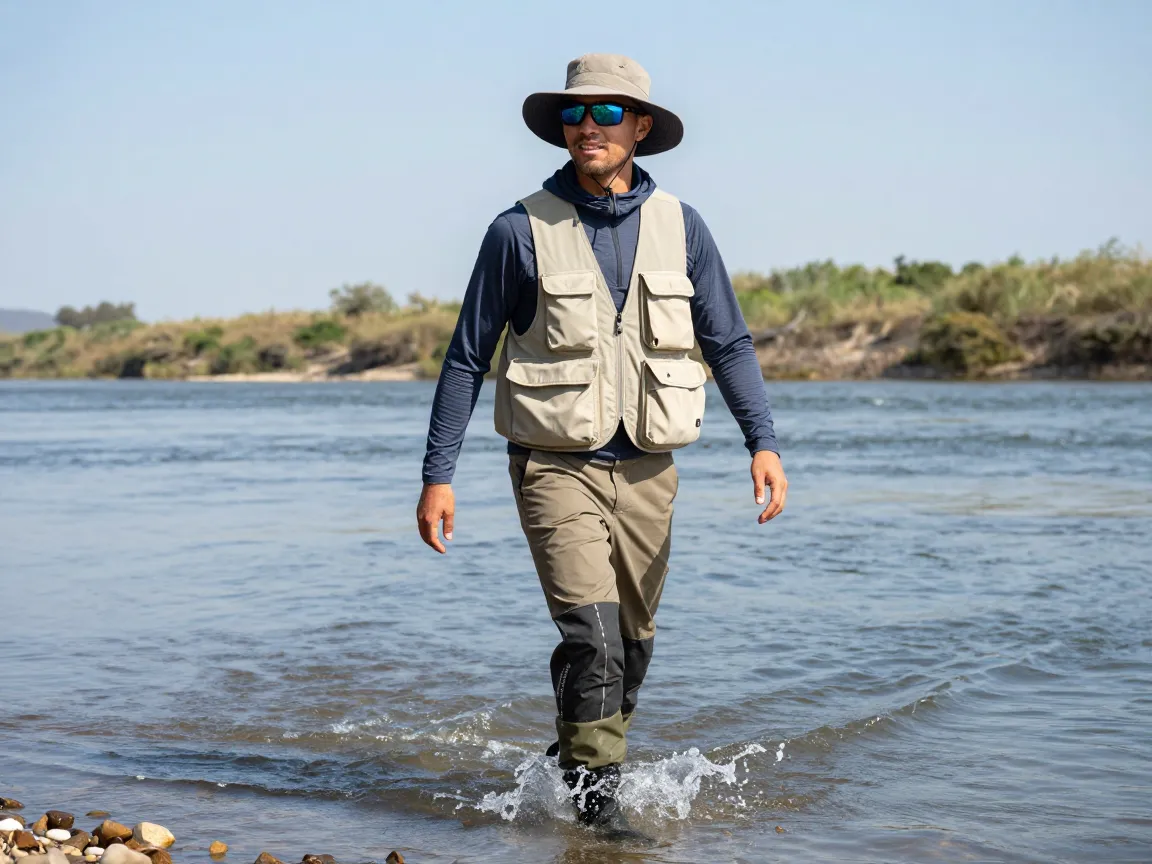
Fly fishing has historically been marketed with a narrow visual language, but the sport’s growth in recent years has pulled apparel design in a more inclusive direction. Gender-inclusive fly-fishing outfits published in early 2026 emphasize two consistent priorities above all others: freedom of movement and functional pocket access. When those two factors are present, comfort follows across a wide range of body types and fishing styles.
The foundation of this outfit is a fitted moisture-wicking base layer that moves with the body rather than bunching or shifting during casting. Fit matters more than gender-specific labeling here, an athletic-cut base layer in a synthetic or merino blend serves the function regardless of how it is marketed. Over the base layer, quick-dry hiking pants or lightweight waders provide leg coverage without the stiffness that heavier technical fabrics can introduce. Pants with articulated knees and a gusseted crotch allow full squatting, scrambling, and high-stepping over logs and rocks without pulling or binding.
The midlayer for this outfit is a lightweight fishing vest or chest pack chosen specifically for pocket configuration. Vests with multiple small external pockets, including a large back pocket for a rain jacket, provide the organization that keeps an angler focused on fishing rather than searching through a bag. Chest packs worn at torso height rather than low on the hips feel balanced during active wading and do not interfere with fly line.
Sun protection choices depend on conditions. On bright, open-water days, a UPF-rated sun hoodie worn over the base layer handles both sun and mild wind without an additional jacket. On overcast or partly cloudy days, a lightweight quarter-zip technical shirt provides enough coverage without overheating. Polarized sunglasses and a wide-brimmed hat complete the outfit. This configuration emphasizes adaptability, each piece can be swapped or layered based on actual conditions rather than a rigid prescription, which is precisely why it works for a broad range of anglers across a broad range of days on the water.
Conclusion
Comfort on the water comes down to informed choices made before the first cast. The 6 fly fishing outfit ideas that keep you comfortable on the water covered here share a common thread: fabric selection and layering strategy matter far more than brand loyalty or price point. Synthetic and merino wool fabrics outperform cotton in every wet or cold scenario. A wading jacket worn over the waders, not under, sheds water correctly. Boots sized generously enough to accommodate thick socks preserve circulation through long winter sessions.
The most useful next step for any angler refining their kit is to audit the base layer first. If any piece of clothing currently in the rotation is made from cotton, replacing it with a moisture-wicking synthetic or merino alternative will produce a noticeable improvement in comfort across all conditions. Everything else can be added gradually, but that single change delivers the highest return on a cold or wet day faster than any other upgrade.