8 Practical and Stylish Camping & Hiking Outfit Ideas for Any Season
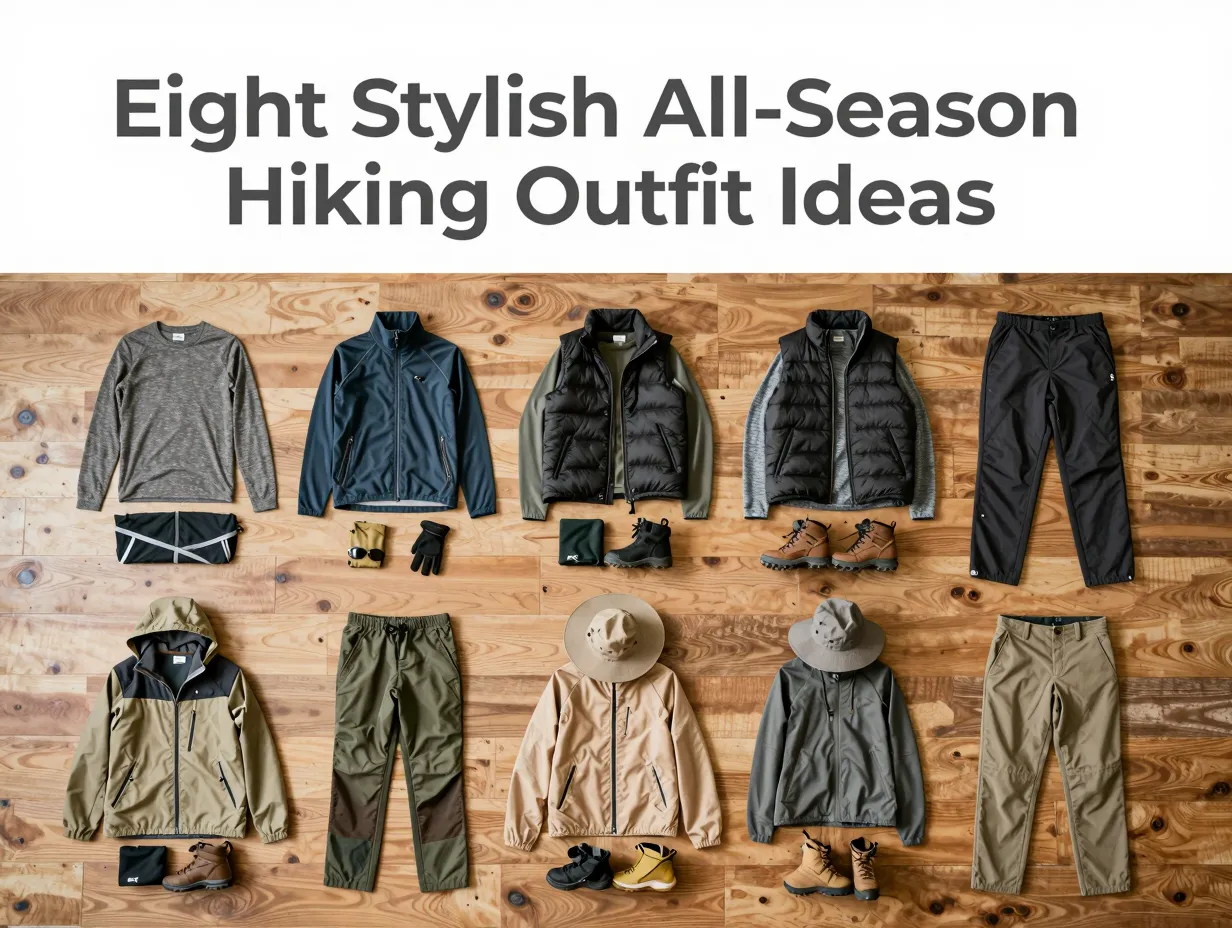
Nearly 60 million Americans hit the trails each year, yet surveys consistently show that improper clothing ranks among the top reasons hikers cut trips short or suffer preventable discomfort. What goes on your body matters as much as what goes in your pack. The right outfit is not just a style choice, it is a safety decision. This guide breaks down 8 Practical and Stylish Camping & Hiking Outfit Ideas for Any Season, covering everything from layering systems to footwear, so every outdoor adventure starts and ends on the right note.
Disclosure: This post contains affiliate links. As an Amazon Associate, we earn from qualifying purchases, and at no extra cost to you.
Key Takeaways
- Layering is the single most effective strategy for managing body temperature across all seasons and terrain types.
- Fabric choice, not brand or price, determines whether an outfit performs or fails in the field.
- Versatile, convertible pieces reduce pack weight while expanding outfit options on multi-day trips.
- Sun protection, moisture management, and wind resistance should guide every purchasing decision.
- Style and function are not mutually exclusive; modern technical fabrics and cuts look sharp on and off the trail.
Why Outfit Strategy Matters More Than Gear Alone
Most hikers obsess over boots and backpacks while treating clothing as an afterthought. That is a costly mistake. Clothing is the first line of defense against hypothermia, sunburn, chafing, and fatigue. A well-planned outfit regulates body temperature, wicks sweat away from the skin, blocks UV radiation, and keeps wind and rain from turning a pleasant hike into a miserable slog.
The 8 Practical and Stylish Camping & Hiking Outfit Ideas for Any Season outlined in this article are built around three core principles:
- Function first: Every piece must serve a clear purpose.
- Versatility second: Pieces that work across multiple conditions earn their place in the pack.
- Aesthetics third: Looking good on the trail is a bonus, not a burden, modern technical wear delivers on all three.
Before diving into specific outfit ideas, it helps to understand the foundational layering system that underpins most of these looks.
The Three-Layer System Explained
| Layer | Purpose | Common Materials |
|---|---|---|
| Base Layer | Moisture management, next-to-skin comfort | Merino wool, synthetic polyester |
| Mid Layer | Insulation, heat retention | Fleece, down, synthetic fill |
| Outer Layer | Wind and rain protection | Gore-Tex, nylon, polyester shell |
Each outfit idea below draws from this system, adapted for the season and activity level.
8 Practical and Stylish Camping & Hiking Outfit Ideas for Any Season
1. The Summer Day Hike Look
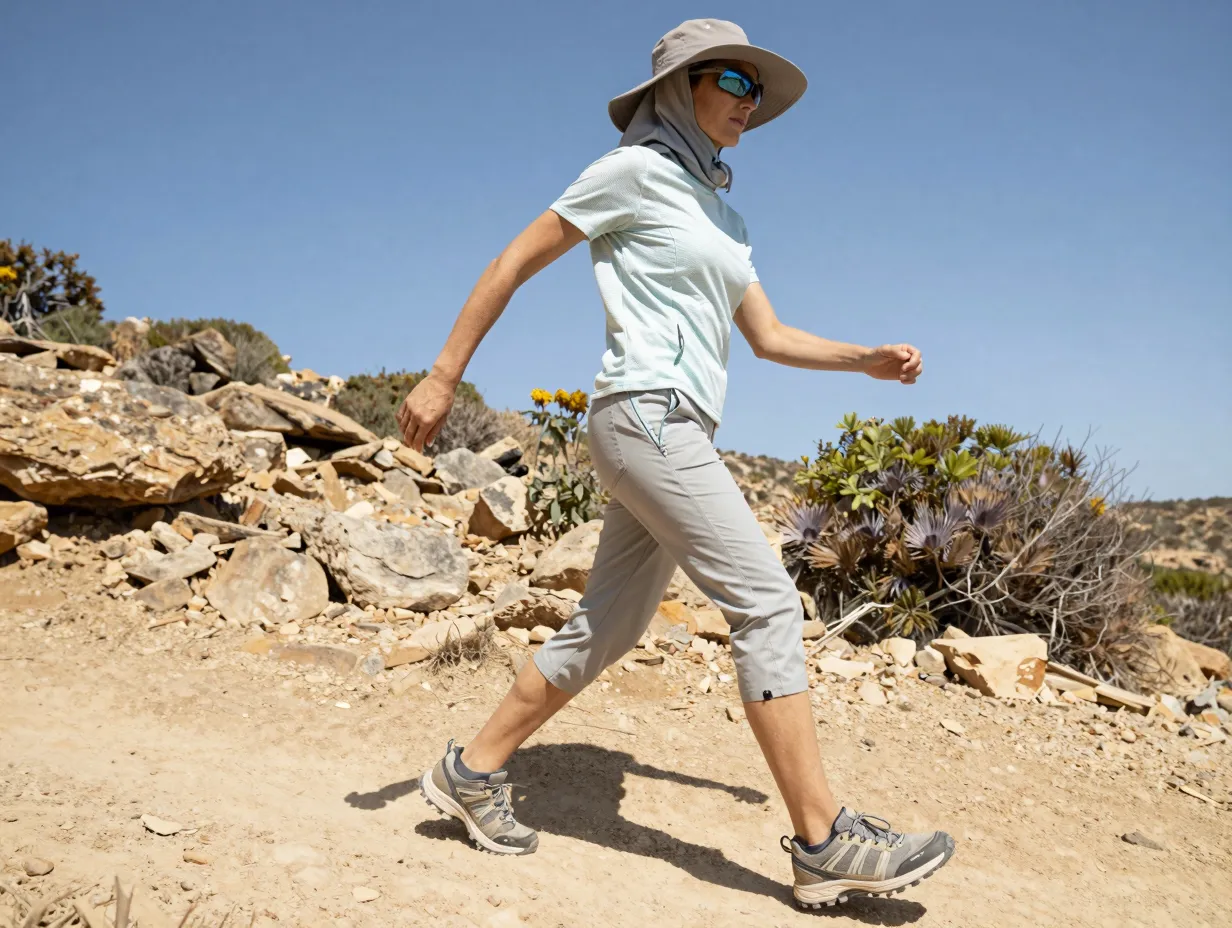
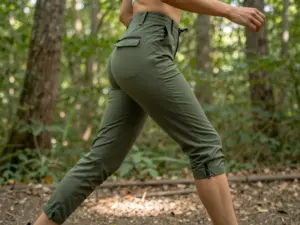
Summer trails demand outfits that breathe, dry fast, and protect against intense UV exposure. The foundation is a lightweight, moisture-wicking short-sleeve shirt in a synthetic blend or merino wool. Pair it with convertible zip-off pants that transform into shorts when temperatures spike mid-trail.
Key pieces for this look:
- Moisture-wicking short-sleeve shirt (UPF 30 or higher)
- Convertible nylon pants or quick-dry shorts
- Wide-brim sun hat or baseball cap with neck flap
- Lightweight trail runners or low-cut hiking shoes
- UV-blocking sunglasses (wraparound style for trail use)
- Breathable ankle socks in merino or synthetic blend
Pro tip: Avoid cotton entirely in summer. Cotton absorbs sweat and holds it against the skin, increasing chafing risk and slowing the body’s cooling process. Synthetic fabrics or merino wool move moisture outward and dry far faster.
The color palette for summer hiking leans toward lighter tones, sand, light gray, pale blue, which reflect sunlight rather than absorbing it. That said, many trail runners now offer technical fabrics in bold, saturated colors that look striking without sacrificing performance.
2. The Spring Shoulder-Season Outfit
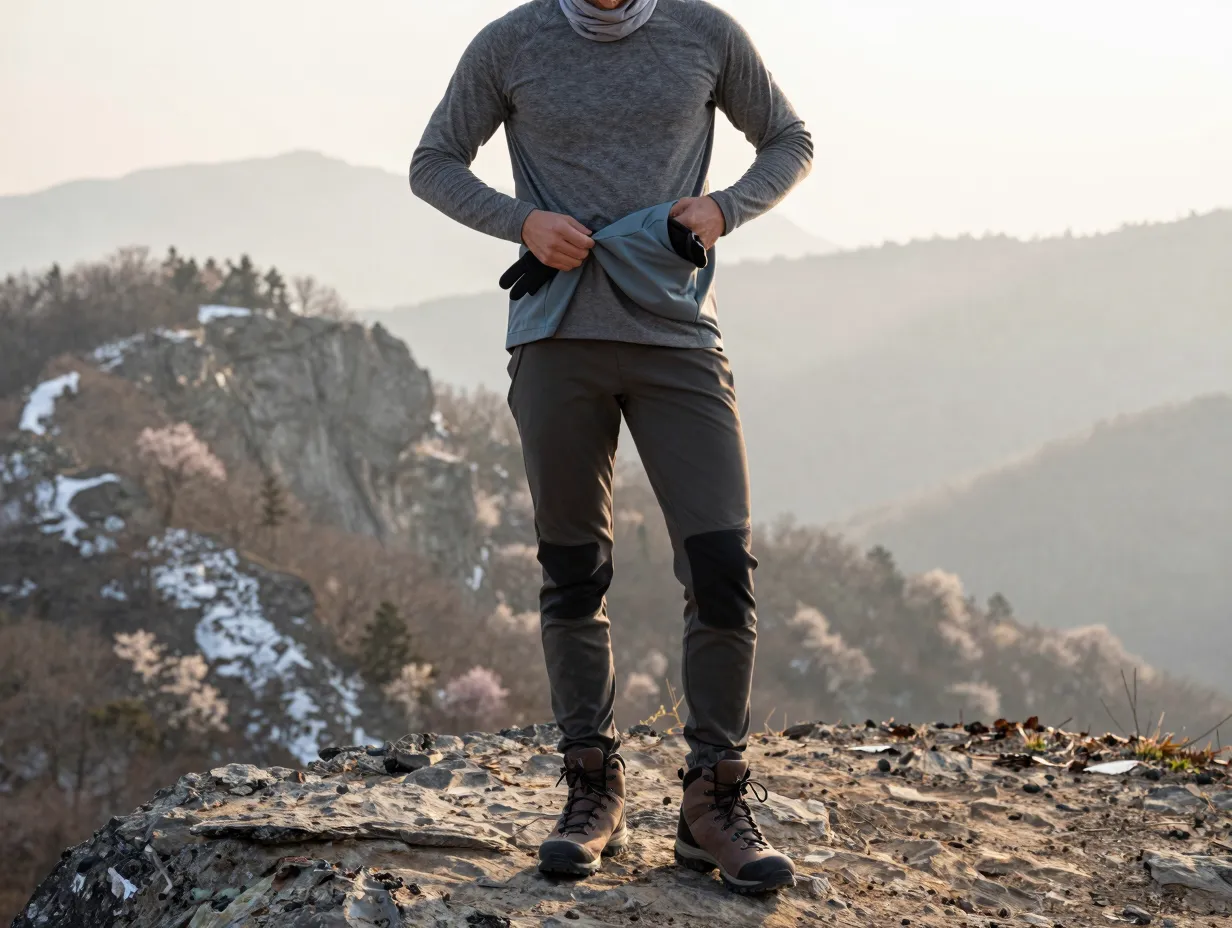
Spring hiking is the most unpredictable season for dressing. Morning temperatures can hover near freezing while afternoon sun pushes conditions into the mid-60s Fahrenheit. The solution is a modular, easily packable outfit that adapts quickly.
Build this look around:
- Merino wool long-sleeve base layer (lightweight, 150-175 gsm)
- Lightweight softshell jacket or windbreaker (packable into its own pocket)
- Slim-fit hiking pants with articulated knees for mobility
- Waterproof trail runners or mid-cut hiking boots
- Liner gloves that pack flat into a jacket pocket
- Buff or neck gaiter for early morning cold
“The goal in shoulder-season dressing is to start slightly cool and warm up naturally, not to start warm and overheat within the first mile.”
The softshell jacket is the star of this outfit. Unlike a hard-shell raincoat, a softshell offers stretch, breathability, and moderate wind resistance, making it the ideal single layer for variable spring conditions. Many softshells now come in tailored cuts that look polished enough for post-hike coffee stops.
3. The Fall Foliage Hike Ensemble
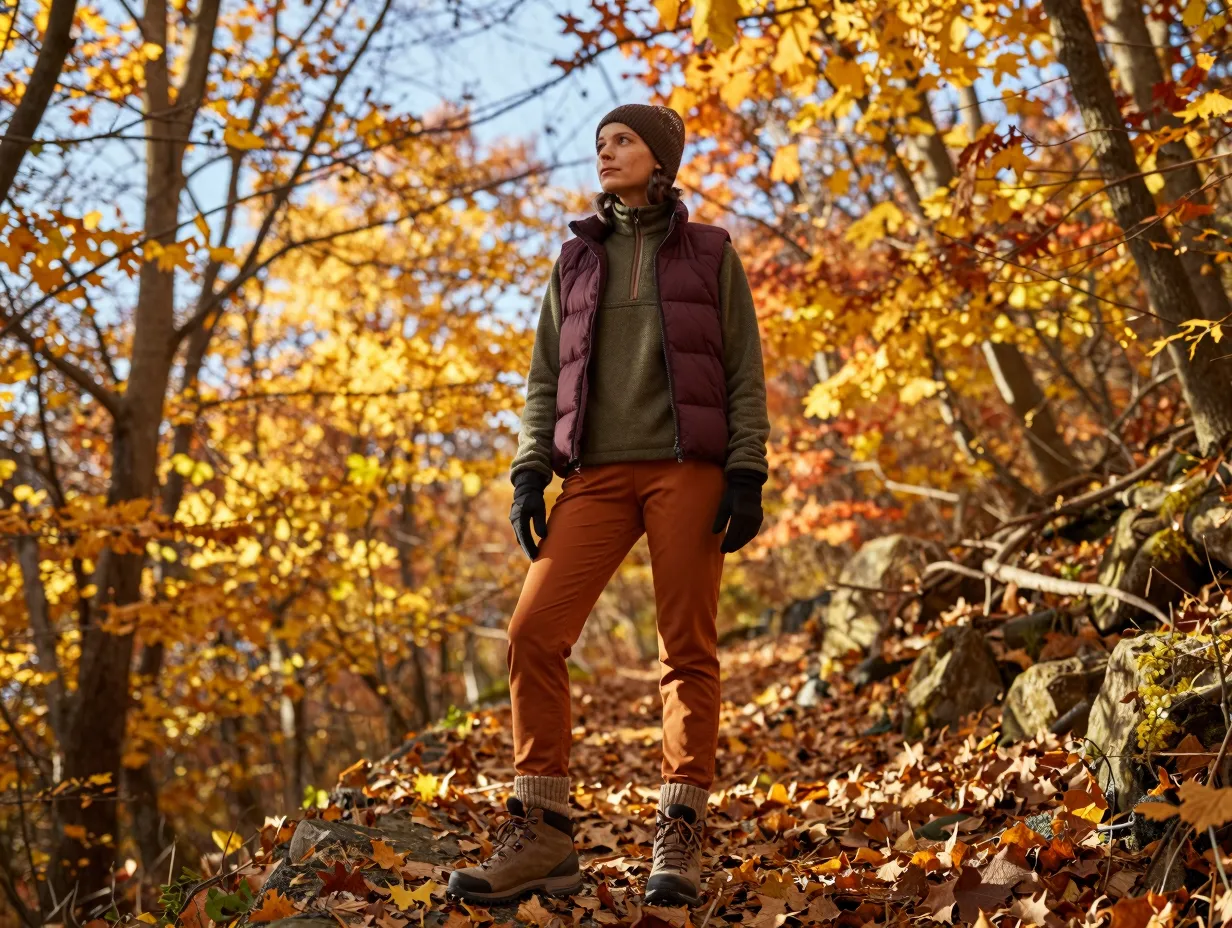
Autumn hiking combines the best of the outdoor calendar, cooler temperatures, stunning color, and firm, dry trails, but it also introduces the risk of sudden cold snaps and early darkness. This outfit prioritizes warmth without bulk.
Core components:
- Lightweight thermal base layer (merino or synthetic)
- Midweight fleece pullover or quarter-zip
- Packable down vest (adds core warmth without restricting arm movement)
- Durable stretch hiking pants in earth tones
- Mid-cut waterproof hiking boots
- Wool hiking socks (midweight)
- Beanie hat and packable gloves
The down vest is a particularly smart addition for fall. It keeps the core warm while allowing full arm mobility, and it compresses into a stuff sack small enough to clip to a daypack. Earth tones, rust, olive, charcoal, deep burgundy, naturally complement fall foliage and photograph beautifully on the trail.
4. The Winter Backcountry Layering System
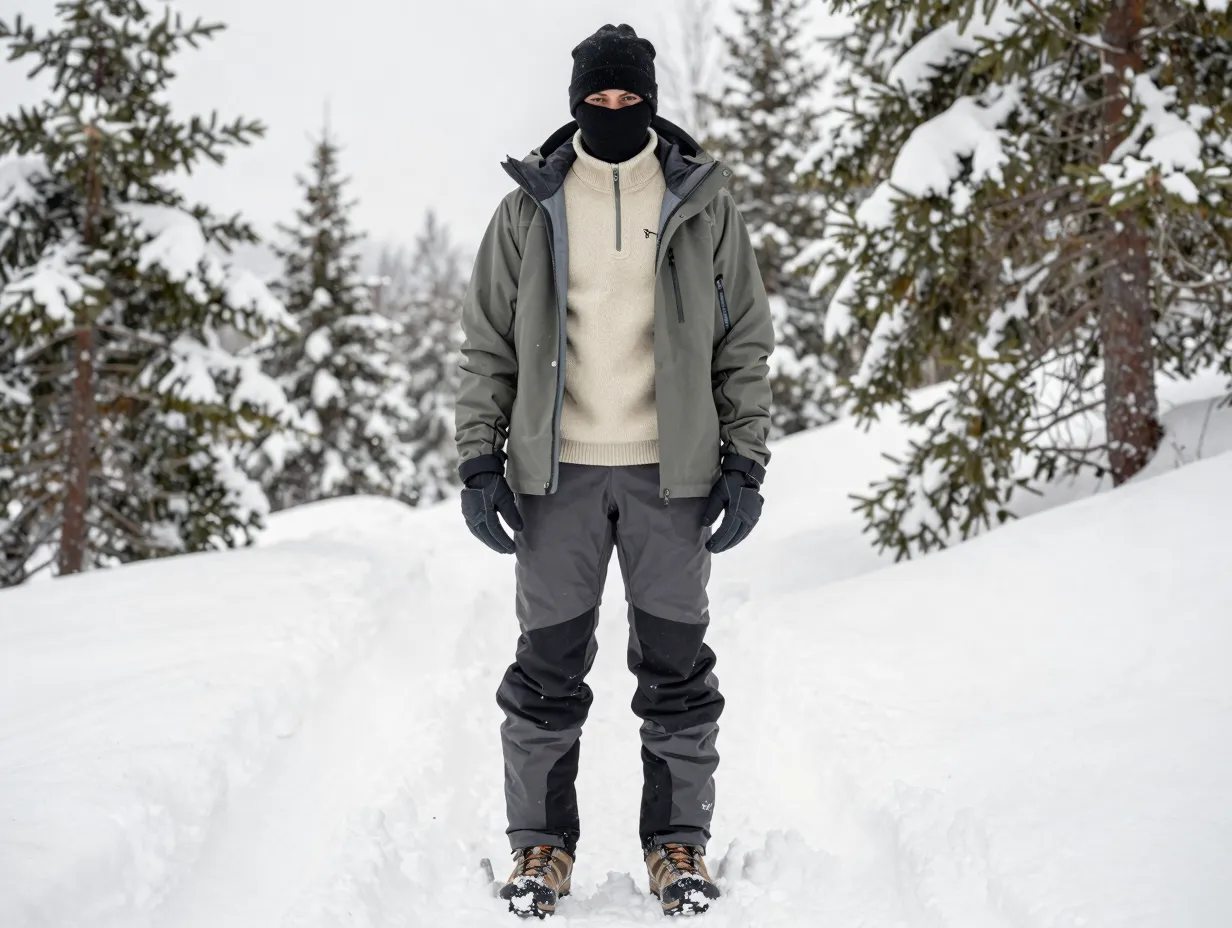
Winter hiking and camping demand the most disciplined approach to dressing. Hypothermia is a genuine risk when temperatures drop below freezing, and wet clothing accelerates heat loss dramatically. This outfit is built for maximum thermal protection with moisture management at every layer.
The full winter system:
- Heavyweight merino wool or synthetic base layer (top and bottom)
- Midweight fleece or insulated softshell jacket
- Hardshell waterproof and windproof outer jacket (with pit zips for ventilation)
- Insulated waterproof pants or shell pants over base layer bottoms
- Waterproof, insulated hiking boots (rated to at least -20°C for serious cold)
- Wool or synthetic midweight hiking socks
- Insulated gloves or mittens with liner gloves underneath
- Balaclava or insulated beanie plus neck gaiter
Critical note: Avoid down insulation as the mid-layer in wet winter conditions. Down loses nearly all insulating properties when wet. Synthetic insulation (PrimaLoft, Thinsulate) maintains warmth even when damp, making it the safer choice for snowshoeing, winter camping, or any activity where moisture exposure is likely.
5. The Multi-Day Backpacking Outfit
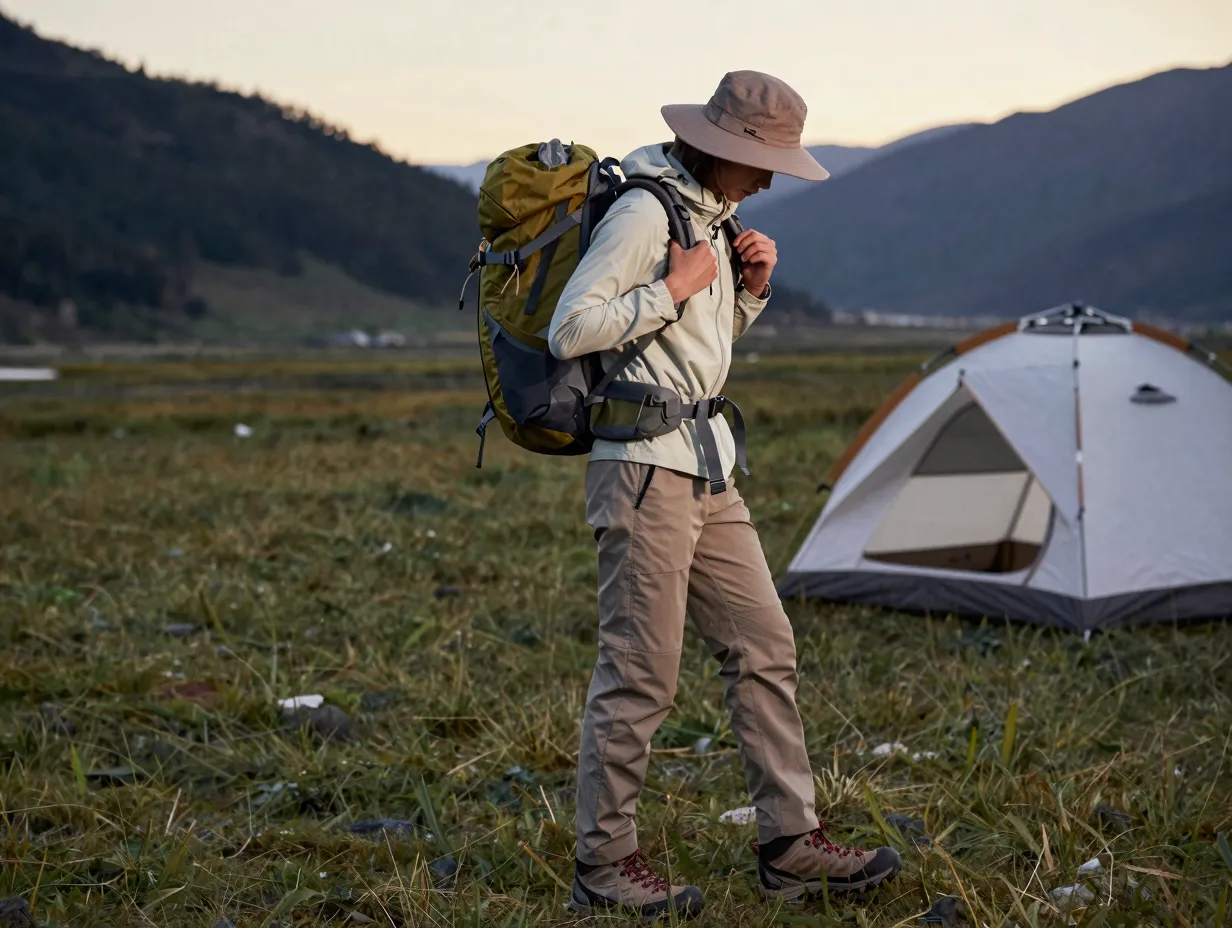
Backpacking trips lasting two or more days require outfits that balance pack weight, versatility, and durability. Every ounce counts, so each piece must serve multiple functions.
The smart backpacker’s outfit formula:
- Merino wool short-sleeve shirt (doubles as camp shirt and hiking shirt)
- Lightweight long-sleeve sun hoody (worn over the shirt for UV protection or extra warmth)
- Single pair of lightweight hiking pants (convertible style recommended)
- Packable down or synthetic insulated jacket (evening warmth at camp)
- Lightweight hardshell rain jacket
- One pair of hiking boots or trail runners (broken in before the trip)
- Two pairs of merino wool hiking socks (rotate daily)
- Packable wide-brim hat
The merino wool sun hoody deserves special mention here. It provides UPF 50+ sun protection, adds a light insulating layer on cool mornings, and resists odor far better than synthetic alternatives, a meaningful advantage on a five-day trip without laundry access.
6. The Rainy Day Trail Outfit
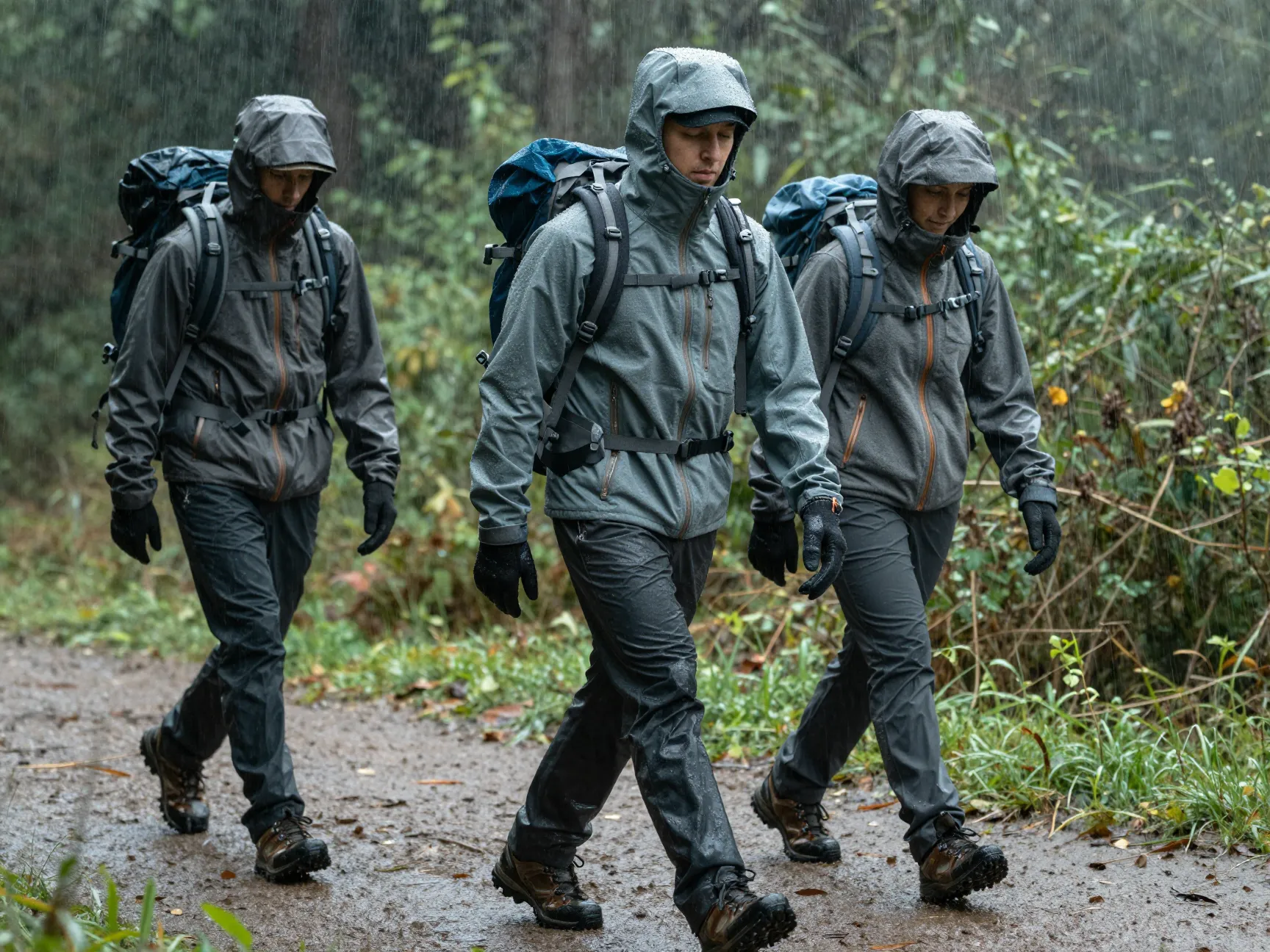
Rain does not have to end a hike. The right outfit keeps the body dry, warm, and comfortable even in sustained downpours. The key is waterproof-breathable outer layers paired with fast-drying base layers that do not hold moisture against the skin.
Rain-ready outfit components:
- Synthetic base layer (avoid merino in heavy rain, it dries slowly when fully saturated)
- Midweight fleece or synthetic insulated mid-layer
- Waterproof-breathable hardshell jacket (look for sealed seams and a reliable hood)
- Waterproof shell pants or rain pants worn over hiking pants
- Waterproof hiking boots or trail runners with a waterproof membrane
- Waterproof gloves or glove covers
- Pack cover for the daypack
“Staying dry is not just about comfort, it is about maintaining the body’s core temperature. Wet clothing in cool conditions can trigger hypothermia even at temperatures well above freezing.”
Gaiters are a valuable addition for muddy or wet trail conditions. They seal the gap between boot and pant leg, keeping debris and water out of footwear. Low-cut trail gaiters work well for most day hikes; taller mountaineering gaiters are reserved for deep snow or stream crossings.
7. The Desert and High-Sun Hiking Outfit
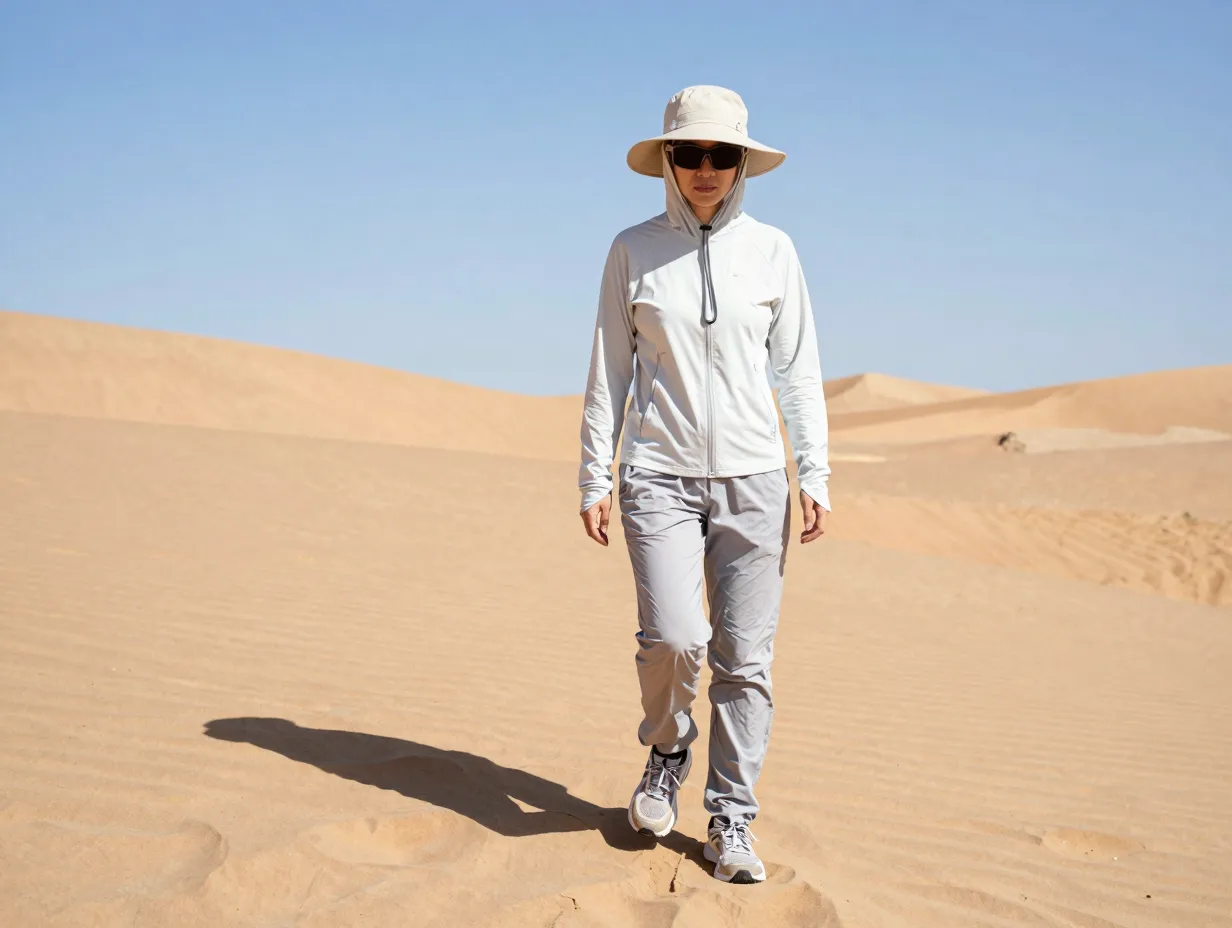
Desert hiking presents a paradox: the environment is hot and dry, yet the risks of heat exhaustion and severe sunburn are higher than almost any other terrain. This outfit prioritizes sun protection, ventilation, and lightweight coverage over bare skin.
Desert-specific outfit strategy:
- Long-sleeve UPF 50+ sun hoody (lightweight, ventilated)
- Lightweight nylon or polyester hiking pants (full-length, not shorts)
- Wide-brim hat with at least a 3-inch brim all around
- UV-blocking wraparound sunglasses
- Lightweight trail runners with breathable mesh uppers
- Merino wool or synthetic liner socks under lightweight hiking socks
- Gaiters (low-cut) to keep sand out of shoes
Many hikers instinctively reach for shorts and a tank top in desert heat. Research on thermoregulation consistently shows that loose, full-coverage clothing in light colors actually keeps the body cooler in high-sun environments than exposed skin, because it blocks direct solar radiation while allowing airflow underneath the fabric.
| Outfit Element | Desert Priority | Reason |
|---|---|---|
| Sun hoody | Essential | Blocks UV, reduces skin exposure |
| Full-length pants | Recommended | Prevents solar radiation on legs |
| Wide-brim hat | Essential | Shades face, neck, and ears |
| Sunglasses | Essential | Prevents UV eye damage |
| Light colors | Strongly recommended | Reflects solar heat |
8. The Camp-to-Town Versatile Outfit
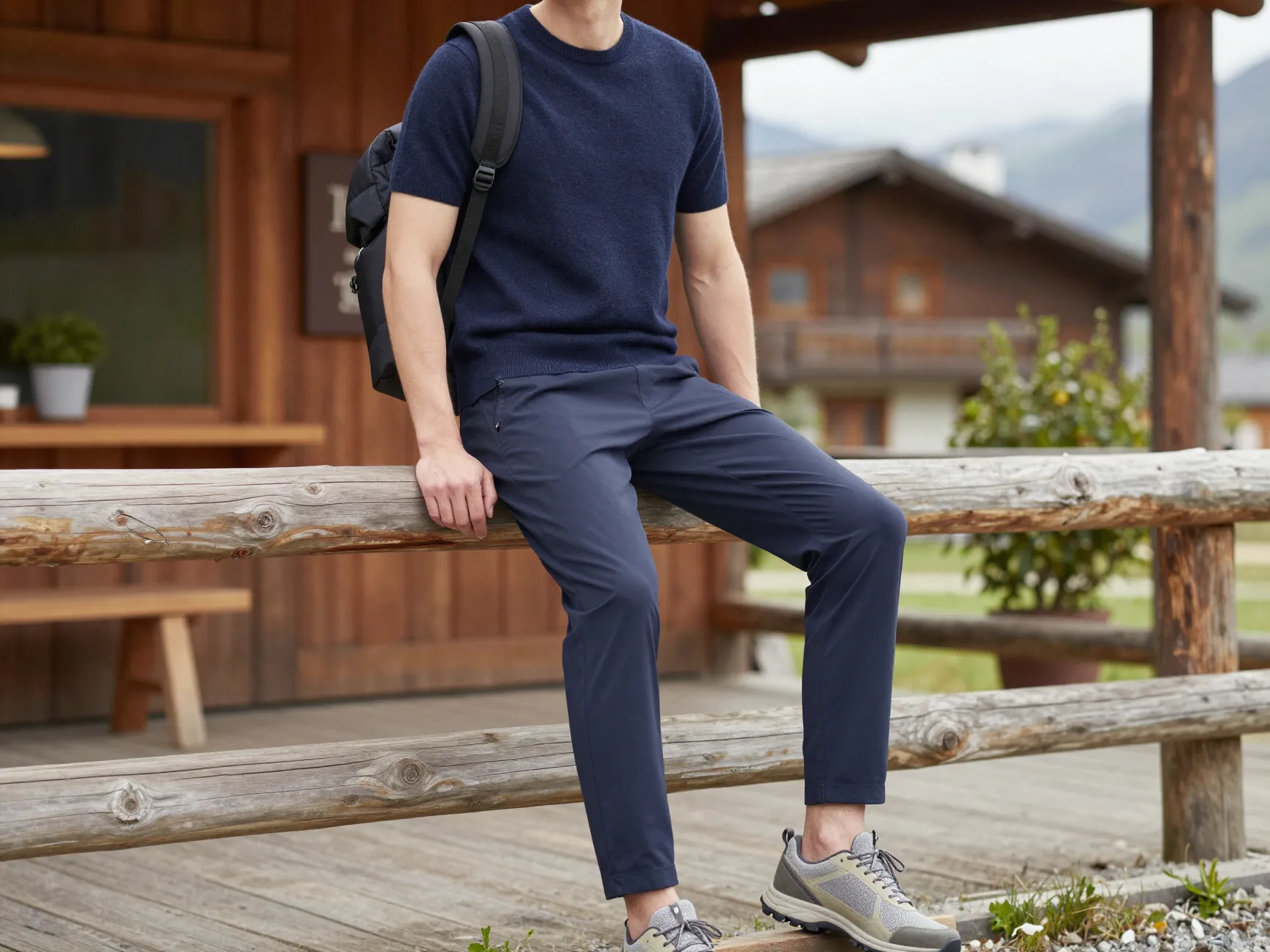
Not every outdoor trip is a deep-wilderness expedition. Many campers and hikers move between trailheads, campgrounds, and small towns in the same day. This outfit bridges the gap between technical performance and everyday style, looking appropriate at a trailhead parking lot and a local restaurant in equal measure.
The camp-to-town formula:
- Merino wool short-sleeve crew-neck shirt (neutral color, navy, gray, olive)
- Slim-fit stretch hiking pants or performance chinos (not cargo pants)
- Packable down jacket or fleece (clean, minimalist design without excessive logos)
- Low-profile trail runners in a neutral colorway
- Merino wool ankle socks
- Minimal-profile daypack or tote bag
The secret to this look is choosing technical pieces with clean, minimal aesthetics. Many outdoor brands now produce hiking pants that are virtually indistinguishable from chinos, and merino wool shirts that pass as casual button-down alternatives. The result is an outfit that performs on a 5-mile morning hike and looks intentional at dinner afterward.
Fabric Guide: Choosing the Right Materials for Every Season
Understanding fabric properties eliminates most outfit planning confusion. The table below summarizes the most common hiking and camping fabrics and their ideal use cases.
| Fabric | Best Season | Key Strength | Key Weakness |
|---|---|---|---|
| Merino Wool | All seasons | Odor resistance, temperature regulation | Slow to dry when fully wet |
| Synthetic Polyester | All seasons | Fast drying, durable, affordable | Retains odor over time |
| Nylon | Spring, Summer, Fall | Abrasion resistance, lightweight | Less breathable than polyester |
| Down Insulation | Fall, Winter (dry) | Exceptional warmth-to-weight ratio | Loses insulation when wet |
| Synthetic Insulation | Winter, wet conditions | Insulates when wet | Heavier than down |
| Softshell | Spring, Fall | Stretch, breathability, moderate weather resistance | Not fully waterproof |
| Hardshell | Winter, Rain | Full waterproof and windproof protection | Less breathable, stiffer |
| Cotton | Not recommended for hiking | Comfortable in dry conditions | Retains moisture, slow drying |
Common Outfit Mistakes to Avoid
Even experienced hikers make clothing errors that compromise comfort and safety. The most frequent mistakes include:
Wearing cotton as a base layer. Cotton retains moisture and dries slowly, making it a poor choice for any active outdoor use. Swap it for merino wool or synthetic alternatives.
Overdressing at the trailhead. Starting a hike already warm means overheating within the first mile. Begin slightly cool, body heat generated during movement will compensate quickly.
Ignoring foot care. Boots and socks are the most important outfit elements for preventing blisters, ankle injuries, and fatigue. Invest in quality footwear and never wear new boots on a long hike without breaking them in first.
Skipping sun protection in overcast conditions. UV radiation penetrates cloud cover. A UPF-rated shirt and sun hat are necessary even on gray days, especially at elevation where UV intensity increases significantly.
Packing too many outfit changes. On backpacking trips, the temptation to pack extra clothing adds unnecessary weight. Two to three versatile pieces that layer well outperform five single-purpose items every time.
Seasonal Outfit Planning Checklist
Use this quick checklist before any trip to confirm the outfit is season-appropriate:
Summer:
- Moisture-wicking base layer
- Sun hat and UV sunglasses
- Quick-dry pants or convertible pants
- No cotton
Spring and Fall:
- Packable wind layer
- Flexible mid-layer option
- Waterproof footwear
- Gloves and hat accessible in pack
Winter:
- Full three-layer system
- Synthetic insulation (not down) if wet conditions expected
- Insulated, waterproof boots
- Balaclava and insulated gloves
Rain:
- Sealed-seam hardshell jacket
- Waterproof pants
- Waterproof footwear
- Pack cover
How to Build a Year-Round Outdoor Wardrobe on a Budget
Building a complete outdoor wardrobe does not require purchasing everything at once. A strategic, phased approach spreads cost while ensuring coverage across all conditions.
Phase 1, Foundation (start here):
Invest in one quality merino wool base layer, one pair of durable convertible hiking pants, a packable rain jacket, and a pair of well-fitted trail runners or hiking boots. These four items cover the majority of three-season hiking conditions.
Phase 2, Expand for cold weather:
Add a midweight fleece, a packable down or synthetic insulated jacket, and a pair of waterproof, insulated boots. This extends the wardrobe into late fall and mild winter conditions.
Phase 3, Specialized additions:
Add a hardshell jacket, winter base layers, gaiters, and sun-specific pieces like a UPF hoody for desert or high-altitude use.
Buying from reputable outdoor brands during end-of-season sales, typically January through February for winter gear and August through September for summer gear, can reduce costs by 30 to 50 percent without sacrificing quality.
Conclusion
The 8 Practical and Stylish Camping & Hiking Outfit Ideas for Any Season covered in this guide share a common thread: every outfit is built around function, adaptability, and smart fabric choices rather than fashion trends or brand loyalty. Whether heading out for a summer day hike, a rainy shoulder-season backpacking trip, or a winter snowshoe adventure, the right outfit transforms the experience.
Actionable next steps:
- Audit the current outdoor wardrobe against the fabric guide above. Identify and replace any cotton base layers.
- Choose one of the eight outfit frameworks that matches the next planned trip and build or confirm that outfit before departure.
- Prioritize investing in a quality rain jacket and merino wool base layer first, these two pieces deliver the broadest seasonal coverage.
- Break in any new footwear on short local walks before committing it to a long trail day.
- Revisit the seasonal checklist before every trip as a five-minute pre-departure habit.
Dressing well for the outdoors is a skill that improves with every trip. Start with the fundamentals, layer intelligently, and let the trail do the rest.