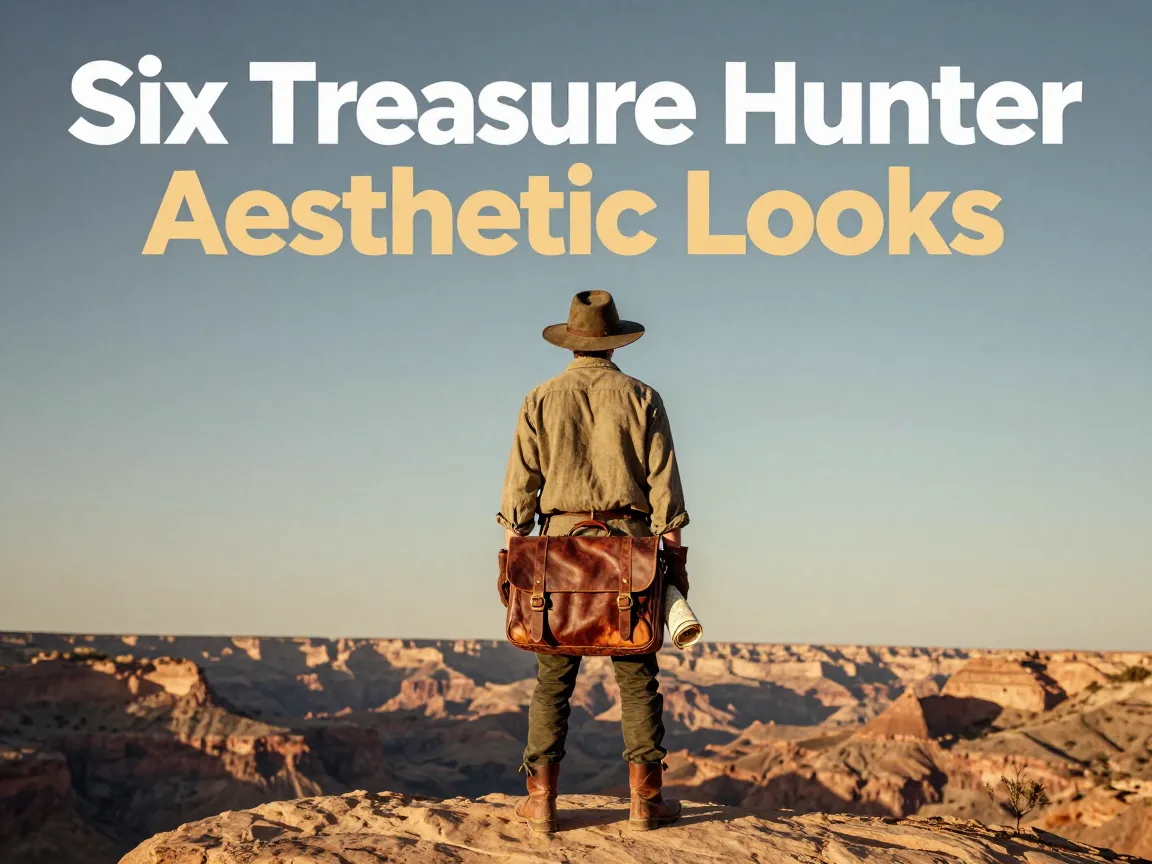
Treasure Hunter Aesthetic Looks That Blend Adventure and Style
The treasure hunter has become one of the most enduring style archetypes of the modern era, appearing across video game battle passes, cozy MMO storefronts, real-world fashion experiments, and professional brand identity work all at once. That simultaneous presence across so many creative fields is not a coincidence. The look communicates something universally compelling: a person who is both prepared and curious, rugged and intentional. These 6 Treasure Hunter Aesthetic Looks That Blend Adventure and Style draw from that wide cultural pool, translating the archetype into distinct, wearable interpretations that balance practicality with genuine personality. Whether the goal is a Halloween outfit, a cosplay build, an in-game fashion statement, or a real-world wardrobe experiment, each look below offers a coherent direction with clear, actionable guidance.
Disclosure: This post contains affiliate links. As an Amazon Associate, we earn from qualifying purchases, and at no extra cost to you.
1. The Practical Swashbuckler
The most foundational treasure hunter look prioritizes mobility over theatrics, and that restraint is exactly what makes it work.
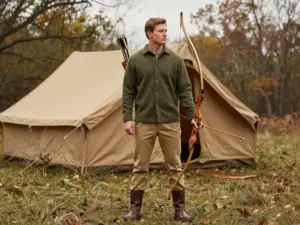
This style is built on a relaxed, breathable shirt, linen or cotton in an earth tone like tan, dusty olive, or warm brown, paired with trousers or a skirt that allows full range of movement. A sturdy belt anchors the silhouette and does real work, holding a small fabric pouch that replaces the impractical oversized prop bags that drag down lesser interpretations of the look. The pirate or seafaring cue comes through a simple bandana or neck scarf rather than through theatrical costume jewelry, which keeps the outfit grounded and readable without tipping into parody.
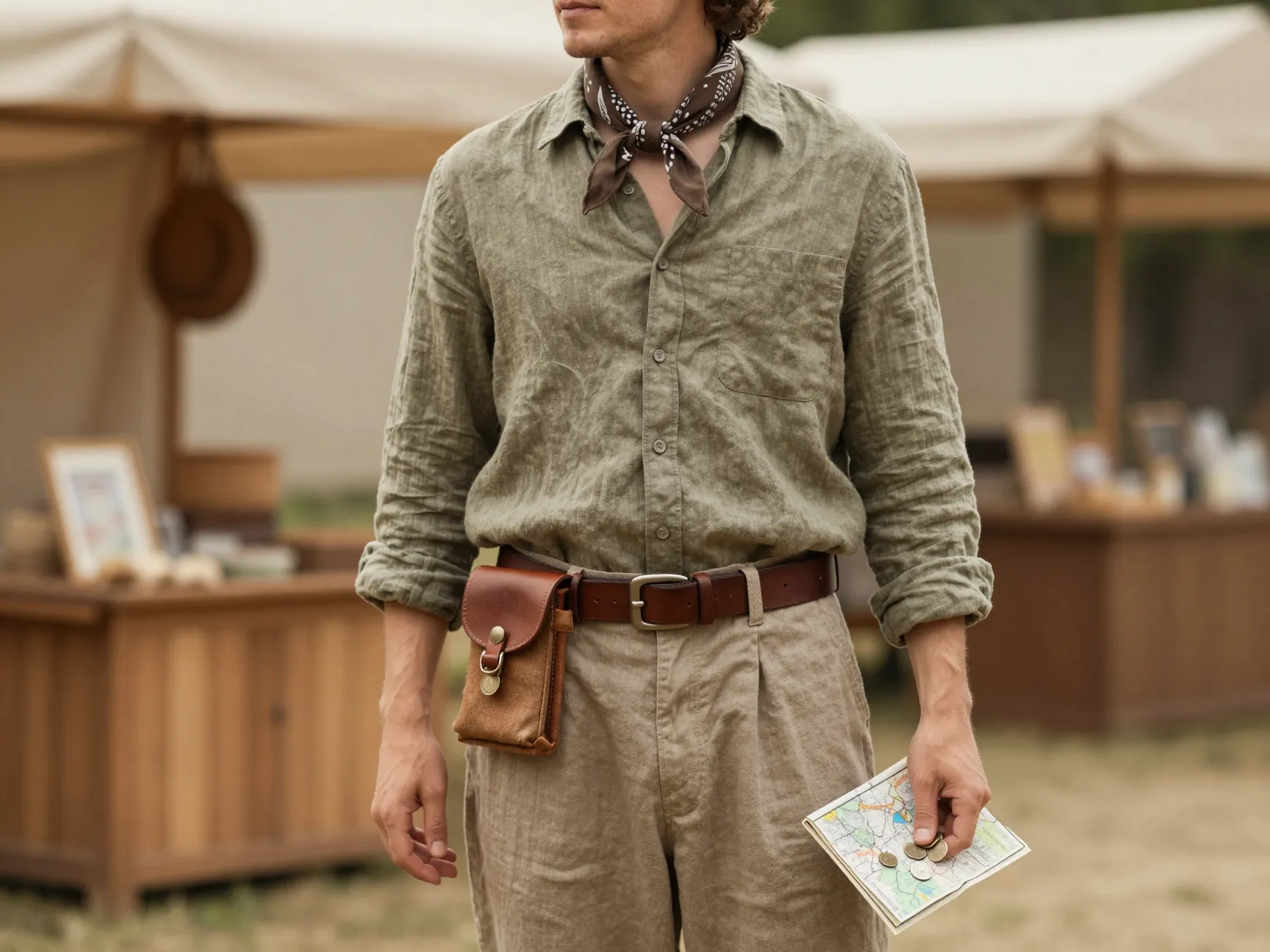
What separates this version from a generic “casual pirate” costume is the deliberate editing process. Every element earns its place. Pockets are chosen over ornaments. Lightweight “treasure” props, paper maps, imitation coins, small tokens, suggest the character’s purpose without adding bulk. The result is a look that photographs well in almost any setting, functions across a wide temperature range, and communicates the adventure concept clearly to anyone who sees it.
For real-world application, this interpretation translates directly to market events, outdoor festivals, and themed costume nights. It is the version most likely to generate genuine compliments rather than polite smiles, because it reads as a considered outfit rather than a purchased costume. The practical swashbuckler also serves as the foundation from which the other five looks on this list diverge, making it the natural starting point for anyone new to the aesthetic.
2. The Pulp Explorer
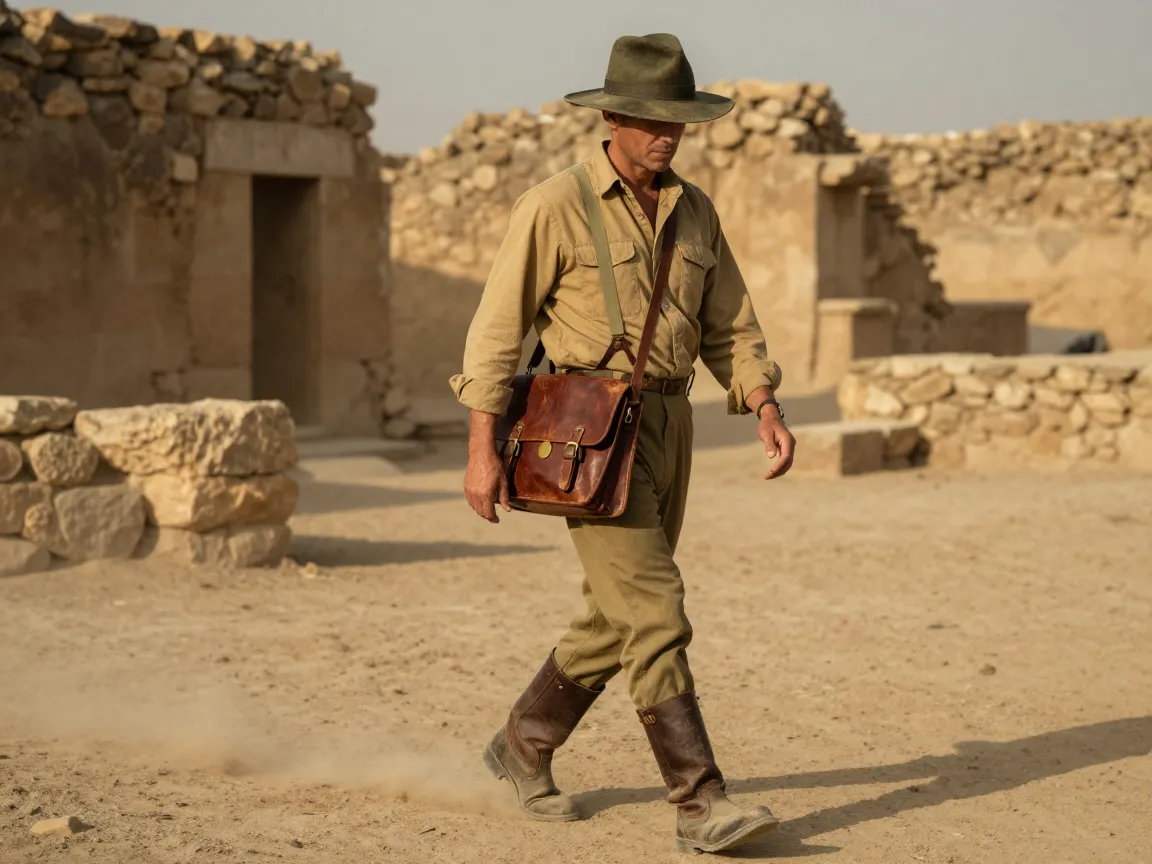
Few visual shorthand references work as efficiently in Western culture as the fedora-and-satchel combination made iconic by Indiana Jones, and the pulp explorer look leans into that recognition without apology.
The silhouette here is built around a weathered, wide-brimmed hat, ideally one with genuine wear rather than a pristine store version, combined with a rugged shirt, suspenders, and boots that have clearly seen outdoor use. A leather satchel or canvas bag with visible buckles completes the composition, signaling that this person carries tools, not luggage. The color palette stays in the warm amber, khaki, and deep brown range, with the occasional olive green accent. Nothing should look new. The appeal of this look depends almost entirely on its sense of lived-in authenticity.
Contemporary branding work confirms how powerfully this silhouette communicates. Design inspiration roundups consistently use the fedora-satchel-rugged-boot combination as the visual shorthand for curiosity, discovery, and intellectual adventure. When a company selling geek products wants to signal that its brand is for the curious and the knowledgeable, it reaches for a cartoon character dressed exactly this way. That cultural weight transfers directly to the person wearing it.
The practical consideration for anyone building this look in 2026 is sourcing. Thrift stores and vintage markets are the ideal starting point, as genuinely aged pieces carry visual authority that new reproductions cannot replicate. Community discussions among enthusiasts consistently emphasize that thrifted or unique vintage pieces elevate the entire look beyond what any purpose-made costume achieves. A secondhand shirt with a natural patina, a belt with actual scuff marks, and a hat that has sat in the sun, these details do the storytelling work so the wearer does not have to.
3. The Anime Pirate
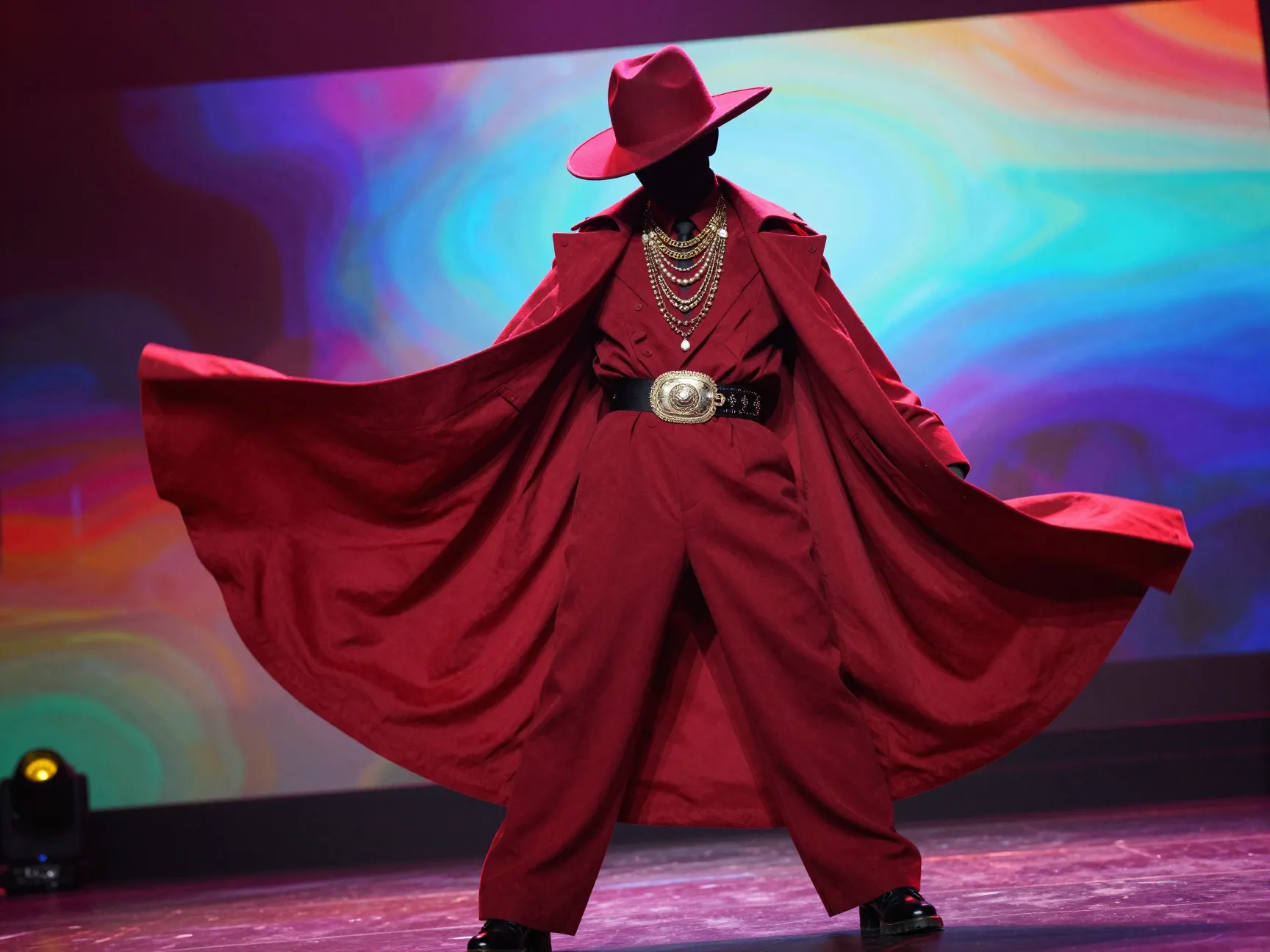
The treasure hunter aesthetic does not belong exclusively to the Western pulp tradition. A distinct and increasingly visible interpretation draws from anime’s approach to swashbuckler design, and the results are more maximalist, more colorful, and arguably more fun.
The anime pirate look takes the structural foundation of the practical swashbuckler, the coat, the belt, the layered accessories, and amplifies every element. Colors shift from earth tones to jewel tones and high-contrast combinations. Coats become longer and more dramatic. Layered necklaces, ornate belt buckles, and stylized silhouettes replace the restrained simplicity of the practical version. Characters like Nico Robin and Portgas D. Ace from One Piece have informed an entire generation’s visual understanding of what a pirate can look like, and their influence is visible in how game designers, cosplayers, and fashion creators approach the archetype today.
Fortnite’s Chapter 7 Treasure Hunters mini season captures this sensibility precisely. The battle pass positions outfits explicitly within a treasure-hunter and pirate fantasy, but its most visually striking entries, particularly those tied to One Piece characters, demonstrate how anime design principles transform the base archetype into something with its own distinct grammar. The look is less about practical mobility and more about projecting a vivid, iconic identity.
For cosplay or themed events, the anime pirate interpretation offers the widest creative latitude of any entry on this list. The investment in fabric, tailoring, or prop-making pays off visually at scale, in photographs, at conventions, or in any high-energy social environment. The challenge is calibration. Anime-inspired looks can tip from “impressively detailed” to “visually overwhelming” quickly. The most successful versions identify one or two statement pieces and let those elements carry the composition, keeping the remaining garments in a supporting role.
4. The Lara Croft Raider
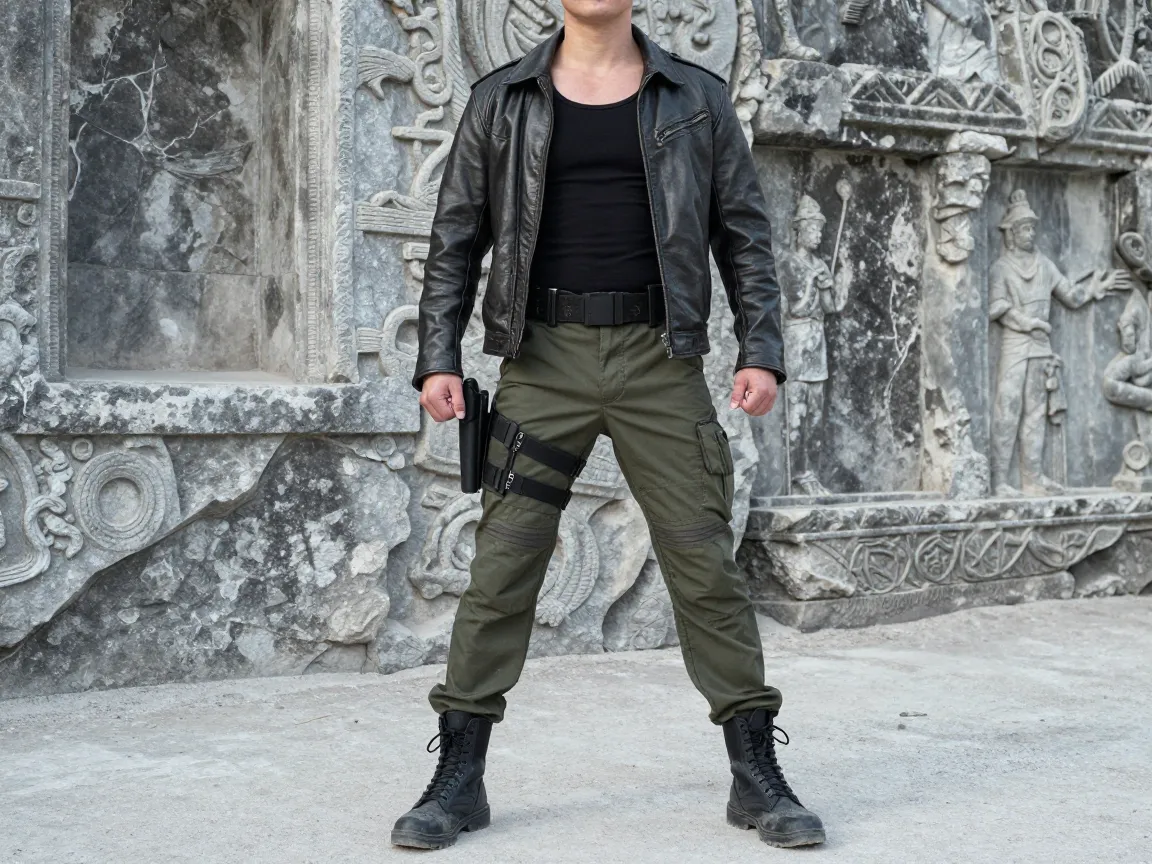
The athletic, dual-pistol explorer silhouette associated with Lara Croft represents a fundamentally different approach to treasure hunter aesthetics, one built on speed, competence, and no unnecessary elements whatsoever.
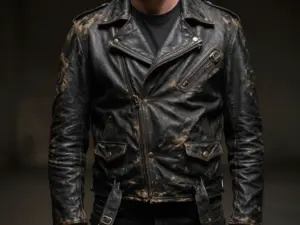
The base outfit is straightforward: fitted military or tactical trousers in olive, grey, or black, paired with a form-fitting tank top or black vest, and anchored by a wide belt or holster rig. An oversized leather jacket adds a layer without compromising the athletic line underneath. Boots are lace-up and functional. Nothing hangs, flutters, or ornaments. The entire composition communicates readiness and efficiency. Where the practical swashbuckler uses restraint as a philosophical choice, the Lara Croft raider uses it as an operational necessity.
Fashion experimenters have translated this look into real-world outfits with notable success. Military trousers, a black vest, and an oversized leather jacket form a wearable, contemporary ensemble that reads as clearly treasure-hunter-coded without requiring any theatrical props. A cinching belt pulled over the jacket refines the silhouette and ties the ensemble together. The result sits comfortably between streetwear and costume, which makes it one of the most practical entries on this list for everyday wear.
The World of Warcraft transmog community has embraced this archetype extensively, assembling Lara-Croft-inspired gear combinations that bring the athletic explorer silhouette into fantasy raid environments, dungeons, and tavern roleplay scenarios. The fact that this look translates coherently into an entirely different visual genre, high fantasy armor systems, demonstrates its structural resilience. The core design logic is strong enough to survive enormous context shifts, which is a reliable marker of a genuinely durable aesthetic.
5. The Old School Classic Explorer
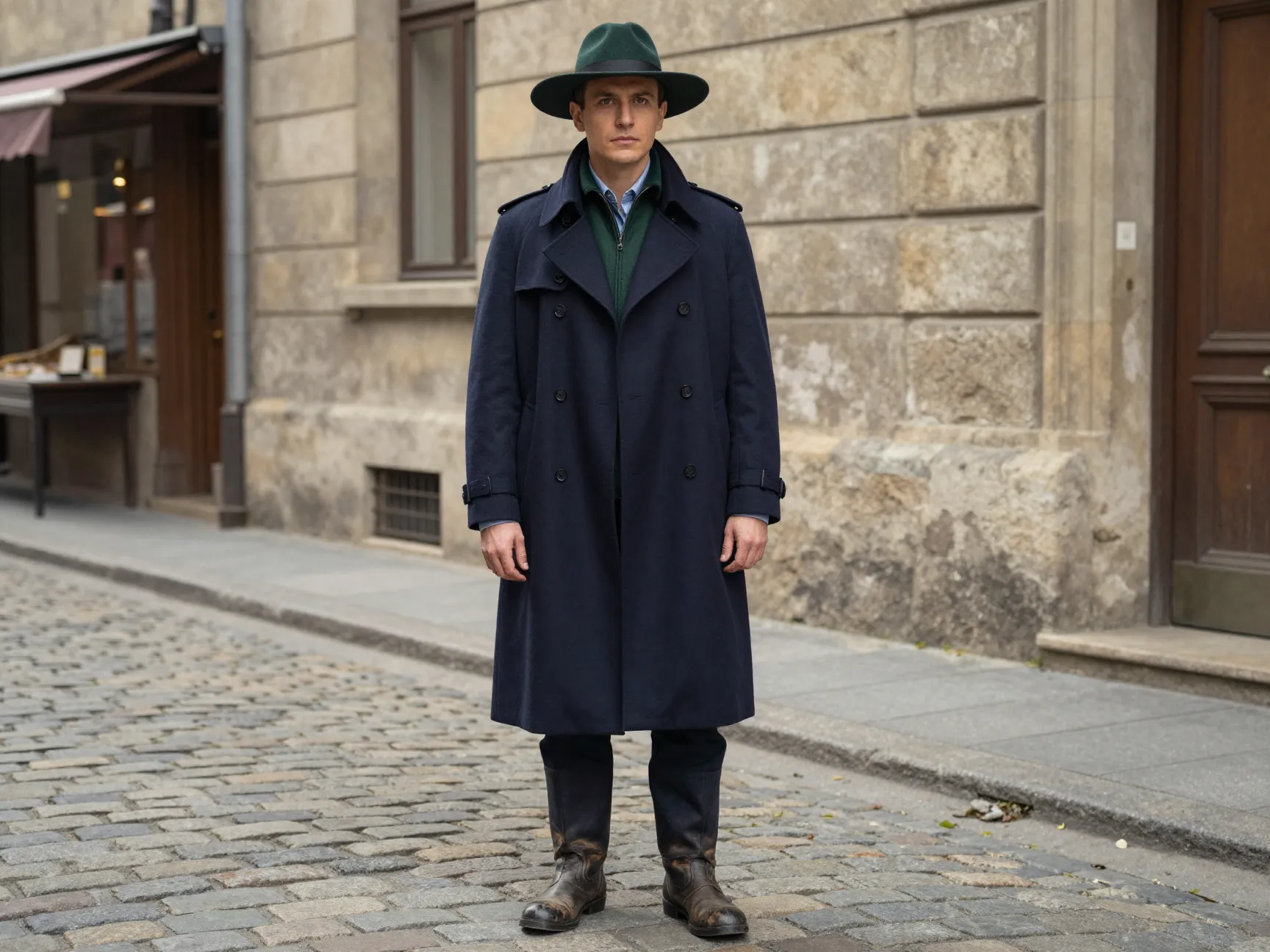
Not every treasure hunter aesthetic needs to reference a specific fictional character or lean into contemporary game design. The old school classic explorer look stakes its identity on a commitment to pre-modern expedition aesthetics, the trench coat, the structured layers, the sense that this person has been doing this long before it was a cultural moment.
The defining garment is a long coat in a deep, serious color, navy, royal blue, or dark forest green, worn over practical underlayers. The cut should be traditional rather than fashion-forward. No asymmetrical panels, no aggressive hardware, no visible logos. The coat is accompanied by sturdy trousers, weathered boots, and perhaps a wide-brimmed hat or a structured cap. The overall impression is of a professional rather than an adventurer, someone who has accumulated knowledge and equipment through years of actual use, not stylistic aspiration.
The old school approach explicitly positions itself against the modern wardrobe options that games and fashion cycles offer in abundance. When a Hytale creator describes wanting to keep a treasure hunter build “old school,” choosing a trench coat in navy or royal blue over more contemporary alternatives, they are articulating a coherent design philosophy: that the treasure hunter archetype has a classic version worth preserving, one that predates both the Indiana Jones era and the anime pirate tradition.
Building this look well requires patience and a discerning eye for quality fabric and construction. Cheap imitations of trench coats lose their authority quickly. The goal is a garment that improves with age and use, that develops its own history on the body of the person wearing it. That investment distinguishes the old school classic explorer from its more theatrical cousins on this list, it is the version most likely to be mistaken for a genuine antique-market professional, which is exactly the point.
6. The Fantasy MMO Buccaneer
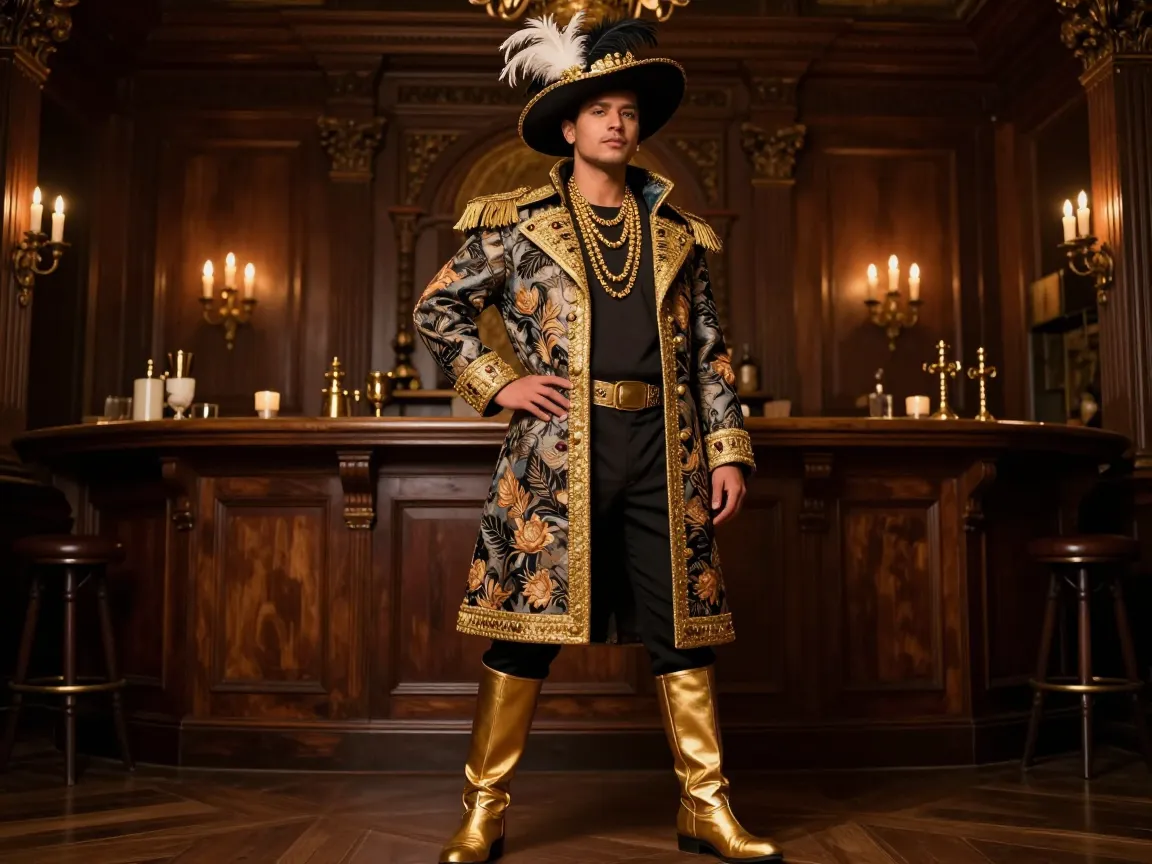
The last look on this list lives primarily in digital spaces, but its design logic is worth understanding whether the goal is game fashion, cosplay, or translating virtual aesthetics into physical wardrobes.
The fantasy MMO buccaneer takes the treasure hunter concept into a register of refined fantasy glamour. The signature elements are a distinctive patterned coat, not a plain garment but one with visible craft, whether through embroidery, color blocking, or surface texture, gold-trimmed boots, a feathered hat with intentional placement, and layered necklaces that suggest accumulated wealth and experience. This is treasure hunter fashion understood as a statement of arrival: the person who has found the treasure, not the one still searching for it.
The Palia Buccaneer Bundle exemplifies this aesthetic precisely. The outfit is promoted as “adventure-ready, style-inspired,” and the combination of its patterned coat, gold-rimmed boots, and layered accessories creates a swashbuckler silhouette with genuine elegance. It is the version of the look that suggests the wearer has earned their style rather than purchased it, which is a meaningful distinction in visual storytelling terms. The fact that players consider this a premium fashion item worth the in-game investment speaks to how effectively the design executes on that premise.
For cosplay applications, the fantasy MMO buccaneer is the most technically demanding entry on this list. The patterned coat alone requires either skilled construction or an exceptionally fortunate thrift find. The gold hardware, feathered hat, and layered necklaces each need to be sourced and calibrated against one another so the ensemble remains coherent rather than chaotic. When it works, however, the result is the most visually complete treasure hunter look available, a comprehensive statement that has absorbed the best elements of every tradition and synthesized them into a single, confident composition.
For anyone planning to bring this look into a physical wardrobe context, structured vintage blazers with interesting lining or surface detail are the most accessible starting point. A blazer with internal patterning worn open over a plain dark base, combined with statement boots and two or three layered necklaces, achieves a surprising amount of the fantasy MMO buccaneer effect without requiring any specialized construction skills.
Conclusion
Each of these six looks represents a coherent answer to the same underlying question: how does a person communicate curiosity, capability, and adventure through the way they dress? The answers range from austere and functional to maximalist and theatrical, but every interpretation shares a commitment to intentionality. The treasure hunter aesthetic rewards the deliberate choices, the thrifted shirt with real wear, the coat in exactly the right deep tone, the single statement accessory that earns its place in the composition.
The most useful next step for anyone building toward one of these looks is to identify which of the six feels most authentic to their existing wardrobe and personal sensibility, then focus acquisition and construction efforts there rather than spreading across multiple interpretations. A single well-executed treasure hunter look built from genuine conviction carries far more visual authority than several half-finished attempts at different archetypes.