Homestead Survival Life Hacks That Keep Fishing Families Self-Reliant
Roughly 40% of rural households that describe themselves as homesteaders name fishing as one of their top three food-production activities, yet most of them still depend on a hardware store to replace a lost hook or a broken float. That gap between catching fish and being truly self-reliant is exactly what the 6 homestead survival life hacks that keep fishing families self-reliant are designed to close.
Disclosure: This post contains affiliate links. As an Amazon Associate, we earn from qualifying purchases, and at no extra cost to you.
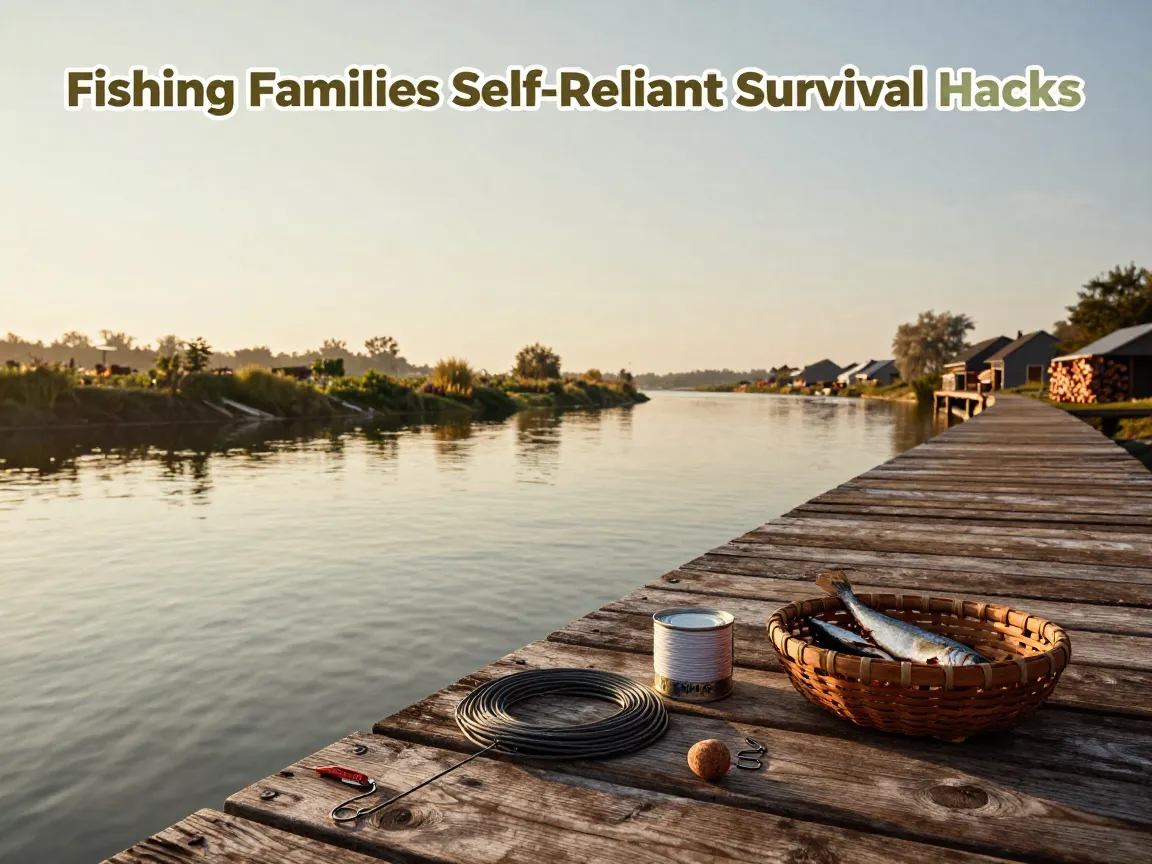
These are not tips for sport anglers with a tackle shop down the road. They are practical methods for families who treat nearby water as a food source first and recreation second, and who want to keep producing protein when supply chains are slow, money is tight, or the hardware store is two hours away. Working through all six of these strategies gives a family a layered system rather than a single trick.
Key Takeaways
- Set lines and trotlines let water work for the family while members handle other homestead tasks.
- Improvised tackle from dental floss, soda can tabs, and cork scraps cuts gear costs to nearly zero.
- Fish preservation through smoking, dehydrating, and canning turns a single good catch into weeks of shelf-stable protein.
- Primitive cordage and thorn hooks made from natural materials mean fishing never fully stops, even when commercial supplies run out.
- Teaching children to fish and maintain gear builds a second generation of self-reliant food producers.
1. Run Set Lines and Trotlines to Fish While You Work
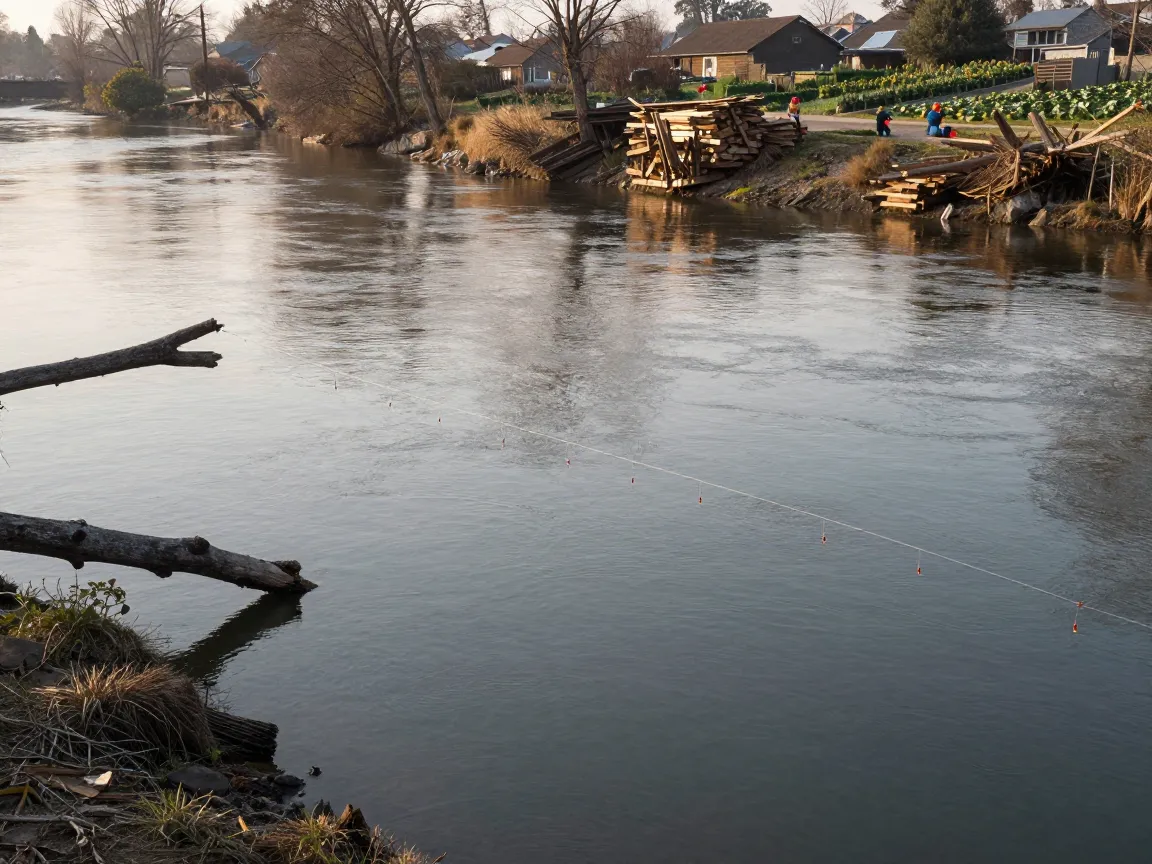
A single trotline strung across a slow river bend can hold a dozen baited hooks and needs no one to hold the rod. That is the core advantage of passive fishing for a homestead family. While the lines soak, the same people can be splitting wood, watering the garden, or putting up a fence.
Set lines and trotlines have been used by rural families across North America for generations. A trotline is a main line anchored at both ends, with shorter dropper lines carrying hooks spaced every few feet along its length. A single-hook set line does the same job on a smaller scale, tied to a submerged stake or a low branch over the bank. Both methods work on catfish, carp, bass, and most bottom-feeding species that are common in farm ponds and slow rivers. Checking them twice a day, morning and evening, fits naturally into a standard homestead routine.
The practical constraint worth naming is local regulation. Many states and provinces permit trotlines under a standard fishing license but require tags with the owner’s name and address on each line. A few jurisdictions cap the number of hooks per line or restrict trotlines to certain water types. Checking those rules before setting any passive gear takes twenty minutes and avoids a fine that costs more than a month of store-bought protein. Once that is confirmed, the family has a food-gathering system that runs around the clock with minimal labor.
2. Build an Improvised Fishing Kit from Common Household Items
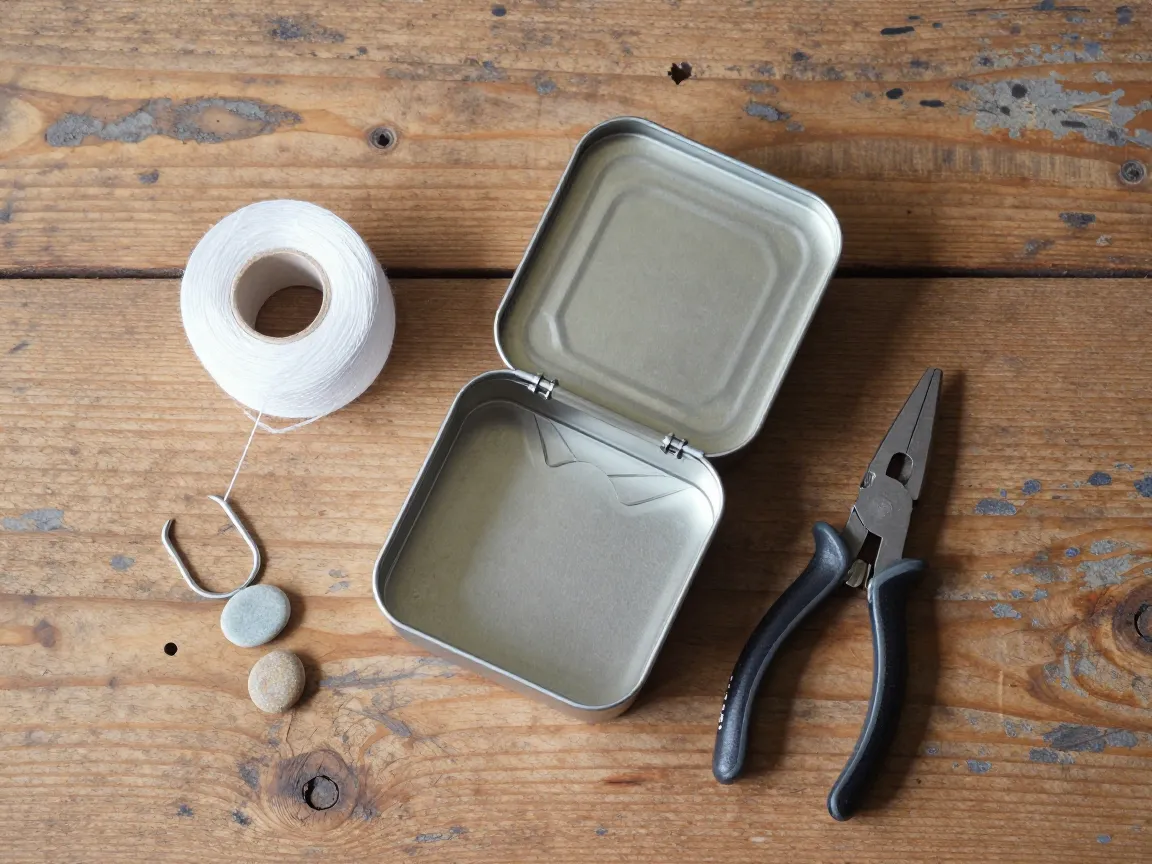
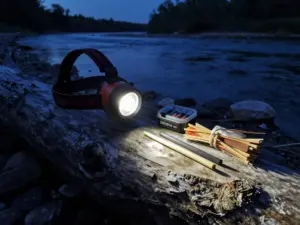
A fishing kit does not need to come from a sporting-goods store. Dental floss rated at about six to eight pounds breaking strength works as functional light fishing line for panfish and small trout. A soda can tab, cut and bent with pliers or a sharp rock, forms a rough but serviceable hook. Small stones or washers serve as weights. All of that fits inside an Altoids tin, which has been a standard field-kit container in preparedness circles for years because it is flat, hinged, and waterproof enough for a dry pocket.
The appeal for a homestead family is cost. Building half a dozen of these compact kits from items already on hand costs essentially nothing, and one can live in every pack, tackle bag, boat box, and kitchen drawer on the property. When a commercial hook gets snagged on a submerged log and the line snaps, reaching for one of these backup kits instead of driving to town keeps the fishing going the same afternoon.
There is a skill layer here beyond just collecting the components. Bending a soda can tab into a hook with a workable gap and point takes a few tries, and the barb is minimal at best, which means a slower retrieve and a steadier hand to keep fish on the line. Practicing that improvisation before it is needed is worth the ten minutes it takes. A family that has actually used their backup gear once knows whether it works in their hands. One that has only read about it does not.
3. Use Cork for Bobbers, Lures, and Hook Guards
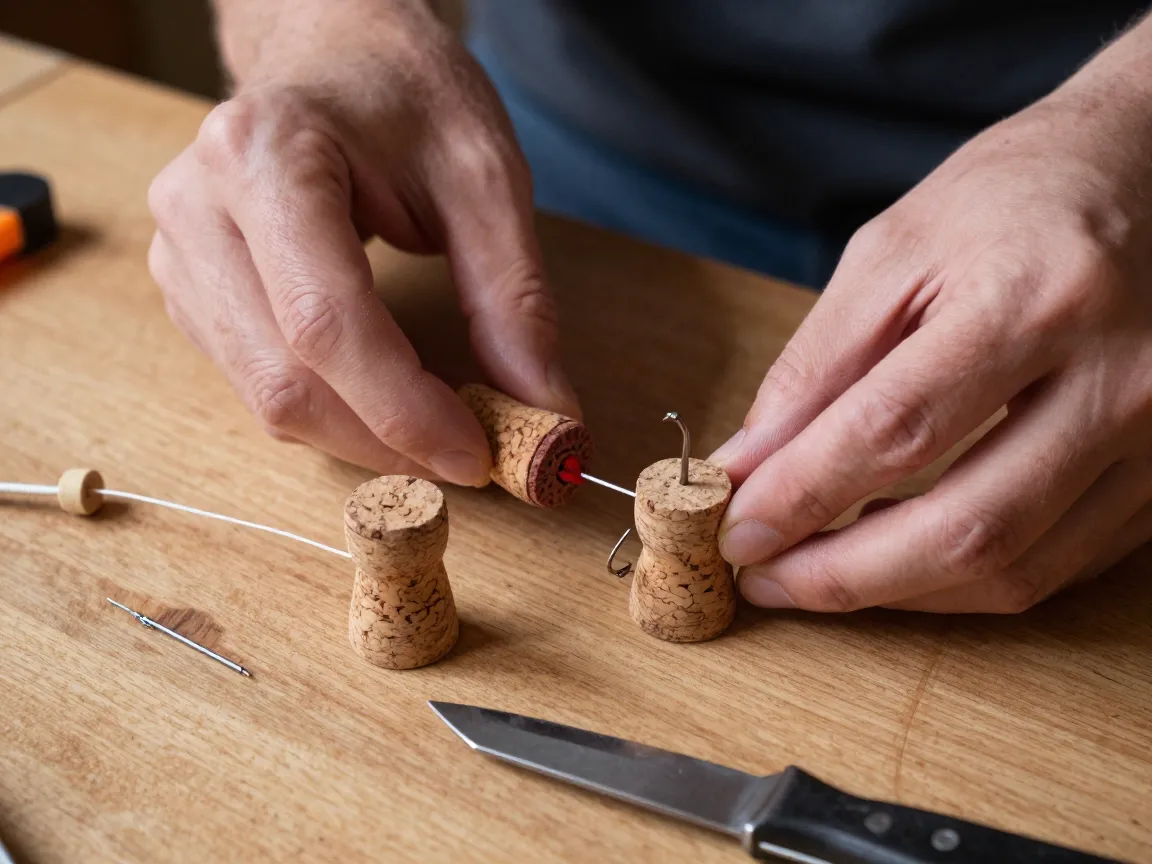
A wine cork or a bottle cork costs nothing beyond saving it from the recycling bin. On a homestead with a fishing routine, it becomes a small piece of gear that earns its place four different ways.
The first use is straightforward: thread the main line through the cork lengthwise with a large needle or a heated wire, and tie a stopper knot on each side. That is a bobber that costs zero dollars and floats as well as any plastic one. The second use applies to trotlines and droplines, where a cork threaded onto each dropper line acts as a visual marker above the water surface, making retrieval faster in low light or tangled vegetation. Third, corks can be carved with a knife into rough topwater lure shapes, painted with waterproof paint or nail polish, and fitted with a commercial or improvised hook. These are not precision lures, but surface-feeding bass and perch will strike at almost any buoyant object that moves realistically. Fourth, pushing a hook point into a cork protects both the hook and anything else in the kit from a stray jab, which matters when children are involved in gear prep.
None of these techniques require tools beyond a knife and a large needle. The cork hack is a good introductory project for kids eight and older because the results are immediately useful and the feedback is fast: the bobber either floats correctly or it does not, and the fix is obvious.
4. Preserve Every Catch With Smoking, Dehydrating, and Pressure Canning
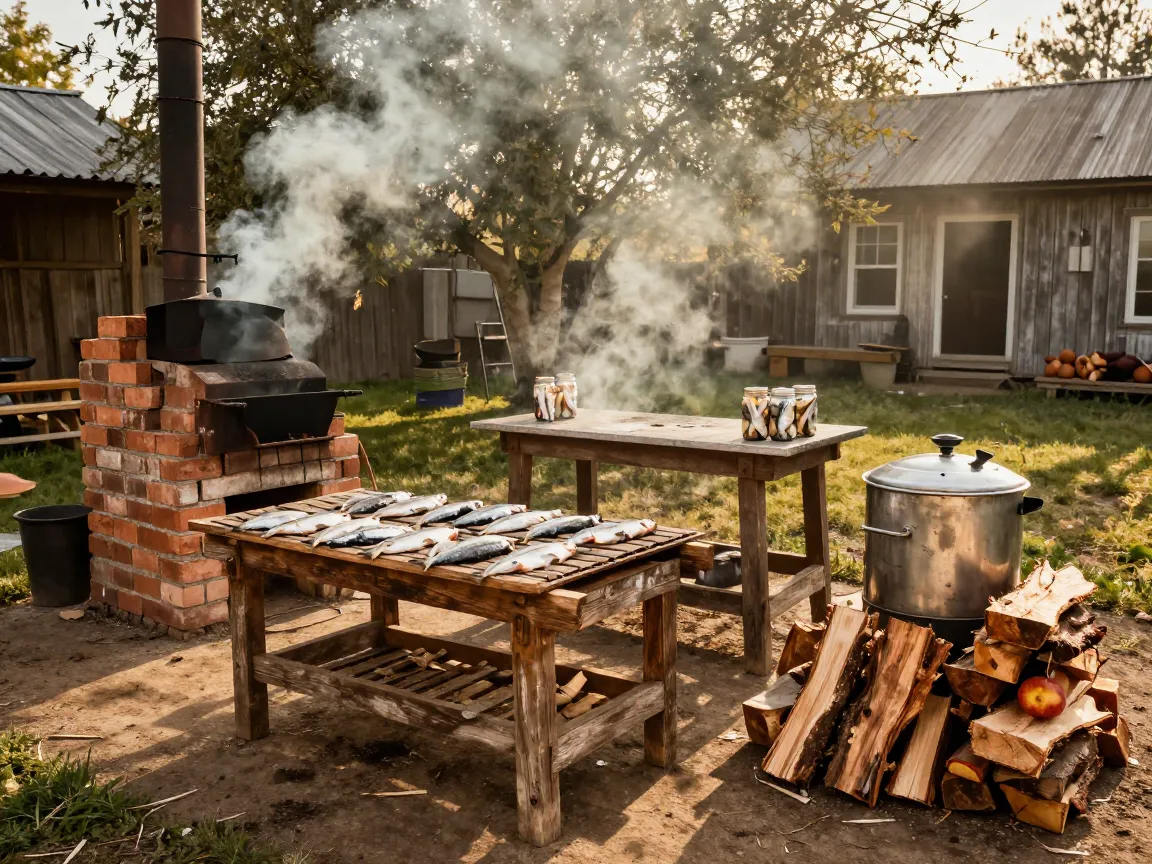
One large catch on a productive day is only as valuable as the family’s ability to store it. Without preservation, a ten-pound haul of catfish or northern pike lasts three days in a refrigerator and nothing in a grid-down scenario. Layering three preservation methods removes that vulnerability.
Cold smoking keeps fish at around 80 to 90 degrees Fahrenheit for several hours, primarily for flavor. Hot smoking runs between 150 and 180 degrees and actually cooks the flesh, producing a product that lasts one to two weeks unrefrigerated in cool weather. Alder and apple wood are traditional for fish; hickory works but produces a stronger flavor that not everyone enjoys. A simple barrel smoker or a stacked-brick box with a removable lid is enough for homestead quantities.
Dehydrating removes around 95% of moisture from fish fillets, reducing a ten-pound fresh catch to roughly two pounds of shelf-stable jerky that lasts months in an airtight container. Solar dehydrators built from window screen and scrap lumber accomplish this in a full day of direct sun at temperatures above 95 degrees Fahrenheit. Electric dehydrators are faster and more consistent but require power.
Pressure canning is the most permanent method and the one most suited to larger catches. Packed fish in pint mason jars, processed at 10 pounds of pressure for 100 minutes, stays shelf-stable for a year or more. The investment in a quality pressure canner, one that holds at least seven pint jars, pays back quickly when the alternative is losing fish to spoilage. These three methods stack well together: smoke a portion, dehydrate a portion, and can the rest.
5. Construct Primitive Tackle From Natural Materials
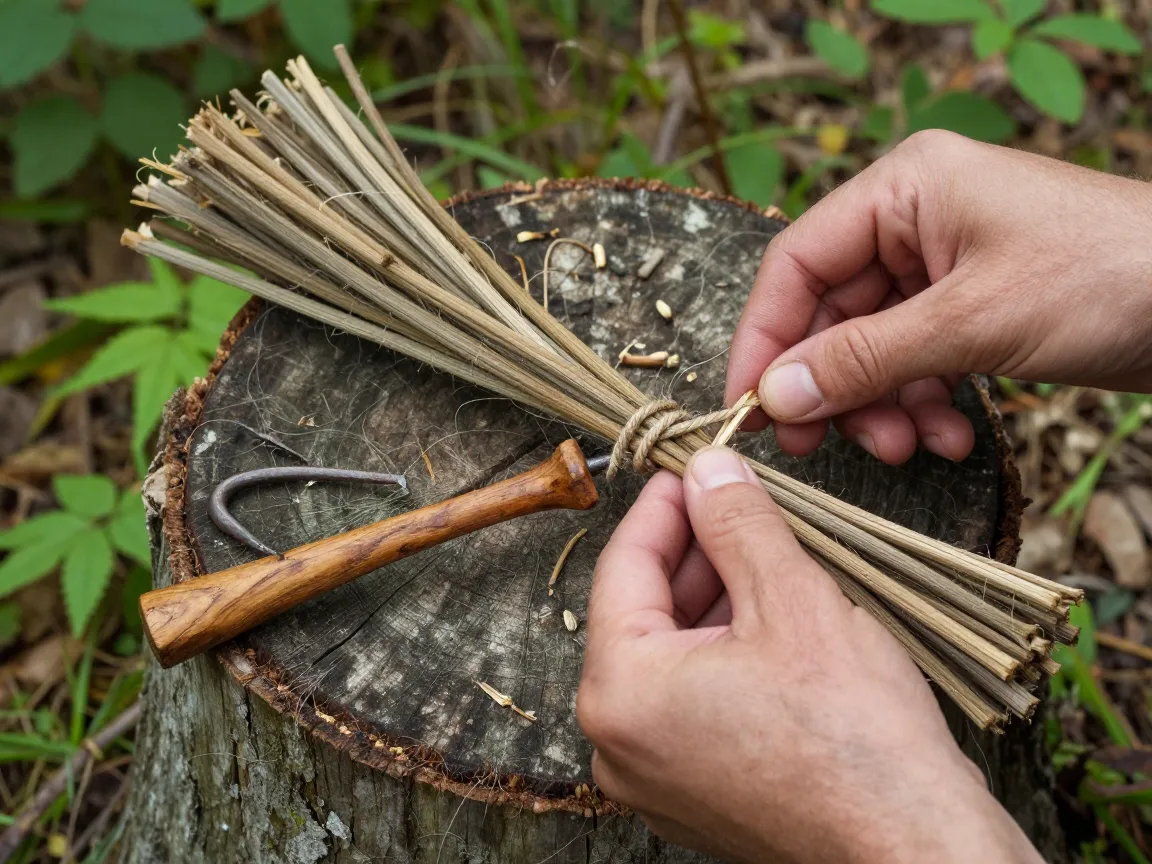
The families most committed to self-reliance take the improvisation a step further than the Altoids tin. Nettle stems, dried and twisted into cordage, produce a functional fishing line that pre-contact Indigenous communities across the northern hemisphere relied on for centuries. The process involves drying the stems, stripping the outer fiber, and reverse-twisting two bundles together the same way commercial rope is made. Fresh nettle cordage rates somewhere between eight and fifteen pounds tensile strength depending on fiber quality and twist tightness, which is enough for most freshwater species.
Thorn hooks are exactly what they sound like. A straight thorn from a hawthorn, blackthorn, or honey locust, carved with a small notch near the base and lashed to the cordage with a half-hitch knot, works as a functional hook for smaller fish. A carved and fire-hardened wooden gorge, a straight piece of bone or hardwood sharpened at both ends and tied at its midpoint, is another option that predates metal hooks by thousands of years. A fish swallows the bait, the gorge turns sideways in the throat, and the line holds.
These techniques are genuinely worth practicing before they are needed. The cordage-making in particular is time-consuming the first few times, taking a beginner roughly an hour to produce six feet of usable line. After a few sessions, that time drops considerably. A homesteader who can produce functional tackle from local plants and natural materials has effectively removed the last commercial dependency from their fishing system.
6. Teach Children the Full System and Make Fishing a Family Routine
A family’s self-reliance in fishing is only as deep as the number of people who know how to do it. One adult who understands trotlines, cork gear, primitive cordage, and pressure canning creates one point of failure. A household where two or three people can run the whole system is genuinely resilient.
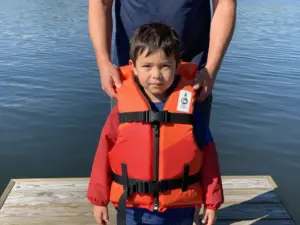
Teaching children to fish is well-established as both a food-security measure and a generational knowledge transfer. The practical starting point is not a casting lesson but gear maintenance, because children who learn to tie hooks, check lines, and re-bait trotlines before they learn to cast understand fishing as work, not performance. That framing tends to produce kids who keep fishing into adulthood, which is the actual long-term goal. A twelve-year-old who can set and check a trotline unsupervised is a meaningful contributor to household protein.
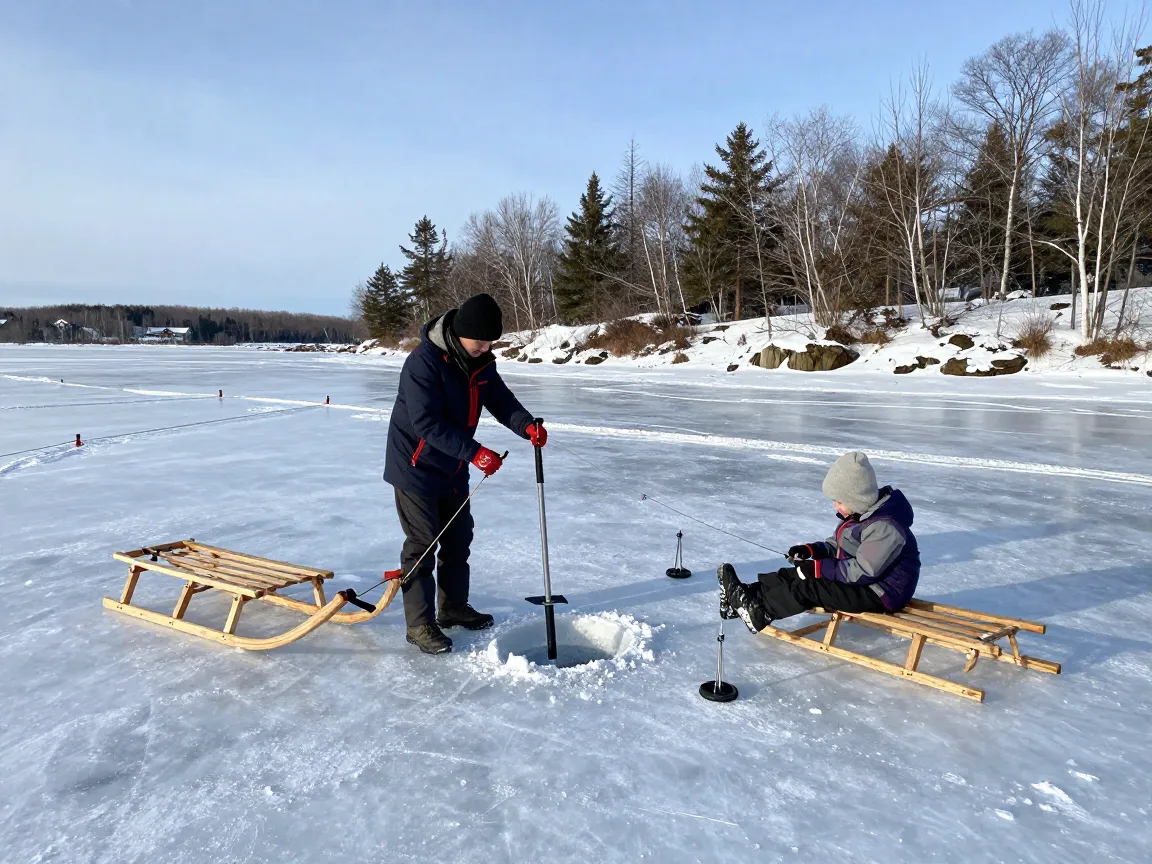
Winter ice fishing deserves specific mention for homesteads on northern lakes. It extends the fishing calendar through months when other food production stalls, it keeps skill sharp year-round, and it is one of the few winter outdoor activities where young children can participate fully without specialized fitness. An auger, a few tip-up rigs, and the same improvised tackle principles from the warmer months are enough to run a productive ice-fishing operation as a family. Combining ice fishing with the preservation skills from the previous entry means a good winter day on the ice can stock the pantry for weeks.
The cultural dimension is not trivial. Preparedness and homesteading skill guides have noted consistently in recent years that many families are turning back to traditional food-gathering knowledge, specifically because that knowledge transfers between generations in a way that purchased gear does not. A child who grows up understanding why the family treats the pond as a food source, not just a swimming hole, carries that orientation forward regardless of what future supply chains look like.
Quick Comparison
| Hack | Main Benefit | Key Constraint | Skill Level Required |
|---|---|---|---|
| Set lines and trotlines | Passive protein production | Local regulations vary | Beginner |
| Improvised tackle kit | Zero-cost backup gear | Hook strength is limited | Beginner |
| Cork bobbers and lures | No-cost float and lure options | Lures need practice to carve | Beginner to intermediate |
| Smoking, dehydrating, canning | Long shelf life for catches | Equipment investment for canning | Intermediate |
| Primitive cordage and hooks | Full independence from commercial gear | Time-intensive to produce | Intermediate to advanced |
| Family teaching and routine | Multi-person redundancy | Requires consistent time commitment | Ongoing |
Conclusion
The 6 homestead survival life hacks that keep fishing families self-reliant are most effective when they are practiced together as a system. Passive fishing with set lines and trotlines produces protein without constant labor. Improvised and primitive tackle removes commercial supply dependency. Proper preservation through smoking, dehydrating, and pressure canning turns a single good catch into weeks of shelf-stable food. And involving children in the full routine builds the second generation of people who know how to run all of it.
The most useful next step is picking the one element of this system that is currently the weakest in your household and spending a weekend on it. If fish caught now are still being lost to spoilage, the pressure canner comes first. If the family has never tried setting a trotline, that is the starting point. The system only holds if every part of it has been tested before it is needed.