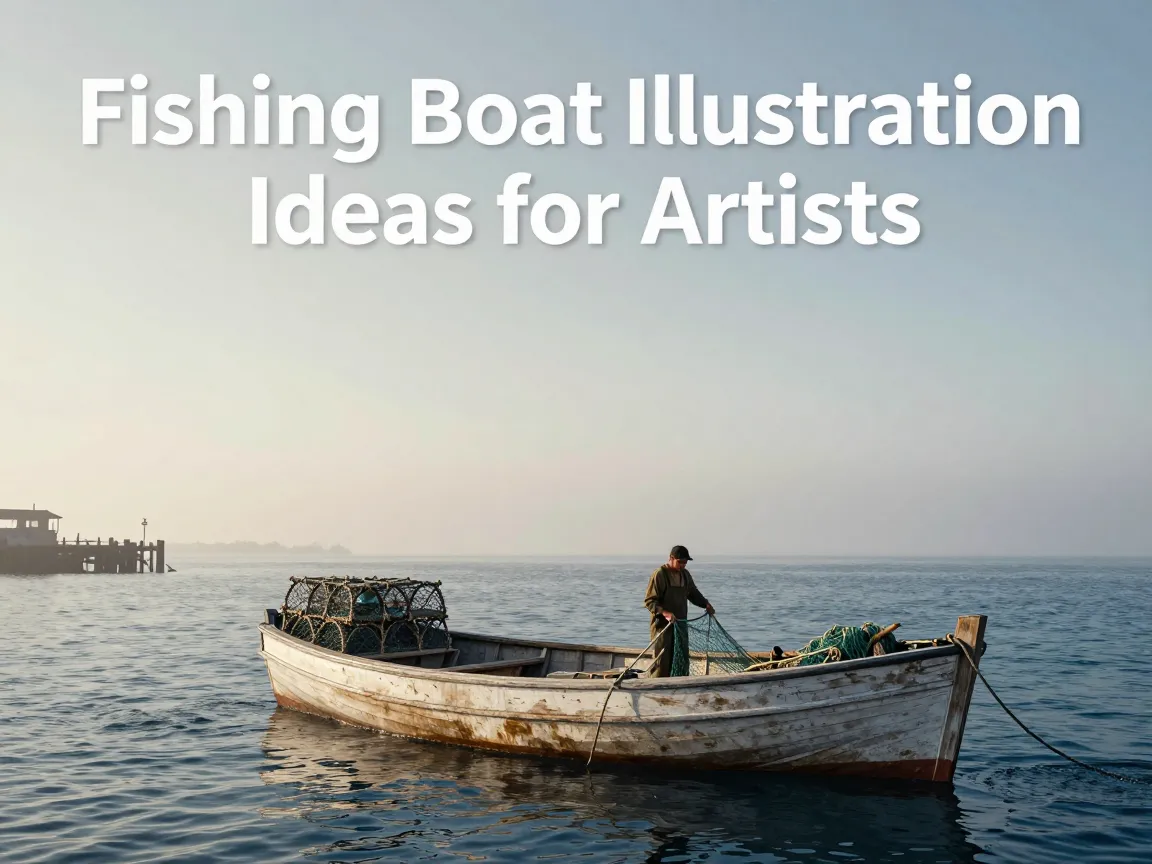
Fishing Boat Illustration Ideas That Capture Life on the Water
Searches for fishing boat lifestyle imagery have surged by double digits on major stock platforms over the past three years, yet the category remains one of the most underserved niches in digital illustration marketplaces. That gap represents a real creative and commercial opportunity. Whether the goal is licensing artwork, building a portfolio, or producing editorial graphics, the 6 fishing boat illustration ideas that capture life on the water outlined below cover the full range of styles, audiences, and commercial contexts where this imagery thrives. From gritty documentary scenes at a working harbor to luminous watercolor narratives, each idea is designed to help illustrators make deliberate choices rather than generic ones.
Disclosure: This post contains affiliate links. As an Amazon Associate, we earn from qualifying purchases, and at no extra cost to you.
1. Working Harbors and Commercial Fisheries as Documentary-Style Illustrations
Few subjects carry the visual weight of a commercial fishing harbor at first light. Rusty steel hulls sit low in the water under the strain of catch holds, workers in oilskins move purposefully along wet docks, and stacked crab pots create towers of industrial texture. This kind of documentary-style illustration treats the subject the way photojournalism does: with unflinching detail and a sense that something real and consequential is happening.
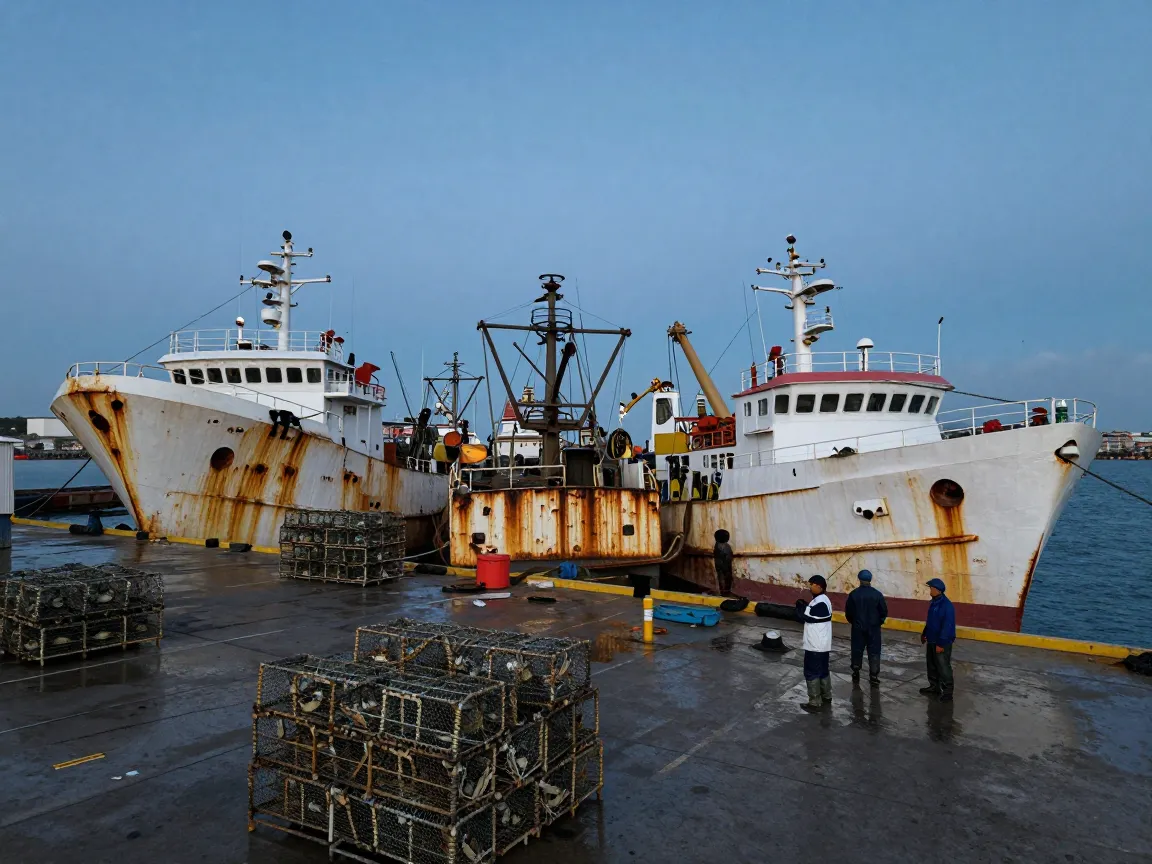
The key to making this approach work is specificity. Rather than drawing a generic boat on generic water, an illustrator who researches the design of a Dungeness crab boat off the Oregon coast, or the particular rigging of a North Sea trawler, produces work that feels authoritative. That authority is what buyers of editorial and educational content are actively seeking. Book publishers covering maritime history, documentary filmmakers needing storyboard references, and sustainability nonprofits documenting small-scale fisheries all need imagery that communicates real knowledge.
Practically speaking, this style rewards ink-heavy line work combined with a restrained color palette of steel grays, salt-bleached whites, and deep ocean blues. Adding human figures engaged in specific tasks, hauling nets, sorting catch, repairing rigging, transforms a boat illustration into a scene with narrative gravity. Illustrators willing to study real harbors through reference photography or on-site sketching will find that the authentic details they capture become the differentiating factor that sets their work apart in a crowded marketplace.
The thematic resonance with ocean stewardship and sustainability is also worth noting. As awareness of overfishing and marine conservation grows, documentary-style harbor illustrations have gained traction in editorial contexts that connect commercial fishing to environmental storytelling. That dual relevance, visual drama plus social meaning, gives this style a staying power that purely decorative approaches cannot always match.
2. Recreational Fishing, Family Moments, and Hobbyist Life on Lakes and Coasts
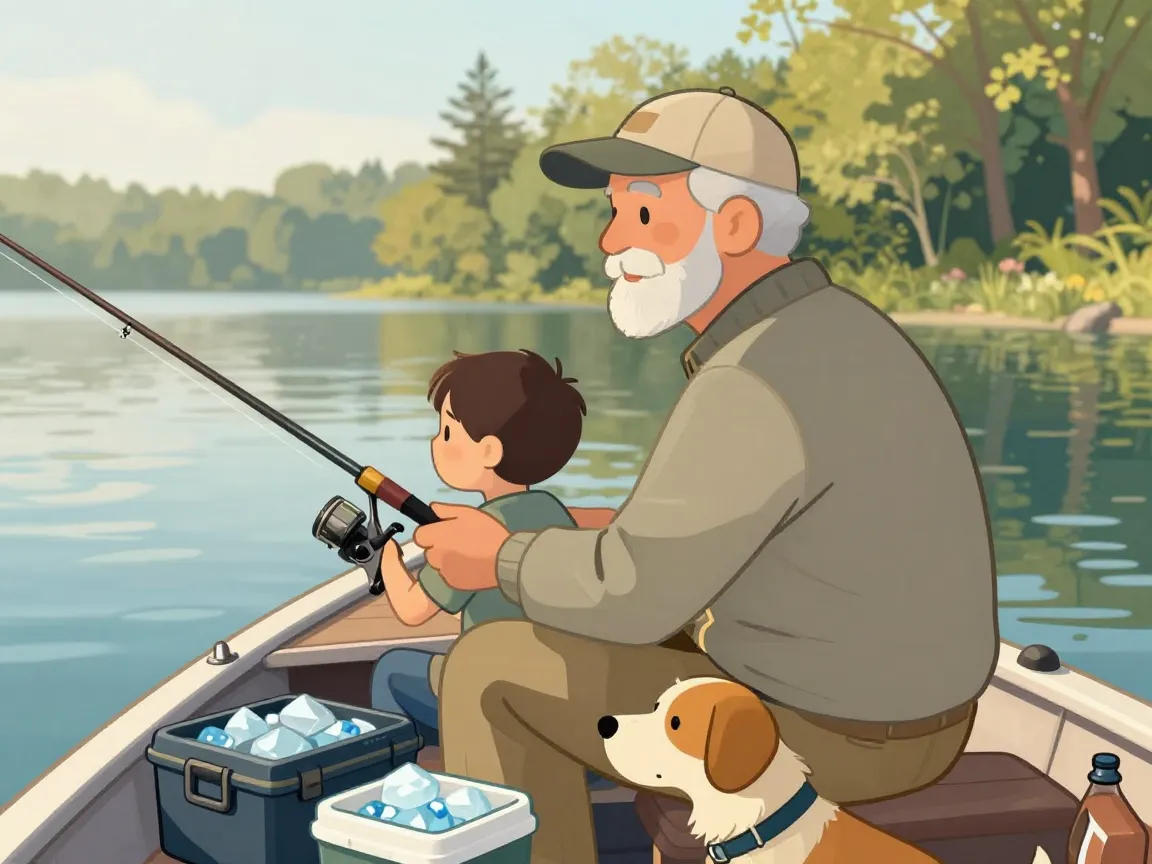
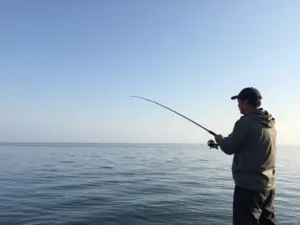
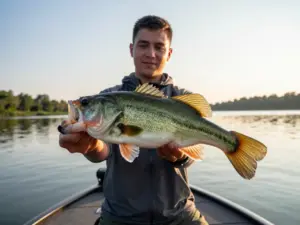
Recreational fishing is one of the most participated-in outdoor activities in North America, with tens of millions of fishing license holders each year. That audience generates a constant demand for imagery that reflects their own experiences: a grandfather teaching a grandchild to bait a hook, a couple anchored on a quiet lake at mid-morning, teenagers casting from a flat-bottomed jon boat near a marshy bank.
This category of fishing boat illustration thrives on warmth, accessibility, and emotional recognition. The scenes do not need to be dramatic. In fact, the more a recreational fishing illustration captures the unhurried, almost meditative quality of a weekend on the water, the more effectively it connects with its audience. A cooler of ice and drinks near a tackle box, a dog sitting at the bow, a baseball cap tilted against afternoon sun, these are the details that make a viewer feel seen.
Commercially, this style performs strongly across a wide range of products and contexts: greeting cards, apparel graphics, craft beer labels, resort and marina branding, children’s books, and gift print-on-demand platforms. The demand is consistent because recreational fishing culture generates a continuous market for merchandise that celebrates the lifestyle. Illustrators working in a friendly, slightly stylized line art manner, not too cartoon-like but approachable rather than hyper-realistic, tend to find the broadest licensing success here.
One important consideration is demographic representation. Historically, fishing imagery has skewed toward a narrow slice of the recreational fishing population. Illustrations that thoughtfully reflect the diversity of people who actually fish, across age, ethnicity, and gender, are increasingly prioritized by brands and publishers looking to reach a broader audience. That is not just a social consideration; it is a market one, and illustrators who build diverse visual libraries of recreational fishing scenes will find themselves better positioned for the range of clients entering this space in 2026.
3. Sunrise and Sunset Seascapes That Emphasize Atmosphere and Mood
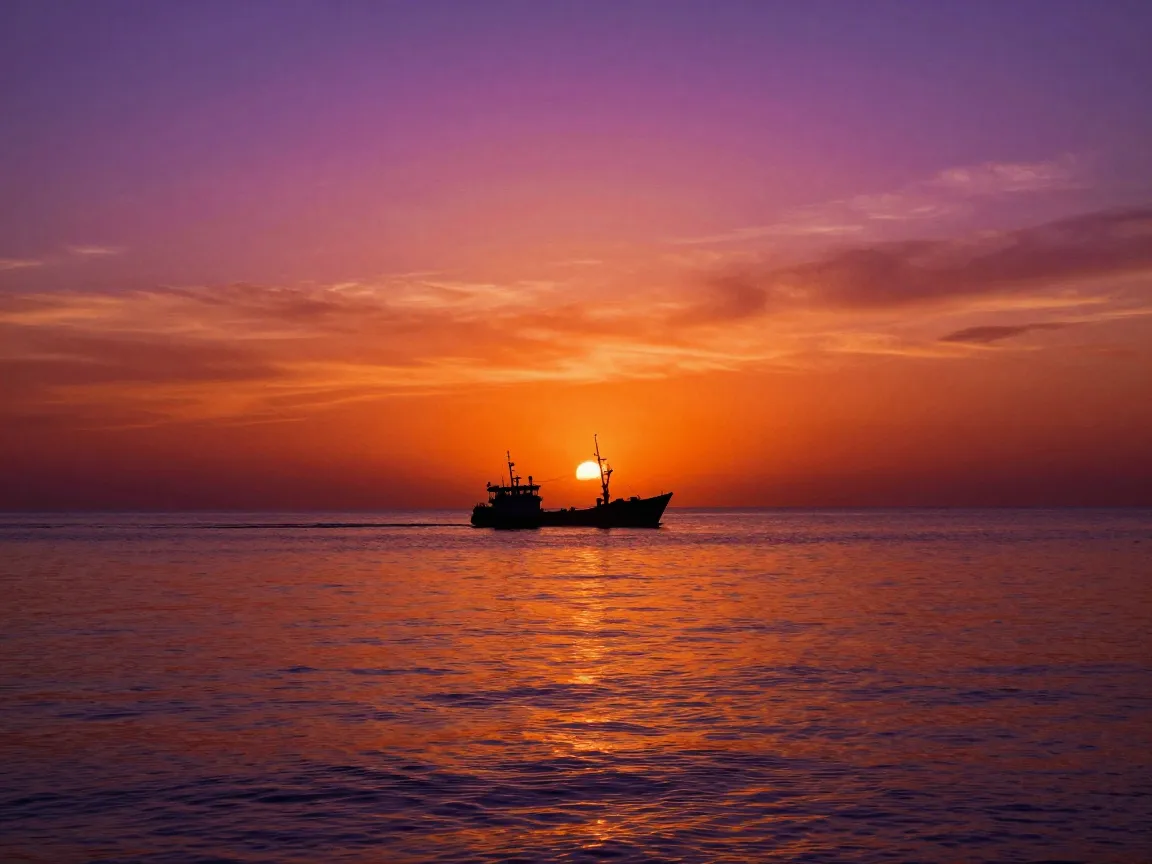
A fishing vessel silhouetted against a burning orange horizon is one of the most searched compositions in maritime stock illustration, and it earns that popularity because it works across an enormous range of contexts. The appeal is not just aesthetic. Sunrise and sunset seascapes tap into something archetypal: the solitary figure heading out before dawn, the return home as the day ends, the sense that fishing connects human beings to rhythms larger than themselves.
The challenge with this category is avoiding cliché. The generic “orange sky, dark boat” composition exists in the thousands, and simply reproducing it adds nothing. The illustrators who distinguish themselves in this space do so through specificity of light and water behavior. The way light fractures differently on choppy open ocean versus a glass-calm estuary, the purple-gray underbelly of a pre-dawn cloud bank, the particular orange-to-magenta gradient of a Gulf Coast sunset, these distinctions signal craft and move an illustration from decorative to genuinely compelling.
Technically, this style is well-suited to digital painting that mimics traditional media, gouache-like opacity in the sky, translucent glazing in the water, selective hard edges at the hull and rigging to draw the eye. It is also one of the few fishing boat illustration categories where abstraction is an asset. Loosening the rendering on the water surface while tightening detail on the boat creates a focal hierarchy that works in print and on screen alike.
For commercial applications, atmospheric seascapes are sought after by hospitality brands, restaurant chains with seafood menus, coastal real estate marketing, and wellness products that invoke calm and nature. The key is to treat light as the subject and the boat as the anchor that gives the scene human meaning. When those two elements are balanced correctly, the result is imagery that feels both timeless and immediately usable.
4. Global Fishing Cultures and Local Coastal Towns
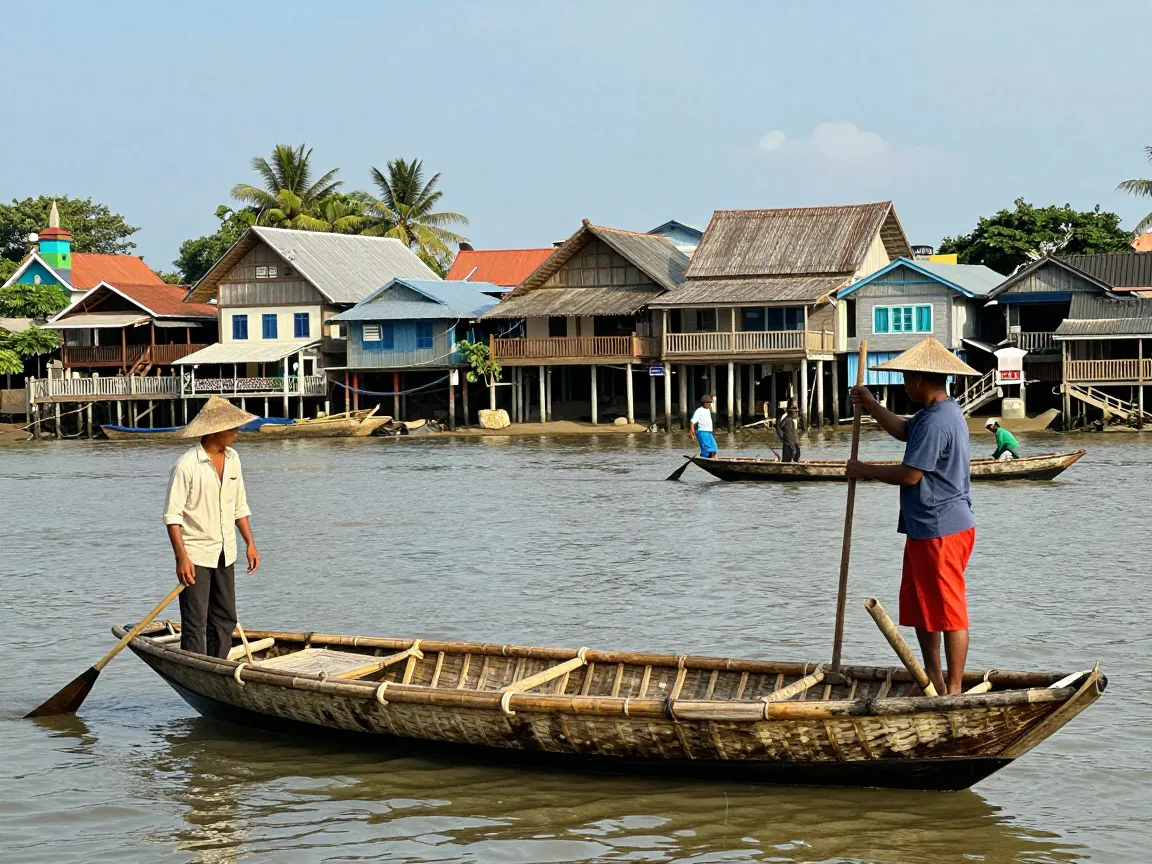
The world’s fishing communities are visually extraordinary in ways that Western maritime imagery rarely captures. A Vietnamese áo ngư fisherman working bamboo basket boats on a river estuary, the brightly painted wooden dhows of East African coastal harbors, the stilt-village fishing settlements of Southeast Asia, the hand-painted hulls of Greek island caïques, each of these represents a distinct visual language with its own color logic, vessel architecture, and cultural context.
For illustrators, this category offers both artistic richness and genuine commercial differentiation. As global publishing, travel media, and educational content increasingly seek culturally specific imagery rather than generic stand-ins, there is a growing demand for fishing boat illustrations that are grounded in real places and practices. An illustration series that accurately represents the fishing boats of coastal Tamil Nadu looks very different from one depicting the trawler culture of Norway’s Lofoten Islands, and that specificity is precisely what makes each series valuable.
Research is the foundation of this approach. Getting hull shapes, net types, clothing, and dockside infrastructure right requires study, reference photography, historical documentation, and ideally input from people familiar with the culture being depicted. This is not just a matter of artistic accuracy; it is a matter of respectful representation. Illustrators who approach global fishing cultures with genuine curiosity and rigor tend to produce work that those communities respond to positively, which in turn opens doors to partnerships with NGOs, travel brands, and cultural institutions.
The thematic connection to sustainability is especially strong here. Many of the world’s small-scale fishing communities are on the front lines of climate and ocean ecosystem change. Illustrations that honor those communities and their relationship to the sea carry a cultural weight that resonates with the growing audience for eco-conscious visual content. Series built around specific coastal towns, with consistent visual identity, recurring characters, and place-specific detail, also lend themselves naturally to editorial and book illustration formats.
5. Minimalist Icons, Flat Vectors, and Infographic-Ready Designs
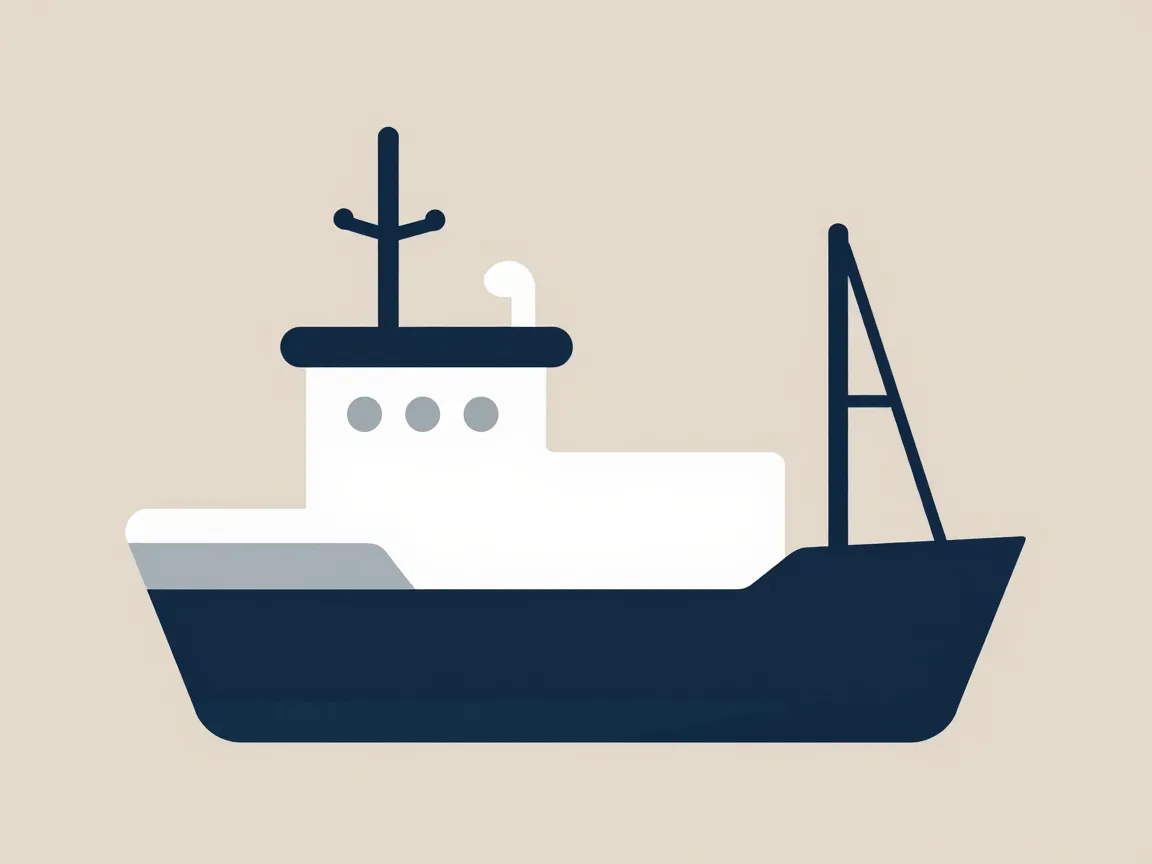
Not every fishing boat illustration needs to tell a layered story. A clean, well-constructed flat vector of a fishing trawler can be more commercially valuable than a detailed oil painting, simply because of where and how it gets used. App interfaces, website iconography, infographic headers, wayfinding signage, packaging, and motion graphics all require illustration assets that remain legible at small sizes, work across a range of color backgrounds, and can be edited by design teams without specialized illustration skills.
This is a category where the competitive advantage comes from systematic thinking rather than expressive artistry. The illustrator who builds a cohesive set of fifty fishing-related icons, covering boat types, fishing gear, fish species, weather conditions, and harbor infrastructure, with consistent stroke weights, proportional logic, and color-variable builds creates a resource with genuine long-term licensing potential. Platforms that serve UI designers, motion graphics artists, and brand teams are actively looking for this kind of well-organized, technically clean content.
The design principles that govern this style are worth understanding explicitly. Geometric simplification of hull forms, consistent corner radius treatment, optical weight balancing between parts of the vessel, and limited anchor color palettes (typically two to three colors plus a neutral) are the craft elements that separate professional-grade flat vector fishing boat illustrations from amateur ones. The difference is immediately visible and directly affects whether a design team chooses one asset over another.
One growing sub-niche within this category is data visualization support, illustrations specifically designed to accompany charts, maps, and infographics about fisheries, ocean health, or maritime trade. As sustainability reporting and environmental data journalism grow, the need for clear, stylistically consistent fishing-related vector assets in these contexts is expanding. Building a visual library with that application in mind is a forward-looking strategy that positions an illustrator well for the content needs emerging through 2026 and beyond.
6. Stylized Art, Watercolor, Gouache, and 3D Illustration for Narrative Storytelling
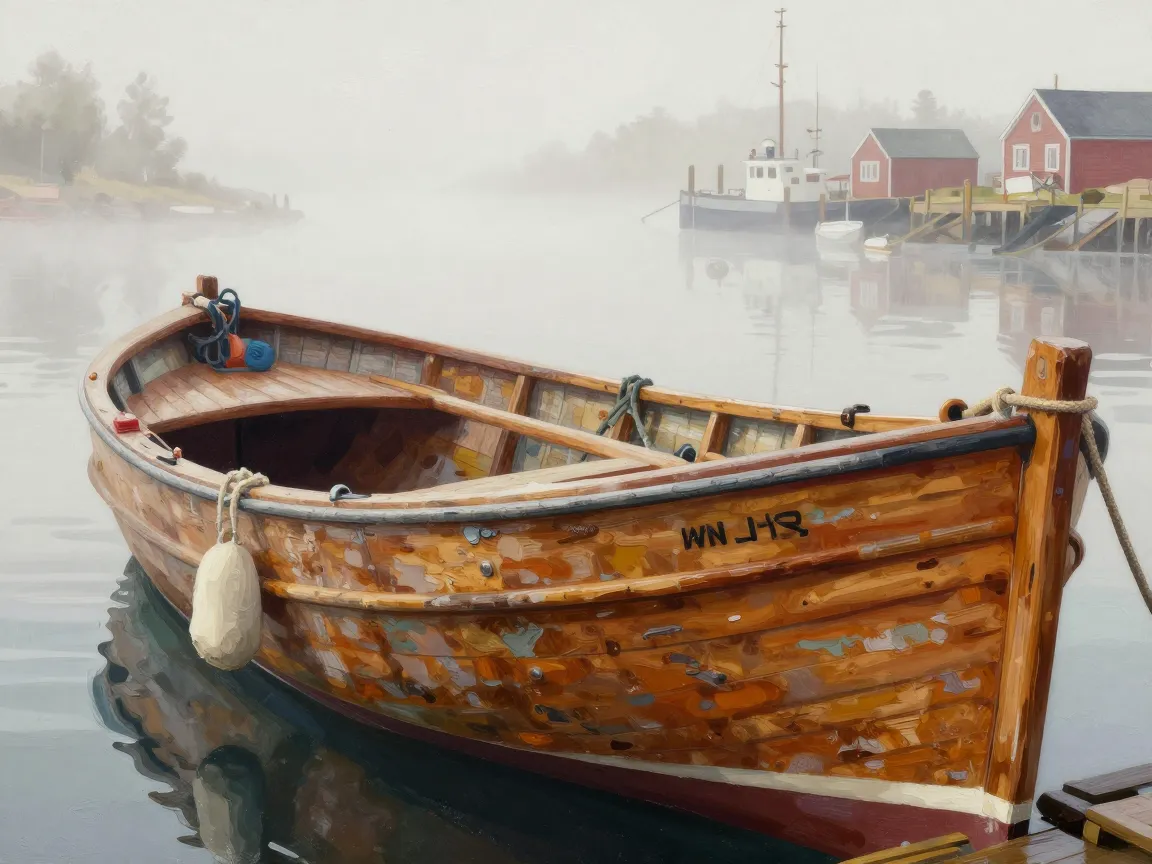
The final category is in many ways the most expansive: fishing boat illustrations that use a distinctive hand-craft or stylized digital aesthetic to build narrative worlds rather than simply depict subjects. Watercolor and gouache illustrations of fishing boats have an established place in children’s picture books, literary fiction covers, editorial illustration, and fine art print markets. The 3D-rendered equivalent, stylized low-poly or painterly 3D, has emerged strongly in recent years as a format for animated content, branded digital environments, and premium editorial use.
What unites these varied techniques is their commitment to interpretive storytelling over documentation. A watercolor illustration of an old wooden lobster boat moored in a fog-bound Maine harbor is not trying to be a photograph; it is trying to evoke the smell of salt air and the quiet dignity of a working life. Gouache, with its matte opacity and ability to hold both flat areas of color and richly textured marks, is especially well-suited to fishing boat narratives that want to feel both graphic and handmade, a combination that works beautifully in picture books aimed at children ages four through eight.
For illustrators building a commercial practice, these stylized approaches carry strong portfolio differentiation value. The market for hand-crafted illustration in a world saturated with AI-generated stock imagery is shifting toward work that visibly carries human authorship, irregular brushwork, deliberate color choices, and compositional decisions that reflect a point of view. Fishing boats, with their combination of industrial complexity and romantic cultural association, are ideal subjects for demonstrating that kind of authorial presence.
3D illustration opens a different set of possibilities: the ability to rotate and re-light a vessel model, generate consistent characters across a series, or produce content that moves between static and animated formats without rebuilding assets. For illustrators willing to develop skills in tools like Blender or Cinema 4D alongside traditional techniques, fishing boat subject matter provides a rich context in which to build that hybrid practice. The prediction for 2026 through 2028 is that eco-focused, culturally diverse, and technically hybrid fishing boat illustrations will command the strongest market position, and stylized narrative work is where those three qualities converge most naturally.
Conclusion
The demand for fishing boat illustration is real, it is measurable, and it is growing in specifically identifiable directions: toward cultural diversity, sustainability themes, and work that balances technical accuracy with artistic intention. The 6 fishing boat illustration ideas that capture life on the water covered here are not interchangeable. Each one serves a different audience, suits a different medium, and rewards a different set of skills.
The most useful next step for any illustrator approaching this niche is to choose one of these six directions, study three to five of the strongest existing examples in that specific style, identify what they do well and what gaps they leave, and build a focused series of five to ten pieces that fill those gaps with genuine specificity. A focused, coherent series in any one of these categories will outperform a scattered portfolio of generic maritime imagery every time.